Sustainable Conference Venues for Hire in London
Plan your London conference with venues offering certified renewable energy, low-waste catering and integrated AV for your team.
1,278 Sustainable Conference Venues for Hire in London


































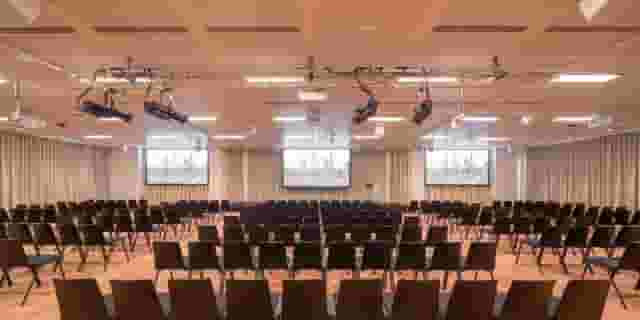
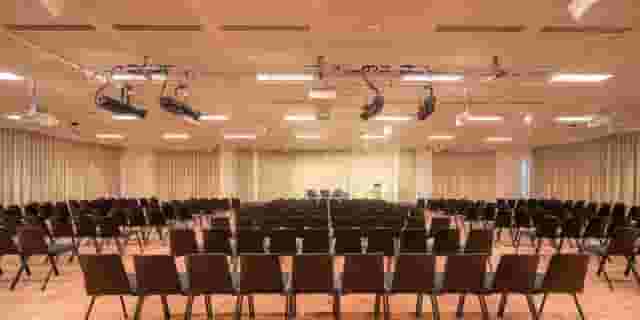
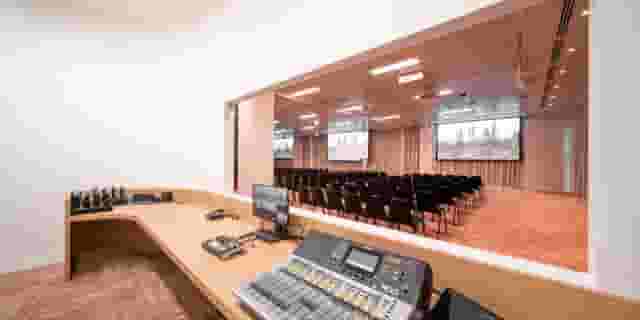


























































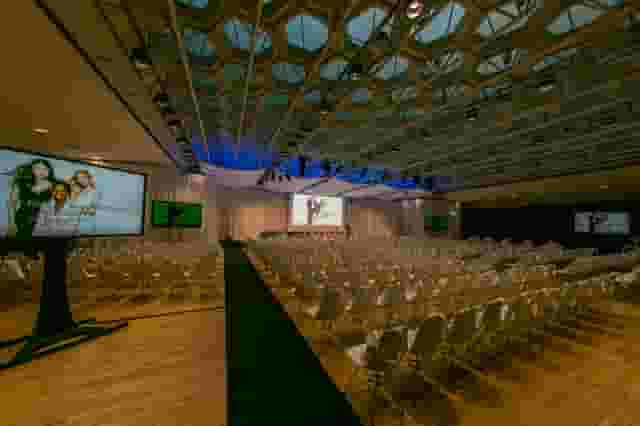
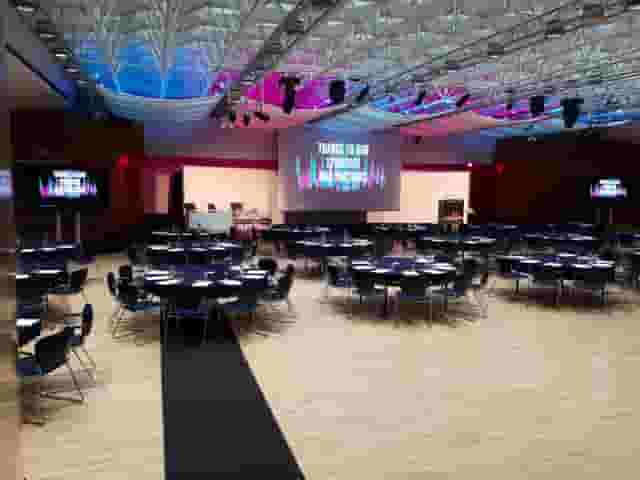
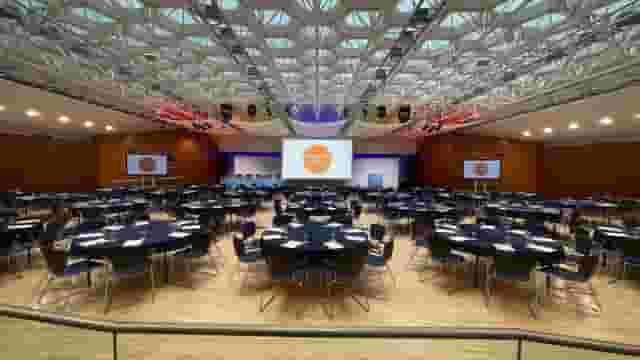
No venues match these filters
Try widening your capacity, luxury level or event type.
Don't have time to search? We'll find it for you.
For business events that need human judgement, talk to our team. Free for events of 100+ people, budgets over £10k or ongoing programmes.




Explore more venues in London

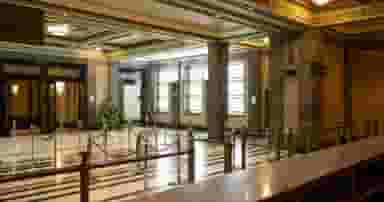
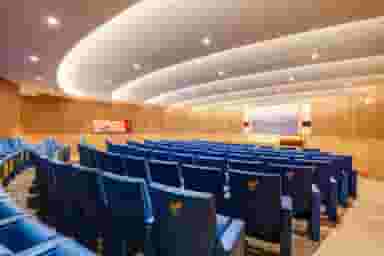
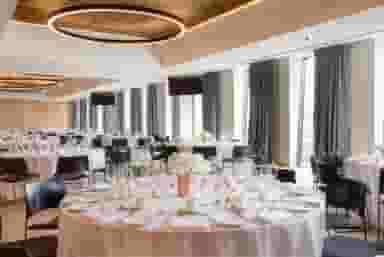
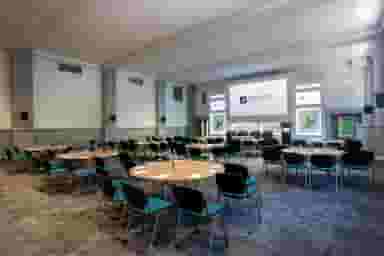








Frequently asked questions
Why is tech important in sustainable venues?
How does venue size impact sustainability?
What location factors make a venue sustainable?
What defines a sustainable venue in London?
Can historic London venues be sustainable?
Other platforms search their database. We search everything.
Tell us what you need. Our deep research finds any venue, whether it's in our marketplace or not. No one else does this.
About Sustainable Conference in London
Organising a full-day corporate conference in London carries enough moving parts without having to guess whether a venue's green credentials stand up to scrutiny. A standard business conference demands a working plenary hall for keynotes, reliable breakout spaces for practical workshops, low-carbon catering that delegates enjoy and an audiovisual setup that works without bringing in fleets of diesel vans.
Balancing these functional requirements with genuine sustainability requires looking past brochure declarations. Every conference venue claims to care about the environment, yet the gap between a marketing claim and measurable carbon reduction is wide. To run an event that satisfies both company procurement standards and delegates expectations, you have to examine how buildings actually operate. That means checking how spaces are powered, how food is sourced, how waste is handled and whether your delegates can travel there on public transport without hassle.
How to audit environmental credentials beyond the sales deck
When evaluating London venues, look for clear operational evidence rather than broad sustainability commitments. A credible venue should provide concrete information about its energy procurement, building management systems, water efficiency and waste processing.
Start by asking about energy sources. Does the venue run on a verified renewable tariff, or does it generate power on site through solar arrays or heat pumps? Enquire about heating, ventilation and air conditioning controls. In an efficient building, zoned climate control systems ensure you only condition the rooms your delegates occupy, rather than running high-load systems across empty wings.
Waste management is another clear indicator. Ask what proportion of event waste is diverted from landfill and whether the venue can provide post-event reporting. Reliable venues will measure food waste, provide clear recycling stations and avoid single-use plastics altogether. Water refill points connected to mains filtration should be standard across all meeting floors, removing the need for pre-bottled water.
Procurement policies also reveal how seriously a venue takes its impact. A venue with a strong environmental ethos works with suppliers who share those standards, from fair-trade tea producers to local print shops using vegetable inks. To structure these criteria before sending enquiries, consulting a sustainable event objectives guide for eventprofs with isla provides a practical framework for setting measurable carbon and waste targets across all suppliers.
Matching room capacities to day-long schedules
A full-day conference relies on rhythm. Delegates arrive for registration and breakfast, move into the main auditorium for morning plenary sessions, split into focused breakout groups, return together for lunch and reconvene for an afternoon panel before a closing drinks reception. If the physical layout works against this flow, delegates waste time queuing in corridors and rooms become stuffy.
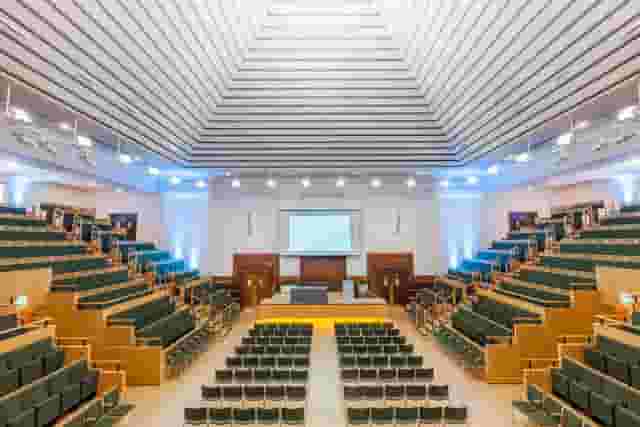
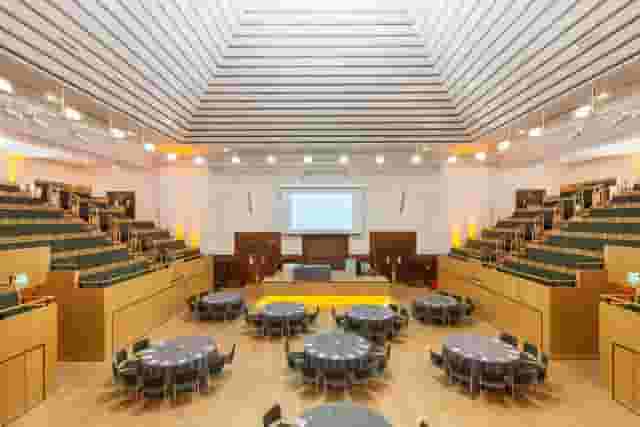
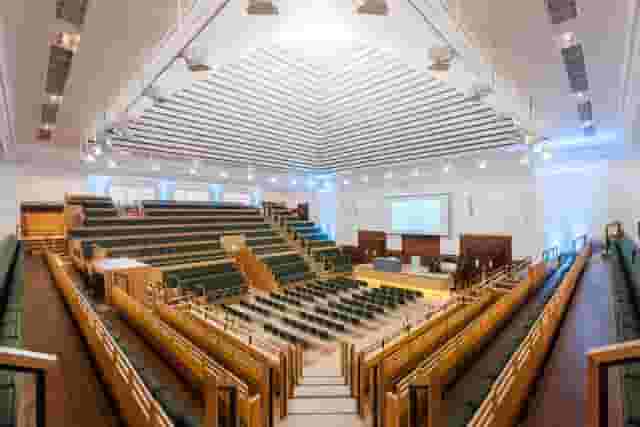
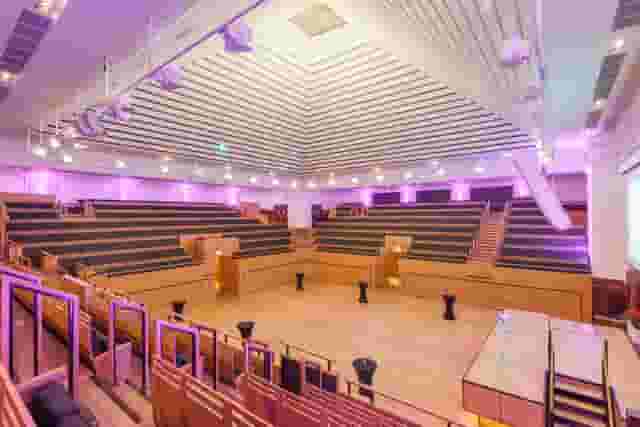
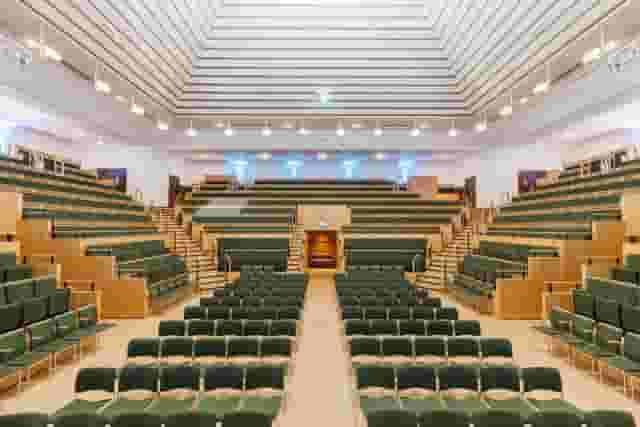
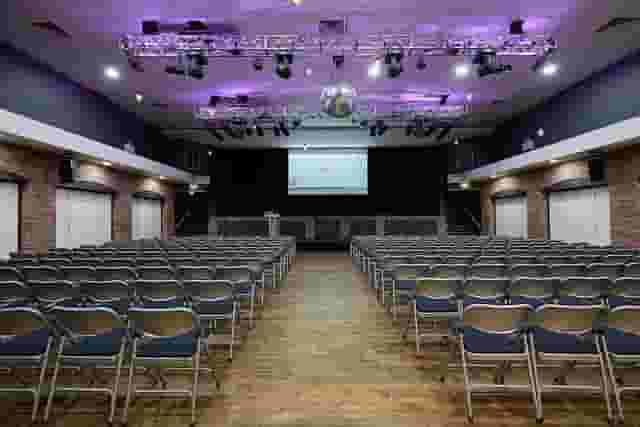
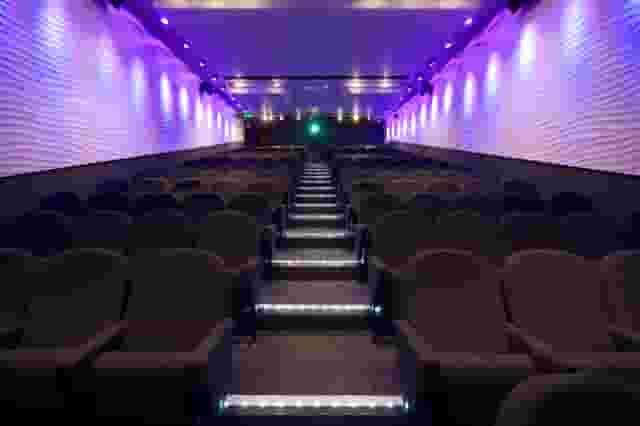
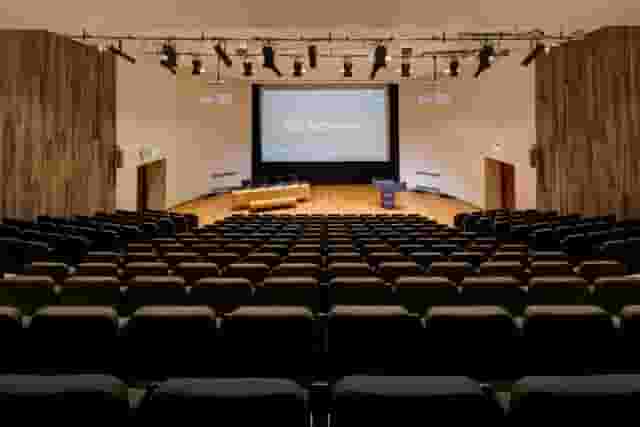
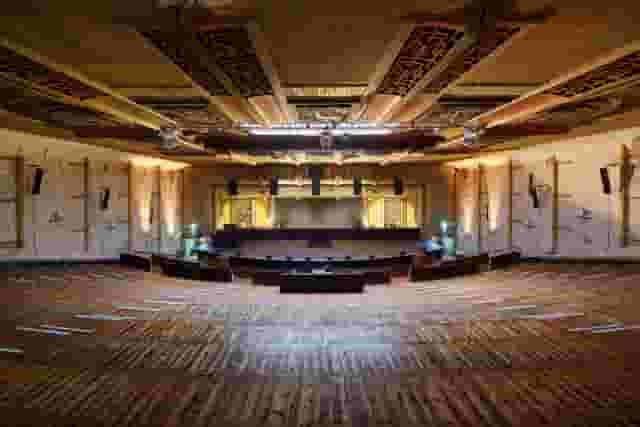
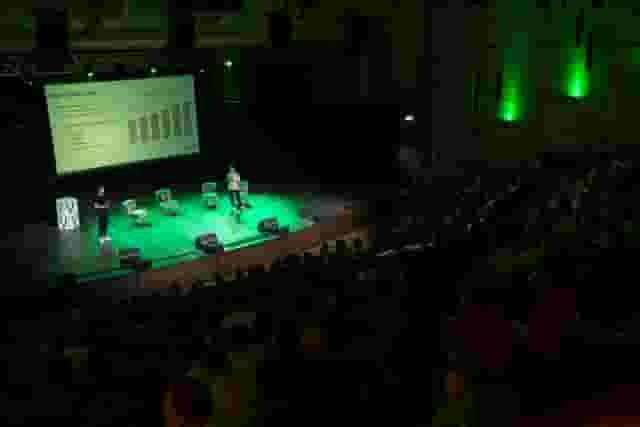
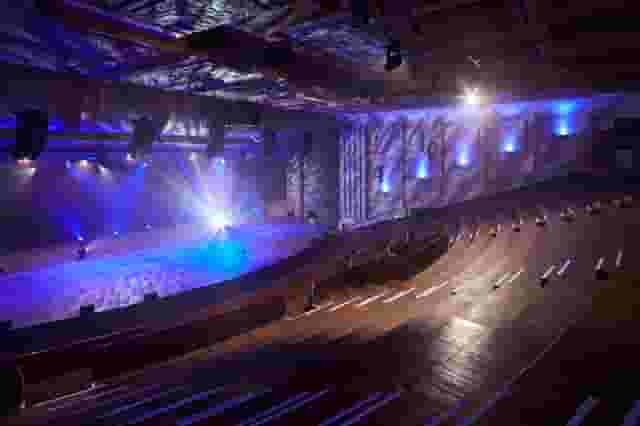
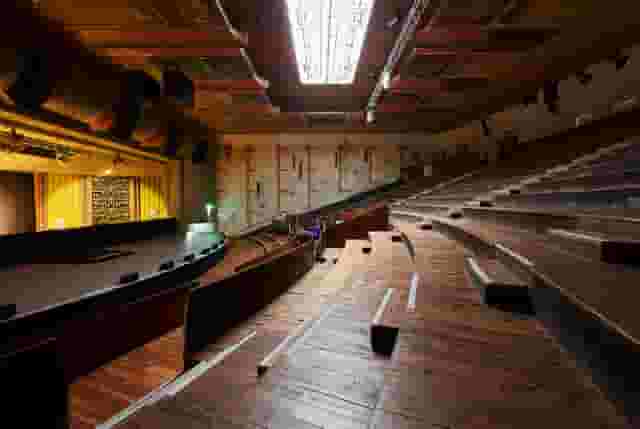
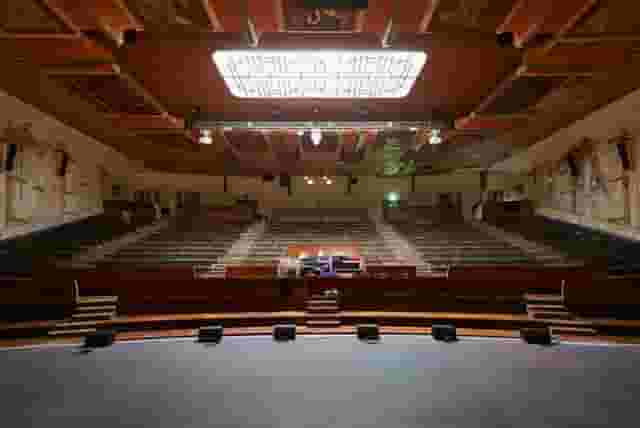
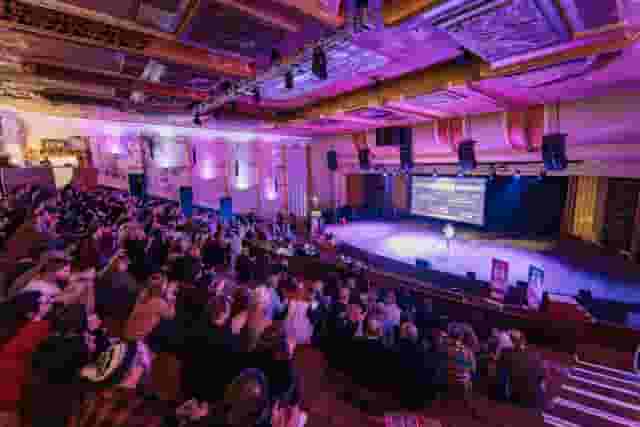
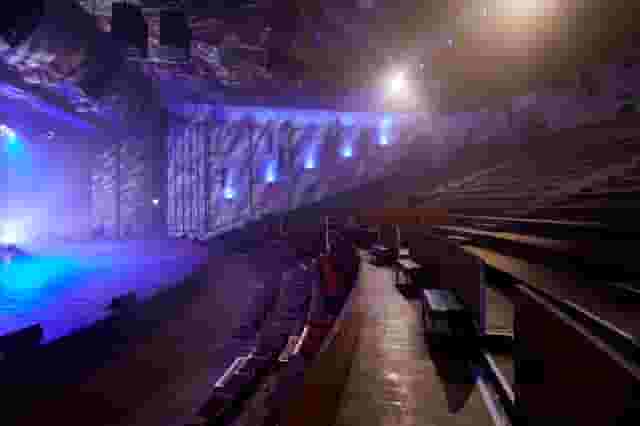
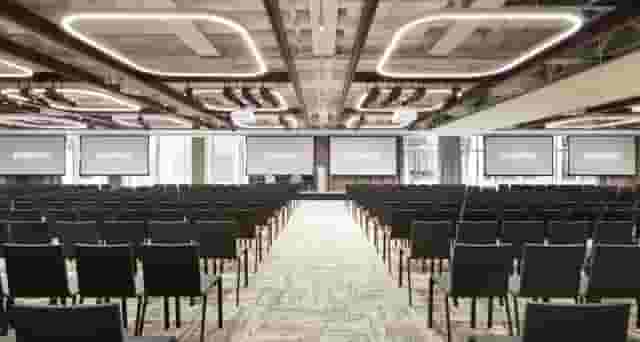
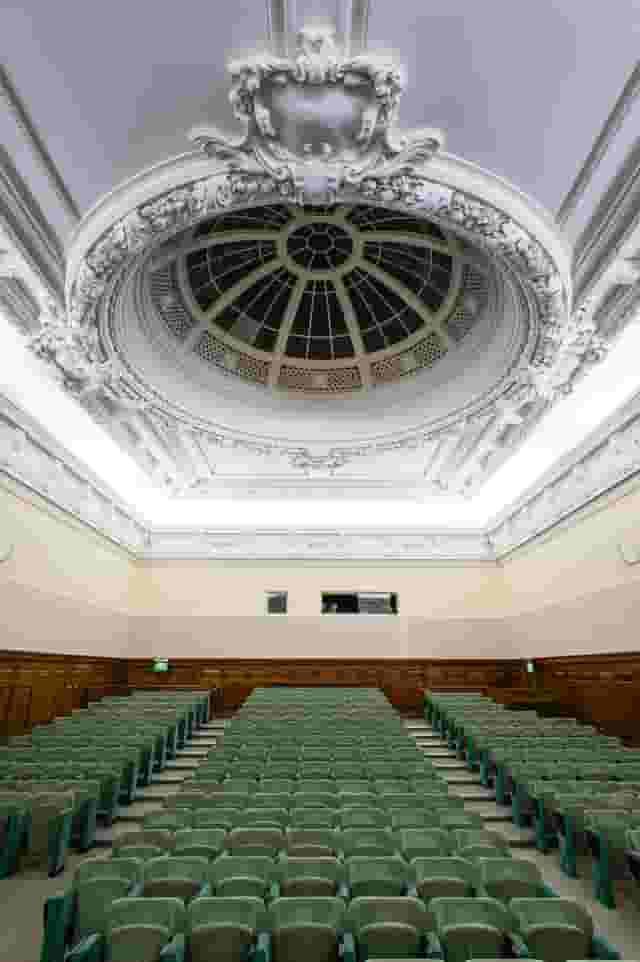
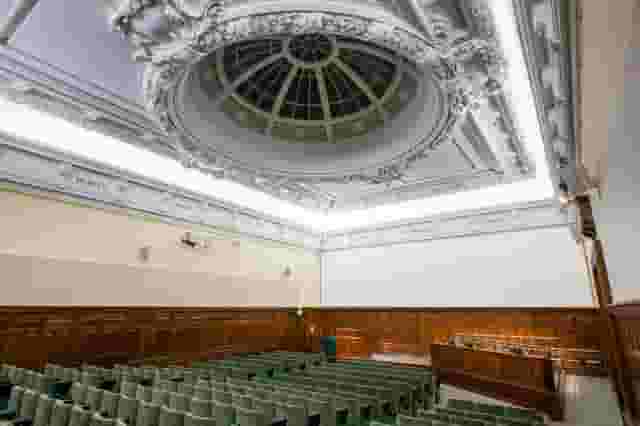
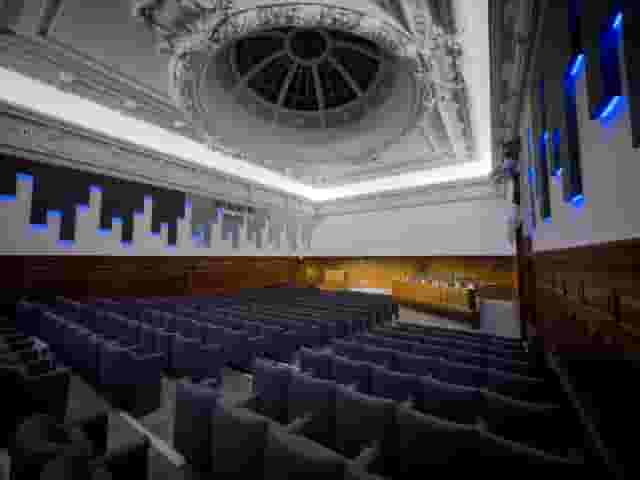
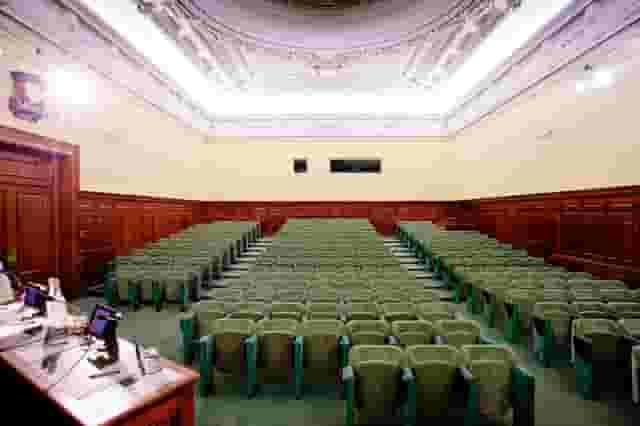
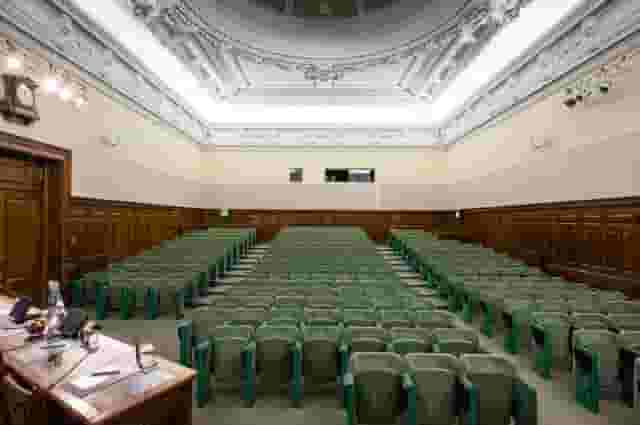
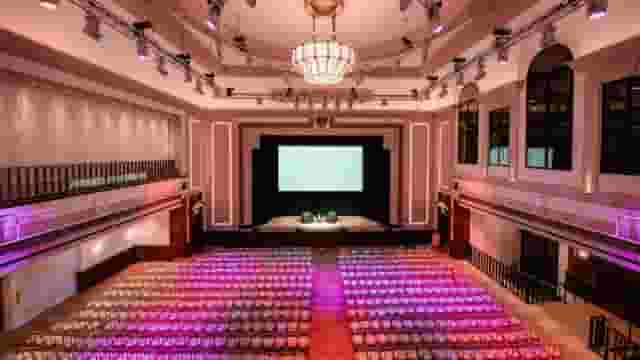
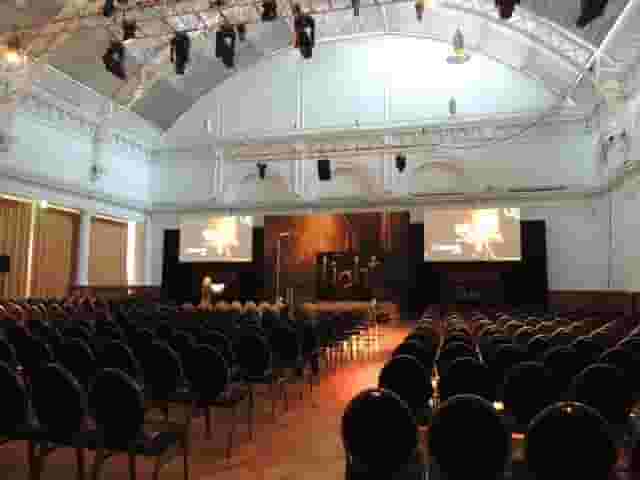
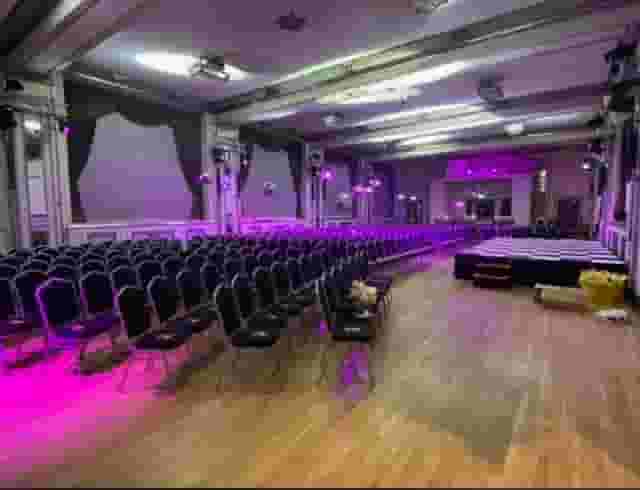
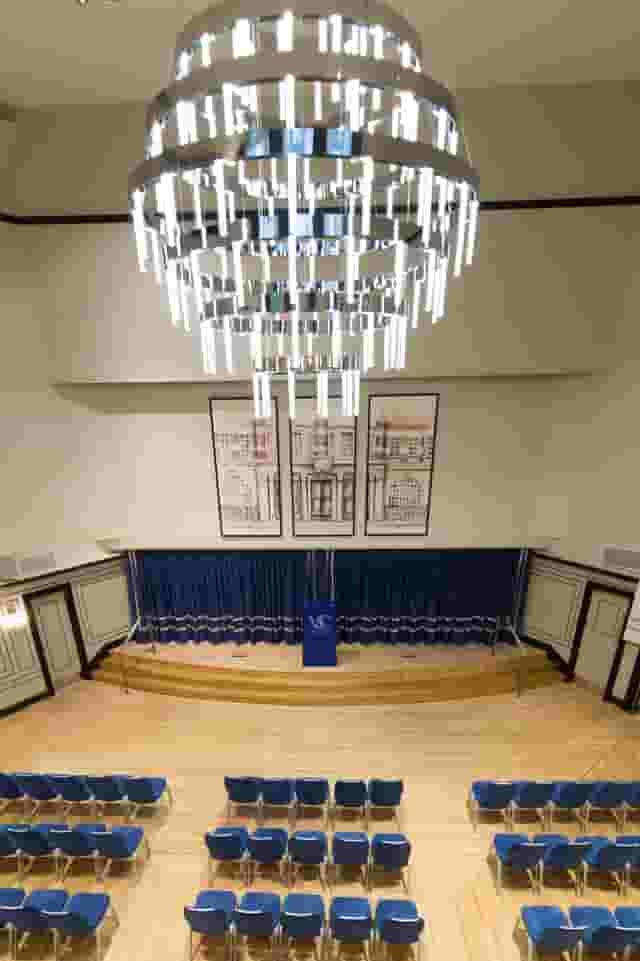
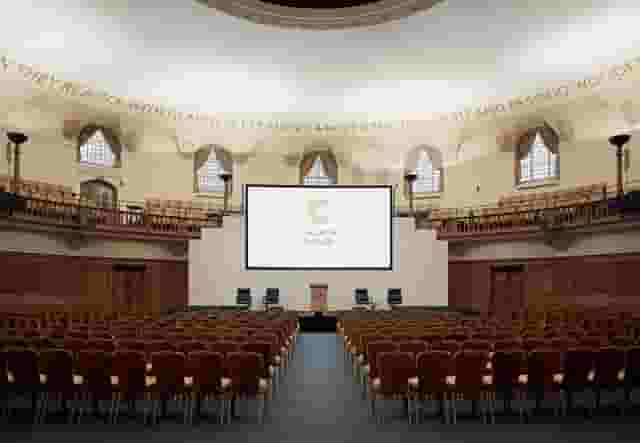
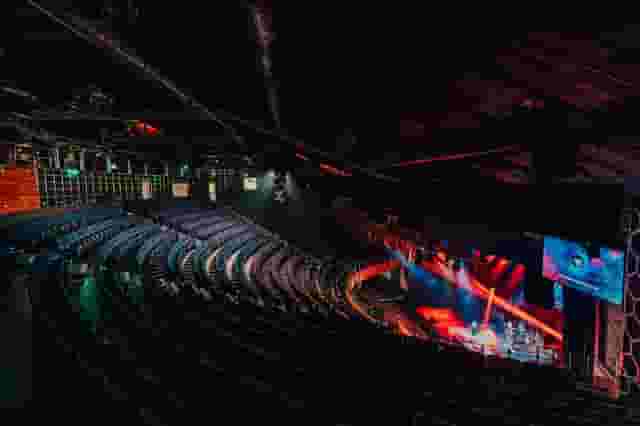
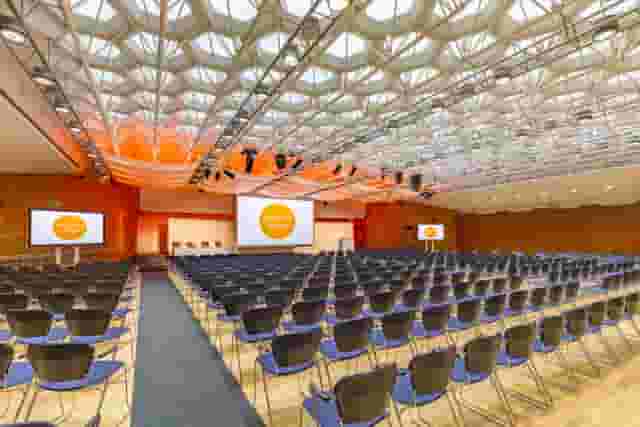
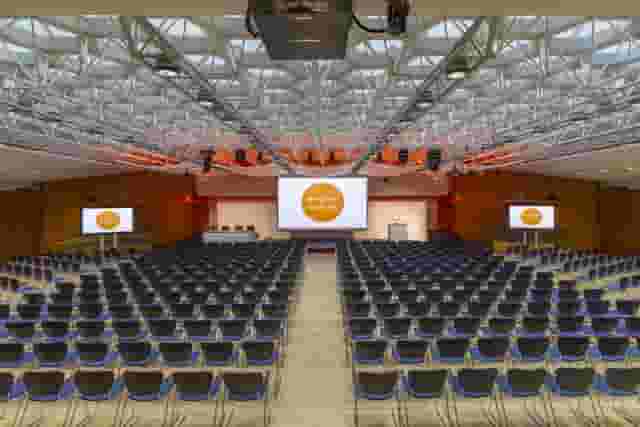
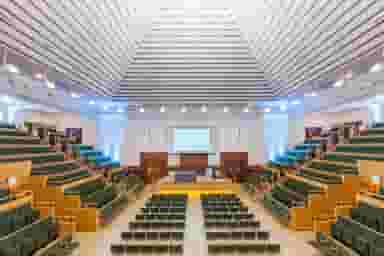
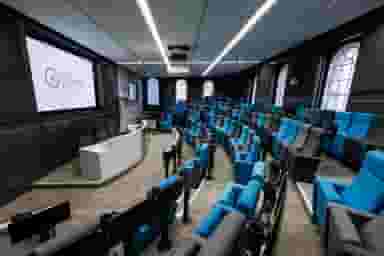
Sizing the rooms correctly is a fundamental sustainability decision. A cavernous space booked for a modest crowd still draws significant energy to heat, light and ventilate. Conversely, cramming people into an undersized suite causes discomfort and forces cooling systems to work at full capacity. For large assemblies, Friends House in Euston provides an auditorium called The Light, which seats up to 1,000 delegates in a theatre layout. Its central position and purpose-built acoustic design make it a practical choice for large-scale company gatherings that need high delegate density without excessive power usage.
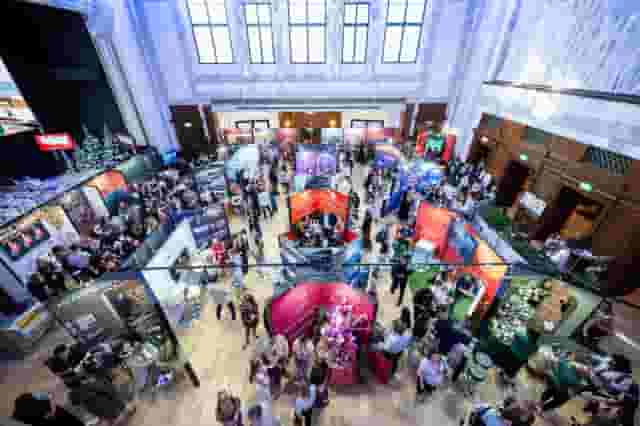
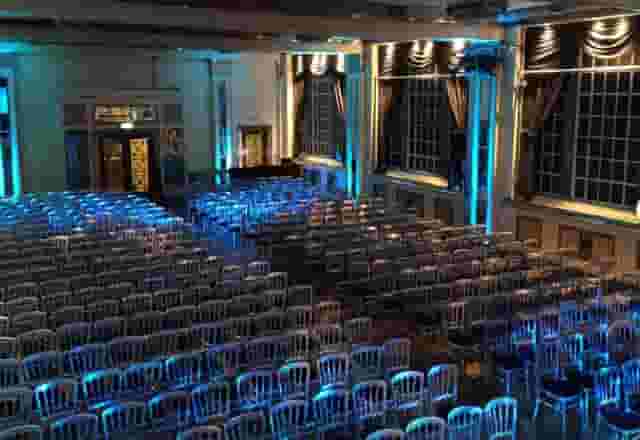
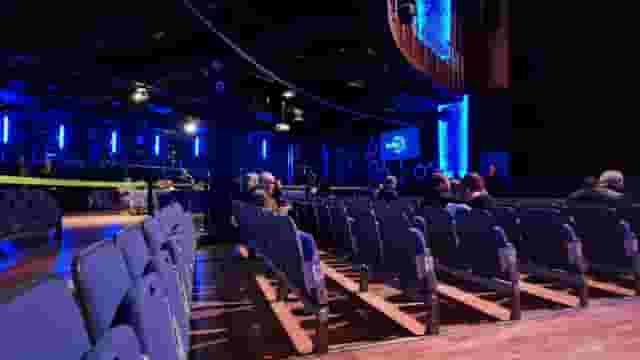
For events needing exhibition space alongside plenary sessions, the Business Design Centre in Islington provides an auditorium configured for up to 500 delegates. The building operates on renewable electricity and has long-standing systems for managing large audience movements efficiently.
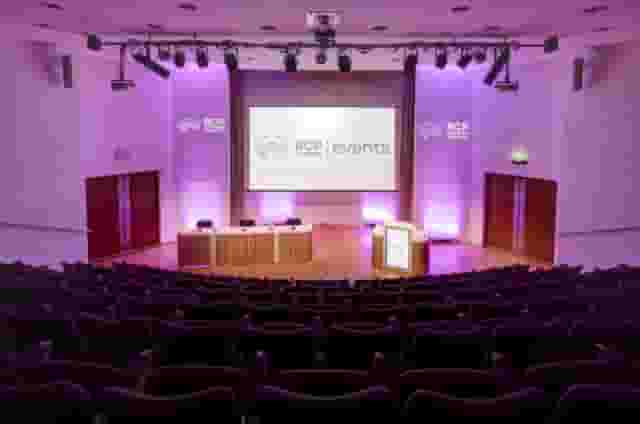
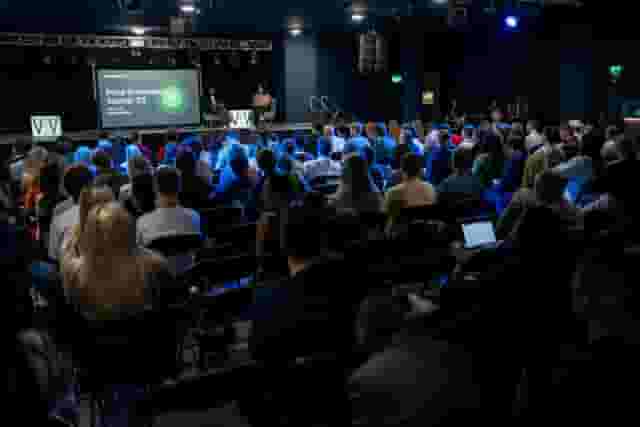
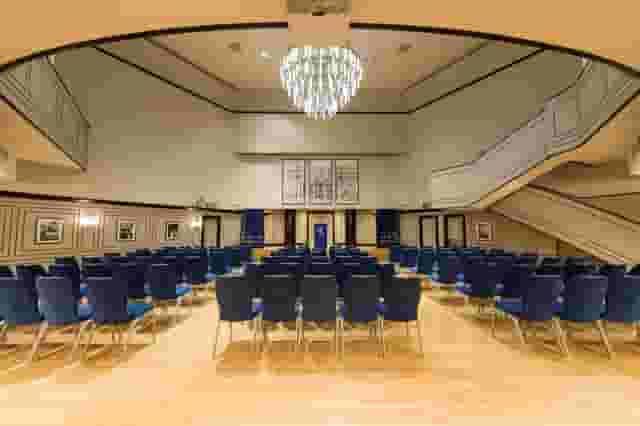
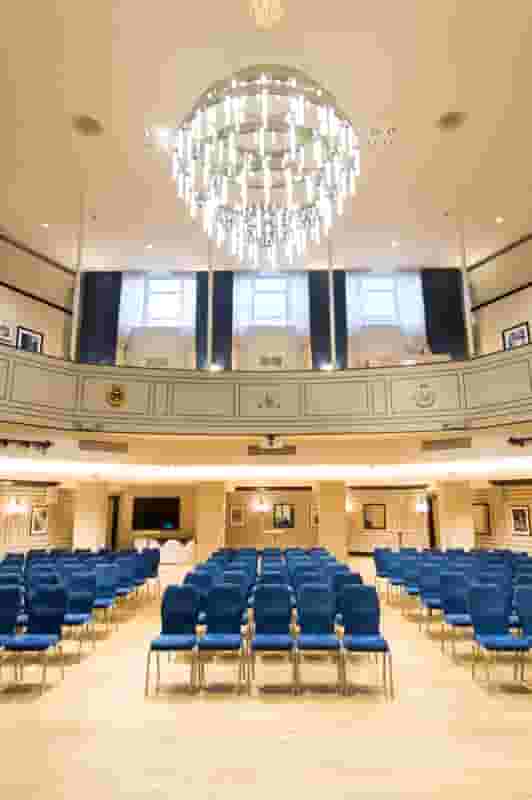
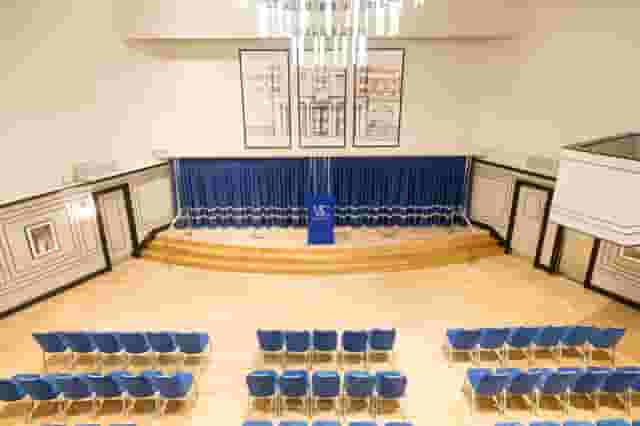
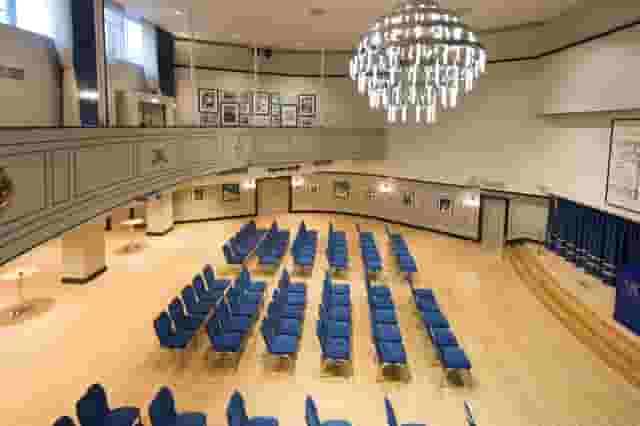
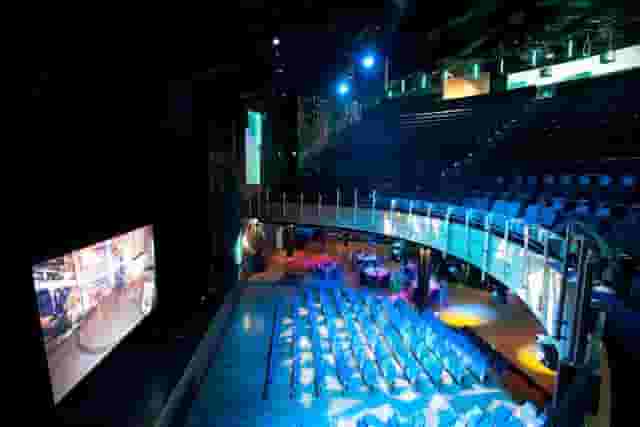
When hosting mid-sized groups that require dedicated sub-sessions, dedicated breakout wings save time. The View, located at the Royal College of Surgeons in Holborn, features a 300-seat conference room equipped with integrated audiovisual kit and nearby breakout rooms that let delegates transition between presentations and workshops without congestion.
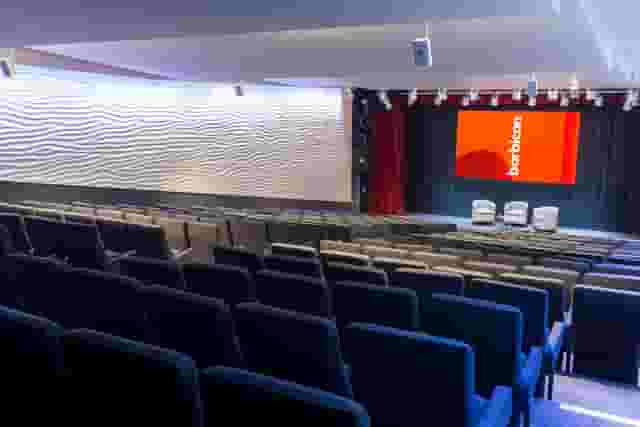
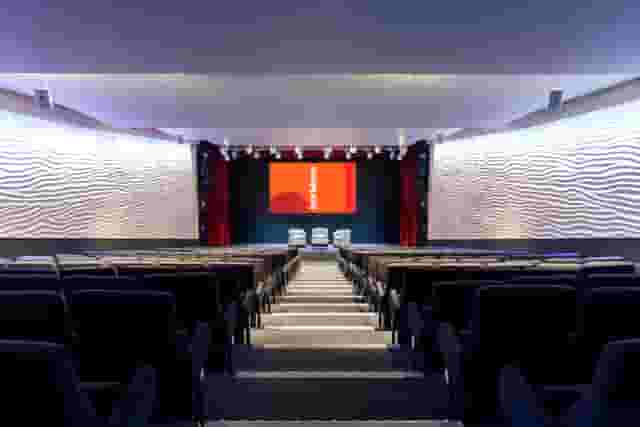
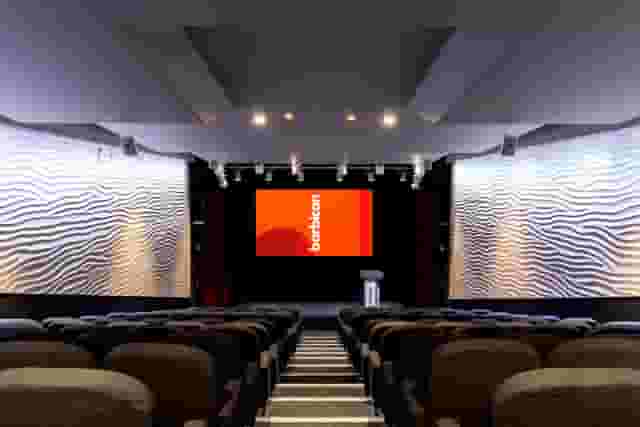
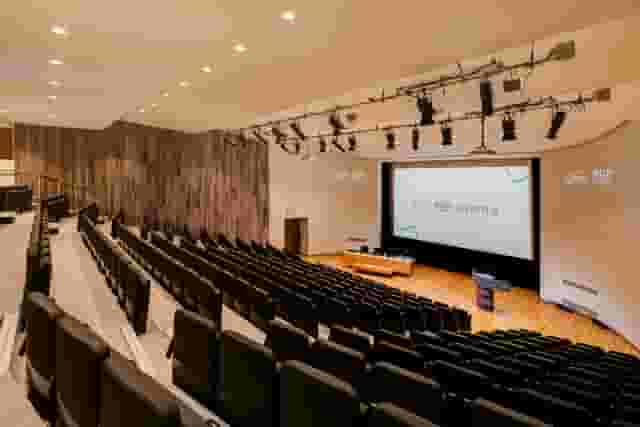
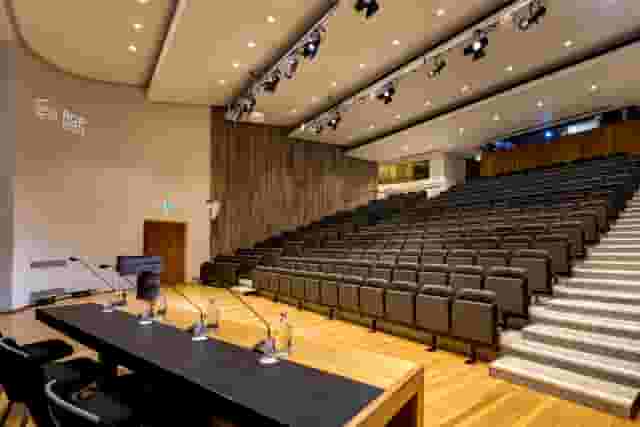
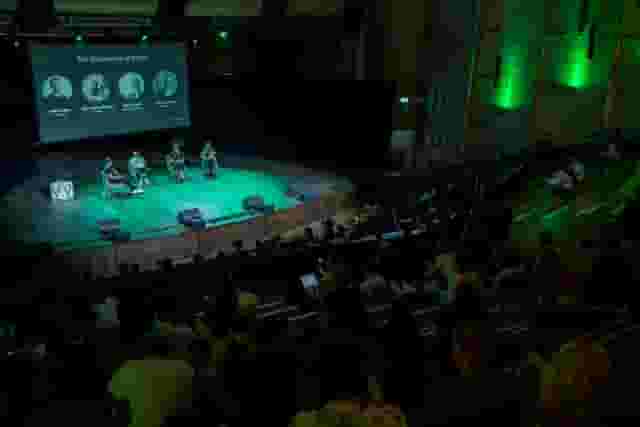
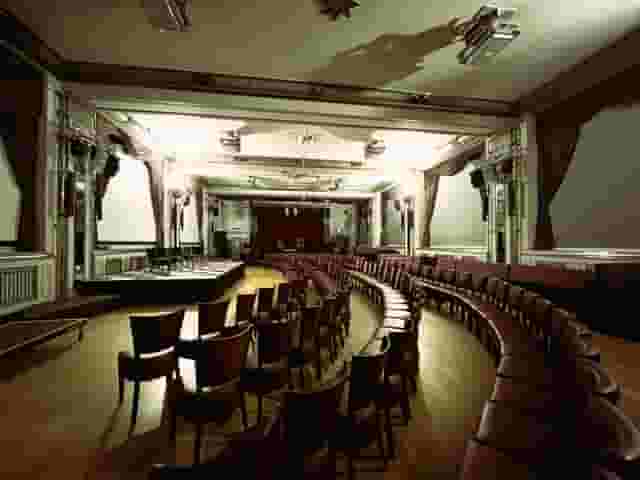
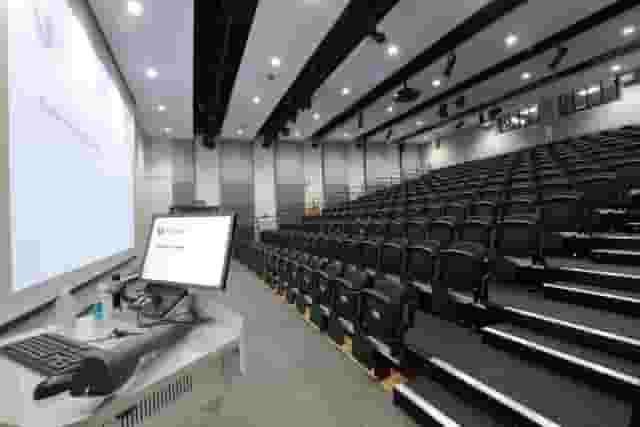
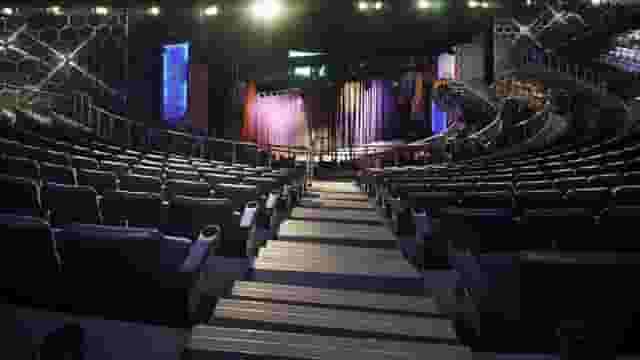
If your schedule relies heavily on presentation delivery and panel discussions for around 150 people, tiered seating improves line of sight and engagement. Frobisher Auditorium 2 at the Barbican Centre accommodates 151 guests in raked theatre seating, allowing speakers to present without needing supplementary stage platforms or temporary lighting rigs.
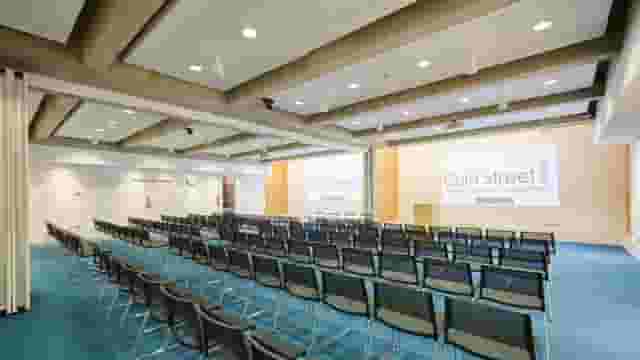
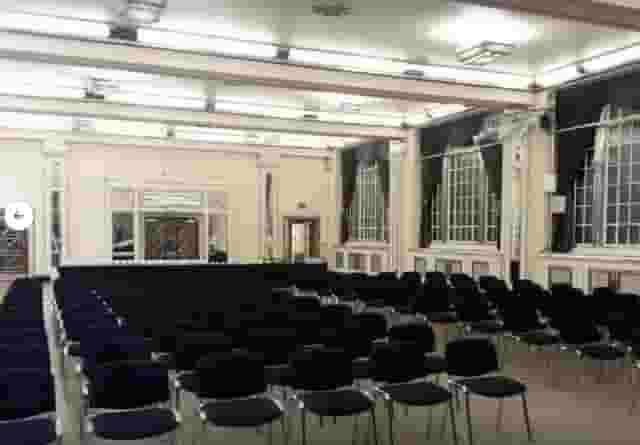
For smaller, highly interactive conferences or leadership summits, 10 Union Street near London Bridge offers flexible suites such as rooms 104 and 105, which seat 110 delegates in a theatre setup. These rooms use natural daylight and modern building controls to keep delegate energy up while holding down electrical consumption.
Day delegate rates and budget reality
Budgeting for a sustainable conference follows the same commercial logic as any corporate booking, but understanding how day delegate rates are structured helps prevent unexpected additions on the final invoice.
Across London, typical pricing sits between £71 to £110 per head. This indicative range is drawn from 222 quotes from the venues on this page and assumes a guest count of about 100 guests. To see how your own brief compares, venue booking platform Hire Space provides instant, data-backed price estimates drawn from actual London bookings, supported by a team of real people who help oversee the search. For conferences of 100 delegates or more, it also checks confirmed venue availability for your specific dates, shortening the shortlisting process from days to minutes.
What you receive within that range varies depending on venue location, technical infrastructure and catering standards. At the lower end of the bracket, venues generally provide room hire for the main plenary, standard audiovisual equipment (a projector or screen, lectern and microphones), morning tea and coffee, a light sandwich buffet and afternoon refreshments. Towards the top of the bracket, packages tend to incorporate hot seasonal buffet lunches, continuous barista coffee, dedicated in-house technicians throughout the day and access to separate breakout spaces.
To see how standard packages differ from green-tier options, consider the following common elements:
| Package element | Standard conference package | Sustainable conference package |
|---|---|---|
| Main plenary room | Standard lighting, central thermostat control | Energy-efficient LED lighting, zoned occupancy sensors |
| Breakout rooms | Charged as extra room hire per room | Often discounted or bundled when sharing AV infrastructure |
| Catering | Cold meat and dairy sandwiches, imported fruit | Plant-forward hot buffet, regional seasonal produce |
| Refreshments | Pre-packaged biscuits, disposable or single-use cups | Loose-leaf teas, fair-trade coffee, ceramic ware, water stations |
| Audiovisual kit | Basic screen and podium mic; technician extra | Integrated presentation displays, low-energy audio, on-site technician |
| Waste reporting | Standard commercial waste disposal | Separated food, dry mixed recycling and carbon impact summary |
When negotiating quotes, ask whether the venue charges extra for things like waste processing, technician overtime during early setup, or energy surcharges for running AV equipment. Securing these inclusions within your agreed day delegate rate protects your budget and avoids awkward conversations with your finance team after the event. Hire Space 360 is enterprise venue and hotel procurement for companies spending £1m or more a year on meetings and events: a managed meetings and events programme, the kind procurement teams call strategic meetings management. You can explore how Hire Space 360 works for procurement to place all venues and hotel stays on one contract with centrally negotiated terms, keeping reservations compliant with your corporate event policy. Instead of handling dozens of separate payments, finance teams receive a single consolidated invoice alongside live spend reporting across all teams and locations.
Built-in audiovisual systems versus external freight
One of the largest hidden contributors to an event's carbon footprint is freight transport. Sourcing an empty warehouse space often requires hiring third-party production companies to drive multiple transit vans across central London, loaded with heavy staging, tungsten lamps, PA systems and projection rigs. This process adds road congestion, increases tailpipe emissions and inflates your production budget.
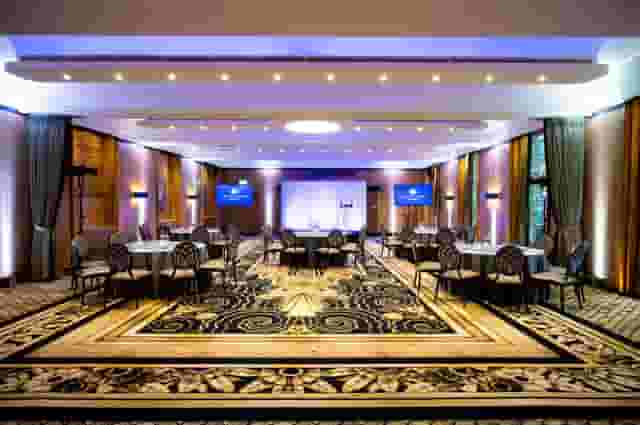
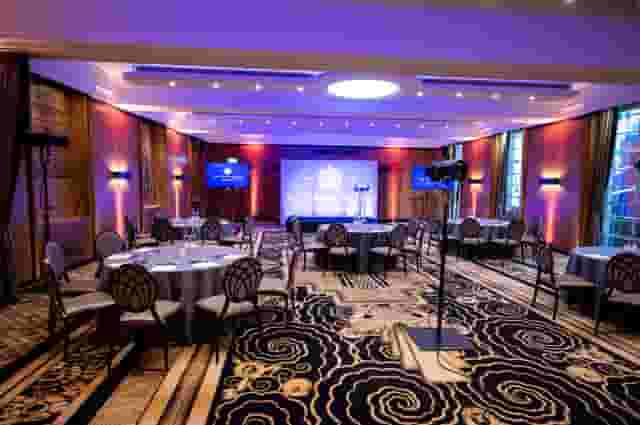
Choosing venues with modern, integrated technical infrastructure circumvents this issue. Facilities with permanent high-spec projection, LED display walls, ceiling speaker arrays and energy-efficient stage lighting allow you to plug in a laptop and run your show with minimal outside equipment.
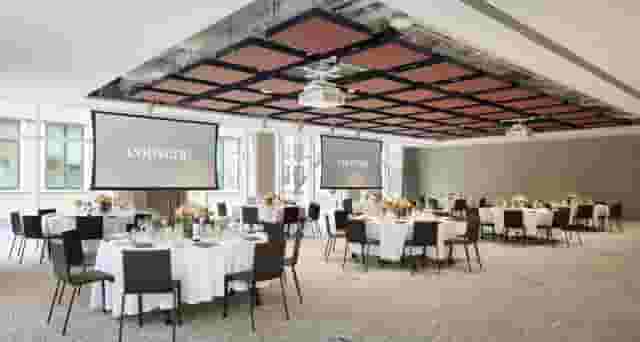
In Camberwell, ORTUS Conference and Events Venue was engineered specifically around low-energy technology and acoustic performance. Its Connect space holds up to 200 guests for receptions and plenary discussions, using built-in digital screens and advanced audio processing that cuts out the need to rent temporary hardware.
Similarly, near central rail connections, The Wesley Euston Hotel & Conference Venue offers Porter Hall with theatre seating for 150 people. The space features pre-installed conference technology, meaning you do not need to ship in external mixing desks or cabling harnesses.
Look for spaces that offer digital signage outside every breakout room. Replacing foam-board directional signs, printed schedules and vinyl banners with networked electronic screens eliminates single-use display waste entirely. If you want to explore the technical aspects of operational efficiency further, reviewing the top sustainable conference venues in London highlights how modern infrastructure helps event managers control resource use.
Low-carbon catering and food waste prevention
Food and beverage service typically generates a substantial portion of an event's overall emissions. Traditional corporate catering has often relied on beef-heavy menus, air-freighted produce, individually wrapped snacks and excessive buffet quantities that end up in commercial bins.
Sustainable catering starts with menu design. Prioritise venues that champion plant-forward dining, where seasonal vegetables, grains and pulses take centre stage rather than acting as a side garnish. You do not need to force a fully vegan agenda on your attendees to make a difference: shifting the default menu to vegetarian and providing meat as an opt-in choice reduces dietary carbon emissions significantly.
Ask your prospective venue caterer these specific questions:
- Where do you source seasonal produce, and are ingredients purchased within a regional radius?
- Do you offer live food waste tracking or donate surplus prepared meals to local charities?
- Are kitchen waste streams separated into organic composting and anaerobic digestion?
- Can we confirm delegate numbers closer to the event date to prevent over-catering?
Portion management requires honest planning. Buffets often encourage over-portioning because planners fear food running out. Work with the kitchen to set structured bowl-food stations or served buffet lines where staff plate the main dishes. This keeps presentation neat, prevents contamination and leaves untouched food safe for donation or planned reuse. Finally, eliminate individual plastic water bottles from speaker tables and delegate chairs. Providing glass carafes and reusable cups beside chilled, filtered water taps is practical, professional and removes waste before it starts.
Transport hubs and historic building performance
A conference can have flawless zero-waste policies and renewable power, but if several hundred delegates drive across the city or travel via complex connecting routes, transport emissions will dwarf all on-site savings. Location is the single most effective lever for reducing the carbon impact of a business conference.
Prioritise venues situated near major mainline railway terminals such as Euston, King's Cross, London Bridge or Farringdon. Delegates travelling into London from regional offices in Birmingham, Manchester, Leeds or Bristol can walk directly from their train platform to your registration desk, removing the need for local taxi journeys. Excellent access to the Underground network, segregated cycling lanes and safe walking routes ensures local staff can commute without driving.
There is a common misconception that only newly constructed glass-and-steel venues can achieve credible sustainability standards. In reality, reusing and maintaining historic architecture preserves the embodied carbon of the building fabric, avoiding the substantial emissions caused by raw material extraction and demolition. Many historic London venues have retrofitted efficient engineering systems behind their heritage facades.
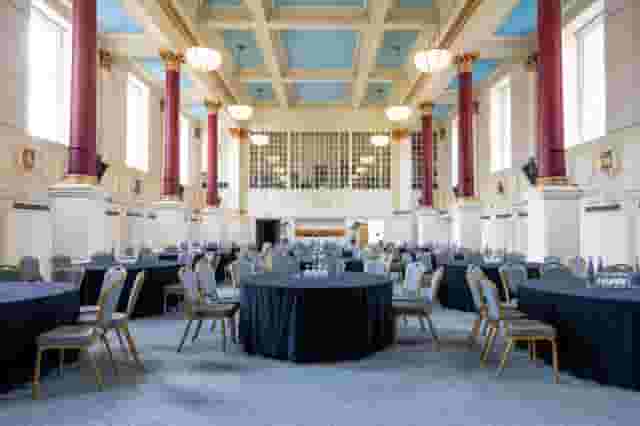
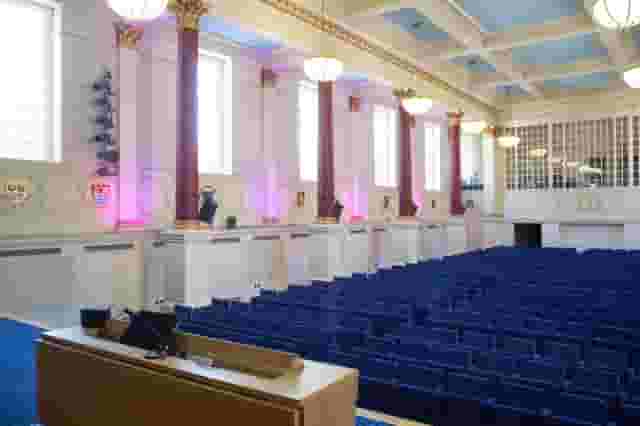
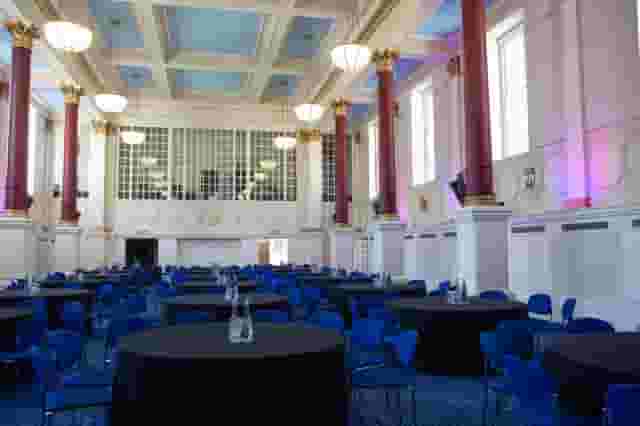
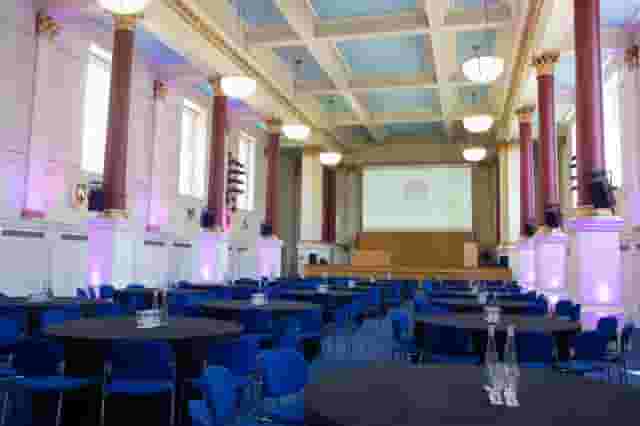
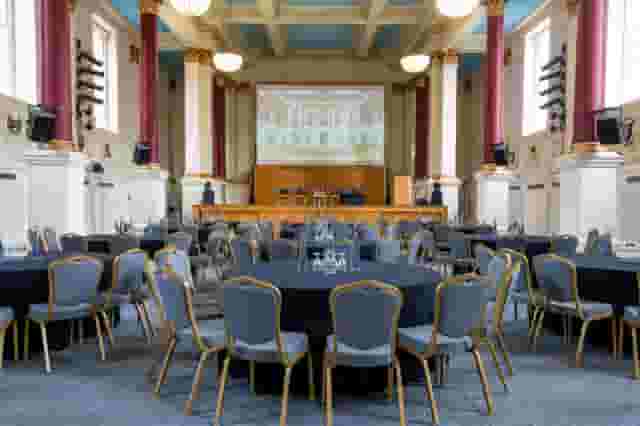
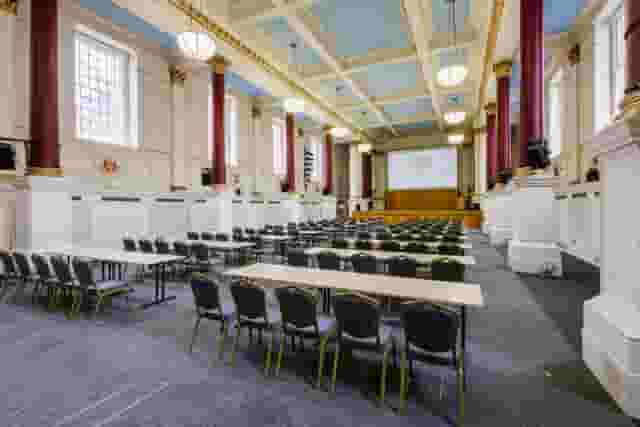
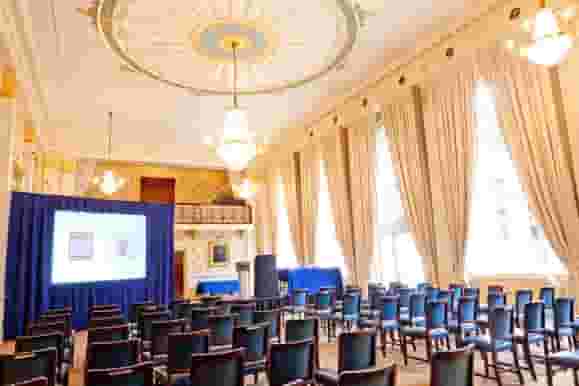
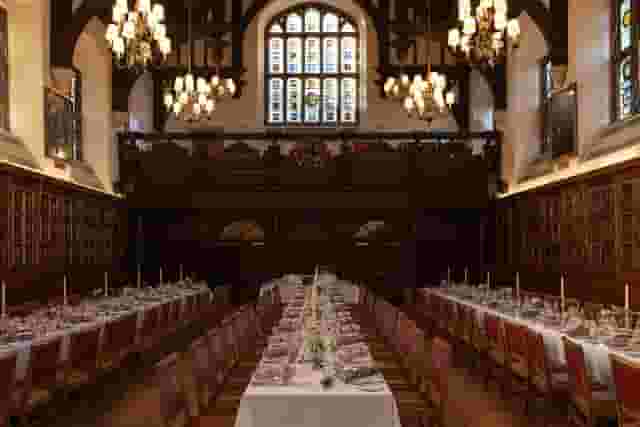
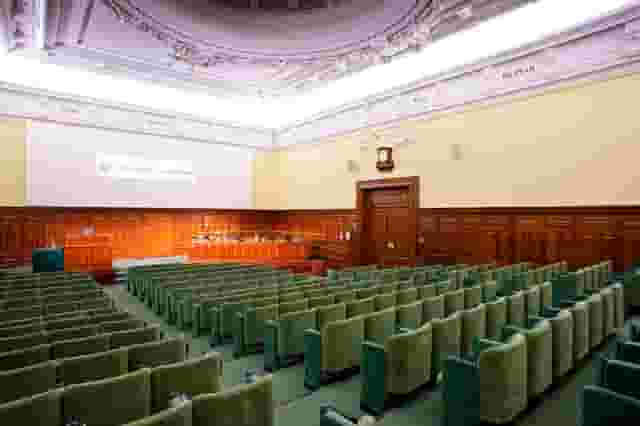
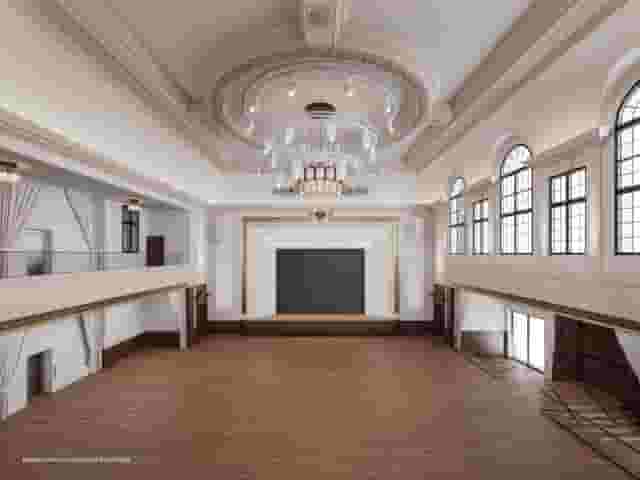
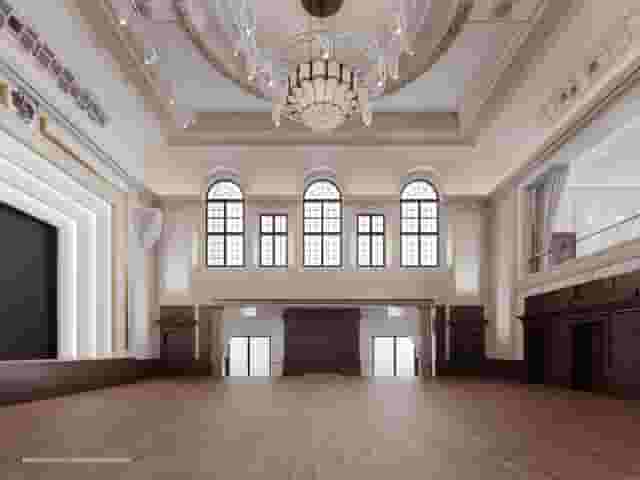
A clear example of this balance is found in Bloomsbury at BMA House. Its Great Hall accommodates up to 320 guests standing, set inside a Grade II listed property. The venue has introduced modern ventilation, energy controls and progressive waste programmes while retaining its historic architecture, proving that long-standing heritage venues can match modern technical expectations.
When planning delegate access, review transit options systematically:
| Transit factor | Why it matters | Practical event requirement |
|---|---|---|
| Mainline rail proximity | Cuts regional travel emissions and eliminates car journeys | Choose venues within a 10-minute walk of major rail hubs |
| Step-free station access | Ensures all delegates travel with equal dignity and ease | Check lift availability at nearby Underground stations |
| Cycle parking and facilities | Encourages active travel for local delegates | Verify secure cycle racks and nearby bike-share bays |
| Off-peak arrival timings | Reduces strain on public transport networks | Schedule registration between 09:15 and 09:45 |
Choosing a well-connected London venue with proven environmental management, integrated audiovisual systems and a thoughtful catering team allows you to run a professional corporate conference that meets your company's carbon targets while providing a smooth, productive day for your delegates.
What our customers say
Inspiration and planning guides

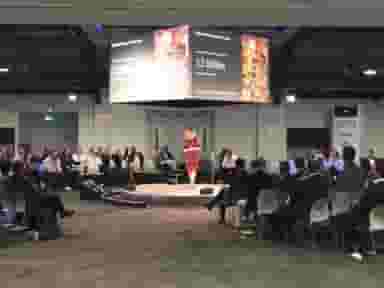
Historic London Venues: A Transformation Towards Sustainability - Reset Connect 2022
As sustainability becomes more ingrained in the events industry, clients are demanding greener venues for their events. This panel from Reset Connect 2022 delved into how historic venues are leading the charge towards sustainability in the UK.

Go Green With an Event at Lord’s Cricket Ground
Making your next event sustainable is a great way to do your bit towards helping the planet – and to show your guests just how serious you are about the issues they care most about. But you’ll need a sustainable event venue to match! Enter Lord’s Cricket Ground.

The Top Sustainable Gala Dinner Venues in London
Explore London's eco-friendly gala dinners at top sustainable venues. Perfect for corporate events, these locations offer green choices fora luxurious experience.
One supplier. Every venue. Full visibility on what you spend.
Multiple venues and events. One agreement.