Higher overall quality
Deep Venue Research scored 90.9 overall, 8.7 points ahead of the nearest provider. The score combines shortlist fit, market coverage, factual trust and real-world usefulness.
Venue finding, independently benchmarked
VenueBench takes twelve real event briefs and blind-scores the answers against the details that matter to organisers: accuracy, variety, market breadth and whether every result is ready to act on. Like a blind tasting, provider names and branding stay hidden until the score is locked.
Deep Venue Research, by Hire Space, delivered the strongest overall result, with better quality, far more viable options and a fully action-ready shortlist.


Seven providers received the same prompts. Venue suggestions, claims, hard constraints, pricing signals and next steps were checked against one fixed scorecard, without the provider label visible.
Twelve real event briefs. Seven leading AI and venue-finding providers. The same request, the same scorecard and the same standard of proof.
VenueBench is designed to separate cutting-edge venue technology from scattergun venue-slop. It checks whether a provider finds venues that genuinely fit, covers enough of the market to give an organiser real choice, tells the truth and supplies enough evidence to move forward.
Each answer was anonymised before scoring. Provider names, logos and identifying details were removed; the labels were restored only after the scores were locked.
THE DIFFERENCE
Deep Venue Research scored 90.9 overall, 8.7 points ahead of the nearest provider. The score combines shortlist fit, market coverage, factual trust and real-world usefulness.
It returned 262 venue suggestions across the twelve briefs, compared with 65 from ChatGPT. Breadth means more genuine choice, not more names to sift through.
Every shortlisted venue included the identity or link, relevant capacity, an honest availability position and a concrete next step. Forty-six also included grounded or clearly labelled pricing.
THREE BRIEFS, IN DETAIL
Each case study publishes the complete organiser brief, the non-negotiables and the first recommendation presented by all seven providers. Scroll each comparison to see the full field.
Hard constraints need evidence, not reassurance.
The complete brief “Conference for a disability-sector organisation, 100 delegates seated theatre, central London. Accessibility is non-negotiable: the entire route must be step-free — entrance, the room, accessible toilets, and the stage/platform — and the room must have a hearing loop. Accessible parking or drop-off nearby is important. A weekday, next quarter.”
 Deep Venue Research
 No integrity penalty
First presented recommendation
Glaziers Hall · River Room
 ChatGPT
 No integrity penalty
First presented recommendation
QEII Centre · Abbey Room
 Gemini
 1 material error
First presented recommendation
Friends House
 Claude
 No integrity penalty
First presented recommendation
30 Euston Square
 Nowadays
 Score floor applied
First presented recommendation
One Great George Street
 Naboo
Naboo 1 material error
First presented recommendation
8 Northumberland Avenue
 HeadBox
 2 material errors
First presented recommendation
Film + TV Charity · Lower Ground Events Space
A long list is not enough. Organisers need the exact space, capacity in the requested layout, evidence for deal-breakers, a realistic price position, an honest availability status and a concrete route to enquiry. Unknowns and compromises must be visible, not hidden.
The advantage holds on an ordinary international brief.
The complete brief “We're a 20-person product team looking for a venue for a one-day offsite in Austin — central or east side, somewhere walkable to decent coffee and lunch. Need a private room we can have to ourselves all day, a screen or projector, and good coffee on site. Budget is flexible, roughly $90–$140 per head all-in for room + catering. A Thursday in the next couple of months.”
Deep Venue Research No integrity penalty
First presented recommendation
Trick Hat Workway · Mezzanine Conference Room 6
ChatGPT No integrity penalty
First presented recommendation
Bond Collective East Austin · Clarksville Room
Gemini 1 material error
First presented recommendation
ARRIVE Austin
Claude 1 material error
First presented recommendation
The Garden on 6th
Nowadays 1 material error
First presented recommendation
The Driskill
Naboo 2 material errors
First presented recommendation
Hyatt Place Austin Downtown
HeadBox No integrity penalty
First presented recommendation
No venues returned
A long list is not enough. Organisers need the exact space, capacity in the requested layout, evidence for deal-breakers, a realistic price position, an honest availability status and a concrete route to enquiry. Unknowns and compromises must be visible, not hidden.

Multi-city research needs comparable options on both sides.
The complete brief “Global all-hands happening the same week on both sides of the Atlantic: one venue in New York and one in London. Each needs to seat 150 theatre-style for a two-hour presentation, then open into a reception for the same 150. Modern, corporate-but-not-stuffy. Good transit access in both cities. We'll run them as mirror events. Autumn, midweek.”
Deep Venue Research No integrity penalty
First presented recommendation
London Transport Museum + The Standard High Line
ChatGPT No integrity penalty
First presented recommendation
Convene 237 Park + Convene 22 Bishopsgate
Gemini No integrity penalty
First presented recommendation
Convene 117 W 46th + Convene 22 Bishopsgate
Claude No integrity penalty
First presented recommendation
OASIS by Workville + Convene Sancroft
Nowadays No integrity penalty
First presented recommendation
Park Plaza Westminster Bridge + Hyatt Grand Central
Naboo 1 material error
First presented recommendation
CINEPLAY + London Cabaret Collective
HeadBox 2 material errors
First presented recommendation
The Box + Long Acre
A long list is not enough. Organisers need the exact space, capacity in the requested layout, evidence for deal-breakers, a realistic price position, an honest availability status and a concrete route to enquiry. Unknowns and compromises must be visible, not hidden.
The providers did not converge on one settled shortlist. Across the twelve briefs, the platform an organiser chose materially changed the venues they were shown.
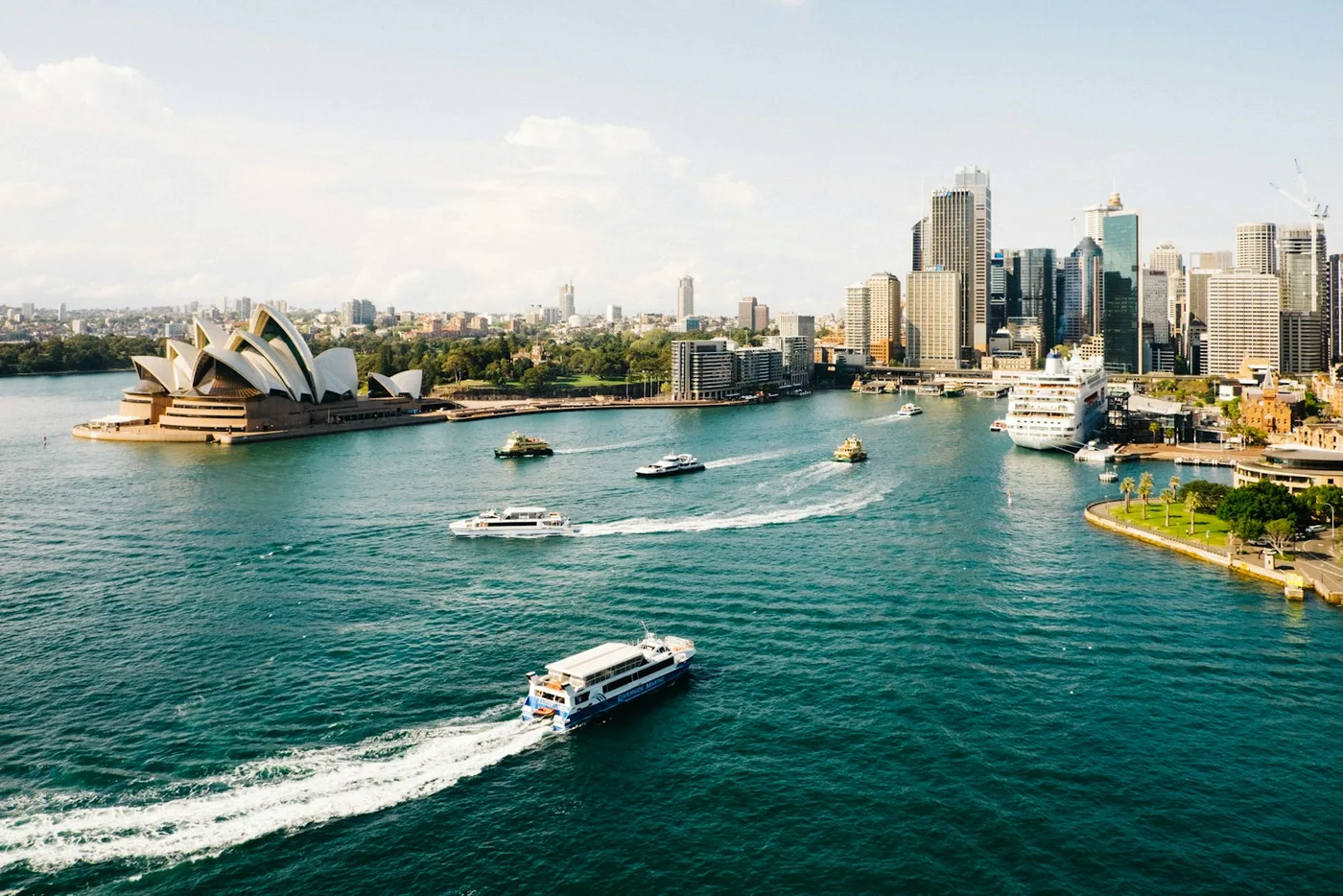
Sydney conference: Hyatt Regency appeared in six of seven answers.
Hard scale and room-block requirements narrow the credible market.
Four-city roadshow: 103 of 112 venues appeared in one answer only.
Open-ended briefs expose radically different slices of the market.
Breadth without accuracy is noise.
Accuracy without breadth is limiting.
Deep Venue Research did not simply return a longer version of everybody else’s list. It exposed more of the market, then supplied the verification, pricing evidence and next steps needed to act. The overlap analysis describes the submitted answers separately from the VenueBench score.
THE FULL LEADERBOARD
The overall score rewards the combination an organiser actually needs: a strong shortlist, enough market coverage to create genuine choice, factual trust and the detail required to take the next step.
| Rank | Provider | Overall | A · Shortlist | B · Market | C · Trust | D · Useful | Suggestions | Action-ready |
|---|---|---|---|---|---|---|---|---|
| 1 | Deep Venue ResearchHire Space | 90.9 | 84.5 | 75.6 | 100.0 | 85.5 | 262 | 60/60 |
| 2 | ChatGPTFrontier model | 82.2 | 90.1 | 37.0 | 99.5 | 80.1 | 65 | 57/62 |
| 3 | GeminiFrontier model | 70.9 | 82.6 | 27.8 | 89.5 | 51.7 | 46 | 7/46 |
| 4 | ClaudeFrontier model | 61.4 | 70.1 | 17.5 | 90.0 | 62.0 | 54 | 4/52 |
| 5 | NowadaysVenue platform | 54.6 | 58.7 | 17.3 | 87.8 | 58.9 | 63 | 9/46 |
| 6 | NabooVenue platform | 40.2 | 39.9 | 10.8 | 63.9 | 30.6 | 79 | 0/59 |
| 7 | HeadBoxVenue platform | 36.1 | 23.9 | 6.7 | 74.3 | 34.8 | 219 | 0/55 |
Suggestions are appearances across the twelve briefs, not a globally deduplicated venue count. “Action-ready” means identity or URL, relevant layout capacity, availability addressed honestly and a concrete next step.
ALL TWELVE BRIEFS
Open a brief to see the exact organiser prompt, hard constraints, scores and venue counts. Complete raw answers and detailed scorecards are retained and available on request.
“We're a 20-person product team looking for a venue for a one-day offsite in Austin — central or east side, somewhere walkable to decent coffee and lunch. Need a private room we can have to ourselves all day, a screen or projector, and good coffee on site. Budget is flexible, roughly $90–$140 per head all-in for room + catering. A Thursday in the next couple of months.”
| Provider | Score | Suggestions | Shortlist |
|---|---|---|---|
| Deep Venue Research | 97.1 | 24 | 5 |
| ChatGPT | 78.4 | 5 | 5 |
| Gemini | 45.0 | 3 | 3 |
| Claude | 45.0 | 3 | 3 |
| Nowadays | 61.0 | 6 | 5 |
| Naboo | 34.9 | 5 | 5 |
| HeadBox | 25.0 | 0 | 0 |
“Planning our company summer party for ~80 people in central London, evening of a Friday in July. Relaxed vibe — drinks, street-food style catering, some music, ideally a bit of outdoor space or a terrace. Want it to feel like a treat, not a hotel function room. Around £100–£150 per head for venue hire + food + drinks.”
| Provider | Score | Suggestions | Shortlist |
|---|---|---|---|
| Deep Venue Research | 95.8 | 24 | 5 |
| ChatGPT | 76.5 | 5 | 5 |
| Gemini | 72.9 | 3 | 3 |
| Claude | 70.3 | 5 | 5 |
| Nowadays | 45.0 | 3 | 3 |
| Naboo | 42.1 | 5 | 5 |
| HeadBox | 55.8 | 18 | 5 |

“Need a venue in Manchester city centre for a full-day training session, 40 attendees, cabaret-style (tables of 6–8 so people can do group work). Daylight and a projector are important. Half-day catering — pastries, lunch, afternoon tea. Single day, flexible on which day. Budget ~£50–£75 per head.”
| Provider | Score | Suggestions | Shortlist |
|---|---|---|---|
| Deep Venue Research | 92.5 | 24 | 5 |
| ChatGPT | 90.5 | 6 | 5 |
| Gemini | 81.7 | 5 | 5 |
| Claude | 80.0 | 4 | 4 |
| Nowadays | 58.6 | 4 | 4 |
| Naboo | 62.1 | 5 | 5 |
| HeadBox | 45.0 | 18 | 5 |
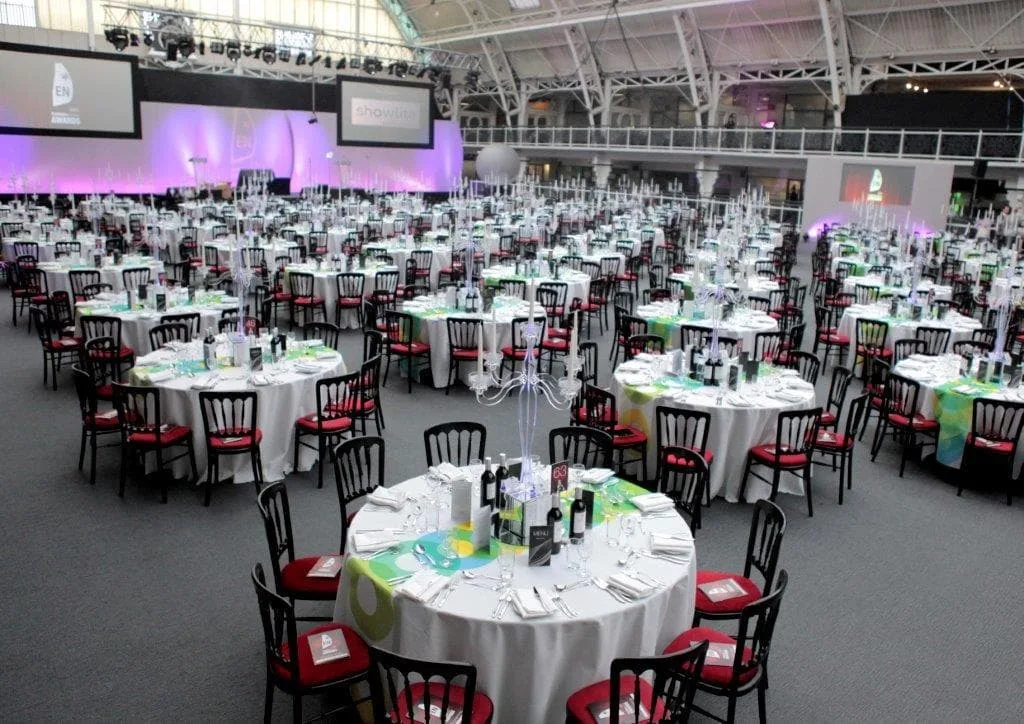
“We're running our annual industry awards: a black-tie gala dinner for 200 guests in London. Need proper banqueting (round tables of 10), a stage with good AV for the awards presentation and a host, a drinks reception space beforehand, and ideally a dancefloor after. Evening, a weekday in the autumn. Budget £30k–£50k for venue + catering.”
| Provider | Score | Suggestions | Shortlist |
|---|---|---|---|
| Deep Venue Research | 99.1 | 24 | 5 |
| ChatGPT | 90.3 | 6 | 6 |
| Gemini | 72.1 | 4 | 4 |
| Claude | 45.0 | 6 | 6 |
| Nowadays | 76.8 | 4 | 4 |
| Naboo | 18.8 | 5 | 5 |
| HeadBox | 31.0 | 18 | 5 |
“Two-day conference, 500 delegates, in Sydney. Need a main plenary that seats all 500 theatre-style, plus at least four breakout rooms each holding 50–80, an exhibition/catering area for stands and refreshments, and good transport links. Most delegates are travelling from interstate and overseas, so we need a room block of at least 200 bedrooms on the peak night — ideally on-site, or within easy walking distance under a single contracted block. Spring, midweek.”
| Provider | Score | Suggestions | Shortlist |
|---|---|---|---|
| Deep Venue Research | 92.7 | 20 | 5 |
| ChatGPT | 86.9 | 5 | 5 |
| Gemini | 78.6 | 3 | 3 |
| Claude | 45.0 | 3 | 3 |
| Nowadays | 79.7 | 3 | 3 |
| Naboo | 26.9 | 5 | 5 |
| HeadBox | 33.2 | 18 | 5 |
“Product launch event with two phases in one evening, one venue: a seated dinner for 120 guests cabaret-style, then the room (or an adjoining space) opens up for a standing reception/party of up to 300 as more guests arrive. London or just outside. Need the venue to genuinely handle both modes. Autumn evening.”
| Provider | Score | Suggestions | Shortlist |
|---|---|---|---|
| Deep Venue Research | 100.0 | 24 | 5 |
| ChatGPT | 86.6 | 7 | 5 |
| Gemini | 82.3 | 4 | 4 |
| Claude | 69.1 | 5 | 5 |
| Nowadays | 40.0 | 3 | 3 |
| Naboo | 62.6 | 5 | 5 |
| HeadBox | 45.0 | 18 | 5 |
“We're running an identical evening client reception in four cities — London, Singapore, New York and Sydney — over a month. Each needs to hold 60 standing with canapés and drinks, feel premium and on-brand (modern, design-led), and be central / easy for clients to reach. We want broadly comparable venues across the four so the experience is consistent. Autumn (northern) / spring (southern). ~$12–15k per city for venue + catering.”
| Provider | Score | Suggestions | Shortlist |
|---|---|---|---|
| Deep Venue Research | 90.8 | 24 | 5 |
| ChatGPT | 93.2 | 4 | 4 |
| Gemini | 90.7 | 4 | 4 |
| Claude | 85.5 | 4 | 4 |
| Nowadays | 38.7 | 21 | 5 |
| Naboo | 35.1 | 20 | 5 |
| HeadBox | 34.1 | 21 | 5 |

“Leadership offsite, 50 people, two days one night, exclusive-use country-house feel with grounds for a bit of outdoor activity. The team is split across our London, Birmingham and Manchester offices, so we want somewhere reachable within about 90 minutes of all three — likely the Midlands or thereabouts. Need bedrooms for all 50 on-site. Early summer.”
| Provider | Score | Suggestions | Shortlist |
|---|---|---|---|
| Deep Venue Research | 78.4 | 14 | 5 |
| ChatGPT | 84.1 | 5 | 5 |
| Gemini | 66.0 | 4 | 4 |
| Claude | 43.5 | 6 | 5 |
| Nowadays | 27.3 | 3 | 3 |
| Naboo | 32.4 | 5 | 5 |
| HeadBox | 29.1 | 18 | 5 |
“Global all-hands happening the same week on both sides of the Atlantic: one venue in New York and one in London. Each needs to seat 150 theatre-style for a two-hour presentation, then open into a reception for the same 150. Modern, corporate-but-not-stuffy. Good transit access in both cities. We'll run them as mirror events. Autumn, midweek.”
| Provider | Score | Suggestions | Shortlist |
|---|---|---|---|
| Deep Venue Research | 94.6 | 24 | 5 |
| ChatGPT | 74.9 | 6 | 6 |
| Gemini | 66.4 | 4 | 4 |
| Claude | 70.3 | 6 | 5 |
| Nowadays | 60.7 | 6 | 6 |
| Naboo | 41.5 | 10 | 5 |
| HeadBox | 32.9 | 36 | 5 |
“Conference for a disability-sector organisation, 100 delegates seated theatre, central London. Accessibility is non-negotiable: the entire route must be step-free — entrance, the room, accessible toilets, and the stage/platform — and the room must have a hearing loop. Accessible parking or drop-off nearby is important. A weekday, next quarter.”
| Provider | Score | Suggestions | Shortlist |
|---|---|---|---|
| Deep Venue Research | 87.8 | 24 | 5 |
| ChatGPT | 72.4 | 4 | 4 |
| Gemini | 56.5 | 5 | 5 |
| Claude | 74.1 | 5 | 5 |
| Nowadays | 45.0 | 3 | 3 |
| Naboo | 39.7 | 4 | 4 |
| HeadBox | 40.5 | 18 | 5 |

“We're throwing a 150-person party and we have our own caterer and our own DJ, so we need a DRY HIRE space — somewhere that lets us bring in external catering and isn't going to force their in-house package on us. Hard requirement: a late licence until at least 2am with amplified music allowed. 150 standing, London, a Saturday. Blank-canvas / warehouse feel preferred.”
| Provider | Score | Suggestions | Shortlist |
|---|---|---|---|
| Deep Venue Research | 70.2 | 12 | 5 |
| ChatGPT | 74.9 | 5 | 5 |
| Gemini | 68.9 | 3 | 3 |
| Claude | 63.6 | 4 | 4 |
| Nowadays | 61.5 | 4 | 4 |
| Naboo | 50.3 | 5 | 5 |
| HeadBox | 46.4 | 18 | 5 |
“Community celebration, 250 guests seated for a banqueting dinner on a Sunday in Greater London. We need kosher catering — ideally a venue with a kosher-certified kitchen, or one that will give a kosher caterer proper kitchen access. Stage for speeches and space for a band. Budget is healthy. The date is fixed: a Sunday.”
| Provider | Score | Suggestions | Shortlist |
|---|---|---|---|
| Deep Venue Research | 91.7 | 24 | 5 |
| ChatGPT | 78.1 | 7 | 7 |
| Gemini | 69.6 | 4 | 4 |
| Claude | 45.0 | 3 | 3 |
| Nowadays | 61.1 | 3 | 3 |
| Naboo | 35.8 | 5 | 5 |
| HeadBox | 15.6 | 18 | 5 |
Event organisers need enough correct, varied and relevant options to make a decision, plus the evidence and next steps to act. Provider identity stays hidden while each answer is scored for that outcome, not for eloquence, reputation or list length alone.
The shortlist must satisfy the stated deal-breakers, fit the event and contain genuine variety.
Strong obvious venues should be present, alongside distinctive options an organiser may not already know.
Venues must exist and be bookable. Capacity, access, facilities and pricing claims must survive verification.
The exact space, relevant layout, pricing position, availability status and route to enquiry should be clear.
When no exact market match exists, useful alternatives earn credit only when the precise compromise is evidenced beside the venue. Silent misses and avoidable refusals do not.
Ghost venues, material false claims and hidden hard-constraint failures can cap a result. Estimates are useful when they are clearly labelled as estimates.
Experienced event professionals will score anonymised answers, with multiple judges and agreement reporting. If you work in events, apply to join the panel.
Transparency note: the launch study used one scored run and a fixed rubric. Provider identities stayed hidden during scoring and were restored for aggregation. Hire Space built Deep Venue Research. The raw provider answers and detailed scorecards are retained and available on request.
Get the complete leaderboard, market-overlap analysis, all twelve full briefs, every provider result, three case studies and the scoring method in one shareable PDF.
Request raw answers and detailed scorecardsWe are recruiting experienced event planners, venue finders, agency professionals and in-house event teams to score anonymised answers in the next benchmark.
Qualified venue options in minutes, rather than twenty browser tabs and unanswered enquiries for days.
Deep Venue Research checks the details that matter and gives you the evidence to move forward. Real people at Hire Space own the outcome when judgement, negotiation, compliance or an awkward exception demands it.
Qualified venue options across the market, ready to compare.
With instant quotes where the available evidence supports them.
Rolling out for corporate events of more than 100 people.
Tell us what you need. Our deep research finds any venue, whether it's in our marketplace or not. No one else does this.