Training Venues in London
Compare London training venues with classroom layouts, natural light and built-in AV, backed by data-driven pricing for corporate teams.
137 Training in venues in London

















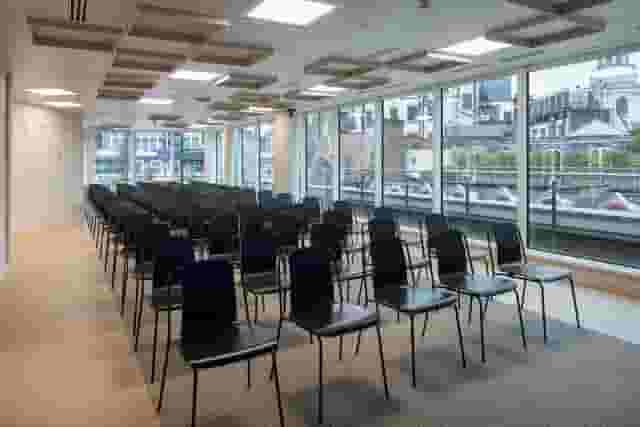
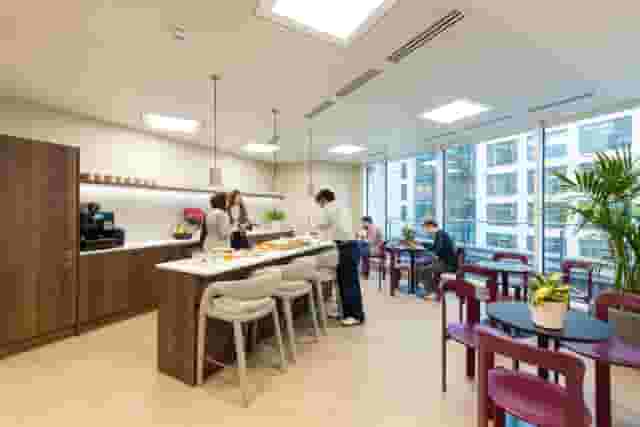
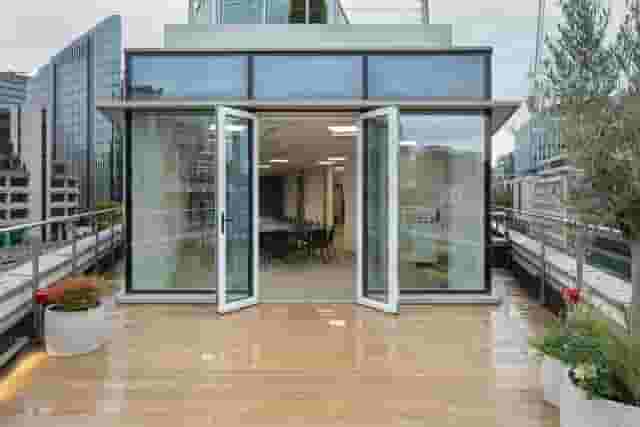
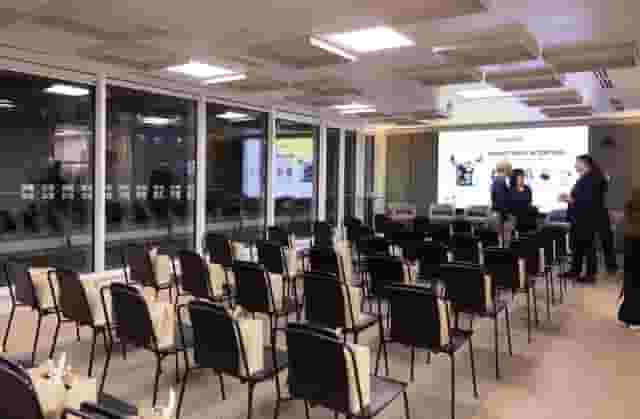













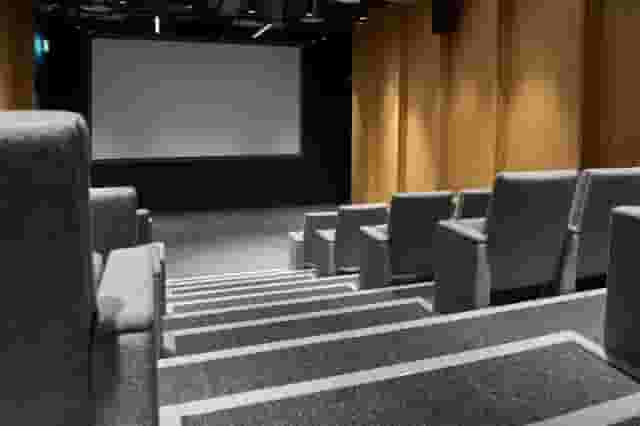
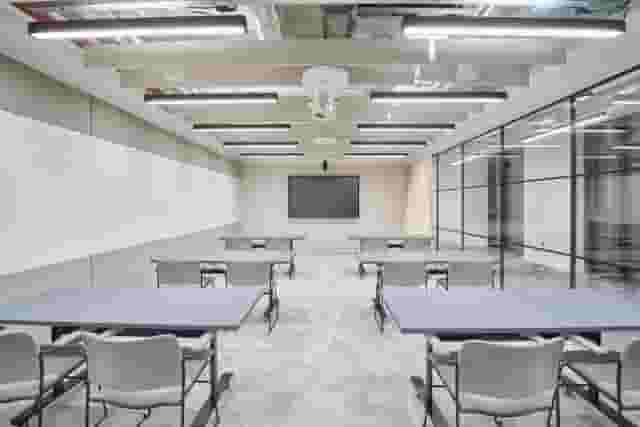
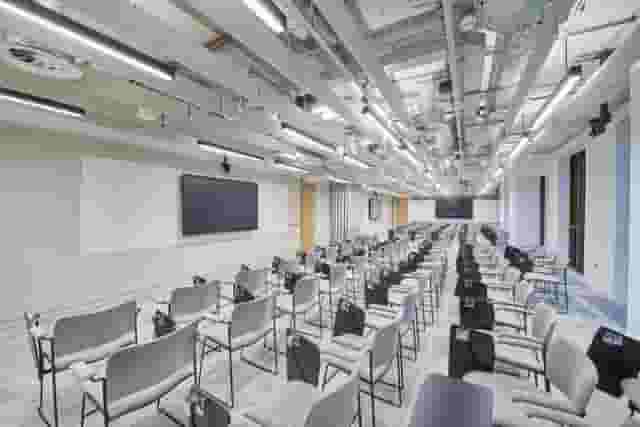
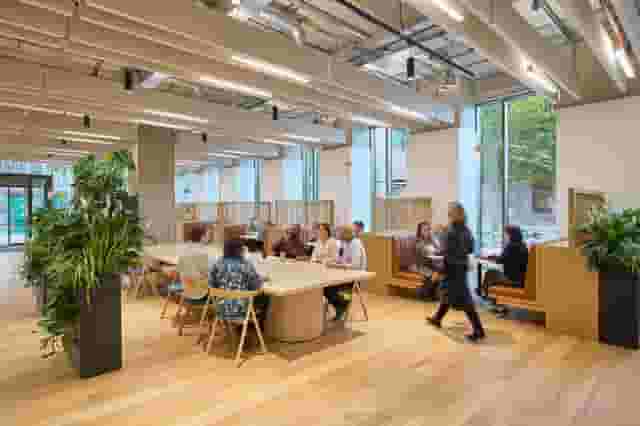









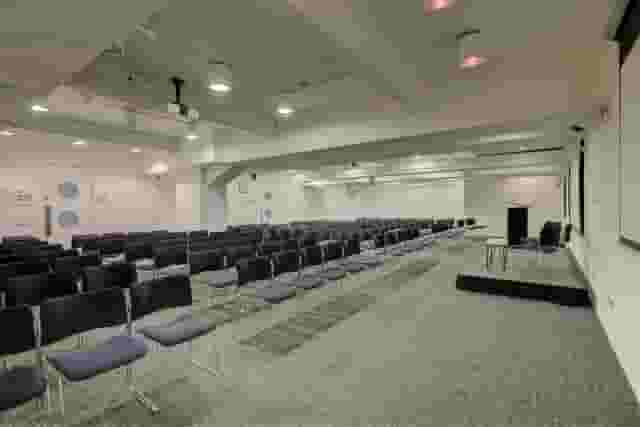
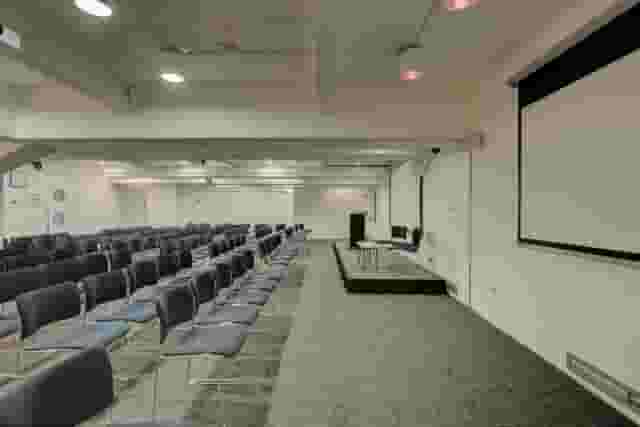
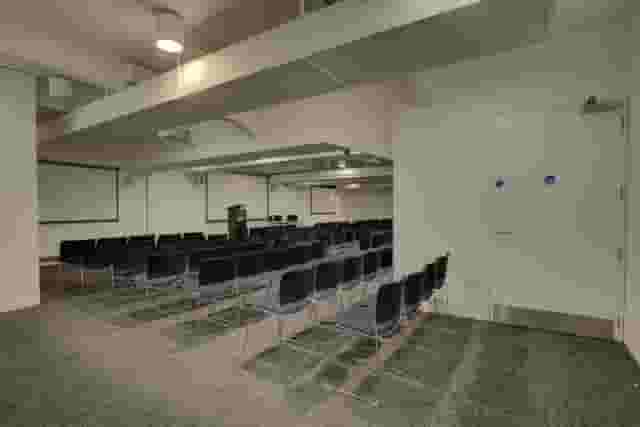
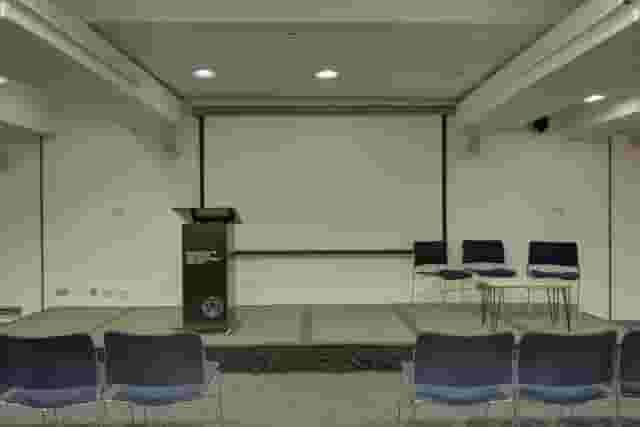







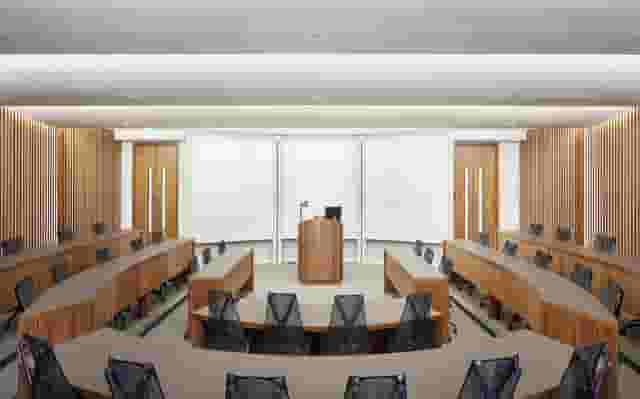
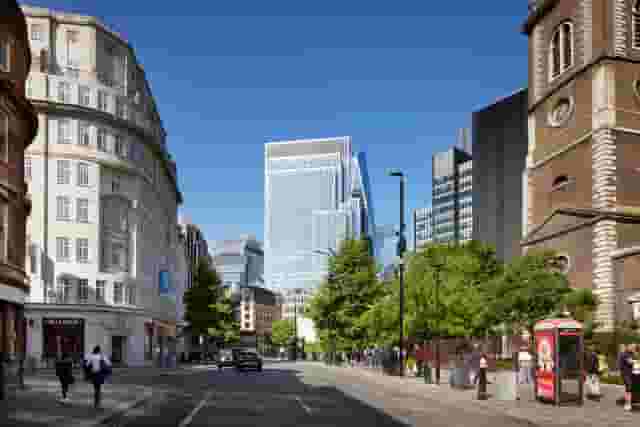
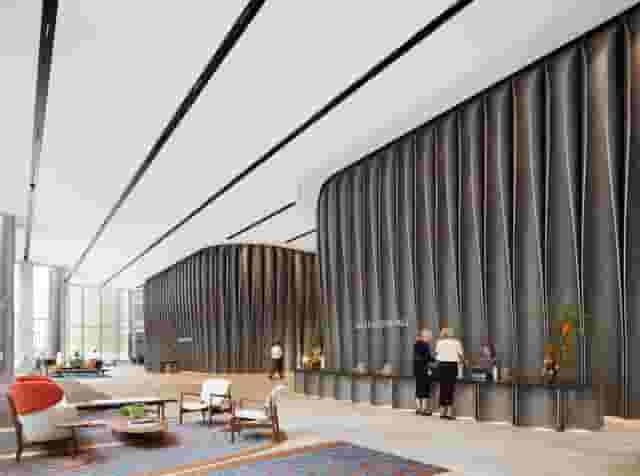




















































No venues match these filters
Try widening your capacity, luxury level or event type.
Don't have time to search? We'll find it for you.
For business events that need human judgement, talk to our team. Free for events of 100+ people, budgets over £10k or ongoing programmes.




Explore more venues in London















Frequently asked questions
How do I make sure my delegates stay concentrated throughout?
What is the best seating set up for a training day?
What should my budget be for an away training day?
Other platforms search their database. We search everything.
Tell us what you need. Our deep research finds any venue, whether it's in our marketplace or not. No one else does this.
About Training in London
Room layouts and spatial requirements for full-day sessions
Planning a full-day training session requires a different approach to booking a standard conference or presentation. When delegates sit in a room from 9am to 5pm, physical comfort dictates how much information they retain. A setup that feels acceptable for a 45-minute keynote will cause fatigue, poor posture and restlessness over six hours of intensive material.
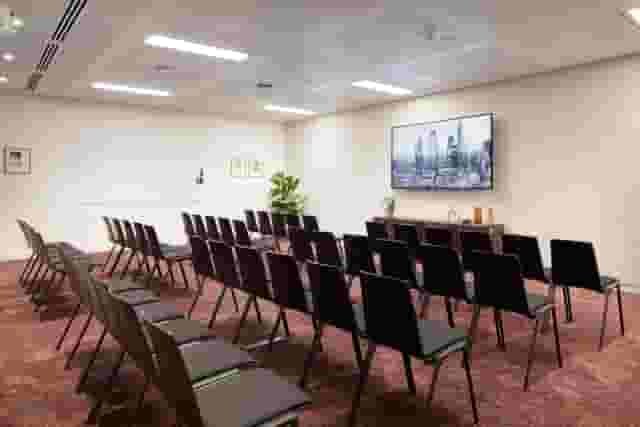
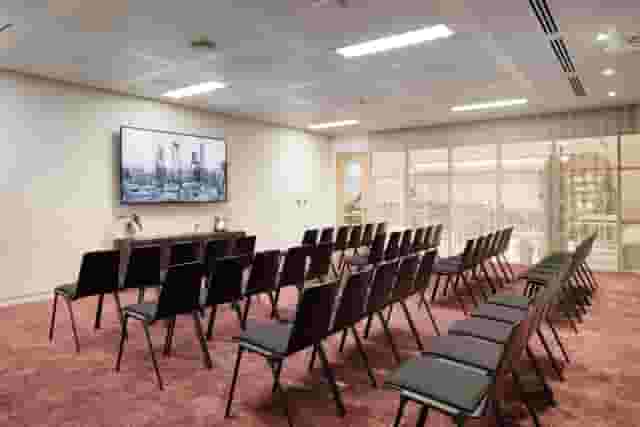
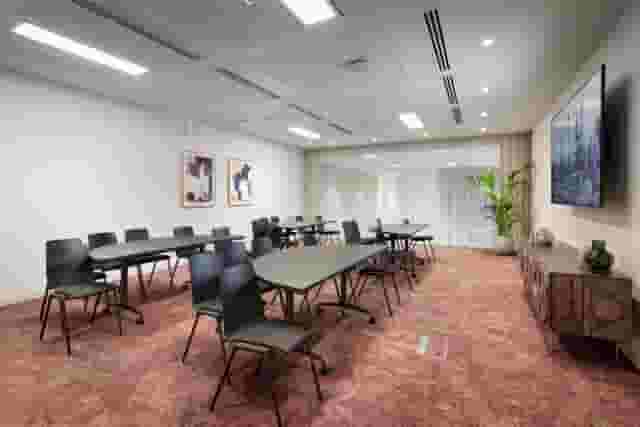
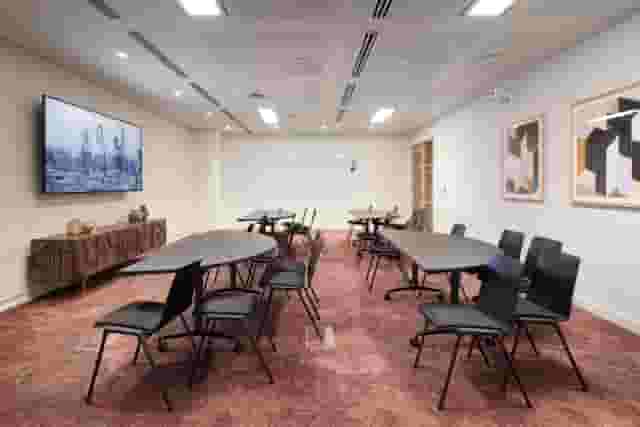
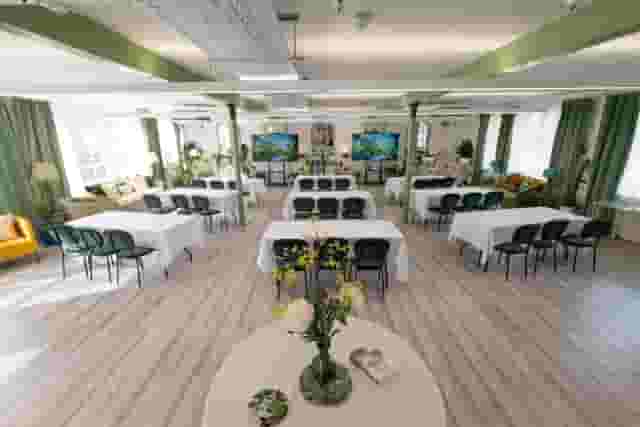
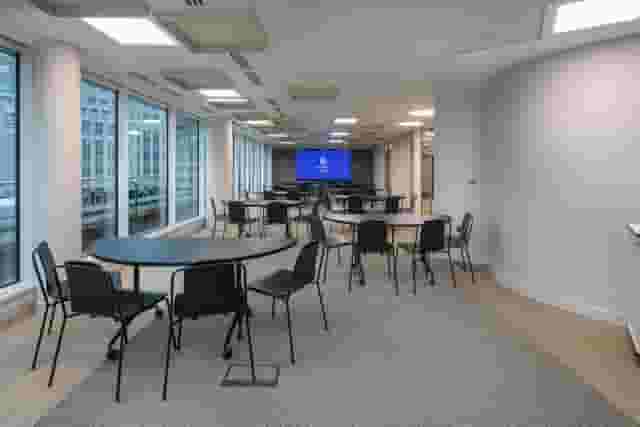
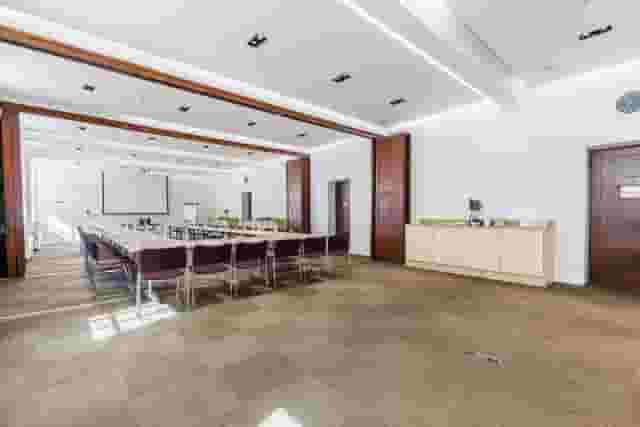
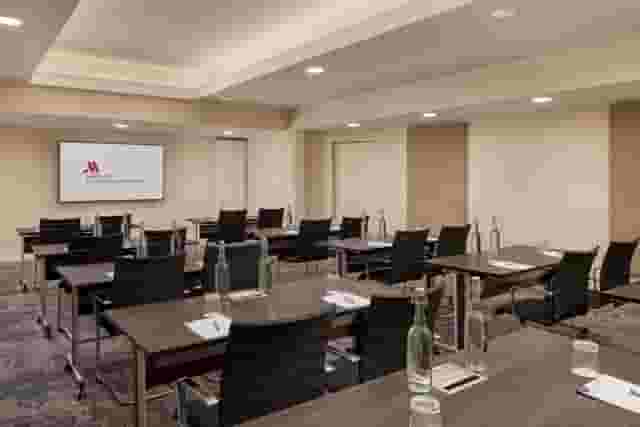
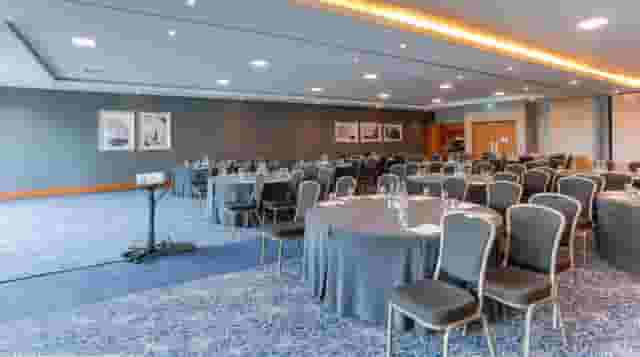
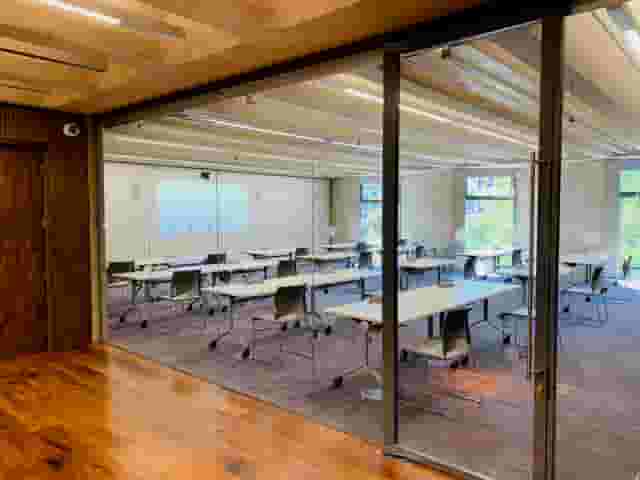
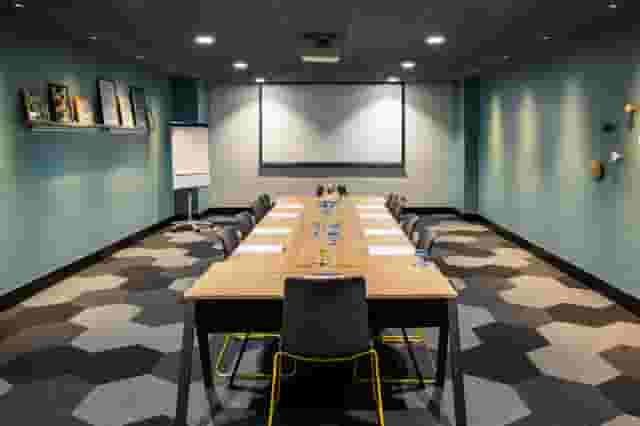
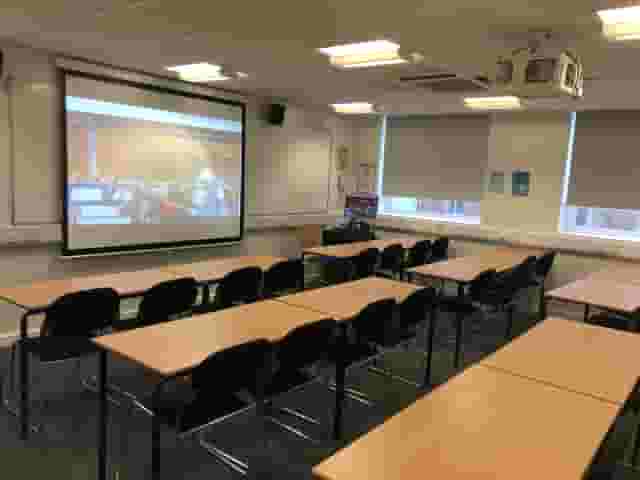
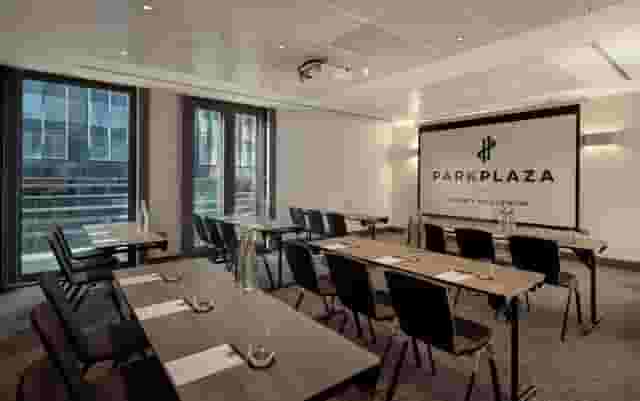
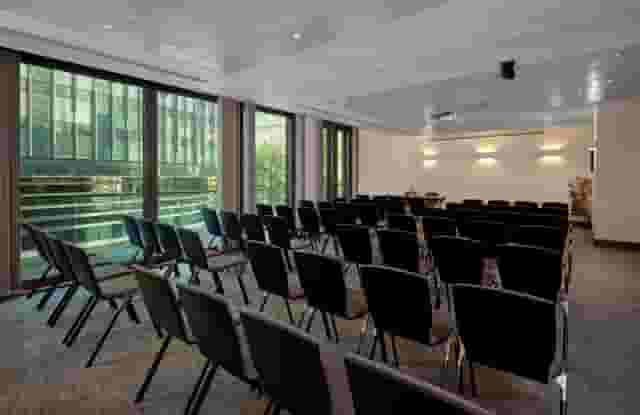
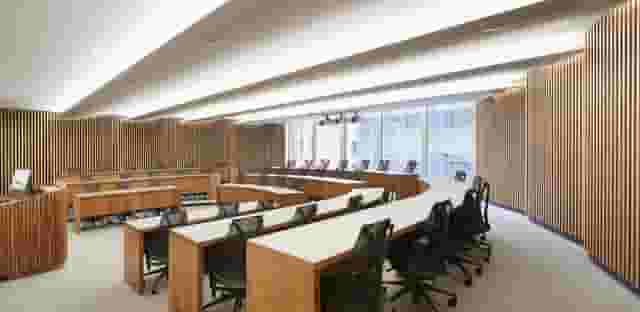
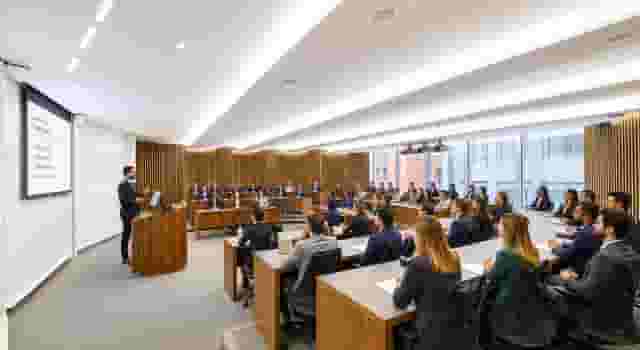
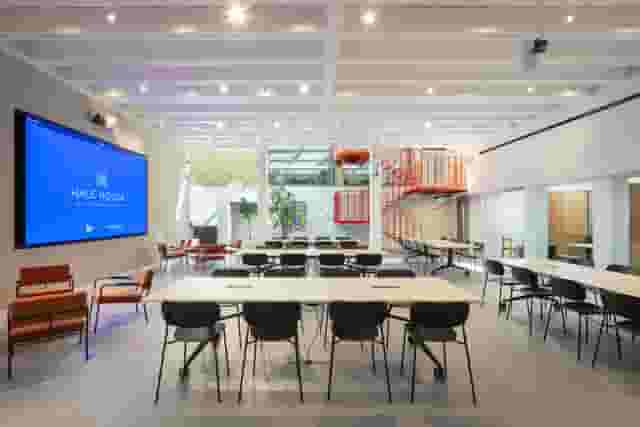
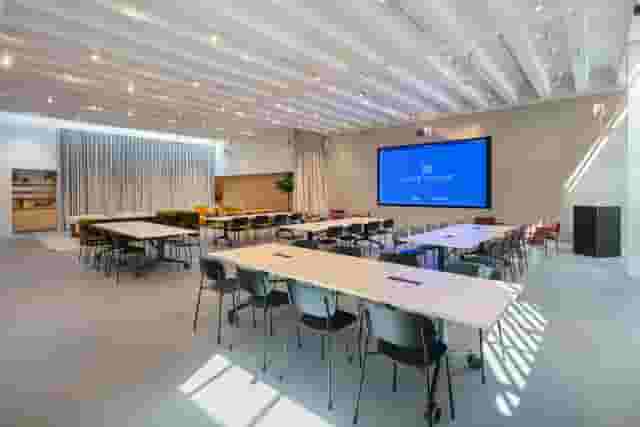
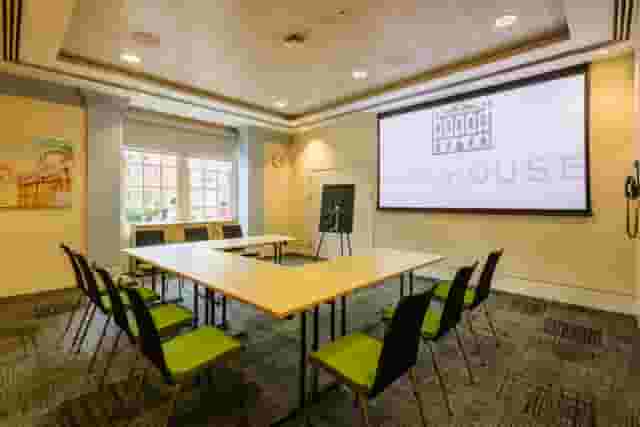
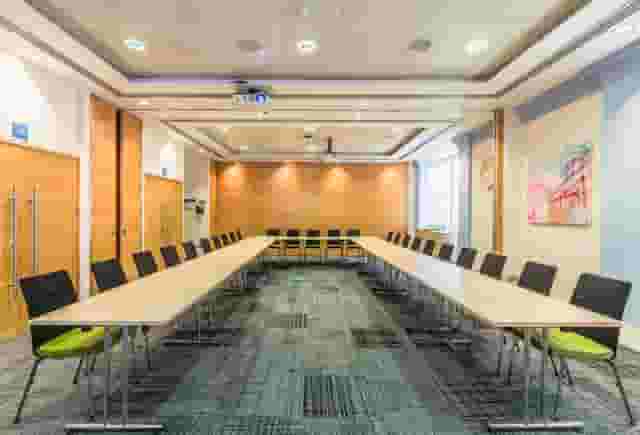
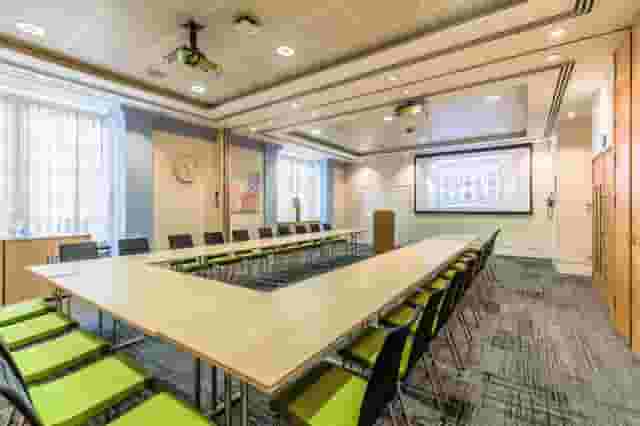
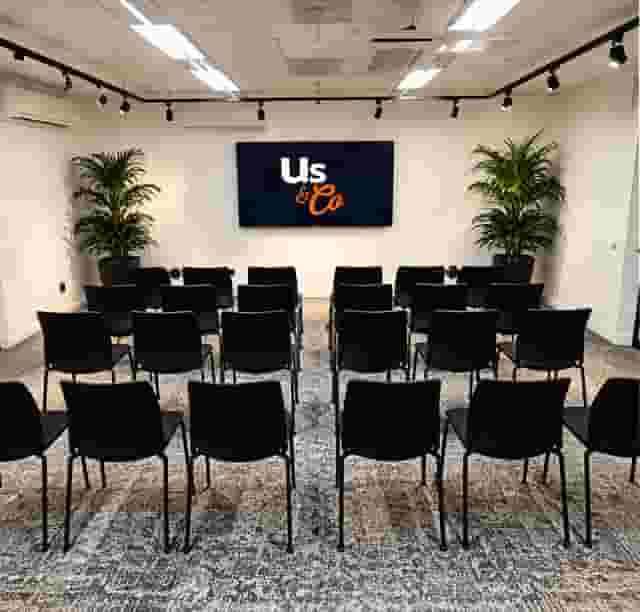
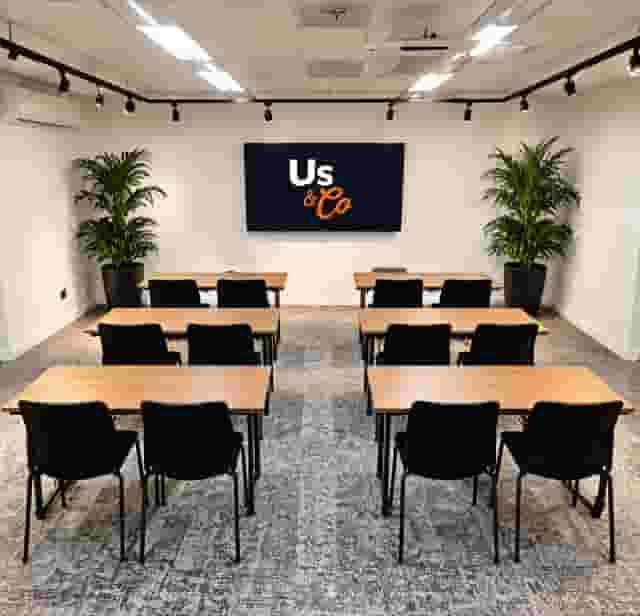
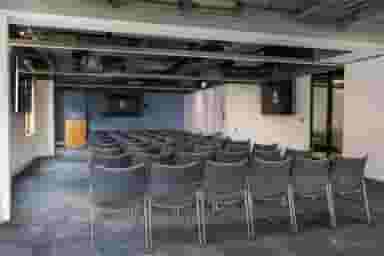
For sessions involving laptops, training manuals, notepads and active group work, a classroom layout is almost always the most effective choice. Classroom seating places delegates in parallel rows of tables facing the front screen. This gives everyone a flat writing surface, a dedicated spot for water and devices, and an unobstructed line of sight to the trainer. The primary trade-off is footprint. Classroom layouts require significantly more floor area than theatre-style seating. As a general rule of thumb, you should budget for roughly two to two and a half square metres per delegate once you account for tables, chairs, aisles and the presentation zone at the front.
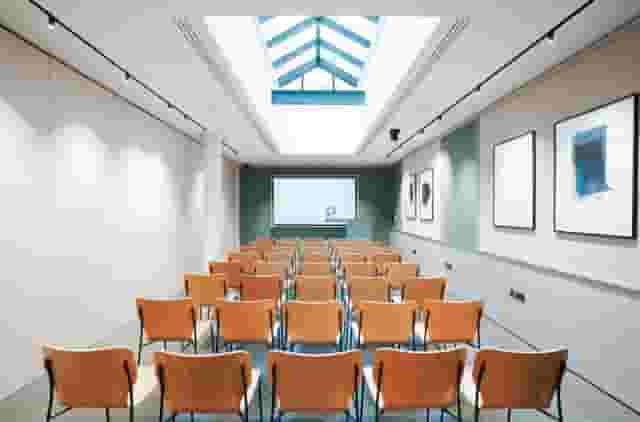
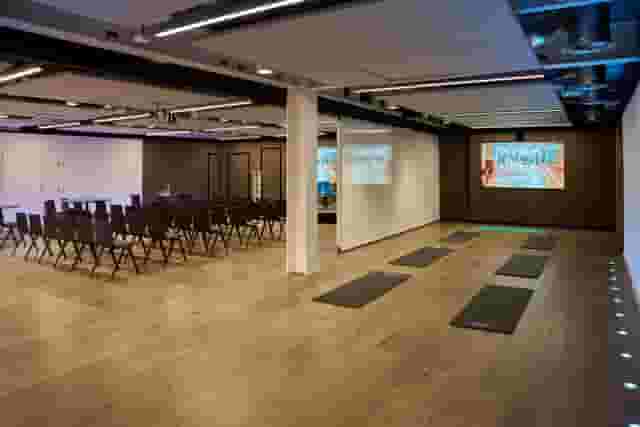
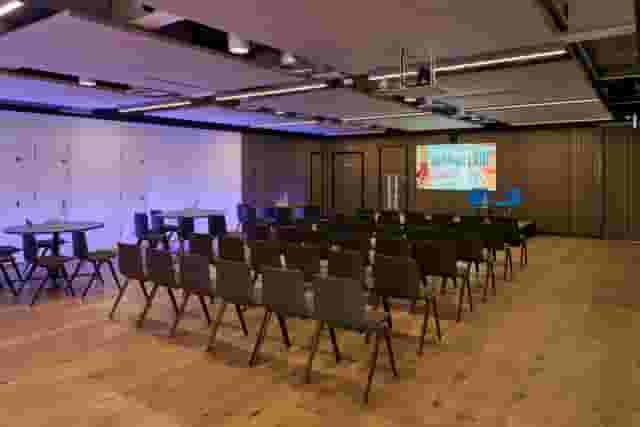
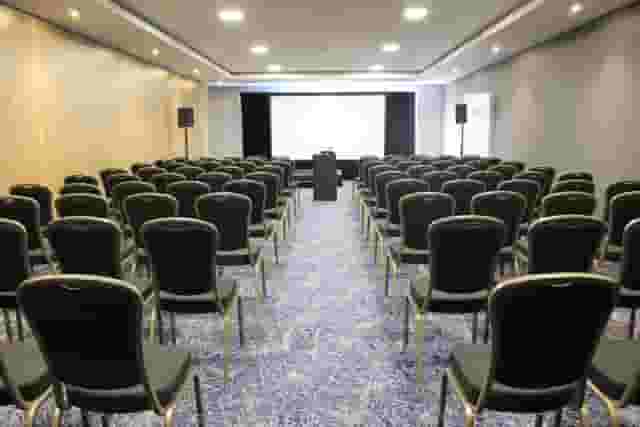
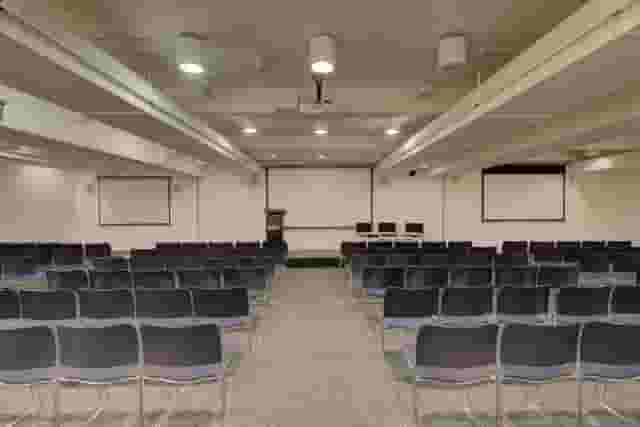
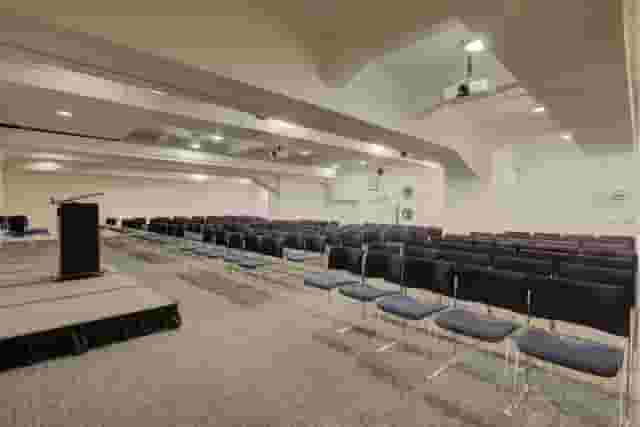
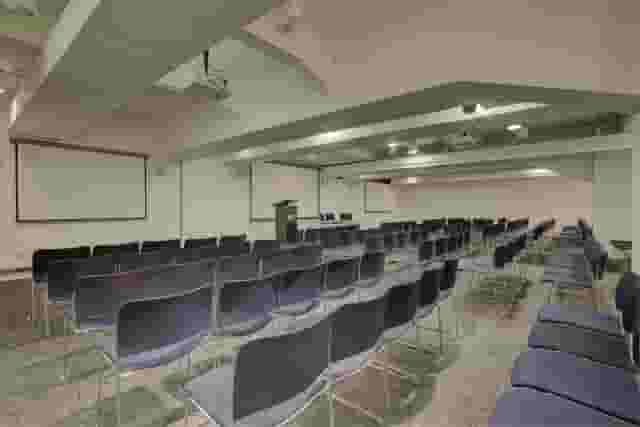
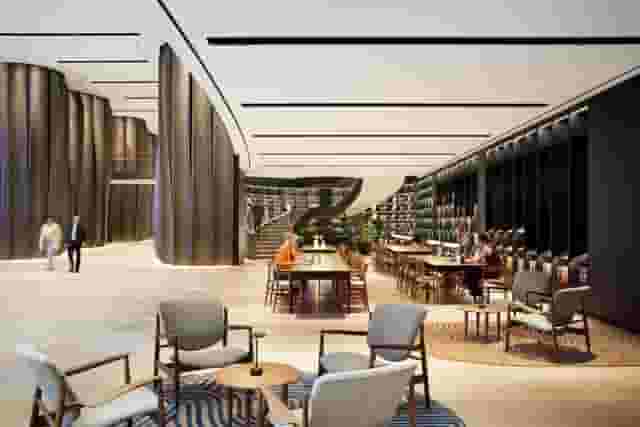
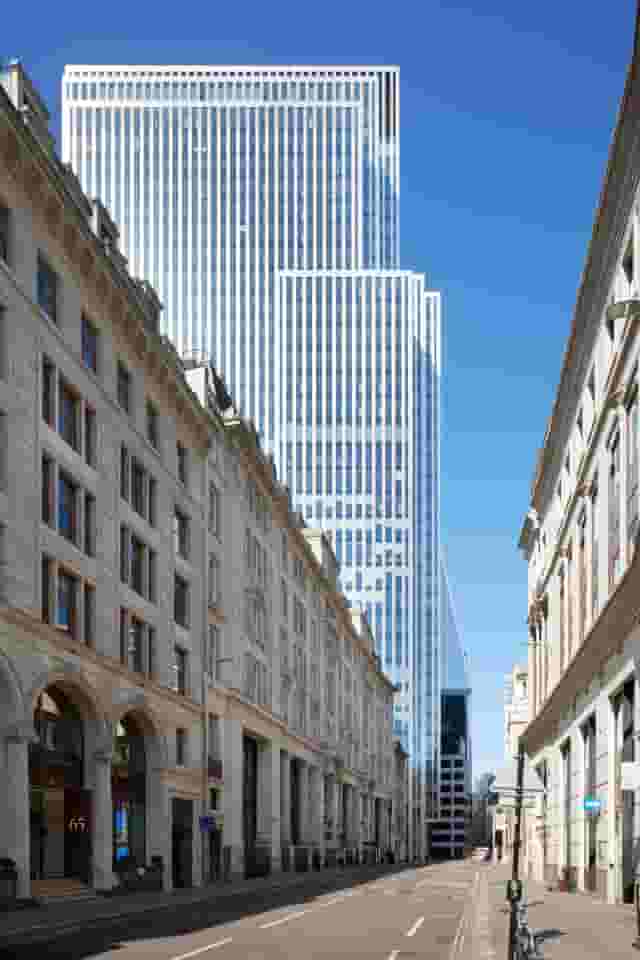
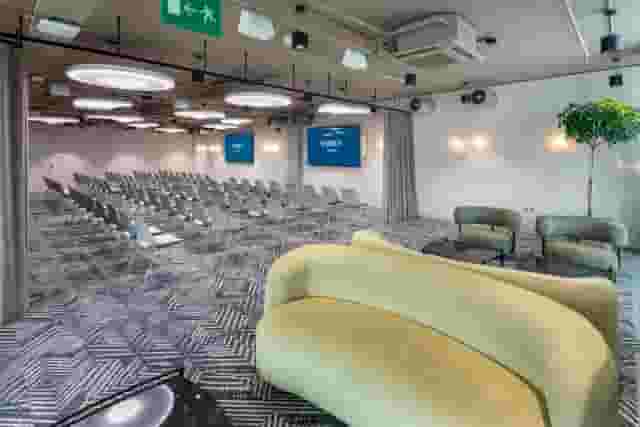
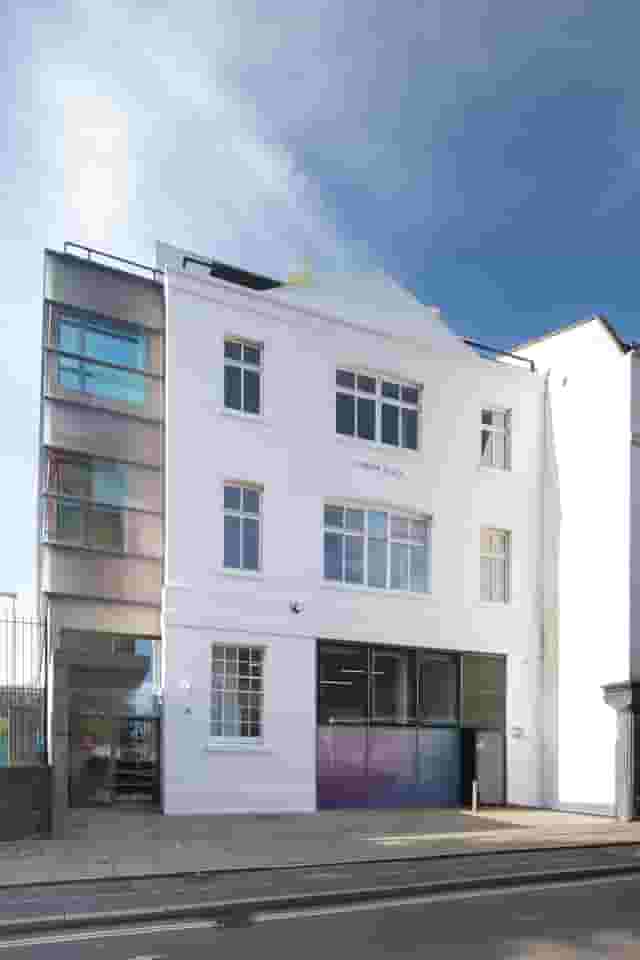
If you attempt to fit a classroom layout into a room rated purely for theatre capacity, you will run out of space quickly. A room that accommodates 100 people in theatre rows often holds only 40 to 45 delegates in a comfortable classroom configuration. A venue such as 10 Union Street in London Bridge offers purpose-built meeting rooms with lift access and natural daylight that can be adapted between configurations, but you must confirm usable floor space with tables included rather than relying on maximum guest capacities. To save days of back-and-forth over room dimensions, venue booking platform Hire Space pairs venue sourcing with a team of real people who own the outcome. Using Deep Venue Research, you can search any venue across the city to find spaces that properly accommodate your layout, building an accurate shortlist in minutes.
Table depth and aisle width are equally critical. Standard narrow seminar trestles measuring 45 centimetres deep leave little space once a delegate opens a 15-inch laptop and places a training folder in front of it. Look for tables with at least 60 centimetres of depth. Ensure the central aisle and side pathways leave at least 1.2 metres of clearance. The trainer needs room to walk the floor during exercises, distribute handouts and assist individuals without bumping into chair backs or stepping across laptop cables.
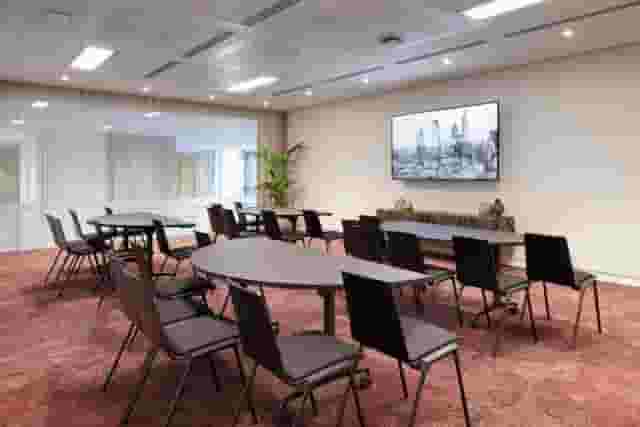
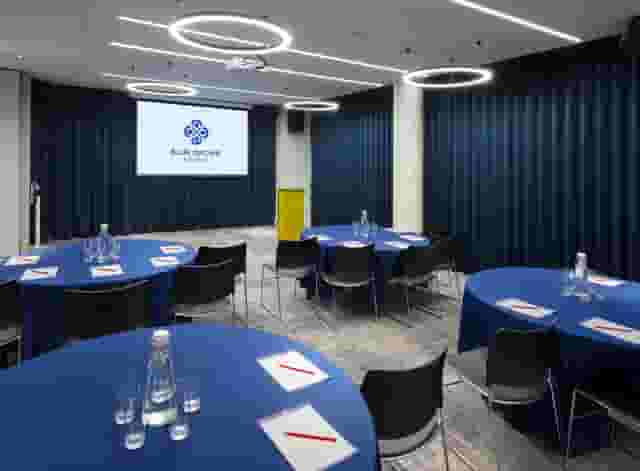
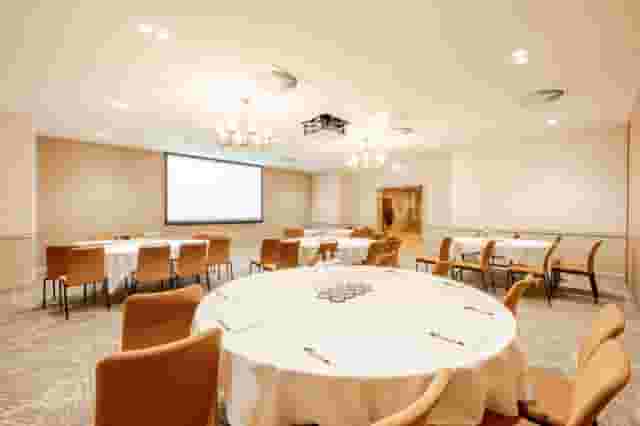
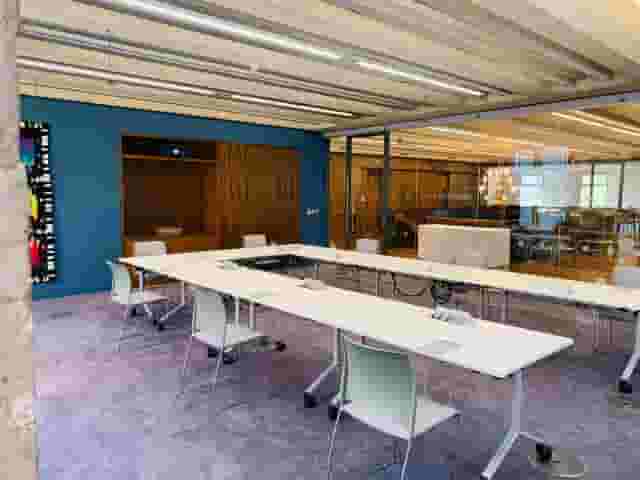
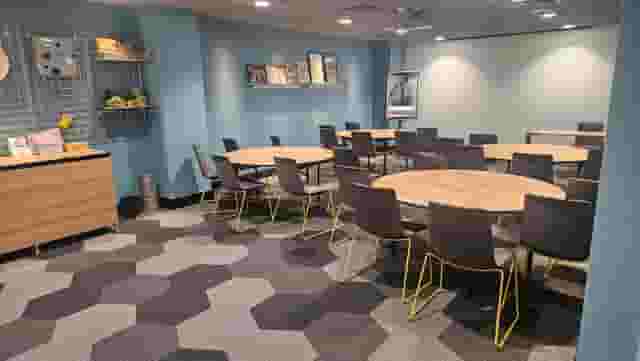
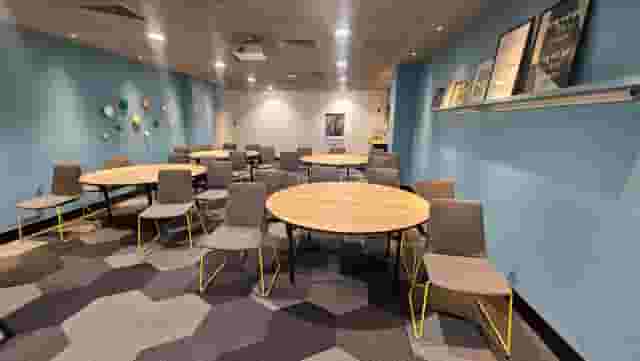
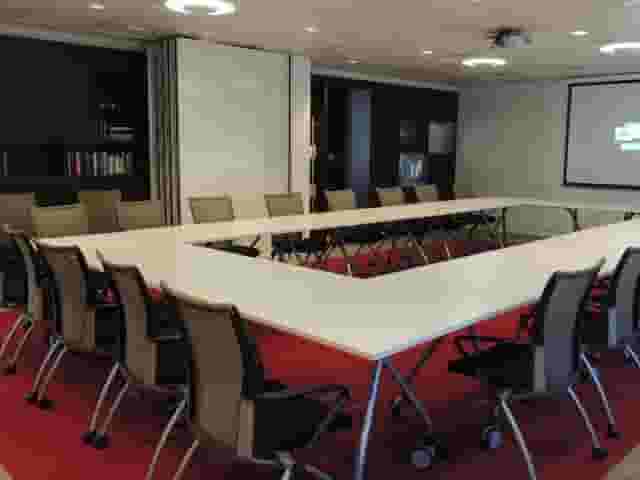
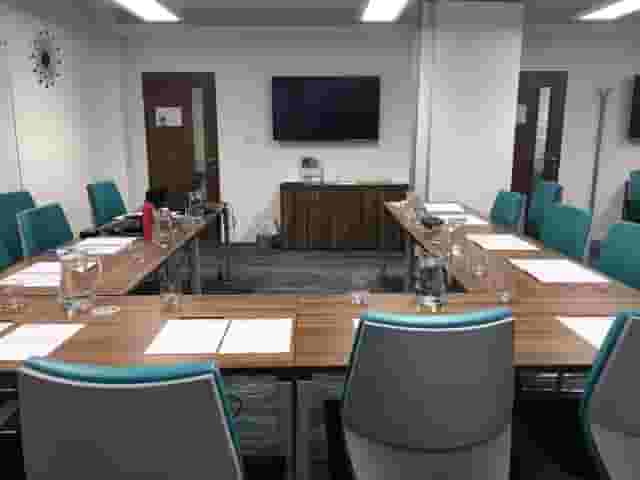
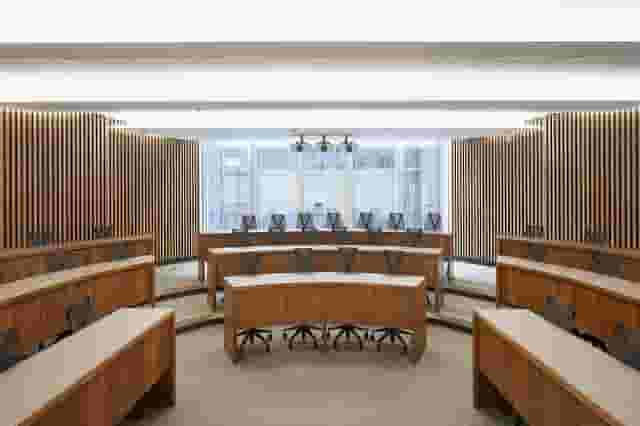
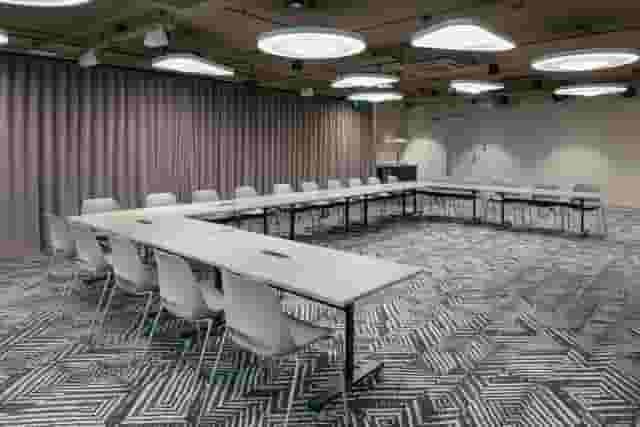
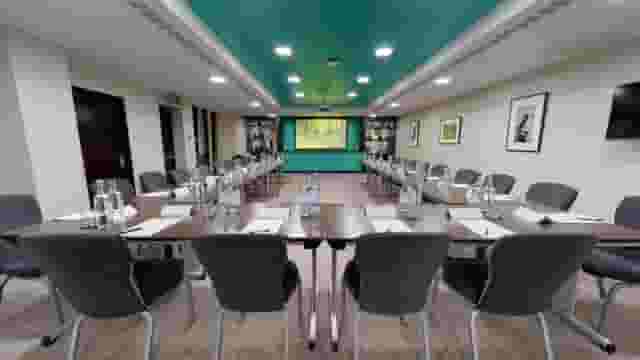
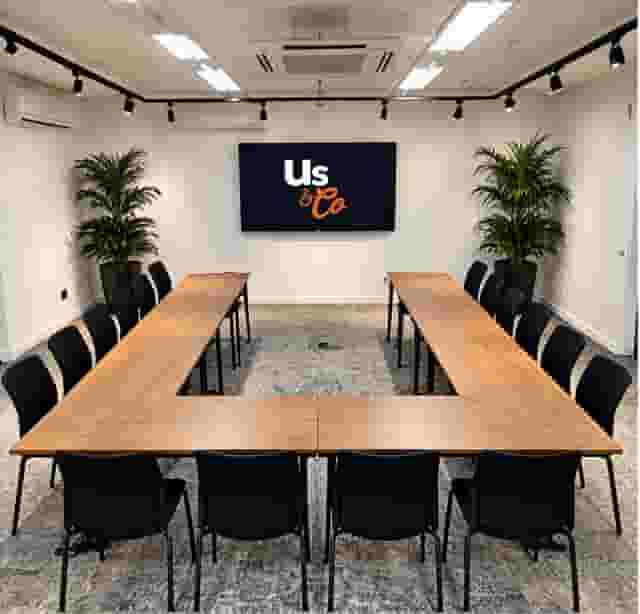
When training relies heavily on peer discussion, case studies or team challenges, you might consider cabaret or U-shape setups instead. Cabaret style, using round or crescent tables where no delegate has their back to the presenter, fosters immediate team collaboration. A U-shape works well for groups of up to 25 where the facilitator wants to see every face and encourage debate. However, both arrangements reduce overall capacity even further and can force some attendees to twist their necks to see slide projections. For pure instruction and software training, sticking to straight or gently chevroned classroom rows keeps focus pointed forward.
Audiovisual kit, power distribution and environmental controls
Technical friction drains the energy from a training day faster than almost anything else. If the first 20 minutes involve struggling with screen adapters, flickering displays or poor audio, delegates lose confidence in the session before the content has begun.
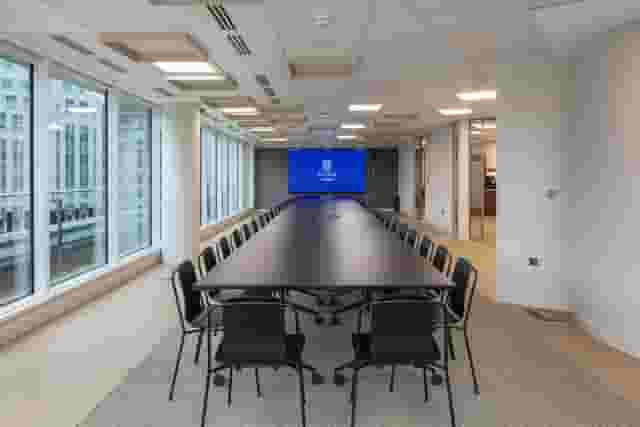
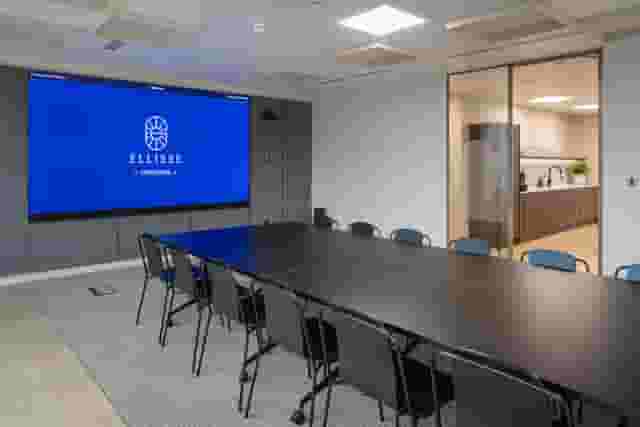
Screen size must match room depth. In a long classroom setup, delegates in the rear rows cannot read 12-point text or detailed software interfaces on a single standard display. As a practical baseline, the screen height should be at least one-sixth of the distance from the display to the furthest chair. For deeper rooms, look for venues that provide repeater screens halfway down the space. Convene 155 Bishopsgate in the City provides built-in audiovisual setups with high-resolution displays designed specifically for corporate presentations, cutting out the need to hire and calibrate third-party projectors.
Audio clarity is not just for large auditoriums. In a full-day training session, a trainer who has to project their voice unassisted across a room for seven hours will sound tired by mid-afternoon. Providing a reliable wireless lapel or headset microphone protects the speaker's voice and ensures that delegates at the back hear every nuance without straining. If you plan to take questions from the floor or run hybrid sessions where remote staff join via video link, arrange catchboxes or roving microphones so everyone hears the contributions clearly.
Power distribution is the hidden challenge of modern corporate training. Almost every attendee will arrive with a laptop, a smartphone and possibly a tablet. Relying on two wall sockets at the skirting board results in a hazardous web of trailing cables across walkways. Request dedicated power drops to the tables, either via floor boxes or discreet cable bridges taped firmly to the floor. Venues that handle regular business training will supply daisy-chained desktop power blocks as part of their standard technical package.
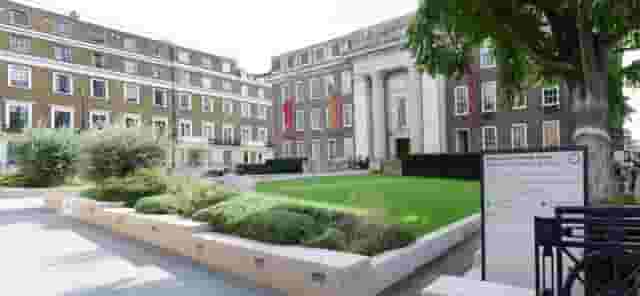
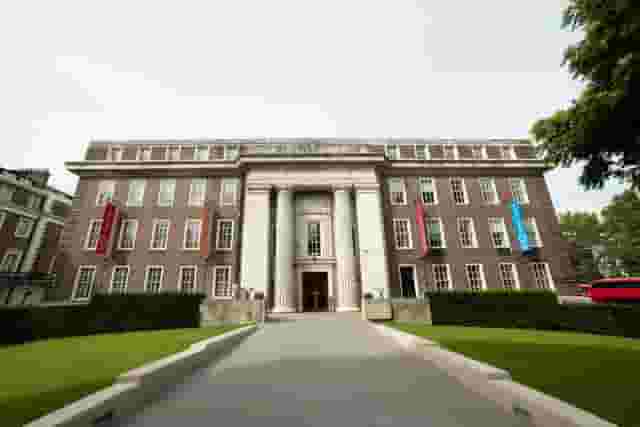
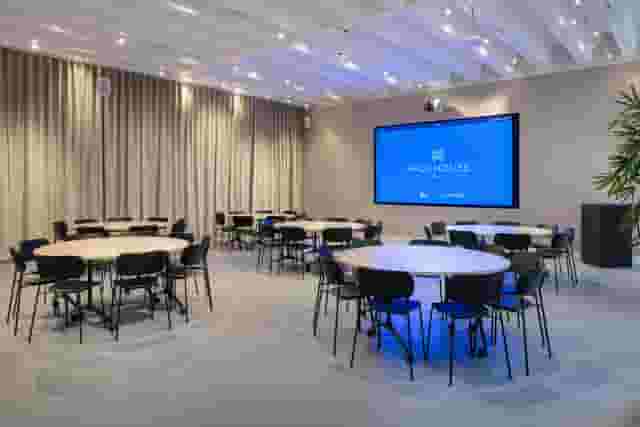
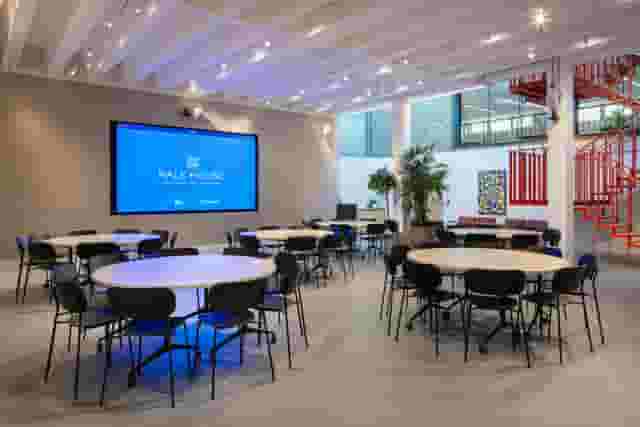
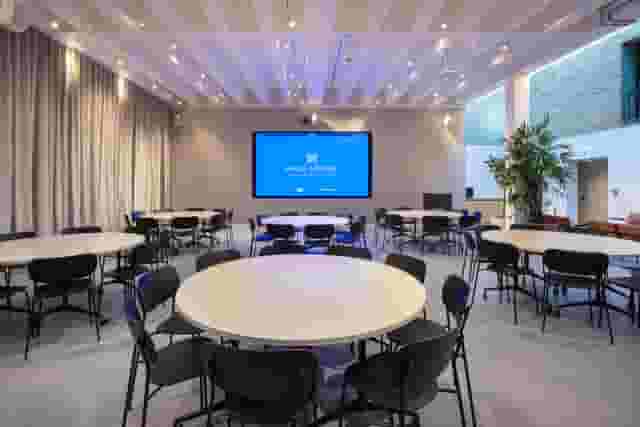
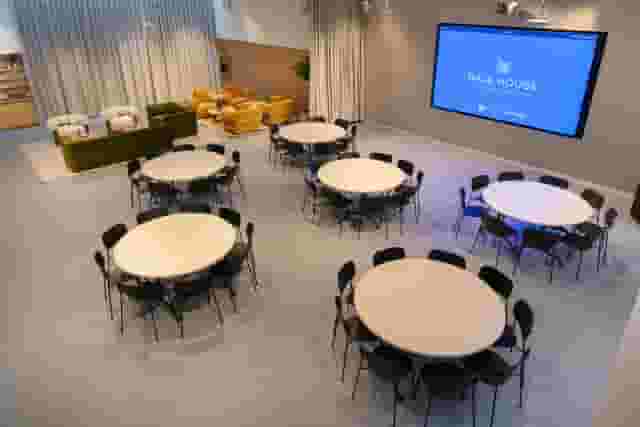
Do not overlook air quality, temperature and lighting. Stale air directly causes post-lunch drowsiness. Check whether the room has independent thermostat controls that your team can adjust, rather than relying on a building management system controlled off-site. Natural light is essential for keeping delegates alert across a full day, but it must be paired with effective window blinds. Direct morning sun glaring across projection screens or delegate monitors will derail a presentation. A space like BMA House in Bloomsbury balances natural light with strong technical presentation facilities, allowing you to run bright visual slides without blinding the front row.
Acoustic separation matters just as much. Temporary partition walls in hotel basements often leak sound from adjacent rooms. If the room next door is hosting a lively team-building workshop or a catered lunch setup, the clatter of cutlery and muffled speech will distract your attendees. Always ask the venue what events are booked in neighbouring rooms and whether dividing walls are solid structural builds or folding acoustic screens.
Day delegate rates, room hire and realistic budgeting
Budgeting for a corporate training day in London generally comes down to choosing between a Day Delegate Rate (DDR) and a room hire fee paired with separate catering and technical orders.
Based on 21 quotes from the venues on this page for about 25 guests, typical costs fall in the range of £54 to £101 per head. This figure assumes a group of around 25 people, which is the standard size for an interactive corporate training cohort.
The range reflects significant differences in what is supplied. Towards the £54 end of the scale, you are typically looking at basic meeting rooms, standard tea and coffee stations, a simple sandwich lunch and entry-level audiovisual kit such as a mobile screen and flipchart. Towards the £101 end, packages generally provide higher-specification rooms with fixed technical infrastructure, dedicated on-site technicians, premium hot buffet lunches, continuous fresh barista-style coffee and dedicated breakout areas.
| Pricing structure | What it typically covers | What to watch out for |
|---|---|---|
| Day Delegate Rate (DDR) | Room hire, standard AV, arrival breakfast, mid-morning coffee, lunch, afternoon snacks | Minimum attendee thresholds, charges for extra hours outside 9am to 5pm |
| Room hire plus bolt-on catering | Exclusive use of the training room, base furniture setup | Separate AV rental costs, catering service charges, minimum food spends |
| Hybrid package | Room hire bundled with core AV, catering charged on consumption | Variable beverage bills, technician call-out rates, corkage fees |
Choosing between DDR and dry room hire depends on your group size and schedule. For a standard 25-person session running regular office hours, a DDR is usually the cleanest route. It locks in your catering, basic room setup and refreshment breaks into a predictable single figure. However, pay attention to minimum numbers. If a venue sets a minimum threshold of 30 delegates for its DDR package and your group drops to 20 due to illness, you will still be charged for the agreed 30 covers.
When you look at spaces like Eventspace at Salisbury House near Moorgate, which caters well to mid-sized corporate groups needing breakout space and audiovisual support, you can assess whether an inclusive package or an itemised quote offers better value. If your trainers need access from 7:30am to set up complicated software tests, an all-inclusive DDR that only grants access from 8:30am may incur unexpected overtime or early-access fees. Always check access windows and pack-down allowances before signing. Hire Space 360 is enterprise venue and hotel procurement for companies spending £1m or more a year on meetings and events: a managed meetings and events programme, the kind procurement teams call strategic meetings management. It puts every booking on a single agreement with one supplier, keeping sessions aligned with your company event policy and replacing individual vendor bills with consolidated invoicing. Finance and procurement teams gain live spend reporting across all departments, while named event sourcing experts manage the commercial negotiations.
To explore different styles of creative and business-focused layouts across the capital, you can browse 8 of the Coolest Meeting Rooms in London for spaces that offer a break from standard corporate suites.
Structuring the day, catering and managing delegate energy
The structure of your training day and the timing of your food service directly influence how much information your team absorbs. A common mistake is planning training as a series of unbroken 90-minute lectures. After 45 minutes of passive listening, retention drops dramatically.
Build a schedule that alternates short instructional blocks with active discussion, workbook exercises and opportunities for delegates to share feedback. Start the morning by laying out clear objectives, ground rules and exact break timings. When delegates know precisely when they can check their emails, they are far less likely to glance at their phones during presentations.
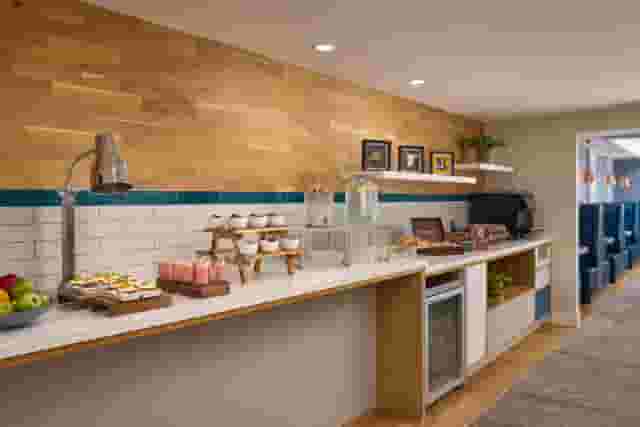
Catering should support sustained mental focus, not trigger an energy crash. Heavy carbohydrates, fried finger food and sugary desserts will leave your room struggling to stay awake through the 2pm module.
| Time | Activity |
|---|---|
| 08:30 | Arrival, registration, light breakfast and coffee |
| 09:00 | Session starts: objectives and morning module one |
| 10:30 | Mid-morning break: fresh fruit, tea and movement (20 mins) |
| 10:50 | Morning module two: interactive group exercises |
| 12:30 | Lunch break: standing hot fork buffet (45 to 60 mins) |
| 13:30 | Afternoon module one: practical application |
| 15:00 | Afternoon break: protein snacks, tea and coffee (15 mins) |
| 15:15 | Final module: review, action planning and wrap-up |
| 16:45 | Session ends and departure |
A standing hot fork buffet is generally superior to a sit-down two-course plated meal for training days. Sitting down for lunch keeps delegates sedentary and slows down the room. A standing buffet encourages movement, improves circulation and prompts organic conversation between colleagues who may not have spoken during the morning session. It also prevents the lunch break from overrunning, keeping your afternoon agenda on schedule.
Venues such as No.11 Cavendish Square in the West End combine private, quiet meeting spaces with dedicated dining rooms and courtyards, giving delegates a clear physical break from the training room. Stepping outside the classroom environment for meals allows the training room to be aired out and reset while attendees refresh their minds.
Keep hydration effortless. Water bottles or carafes on the tables should be replenished during every break without delegates having to search for a tap. Provide herbal teas and decaffeinated alternatives alongside standard coffee to prevent caffeine overconsumption across an eight-hour stretch.
If you are looking for fresh ideas to make corporate learning days more engaging, take a look at our guide on how to Make Your Next Away Day An Experience To Remember for strategies on pacing and attendee engagement.
Transport links, breakout logistics and final delivery
Where you base your training session affects punctuality and attendance. If staff are commuting across London or arriving via mainline rail from regional offices, location convenience is paramount. A venue situated more than a ten-minute walk from a major interchange will result in staggered arrivals and a delayed morning start.
For groups arriving from across the UK, venues located near transport hubs such as London Bridge, Waterloo or King's Cross save substantial travel time. For teams based in central corporate offices, selecting a central spot with easy access to major tube lines ensures reliable attendance. Large dedicated conference centres like the QEII Centre in Westminster provide large-scale, professional facilities with straightforward access for national delegates, alongside clear views across central landmarks.
Breakout spaces and room zoning
Many training frameworks require delegates to split into smaller working groups to tackle problem-solving briefs before reconvening to present their findings. Trying to run three separate group discussions in the corners of a single room rarely works. The competing voices create a wall of noise that makes concentration impossible.
When selecting your venue, determine whether you require:
- A single large room with ample space to push tables back for informal breakaways
- An adjoining secondary room for quiet breakout work
- A wide foyer or networking lounge where smaller sub-teams can sit with laptops
Venues with multiple self-contained rooms on a single floor, such as Church House Westminster, allow you to run plenary presentations in one space and disperse teams into quiet side rooms without losing time herding attendees across different floors. For smaller corporate cohorts that require formal discussion and executive training, historic settings like the Grand Connaught Rooms in Holborn provide dedicated suites where groups can work in privacy without external foot traffic.
Final checks before your event
Once you have shortlisted your space, complete an operational check of the venue before signing the contract. Arrange a site visit at the same time of day your training will take place. This lets you observe external noise levels, traffic rumblings and how daylight enters the space.
Test the equipment using the exact laptops your trainers will carry. Do not assume that a standard HDMI cable will interface smoothly with your company's locked-down security hardware or USB-C ports. Ask the venue for their guest Wi-Fi speeds and verify whether their network requires individual login portals that could block corporate VPN connections.
Finally, clarify what staffing is present on the day. Having a dedicated duty manager or audiovisual technician assigned to your room during morning registration ensures that any sudden microphone failure or missing display lead is resolved in minutes, leaving your trainer free to focus on delivering a successful session.
What our customers say
Inspiration and planning guides

Venue Review: The Fish Hotel
When you think of The Cotswolds, you automatically think of the beautiful scenery and a relaxing time away - The Fish Hotel did not disappoint!

Venue Review: Dewar's Aberfeldy Distillery
Give your attendees something different, get treated to some great Scottish hospitality with a twist at Dewar's Aberfeldy Distillery in the Scottish Highlands.

Tasty Team Building at L'Ateliers Des Chefs
L'Ateliers Des Chefs are experts when it comes to bringing people together over food. Offering brilliant cooking and dining experiences, they currently have two central London sites, one in Oxford Circus [https://hirespace.com/Spaces/London/4122/Latelier-des-Chefs-Oxford-Circus/Whole-Venue/Events] and the other just a stone's throw from St Paul's [https://hirespace.com/Spaces/London/4119/Latelier-des-Chefs-St-Pauls/Whole-Venue/Events] . Nothing brings people together quite like food and L'A
One supplier. Every venue. Full visibility on what you spend.
Multiple venues and events. One agreement.