Unusual Venues in Birmingham
Explore characterful Birmingham event spaces for corporate dinners, team socials and receptions, with data-backed pricing and instant availability checks.
146 Unusual in venues in Birmingham



































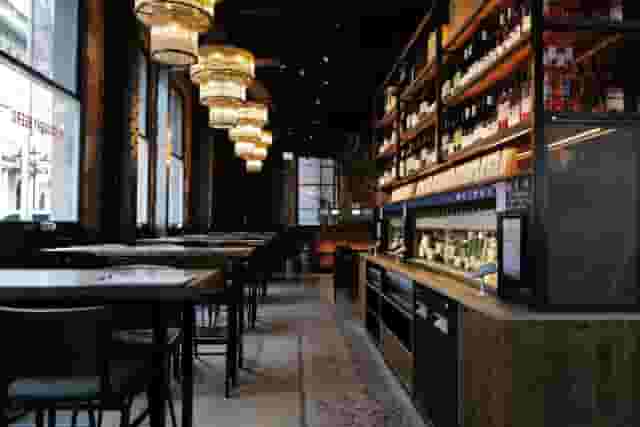

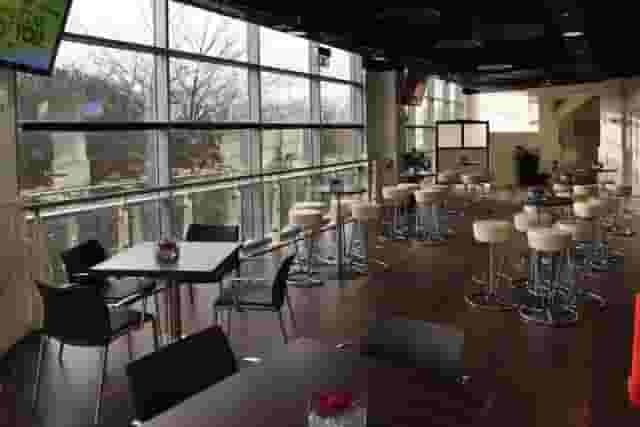
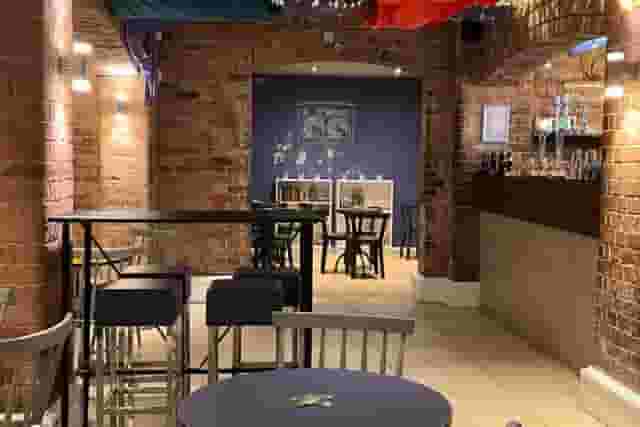


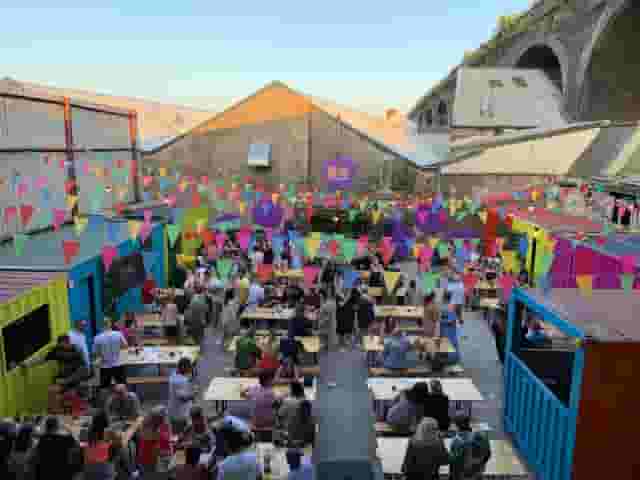














No venues match these filters
Try widening your capacity, luxury level or event type.
Don't have time to search? We'll find it for you.
For business events that need human judgement, talk to our team. Free for events of 100+ people, budgets over £10k or ongoing programmes.




Explore more venues in Birmingham





Frequently asked questions
What makes Birmingham venues unique?
Are there intimate unusual venues in Birmingham?
How to select an unusual venue in Birmingham?
What are Birmingham's unique venue costs?
Other platforms search their database. We search everything.
Tell us what you need. Our deep research finds any venue, whether it's in our marketplace or not. No one else does this.
About Unusual in Birmingham
Matching the space to your event format
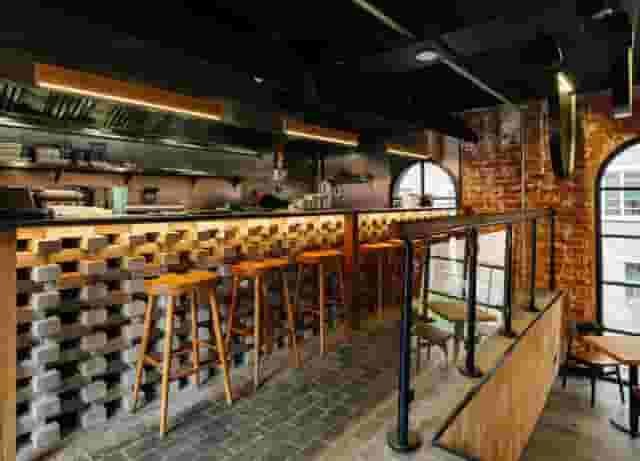
Selecting an unusual venue in Birmingham means stepping away from standardised meeting rooms and hotel ballrooms. Birmingham combines a strong manufacturing and industrial heritage with a fast-growing creative sector. The city offers converted canal-side workshops, former factories with exposed brickwork, immersive simulation spaces and retro dance halls. These buildings give an event immediate character, eliminating the need to spend thousands of pounds on temporary staging, pipe and drape or theatrical theming.
The first practical step is ensuring the physical layout serves the actual itinerary. Standard corporate venues are designed with predictable guest movements in mind, whereas converted or activity-based venues often have eccentric footprints. An open plan warehouse might look generous on a floor plan, but without acoustic treatment or zoned breakout areas, a company presentation will struggle against background reverberation.
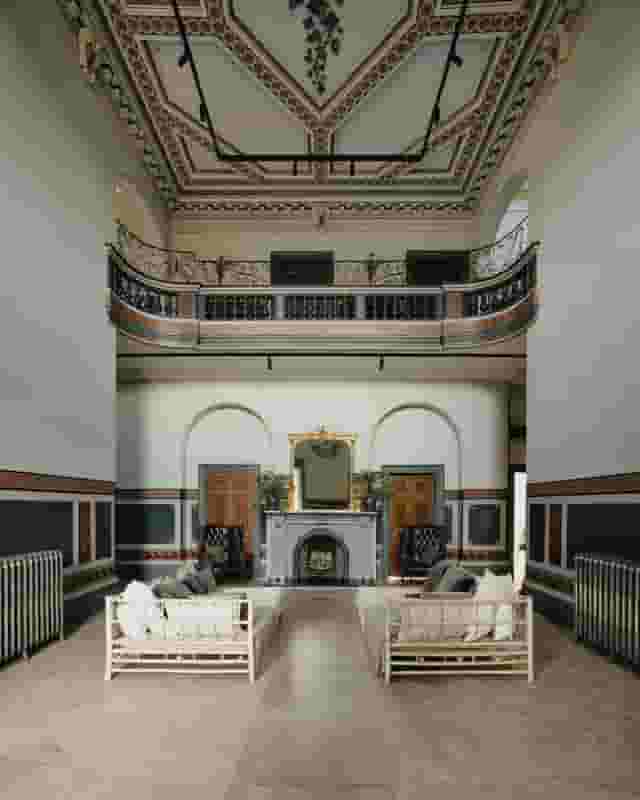
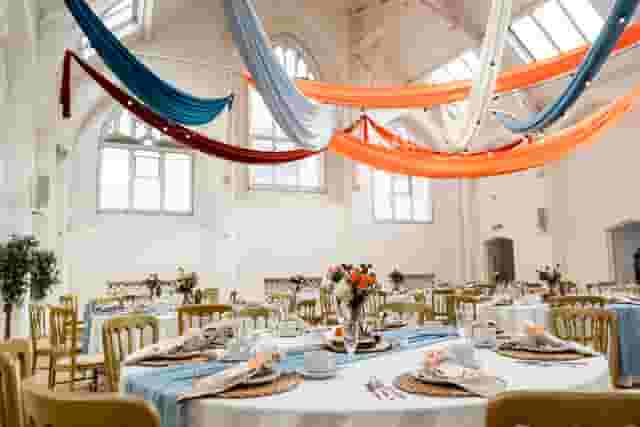
For seated presentations followed by drinks, architectural spaces with established corporate facilities offer an easy balance. IET Birmingham: Austin Court sits directly on the canal network in the city centre. Its Waterside Room accommodates up to 150 guests for a reception, pairing exposed brick walls and original oak floors with modern integrated audiovisual hardware. Spaces like this let you host formal addresses or awards without hiring external technicians, while still offering an environment that feels removed from an ordinary office. Organisers weighing unusual settings for formal programmes can read our guide on unconventional conference venues you'll love for ideas on managing acoustics and attendee focus.
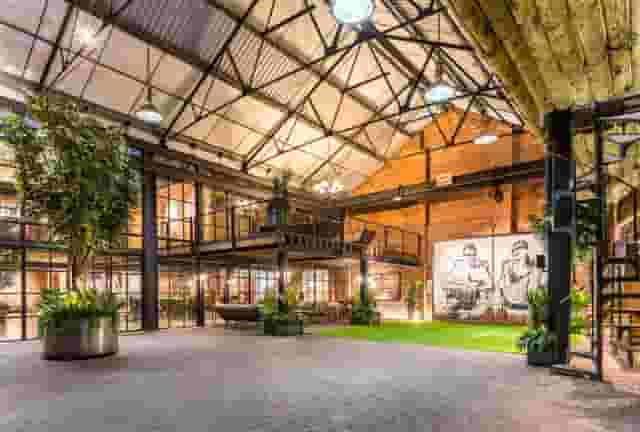
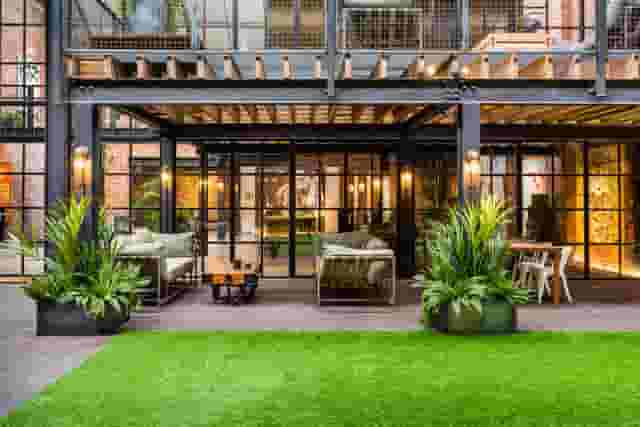
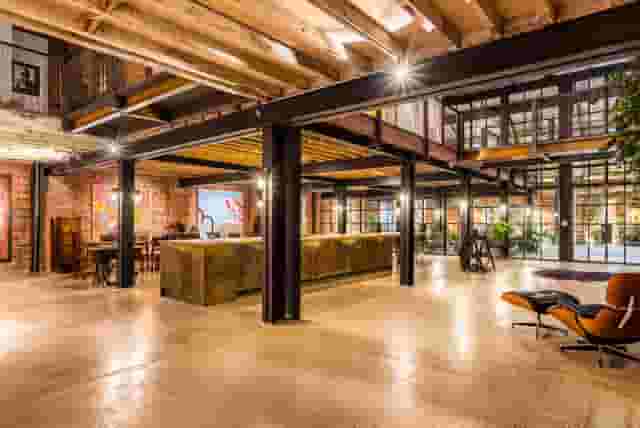
If your event prioritises total creative control over turnkey convenience, dry-hire industrial buildings provide a completely different proposition. The Compound in the Jewellery Quarter covers 12,000 square feet across a former factory site, holding up to 150 guests standing. With an on-site cinema, bar areas, art studio spaces and split-level living rooms, it gives organisers freedom to construct immersive product launches or private brand events. However, dry-hire conversions require you to coordinate waste removal, temporary kitchen equipment, production crews and late-night transport. Matching the venue to your team's internal planning capacity is just as important as matching it to your guest list.
Activity-led spaces versus architectural character
Unusual venues in Birmingham broadly fall into two camps: spaces celebrated for their physical architecture, and spaces designed around interactive entertainment. Deciding between them depends on how much structured activity your guests require.
Social gaming venues have grown rapidly across the city centre, clustering around retail and entertainment hubs like the Bullring and Grand Central. These spaces supply built-in entertainment, on-site kitchens and dedicated bar teams, making them simple to organise under tight deadlines. F1 Arcade Birmingham provides semi-private space for up to 80 guests in its P5 room, using 11 full-motion racing simulators to create competitive entertainment alongside drinks service. Similarly, Clays Birmingham uses virtual clay-shooting screens in a central cocktail bar setting, with semi-private and bar spaces suitable for groups of 50 standing. For much larger company gatherings, TOCA Social - Birmingham in the Bullring handles up to 1000 guests for buffet receptions, combining interactive football gaming booths with casual American dining.
The advantage of an activity-led venue is obvious: the entertainment is organised for you, icebreakers happen organically and guests stay engaged without an elaborate timetable. The limitation is exclusivity and privacy. Many gaming venues operate semi-private zones where the ambient music, commentary and general public remain audible. If your managing director needs to deliver a confidential financial update or launch a sensitive internal strategy, a semi-private arcade bay is the wrong setting.
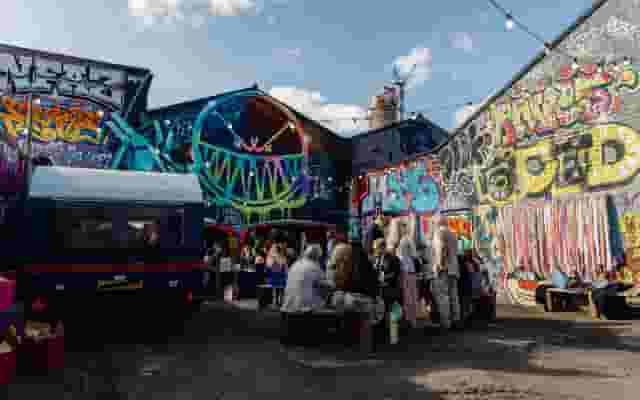
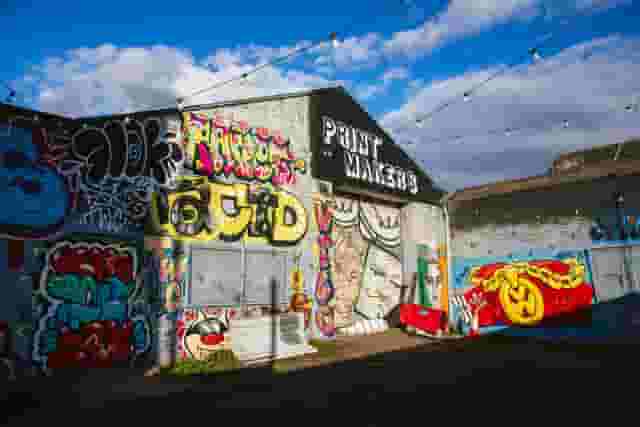
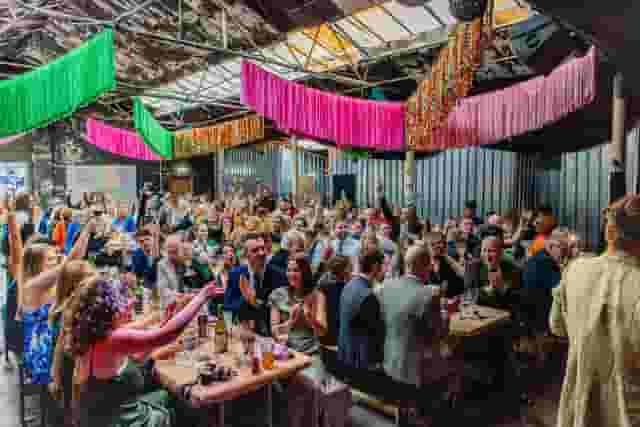
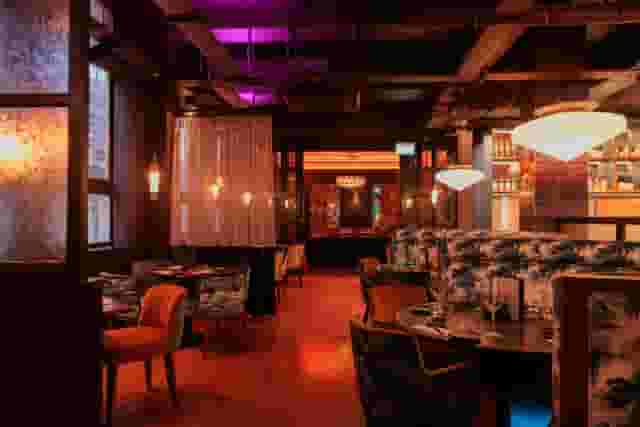
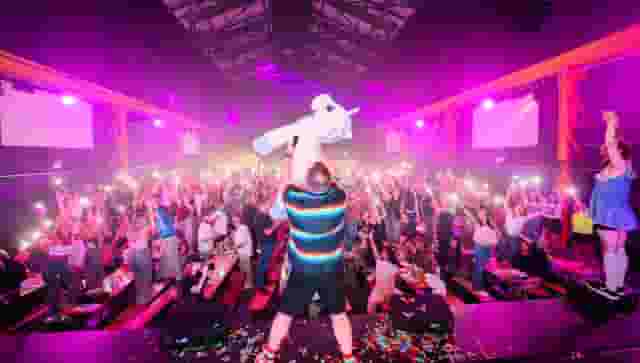
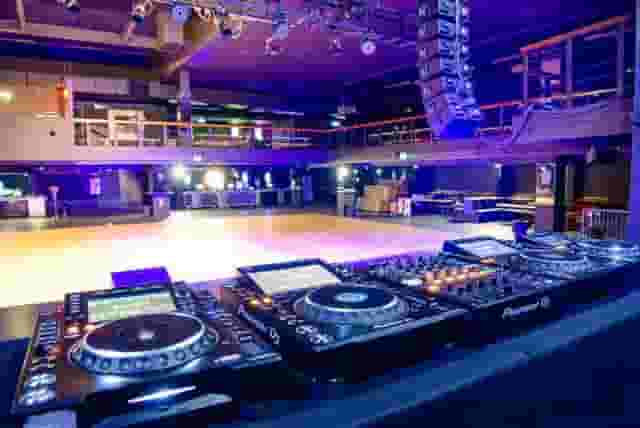
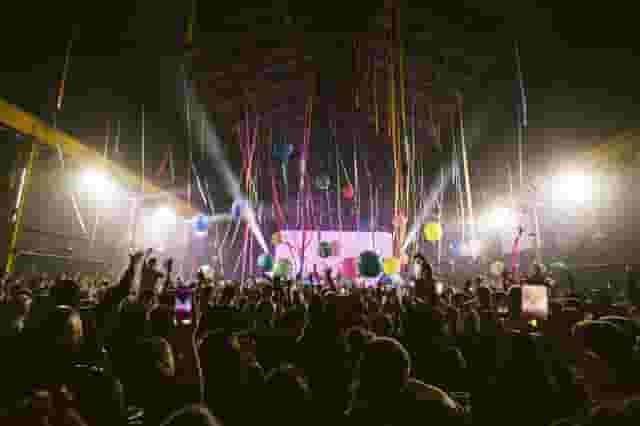
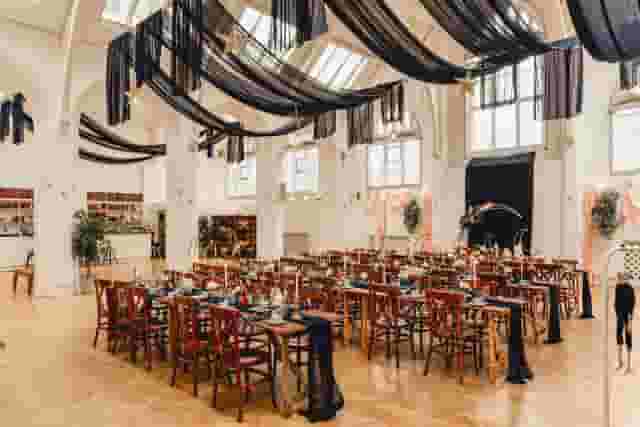
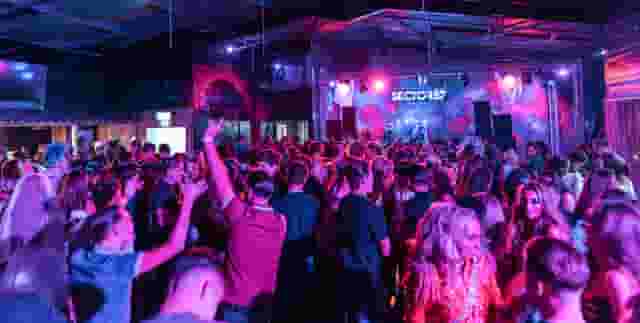
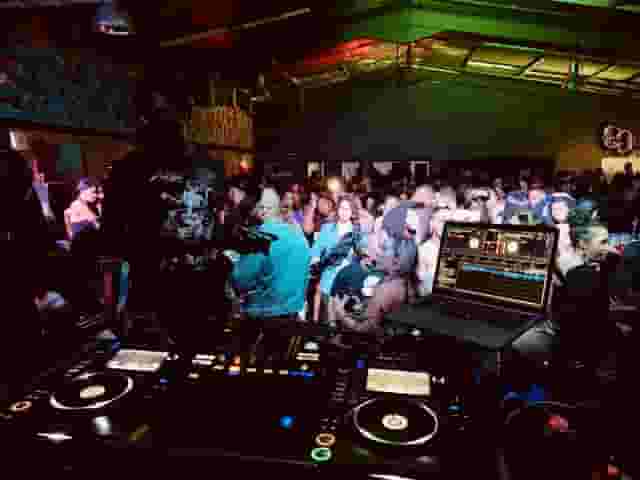
Architectural venues, by contrast, offer total seclusion and atmospheric backdrops. In Digbeth, the city's creative heart, converted industrial units offer immense personality. The Night Owl provides an intimate retro club setting with a sprung wooden dance floor, mezzanine level and capacity for up to 250 standing guests. It suits company milestones, informal summer parties and lively evening celebrations where live music or a DJ leads the night. For large events requiring raw industrial scale, XOYO Birmingham provides an 800-capacity main room with exposed steel beams, industrial brick finishes and an open rooftop garden.
When your event format includes formal milestones, presentations or recognitions, looking at alternative creative spaces can transform the attendee experience. Organisers planning ceremonial events can review our advice on top unique and unusual venues for an awards ceremony to see how character buildings manage staging, sightlines and table service.
For organisations seeking physical activity outside the digital realm, West Midlands Circus Centre in Edgbaston provides a historic building with two high-ceilinged halls, private gardens and parking for up to 200 standing. Spaces of this type allow for physical team-building workshops, aerial performances and bespoke creative days that impossible ceiling heights in commercial hotels cannot accommodate.
| Venue type | Best event format | Main operational benefit | Key consideration to check |
|---|---|---|---|
| Converted industrial | Product launches, creative showcases, late-night parties | Dramatic visual identity, high ceilings, branding freedom | Acoustic echo, heating limits, loading access |
| Activity and competitive social | Team socials, informal client hosting, mid-sized celebrations | Built-in entertainment, straightforward catering packages | Ambient sound bleed, semi-private sightlines |
| Historic and canal-side buildings | Corporate dinners, hybrid meetings, formal receptions | Strong architectural charm, integrated AV, central postcodes | Heritage fabric restrictions, fixed spatial layouts |
| Specialised creative centres | Immersive workshops, physical team building, away days | High rigging clearance, distinct functional zones | Specialist supplier requirements, transport connections |
Budgeting and comparing quote structures
Pricing for unusual venues rarely follows a single standard. A modern business hotel will almost always quote a straightforward day delegate rate (DDR) covering room hire, tea breaks, mineral water, lunch and basic projector hire. Quirky, historic and industrial venues often build their proposals around dry-hire fees, minimum bar spends or tiered entertainment packages. To make sense of these varying structures, venue sourcing through Hire Space combines an event planning and venue booking platform with a team of real people who own the outcome. It provides instant, data-backed price estimates drawn from real booking figures so you know realistic costs before enquiring, alongside suggestions for similar spaces at a lower price if an option sits over budget.
Based on 8 quotes from the venues on this page, typical pricing sits at £20 to £53 per head. This figure assumes about 50 guests, which represents a common group size for private company dining, team socials and department celebrations.
Understanding where your quote falls within that £20 to £53 per head range comes down to the inclusions:
- The lower end (£20 to £30 per head): Typically reflects minimum spend thresholds at social competition venues during off-peak weekday slots, or basic dry hire divided across your headcount before production is added. At this level, catering might consist of light sharing platters or bowl food, with guests purchasing additional drinks independently once a pre-funded tab closes.
- The middle to upper end (£35 to £53 per head): Usually covers an inclusive event package at an established venue. This structure frequently bundles private room hire, interactive game time, welcome drinks, wine allocations and substantial food, such as a hot fork buffet, street-food style food stalls or seated sharing boards.
When reviewing quotes, look out for costs that do not appear on the headline sheet:
Service charges and minimum spend calculations
Competitive social venues routinely apply a discretionary service charge of 10% to 12.5% to all pre-ordered food and drink. Ensure you verify whether that service charge counts towards meeting the venue's agreed minimum spend. If a room requires a minimum spend of £20 to £53 per head and service charge is excluded from the calculation, your actual cash commitment will be higher.
Dry-hire additions
When hiring raw architectural spaces, room hire covers the shell of the building only. You must account for external kitchen hire, temporary refrigeration, power distribution boxes, waste disposal skips, security personnel and cloakroom staff. A dry-hire fee of £20 to £53 per head can easily double once external infrastructure is factored into your budget sheet. Hire Space 360 is enterprise venue and hotel procurement for companies spending £1m or more a year on meetings and events: a managed meetings and events programme, the kind procurement teams call strategic meetings management. It consolidates every venue contract and hotel stay under one supplier agreement, keeping bookings within company event policy while replacing multiple vendor invoices with consolidated invoicing. Finance teams also gain live spend reporting and an audit trail across every booking, team and region.
Cleaning and damage deposits
Historic spaces and converted creative venues often hold damage deposits of £20 to £53 per head against floor damage, wall scuffs or late departures. Ask specifically about specialist post-event cleaning fees, particularly if you plan to bring in branded vinyl installations, confetti, dry ice or complex stage builds.
Production, AV and the practicalities of non-standard rooms
Standard conference rooms come with drop-down electric screens, ceiling-mounted speakers and predictable power grids. Converted Victorian warehouses, canal docks and retro club rooms demand closer technical scrutiny during site visits.
Acoustic management is the primary challenge in heritage industrial properties. High brick walls, exposed timber rafters and polished concrete floors look impressive, but sound waves bounce off hard surfaces without resistance. If you are staging a panel discussion or executive address, soft furnishings, pipe and drape room dividers or targeted directional PA speakers will be necessary to prevent voices blurring into an unintelligible echo. Always check the ceiling for rigging load ratings if you plan to suspend heavy lighting rigs, acoustic baffles or branded banners.
Power distribution requires equal attention. Older buildings, even those operating as event spaces, often lack evenly distributed power circuits. Discovering that an entire floor runs off two domestic 13-amp ring mains can derail your catering and AV setup. Ask the venue management for a copy of their electrical layout:
- Do they supply three-phase power (32A or 63A) for production and external kitchen plant?
- Are sound and lighting gear isolated on separate circuits from catering urns and refrigeration units?
- Where are the cable run routes, and will ramps be needed to preserve step-free access across fire escapes?
Daylight control can also alter your plans. Victorian buildings and industrial saw-tooth roofs frequently feature expansive glass skylights. If your daytime event includes high-resolution screen presentations or video playback, confirm whether the space has blackout blinds or whether you will need high-lumen projection units and LED video walls to overcome ambient daylight.
Catering and bar logistics in unconventional spaces
Catering in an unusual venue will either be tied to an internal kitchen team or managed via external catering partners. Each model carries distinct operational implications for your timetable.
Activity venues like bowling alleys, sports simulation halls and darts bars operate their own kitchens. Their menus are designed to be eaten without formal cutlery, featuring sliders, skewers, loaded fries and gourmet pizza. This setup works well for social gatherings where guests circulate freely. However, internal menus at entertainment venues can be rigid. If your company has complex dietary requirements, such as halal, kosher, severe nut allergies or vegan diets, check how the kitchen avoids cross-contamination in high-volume environments.
Dry-hire warehouses and historical buildings generally allow you to bring in approved outside caterers. This opens the door to Birmingham's acclaimed independent street food traders, bespoke banqueting teams or regional suppliers. When running external catering, run through this practical checklist before signing:
- Prep kitchen access: Does the venue have dedicated back-of-house space with running potable water, drainage, extraction and hand-washing basins, or must the caterer build a temporary prep kitchen in an adjoining yard?
- Waste management: Is commercial waste disposal included on site, or is your caterer required to remove all cooking oil, food waste and packaging at the end of the night?
- Power for hot-holding: Can the venue support commercial ovens and hot cupboards without tripping circuits used by the sound technicians?
- Corkage terms: If you wish to bring your own wine, what is the per-bottle fee, and does that fee include glassware, chilling equipment, ice and serving staff?
Bar service demands equal clarity. If you plan to settle drinks via an open tab, set a strict cap with the bar manager beforehand and specify which categories of alcohol are included. Unusual and independent venues often carry premium craft spirits and local beers. If spirits are not excluded from your company tab, a thirsty guest list can exhaust your drinks allowance before the midway point of the evening.
Access, licensing and guest arrivals across Birmingham
Navigating Birmingham requires understanding the distinct geographic pockets that make up its event scene. Moving guests between central train hubs and your venue needs clear logistical planning.
Venues in the city core and along the canal network, such as those near Austin Court and the Bullring, sit within easy walking distance of Birmingham New Street, Moor Street and Snow Hill stations. Guests arriving from London, Manchester or across the West Midlands can walk to your event in under 10 minutes without arranging taxis.
Digbeth and the Jewellery Quarter provide the densest concentration of creative, industrial and retro venues, but transport requires extra consideration. While Digbeth is walkable from Moor Street, walking routes can involve navigating active construction sites, ring-road underpasses and industrial side streets that are poorly lit after dark. For events finishing after 22:00, advise attendees on designated taxi pick-up spots, or pre-book mini-coaches to shuttle guests back to central train stations and hotel districts.
Licensing regulations also vary sharply between districts. Digbeth spaces often hold late-night entertainment licences allowing music and bar service until 02:00 or later, making them ideal for celebratory parties. However, venues situated close to new residential developments in the Jewellery Quarter or Edgbaston frequently operate under strict local authority sound limiters. These automatic cutoff devices sever power to the PA system if volume levels exceed set decibel thresholds. Ask venue coordinators:
- Is there a hardware sound limiter installed, and what is its decibel ceiling?
- What time must external doors and rooftop terraces close to comply with residential noise conditions?
- What time is the alcohol licence cut off, and how long after the bar closes do guests have to vacate the building?
Finally, clarify loading dock logistics. Creative districts often have narrow roads with strict parking enforcement. If your suppliers need to drop off staging, arcade games, floral displays or kitchen equipment, ensure the venue has reserved loading bays and step-free load-in routes. Understanding these operational boundaries early allows you to run a distinctive, highly memorable event that flows smoothly from start to finish.
What our customers say
Inspiration and planning guides

Your Guide to (Last Minute) London Christmas Party Venues
Organising a Christmas party [https://hirespace.com/Top/London/London-Christmas-Party-Venues] may sound exciting but let's be honest, sometimes it's more than a little bit stressful, especially when you've left it to the last minute. But never fear, there are still some brilliant venues available for a fantastic festive shindig if you think outside the box a little. Thankfully, the Venue Expert Team is here to help. With these five unique venues [https://hirespace.com/Top/London/Unusual-Christm

6 Top Venues For A 30th Birthday Party
If your 30th is approaching, it's the perfect excuse for having a big old birthday bash in our books - here's a whirlwind tour of 6 of our favourite venues!

This Is Why London Has Such Unique Venues
At Hire Space, unusual venues [https://hirespace.com/Browse/Unusual-Event-Venues-London] are the name of the game. Passion to find a unique venue for an event seems to be unabated in London, but it's of little surprise when taking into account all the amazing spaces the capital has to offer. But just why is London filled with so many unusual venues for hire? We investigated: Romans, Saxons, Normans, Tudors and Stuarts. The Black Death, two World Wars and one Great Fire. London has seen it a
One supplier. Every venue. Full visibility on what you spend.
Multiple venues and events. One agreement.