4 Star Hotels in London
Find four-star hotels in London for professional events and group accommodation. With comfortable guest rooms, meeting facilities and convenient transport links, these hotels can suit conferences, corporate away days and multi-day events. Compare locations, room layouts, capacity, catering and audiovisual facilities, and check whether rates cover accommodation, meeting space and meals when planning your budget.
- Free to enquire
- Group bookings team
317 hotels in London
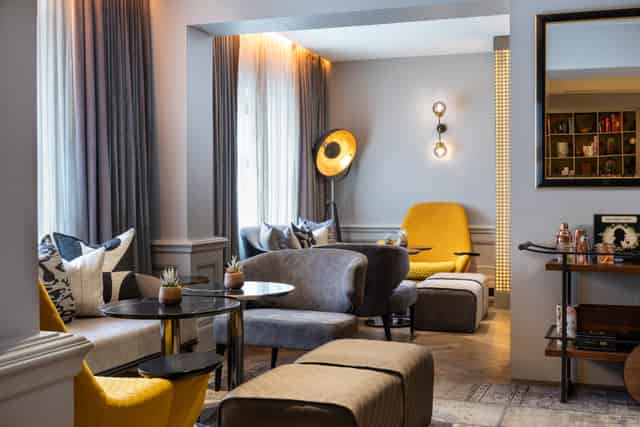
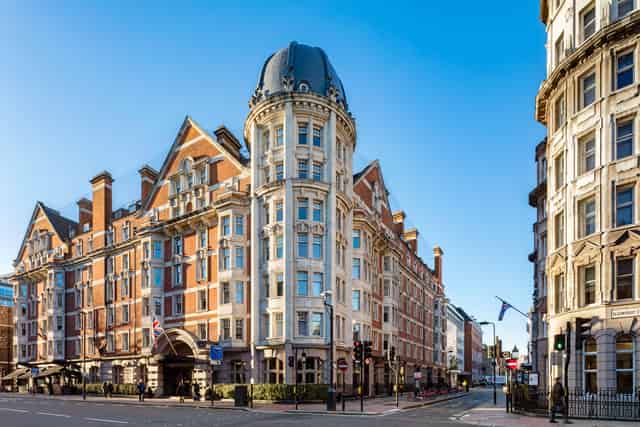
Radisson Blu Hotel, London Bloomsbury
Estimate£220 to £630 per night in November

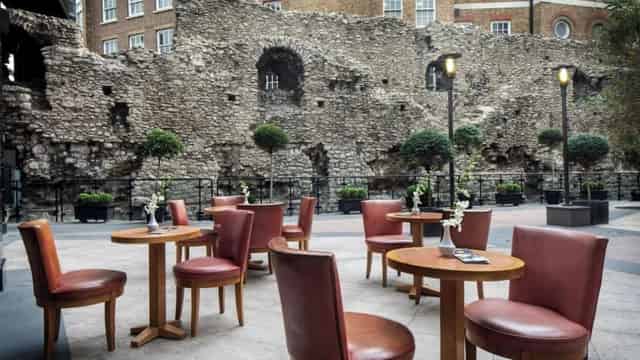
Leonardo Royal Hotel London City
Estimate£160 to £470 per night in November
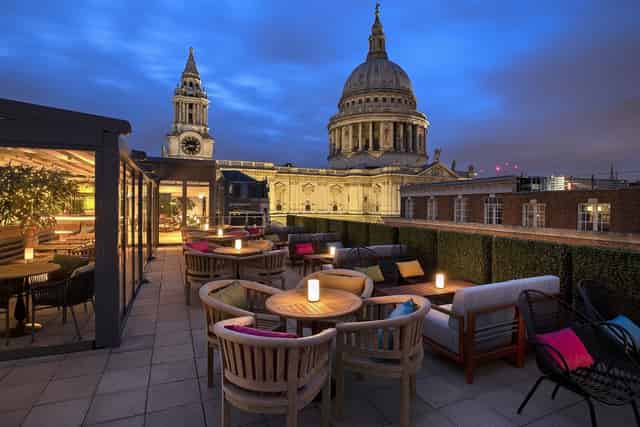
Leonardo Royal London St Paul's
Estimate£260 to £890 per night in November

Leonardo Royal Hotel London Tower Bridge
Estimate£230 to £680 per night in November
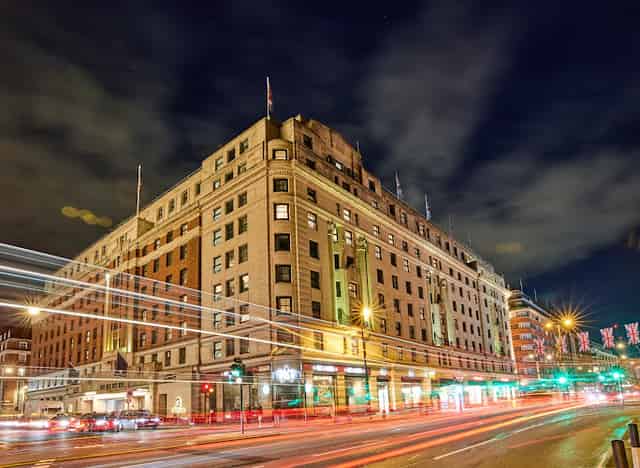
The Cumberland Hotel, London
Estimate£140 to £410 per night in November
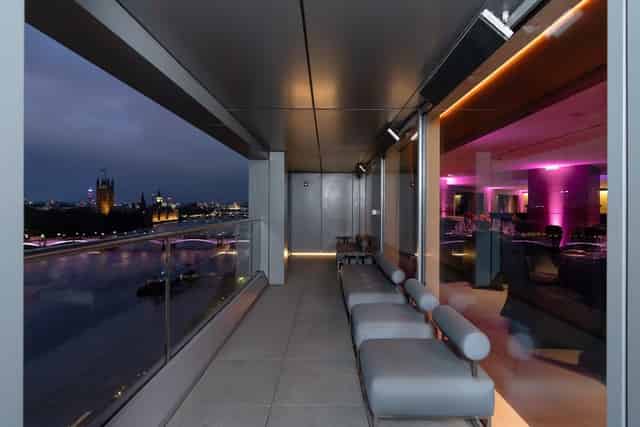
Park Plaza London Riverbank
Estimate£170 to £490 per night in November
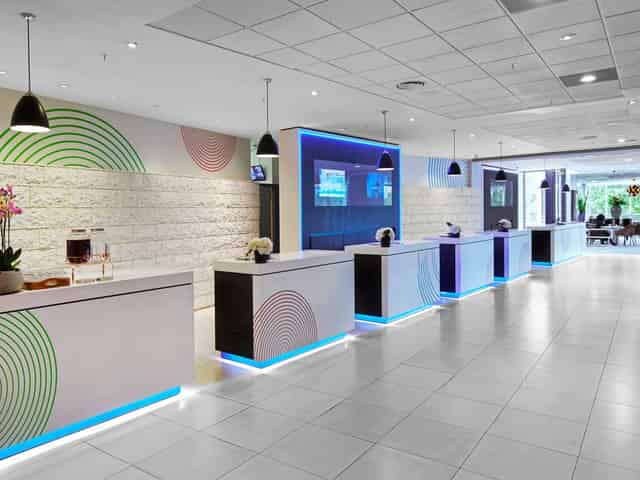
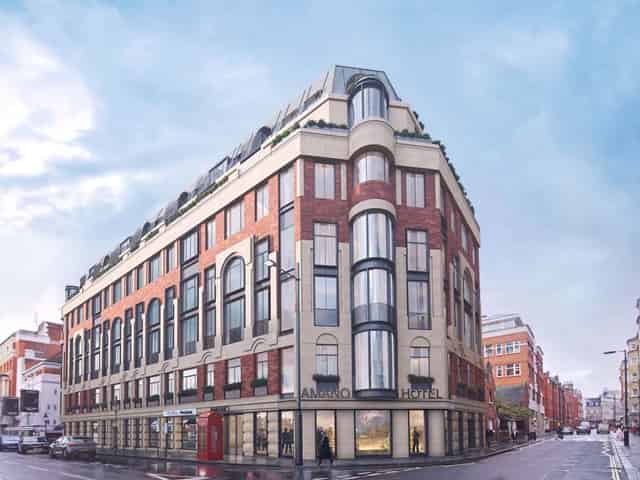
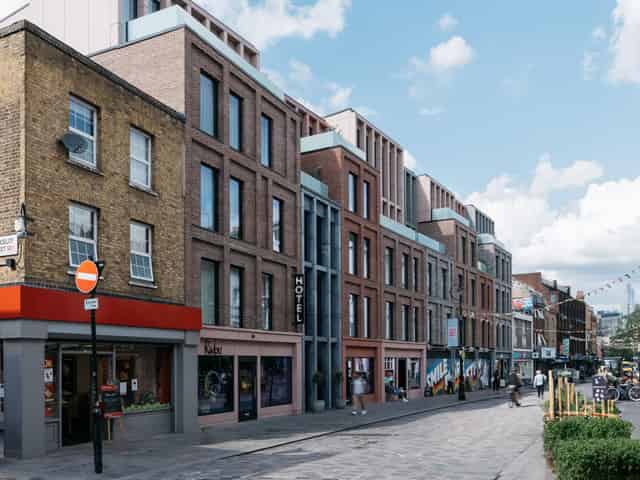
Hotel AMANO Covent Garden
Estimate£210 to £650 per night in November
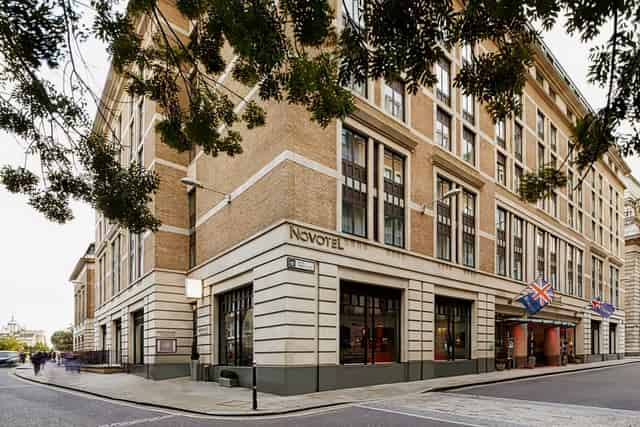
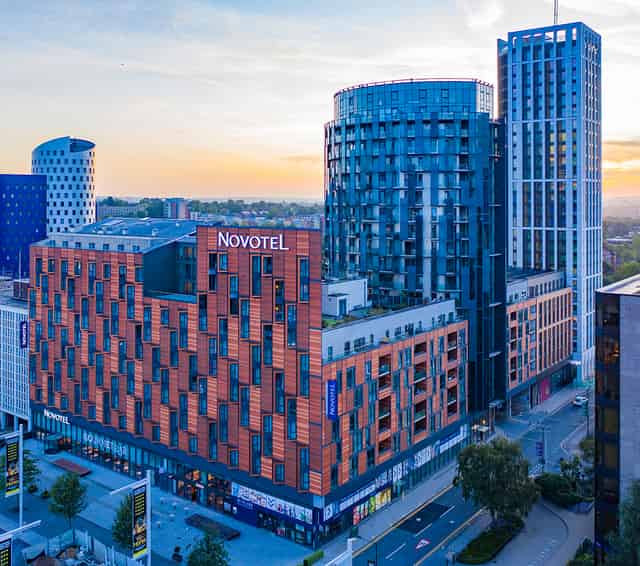
Novotel London Tower Bridge
Estimate£170 to £500 per night in November
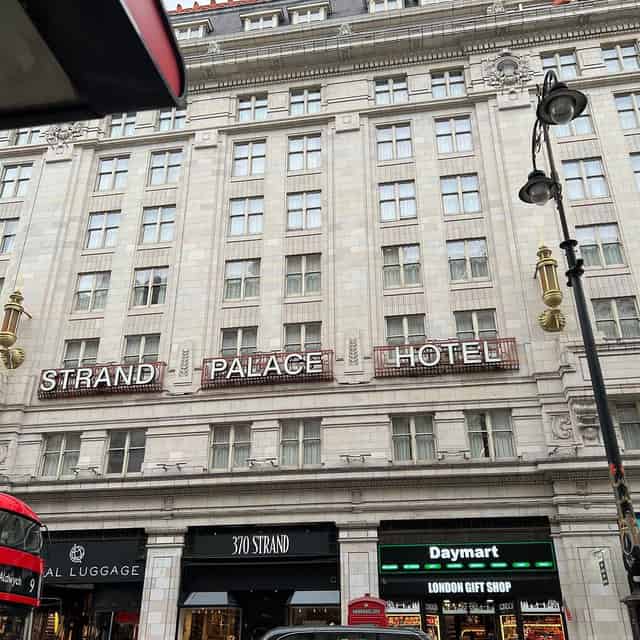
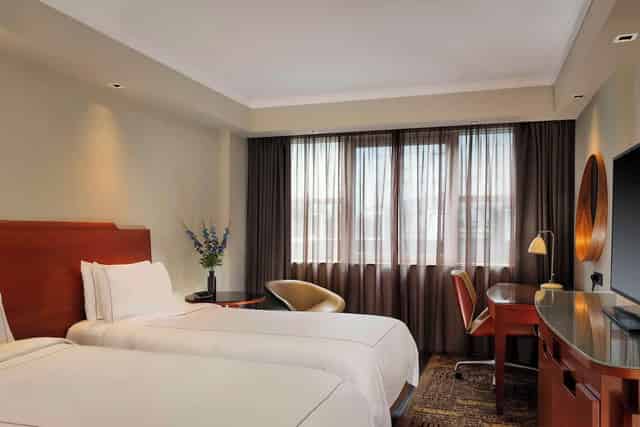
Park Plaza Victoria London
Estimate£180 to £520 per night in November
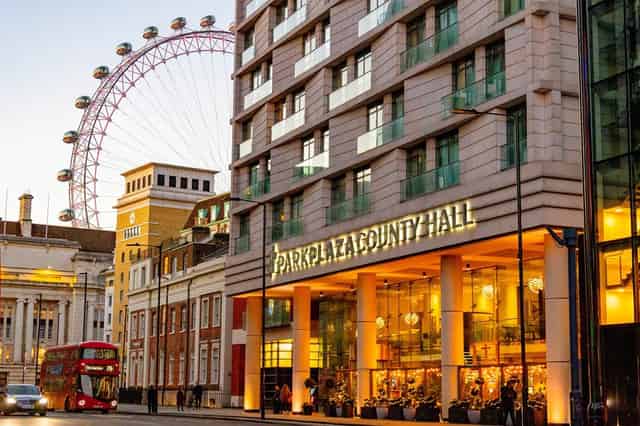
Park Plaza County Hall London
Estimate£170 to £500 per night in November
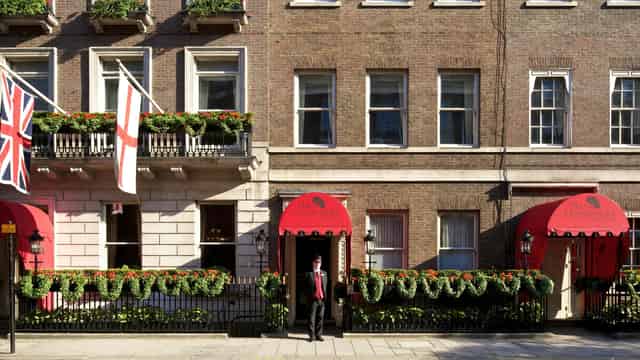
The Chesterfield Mayfair
Estimate£210 to £610 per night in November
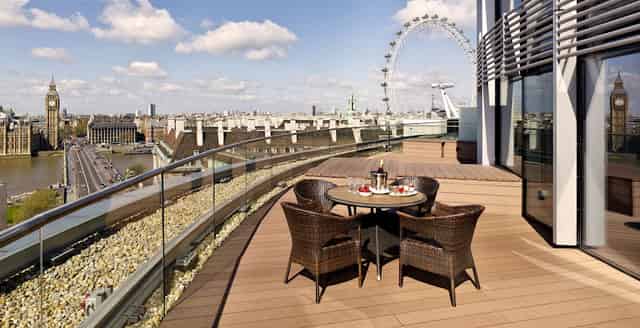
Park Plaza London Westminster Bridge
Estimate£170 to £510 per night in November

Park Plaza London Waterloo
Estimate£140 to £400 per night in November
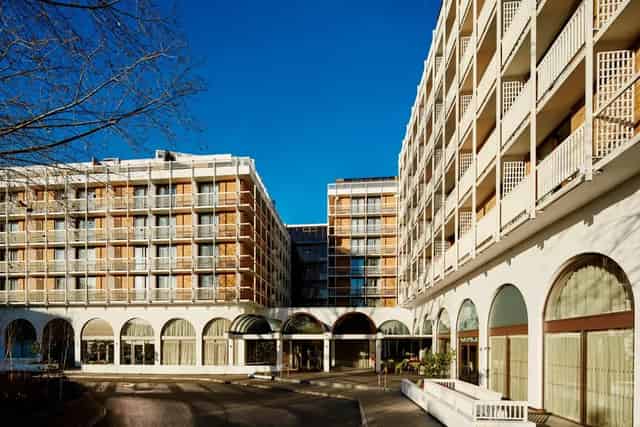
London Marriott Hotel Regents Park
Estimate£200 to £590 per night in November
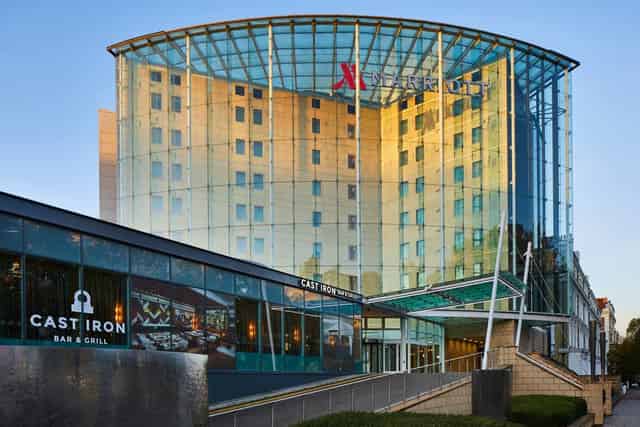
London Marriott Hotel Kensington
Estimate£170 to £510 per night in November

London Marriott Hotel Maida Vale
Estimate£170 to £510 per night in November
Mercure London Earls Court
Estimate£110 to £340 per night in November



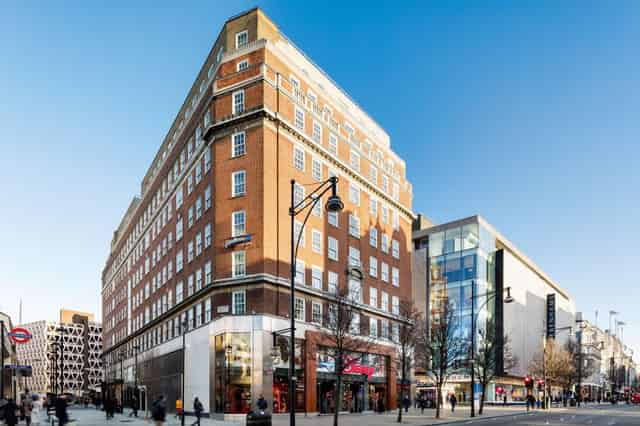



DoubleTree by Hilton London Greenwich
Estimate£80 to £240 per night in November
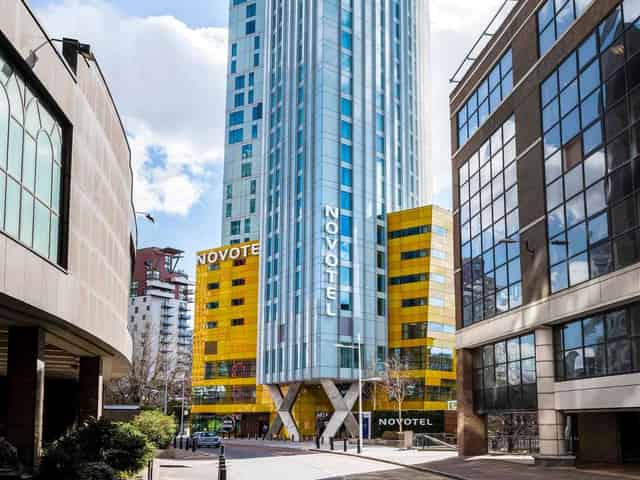
Novotel London Canary Wharf
Estimate£140 to £420 per night in November
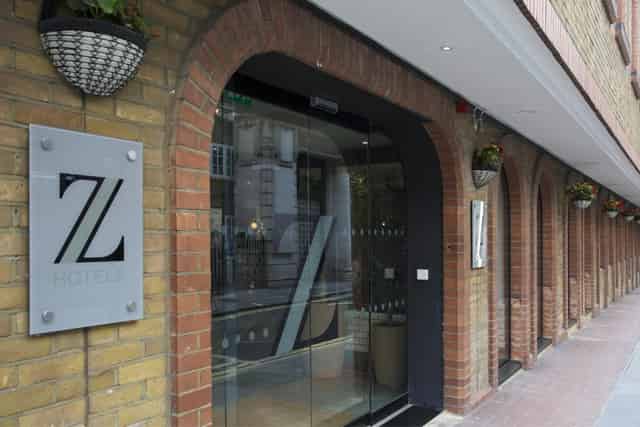
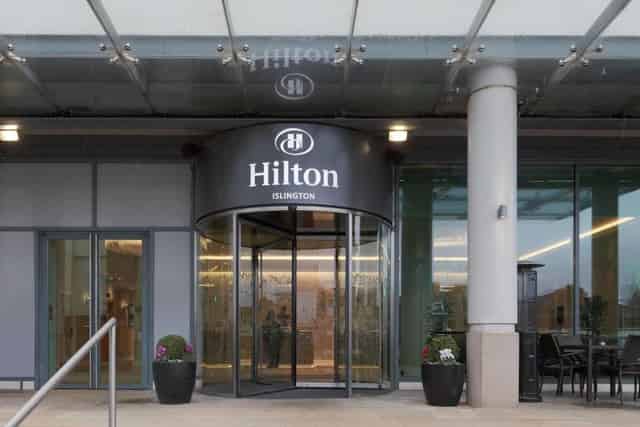
Hilton London Angel Islington
Estimate£170 to £500 per night in November
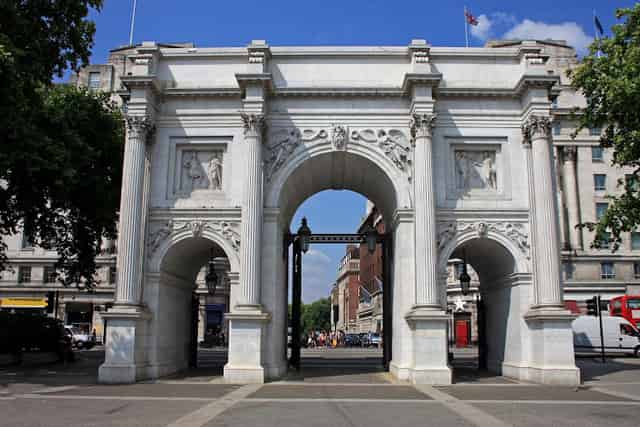
The Marble Arch Hotel by Thistle
Estimate£140 to £400 per night in November
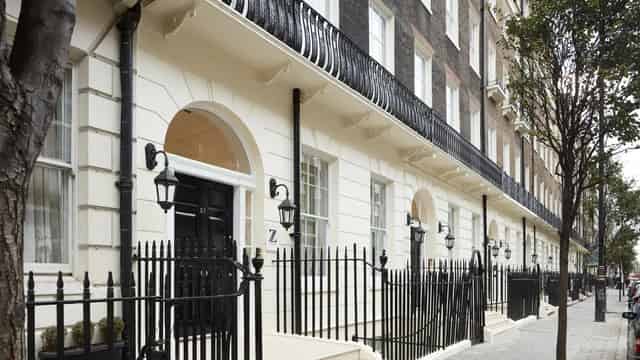

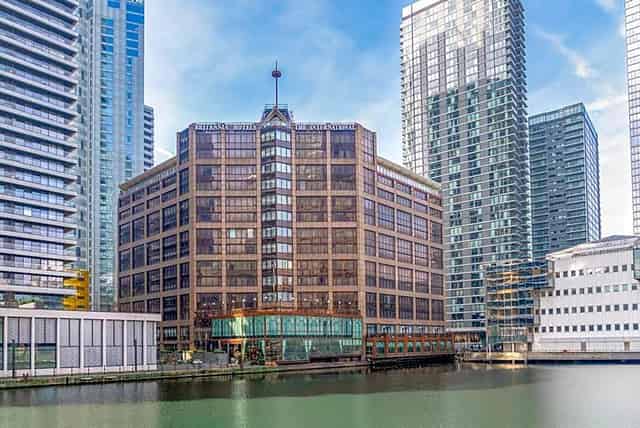
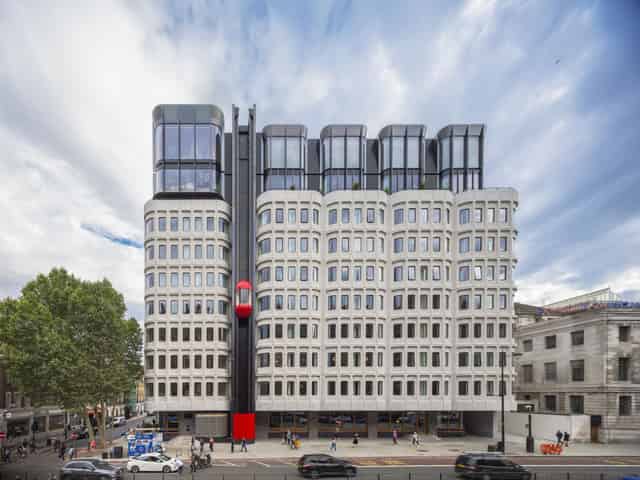
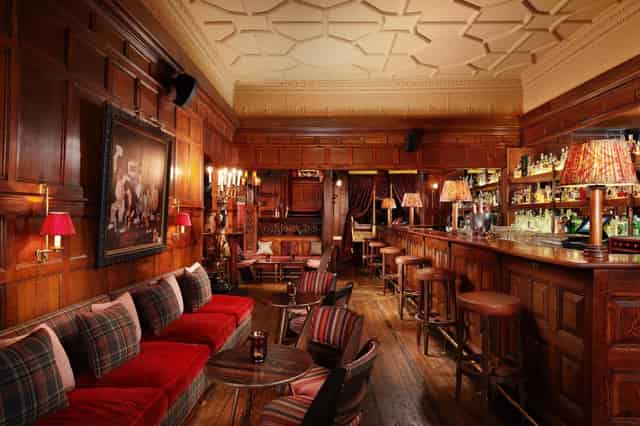
The Gore London - Starhotels Collezione
Estimate£170 to £500 per night in November
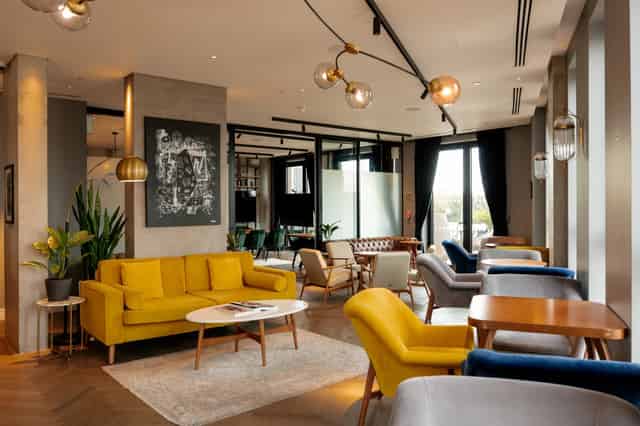
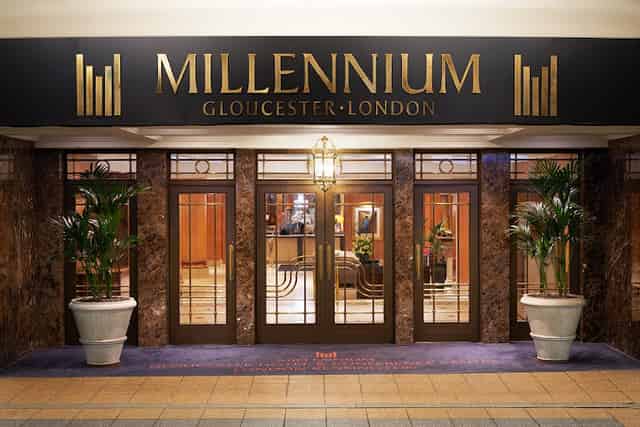
Millennium Hotel and Conference Centre Gloucester London
Estimate£120 to £360 per night in November
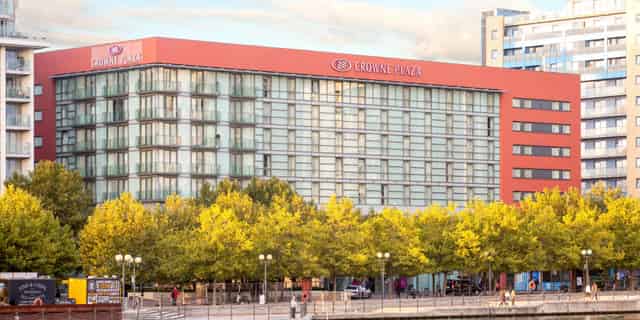
Crowne Plaza London Docklands by IHG
Estimate£160 to £470 per night in November
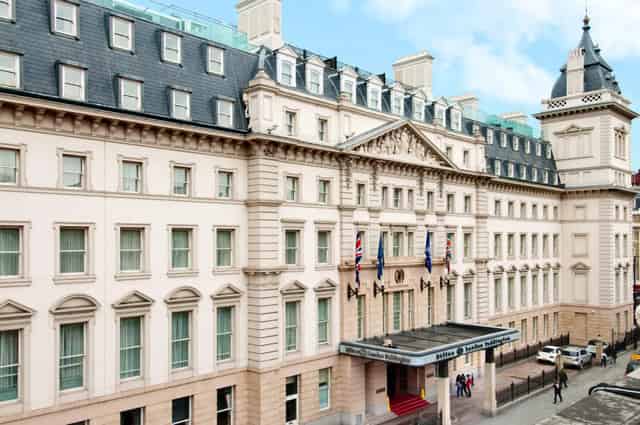
Hilton London Paddington
Estimate£210 to £610 per night in November
About 4 Star Hotels in London
How to choose 4 star hotels in London: matching hotel size and standards to your group
When coordinating accommodation for an event group, choosing the right base comes down to balancing capacity, consistency and day-to-day logistics. All of the hotels on this page carry a dependable 4-star standard, giving delegates comfortable rooms, modern amenities and reliable service without stretching corporate budgets.
Sizing up the property
Total room count makes a substantial difference to how your group is looked after. We always advise assessing property scale against your headcount:
- Large properties (100 to 199 rooms, or 200 or more rooms): Some of the hotels fall into these brackets, providing enough capacity to keep larger cohorts together under one roof.
- Mid-sized hotels (50 to 99 rooms): Some of the hotels sit in this bracket, offering balanced service for medium-sized teams.
- Intimate options (fewer than 20 rooms, or 20 to 49 rooms): A few of the hotels provide these smaller environments, perfect for senior leadership teams seeking a quieter stay.
Balancing stay and schedule
Consider how your group will spend their time across the working day. Even if your main sessions take place at external Conference Venues in London, some of the hotels feature their own event space on site, which can be immensely useful for morning debriefs or an evening reception.
When shortlisting 4 Star Hotels in London, focus on room numbers and nearby transit links to keep daily travel painless. Your next step is to confirm your target room numbers and mark out preferred areas along your route to the event.
Managing room allocations: how many rooms to hold and when to request them
Holding rooms for an event cohort is always a delicate balancing act. Hold too few and you risk splitting your group across different postcodes; hold too many and you could face painful attrition charges for unallocated beds.
Structuring your allocation
When you approach these hotels for group accommodation, start by reserving space solely for attendees you know will travel. We find it best to agree a phased release schedule rather than a single cutoff date:
- Base block: Secure rooms for your core team, speakers and confirmed delegates first.
- Staggered release policies: Establish clear milestone dates where unbooked rooms are returned to general hotel inventory without financial penalty.
- Inclusions and terms: Confirm exactly what is included in the rate, such as breakfast or luggage storage, and ensure cancellation policies are documented in writing.
Timing your request
In a busy destination like London, timing dictates both choice and flexibility. As soon as your programme dates are locked down and you have chosen nearby Meeting Rooms in London or Event Venues in Central London, submit your accommodation enquiry.
Popular business travel months see hotels fill up rapidly, which impacts room options and nightly rates. Remember that rates fluctuate across the year, and seasonal figures should always be treated as indicative estimates, not quotes or availability. Having your allocation agreement in place early protects your plans while delegates finalise their schedules.
Your immediate next step is to draft your confirmed guest list and contact your shortlisted hotels to request written attrition and release schedules.
Understanding nightly rates: what drives room pricing over the coming months
London’s accommodation market shifts noticeably from late autumn into winter, and understanding these calendar rhythms makes an enormous difference when forecasting budgets for your event. Group pricing tends to mirror the tempo of the wider business calendar, fluctuating according to corporate travel patterns and key diary periods across the capital.
Seasonal rate shifts
When planning your expenditure over the coming months, keep in mind how pricing moves across the quarter:
- Late autumn demand: Typical £120 to £600 per night in November reflects a busy period of corporate activity, industry summits and solid mid-week demand across the city.
- Year-end transition: Typical £90 to £430 per night in December shows a gradual softening as commercial schedules wind down, although early-month stays remain popular.
- New year reset: Typical £70 to £260 per night in January brings a notable drop, making the start of the year an appealing window if your programme dates are flexible.
Always treat these figures as indicative estimates, not quotes or availability. Nightly prices fluctuate based on the specific days of the week your delegates stay, city-wide events, and how far in advance you secure your block. If you are coordinating stays alongside bookings at Meeting Rooms in Central London or wider Event Venues in London, aligning your dates early protects your overall budget.
Scrutinising rate inclusions
When reviewing accommodation proposals from these hotels, look beyond the headline figure. A slightly higher nightly rate can often deliver better overall value once essential extras are taken into account:
- Breakfast options: Check whether breakfast is included, as daily morning dining quickly adds up across a multi-day stay.
- Ancillary services: Clarify what services are included at no extra charge, such as high-speed Wi-Fi, luggage storage before check-in, or late departure flexibility.
- Billing arrangements: Confirm whether quoted prices include VAT and establish clear master-account parameters for incidental delegate expenses.
Your immediate next step is to map your provisional delegate numbers against these seasonal pricing bands to draft a realistic budget before requesting formal proposals from hotels.
Coordinating group travel: getting attendees smoothly between their hotel and the event
Even the most comfortable rooms lose their appeal if delegates face a stressful commute to the morning sessions. When securing accommodation for an event cohort, transit efficiency between the hotel and your programme destination should sit right at the top of your assessment checklist.
Evaluating transport connections
London's transport network makes moving across the capital straightforward, provided you position your group strategically:
- Direct lines: Look for properties positioned near Underground or rail lines that run straight to your destination without complex interchanges.
- Step-free access: Check in advance whether local stations offer step-free access so every attendee can travel comfortably.
- Arrival logistics: Consider how delegates arrive from mainline rail hubs, and ensure luggage storage is included at the hotel if arrival falls before official check-in.
Streamlining daily movements
Moving groups across town during morning peaks can easily lead to scattered arrivals. We recommend circulating clear travel guidance well before arrival day, detailing target lines, station exits and walking routes.
Your immediate next step is to map the morning journey from each shortlisted hotel to the event site to confirm seamless transit connections before finalising your room allocation.
Looking beyond a bed: making the most of hotels with on-site event space and amenities
When you are housing an entire team or delegate group, a hotel can provide far more than just a comfortable bed for the night. Having dedicated functional space under the same roof as your bedrooms transforms your daily schedule, saving hours otherwise spent herding delegates through morning traffic.
Maximising on-site facilities
Utilising communal and work spaces within the property where your attendees sleep creates valuable flexibility across your programme. We always look at how internal areas can support the wider itinerary:
- Morning briefings: Gathering your team for breakfast or a swift briefing before departing keeps everyone aligned.
- Dedicated workspaces: Quiet areas on site allow delegates to catch up on pressing corporate work between main sessions.
- Informal networking: Resident lounges offer a relaxed setting for evening debriefs without needing to organise external travel.
Clarifying service inclusions
To make the most of what these hotels offer, interrogate the finer operational details before signing your room block contract:
- Rate inclusions: Check whether access to private meeting areas is included alongside your accommodation rate or billed separately.
- Catering coordination: Establish whether morning tea, coffee and group breakfasts can be served close to your held rooms.
- Technical capabilities: Ask whether high-speed Wi-Fi and presentation screens are included at no extra charge.
Streamlining accommodation and daily touchpoints within the same building keeps delegate energy high and gives your team a cohesive home base throughout their stay.
Your immediate next step is to list any auxiliary meetings your schedule requires, then contact your shortlisted hotels to confirm which facilities can be bundled into your group booking.
Questions about 4 Star Hotels in London
What is the typical nightly price of a 4 star hotel in London?
How much do 4 star hotel rooms in London cost in November?
Are London 4 star hotel rooms cheaper in January than in December?
What affects the nightly rate for a group booking in a London 4 star hotel?
What makes a hotel 4 star, and is it right for a group?
What size of 4 star hotel suits a group booking in London?
How early should I ask a London hotel to hold rooms for a group?
How many rooms should I hold for a group attending an event?
Do London 4 star hotels have their own event space?
What should a group rate at a 4 star hotel include?
How do I get my group between a London hotel and the event?
What is the difference between a 4 star and 5 star hotel for groups?
Need rooms across several hotels?
Our group bookings team can split a block between hotels near your venue. Free, no obligation.