Private Dining Rooms in Manchester
Explore private dining rooms across Manchester with verified capacities, room hire details and indicative menus for business dinners and entertaining.
32 Private Dining Rooms in venues in Manchester








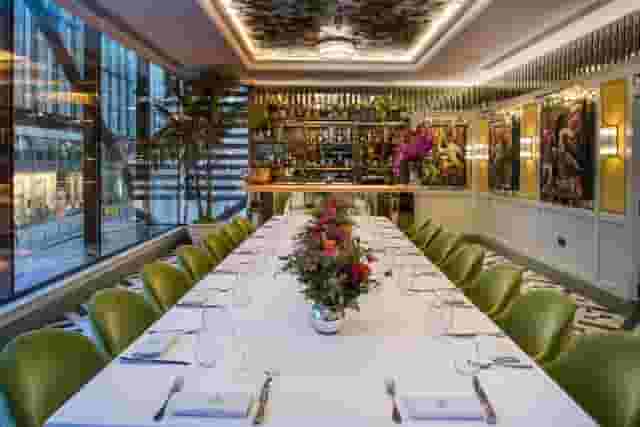
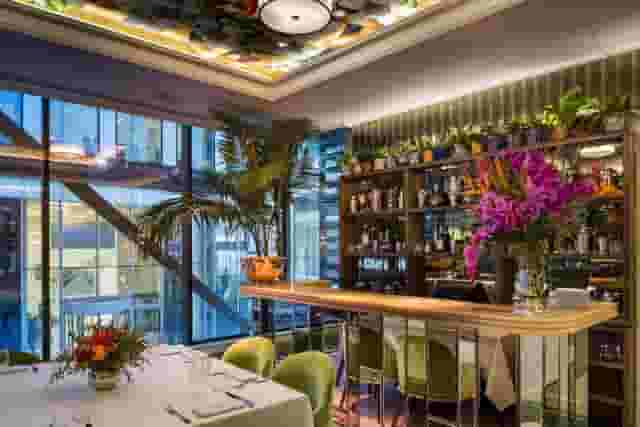


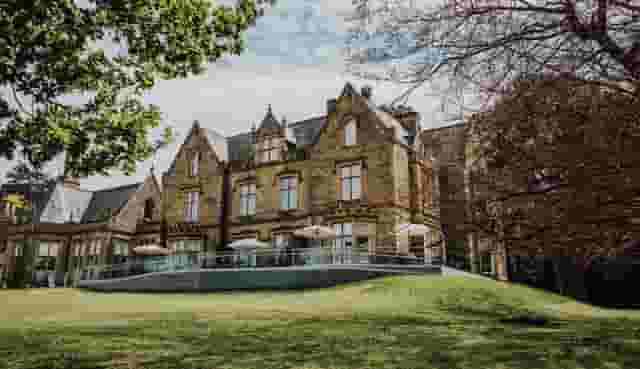
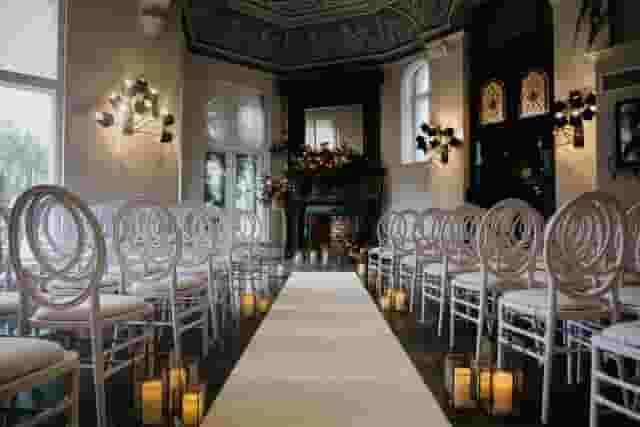













No venues match these filters
Try widening your capacity, luxury level or event type.
Don't have time to search? We'll find it for you.
For business events that need human judgement, talk to our team. Free for events of 100+ people, budgets over £10k or ongoing programmes.




Explore more venues in Manchester








Frequently asked questions
What size venue is best for Manchester dining?
How to ensure privacy in Manchester venues?
What's the ideal location for dining in Manchester?
Can I find a historic dining venue in Manchester?
Other platforms search their database. We search everything.
Tell us what you need. Our deep research finds any venue, whether it's in our marketplace or not. No one else does this.
About Private Dining Rooms in Manchester
Choosing the right setting for a corporate private dinner
Organising a private business dinner in Manchester usually comes down to one central tension: whether you need the energy and culinary focus of an established restaurant kitchen, or the discretion, space and logistical control of a dedicated private room in a hotel or civic building. Both approaches work, but they solve different problems for an organiser.
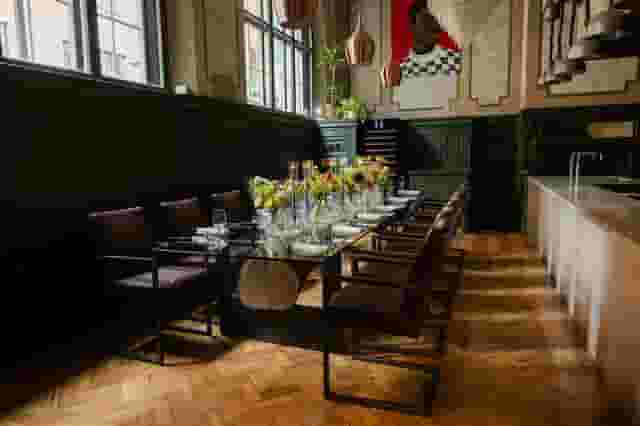
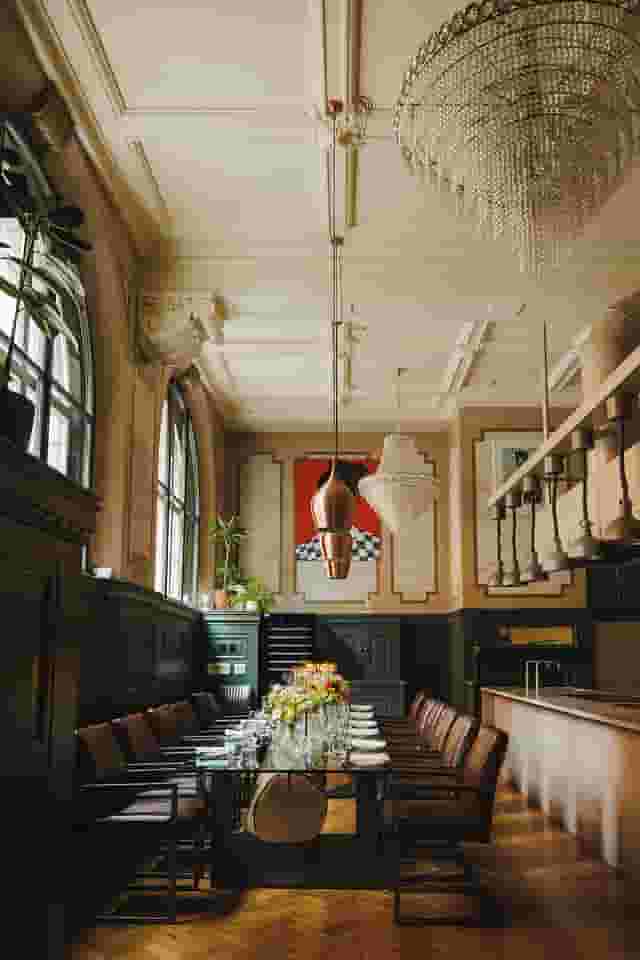
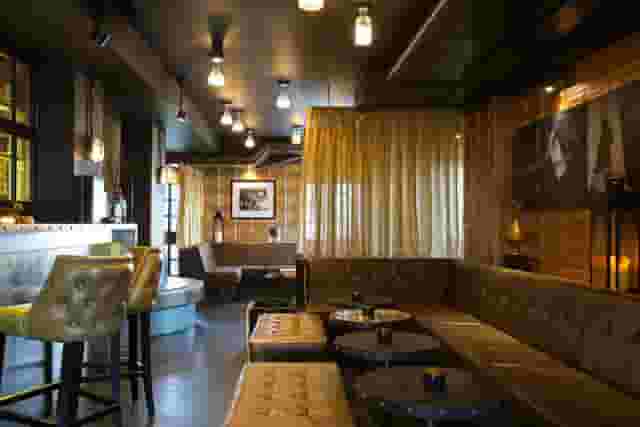
When the priority is entertaining key clients or marking a major deal, restaurant private dining rooms offer built-in atmosphere and menu credibility. Guests arrive knowing the culinary reputation of the room, which immediately sets an expectant, celebratory tone. In spaces like The Vault at Lucky Cat by Gordon Ramsay - Manchester, where a converted bank vault seats up to 12 guests around an intimate boardroom table with its own private bar, the environment feels exclusive without requiring extra styling or entertainment. The room does the heavy lifting.
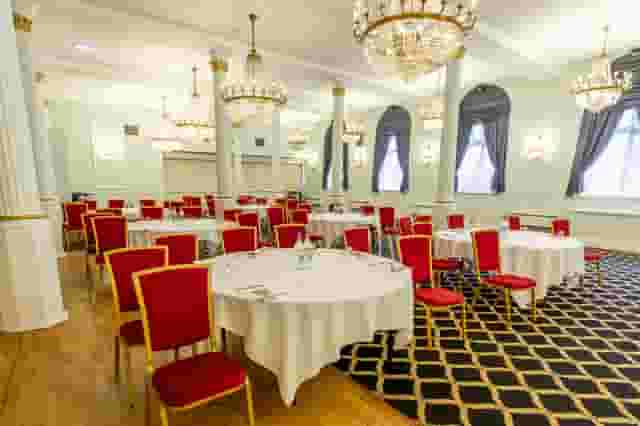
For larger corporate gatherings, such as annual partner dinners, multi-team celebrations or events where speeches and presentations are non-negotiable, restaurant side-rooms often struggle with sightlines and sound bleed. That is where heritage rooms and private hotel suites step in. Manchester's commercial history has left the city centre with exceptional architectural spaces originally built for banking dynasties and trading boards.
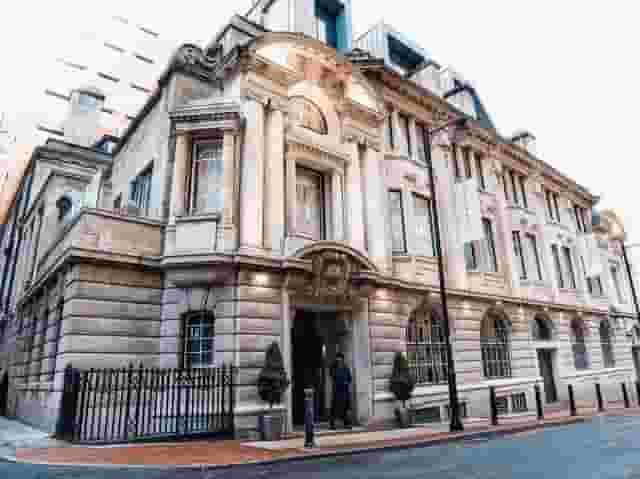
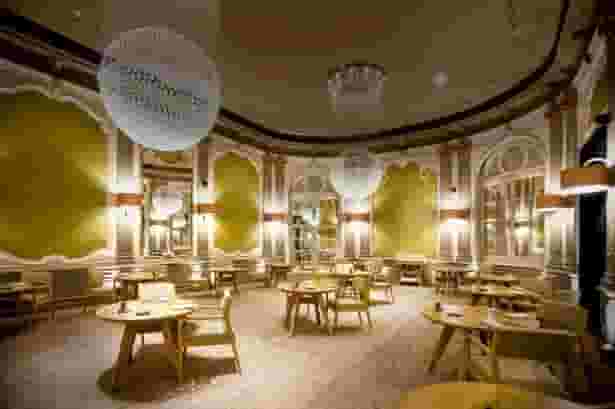
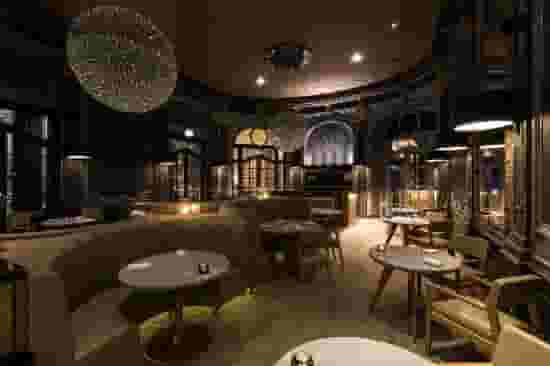
The Directors Suite at Kimpton Clocktower Hotel illustrates how that heritage works in practice, offering art deco oak panelling and capacity for up to 200 reception guests in a setting that naturally supports formal opening remarks. Similarly, tender at Stock Exchange Hotel provides dining capacity for up to 100 people under the domed ceiling of the city's historic exchange building. In these spaces, your group commands the entire floor. You set the background music, you choose when the doors close for speeches and your guests are never competing with a busy restaurant service next door. For broader inspiration on how high-end corporate dinners come together across heritage and modern rooms, read our guide on how to taste the luxury with these top private dining rooms.
Room layouts, acoustic privacy and service flow
One of the most frequent mistakes made when booking private dining space is matching the venue's maximum stated capacity directly to your guest list. If you are planning for 60 seated guests, booking a room certified for exactly 60 people guarantees cramped conditions. Waiting staff will squeeze behind chairs, coats will pile onto spare corners and guests at the ends of long banqueting runs will find it difficult to move around.
For a seated dinner of 60 guests, you should aim for a private room with a comfortable capacity of roughly 60 to 75 people. That buffer creates essential space for food service stations, wine buckets on stands, presentation screens and a clear circulation path. It also leaves room for guests to stand and mingle with an arrival drink before taking their seats, rather than being forced directly to their tables the moment they walk through the door.
Acoustic privacy requires equal scrutiny. In many modern city restaurants, private dining rooms are divided from the main floor only by decorative glass screens, timber louvres or acoustic curtains. While visually attractive, these partitions allow ambient kitchen clatter and ambient music to wash into your event. If your dinner includes an address by the chief executive, a retirement presentation or sensitive client conversations, confirm with the coordinator that the room is fully self-contained with a solid closing door. You need to know whether outside diners can see into the space, whether service staff pass through the room to access back-of-house areas and whether the venue can provide a dedicated host stationed at the entrance.
| Layout style | Practical guest count | Best suited for | Key consideration |
|---|---|---|---|
| Single boardroom table | Up to 20 guests | Executive dinners, board updates | Fosters one conversation; limits inter-group mingling |
| Parallel banquet rows | 24 to 60 guests | Departmental dinners, awards | Efficient use of narrow rooms; sightlines can be tight |
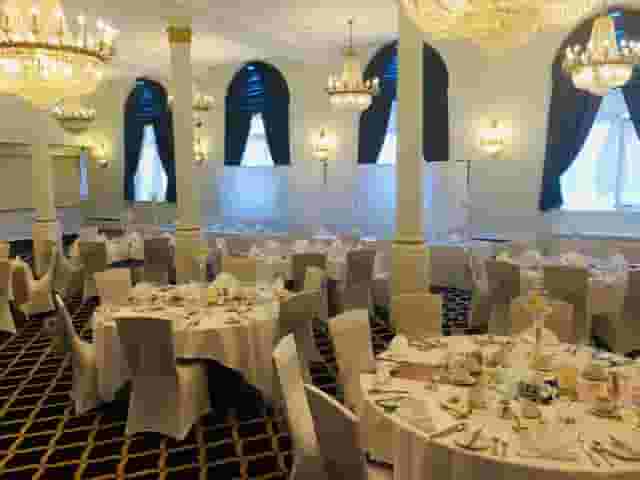
| Round tables of eight to ten | 40 to 150 guests | Large corporate dinners, client networking | Encourages table conversation; requires substantial floor area |
| U-shape dining | Up to 35 guests | Dinners with keynote presentations | Clear sightlines to screen; central floor space is lost |
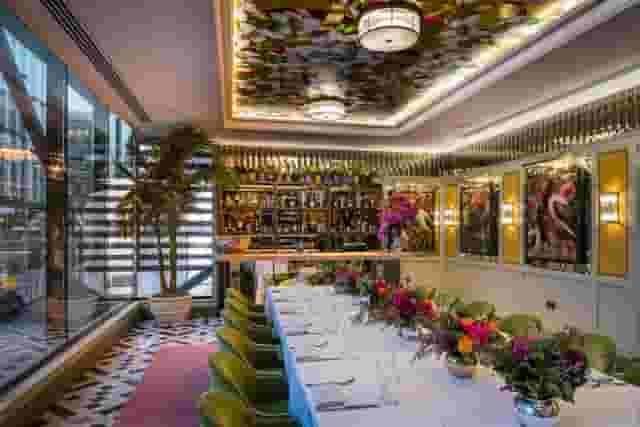
Larger events needing true separation often benefit from modern, purpose-built event floors. Willow at Treehouse Hotel Manchester offers 430 square metres of mezzanine space on the river overlooking Blackfriars Street, with room for up to 350 diners, three-phase power and partition walls that allow you to hold welcome drinks on one side before revealing the dining tables. If waterside views take priority, The Compass Room at Lowry provides a top-floor setting in Salford Quays with panoramic views, its own bar and dining space for up to 200 guests. In both cases, the architecture prevents public foot traffic from disturbing your guests.
What corporate dining costs across central Manchester
Budgeting for private dining in Manchester requires understanding the two commercial models operating across the city: minimum food and beverage spend versus fixed per-head banqueting packages.
Our booking data indicates that private dining in Manchester typically costs £53 to £123 per head. This figure is based on 7 quotes from the venues on this page and assumes a guest count of about 60 guests. What that figure covers depends heavily on whether you choose a standalone restaurant or a hotel banqueting suite.
At the lower end of that range, towards the £53 end, venues usually offer a three-course set menu with tea, coffee and mineral water, operating under a minimum room spend. At this price point, wine is billed on consumption and room hire is waived provided your group's food and bar bill hits the agreed threshold. Towards the upper end, near £123 per head, packages tend to bundle a champagne or cocktail reception, an upgraded four-course seasonal menu with premium cuts of meat, matched wines, half a bottle of mineral water per person and dedicated private room hire fees. To see where your own plans land across that spectrum, venue booking platform Hire Space generates instant, data-backed price estimates drawn from actual bookings. A team of real people works alongside the platform to recommend similar dining spaces at a lower price point if your first choice exceeds your budget.
| Item | Minimum spend model | All-inclusive package model |
|---|---|---|
| Room hire | £0 (waived on spend) | Included |
| Menu | Three-course set menu (60 guests at £58): £3,480 | Fixed package (60 guests at £95 per head): £5,700 |
| Arrival prosecco | 60 glasses at £8: £480 | Welcome glass included |
| House wine | On consumption (30 bottles at £32): £960 | Half bottle of wine included |
| Water | Billed on consumption | Included |
| Service charge | 12.5%: £615 | Included |
| Total spend | £5,535 (hits a typical £5,000 off-peak minimum) | £5,700 (predictable, zero consumption variance) |
When comparing quotes, ask whether the venue calculates their service charge before or after applying VAT. An advertised 12.5% or 15% discretionary service charge calculated across total food, beverage and room costs can add hundreds of pounds to the final settlement invoice. Check also whether the venue applies minimum spend rules to the room itself or to the specific date. A Thursday in late November will carry a minimum spend significantly higher than a Tuesday in late January. If your budget is tight, moving your booking from a Thursday or Friday to a Tuesday or Wednesday gives you far more room to negotiate complimentary reception drinks or upgraded wine choices without increasing total spend. Hire Space 360 is enterprise venue and hotel procurement for companies spending £1m or more a year on meetings and events: a managed meetings and events programme, the kind procurement teams call strategic meetings management. It places all venue sourcing and delegate accommodation onto a single agreement with consolidated invoicing and centrally negotiated terms, giving finance teams live spend reporting across every department. See how Hire Space 360 works for procurement to keep corporate dining and entertaining within company event policy.
Location and logistics across the city core
Manchester's compact geography makes choosing a location straightforward, but transport links and overnight accommodation should dictate your final choice when guests are travelling from outside the North West.
Piccadilly and Deansgate serve as the primary transport anchors. For groups arriving into Manchester Piccadilly station via direct rail links from London, Leeds or Birmingham, choosing a venue within walking distance cuts out taxi queues in peak traffic. Work + Play at Malmaison, Manchester, positioned directly opposite the station approach on Piccadilly, offers dining capacity for up to 150 guests across versatile rooms. This allows travelling delegates to check in, dress for dinner and walk into the dining room without stepping into the rain.
Moving west towards Peter Street and Deansgate brings you into the commercial heart of the city, where historic grandeur sits alongside modern glass office towers. The Trafford at The Midland Hotel, which accommodates up to 200 guests for banquet dining, sits within immediate reach of Oxford Road and St Peter's Square tram stops. It is a long-standing favourite for corporate dinners where guests expect classic four-star hospitality and grand arrival lobbies.
Further down Deansgate, close to the legal and financial community in Spinningfields, modern dining choices take over. Podium Restaurant & Bar Lounge at Hilton Deansgate provides dining capacity for up to 180 guests at the base of the Beetham Tower, offering easy road links to the Mancunian Way and secure on-site parking for local executives driving in from Cheshire or South Manchester.
When evaluating access, always ask the venue coordinator three practical questions:
- Is there an accessible drop-off zone directly outside the entrance for mobility-impaired guests or keynote speakers arriving by car?
- Does the route from the entrance to the private room involve steps, and is there an unassisted lift available throughout the entire evening?
- Where is the nearest multi-storey car park that remains open after midnight?
Managing menus, tastings and guest dietary requirements
Unlike a standard restaurant booking where guests choose from an à la carte menu at the table, private dining for business groups almost always requires a set menu agreed weeks in advance. Cooking 60 high-quality dinners and serving them simultaneously requires tight kitchen pacing. If every guest orders independently on the night, service will stall, courses will drag out and your post-dinner speeches will be pushed back by an hour.
The standard operational procedure across central Manchester dining venues is to select three starters, three main courses and three desserts, then send that shortlist to your attendees for a pre-order. Your venue will require these pre-orders, alongside a completed seating plan showing exactly where each dish should land, around ten to 14 days before the event. Colour-coded place cards indicating guest menu selections are standard practice and prevent waiting staff from interrupting speeches to ask who ordered the sea bass.
Dietary requirements need careful handling. Vegetarian and vegan choices are now standard on every corporate menu, but allergens require explicit kitchen sign-off. Manchester venues working in older listed properties sometimes operate smaller secondary kitchens for private rooms. Always confirm whether the preparation of gluten-free or nut-free dishes takes place in an area protected from cross-contamination.
Sustainability has also moved from an occasional talking point to a standard procurement requirement for corporate dinner organisers. If your business has strict environmental reporting requirements, explore our suggestions for sustainable private dining options, and ask your venue coordinator about local provenance, zero-waste kitchen practices and whether their menu avoids endangered fish stocks.
| Time | Activity |
|---|---|
| 18:30 | Guest arrival, coat check and reception drinks |
| 19:15 | Call to dinner; guests take seats |
| 19:30 | Starters served |
| 20:10 | Main courses served and wine glasses topped up |
| 20:55 | Desserts, coffee and petit fours |
| 21:15 | Formal remarks, awards or speeches |
| 21:45 | Post-dinner drinks and informal networking |
| 23:30 | Last orders at private bar; carriages by midnight |
Wine service requires direct coordination with the sommelier during menu planning. A safe benchmark for an evening dinner is half a bottle of wine per person, supplemented by water bottles on every table at a ratio of one bottle per three guests. Instruct your event lead clearly on the evening whether staff should top up glasses freely or wait until guests ask. Unregulated topping up can accelerate consumption and cause your drinks bill to outstrip the agreed minimum spend long before dessert arrives.
The briefing checklist before you sign
Before transferring a deposit or signing an event contract, walk through these final operational details with your venue manager. Resolving these points early prevents unpleasant disputes on your final invoice.
- Licensing and sound restrictions. Confirm the exact hour that alcohol service stops and when guests must vacate the room. In city centre venues close to residential apartments, background music and live acoustic performers are often subject to strict council noise curfews starting from 23:00.
- Audio-visual equipment and testing. If you need a wireless microphone for speeches or a screen for company presentations, ask whether these are included in the room hire. Check that the room has dedicated HDMI connection points near the speaker's lectern, and arrange access 60 minutes before guest arrival to test sound levels and laptop compatibility.
- Cloakroom facilities. Nothing spoils the look of an elegant dining room faster than heavy winter coats draped over the backs of dining chairs. Ask whether the venue provides a secure, staffed cloakroom or mobile rails inside the room, and confirm whether coat check service is included or charged as an extra staff cost.
- Supplier access and delivery windows. If you plan to bring in branded table runners, printed place cards, floral centrepieces or a backdrop for photography, establish when your event team can access the space to set up. Most restaurant private rooms will only grant access two hours before the event, whereas hotel conference departments can frequently offer early morning access if no daytime event is booked.
- Cancellation and attrition terms. Corporate schedules change. Check what percentage of your guest count you can reduce without penalty up to seven days before the dinner. Ensure the contract clearly defines whether deposit payments are transferable to a future date if business priorities force a postponement.
What our customers say
Inspiration and planning guides

Beyond the Bowl: The Ultimate Bowl Food Recipes To Wow Your Guests
In the quest for the perfect party or private dining menu? One that combines convenience with style? Look no further than the versatile bowl food!

5 Catering Suppliers To Ensure Your Food is Glorious
Here's our curated list of catering suppliers guaranteed to transform your event into an extraordinary feast!

Unique Venue of the Month: The Attendant
If we said our Unique Venue of the Month for March was a restaurant inside a public toilet, you would probably start to think we've (finally) lost it here at Hire Space. Well...our Unique Venue of the Month is a restaurant inside a public toilet. But it's not what it seems. Hear us out. The Attendant [https://hirespace.com/Spaces/London/8941/Attendant/Whole-Venue/Events] was originally a Victorian public gents' bathroom in Fitzrovia, built in 1890. It was mothballed and made spick-and-span in
One supplier. Every venue. Full visibility on what you spend.
Multiple venues and events. One agreement.