Sustainable Meeting Rooms for Hire in London
Compare sustainable London meeting rooms with verified green credentials, public transport links and built-in audiovisual setups.
1,323 Sustainable Meeting Rooms for Hire in London






































































No venues match these filters
Try widening your capacity, luxury level or event type.
Don't have time to search? We'll find it for you.
For business events that need human judgement, talk to our team. Free for events of 100+ people, budgets over £10k or ongoing programmes.




Explore more venues in London










Frequently asked questions
What defines a sustainable meeting room in London?
How can I verify a venue's sustainability?
What tech should sustainable venues offer?
Can historic venues be sustainable?
Are central London venues more sustainable?
Other platforms search their database. We search everything.
Tell us what you need. Our deep research finds any venue, whether it's in our marketplace or not. No one else does this.
About Sustainable Meeting Spaces in London
Cutting through green claims: what makes a meeting room sustainable
Booking a meeting room under a corporate sustainability mandate can feel like wading through marketing brochures. Many venues brand themselves as green, eco-friendly or responsible, but buzzwords do not satisfy an internal audit or reduce an organisation's carbon footprint. When you are planning a half-day session with presentations, tea, coffee and working discussions, you need verifiable operational standards rather than vague promises.
A truly sustainable meeting space addresses its environmental impact across several practical areas: energy efficiency, waste management, responsible procurement and low-carbon travel. High-level policies on a website mean very little if the room itself relies on single-use coffee pods, inefficient halogen lighting and sealed windows coupled with outdated air conditioning. Under the UK Government Green Claims Code, businesses must substantiate environmental claims with clear, verifiable evidence. When shortlisting spaces, ask the venue team directly about their Display Energy Certificate rating, their building management systems and their certifications. To streamline this process, Hire Space is a venue booking platform supported by a team of real people who help manage the search. Its Deep Venue Research tool searches any venue across the wider market, rather than only those on a directory, helping you shortlist spaces with verifiable credentials in minutes instead of days.
Standards like ISO 20121 offer a genuine benchmark because they assess management systems across the lifecycle of an event, covering environmental, social and economic factors rather than just token recycling bins. Independent accreditations, detailed carbon measurement tools and clear waste audits show that a venue measures what it consumes. If you want to understand how leading sites approach these benchmarks, our guide on finding a sustainable venue for your event walks through the specific credentials worth checking before you enquire.
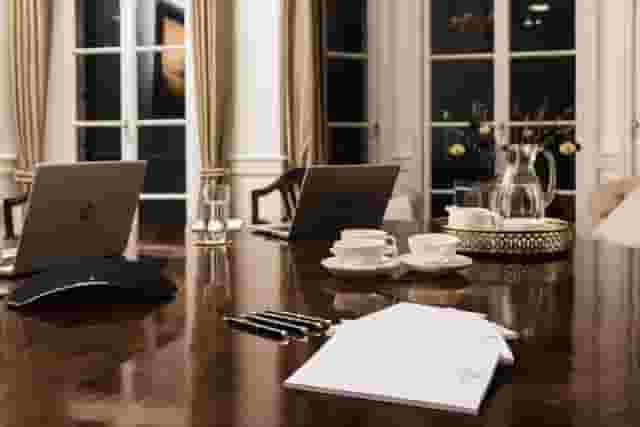
Operational sustainability comes down to how a space runs on the morning of your meeting. Look for spaces that run on verified renewable electricity tariffs or on-site solar arrays, use sensor-driven LED lighting and actively track room-level temperature. Waste reduction should be visible: water served in glass carafes instead of plastic bottles, porcelain cups rather than compostable paper alternatives, and clear procedures for monitoring food waste from mid-morning snacks.
Balancing heritage, modern builds and London locations
Location is often treated as the main sustainability metric for London meetings, under the assumption that an office in Zone 1 is automatically low impact. Central locations certainly reduce delegate emissions by encouraging people to arrive on the tube, by bus, on foot or by bicycle. However, location alone does not guarantee a sustainable meeting. A poorly insulated room with inefficient heating and an unsustainable supply chain can easily wipe out the carbon savings made on the morning commute. You need to weigh the transport convenience against the physical performance of the building.
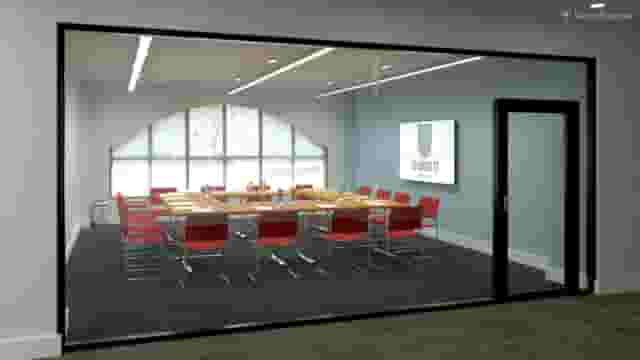
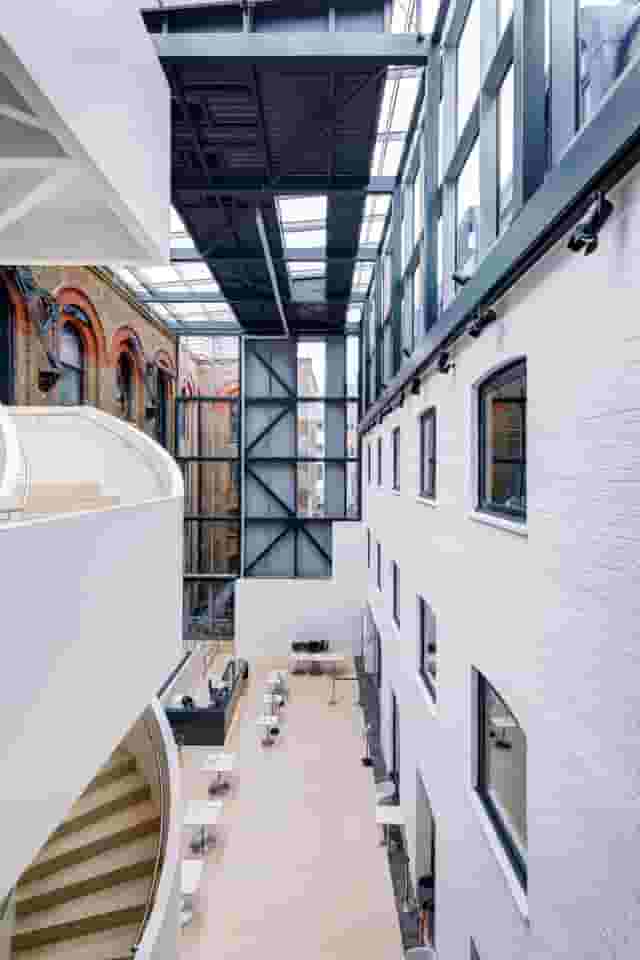
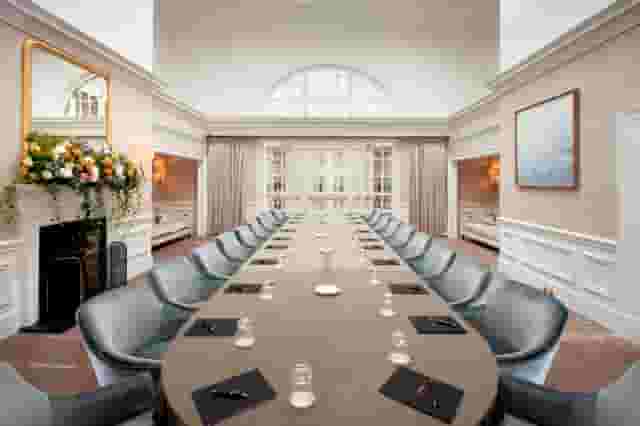
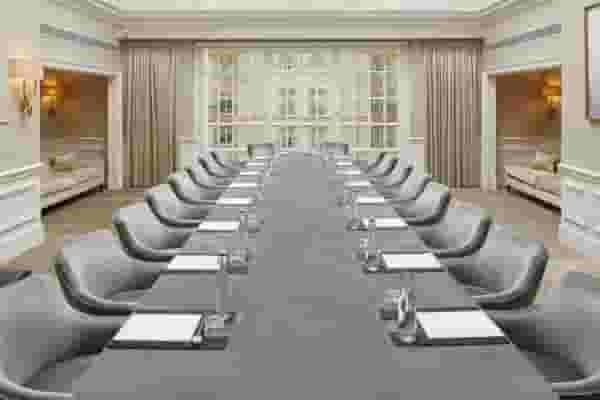
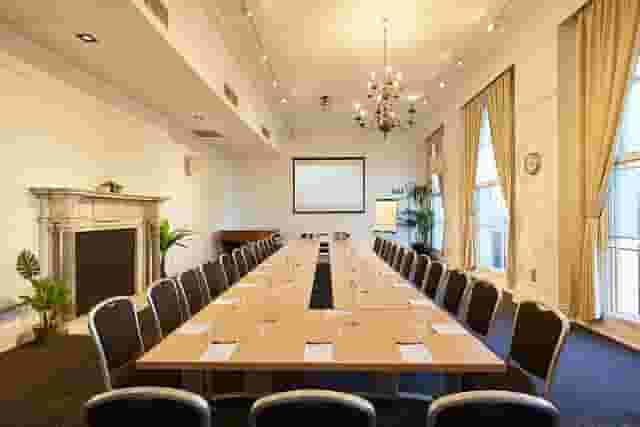
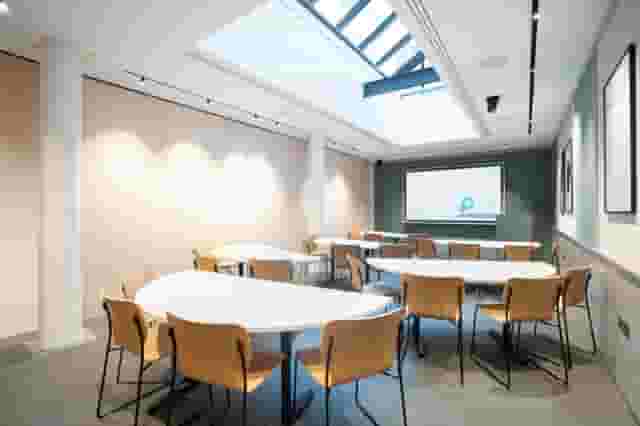
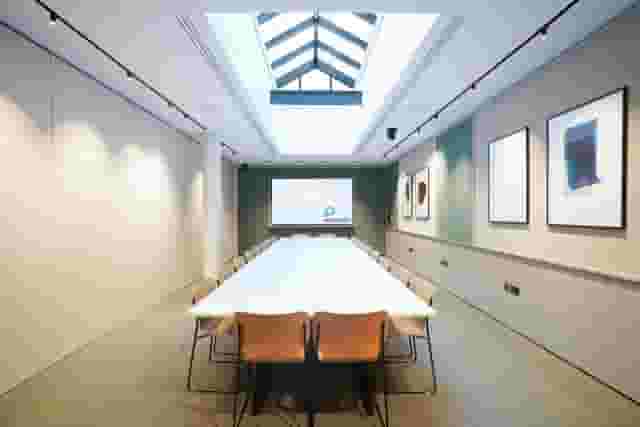
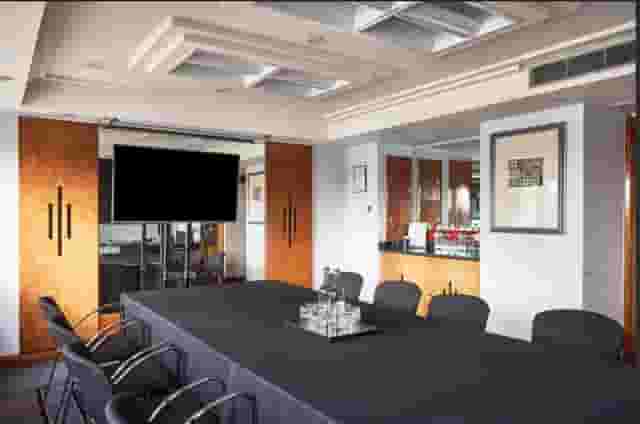
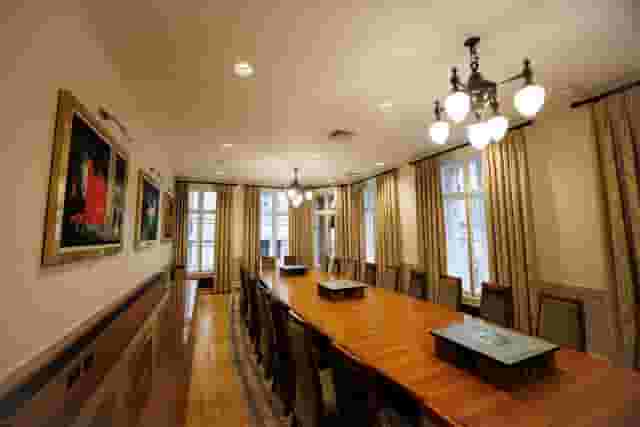
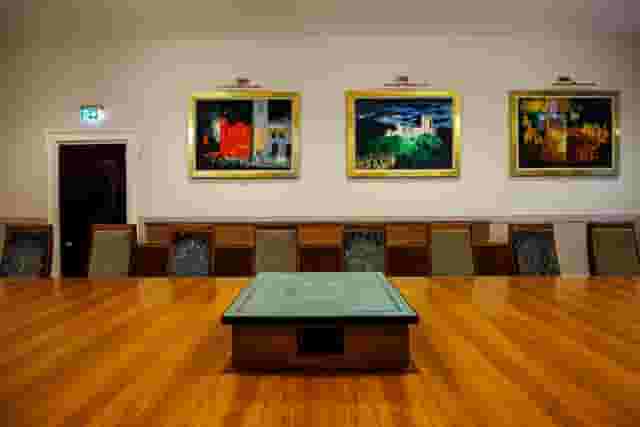
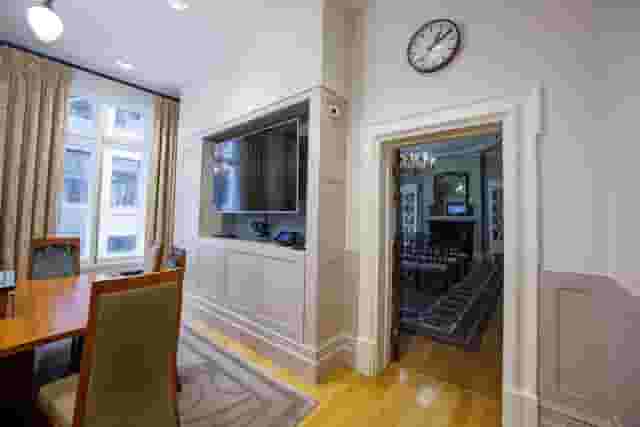
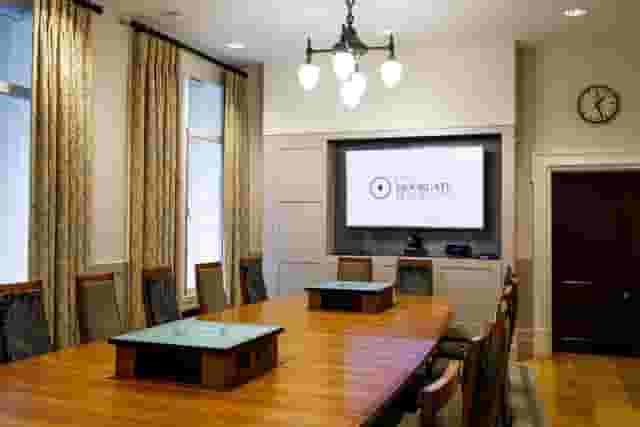
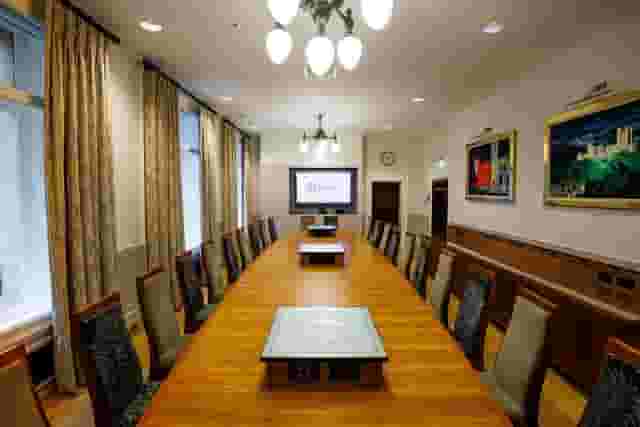
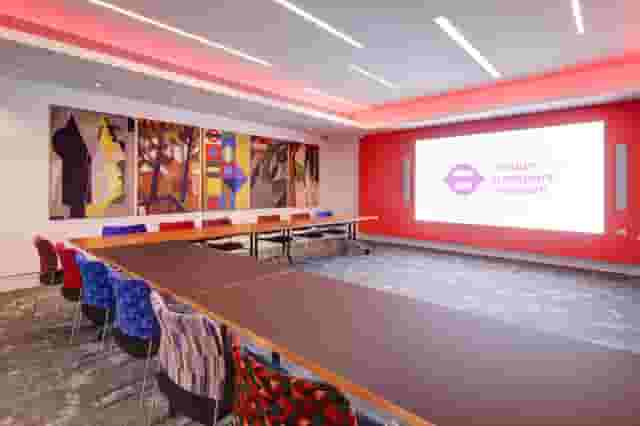
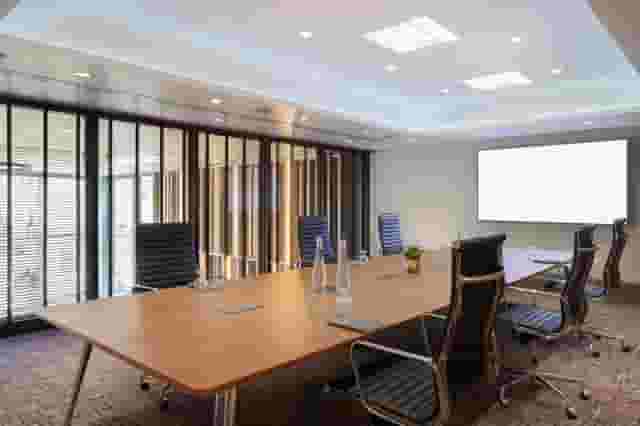
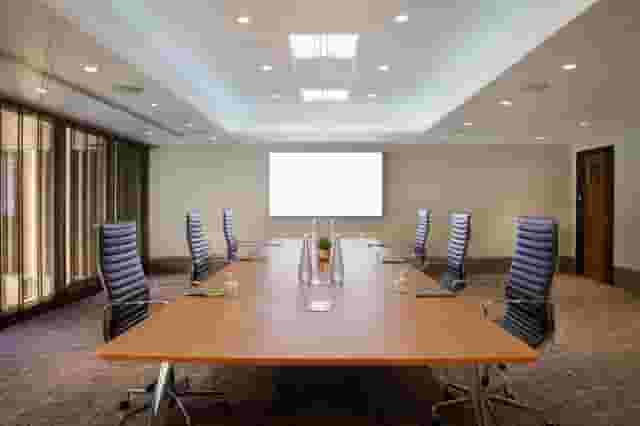
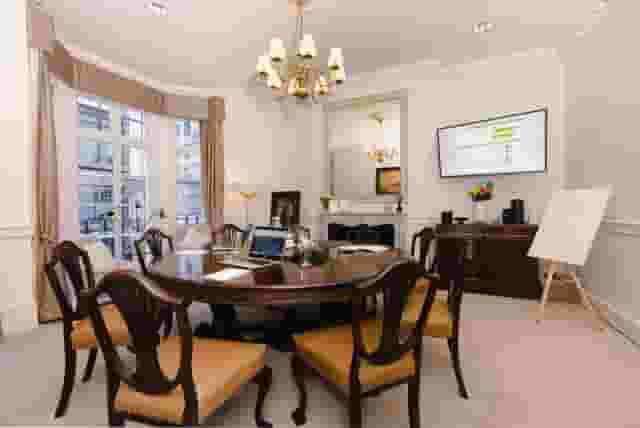
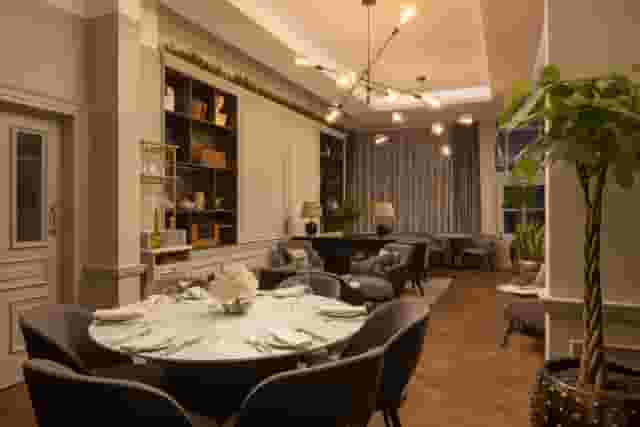
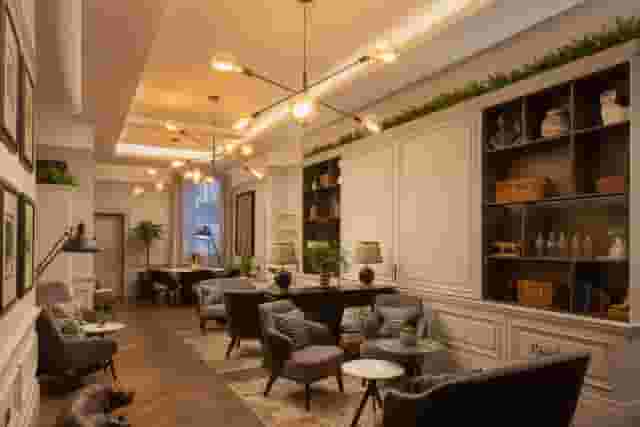
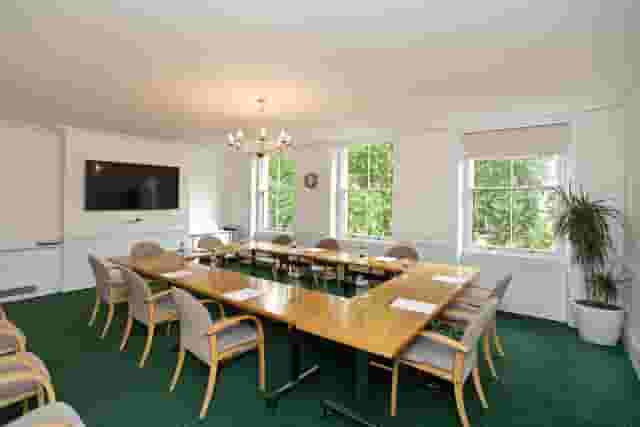
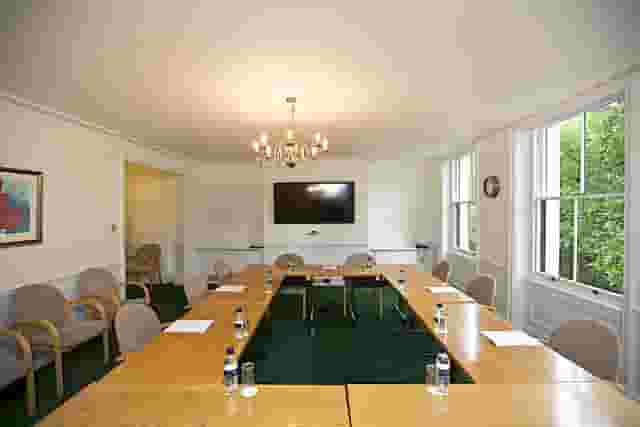
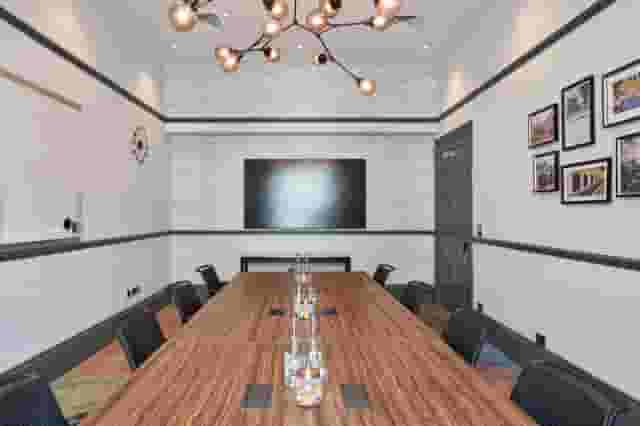
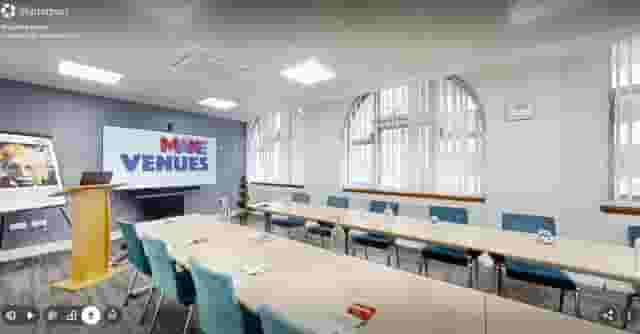
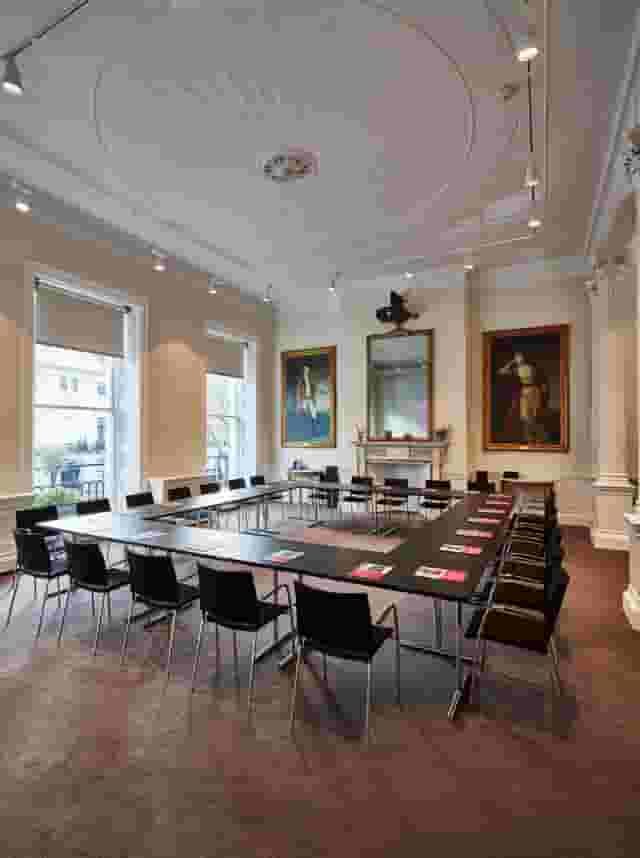
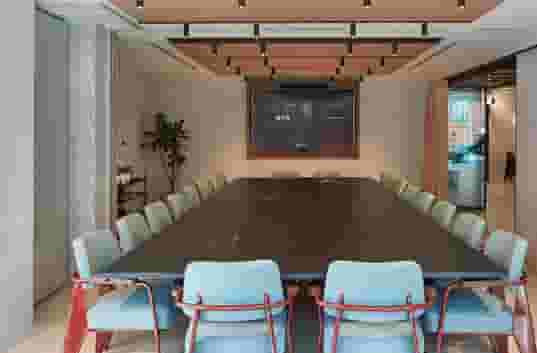
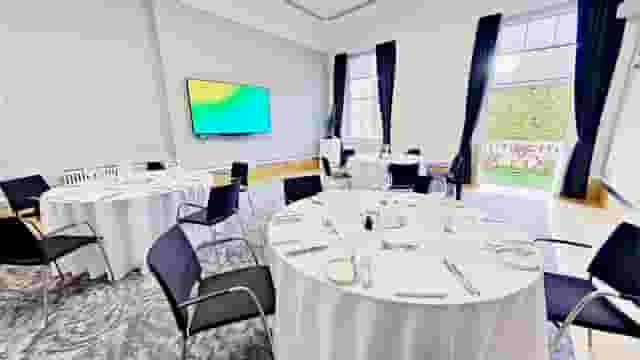
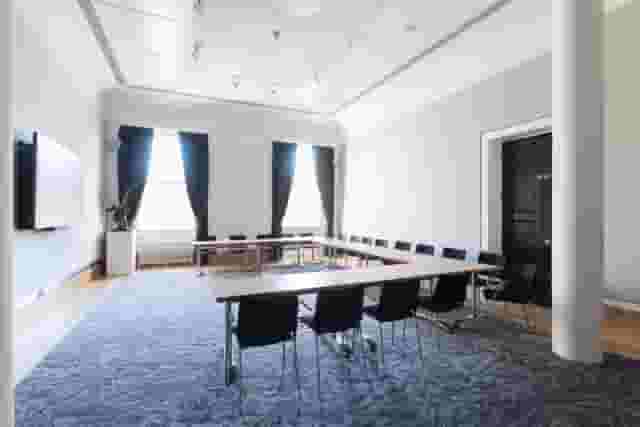
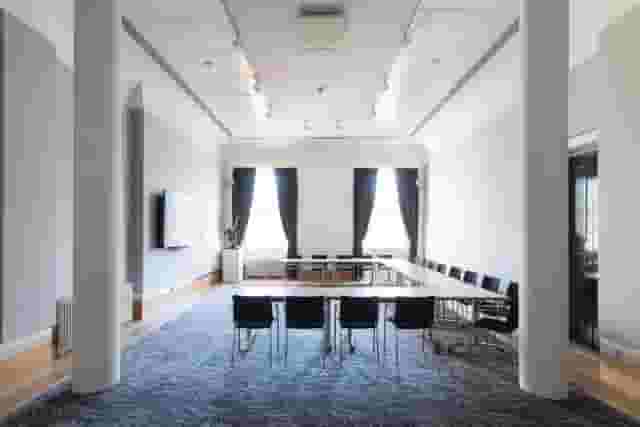
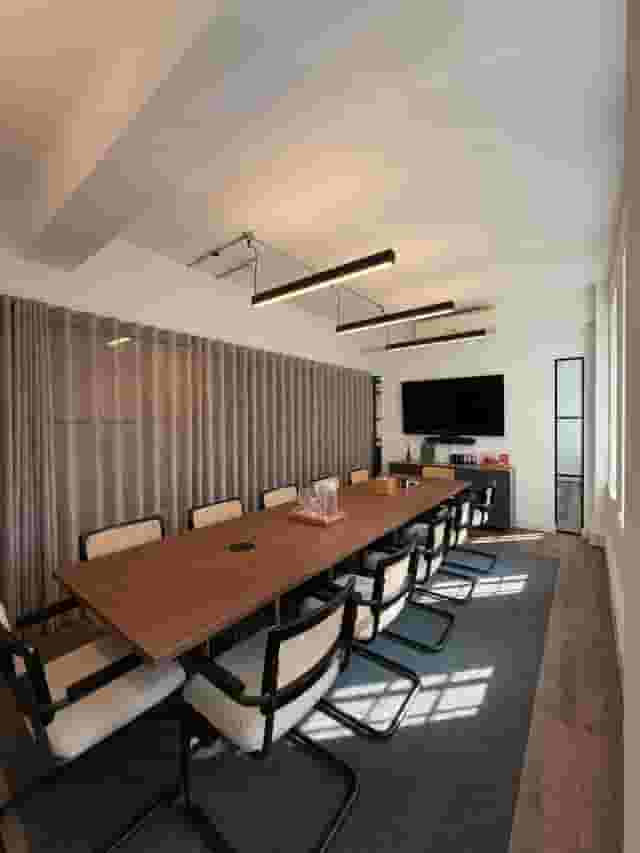
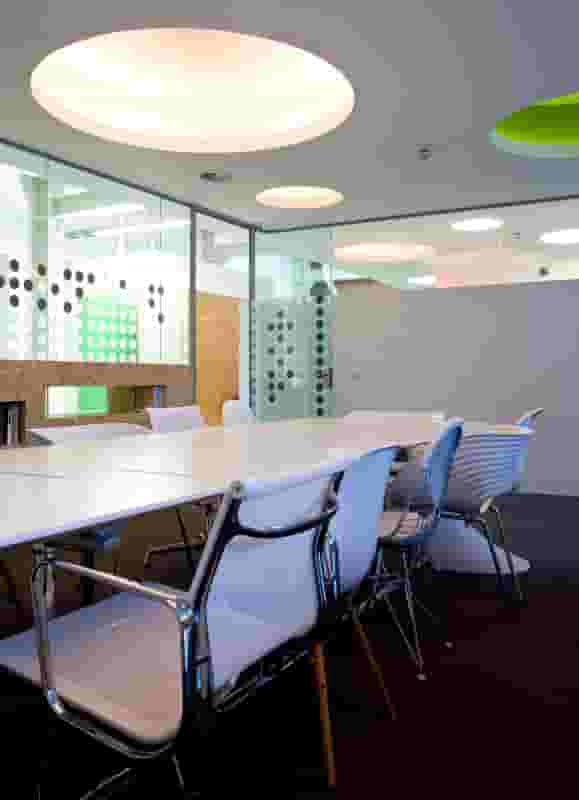
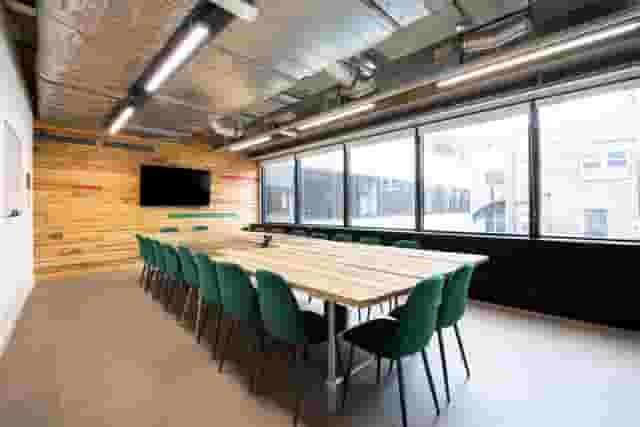
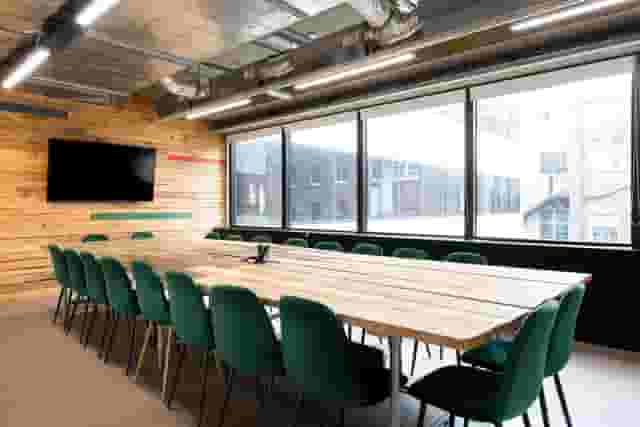
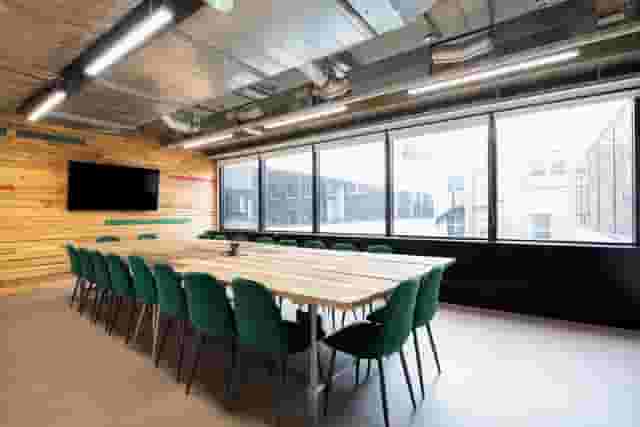
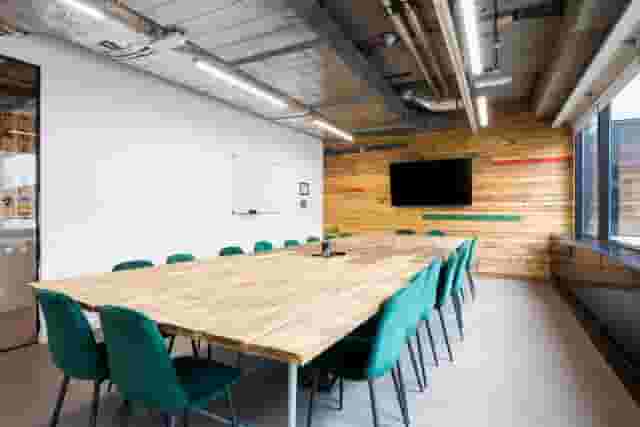
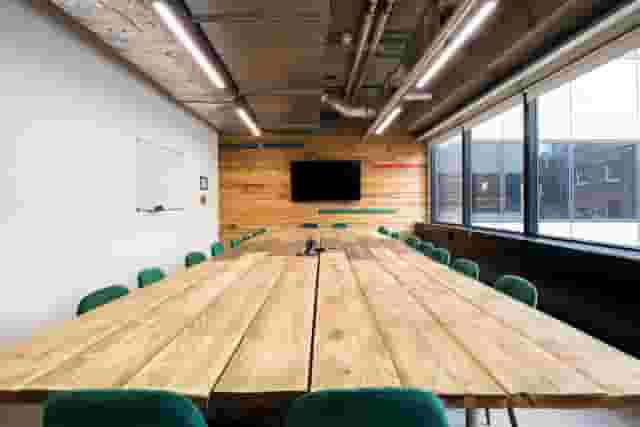
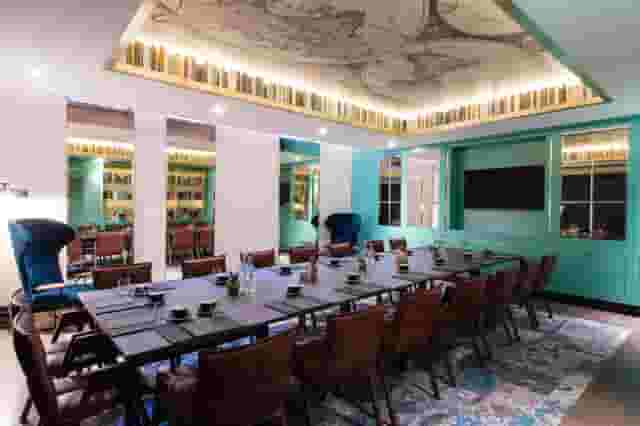
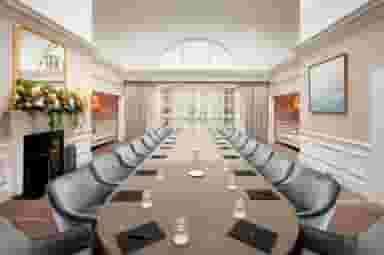
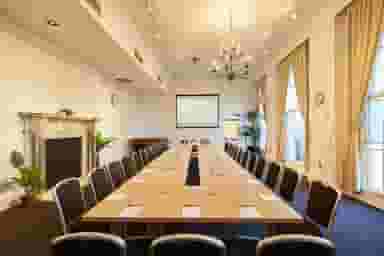
London gives corporate organisers an interesting choice between contemporary, purpose-built commercial centres and retrofitted historic properties. Modern buildings often feature zoned heating, automated daylight harvesting and low-energy air filtration built into their fabric. Purpose-built commercial venues such as 10 Union Street in London Bridge illustrate this approach, where rooms like G01 offer a dedicated boardroom setup for 18 people with integrated digital displays and natural light. Similarly, co-working club properties such as x+why The Orchard near Marble Arch design spaces like the Damson room, which seats 18 in a boardroom layout, around strict environmental procurement and building efficiency principles.
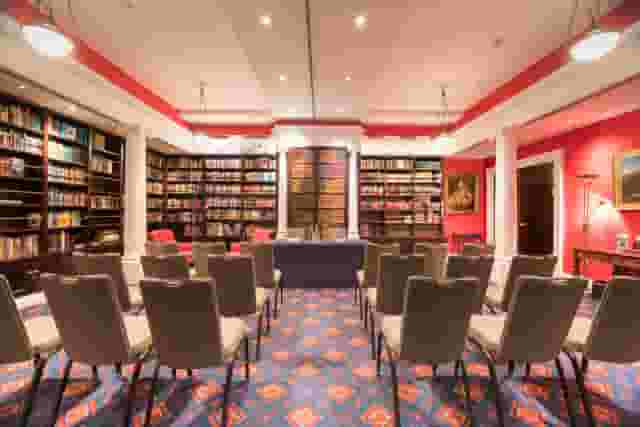
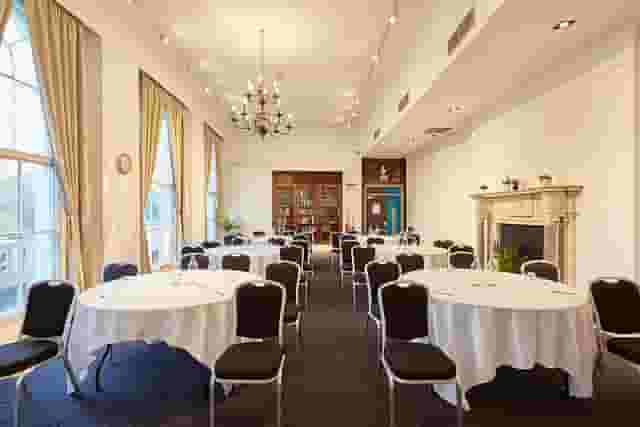
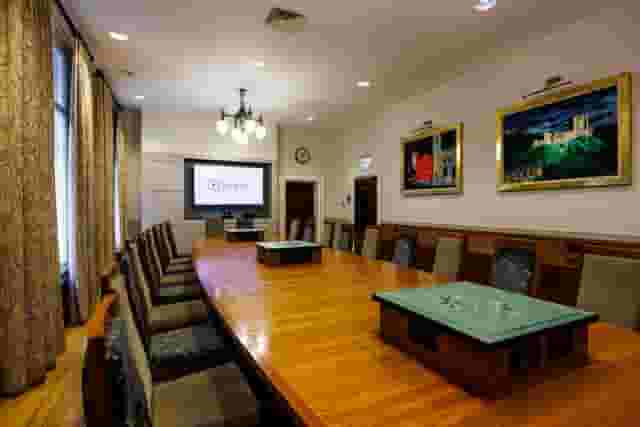
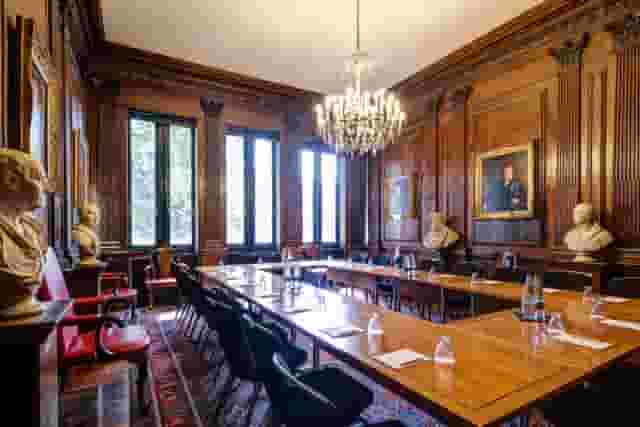
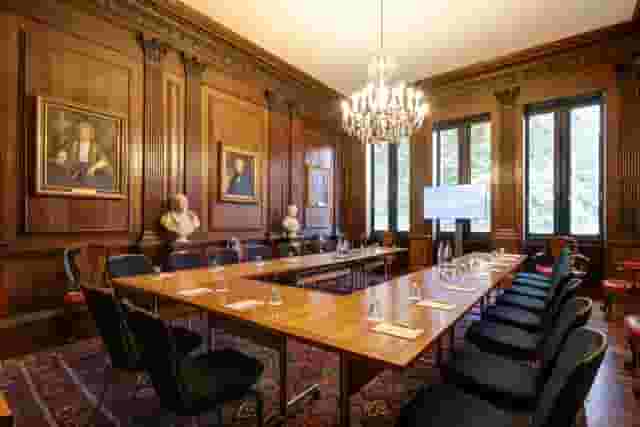
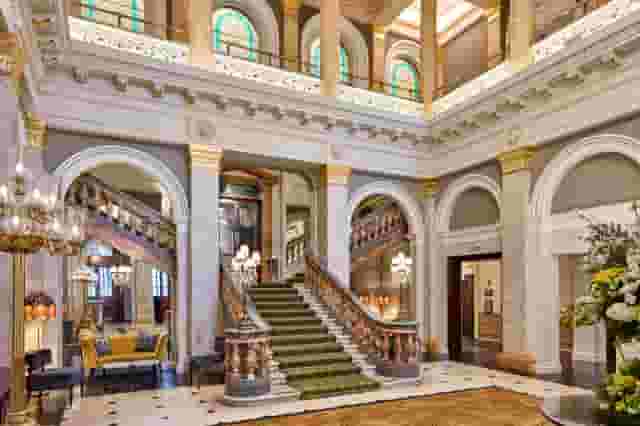
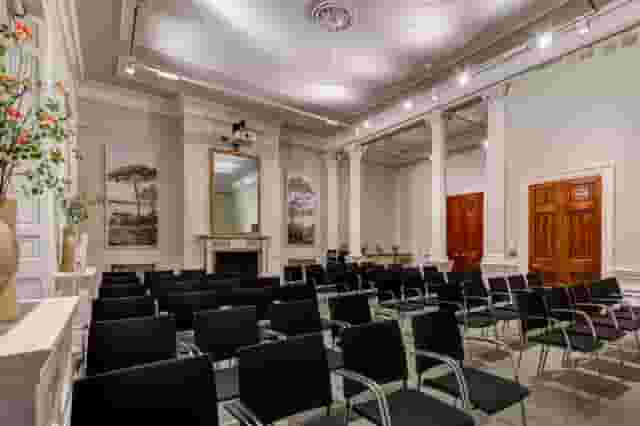
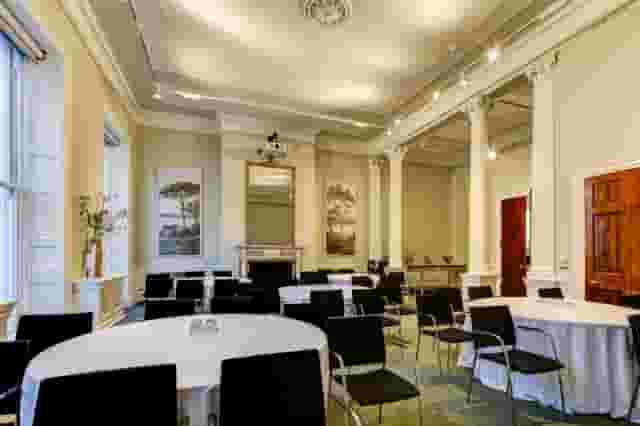
There is a persistent myth that historic London venues cannot be sustainable. While older and listed properties face planning controls that prevent external alterations or simple double-glazing retrofits, their operational performance often tells a different story. Many traditional buildings employ whole-building conservation strategies that introduce secondary glazing, draught-proofing, smart radiator valves, ground-source heat pumps and zero-waste catering. In Westminster, 116 Pall Mall accommodates up to 70 guests standing in its Trafalgar Rooms, blending original architectural features with digital systems. Across the river on the South Bank, London Marriott Hotel County Hall houses the Grade II listed Herbert Morrison room, which holds up to 80 people for receptions with views across the Thames. In Bloomsbury, BMA House has placed environmental management at the centre of its operations, using its Harvey room for up to 100 people in a buffet setup supported by top-tier technical facilities.
When choosing between a modern commercial build and an adapted historic venue, review the transport access and operational data side by side. An older venue with strict recycling streams, local supply chains and excellent proximity to major rail terminals can often match or outperform a newer property with weaker catering controls.
Setting up the room: screens, daylight and energy-efficient AV
For a four-hour morning or afternoon session, technology and lighting account for a substantial portion of your direct energy draw. A standard meeting brief requires clear display screens for presentations, reliable audio for remote dial-ins, fast Wi-Fi and good lighting that keeps attendees engaged without overheating the room.
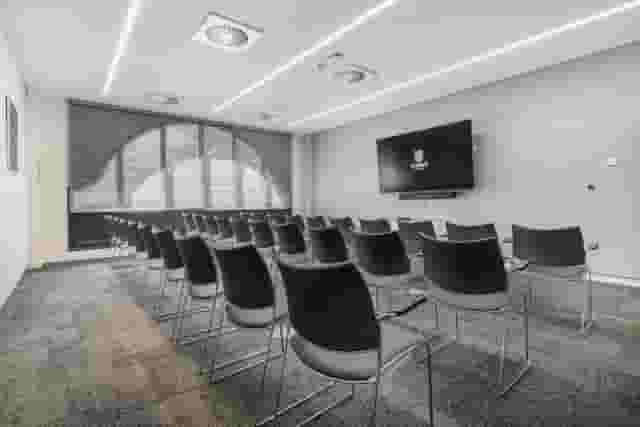
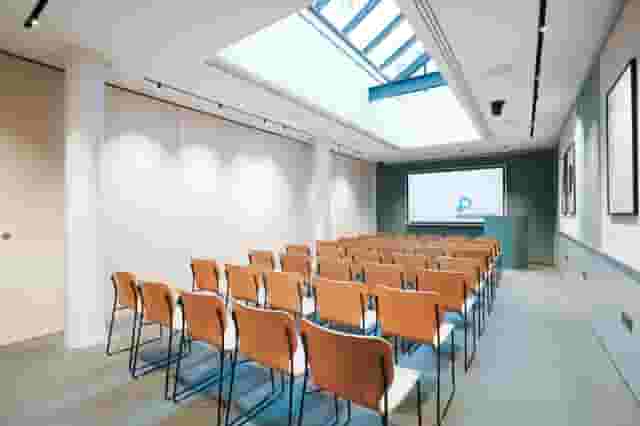
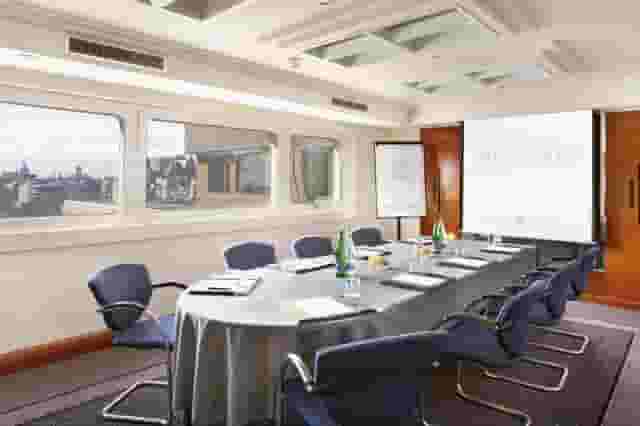
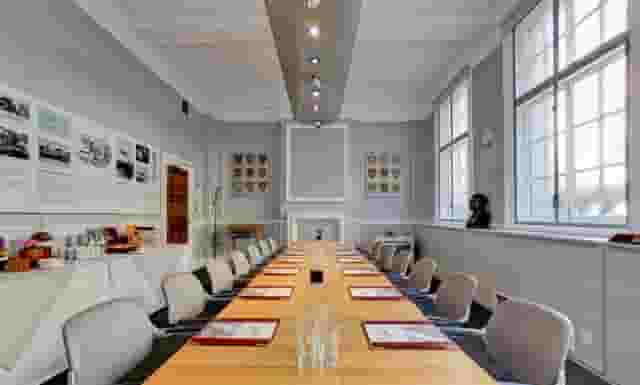
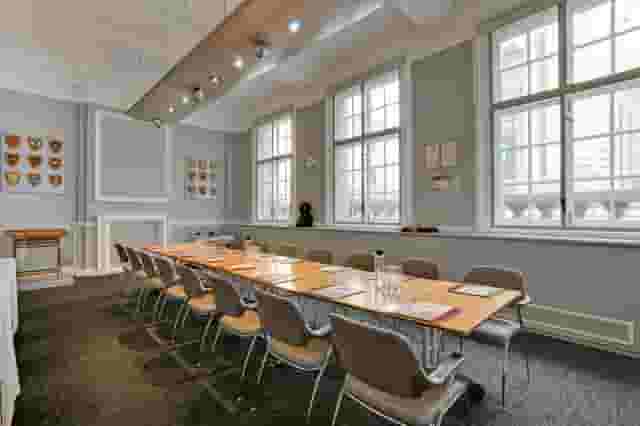
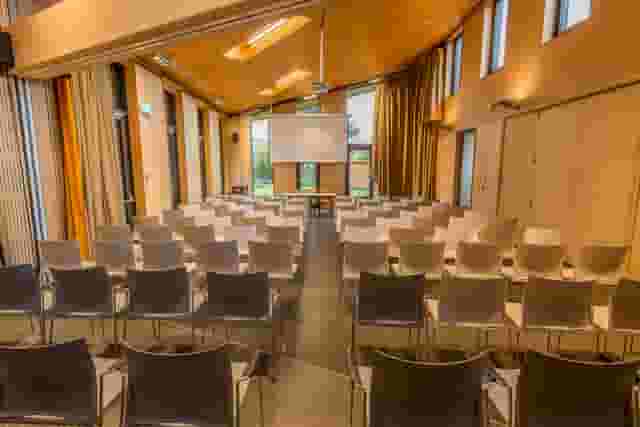
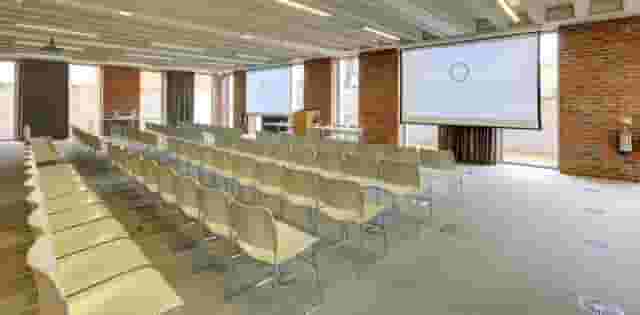
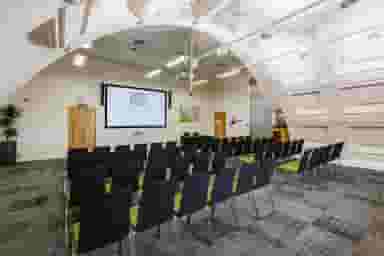
To keep energy consumption low, prioritise rooms with abundant natural daylight. Large windows reduce the need for artificial overhead lighting, improve attendee focus and keep the room alert through lengthy strategy discussions. Spaces like the Waldo Williams Suite at Friends House in Euston, which accommodates up to 120 guests in a theatre layout, provide natural light at ground level alongside energy-conscious management. Over near Great Portland Street, ISH Venues offers The Gulbenkian, a light-filled space with garden views that holds up to 85 guests in a theatre configuration. South of the river in Borough, The Ministry features The Meeting Room Suite, built for up to 20 dining guests with generous natural daylight and comfortable furnishings.
Lighting controls should be automated. Look for dimmable LED systems with occupancy sensors that power down when the group steps out for coffee. Heating, ventilation and air conditioning systems should allow manual or zoned digital adjustments so you are not cooling an empty room or battling an aggressive baseline thermostat.
Display technology also deserves scrutiny. Rather than bringing in external projectors that consume significant wattage and require transport to the venue, select spaces with fixed LED or commercial display screens wired directly into the room. If your session involves remote colleagues or external stakeholders, high-grade integrated cameras and microphones reduce the need for delegates to travel across the country for a brief presentation. You can read more about rooms with integrated digital facilities in our roundup of the top sustainable meeting venues in London.
| Equipment requirement | Standard commercial approach | Low-impact alternative |
|---|---|---|
| Presentation display | High-wattage projection units brought in by courier | Fixed LED screens powered down automatically on standby |
| Room lighting | Constant fluorescent ceiling panels | Dimmable LED lighting with daylight sensors |
| Video conferencing | Multiple external webcams and trailing cables | Integrated room cameras and ceiling microphone arrays |
| Climate management | Central HVAC running at fixed building temperature | Zoned room-level controls with openable windows |
| Meeting stationery | Individual plastic pens and printed paper pads | Digital whiteboards, displays or recycled paper on request |
Before confirming your booking, check whether the on-site technical team has policies for powering down equipment during breaks and whether AV gear is serviced, maintained and recycled responsibly at the end of its operational life.
What half-day sustainable meetings cost in London
Budgeting for a half-day meeting in a sustainable London venue follows similar commercial structures to standard corporate bookings, typically revolving around a Day Delegate Rate (DDR), a half-day package rate or a room hire fee with catering charged separately.
Our pricing data indicates that sustainable meeting spaces in London run at £85 to £150 per head. This indicative range is estimated from what these venues have charged for similar events, based on 13 quotes from the venues on this page, and assumes a group size of about 20 guests.
What you receive for this budget depends on how the venue packages its services:
Understanding the price range
Towards the £85 end of the range, you are generally securing a straightforward meeting room package in a well-managed commercial or social enterprise venue. This typically covers four hours of room hire, integrated screen facilities, standard Wi-Fi, tap water and basic tea and coffee served on arrival and at mid-morning. Catering at this price point is simple, focusing on biscuits, fruit and standard hot drinks sourced through ethical trade suppliers.
Moving towards the £150 end of the range, packages incorporate more comprehensive services. This higher tier often includes high-specification video conferencing hardware, dedicated technical support on standby, working lunch options using organic or locally sourced produce, morning pastries and premium hot beverages. Higher-tier pricing also reflects venues that invest heavily in accredited carbon offsetting schemes, advanced air exchange systems and zero-waste dining programmes.
What to scrutinise in your quote
Quotes can vary significantly depending on whether audio-visual support and refreshments are bundled together or itemised as individual extras. When evaluating proposals, make sure you compare like for like:
- AV and screen hire: Check whether the main presentation screen and audio are included in the room package. Some venues include display screens as standard, while others charge an equipment fee if you need cameras for hybrid calls.
- Catering minimums: For a half-day session with about 20 guests, ensure the venue does not apply catering minimum spends intended for full-day conferences.
- Service charges and VAT: Confirm whether the headline figure includes service and value-added tax. A quote at the lower end of the £85 to £150 per head range can easily approach the upper end once statutory taxes and discretionary service are added.
- Setup and pack-down access: If your facilitators need 30 minutes before the session to test slides, check whether that time sits inside the half-day block or triggers an extra hourly charge.
Asking the venue coordinator to itemise these costs early in the process ensures you do not face unexpected administrative charges on your final invoice. Hire Space 360 is enterprise venue and hotel procurement for companies spending £1m or more a year on meetings and events: a managed meetings and events programme, the kind procurement teams call strategic meetings management. It centralises every booking under one supplier agreement with a consolidated invoice, ensuring full compliance with your corporate event policy. You can see how Hire Space 360 works for procurement to give finance teams live visibility of event spend, savings and audit trails across all departments.
Refreshments, waste and catering standards
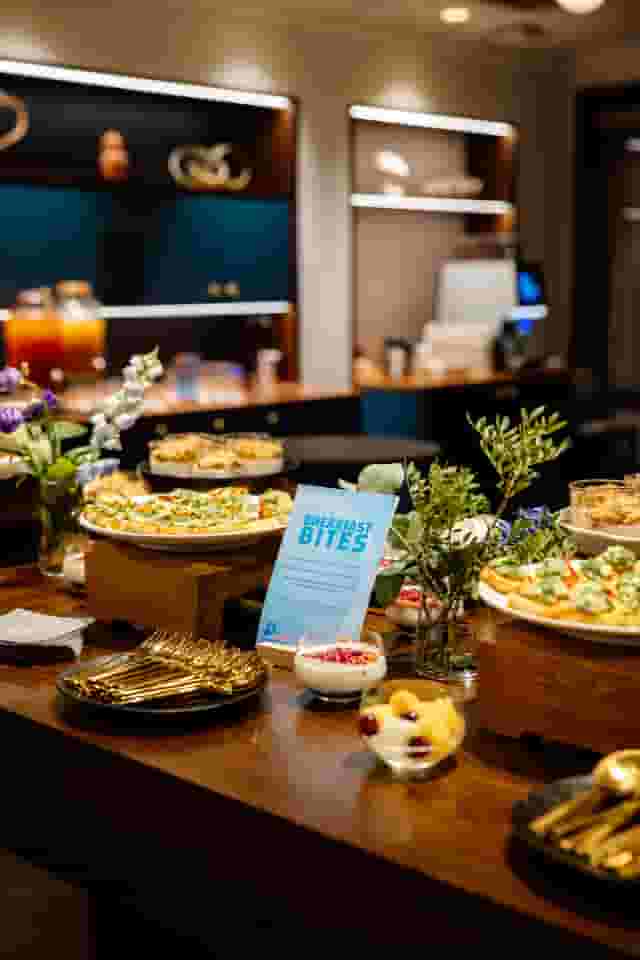
Catering is frequently the largest source of avoidable emissions and physical waste at any corporate meeting. Even during a half-day morning gathering, providing coffee, water and mid-session snacks can generate bags of single-use rubbish and significant food waste if left unmanaged.
Start by examining the water provision. A sustainable venue will never supply individual single-use plastic bottles. Instead, they should offer chilled tap or filtered water served in reusable glass bottles or carafes, accompanied by standard glassware. If a venue quotes for branded single-use mineral water, ask them to remove it and replace it with carafes.
Coffee and tea service should avoid disposable paper cups and single-serve plastic milk jiggers. Request loose tea or plastic-free tea bags, alongside milk served in stainless steel jugs. Check where the coffee originates: venues with strong ethical policies partner with certified Fairtrade, Rainforest Alliance or organic roasteries, and many compost their spent coffee grounds locally or send them for anaerobic digestion.
Food waste is another critical factor. Corporate events routinely over-cater out of fear that running out of pastries reflects poorly on the organiser. For a half-day session, keep quantities realistic based on your exact attendee count. If you are including a working lunch at the end of the meeting, choose menus that emphasise plant-forward, seasonal and locally sourced ingredients. Plant-based dishes carry a substantially lower carbon footprint than red meat or dairy-heavy buffets. Inquire whether the venue tracks food waste by weight and whether they collaborate with food redistribution charities to handle clean, unserved food.
Finally, insist on clear recycling streams within the meeting space itself. If bins are provided, they should feature separate, labelled compartments for mixed recycling, food waste and general refuse, rather than a single receptacle where everything ends up mixed together.
Practical checklist for your booking conversation
Before signing a venue contract for your half-day session, run through this targeted list of operational questions with the events coordinator. It cuts through standard sales copy and confirms how the room functions on the day:
- Energy and lighting controls: Can the room lighting be dimmed independently, and does the space have openable windows or localised thermostat control rather than centralised building management?
- Integrated technology: Is the display screen included in the baseline hire, and can it be connected using standard cables without requiring hired adaptors or external switcher units?
- Catering standards: Are refreshments served using porcelain, glassware and washable cutlery, and can the kitchen supply a fully plant-based or seasonal menu without surcharge?
- Water and single-use plastics: Does the venue guarantee zero single-use plastic bottles or packaging on the refreshment tables?
- Transport information: Can the venue provide a low-carbon transport guide showing nearby cycle bays, walking routes from main stations and public transport links to distribute with the delegate joining instructions?
- Performance documentation: Can the venue provide an operational energy certificate, an environmental policy document or post-event carbon data for your company's records?
Covering these points before paying your deposit ensures your meeting runs smoothly, meets your organisation's environmental requirements and keeps your delegates comfortable and productive throughout the morning.
What our customers say
Inspiration and planning guides

Historic London Venues: A Transformation Towards Sustainability - Reset Connect 2022
As sustainability becomes more ingrained in the events industry, clients are demanding greener venues for their events. This panel from Reset Connect 2022 delved into how historic venues are leading the charge towards sustainability in the UK.

Go Green With an Event at Lord’s Cricket Ground
Making your next event sustainable is a great way to do your bit towards helping the planet – and to show your guests just how serious you are about the issues they care most about. But you’ll need a sustainable event venue to match! Enter Lord’s Cricket Ground.

The Top Sustainable Gala Dinner Venues in London
Explore London's eco-friendly gala dinners at top sustainable venues. Perfect for corporate events, these locations offer green choices fora luxurious experience.
One supplier. Every venue. Full visibility on what you spend.
Multiple venues and events. One agreement.