Networking Venues for Hire in Central London
Compare Central London networking venues with clear floor plans, transparent pricing and fast transport links for evening drinks receptions.
3,376 Networking Venues for Hire in Central London
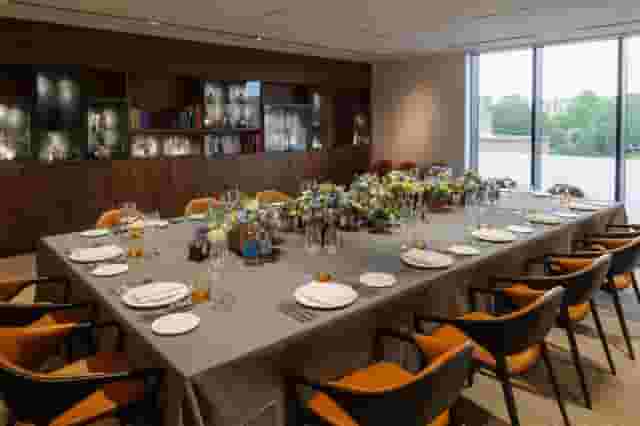
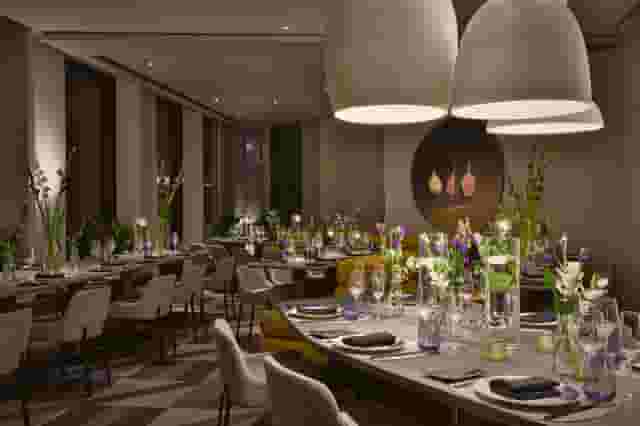














































































No venues match these filters
Try widening your capacity, luxury level or event type.
Don't have time to search? We'll find it for you.
For business events that need human judgement, talk to our team. Free for events of 100+ people, budgets over £10k or ongoing programmes.




Explore more venues in Central London






Frequently asked questions
What layout suits Central London networking?
Are Central London venues tech-ready?
How to select a venue's ambiance?
How important is venue location?
What's the ideal size for networking venues?
How accessible are Central London venues for networking events?
What tech amenities should a Central London venue offer?
Which Central London districts host top networking venues?
Which key factors define a successful networking venue?
What are the efficient planning steps for networking events?
What catering standards suit networking events in London?
How do you create an inviting ambience for networking events?
How can flexible venue layouts boost networking efficiency?
What price range per head is typical for networking events?
Other platforms search their database. We search everything.
Tell us what you need. Our deep research finds any venue, whether it's in our marketplace or not. No one else does this.
About Networking in Central London
Getting the room right: layout, movement and acoustic balance
A networking reception succeeds or fails on crowd movement. When delegates walk into a room, they need to see where to get a drink, where to place a coat and where to start talking without immediately blocking an entrance. If the bar is positioned two metres inside the entry door, guests stop moving the moment a glass is handed to them, creating an immediate bottleneck that chokes the rest of the floor.
Planning the room for an evening reception of drinks and canapes requires balancing open floor space with conversation points. Most business networking events function best on a standing format. You want clear circulation routes that allow guests to move easily between groups, paired with secondary pockets away from the main thoroughfare where conversations can settle. High poseur tables work well as anchors through the centre of a room, giving people a natural place to lean, set down a glass or step into an ongoing discussion. Scattering a limited number of low chairs, banquettes or perimeter ledges gives attendees who need to rest a place to sit without deadening the energy of the room. Always verify your floor plan against the venue licence, its emergency evacuation routes and its safe standing capacity.
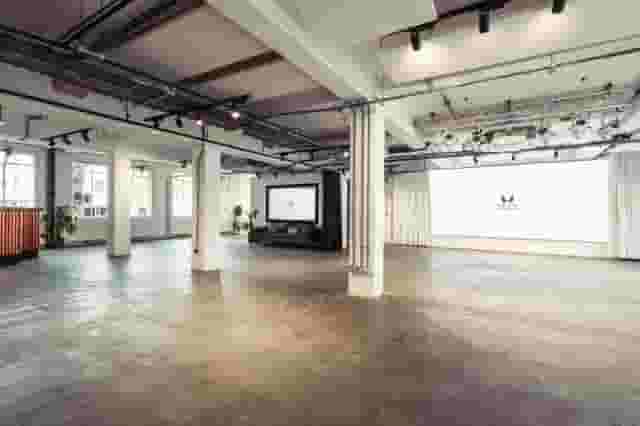
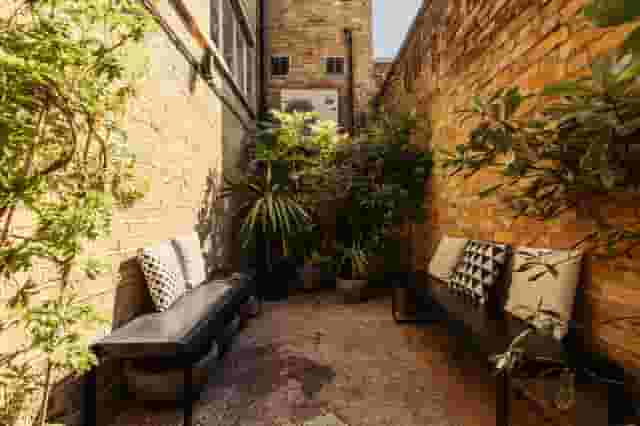
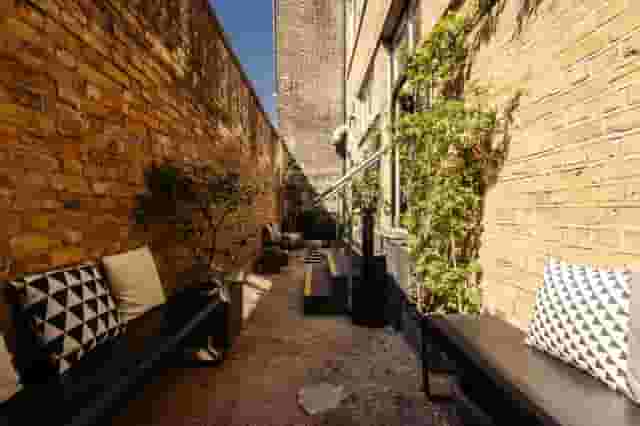
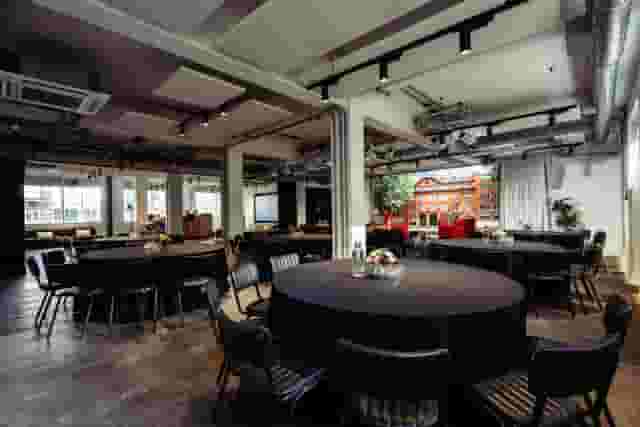
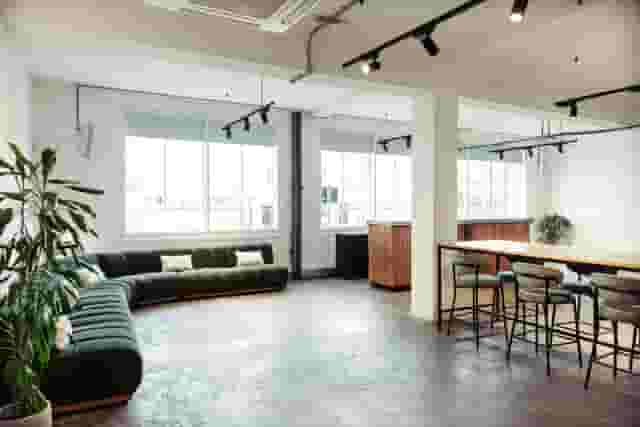
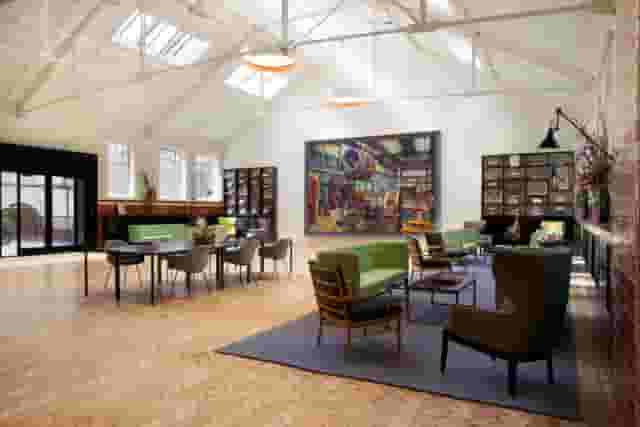
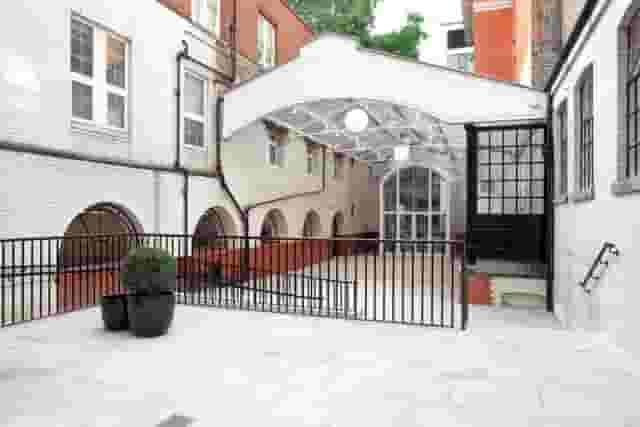
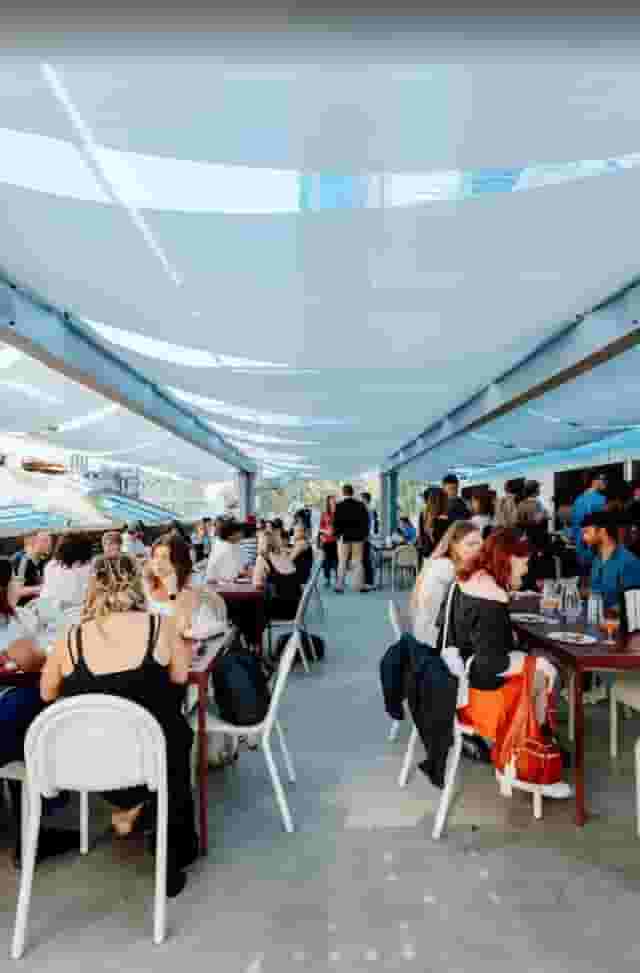
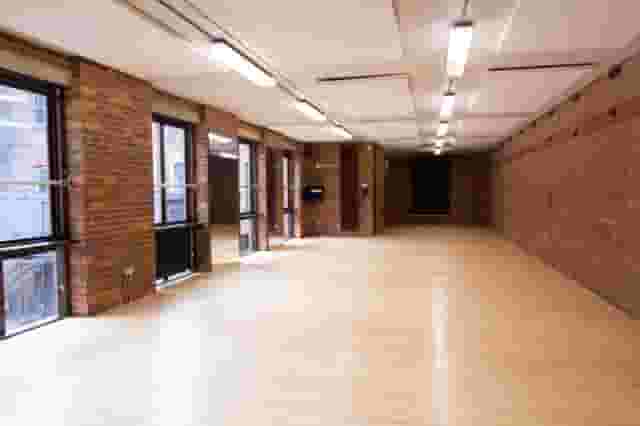
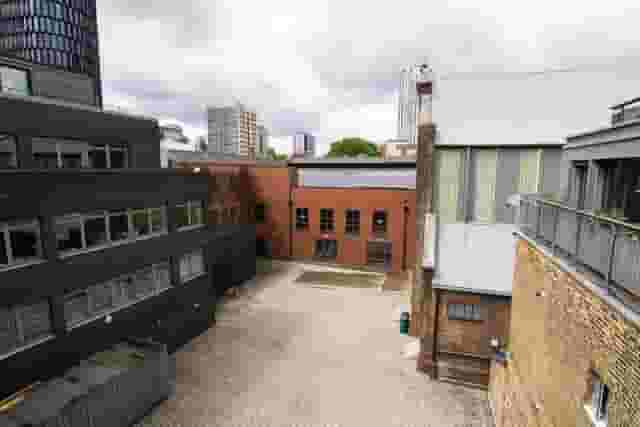
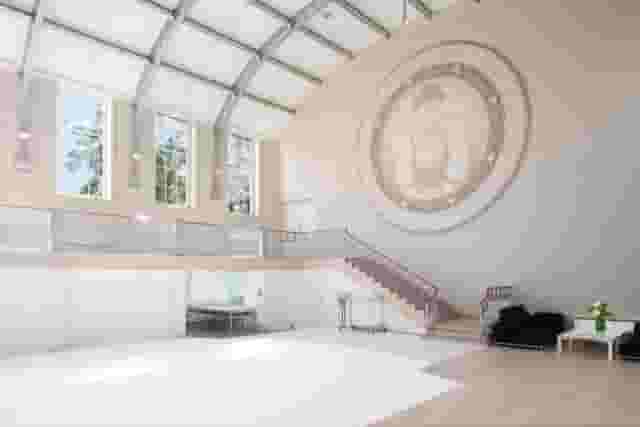
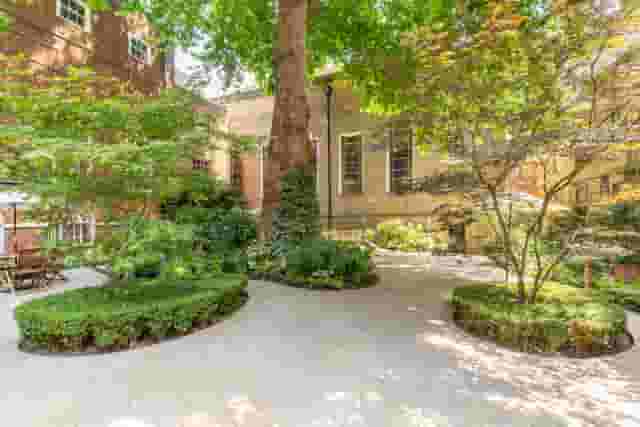
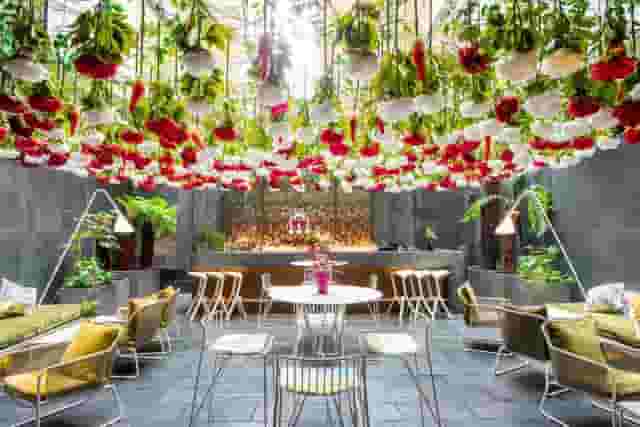
Acoustics require just as much deliberate attention. Hard architectural surfaces like bare concrete, polished stone and uncurtained glass bounce sound across the room. As numbers grow, ambient noise levels climb, forcing guests to raise their voices and accelerating vocal fatigue. When you need a contemporary, design-led setting that keeps noise manageable, spaces with softer fixtures and varied finishes help absorb reverberation. For instance, The Ministry offers The White Space in Borough, which accommodates up to 200 guests for a reception. Its industrial-lux design balances open circulation with an adjoining courtyard, letting delegates step away from the central bustle when they need a quieter conversation.
Lighting sets the psychological pace of the evening. Bright, flat ceiling wash feels like an office meeting and keeps attendees guarded. Overhead lighting should be dimmed or adjusted to warm tones across the room, keeping focus down at eye level where introductions happen. Check whether the venue allows independent circuit dimming, particularly if you plan to make brief opening remarks from a central point. To explore spaces that manage atmosphere and attendance well, take a look at The Hot List: Eight Venues to Meet Before Everyone Else Books Them for ideas on newer rooms across town.
Matching Central London locations to your guest profile
The geographical choice for an evening reception across Central London directly affects who turns up and how long they stay. If your guest list draws heavily from corporate finance, legal practices or insurance, forcing attendees to travel across town through rush-hour rail traffic introduces unnecessary drop-off. For these sectors, the Square Mile remains the most dependable choice because guests can walk over straight from the office between 5:30pm and 6:30pm.
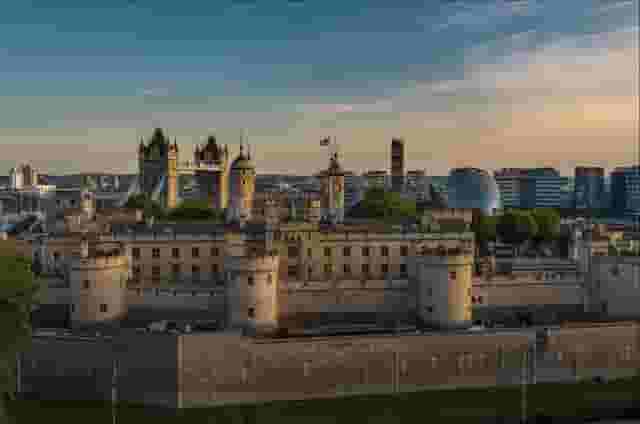
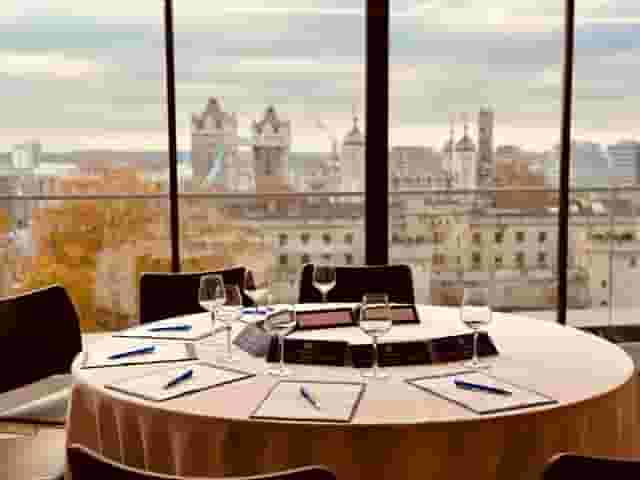
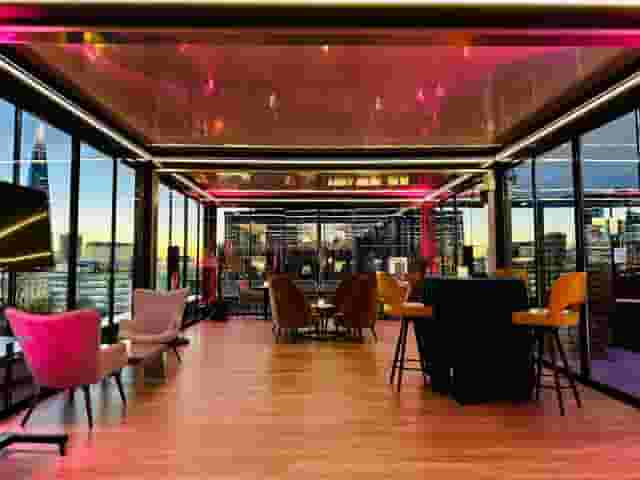
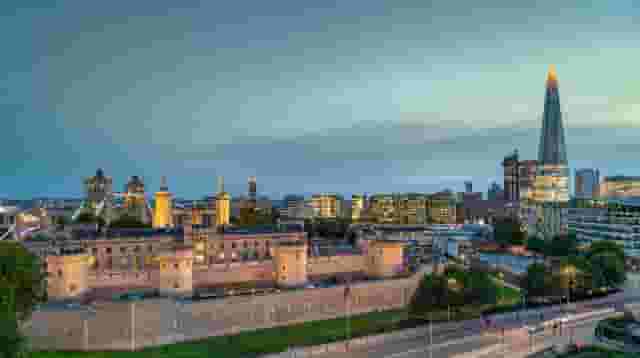
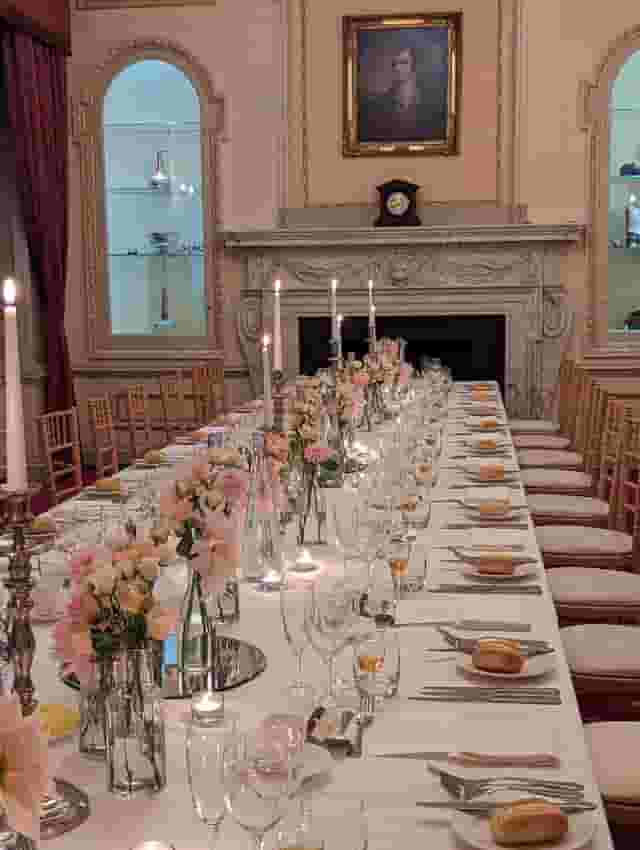
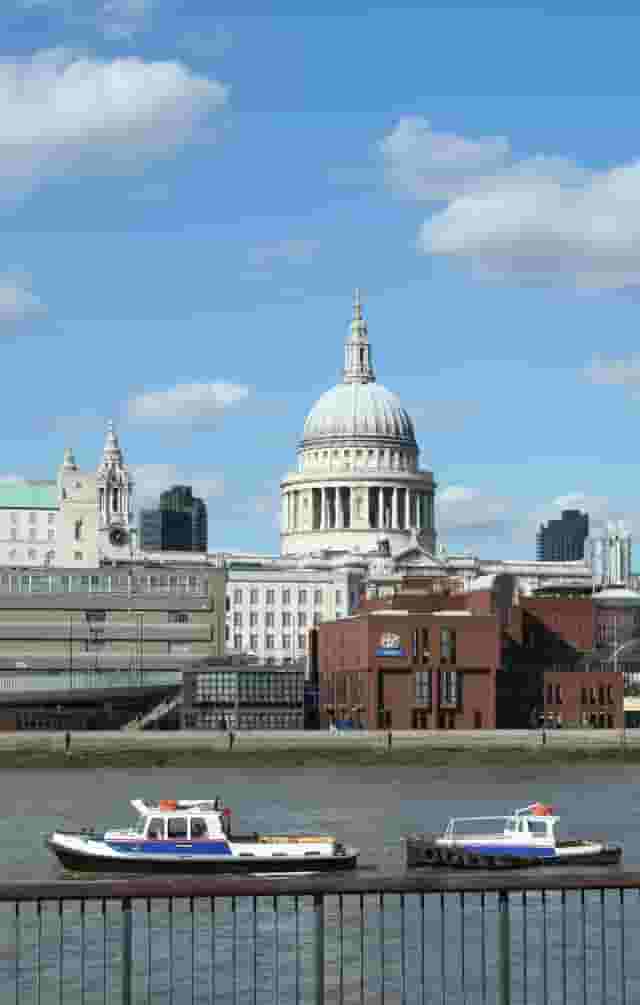
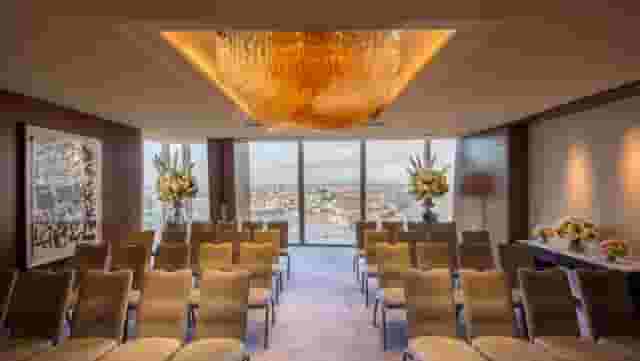
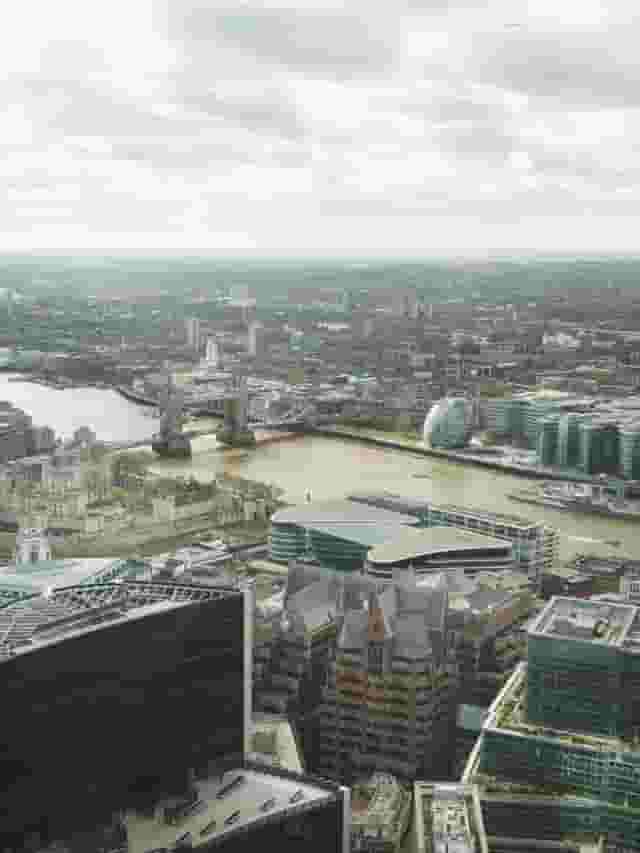
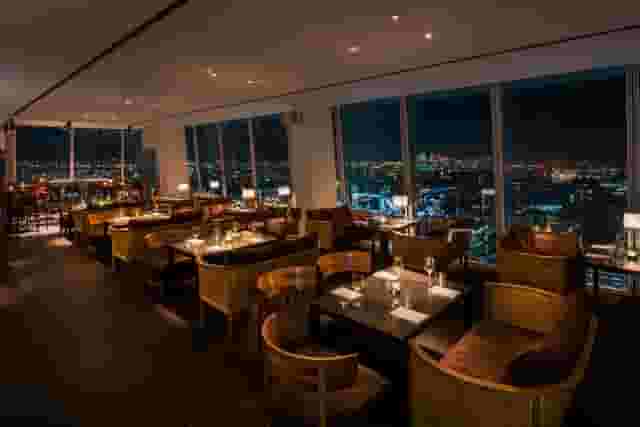
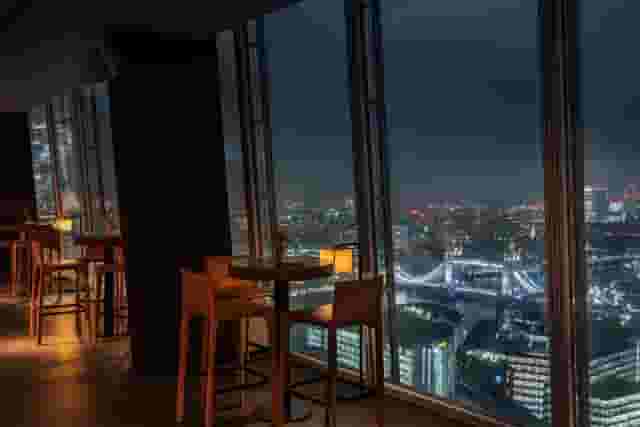
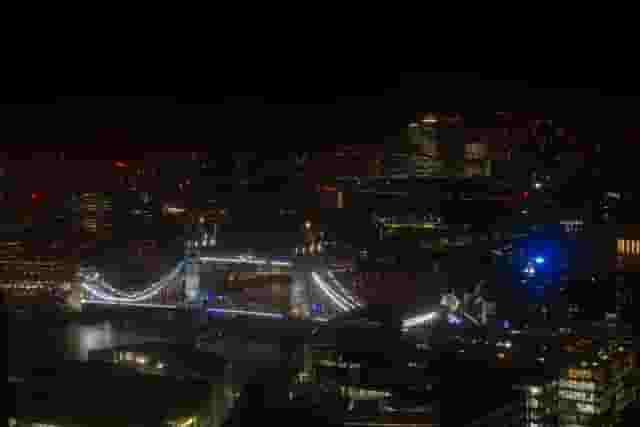
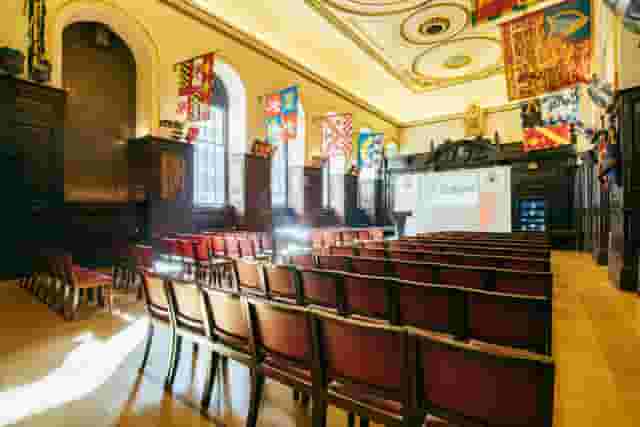
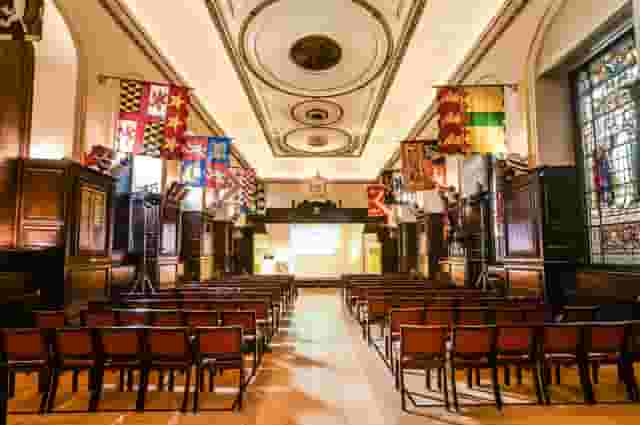
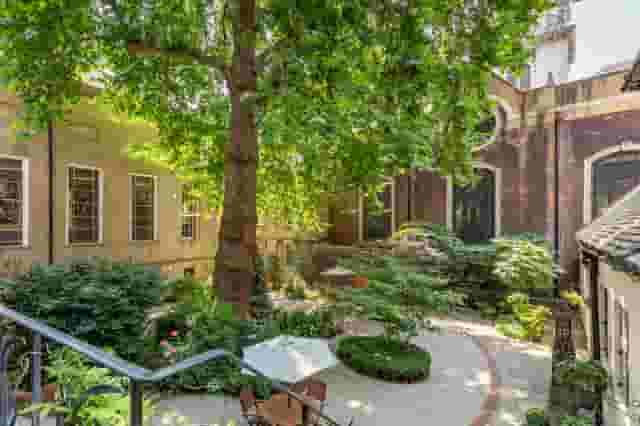
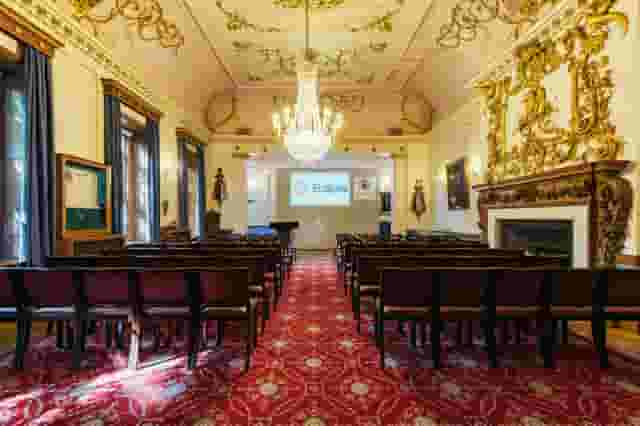
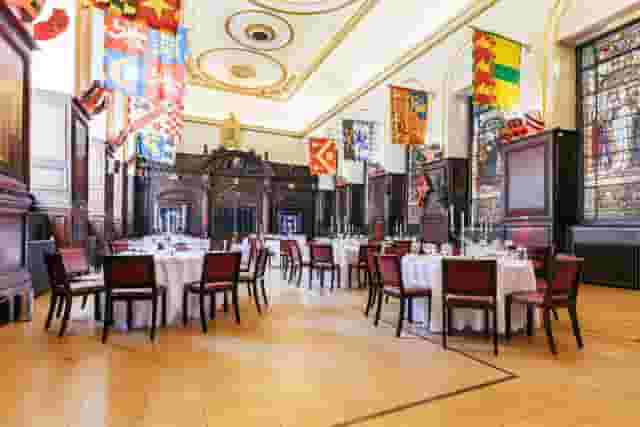
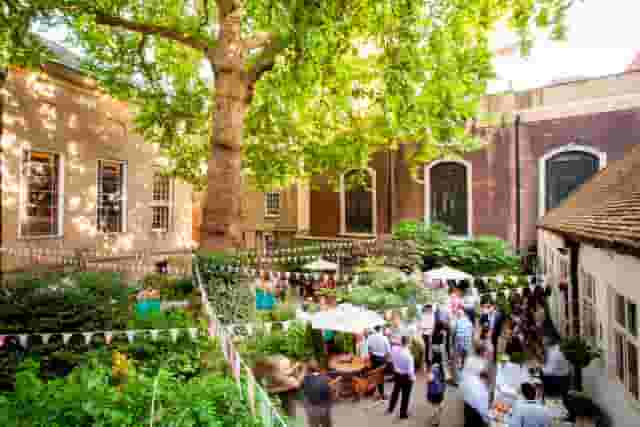
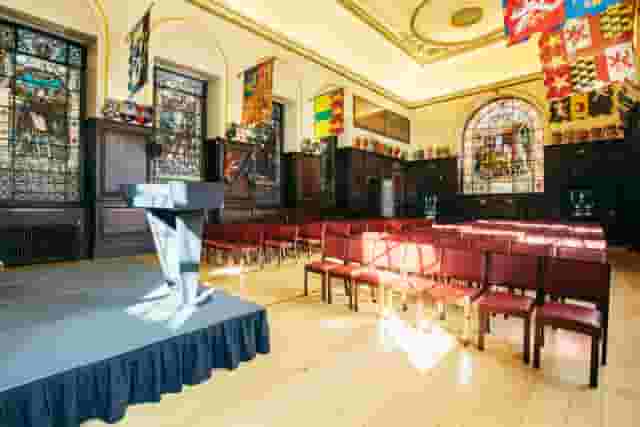
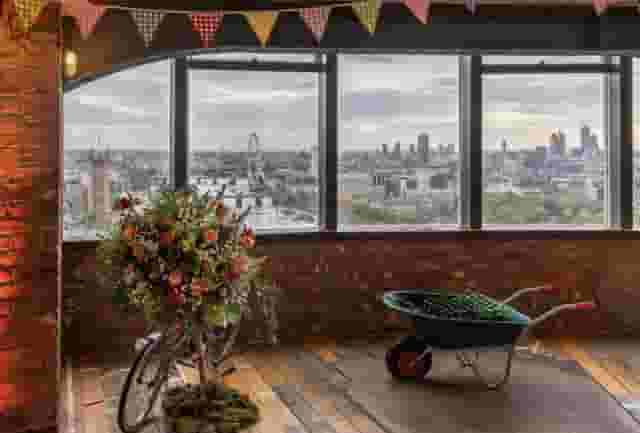
Traditional livery halls and historic financial spaces bring formal authority to an evening, which suits institutional networking, partnership announcements and senior stakeholder gatherings. Saddlers' Hall near St Paul's provides an example in The Front Rooms, which accommodates up to 150 guests standing. Its Grade I-listed heritage setting and private courtyard give senior guests a distinguished backdrop without the corporate neutrality of a standard hotel meeting room. Further east towards the river, Tower Suites by Blue Orchid offers The Skyline London, holding up to 265 guests for a reception. It delivers an immediate visual hook with views across the Tower of London, pairing built-in AV readiness with an outlook that works well for visiting international delegates.
When an event leans toward media, creative agencies, retail or private wealth, Mayfair, Marylebone and St James's offer a different tone. These districts lend themselves to polished hospitality where the reception feels closer to a private club than a formal corporate seminar. In Mayfair, Quaglino's features the Mezzanine Bar, which holds up to 100 standing. Overlooking the main dining floor, it suits networking events that transition naturally into client entertainment.
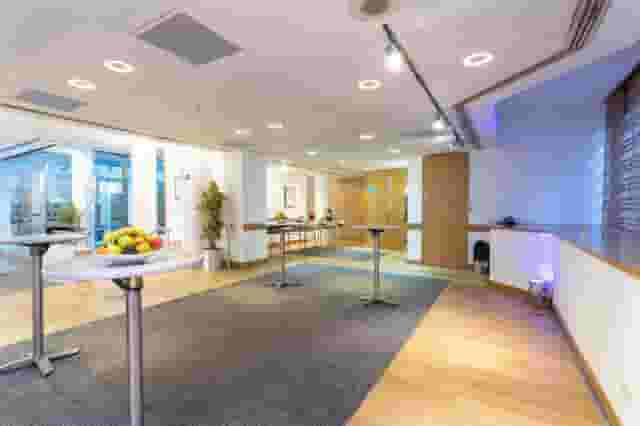
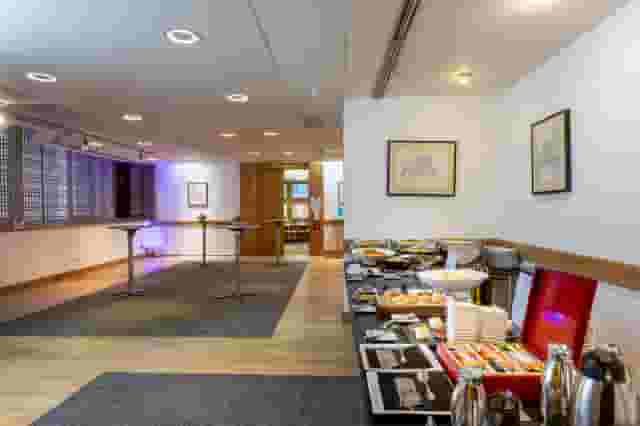
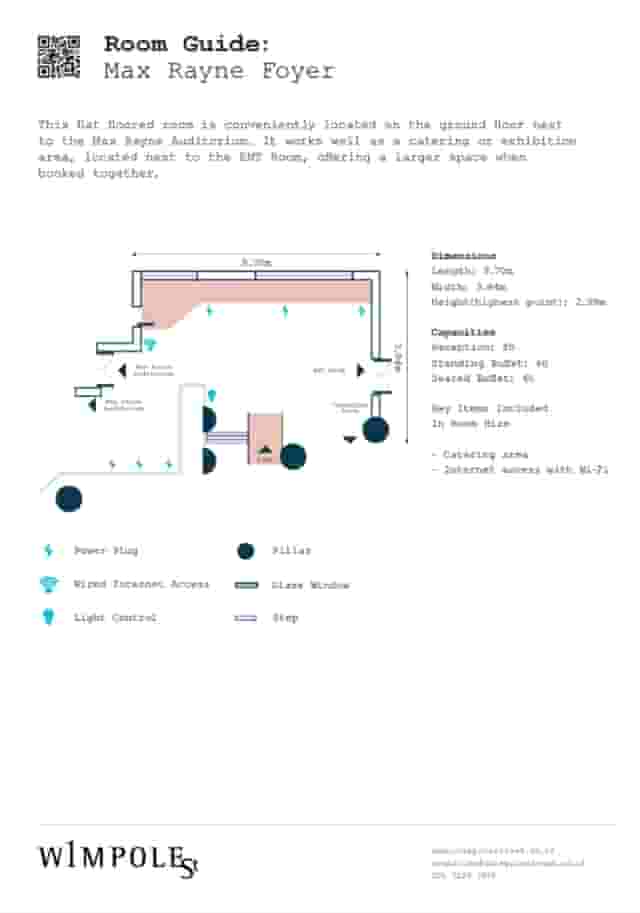
In Marylebone, Nobu Hotel Portman Square offers the Nobu Bar for up to 110 guests standing, combining contemporary hospitality with Japanese culinary design. For medical associations, consulting firms and academic organisations, Marylebone also provides purposeful conference foyers. 1 Wimpole Street features the Max Rayne Foyer, accommodating up to 80 delegates. It operates with natural daylight and direct access to auditorium facilities, making it practical for short twilight presentations followed by drinks.
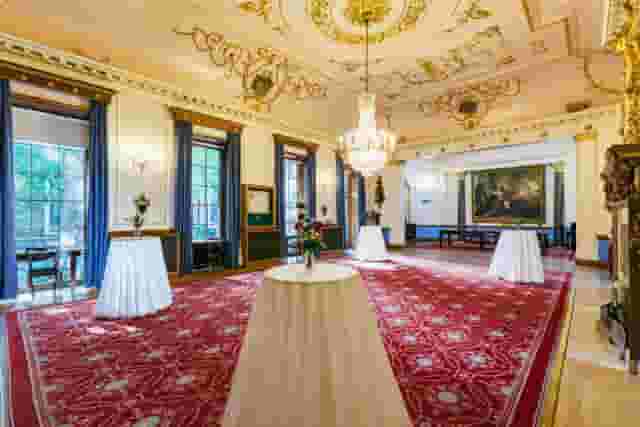
If the brief calls for grandeur in West London, Kent House Knightsbridge provides the Marble Hall for up to 100 reception guests, offering an exclusive period townhouse setting. Further down in Chelsea, the National Army Museum houses an elegant Boardroom holding up to 50 guests, looking out toward the Royal Hospital Chelsea.
| District | Dominant guest industries | Primary transport hubs | Typical venue atmosphere |
|---|---|---|---|
| The City & St Paul's | Banking, insurance, legal, corporate finance | Bank, Liverpool Street, Cannon Street | Historic livery halls, sleek commercial viewpoints |
| Southwark & Borough | Tech, design, architecture, creative agencies | London Bridge, Borough | Converted warehouses, contemporary creative hubs |
| Mayfair & St James's | Private equity, hedge funds, luxury, commercial property | Green Park, Piccadilly Circus, Bond Street | Mid-century hospitality, heritage private members' clubs |
| Marylebone & Bloomsbury | Healthcare, life sciences, academia, consultancies | Baker Street, Oxford Circus, Euston | Dedicated institutional spaces, boutique luxury hotels |
What evening networking receptions actually cost
Setting a realistic budget for an evening reception means looking past room hire fees and understanding what venues package together. Across Central London, networking receptions typically sit between £60 to £148 per head. This price range is an indicative estimate based on 15 quotes from the venues on this page for similar events. The figure assumes a party size of about 80 guests, which represents a standard turnout for mid-sized corporate receptions. As a venue booking platform backed by a team of real people who oversee the process, Hire Space provides instant, data-backed price estimates drawn from live booking data so you can gauge realistic costs before enquiring. If an initial choice stretches the budget, the platform also suggests similar London spaces that meet the brief at a lower rate.
Where an event lands within that £60 to £148 per head bracket depends primarily on catering choices, wine tiers, venue prestige and access timings. Receptions positioned towards the £60 end of the range usually cover a baseline two-hour package. This includes standard house wine, bottled beers, non-alcoholic alternatives and three to four bite-sized canapes per guest, hosted within a non-exclusive room or an institutional events venue with in-house catering teams.
Receptions tracking towards the £148 end of the scale involve exclusive buyouts of boutique hotel bars, private members' clubs or prime viewing terraces. At this upper tier, quotes typically factor in Champagne or sparkling wine receptions, bespoke cocktail bars, premium vintage wines and substantial food service. That often means six to eight passed canapes supplemented by two substantial savoury bowl-food options per guest, alongside dedicated on-site event management and cloakroom attendants.
| Budget bracket | Catering provision | Beverage service | Typical venue style |
|---|---|---|---|
| £60 to £85 per head | 3 to 4 cold and warm canapes per guest | 2-hour house wine, beer and soft drinks | Academic foyers, institutional venues, semi-private bars |
| £85 to £115 per head | 5 to 6 canapes plus dessert bite | 2 to 3-hour quality wine, craft beer and prosecco | Dedicated design venues, modern commercial terraces |
| £115 to £148 per head | 6 to 8 canapes plus 1 to 2 hot food bowls | 3-hour Champagne, spirits, sommelier wines and cocktails | Historic livery halls, boutique hotels, high-end private clubs |
Always examine venue quotes for supplementary costs that sit outside the headline per-head price. Service charges across Central London usually add 12.5% to 15% to catering totals. Check whether staff costs are included in the minimum spend or billed as an hourly line item. Clarify whether furniture removals, coat-check facilities, security personnel and standard post-event cleaning are wrapped into the package or charged as extras. Hire Space 360 is enterprise venue and hotel procurement for companies spending £1m or more a year on meetings and events: a managed meetings and events programme, the kind procurement teams call strategic meetings management. To see how this simplifies supplier administration across high-volume calendars, look at how Hire Space 360 works for procurement. It places every booking under a single master agreement with consolidated invoicing, giving finance leaders live spend reporting and strict compliance with corporate event policy.
Practical logistics: catering, AV and venue access
Catering for a networking event requires a different logistical approach to a seated dinner. The objective is to keep guests conversing without interruption. Food must be genuinely bite-sized and dry enough to be eaten cleanly with one hand while standing, leaving the other hand free to hold a glass, an event badge or a phone. Avoid items requiring forks, sticky glazes or messy dipping bowls on circulating trays.
When briefing your caterer, confirm clear separation between food service stations, the bar and the central entrance. Canapes should circulate steadily across the entire room rather than hovering near the kitchen exit door where assertive guests intercept trays. Confirm robust allergen management ahead of time. Under current food safety standards, service staff must be thoroughly briefed on the exact ingredients in every circulating canape, with distinct options clearly labelled and segregated for vegan, gluten-free, dairy-free and nut-free diets.
Never assume a venue is technically equipped for corporate presentations simply because it hosts events. If your reception includes welcome speeches, guest addresses or sponsor acknowledgements, confirm the AV inventory in writing. You will need a dependable wireless handheld microphone, a discreet PA system with even coverage that prevents hot spots near speakers, and basic background music controls. Always insist on a sound check in the room before guests arrive. For further ideas on blending structured venue features with productive gathering layouts, read Make More of your Networking Event at One Moorgate Place.
Accessibility should be audited from street level through to the event floor. Never rely on general claims that a building is accessible. Check the physical guest journey: step-free street access, internal lift dimensions, accessible restroom locations, wide doorways and clear signage. If any attendees have sensory or physical requirements, ensure that quiet rest seating is available and that emergency evacuation plans account for assisted egress.
How to structure the evening run of show
A business networking reception should feel natural and unforced to the guest, but it requires a disciplined minute-by-minute schedule behind the scenes. A standard two-and-a-half to three-hour reception generally follows an established rhythm that maximizes attendance and balances business objectives with social interaction.
- 5:30pm: Organiser access. The event team arrives on site. AV microphones, registration desks, lighting levels and background music playlists are tested. The catering team completes setup of the welcome drinks station and bar.
- 6:00pm: Doors open and guest arrival. Coat check opens immediately at the entrance. Trays of welcome drinks, both sparkling wine and high-end non-alcoholic options, are offered within the first five metres past the door to prevent queues. Ambient background music plays at low volume.
- 6:30pm: Full circulation and canape service. Peak arrival window. Trays of warm and cold canapes circulate continuously across all areas of the room. Service staff ensure empty glasses and used napkins are cleared rapidly from high tables and ledges.
- 7:00pm: Opening remarks and sponsor welcome. Music fades. The organiser or primary host takes the microphone for short, focused remarks. Speeches should last between five and seven minutes maximum. Keeping remarks brief respects the networking purpose of the evening and avoids frustrating attendees.
- 7:10pm: Secondary food service and open networking. Second wave of substantial canapes or small bowl items circulates. Conversations resume with full focus.
- 8:30pm: Last orders called at the bar.
- 8:45pm: Bar service concludes. House lights are gently raised.
- 9:00pm: Event concludes. Cloakroom staff hand back coats and bags as guests depart. Organiser pack-down commences.
Sticking strictly to this schedule prevents the evening from dragging, keeps food service fresh and ensures you do not incur punitive overtime fees from venue security and bar staff. Check train departure times from nearby mainline stations so you can time last orders before regional commuter services drop off in frequency. When the layout, location and timings are tightly aligned, your guests spend the evening building real professional relationships rather than navigating logistical obstacles.
What our customers say
Inspiration and planning guides

11 Techniques That Will Make You Better At Networking
Is your networking not working? Some people, it seems, absolutely love it - they swan in, glide through the party, charm everyone, and swap business cards like they're handing out Pokémon in a playground. But not all of us are like that.

6 Networking Venues That'll Seal the Deal
Networking is a key tool in today's competitive business world: it's often a necessary activity when trying to secure the right contacts, gain new employment or generally advance professionally. But in order to successfully rub elbows, you'll need an inspiring venue – such as one of these slick spaces. 1. Lee Valley VeloPark [https://hirespace.com/Spaces/London/107652/Lee-Valley-VeloPark/Velodrome-Track-Centre/Business] Stratford Few venues can claim to have been a part of the 2012 London Ol

EventLAB Series: Introducing the Event
We're very excited to introduce EventLAB [https://eventlab.online/], our first two-day event designed to take event professionals through every step of the event planning process. We'll be bringing you the latest updates in the run-up to the event in our 'EventLAB Series' [https://hirespace.com/blog/tag/eventlab//], including relevant content and a little glimpse of the speakers, workshops and themes that will feature at the event. In the first instalment, we’ll explain all there is to know a
One supplier. Every venue. Full visibility on what you spend.
Multiple venues and events. One agreement.