Banqueting Venues for Hire in Central London
Explore Central London banqueting spaces with indicative pricing, grand dining rooms and private catering for formal corporate dinners.
673 Banqueting Venues for Hire in Central London






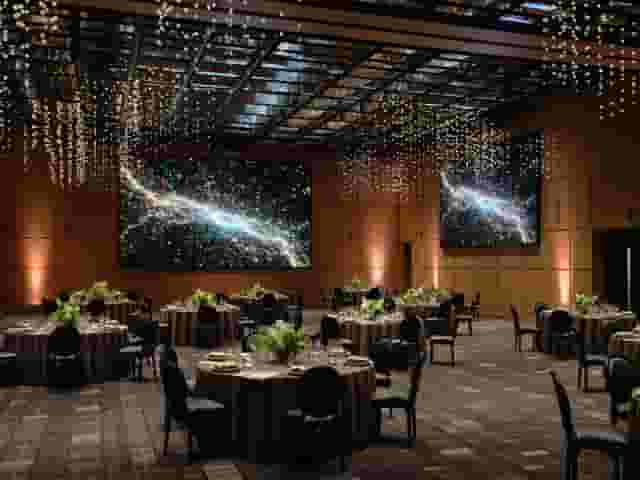
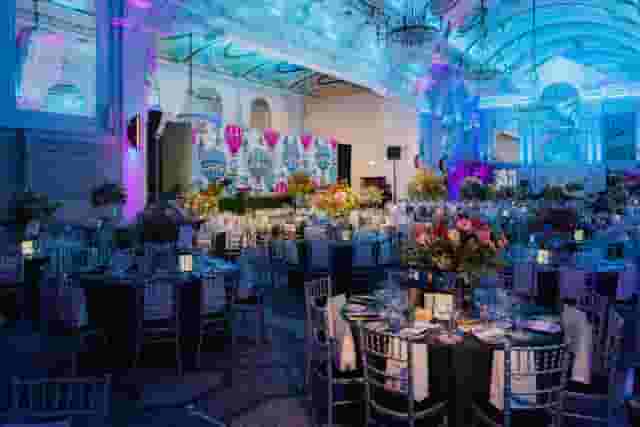
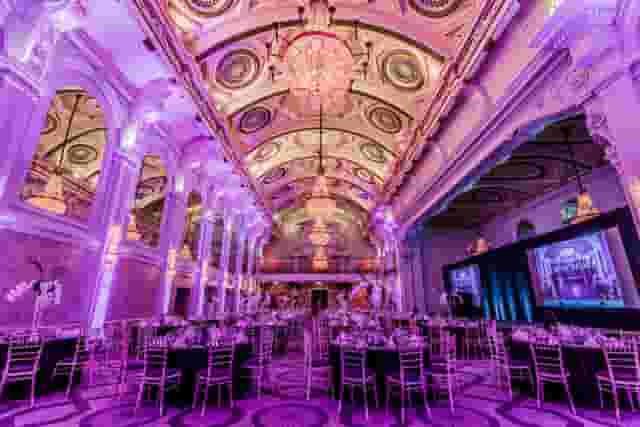
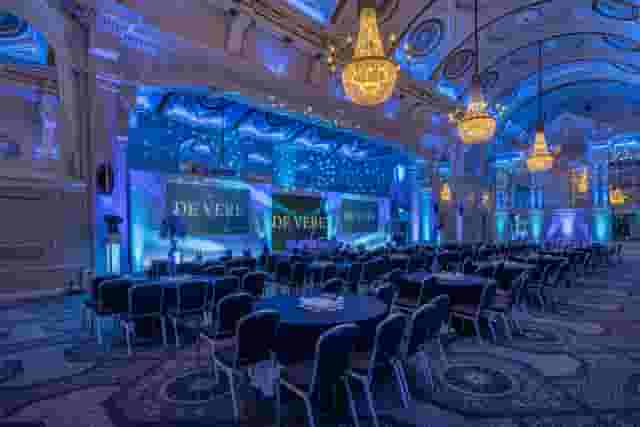









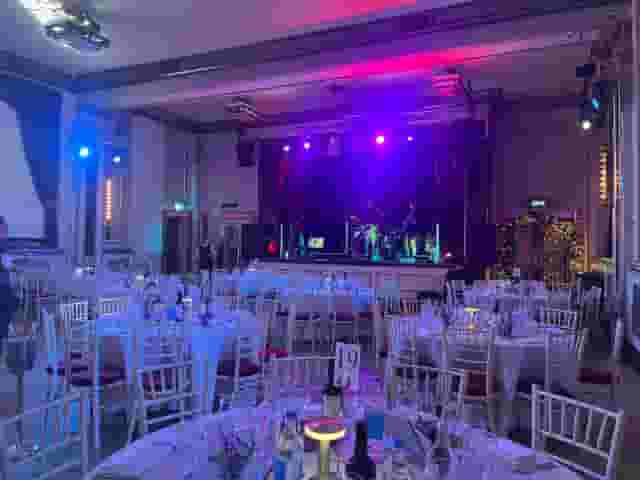
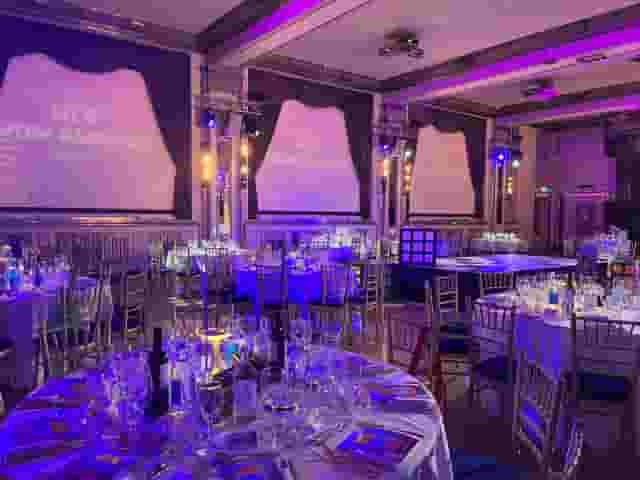
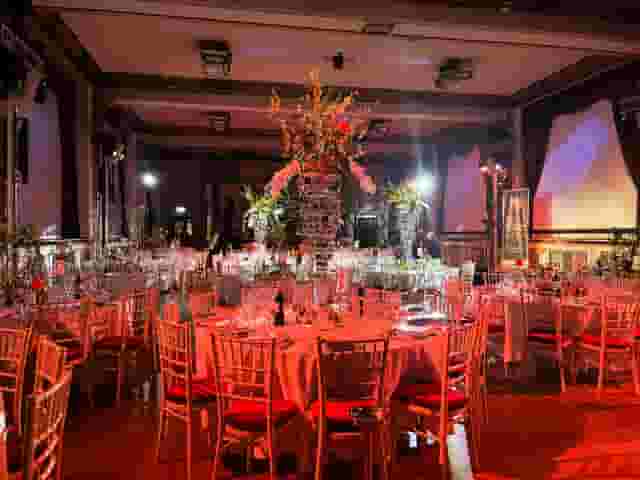
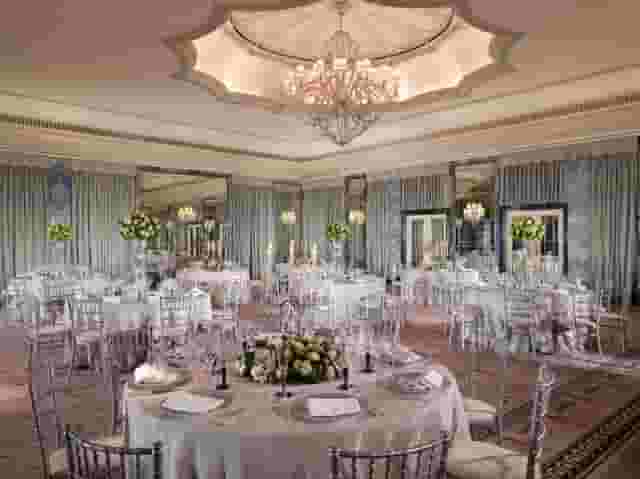
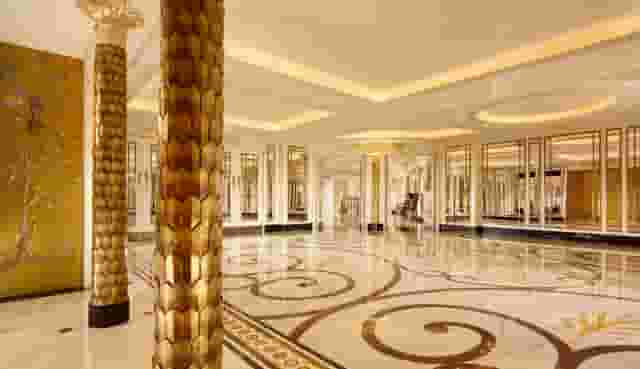
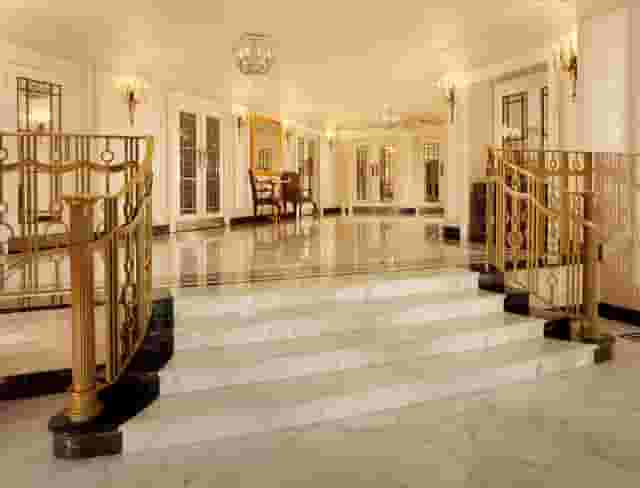
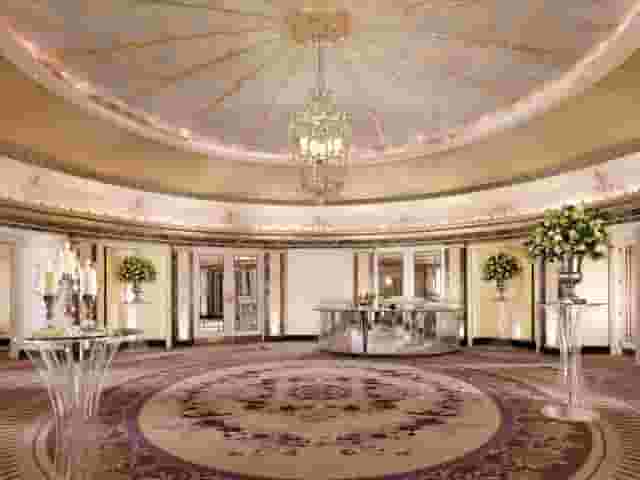




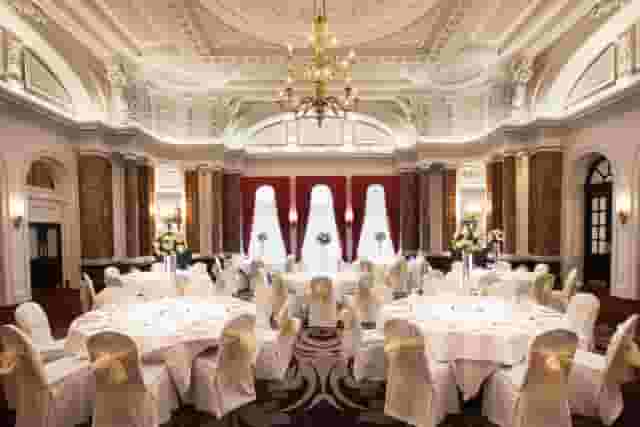
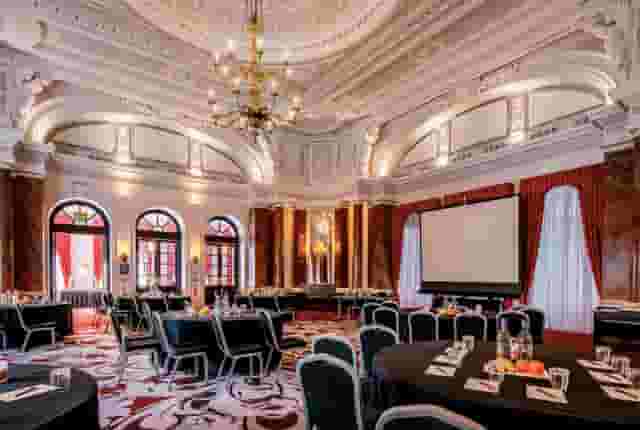
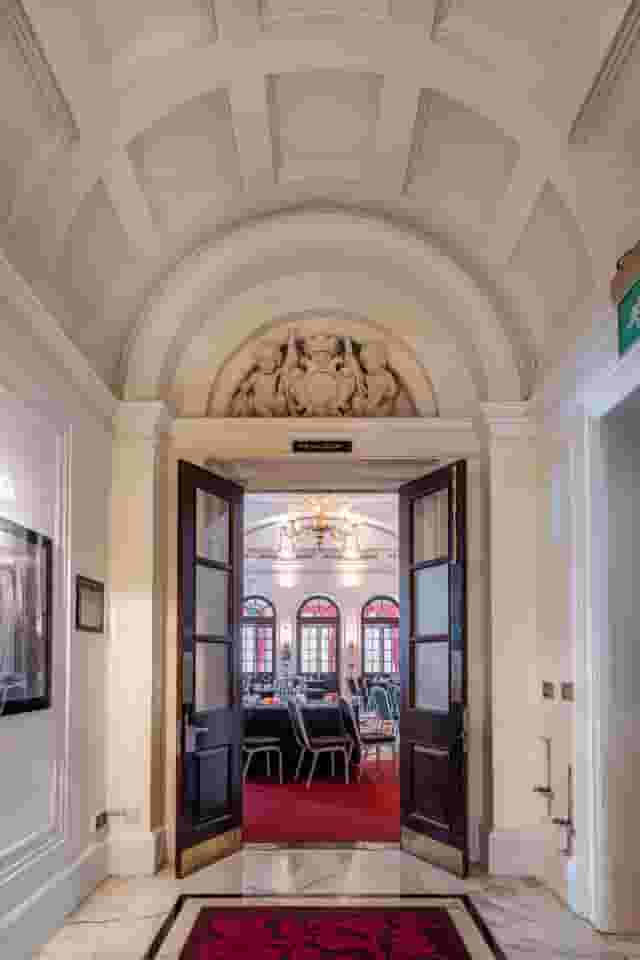
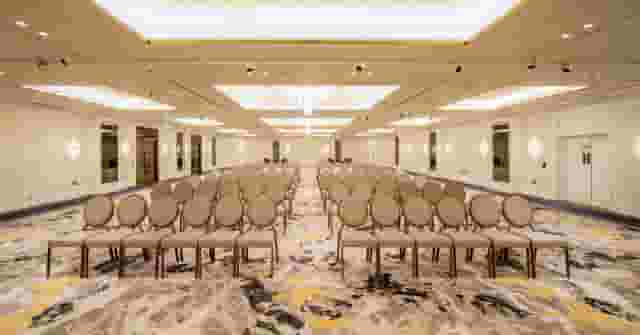








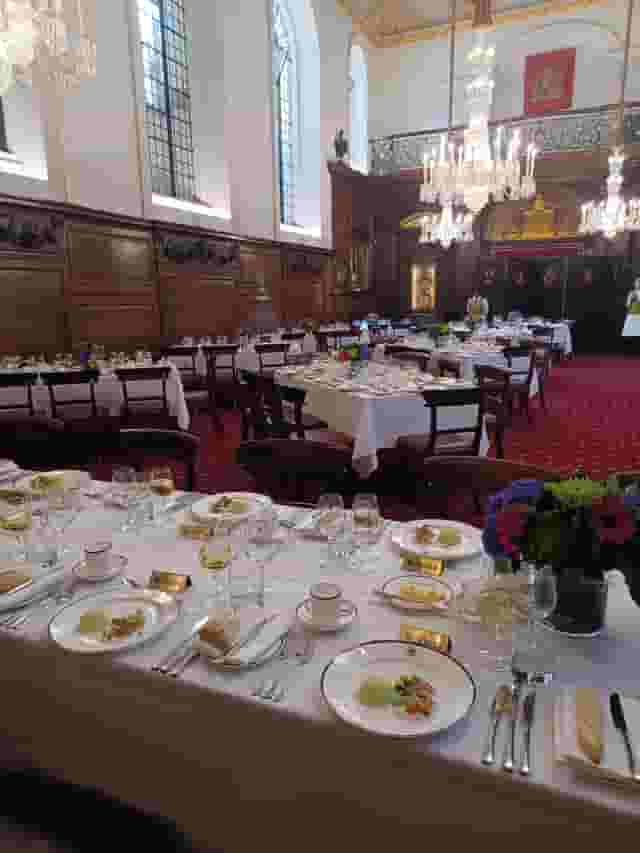
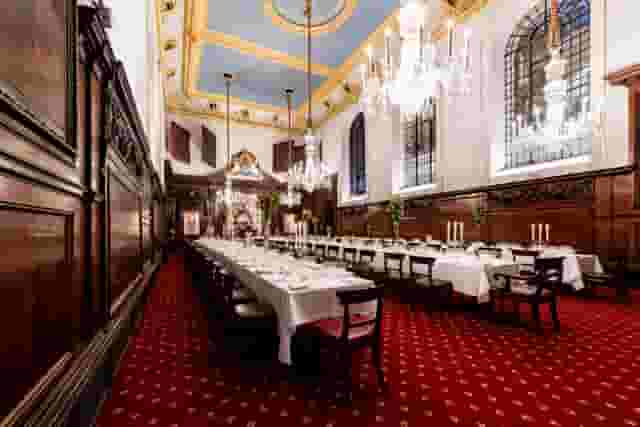
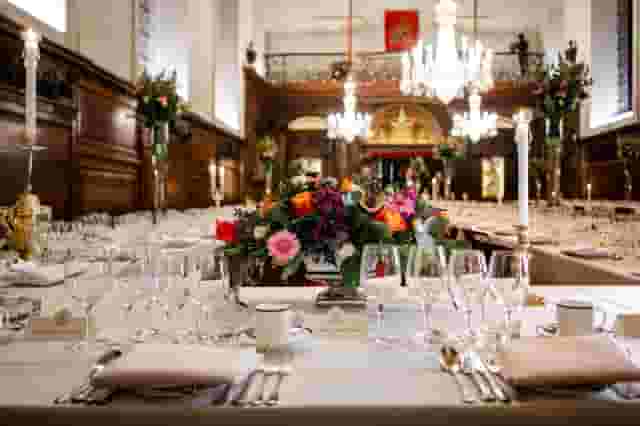
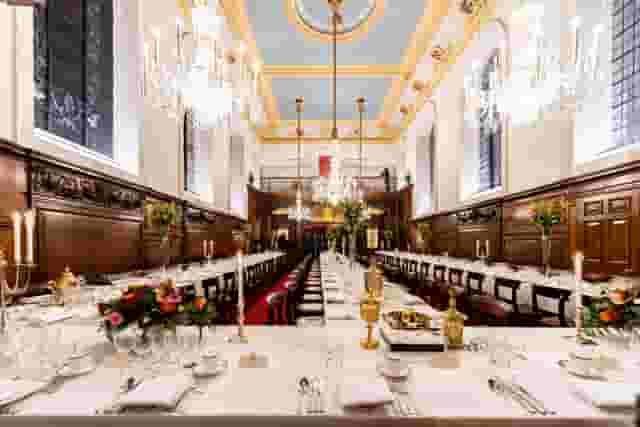


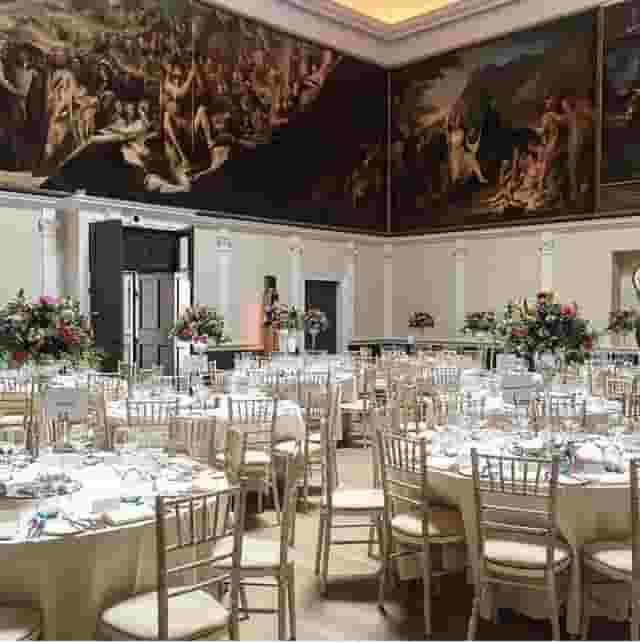
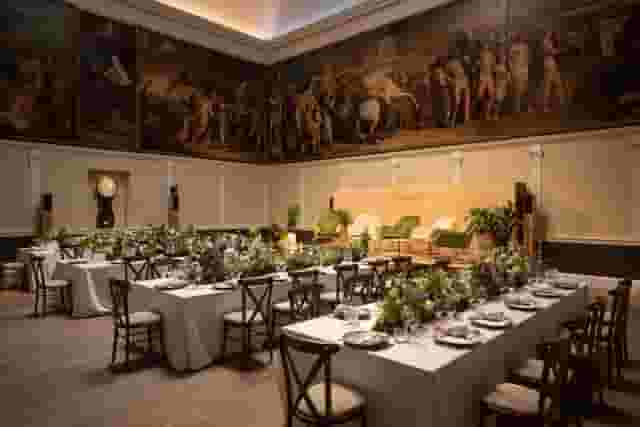
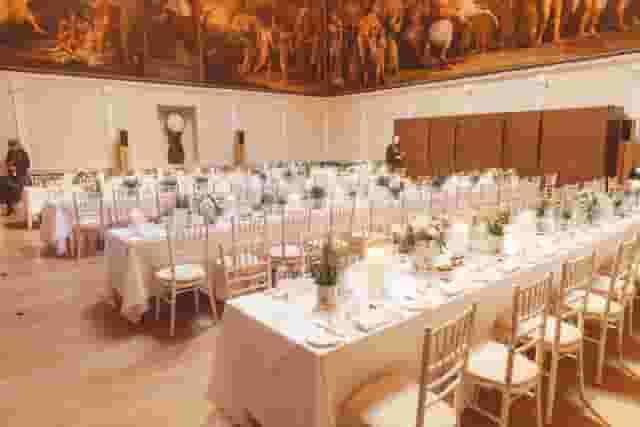
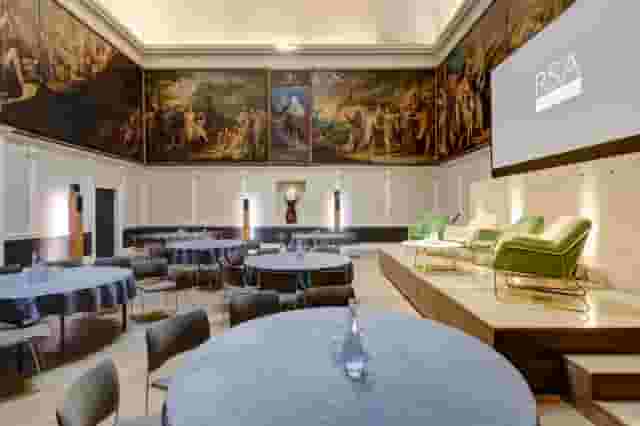





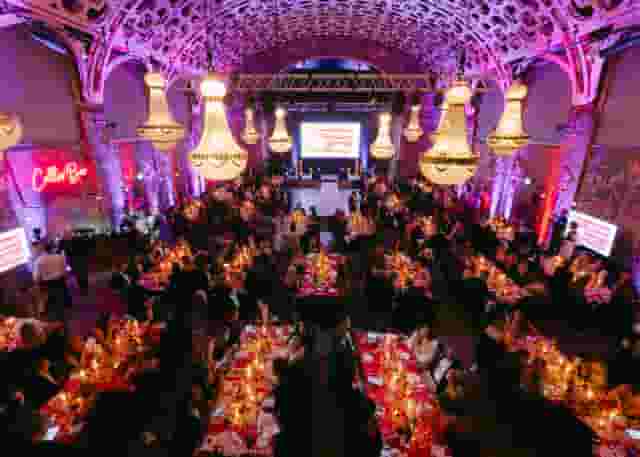
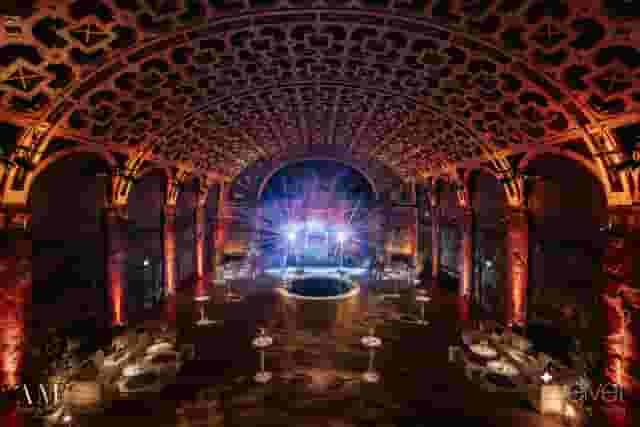
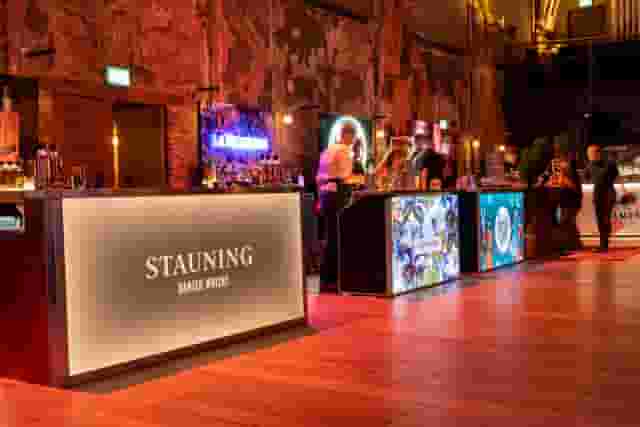
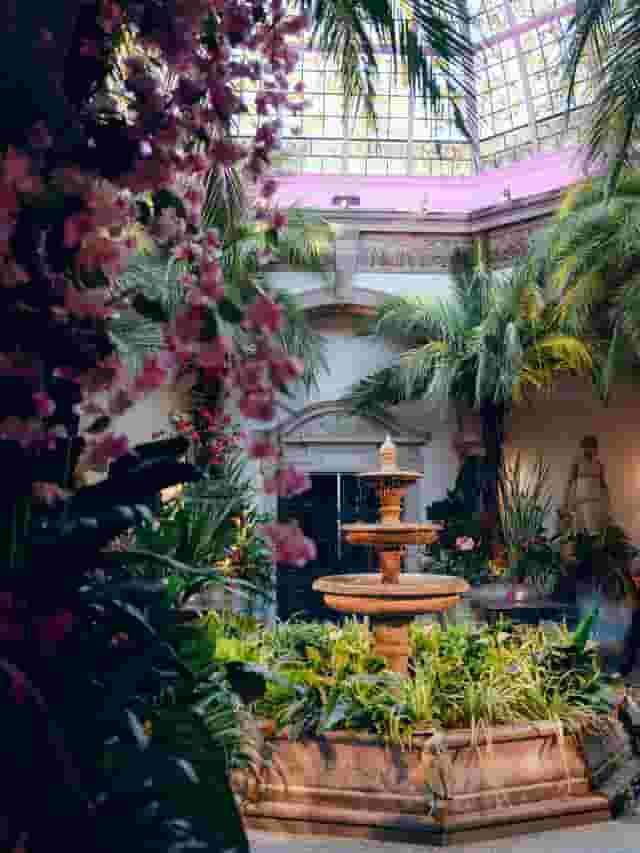





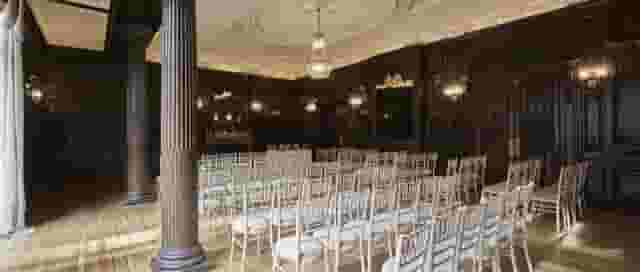
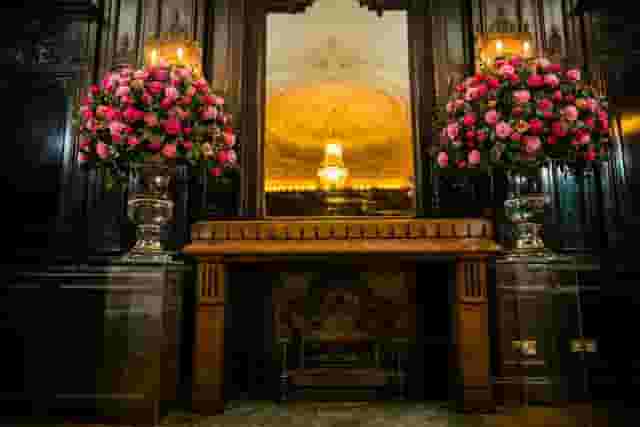
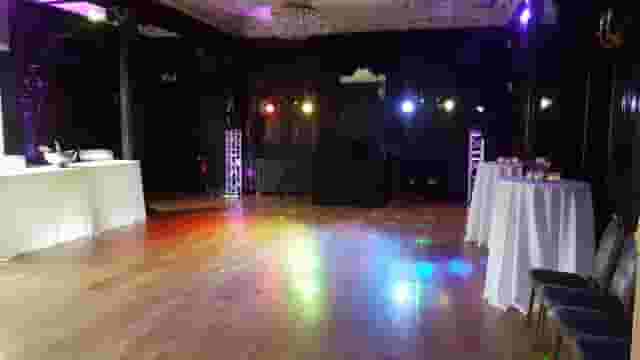


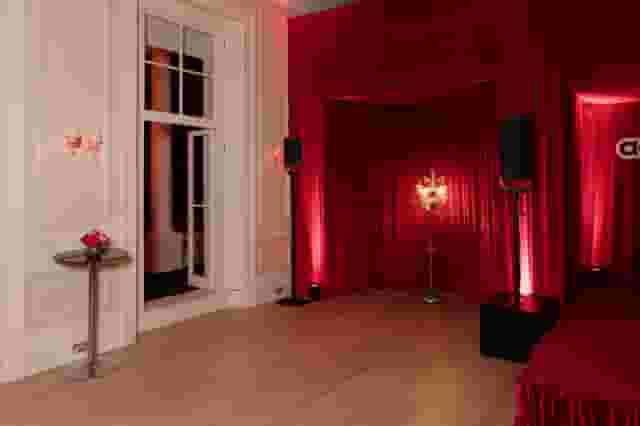
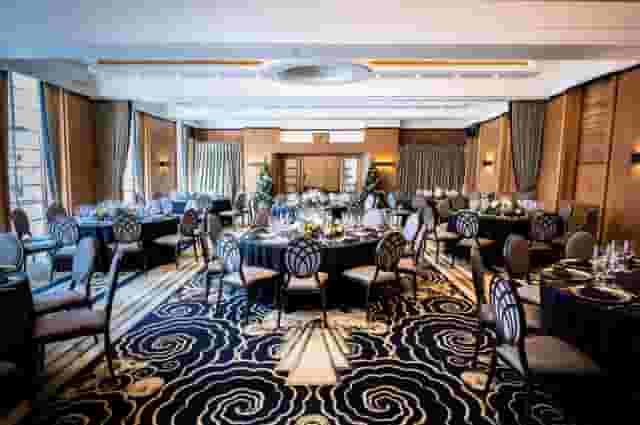
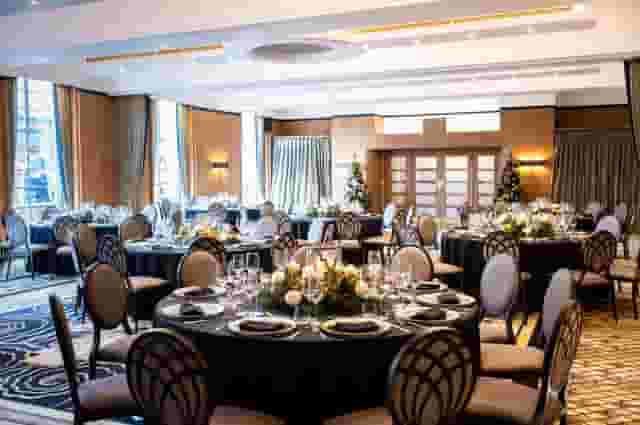
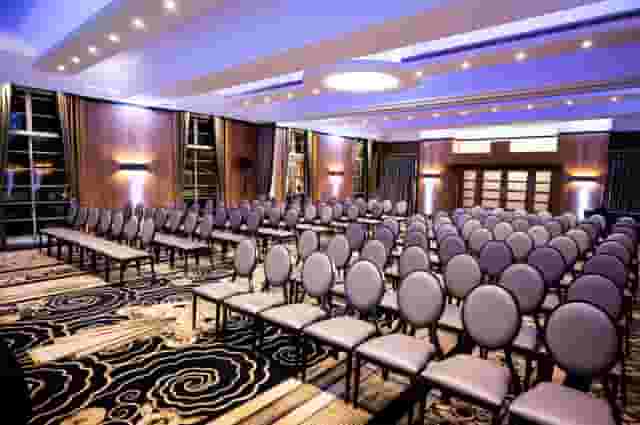
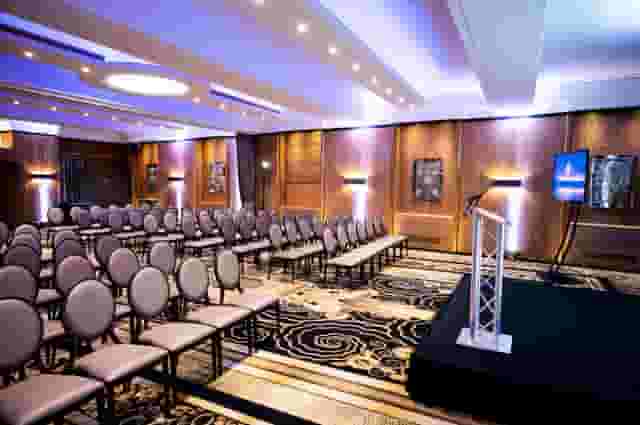





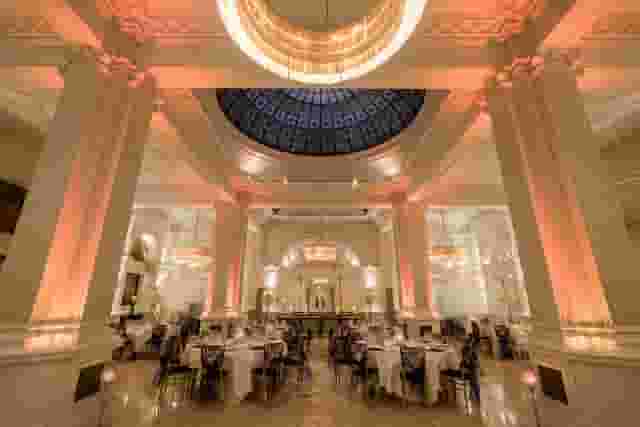
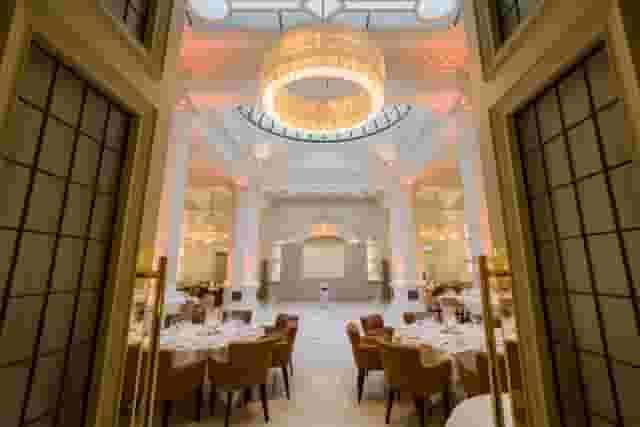
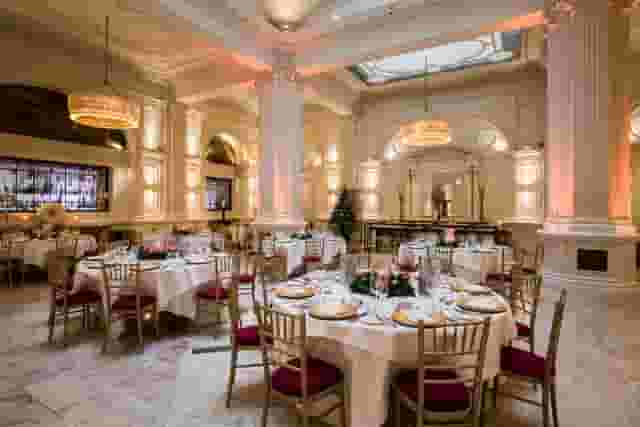
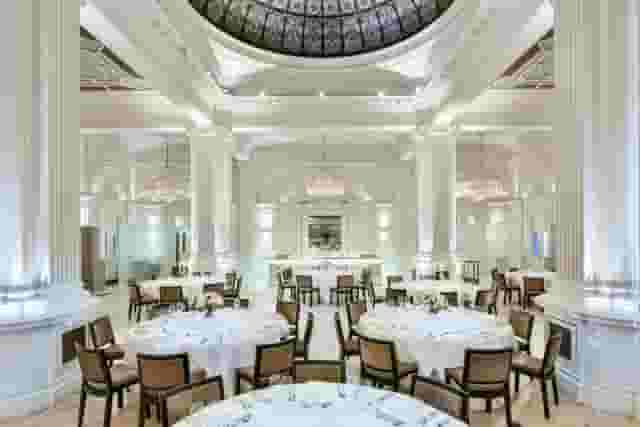



No venues match these filters
Try widening your capacity, luxury level or event type.
Don't have time to search? We'll find it for you.
For business events that need human judgement, talk to our team. Free for events of 100+ people, budgets over £10k or ongoing programmes.




Explore more venues in Central London
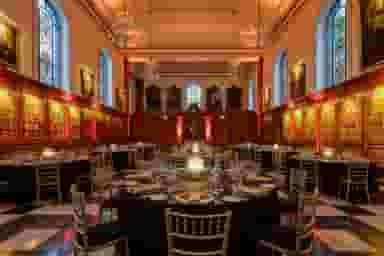
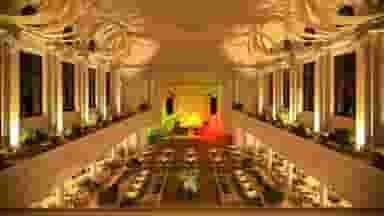







Other platforms search their database. We search everything.
Tell us what you need. Our deep research finds any venue, whether it's in our marketplace or not. No one else does this.
About Banqueting Halls in Central London
Matching the setting to your company culture
Organising a corporate banquet in central London means choosing between very different architectural traditions, each sending a clear signal about your company and the tone of the evening. A formal awards dinner for financial clients demands a different backdrop to an end-of-year celebration for a tech agency or an association annual gala.
Central London banqueting options divide broadly into four categories: historic livery halls, grand Victorian or Georgian ballrooms, purpose-built institutional halls and luxury hotel suites.
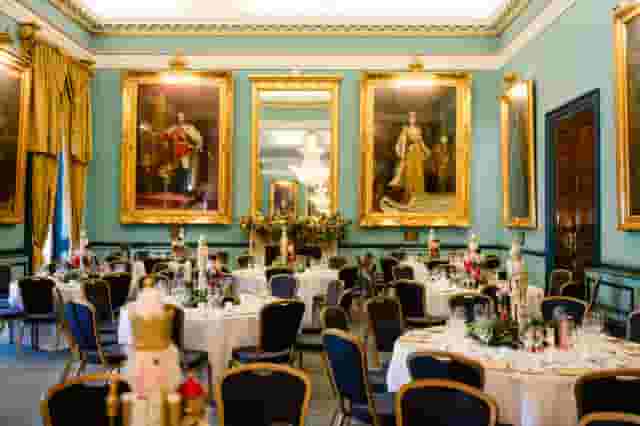
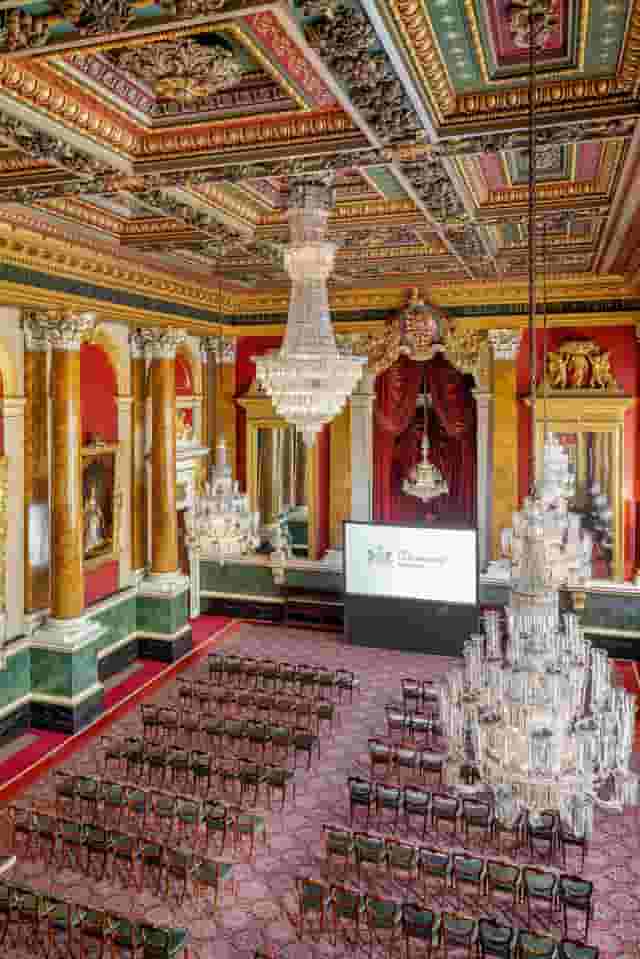
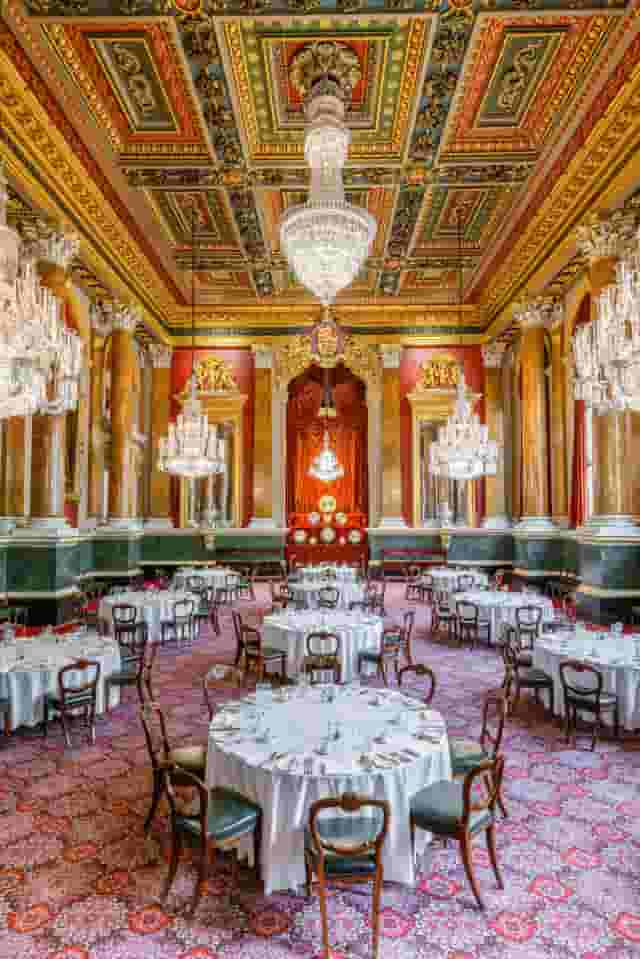
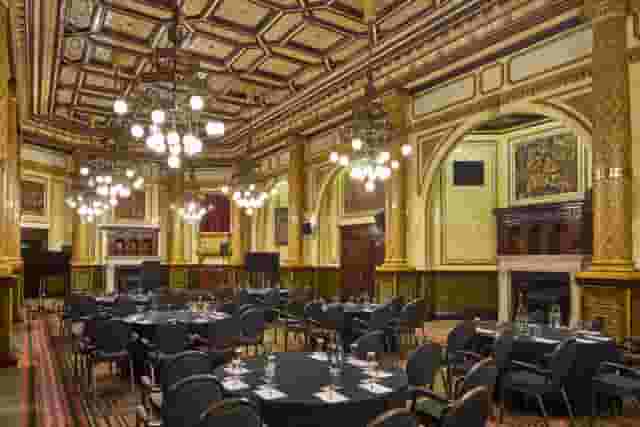
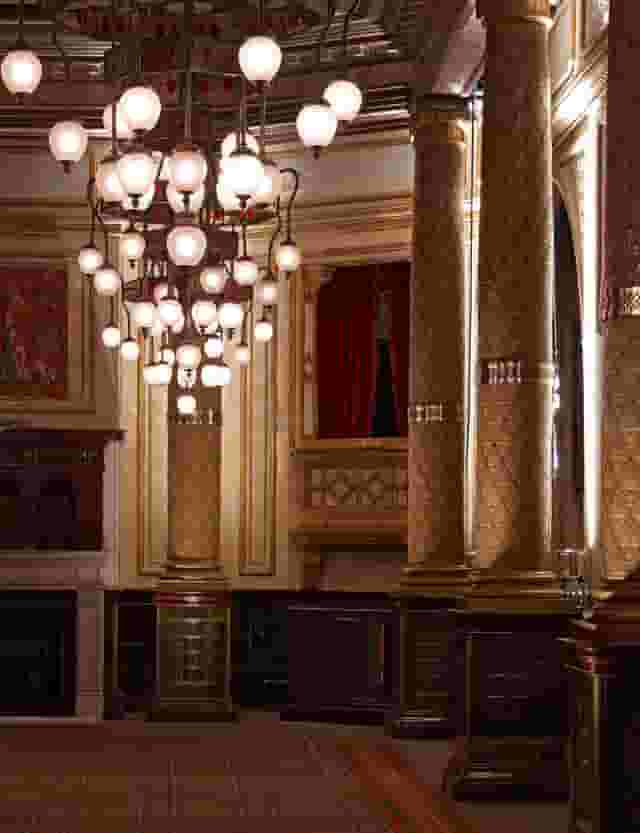
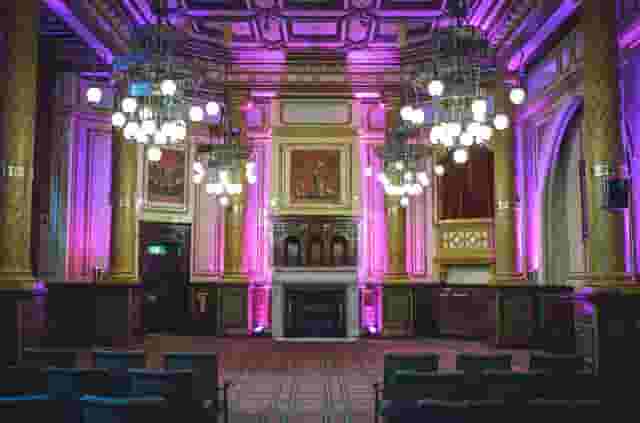
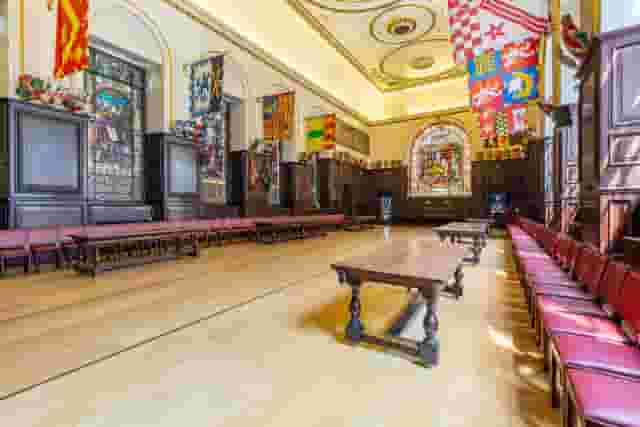
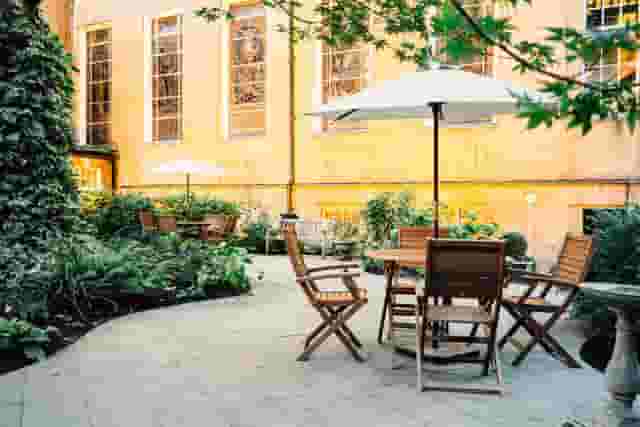
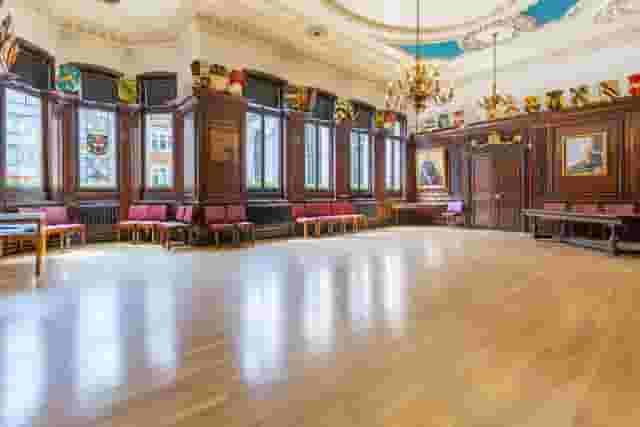
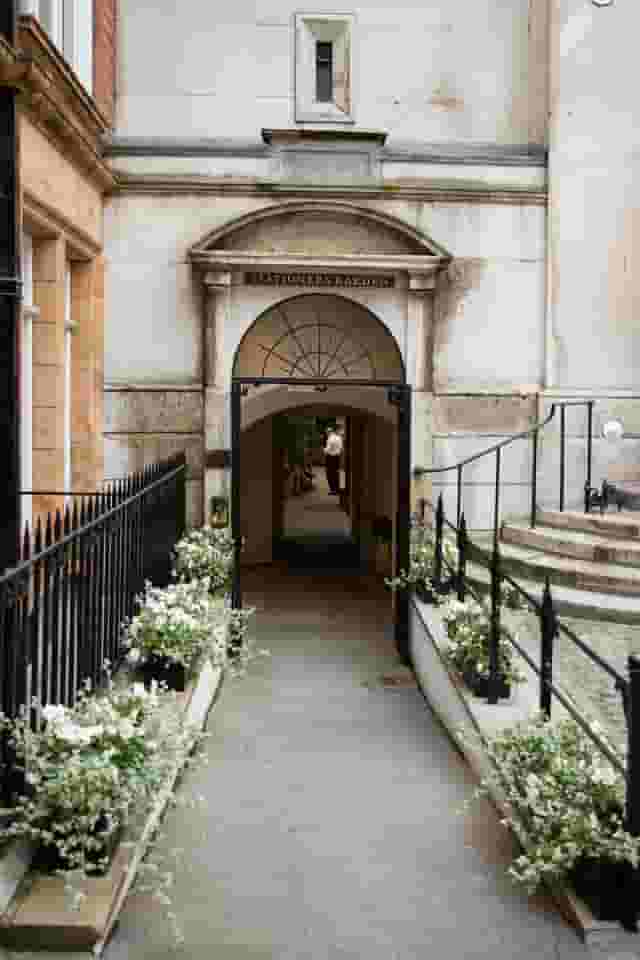
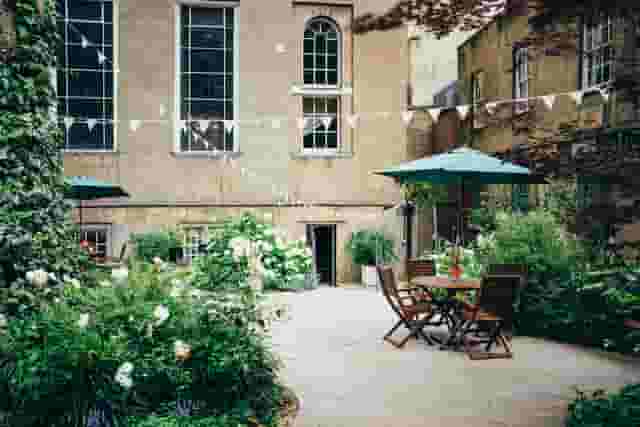
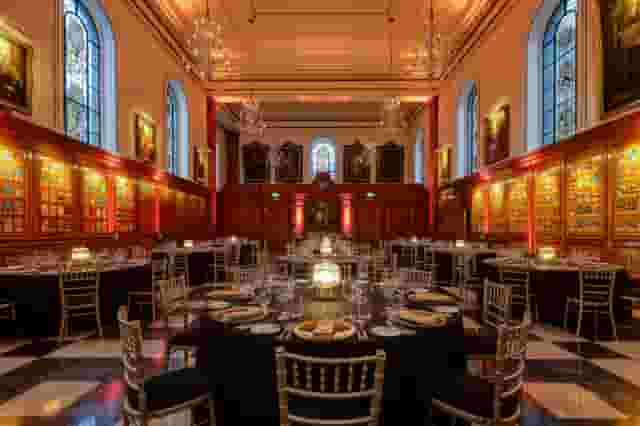
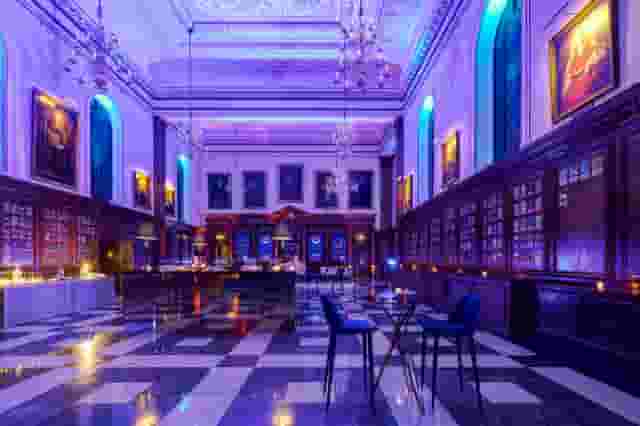
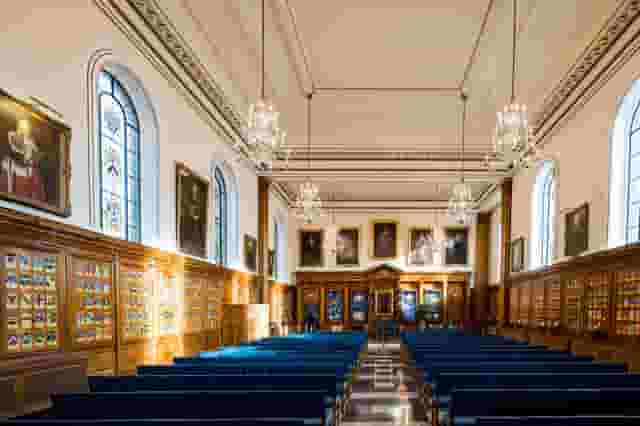
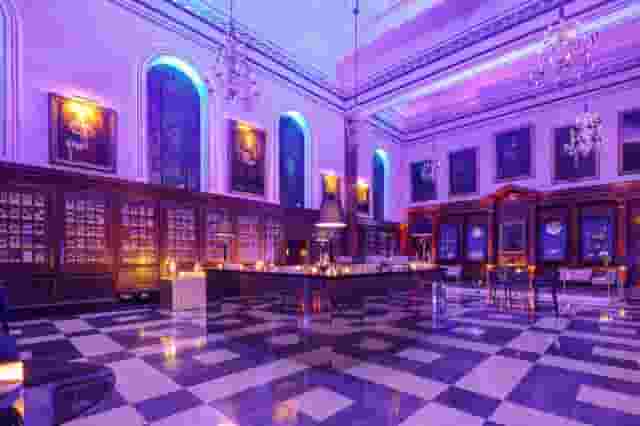
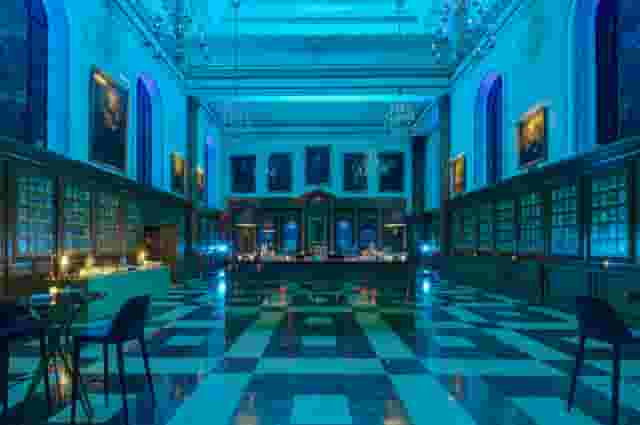
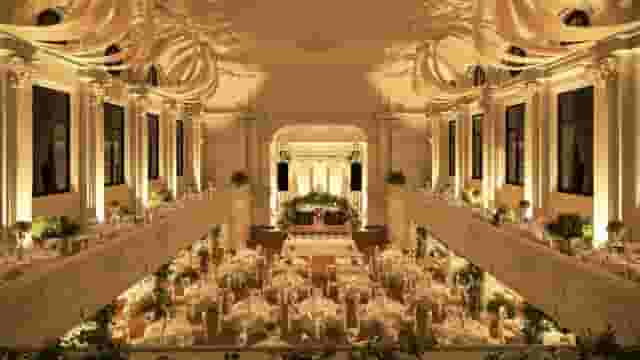
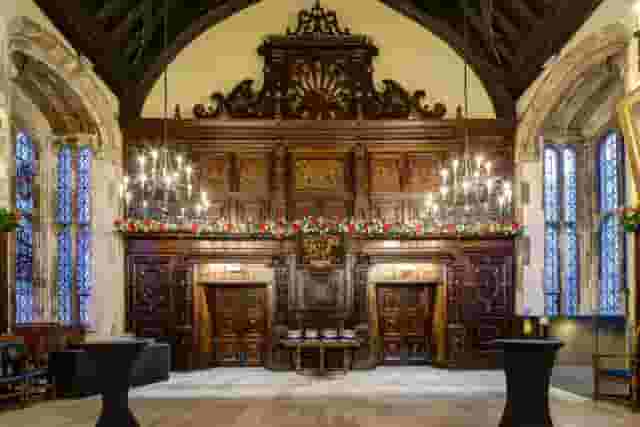
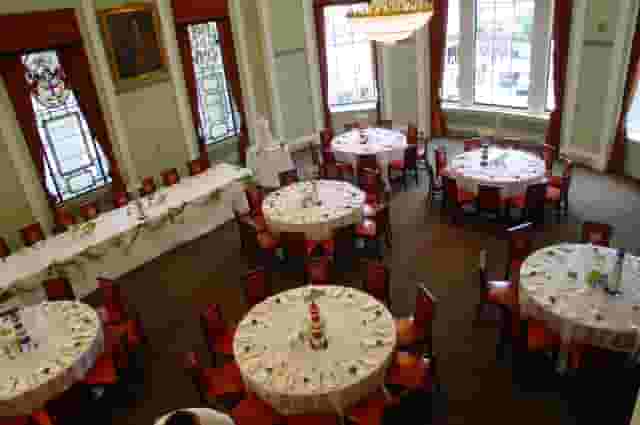
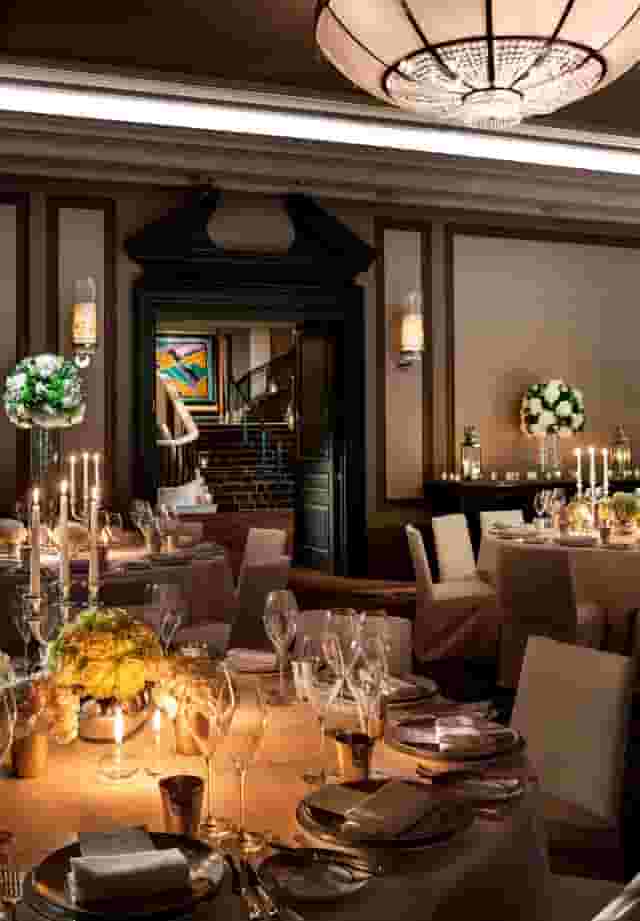
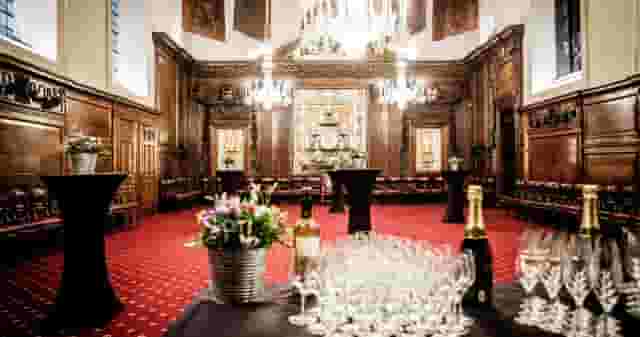
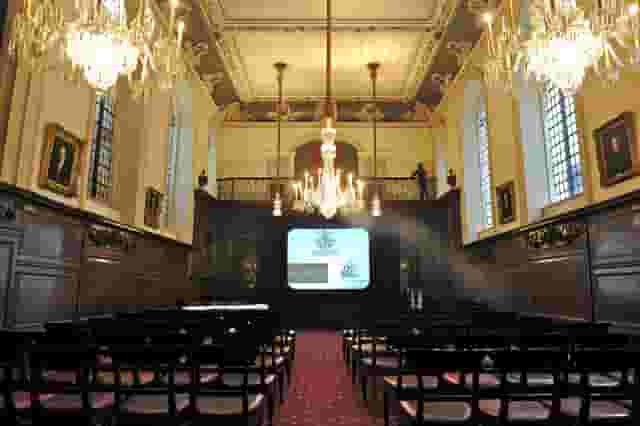
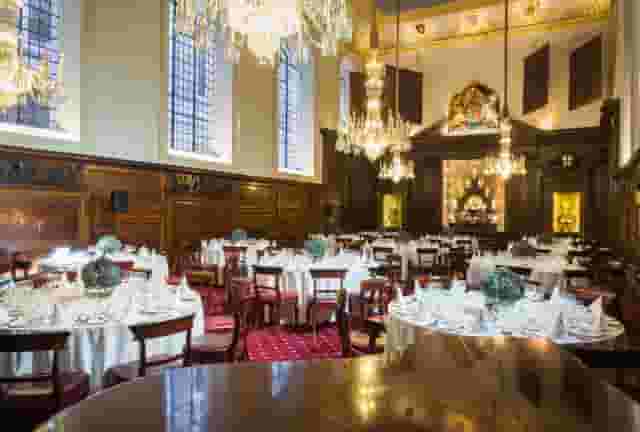
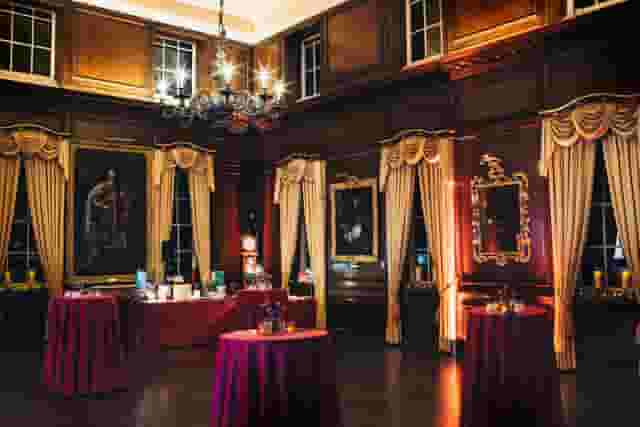
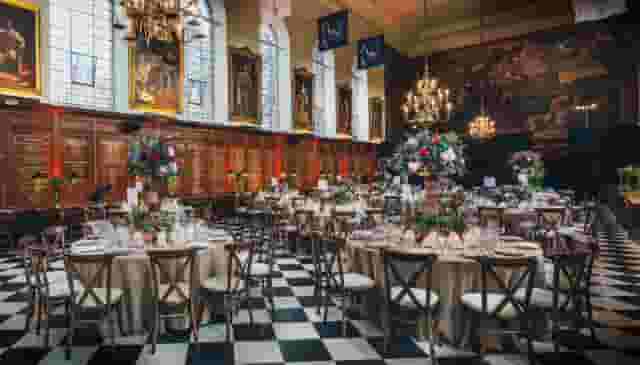
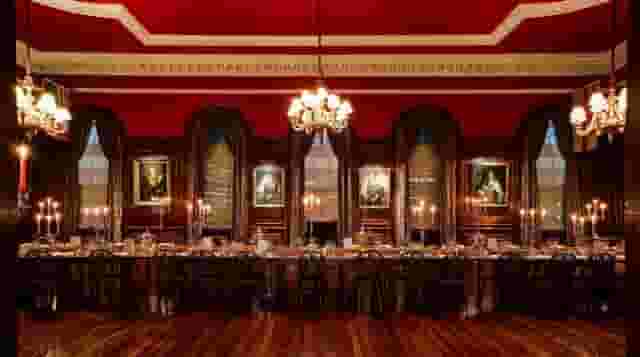
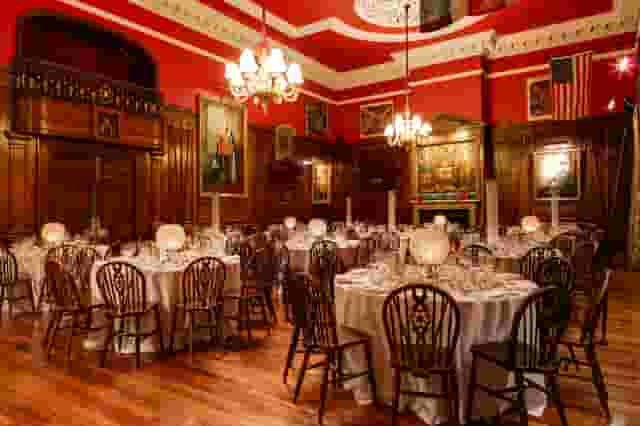
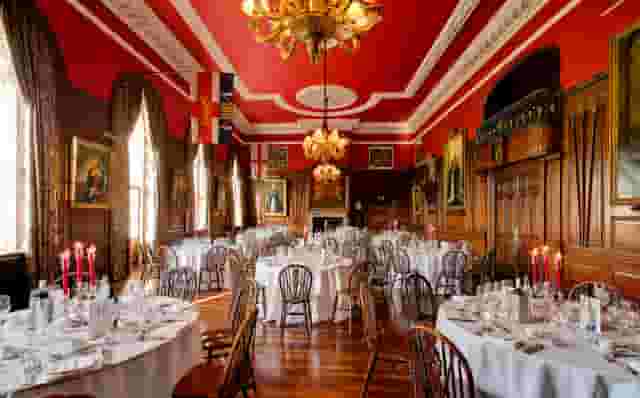
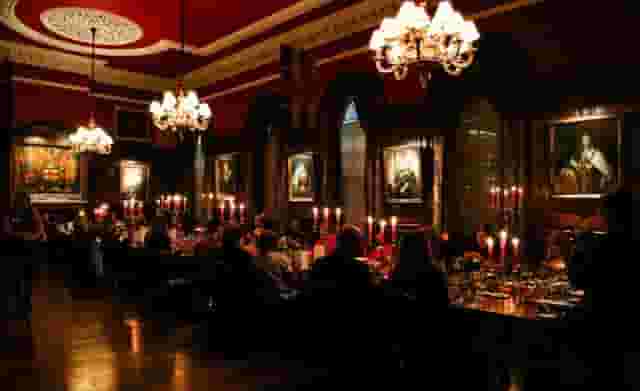
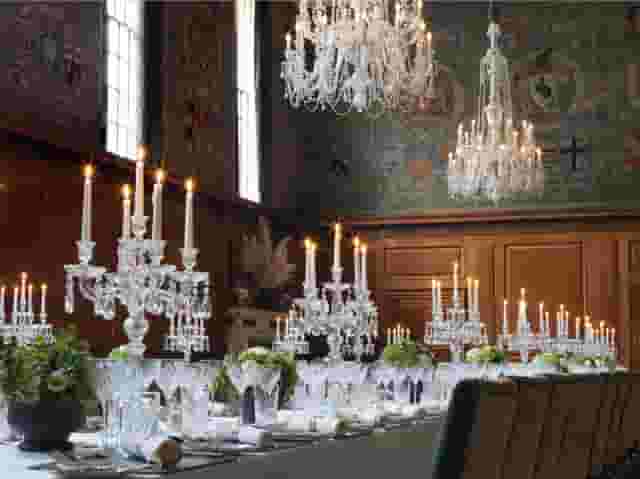
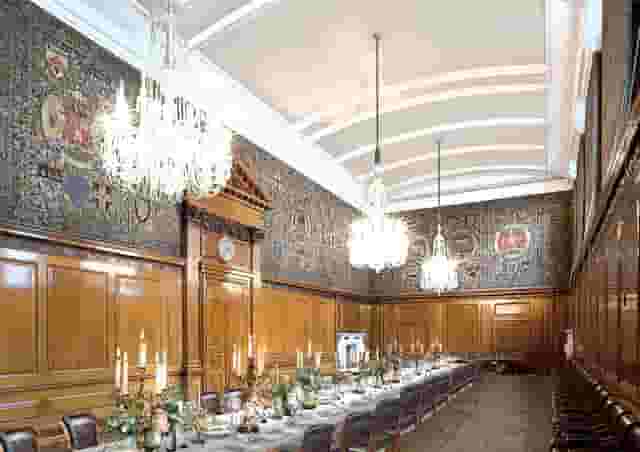
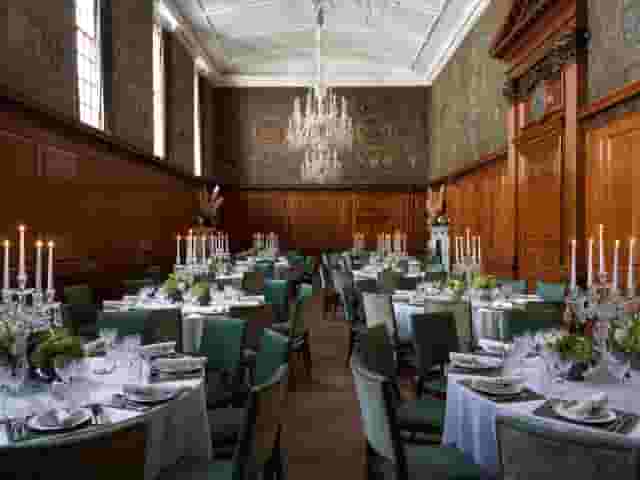
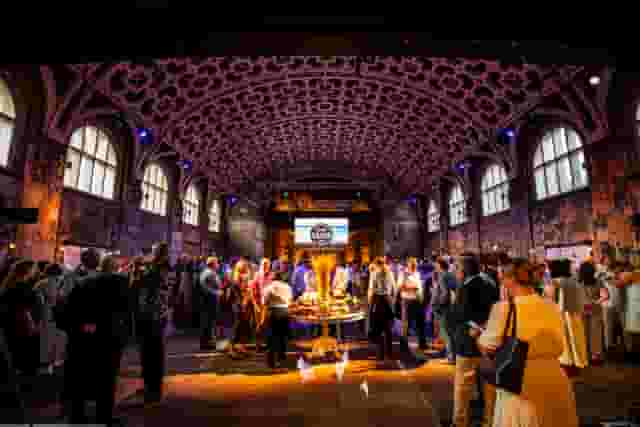
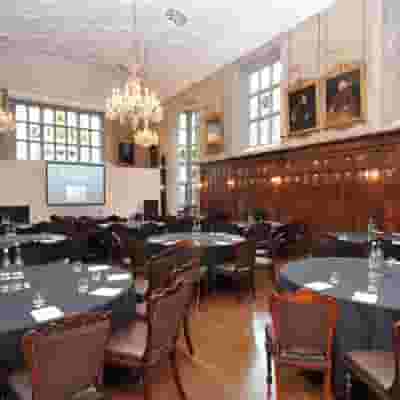
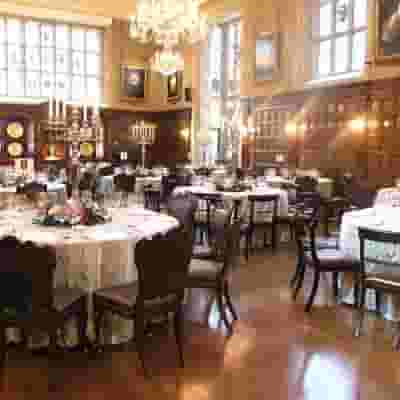
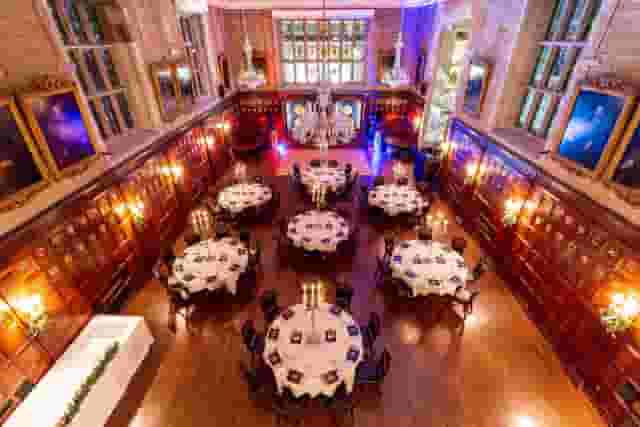
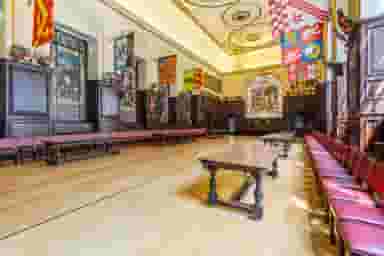
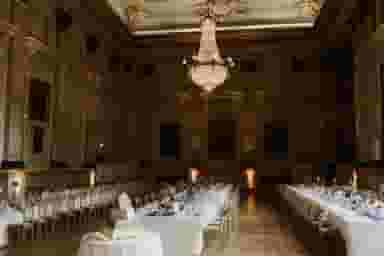
Livery halls in the City and around Chancery Lane provide instant prestige, heritage and formal grandeur. Spaces like Stationers' Hall near St Paul's, which accommodates up to 450 standing guests across interlinking rooms with a secluded private garden, offer an immediate sense of occasion. Similarly, Goldsmiths' Hall in the City holds up to 300 guests for a reception in its Livery Hall, surrounded by ornate chandeliers and panelled walls that require very little additional styling. These venues suit annual dinners, partner celebrations and formal recognition nights where ceremony is part of the agenda.
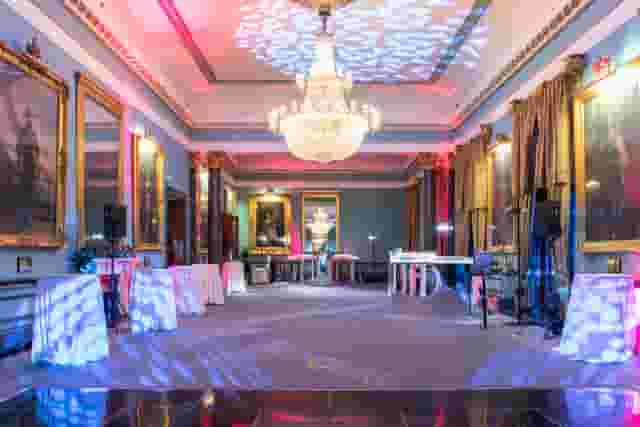
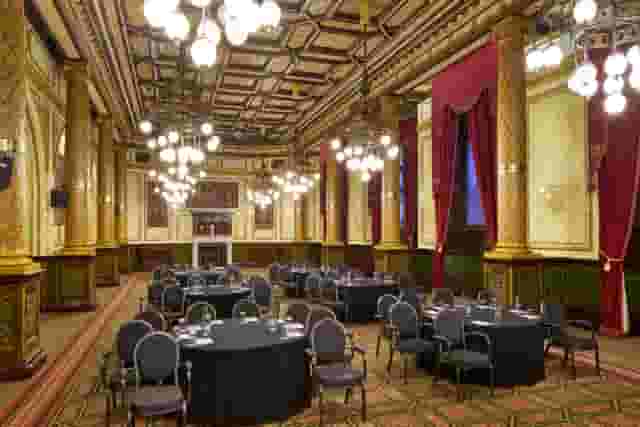
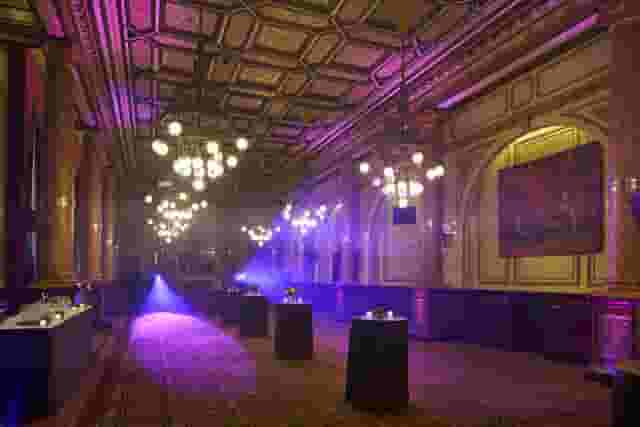
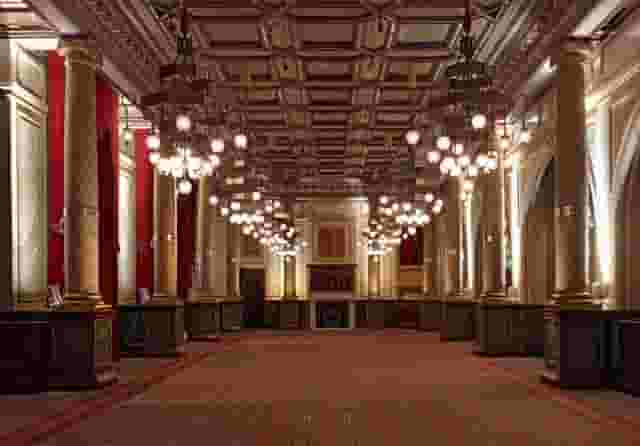
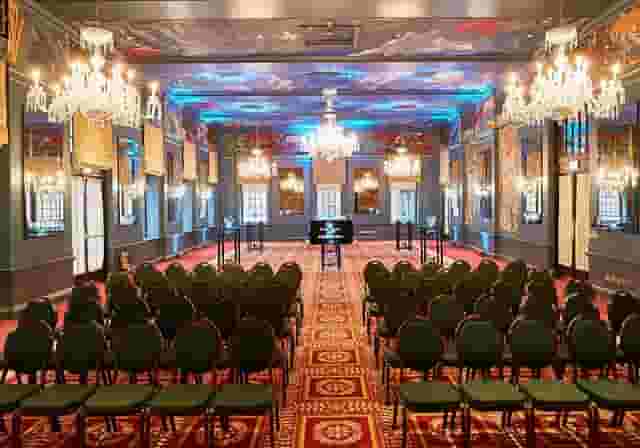
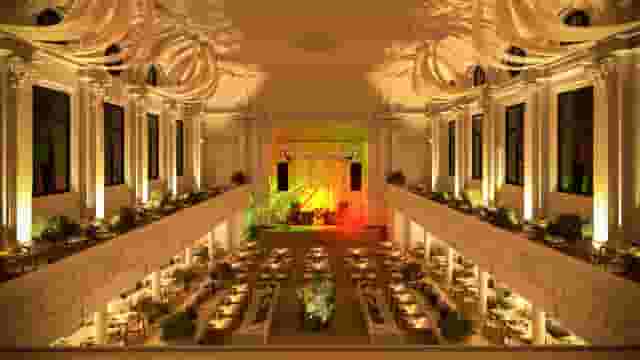
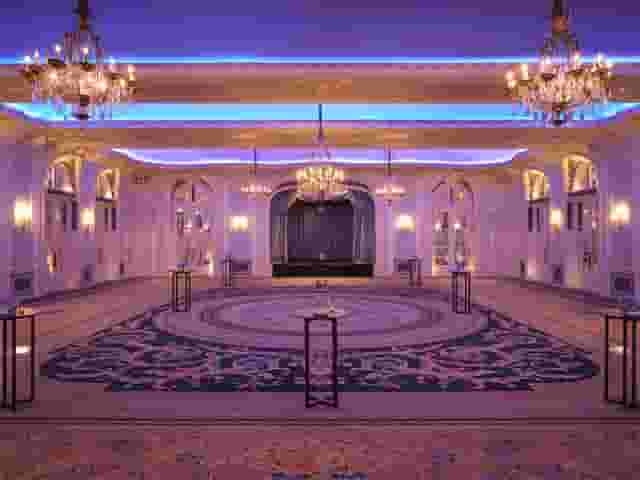
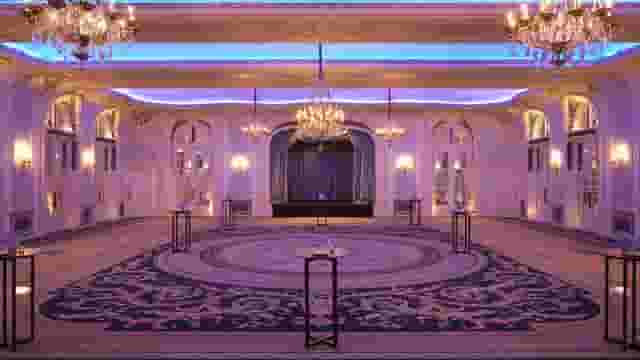
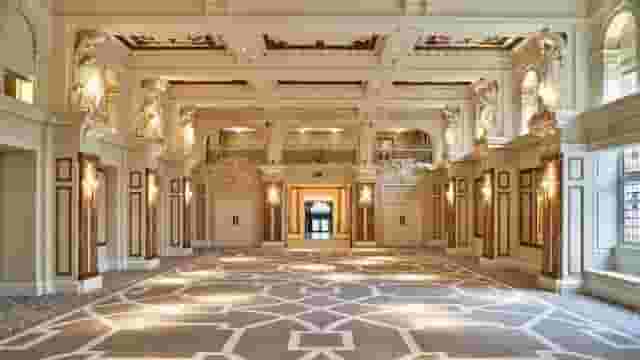
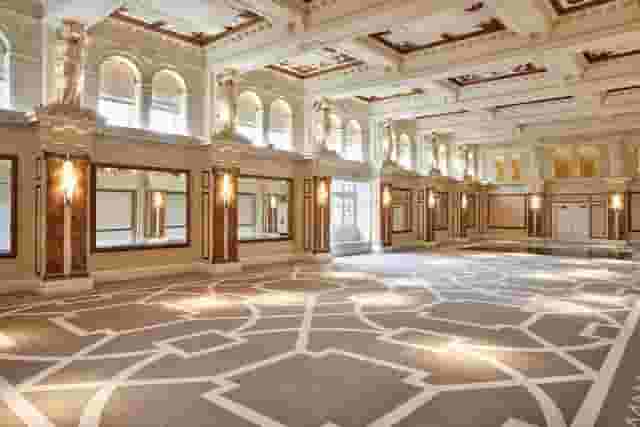
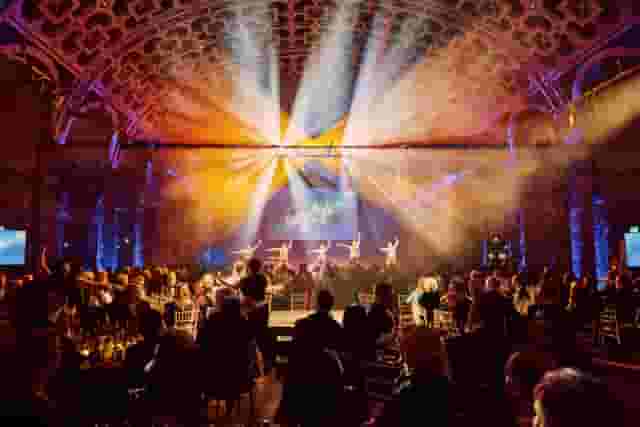
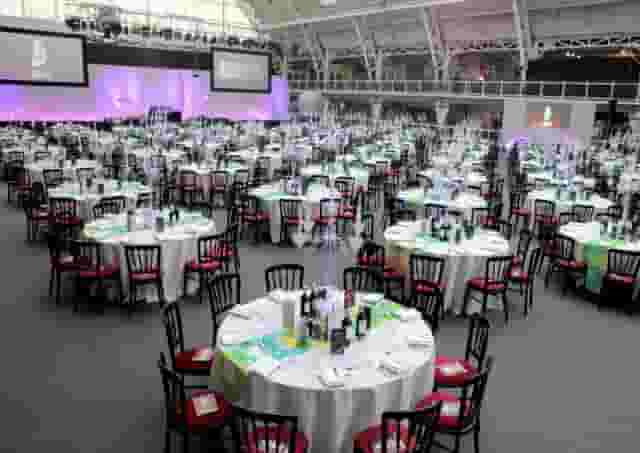
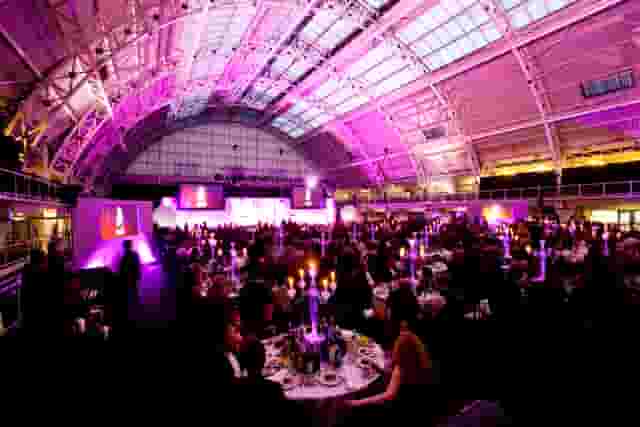
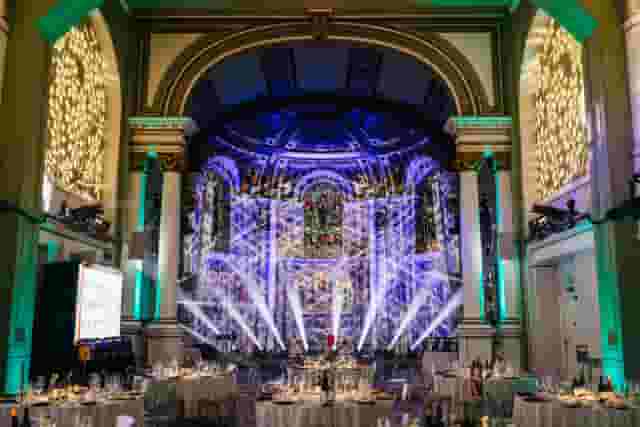
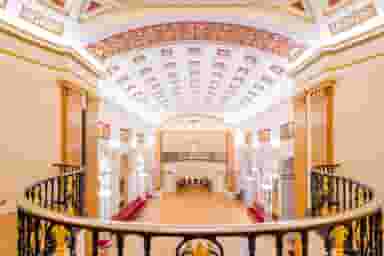
If your event requires larger scale and theatrical impact, grand standalone halls such as Grand Connaught Rooms in Holborn provide dramatic volume. Its Grand Hall and Balmoral Suite can host up to 1000 standing guests under towering ceilings with fluted columns and arched plasterwork. The sheer volume creates an energetic atmosphere for major corporate gatherings that would feel cramped elsewhere.
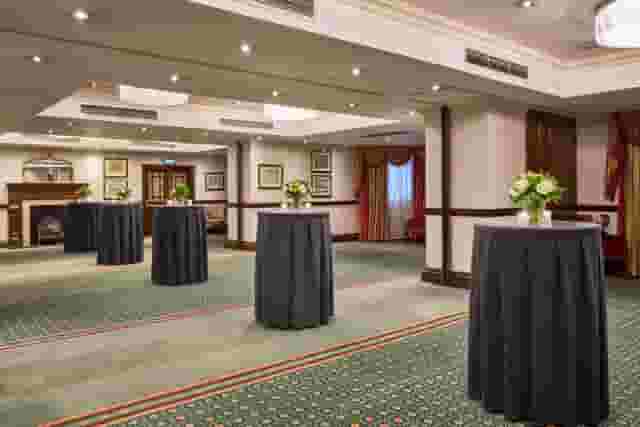
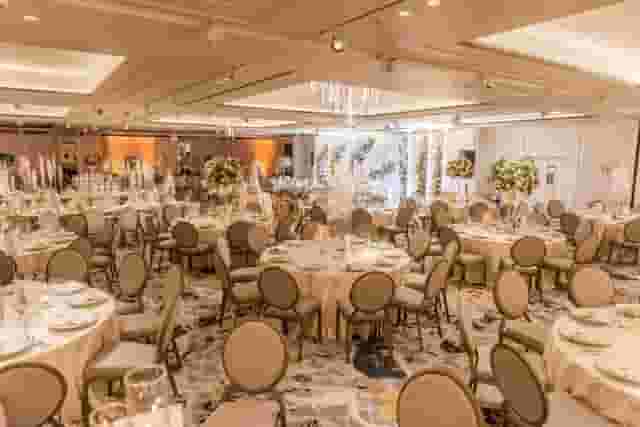
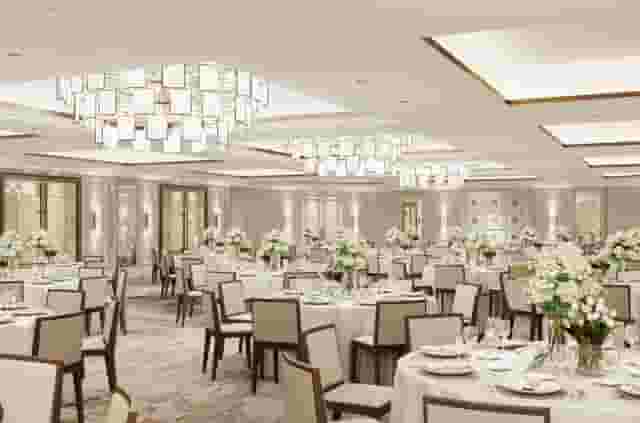
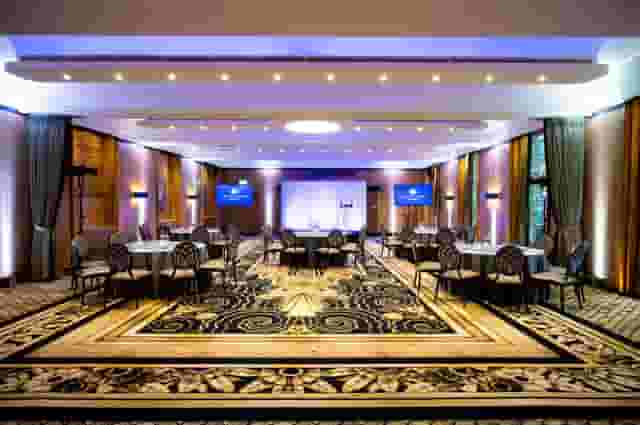
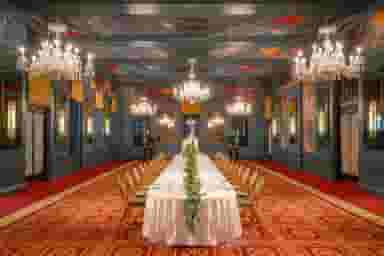
For events where guest comfort, accommodation and late-night logistics take priority, traditional hotel ballrooms remain the practical choice. The Grand Ballroom at The Landmark London in Marylebone holds up to 650 guests for a reception. Booking within a hotel gives you on-site guest bedrooms for international leadership, dedicated service kitchens directly behind the main room, and heavy-duty service lifts designed for fast turnaround times.
When choosing between these styles, consider how much formality your attendees expect. Livery halls often come with established traditions, strict dressing rules and architectural quirks such as fixed staging. Hotels and civic halls offer a more neutral canvas with modern rigging points and simpler production load-ins. If you want to see how corporate organisers balance formal dining with relaxed conversation, read our guide on 7 corporate venues loved by London PAs for practical perspectives on booking heritage spaces.
Room layouts, flow and production realities
A successful banquet depends on how well the room handles transitions: from the arrival drinks to the seated meal, followed by speeches, awards and post-dinner networking. A space that works on paper can fall apart if 200 guests have to shuffle awkwardly around dining tables while waiting for the cloakroom.
Separating reception drinks from the dinner
The most common mistake in banquet planning is holding the sparkling wine reception in the same room as the dining tables. When guests walk straight into the dining room, they drift to their seats immediately. The energy drops, table settings get disturbed early, and the dramatic reveal of the dining space is lost.
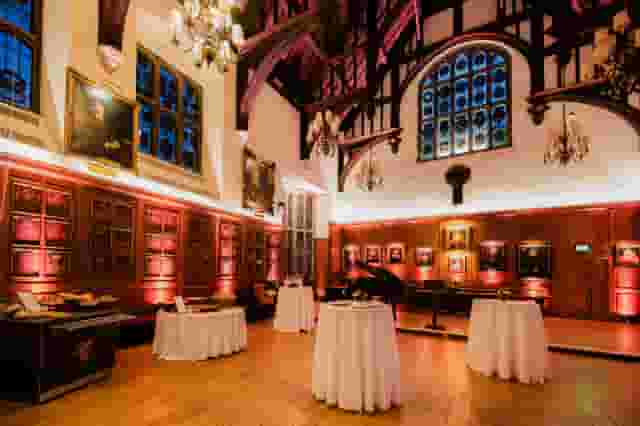
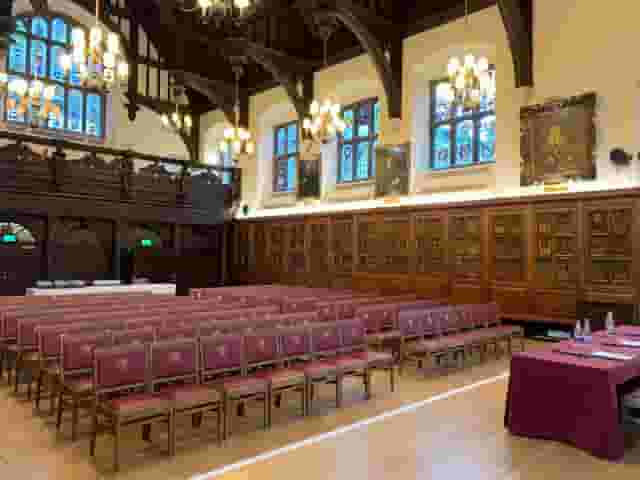
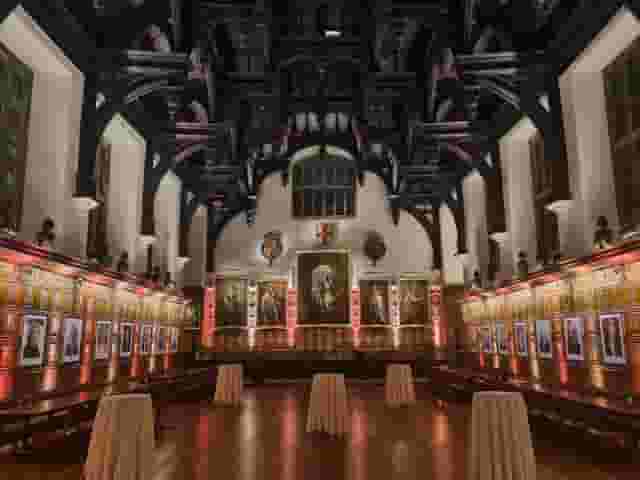
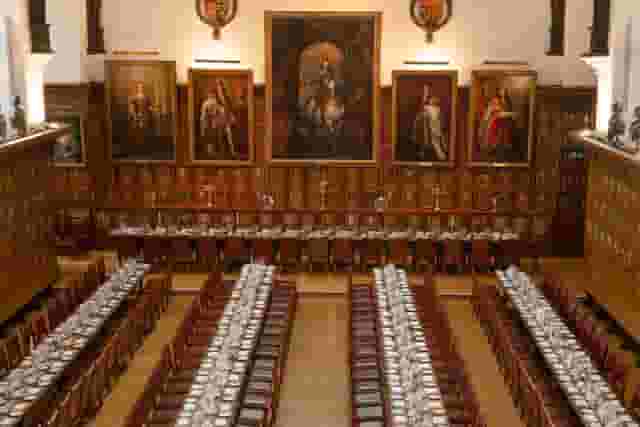
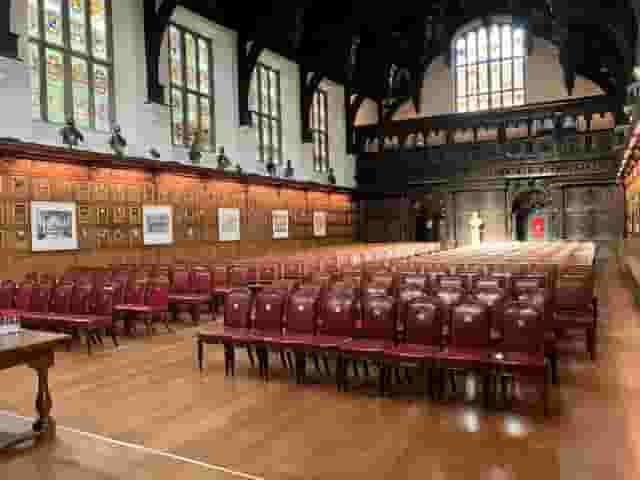
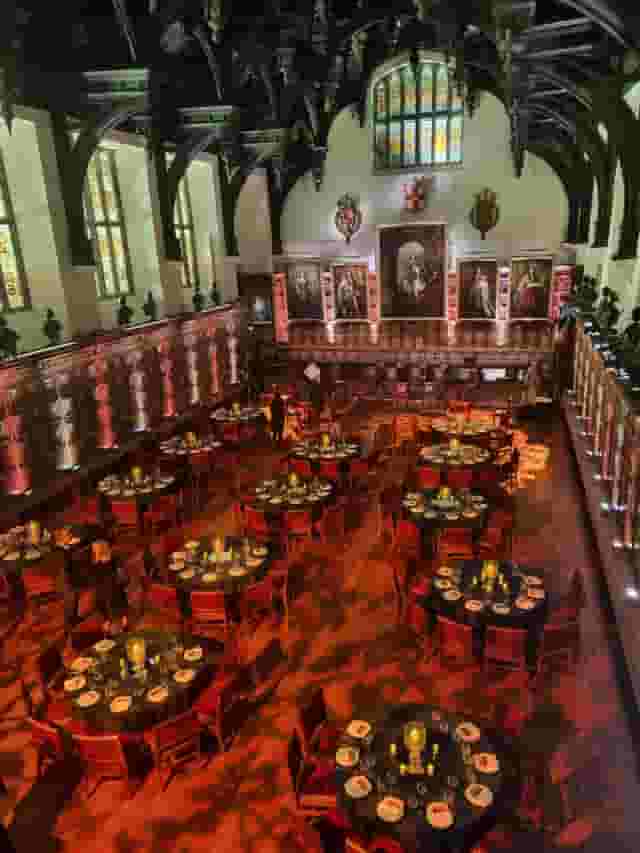
Always look for a venue with a dedicated foyer, vestibule or adjoining room for arrival drinks. At the Honourable Society of Lincoln's Inn, you can use the traditional Old Hall, which takes up to 200 standing guests or 120 for a dinner dance, alongside the Great Hall, which hosts up to 450 guests standing or 280 for a seated dinner. Having distinct spaces allows your production team to light the dining room, strike catering stations and soundcheck microphones while guests mingle over drinks next door.
Table arrangements and sightlines
Round tables seating 10 to 12 guests remain the industry standard for corporate banquets because they encourage conversation across the table. However, they eat into your usable floor space quickly. Each five-foot round table requires roughly 10 square metres of floor space once you account for chair clearance and waiter service lanes.
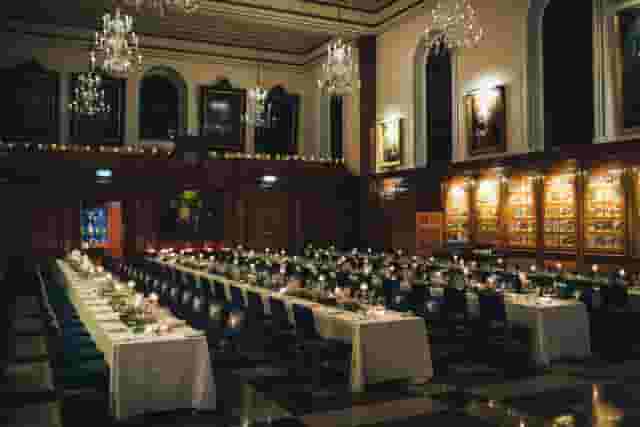
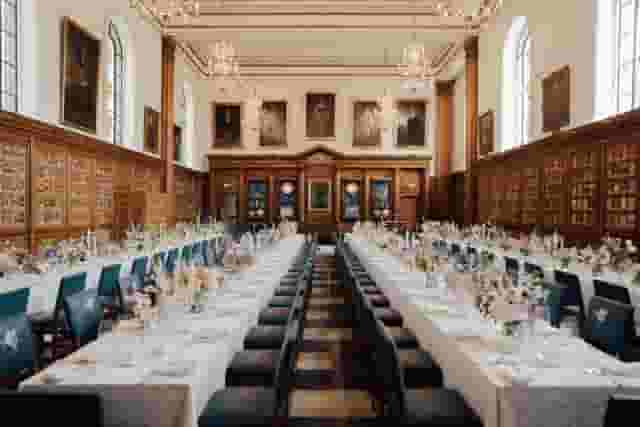
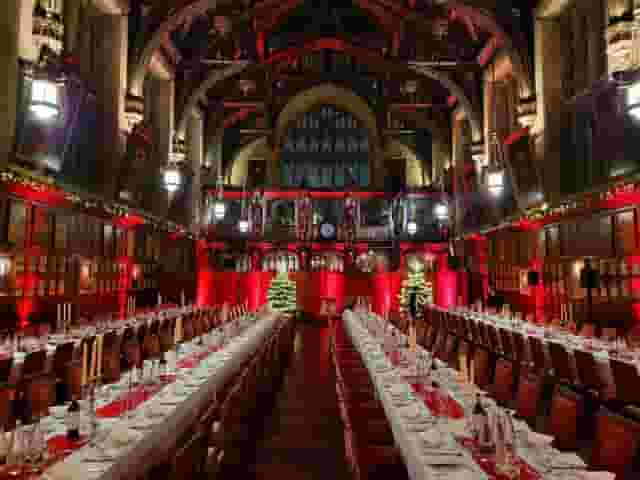
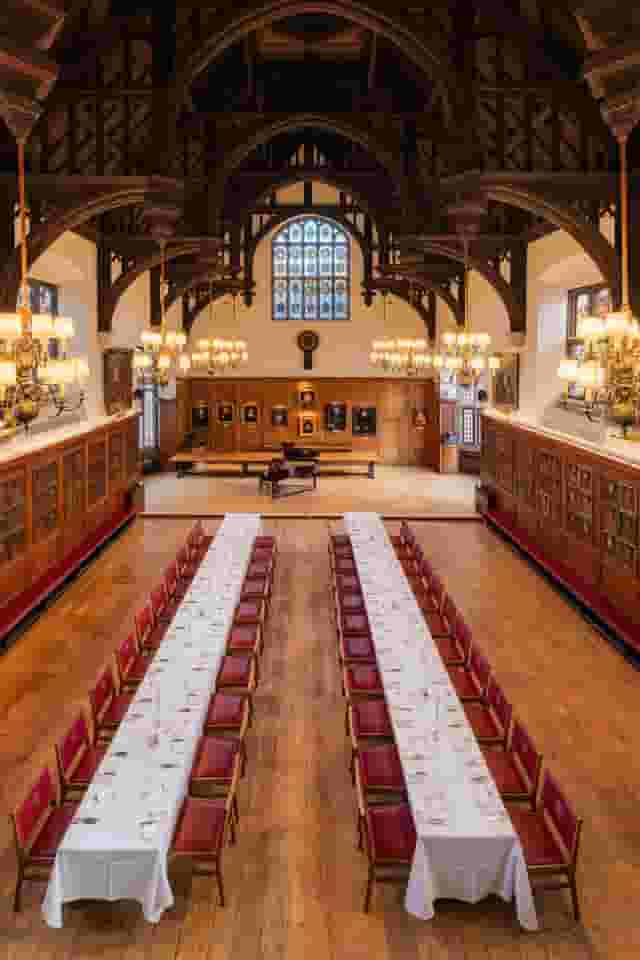
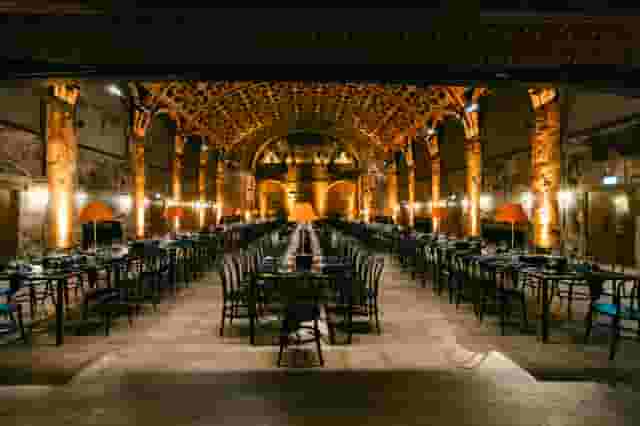
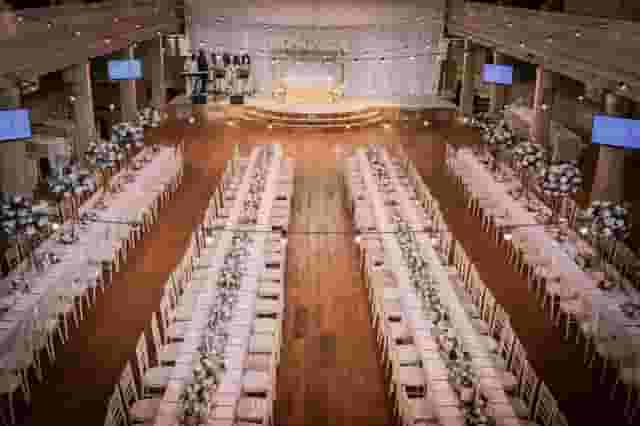
Long banqueting tables, arranged banquet or sprig-style, allow higher density and give an event an intimate, collegiate feel. They work particularly well in vaulted spaces like livery halls or legal inns, but they make cross-table conversation harder and can restrict sightlines to the stage.
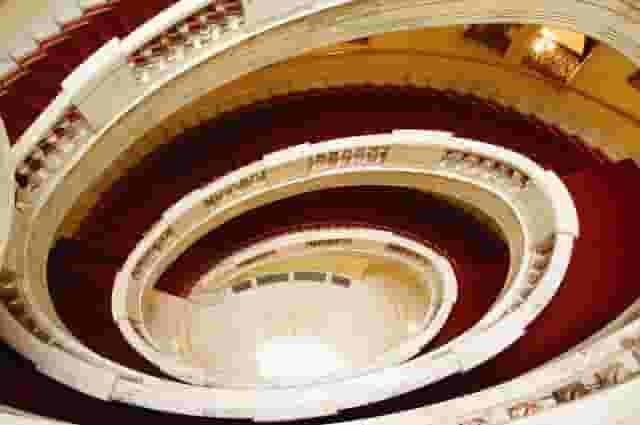
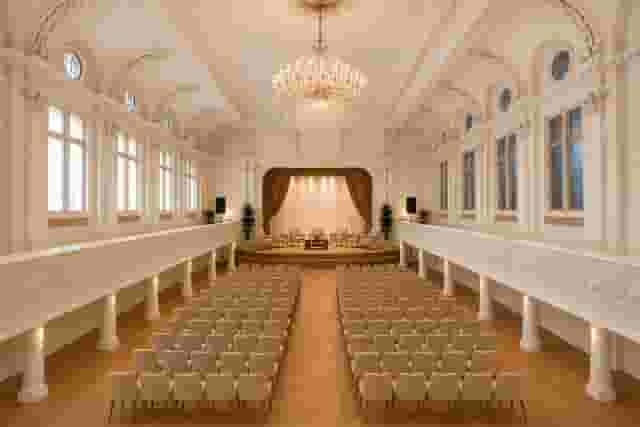
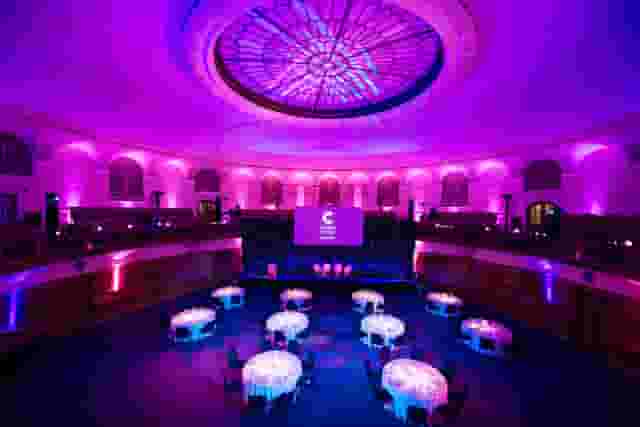
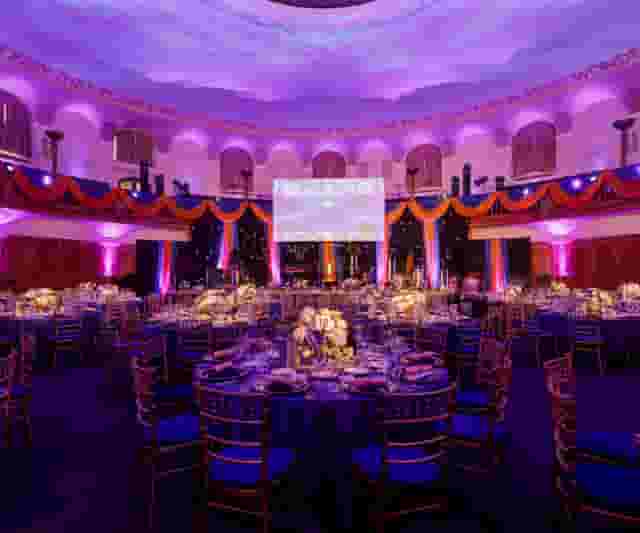
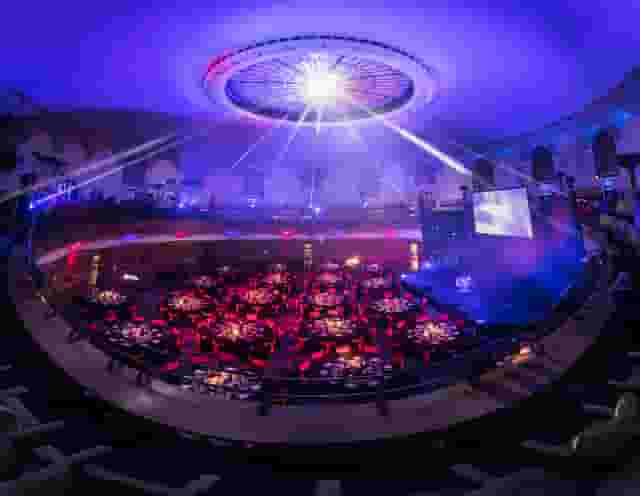
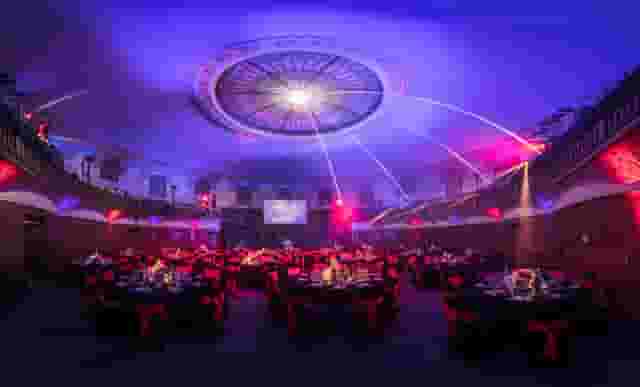
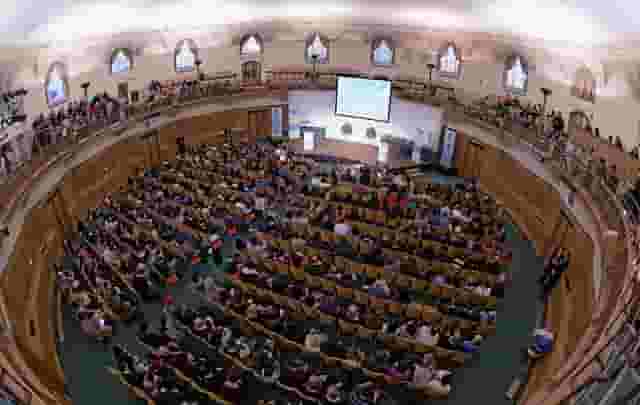
Look carefully at structural pillars. Historic rooms often feature load-bearing columns that block visibility from outer tables. Purpose-built civic spaces such as the Assembly Hall at Church House Westminster, a Grade II listed domed hall with capacity for 372 seated banquet guests, offer clear sightlines across the circular floor plate, making it well suited to award ceremonies and corporate presentations where everyone needs a clear view of the stage.
Built-in acoustics versus temporary rigging
Grand period halls look impressive, but high stone walls and vaulted ceilings bounce sound unpredictably. If you have after-dinner speeches, an awards presentation or a chief executive address, sound management is critical.
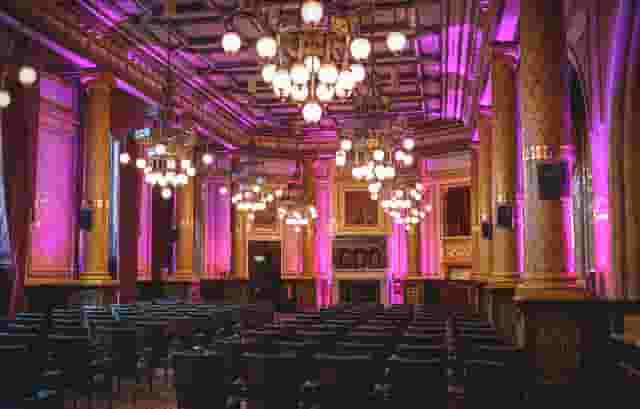
Spaces like the Great Hall at One Great George Street in Westminster accommodate up to 400 for a reception, blending historic period features and natural light with the infrastructure needed for large-scale corporate presentations. Where venues have high stone surfaces, your AV supplier will need distributed speaker relays rather than two loud front-of-house speakers. This ensures that guests at the back can hear clearly without those near the stage being deafened.
For smaller, presentation-heavy banquets, choosing a venue with integrated audio equipment cuts down on rigging time and crew costs. The Bloomsbury provides the George V Hall, which seats up to 180 guests in theatre style or transitions smoothly into private dining layouts, featuring high ceilings, natural light and built-in AV infrastructure already calibrated to the room's acoustics.
Pricing structures and what banqueting packages cover
Budgeting for a central London banquet requires looking past the initial headline rate. Venues in Westminster, the City and the West End charge using two main pricing models: dry hire plus external catering, or an all-inclusive per-person package.
Based on 15 quotes from the venues on this page, indicative pricing for corporate events typically sits at £118 to £235 per head. This estimate assumes a gathering of about 50 guests. While smaller groups might lean towards the £235 end of the range due to fixed room overheads, larger banquets often achieve better economies of scale on food and production. A good number of these venues quote a minimum spend rather than a price per person, especially for prime dates in November and December or peak Thursday nights in summer. If you want to test your assumptions before reaching out to venues, Hire Space is an event planning and venue booking platform backed by a team of real people who help guide the process. It provides instant, data-backed price estimates based on actual London booking figures and suggests similar banqueting spaces at a lower price if your preferred hall sits above budget.
| Item | What is included | Additional costs to budget for |
|---|---|---|
| Room hire | Exclusive use of primary hall and bar areas for contracted hours | Early access for AV crew, late exit charges past 23:00 |
| Catering | Three-course plated dinner, bread, post-meal coffee | Canapés on arrival, chef action stations, menu upgrades |
| Drinks | Half bottle of house wine and water per person on tables | Extended reception drinks, spirits, cocktails, bar staff |
| Staffing | Table waiting staff, banquet floor managers | Dedicated cloakroom staff, extra security guards on doors |
| Furniture | Standard banquet chairs, round tables, white linen | Coloured linens, charger plates, poseur tables for drinks |
| AV basics | House uplighters, background music system, one microphone | Stage sets, comfort monitors, audio technicians, spotlights |
When comparing quotes, scrutinise what sits inside the package. Room hire and catering are usually included at these venues. Drinks are often included, typically covering an arrival glass of sparkling wine and half a bottle of house wine per guest during the meal. Minimum spend thresholds, AV equipment, party packages and equipment hire are sometimes included, but are frequently billed as supplementary line items.
Navigating the gap between low and high estimates
Quotes towards the £118 end of the band usually represent weekday dates in early autumn or spring, cold-fork buffet menus, or simplified banqueting packages with house table dressings.
Quotes towards the £235 end reflect prime dates, multi-course plated tasting menus, premium wine flights and events requiring full production rigs with dedicated sound engineers. Service charges of 12.5% to 15% and VAT at 20% are rarely included in initial ballpark proposals, so ensure you calculate the gross total before presenting the budget to internal finance teams. Hire Space 360 is enterprise venue and hotel procurement for companies spending £1m or more a year on meetings and events: a managed meetings and events programme, the kind procurement teams call strategic meetings management. It places every venue contract and hotel stay onto a single agreement with consolidated invoicing, keeping corporate dining strictly within your company event policy. To see how this manages cost, how Hire Space 360 works for procurement provides finance and procurement teams with live spend reporting and an audit trail across all bookings.
Where your event budget is tight, look for flexibility in food formats rather than cutting the guest list. Choosing a seasonal three-course menu with a single set meat option and a vegetarian alternative keeps kitchen labour down. For more insight on how food formats affect spend across the capital, explore our overview of 5 delicious private dining venues in London.
Managing catering, dietary logistics and wine service
Catering at scale is an operational feat. Serving three hot courses to several hundred corporate guests within a strict 90-minute window requires experienced banqueting teams and carefully planned service routes.
| Time | Activity |
|---|---|
| 18:30 | Arrival drinks and canapés (Foyer or garden) |
| 19:15 | Call to dinner (Doors open to main banqueting hall) |
| 19:30 | Guests seated, bread and first course served |
| 20:15 | Main course served with table wine top-ups |
| 21:00 | Dessert and coffee served |
| 21:20 | Speeches or awards ceremony |
| 22:00 | Bar opens for networking and entertainment |
| 23:30 | Last orders at the bar |
| 00:00 | Venue curfew and guest departure |
Tastings and menu design
Most central London banqueting venues include a menu tasting for two people once the contract deposit is paid. Use this session to test not just the flavour of the dishes, but how well they will hold under service heat lamps. Delicate fish courses or soufflés are notoriously difficult to deliver across 30 tables simultaneously. Robust cuts, braised meats and seasonal vegetables with clear sauce reductions hold temperature and texture far better.
Managing dietary requirements smoothly
Corporate events routinely feature 15% to 20% of guests with specific dietary needs, ranging from vegan and gluten-free diets to certified kosher or halal requirements.
Gather dietary requests at least 14 days before the event date. Venues require confirmed final numbers and a detailed table plan showing exact seat positions for special meals. Avoid having waiting staff announce dietary meals loudly across the table. Professional venues use subtle place-card markers, such as small colour-coded dots or icons, allowing servers to place the correct plate quietly without interrupting the flow of conversation.
Pacing the wine service
A common issue at corporate banquets is wine bottles running dry before the main course arrives. Instruct the banquet manager to monitor table pours. If wine is placed directly on tables, guests at the head of the table often pour generously for their immediate neighbours, leaving half the table empty before food service begins. Having service staff pour the initial glass and top up wine as the main course lands ensures even distribution across the room.
If you plan to supply your own company wine or sponsor stock, check corkage terms early. Corkage in central London livery halls and hotels typically ranges from £15 to £30 per bottle of still wine and higher for champagne, which can wipe out any retail savings made by bringing your own bottles.
Licences, curfews and transport across central London zones
Transport and local authority licencing rules vary significantly across central London boroughs, directly affecting when your event must wrap up and how easily guests can get home.
Borough curfews and sound thresholds
Venues in the City of London and the legal quarters around Holborn operate under different local planning restrictions to those in Westminster or the West End:
- The City of London: Livery halls near St Paul's and Bank frequently face strict noise curfews because residential communities in the Square Mile are growing. Live bands must often drop volume by 22:30, with alcohol service concluding at 23:00. Load-outs must happen quietly to avoid council penalties.
- Westminster: Venues close to Parliament and residential pockets face stringent vehicle delivery windows. Loading trucks often cannot idle outside, and evening curfews are strictly enforced around midnight.
- Camden and Holborn: Venues like Grand Connaught Rooms benefit from wider commercial thoroughfares, making taxi pick-ups and late-night departures simpler than narrow City alleys.
Always ask to see the venue premises licence before signing. Confirm the exact terminal hour for alcohol sales, live entertainment and guest departure. A venue might let you stay inside until midnight, but if their music licence ends at 23:00, your post-dinner celebrations will end abruptly.
Guest dispersal and public transport links
Central London transport access is one of the main advantages of hosting a banquet in zone one, but you must still plan for guest departures. Banquets finishing after 23:00 will see guests heading for the tube, Thameslink or mainline railway hubs.
Check proximity to major interchange stations:
- City venues: Convenient for Bank, St Paul's, Moorgate, Liverpool Street, Cannon Street and Blackfriars. Ideal for city firms, but weekend night tube access is limited compared to the West End.
- Holborn and Bloomsbury venues: Walking distance to Holborn, Tottenham Court Road and Covent Garden, giving immediate access to the Central, Piccadilly and Elizabeth lines. This makes travel home across east and west London straightforward.
- Westminster venues: Close to Westminster, St James's Park and Waterloo across the bridge, providing direct links to South Western Railway services for commuters heading out of town.
For high-profile executives or VIP guests, check vehicle access. Historic halls located in pedestrianised alleys or heritage courtyards may not allow executive cars or private coaches right up to the main entrance. You will need to designate a nearby drop-off and collection point, with staff on hand with umbrellas if the weather turns wet. Planning these arrival and exit routes in advance ensures that the end of your dinner runs as smoothly as the main event.
What our customers say
Inspiration and planning guides

6 Top Venues For A 30th Birthday Party
If your 30th is approaching, it's the perfect excuse for having a big old birthday bash in our books - here's a whirlwind tour of 6 of our favourite venues!

5 Summer BBQ Party Venues
What better way to usher in the summer than a summer party in a great venue. With everything from rooftops to private gardens, discover London's best.

The Top 5 North London Party Venues
East London has hipsters, west London is rich and south London has sweet suburban spots, but north London is all about good times. It's where rock 'n' roll celebs call home, with a historic reputation for fun. Hire Space venue expert Laura Richards reveals the best north London party spots to live it up as the area intended. 1. House of Wolf Source: The Independent Embrace the bohemian vibes that North London has to offer - head along to Islington's recently established House of Wolf. The
One supplier. Every venue. Full visibility on what you spend.
Multiple venues and events. One agreement.