Prom Venues in London
Explore London prom venues with space for dining, staging and dancing. Compare ballroom capacities and get clear pricing estimates for your event.
187 Prom in venues in London



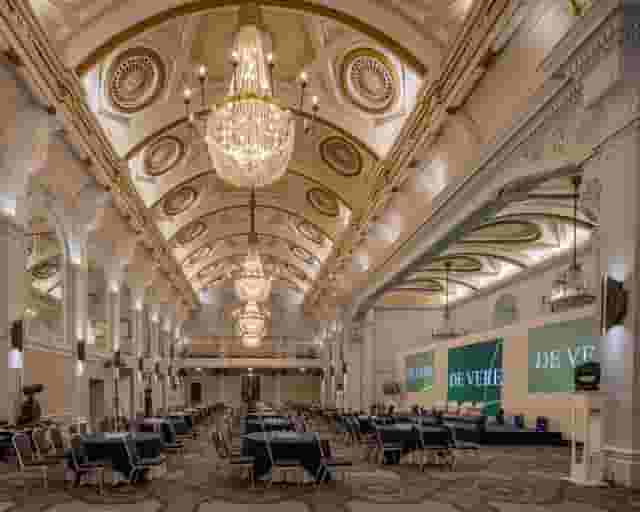
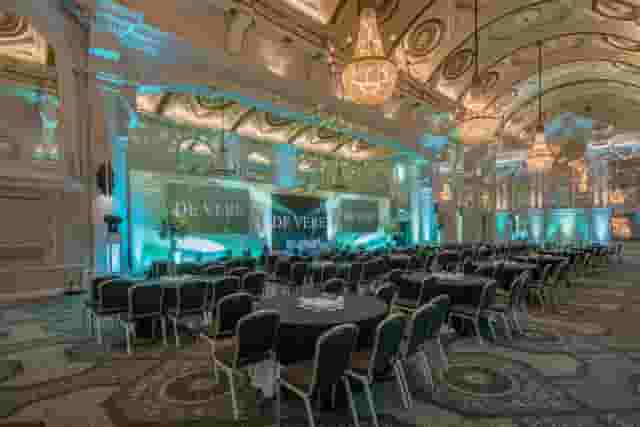


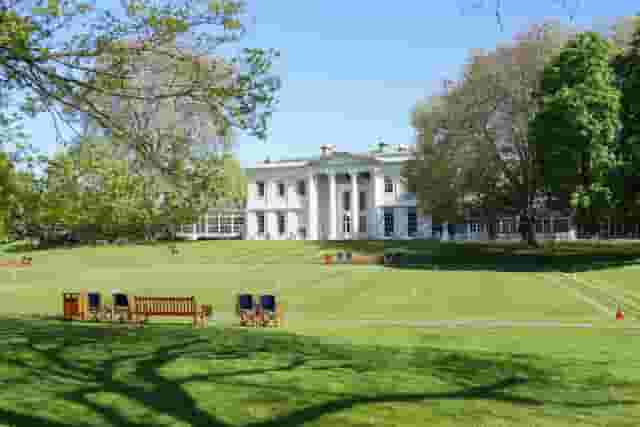







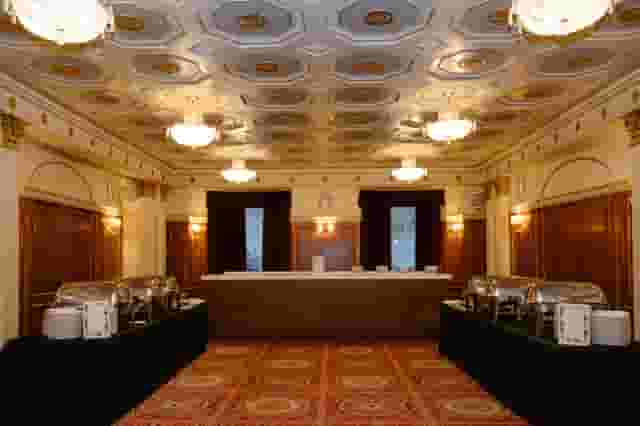


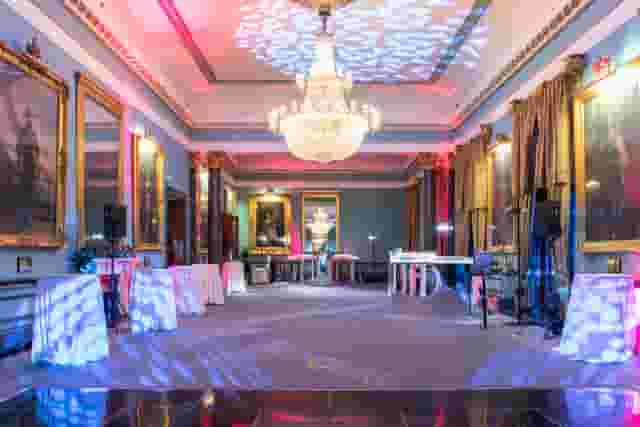


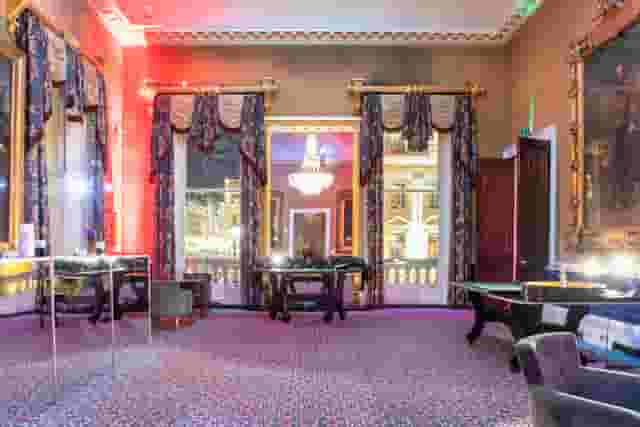

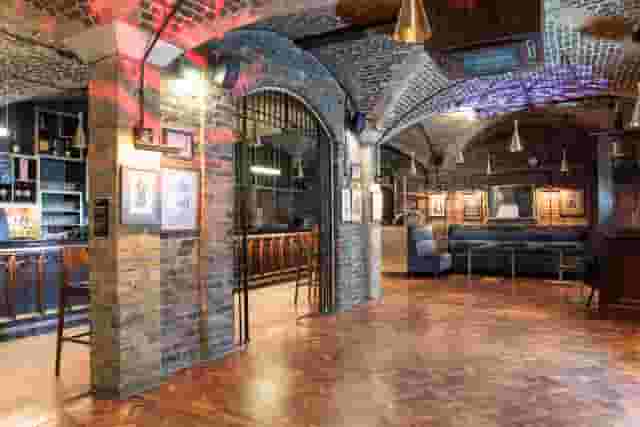








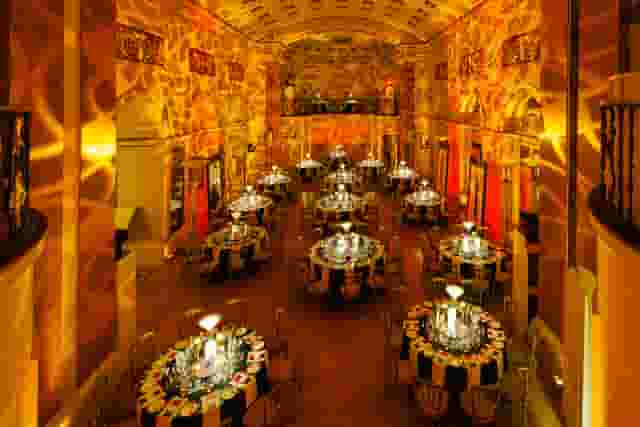
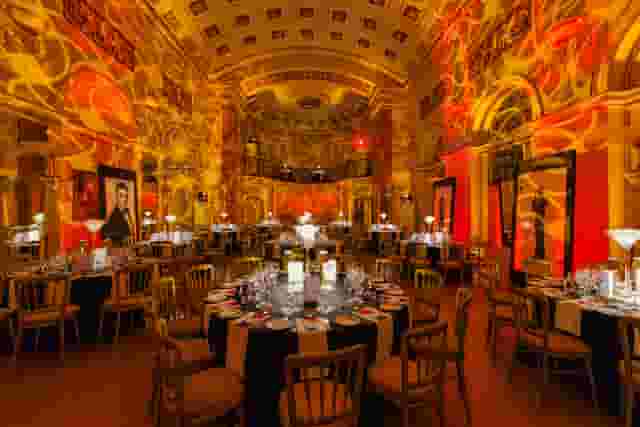
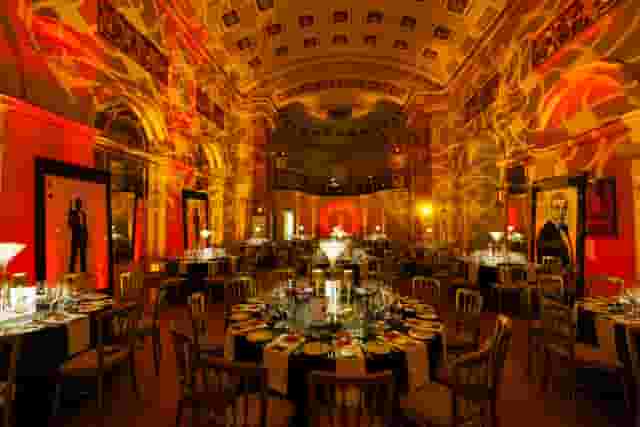
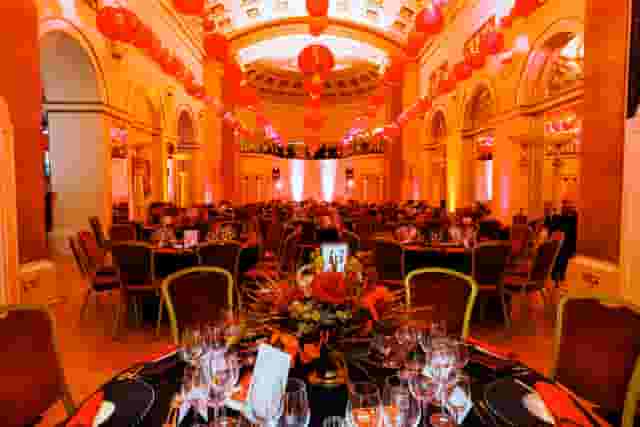
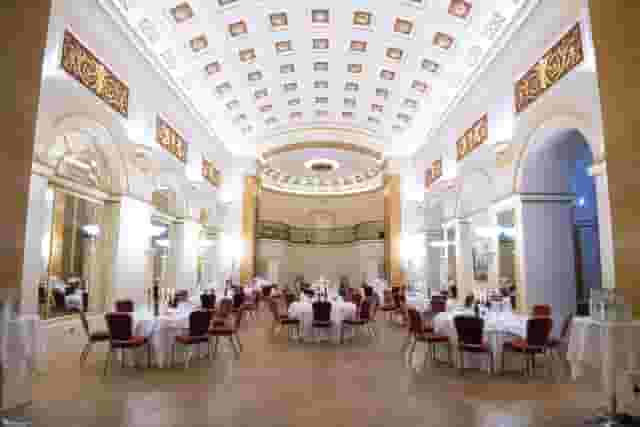
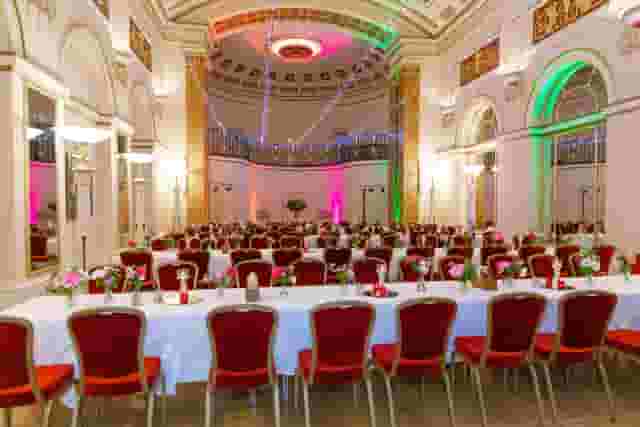
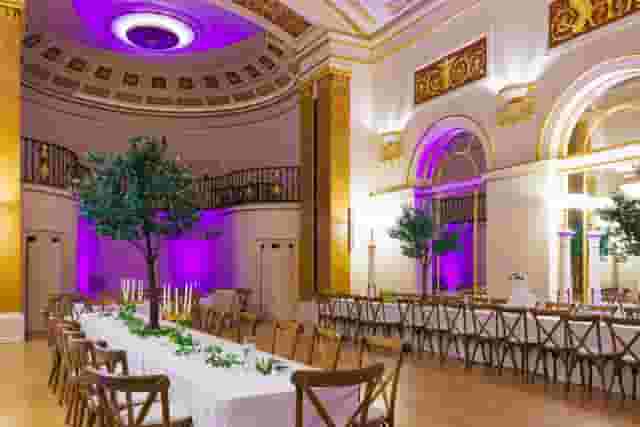




























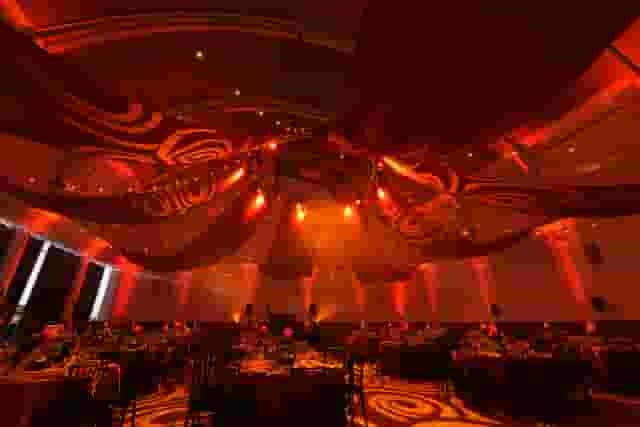
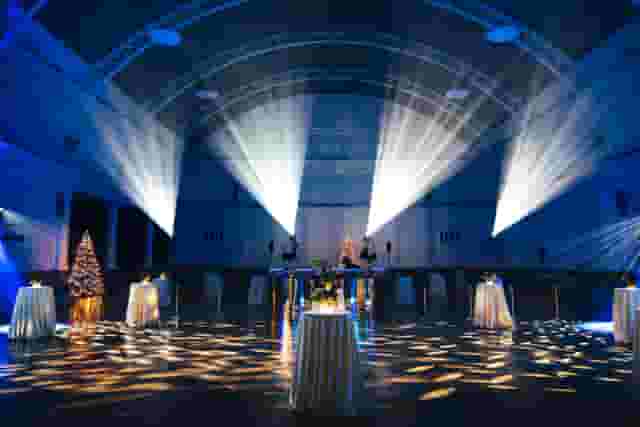
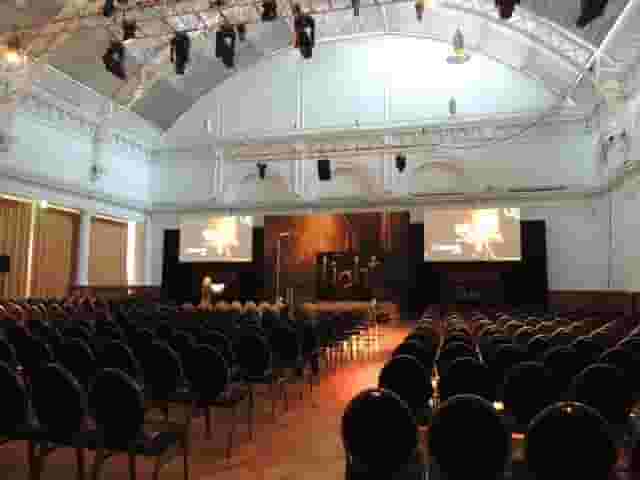
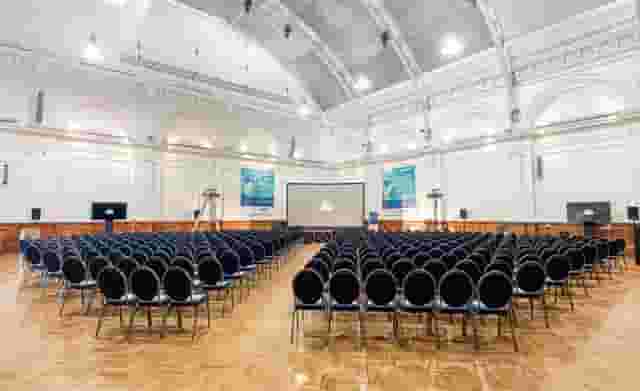
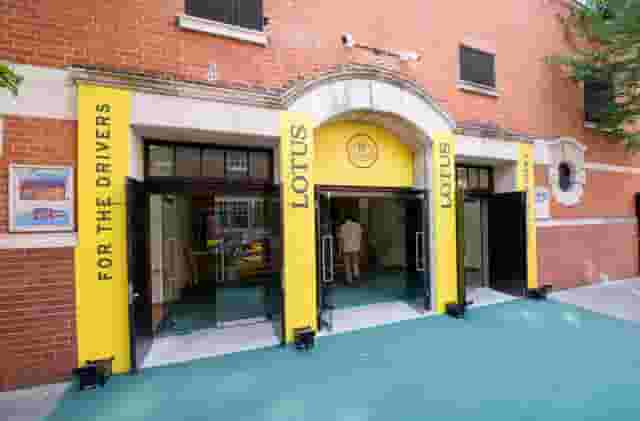


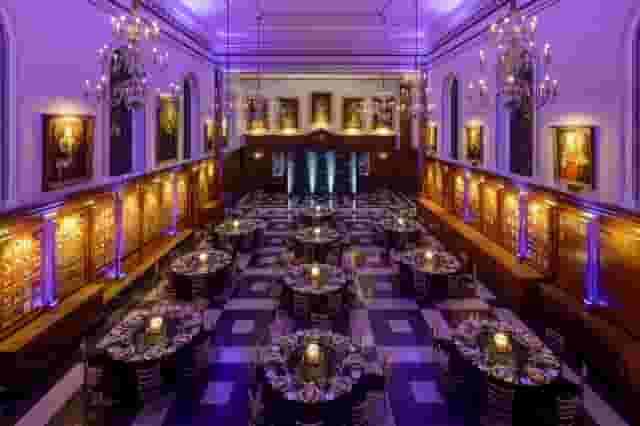
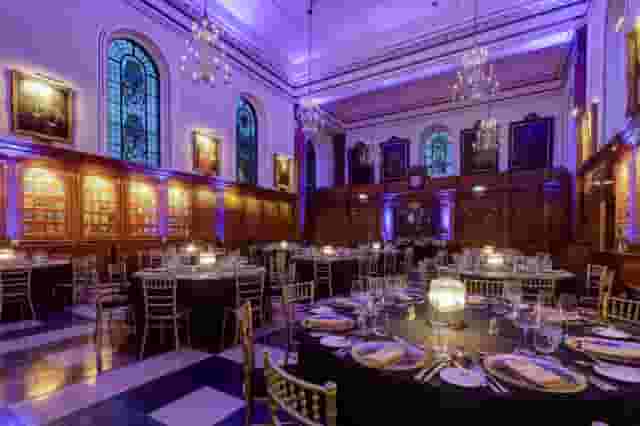
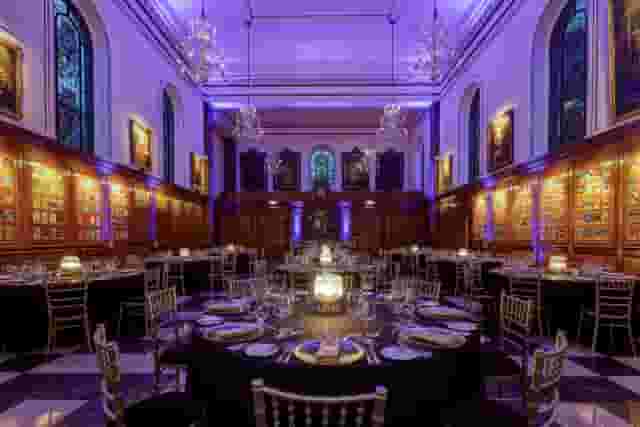
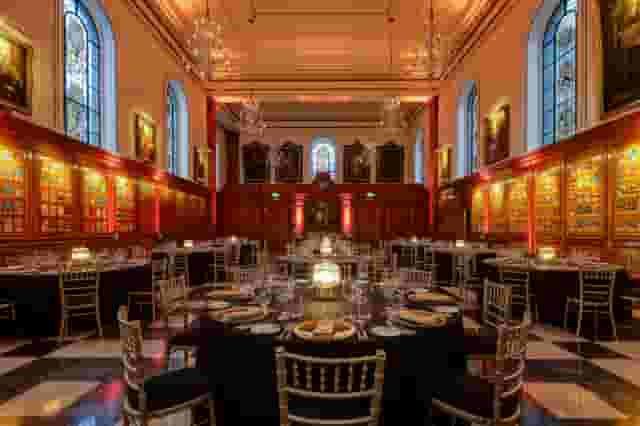
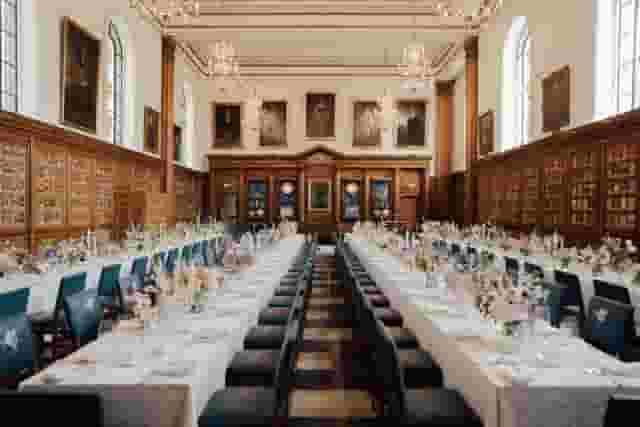
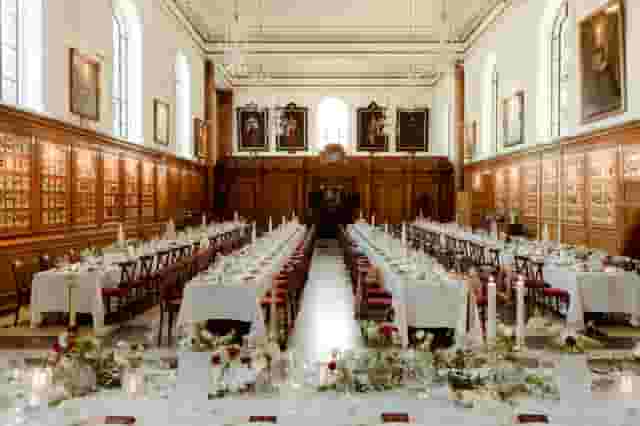
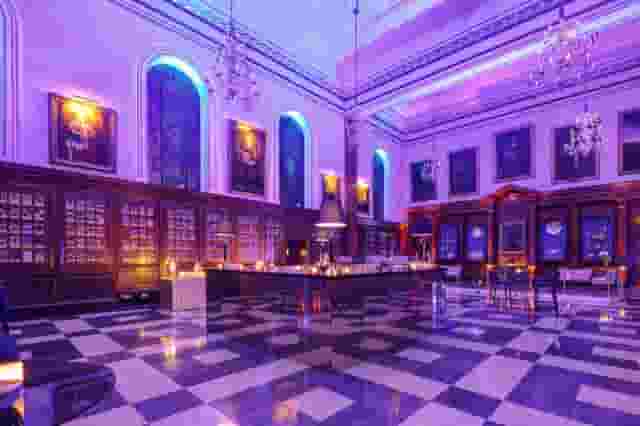








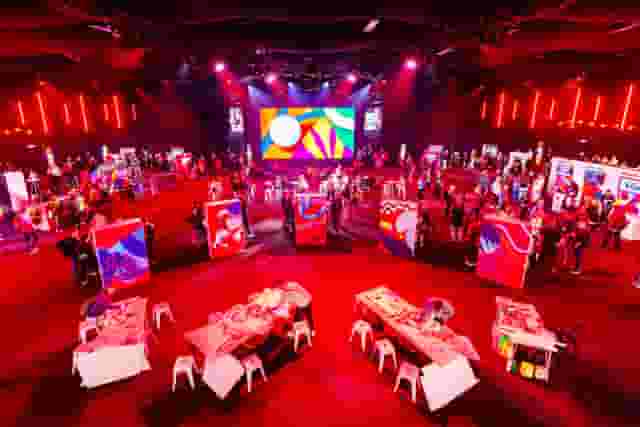


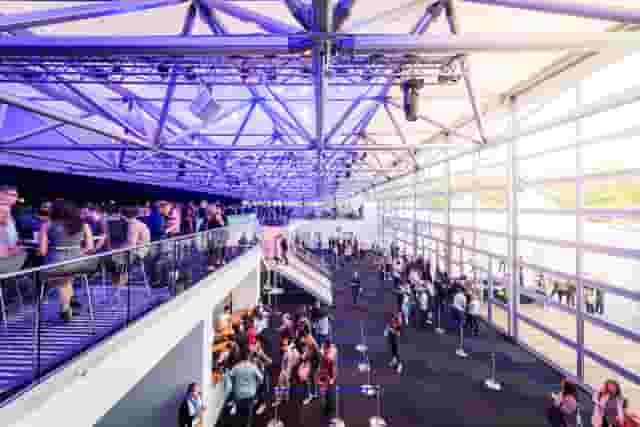

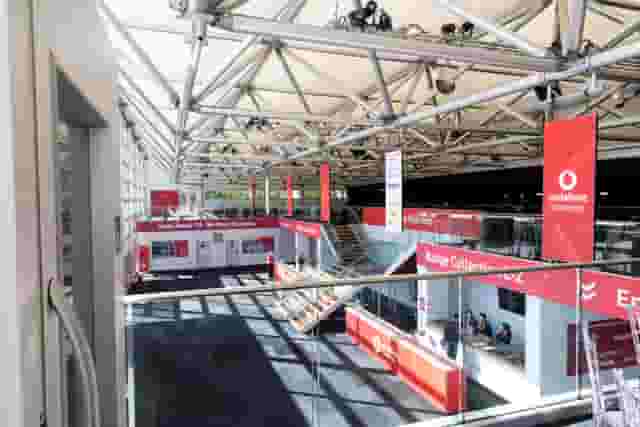

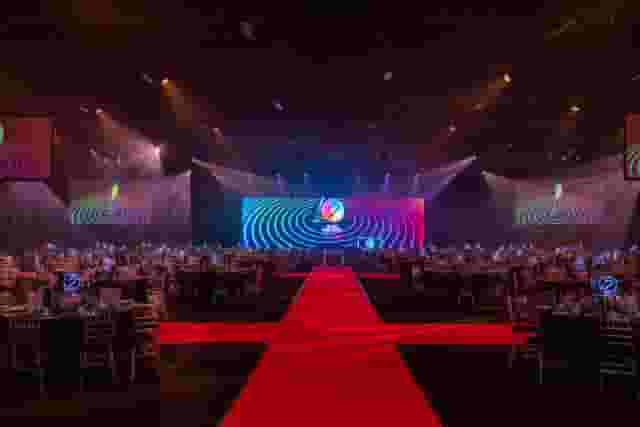





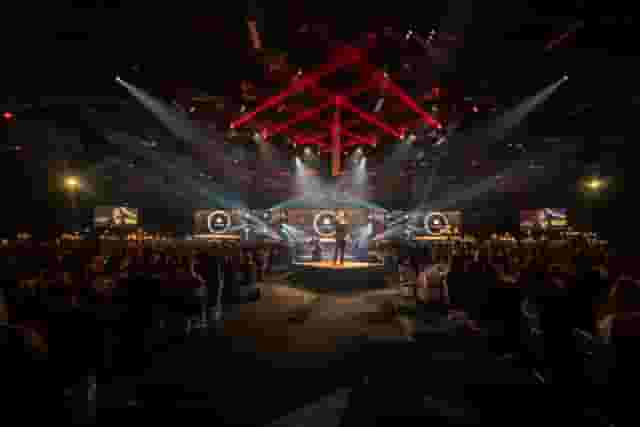

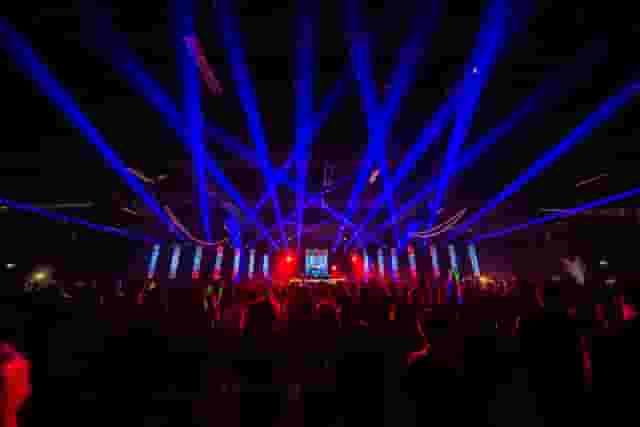
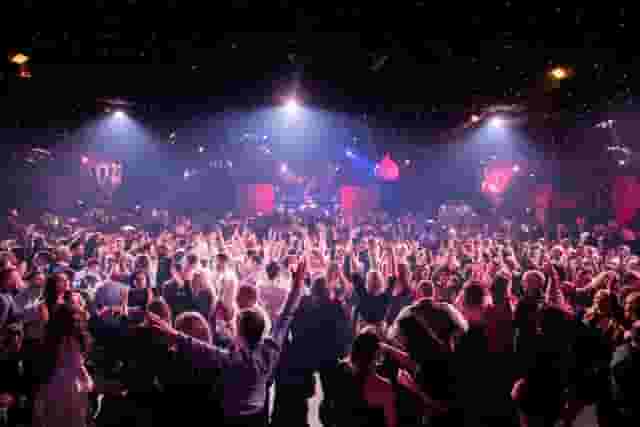
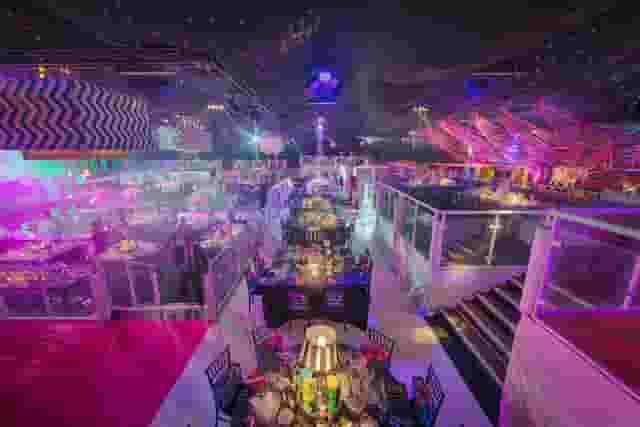







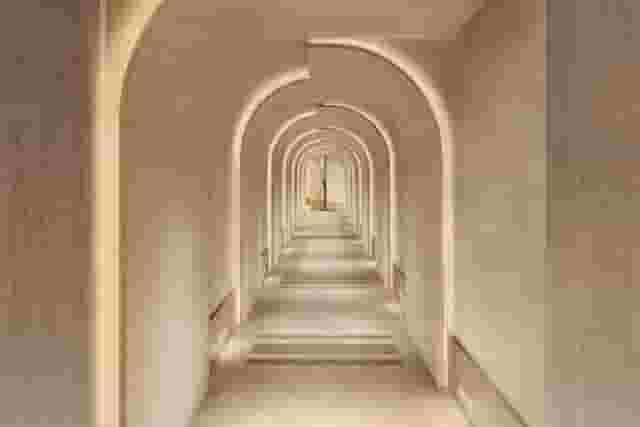
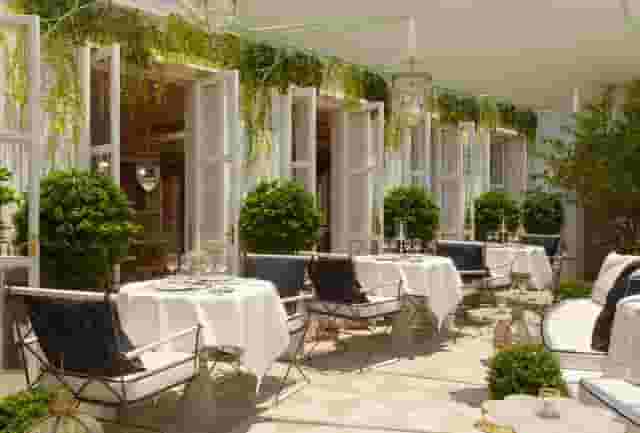
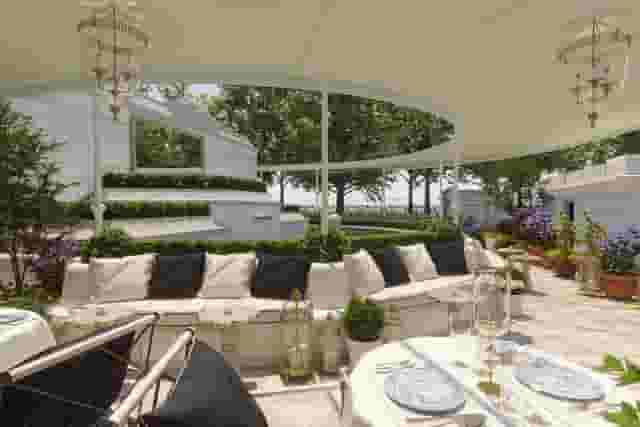
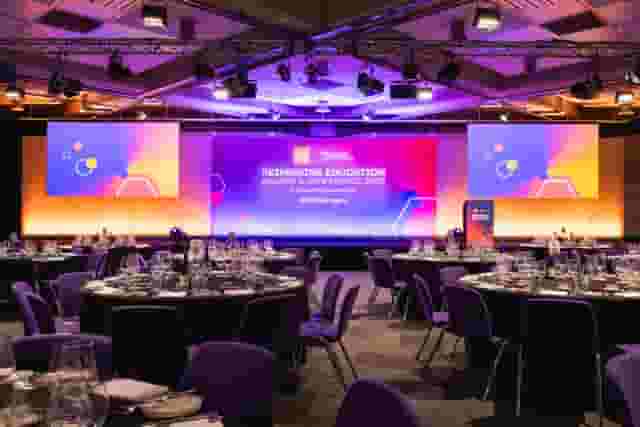
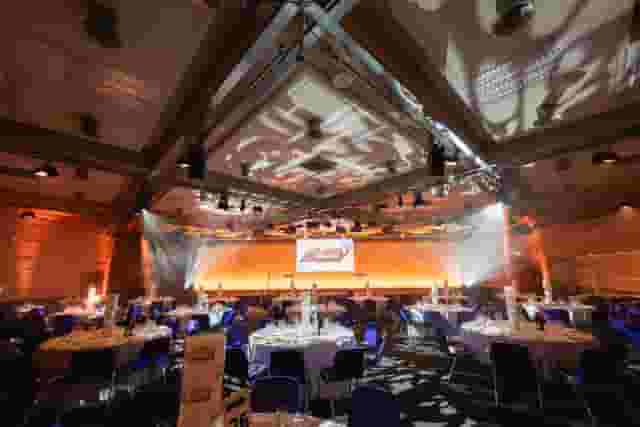
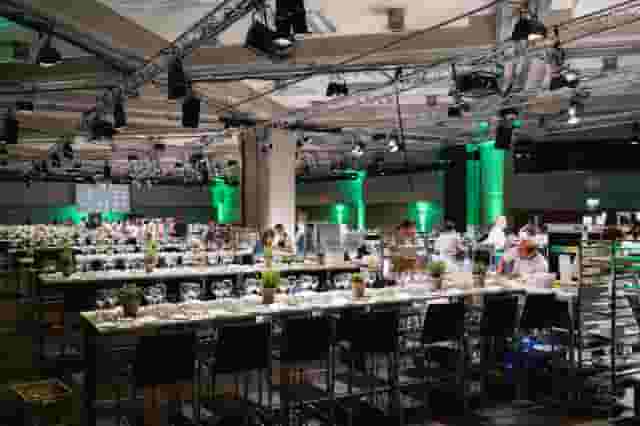

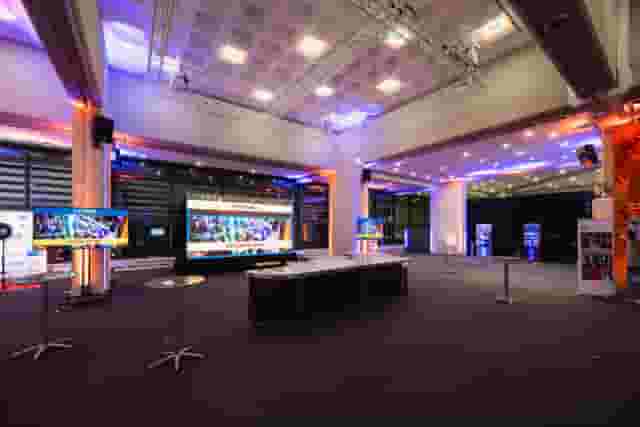
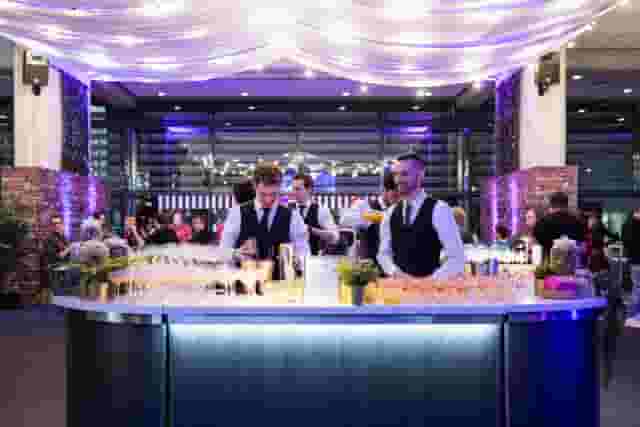














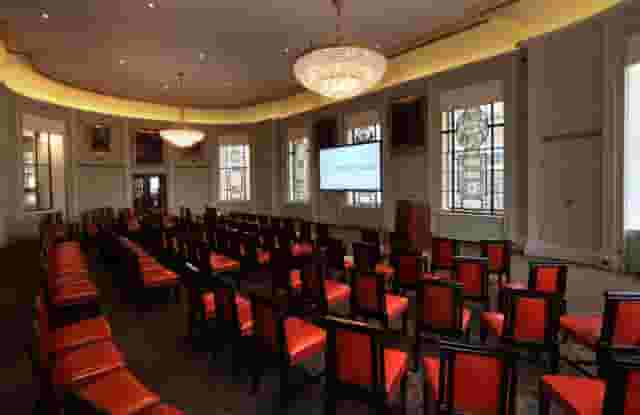
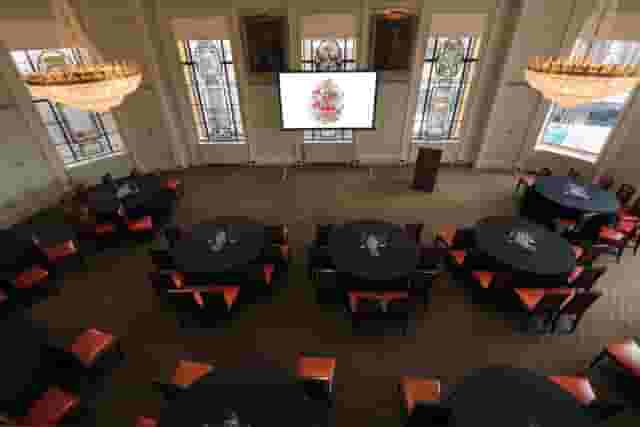
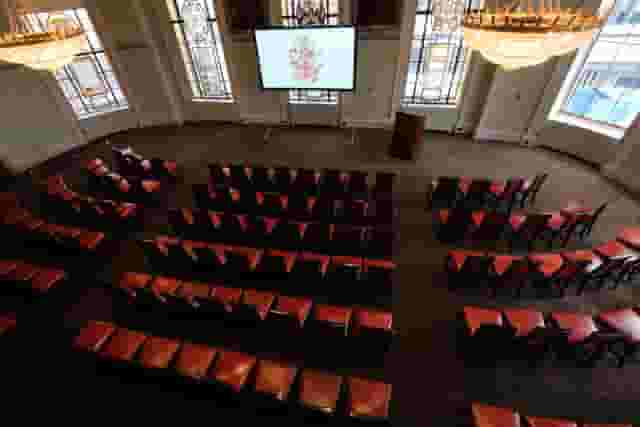
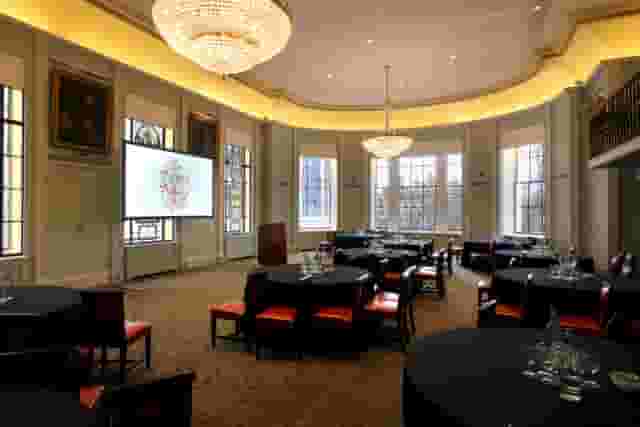










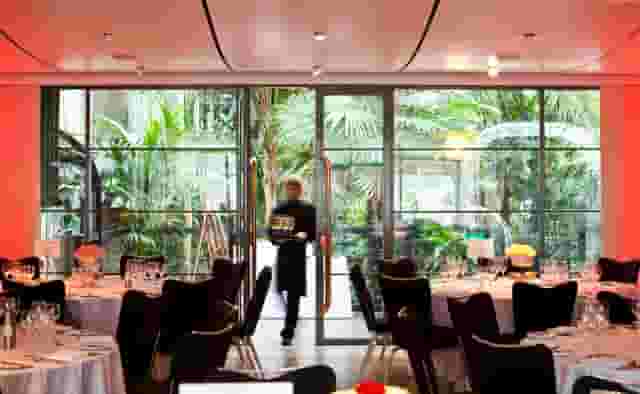
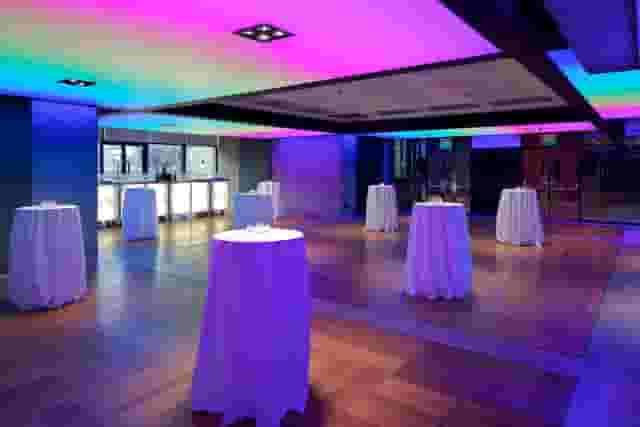
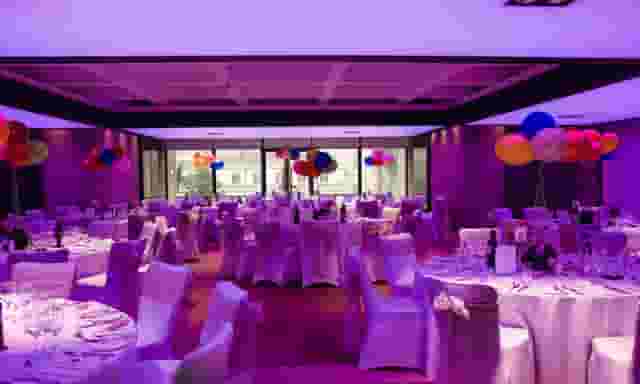
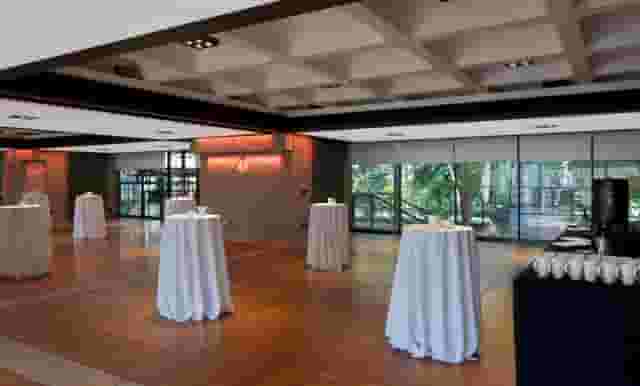







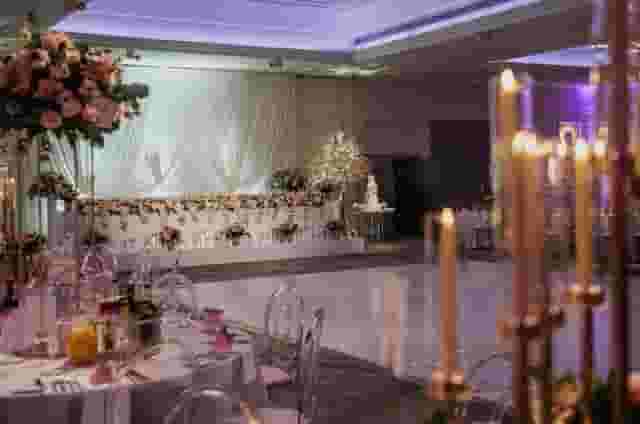
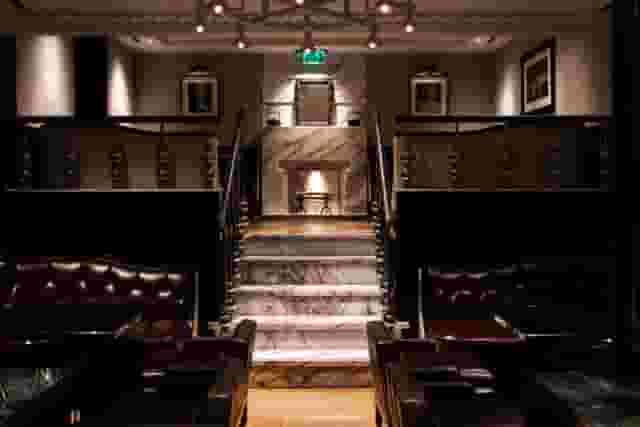
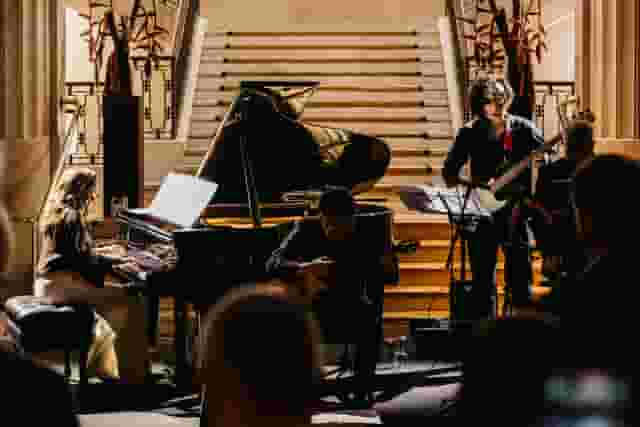

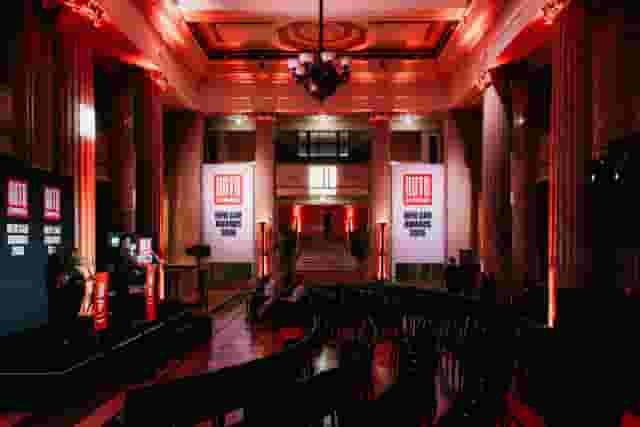







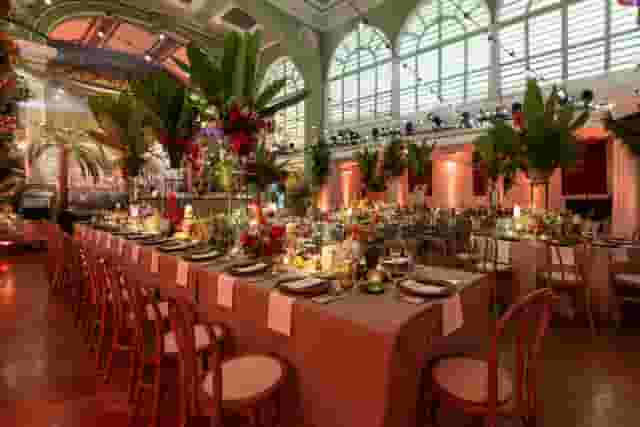
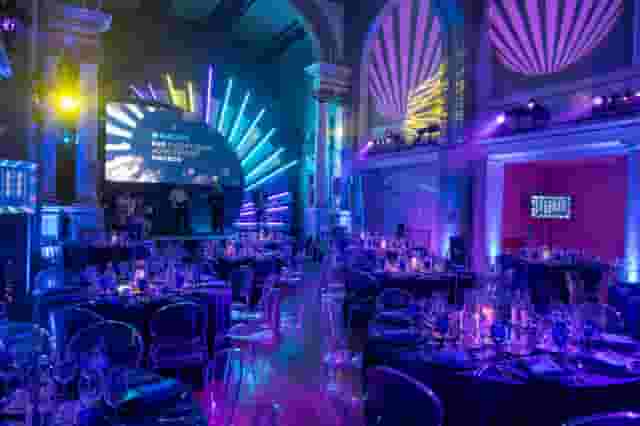

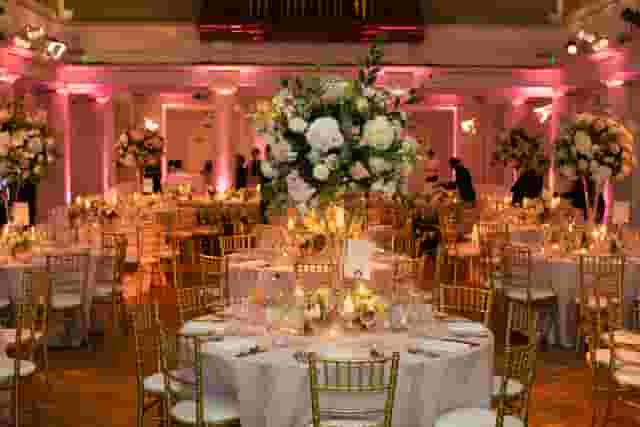
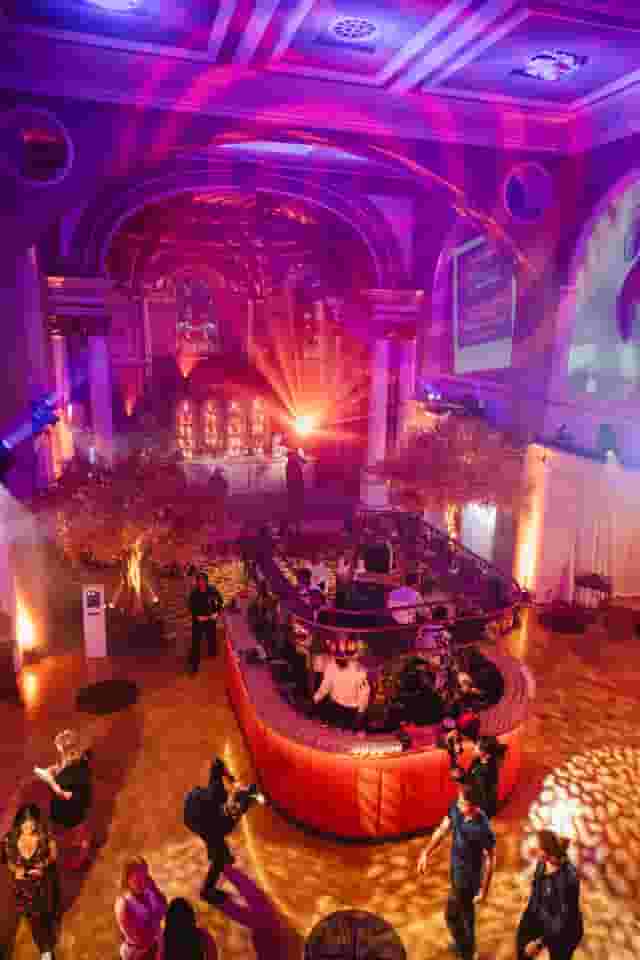












No venues match these filters
Try widening your capacity, luxury level or event type.
Don't have time to search? We'll find it for you.
For business events that need human judgement, talk to our team. Free for events of 100+ people, budgets over £10k or ongoing programmes.




Explore more venues in London















Frequently asked questions
What tech should a prom venue provide?
How to find a private prom venue in London?
Is central London best for prom venues?
What size should a London prom venue be?
Are historic venues apt for London proms?
Other platforms search their database. We search everything.
Tell us what you need. Our deep research finds any venue, whether it's in our marketplace or not. No one else does this.
About Prom in London
Choosing the right style of room for a prom
Organising a prom means balancing several competing priorities into one room layout. Unlike a standard corporate dinner or an informal drinks gathering, a prom demands distinct zones that work at the same time. You need an arrival entrance suited for formal photography, seated dining where every guest has an unobstructed view, an expansive dancefloor, and separate areas where people can talk away from the music.
London offers two main categories of space capable of handling this mix: grand historic halls and purpose-built hotel ballrooms. Each format presents specific operational advantages, as well as distinct constraints.
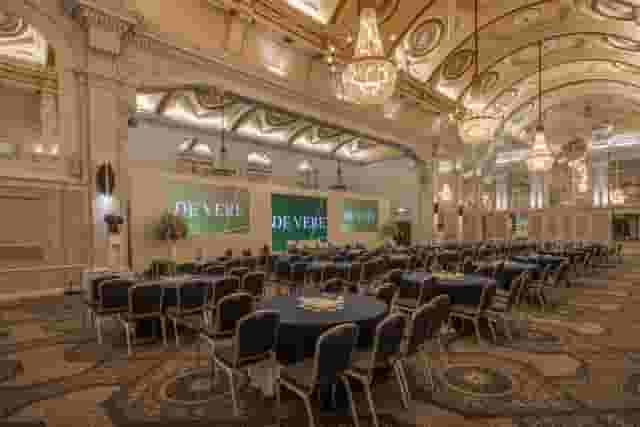
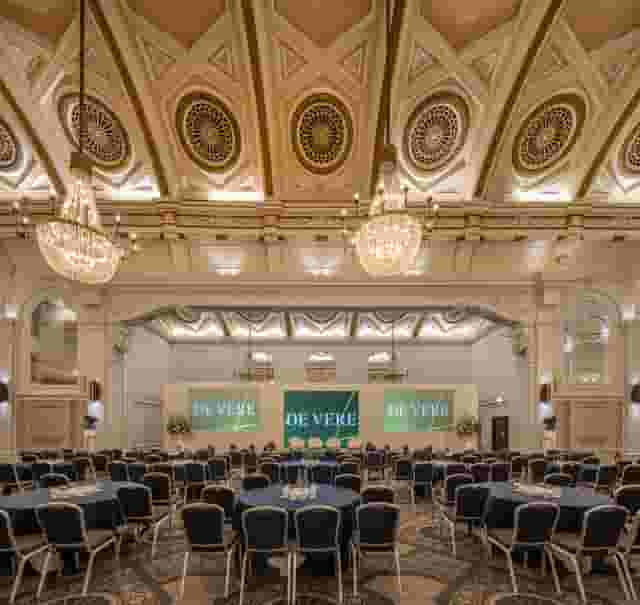
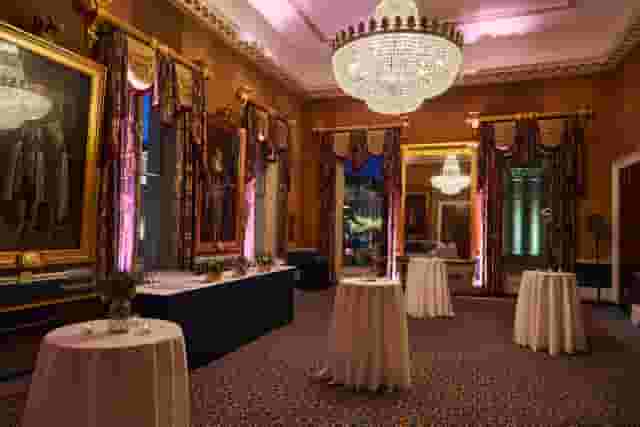
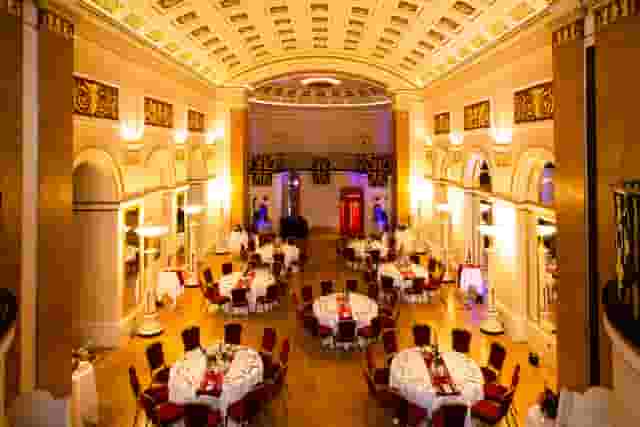
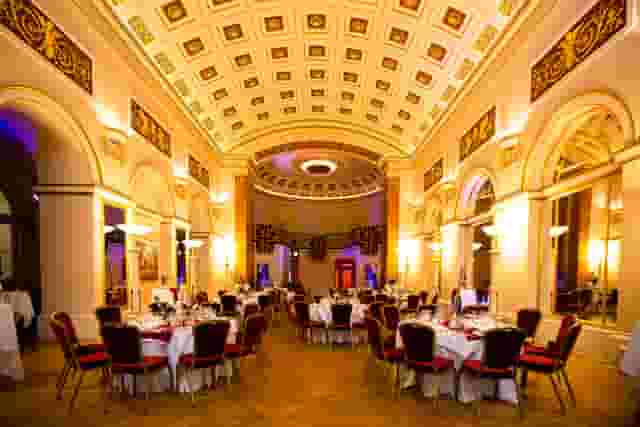
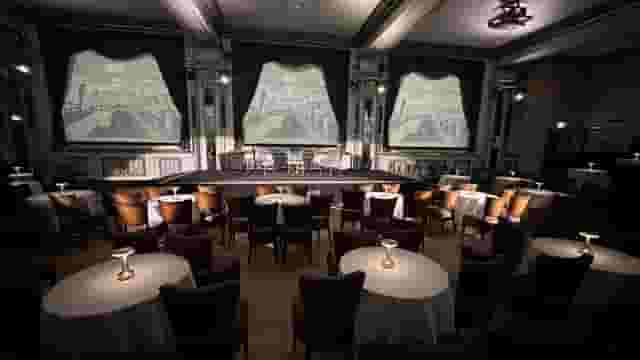
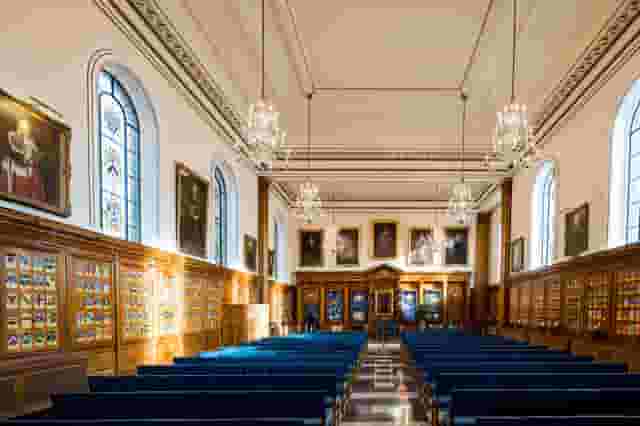
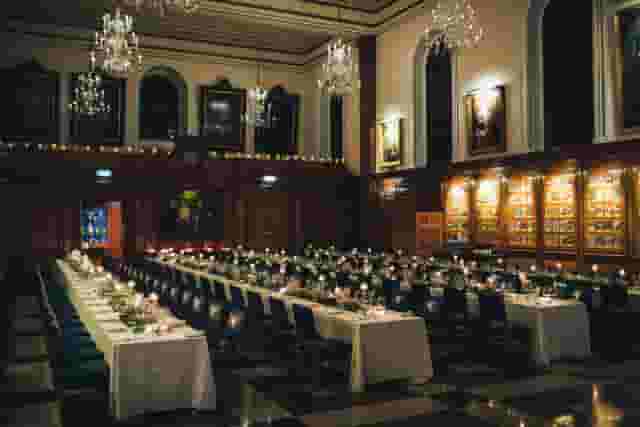
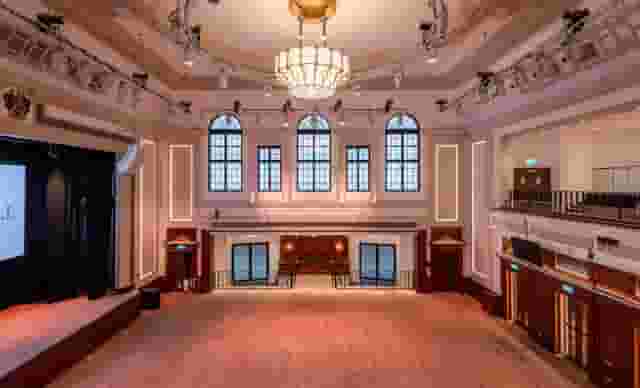
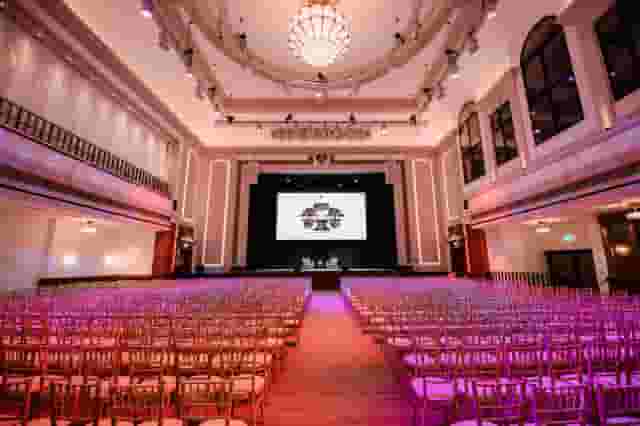
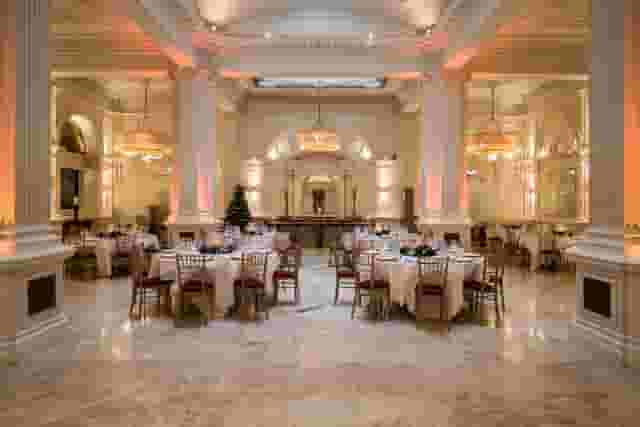
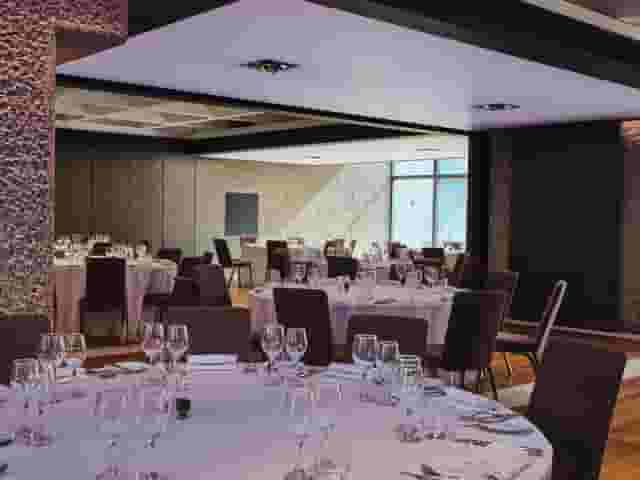
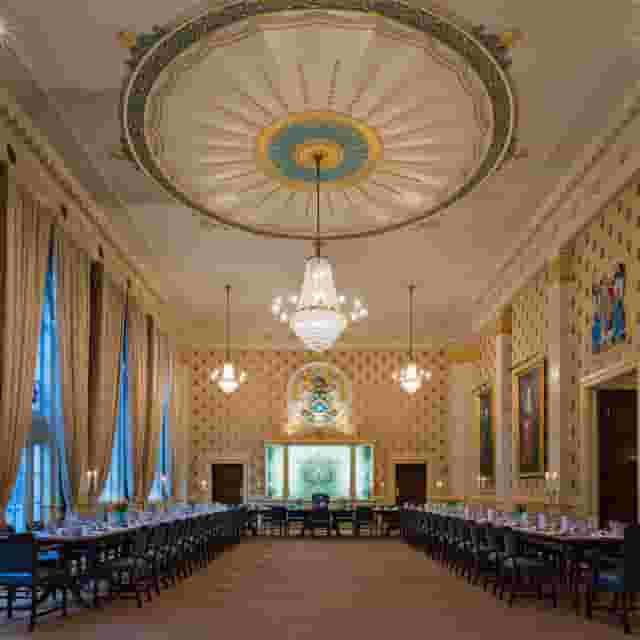
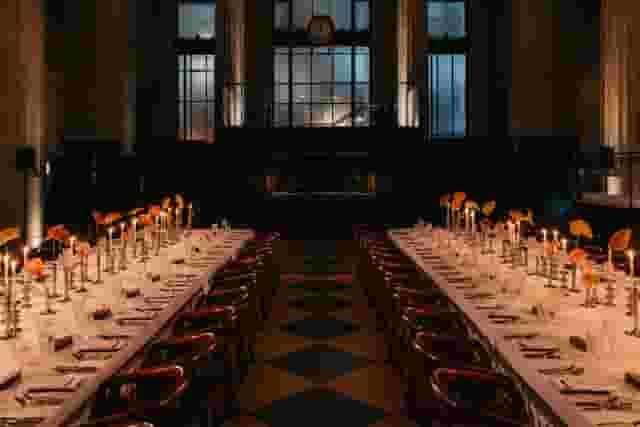
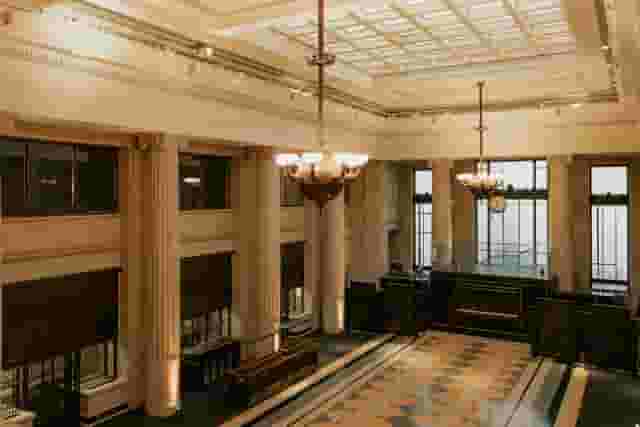
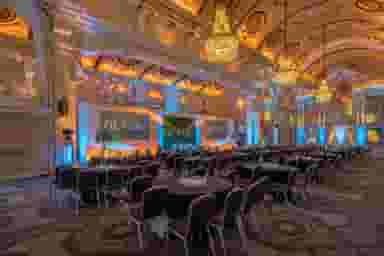
Historic buildings bring immediate atmosphere. Neoclassical pillars, high vaulted ceilings and ornate cornicing provide a striking visual frame without requiring thousands of pounds in extra draping or hire props. For example, Grand Connaught Rooms in Holborn features a Georgian hall with detailed ceiling moulding that holds up to 1000 guests for standing receptions. Further east, Goldsmiths' Hall in the City holds up to 300 guests for receptions beneath Corinthian columns and chandeliers.
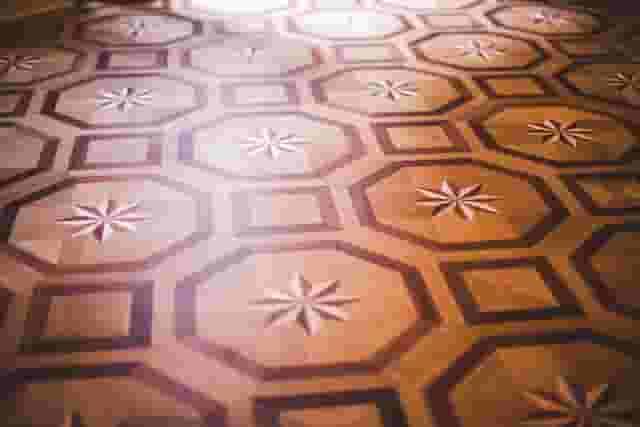
However, historic properties come with tight operational rules. Many have listed building status, which means strict limits on how you can fix decorations, banners or lighting rigs to walls. Their floors are often original parquet or polished hardwood, meaning the venue may require floor protection, rubber-tipped staging or an independent dancefloor overlay. In addition, loading access can be narrow, with tight stairwells or restricted lifts that complicate the arrival of bulky DJ setups, photo booths and staging equipment.
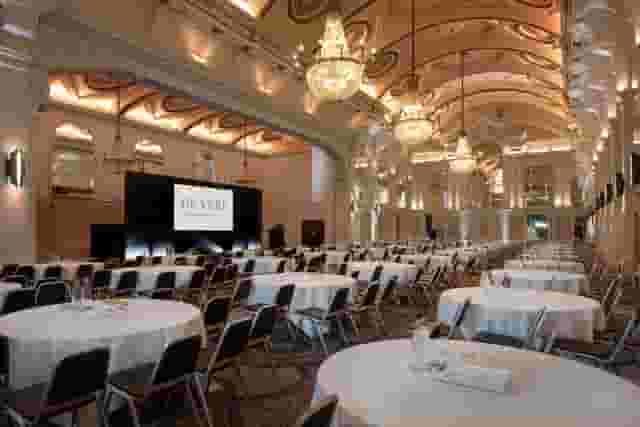
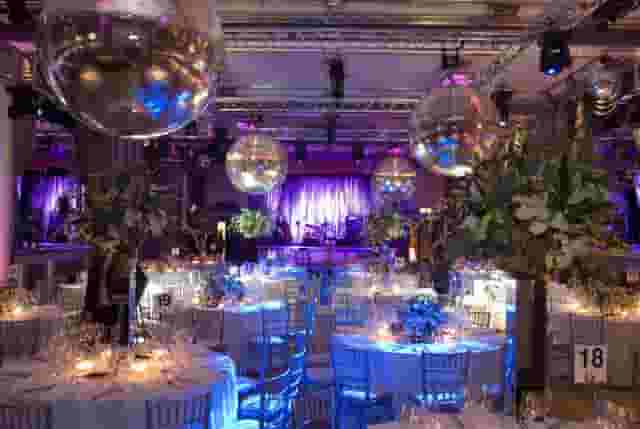
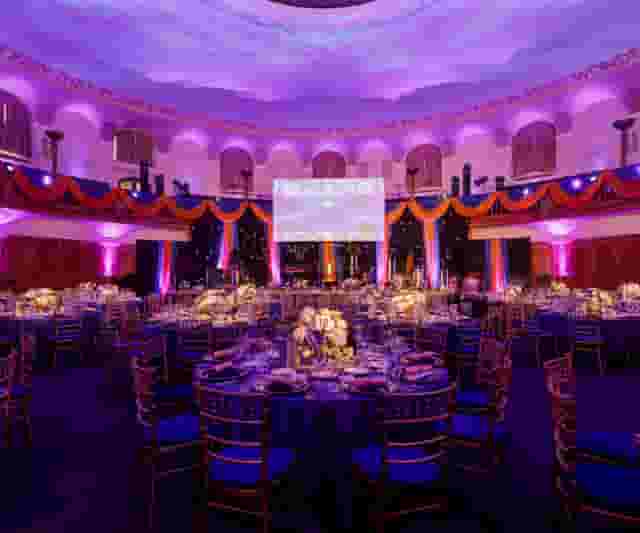
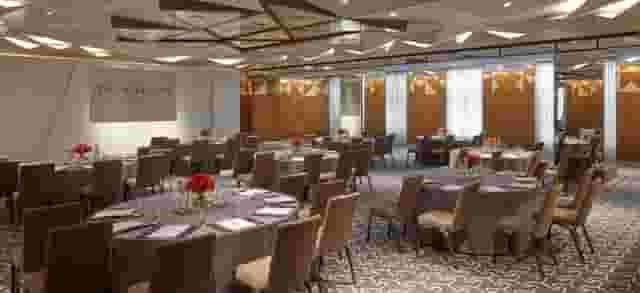
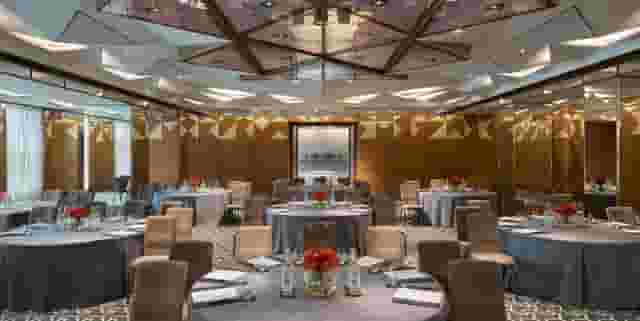
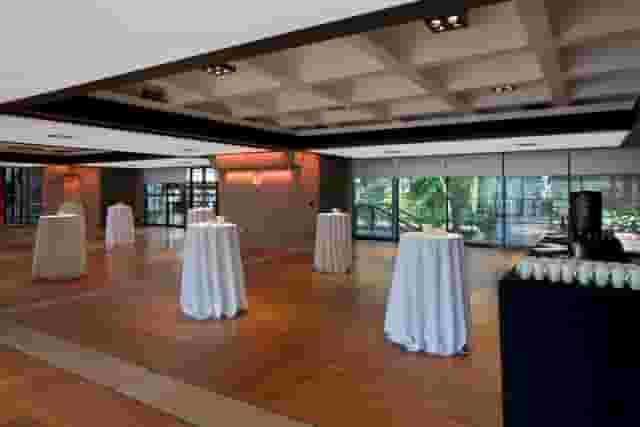
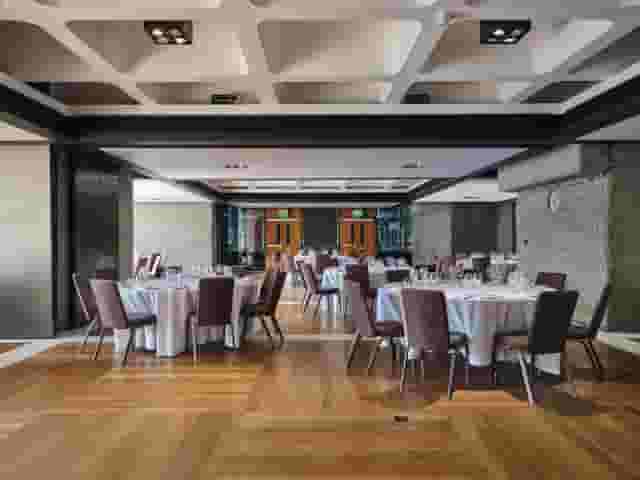
Purpose-built ballrooms inside large hotels take the opposite approach. Spaces such as the Grand Ballroom at the London Hilton on Park Lane accommodate up to 900 people for a dinner dance on a single, continuous level. Similarly, the Lancaster Ballroom at The Savoy accommodates up to 800 guests for a reception, offering a pillar-free floor plan and an integrated permanent stage.
The practical advantage of hotel ballrooms is flexibility. They are designed for rapid loading, have heavy-duty goods lifts, provide extensive rigging points across the ceiling, and include dedicated breakout rooms for cloakrooms, quiet lounges and green rooms for entertainment acts. What they trade in architectural character, they make up for in reliable acoustics, heavy power distribution and robust climate control.
How prom budgeting works in London
Pricing for private social parties in London typically ranges from £98 to £173 per head. This bracket is indicative, and estimated from what these venues have charged for similar events, based on 12 quotes from the venues on this page. The figures assume a party size of about 80 guests. If your guest list is significantly larger, economies of scale can soften the per-person room hire charge, although overall catering and production costs will scale directly with numbers. To see where your own plans land before you enquire, venue booking platform Hire Space provides instant price estimates calculated from real booking data. Backed by a team of real people who help you navigate options, it can also suggest similar spaces at a lower price if an initial favourite pushes past your budget.
Prom quotes usually operate on one of two commercial models: a package rate per person, or a dry hire fee combined with external supplier charges.
Packages are common in hotels and dedicated banqueting suites. At the lower end, towards the £98 end of the spectrum, an inclusive package typically covers exclusive room hire for five to six hours, a welcome soft drink or glass of prosecco, a three-course plated dinner or an informal hot fork buffet, standard tableware and linen, and basic security personnel. Moving towards the £173 end, packages tend to introduce red-carpet arrivals, interactive mocktail or cocktail bars, canapes on arrival, extended venue hire until 1am or 2am, upgraded three-course banqueting menus, and integrated DJ and lighting packages.
When assessing quotes, look closely at what is omitted. Prom committees frequently build their ticket price around the initial per-head quote, only to run into unbudgeted operational expenses later in the planning process.
| Cost element | Standard package inclusion | Frequent additional extra |
|---|---|---|
| Food and beverage | Three-course meal or buffet, table water, one arrival drink | Upgraded dessert stations, mocktail packages, late-night snacks |
| Sound and lighting | Ambient room lighting, basic background sound system | DJ sound equipment, moving head lights, wireless microphones, sound technicians |
| Staffing and safety | Basic waiting staff, duty manager, standard cloakroom staff | SIA-licensed security guards, dedicated bag search teams, first aiders |
| Furniture and dressing | Standard round tables, banqueting chairs, white table linens | Chiavari chair upgrades, custom coloured linen, staging, dancefloors |
| Timings and facilities | Access from two hours before, event finish at 11pm | Early afternoon setup access, post-midnight bar and entertainment licences |
Always verify whether service charges and VAT are included in your preliminary proposal. A 12.5% or 15% service charge added to food and drink totals will alter your per-ticket margins if you have not accounted for it from day one.
Structuring the evening timeline and guest flow
A successful prom relies on momentum. If guests spend twenty minutes queuing at the door, another twenty minutes waiting at the cloakroom, and an hour between dinner courses, energy drops quickly. Structuring the timeline requires clear zoning and generous movement buffers.
The evening works best when split into four defined phases:
1. Arrival and reception (60 to 90 minutes)
Staggered arrivals are normal, as attendees often travel in groups or arrange hired transport. Plan for an entrance sequence that can handle a rush without blocking the pavement. Guests should move fluidly from ticket verification to security bag checks, direct to the cloakroom, and then straight into a designated reception space. Welcome drinks should be pre-poured on trays across multiple greeting tables rather than served from a single congested bar.
If your event takes place in the summer months, outdoor arrival spaces give attendees room to mingle and take photos before moving indoors. Venues such as The Hurlingham Club in Fulham offer Thames-side grounds and a glass-domed Palm Court with capacity for 850 standing guests. When outdoor space is on your agenda, reviewing guides like the best summer party venues with outdoor space can help you weigh how gardens and terraces affect arrival management.
2. Dinner service (90 to 120 minutes)
Transitioning guests from a standing drinks reception into a dining room takes longer than expected. Allow 15 to 20 minutes purely for seating. If you are hosting a formal three-course dinner, confirm the kitchen staffing ratio with your caterer. A slow dinner cuts directly into dancing time later in the night.
To keep speeches or student awards from dragging, schedule them between the main course and dessert, or run them immediately after dessert plates are cleared while guests are still seated. Keep the presentation running for no more than 20 minutes in total.
3. Entertainment and dancing (two to three hours)
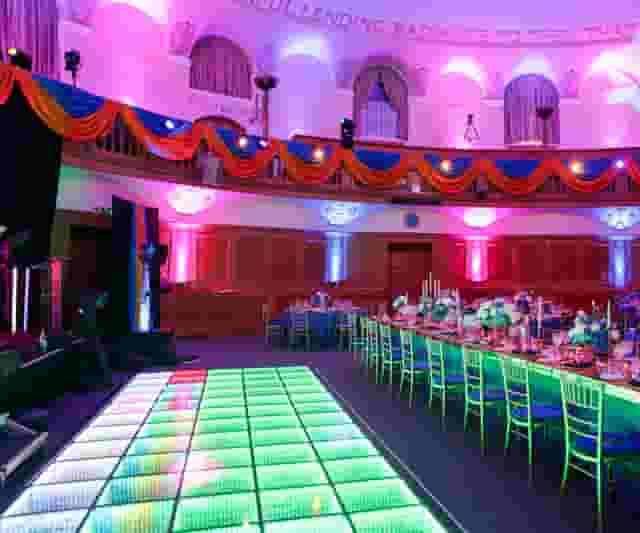
Once dinner concludes, prompt guests toward the dancefloor. This transition requires your DJ or live band to start playing immediately. Dim the architectural house lights and bring up the dancefloor lighting simultaneously. If you have secondary entertainment, such as a photo booth, sweet cart, or gaming area, keep these in the main room or in an immediately adjacent foyer. If entertainment is tucked away down a separate corridor, guests fracture into separate groups and the dancefloor loses its energy.
4. Departure and collection (30 to 45 minutes)
The end of the night requires careful crowd management. Set the music finish time 30 minutes before your venue hire contract ends. Bring the room lights up gradually rather than all at once, turn off bar service, and make sure cloakroom rails are organised numerically to avoid long bottlenecks. If parents or private hire cars are collecting guests, direct them to a clearly marked pick-up point outside to keep the venue's entrance clear.
Sound, staging and production requirements
Prom committees frequently underestimate the technical requirements of a high-energy dance party. Venues that regularly hold business conferences often have speech-focused sound systems that lack the low-end bass response needed for an evening DJ set.
Before hiring production gear or contracting an entertainment act, evaluate the venue's technical infrastructure:
- Sound limiters: Many central London venues operate under strict council noise abatement orders and install automated sound limiters. These devices cut the power supply to the DJ's equipment if volume levels exceed a set decibel limit for more than a few seconds. Ask the venue manager where the limiter microphone is positioned, what the threshold is set to, and whether your DJ can run their equipment through the venue's master limiter.
- Power supply: Standard 13-amp domestic wall sockets cannot power extensive lighting rigs, subwoofers, photo booths, and catering hot-plates simultaneously. Check if the room provides 16-amp, 32-amp or 63-amp three-phase power connections, and confirm where those distribution boards sit relative to your stage.
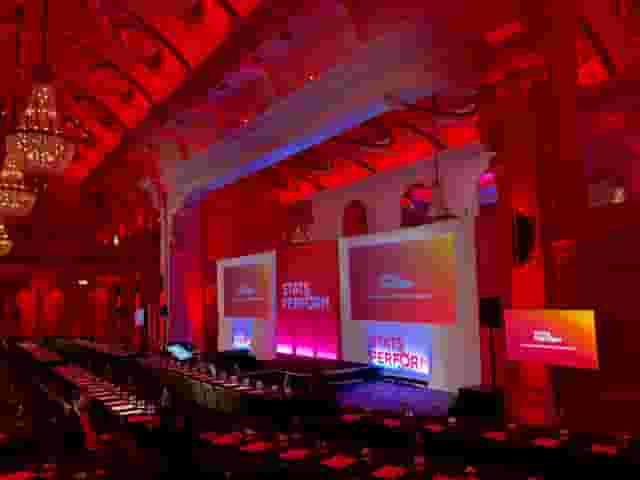
- Rigging and lighting: Dynamic moving-head lights, uplighting, and stage wash require either overhead truss rigging or floor-standing winch stands. If you choose an open hall, verify whether the ceiling features rated rigging points or if all lighting must be free-standing on ground bases.
- Stage dimensions: A DJ table requires a modest footprint, but live bands, student awards, and group presentations need a raised stage with a minimum depth of three metres. Ensure the staging does not eat into required fire egress pathways.
For very large groups, dedicated conference halls provide extensive production flexibility. The Arora Ballroom at InterContinental London - The O2 accommodates up to 3000 guests for a reception in a pillar-free layout equipped with modern technical rigging points and heavy-load power infrastructure. If you are organising an event on a tighter deadline, checking resources on last minute summer party venues will help you identify venues that already hold robust production rigs in-house, cutting your setup time significantly.
Finally, verify audio accessibility. Venues should provide a functional induction loop system so guests using hearing aids can follow speeches, awards, and announcements without acoustic distortion.
Licensing, security and age policies
Proms sit in a unique regulatory space because guest lists often span under-18s and over-18s. Venues take their premises licences very seriously, as breaches can lead to heavy fines or licence revocation.
If your event includes guests under the age of 18, work out an explicit alcohol policy with the venue well before tickets go on sale:
- All-soft-drink events: Many school proms opt for an entirely dry event. In this scenario, verify that the venue can produce creative non-alcoholic mocktails, craft sodas, and juices rather than simply providing basic squash and water jugs.
- Split-age events: If university or sixth-form proms permit alcohol service for guests aged 18 and older, venues require strict identity checks at the door. Tamper-evident coloured wristbands differentiate legal drinkers from minors. Bar staff must operate a Challenge 25 policy, and security guards will actively monitor the floor to ensure older attendees do not purchase drinks for younger peers.
Security staffing ratios are determined by the venue and their local licensing authority. A typical standard for young adult celebrations is one SIA-licensed security guard per 50 to 75 guests, with a minimum requirement of both male and female guards to handle private, single-sex bag searches at the front door.
Clarify music and bar cut-off times during initial discussions. In Westminster and the City of London, many licences require music to finish at 11pm or midnight on weeknights. Venues like One Great George Street in Westminster accommodate up to 400 guests for receptions in their Great Hall, but will operate within clear borough entertainment hours. In contrast, dedicated event complexes such as The Royal Regency in East London, which accommodates up to 1100 guests in its Grand Ballroom, are built to host large-scale evening receptions with expansive private access away from residential frontages.
Location, arrival transport and getting home
Choosing between a central London address and an outer-borough location involves balancing convenience against practical access.
Central London options provide immediate transport links across the Night Tube, Elizabeth Line, and major rail termini. This makes it straightforward for guests arriving from different points across the capital. However, central locations introduce severe logistical hurdles for vehicle arrivals. Narrow side streets, red routes, congestion charges, and strict parking controls make it difficult for stretched limousines, party buses, or coaches to pull up, wait, and drop off safely.
Outer-borough venues typically offer dedicated off-street parking, broad carriage drives, and generous loading bays. Loading sound equipment, staging, and entertainment props is substantially simpler, and parents collecting younger attendees have space to wait safely without blocking active traffic lanes. The trade-off is a longer travel time for guests who depend entirely on public transit.
| Logistical factor | Central London venues | Outer London venues |
|---|---|---|
| Public transport connections | Underground, Elizabeth Line and mainline rail within short walking distance | Often requires a bus connection or local taxi from the nearest rail station |
| Drop-off and coach access | Severely restricted, strict loading rules, no idle waiting | Private forecourts, easy coach drop-offs, ample turning circles |
| Late-night departure | 24-hour Night Tube lines and frequent night bus networks | Heavier reliance on pre-booked taxis, ride-hailing apps or parental collection |
| Noise and timing limits | Strict council limits, earlier music curfews near residential pockets | Often more generous sound allowances, fewer adjacent neighbours |
| Parking facilities | Rare, expensive commercial car parks nearby | Dedicated on-site car parks, often free or heavily discounted |
When evaluating any potential venue, walk the route from the nearest public transport station yourself. Look for well-lit streets, clear signage, and level access without major physical barriers. Check whether the station has step-free lift access for attendees with mobility requirements, and confirm where coaches can wait legally at midnight when everyone exits simultaneously. Clearing these practical hurdles early guarantees a celebratory, safe, and smoothly executed prom night from start to finish.
What our customers say
Inspiration and planning guides

6 Top Venues For A 30th Birthday Party
If your 30th is approaching, it's the perfect excuse for having a big old birthday bash in our books - here's a whirlwind tour of 6 of our favourite venues!

5 Summer BBQ Party Venues
What better way to usher in the summer than a summer party in a great venue. With everything from rooftops to private gardens, discover London's best.

The Top 5 North London Party Venues
East London has hipsters, west London is rich and south London has sweet suburban spots, but north London is all about good times. It's where rock 'n' roll celebs call home, with a historic reputation for fun. Hire Space venue expert Laura Richards reveals the best north London party spots to live it up as the area intended. 1. House of Wolf Source: The Independent Embrace the bohemian vibes that North London has to offer - head along to Islington's recently established House of Wolf [https://
One supplier. Every venue. Full visibility on what you spend.
Multiple venues and events. One agreement.