Christmas Party Venues in Central London
Compare top Central London Christmas party venues with space for drinks receptions, seated dining and DJs, backed by real pricing data.
2,041 Christmas Party in venues in Central London


















































































No venues match these filters
Try widening your capacity, luxury level or event type.
Don't have time to search? We'll find it for you.
For business events that need human judgement, talk to our team. Free for events of 100+ people, budgets over £10k or ongoing programmes.


Explore more venues in Central London











Frequently asked questions
Are private dining rooms suitable for Christmas parties?
How do I choose between modern and traditional venues?
How important is tech for a Christmas party venue?
What should I avoid in a Christmas party venue?
What makes a venue ideal for a Central London Christmas party?
What should I budget per head for a Central London Christmas party?
Can rooftop bars accommodate large corporate Christmas parties?
Are there exclusive private clubs suitable for intimate company events?
What are unique features of historic venues for Christmas parties?
How early should I book a Christmas party venue in Central London?
Other platforms search their database. We search everything.
Tell us what you need. Our deep research finds any venue, whether it's in our marketplace or not. No one else does this.
About Christmas Party in Central London
Structuring the evening: reception, food and dancing
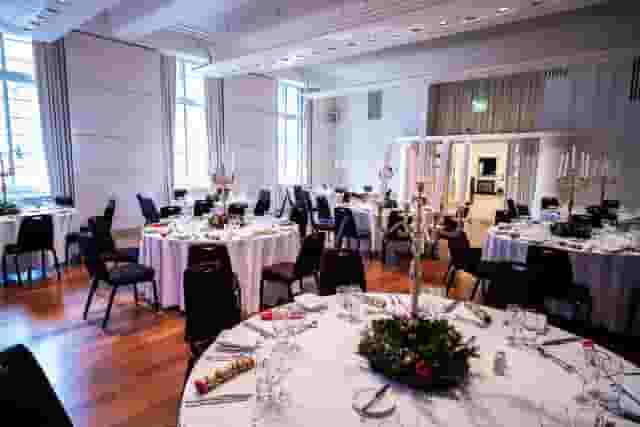
Planning a company Christmas party with three distinct phases requires a layout that works across five or six hours without feeling disjointed. The standard format brings guests together for arrival drinks, moves into food service, and finishes with a DJ and dance floor. When a room is poorly configured, those transitions feel clunky, staff struggle to clear glassware, and half the company ends up trapped by the bar while the dance floor sits empty.
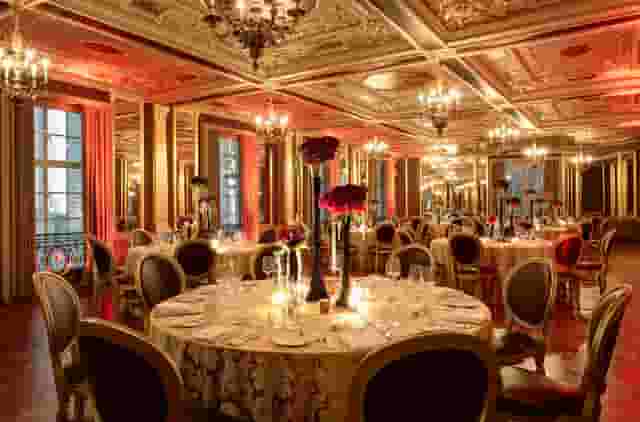
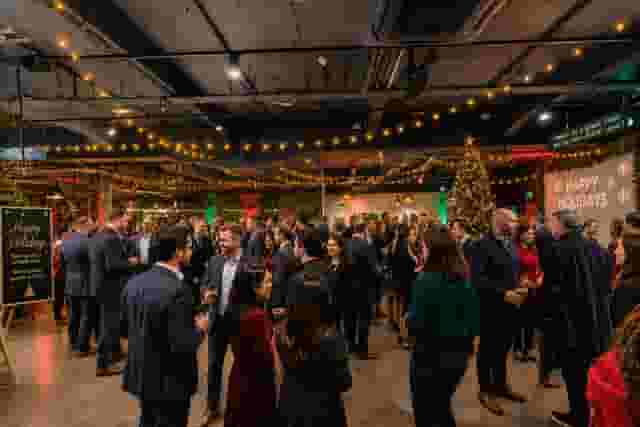
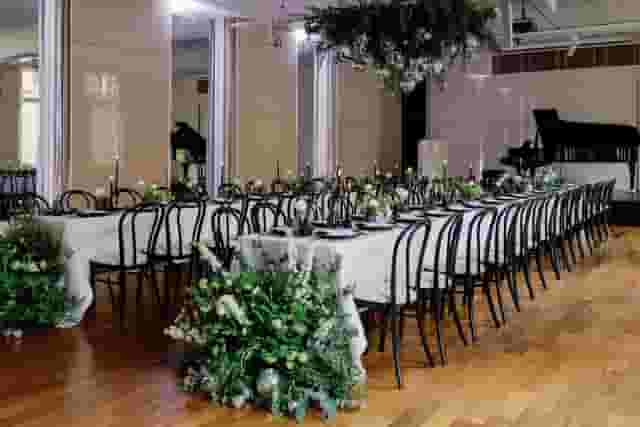
For a three-part party, your guest flow dictates your room choice. If you choose a seated three-course dinner, you need distinct space for reception drinks before sitting down, plus enough clearance around tables so the DJ area does not feel like an afterthought. Seated meals can anchor guests to their chairs for two hours, which often saps the energy just as the music starts. For companies that want movement and conversation, bowl food or substantial food stations are usually the better route. Guests can eat standing up, mingle across teams, and wander over to the dance floor as soon as the music turns up.
A practical timeline for an evening running from 6:30pm to midnight looks like this:
| Time | Phase | Operational considerations |
|---|---|---|
| 6:30pm to 7:30pm | Arrival drinks reception | Prosecco, cocktails or mocktails tray-served near the entrance to prevent bar queues |
| 7:30pm to 9:00pm | Food service | Continuous circulating bowl food or open food stalls, background music raised slightly |
| 9:00pm to 9:15pm | Short speeches or toasts | Central position with a handheld wireless microphone, house lights dimmed after |
| 9:15pm to 11:30pm | DJ and dancing | Full dance lighting, dedicated bar service, late-night snack service if budgeted |
| 11:30pm to 12:00am | Bar closes and departures | House lights brought up gradually, cloakroom fully staffed for rapid turnaround |
The space you choose must support these changes without forcing staff to rearrange heavy furniture in front of your colleagues. If a venue requires a room flip between dinner and dancing, ask where guests will wait while tables are packed away. If that holding space is just a narrow corridor or a cold foyer, look elsewhere.
Choosing the right setting for your crowd
Central London offers fundamentally different styles of venues for corporate festive celebrations. Matching the space to your company culture is what prevents the party from feeling stiff or awkward.
Heritage halls and hotel ballrooms
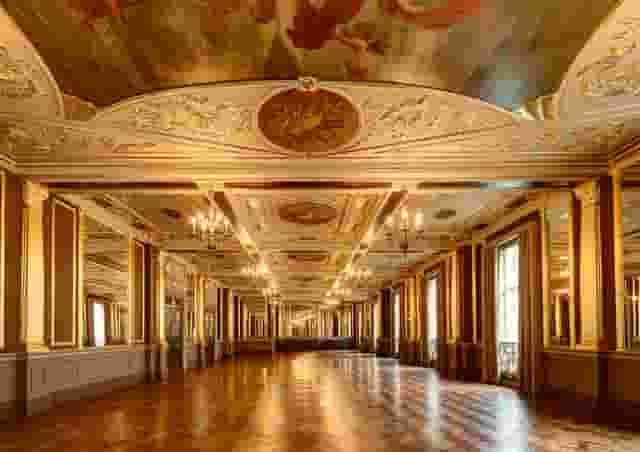
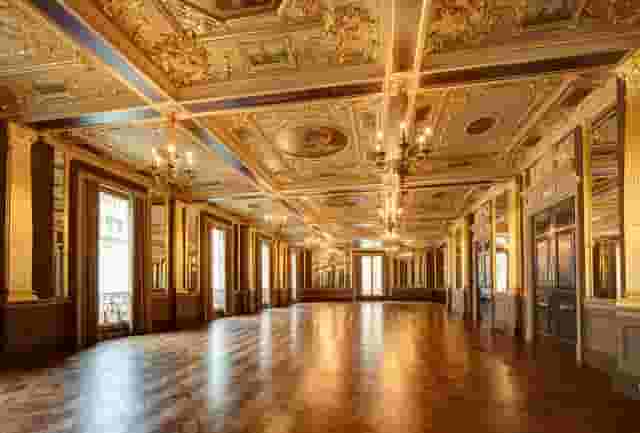
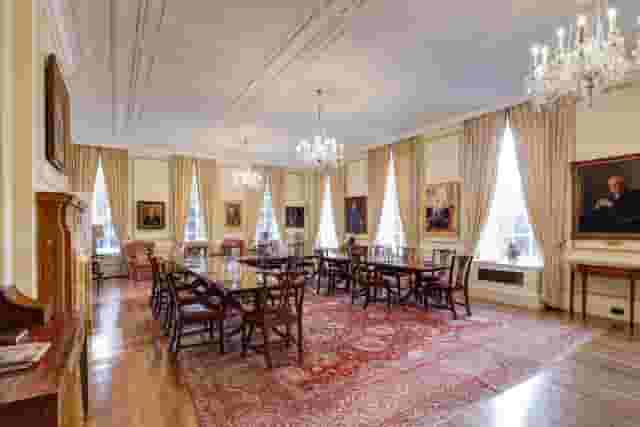
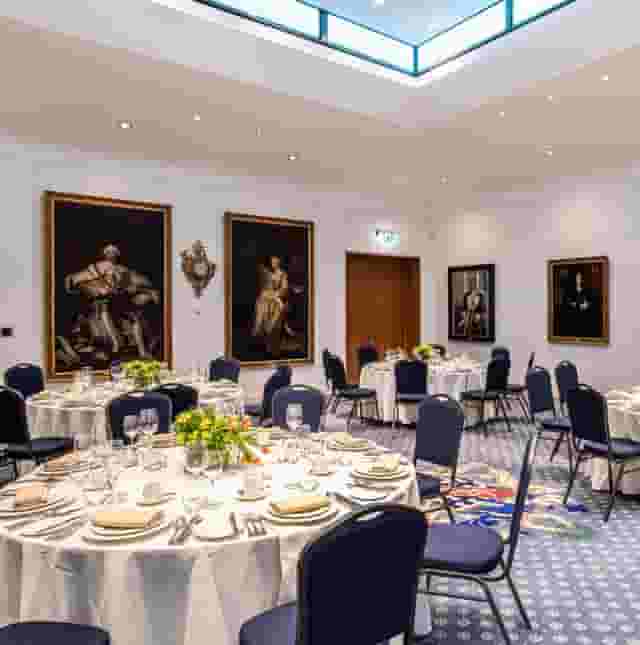
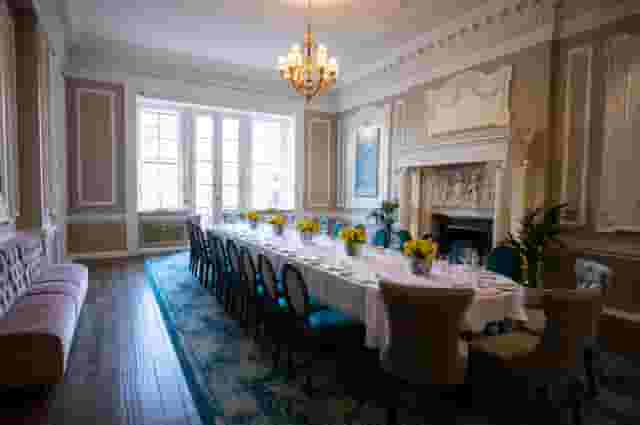
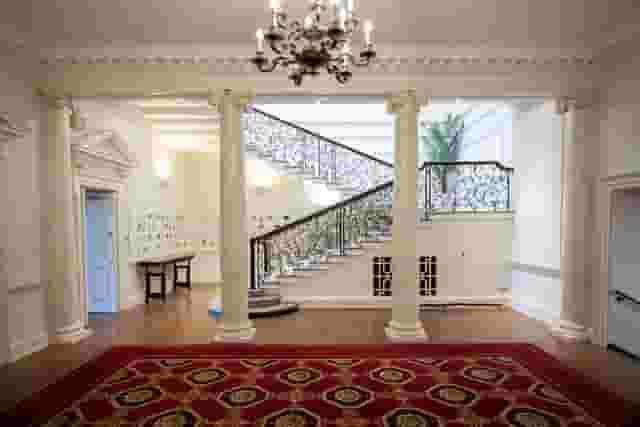
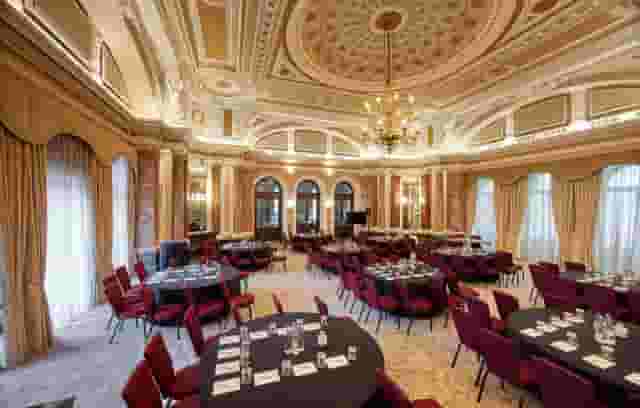
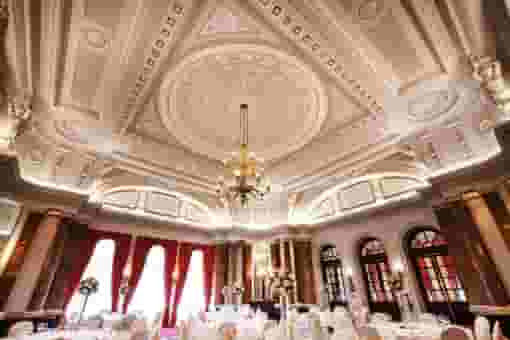
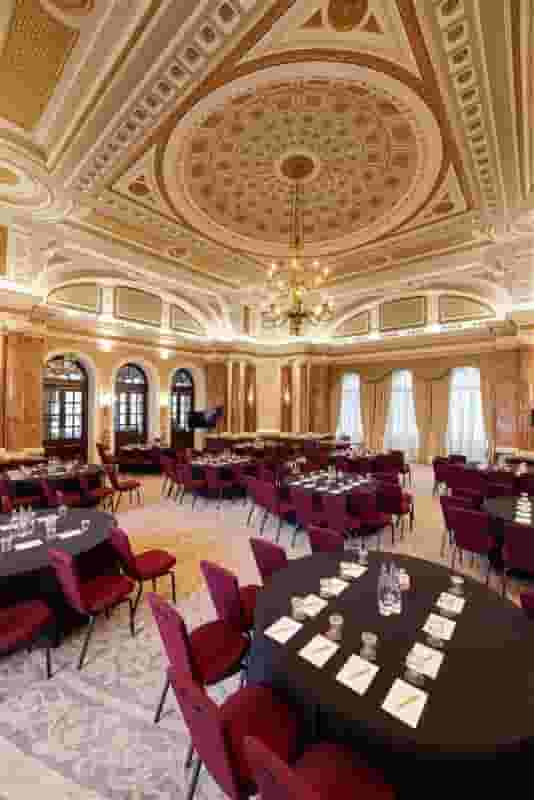
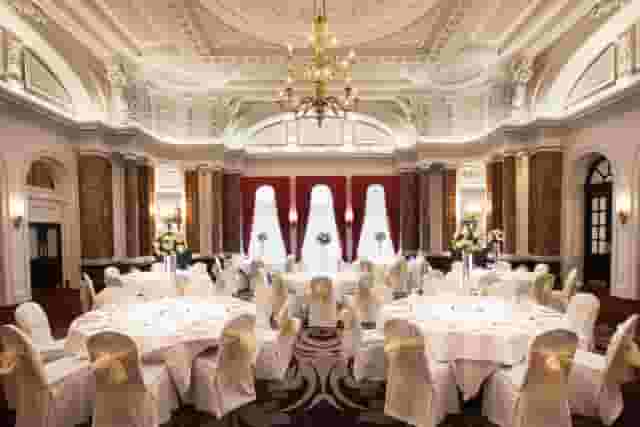
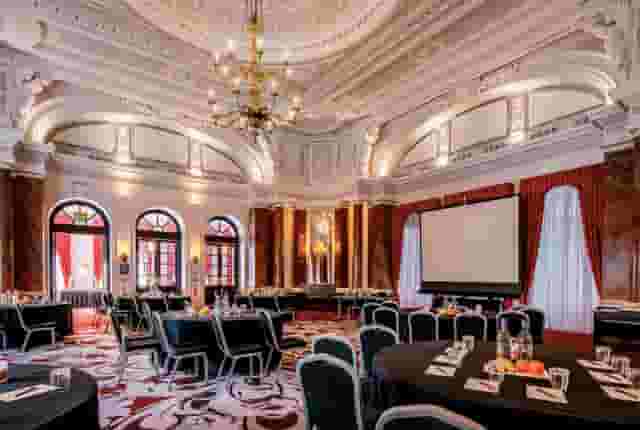
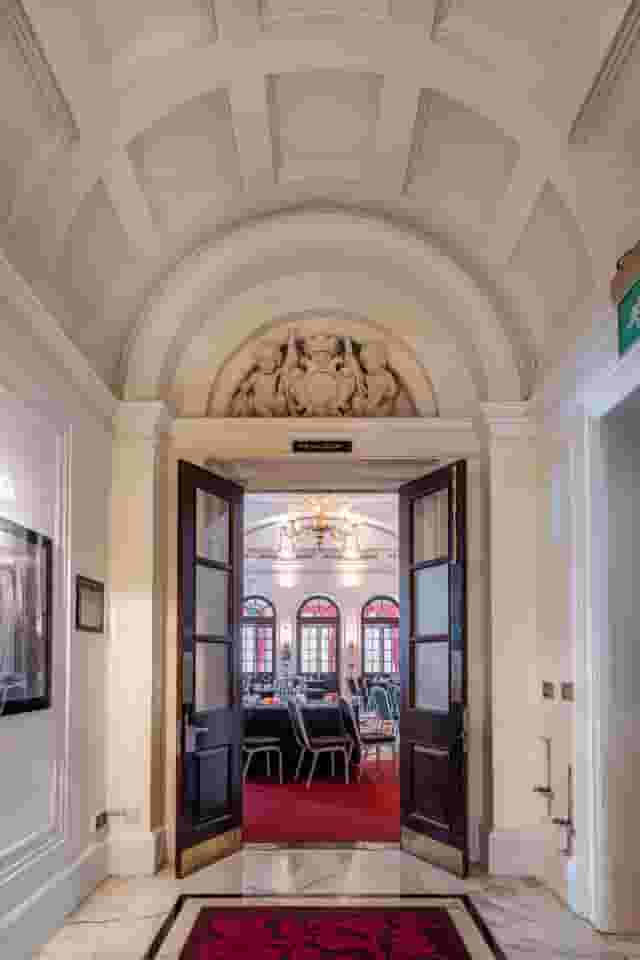
Traditional settings bring architectural character, grand proportions and reliable operational backing. Rooms with historic plasterwork, wood panelling and high ceilings create an immediate sense of occasion, meaning you spend far less on decorative theming or hired dressing.
In Holborn, the Grand Ballroom at Rosewood London holds up to 280 guests for a dinner dance, providing the formal infrastructure and kitchen precision that large corporate dinners require. Further west in Soho, the Pompadour Ballroom at Hotel Cafe Royal accommodates 250 for a reception beneath ornate gilded ceilings. If you want a banquet feel with legal heritage, the Old Hall at the Honourable Society of Lincoln's Inn seats 120 guests beneath historic rafters, relying on in-house catering teams familiar with formal dining.
The trade-off with historic rooms is operational constraint. Many heritage properties have strict noise limiters, restrictions on where staging or DJ booths can sit, and rules forbidding heavy production rigs that might mark historic surfaces. Some also lack direct service lifts, meaning external suppliers take longer to load in equipment, which can eat into your set-up window.
Industrial and converted warehouse spaces
If your team prefers an informal party focused on dancing, industrial spaces offer high ceilings, flexible floor plans and fewer restrictions on production volume.
A converted space like the main hall at Village Underground in Shoreditch accommodates up to 700 standing guests. Brick walls and high railway arches give you a blank canvas where lighting and sound can be tailored specifically to your DJ's technical rider. However, dry-hire and warehouse-style spaces require significant project management. You are often responsible for hiring independent caterers, arranging bar management, sourcing furniture, bringing in temporary cloakroom rails, and paying for security staff. If your internal committee does not have the bandwidth to coordinate multiple suppliers, a venue with established in-house packages is safer.
Contemporary hotel suites and social hubs
Modern venues often provide built-in AV, flexible lighting rigs, and sound systems designed for live performers or club DJs. They also give your team comfortable seating clusters where colleagues who do not want to dance can actually hear each other talk.
In the West End, The Green Room at The Londoner offers standing space for 150 guests with its own private bar, giving mid-sized teams an intimate, club-style environment right off Leicester Square. For tech-forward social events, the First Floor Exclusive space at Poolhouse near Liverpool Street holds up to 500 standing, combining digital games and pool tables with hospitality. Activity-led venues work well for teams who might find standard stand-up networking forced, as they provide natural conversation starters before the DJ takes over.
For large headcount parties wanting modern hospitality alongside pitch views, stadium event spaces provide substantial infrastructure. The Diamond Club at Arsenal Football Club - Emirates Stadium hosts 400 for a reception, while The Great Briton and The Academy suites at London Stadium accommodate up to 800 guests. These spaces have high-capacity commercial kitchens, dedicated loading bays, step-free access throughout, and experienced security teams trained to manage large arrivals and departures quickly.
For more inspiration on group sizes and themed setups, you can explore guides like 10 Cracking Christmas Party Venues to see how different spaces handle festive production.
The real cost: budgeting for Central London parties
Festive pricing in Central London follows distinct patterns. Based on 19 quotes from the venues on this page for Christmas parties, typical prices sit between £140 to £256 per head. This figure assumes a party size of about 80 guests and covers the core package elements: room hire, welcome drinks, food, and staff.
Where your event falls within that £140 to £256 per head range depends heavily on your catering style, drink limits, and the day of the week you book:
| Cost level | What you receive | Where the money goes |
|---|---|---|
| Towards the £140 end | Standing reception, prosecco on arrival, four to five bowl food dishes, beer, wine and soft drinks for three hours | Package-led booking, house wines, buffet or tray service, standard in-house lighting and PA |
| Mid-range | Extended drinks package, sparkling wine or champagne reception, dessert stations, six bowl food courses or three-course seated dinner | Upgraded food selections, longer open bar windows, dedicated sound technician on site |
| Towards the £256 end | Premium champagne reception, full spirits bar, late-night street food pass, extensive production, late licence fee | Five-star hotel ballrooms, fine dining menus, custom cocktail creation, extended hours past midnight |
Beyond the headline per-head price, several operational costs frequently appear on the final invoice:
- Service charge. Central venues routinely apply a discretionary service charge between 12.5% and 15% to food and beverage totals. Always confirm whether per-head package prices are inclusive or exclusive of this fee.
- DJ equipment and AV technicians. Many packages include a venue's background sound system, but playing background music via a tablet is very different from plugging in a professional DJ console. If your venue requires you to use their in-house technician to supervise the sound desk, expect an extra fee of £350 to £600 for the evening.
- Cloakroom staffing. December weather means heavy winter coats, umbrellas and bags. Venues often charge a flat fee for dedicated cloakroom attendants to keep lines moving on arrival and departure.
- Security door staff. Central London licensing authorities regularly require licensed SIA security personnel for events with music, dancing, and open bars. Most venues pass this cost on, usually charging for a minimum five-hour call per guard.
If keeping per-person spend manageable is your main priority, looking at alternative formats can yield significant savings. Guides like Christmas On A Budget: 7 Great-Value Festive Venues offer useful examples of balancing atmosphere against high central overheads. Hire Space 360 is enterprise venue and hotel procurement for companies spending £1m or more a year on meetings and events: a managed meetings and events programme, the kind procurement teams call strategic meetings management. It puts every booking onto a single contract with centrally negotiated terms, keeping festive spend aligned with internal event policy. Finance teams receive a single consolidated invoice rather than individual supplier bills, supported by live spend reporting and full audit trails across every department.
Sound policies, late licences and production logistics
The transition from dinner to dancing depends almost entirely on technical planning. Nothing kills the atmosphere of a festive party faster than discovering at 9:30pm that the DJ cannot plug into the house speakers, or that a council sound limiter cuts the power every time the bass kicks in.
Noise restrictions and acoustic limiters
Venues in residential parts of Central London (such as parts of Mayfair, Marylebone or Covent Garden) often operate under strict council noise agreements. In many cases, the venue will have an integrated decibel limiter wired into the main power circuit. If the DJ exceeds the set decibel limit for more than a few seconds, the power cuts off entirely.
Ask the venue event manager these specific questions before signing a contract:
- Is the sound system restricted by a hardware limiter, and at what decibel level is it calibrated?
- Does the DJ have to patch through the house sound system, or can they bring their own active speakers?
- Are subwoofers permitted, or does the building structure cause vibration issues for neighbours?
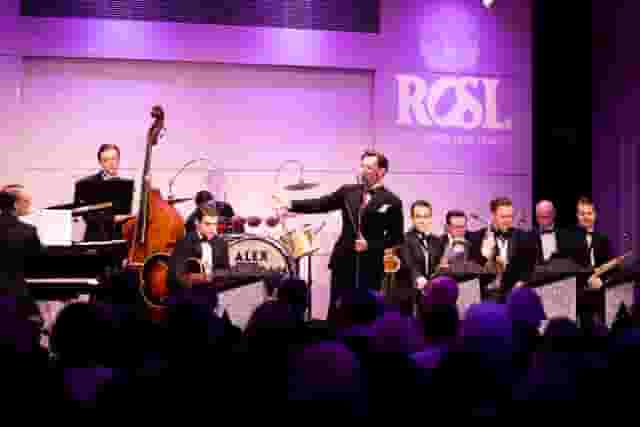
- Can the venue accommodate a live singer, brass player or percussionist alongside the DJ?
DJ power and equipment requirements
Never assume a venue provides full DJ equipment just because they state that they accommodate dancing. Most venues provide only a connection point (usually an XLR or mini-jack cable) into their ceiling speakers, which is rarely loud enough for a lively dance floor.
A working DJ setup requires a sturdy, level table at working height, access to at least two clean 13-amp power sockets on an independent circuit, and suitable space for speaker stands away from main guest walkways. If you are hiring an independent DJ, check whether they bring their own decks, monitors, lighting trees and wireless microphones, or whether you need to hire an external production kit.
Curfews and finishing times
Licensing laws in Central London mean standard event licences usually finish at 11:00pm or 11:30pm on weekdays, and midnight on Thursdays and Fridays. If your crowd wants to dance until 1:00am or 2:00am, you must verify whether the venue holds a late premises licence or if they need to apply for a Temporary Event Notice (TEN).
Local councils grant only a limited number of TENs per premises each year, and they require several weeks of processing time. Venues also charge an hourly late-licence fee to cover bar staff, managers, security, and cleaning crews past midnight.
Transport, timing and managing the guest experience
Transport accessibility in Central London is unmatched, but December brings cold weather, holiday rail strikes, and packed Tube networks. How easily your guests can get home at midnight impacts how long they stay and how much they enjoy the night.
Select a location within a short walk of major interchange hubs with Night Tube or 24-hour bus connections. Tube stations like King's Cross St Pancras, Oxford Circus, Tottenham Court Road, London Bridge, and Liverpool Street give guests direct lines north, south, east, and west, preventing long queues in the cold for cabs.
Lead times and booking windows
For corporate Christmas parties, lead times are longer than for almost any other workplace event. Booking data shows that larger corporate groups typically start looking at least three months before December, and competitive prime dates sell out well ahead of that. To secure spaces before key dates disappear, the venue booking platform Hire Space enables teams to shortlist central locations in minutes rather than days. For gatherings of 100 guests or more, it displays instant availability confirmed directly by venues, backed by an experienced team of real people who help manage the process through to confirmation.
Thursday and Friday dates in the first three weeks of December are the first to fill up across the capital. If your leadership team is slow to approve budgets, consider looking at a Wednesday or Tuesday evening. Choosing an off-peak night often opens up better spaces, provides leverage to negotiate upgraded canapes or prosecco, and ensures higher team attendance before people take annual leave for family travel.
Cloakrooms and arrivals
Do not overlook the arrival experience. When 150 people arrive within twenty minutes in wet winter weather, a small, unstaffed coat rack becomes an instant bottleneck. Check that your venue has dedicated hanging space with numbered tickets, and ensure the cloakroom is staffed by at least two people during the initial 45 minutes of the event and the final half hour.
Providing a seamless transition from the cold street into a warm drinks reception sets the tone for the entire night. When the logistics run quietly in the background, your guests can focus on enjoying the food, celebrating the year's achievements, and making the most of the music on the dance floor.
What our customers say
Inspiration and planning guides
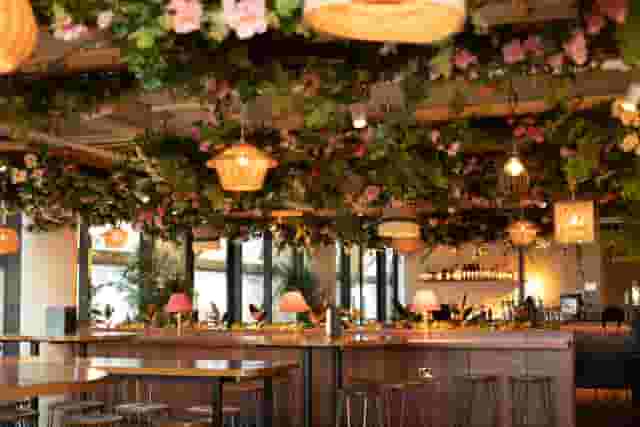
7 Venues to Transform Your Office Party into a Festive Fiesta!
Make this year's office Christmas party one to remember with these 7 unique venues in London. From sleek rooftop bars to immersive wonderlands, there's something for every team.

Unique Venue of the Month: Banqueting House
On a blustery winter's day in January 1649, the deposed King Charles I was beheaded by the victorious rebels of the Civil War. And the bloody execution took place just outside of our Unique Venue of the Month. Not many venues can claim to be of such historical significance, but Banqueting House [https://hirespace.com/Spaces/London/42821/Banqueting-House/Main-Hall/Weddings] – the only remaining part of the Palace of Whitehall, where English monarchs used to reside – played a major part in Briti

Review: La Belle Assiette
Dining is often the centrepiece of an event, whether served in sit-down, buffet or casual-canapé style. Especially today – when being a “foodie” is a common and trendy trait, and when culinary TV shows are among the most popular – parties of all kinds are putting a renewed significance in the edible aspects. After securing a venue, therefore, all eyes are naturally turned to the plate. Indeed, La Belle Assiette [https://labelleassiette.co.uk/] translates literally as The Beautiful Plate, and
One supplier. Every venue. Full visibility on what you spend.
Multiple venues and events. One agreement.