Museum Venues in London
Find and book London museum venues for corporate dinners, award ceremonies and drinks receptions, with data-backed pricing and expert support.
566 Museum in venues in London















































































































No venues match these filters
Try widening your capacity, luxury level or event type.
Don't have time to search? We'll find it for you.
For business events that need human judgement, talk to our team. Free for events of 100+ people, budgets over £10k or ongoing programmes.




Explore more venues in London








Frequently asked questions
Can I choose which catering supplier I want to have at my party?
What museums are there that I can use for my Award Ceremony?
Can I hire out a museum in the daytime as well as the evening?
Other platforms search their database. We search everything.
Tell us what you need. Our deep research finds any venue, whether it's in our marketplace or not. No one else does this.
About Museum in London
Choosing the right museum setting for a corporate event
Booking a museum for a company event gives you an immediate architectural presence that standard corporate venues rarely match. The atmosphere is already built into the walls, whether your guests are drinking alongside maritime artefacts, historic vehicles or scientific installations. The key decision is matching the character of the collection to the tone of your gathering and the way you want people to move through the space.
Museums in London broadly fall into two main categories: grand civic halls built for visual impact and specialised collections that offer an interactive or social path for guests.
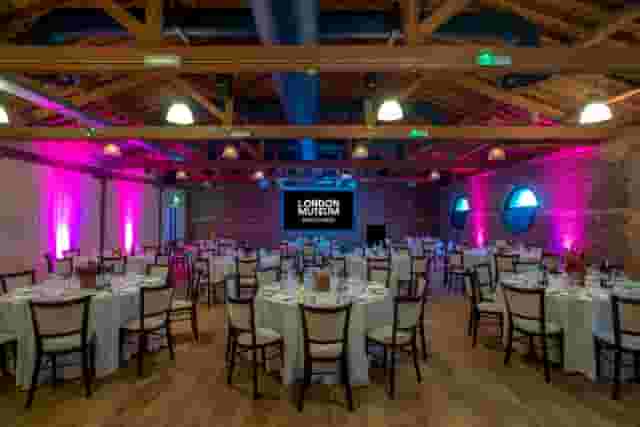
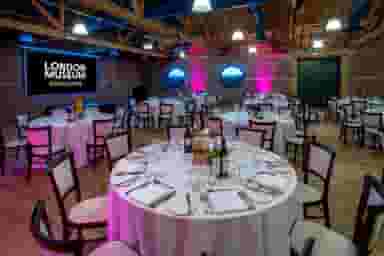
Large-scale halls suit formal dinners, company celebrations and large drinks receptions where the gathering needs to stay unified in one open room. In Greenwich, the National Maritime Museum offers the Ocean Map, an expansive space covered by a glass ceiling that accommodates up to 1000 guests for a reception. Its sheer scale allows for elaborate staging, live presentations and banqueting layouts without feeling cramped. Similarly, London Museum in Smithfield features Our Time, a versatile space set inside a restored Victorian market that also holds up to 1000 people for receptions. Rooms of this scale provide a clean, dramatic backdrop while leaving plenty of floor area for staging, bar counters and food stations.
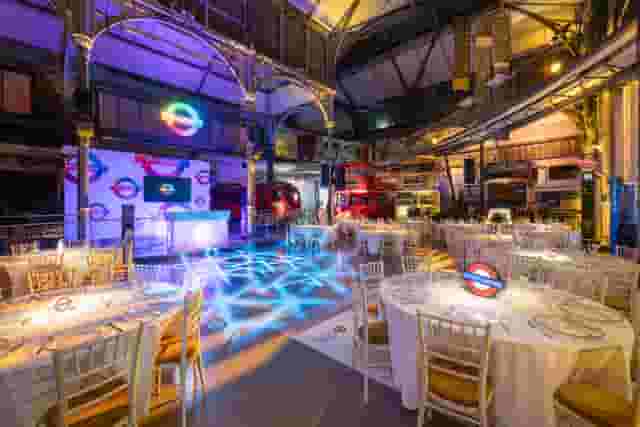
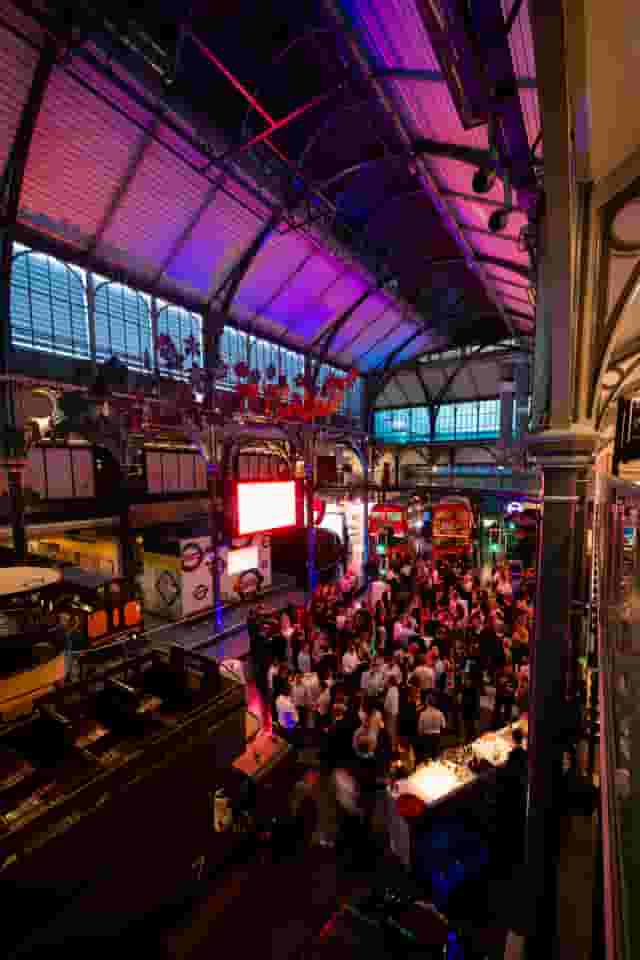
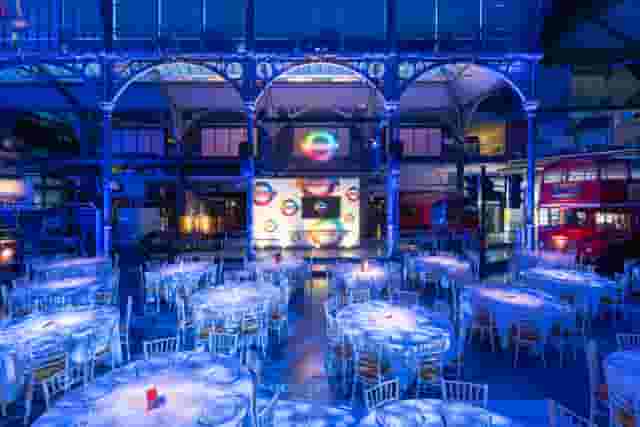
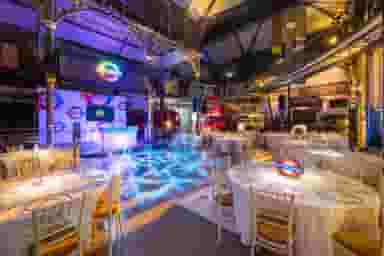
Specialised museums offer a different dynamic. Instead of keeping everyone in one central hall, they encourage guests to explore exhibits during the event. At the London Transport Museum in Covent Garden, the Museum Galleries hold up to 600 standing guests across two floors. Attendees can wander among historic buses, trams and Tube carriages with a drink in hand, which naturally breaks down conversational barriers and keeps energy high without requiring scheduled entertainment.
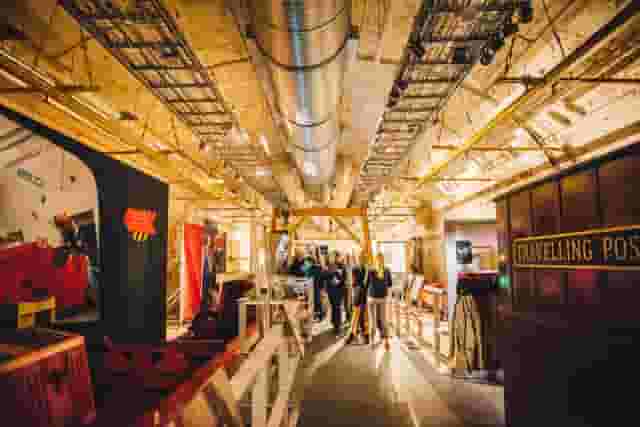
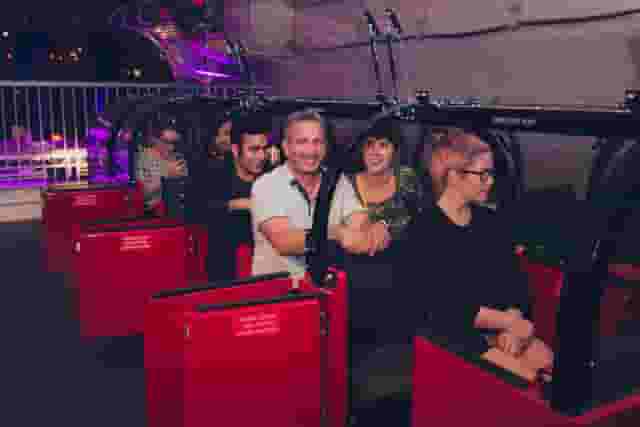
For events where curiosity and shared experiences are central, smaller and more unusual spaces work well. The Postal Museum in Farringdon provides an industrial setting in its Mail Rail space, holding 275 guests for a reception. It combines an underground rail depot with the chance to take a subterranean train ride through historic tunnels, giving guests a memorable shared talking point. To discover settings with that level of character, Hire Space is a venue booking platform backed by a team of real people who own the outcome. Through Deep Venue Research, you can look across the market to pinpoint unusual spaces tailored to your guest numbers, building a shortlist in minutes rather than waiting days for responses.
When selecting between these styles, consider how structured your evening needs to be:
| Event style | Venue layout priority | Guest interaction | Recommended setting |
|---|---|---|---|
| Large company celebration | Single open floor with high ceilings | Centralised speeches, dancing and formal food stations | Broad architectural halls and covered atriums |
| Networking reception | Split level or linear gallery walkway | Fluid mingling, exploration and self-guided tours | Transport, industrial or specialist narrative collections |
| Client entertaining | Focused architectural gallery | Low-volume conversation, seated dining and curated presentations | Design, science or fine art gallery rooms |
| Panel or presentation dinner | Tiered or structured space transitioning to dining | Attentive listening followed by seated conversation | Deconsecrated heritage spaces or purpose-built museum theatres |
Managing timelines, access windows and public opening hours
The central operational reality of hiring a museum is that most are public institutions first and event venues second. This affects your load-in times, your sound checks and the overall running order of the evening.
Most major London collections remain open to the public until 17:00 or 18:00. As an organiser, your team and your suppliers usually cannot begin setting up inside primary public galleries until the final daytime visitors have left and security has cleared the floors. This leaves a tight window, frequently between 60 and 90 minutes, to bring in production, position furniture, set tables, establish satellite bars and prep the kitchen before guests arrive at 19:00.
Spaces like the Earth Hall at the Natural History Museum (London) in South Kensington, which holds up to 400 guests for a reception, sit at the heart of public visitor routes. Hosting an event beneath its celestial display and stegosaurus skeleton means your catering and production suppliers must operate with military precision during changeover. Choosing suppliers who have worked in that specific museum before is vital, as they understand the loading bays, goods lifts and security gates.
Some venues offer spaces that operate independently of daytime public flow, allowing earlier access for complex AV builds, stage construction or rehearsal runs. At IWM London - Imperial War Museum in Waterloo, the Atrium accommodates up to 400 people for evening receptions and dinners beneath suspended aircraft. While the main atrium functions as the public heart of the museum during the day, daytime suites within the building can sometimes be booked alongside it, giving event teams an operational base before the evening handover.
When negotiating your tenancy schedule, clarify three practical timing points:
- Supplier access: establish the exact minute your technical and catering suppliers can drive onto the loading bay and take service lifts to the event floor.
- Visitor clearance: ask how long security protocols take between public closing and giving your team handover of the room.
- De-rig deadlines: check whether breakdown must happen immediately after the event ends at 23:00 or midnight, or if items can be collected the following morning. Overnight collections avoid costly out-of-hours transport charges.
Budgeting, quote structures and catering regulations
Budgeting for a museum event requires a different approach than booking a hotel ballroom or private dining room. Hotels often package room hire, food, drink and basic staff into a single per-person delegate or banqueting rate. In contrast, museums frequently operate on a dry hire basis, where you pay a facility fee for the room and contract catering, production, security and staffing separately.
Based on 8 quotes from the venues on this page for corporate events, pricing typically sits at £78 to £128 per head. This figure assumes a party size of about 50 guests.
Because this per-head range is an estimate derived from real booking data, it is helpful to look at what drives quotes towards the lower or higher ends of that bracket:
- Towards the £78 end of the range, quotes generally represent events hosted in secondary galleries, private museum suites or evening drinks receptions that use simple ambient lighting, standing finger food or bowl dishes, and standard wine packages from an approved supplier.
- Towards the £128 end of the range, quotes reflect larger primary galleries, seated multi-course banquets, bespoke staging, live entertainment infrastructure and additional staffing required to oversee collections during the night.
Catering models in museums are governed by conservation rules. Historic environments cannot risk grease fires, excessive steam or pest introduction, meaning open gas flame cooking is rarely allowed inside public gallery rooms. Instead, caterers use dedicated backstage preparation rooms, cold plating stations or mobile induction equipment.
Most museums manage this by operating an approved supplier list. These are independent caterers and production houses who hold vetted accreditation, possess the required public liability insurance cover, understand site security clearances and know how to operate without endangering exhibits. Some museums offer an in-house catering team for ease, while others permit off-list caterers only upon payment of an concession fee and detailed risk assessments.
Before committing, confirm what the venue fee covers. The baseline hire fee normally includes building security, basic ambient lighting and standard post-event cleaning. However, items such as gallery invigilators to protect displays, dedicated cloakroom attendants, kitchen buyout surcharges and waste removal fees are often invoiced on top. Ask for a complete schedule of supplementary charges during your initial pricing review so your overall budget remains accurate. Hire Space 360 is enterprise venue and hotel procurement for companies spending £1m or more a year on meetings and events: a managed meetings and events programme, the kind procurement teams call strategic meetings management. It places every venue contract, caterer and technical partner onto a single supplier agreement with consolidated invoicing, ensuring every event adheres to your company event policy while giving finance teams live spend reporting. Learn how Hire Space 360 works for procurement to simplify billing and audit controls across multiple departments.
Navigating conservation rules, heritage restrictions and production
The features that make a museum an appealing setting can also present strict operational rules. When an event takes place in the presence of fragile artefacts or inside a listed structure, conservation teams set clear operational limits.
At The Science Museum in South Kensington, Mathematics: The Winton Gallery can hold 400 guests for theatre-style dining events. The gallery features curved mathematical structures conceived by Zaha Hadid, which means lighting rigs, display signage and sound systems must be freestanding. In historic spaces, suppliers cannot attach cables to walls, tape down carpets with heavy-duty adhesives, or drill fixing points into architraves.
Similarly, the London Museum Docklands in West India Quay houses the Wilberforce Room, a Grade I-listed warehouse space holding 350 standing guests. Its exposed brickwork, original pine columns and historic timbers create a distinct warehouse setting, but listed status means strict smoke machine bans, careful heat emission controls for spotlights, and weight restrictions across floorboards.
When planning production inside galleries, expect to encounter several common operational policies:
Liquid and food limitations
Certain museums restrict red wine, dark fruit juices and hot gravy in specific historic galleries containing sensitive textiles, raw stone or untreated wooden flooring. Caterers will supply clear spirits, white wine, pale cocktails and mess-free canapes in those zones, saving heavier courses for separate dining halls.
Sound and vibration monitoring
Bass frequencies can physically vibrate fragile display cabinets and delicate specimens. In spaces with hanging exhibits or glass vitrines, the venue's conservation officer will set maximum decibel limits and cap low-end audio frequencies. If you are planning an awards ceremony or live musical performance, have your sound technicians liaise directly with the venue team about audio thresholds.
Lighting and heat output
Hot halogen lights can dry out organic artefacts and raise ambient temperatures in rooms designed to protect artwork. Production suppliers must use cool LED fixtures. Flashing strobes or heavy haze are also routinely prohibited because they can trigger sensitive fire detection systems or disturb the display environment.
Guest journey, arrival logistics and transport links
A successful corporate evening balances visual theatre with ease of travel. Because many London museums sit in historic quarters, residential conservation areas or pedestrianised public squares, planning guest arrivals and late-night departures requires careful thought.
Consider the transport links and walking routes from nearby stations:
| Venue | Primary stations | Transit style |
|---|---|---|
| London Museum Docklands | West India Quay, Canary Wharf | DLR, Elizabeth line, Jubilee line |
| London Transport Museum | Covent Garden, Leicester Square, Charing Cross | Piccadilly line, Northern line, rail |
| The Postal Museum | Farringdon, Russell Square, Chancery Lane | Elizabeth line, Thameslink, Tube |
| Natural History Museum (London) | South Kensington | District, Circle and Piccadilly lines |
| IWM London | Waterloo, Lambeth North, Elephant & Castle | Bakerloo line, rail, Northern line |
| National Maritime Museum | Cutty Sark, Greenwich | DLR, rail, river boat |
The arrival sequence sets the tone for your event. Unlike commercial venues with simple glass shopfronts, museums often feature expansive entrances, formal gates or external flights of stone steps.
Signage is essential. When guests arrive at a large national museum after public hours, the primary public gates may be locked, directing attendees to a dedicated corporate entrance or side pavilion. Ensure your confirmation materials clearly state which door to use, and place branded staff or directional boards at street level to guide people straight from the pavement to your reception desk.
Internal movement is just as important. Museums can be disorienting when navigating from an entry foyer through unlit galleries to reach the private event room. Work with venue hosts to staff every key junction, stairwell and lift lobby. This maintains security protocols around non-hired galleries while ensuring that guests reach the drinks reception, cloakroom and bathrooms quickly.
Finally, review departure plans. Venues in central areas like Covent Garden or Farringdon allow guests to step directly onto lively streets with quick access to night Tubes, Elizabeth line connections and taxi ranks. Venues situated in park settings or dockland quays may require pre-booked taxi coordination, private coaches or clear walking directions back to the nearest public transport hub as the evening wraps up.
Structuring your catering and drinks schedule
How you pace food and drink service will dictate the social flow of your event, particularly when guests are eager to look at the exhibits around them.
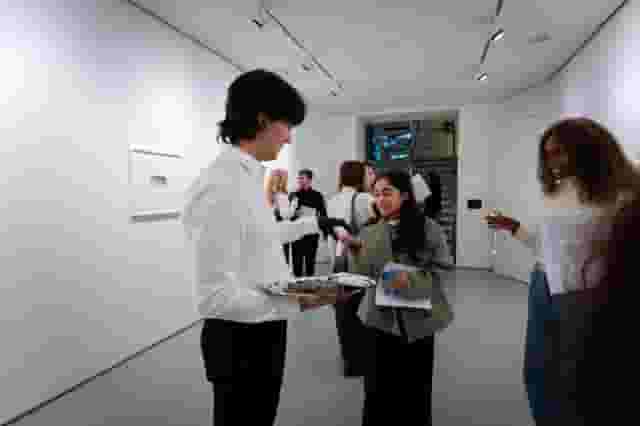
For a standing reception, an uninterrupted two-hour drinks window allows guests to arrive, check their coats, collect a glass and begin mingling. If your hired gallery allows guests to walk among displays, tray-passed drinks and bite-sized bowl food are far more practical than elaborate buffet stations. Food stations create static queues and concentrate foot traffic in one corner, whereas roaming waiters circulate evenly through the gallery, drawing guests across the entire floor plan.
If your event involves a seated dinner, plan for a natural transition between spaces. Many companies host their opening drinks reception within an interactive display gallery or entrance hall, before moving guests into a dedicated banqueting space or central atrium for food and speeches. This split keeps guests engaged: they experience the novelty of an exhibition during the first hour, followed by the comfort of a structured seated meal where table service, speeches and presentations can take place without distraction.
Always review the museum's alcohol licensing terms early in your planning. Many museums hold premises licences that permit alcohol service until 23:00, with all guests off-site by 23:30 or midnight. If you require a late licence for music, drinks or dancing, check whether the museum can apply for a Temporary Event Notice or if their existing building operating schedule has strict cut-off hours to accommodate morning cleaning crews. Factoring these details into your initial brief ensures your company event runs smoothly from the first welcome drink to the final taxi home.
What our customers say
Inspiration and planning guides

The Top 5 Museum Venues In London
London is a city full of Museums and while they have long fascinated and informed countless visitors, their full potential as prime event spaces is yet to be realised. James Roche presents five top London Museum Venues. Foundling Museum Source: foundlingmuseum.org.uk If you're anything like the couple in the above photograph and you fancy celebrating post-wedding with a rendition of Billy Joel's [http://www.billyjoel.com/?utm_source=The%20London%20Review&utm_medium=Blog&utm_campaign=A%20Night%

Unique Venue of the Month: Madame Tussauds
Legendary Madame Tussauds really needs no introduction, so we could pretty much just end this blog right here. But the home of wax figures has such a rich history that we'd be remiss not to share it. The wax-centric museums are now dotted around the world – there are branches in Beijing, Tokyo, Sydney, San Francisco and Orlando – but the experience grew from humble beginnings. The Madame herself – born as Marie Grosholtz – sculpted her first wax figure of Voltaire in 1777, but it was still a

Dazzling Award Ceremonies at the Museum of London
The name doesn't lie: The Museum of London [https://hirespace.com/Venues/London/2451/Museum-of-London] is a museum showcasing all things London, providing a history of the city from its very beginnings to the current day. Londoners can learn about the background of their home city, and tourists can marvel at the history of one of the most iconic places on Earth. And, as well as educating the community on the fascinating eras such as Roman London, Medieval London and the Civil War, the museum is
One supplier. Every venue. Full visibility on what you spend.
Multiple venues and events. One agreement.