Galleries for Hire in Central London
Compare gallery spaces across Central London with indicative pricing and real availability, from historic institutions to modern white rooms.
609 Galleries for Hire in Central London












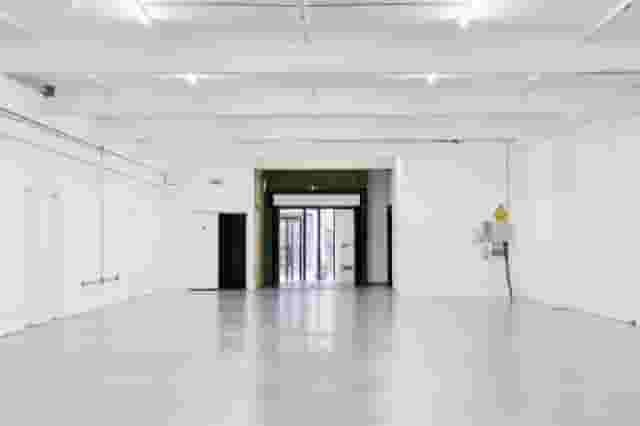
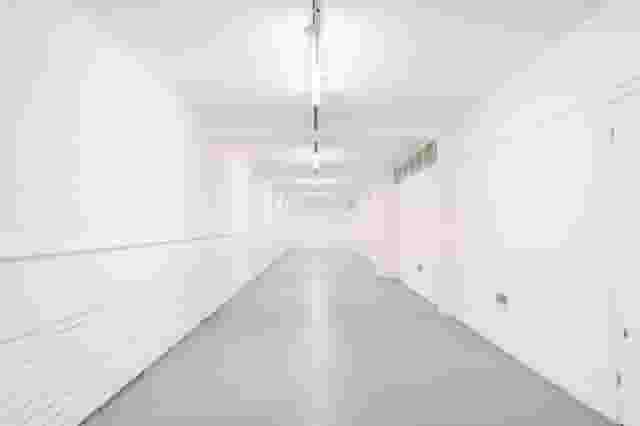
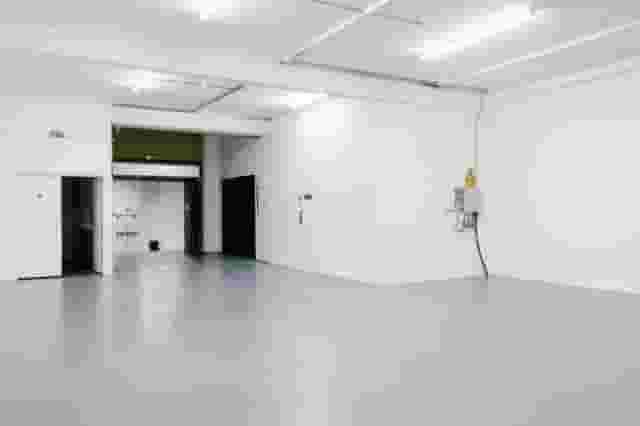
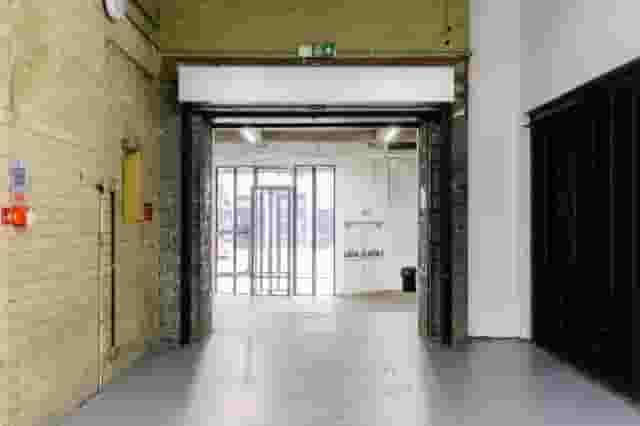

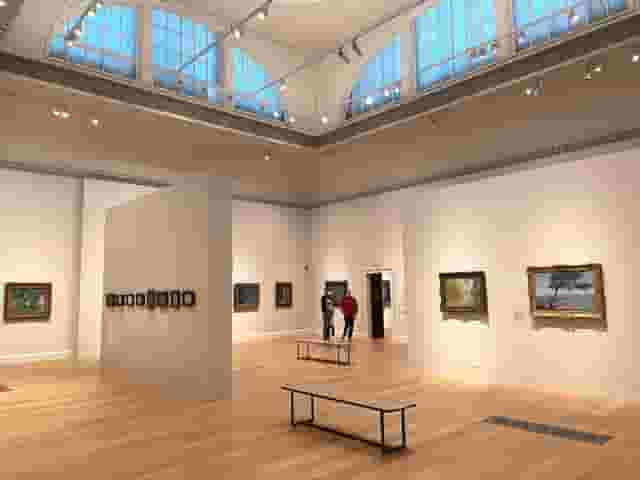
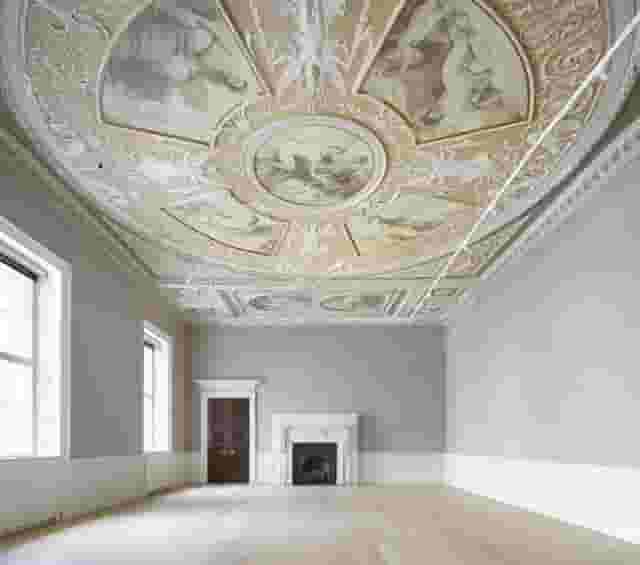
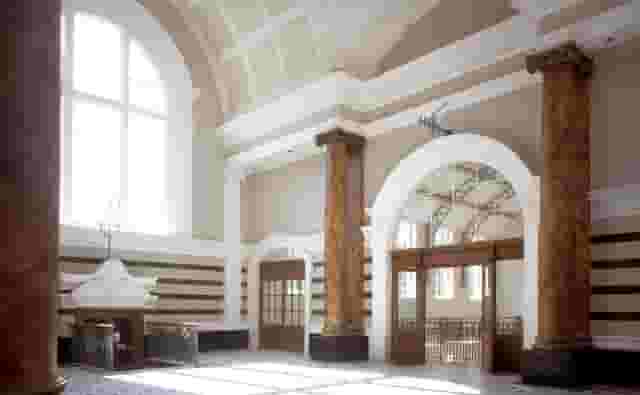
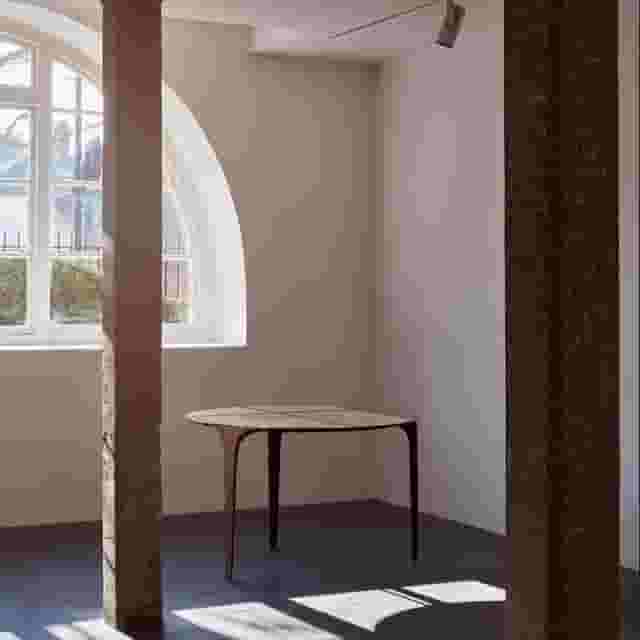



















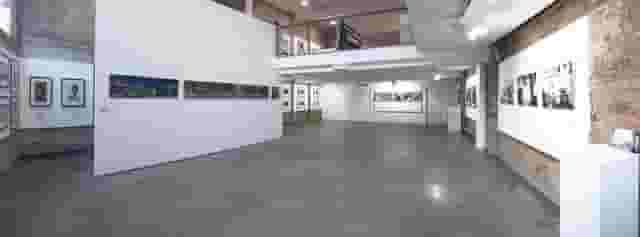
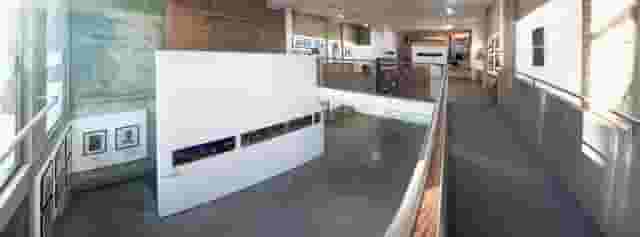

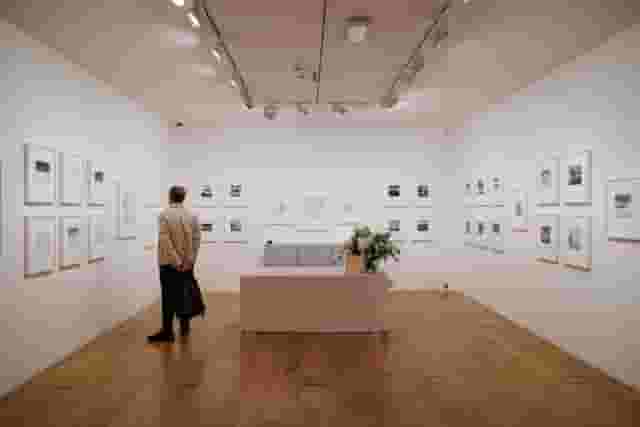
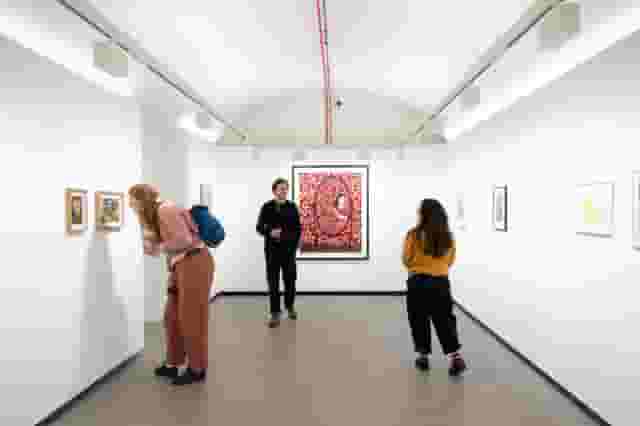
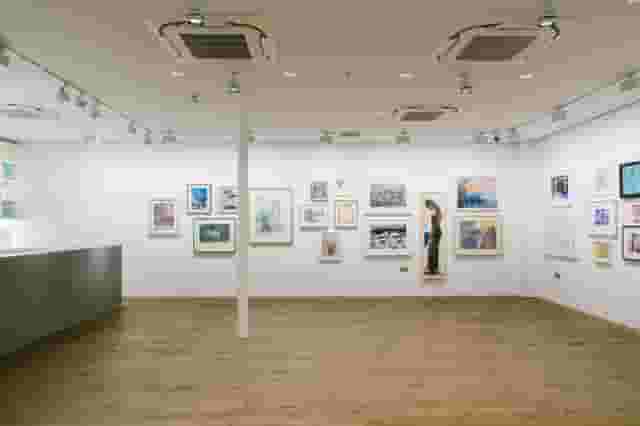
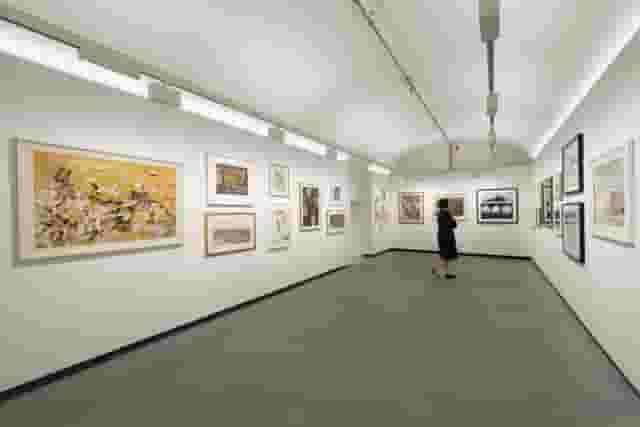




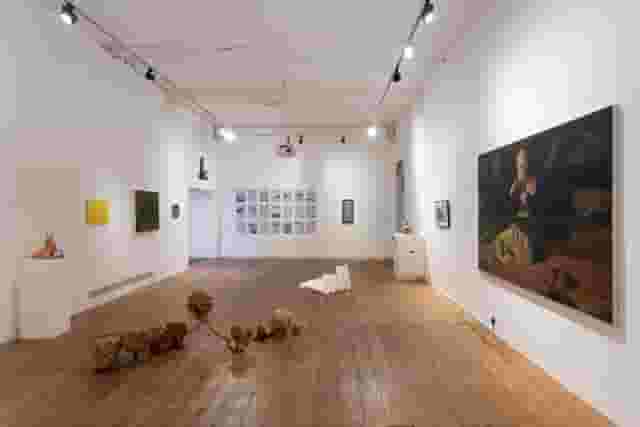
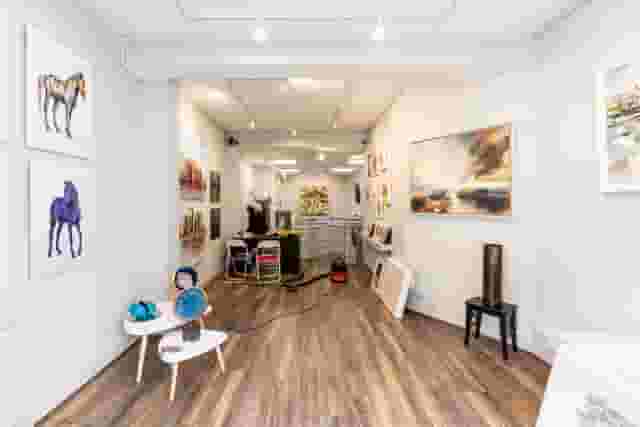







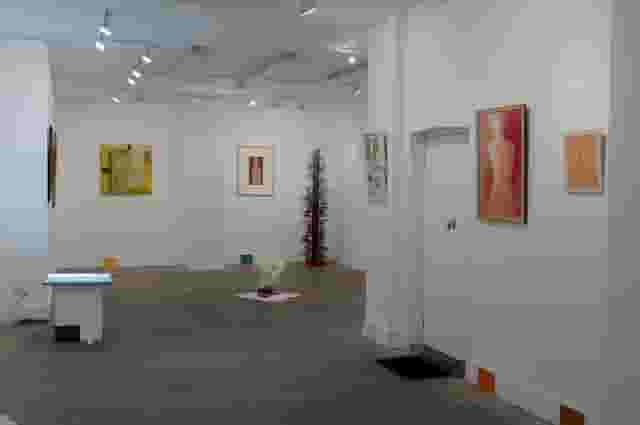
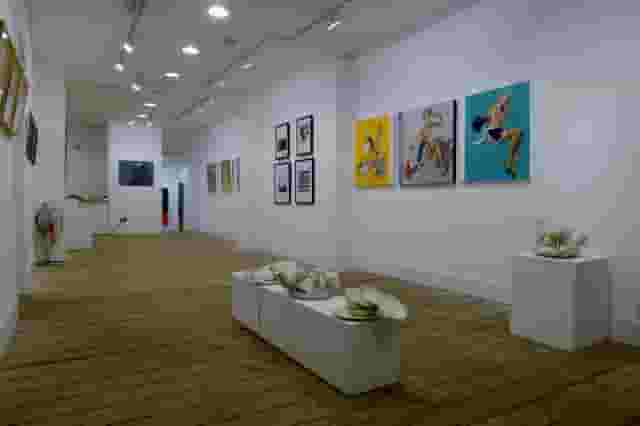
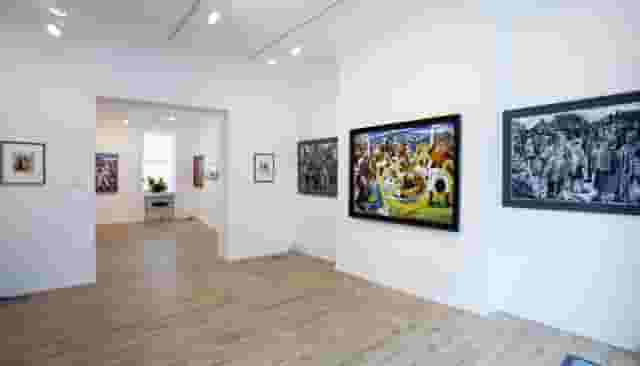
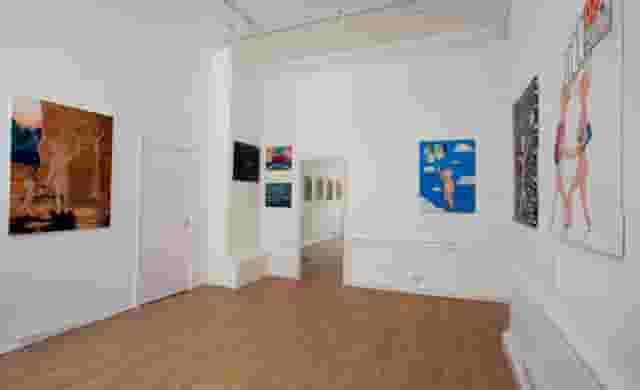
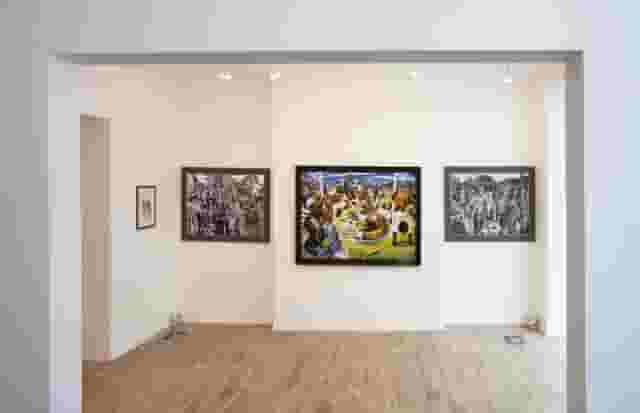
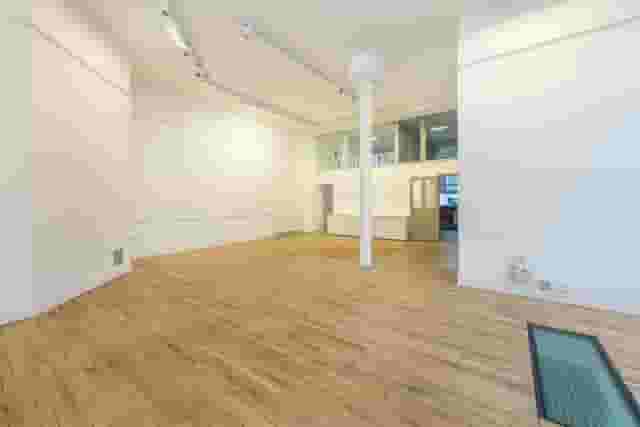
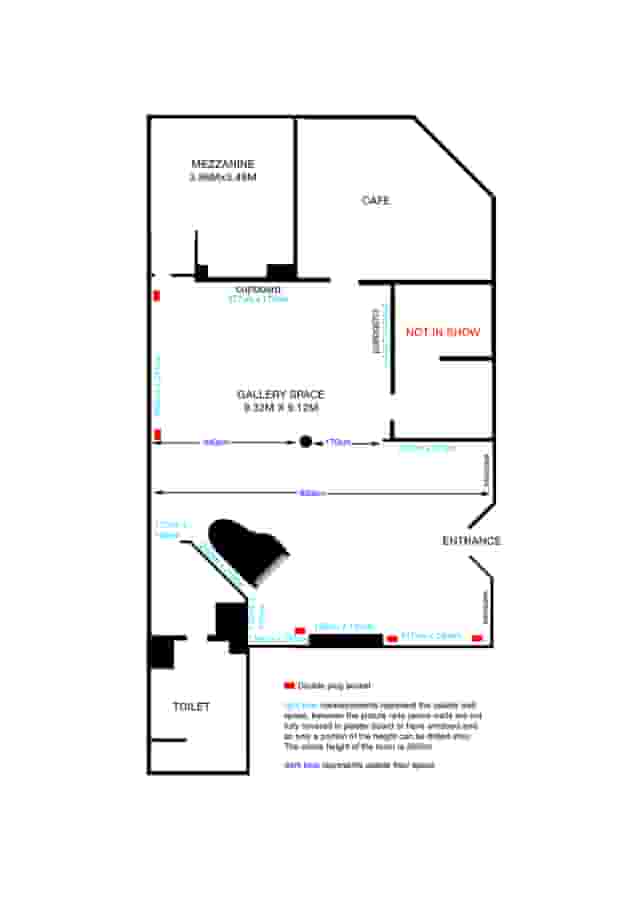
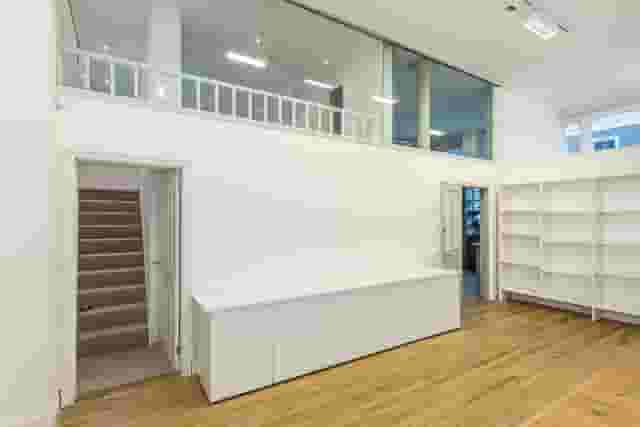
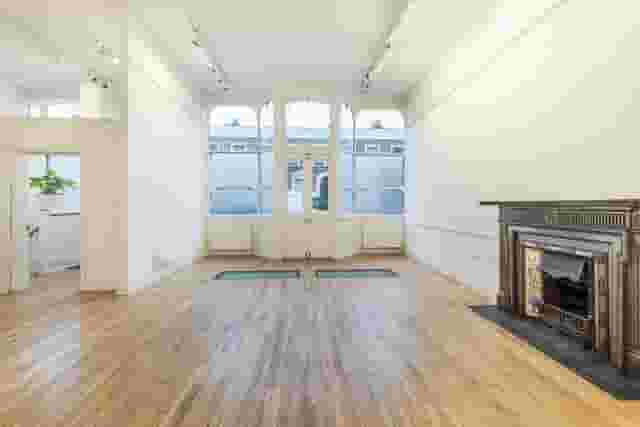
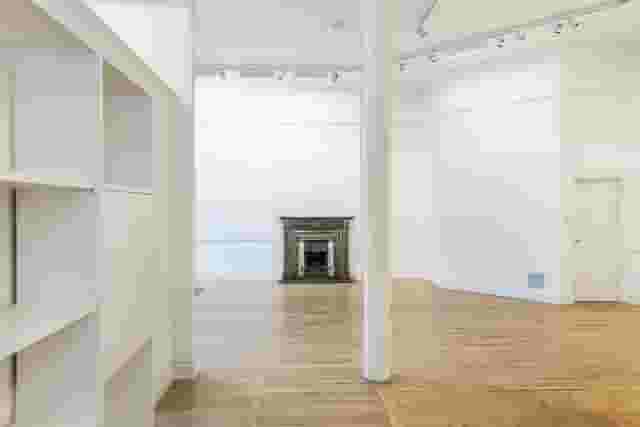
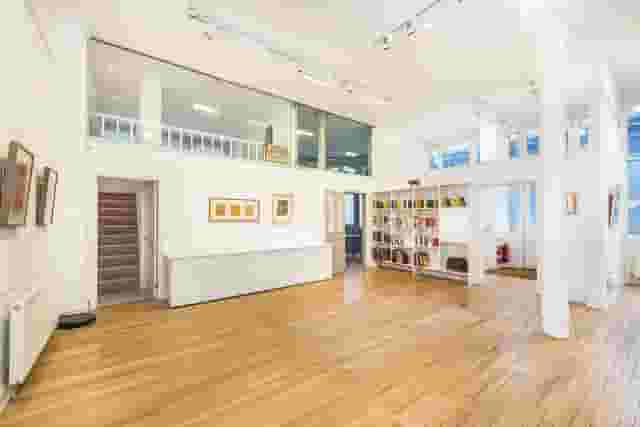
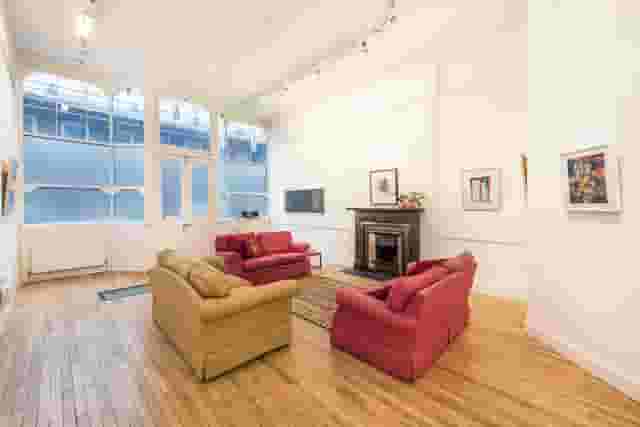





























No venues match these filters
Try widening your capacity, luxury level or event type.
Don't have time to search? We'll find it for you.
For business events that need human judgement, talk to our team. Free for events of 100+ people, budgets over £10k or ongoing programmes.




Explore more venues in Central London

Frequently asked questions
Are there intimate galleries in Central London?
What size gallery is ideal for exhibitions?
What gallery features suit corporate events?
How to select a gallery for contemporary art?
How to ensure art safety in gallery venues?
How does a gallery’s architectural ambience enhance corporate events?
What essential features should a Central London gallery venue offer?
Which Central London areas offer excellent transport links for gallery events?
What is the average lead time for booking a gallery event in Central London?
What are typical price ranges per head for gallery events in Central London?
How can event planners manage logistics in a busy Central London gallery?
What technical equipment is essential in a modern gallery event?
How can I plan timing for an art exhibition in a Central London gallery?
What are the deposit terms for booking a Central London gallery event?
Are there additional costs beyond the basic hire for gallery events?
Other platforms search their database. We search everything.
Tell us what you need. Our deep research finds any venue, whether it's in our marketplace or not. No one else does this.
About Galleries in Central London
Balancing public access, exhibition calendars and corporate timelines
Hosting a corporate gathering inside an art gallery requires a different operational approach than booking a traditional hotel suite or private dining room. Most central London art institutions operate as public visitor attractions throughout the day. This operational rhythm dictates access schedules, supplier delivery windows and overall event timings.
When you plan an evening reception or private dinner, the load-in schedule is linked directly to museum closing times. Public galleries generally clear their final daytime visitors between 17:00 and 18:00. Production teams, caterers and florists cannot begin setting up in the display rooms until the public has fully vacated the galleries and security teams complete their clearance sweeps. If your event calls for guest arrivals at 18:30 or 19:00, your suppliers face a tight turnaround window of 60 to 90 minutes. In that time, they must bring in bar structures, arrange poseur tables, set up discreet back-of-house finishing kitchens and sound-check microphones.
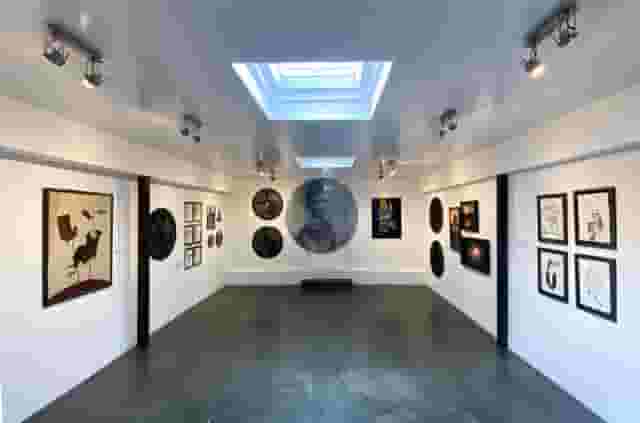
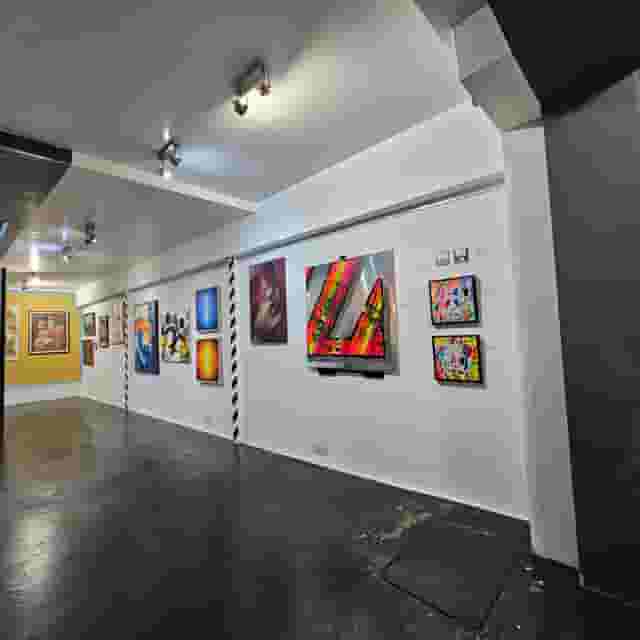
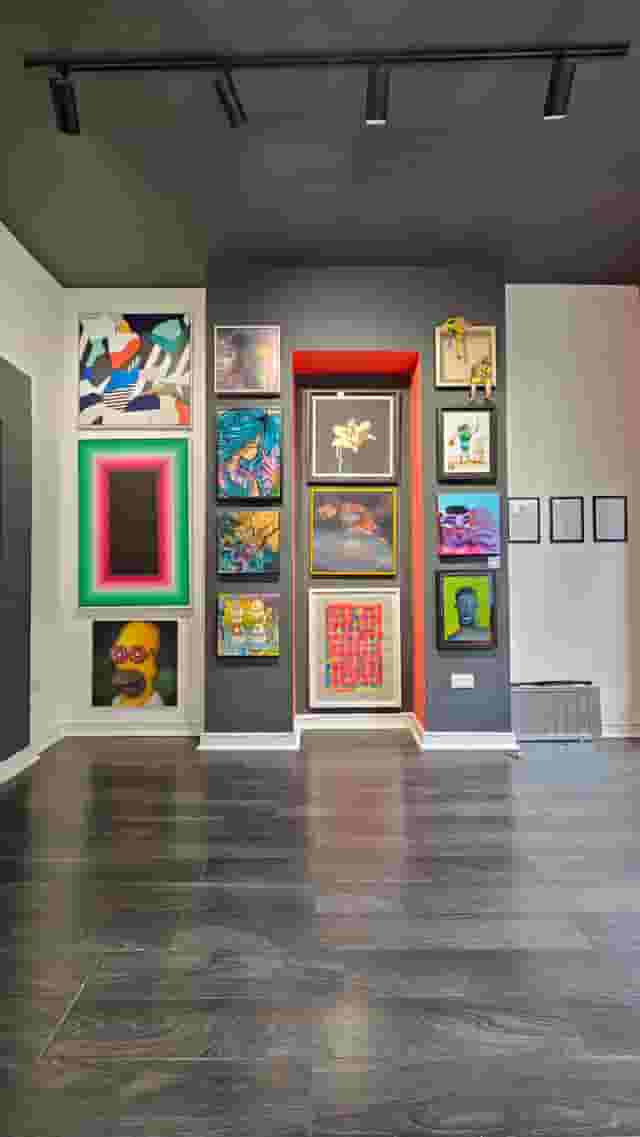
For events requiring extensive staging, elaborate floral displays or complex audio visual production, you should look for spaces that offer daytime tenancy or private wings separated from public ticket holders. Commercial and private galleries frequently offer more flexible access hours because they do not carry the operational footfall of national institutions. Commercial spaces like Red Wolf Mayfair, which holds up to 250 guests standing, allow earlier supplier access for evening events since they operate on independent commercial schedules rather than public museum hours.
Lead times also require early attention. For an evening corporate reception for about 50 guests, you should begin conversations several months in advance. Major institutions schedule their temporary public exhibitions up to two or three years ahead. An exhibition changeover period, often referred to as dark weeks or installation periods, can close specific gallery rooms entirely for private hire. If an exhibition changeover is underway, delivery bays, service lifts and public halls may be closed to private suppliers while high-value crates are moved. When enquiring, confirm whether the exact room you want to hire will have its permanent collection on view or whether a temporary show will alter the layout and wall space. You can review ideas for pairing collections with receptions in our overview of five London art galleries for your next event. To navigate complex exhibition calendars and confirm availability quickly, venue booking platform Hire Space backs its technology with a team of real people who own the outcome. Planners can also use Deep Venue Research to search beyond standard directories and shortlist suitable spaces in minutes rather than waiting days for venues to reply.
| Gallery Type | Typical Access Window | Production Flexibility | Guest Capacity Range |
|---|---|---|---|
| National Institutions | Strictly after 17:00 or 18:00 public closure | Tight setup windows; pre-approved production plans only | 100 to 200 guests per room |
| Contemporary and Commercial Galleries | Flexible day hire or afternoon load-in | High; open wall configurations and adjustable lighting | 80 to 484 guests standing |
| Scaled Exhibition Venues | Multi-day exclusive hire options | Maximum; substantial rigging, staging and staging infrastructure | 350 to 1500 guests standing |
Choosing between period architecture and contemporary white spaces
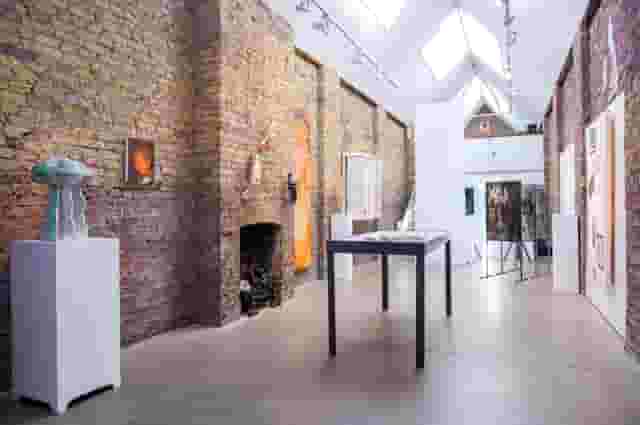
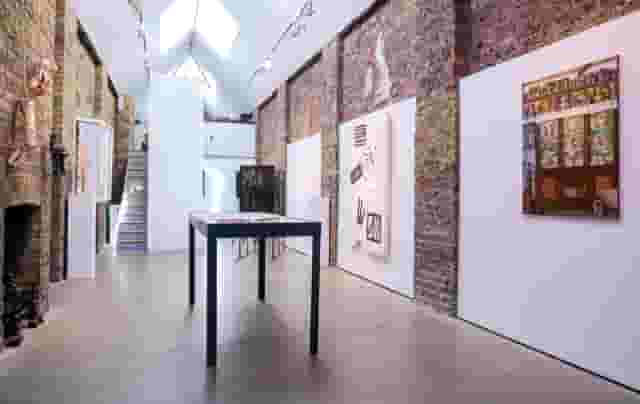
The visual environment of a gallery sets an immediate tone for corporate hospitality, product launches and investor dinners. Central London features two main gallery environments: classical heritage spaces hung with historic collections, and modern white-cube galleries built with clean lines and minimalist fixtures.
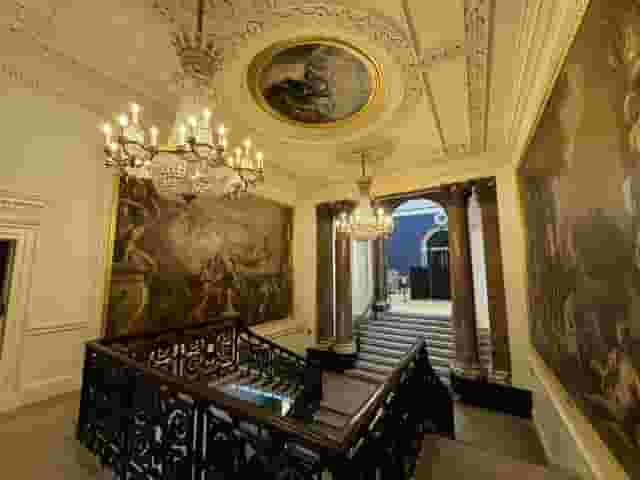
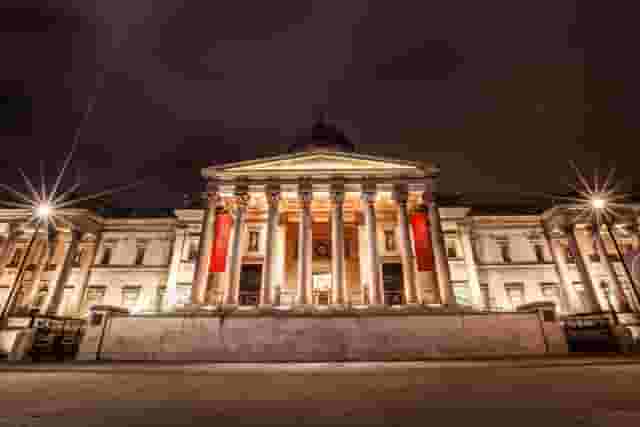
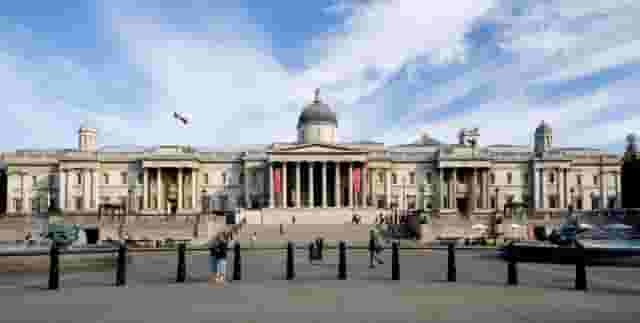
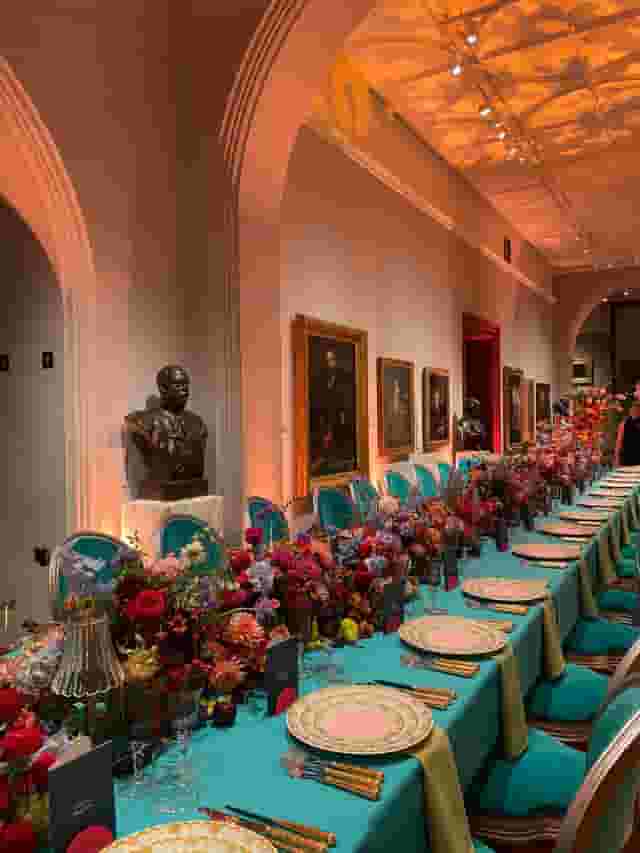
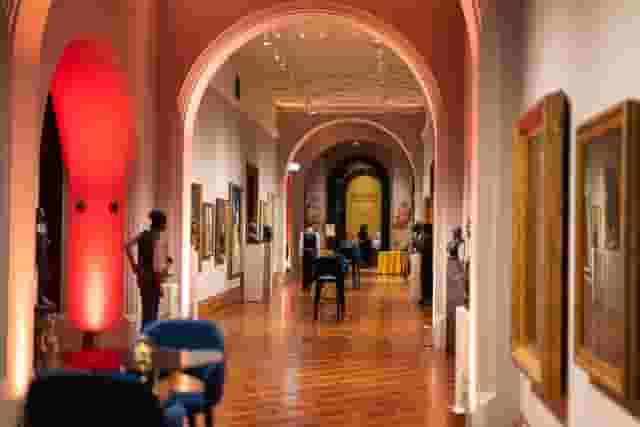
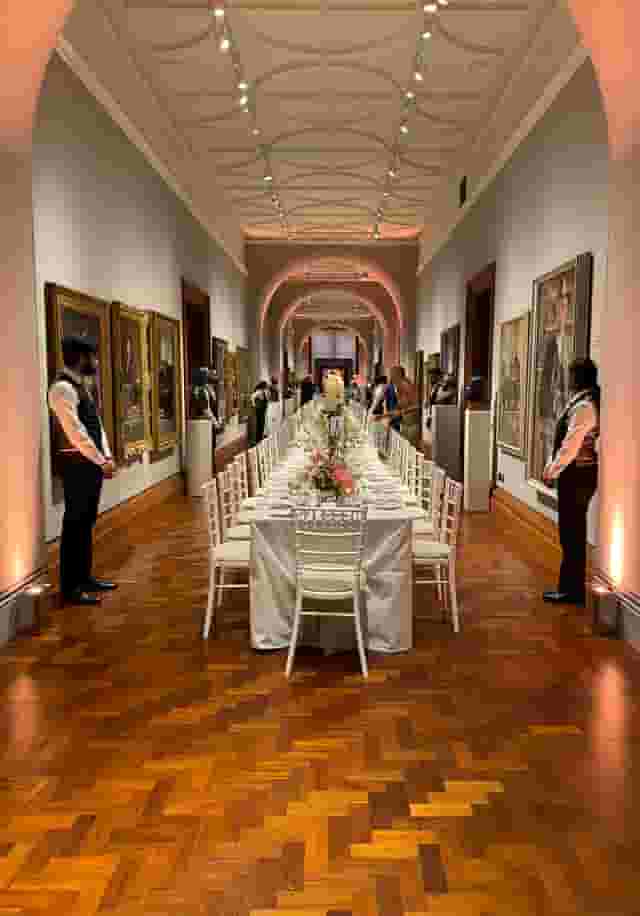
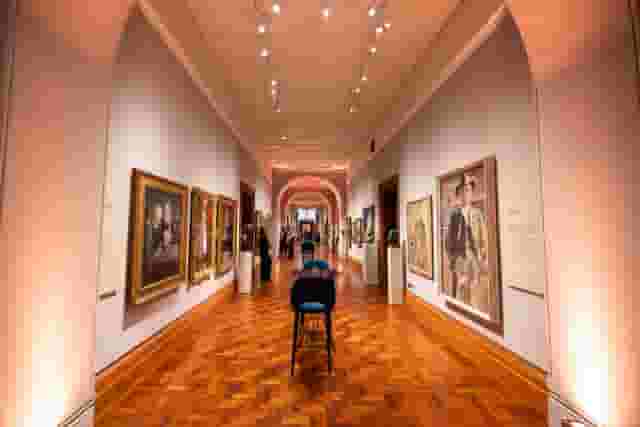
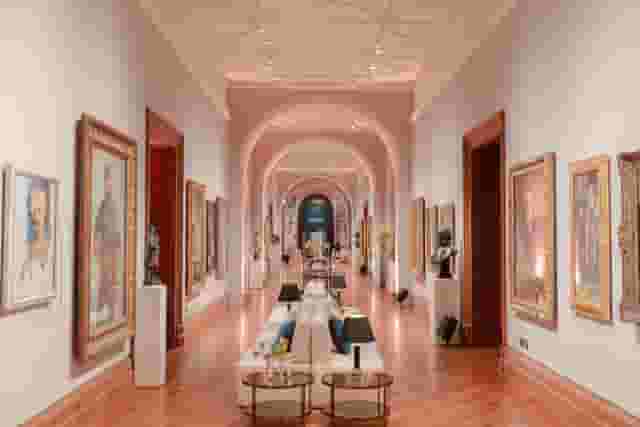
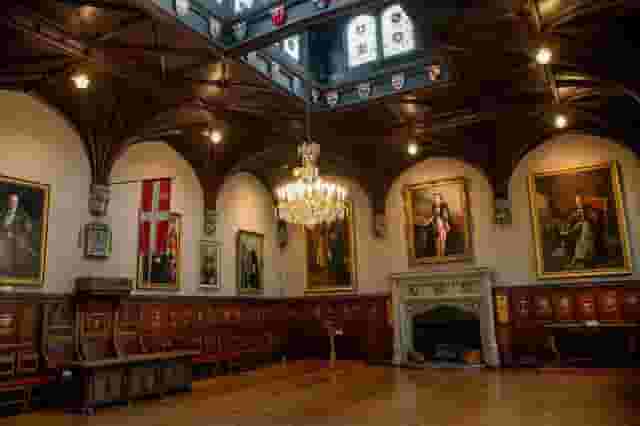
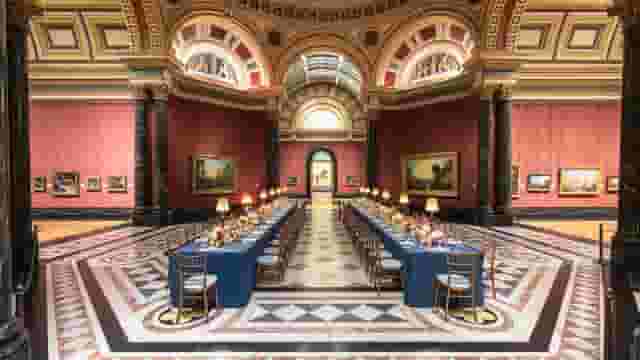
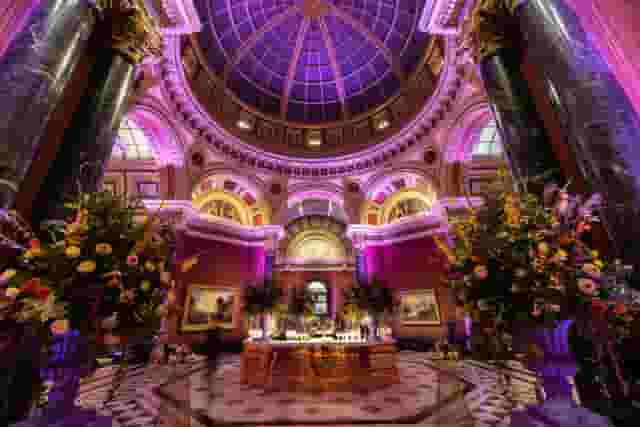
Heritage institutions bring gravitas and period architectural details that require little to no decorative production. Spaces such as the Victorian Galleries at the National Portrait Gallery, accommodating 200 standing guests or 120 seated, surround your attendees with historic oil paintings, high decorative cornices and parquet floors. Similarly, the Yves Saint Laurent Room at The National Gallery accommodates receptions for 100 guests or dinners for 60 guests beneath classic architectural mouldings, placing guests beside major works by Rubens. In these historic rooms, your branding takes second place to the surroundings. The architecture and art collection provide natural talking points, making them well suited to executive dinners and relationship-building receptions. Planners looking at hosting seated dinners among historic masterpieces can explore our practical guide on how to dine with Cézanne at the National Portrait Gallery.
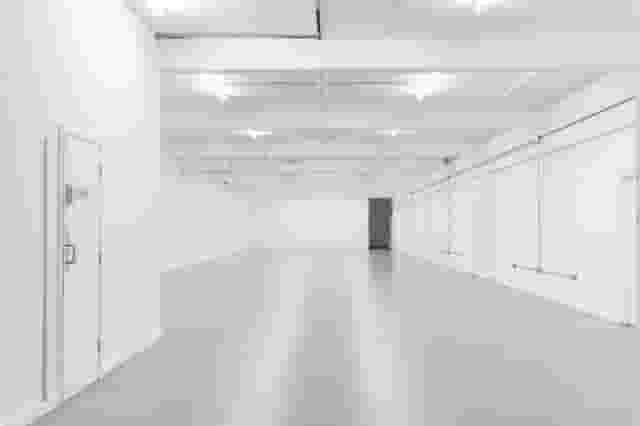
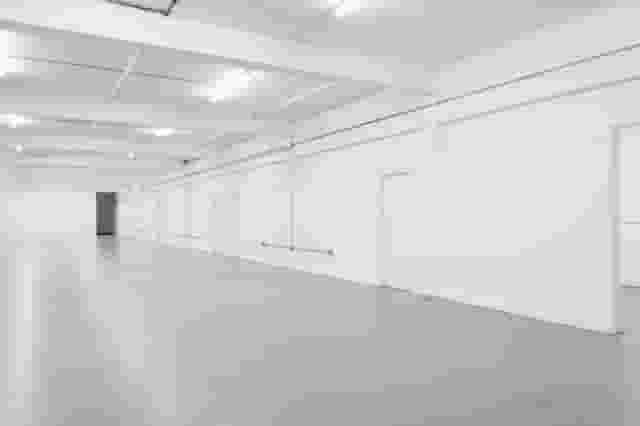
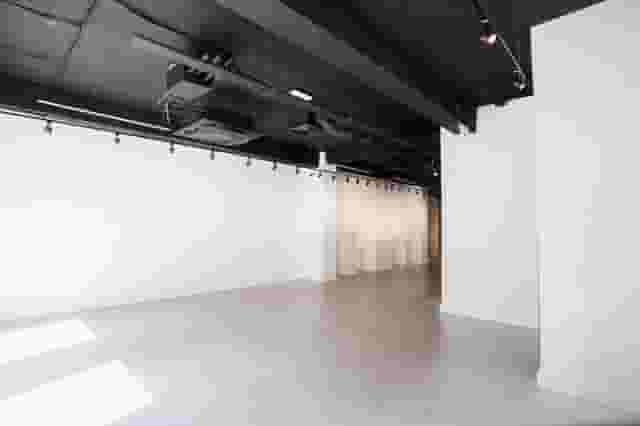
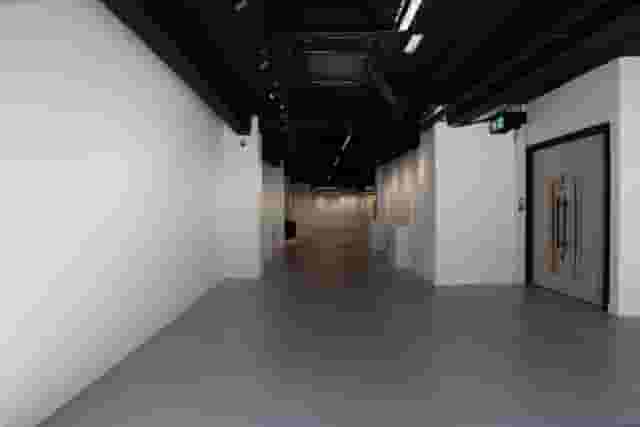
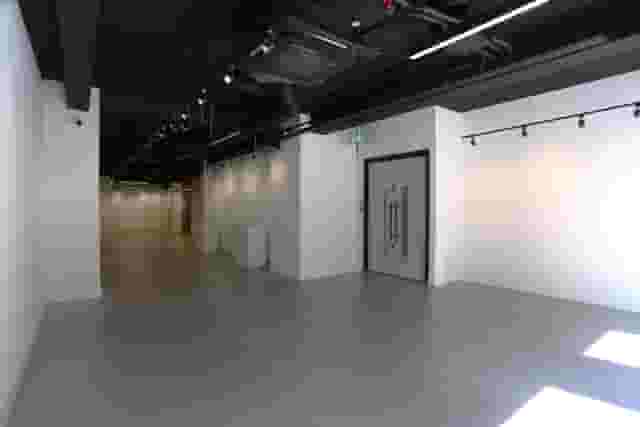
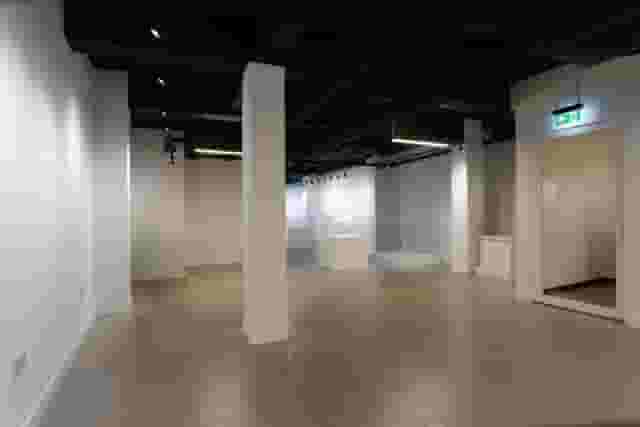
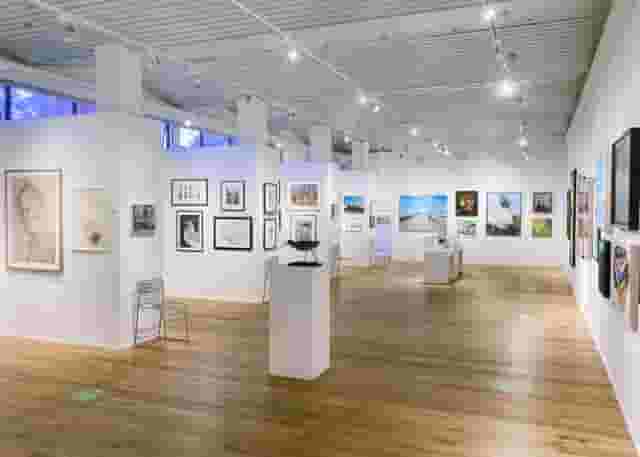
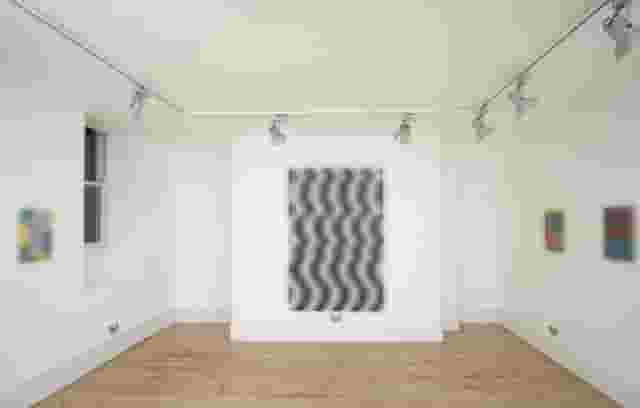
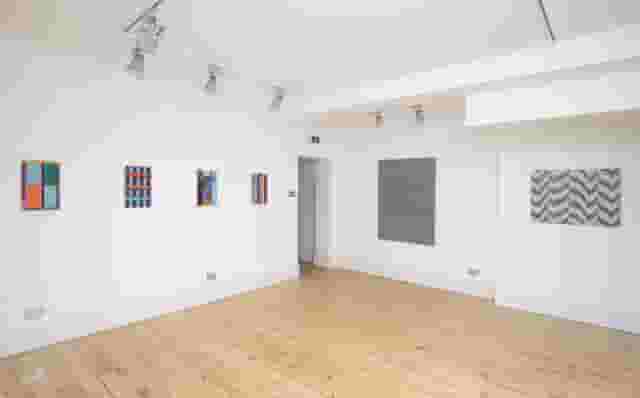
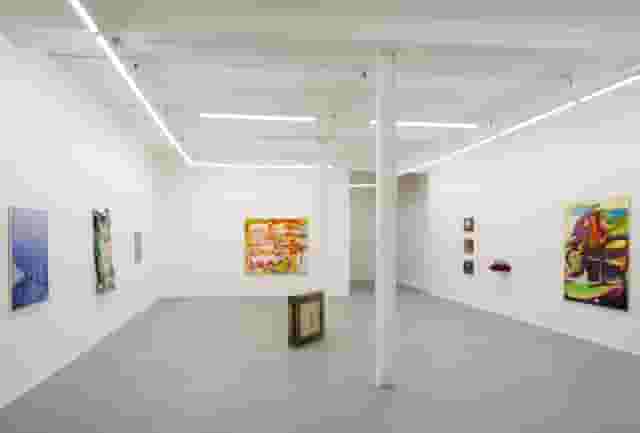
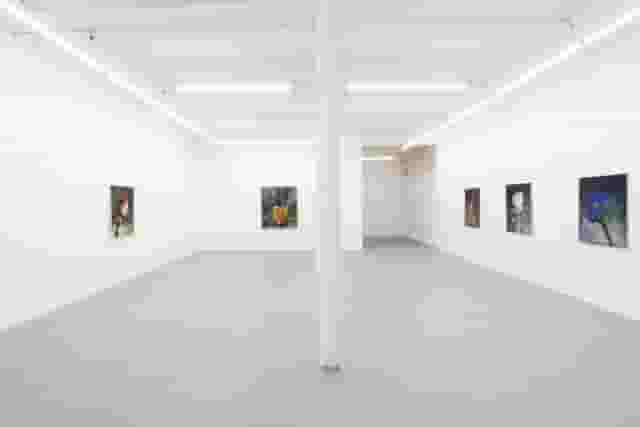
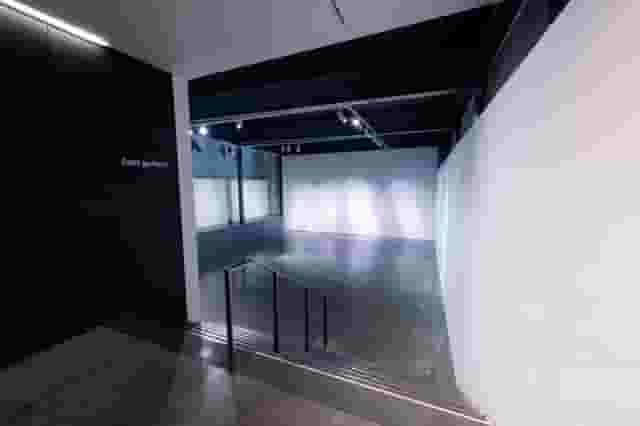
Conversely, contemporary galleries provide an open canvas. A venue like Newport Street Gallery, with its striking zig-zag roof and capacity for 484 standing guests, offers clean lines and vast open floors. Contemporary settings allow corporate planners to introduce targeted branding, technical lighting installations, custom plinths and focused product displays without clashing against period wallpaper or gold-leaf frames.
Large-scale requirements demand galleries with substantial physical volume and multiple interconnected rooms. For large corporate receptions, Saatchi Gallery on King's Road offers a Grade II-listed setting split across 15 modern spaces with a total reception capacity of 1500 guests. This modular layout lets you run drinks in one room, open up dinner in another and host presentations in a third. For central civic gatherings, Mall Galleries can host up to 350 guests standing on an exclusive-hire basis right by The Mall. The venue offers versatile exhibition rooms with clean lines and contemporary lighting rigs that adjust easily to company colour palettes.
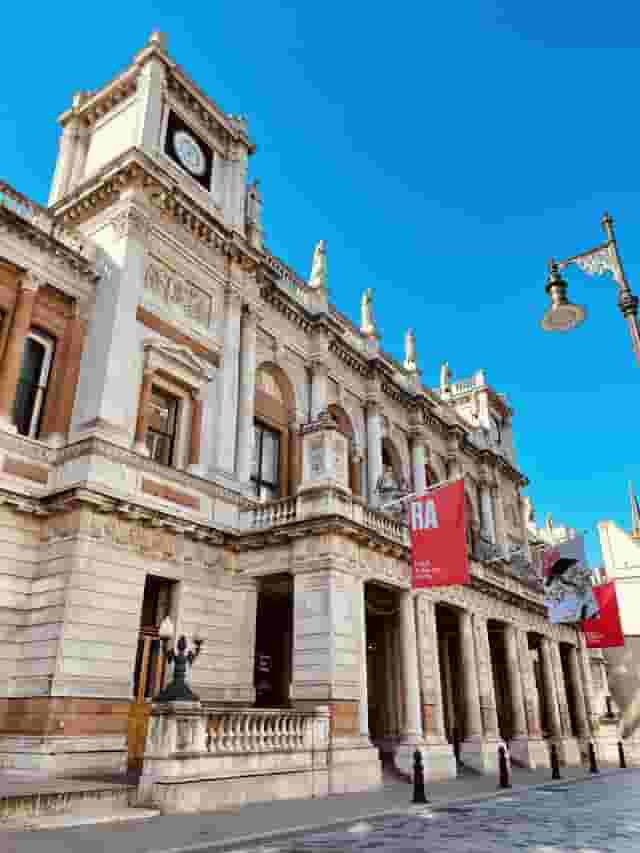
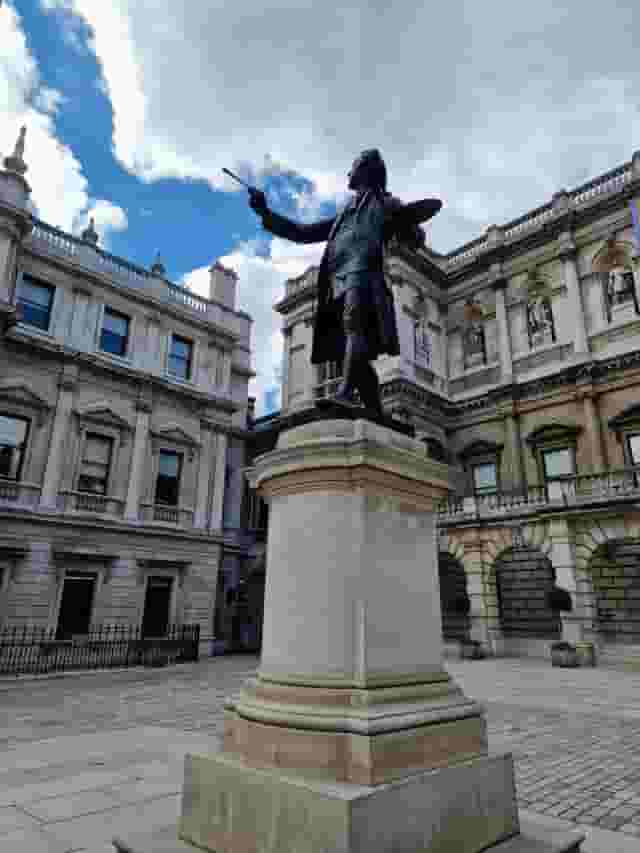
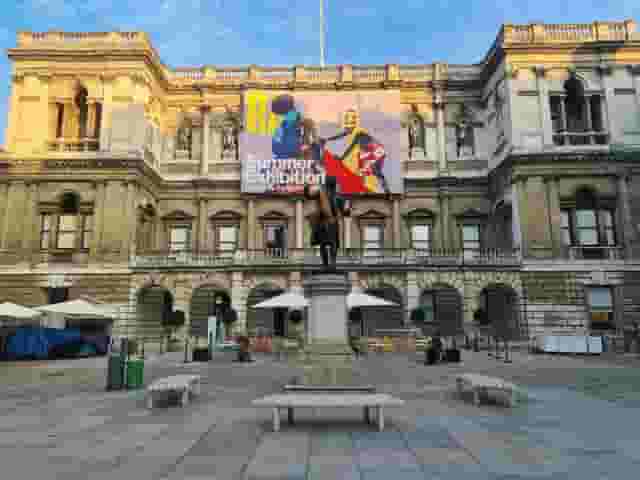
Smaller groups require intimacy rather than sheer volume. Placing 50 guests into a room designed for 500 makes an evening feel poorly attended, regardless of your hospitality budget. For groups between 100 and 200, rooms like the Katja and Nicolai Tangen 20th Century Gallery at The Courtauld Gallery offer a balanced footprint for 200 standing guests among Impressionist and Post-Impressionist masterworks inside Somerset House. In Mayfair, the gallery rooms at Royal Academy of Arts accommodate 150 standing guests inside a historic Palladian mansion, providing an enclosed, focused environment where conversations carry naturally across the room.
Understanding gallery pricing, catering structures and event budgets
Budgeting for a company event in a gallery requires an understanding of how venue pricing breaks down across hire fees, hospitality packages and operational surcharges.
Our pricing records indicate that corporate events in central London galleries typically range from £106 to £260 per head. This figure is indicative, and estimated from what these venues have charged for similar events, based on 6 quotes from the venues on this page for about 50 guests. This pricing assumes that party size, reflecting standard hospitality packages that include a private room, an evening drinks allocation and canape or bowl-food service.
Where your event lands within that range depends on the gallery tier, the format of the catering and the staffing ratios required:
- Towards the £106 end of the range: Quotes typically cover dry hire of an independent gallery or a compact room inside a larger institution, combined with standard wine and soft drink packages alongside cold canapes. At this level, production is minimal, utilising the gallery's existing ambient lighting and basic background sound systems. Setup windows are short, and the event runs for two to three hours.
- Towards the £260 end of the range: Quotes reflect full corporate hospitality within high-profile heritage institutions or exclusive use of prime gallery suites. This budget tier typically covers four-course plated dinners or multi-station hot bowl food, premium Champagne receptions, dedicated coat-check attendants, front-of-house security, museum wardens to protect artworks, and technical production staff managing tailored speech lighting and multi-zone sound.
| Budget Component | Standard Inclusions | Potential Added Costs |
|---|---|---|
| Room Hire | Exclusive evening access during hire hours, house lighting, baseline power, building Wi-Fi | Early access for deliveries, late clearance past 23:00, dark-room fees during exhibition turnarounds |
| Food and Beverage | Canapes or bowl food, wine, beer, soft drinks, bar equipment, basic tableware | Corkage fees for external cellars, kitchen setup fees for venues lacking back-of-house plumbing |
| Staffing and Security | Event manager, bar staff, waitstaff, mandatory gallery invigilators | Dedicated door security, cloakroom attendants, dedicated AV technicians, excess cleaning charges |
Beyond the core per-head cost, gallery hire involves distinct operational extras that you must clarify during contract negotiations. In historic and public galleries, you will almost always encounter mandatory security and conservation staffing charges. Because of the high financial value of surrounding collections, venues mandate a set ratio of invigilators and conservation security staff per room. These costs are often billed on an hourly rate above the base room hire. Hire Space 360 is enterprise venue and hotel procurement for companies spending £1m or more a year on meetings and events: a managed meetings and events programme, the kind procurement teams call strategic meetings management. It puts every venue, supplier and hotel stay on one agreement with centrally negotiated terms, replacing separate invoices with consolidated invoicing. Finance teams gain live spend reporting across every booking, and you can see how Hire Space 360 works for procurement to keep corporate venue sourcing within company event policy.
Catering prep areas also carry financial implications. Few traditional art galleries feature commercial, fully plumbed kitchens adjacent to the exhibition rooms. Caterers must build temporary field kitchens in loading bays, vaults or designated service rooms. This setup requires rented convection ovens, warmers, refrigeration units and temporary hand-wash stations, which caterers itemise on their quotes. Always confirm whether the venue charges a kitchen buy-in or facility fee for caterers using their service corridors.
Art preservation rules, catering practicalities and supplier management
Working inside an active gallery means operating under strict conservation rules. Art institutions prioritize the preservation of their collections and structural fabric above all else. Understanding these rules early protects your deposit and keeps supplier management smooth.
Conservation policies dictate what food and drink you can serve and where guests can stand:
- Red wine and dark liquids: Many galleries ban red wine, port, dark berry cocktails and tomato-based sauces entirely to prevent permanent damage to historic wall fabrics, unsealed floorboards and exposed canvases. White wine, Champagne and clear spirits are standard.
- Food prep and naked flames: Caterers cannot cook from raw ingredients in exhibition rooms. All open flames, gas canisters, deep fryers and smoking guns are banned. Food must be prepared off-site and gently reheated using thermostatically controlled electric hot boxes placed well away from the artworks.
- Proximity barriers and drink placement: Galleries require guests to maintain a minimum distance from unframed or unglazed art pieces. Cordon barriers, low floor tape or gallery wardens enforce these borders. High poseur tables and drinks trays must be situated away from wall hangings to prevent accidental spills from swinging elbows.
Technical production faces similar boundaries. Wall-hanging systems cannot be used for event signage or company branding. All directional signs, sponsor logos and event boards must be freestanding and weighted. Rigging lights or speakers from gallery ceilings is rarely permitted in historic rooms, requiring production crews to bring floor-standing lighting poles and battery-powered uplighters with rubber feet to protect wooden parquet and stone flagging. Heavy equipment must be rolled on pneumatic or rubber tyres, and cables must be taped down using approved low-tack adhesives that leave no residue on delicate floors.
To manage these risks, galleries maintain strict approved supplier lists covering caterers, florists, lighting technicians and production houses. These approved vendors carry the required public liability insurance, understand the gallery's loading-bay restrictions and know how to work within fragile historic spaces. If you wish to bring in an external caterer or AV provider not on the approved list, expect an accreditation process. This involves submitting risk assessments, method statements and proof of insurance well ahead of event day, alongside potential buy-out or administrative fees charged by the gallery.
Guest arrival, transport connections and accessibility
The success of an evening corporate event often depends on the ease of guest arrival. Galleries across central London offer clear regional advantages, but each pocket of the capital brings distinct practical considerations for logistics and accessibility.
Venues around Westminster, Trafalgar Square and St James's benefit from exceptional transport hubs. The area surrounding Charing Cross, Leicester Square and Piccadilly Circus places guests within minutes of the Bakerloo, Northern, Piccadilly and Jubilee lines, alongside mainline rail services. For national guests travelling into London from Waterloo or Victoria, central West End institutions minimise cross-town travel. However, central West End postcodes present severe curbside restrictions for coach drop-offs and delivery couriers. If you are arranging transport for VIP attendees, you must check whether the venue has a private courtyard or whether chauffeur cars must use designated side streets to avoid congestion fines and gridlock.
East Central and City borders offer a different urban feel, with excellent connections along the Elizabeth line and Thameslink through Farringdon and Liverpool Street. These locations make attending an evening reception straightforward for guests based in the Square Mile or Canary Wharf financial districts.
Accessibility is another priority when evaluating galleries. Historic properties built in the 18th or 19th centuries were not engineered for modern mobility requirements. While many institutions have retrofitted modern lifts, ramps and automated doors, the access journey can sometimes be indirect. In some heritage buildings, step-free access requires navigating a dedicated staff entrance, service ramp or goods lift away from the main portico entrance. When carrying out your initial site visit, walk the exact route a guest using a wheelchair or mobility aid will take, from street arrival through to the cloakroom, reception floor and accessible bathrooms. Ensure that wayfinding signage is planned for this route so all guests experience a dignified, well-organised welcome.
What our customers say
Inspiration and planning guides
The Top 5 Gallery Event Spaces In London
Discover the top 5 gallery event spaces in London for your next product launch or exhibition. Explore unique venues that combine creativity and sophistication.

This Is Why London Has Such Unique Venues
At Hire Space, unusual venues are the name of the game. Passion to find a unique venue for an event seems to be unabated in London, but it's of little surprise when taking into account all the amazing spaces the capital has to offer. But just why is London filled with so many unusual venues for hire? We investigated: Romans, Saxons, Normans, Tudors and Stuarts. The Black Death, two World Wars and one Great Fire. London has seen it all and lived to tell the tale. That's why so many of its bu

Dine with Cézanne at the National Portrait Gallery
After years struggling to find a permanent space for the collection, The National Portrait Gallery opened it's current site on 4th April 1896. It is now renowned for its unique showcase of art, biography, history and fame, and welcomes over two million visitors a year, who come to view the famous faces who adorn the walls, from Shakespeare to the Duchess of Cambridge. The venue has also made a name for itself as a unique and beautiful event space, catering for anything from charity gala dinner
One supplier. Every venue. Full visibility on what you spend.
Multiple venues and events. One agreement.