Unusual Conference Venues in London
Explore London conference spaces with main stages, breakout rooms and clear pricing estimates based on real event quotes.
5,544 Unusual Conference in venues in London

























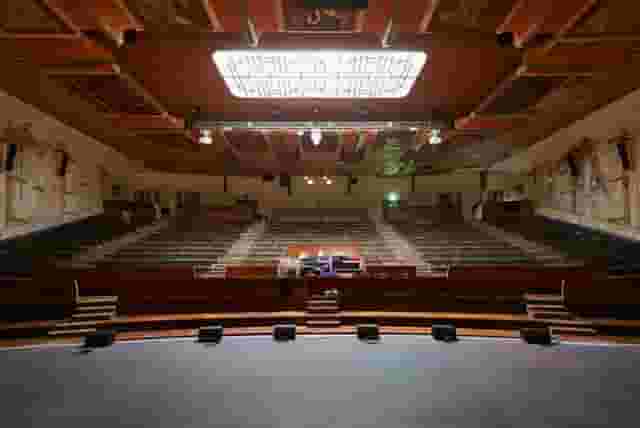
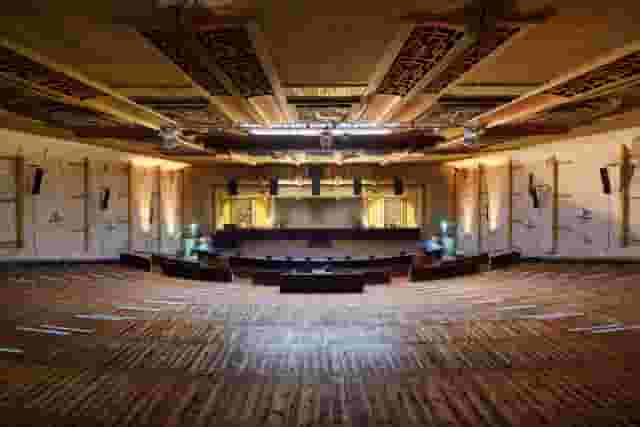



















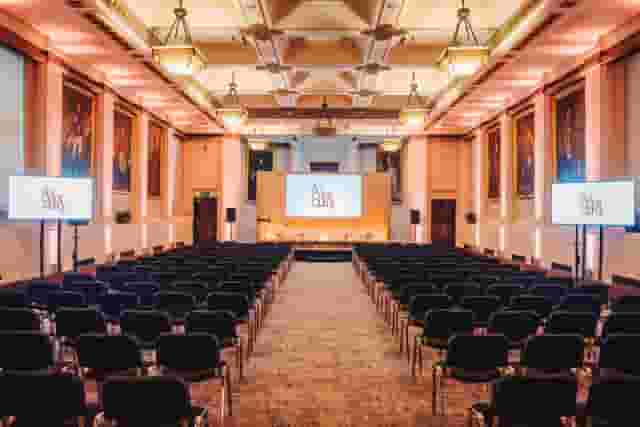


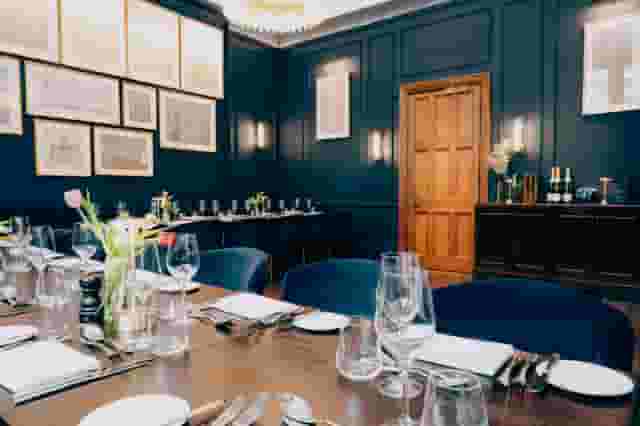

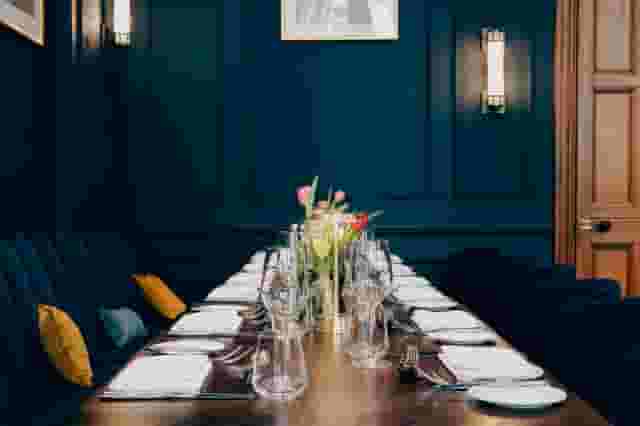













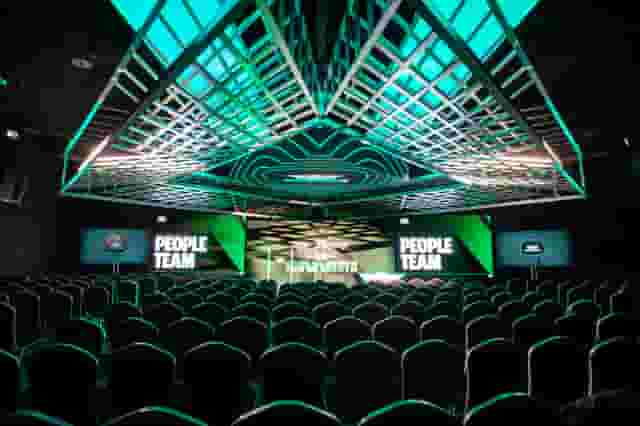

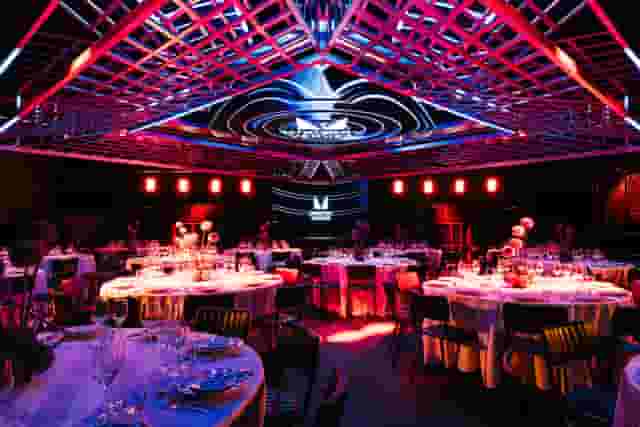























































































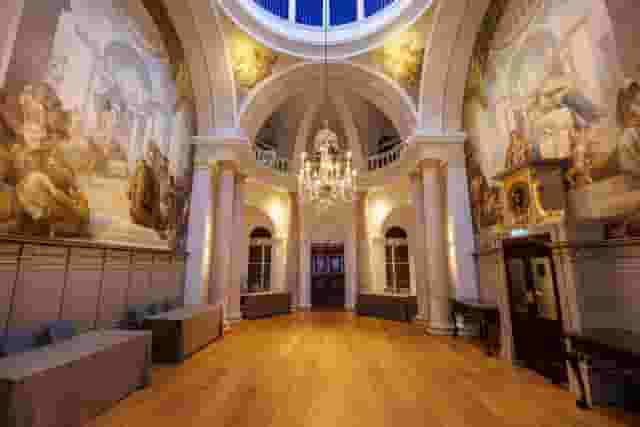


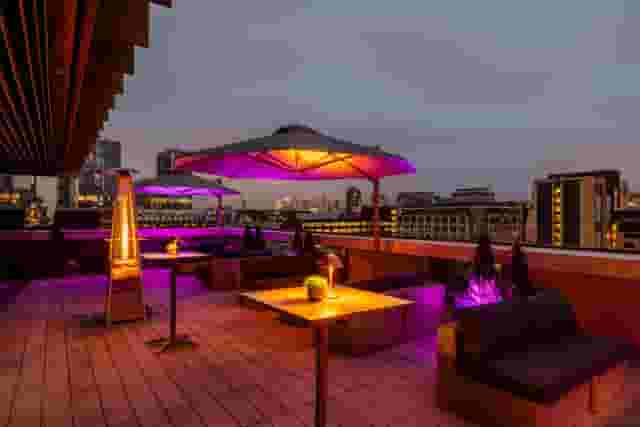
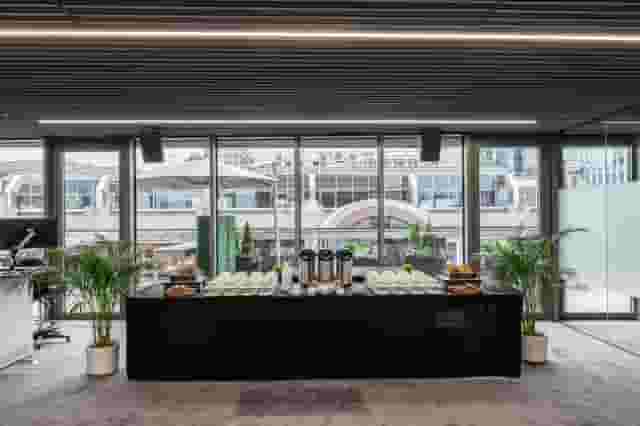
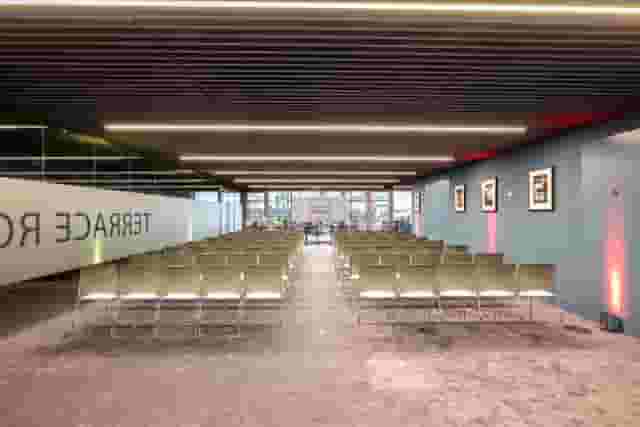

No venues match these filters
Try widening your capacity, luxury level or event type.
Don't have time to search? We'll find it for you.
For business events that need human judgement, talk to our team. Free for events of 100+ people, budgets over £10k or ongoing programmes.




Explore more venues in London












Frequently asked questions
Why do I keep getting quoted a DDR? What is it?
My conference is only half a day long, what is the best package to get?
What are some of the best unusual conference venues in London?
What can unusual conference venues offer than other venues can't?
Other platforms search their database. We search everything.
Tell us what you need. Our deep research finds any venue, whether it's in our marketplace or not. No one else does this.
About Unusual Conference in London
What sets an unusual conference space apart
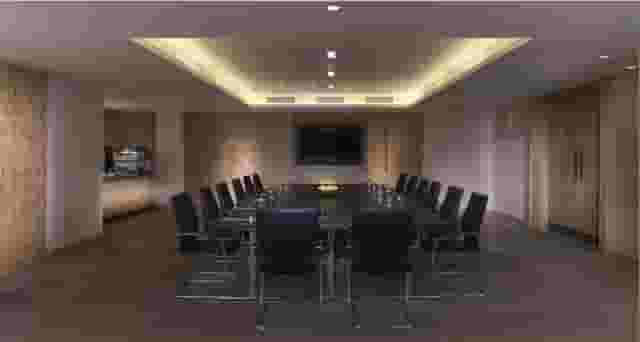
Booking a corporate conference into a purpose-built hotel basement solves logistical problems, but it rarely energises an audience. When delegates spend eight hours under fluorescent strip lighting in a windowless boardroom, afternoon fatigue sets in before the keynote speaker finishes. Moving a business event into a non-standard setting gives the day an immediate identity. Distinctive architecture, historic interiors, cultural spaces or high-altitude views frame the content in a way that helps people pay attention and remember what was discussed.
Choosing an unconventional venue does not mean compromising on professional delivery. An annual summit, leadership forum or product briefing still requires a reliable main stage, clear sightlines, fast breakout access, proper acoustic separation and dependable delegate catering. The difference lies in the atmosphere surrounding the work. Instead of spending coffee breaks in a featureless carpeted corridor, guests might take their refreshments inside an interactive gallery or looking out across a sports pitch.
In London, these spaces divide broadly into several practical types:
- Theatres and performance venues: Built specifically for sound projection, tiered audience views and stage production. They handle complex lighting and multi-speaker panels naturally.
- Cultural and scientific institutions: Museums, research societies and galleries that provide thought-provoking surroundings for networking, daytime workshops and evening receptions.
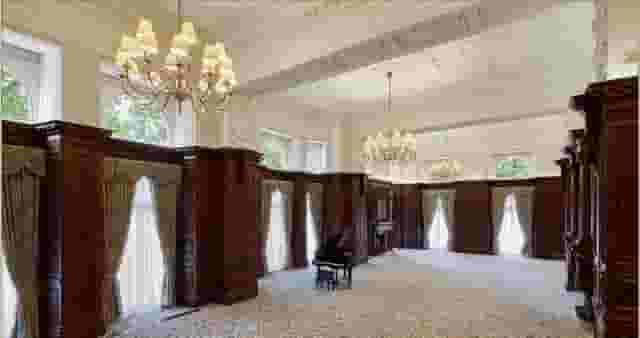
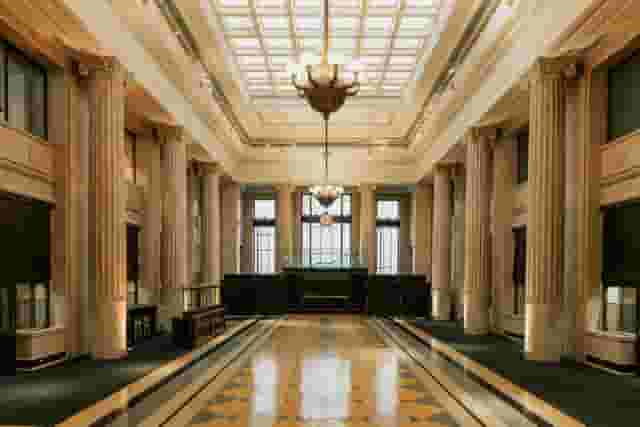
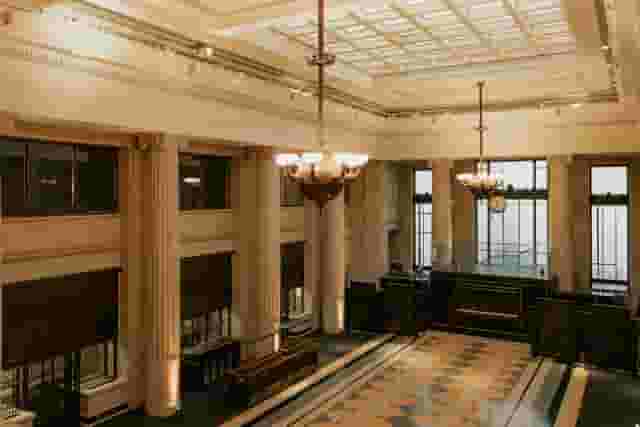
- Heritage properties and historic halls: Traditional livery halls and neo-classical rooms with high ceilings, grand detailing and an established sense of occasion.
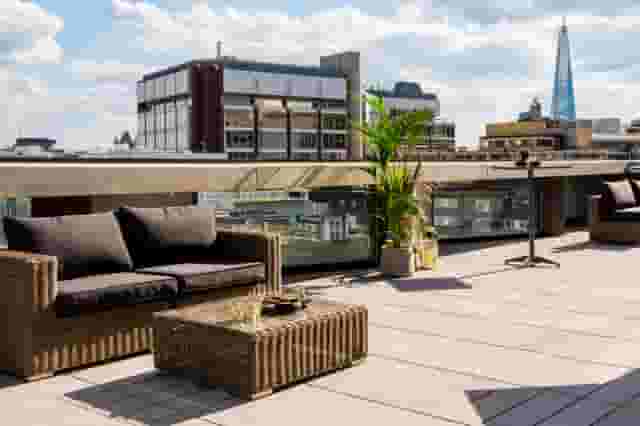
- Modern architectural landmarks and towers: High-floor corporate spaces with floor-to-ceiling glass that flood presentations with natural daylight and offer skyline vistas.
- Stadiums and sporting grounds: Large-scale commercial facilities with extensive suite options, executive boxes for private tracks and expansive views over playing fields.
For organisers looking to move away from standard hotel packages, exploring unconventional conference venues you'll love reveals how non-traditional room configurations can support serious business goals. Bringing an audience somewhere unexpected sets an immediate tone of ambition for the day.
Structuring your day: main stage, breakouts and delegate movement
The main challenge of running a full-day conference in an unusual venue is flow. In an off-the-shelf conference centre, identical breakout rooms sit neatly down a single hallway. In a converted cinema, museum or historic hall, rooms are rarely uniform. Successful delivery depends on mapping the delegate journey from morning registration through to closing drinks.
Balancing plenary sessions and breakout tracks
Your main plenary room dictates your overall capacity cap. If you plan a theatre-style morning session for 300 delegates, your breakout rooms, exhibition stands and catering areas must comfortably absorb that exact crowd without causing bottlenecks at the doors.
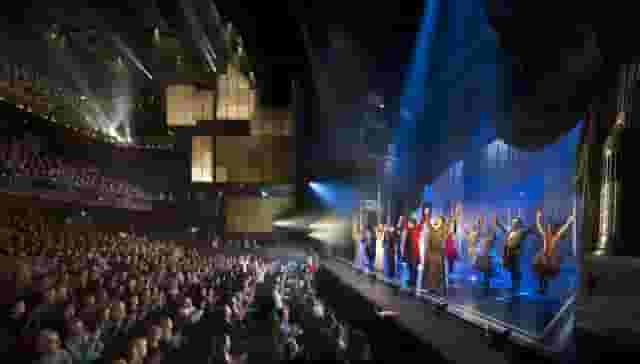
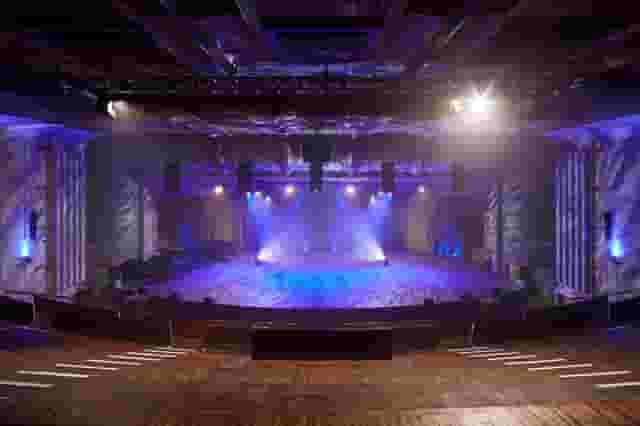
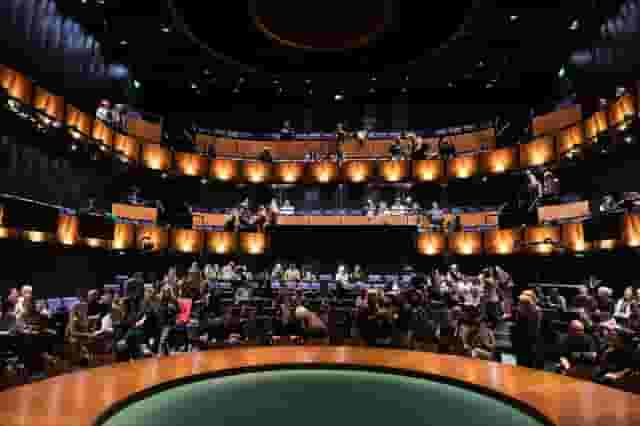
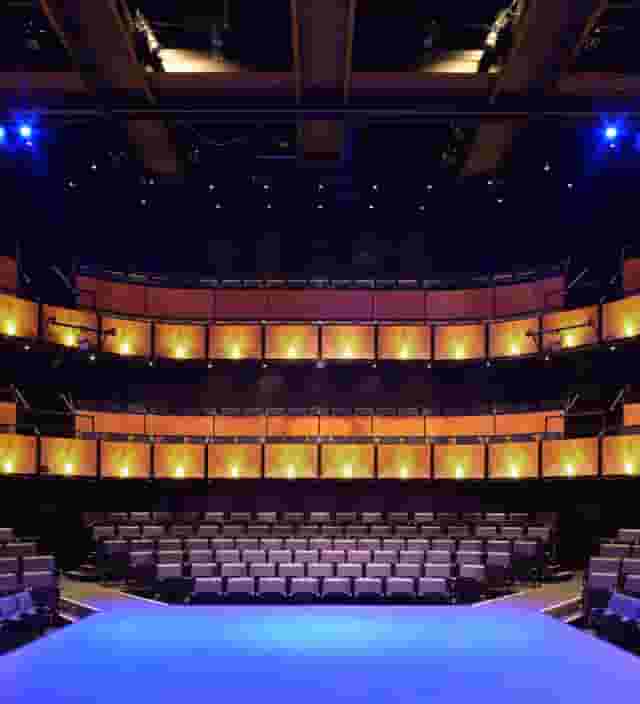
For large plenary gatherings, purpose-designed auditoriums remove the guesswork around sightlines and seat pitch. Sadler's Wells Theatre in Angel provides a 1500-seat theatre equipped with advanced stage technology, making it well suited to major company gatherings that require theatrical lighting and flawless sound. If you are producing an event with a creative edge, EartH in Dalston offers three interconnected spaces, including a 700-capacity theatre and a 1,200-capacity hall. Having linked spaces within one building lets you run plenary presentations in one hall while setting up exhibitions, workshops or dinner arrangements next door.
When planning parallel tracks, look closely at physical distance. If delegates must travel up narrow staircases or navigate external courtyards to reach a workshop, schedule at least 15 minutes between sessions. Short transition windows in historic properties lead to delayed agendas, as guests stop to admire the surroundings or struggle with restricted lift access.
Networking zones and evening transitions
One advantage of an unusual setting is how easily it supports the transition from formal day sessions into evening networking. Rather than ushering guests out of the room so staff can reset the chairs for dinner, venues with distinct zones allow the crowd to move naturally into a different environment.
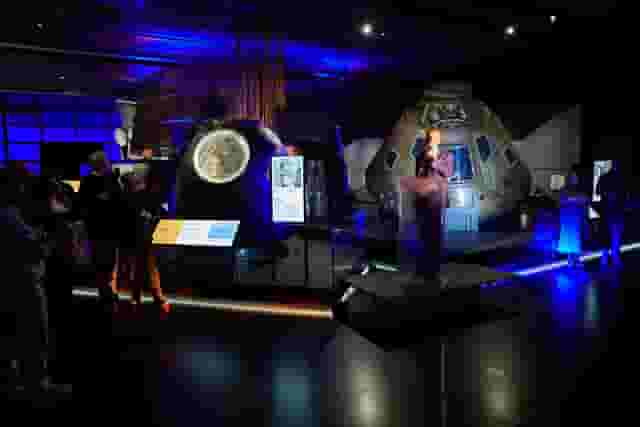
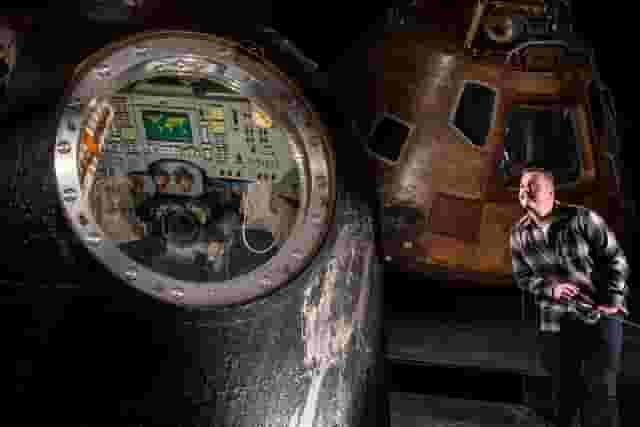
A central location like The Science Museum in South Kensington lets delegates leave daytime sessions to network within Wonderlab, which holds up to 400 people standing among interactive exhibits. Similarly, 60 Great Queen Street in Covent Garden features The Gallery, an Art Deco room accommodating up to 350 guests for a reception, backed by an adjacent anteroom that works well for registration desks and daytime refreshments.
| Venue style | Main stage advantage | Breakout and flow consideration |
|---|---|---|
| Theatres and arts spaces | Raked seating, integrated technical rigs and clear stage sightlines | Fixed seating limits workshop flexibility; access between tiers can be slow |
| Historic livery halls | Impressive architectural character, grand acoustics and formal prestige | Listed building status often limits rigging points and adhesive signage |
| High-rise corporate spaces | Abundant natural daylight, modern infrastructure and panoramic views | Lift security protocols and capacity caps require staged arrivals |
| Sports stadiums | Abundant smaller executive boxes for workshops and private briefings | Large overall footprint means longer walking distances between tracks |
Managing technical production and sightlines in non-standard rooms
Audio-visual delivery makes or breaks a conference. In standard venues, ceiling-mounted projectors and drop-down screens are standard fixtures. In historic properties or creative warehouses, production teams must adapt to architectural quirks such as decorative plasterwork, stone pillars or vaulted ceilings.
Sound, lighting and historic restrictions
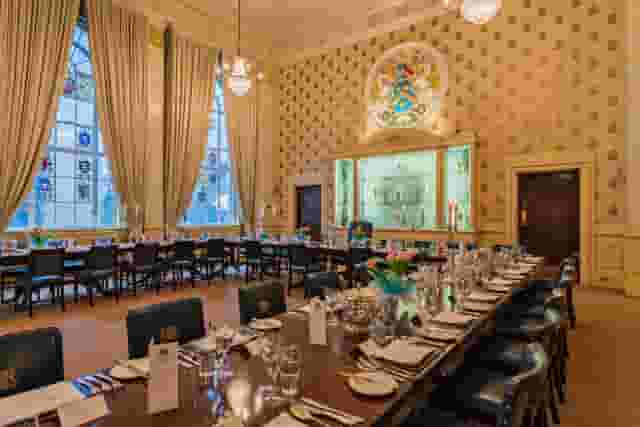
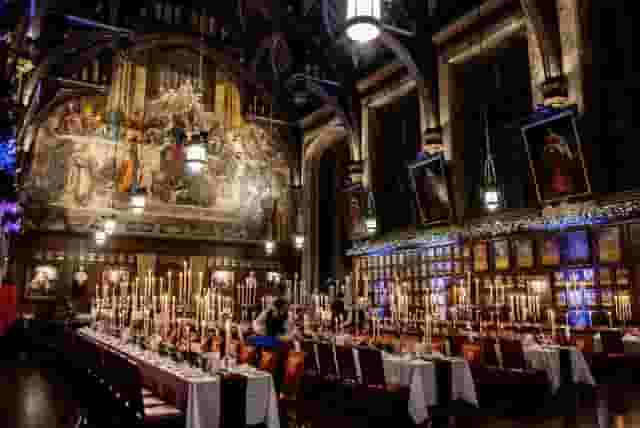
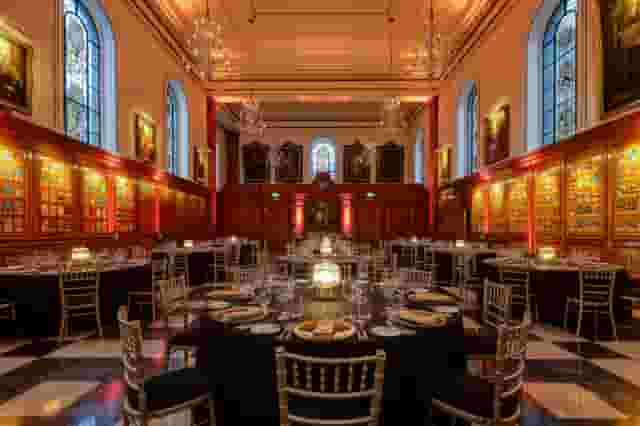
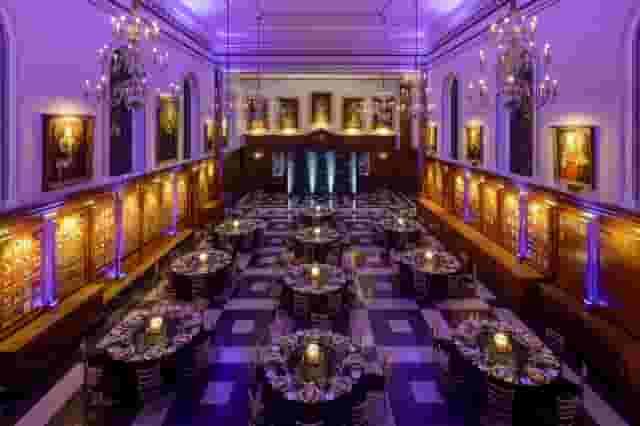
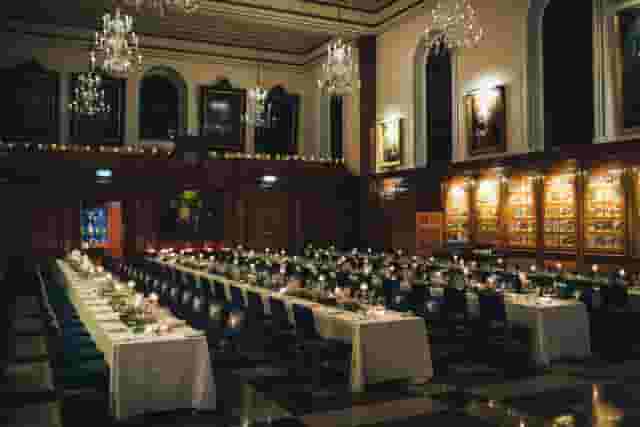
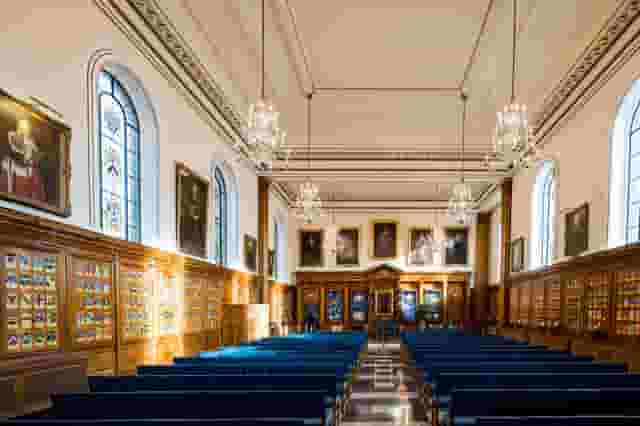
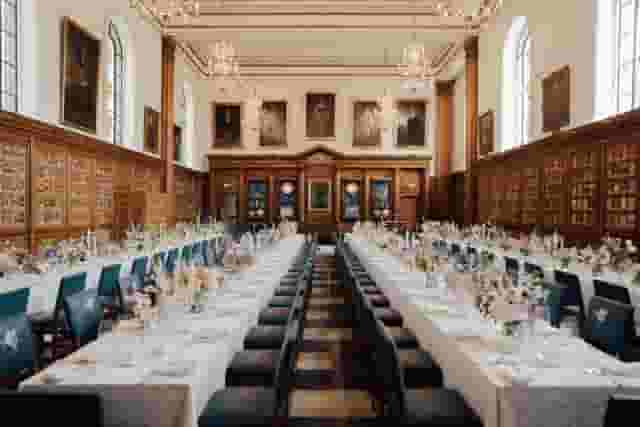
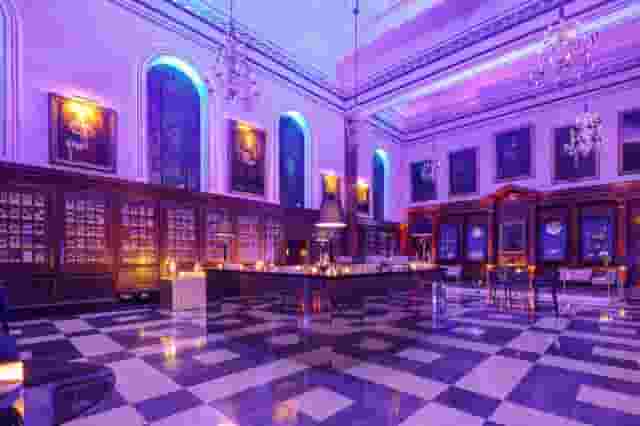
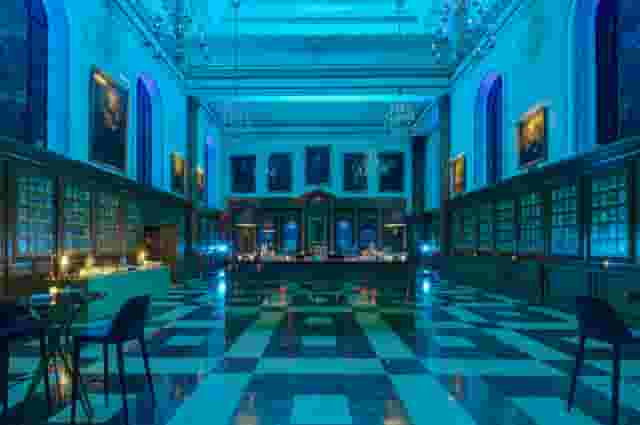
Heritage buildings often present acoustic challenges. Rooms with marble floors, wood panelling and tall ceilings cause sound to bounce, turning speech into an echo if the PA system is not calibrated correctly. Goldsmiths' Hall in the City of London holds up to 300 guests in a theatre layout inside The Livery Hall, surrounded by ornate detailing and historic decor. In spaces of this calibre, production companies cannot fix brackets to walls or tape heavy cables across delicate floors. You must rely on freestanding truss, wireless uplighters and distributed speaker systems that deliver crisp vocal clarity without rattling historical chandeliers.
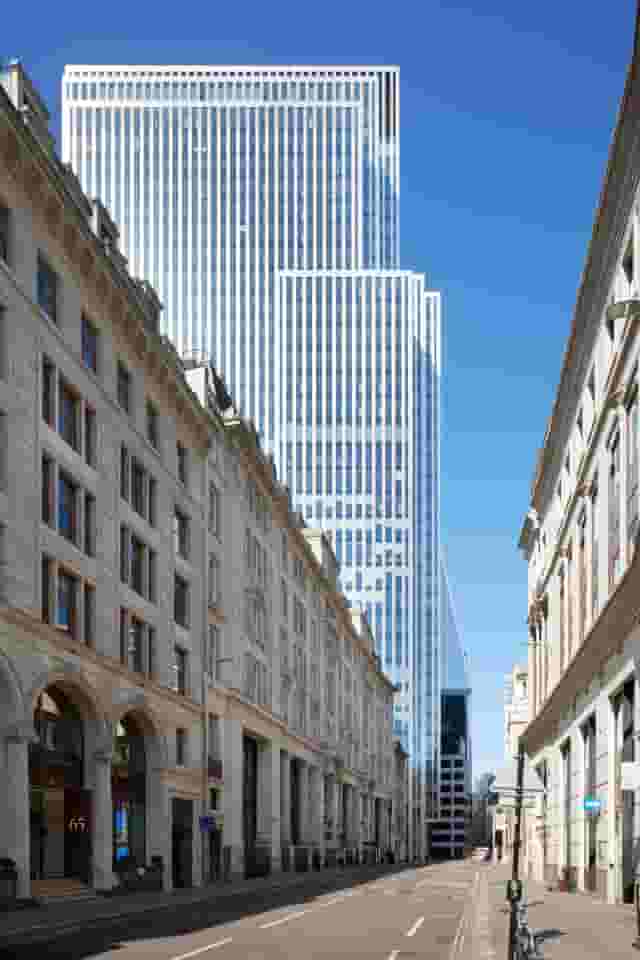
By contrast, modern spaces like 8 Bishopsgate offer clean architectural lines. The Lookout accommodates up to 250 standing guests and provides panoramic city views. While modern towers feature advanced infrastructure, heavy glazing creates intense natural light. If your schedule involves detailed data slides or video screenings, confirm that the space includes automated blinds or install high-lumen LED screens that remain legible in bright sun.
Presentation support and technical personnel
Never assume that an in-house AV setup covers a full conference programme. A system designed for background music and an occasional speech will not support a three-way panel discussion, roving audience microphones, stage monitors and live streaming.
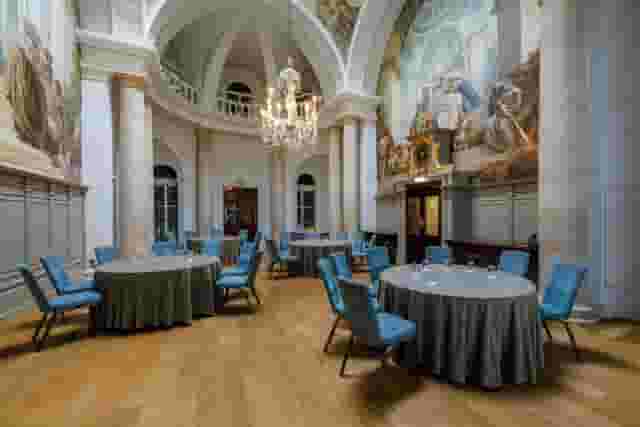
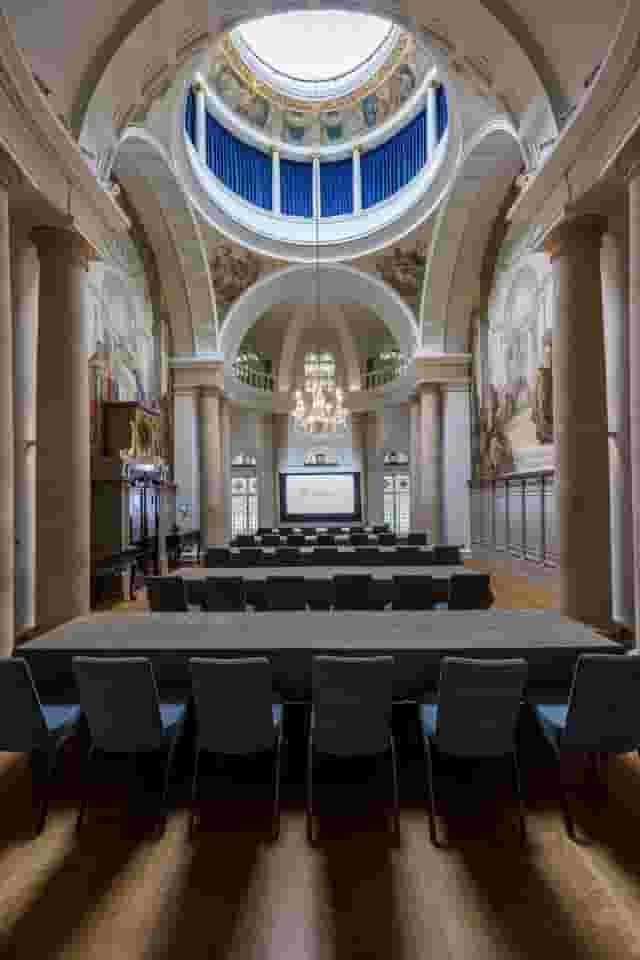
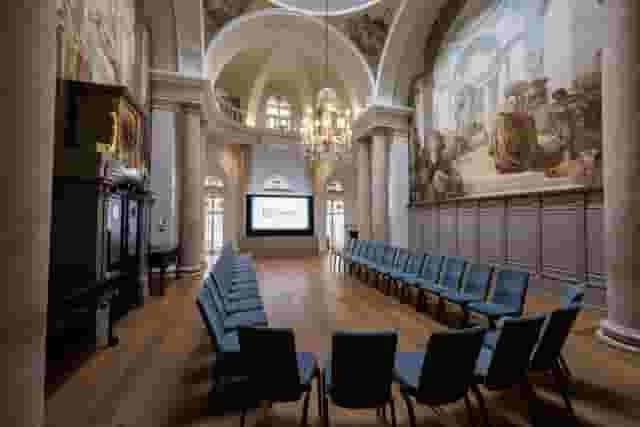
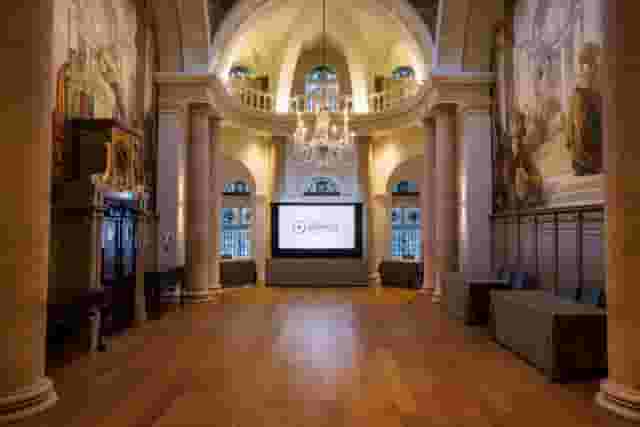
Walk the room during your initial site visit to test sightlines from the back row. Check whether structural columns obstruct the presentation view and ask where the technical control desk will sit. In intimate historic venues like RSA House (The Royal Society of Arts) in the West End, where The Great Room seats 130 for dining and meetings, sightlines under the historic domed ceiling remain clear, but you must still plan where cameras and operator desks can stand without eating into delegate seating.
When reviewing production requirements, ask your venue team:
- What is the guaranteed internet bandwidth, and is it dedicated or shared with the public?
- Are there load-bearing points for stage lighting, or must all equipment be floor-mounted?
- Where is the load-in route located, and does it involve steps, tight corners or small goods lifts?
- What are the strict decibel limits or local council curfews regarding sound bleed?
- Does the room hire fee include an on-site technician, or must you bring external crew?
Budgeting for an unusual venue: Day Delegate Rates versus dry hire
Cost structures in unusual venues vary significantly from standard commercial hotels. While corporate hotel chains rely on predictable Day Delegate Rates (DDR), heritage halls, civic museums and private clubs often quote on a dry-hire basis, where you pay for the room and bring in approved suppliers for production, furniture and catering.
Our pricing data across unusual conference venues in London shows that costs typically sit between £116 to £215 per head. This range is an indicative estimate based on 137 quotes from the venues on this page, assuming a guest count of about 100 guests. To remove the guesswork from budgeting, venue booking platform Hire Space pairs its dedicated team of event experts with instant, data-backed price estimates based on real booking figures, showing what you are likely to pay before you submit an enquiry. For corporate conferences of 100 delegates or more, it also highlights live availability confirmed directly by venue teams for your target dates.
What you pay within that band depends heavily on how the venue packages its services:
Understanding the Day Delegate Rate
A Day Delegate Rate bundles the core daytime requirements into one per-person charge. A standard DDR package usually covers:
- Exclusive hire of the main plenary room for business hours
- Arrival tea, coffee and light morning pastries
- Mid-morning refreshments
- A seated buffet lunch or standing fork buffet
- Mid-afternoon tea, coffee and biscuits
- Mineral water and basic stationery
- Basic in-house AV equipment such as a screen, projector, lectern and single microphone
When a venue quotes towards the £116 end of the spectrum, review the inclusions closely. Lower rates often exclude dedicated breakout rooms, technical staffing, high-speed Wi-Fi upgrades or service charges. If you require three breakout rooms for afternoon sessions, the venue may charge an additional room hire fee for each auxiliary space.
Factoring in dry-hire additions
At the higher end of the pricing range, towards the £215 end, venues often quote on an exclusive venue-hire fee or provide extensive bespoke production packages. In arts venues, stadiums or museums, dry hire is standard practice. While dry hire gives you complete freedom over your catering menu and stage design, it introduces additional budget lines that must be accounted for early:
- Approved caterer mark-ups: Many historic buildings require you to choose from an approved supplier list. These caterers carry specialist insurance and understand building conservation rules, but their rates reflect that expertise.
- Production and rigging: Bringing in external PA systems, lighting rigs, pipe and drape setups and technician day rates can add several thousand pounds to the overall invoice.
- Security and stewarding: Museums and large entertainment spaces frequently mandate minimum security staff ratios and fire marshals charged by the hour.
- Waste removal and cleaning: Unlike hotels, raw or historic spaces often require event organisers to remove all event waste from the premises at the end of the day or pay an extra disposal charge.
For organisers navigating unexpected logistics, reading through 9 London venues you didn't know you could hire gives useful context on how non-traditional spaces manage supplier contracts and operational rules. Hire Space 360 is enterprise venue and hotel procurement for companies spending £1m or more a year on meetings and events: a managed meetings and events programme, the kind procurement teams call strategic meetings management. It places every venue hire, production partner and hotel booking onto one supplier agreement with centrally negotiated terms and consolidated invoicing. Named event sourcing experts ensure every booking stays within company event policy while providing procurement and finance leaders with real-time spend reporting and audit oversight.
Catering logistics and keeping delegates fuelled
Food service in a non-standard venue requires careful planning because kitchens are rarely located immediately next to the presentation stage. A successful conference keeps delegates fed and back in their seats on schedule.
Speed of service for large delegate numbers
When 200 or 400 delegates leave the main room at lunch, they all want food and drink simultaneously. Standard plated service is impractical for a one-hour conference lunch break. Standing bowl food or multi-station fork buffets allow people to eat, mingle and move without waiting for course clearances.
Venues like London Stadium in Stratford excel at rapid hospitality. Spaces like The Great Briton and The Academy hold up to 800 guests for a reception, offering private dining and drinks areas overlooking the stadium bowl and the Orbit. Large sports venues have professional commercial kitchens and multiple bar stations designed to handle thousands of people at half-time, meaning corporate delegates receive fast, efficient hospitality during short breaks.
Dietary management and catering space
Historic properties and galleries may lack hot kitchen preparation areas on the same floor as your event. In these spaces, caterers assemble dishes in temporary back-of-house prep kitchens using induction equipment.
To ensure catering runs smoothly:
- Confirm the exact location of tea and coffee stations to avoid queues blocking exit doors.
- Check whether food and open drinks are permitted inside the main auditorium. Theatres and historic lecture halls often forbid hot drinks near stage seating, requiring you to keep all refreshments inside designated foyers.
- Collect delegate dietary requirements at least two weeks before the event. In historic spaces with restricted prep space, chefs cannot easily prepare alternative hot dishes on the fly.
- Provide continuous water stations in the plenary space so guests do not need to leave presentations to stay hydrated.
Location, access and practical site checks
An impressive venue is of little use if your speakers and delegates struggle to reach it on time. London transport connections, accessibility provisions and load-in timings must be confirmed before signing a contract.
Transport links and delegate arrival
Select a location that matches where your delegates are travelling from. Central hubs like Westminster, Covent Garden and the City work well for cross-London and regional rail travellers. If delegates are arriving from overseas via regional airports, hubs near major rail terminals simplify their morning journey.
Check morning door operations carefully. High-security office towers and public museums often have airport-style scanning or turnstile entry desks. If 300 guests arrive between 08:30 and 09:00, advise the building security team in advance and ensure you have sufficient check-in staff to prevent delegates queuing outside on the pavement.
Accessibility and loading practicalities
Never take accessibility for granted in unusual or heritage properties. While contemporary builds meet modern accessibility standards, listed Georgian houses, historic halls and converted industrial warehouses may feature split-level floors, winding staircases or heavy fire doors. Verify that there is step-free access from the street entrance all the way through to the main stage, breakout rooms and catering spaces. If your guest speakers include wheelchair users, confirm that the stage itself has ramp or platform lift access.
Finally, review production load-in windows. An unusual venue may host a public exhibition or theatre show the night before your conference. If your production crew cannot access the room until 06:00 on the morning of your event, your AV team must be staffed to rig, test and cue all sound and projection systems before registration opens at 08:30. Asking these practical operational questions early guarantees that your event benefits from the atmosphere of an extraordinary setting while running with complete professional precision.
What our customers say
Inspiration and planning guides

Your Guide to (Last Minute) London Christmas Party Venues
Organising a Christmas party [https://hirespace.com/Top/London/London-Christmas-Party-Venues] may sound exciting but let's be honest, sometimes it's more than a little bit stressful, especially when you've left it to the last minute. But never fear, there are still some brilliant venues available for a fantastic festive shindig if you think outside the box a little. Thankfully, the Venue Expert Team is here to help. With these five unique venues [https://hirespace.com/Top/London/Unusual-Christm

6 Top Venues For A 30th Birthday Party
If your 30th is approaching, it's the perfect excuse for having a big old birthday bash in our books - here's a whirlwind tour of 6 of our favourite venues!

This Is Why London Has Such Unique Venues
At Hire Space, unusual venues [https://hirespace.com/Browse/Unusual-Event-Venues-London] are the name of the game. Passion to find a unique venue for an event seems to be unabated in London, but it's of little surprise when taking into account all the amazing spaces the capital has to offer. But just why is London filled with so many unusual venues for hire? We investigated: Romans, Saxons, Normans, Tudors and Stuarts. The Black Death, two World Wars and one Great Fire. London has seen it a
One supplier. Every venue. Full visibility on what you spend.
Multiple venues and events. One agreement.