Reception Venues in London
Compare top corporate reception spaces in London, with transparent floor plans and data-backed pricing estimates for your next drinks event.
4,322 Reception in venues in London



































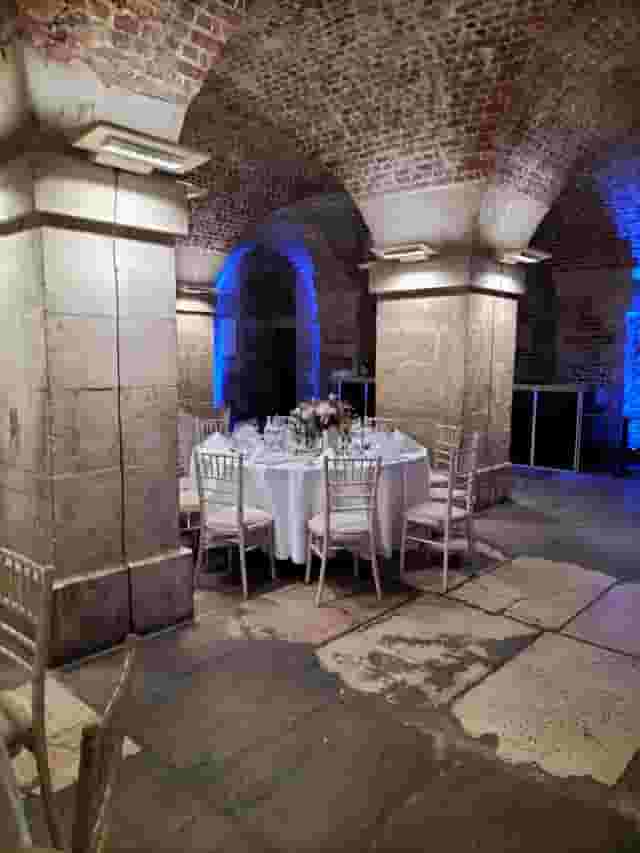
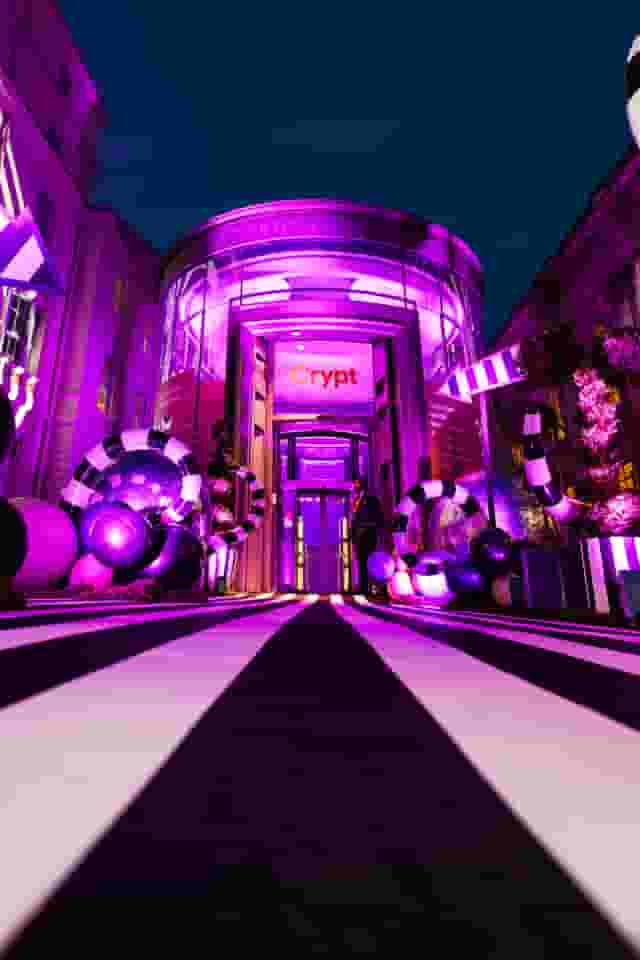
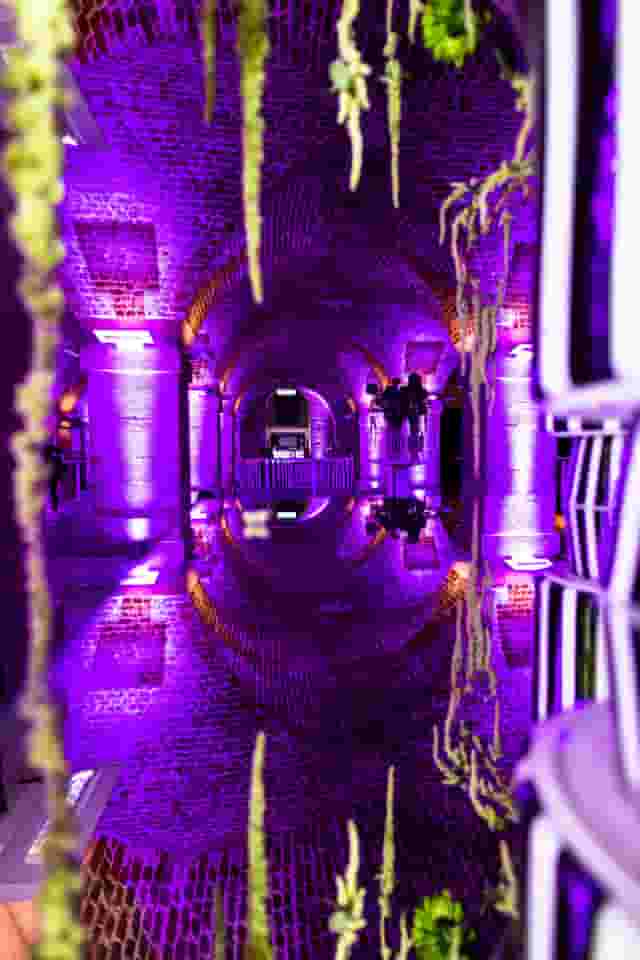
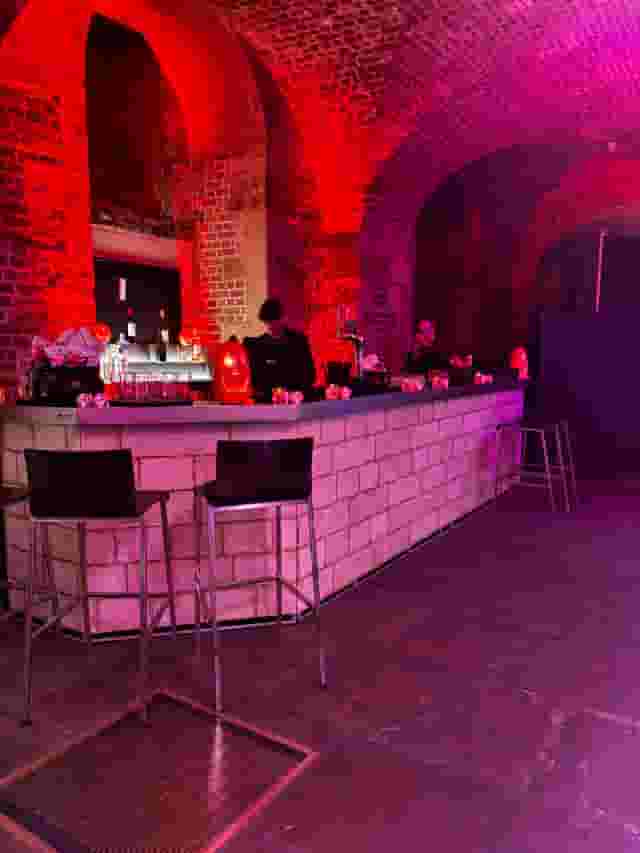




















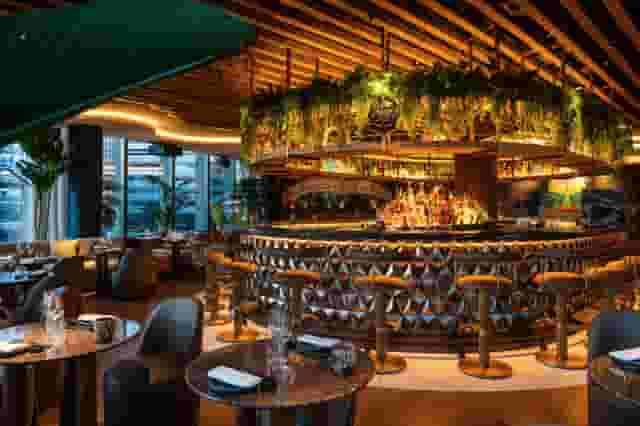
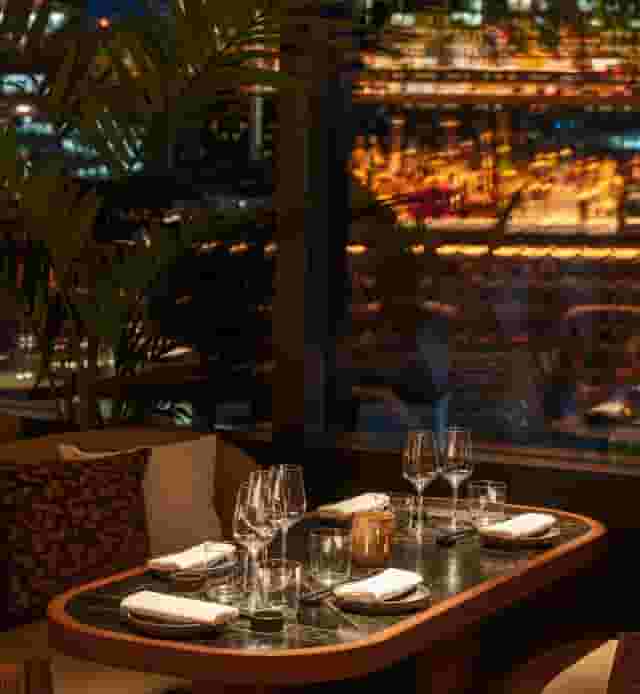

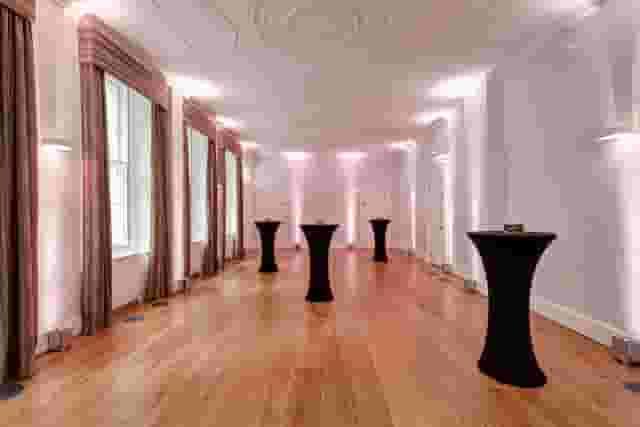
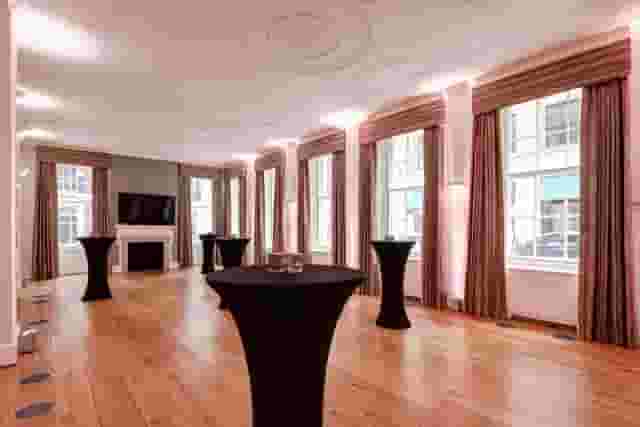










































No venues match these filters
Try widening your capacity, luxury level or event type.
Don't have time to search? We'll find it for you.
For business events that need human judgement, talk to our team. Free for events of 100+ people, budgets over £10k or ongoing programmes.




Explore more venues in London

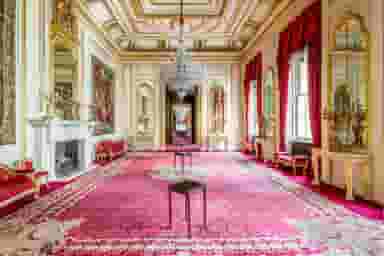
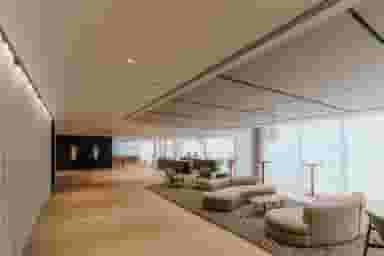

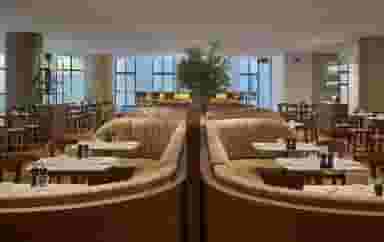
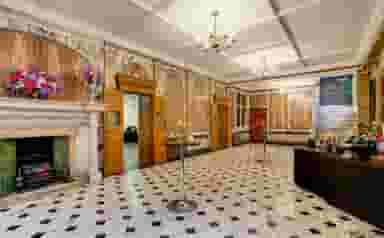










Frequently asked questions
How to select a reception venue's style in London?
Are private members' clubs suitable for receptions?
What should I budget for a London reception venue?
How to ensure privacy at a London reception venue?
What makes a London venue ideal for receptions?
What should I consider for a London reception venue?
What size venue is best for a reception?
Are historic venues suitable for receptions?
Can I host a reception on the Thames?
How to select a modern reception venue?
Other platforms search their database. We search everything.
Tell us what you need. Our deep research finds any venue, whether it's in our marketplace or not. No one else does this.
About Reception in London
Matching venue style to the business objective
A corporate drinks reception sets the tone for professional relationships long before anyone exchanges a business card. Whether you are hosting an annual investor gathering, launching a product, celebrating a team milestone or entertaining prospective clients, the physical setting tells guests what kind of evening to expect.
London offers three broad styles of reception venues, each serving a different commercial purpose:
Cultural institutions and historic landmarks
Heritage locations offer gravitas that modern function rooms cannot replicate. They work well for client appreciation evenings, international delegations and annual corporate celebrations where you want to impress senior stakeholders. The architecture handles the visual impact, meaning you spend less on production and branding.
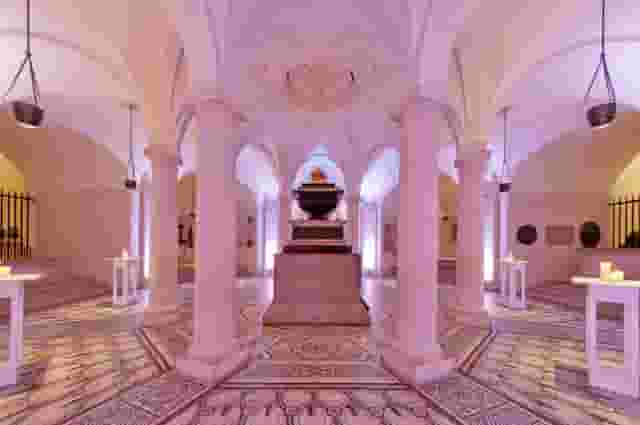
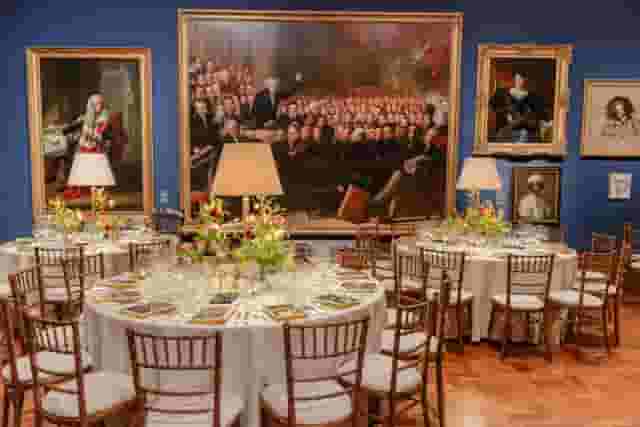
Spaces like the Great Court at The British Museum can accommodate up to 1000 guests for large-scale corporate receptions beneath its glass roof. For events requiring historic weight on a slightly smaller scale, the Nelson Chamber at St. Paul's Cathedral accommodates up to 250 standing guests in the City, while the East and North Cloisters at Westminster Abbey offers an outdoor setting for up to 400 guests with views of the Abbey church. For art-led events in central London, the Locatelli room at The National Gallery hosts up to 250 standing guests just off Trafalgar Square.
The operational trade-off with public institutions is timing. Most museums and working cathedrals do not permit event setup until public visitors depart, often between 17:00 and 18:00. That leaves your production and catering teams a narrow window to bring in glassware, chill drinks and set up lighting before guests arrive. For organisers considering heritage formats for seated groups, exploring private dining spaces can show how historic environments adapt to hospitality.
Purpose-built event halls and ballrooms
When an evening requires complex production, presentations, live entertainment or heavy corporate branding, historic preservation rules can be restrictive. Purpose-built spaces provide neutral backdrops, integrated audiovisual kit, straightforward load-in access and flexible layouts.
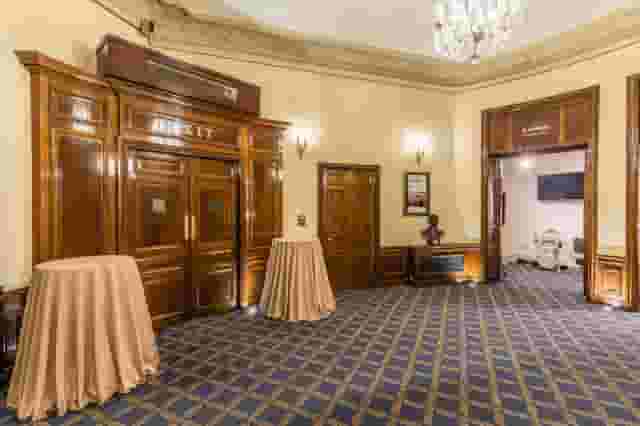
Venues such as 60 Great Queen Street in Covent Garden offer dedicated reception suites. The Vestibules, Tower Doors, Foyer and Long Room combine to hold 500 guests across three distinct areas, allowing organisers to separate registration, drinks and quiet conversation zones. These rooms typically feature three-phase power, dedicated rigging points and goods lifts that make technical setups fast and predictable.
Private members' clubs, lounges and informal venues
For networking receptions where guest comfort and relaxed conversation take priority over formalities, private clubs and hospitality spaces offer built-in seating, warm lighting and established bar setups.
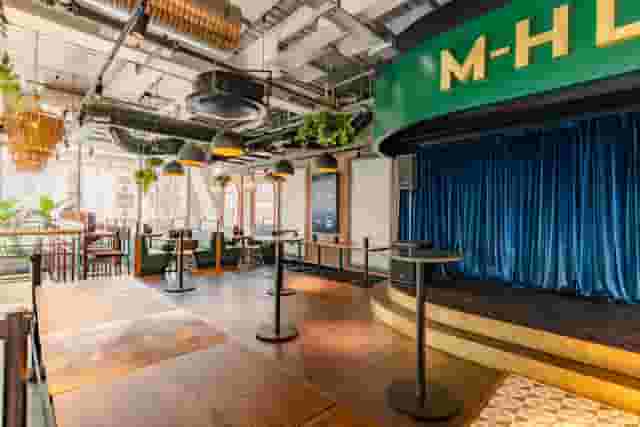
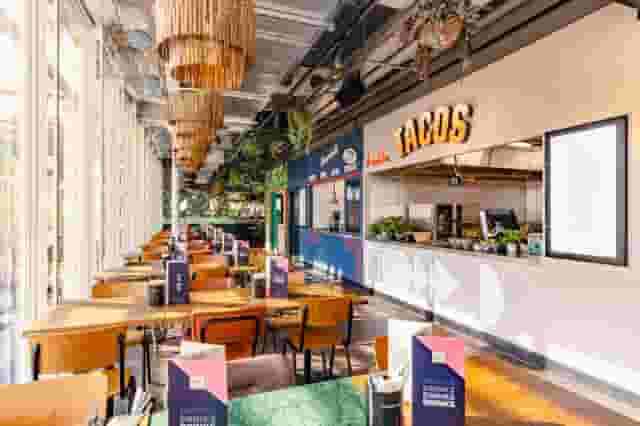
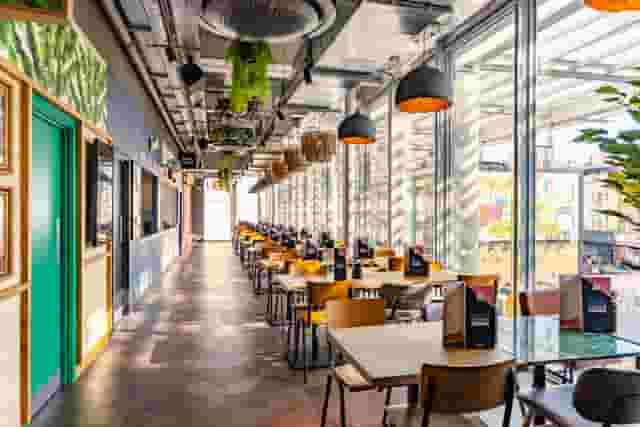
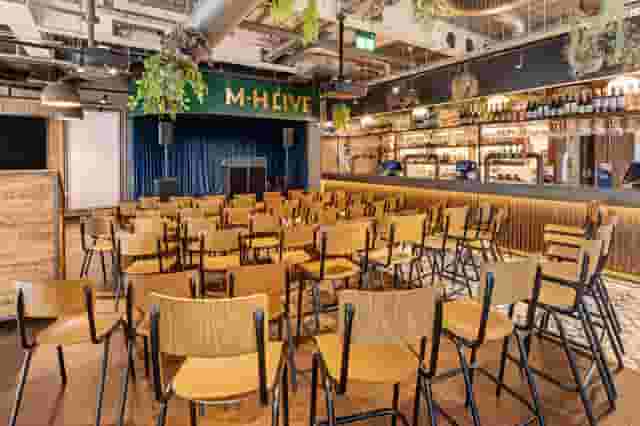
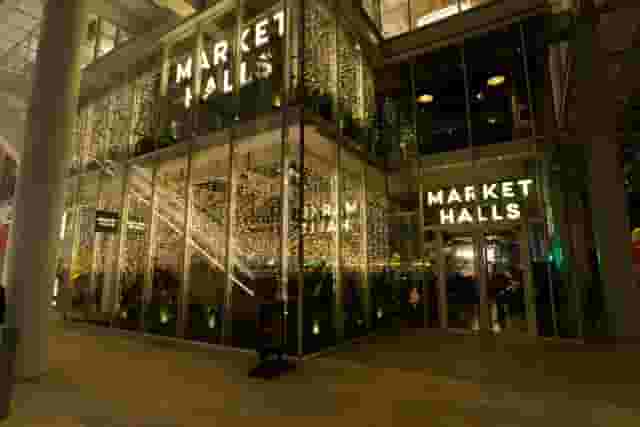
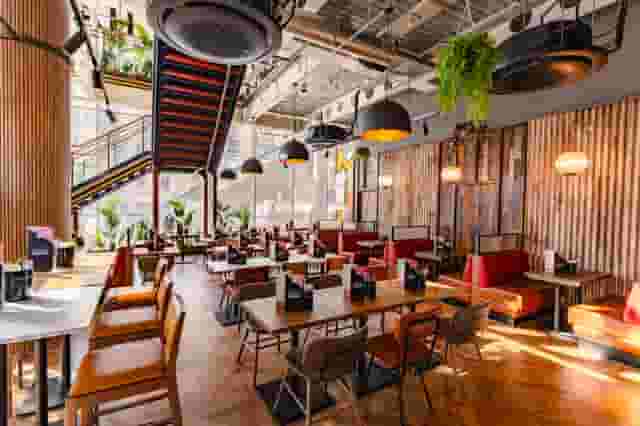
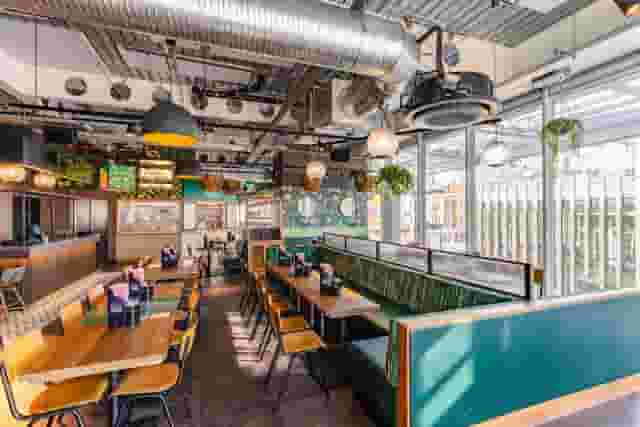
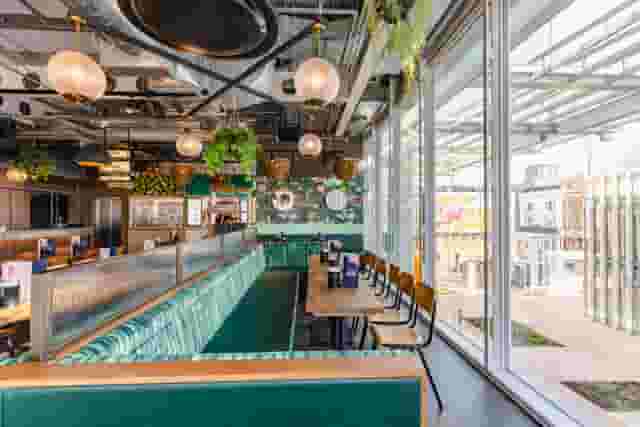
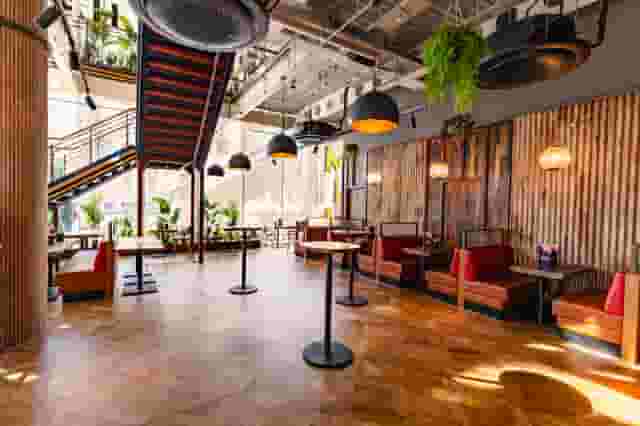
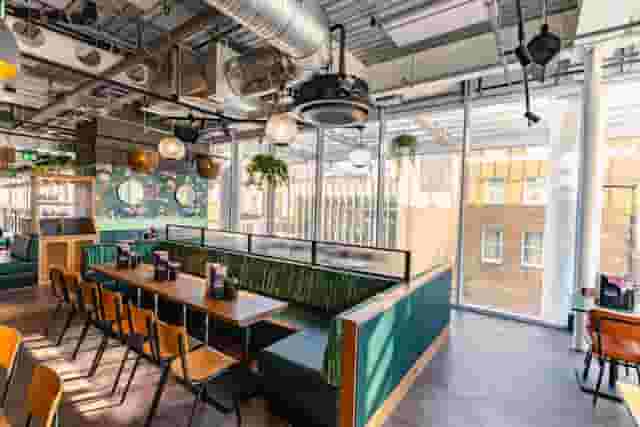
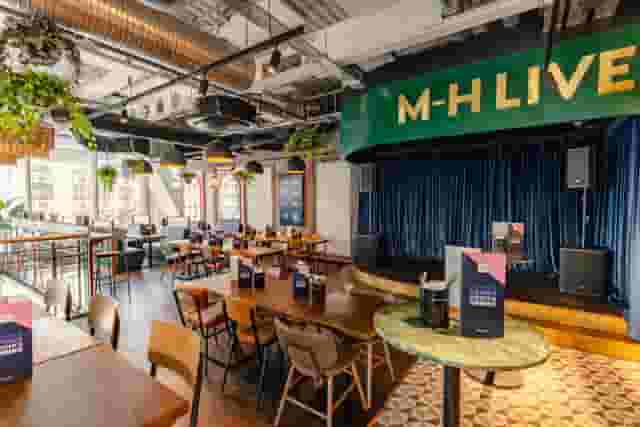
In Mayfair, 12 Hay Hill provides private members' club spaces accommodating up to 130 reception guests across its lounges and bars. Across town in the financial district, Pavilion City holds 140 guests and includes an outdoor terrace. If your group prefers street food, craft beer and an informal social atmosphere, Market Halls Paddington offers exclusive hire for up to 600 standing guests with a dedicated stage and covered terrace. For high-touch hospitality with smaller executive groups, reviewing standout private dining rooms in London helps identify venues where culinary service is the central feature. If you are shortlisting across different formats, Hire Space is a venue booking company supported by a team of real people who help match your brief to the right setting. For corporate receptions of 100 people or more, it shows instant availability confirmed directly by venues for your exact date and timings, narrowing your search in minutes.
Room dynamics, circulation and guest comfort
A successful reception keeps people moving, talking and mingling. Sticking 200 guests into a room certified for 200 standing people often leads to congestion, slow bar service and early departures. Calculating usable floor space requires deducting bars, registration tables, coat rails and any occasional furniture from the total square footage.
| Usable space rule of thumb | Square metres per guest |
|---|---|
| Standard standing receptions | 0.75 to 1.0 |
| With food stations or poseur tables | 1.2 to 1.5 |
Arrival points and coat check
The arrival experience dictates the first twenty minutes of your event. If your venue has a narrow foyer, guest check-in quickly backs up onto the street. When booking a reception venue, look for:
- A dedicated check-in desk position with adequate queueing space away from the main bar.
- Staffed cloakroom facilities capable of handling the entire guest list during winter months.
- A clear pathway from entrance to greeting drinks that pulls attendees into the room rather than letting them cluster by the door.
Acoustic considerations
Hard stone floors, high vaulted ceilings and bare glass walls look impressive in photography, but they bounce sound aggressively. Once 150 people start talking over background music, noise levels can make business conversation difficult.
If your reception includes executive speeches or a sponsor address, check whether the room has acoustic treatments or soft furnishings. A short address of five to ten minutes requires a clear PA system, wireless handheld microphones and staff trained to drop background music cleanly the moment a speaker steps up.
| Venue type | Circulation style | Acoustic character | Best suited for |
|---|---|---|---|
| Historic galleries and stone halls | Linear paths, central grouping | High reverberation, ambient echo | High-impact celebrations, brief speeches |
| Purpose-built suites | Zoned networking, multiple focal points | Controlled, speech-friendly | Presentations, product launches, roadshows |
| Private lounges and clubs | Fluid movement around bars and lounges | Muffled, intimate, comfortable | Relationship building, partner networking |
| Covered food halls | Free-flowing, multi-station movement | Lively, loud background hum | Internal socials, informal all-hands |
Food and drink: formats that keep conversations moving
Food at a business reception should sustain guests without interrupting the flow of networking. Attendees typically hold a glass in one hand, meaning anything served must be easy to eat standing up without cutlery or clumsy balancing acts.
Canapés versus bowl food
Canapés work best for receptions lasting up to two hours. Plan for four to six bites per person for an early-evening event where guests are expected to move on to dinner elsewhere.
If your reception runs for three hours or longer over a standard mealtime (18:00 to 21:00), canapés alone will leave guests hungry and hunting for dinner outside. Bowl food solves this problem. Small, hand-held bowls eaten with a single fork provide substantial portions while keeping guests on their feet. Pairing three light canapés during the first hour with three substantial bowls across the second and third hours maintains energy levels throughout the room.
Managing bar throughput
Bar queues kill networking. Guests standing in line for ten minutes to get a glass of wine are not engaging with your team or your sponsors.
To keep service brisk:
- Tray service on arrival: Have waiting staff greet guests at the doorway with red wine, white wine, sparkling wine and a seasonal non-alcoholic option. This prevents an immediate rush to the primary bar.
- Sufficient bartender ratios: Ensure the venue provides at least one bartender for every 35 to 40 guests. If cocktails are being shaken rather than poured, increase this to one bartender for every 25 guests.
- Spread service points: In large spaces, a single central bar creates bottlenecks. Insist on secondary satellite bars or continuous wine and water top-ups by roaming floor staff.
- Equal focus on non-alcoholic options: Ensure alcohol-free drinks are visibly available, well-presented and poured with the same attention as wine or beer.
Budgeting and comparing London venue quotes
Reception costs in London vary significantly depending on whether a venue operates on a room hire plus catering basis or a minimum food and beverage spend. Comparing quotes requires unbundling line items so you can evaluate true per-head outlays. Hire Space 360 is enterprise venue and hotel procurement for companies spending £1m or more a year on meetings and events: a managed meetings and events programme, the kind procurement teams call strategic meetings management. It consolidates every booking onto a single agreement with pre-negotiated terms, replacing dozens of venue invoices with one central account. To learn how this delivers live spend reporting while keeping team bookings aligned with company event policy, see how Hire Space 360 works for procurement.
Published market guidance provides broad planning ranges for budgeting a corporate gathering in the capital:
- Venue hire: private room or small event-space hire: £600 to £5,000 in total (weekday or standard booking, room only; moves with location, exclusivity, date, duration and venue type)
- Catering: reception food: £25 to £65 per head (canapés, finger food or staffed corporate catering; menu, staffing, service level and guest numbers affect the rate)
- Packages: broader food-and-drinks reception package: £25 to £80 per head (indicative London package or minimum-spend equivalent; bar choice, duration, season, service charge and VAT may change the total)
Comparing hire models
| Pricing model | How it works | Upside | Risk factor |
|---|---|---|---|
| Minimum spend | No venue hire fee; you commit to spending a set total on food and drinks. | Straightforward for high-consumption receptions; cost goes directly to guest hospitality. | Unused spend is retained as room hire if guests drink less than projected. |
| Dry hire plus suppliers | You pay for the space alone, then bring in separate approved caterers, bar teams and AV. | Complete control over menu design, drink brands and supplier choice. | Multiple contracts, separate staffing bills, waste removal fees and coordination overhead. |
| Comprehensive delegate package | A fixed per-head fee covering venue hire, a set drinks window and food service. | Total budget certainty; simple internal approval process. | Rigid menus; less flexibility to extend timings on the night. |
Hidden line items to challenge before signing
Reviewing event contracts requires checking for costs that sit outside the headline rate:
- Service charges: London venues routinely add a discretionary 12.5% to 15% service charge to food and beverage totals. Clarify whether quoted package rates include or exclude service.
- Security and door staff: Venues with late alcohol licences or historic collections often mandate SIA-licensed security personnel charged at an hourly rate per guard.
- Setup and de-rig hours: Verify that your access window includes enough time for florists, lighting technicians and caterers to load in and clear out. Exceeding contracted hours triggers penalty fees.
- Cloakroom and cleaning charges: Confirm whether cloakroom attendants and post-event waste disposal are included in room hire or billed separately.
- Corkage and buyout fees: If you plan to bring your own wine or sponsor beverages, check corkage fees early. They can run from £15 to £35 per bottle of wine and higher for spirits.
Practicalities: licensing, access and transport logistics
Operational hurdles rarely involve the room's decoration. They almost always come down to licences, access timings and how easily guests can get home.
Licensing hours and music limits
Premises licences in central London, particularly within Westminster and the City of London, are tightly regulated. Standard corporate entertainment licences typically cover alcohol service and background music until 23:00 on weekdays.
If you plan to run an event past 23:00, confirm whether the venue already holds an extended licence or needs to apply for a Temporary Event Notice (TEN). Local authorities limit the number of TENs granted per venue per year, and applications require advance notice. Furthermore, historic properties often enforce strict decibel limits to protect fabric and neighbouring properties, which may rule out live brass bands or amplified DJ setups.
Supplier access and delivery windows
Central London logistics present severe challenges for production teams. Congestion zones, narrow service lanes, red routes and parking restrictions make unloading complex.
Ask the venue operations team three questions during your site visit:
- Is there a dedicated loading bay, or must suppliers offload from the public street?
- Do suppliers need to be selected from an accredited approved supplier list, or are outside vendors permitted with proof of public liability insurance?
- Are there dedicated service lifts from the loading bay to the event floor, or must equipment navigate public stairs?
Historic institutions like galleries and museums often require caterers to work from prep kitchens without open-flame cooking equipment. In these spaces, caterers rely on induction warmers and pre-prepped menus, which changes the style of food you can serve.
Public transport and guest dispersal
A central location with strong public transport links ensures high attendance and easy departures. Consider tube line connections when shortlisting spaces:
- The City and East London: Venues near Bank, Liverpool Street or London Bridge provide immediate access to the Central, Northern, Elizabeth and Jubilee lines, making them practical for financial, professional services and tech audiences.
- Westminster and West End: Locations around Covent Garden, Charing Cross and Victoria suit political, media and international guests travelling from Heathrow or Gatwick express hubs.
- Cross-London accessibility: Venues close to Elizabeth line stations (Paddington, Farringdon, Tottenham Court Road, Liverpool Street) make transit across London fast for attendees travelling from Canary Wharf or outer business parks.
Check black cab availability and private hire pickup zones outside the venue. Locations with pedestrianised frontages require clear instructions on confirmation emails so guests know where to direct cars at the end of the evening.
What our customers say
Inspiration and planning guides

6 Networking Venues That'll Seal the Deal
Networking is a key tool in today's competitive business world: it's often a necessary activity when trying to secure the right contacts, gain new employment or generally advance professionally. But in order to successfully rub elbows, you'll need an inspiring venue – such as one of these slick spaces. 1. Lee Valley VeloPark [https://hirespace.com/Spaces/London/107652/Lee-Valley-VeloPark/Velodrome-Track-Centre/Business] Stratford Few venues can claim to have been a part of the 2012 London Ol
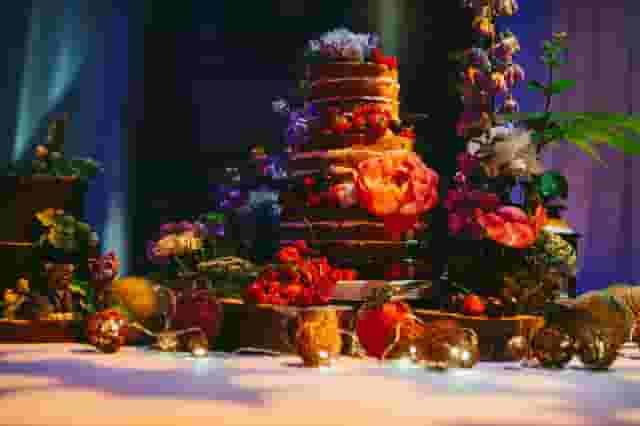
6 Stunning London Wedding Venues for 2026
Planning a 2026 wedding? Discover 6 stunning London wedding venues, handpicked by Hire Space. From iconic landmarks to hidden gems, compare styles, capacities and locations, and enquire direct with our venue experts to secure the perfect backdrop for your big day.

Unique Venue of the Month: Madame Tussauds
Legendary Madame Tussauds really needs no introduction, so we could pretty much just end this blog right here. But the home of wax figures has such a rich history that we'd be remiss not to share it. The wax-centric museums are now dotted around the world – there are branches in Beijing, Tokyo, Sydney, San Francisco and Orlando – but the experience grew from humble beginnings. The Madame herself – born as Marie Grosholtz – sculpted her first wax figure of Voltaire in 1777, but it was still a
One supplier. Every venue. Full visibility on what you spend.
Multiple venues and events. One agreement.