Networking Venues for Hire in South London
Compare South London spaces for evening drinks and canapes, with transport links from London Bridge to Battersea and clear upfront pricing.
547 Networking Venues for Hire in South London

















































































No venues match these filters
Try widening your capacity, luxury level or event type.
Don't have time to search? We'll find it for you.
For business events that need human judgement, talk to our team. Free for events of 100+ people, budgets over £10k or ongoing programmes.




Explore more venues in South London
Frequently asked questions
What makes a South London venue ideal for networking?
Are South London hotel venues good for networking?
What size venue is best for networking in South London?
How to select a South London networking space?
Can I find tech-equipped venues in South London?
What accessibility features must networking venues include?
What catering considerations are essential for networking events?
What are the typical delegate day rates for networking venues in South London?
What factors contribute to the overall success of a networking venue?
Which South London areas offer venues closest to transport links?
How should venue layouts be arranged for effective networking sessions?
What modern tech amenities should South London networking venues provide?
What ambience elements boost networking outcomes in South London venues?
How can event planners design engaging networking experiences?
How can technical support be ensured during networking events?
Other platforms search their database. We search everything.
Tell us what you need. Our deep research finds any venue, whether it's in our marketplace or not. No one else does this.
About Networking in South London
Designing an evening reception that keeps people moving
An evening networking reception lives or dies by its floor plan. When people attend an after-work drinks reception, their primary goal is to speak to multiple contacts without feeling trapped in corners, shouting over loud speakers or waiting ten minutes for a glass of wine. A successful layout encourages natural circulation from the moment attendees step through the doors.
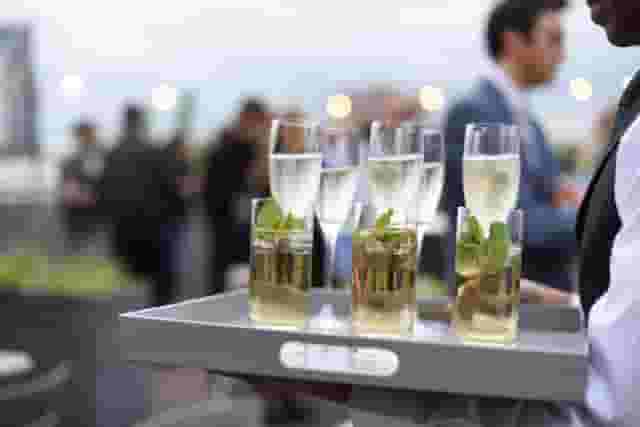
The entrance sets the tempo. Placing your check-in desk or cloakroom directly inside the main doorway creates an instant bottleneck that backs up into the street or lift lobby. Set your registration tables at least five paces into the space, keeping the path clear so guests can drop their coats, pick up a badge and step immediately into the room. A welcome tray of drinks stationed just beyond registration pulls guests forward and prevents a cluster of early arrivals from blocking the threshold.
Circulation depends on how you distribute your food and drink. If you position a single bar at the far end of the room, you will create a permanent queue that cuts the room in half. Scatter drinks points across opposite sides of the space, or combine a central bar with circulated tray service. Food should follow the same logic. Circulating canapes on trays keeps guests on their feet and mingling, whereas a static food station tends to anchor hungry attendees in place.
Seating requires a deliberate balance. An evening networking event is not a seated dinner, but offering zero seating alienates guests who have been on their feet all day or who have mobility requirements. A good benchmark is providing enough casual seating for roughly 15% to 20% of your guest count. Use high poseur tables without stools in the main thoroughfares so people can set down a glass while talking, and place low lounge seating or banquet benches around the perimeter.
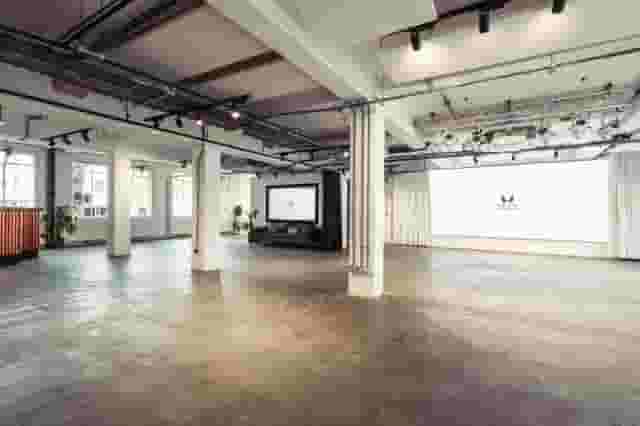
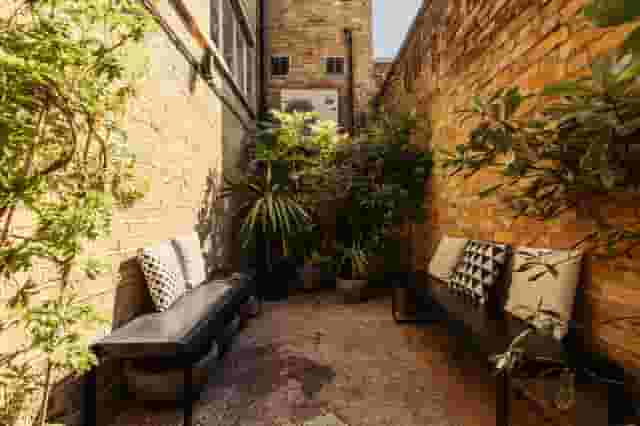
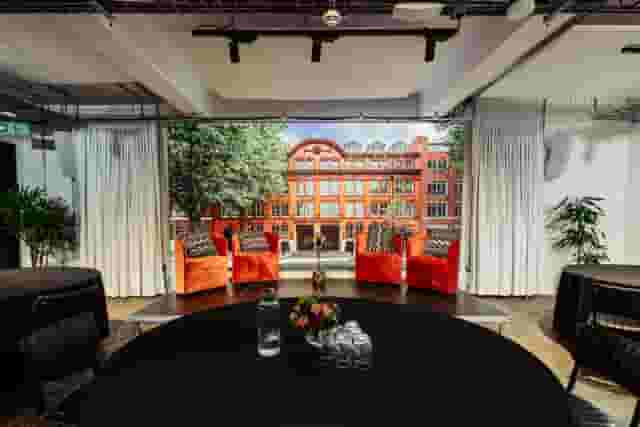
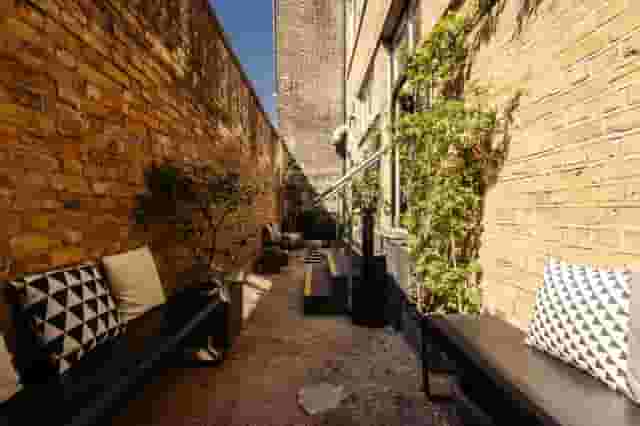
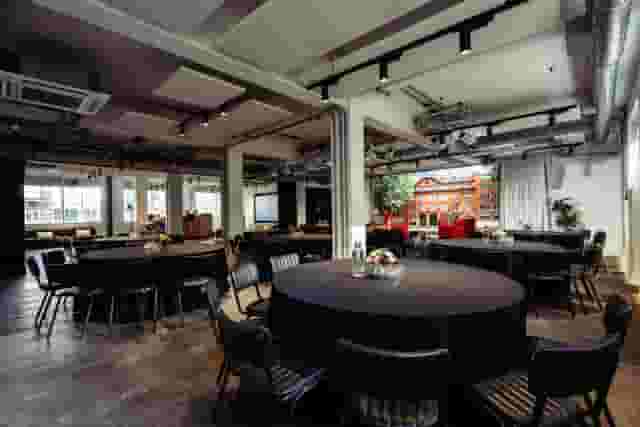
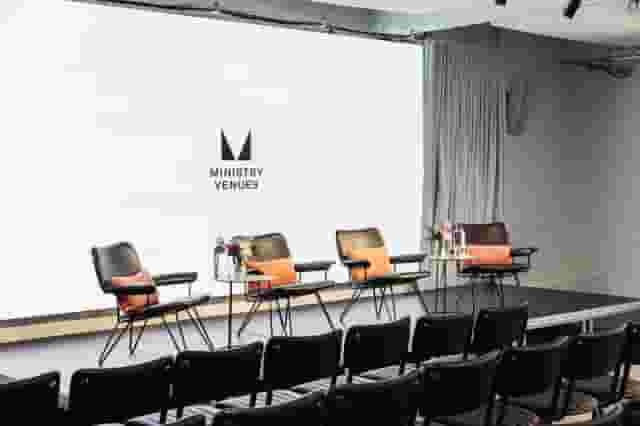
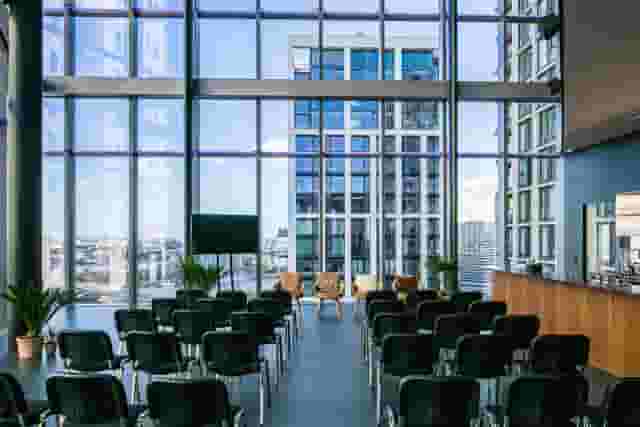
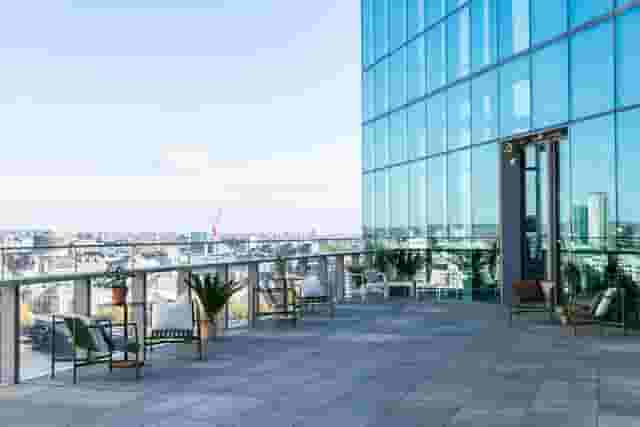
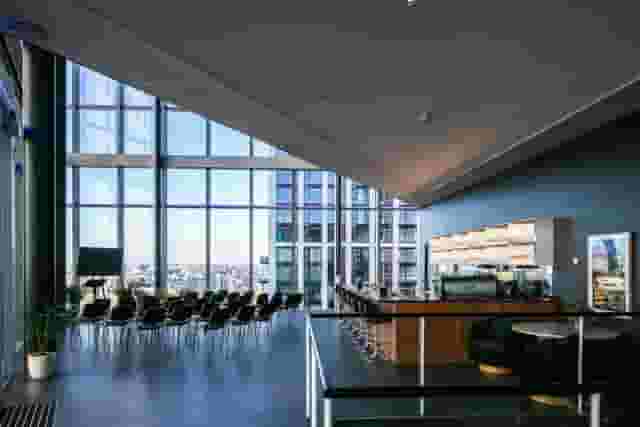
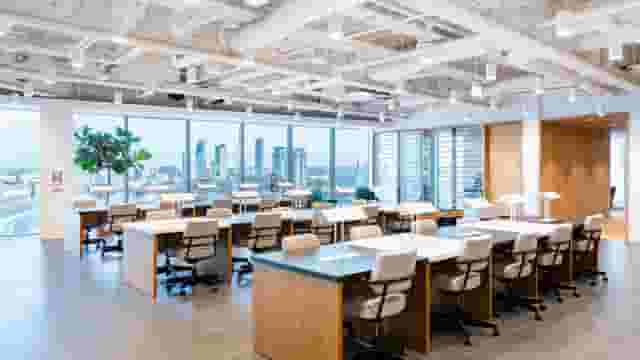
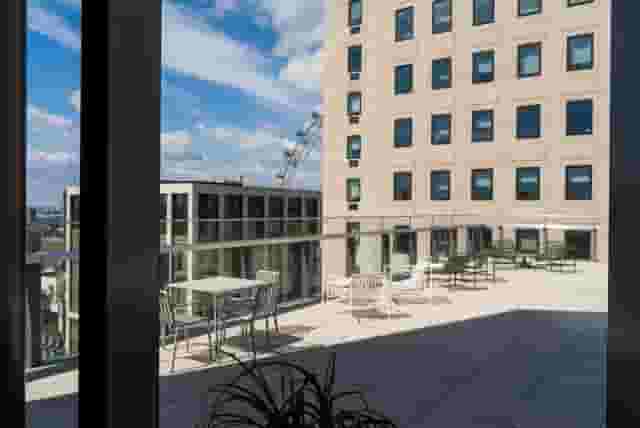
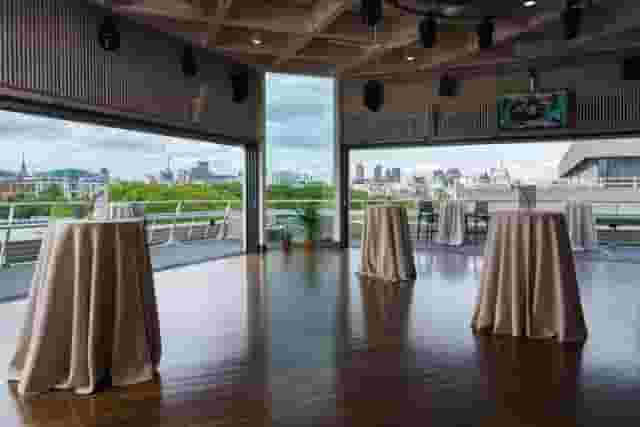
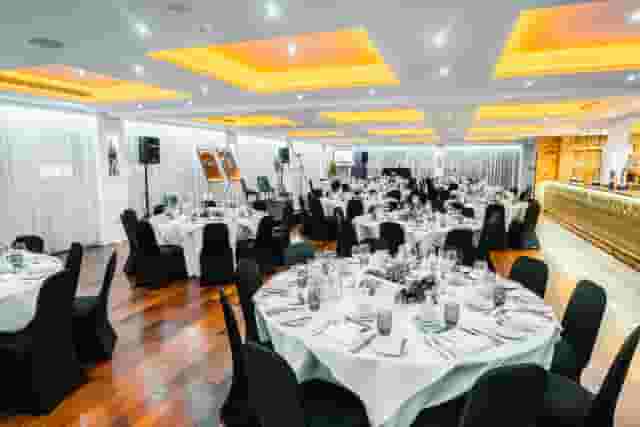
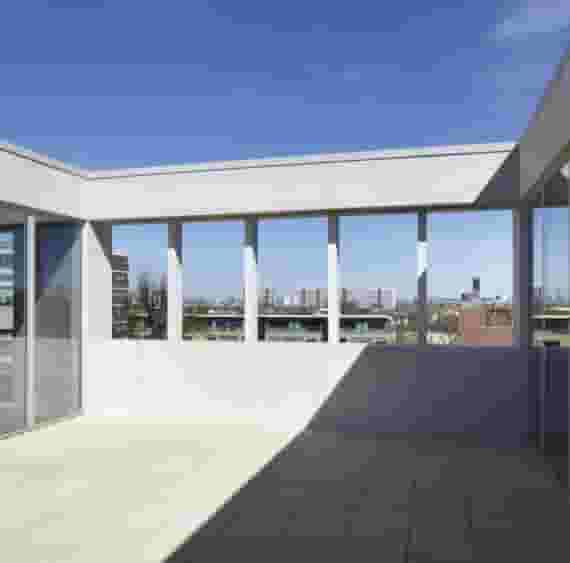
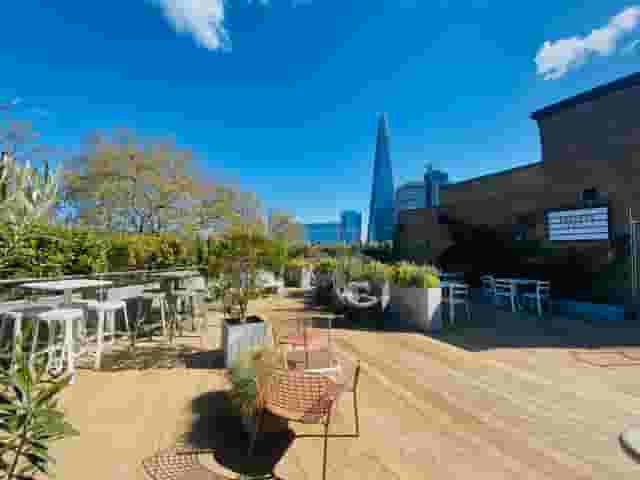
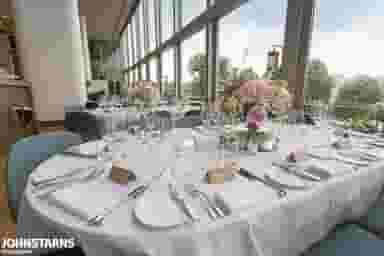
Different architectural styles shape these dynamics in distinct ways. Contemporary spaces with split levels or terraces allow you to create natural conversation zones. At York Road near Waterloo, the 16th floor space holds 150 guests for a reception and pairs a double-height interior with an outdoor roof terrace. This dual layout lets guests step outside for quieter one-to-one discussions while keeping the core reception indoors. For creative, design-led gatherings, The Ministry in Borough holds up to 200 people in The White Space. The industrial styling and adjoining courtyard provide an informal backdrop that suits media, technology or founder meetups where an overly corporate room might stiffen the mood.
Acoustics require careful thought before signing a contract. Hard surfaces like polished concrete, exposed brick and full-height glass look smart during daytime site visits, but when 150 people start talking at once, the noise reverberates and forces everyone to raise their voices. If you choose a space with hard architectural finishes, inspect the soft furnishings, acoustic ceiling panels and drapery, or ask your AV team about zoning low-level background sound to avoid competing with speech.
Navigating South London transport, river views and room sizes
Location and accessibility dictate your turnout rate. Corporate attendees heading to an evening reception after work look for quick journeys from major office clusters. South London offers distinct geographical pockets for networking events, each with its own logistical strengths and transport advantages.
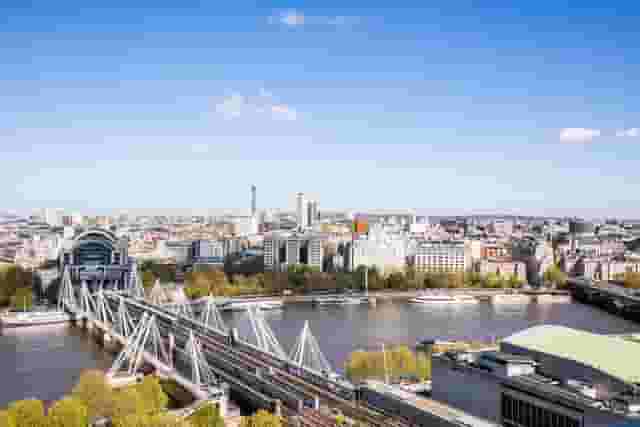
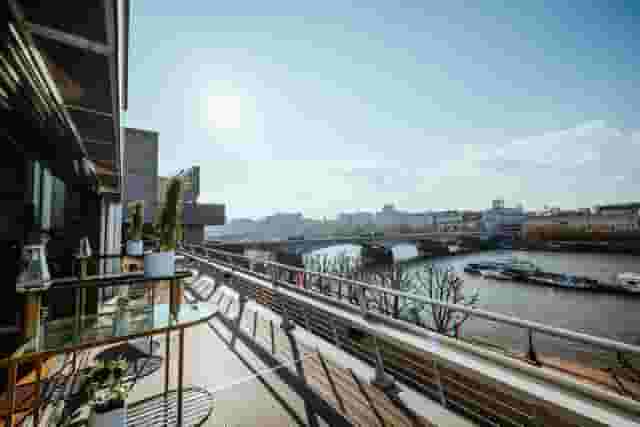
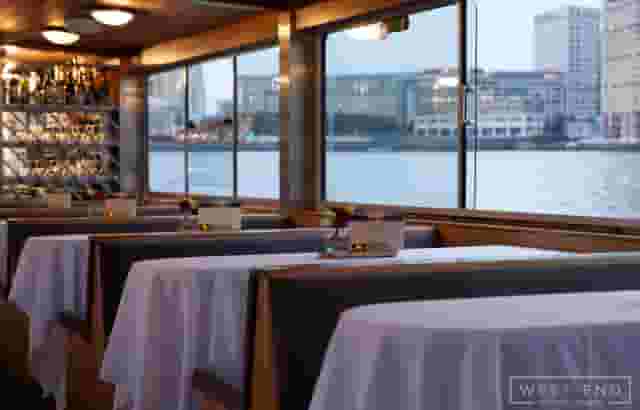
The South Bank and Waterloo corridor remains the most practical area for central London guest lists. Waterloo station provides mainline connections across the south of England alongside the Jubilee, Northern, Bakerloo and Waterloo & City underground lines. Guests working in the City or the West End can reach South Bank venues within ten to fifteen minutes. The riverside strip also carries an immediate draw for attendees: water views across the Thames toward the north bank skyline.
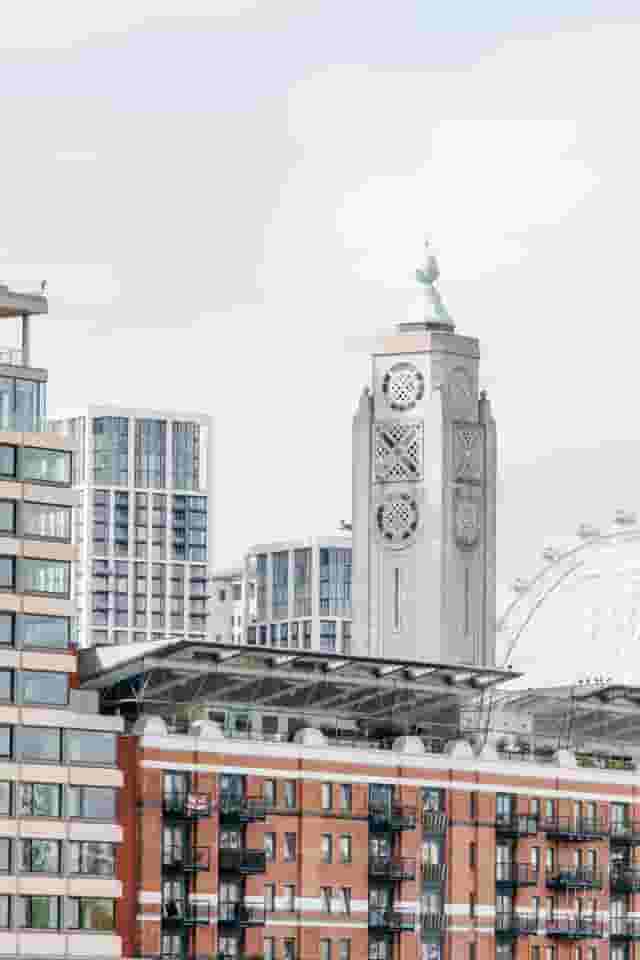
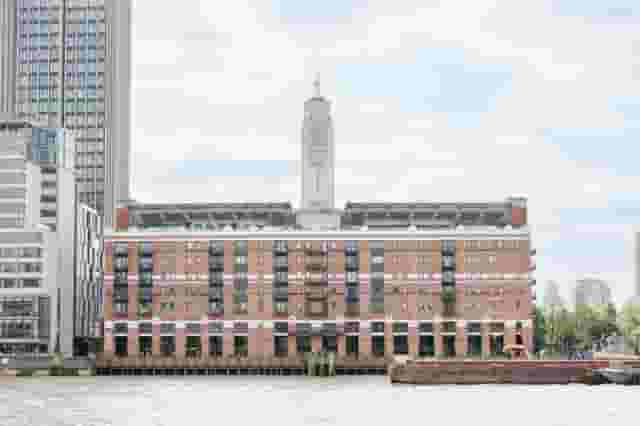
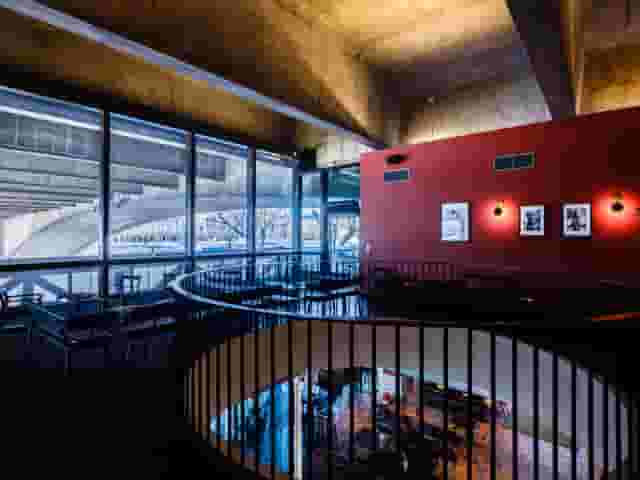
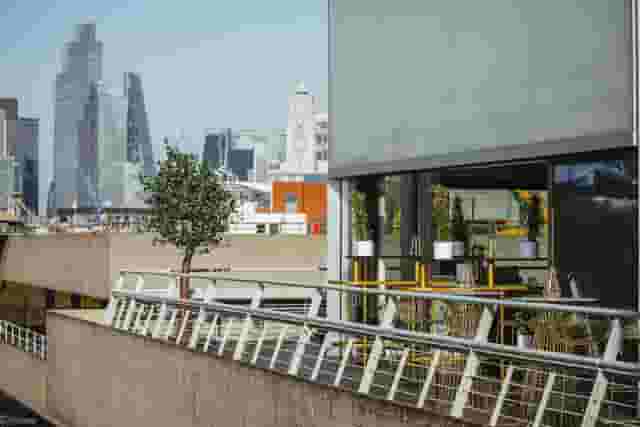
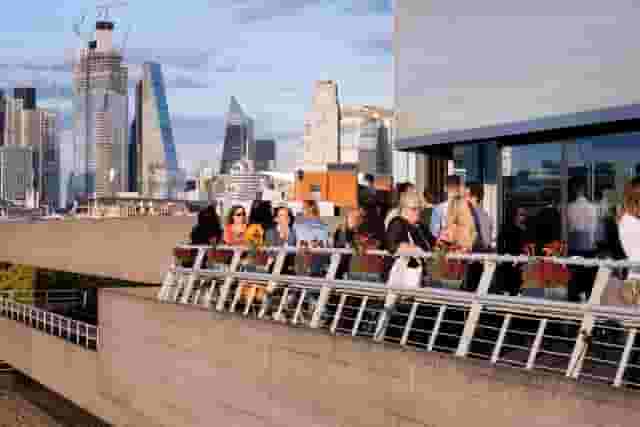
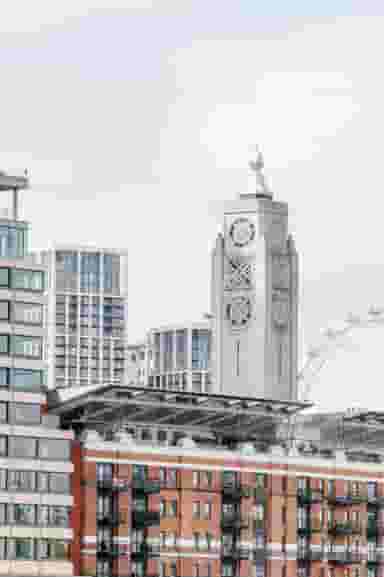
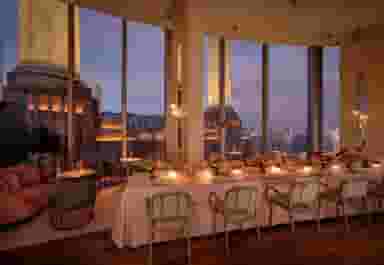
Along this stretch, venues capitalise on the river outlook to create an engaging evening backdrop. OXO2 accommodates 400 standing guests across a modern, open space with panoramic views over the Thames, giving larger corporate receptions plenty of daylight before dusk. A short walk along the river, BFI Southbank offers its Riverfront and Balcony Bar for receptions of up to 590 people. Its two-storey setup allows planners to place registration and food on one level while keeping the upper bar clear for conversation. For more intimate corporate dinners or drinks receptions of up to 50 guests, spaces like Skylon provide elevated river perspectives right on the South Bank arts promenade.
Further west along the river, the Battersea and Nine Elms redevelopment has transformed former industrial plots into modern event destinations connected by the Northern line extension. For massive industry gatherings, association showcases or summer corporate receptions, Evolution London in Battersea Park can host up to 4000 people in reception format. A space of that scale requires dedicated shuttle planning or clear walking routes from Battersea Park and Queenstown Road stations.
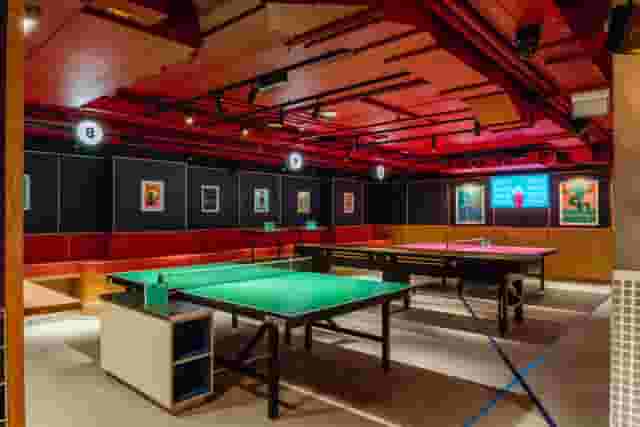
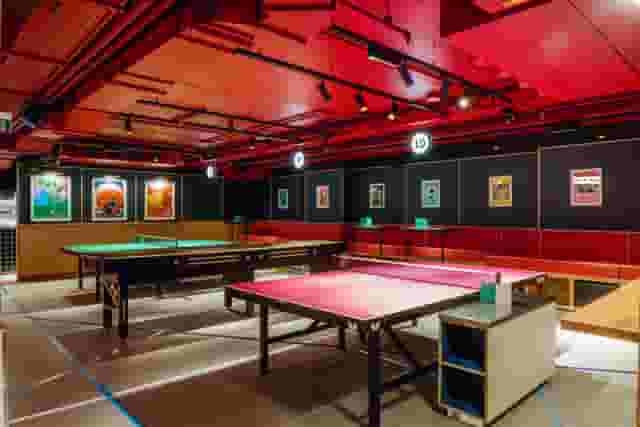
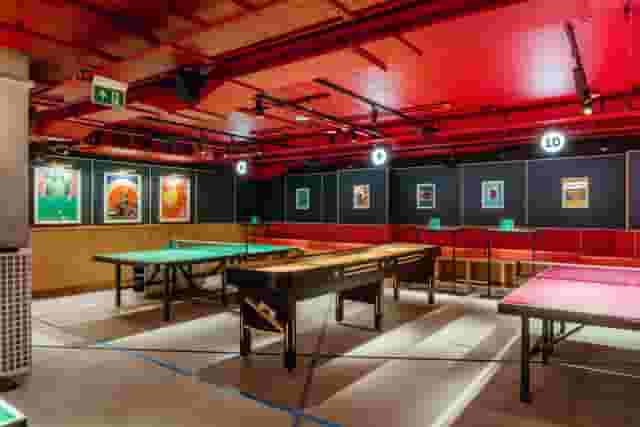
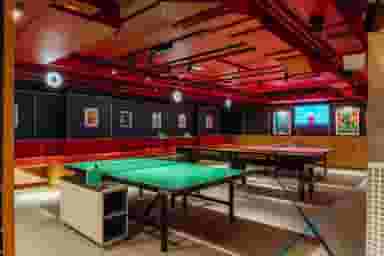
Hotels and entertainment spaces in Battersea suit different delegate requirements. Large full-service hotels simplify planning when guests travel into London from regional offices or overseas. The Ballroom at Park Hyatt London River Thames hosts up to 580 guests for a reception, offering on-site accommodation, dedicated kitchen brigades and in-house technical production. Conversely, if your networking format leans social or incorporates team icebreakers, activity venues can break down corporate barriers. At Bounce Battersea Power Station, The Control Deck holds 40 standing guests around ping pong tables, giving attendees an activity to rally around when standard cocktail chat starts to drag.
| South London District | Primary Transport Links | Typical Venue Style | Best Suited For |
|---|---|---|---|
| South Bank & Waterloo | Waterloo, Waterloo East, Blackfriars | Riverside terraces, modern open-plan galleries, cultural spaces | City and West End workforces, high-attendance cross-industry mixers |
| London Bridge & Borough | London Bridge, Borough | Converted industrial warehouses, private members' clubs, restored brick arches | Creative sectors, tech meetups, fintech networking |
| Battersea & Nine Elms | Battersea Power Station, Nine Elms, Queenstown Road | Modern hotel ballrooms, purpose-built exhibition structures, activity bars | Large-scale annual receptions, events with out-of-town delegates requiring hotel rooms |
Managing drinks, canapes and catering logistics
Food and drink at a networking reception play a practical role: they fuel conversation without interrupting it. When guests spend the evening holding a glass, a smartphone and an event programme, your catering choices must be simple to handle while standing up.
Canapes should always be genuine one-bite portions. Anything that requires a fork, a small bowl or biting through tough pastry leaves attendees balancing a plate, dropping crumbs or chewing awkwardly mid-introduction. Instruct your caterer to avoid greasy coatings, runny sauces and unmanageable garnishes. Skewers, tartlets, croquettes and small savoury cones work well because guests can eat them neatly with one hand.
Plan your food quantities around the timing of your event. If your reception runs from 18:00 to 20:00, guests will expect light bites rather than a full meal; budgeting four to six canapes per person is standard. If the event extends past 20:30, or if guests are arriving straight from a demanding working day, increase the quantity to eight to ten pieces per head, or introduce small, substantial items toward the second hour.
Beverage strategy needs equal care. When doors open, demand peaks immediately. Prepare pre-poured trays featuring wine, a signature cocktail and an appealing non-alcoholic option near the arrival zone. This cuts bar queues instantly and disperses early crowds. For a standard two-hour reception, budget roughly three drinks per guest, adjusting upwards for a three-hour gathering.
Ensure non-alcoholic options are treated with the same culinary care as wine. Offering only warm tap water and orange juice makes non-drinkers feel like an afterthought. High-end sodas, botanical spritzes and flavoured iced teas give all attendees a quality drink in hand.
Dietary requirements must be handled systematically rather than as an emergency on the night. Always ensure your caterer maintains separate trays for vegetarian, vegan, gluten-free, halal and allergen-specific canapes. Waiting staff should be thoroughly briefed on the exact ingredients of every item on their tray. Having staff clearly announce what they are carrying prevents awkward interruptions while attendees are deep in discussion.
Structuring the evening and technical requirements
A networking reception still requires structure. Left entirely to their own devices, attendees can lose momentum or leave early. A well-planned run of show provides a natural arc without turning a cocktail evening into a rigid lecture.
Plan your speeches for the midpoint of the reception, roughly 45 to 60 minutes after the advertised arrival time. This gives latecomers arriving from the office time to drop their coats, grab a drink and settle in. Keep speaking intervals brief: ten minutes total across all speakers is ideal, and fifteen minutes should be your absolute ceiling. A long corporate presentation quickly drains energy from a networking room. Use the speeches solely to welcome guests, thank partners or sponsors and set the theme for the night. You can read more about planning effective formats in our guide on how to make more of your networking event at One Moorgate Place.
| Time | Activity |
|---|---|
| 18:00 | Doors open, coat check, arrival drinks and background music |
| 18:45 | Welcome remarks and short sponsor address (maximum 10 minutes) |
| 18:55 | Food service resumes, main networking window continues |
| 20:15 | Last orders called at the bar |
| 20:30 | Event concludes and guest departures |
Even an informal reception requires dependable AV support. At minimum, you need a high-spec wireless handheld microphone, a backup microphone, a clean PA system with balanced sound across the entire room and warm, dimmable lighting. Position your speakers so the audio covers the space evenly without blasting the front row and leaving the back of the room straining to hear. If you plan to run digital icebreakers or facilitate post-event connections, take a look at our breakdown of 5 of the best virtual networking tools on the market to see how apps can integrate with in-person sessions.
Test all AV equipment before guest arrival. Schedule a technical rehearsal at least an hour before doors open to check microphone levels, test presentation slides and verify Wi-Fi stability. Agree with the venue who will be operating the sound desk during the remarks. A venue staff member who merely points to an amplifier before disappearing will leave you stranded if feedback squeals through the speakers during your CEO's address.
Navigating quotes, minimum spends and package comparisons
Comparing venue quotes for an evening networking event can be challenging because different venues package their rates under different models. Some use venue hire plus catering, while others work entirely on minimum bar spends or fixed per-person reception packages.
Understanding the difference between pricing models prevents budget surprises later:
- Dry Hire: You pay a flat facility fee for the space alone. You then contract external caterers, hire glassware, bring in production and pay for staffing separately. This offers maximum creative flexibility but adds logistics and coordination time.
- Minimum Spend: Popular with bars, restaurants and private dining spaces. You pay no upfront room hire fee provided your party spends an agreed minimum amount on food and drink across the evening. If your guests fall short of the target, you pay the difference as a room charge.
- Per-Person Packages: Common in corporate event venues and hotels. These packages bundle venue hire, a fixed drinks allowance (such as two hours of house wine, beer and soft drinks), a set number of canapes, basic AV and staffing into a single per-head rate.
Day delegate rates provide a helpful benchmark for market rates, though they are built for full-day daytime conferences rather than evening receptions. As a published rate for comparison: £45 to £150 per head (Typical London published market range for a full-day package including room hire, standard AV and catering; South London, venue grade, weekday, season and inclusions can move the price.) For an evening reception, you should negotiate an evening-specific package that reflects realistic food and beverage consumption rather than daytime meeting room usage. To help navigate those numbers, Hire Space is a venue booking service backed by a team of real people who assist with venue sourcing. It provides instant, data-backed price estimates drawn from recent bookings so you know what a space will cost before reaching out, and flags comparable alternatives if a venue comes in over budget.
| Quote Component | What It Usually Covers | Questions to Ask Before Signing |
|---|---|---|
| Room Hire / Base Package | Access to space, standard house lighting, existing furniture | Does the hire window include sufficient setup and derig time, or does the clock start when doors open? |
| Food & Beverage | Canapes, wine, beer, soft drinks, bar staff | Is glassware and bar equipment included, or billed separately? What happens if canapes run out early? |
| Staffing & Operations | Waiting staff, bar tenders, cloakroom attendants | Are staff numbers based on guest ratios (e.g. 1 server per 20 guests)? Is service charge added on top? |
| AV & Technical Support | PA system, wireless microphone, house background music | Is an AV technician included on-site during speeches, or is equipment self-service? |
| Ancillary Charges | Cleaning, waste disposal, security, furniture removal | Are security guards mandatory for evening events past 100 people? Who pays for post-event cleaning? |
Always review the payment schedule and cancellation terms before committing your organisation to a contract. Most venues require a non-refundable deposit upon contract signing, with the remaining balance due 14 to 30 days prior to the event date. Scrutinise the attrition clauses, which outline the deadlines for submitting your final guest count without incurring financial penalties. By getting every line item in writing early, you protect your organisation against hidden costs and ensure your South London networking evening runs smoothly from start to finish. Hire Space 360 is enterprise venue and hotel procurement for companies spending £1m or more a year on meetings and events: a managed meetings and events programme, the kind procurement teams call strategic meetings management. It places all venue bookings and accommodation onto a single agreement with consolidated invoicing and centrally negotiated terms. Finance and event teams gain clear spend reporting and policy compliance across every department, with dedicated event sourcing experts managing the process.
What our customers say
Inspiration and planning guides

11 Techniques That Will Make You Better At Networking
Is your networking not working? Some people, it seems, absolutely love it - they swan in, glide through the party, charm everyone, and swap business cards like they're handing out Pokémon in a playground. But not all of us are like that.

6 Networking Venues That'll Seal the Deal
Networking is a key tool in today's competitive business world: it's often a necessary activity when trying to secure the right contacts, gain new employment or generally advance professionally. But in order to successfully rub elbows, you'll need an inspiring venue – such as one of these slick spaces. 1. Lee Valley VeloPark [https://hirespace.com/Spaces/London/107652/Lee-Valley-VeloPark/Velodrome-Track-Centre/Business] Stratford Few venues can claim to have been a part of the 2012 London Ol

EventLAB Series: Introducing the Event
We're very excited to introduce EventLAB [https://eventlab.online/], our first two-day event designed to take event professionals through every step of the event planning process. We'll be bringing you the latest updates in the run-up to the event in our 'EventLAB Series' [https://hirespace.com/blog/tag/eventlab//], including relevant content and a little glimpse of the speakers, workshops and themes that will feature at the event. In the first instalment, we’ll explain all there is to know a
One supplier. Every venue. Full visibility on what you spend.
Multiple venues and events. One agreement.