Seminar Rooms in Greater London
Discover professional Seminar Rooms in Greater London, perfect for hosting engaging and productive events for your organisation.
1,431 Seminar Rooms in venues in Greater London




























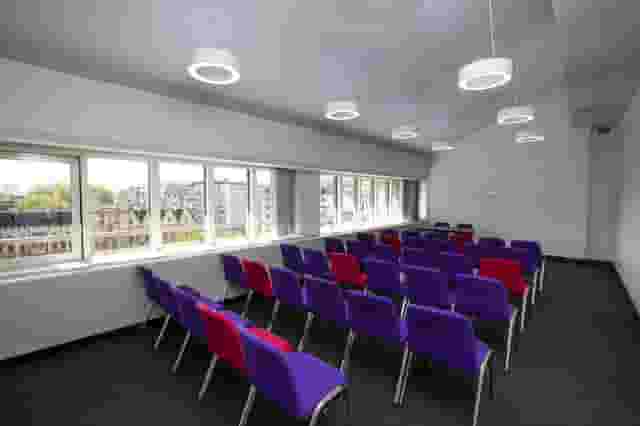
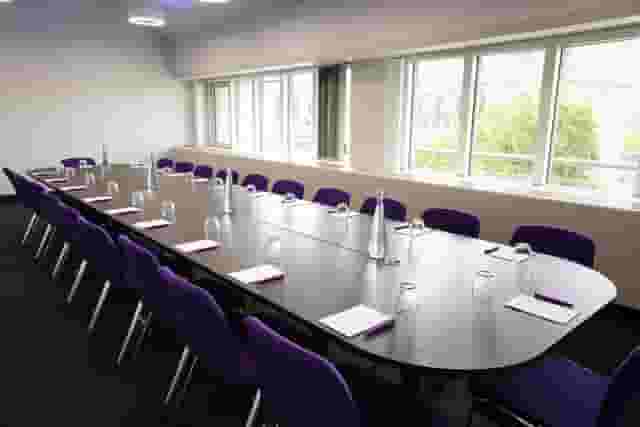

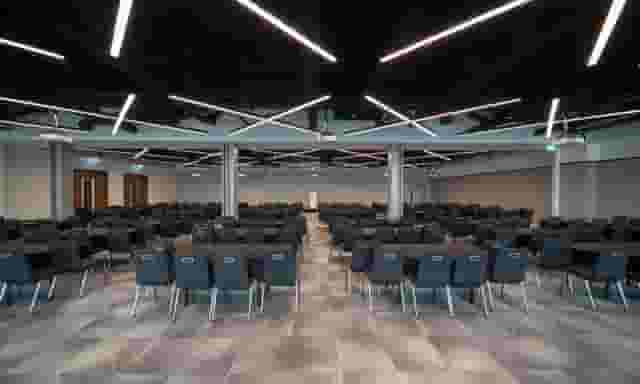
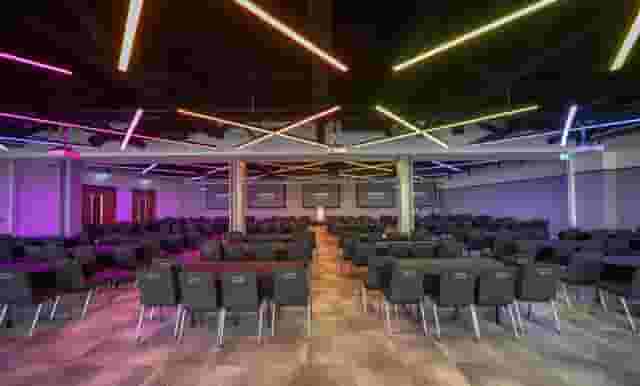











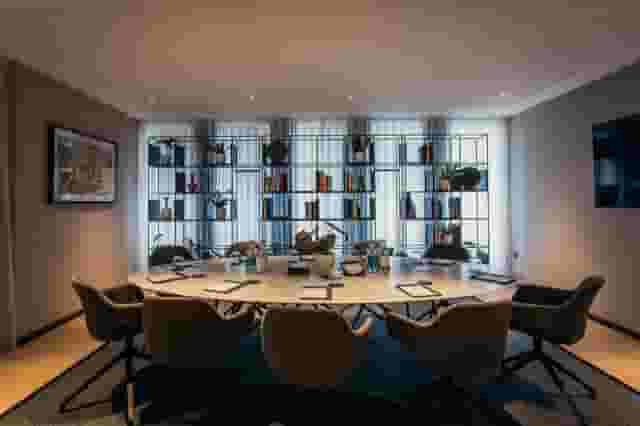
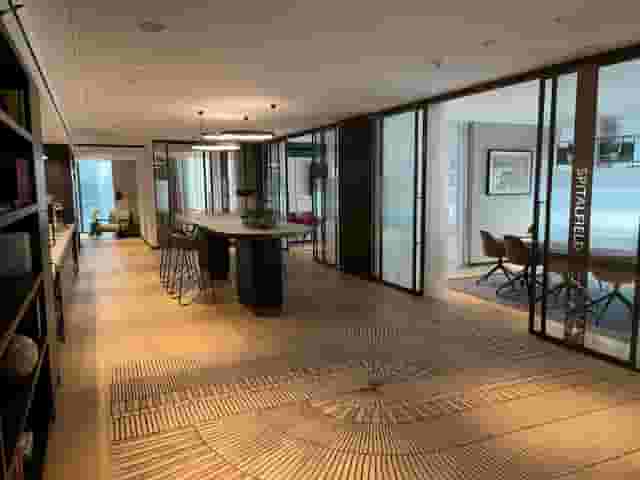
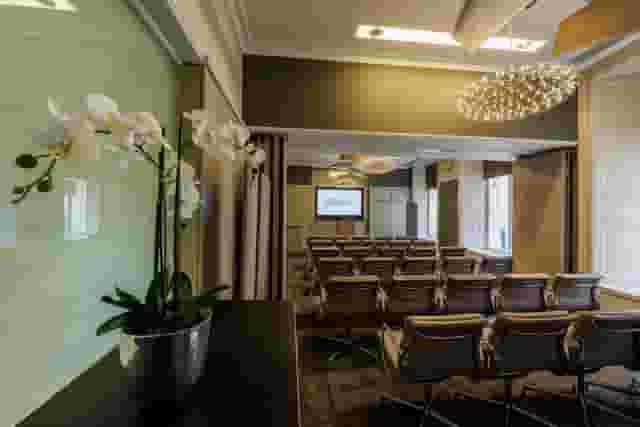
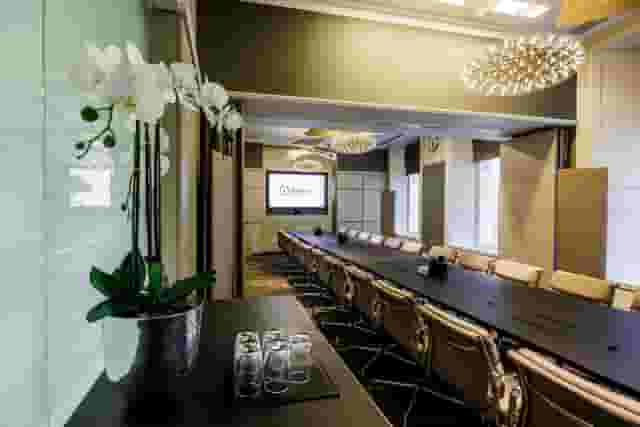
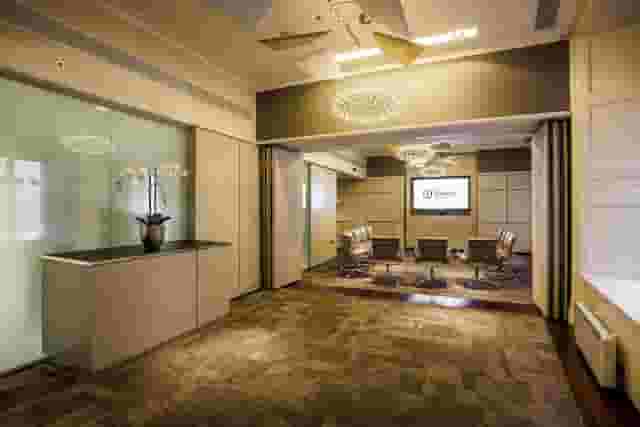
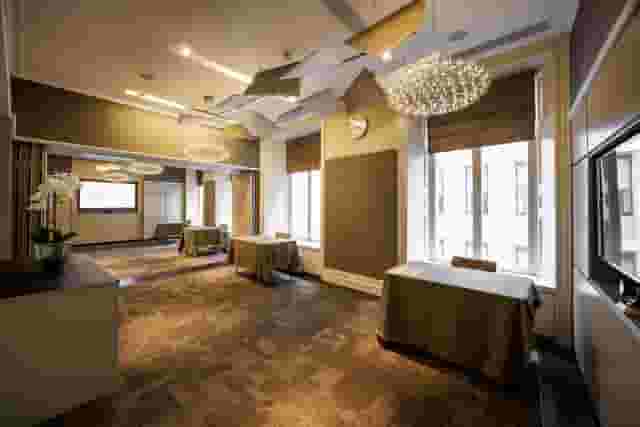
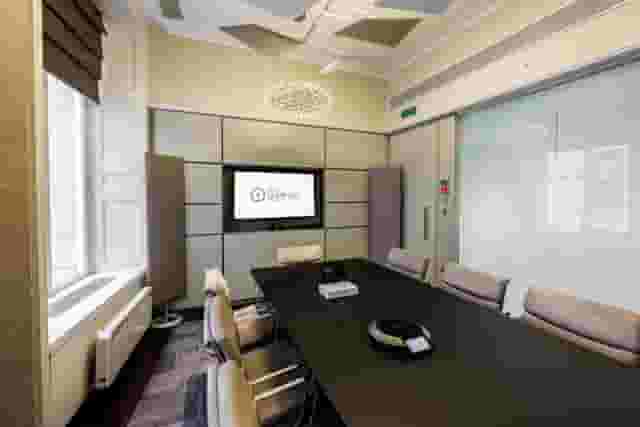
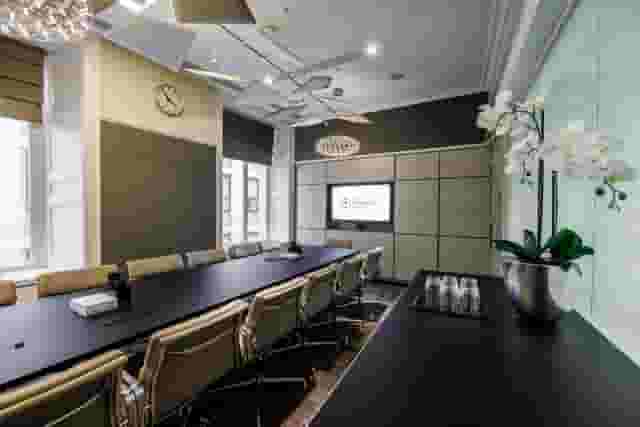












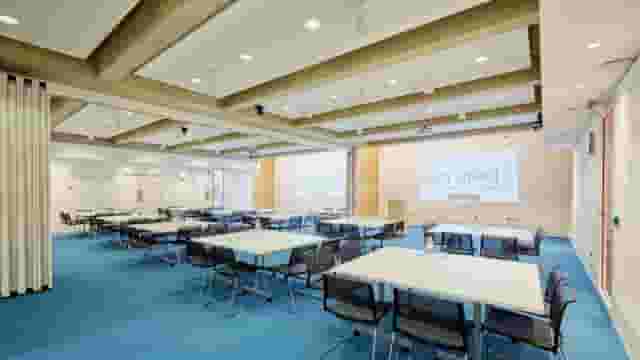
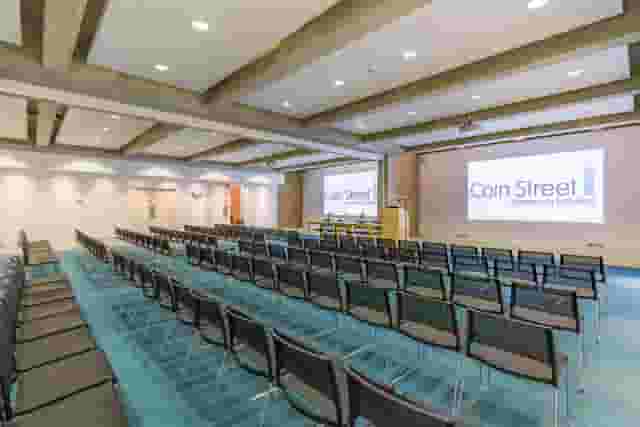

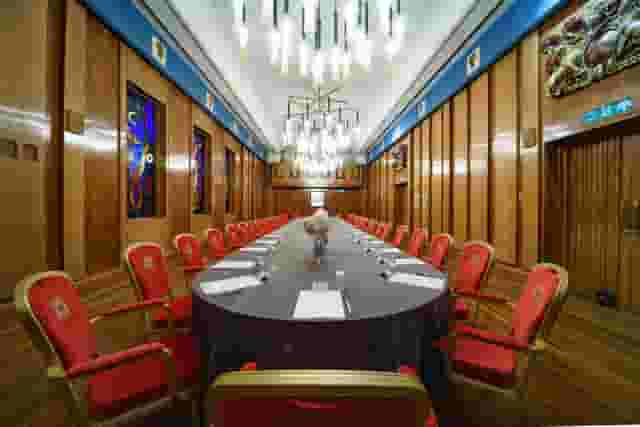
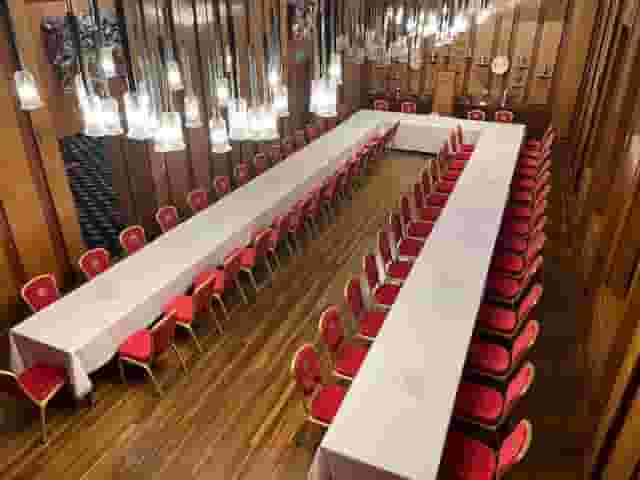






























































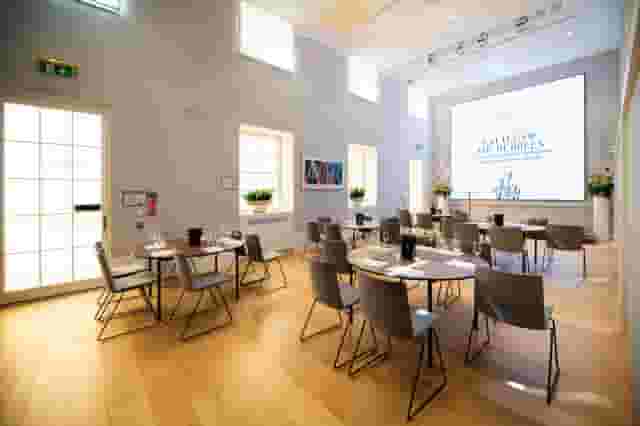


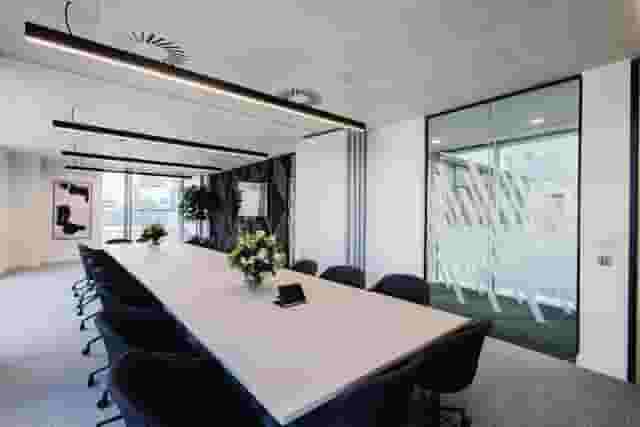

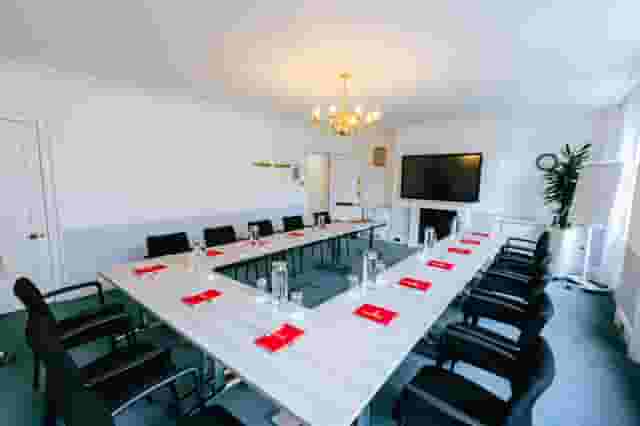



















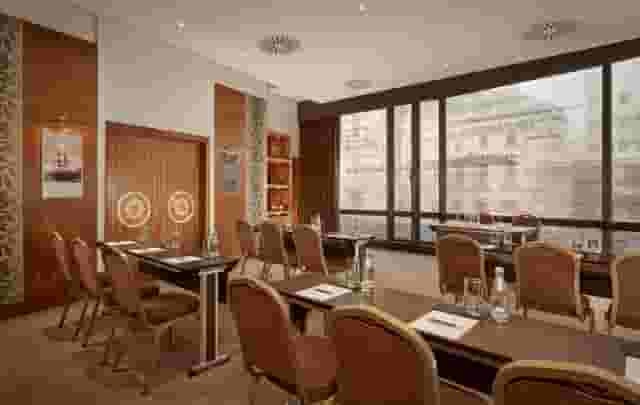

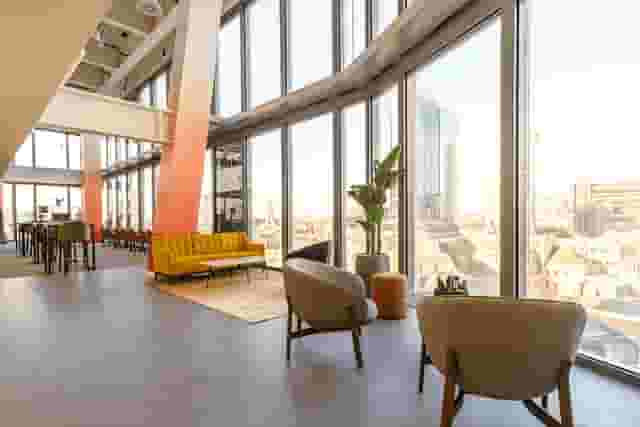



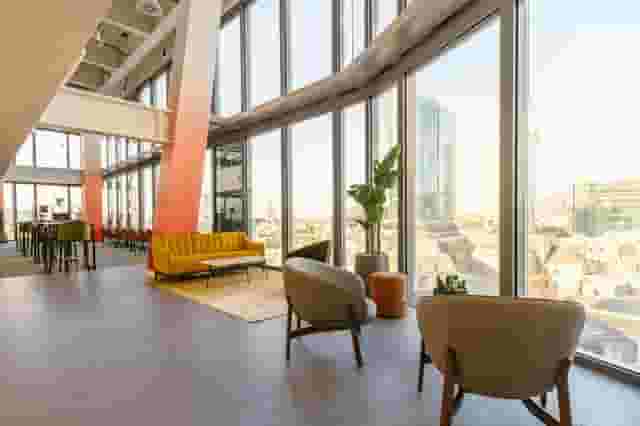
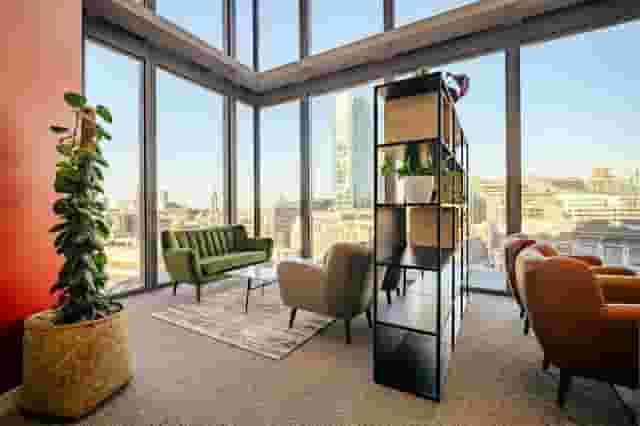



















No venues match these filters
Try widening your capacity, luxury level or event type.
Don't have time to search? We'll find it for you.
For business events that need human judgement, talk to our team. Free for events of 100+ people, budgets over £10k or ongoing programmes.


Explore more venues in Greater London
Frequently asked questions
Can I find seminar rooms in academic settings?
What seating arrangements work best for seminars?
How do I ensure privacy in a seminar venue?
Are London's seminar venues well-connected?
What tech should I expect in a London seminar room?
Other platforms search their database. We search everything.
Tell us what you need. Our deep research finds any venue, whether it's in our marketplace or not. No one else does this.
About Seminar Rooms in Greater London
Choosing the Ideal Seminar Room in Greater London: Location, Accessibility, and Ambiance
When selecting the perfect seminar room in Greater London, the trifecta of location, accessibility, and ambiance plays a pivotal role in the success of your event. For professionals organising seminars, it's essential to choose a venue that not only resonates with the event's theme but also ensures a smooth experience for attendees.
Location-wise, consider the proximity to London's extensive transport links. Venues near major tube stations or within the City of London or Canary Wharf are ideal for easy access, while those near Heathrow or Gatwick airports are perfect for international delegates. Remember, the convenience of your location can significantly impact attendance.
Accessibility is another crucial factor. Ensure the seminar room is reachable for all attendees, including those with disabilities. Features like ramps, lifts, and accessible facilities are non-negotiable for an inclusive event. Additionally, consider the local amenities such as hotels, restaurants, and parking spaces, which add comfort and convenience.
Lastly, the ambiance of your seminar room should align with your organisation's ethos. Whether you opt for a venue with a modern edge or one steeped in historical significance, it should foster a conducive environment for learning and networking. Light, acoustics, and seating arrangements are elements that can enhance or detract from the seminar experience, so choose wisely to ensure your event is both impactful and memorable.
By meticulously considering these aspects, you'll set the stage for a seminar that's not only logistically sound but also provides an enriching experience for every participant.
Enhancing the Seminar Experience: Technology, Catering, and Comfort Considerations
To elevate the seminar experience in Greater London, it's imperative to focus on the technological capabilities, catering quality, and overall comfort of the seminar room. For technology, ensure the venue offers high-speed Wi-Fi and state-of-the-art audio-visual equipment. This is crucial for delivering clear presentations and facilitating interactive sessions, which might include virtual networking tools or live streaming for remote participants. Pre-event, confirm all tech setups with the venue's IT team to avoid any glitches on the day.
Catering can make or break the seminar experience. Opt for venues that provide a variety of catering options, from energising coffee breaks to nutritious lunches. Menus should cater to all dietary requirements, ensuring inclusivity. Remember, well-fed attendees are more likely to stay engaged throughout the event.
Comfort is another key consideration. The seminar room should have ergonomic seating and adjustable lighting to suit different stages of the event. Temperature control is also important; a room that's too hot or cold can distract from the content being delivered. For longer seminars, consider venues with breakout spaces or access to outdoor areas, allowing attendees to recharge during breaks.
By prioritising these elements, you'll create a seminar environment that not only supports the delivery of content but also enhances the overall attendee experience, making your event in Greater London a standout success.
Navigating Licensing, Safety, and Accessibility for a Flawless Event
Ensuring a seamless seminar in Greater London involves meticulous planning around licensing, safety, and accessibility. These are not just regulatory checkboxes but are central to the smooth operation and inclusivity of your event.
Firstly, confirm the licensing requirements of your chosen venue, especially if your seminar includes elements like live music or evening networking sessions where alcohol might be served. It's prudent to check this well in advance to avoid any last-minute hitches that could derail your event. Resources like the London Event Toolkit provide comprehensive guidance on licensing in the capital.
Safety is paramount, and Greater London venues are well-versed in this aspect. However, as an event organiser, you should familiarise yourself with the venue's safety protocols, including fire exits, emergency procedures, and any specific security measures. It's also worth consulting resources such as Event Safety Guide by the Health and Safety Executive for best practices.
Accessibility is a key component of an inclusive event. Venues should offer facilities for all attendees, including those with mobility issues or other disabilities. Check for features like step-free access, hearing loops, and accessible restrooms. For further guidance, the Equality Act 2010 outlines the legal obligations regarding accessibility.
By addressing these critical areas, you'll ensure your seminar not only complies with regulations but also provides a safe, accessible, and welcoming environment for all attendees.
Fostering Engagement and Networking: Interactive Sessions and Breakout Spaces
In the heart of Greater London, fostering engagement and networking at your seminar hinges on the thoughtful integration of interactive sessions and well-designed breakout spaces. These elements are vital for stimulating dialogue, sharing knowledge, and building professional relationships among attendees.
Interactive sessions should be dynamic and encourage participation. Consider incorporating real-time polls, Q&A segments, or live demonstrations to keep the audience involved. Utilising tools like 5 Of The Best Virtual Networking Tools On The Market can bridge the gap between in-person and remote attendees, ensuring everyone has the opportunity to contribute.
Breakout spaces are equally important for networking and smaller group discussions. These areas should be set up to facilitate conversation, with comfortable seating and a quiet atmosphere. Venues with options for both indoor and outdoor breakout areas, such as those with access to London's green spaces, offer a refreshing change of scenery that can invigorate attendees.
When planning your seminar, allocate time within the agenda for networking. This could be structured around coffee breaks, lunch, or post-seminar drinks. Providing a diverse range of beverages and light refreshments can create a relaxed environment that encourages informal interactions.
Remember, the goal is to create an engaging seminar experience that extends beyond the formal presentations. By prioritising interactive sessions and breakout spaces, you'll facilitate meaningful connections that can lead to lasting professional relationships and collaborative opportunities.
Post-Seminar Strategy: Gathering Feedback and Ensuring Lasting Impact
The culmination of a successful seminar in Greater London doesn't end with the closing remarks. A robust post-seminar strategy is essential to gauge the event's effectiveness and to cement its impact. Gathering feedback is a critical step in this process. Implement digital feedback forms using platforms like SurveyMonkey or Google Forms, and encourage attendees to complete them by offering incentives, such as entry into a prize draw or access to exclusive content.
To ensure the feedback is constructive, ask specific questions about the seminar's content, speakers, venue, and overall experience. This will provide you with actionable insights to refine future events. Additionally, consider holding a debrief session with your team and key stakeholders to discuss what worked well and what could be improved.
Ensuring lasting impact involves maintaining engagement with your attendees. Develop a follow-up plan that includes sharing seminar materials, such as presentation slides or resource lists, and offering additional content related to the seminar's theme. Utilise platforms like LinkedIn for continued professional networking and to share industry insights or upcoming events.
Remember, the goal is to leave attendees with a positive impression that extends beyond the seminar itself. By effectively gathering feedback and engaging with participants post-event, you'll not only enhance the reputation of your organisation but also build a community of professionals who are eager to attend your future seminars in Greater London.
What our customers say
Inspiration and planning guides
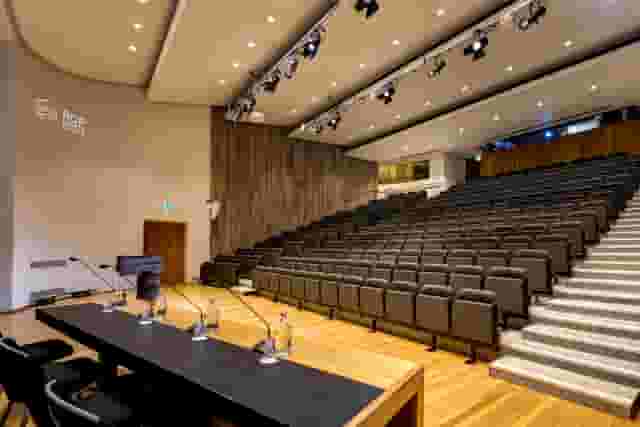
5 Conference Venues With Outside Space
Discover 5 standout London, UK conference venues with outside space. Compare capacities, amenities and layouts for summer conferences, outdoor networking and fresh-air breakouts. Plan your next corporate event with ease.

Unique Venue of the Month: Banqueting House
On a blustery winter's day in January 1649, the deposed King Charles I was beheaded by the victorious rebels of the Civil War. And the bloody execution took place just outside of our Unique Venue of the Month. Not many venues can claim to be of such historical significance, but Banqueting House [https://hirespace.com/Spaces/London/42821/Banqueting-House/Main-Hall/Weddings] – the only remaining part of the Palace of Whitehall, where English monarchs used to reside – played a major part in Briti

Sneak Peek: The Salters' Hall Refurbishment
Located in the heart of the City, Salters’ Hall combines the rich heritage of the salt trade of medieval London with contemporary surroundings. Rebuilt in 1972 by Basil Spence and now a Grade II listed building, it is a rare example of a post-war livery building and has remained largely untouched until now... Architects de Metz Forbes Knight [http://www.dmfk.co.uk/projects/load/salters-hall] (dMFK) were tasked with the project to upgrade the building whilst retaining its sense of history and al
One supplier. Every venue. Full visibility on what you spend.
Multiple venues and events. One agreement.