Music Rooms in London
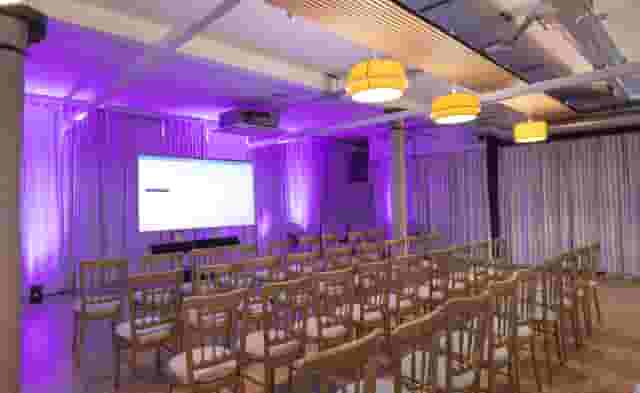
Explore music rooms and rehearsal spaces across London with the acoustic clarity, staging and AV equipment needed for serious musical performance.
703 Music Rooms in venues in London





















































































































No venues match these filters
Try widening your capacity, luxury level or event type.
Don't have time to search? We'll find it for you.
For business events that need human judgement, talk to our team. Free for events of 100+ people, budgets over £10k or ongoing programmes.




Explore more venues in London



Frequently asked questions
How to find soundproof rooms in London?
Are central London music rooms well-equipped?
Can I book a music room outside business hours?
What's the cost of hiring a practice room?
What size room suits a London quartet rehearsal?
Other platforms search their database. We search everything.
Tell us what you need. Our deep research finds any venue, whether it's in our marketplace or not. No one else does this.
About Music Rooms in London
Balancing the three parts of the evening
A cultural evening combining a private view, a presentation or panel, and a drinks reception is one of the most rewarding formats to organise, but it places specific demands on a venue. Unlike a straightforward party where guests gather in a single cluster, this three-part structure requires distinct shifts in attention. Guests arrive looking to explore an exhibition or visual display at their own pace, gather twenty minutes later to listen attentively to a talk or musical performance, and spend the remainder of the night discussing what they saw over wine and canapés. If the space does not support those transitions naturally, the schedule grinds to a halt.
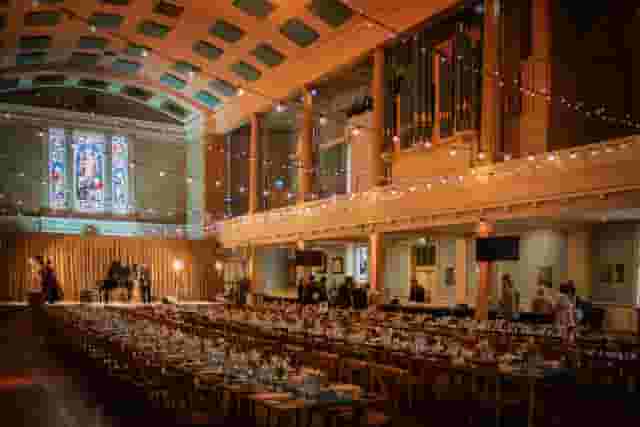
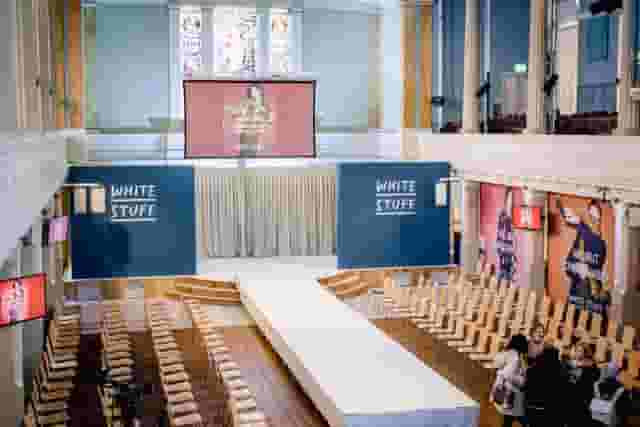
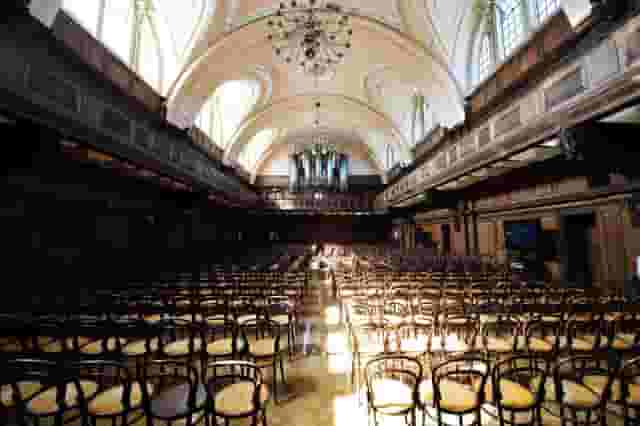
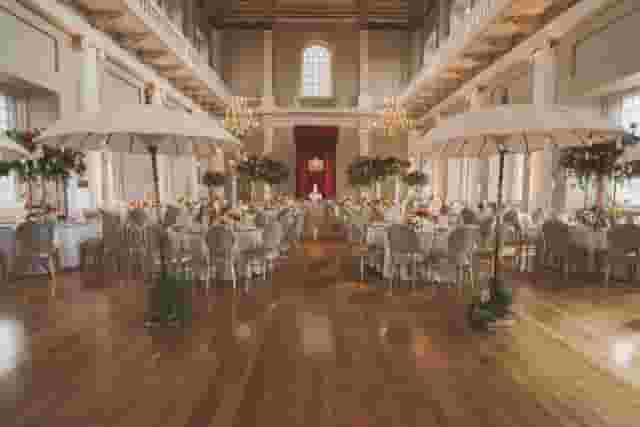
When you evaluate a room, look first at whether it allows for distinct zones or requires a complete reset while guests are in the room. A single open hall can work well if you create clear spatial cues. For a gathering of up to 300 guests, St John's Church Waterloo provides a wide, light-filled nave with flexible floor layouts that let you position an exhibition along the perimeter aisles while keeping the central floor clear for rows of seating. Because the volume of the space is generous, guests can browse art or display boards without feeling crowded by those arriving early for drinks.
Where your guest count sits between 100 and 180 people, choosing an adaptable gallery environment avoids the feeling of an echoing, half-filled room. Lumiere Underwood offers a gallery setup in Old Street that accommodates 180 guests standing. A dedicated gallery setting simplifies the private view because hanging systems, perimeter power and neutral white wall space are already part of the infrastructure. That leaves your team free to focus on temporary seating and staging for the presentation rather than building an exhibition environment from scratch.
Smaller events demand intimacy without feeling cramped. If your guest list is under 50 people, an expansive room will leave your audience feeling exposed during the talk. For a close-knit group, The London Irish Centre in Camden has an intimate space in The Old Chapel with vaulted ceilings, holding up to 42 people standing. In a room of that scale, your speaker does not need a heavy amplification rig, and the entire gathering can transition from viewing an installation to a seated conversation simply by turning their chairs.
To keep the running order moving smoothly, map the physical journey of your guests before you sign a contract:
| Stage of the evening | Recommended duration | Spatial requirement | What can go wrong |
|---|---|---|---|
| Private view | 45 to 60 minutes | Wide walkways and perimeter lighting | Guests bunch near the entrance bar and block artwork |
| Talk or recital | 30 to 45 minutes | Sightlines to speaker, directional audio and quiet | Sound bleed from nearby roads or kitchen setup |
| Drinks reception | 90 to 120 minutes | Central circulation space and standing cocktail tables | Queues at a single bar station halt conversation |
The most common failure point is the interval between the private view and the talk. If the drinks bar stays open inside the presentation zone, glassware clinking and background chatter will drown out your introductory remarks. Position the bar station either in an adjoining foyer or on the opposite side of the room, and instruct catering staff to pause service ten minutes before the presentation starts.
Acoustic character, sightlines and staging
When a programme features spoken word, live music or an acoustic performance alongside a visual viewing, sound quality determines the success of the night. Spaces designed primarily as rehearsal halls or performance studios handle audio far better than corporate boardrooms or standard function suites. Purpose-built music rooms are constructed to tame unwanted flutter echo, limit sound leakage from adjacent streets, and provide clean resonance for both unamplified instruments and the human voice.
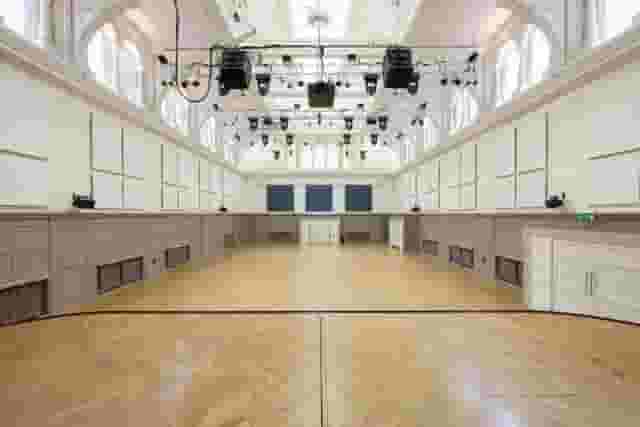
If your evening includes classical instruments, a quartet or an unamplified speaker, pay close attention to the natural reverberation of the hall. High ceilings and stone floors give choral voices depth, but they can turn a spoken address into an unintelligible wash of sound. For focused listening with up to 110 guests standing, The Royal College of Music in South Kensington features a dedicated performance studio equipped with heritage architectural details and purpose-built audio visual capabilities. Rooms designed for serious musical training eliminate external traffic rumble from busy central roads, ensuring that subtle remarks or delicate acoustic passages reach the back row clearly.
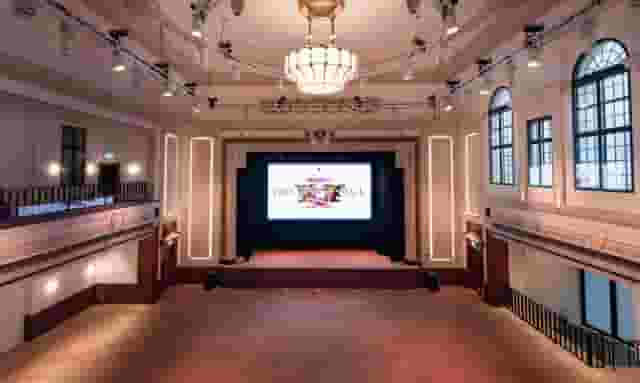
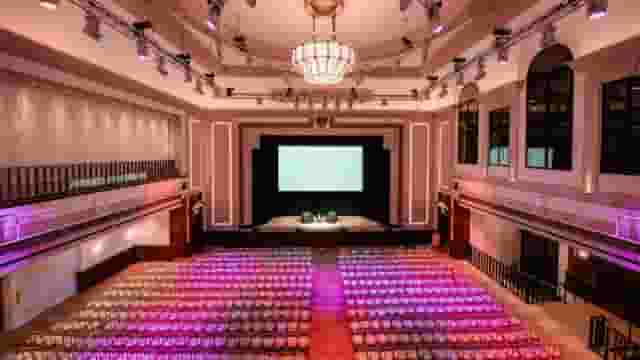
Theatrical layouts solve sightline challenges when your talk involves presentation slides, visual analysis of an exhibition piece, or multiple panellists. At St Bride Foundation off Fleet Street, the Bridewell Theatre holds up to 200 people standing and provides a historic, theatrical setting. The raised stage and dedicated lighting grid mean that every guest gets a direct view of the stage without craning over the person in front. That elevation also separates your speakers physically from the floor area, creating a natural boundary between formal stage content and the informal drinks reception that follows.
For intermediate gatherings that blend creative workshops, talks and informal performance, look at multi-disciplinary spaces. Ladbroke Hall in West London provides a studio space with a capacity of 80 for a reception. Because it sits inside a broader arts hub, the room is equipped to handle live sound and digital projection without the need to bring in external trussing or bulky loudspeaker stands.
Managing sound isolation and technical setups
Before committing to a venue, ask explicit questions about how sound moves both into and out of the room. A space may have internal acoustic panelling on the walls to stop reflections, but lack the structural soundproofing needed to keep external noise at bay. Underground train lines, emergency vehicle sirens, or an adjoining rehearsal taking place down the corridor can derail a quiet presentation.
If your event involves an amplified musical set or a four-piece ensemble, confirm whether the venue enforces strict decibel limits. Residential neighbours in central London boroughs often push venues into using sound limiters, which cut master power if a bass drum or vocal peaks past a predetermined threshold. You should also check the power supply near your designated stage area:
- Confirm whether the room runs dedicated 13-amp or 32-amp circuits for audio equipment to prevent ground hum from catering warmers.
- Establish whether microphones, mic stands, audio mixers and cabling are included in the baseline hire fee or billed per item.
- Walk the room during a site visit to identify blind spots created by pillars, low ceiling ducts or decorative plasterwork.
- Check that the room has adequate air exchange and ventilation that operates quietly during speech rather than roaring over your presenter.
Quote structures, hidden fees and what the budget covers
Calculating the total cost of a cultural evening requires looking past the basic dry-hire fee. Venues with artistic, theatrical or musical heritage price their spaces using varied commercial models. Some quote a fixed venue hire fee with all production and staffing added separately, while others offer per-head packages that wrap food, drink and core technical equipment into one consolidated rate. To get a clearer picture before you begin contacting locations, venue booking platform Hire Space provides instant price estimates drawn from real booking data, supported by a team of real people who guide you through the numbers. They can also suggest similar cultural spaces at a lower cost if a venue you love stretches your budget.
In London, indicative pricing for an arts and culture evening of this type typically sits between £115 to £295 per head. This price range is based on three quotes from the venues on this page and assumes a guest count of about 120 guests. It is an indicative estimate derived from what these spaces have charged for similar events, rather than a fixed menu price.
Where your event lands within that bracket depends heavily on production ambitions, catering style and venue infrastructure:
Towards the £115 end of the spectrum, you are typically looking at independent creative centres, church halls or rehearsal spaces on a dry-hire basis, paired with a standing wine reception and cold canapés brought in by an external caterer. At this level, the venue provides the empty room, baseline house lighting and standard cleaning, while your team coordinates the furniture hire, portable PA system and drinks delivery.
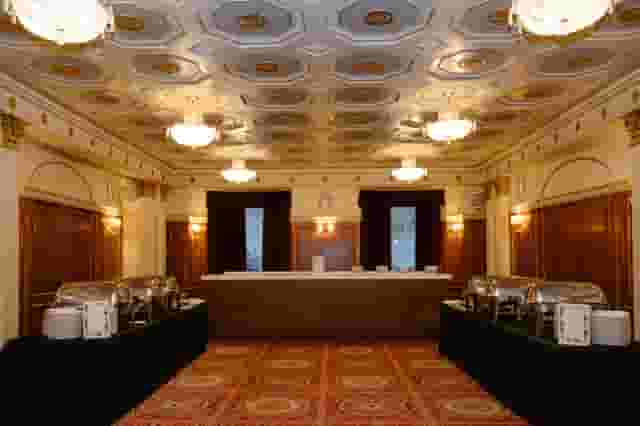
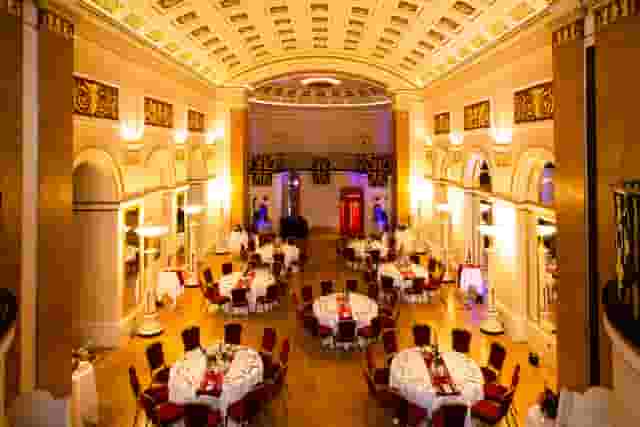
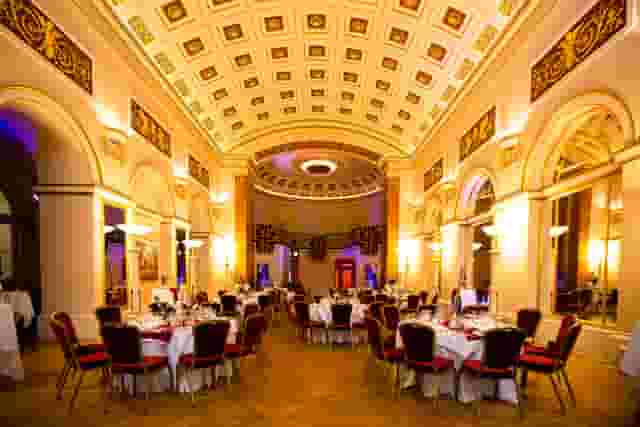
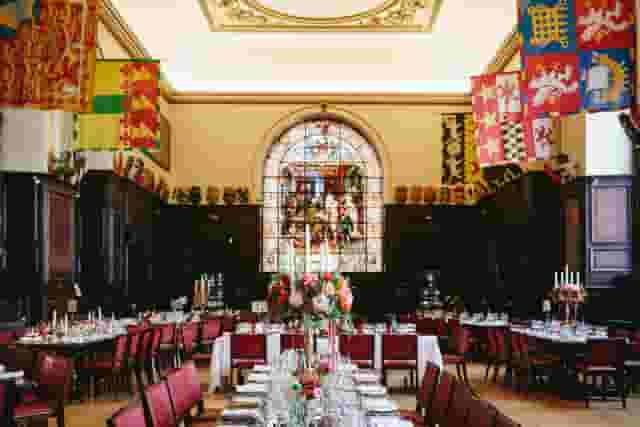
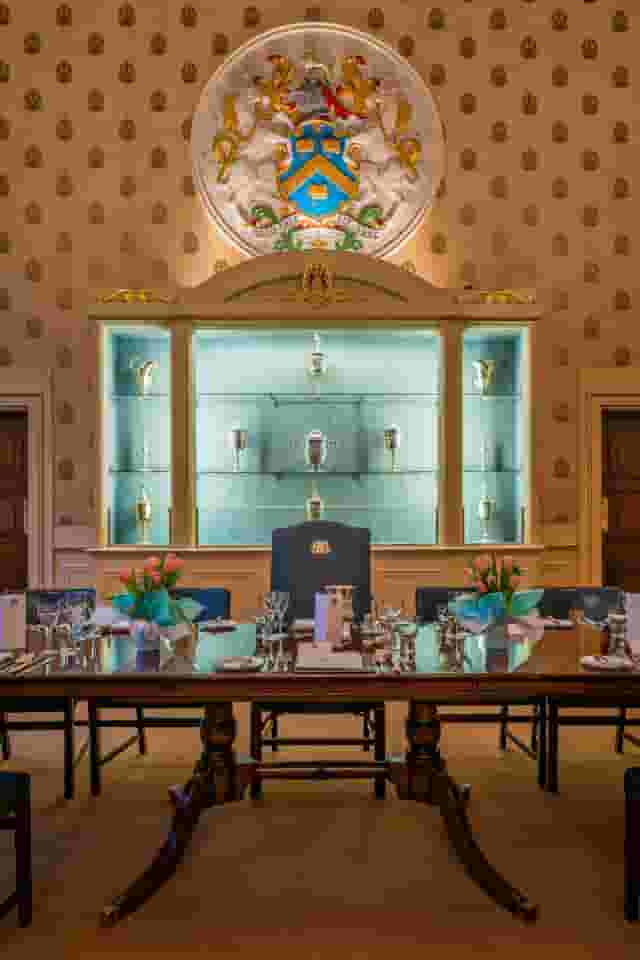
Towards the £295 end, the quote generally reflects prestigious livery halls or historic foundations that operate mandatory catering panels, dedicated in-house production technicians, fine wines, warm bowl food and complex theatrical lighting rigs. Plaisterers' Hall in the City of London, which can host 200 guests for a buffet in its neoclassical Livery Hall, illustrates the grander end of historic central London entertaining. In environments like this, the architectural detail and in-house hospitality standard reduce the need for temporary decor, but the staffing ratios and minimum catering spends push the per-head investment higher.
For smaller, heritage-focused events, Cecil Sharp House near Regent's Park offers spaces like the Storrow Room, accommodating 60 people standing. Choosing a venue that maintains quiet surrounding gardens and established cultural roots offers distinct atmosphere at a manageable scale, though you will need to review whether furniture moves and technical operations require hiring their house staff.
To understand how a typical budget distributes across the components of a 120-guest cultural gathering, consider the following allocation:
| Expenditure item | Approximate share of overall spend | Key points to clarify before signing |
|---|---|---|
| Space hire and facility fees | 35% to 45% | Covers contracted access window, basic utilities and venue management |
| Drinks and canapé catering | 30% to 40% | Clarify service staff numbers, glassware hire, ice and corkage terms |
| Sound, lighting and AV production | 15% to 20% | Clarify if an audio engineer is on hand during rehearsals and the live talk |
| Porterage, cleaning and security | 5% to 10% | Confirm out-of-hours waste removal fees and door supervisor ratios |
Asking the right contractual questions
Always check what is included in the base figure before comparing two venue proposals. A dry-hire price that looks low on paper can double once mandatory additions are tallied. Request an itemised breakdown covering the following details:
- Catering markups and buyouts. Venues with approved supplier lists frequently levy a percentage commission on your caterer's total invoice, typically between 10% and 20%, or charge a buyout fee if you bring in an unlisted team.
- Dedicated technician presence. A venue might advertise a built-in PA system, but using it may require paying for an in-house sound engineer at an hourly rate, with a minimum four-hour callout.
- Furniture turnaround. If the space starts the day set for a daytime rehearsal, confirm whether the venue's facilities team will clear and reset the room for your evening reception, or if that responsibility falls to your team.
- Damage deposits and overtime. Standard security deposits are held against floor damage, wall markings from exhibition hanging, or late departures. Confirm the penalty rate if your guests linger past your contracted curfew.
Load-in schedules, licensing curfews and transport logistics
Timing makes or breaks an evening that combines visual presentation with live sound. Your artists, speakers, caterers and audio technicians all require access to the room well before the first guest walks through the door. One of the primary advantages of purpose-built rehearsal and music spaces is their practical approach to equipment loading, but you must verify access hours early in planning.
Music studios and independent arts venues frequently operate on tight daily schedules, with other rehearsals taking place earlier in the afternoon. If you need to hang exhibition artwork, position display plinths or run a full acoustic sound check with an ensemble, booking a simple two-hour setup window prior to doors opening will cause panic. Aim for a minimum four-hour load-in window. That provides adequate time to test wireless microphones, balance vocal levels against room acoustics, chill wine and set up registration tables without rushing.
Out-of-hours access and licensing
London venue licences vary considerably by neighbourhood. In residential pockets of Camden, Highgate or Islington, council premises licences often require live music or amplified sound to finish strictly by 22:00 or 22:30, with all guests off the premises by 23:00. In central business districts like the City of London or parts of Southwark, licences may extend later, though venue staffing costs rise past standard hours.
If your programme runs late into the night, ask venue management:
- What time does the alcohol licence end, and is there a mandatory drinking-up period?
- Does the venue permit out-of-hours de-rigging, or must equipment remain locked in the room overnight for collection the following morning?
- Are load-in docks accessible by flat ground, or will heavy cases need to be carried down narrow basement stairs?
- Is there an on-site parking bay for technical crew or caterers during the load-in period?
Keeping arrival and departure simple for guests
The geographic location of your venue heavily influences guest turnout. While destination galleries in outer neighbourhoods can offer great character, guests attending an evening after work appreciate central transit links.
Venues situated near major rail and Underground interchanges make arrival straightforward for speakers and attendees alike. Waterloo, Old Street, South Kensington and Camden provide reliable late-night transport options across the Northern, Jubilee, Piccadilly and Elizabeth lines. If your chosen space is tucked away in a quiet mews or down a side street, supply clear walking instructions and station exit advice on the digital invitation. A clear map ensures guests arrive composed, ready to take in the exhibition, engage with the presentation and enjoy the reception to its fullest.
What our customers say
Inspiration and planning guides

Storm DJs: Providing the Soundtrack to Your Next Event
Google, Ben & Jerry's, Hilton and L'Occitane are just a handful of the impressive and diverse clients that the musical virtuosos at Storm DJs [https://hirespace.com/Suppliers/Event-Suppliers/Storm-DJs#enquiry] have worked with in the past. Both corporate and private events usually need a little something of the musical variety to provide a soundtrack to the evening. A birthday party may need a compilation of pop and hip-hop music to usher guests onto the dance floor, and some deep house once th

Party & Performance Perfection at Troxy
One of the many reasons we're proud to work with a lot of our venues is the rich history that they exude. Troxy [https://hirespace.com/Spaces/London/11004/Troxy/The-Grand-Hall/Business] is a great example, with the venue dating all the way back to 1932. 10,000 light bulbs, 90,000 yards of wiring and 2.5 million bricks later, it quickly became one of the most popular – and biggest – performance venues in the world. Originally a luxury cinema, the Grade-II listed, art-deco hall has since served

Maximising the Use of Entertainment at Your Venue
Henry Fosdike, Digital Content Coordinator at Sternberg Clarke [http://www.sternbergclarke.co.uk/], guest blogs for us to discuss how to make the most out of event entertainment. Sternberg Clarke [http://www.sternbergclarke.co.uk/] is one of London's most accomplished suppliers of entertainment to corporate and private events of all kinds. When it comes to picking a good venue for your event, you need to think about a lot of different things. Where Sternberg Clarke [http://www.sternbergclarke.c
One supplier. Every venue. Full visibility on what you spend.
Multiple venues and events. One agreement.