Sustainable Conference Venues for Hire in City Of London
Compare audited green event venues in the Square Mile with built-in production, verified waste reduction and clear per-head pricing.
170 Sustainable Conference Venues for Hire in City Of London
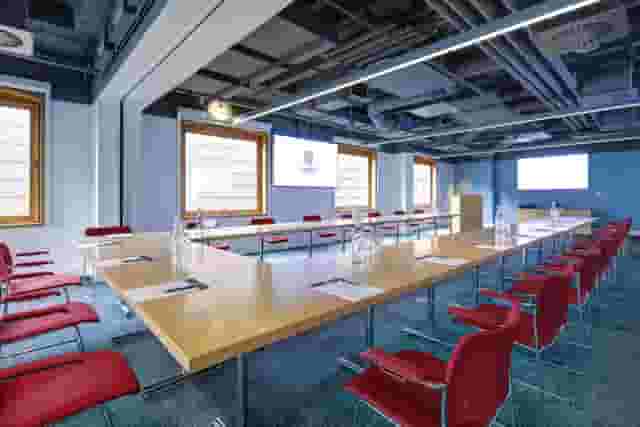
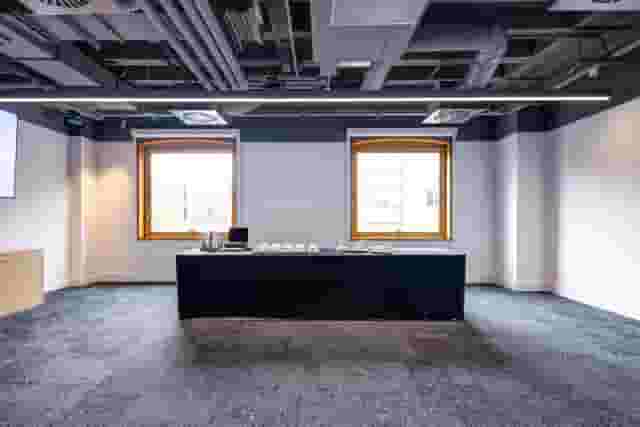
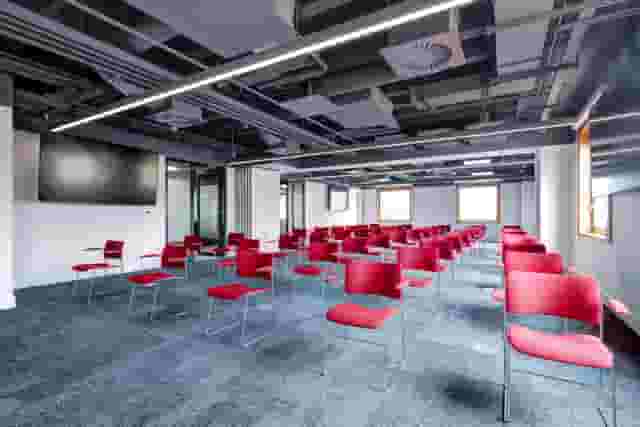
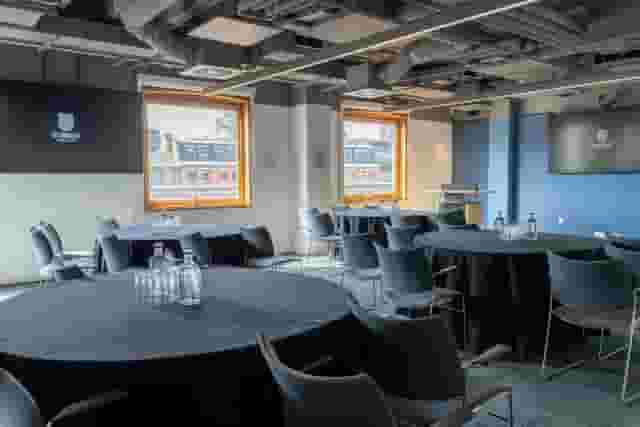


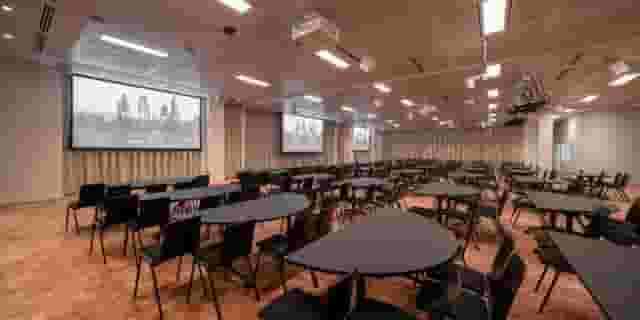
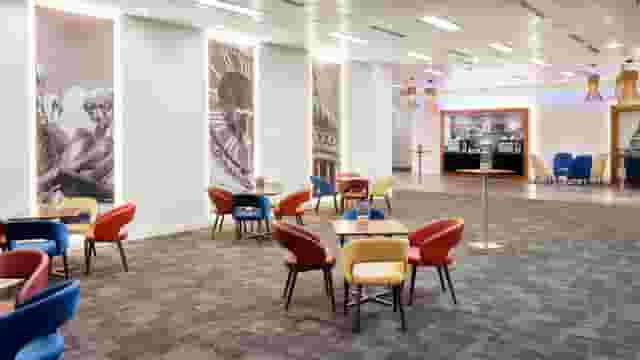

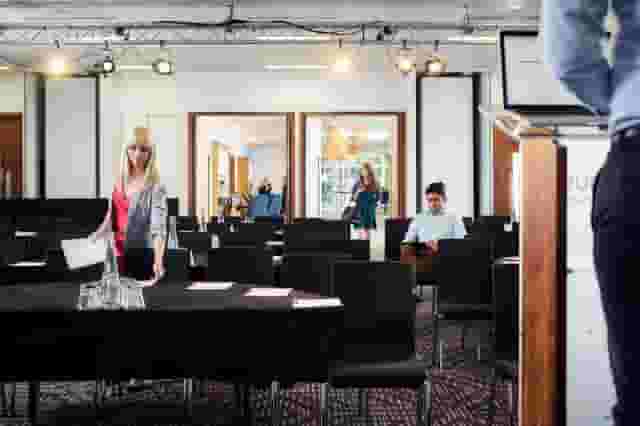
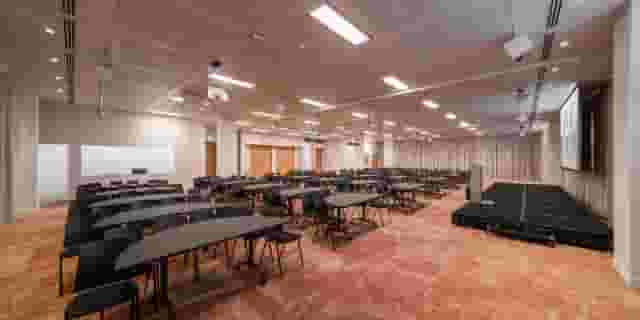
























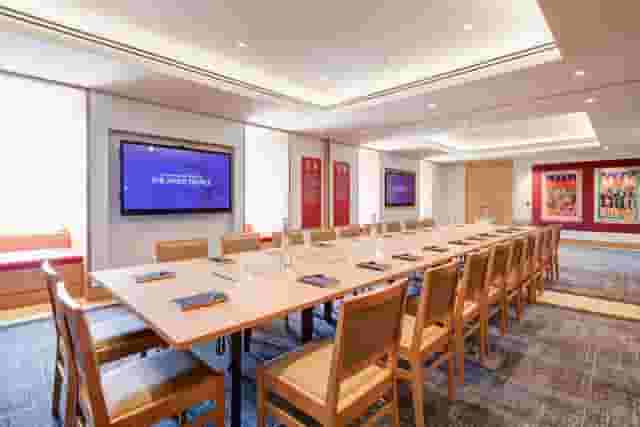
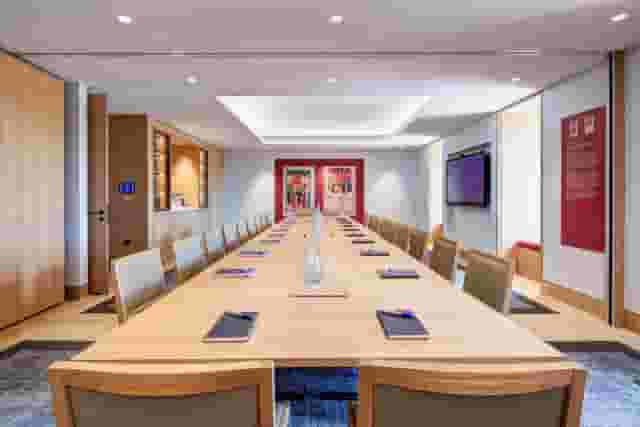
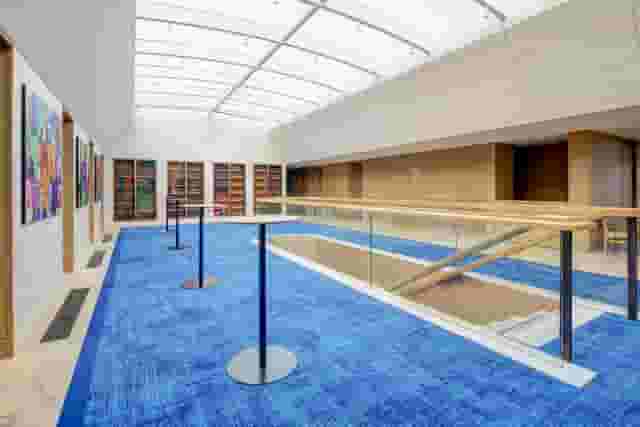
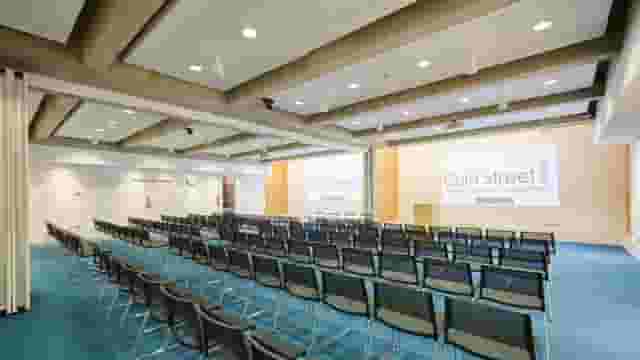




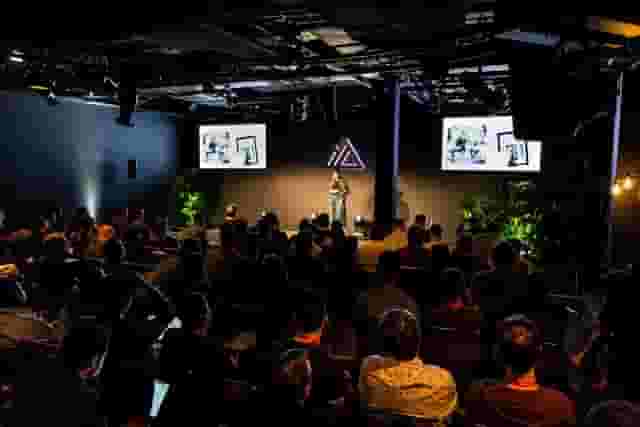
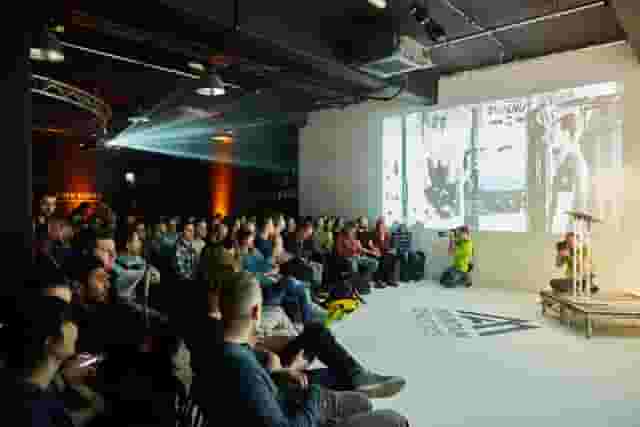


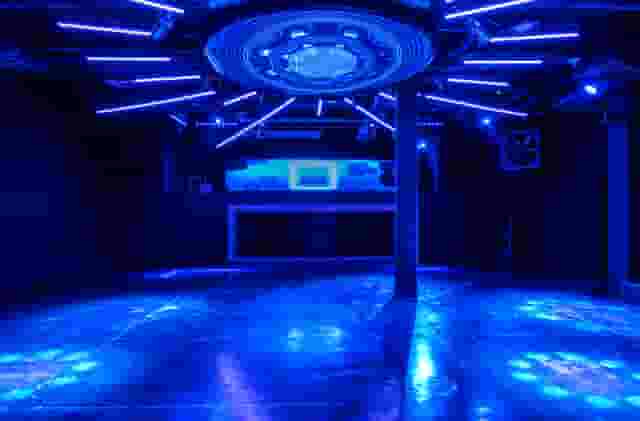
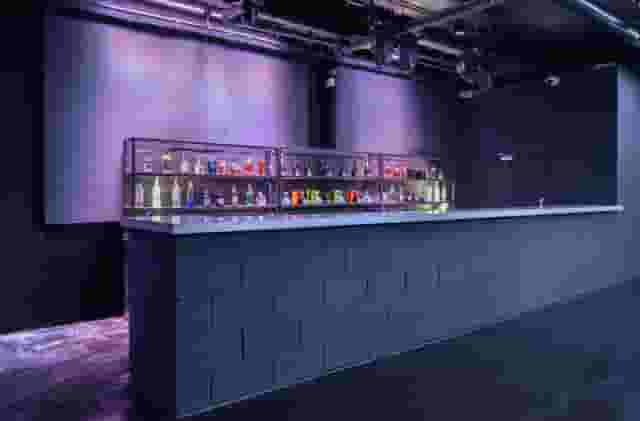


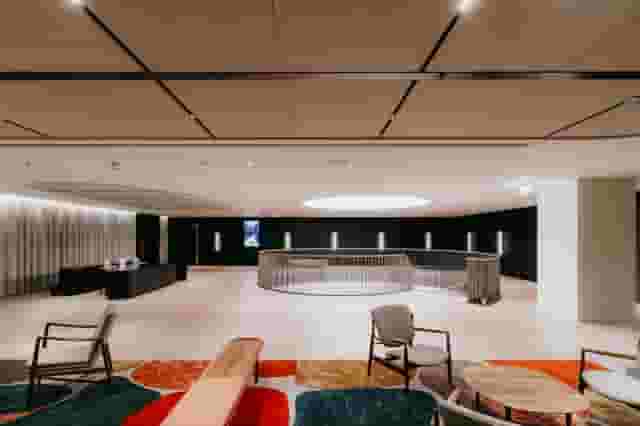
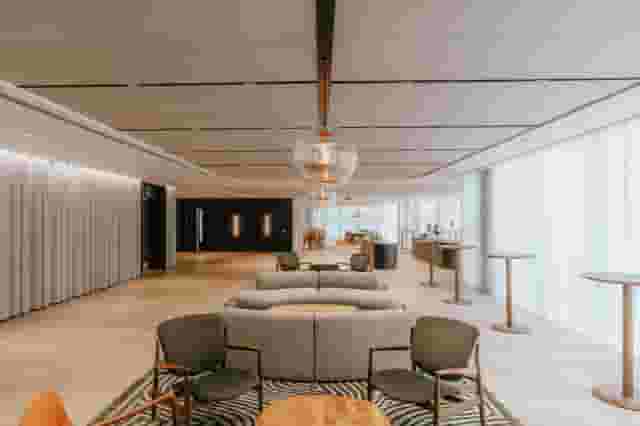
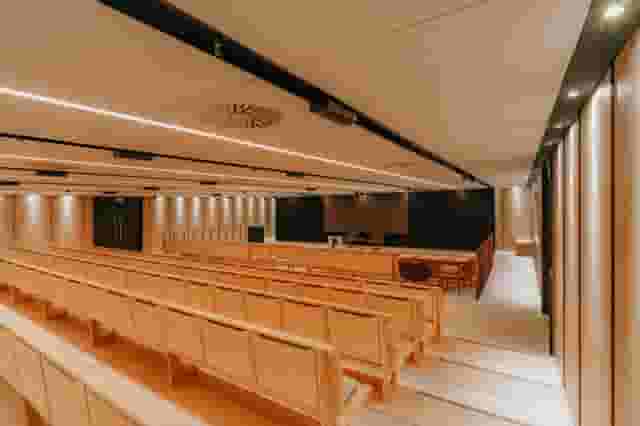
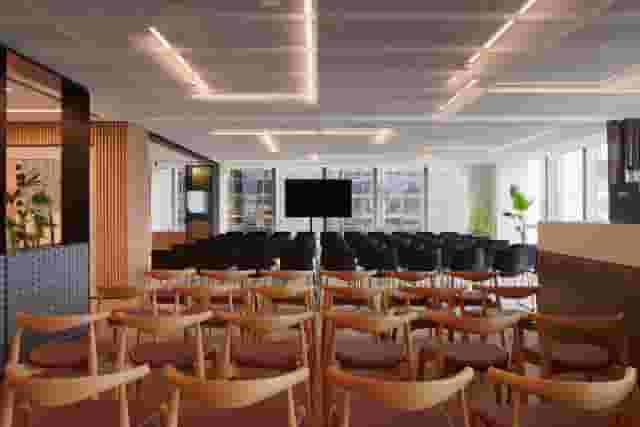



































































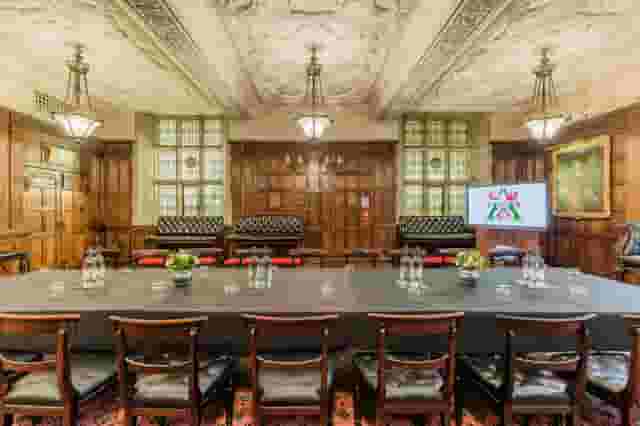
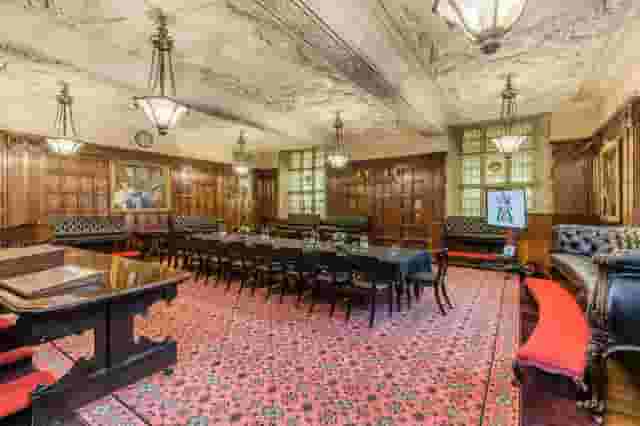
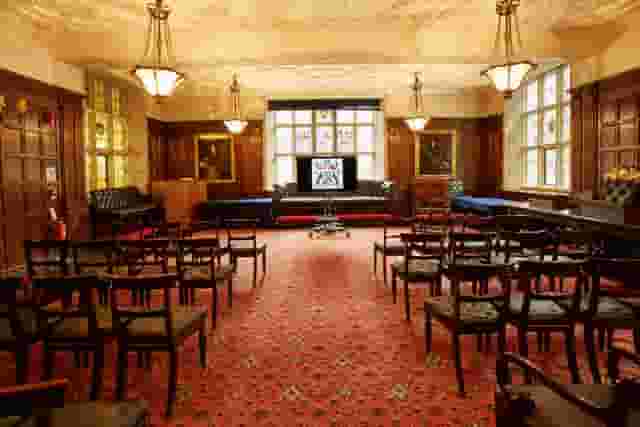
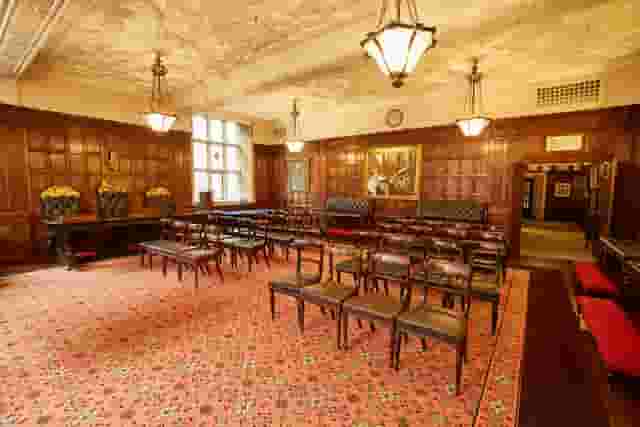





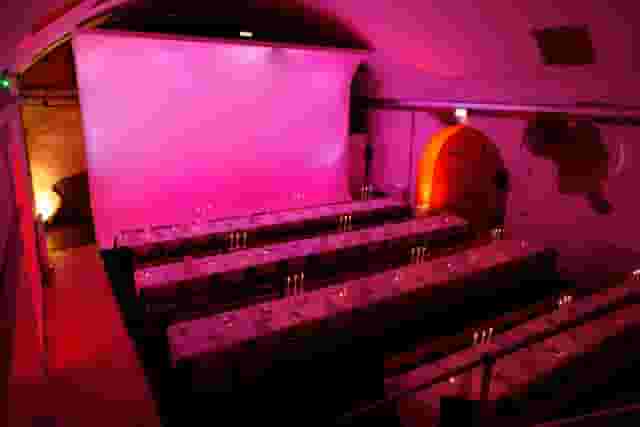

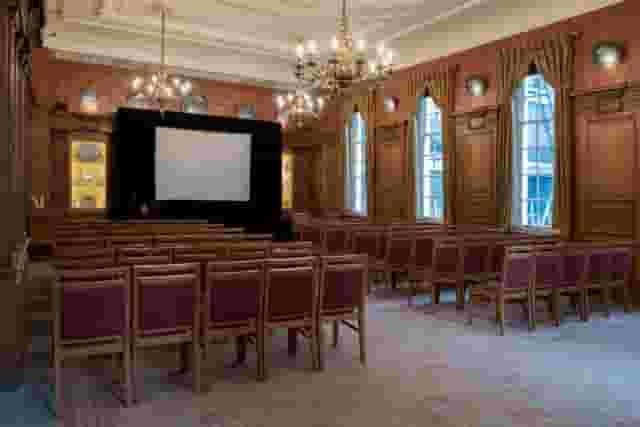
















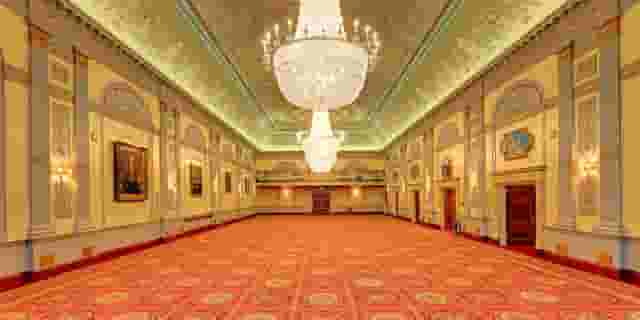
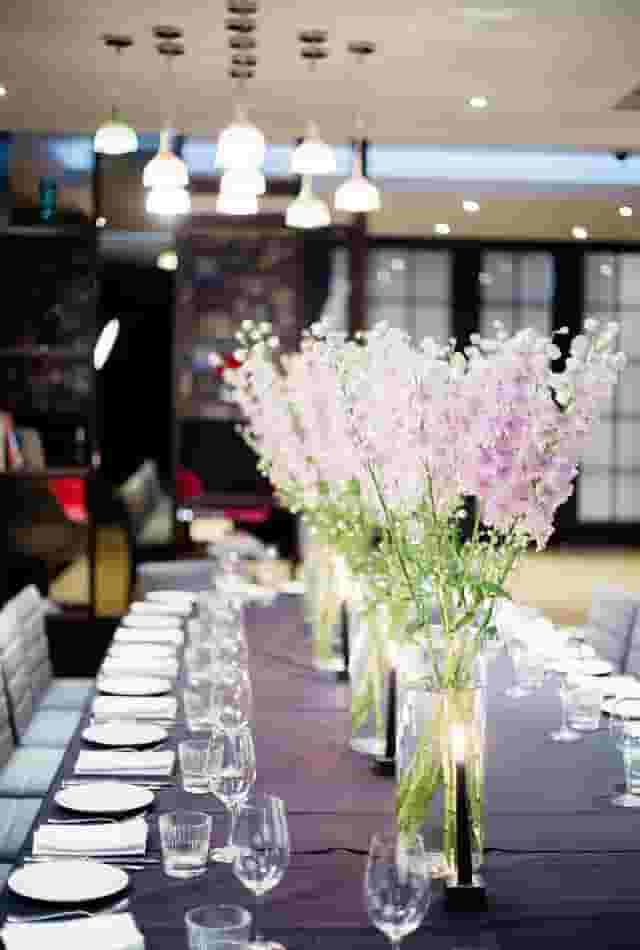
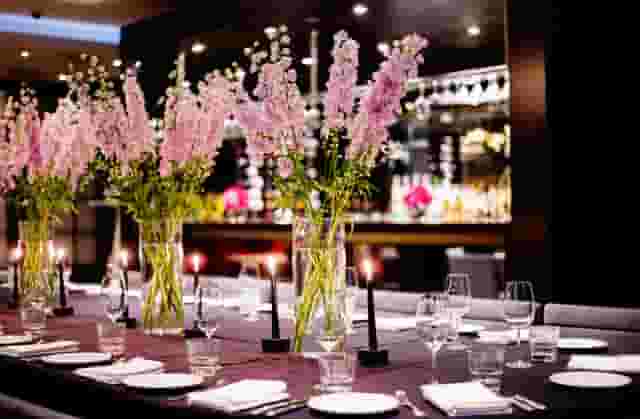
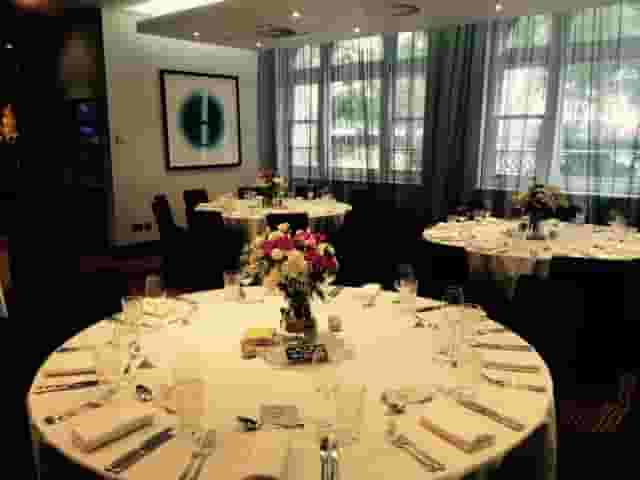













No venues match these filters
Try widening your capacity, luxury level or event type.
Don't have time to search? We'll find it for you.
For business events that need human judgement, talk to our team. Free for events of 100+ people, budgets over £10k or ongoing programmes.




Explore more venues in City Of London














Frequently asked questions
What size should a City of London venue be?
Are there tech-equipped sustainable venues?
What defines a sustainable venue in London?
Can I find a central sustainable venue?
How can I ensure a venue meets green standards?
What local sustainability policies affect booking a City of London venue?
How does central City of London accessibility affect conference planning?
How does event timing influence delegate rates in eco-friendly venues?
Which sustainability features are essential for conference venues?
What delegate day rate should I budget for eco-friendly conferences?
What operational benefits do eco-friendly venues offer beyond sustainability?
How do modern AV systems enhance venue sustainability?
What planning considerations are vital for tech-equipped sustainable venues?
What are common energy-efficient technologies in City of London venues?
How do green certifications impact venue selection for sustainable conferences?
Other platforms search their database. We search everything.
Tell us what you need. Our deep research finds any venue, whether it's in our marketplace or not. No one else does this.
About Sustainable Conferences in City Of London
Setting genuine sustainability standards in the Square Mile
Planning a full-day conference in the City of London brings an immediate operational advantage: almost every delegate can arrive by public transport. However, choosing a venue that aligns with corporate environmental targets requires looking past promotional brochures. Sustainable event planning is about measurable carbon reduction, disciplined resource management and operational transparency. Organisers working under corporate ESG mandates need to set clear metrics early, a process outlined in this guide to Sustainable Event Planning: Set & Measure Green Goals with isla.
When evaluating properties across the financial district, look for venues that manage their environmental impact systematically. A venue that hands out single-use badges while running inefficient gas boilers does not meet modern corporate standards. You want to see measured energy and carbon records, active building management systems, responsible procurement policies and clear waste diversion rates.
Third-party accreditations offer an objective baseline. Look for venues operating under ISO 20121 for sustainable event management or ISO 14001 for environmental management. For building performance, BREEAM ratings of Very Good, Excellent or Outstanding indicate that a property was constructed or refurbished with insulation, daylight harvesting and water efficiency in mind. Always check what the certification covers. A building might hold a BREEAM rating for its base shell, but the day-to-day hospitality operations could still produce excessive landfill waste. Ask whether the venue operator applies green policies directly to event deliveries, catering prep and AV power cycles.
Beyond certifications, pay close attention to electricity sources. A committed venue will supply power from 100% renewable electricity tariffs or operate on-site photovoltaics. Some City properties connect to local decentralised energy networks, which drop heating and cooling emissions substantially compared to standard commercial plant rooms. Ask venue managers for their most recent consumption data and find out if they can supply post-event reporting. Being able to plug verified kilowatt-hour figures and waste weights into your company greenhouse gas audit saves days of estimation after the event wraps.
Designing the room layout: main stages, breakouts and AV efficiency
A full-day conference needs a structure that keeps delegates alert while keeping technical power consumption under control. A standard business schedule demands a main plenary stage for keynote presentations, alongside two or three breakout spaces for interactive workshops, roundtables and panel sessions.
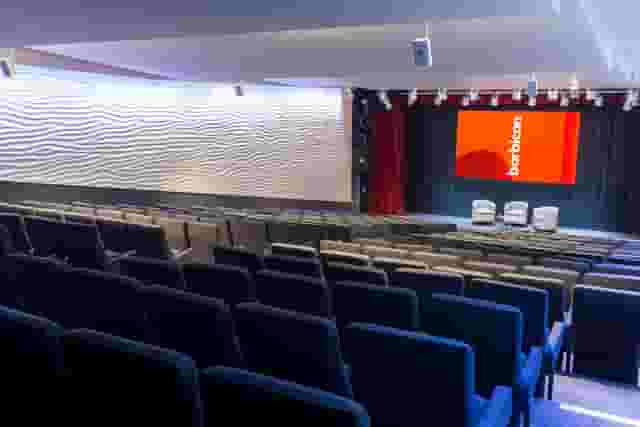
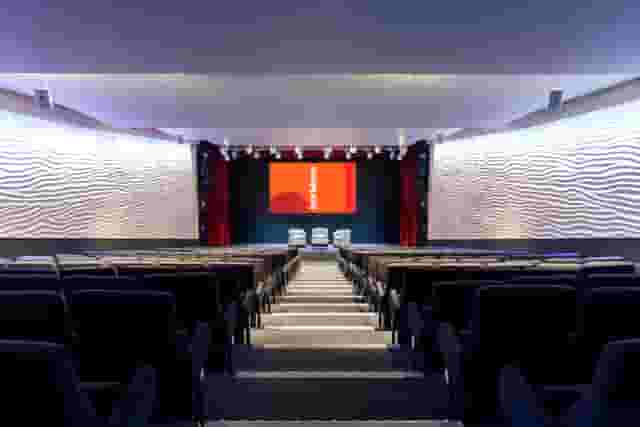
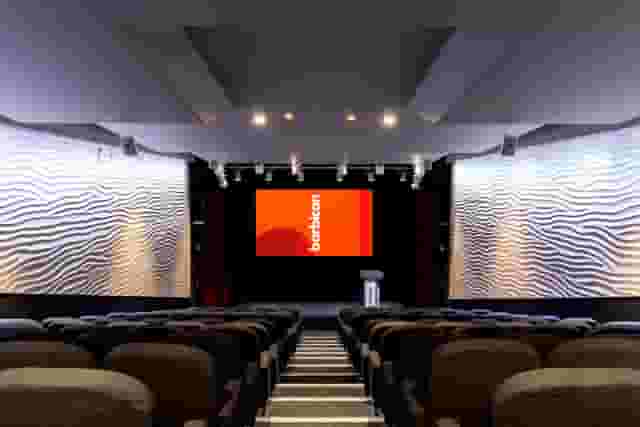
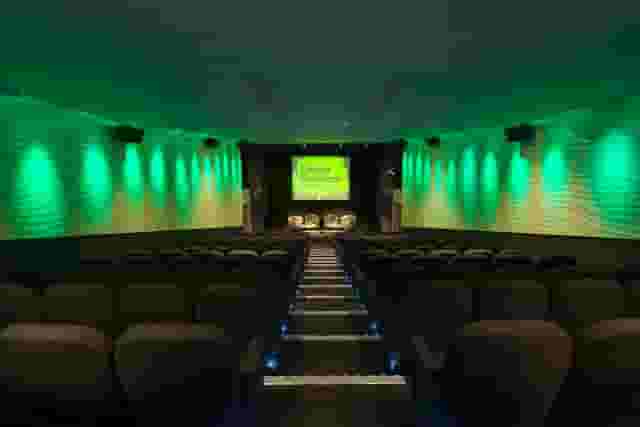
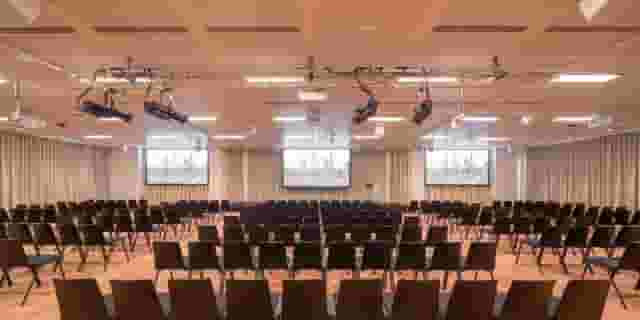
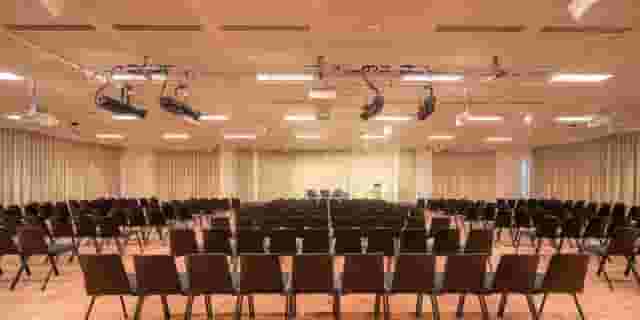
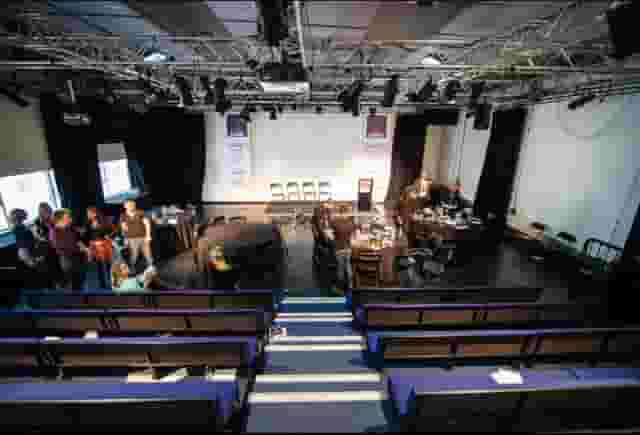
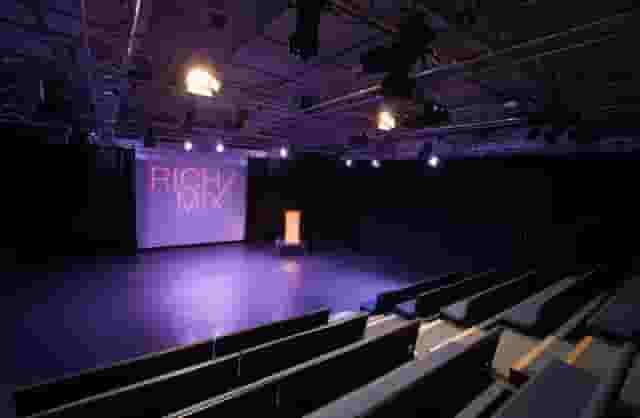
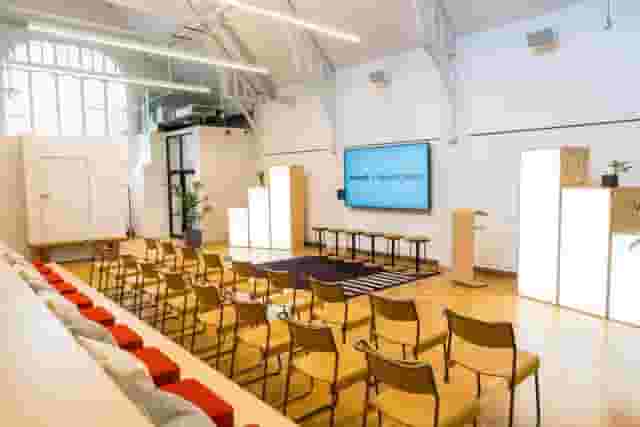
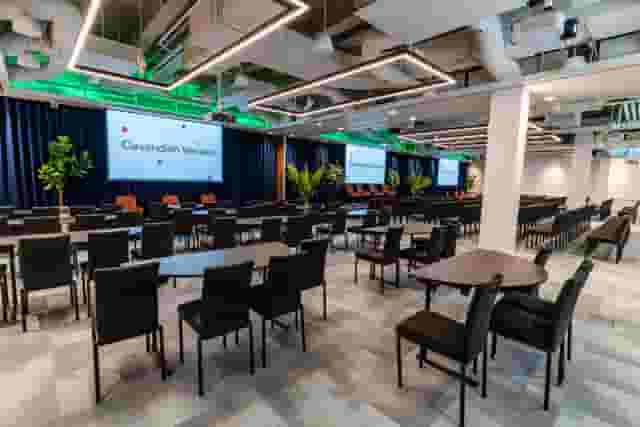
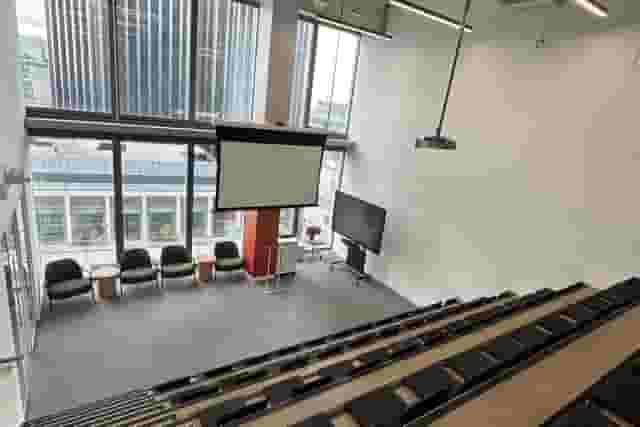
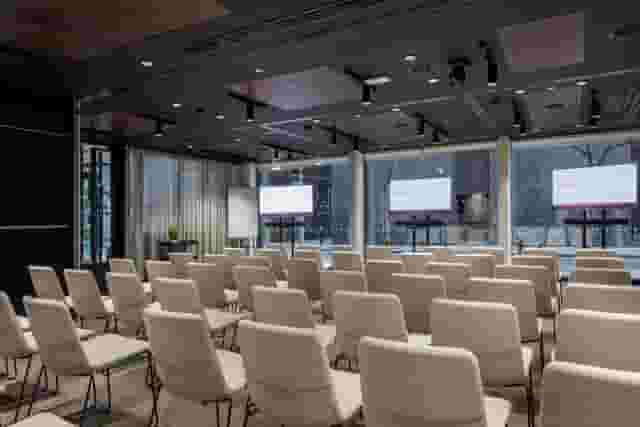
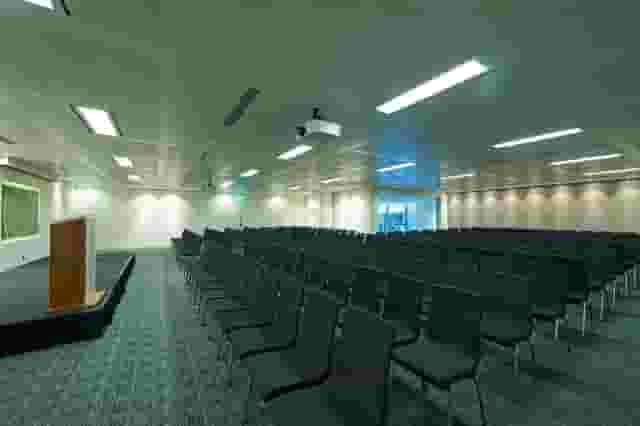
The physical configuration of these spaces dictates delegate circulation and energy use. Purpose-built presentation spaces reduce the need for hired production equipment. For instance, Barbican Centre provides tiered seating for 151 guests in Frobisher Auditorium 2, where installed technical systems mean you do not have to transport, rig and power external lighting rigs or temporary speaker stacks. Fixed auditoriums offer sightlines and acoustics that require fewer high-wattage sound systems to fill the room clearly.
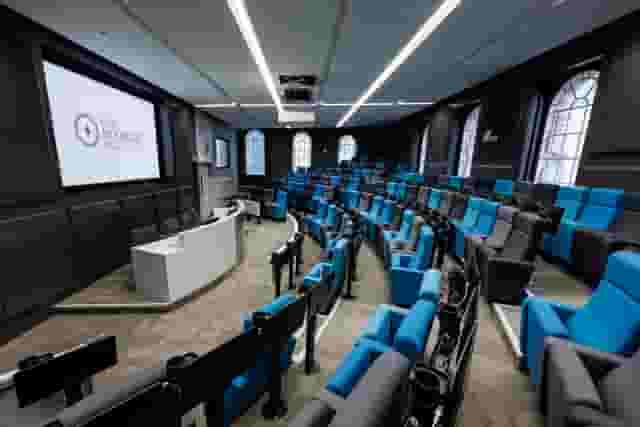
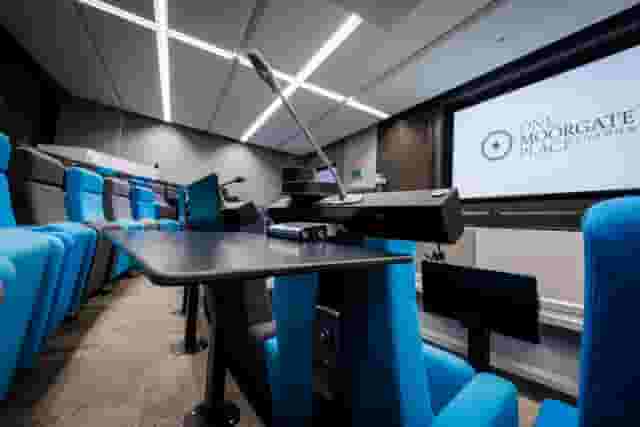
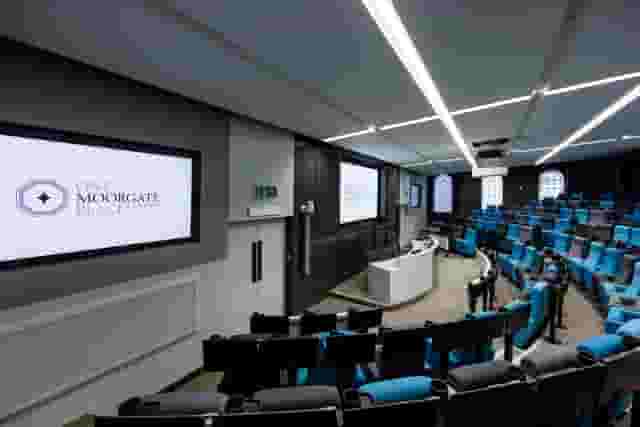
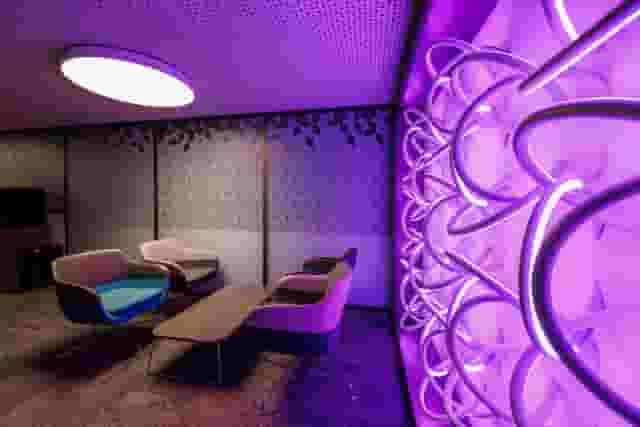
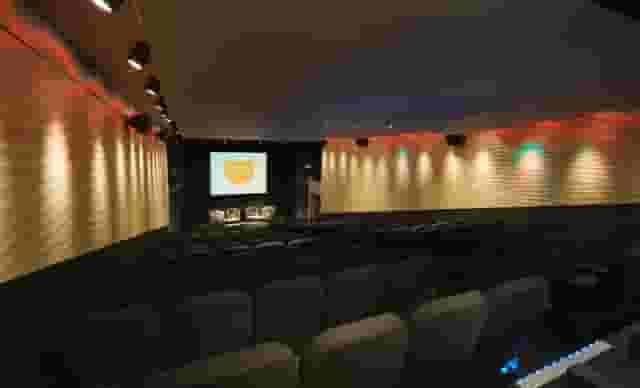
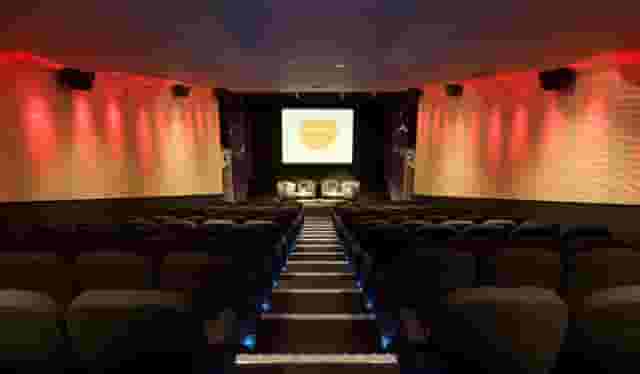
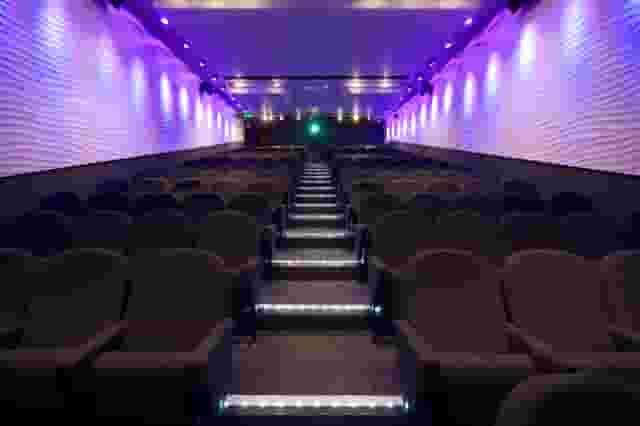
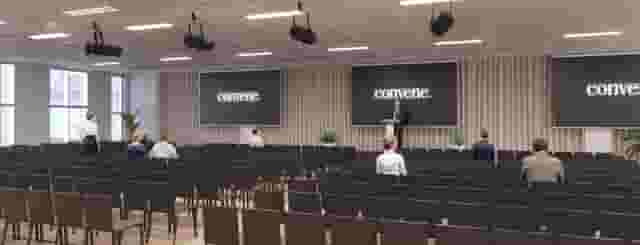
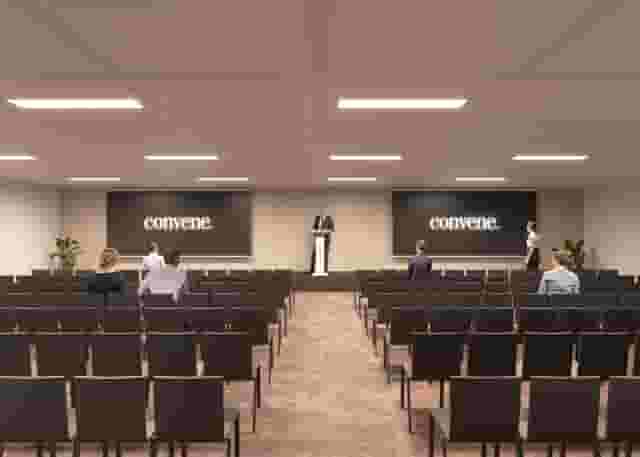
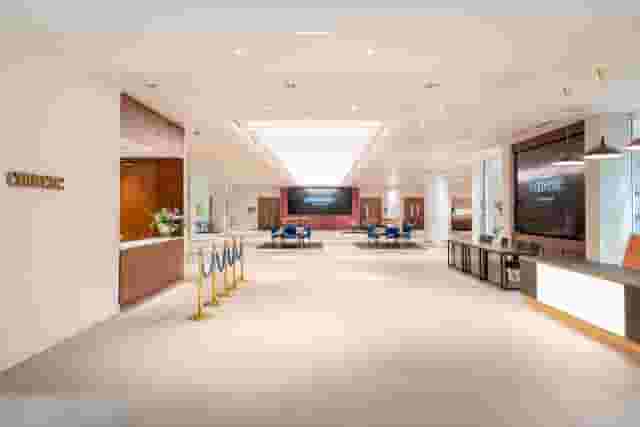
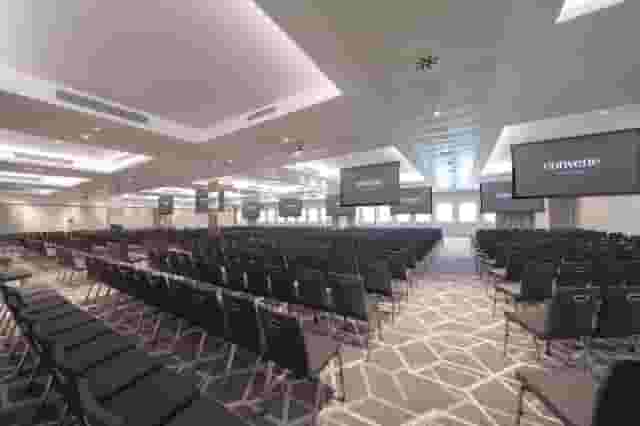
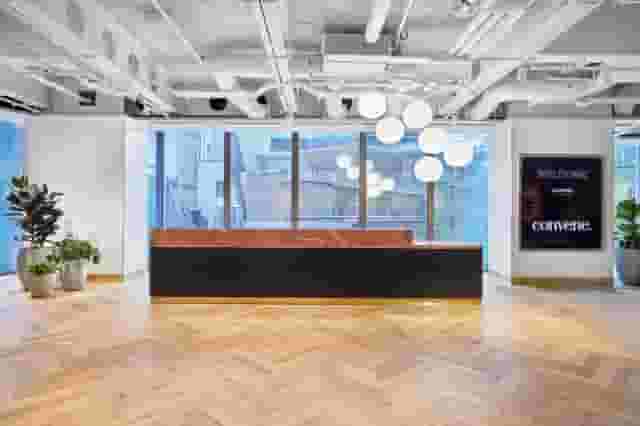
For mid-sized events that need plenary presentations alongside networking lounges, One Moorgate Place pairs a 107-seat tiered auditorium with adjacent reception rooms, allowing delegates to move between sessions without logjams. If your event calls for a higher capacity or multiple parallel streams, modern business venues such as Convene 22 Bishopsgate accommodate up to 406 people in theatre format on the 4th Floor, combining expansive presentation areas with supporting workshop rooms. Similarly, Convene 200 Aldersgate provides the HighWalk Forum for plenary sessions of up to 400 guests, built specifically for corporate conferences needing quick transitions into smaller discussion pods. To compare layout options and verify diary dates across the Square Mile, Hire Space is an event planning and venue booking platform backed by a team of real people who own the outcome. For conferences of 100 attendees or more, it provides instant availability confirmed directly by venues for your schedule, alongside data-backed pricing estimates so you can build an accurate shortlist in minutes rather than waiting days for responses.
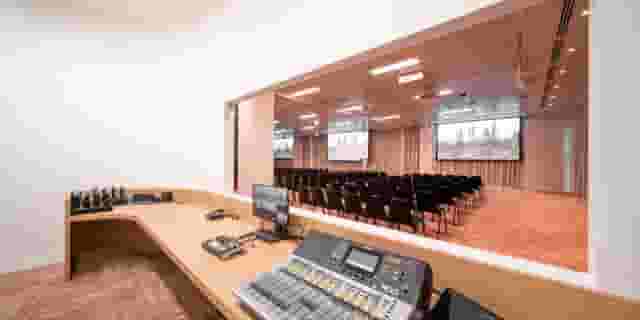
Audiovisual systems represent a major share of event energy use. Traditional halogen stage lighting and older projector bulbs generate intense heat, running up power bills and triggering heavy air conditioning demands to cool the room down. When briefing your AV technician or the venue production team, specify the following measures:
- Insist on LED stage fixtures and solid-state laser projection, which use significantly less power and generate minimal excess heat.
- Arrange scheduled power-down windows where screens, stage lights and comfort monitors switch to standby mode during lunch and delegate coffee breaks.
- Choose venues with installed LED video walls or digital signage over printed single-use foam-board backdrops that head straight to landfill after 5pm.
- Use hard-wired data connections for hybrid streaming rather than unstable cellular bonds, keeping network power draws predictable.
Breakout spaces should ideally benefit from natural daylight. Rooms with large windows keep delegates engaged during long afternoon workshops while reducing the lighting load. Ensure these spaces have functional daylight controls, such as automated blinds, so screens remain readable during presentations without plunging the entire space into darkness.
What sustainable City of London conferences cost
Pricing for conference venues in the City of London varies based on building specifications, technical infrastructure and catering standards. Based on 183 quotes from the venues on this page, indicative delegate rates typically fall between £79 to £105 per head. This figure assumes a gathering of about 100 guests and reflects real quotes these venues have given for similar business gatherings.
Understanding what sits inside that indicative rate helps you negotiate effectively. Most standard day delegate rates cover room hire for the plenary hall and primary breakout areas, standard in-house AV systems, basic Wi-Fi, continuous water stations and day-long refreshments, usually comprising arrival pastries, mid-morning coffee, a buffet lunch and mid-afternoon snacks.
The difference between the lower and higher ends of the range comes down to technical kit, architectural style and menu design:
| Package component | Towards the £79 end | Towards the £105 end |
|---|---|---|
| Plenary setup | Standard flat-floor room, basic podium, projector and screen | Dedicated auditorium or high-spec space with built-in LED walls |
| AV support | Shared in-house venue technician on call across floors | Dedicated sound and lighting engineer in the room throughout |
| Lunch service | Cold finger buffet, working sandwich platters, seasonal soup | Hot fork buffet, chef-led plated stations, organic seasonal dishes |
| Breakout rooms | Single syndication space or curtained alcove included | Two or three dedicated, fully equipped meeting suites |
| Environmental data | Standard annual venue policy document | Itemised post-event energy and waste report for corporate audits |
When you aim towards the £79 end of the bracket, venues often rely on fixed floor layouts with basic projection facilities. Moving towards the £105 end gives you access to enterprise-grade production suites, dedicated technician support and catering menus built around certified organic produce.
To keep costs predictable, establish early what sits outside the core package. Common additions include dedicated breakout rooms beyond the primary space, hybrid streaming gear, specialised microphones for large audience Q&A sessions and evening networking drinks. If you want a post-conference reception, booking an all-inclusive extension up front is far more cost-effective than adding open-bar charges on the day. Hire Space 360 is enterprise venue and hotel procurement for companies spending £1m or more a year on meetings and events: a managed meetings and events programme, the kind procurement teams call strategic meetings management. It brings every venue and hotel stay under a single supplier agreement, replacing fragmented booking processes with consolidated invoicing and real-time spend reporting. Dedicated venue sourcing managers work alongside your team to enforce corporate event policies and secure negotiated rates across every booking.
Low-impact catering, food waste and materials
Food and drink accounts for a large portion of a corporate event's direct carbon footprint. Sustainable catering in the Square Mile has moved well past dry falafel wraps and limp fruit bowls. High-performing conference venues now develop seasonal, plant-forward menus that keep delegate energy levels consistent throughout eight hours of content.
Minimising food miles means insisting on British seasonal ingredients. Animal agriculture carries high carbon and water intensity, so setting a default plant-based or vegetarian menu, with meat options available only on request, cuts your catering emissions immediately. Discuss menu design directly with the venue culinary team. Venues such as 10 Union Street, which accommodates 110 delegates in theatre layout in rooms 104 and 105, focus heavily on sustainable food sourcing and modern operational efficiency.
Equally important is waste management. Avoid single-use packaging entirely. Milk should come in jugs rather than plastic pots, condiments in glass ramekins or bowls rather than sachets, and sugar loose with spoons. For water, the venue must supply chilled tap water or filtered carafes. Never pay for bottled mineral water shipped from overseas. Not only does bottled water waste transport fuel, but it also creates heavy glass or plastic waste streams.
Food waste requires active planning. Conferences frequently suffer from delegate drop-off, leaving trays of uneaten lunch behind. Ask venues three specific operational questions before contracting:
- Production tracking: Do the chefs prep in stages based on morning registration counts, rather than plating 100% of the food before the first keynote?
- Surplus redistribution: Does the venue partner with local City food rescue organisations or app-based redistribution networks to ensure untouched, temperature-controlled food feeds local communities?
- Organic waste streams: Is all back-of-house kitchen waste and delegate plate scrapings sent to commercial composting or anaerobic digestion facilities rather than general waste?
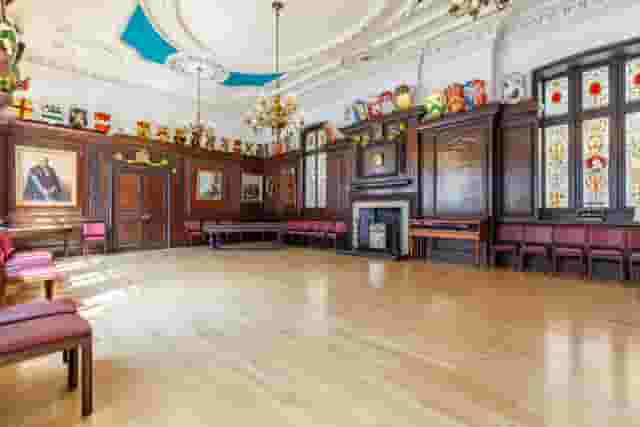
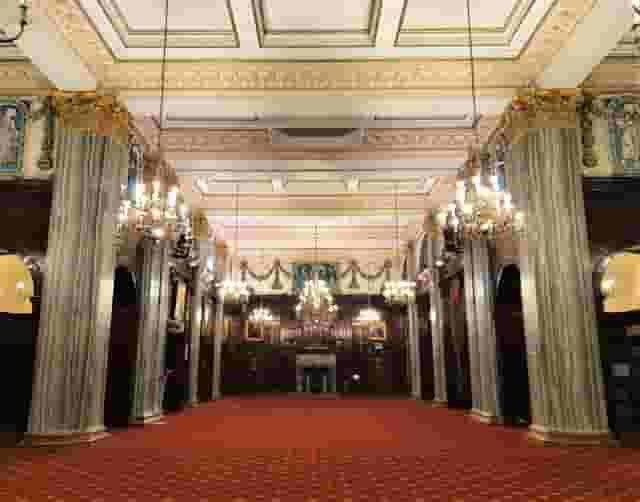
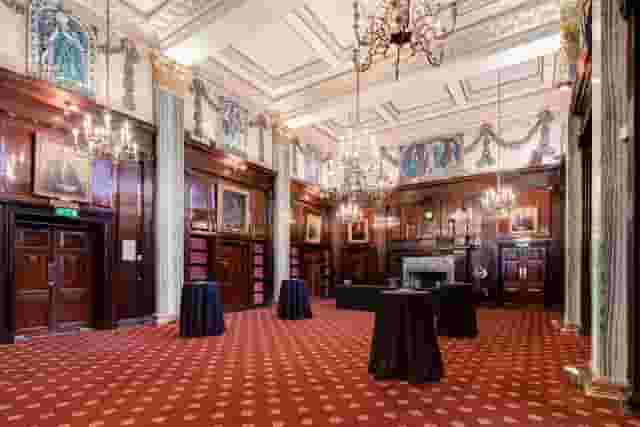
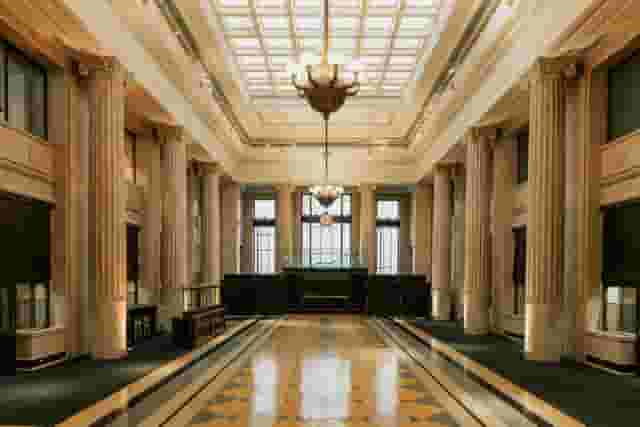
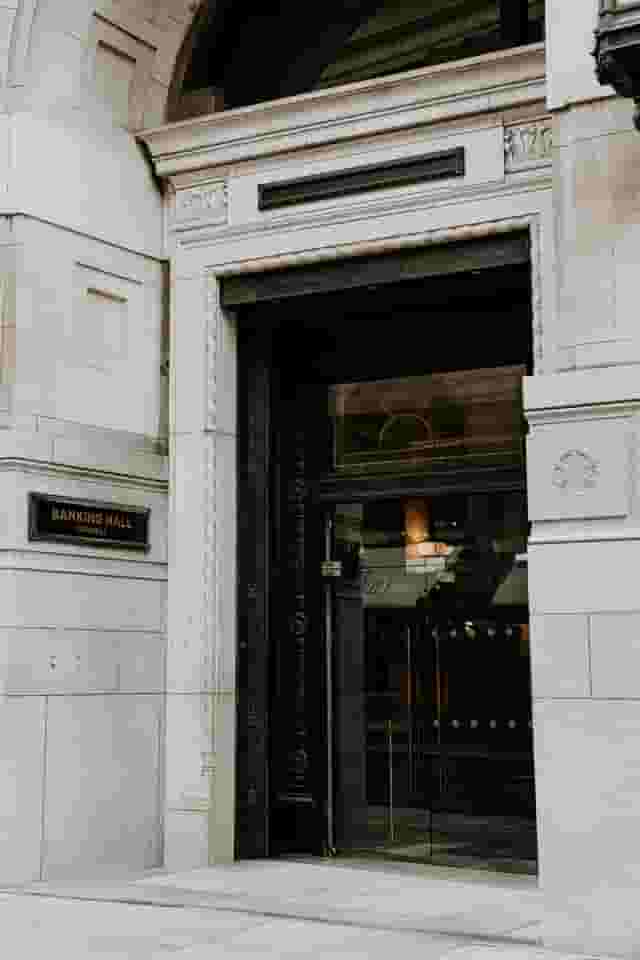
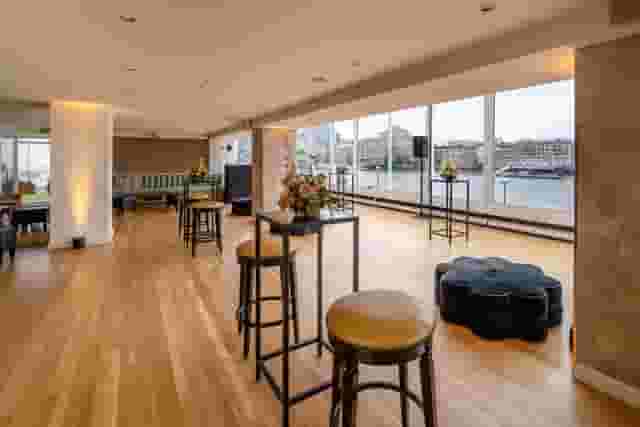
Where an event transitions into an evening dinner or drinks reception, heritage livery halls provide an atmospheric backdrop without demanding extensive temporary construction. Venues such as Grocers' Hall, which holds 250 delegates for a reception in its Livery Hall, or Banking Hall, welcoming up to 520 standing guests, allow organisers to host high-level business functions in established rooms where historic architecture removes any need for single-use decorative stage dressing. South of the river near the City boundary, Coin Street Conference Centre houses the South Bank Suite for banquets of up to 125 guests, operating under strict social enterprise and sustainability values that guarantee your event budget supports local community programmes.
Delegate transport, access and City logistics
Travel emissions generated by delegates often dwarf the on-site carbon footprint of a conference. Hosting an event in the City of London provides an immediate advantage because the district is among the most connected transit hubs in the world. Stations such as Liverpool Street, Bank, Moorgate, Cannon Street and Blackfriars bring attendees in from regional rail networks, the London Underground, the DLR and the Elizabeth line without requiring private vehicles or taxis.
Selecting a location near direct transport hubs is an essential planning decision. Review our round-up of The Top 5 London Conference Venues With Great Transport Links to see how station proximity influences delegate arrival patterns. When sending event confirmations, make public transit routes the primary travel advice. Provide walking times from key Underground stations and highlight cycle parking options nearby.
A truly sustainable event must also be inclusive. Confirm that the venue provides step-free access throughout the delegate journey:
- Level or ramped street entrances with automated doors.
- Passenger lifts with audible floor announcements and visual indicators that serve every presentation floor and breakout suite.
- Wheelchair-accessible toilets on every floor where sessions take place, kept clear of stored furniture.
- Hearing loops installed in primary auditoriums and checked by technicians prior to the morning kick-off.
Logistics for suppliers require careful handling in the Square Mile. Narrow streets, tight security cordons and low emission zones mean delivery vehicles face strict unloading rules. Venues often have limited loading bays with pre-booked arrival slots. Instruct your staging, exhibition and AV suppliers to consolidate deliveries into single electric or low-emission vehicles rather than dispatching multiple half-empty vans across town. Ask whether the venue accepts early consolidation shipments or stores flight cases locally to prevent round-trip runs during peak morning traffic. Efficient logistics do more than cut roadside emissions; they ensure your production team finishes building the stage hours before the first delegate walks through the doors.
What our customers say
Inspiration and planning guides

Hire Space Presents: New World, New Strategies. The Opportunity To Nail Your Sustainability Objectives?
Could this global crisis be the ideal opportunity to scale up our commitments to environmental sustainability? We delve into this topic in terms of events and venues.

Hire Space Presents: Setting Measurable Sustainability Objectives For Event Projects
Sustainability expert Abena Poku-Awuah offers her practical tips and frameworks that will get you ready to initiate your own sustainability objectives for your next event.

Women and Sustainability in Events: Kate Simpson
We met with the wonderful Kate Simpson – Marketing Director at the Business Design Centre. Not only does the BDC hold unforgettable events, they recently celebrated ten years as a carbon neutral venue, regularly contribute 0% to landfill and use 100% renewable energy sources.
One supplier. Every venue. Full visibility on what you spend.
Multiple venues and events. One agreement.