Wedding Halls & Banqueting Halls in London
Explore London wedding halls for your reception and evening party, with transparent capacity guides and venue advice to help you plan.
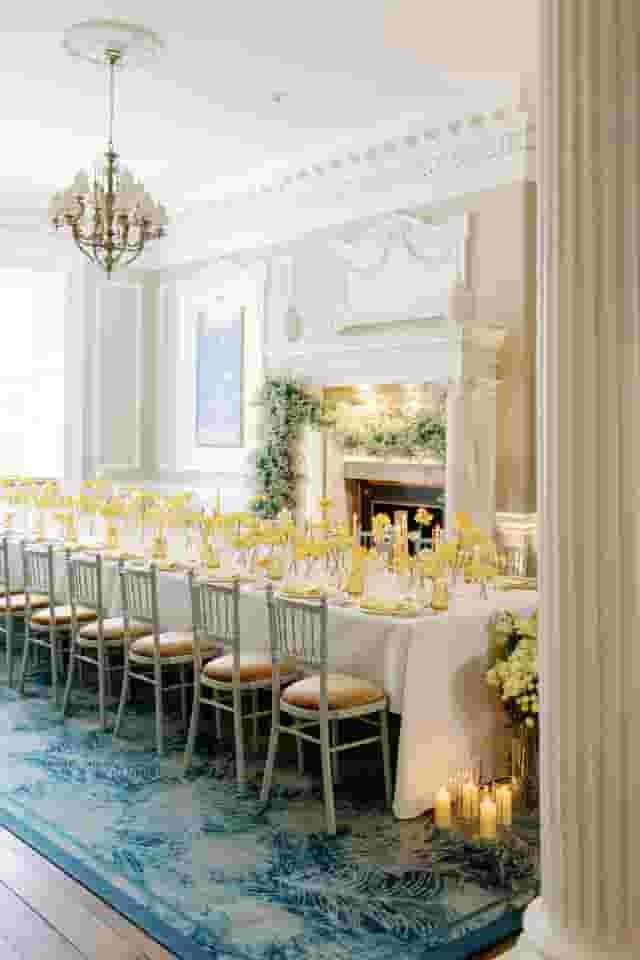
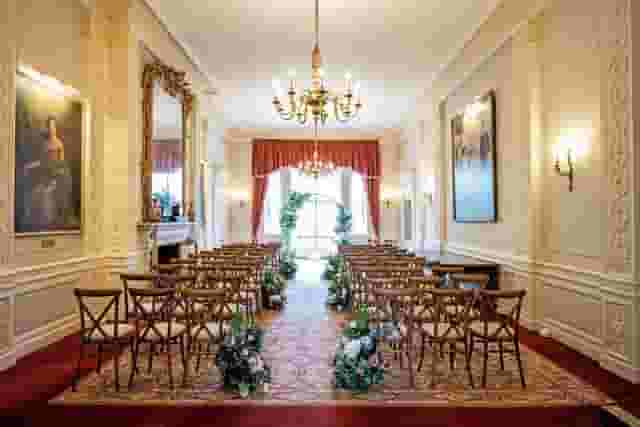
840 Weddings Halls for Hire in London












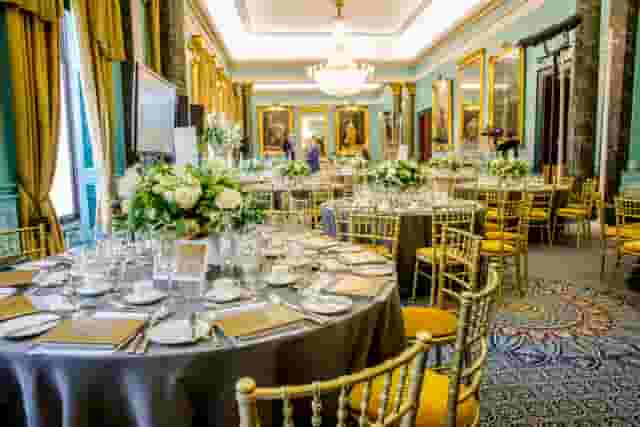
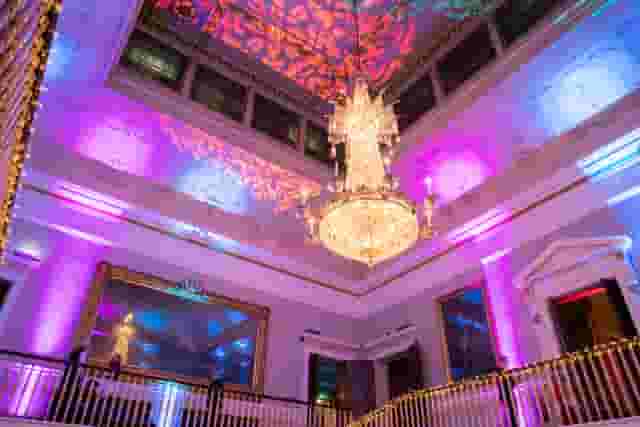
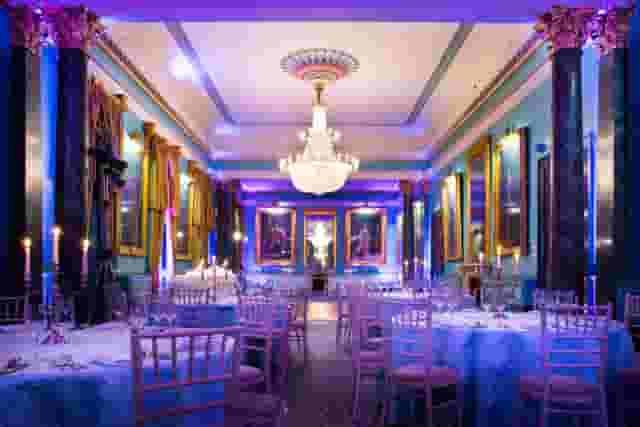
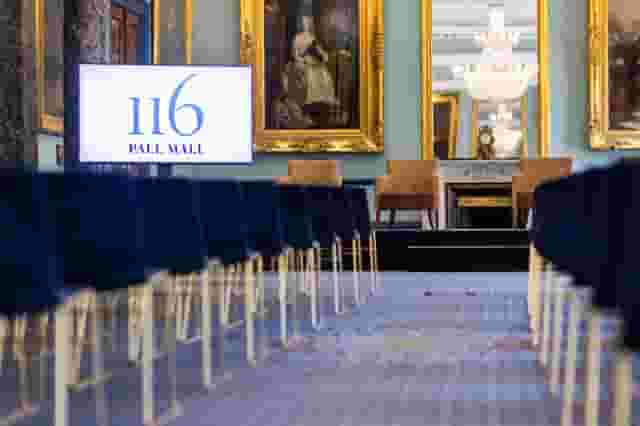

























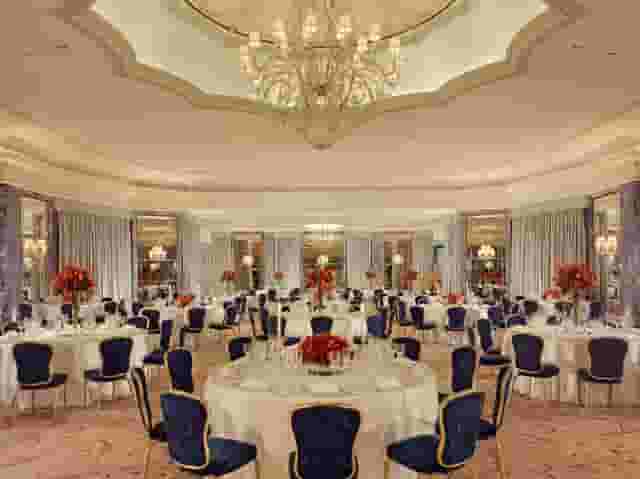
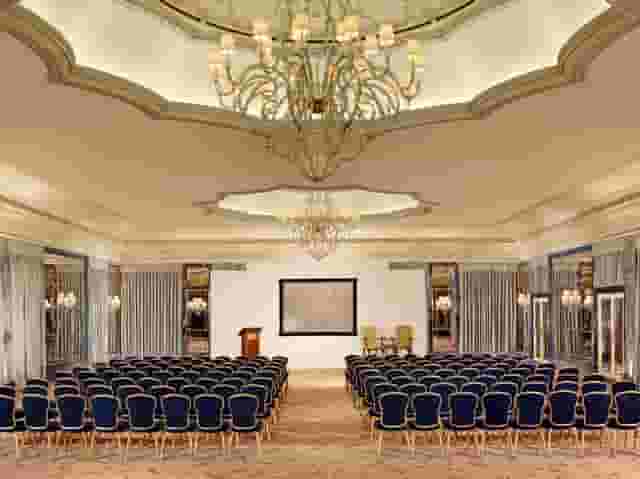
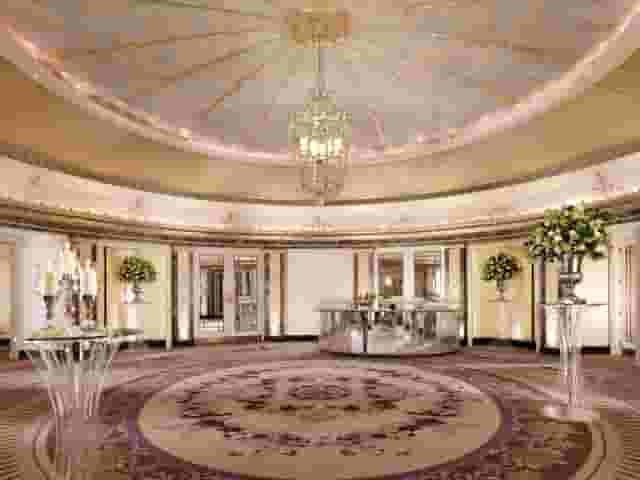
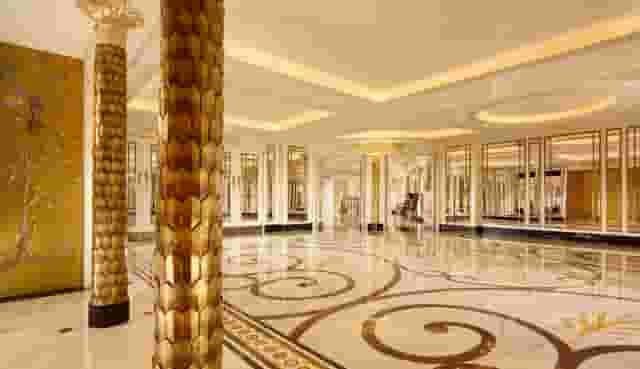
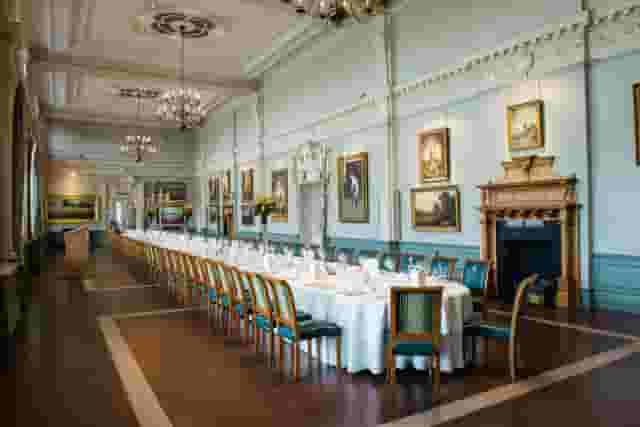
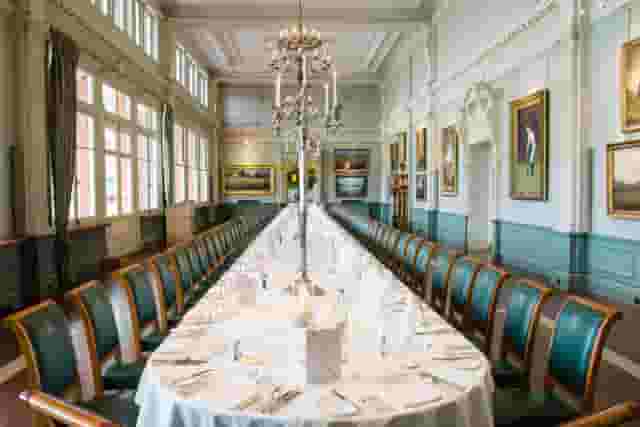
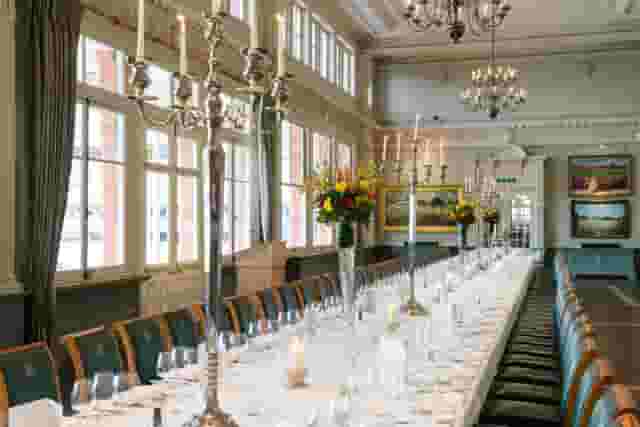




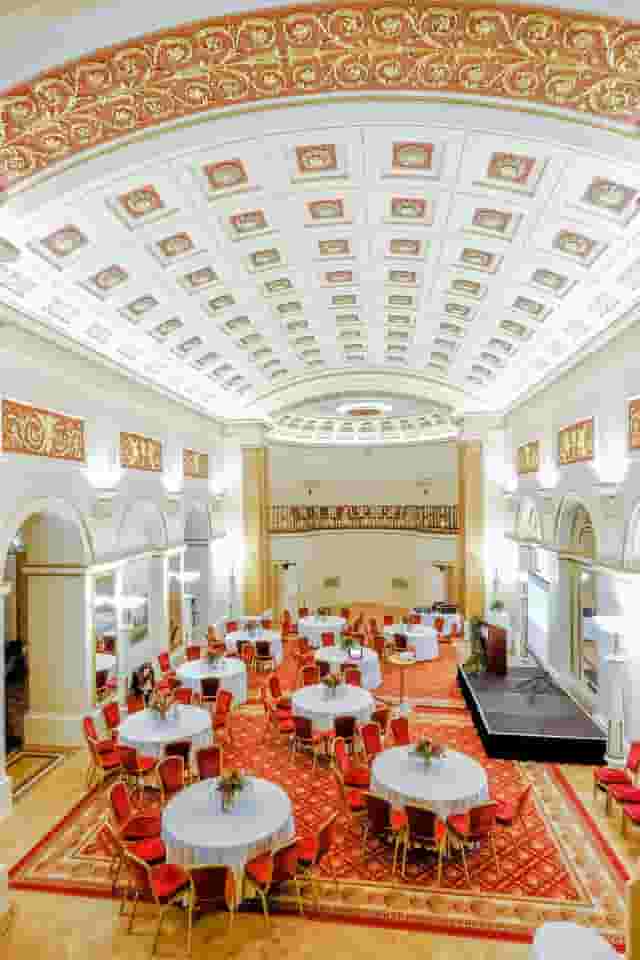
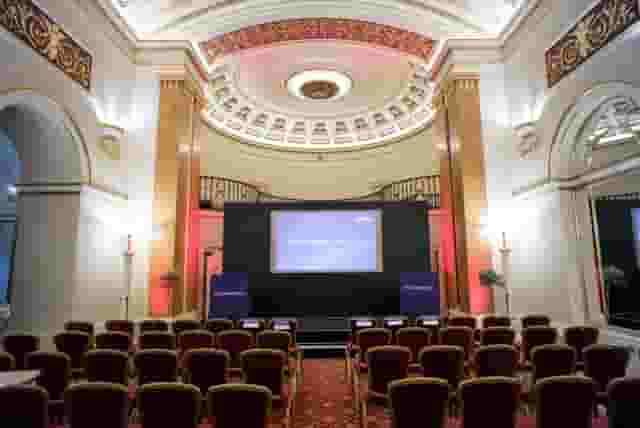
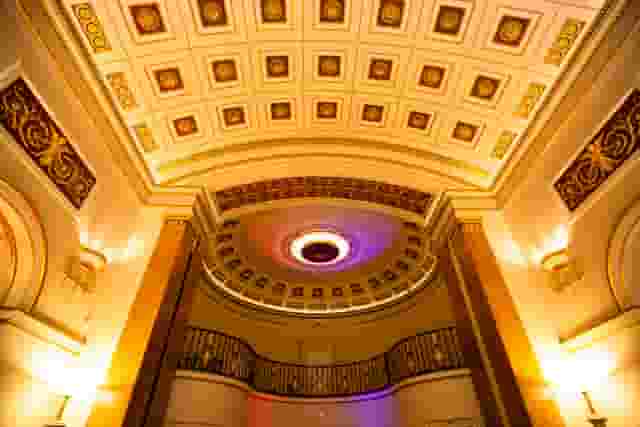


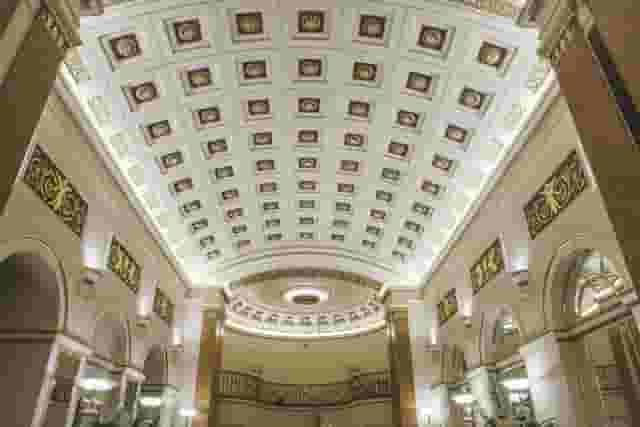


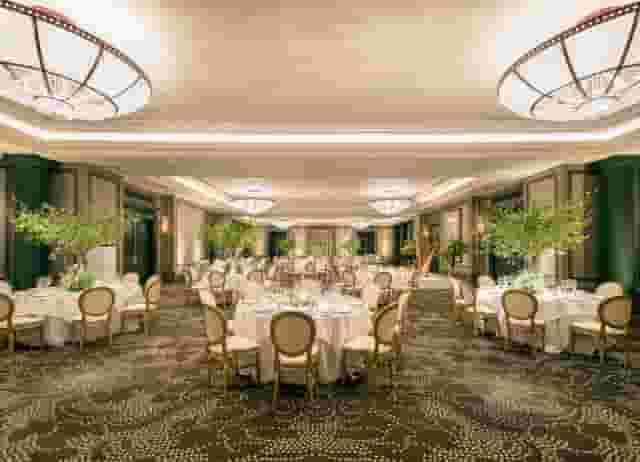
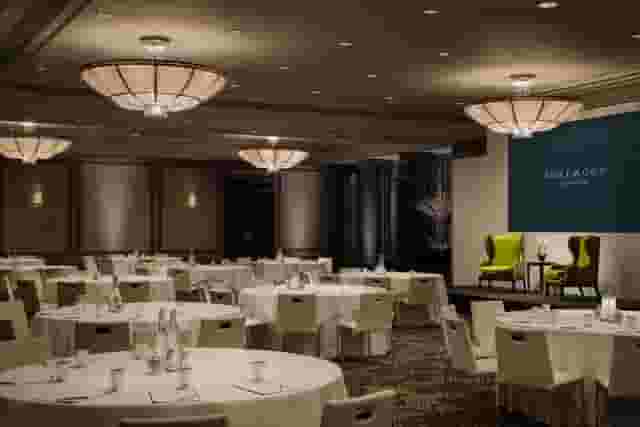
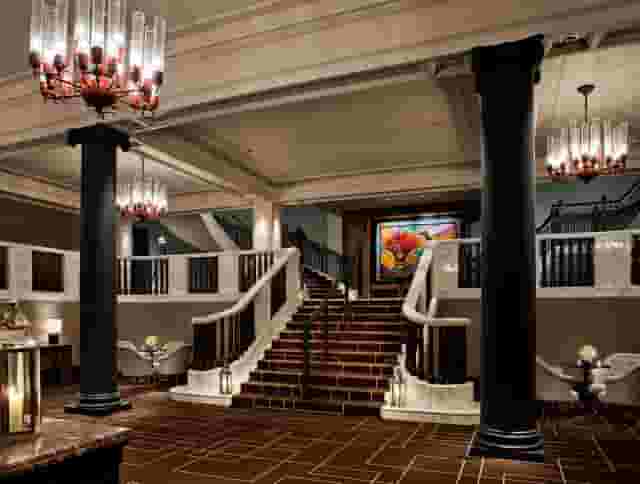
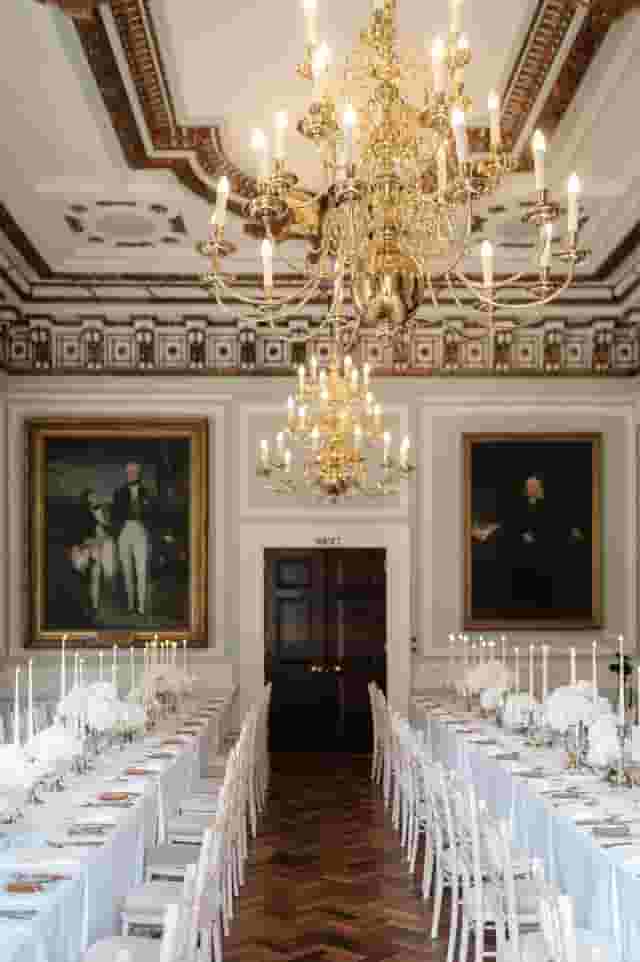













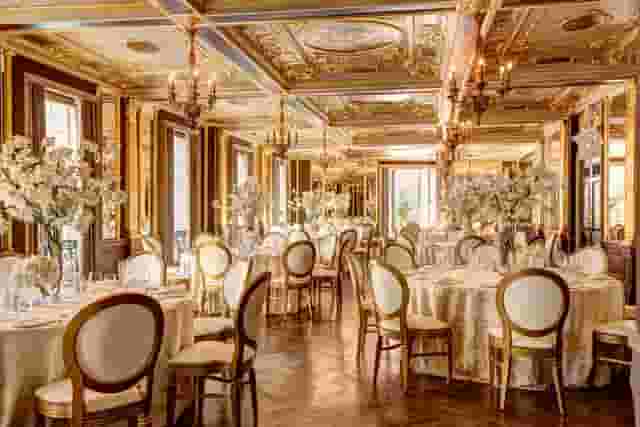
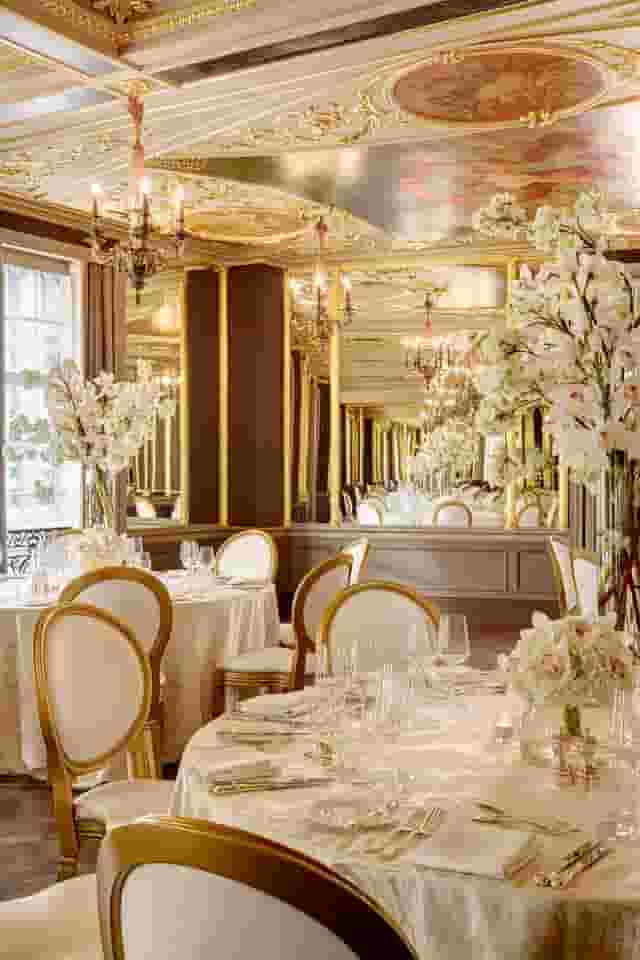
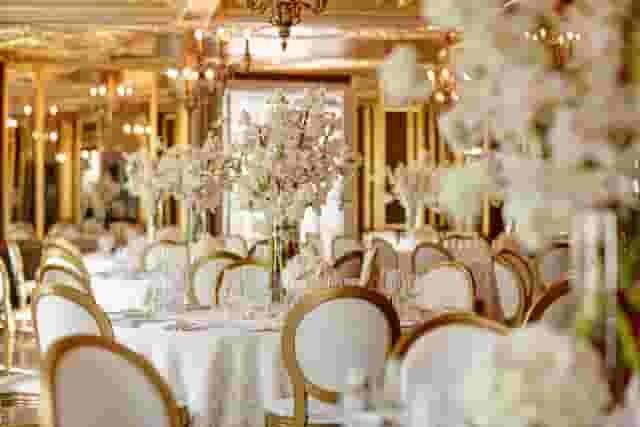
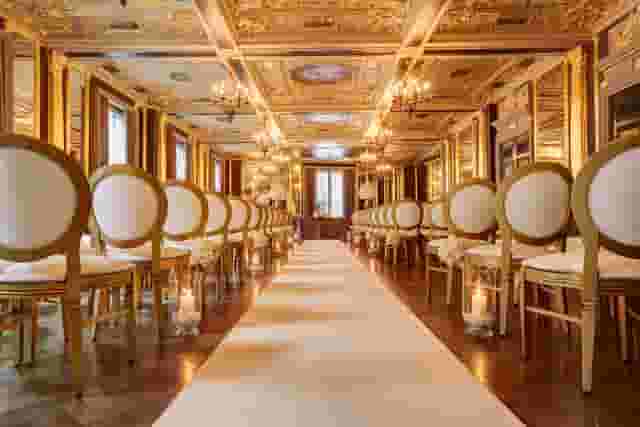






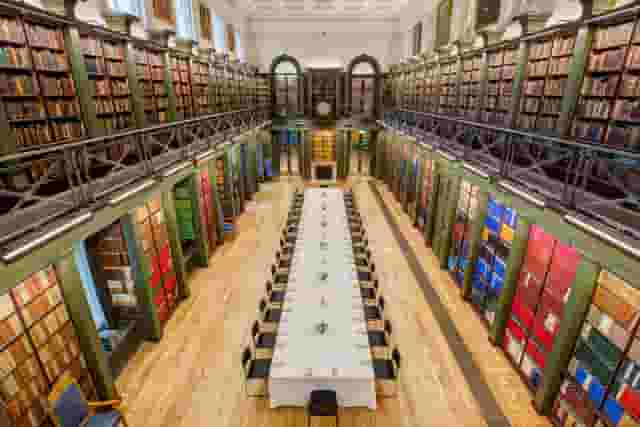
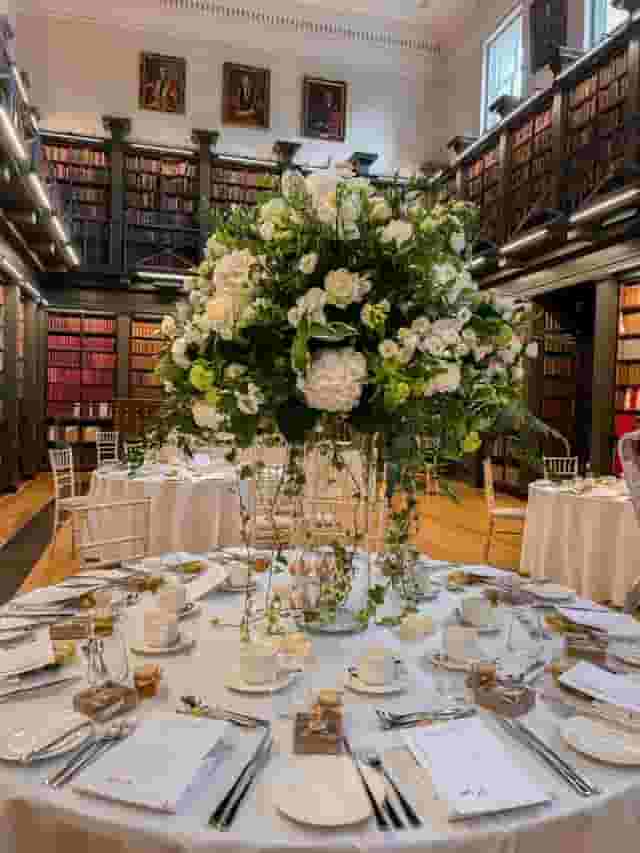
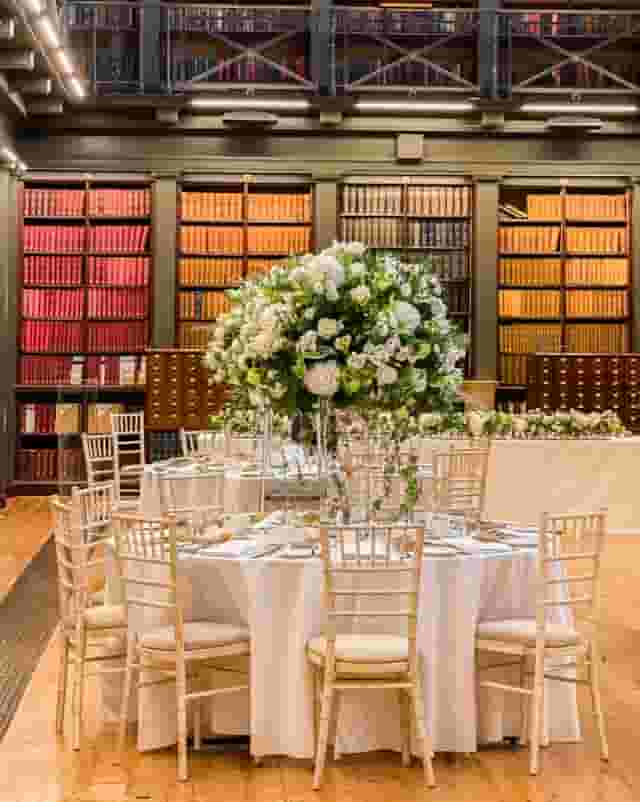
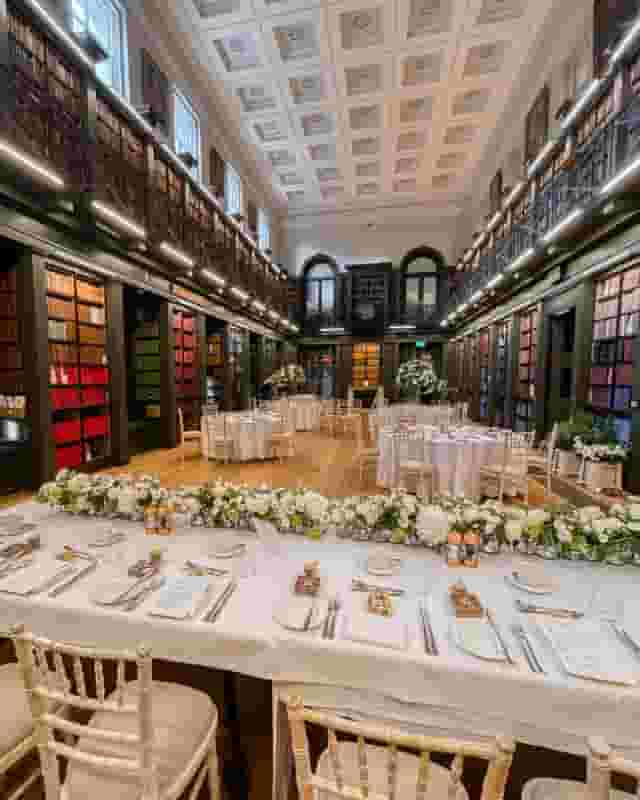


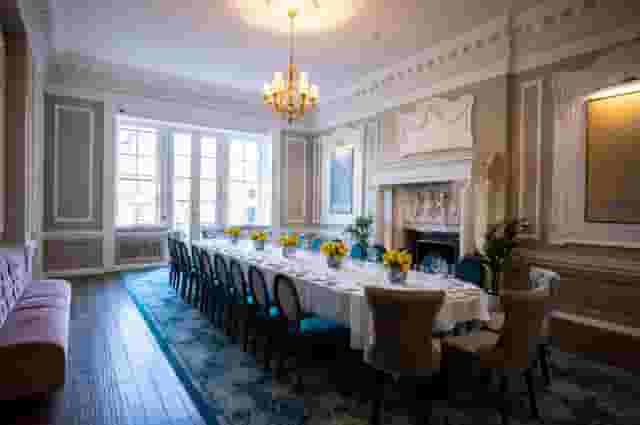
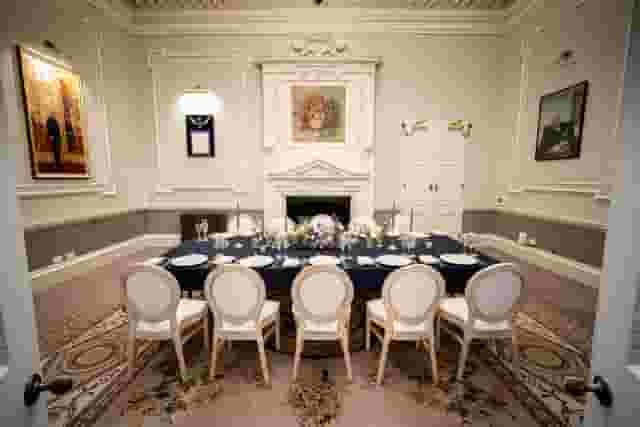
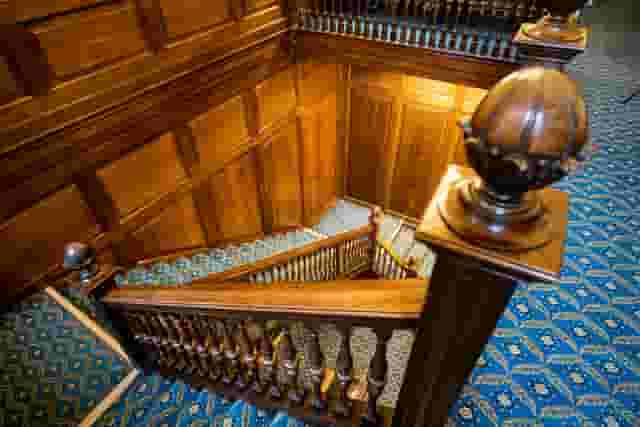

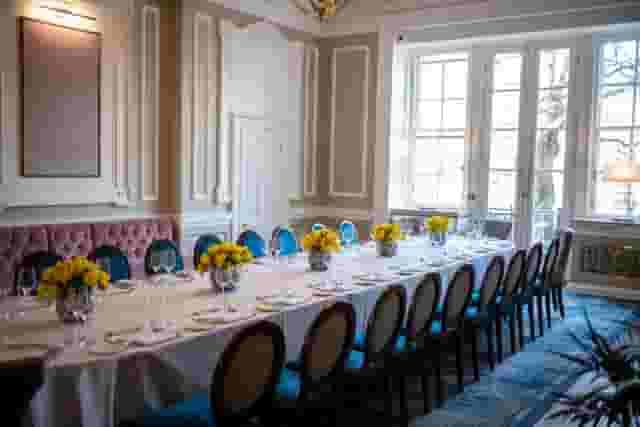
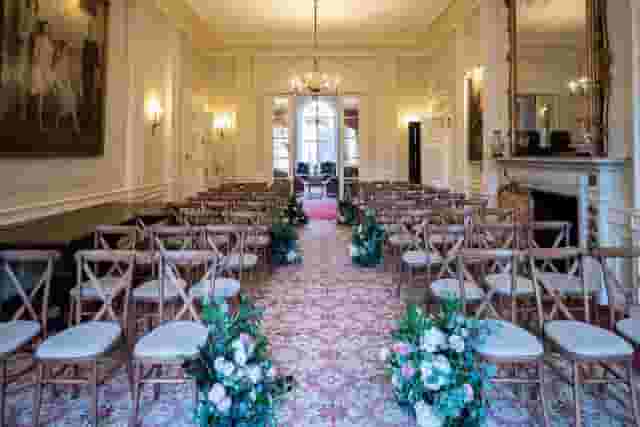
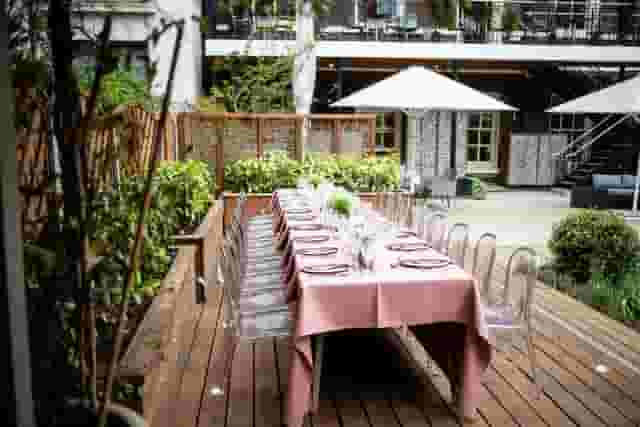
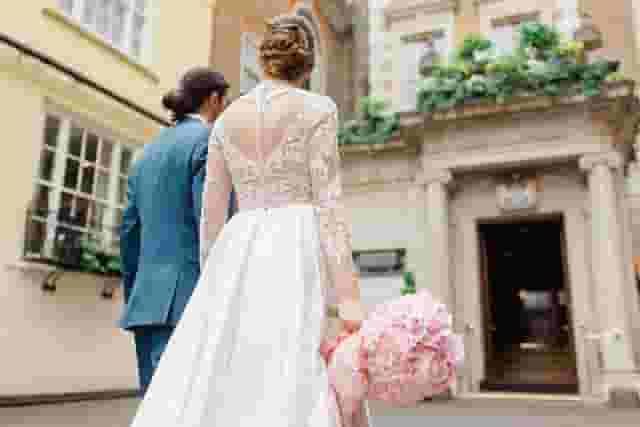
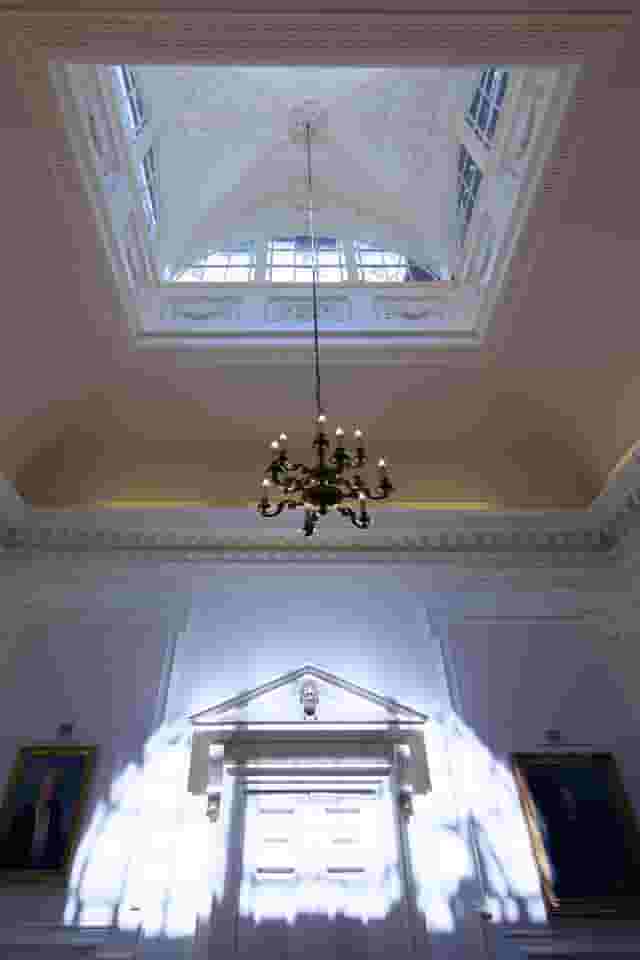








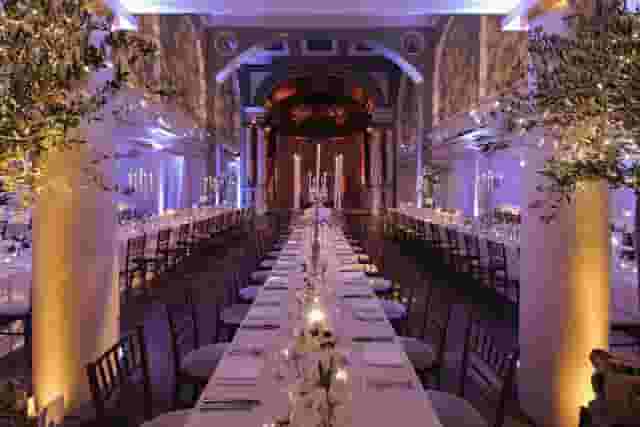
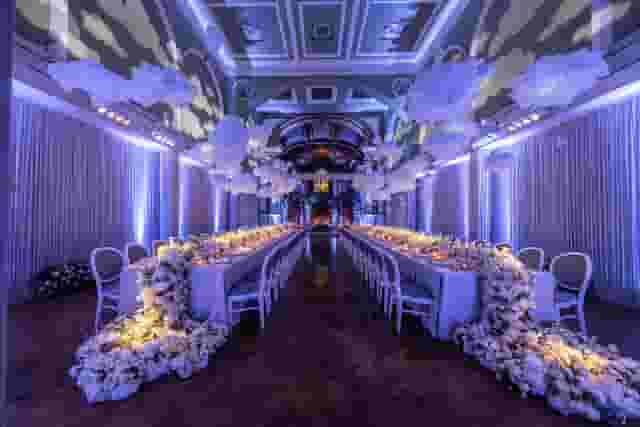
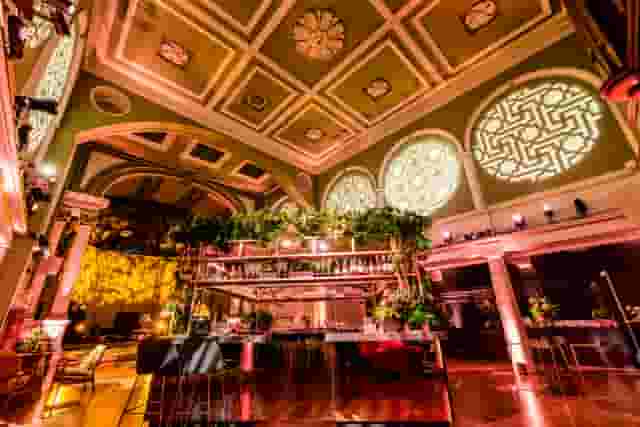
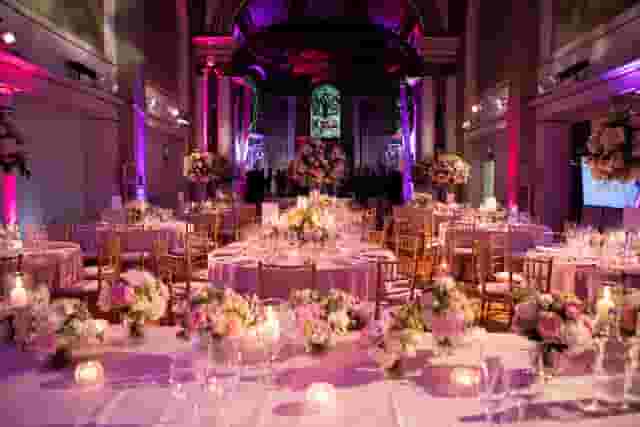














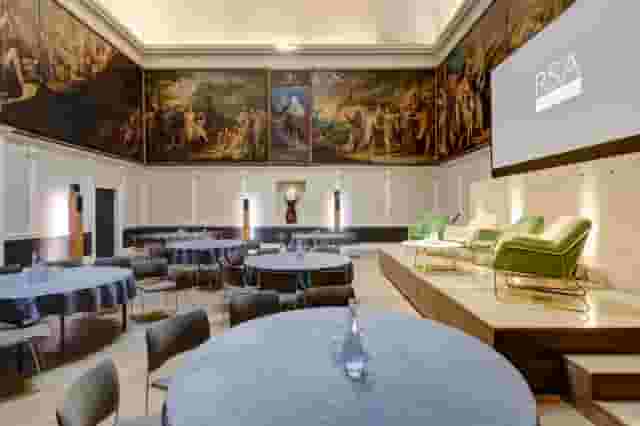
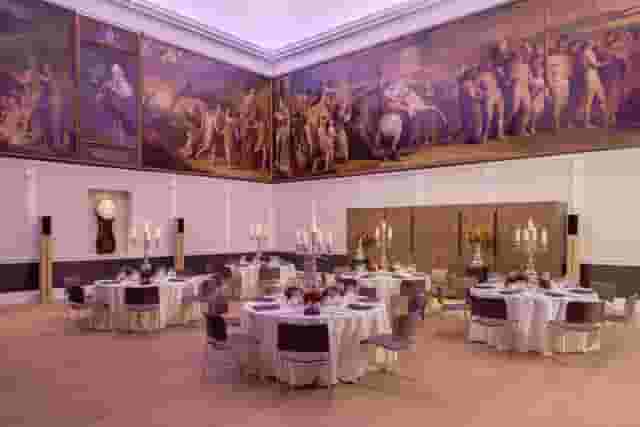

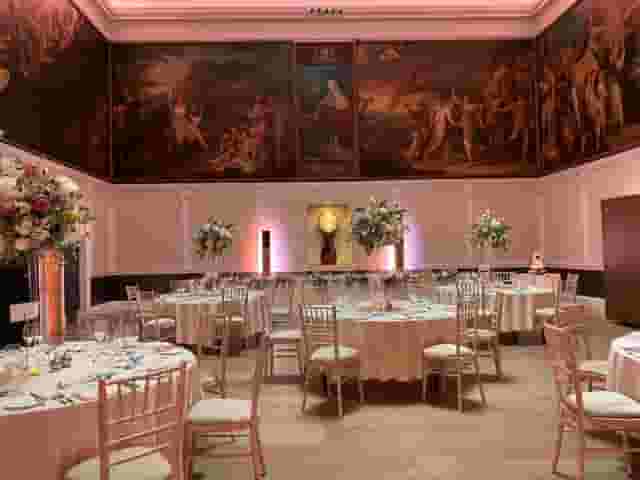
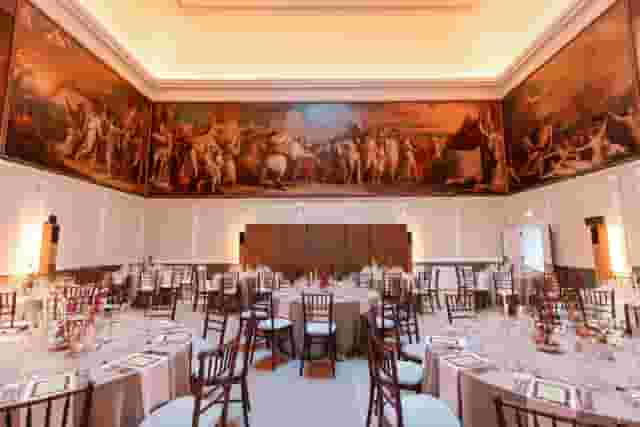
























































No venues match these filters
Try widening your capacity, luxury level or event type.
Don't have time to search? We'll find it for you.
For business events that need human judgement, talk to our team. Free for events of 100+ people, budgets over £10k or ongoing programmes.




Explore more venues in London








Frequently asked questions
Can I have an outdoor wedding in London?
What tech should a London wedding hall have?
Are London hotel wedding packages all-inclusive?
What size wedding hall suits 150 guests?
How to find a historic wedding venue in London?
Other platforms search their database. We search everything.
Tell us what you need. Our deep research finds any venue, whether it's in our marketplace or not. No one else does this.
About Wedding Hall in London
Matching the hall to your numbers and layout
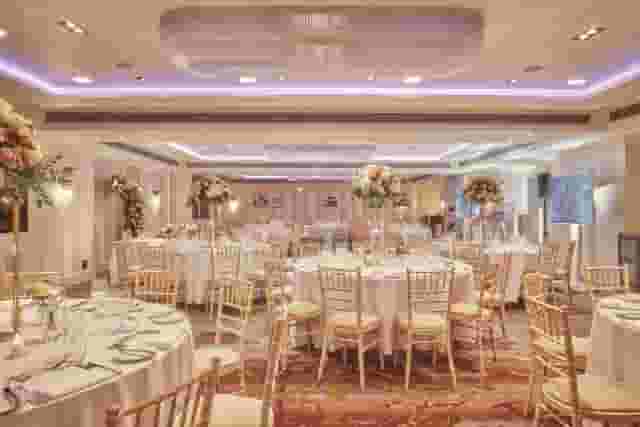
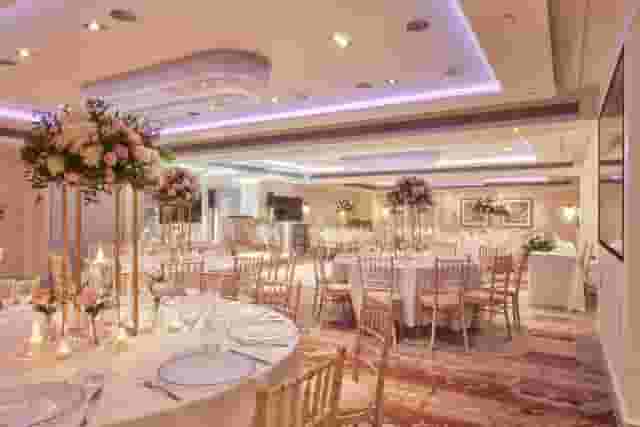
Planning a London wedding reception comes down to managing momentum. Your guests move through three distinct phases: the arrival drinks reception, the seated meal with speeches, and the evening party with music and dancing. Choosing the right hall requires looking past the maximum headline capacity on a brochure and scrutinising how each room accommodates that movement.
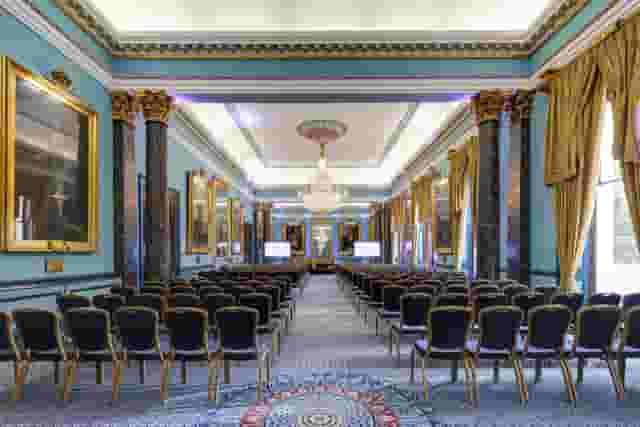
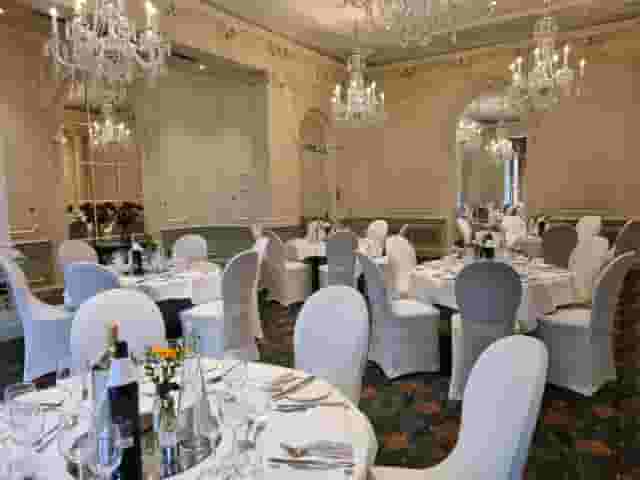
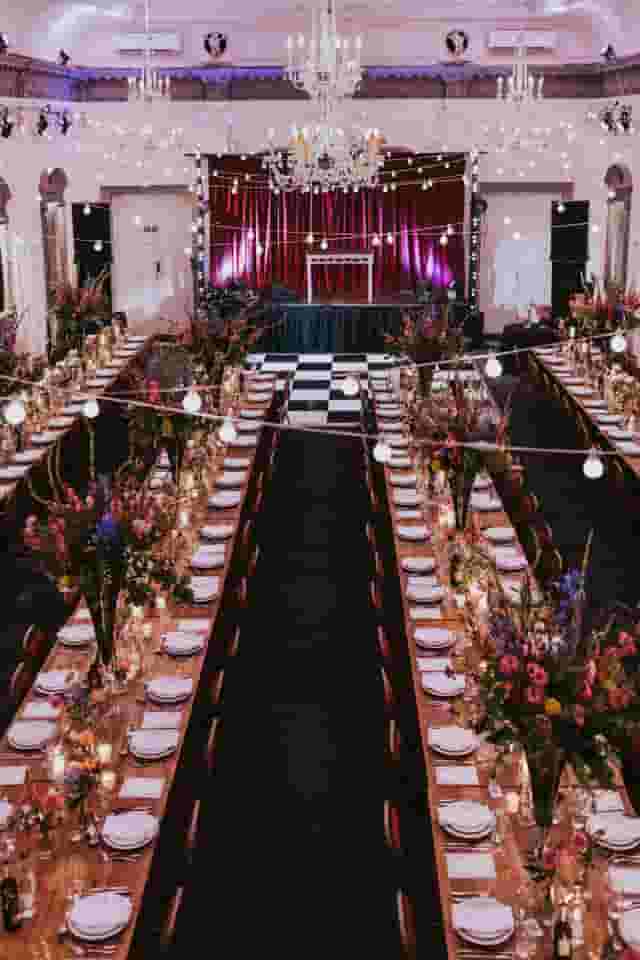
A venue that advertises room for 200 guests often means 200 people standing with a glass of champagne in hand. Seat those same 200 people around banquet tables with service gangways, a dance floor, a staging area for a band, and a bar, and the usable floor area shrinks by roughly half. For a guest list of 150 people having a seated dinner followed by dancing, you should look for a space rated well above 150 in a banquet layout. Always request a scale floor plan showing tables, the bar location, service corridors, the entertainment setup, and clear escape routes before signing a contract.
Ensure you scrutinise room transitions. If you host the drinks reception, the dinner and the evening party inside a single room, the venue staff must complete a full room flip between courses or during coffee. That means moving tables, shifting chairs, setting up the band equipment, and clearing space for dancing while your guests wait. Without a secondary drinks space, guests end up gathered awkwardly around the perimeter or ushered out into hallways.
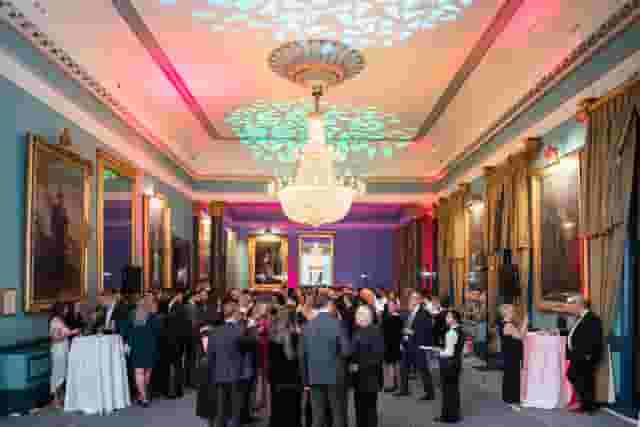
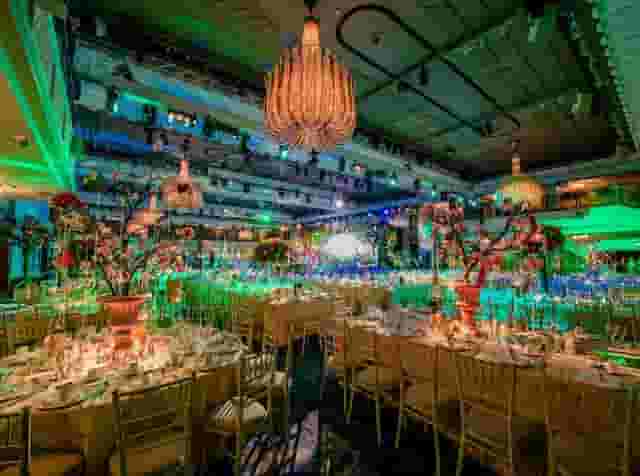
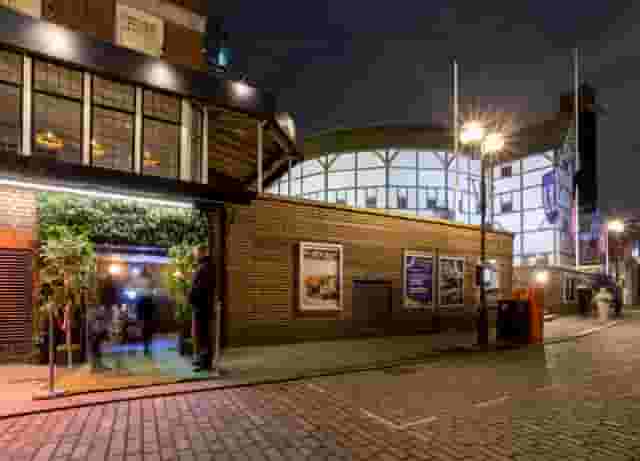
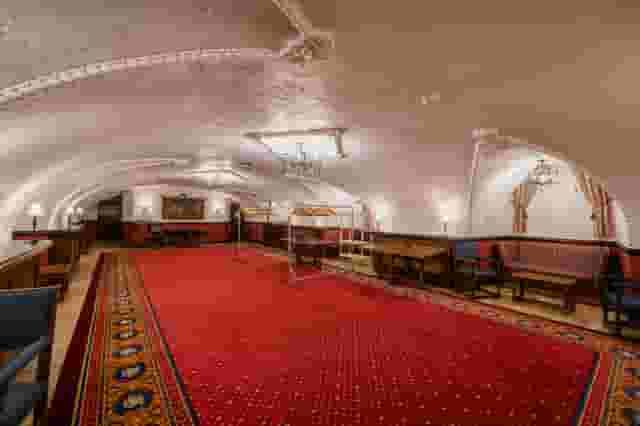
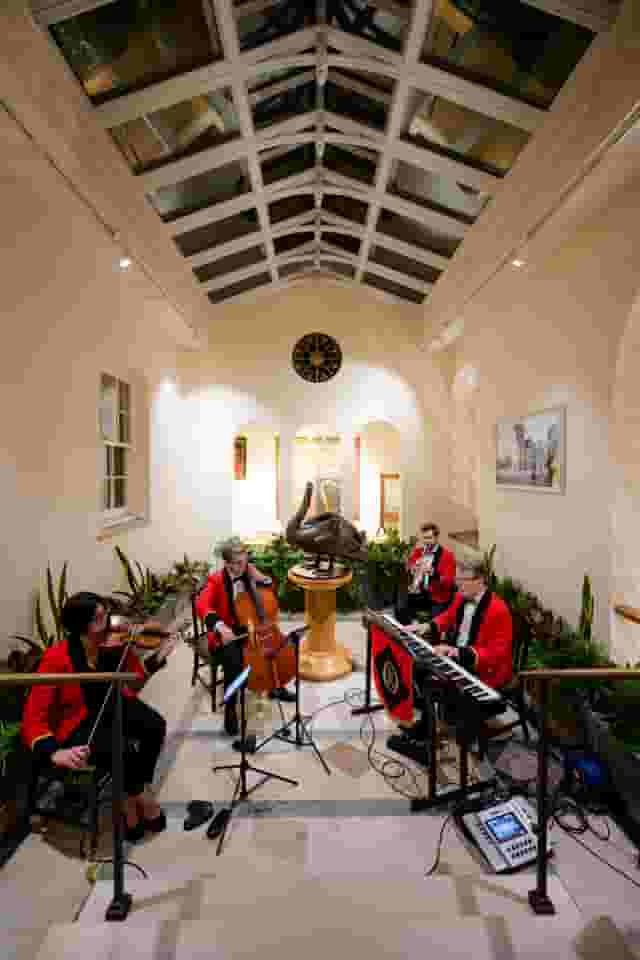
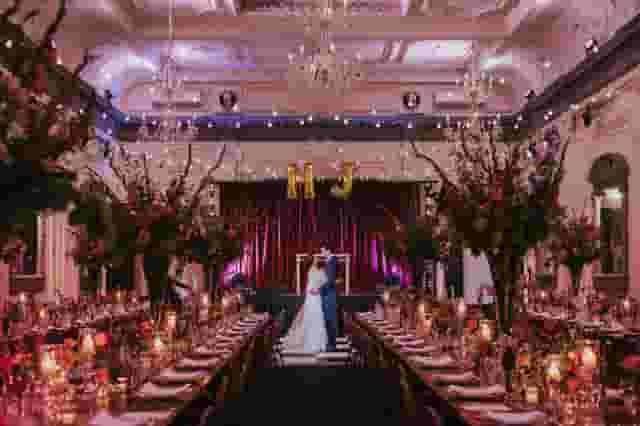
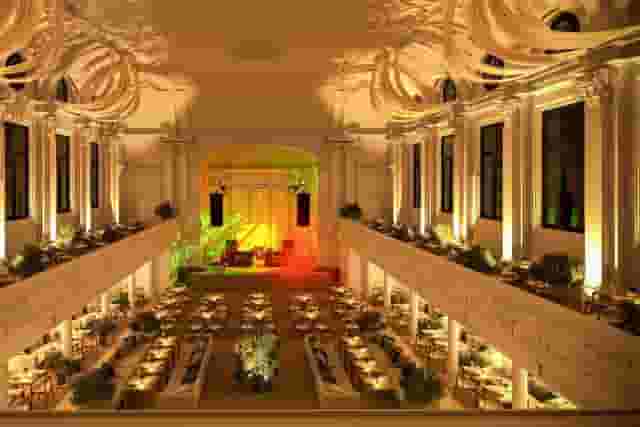
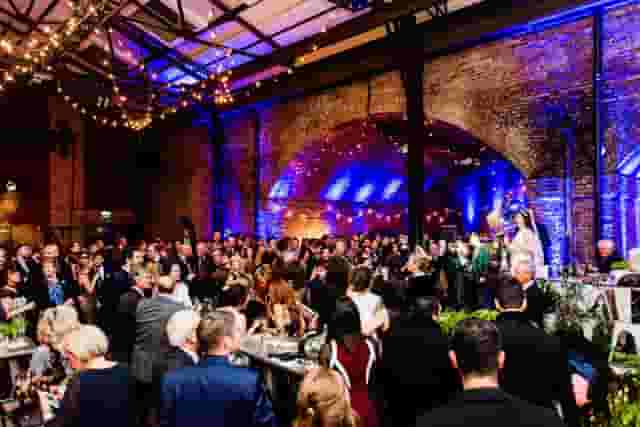
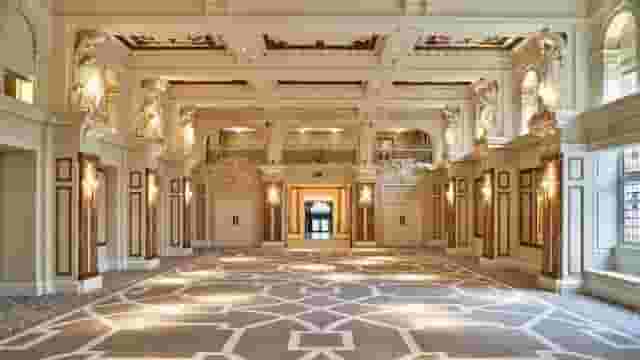
Some London halls solve this by offering interconnected rooms or vast layouts that allow distinct zones. At Swan at The Globe, the Underglobe sits beneath Shakespeare's Globe on Bankside and accommodates up to 450 guests for a standing reception. Its subterranean scale allows organisers to stage a dramatic drinks reception before guests migrate into dining and dancing zones without waiting on a room reset. In Marylebone, the Ballroom at Nobu Hotel Portman Square accommodates up to 700 reception guests, providing the sheer footprint needed to establish lounge areas, an expansive dance floor, and full banquet dining in one coordinated footprint.
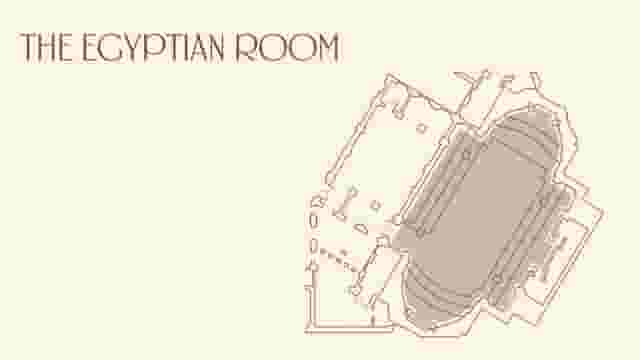
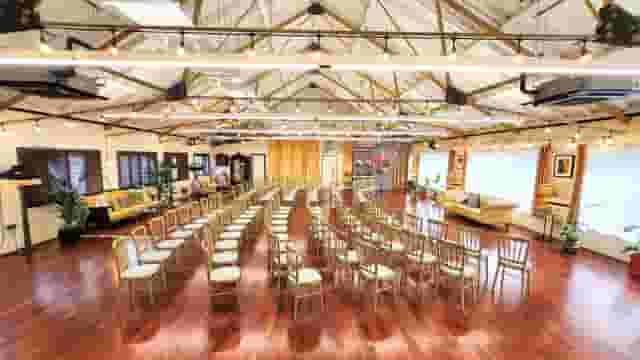
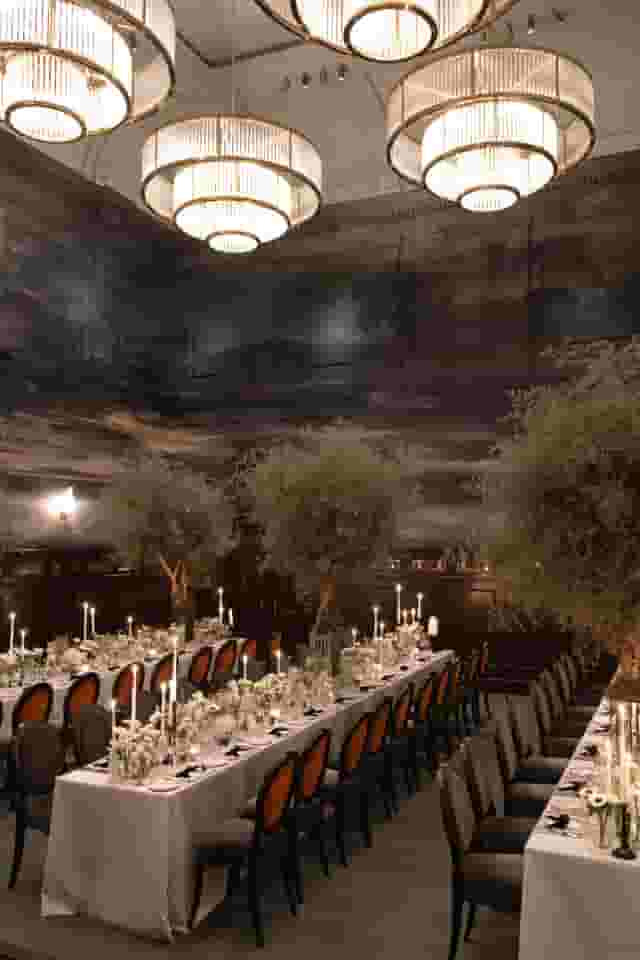
For medium-sized receptions of around 100 to 150 guests, look at spaces designed specifically for formal dining. In Covent Garden, the Egyptian Room at 60 Great Queen Street holds 150 guests for dining and features an art deco aesthetic with a built-in stage, which keeps entertainment and speeches clear of guest seating. If you are comparing venues across different parts of the city, consult our guide to finding wedding venues in London for an overview of how layout choices influence the flow of your day.
Historic halls, civic rooms and hotel ballrooms
London wedding halls broadly divide into three architectural categories: civic buildings, historic institutions such as livery halls, and contemporary hotel ballrooms. Each category brings distinct character alongside specific operational limitations that shape what you can do with your reception.
Civic and town hall architecture
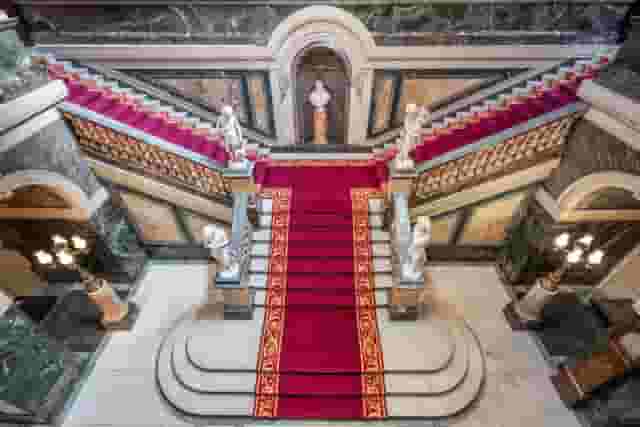
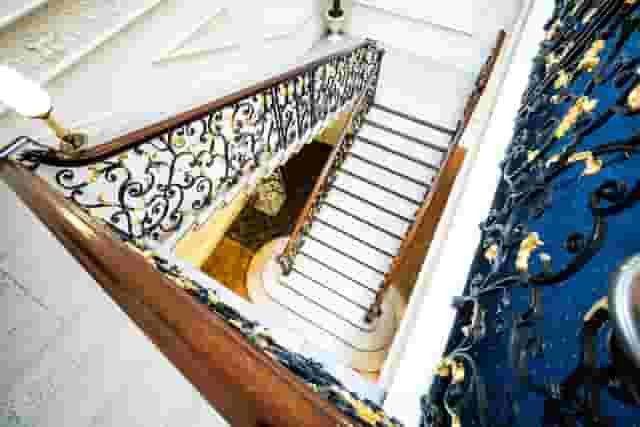
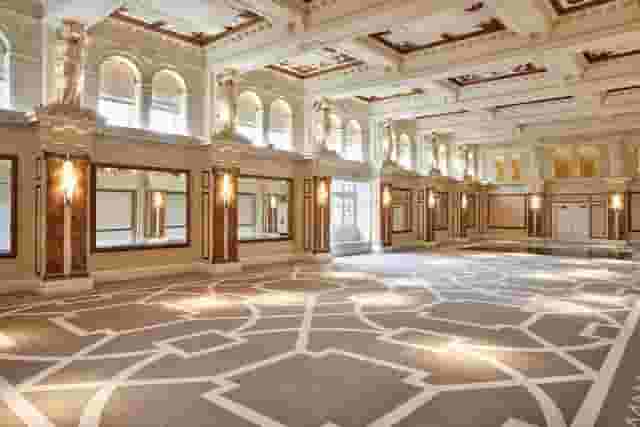
Restored municipal halls provide generous architectural volume, high ceilings and striking architectural features. They frequently feature wide corridors, marble staircases and period detailing that reduce your need to spend heavily on decorative dressing.
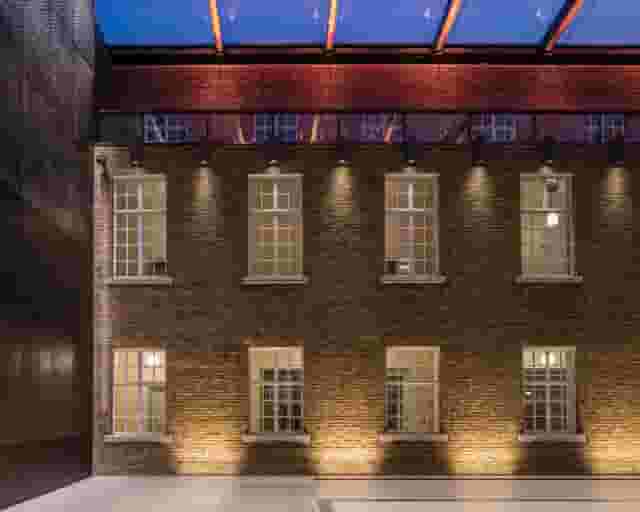
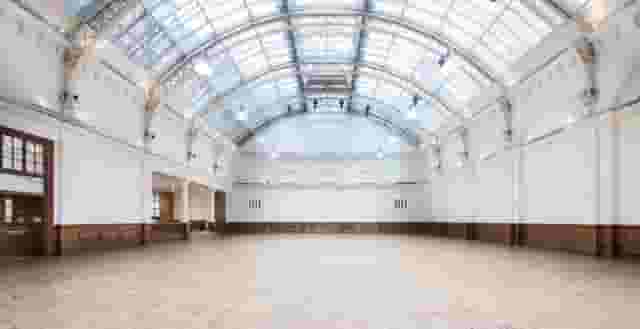
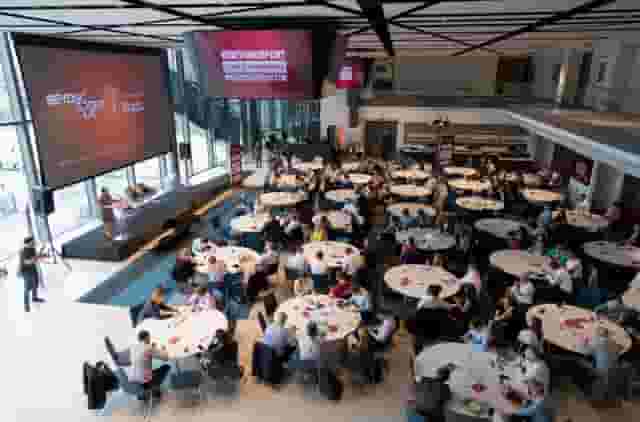
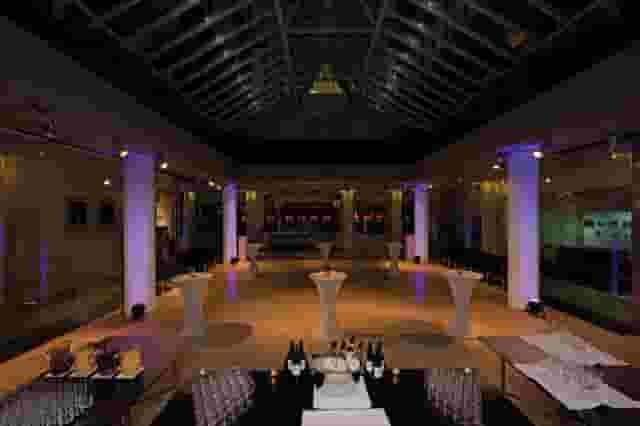
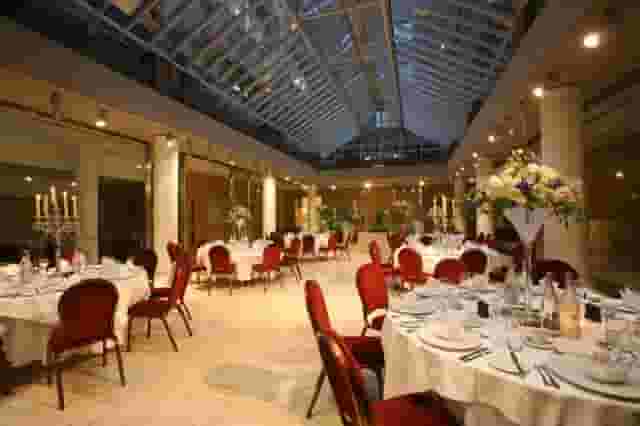
In East London, Hackney Town Hall features the North Atrium, a bright art-deco space holding up to 200 guests standing. Its glass-roofed design creates an outdoor courtyard atmosphere while keeping guests fully protected from British weather. Further down the road in Bethnal Green, the De Montfort Suite at Town Hall Hotel handles up to 110 guests for a reception. The room features high arched windows and restored woodwork, offering an intimate civic setting for smaller parties.
Civic venues, however, usually operate within active municipal departments or residential neighbourhoods. This frequently means stricter curfew enforcement, dedicated sound limiters on live music, and municipal delivery slots that give suppliers narrow windows to unload equipment before the doors open.
Historic and livery halls
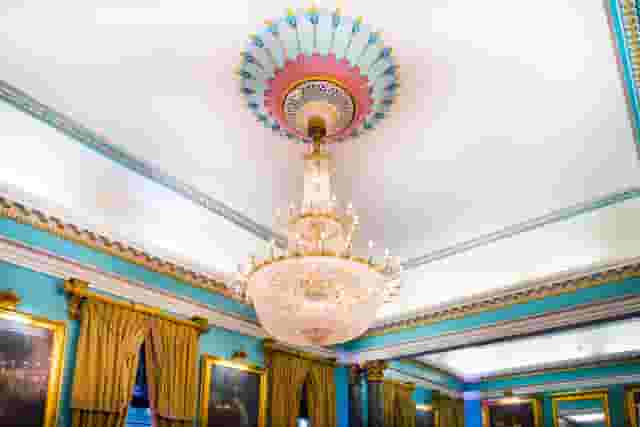
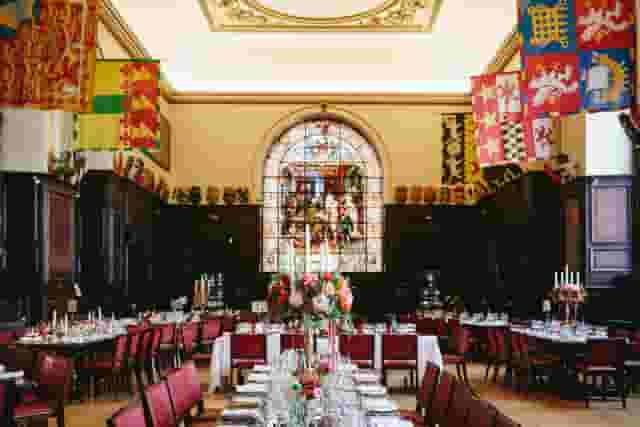
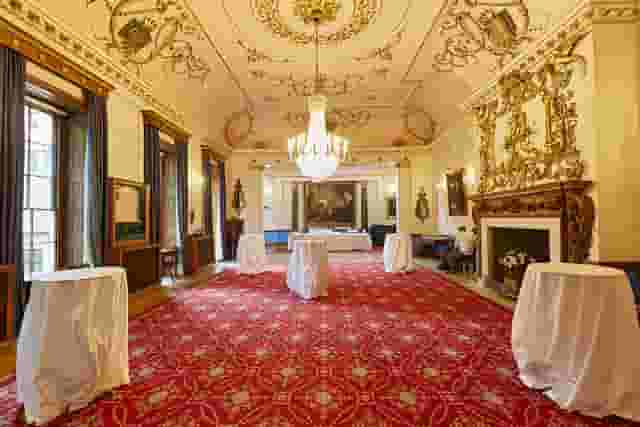
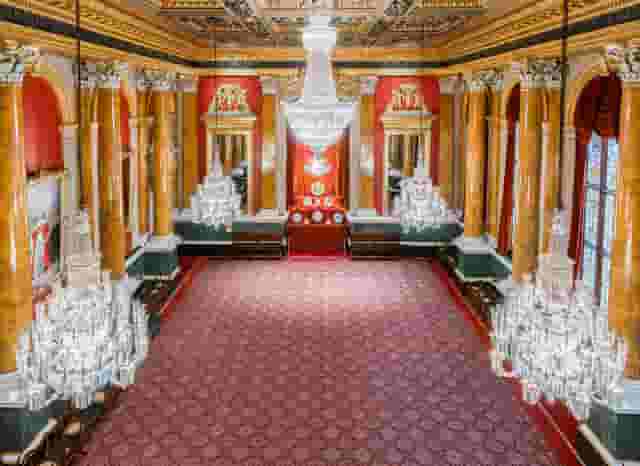
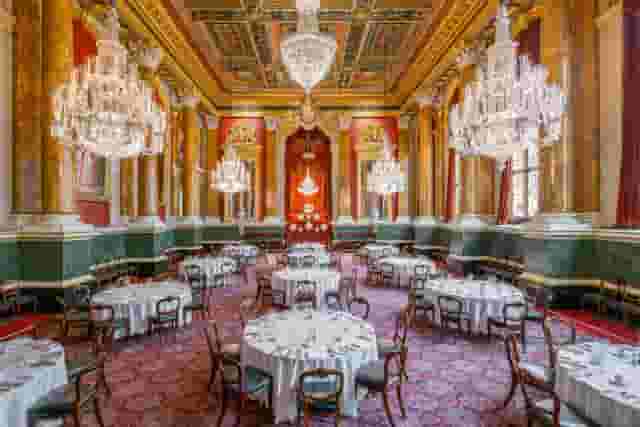
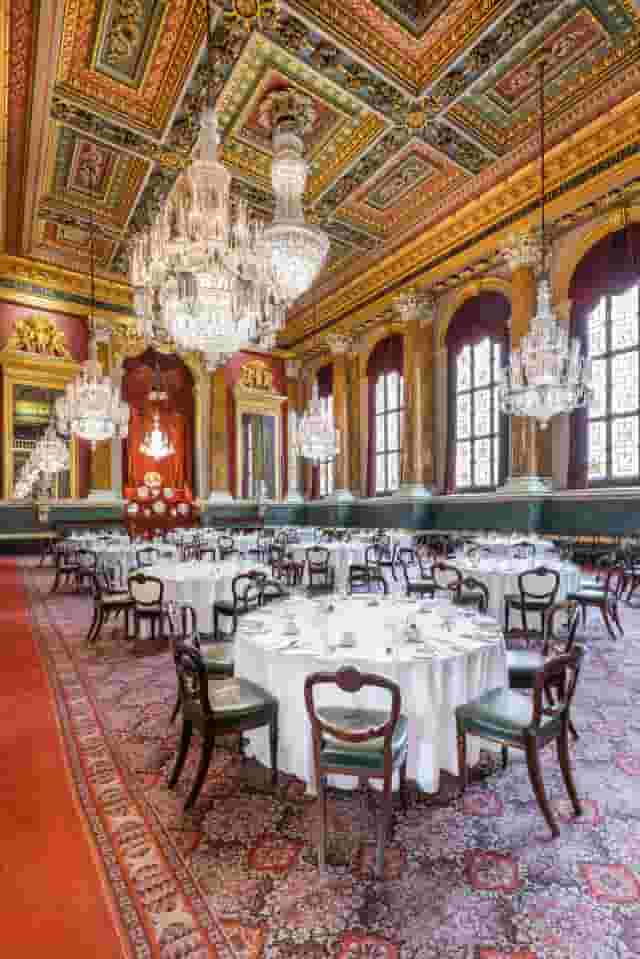
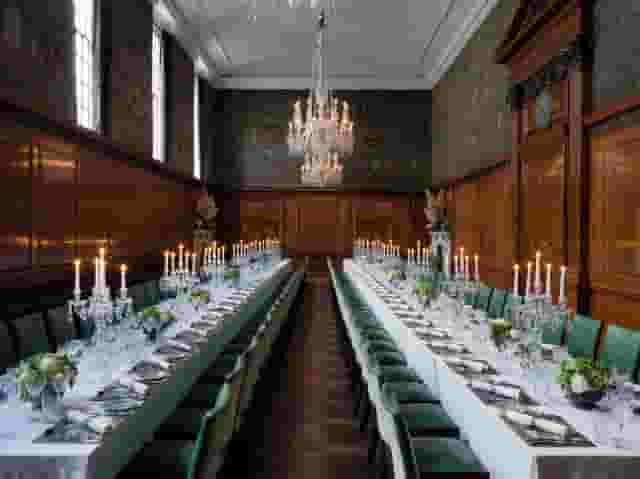
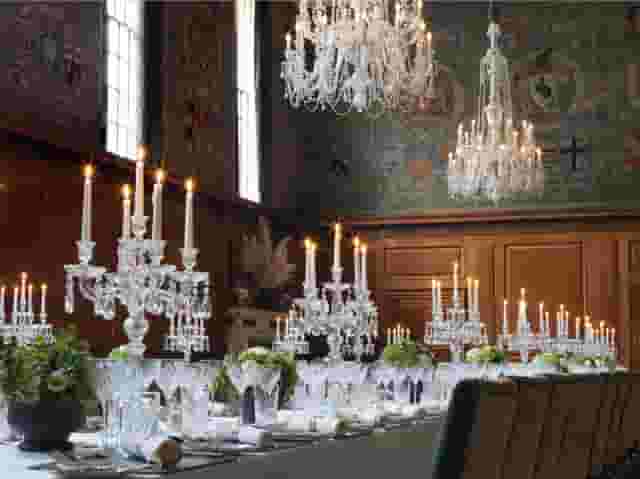
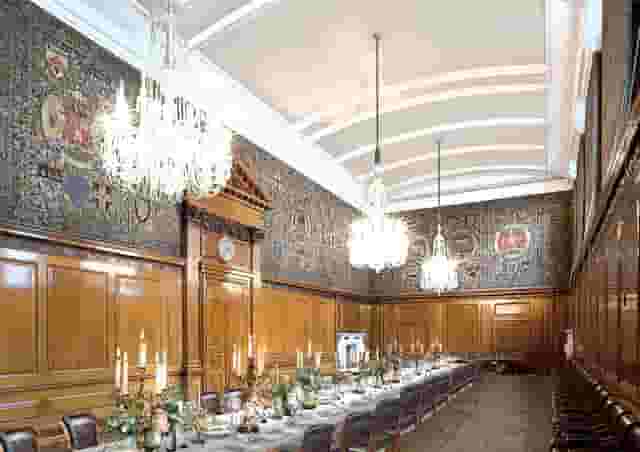
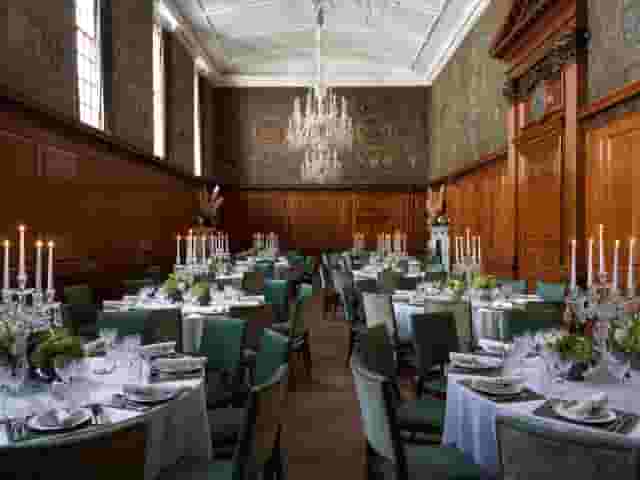
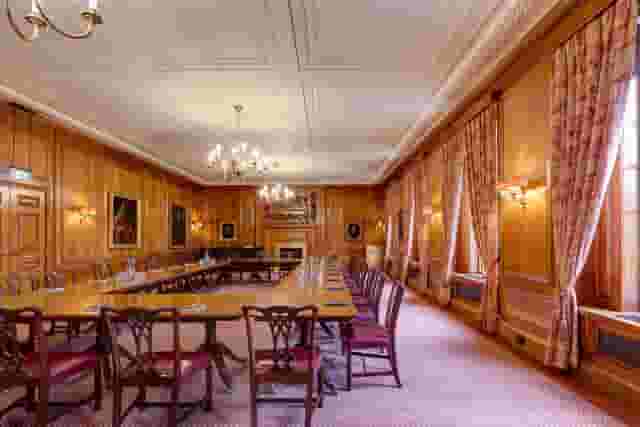
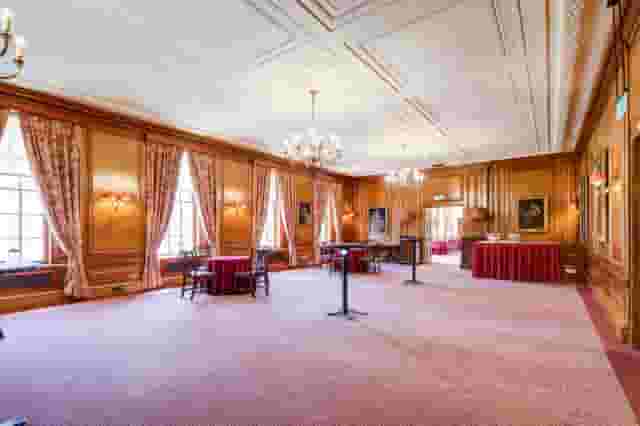
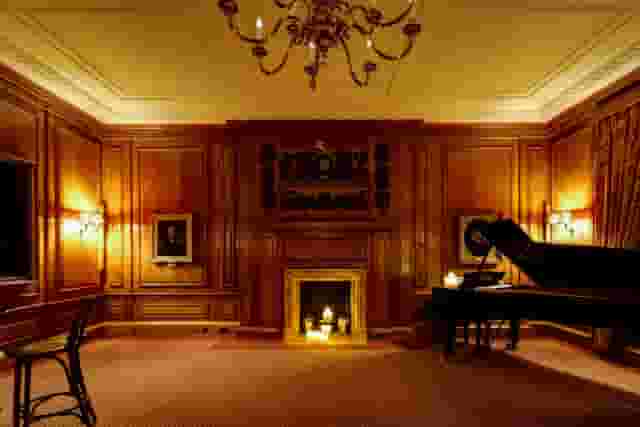
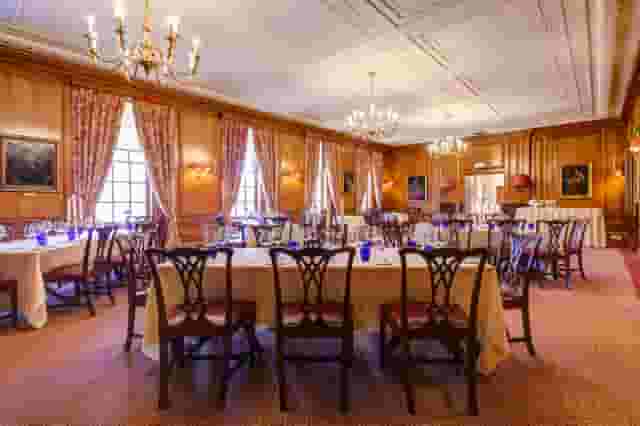
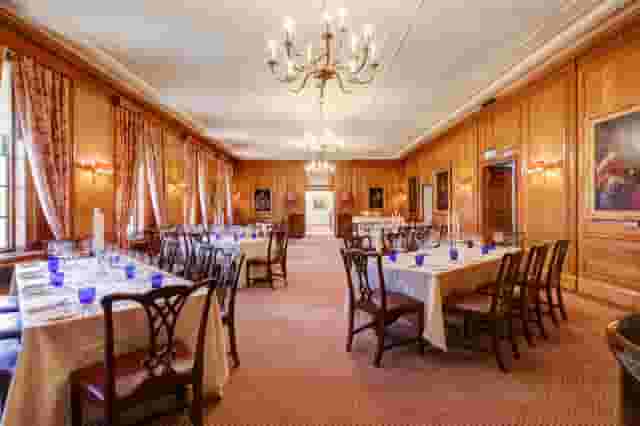
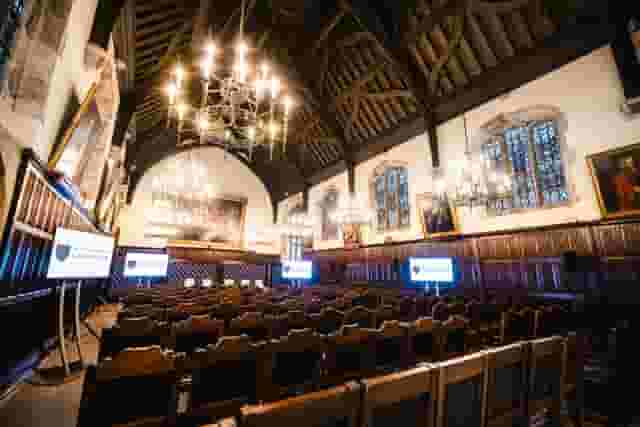
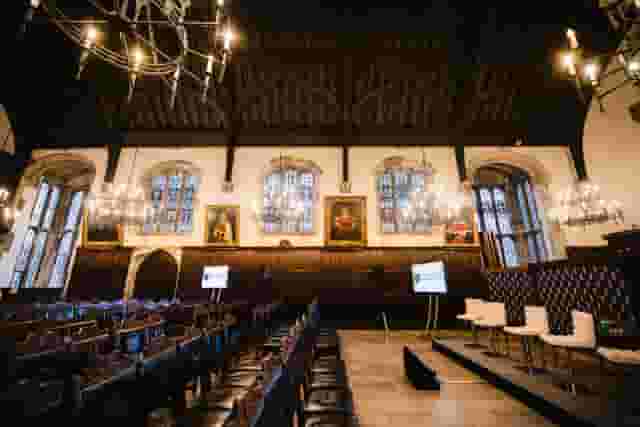
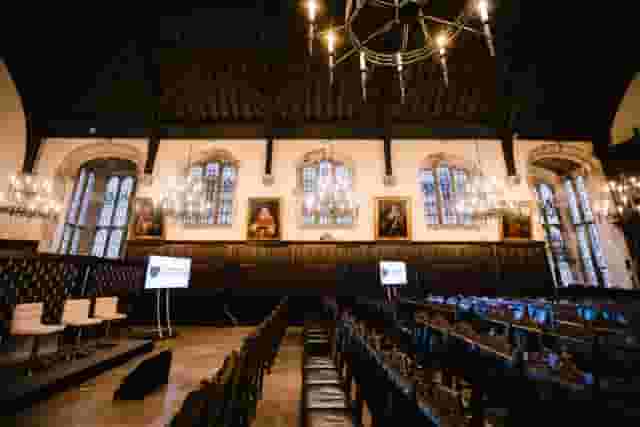
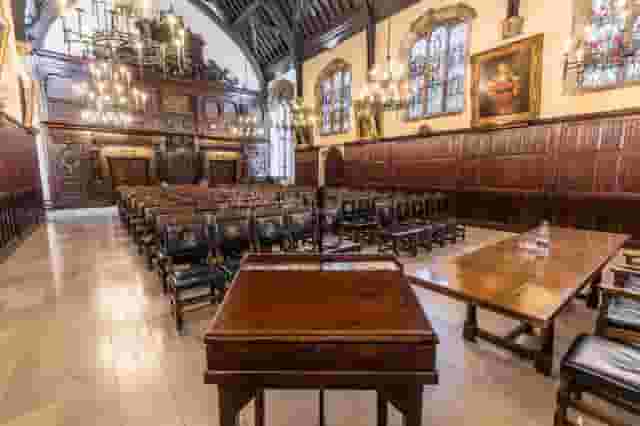
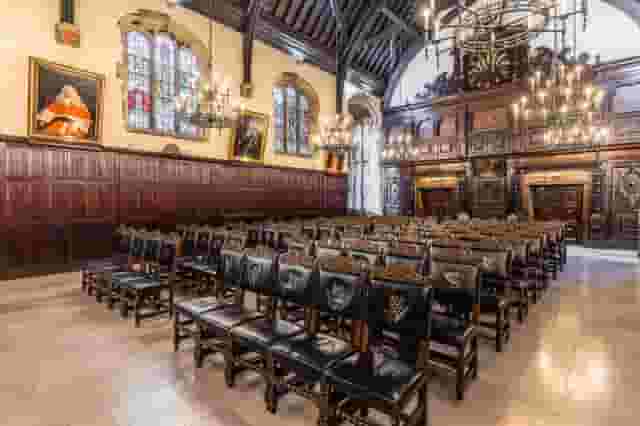
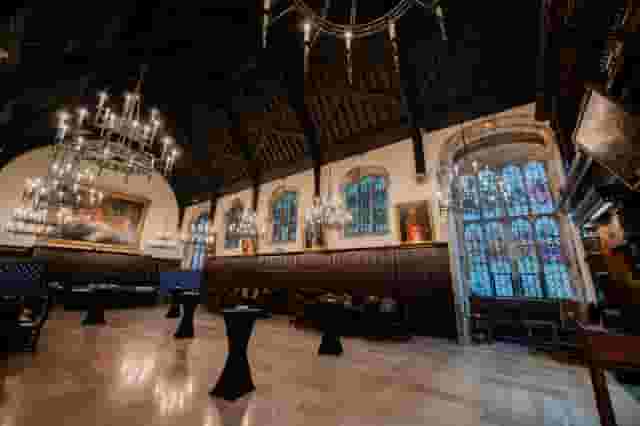
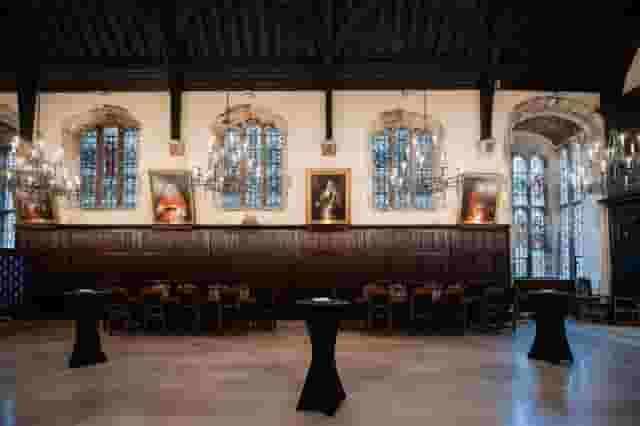
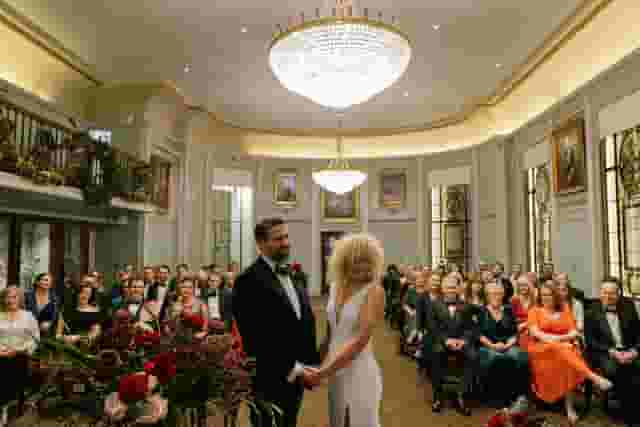
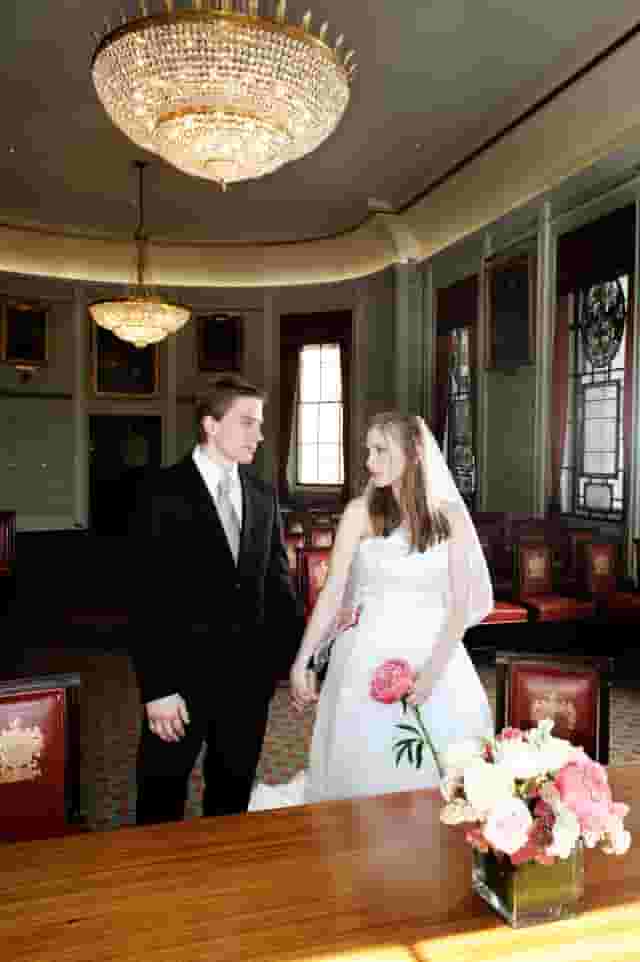
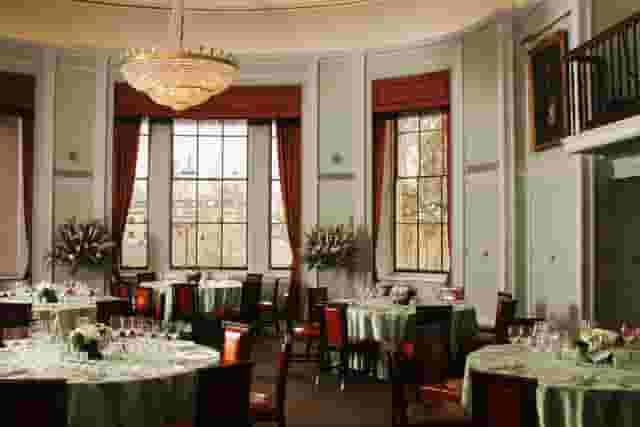
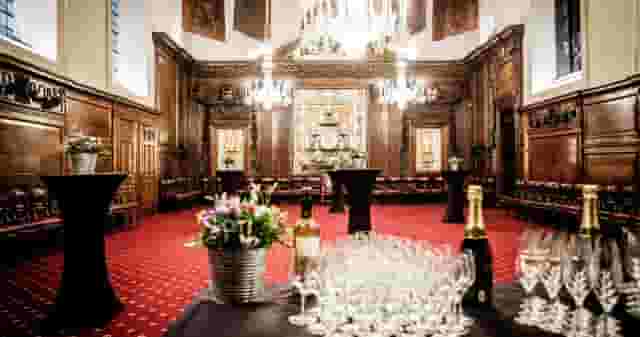
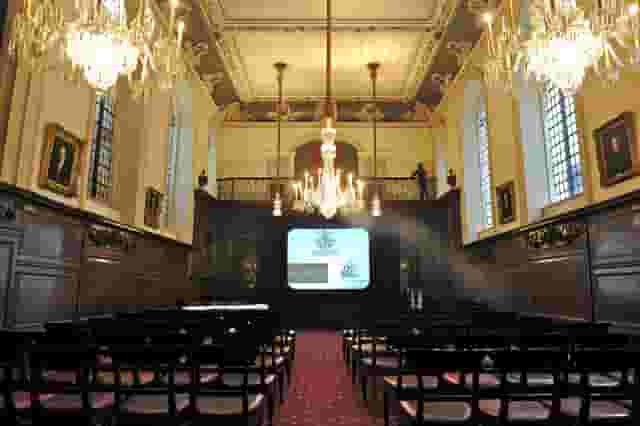
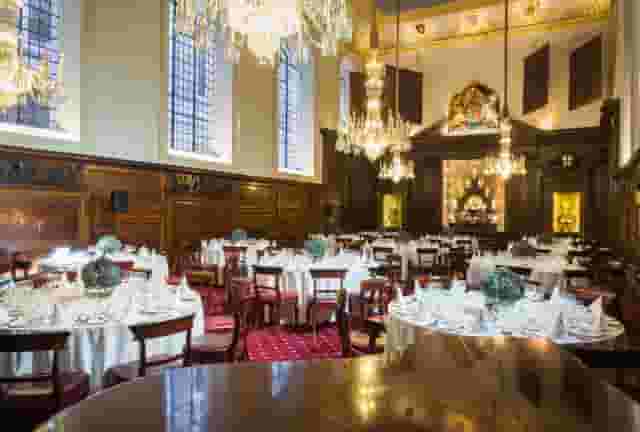
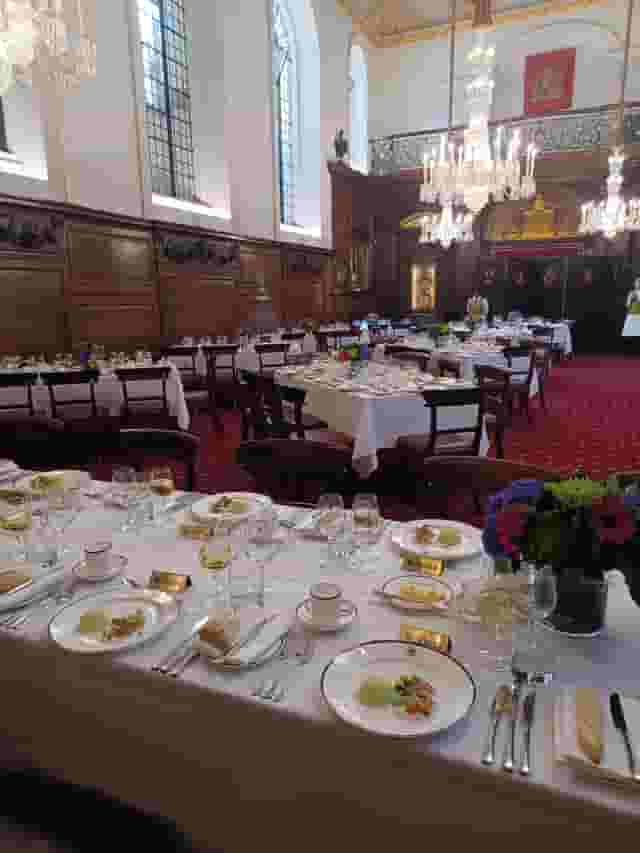
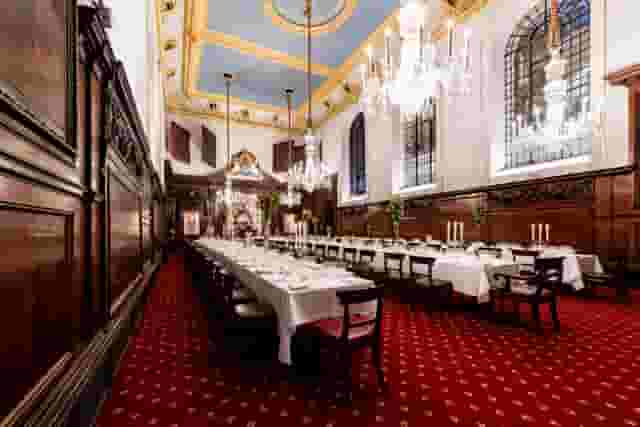
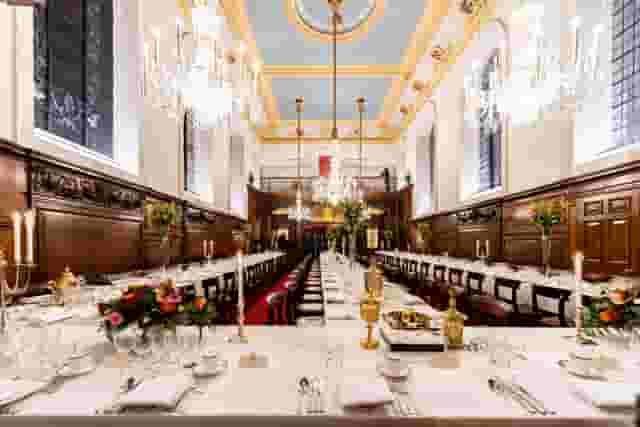
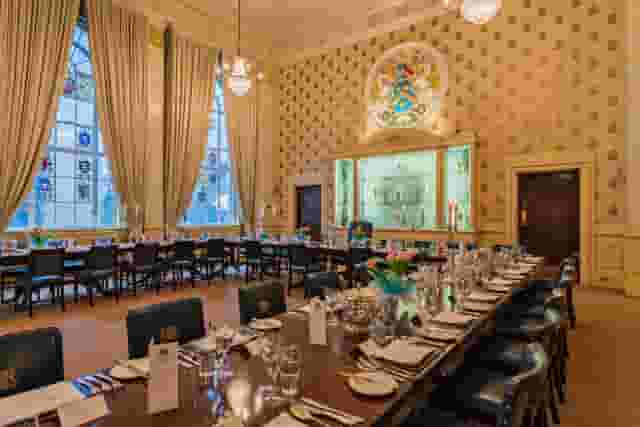
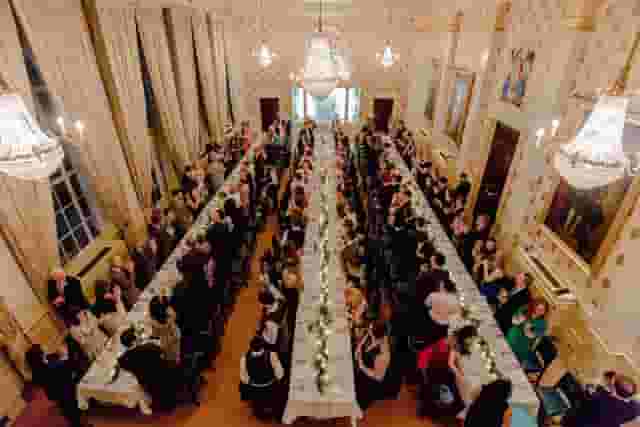
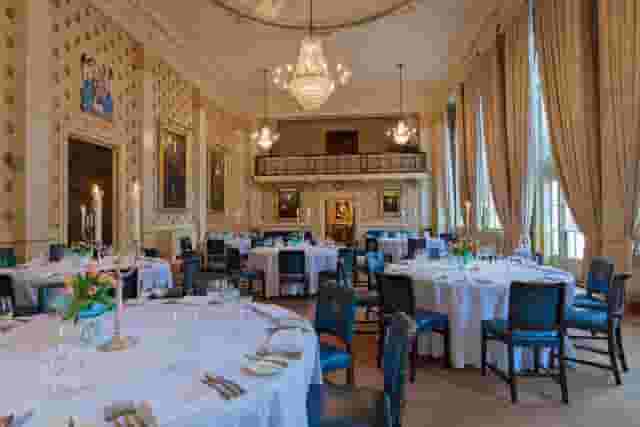
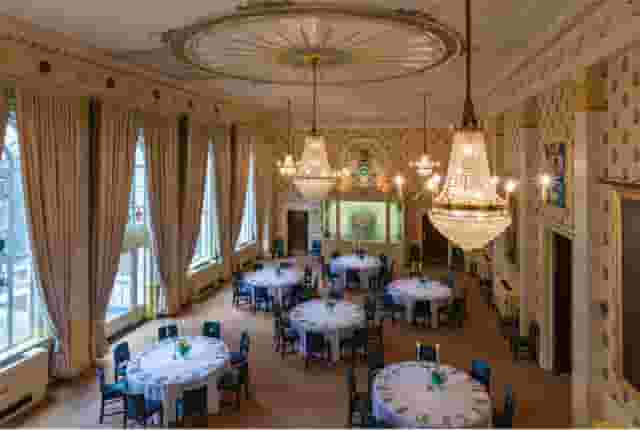
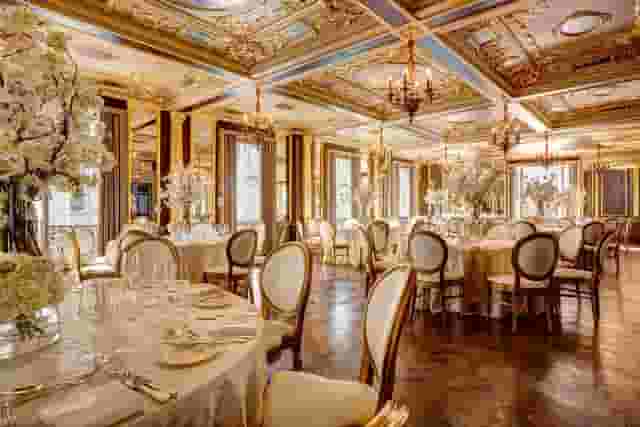
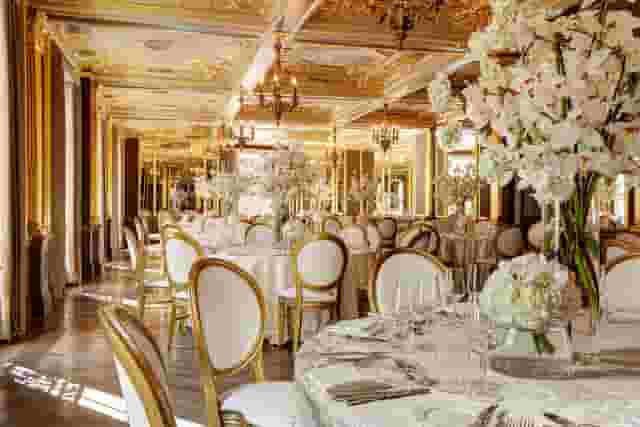
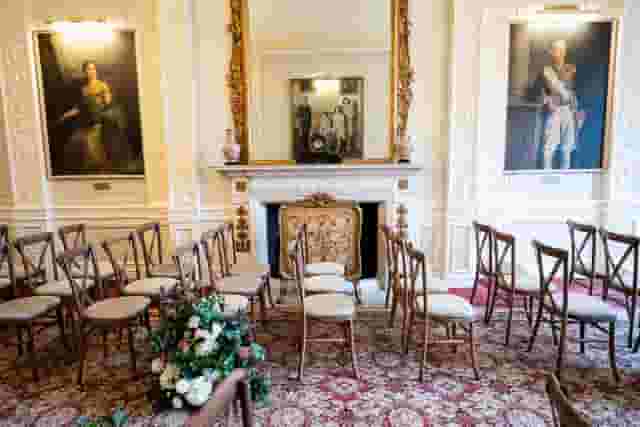
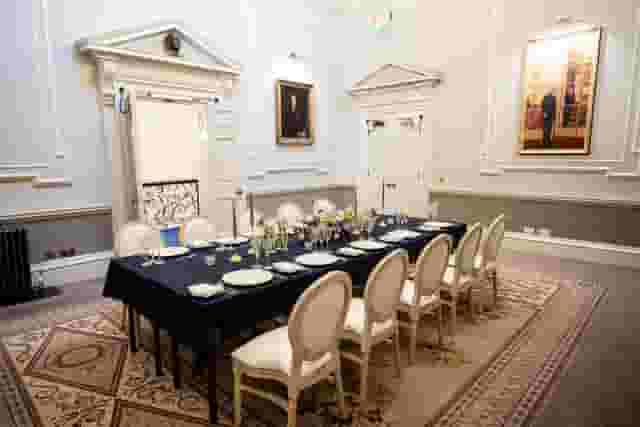
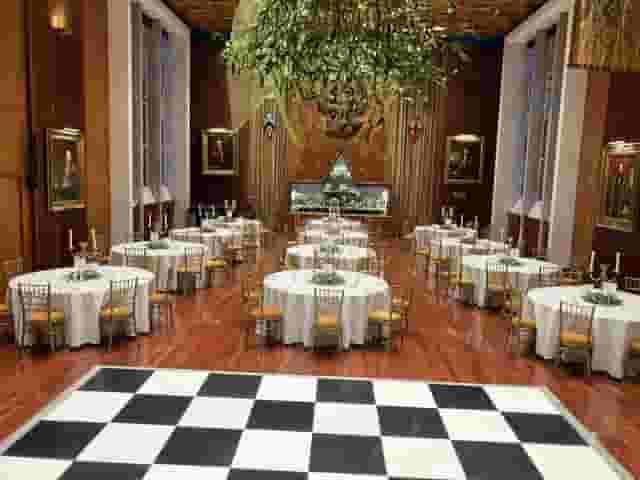
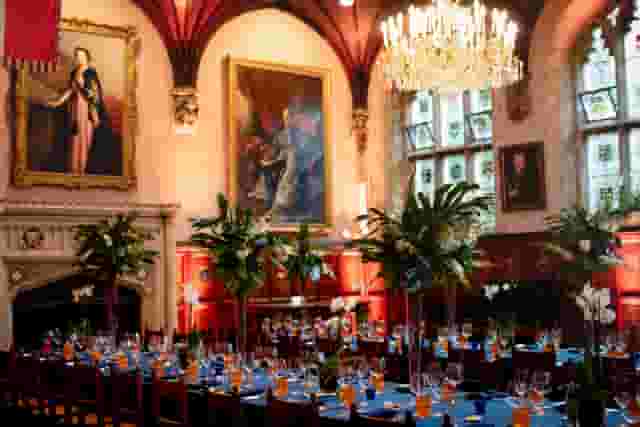
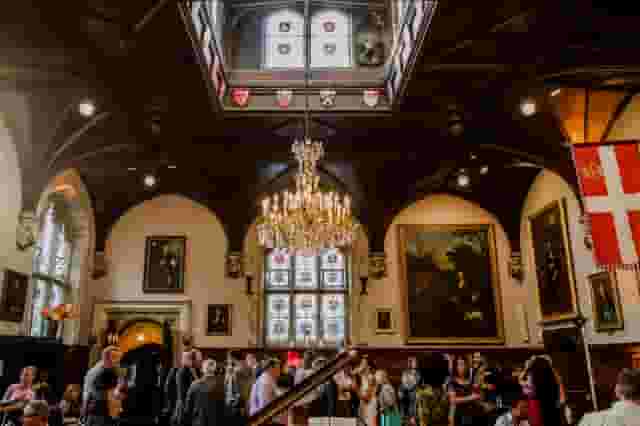
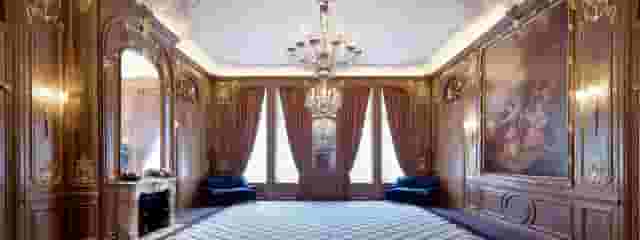
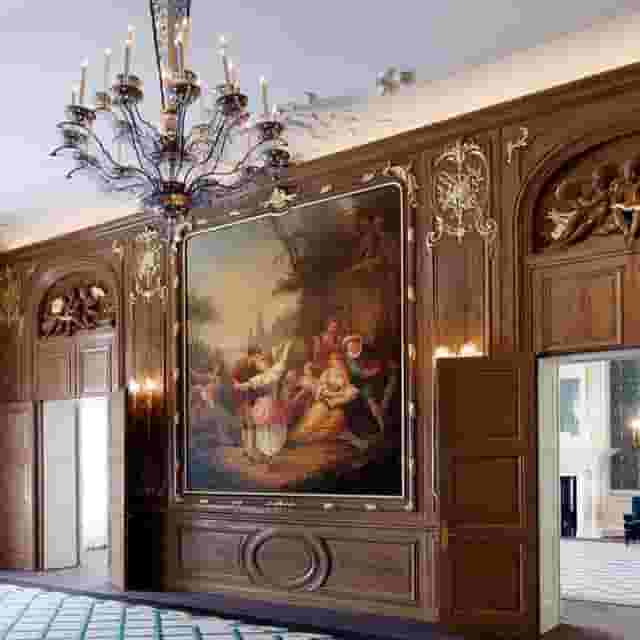
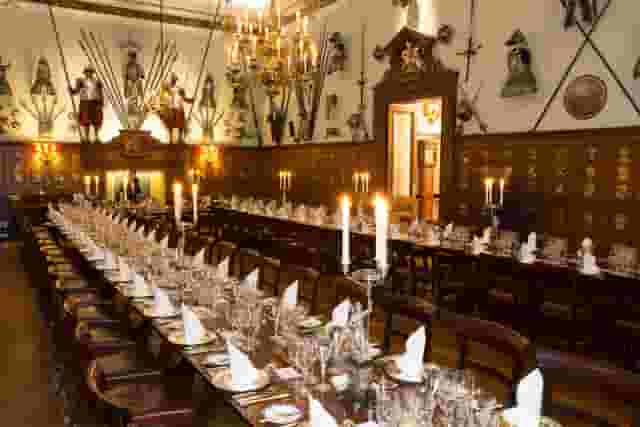
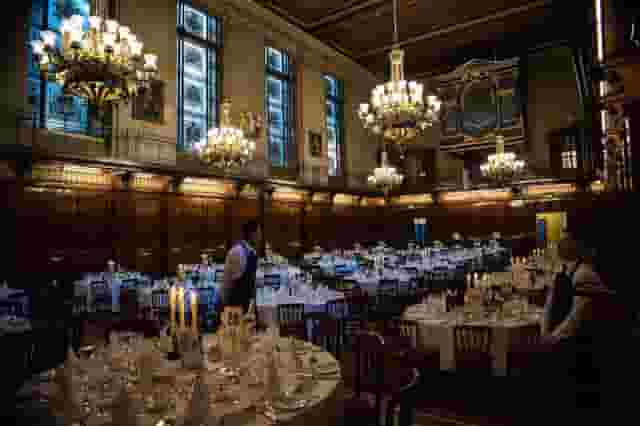
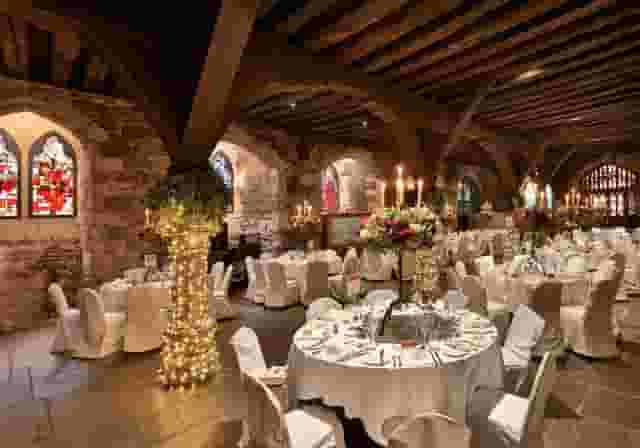
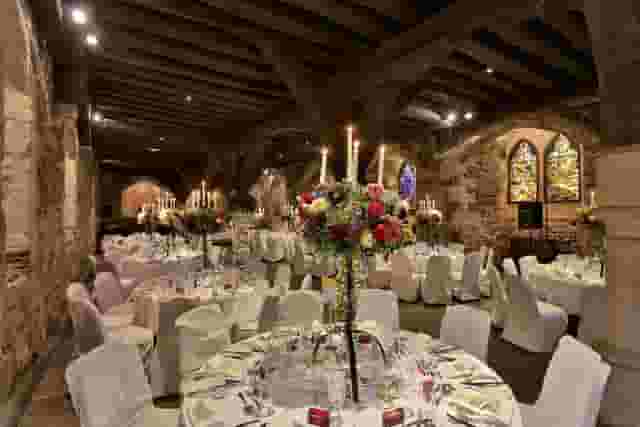
Livery halls and historic institutions offer centuries of British heritage. These venues typically feature original wood panelling, high ornate plasterwork, oil paintings and grand crystal chandeliers.
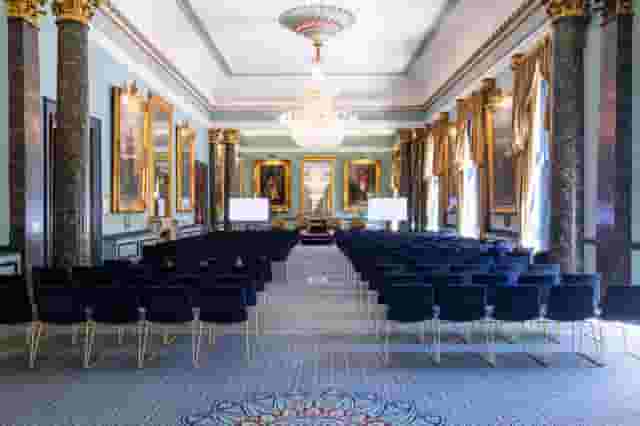
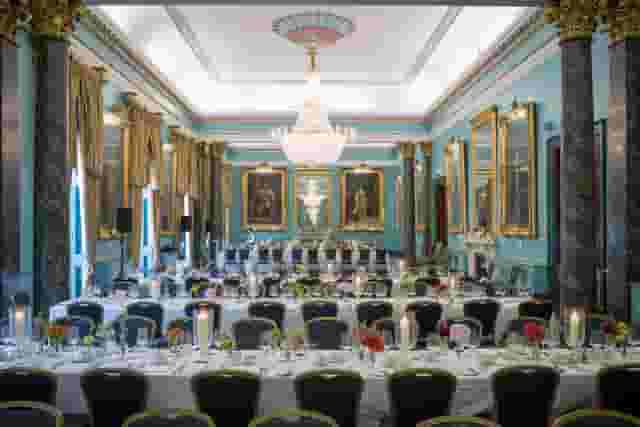
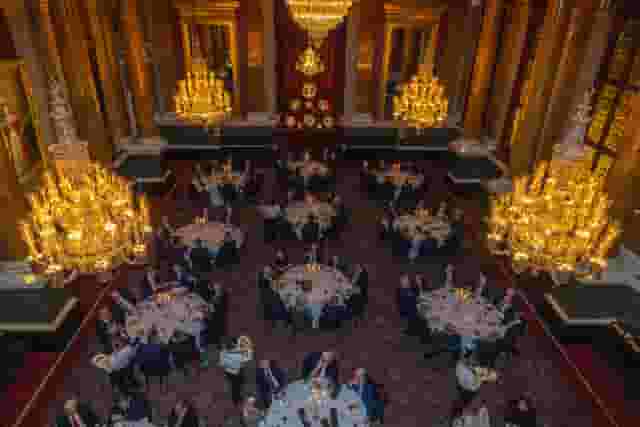
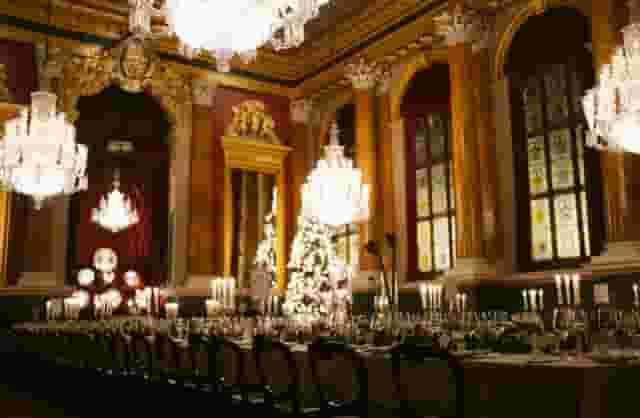
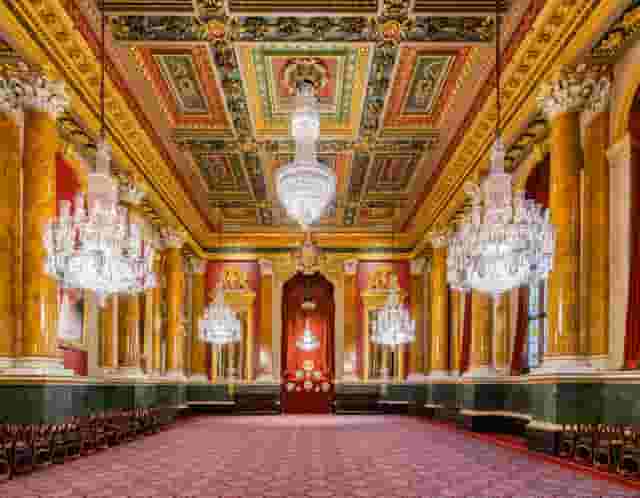
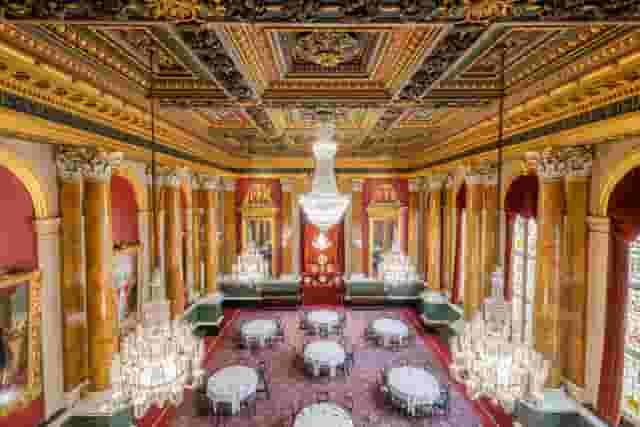
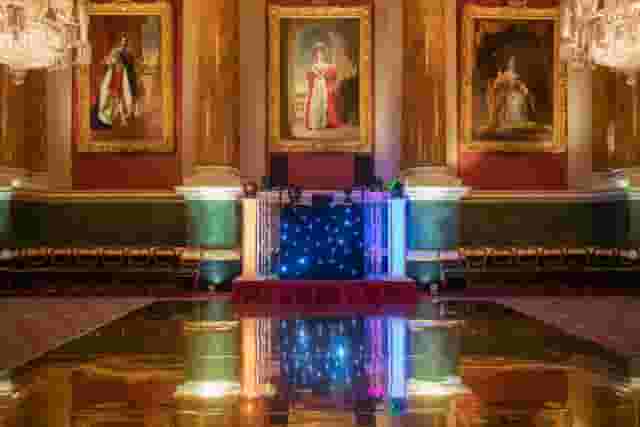
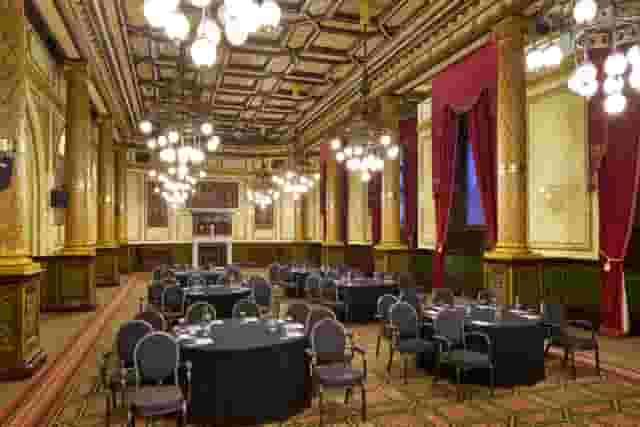
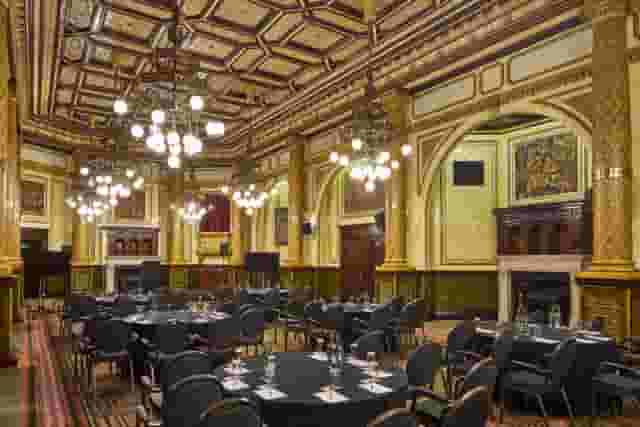
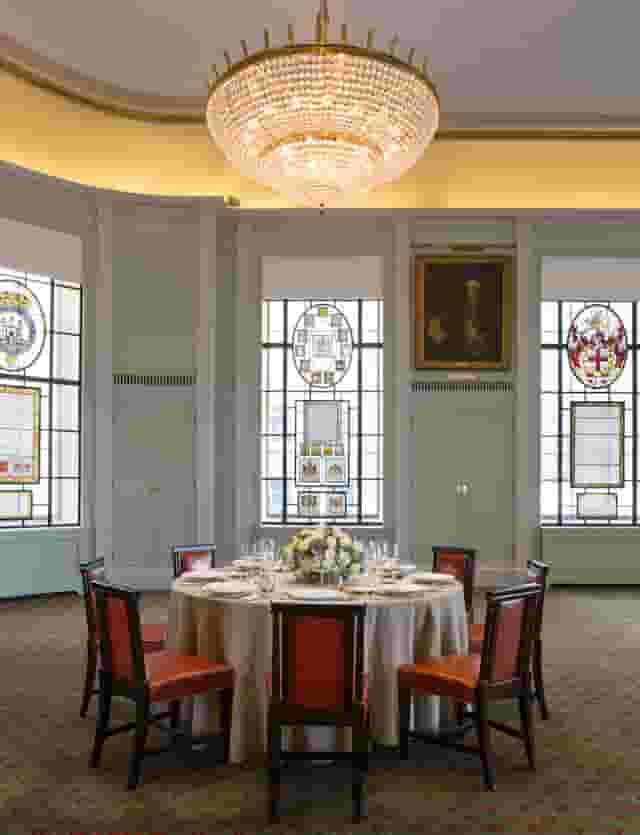
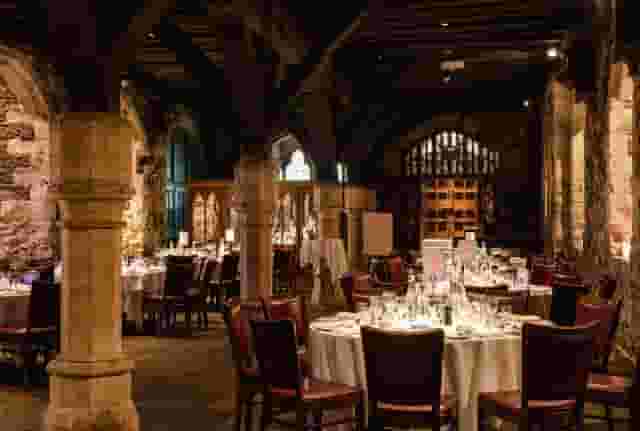
In the City of London, Goldsmiths' Hall offers The Livery Hall, which holds up to 300 reception guests beneath Corinthian columns and gold-leaf ceilings. In Westminster, 116 Pall Mall features the Nash Room, a Georgian hall accommodating up to 300 guests standing for receptions that require classical architectural grandeur.
Working within listed historic halls requires careful planning. If you want a historic setting, check Historic England's National Heritage List for England to understand what grade of listing applies. Works affecting the character of a listed building may require Listed Building Consent, and individual venue rules are strict:
- Rigging and decor: You cannot drill into masonry, pin items to walls or suspend heavy lighting rigs from original ceiling plaster.
- Flame policies: Most livery halls ban open candlelight outright or require thick glass hurricanes that cover flames completely.
- Flooring protection: Venues often insist on rubber-backed carpets beneath bars and prohibit stiletto heels on antique timber flooring.
- Red wine restrictions: Certain rooms with historic rugs or untreated stone ban red wine during standing reception phases.
Outside central London, manor houses present an alternative heritage feel. In Ealing, Pitzhanger Manor & Gallery provides Soane's Garden Room, which accommodates up to 90 guests for a dinner dance. This space combines historic manor architecture with adjacent garden parkland.
| Venue Style | Primary Strengths | Key Operational Realities | Typical Layout Suitability |
|---|---|---|---|
| Historic Livery Hall | Ornate interiors, grand architectural detailing, central locations | Strict decoration bans, no open flames, heritage protection policies | Formal seated banquets, traditional dinner dances |
| Restored Town Hall | High ceilings, natural light, distinct architectural character | Fixed delivery windows, strict municipal sound limiters | Medium dinners, standing drinks receptions |
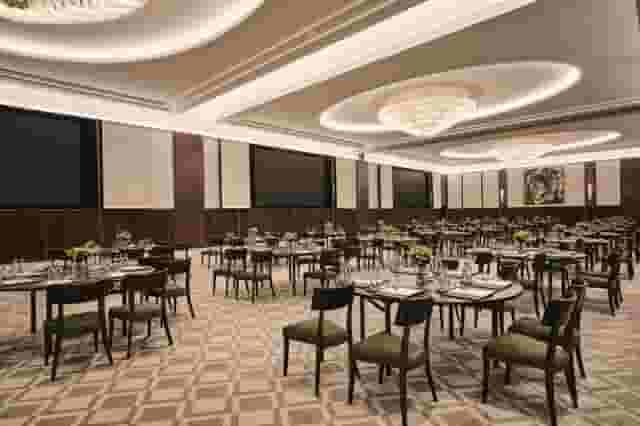
| Modern Hotel Ballroom | Purpose-built AV, on-site bedrooms, flexible room partitions | Lower historical character, package-based supplier structures | Large-scale weddings, evening parties, multi-phase events |
Understanding the budget: packages, minimum spends and dry hire
Pricing for London wedding halls varies depending on whether you take a dry hire room, an inclusive package, or a minimum spend arrangement. Based on 13 quotes from the venues on this page, indicative pricing sits at £90 to £250 per head. This figure is estimated from what these venues have charged for similar events, assuming a guest count of about 100 guests. As a venue booking platform backed by a team of real people who help guide the search, Hire Space calculates instant price estimates drawn from actual booking figures for your exact numbers. This shows what a hall is likely to cost before you reach out, while suggesting similar spaces at a lower price point if a favourite room sits above your budget.
Where you land within that band depends heavily on the hire model you select and the tier of service you require:
- Towards the £90 end: You are typically looking at weekday or off-peak hires, standard three-course set menus with house wine, or venues operating on a minimum spend basis where bar turnover offsets room hire costs.
- Towards the £250 end: You enter central London historic halls and high-spec hotel ballrooms with extensive multi-course dining, premium champagne receptions, midnight snacks, late evening extensions, and dedicated security.
When venues offer packages, do not assume they cover every operational cost. Hotel wedding packages differ considerably, so an all-inclusive label rarely covers the entirety of your day. A standard package usually includes room hire, a three-course dinner, half a bottle of wine per person, a glass of sparkling wine for toasts, and basic white linen.
You should ask for an itemised list of inclusions and exclusions. Items commonly charged as extras include:
- Ceremony room hire fees if you hold the legal wedding ceremony on site.
- Upgraded drinks packages and spirit provisions.
- Evening food such as late-night street food platters or cheese boards.
- Cake cutting and service fees.
- Corkage fees if you wish to supply your own wine or cultural catering.
- Mandatory cloakroom attendants and security staff fees.
- Discretionary service charges, which add between 12.5% and 15% to your final catering total.
Dry hire arrangements, where you hire the hall as an empty shell, look cost-effective on initial quotation but shift logistical costs onto your shoulders. When you hire an empty hall, you must budget for commercial kitchen installation, catering equipment hire, refrigeration units, tables, chairs, glassware, linen, waste removal, and bar staff. Unless you are running cultural catering that requires specialised outdoor tandoors or bespoke catering teams, an inclusive package or an established venue catering panel often yields a lower net spend.
Technical production, acoustics and the evening transition
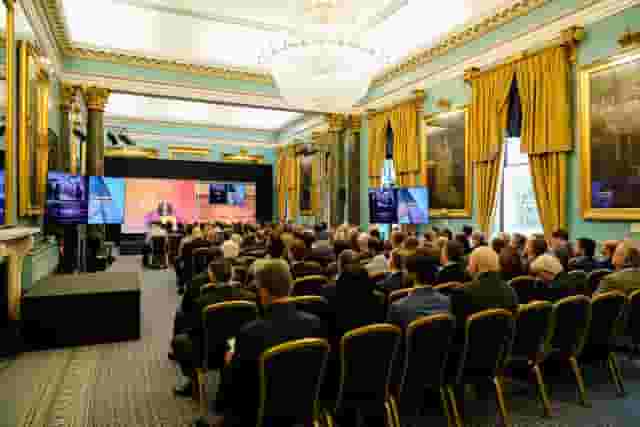
A wedding reception places shifting demands on a venue's technical infrastructure. The drinks reception requires low-level background music that encourages conversation; the dinner requires clear audio for speeches; the evening reception demands high-energy live music or DJ performance.
Speech audio and room acoustics
Historic halls and civic atriums with high ceilings, polished stone floors and large glass windows present acoustic difficulties. Sound bounces off hard surfaces, transforming amplified voices into an unintelligible echo.
For speeches, prioritise an evenly distributed public address system with multiple small speakers positioned down the length of the hall rather than two large speakers at the front. This allows speech audio to remain clear at a lower overall volume. Always verify that wireless handheld microphones are included, and test them during your site walkthrough to ensure there are no dead spots caused by thick masonry or steel architectural beams.
Evening party production and sound limiters
Before booking a five-piece band or a high-output DJ, review the venue's entertainment licence and technical limitations. Many central London halls, particularly those in residential zones or conservation areas, operate under council-mandated sound limiters.
A sound limiter monitors sound pressure levels in decibels. If a band exceeds the threshold for more than a few seconds, the device cuts electrical power to the stage instantly. Ask the venue team these specific technical questions:
- What is the decibel limit, and where is the sound metre calibrated in relation to the dance floor?
- Does the venue allow live drum kits, or must drummers use electronic kits or sound-dampening screens?
- Are there sufficient dedicated 13-amp and 32-amp power outlets near the performance space?
- Does the venue supply controllable architectural lighting, or must your band bring their own uplighting and trussing?
Walk through our site visit checklist to make sure you evaluate loading bays, lift dimensions and power supply points before signing your entertainment contracts.
Licences, curfews and late night departures
The logistical framework of your wedding reception is governed by the premises licence granted by the local borough council. Licences dictate when music must stop, when alcohol sales must cease, and how guests leave the premises.
Curfews across London boroughs
Venues in Westminster, Camden and Kensington and Chelsea often operate under stricter late-night restrictions than commercial districts in the City of London. Standard terminal hours for music and alcohol in central venues frequently fall at 23:00 on weekdays and midnight on Saturdays.
If you plan to celebrate until 01:00 or 02:00, you have two choices: find a hall with an existing late licence, or submit an application for a Temporary Event Notice (TEN) to the local authority. A TEN allows extended operating hours for a specific date, but councils issue a finite number per premises annually, and the police or environmental health teams can object if the venue has logged past noise complaints. Always verify whether the venue holds a permanent late licence before paying a deposit.
Outdoor space and civil ceremonies
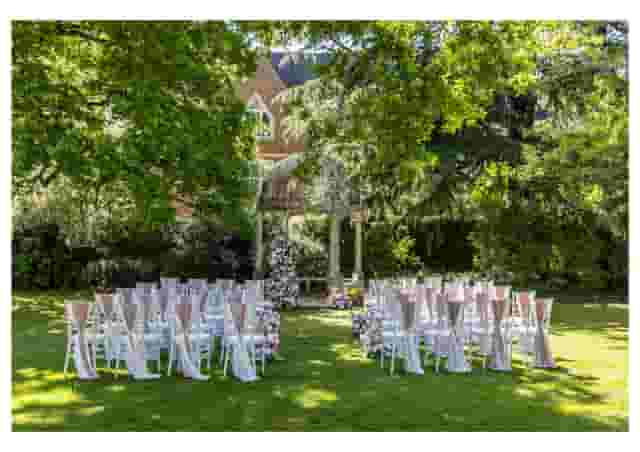
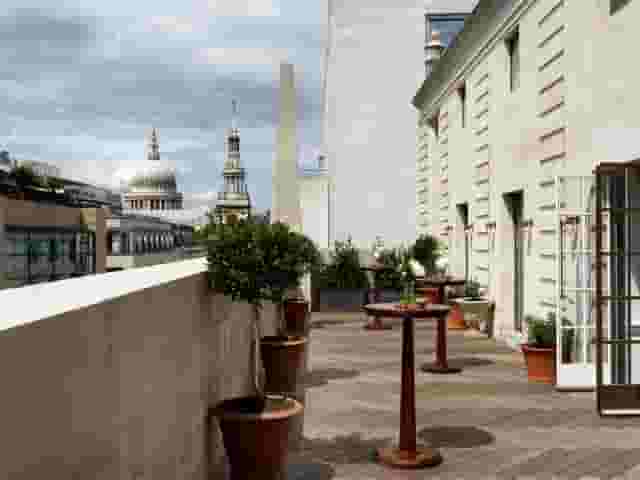
Couples frequently seek halls with attached gardens or terraces for summer drinks. If you want an outdoor civil ceremony, remember that English law dictates that legal marriages outdoors must take place within the grounds of approved premises, with an approved indoor fallback room identified on the licence in case of bad weather.
An outdoor drinks reception requires its own scrutiny:
- Many central London terraces mandate that all guests move indoors by 21:00 or 22:00 to comply with residential noise ordinances.
- External terraces rarely allow amplified outdoor music or speeches.
- Ensure the venue has step-free routes between the outdoor terrace and the main hall for guests with reduced mobility.
Guest dispersal and travel
Ensure you plan the end of the evening as carefully as the arrival. City of London halls can feel deserted at midnight on weekends, requiring guests to walk to main transport hubs or wait on pre-booked minicabs. Check proximity to night tube lines, secure drop-off bays for taxis, and whether your suppliers can leave equipment on site for collection the following morning or must complete an immediate midnight load-out. An organised load-out schedule prevents late penalty fees and ensures your reception ends cleanly.
What our customers say
Inspiration and planning guides

3 Affordable Wedding Venues In London
Planning a wedding in London can be as dreamy as it is daunting, especially when trying to keep costs reasonable without compromising on the venue. Fortunately, London boasts an array of stunning yet affordable wedding venues that cater to every taste and budget. So let's dive in!

Venue Review: Theatre Royal Drury Lane
Theatre Royal Drury Lane is a phoenix. Amazingly, the first time it burned down was after the Great Fire Of London - it survived that fire. But six years later, it was burnt to a crisp. But it rose, rebuilt, only a few years later - only to be destroyed once again, in 1794. And in 1809, having been rebuilt again, it caught alight, and Theatre Royal burned down again. It's a story of fire, turmoil, and resurrection. Theatre Royal still stands today, more beautiful than ever. Source: seanm

9 Glorious Glass Venues in London
London is a city that knows how to make an impression, and when it comes to hosting events, why settle for anything less than spectacular? Enter London’s glorious glass venues!
One supplier. Every venue. Full visibility on what you spend.
Multiple venues and events. One agreement.