Wedding Ceremony Venues in London
Explore London wedding ceremony venues with clear details on guest capacities, licensing rules and indicative pricing for your reception.
699 Wedding Ceremony in venues in London



























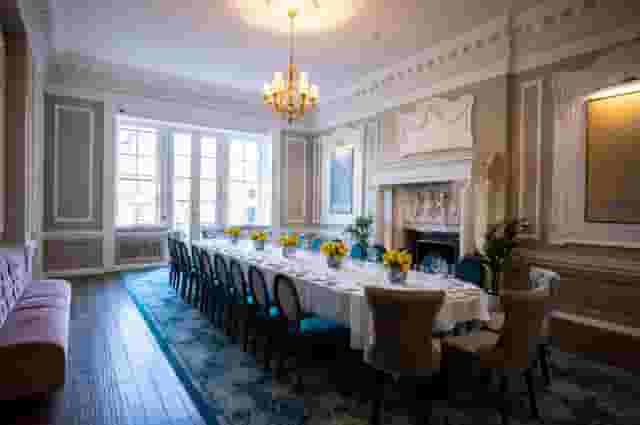
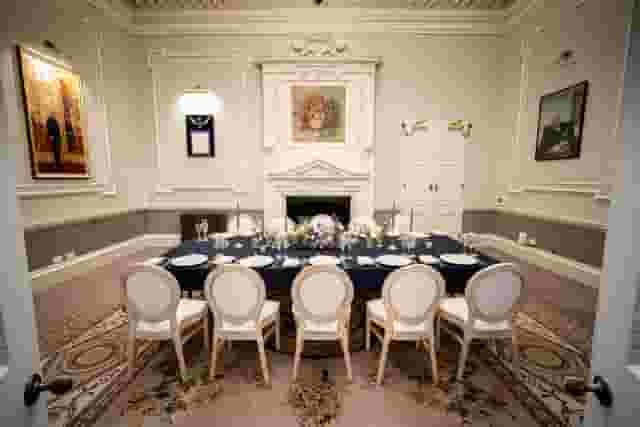
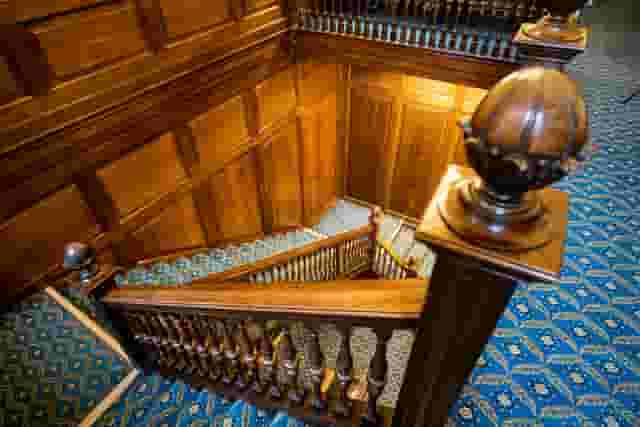

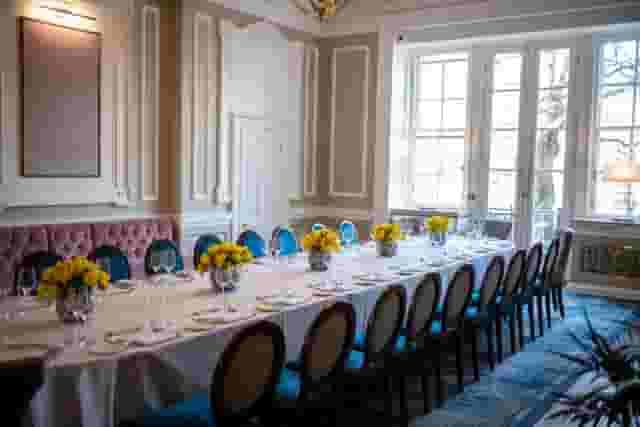








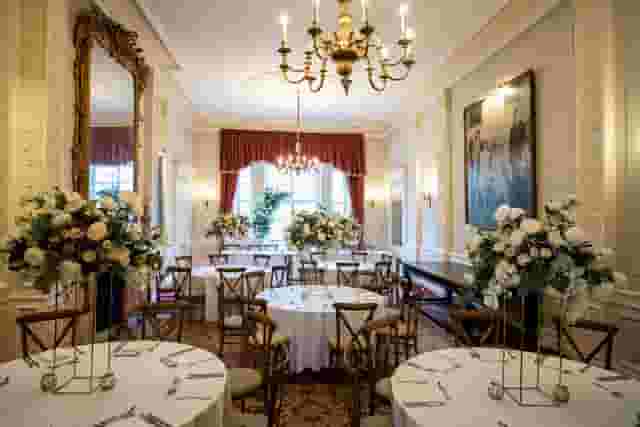
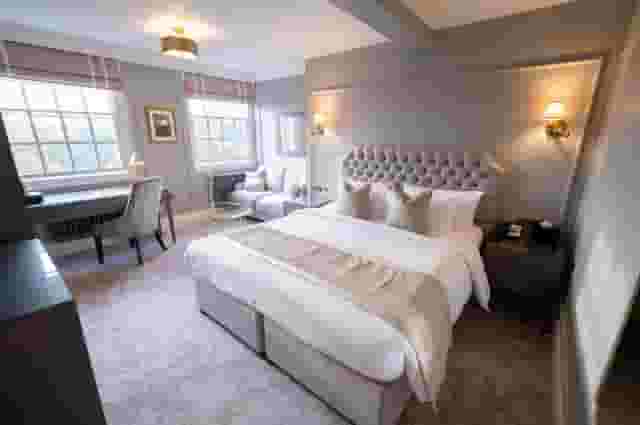
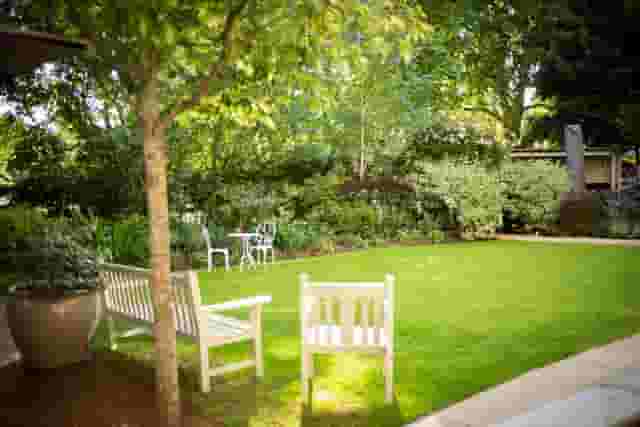
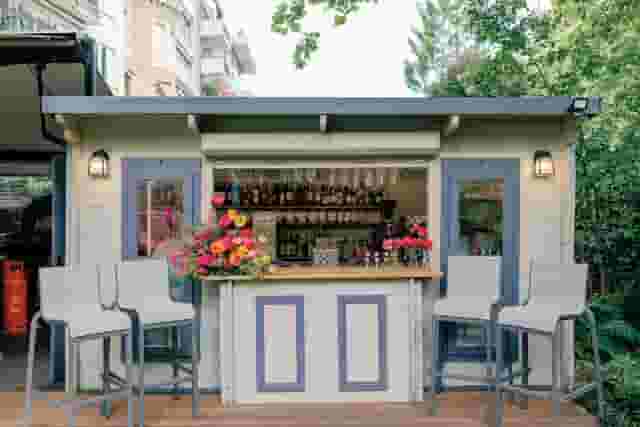




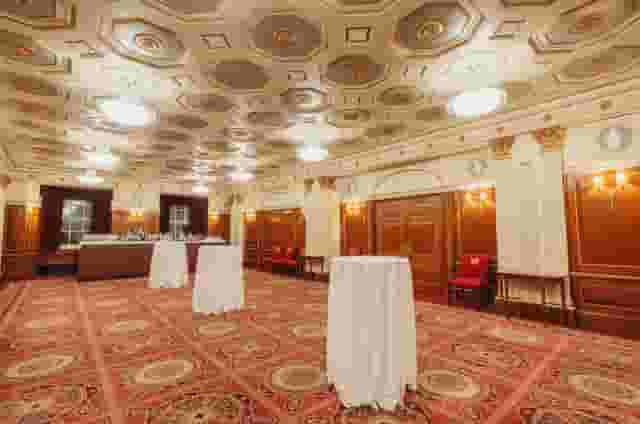
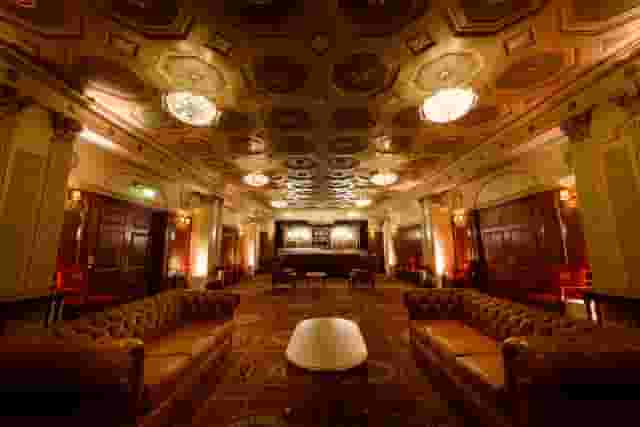
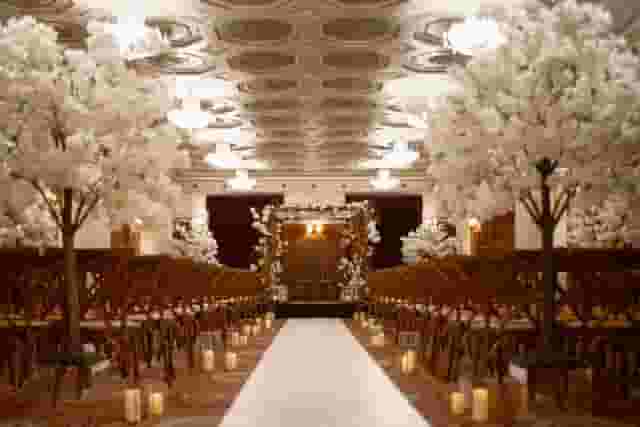
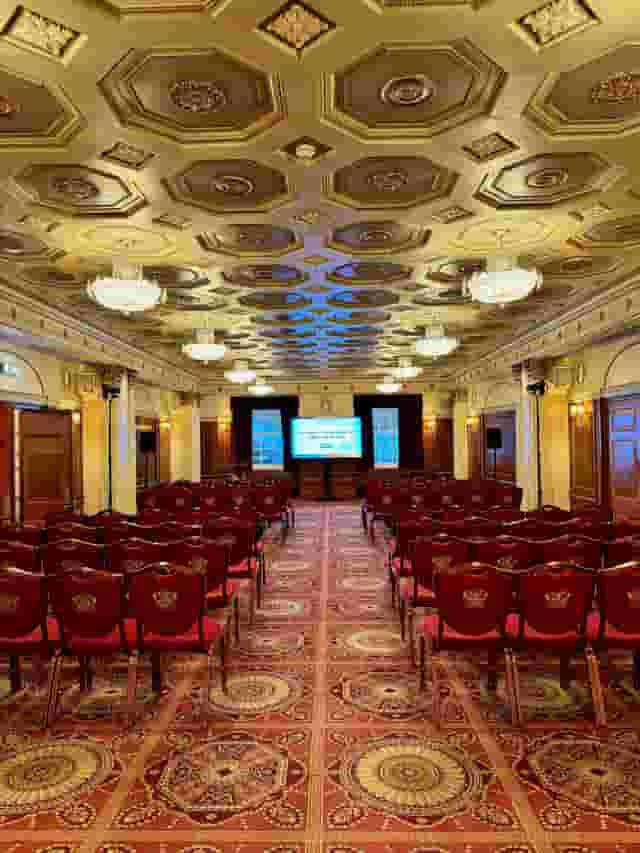

































































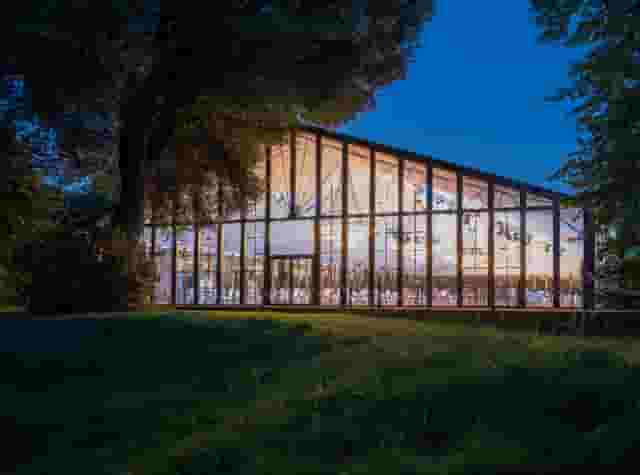


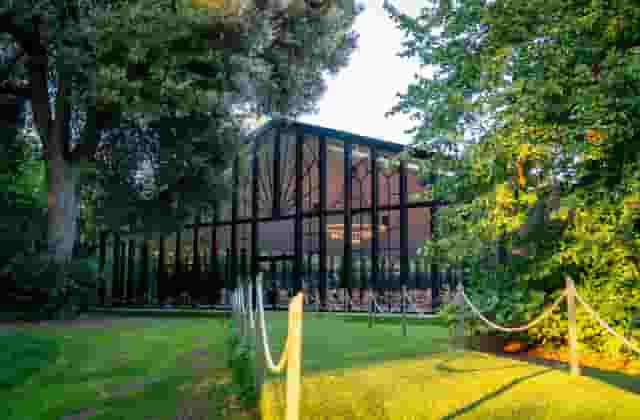


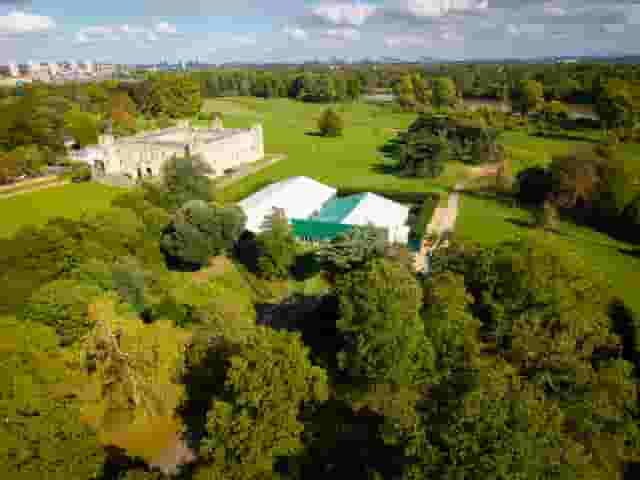










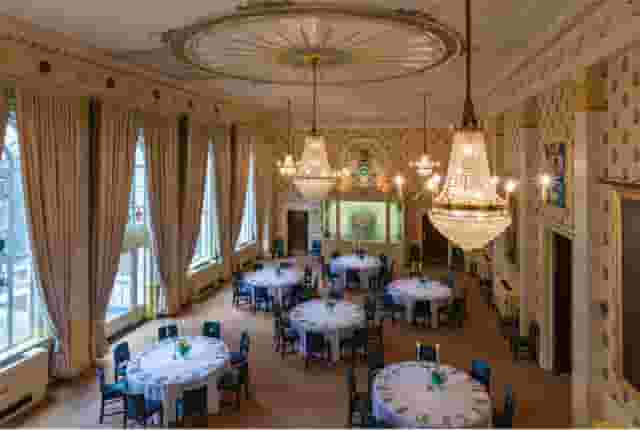

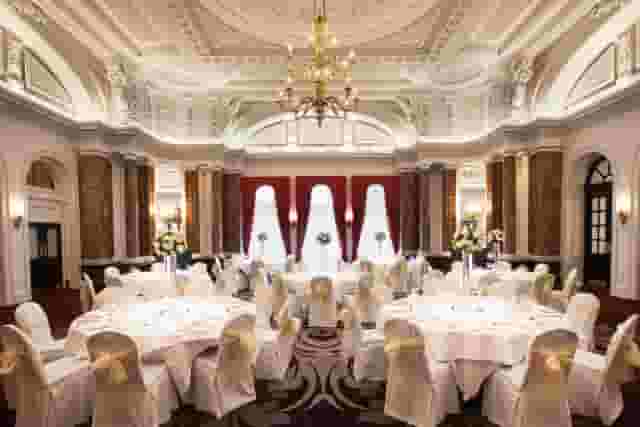

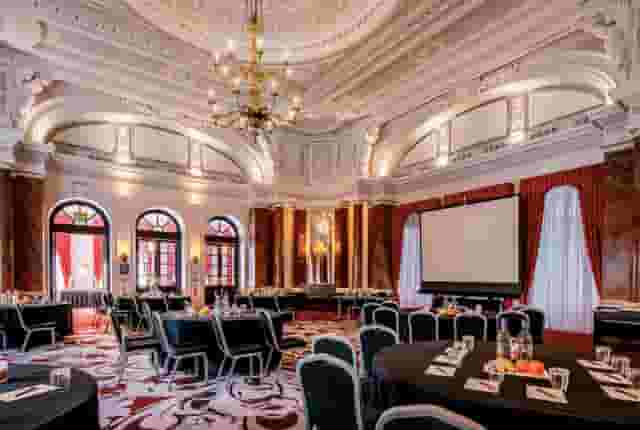
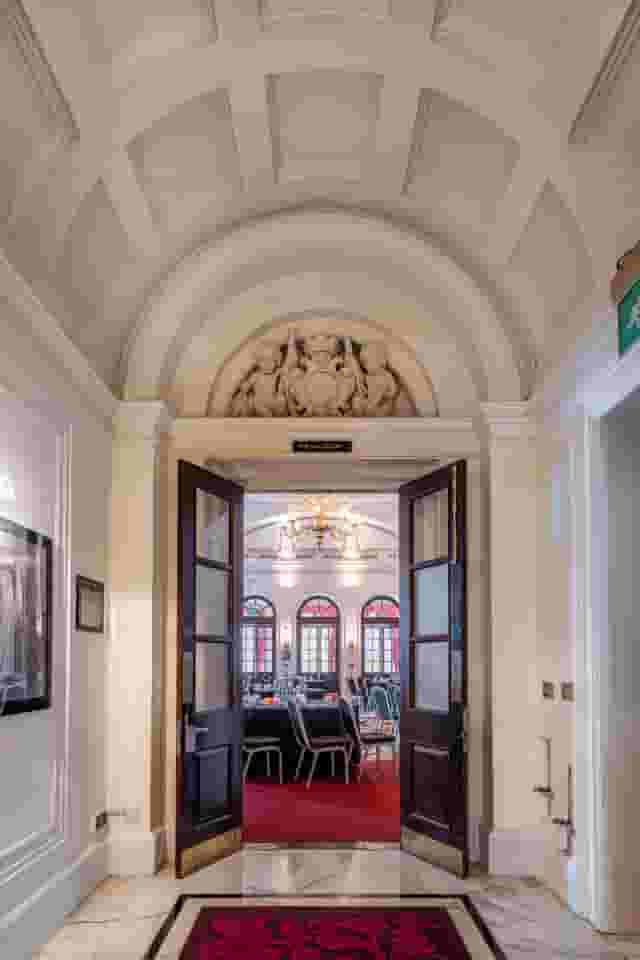
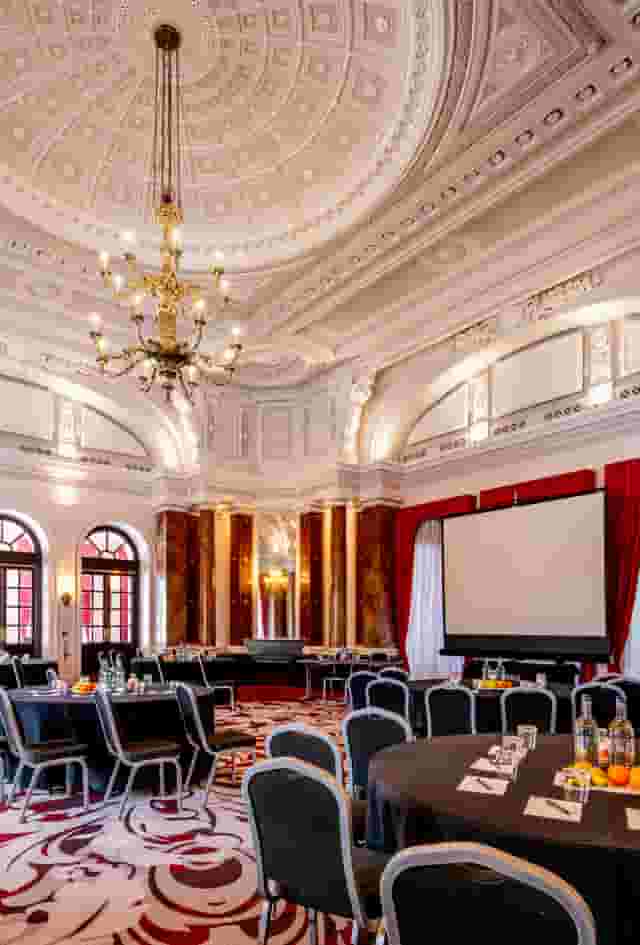


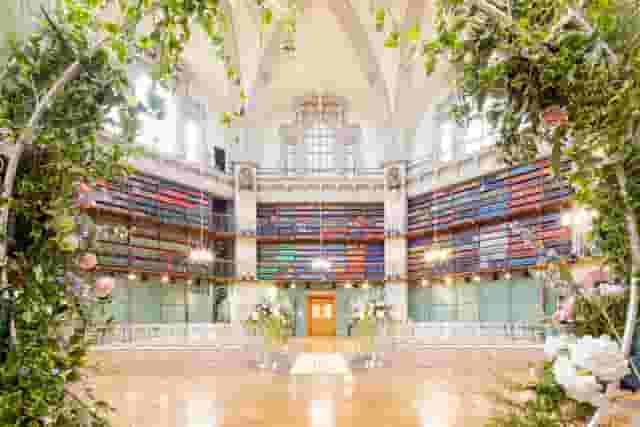
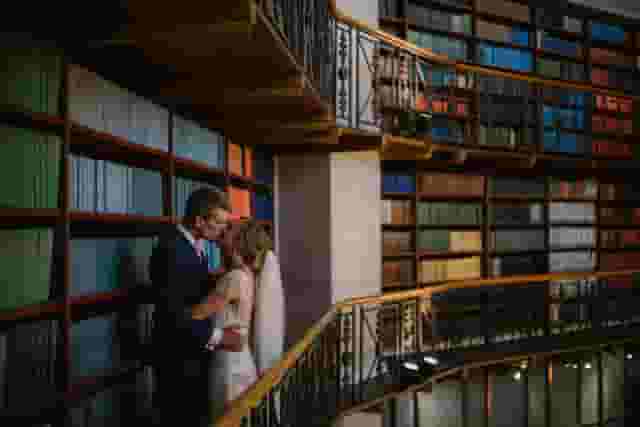
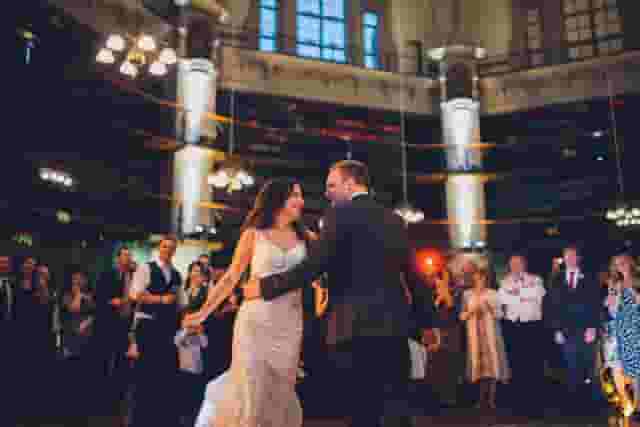










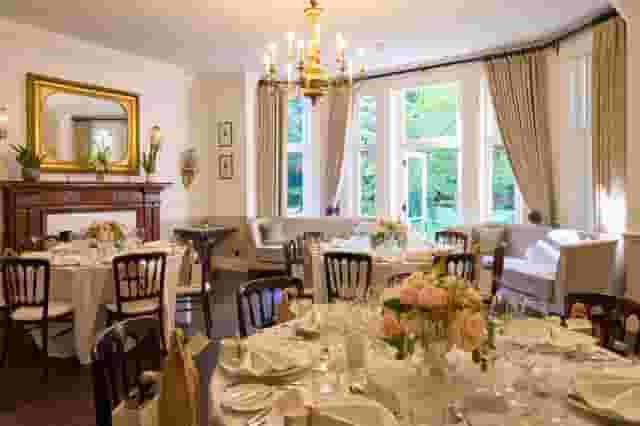
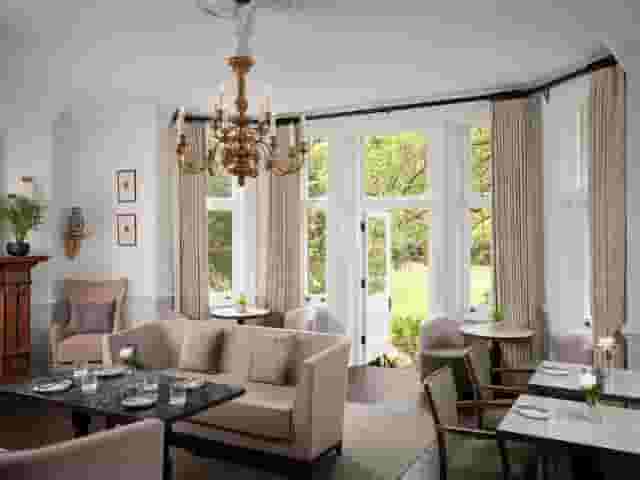


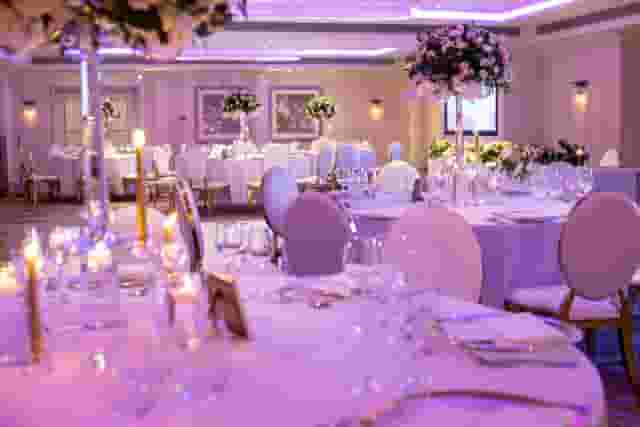
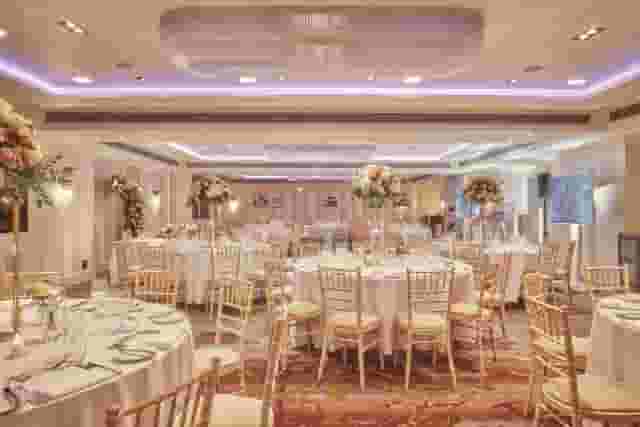

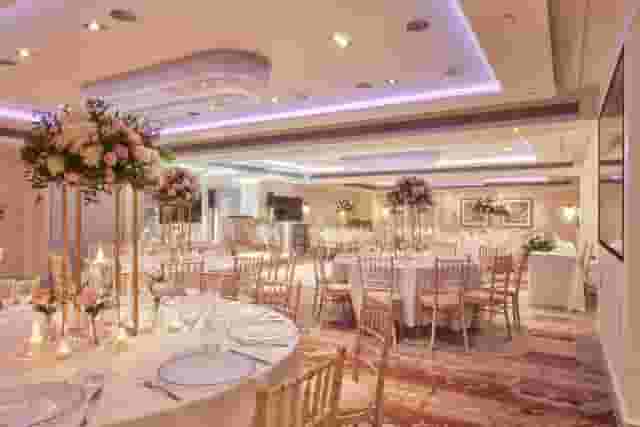
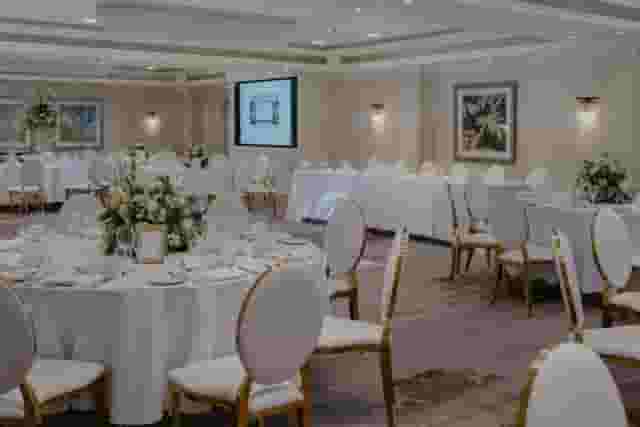


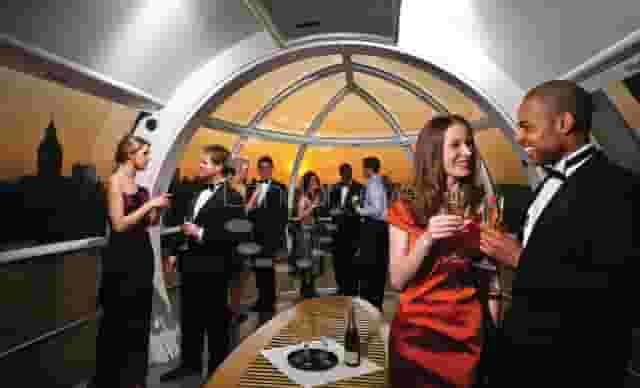

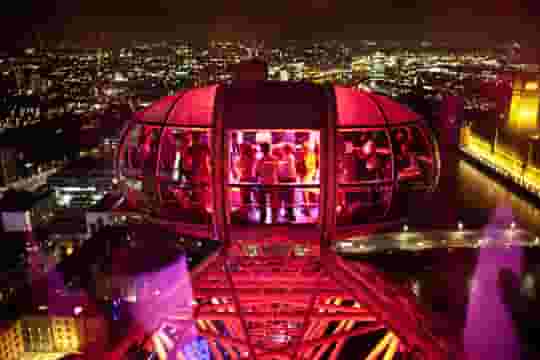
































No venues match these filters
Try widening your capacity, luxury level or event type.
Don't have time to search? We'll find it for you.
For business events that need human judgement, talk to our team. Free for events of 100+ people, budgets over £10k or ongoing programmes.




Explore more venues in London












Frequently asked questions
Can art galleries in London host weddings?
What to consider for venue accessibility?
Are hotel wedding packages in London inclusive?
How to plan an outdoor wedding in London?
What historic venues are ideal for weddings?
Other platforms search their database. We search everything.
Tell us what you need. Our deep research finds any venue, whether it's in our marketplace or not. No one else does this.
About Wedding Ceremony in London
Mapping your wedding day through ceremony, dinner and dancing
Planning a full wedding day in London means coordinating four distinct phases: guest arrival, the civil ceremony, a drinks reception, a seated meal and late-night dancing. When everything happens under one roof, the transition between these parts of the day dictates how relaxed the celebration feels. A venue that manages room turnovers quietly while guests sip drinks in an adjoining courtyard or foyer spares everyone the awkwardness of hovering by cleared tables.
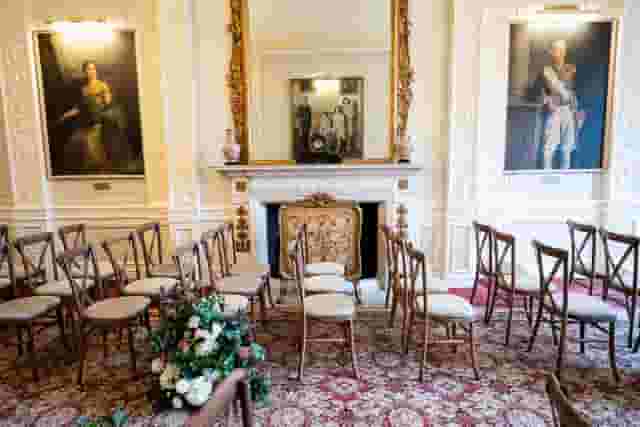
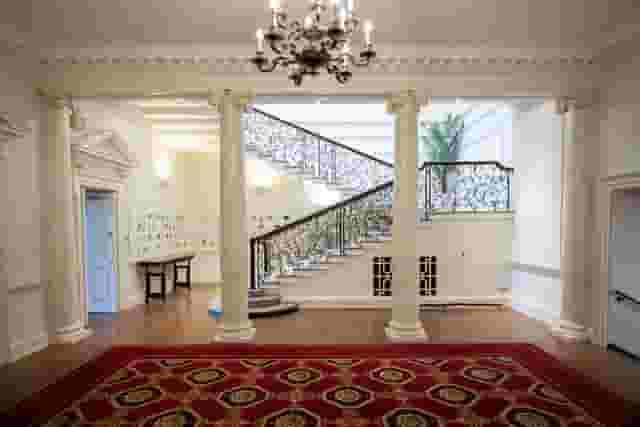
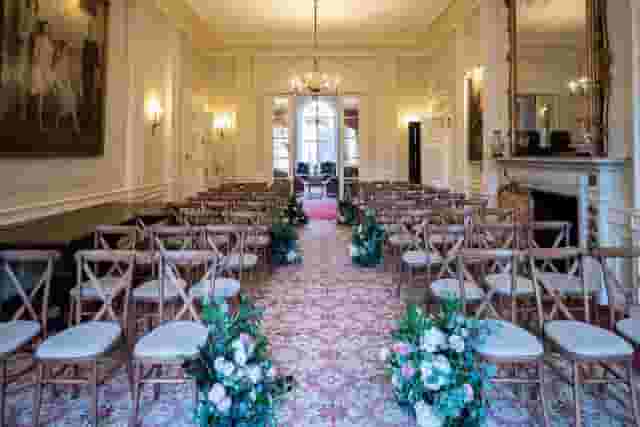
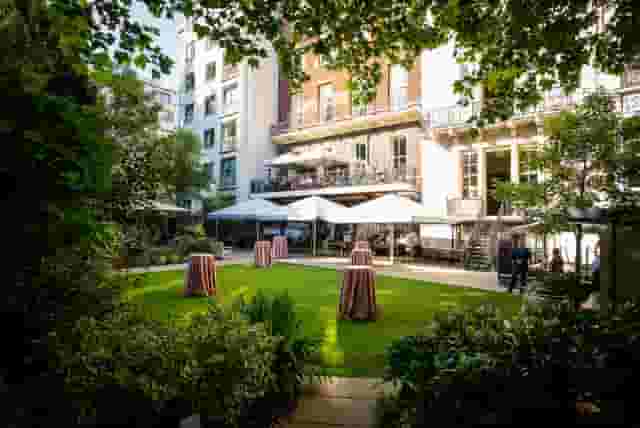
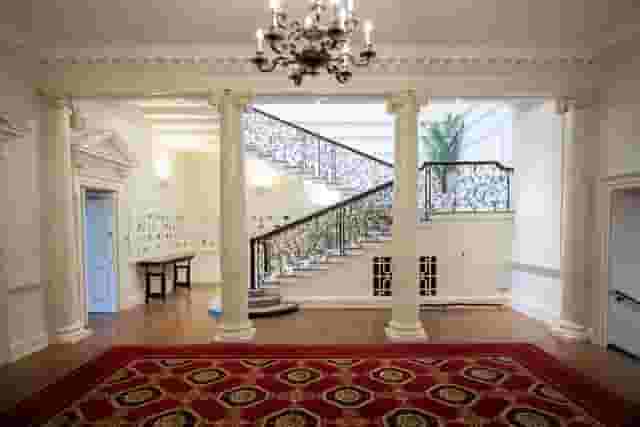
The flow of guests requires careful choreography. For a civil ceremony followed by a seated dinner, venues that offer multiple interconnecting rooms or dedicated wings remove the logistical headache of a mid-afternoon room flip. At Dartmouth House in Mayfair, which holds up to 350 standing guests across its Georgian mansion spaces, the internal courtyard and ground-floor rooms give you somewhere natural to move people for reception drinks while staff prepare the dining tables upstairs.
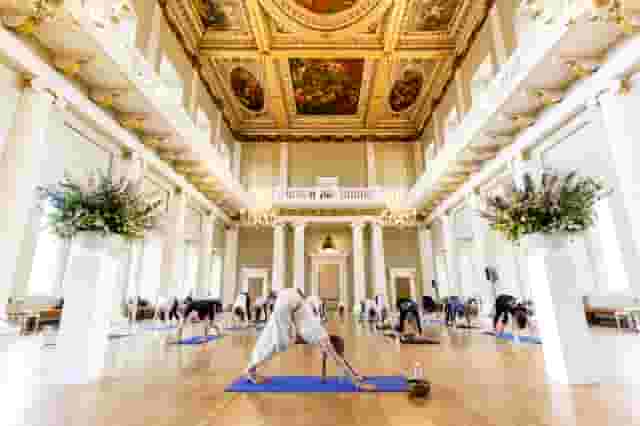
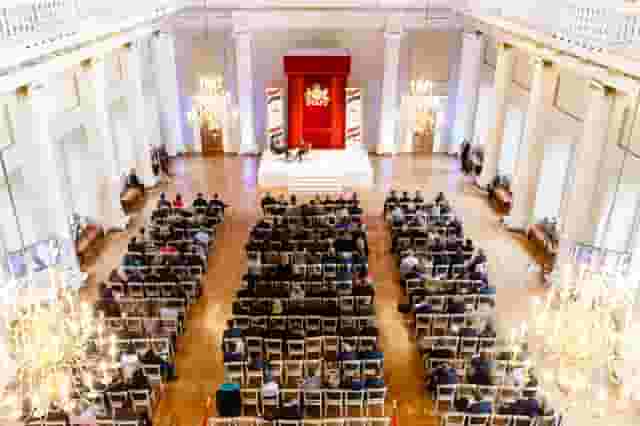
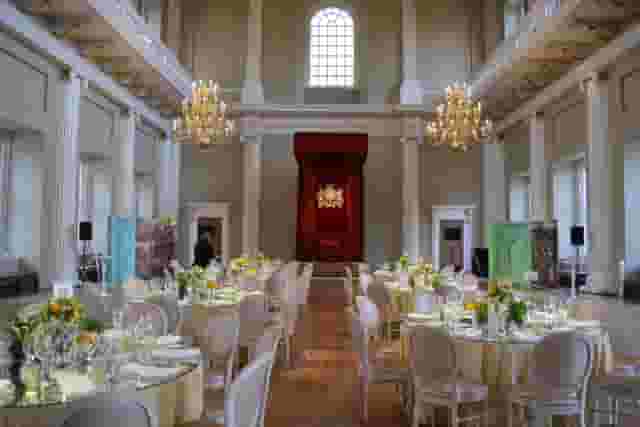
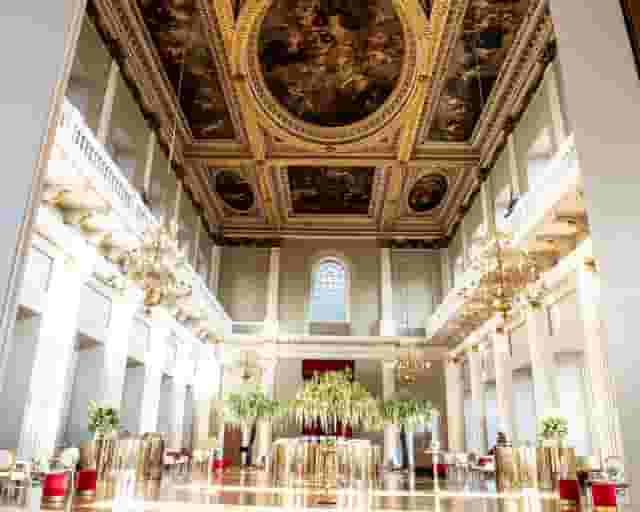
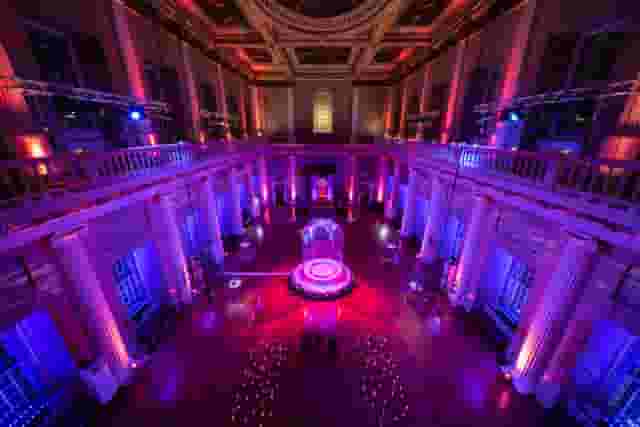
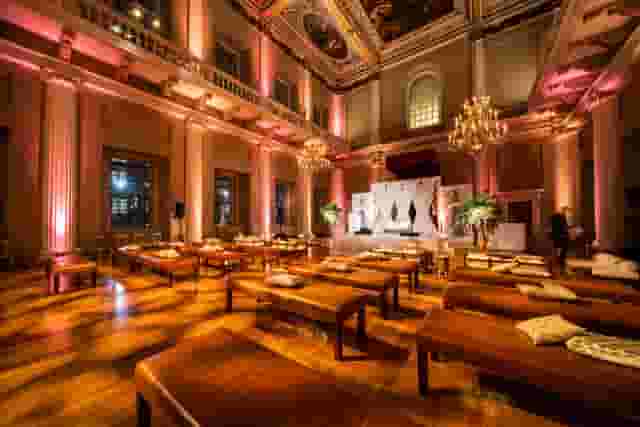
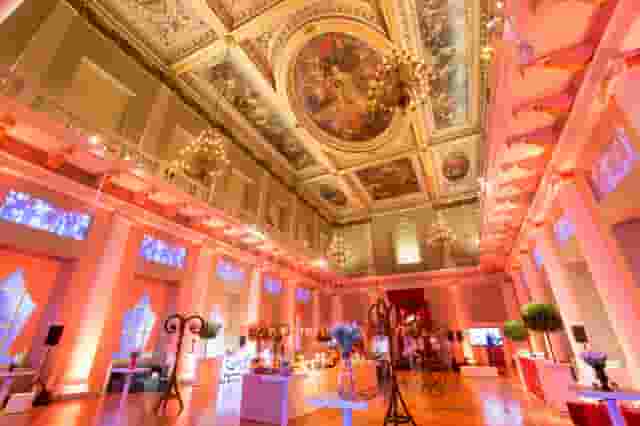
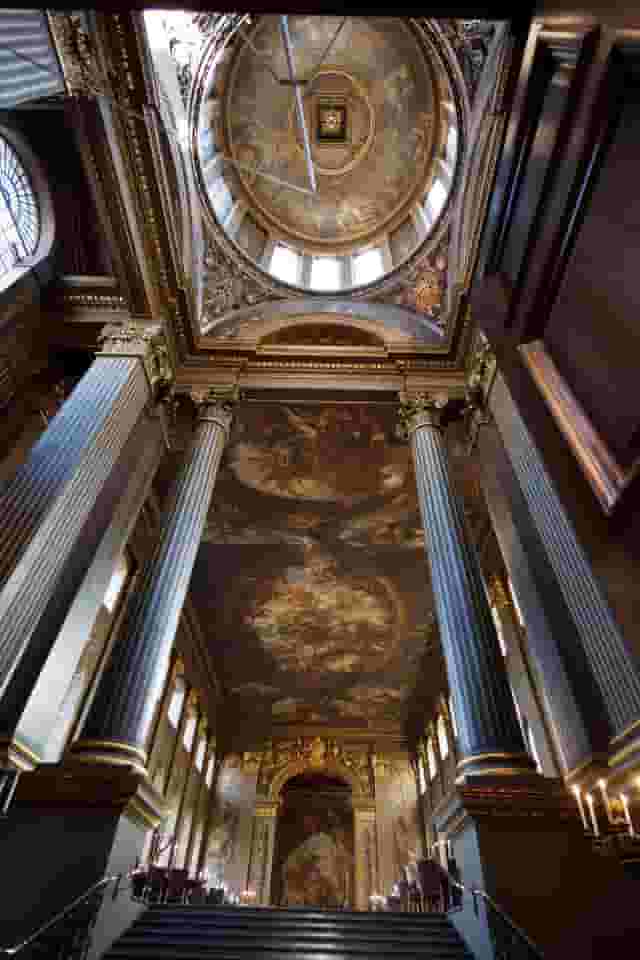
For much larger celebrations, single-room spaces require a different approach. At Banqueting House on Whitehall, which accommodates receptions for up to 500 guests beneath the ceiling painted by Rubens, the sheer volume of the main hall allows clever room dividers, pipe and drape setups, or dramatic lighting transitions to turn the ceremony setting into a dining and late-night party space without forcing guests out into the street.
When you evaluate room flow, plot your timeline against physical movement:
- Ceremony seating and registrar arrival interviews
- Drinks reception and photograph call (ideally in a separate room or outdoor garden)
- Call to dinner and wedding breakfast seating
- Speeches, table clearance and band or DJ sound checks
- First dance, evening food service and late-night bar
If you want to keep the entire party on site from morning prep through to the final song, hotels offer a simple answer. A space like the Ballroom at Four Seasons Hotel London at Park Lane, which holds 300 guests, pairs formal reception rooms with on-site guest accommodation and dedicated bridal suites. Having bedrooms directly upstairs simplifies logistics for elderly relatives, gives you a private sanctuary to change outfits, and eliminates the late-night search for transport home.
Choosing between private estates, historic livery halls and modern waterside settings
London offers a remarkably wide selection of ceremony settings, each presenting distinct practical advantages and logistical rules. Historic properties, city livery halls, luxury hotels and waterside venues all bring their own character, but they also bring specific operational constraints that shape your entertainment, catering and styling.
| Venue type | Key advantages | Operational constraints | Typical guest capacity range |
|---|---|---|---|
| Historic country estates and parks | Extensive grounds, outdoor ceremony options, natural daylight | Council noise curfews, heritage decor protections, transport planning | 150 to 850 guests |
| City livery halls | Historic panelling, secluded private courtyards, grand dining setups | Approved supplier rosters, strict finish times, weekday access limits | 100 to 200 guests |
| Luxury hotels | On-site bedrooms, full production teams, late-night licences | Fixed menu packages, corkage rules, simultaneous public hotel traffic | 60 to 300 guests |
| Alternative and waterside venues | Panoramic skyline views, unusual architecture, self-contained party spaces | Strict access routes, tidal or dockside safety rules, fixed layouts | 50 to 240 guests |
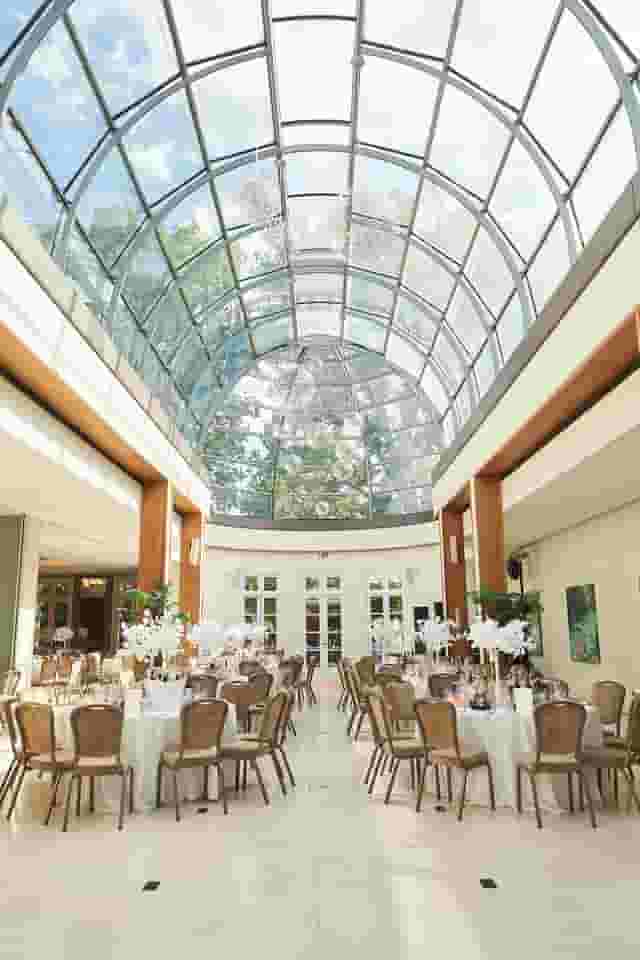
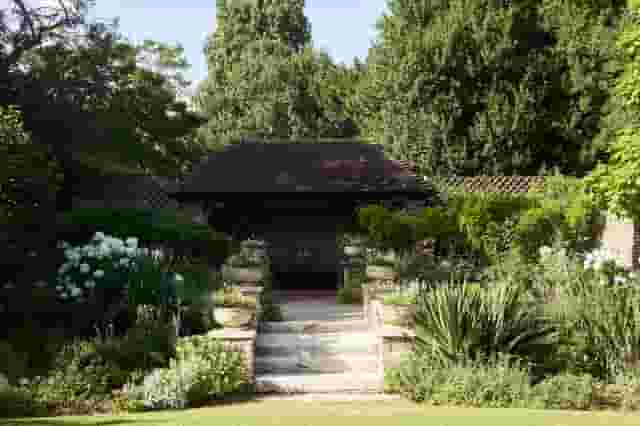
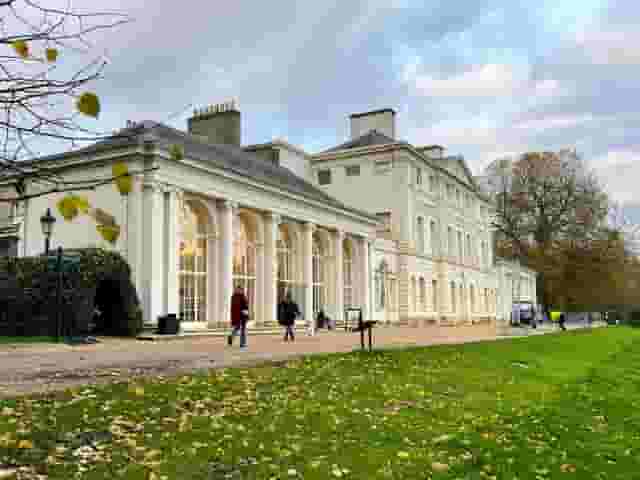
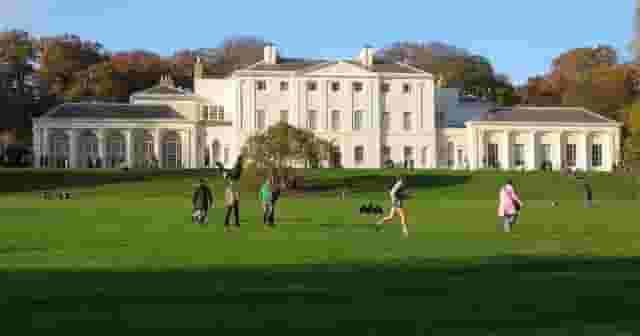
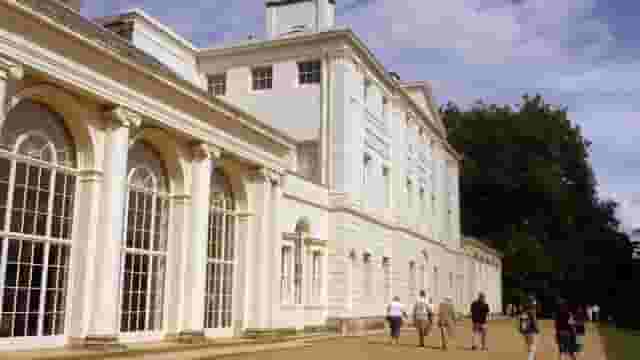
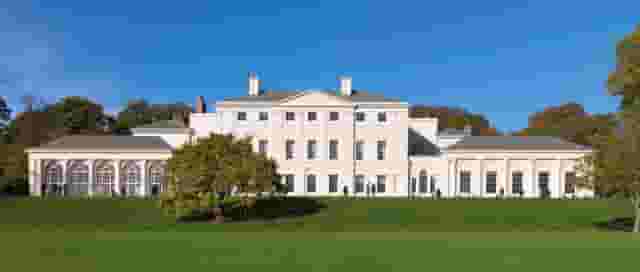
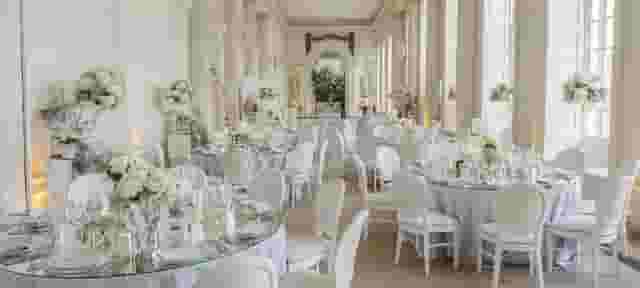
Historic parks and private members' clubs on the edge of the river provide garden surroundings without requiring travel beyond the capital. The Hurlingham Club in Fulham features a glass-domed Palm Court and Broomhouse Suite capable of hosting 850 standing guests, alongside Thames-side lawns that let you host an outdoor drinks reception before moving inside for a seated meal. Similarly, Gunnersbury Park in West London combines a Regency house, a glass Orangery and a classical Temple, with room for up to 250 guests. These expansive estates provide plenty of room for photography and large guest lists, though you will need to check estate curfews and transport links for guests returning to central London late at night.
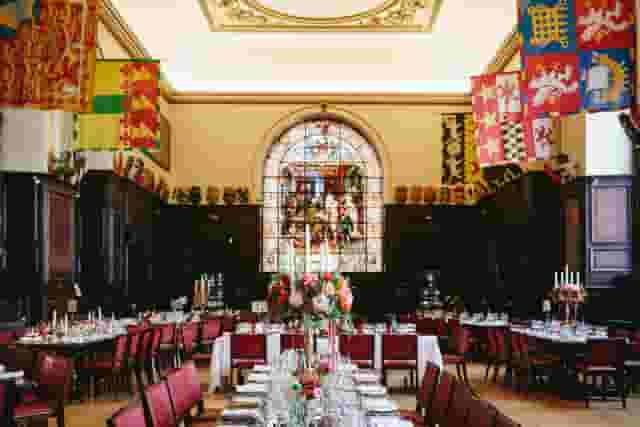
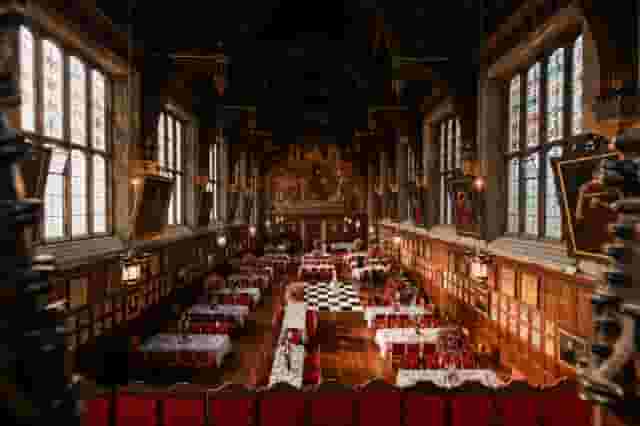
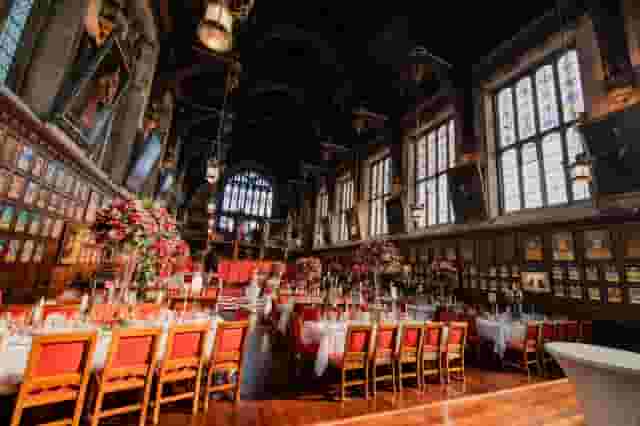
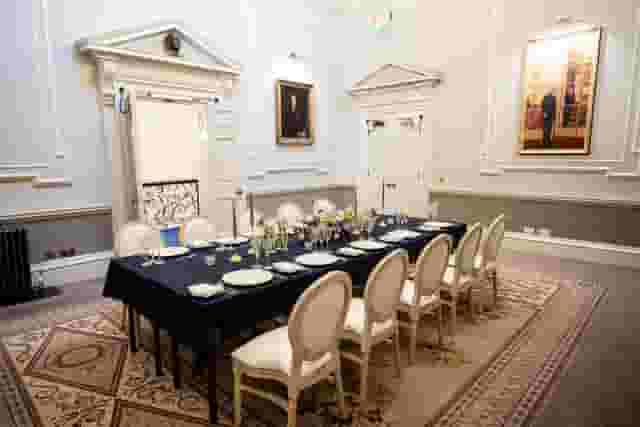
For central celebrations immersed in city history, London livery halls and institutional landmarks offer grand neo-classical architecture and secluded outdoor courtyards. Stationers' Hall by St Paul's holds up to 200 guests for seated dining within oak-panelled rooms, with direct access to a private garden. In Westminster, the grand Nash Room at 116 Pall Mall holds up to 300 guests beneath high ornate ceilings. Because these buildings are Grade I or Grade II listed, they balance architectural grandeur with heritage protections. You will rarely be permitted to use open flames, naked candles, pinning tape on walls, or loose glitter and confetti.
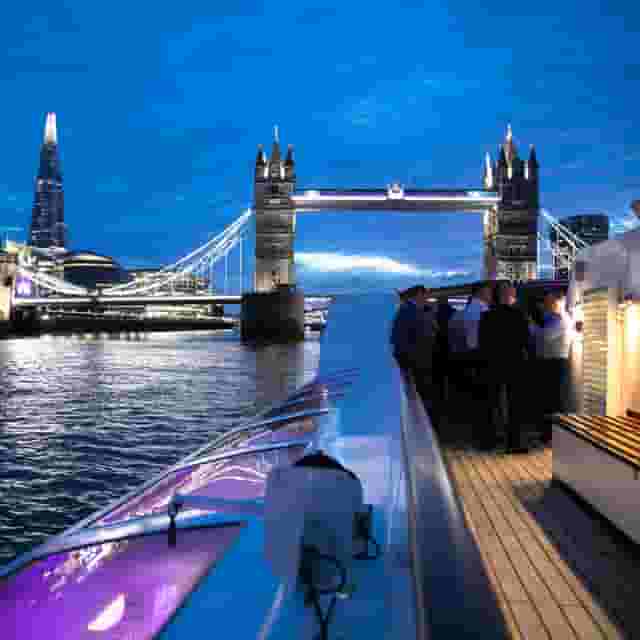
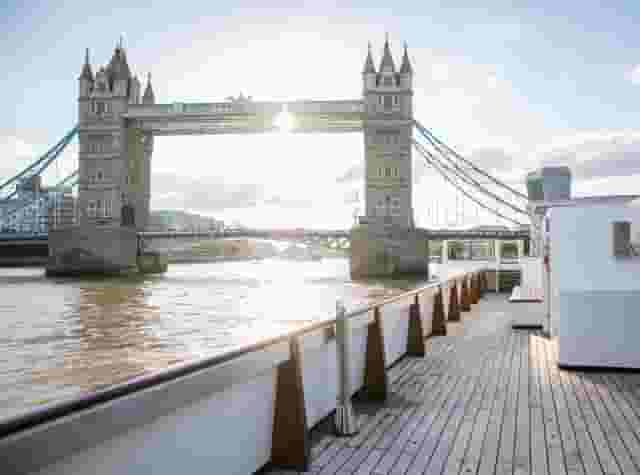
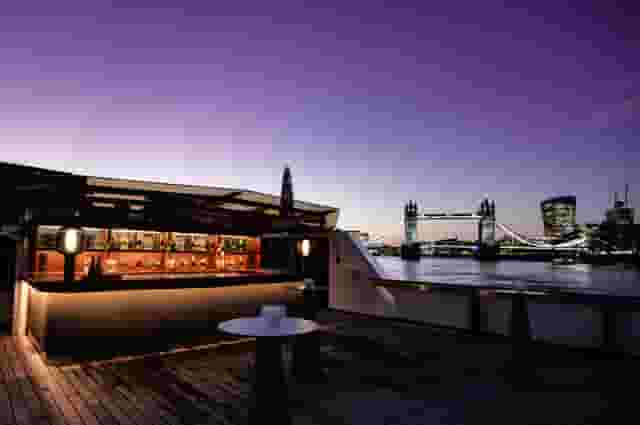
If you prefer something completely removed from traditional banquet halls, waterside and river venues provide an unusual backdrop for the evening reception. The Sunborn London Yacht Hotel moored in Newham accommodates weddings of up to 200 people, giving guests skyline views over the docklands alongside guest staterooms on board. When choosing an unconventional structure like a yacht hotel or an observation space, check guest movement times, deck access rules in bad weather, and delivery lift dimensions for outside suppliers.
What London wedding venues cost and how to budget
Budgeting for a full wedding day requires looking beyond basic venue hire fees to understand what each venue package covers. In London, pricing is typically structured either as a dry-hire fee with all catering, furniture and production brought in separately, or as a per-person reception package that bundles room hire, dining and drinks into a single rate.
Pricing across London venues is typically £110 to £220 per head. This indicative figure is based on 13 quotes from the venues on this page and assumes a guest count of about 100 guests. What that figure covers varies significantly depending on the venue type and contract terms:
- Towards the £110 end of the range, quotes commonly reflect mid-week dates, daytime civil ceremonies followed by informal canape receptions, or straightforward three-course menus at venues where furniture, tableware and basic staffing are included in the baseline rate.
- Towards the £220 end of the range, packages tend to cover full weekend bookings at prestigious central addresses, multi-course fine dining menus, house wine pairings, sparkling wine for toasts, late-night snack service and dedicated event coordinators.
When comparing quotes, ask for an itemised summary of what sits inside the package and what triggers an additional invoice. In historic halls and private mansions, a dry-hire price can look competitive at first glance, but once you add commercial kitchen equipment hire, service staff, security teams, late-licence extensions and post-event waste disposal, the total investment rises quickly. Review our guide on finding the perfect wedding venue in London for further insights on balancing hire fees against catering commitments. As an event planning and venue booking platform backed by a team of real people, Hire Space provides instant price estimates drawn from real booking data so you know what a space will realistically cost before you enquire. It can also suggest similar venues at a lower price if a preferred location stretches past your target budget.
VAT is another major consideration. Private wedding quotes must display VAT clearly, but commercial venue proposals frequently quote net figures that add 20 percent at the contract stage. Always verify whether quoted rates include VAT, discretionary service charges (which commonly run between 10 and 15 percent on food and beverage), cloakroom staff, and security personnel required by local council licensing conditions.
Ceremony licensing, sound limits and late-night permissions
Hosting your legal ceremony and your evening reception in the same building requires checking the venue's legal status long before signing a deposit agreement. Under English law, a civil ceremony must take place in an approved room or designated outdoor space on the licensed premises.
Ceremony approvals and registrar bookings
A venue holding a civil marriage licence can only host the legal ceremony in specific approved rooms. If you fall in love with an outdoor terrace or courtyard, confirm whether the venue's premises approval covers that exact outdoor area. Outdoor ceremonies in England must sit within the grounds of an approved venue, and the venue must always have a licensed indoor room available as an immediate wet-weather backup. Remember that venue hire does not include the local council registrar. You must book and pay the local registry office separately to attend your ceremony, and their arrival time will dictate your entire daytime schedule.
Sound restrictions and dance floor logistics
Historic estates, residential garden squares and listed buildings often face strict sound limits imposed by local borough councils. Some properties operate electronic decibel limiters wired directly into the main power distribution boards. If a live band pushes the sound level beyond a set threshold, the power cuts out automatically. Before hiring an eight-piece brass band or an amplified evening DJ, ask the venue:
- What is the decibel limit in the main entertainment room, and is it measured in dB(A) or dB(C)?
- Does the venue allow live drum kits, brass instruments and amplified guitars?
- Are bands required to plug into an in-house sound limiter system?
- What time must amplified music end, and does background music have a later curfew?
Many historic buildings in Westminster and the City require live bands to wrap up by 11:00pm, with background music and bar service closing at 11:30pm or midnight. If you plan to dance until the early hours, verify whether the venue holds a late premises licence or if they can apply for a Temporary Event Notice (TEN) through the local council.
Navigating accessibility and heritage venue constraints
A full wedding celebration brings together guests of all ages, from toddlers to grandparents. Ensuring that every guest can navigate the day comfortably without facing unexpected barriers requires examining the venue journey from kerb to dance floor.
Historic listed venues present unique accessibility challenges. Many Georgian townhouses, Regency pavilions and Victorian halls feature grand entrance porticos with stone steps, narrow secondary corridors and heavy fire doors. When inspecting a venue, look beyond a simple checkmark on a brochure and trace the exact route an attendee with limited mobility will take:
- Is there level, step-free access from the street or drop-off zone into the main entrance?
- Does the passenger lift access every floor used during the day, including dining rooms, ceremony suites and restrooms?
- Are the accessible toilets located on the same level as the reception, or do they require an escort through service corridors?
- Are pathway surfaces in outdoor gardens suitable for wheelchairs, walking frames and pushchairs in wet weather?
Heritage restrictions also shape your decorative and production choices. Listed buildings often protect historic fabric, antique wall coverings and delicate wood panelling. Venues may prohibit real flame candles, requiring LED alternatives instead. They may also ban hanging installations from original plaster cornices, use of heavy smoke or haze machines that trigger sensitive fire alarms, and scattering natural flower petals or confetti that could stain polished timber floors. Before you pay supplier deposits, cross-reference your florist and production plans against the venue's site rules using our venue site visit checklist.
Practical supplier logistics and catering rules
How a venue handles external suppliers will determine how much creative freedom you have with catering, drinks and styling. London venues generally operate on one of three models: exclusive in-house catering, a mandatory approved supplier panel, or full open dry hire.
Luxury hotels and members' clubs typically insist on their own in-house culinary teams. While this simplifies planning by keeping food, drink, tables, linen and tableware under one contract, it limits your ability to bring in family recipes, regional cuisines or specialised cultural catering. Livery halls and heritage venues usually work with an approved list of accredited catering companies. These caterers have already completed health and safety audits, carry appropriate public liability insurance, and understand the building's historic quirks, such as where to park refrigerated vans or how to use basement warming kitchens.
If you opt for a venue with an approved list, ask whether you can bring in an outside caterer for a buyout fee, and check the venue's corkage terms if you wish to provide your own wine and champagne:
| Catering approach | Planning workload | Menu flexibility | Hidden cost factors |
|---|---|---|---|
| In-house catering | Low: single point of contact for food, drink, staff and linen | Fixed menus with optional upgrades | Service charges, minimum spend thresholds, high corkage fees |
| Approved caterer panel | Moderate: select from three to six pre-vetted catering partners | Broad range of styles within accredited company rosters | Kitchen hire fees, commission fees paid by caterer to venue |
| Dry hire | High: you source caterer, kitchen equipment, staff, tableware and ice | Complete control over cuisine, dietary needs and food presentation | Waste removal charges, kitchen setup tents, staffing logistics |
Pay close attention to load-in and load-out windows. A venue hosting multiple events across a weekend may only give your florist, production crew and cake designer access two hours before the ceremony begins. Ensure your suppliers confirm in writing that they can complete their setup within the venue's allotted access window, and verify whether all breakdown work must finish on the night of the wedding or if decorations can be collected the following morning. Clear load-out timings protect you from unexpected hourly overtime penalties and ensure a calm, smooth day from start to finish.
What our customers say
Inspiration and planning guides

3 Affordable Wedding Venues In London
Planning a wedding in London can be as dreamy as it is daunting, especially when trying to keep costs reasonable without compromising on the venue. Fortunately, London boasts an array of stunning yet affordable wedding venues that cater to every taste and budget. So let's dive in!

Venue Review: Theatre Royal Drury Lane
Theatre Royal Drury Lane [https://hirespace.com/Spaces/London/11681/Theatre-Royal-Drury-Lane/Grand-Saloon/Weddings] is a phoenix. Amazingly, the first time it burned down was after the Great Fire Of London - it survived that fire. But six years later, it was burnt to a crisp. But it rose, rebuilt, only a few years later - only to be destroyed once again, in 1794. And in 1809, having been rebuilt again, it caught alight, and Theatre Royal [https://hirespace.com/Spaces/London/11681/Theatre-Royal

9 Glorious Glass Venues in London
London is a city that knows how to make an impression, and when it comes to hosting events, why settle for anything less than spectacular? Enter London’s glorious glass venues!
One supplier. Every venue. Full visibility on what you spend.
Multiple venues and events. One agreement.