Livery Halls in London
Compare historic London livery halls for corporate dinners and conferences, with private room hire, seated dining and transparent venue pricing.
1,158 Livery Halls in venues in London











































































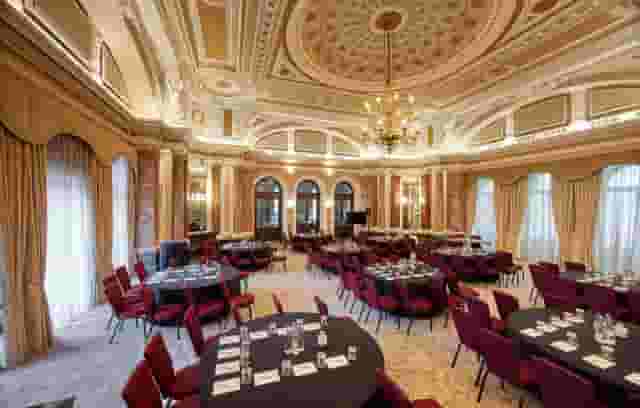
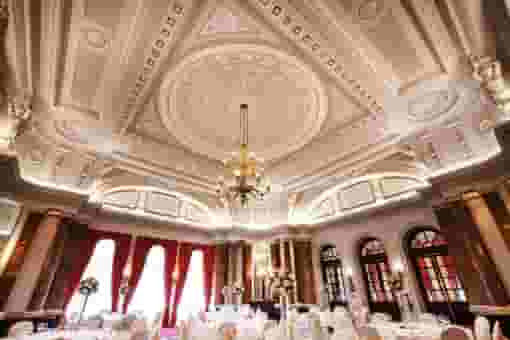
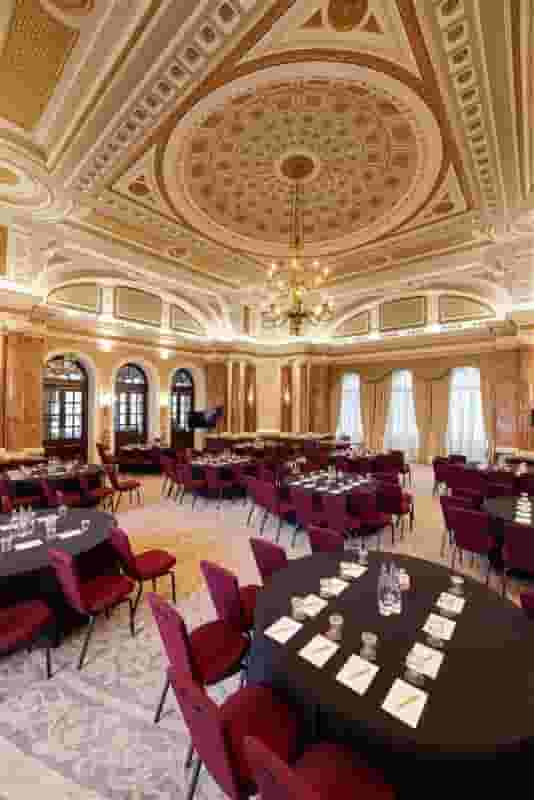
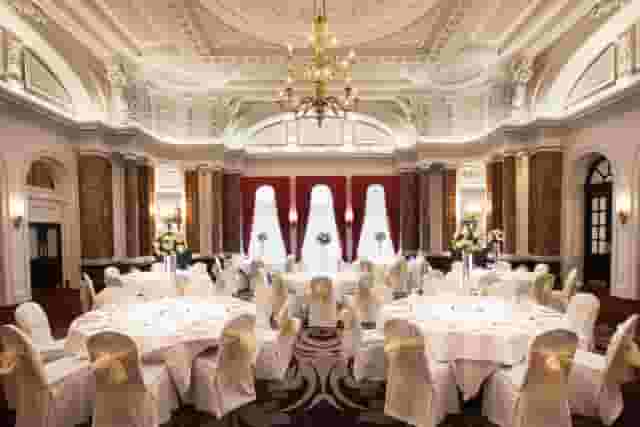










































No venues match these filters
Try widening your capacity, luxury level or event type.
Don't have time to search? We'll find it for you.
For business events that need human judgement, talk to our team. Free for events of 100+ people, budgets over £10k or ongoing programmes.




Explore more venues in London











Frequently asked questions
How much does it cost to hire a livery hall for a conference?
How much will it cost to hire a Livery Hall for a dinner?
Can I bring my own caterer for the event?
Can I get a price per person for my event.
Other platforms search their database. We search everything.
Tell us what you need. Our deep research finds any venue, whether it's in our marketplace or not. No one else does this.
About Livery Halls in London
Matching the setting to your event format
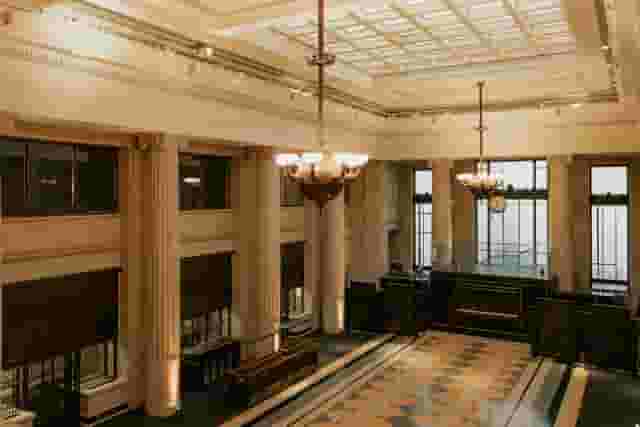
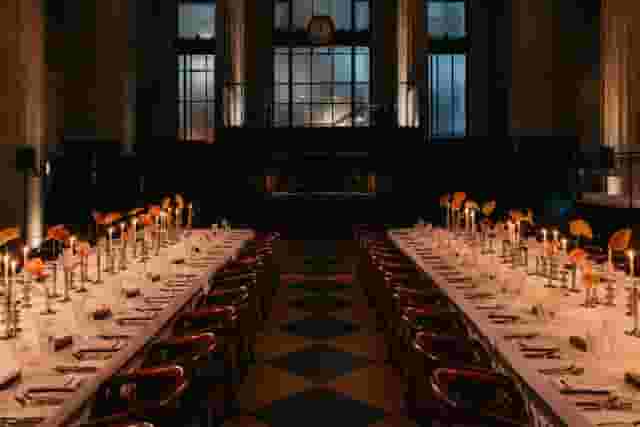
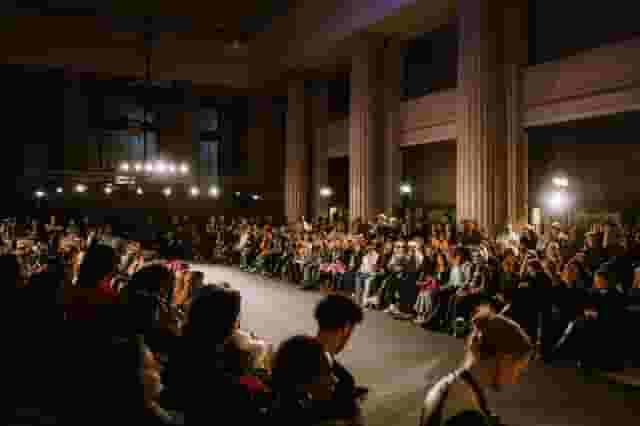
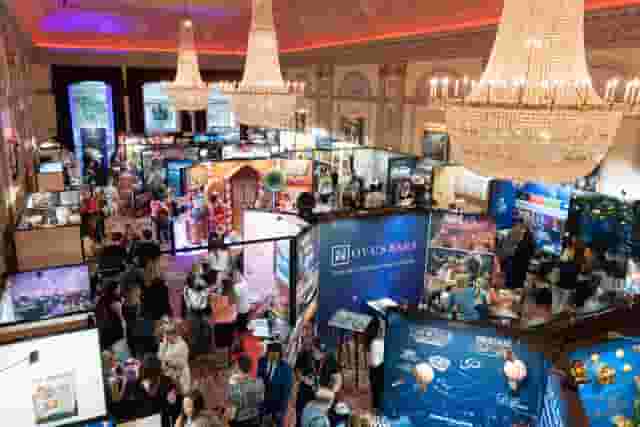
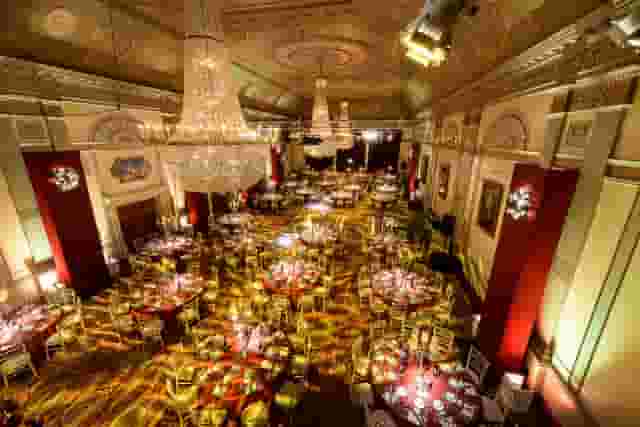
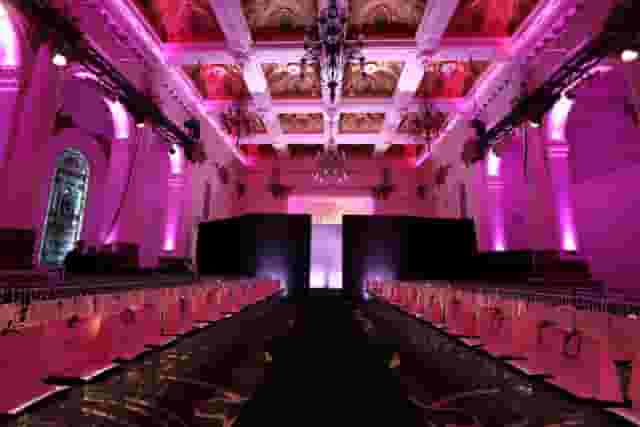
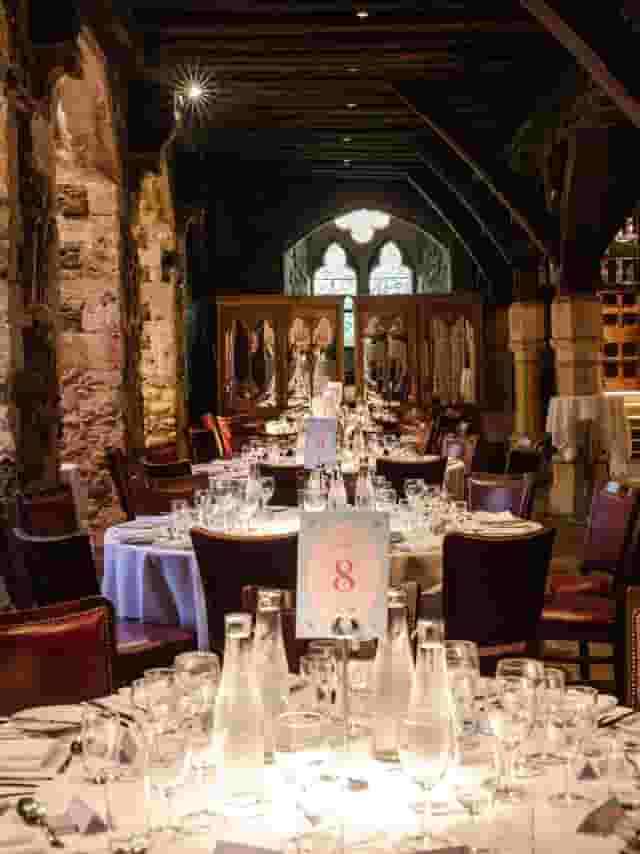
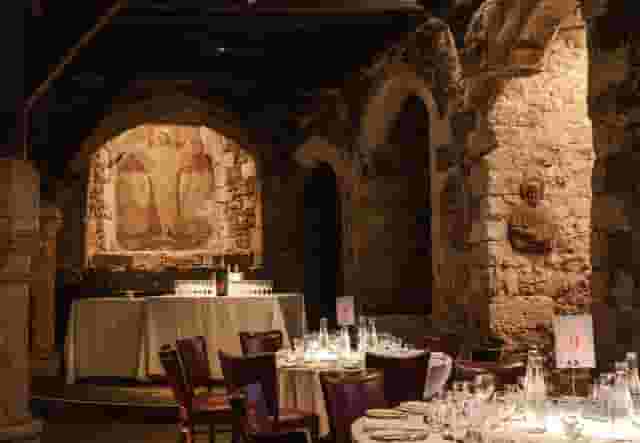
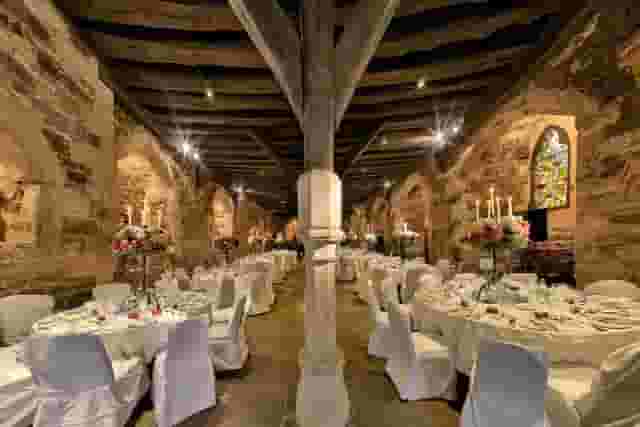
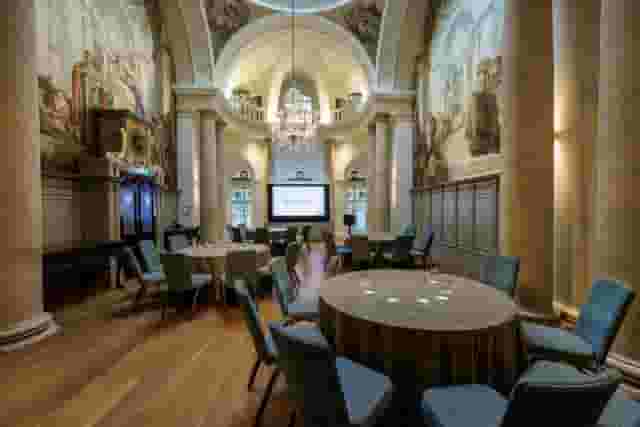
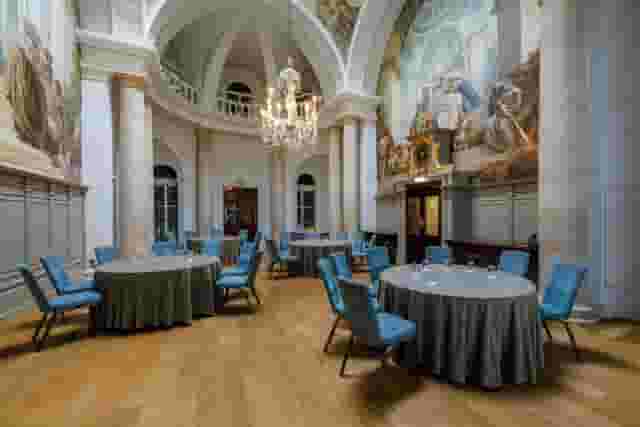
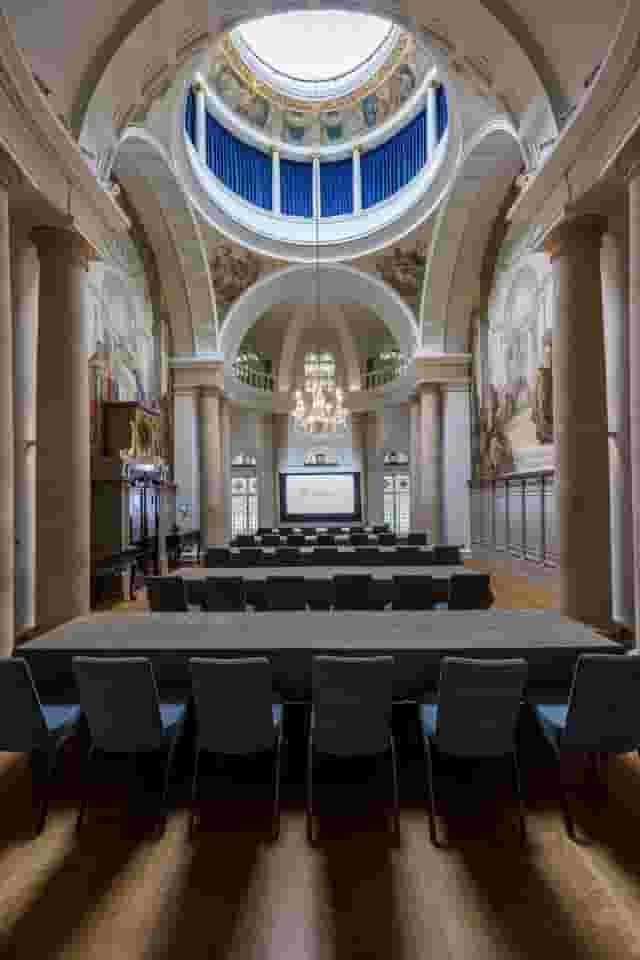
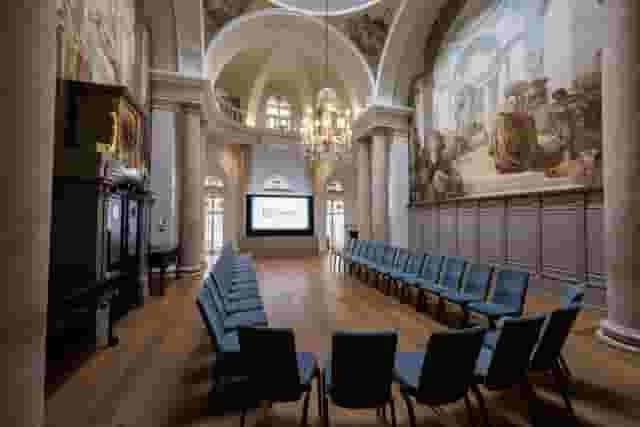
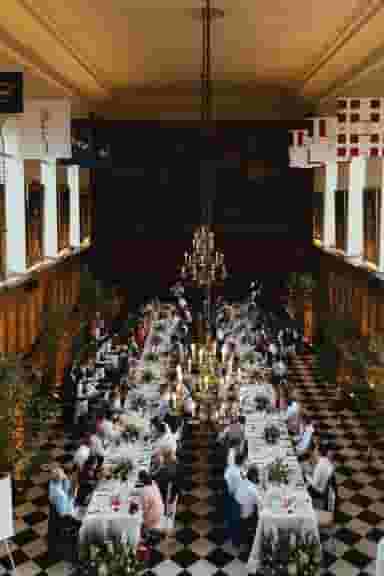
London livery halls and heritage civic spaces bring an immediate sense of scale to corporate events that modern conference centres struggle to replicate. Built historically for trade guilds, these buildings were engineered around formal assembly, shared dining and ceremonial business. That legacy makes them natural settings for annual client dinners, investor presentations, leadership summits and formal corporate receptions.
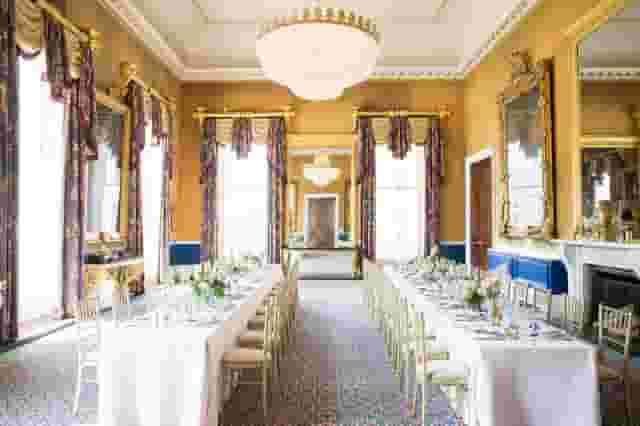
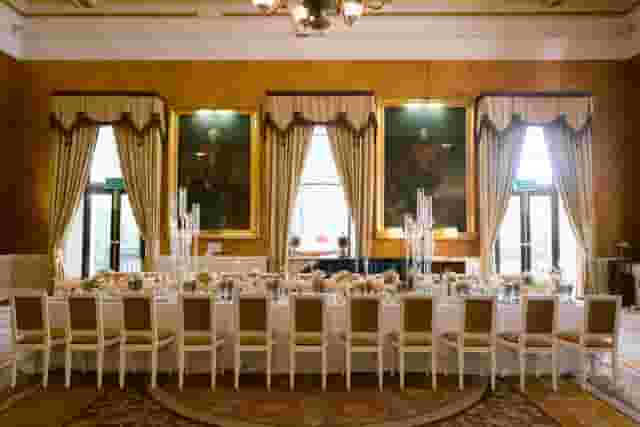
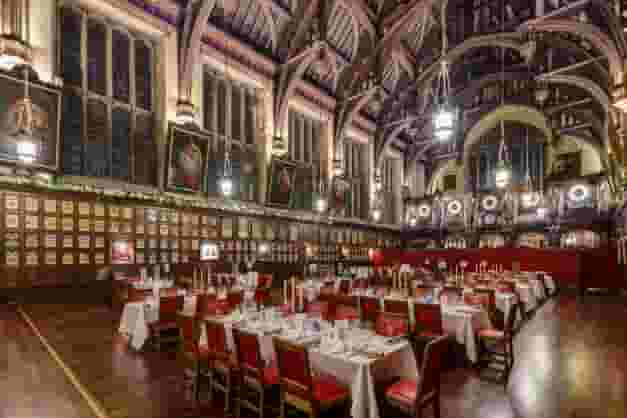
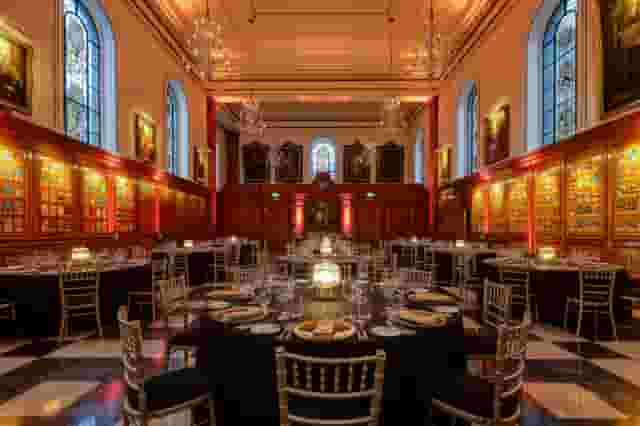
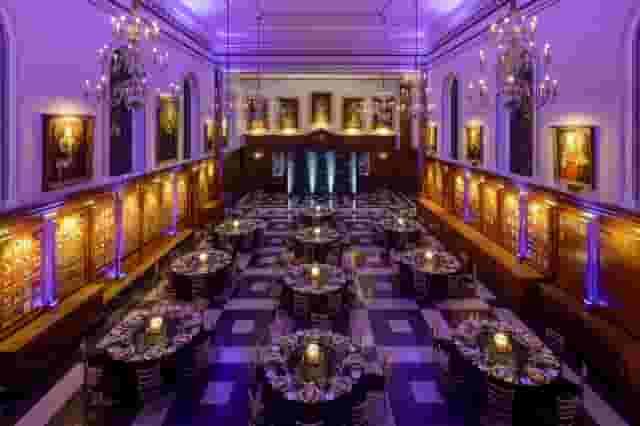
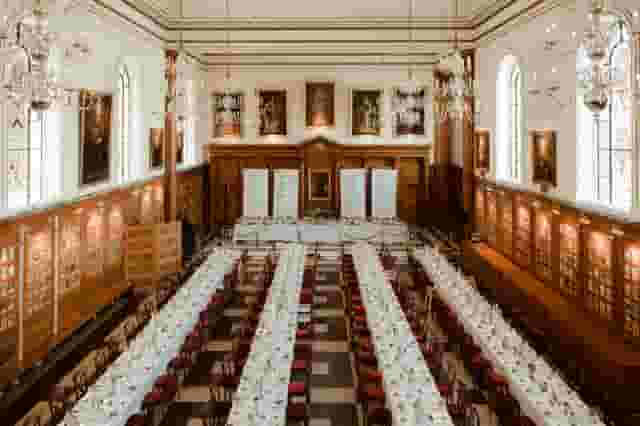
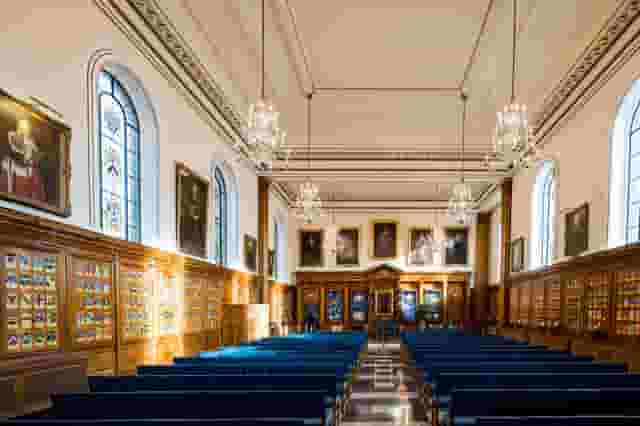
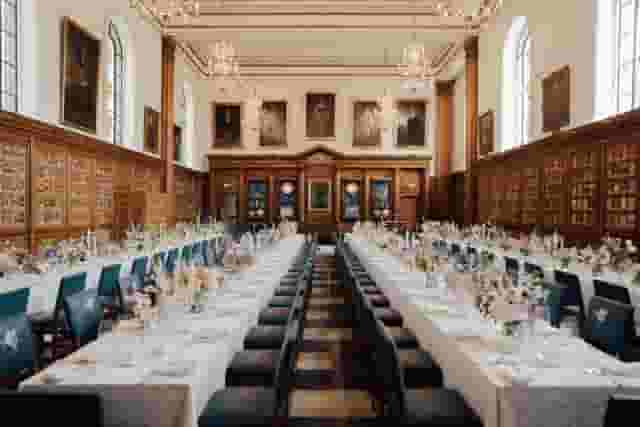
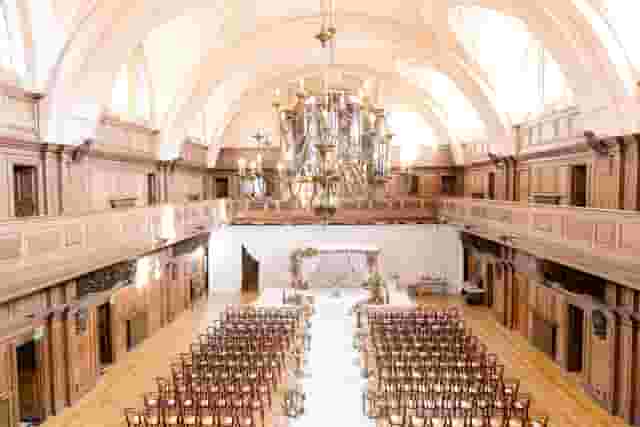
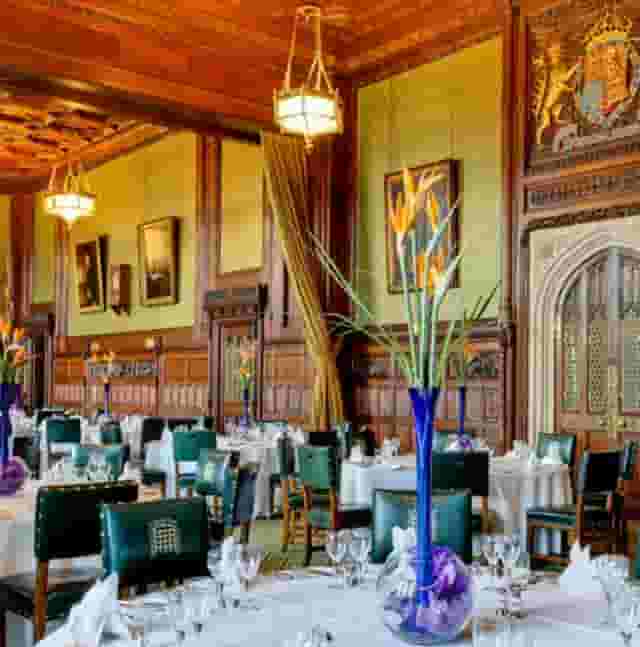
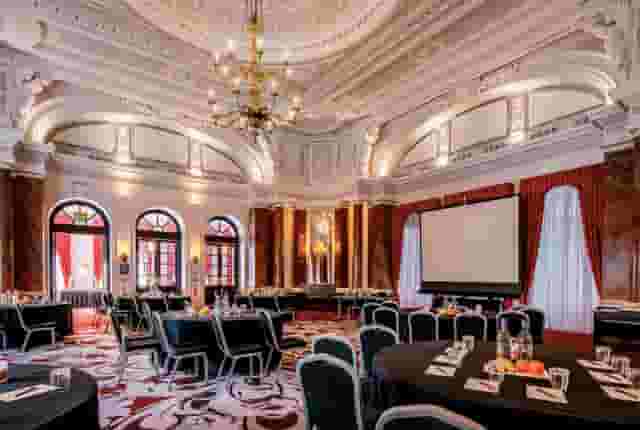
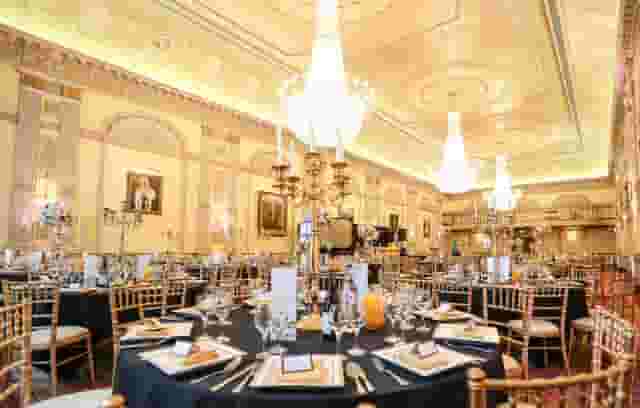
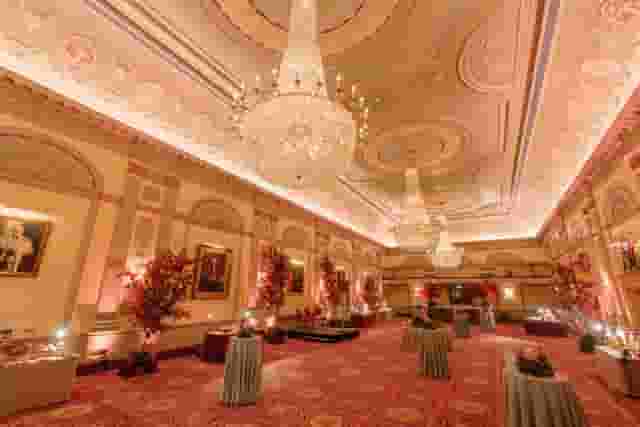
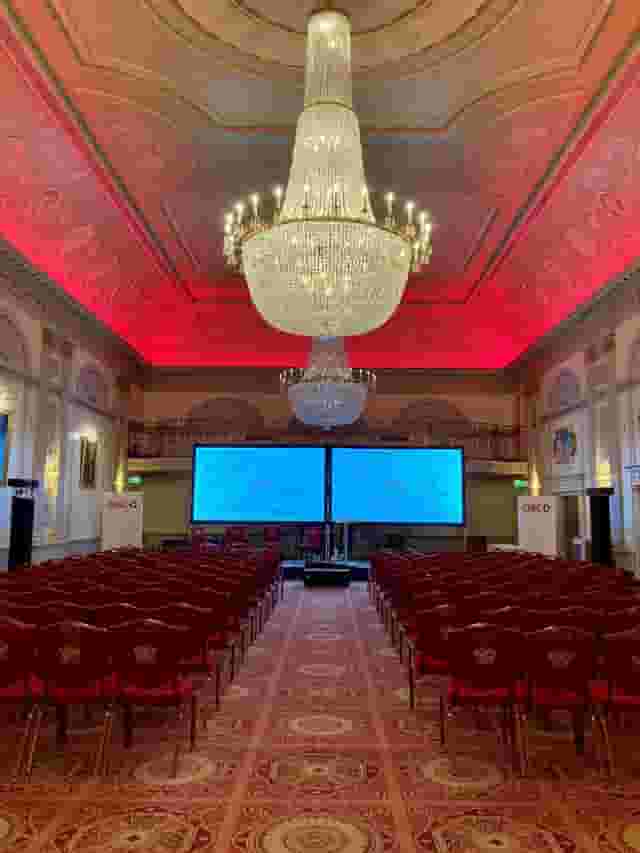
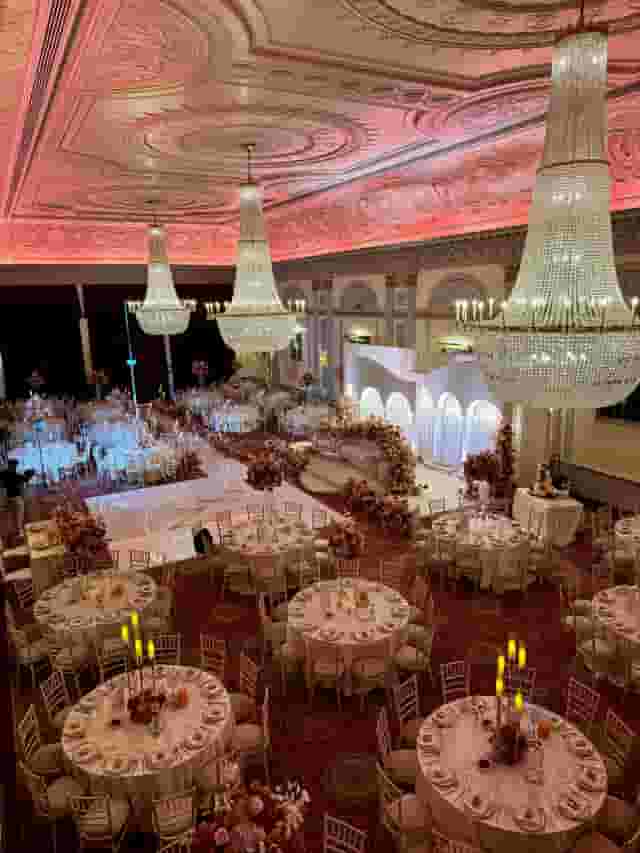
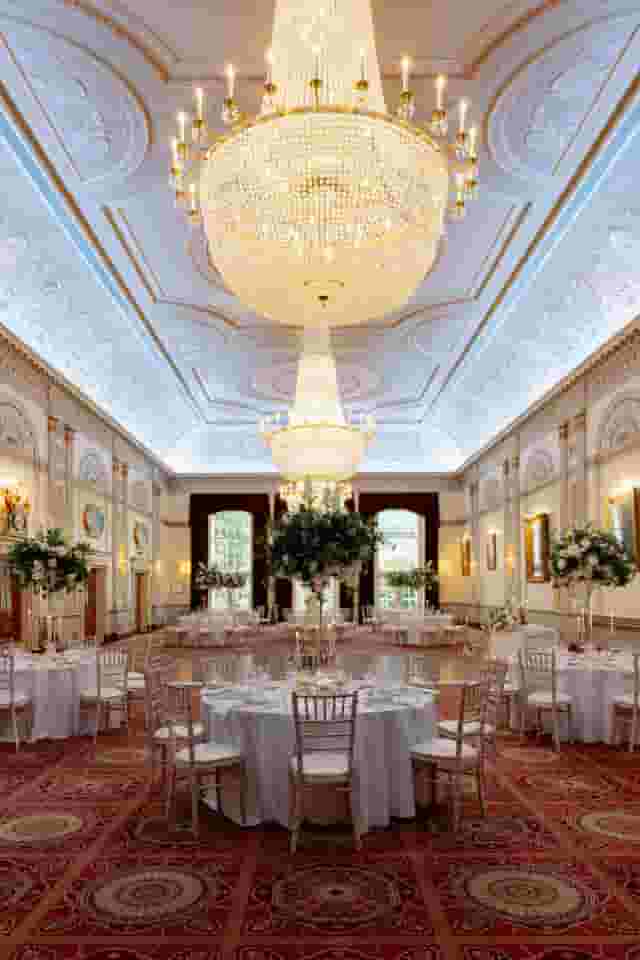
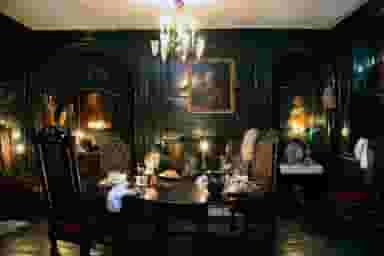
The key decision is balancing formal architectural weight against practical flexibility. A traditional guild space like Goldsmiths' Hall, which accommodates up to 300 guests for a reception in the Livery Hall, comes with wood panelling, chandeliers and high ceilings that command attention. These environments require very little dressing to feel established and grand. They work well for occasions where gravitas matters, such as milestone corporate dinners or regulatory announcements.
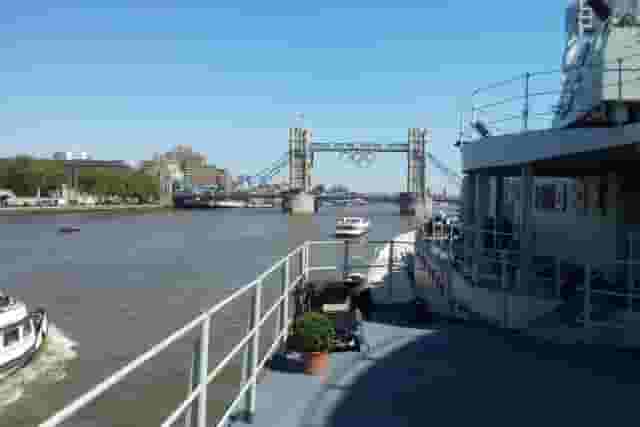
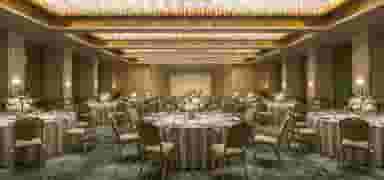
However, if your schedule calls for modern AV production, directional spotlights or extensive stage sets, civic and historic spaces vary considerably in what they permit. Some organisers find that private membership buildings and historic townhouses offer a workable middle ground between historical prestige and corporate utility. For example, spaces like Waterloo at 116 Pall Mall provide capacity for 140 standing guests within Georgian proportions, while maintaining modern business amenities. For events that require integrated hotel accommodation alongside a historic setting, the United Nations Ballroom at Four Seasons Tower Bridge accommodates 200 dining guests in a Grade II listed hall backed by full hotel infrastructure.
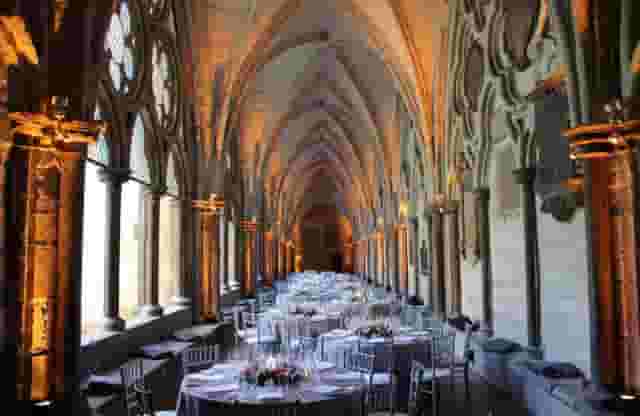
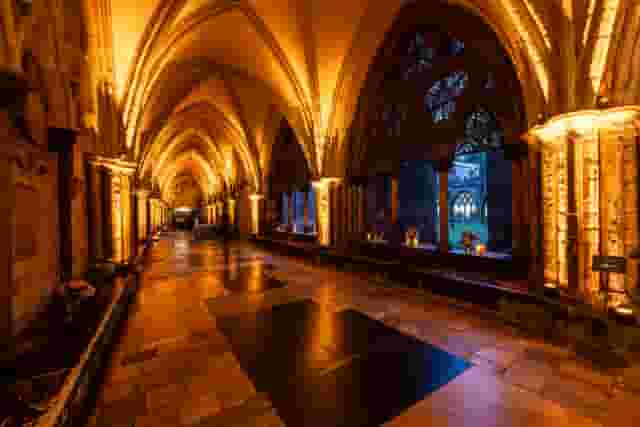
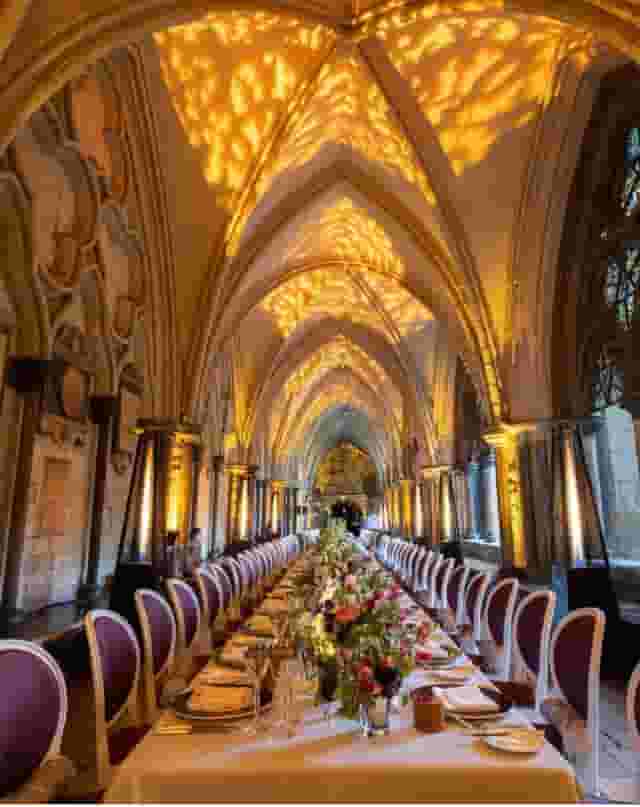
When your brief prioritises striking backdrops above trade-hall tradition, London has several grand historic spaces that match the scale of livery venues. Banqueting House in Whitehall takes up to 500 guests for whole-venue evening receptions beneath Rubens' painted ceiling. Further west, the East and North Cloisters at Westminster Abbey accommodate receptions of up to 400 guests, giving attendees open-air quadrangle views. For events centred on presentations with purpose-built stage infrastructure, the Egyptian Room at 60 Great Queen Street hosts dinners for up to 150 guests with a permanent stage ready for panel sessions. To evaluate spaces efficiently, venue booking platform Hire Space pairs its team of event specialists with Deep Venue Research to search every suitable location across London, rather than only those registered with a directory. For company events of 100 people or more, it also provides instant availability confirmed directly by venues for your specific date and timings.
If you are exploring alternative historical and cultural venues for formal presentations, you can review our advice on class-topping venues for awards ceremonies to see how different heritage layouts compare for staged events.
Acoustic considerations and room flow
Historic halls were built long before amplification, which creates specific acoustic conditions you need to plan around. High stone or plaster ceilings and polished timber floors amplify speech naturally, but they can turn amplified sound into an echoing wash if your AV supplier does not tune the room correctly.
Managing sound in tall halls
When you run a conference or an awards presentation in a room with grand proportions, avoid placing two large PA speakers at the front and turning the volume up to reach the back. That setup bounces sound off hard stone and glass, making speeches unintelligible to guests seated halfway down the room.
Instead, specify a distributed audio system. This setup uses smaller, time-delayed speakers placed at regular intervals down the length of the hall, keeping the volume consistent and speech crisp without overwhelming the tables nearest the stage. If your event involves dinner followed by a keynote address, ask your AV supplier to survey the space during an empty site visit to identify dead spots caused by pillars or decorative alcoves.
Moving guests through separate rooms
A livery hall event works best when guests progress naturally through distinct zones rather than remaining in one hall all evening. Keeping attendees in a single space while staff clear dinner plates and set up a presentation stage breaks the flow of the night and introduces unwanted background noise.
- Arrival and cloakrooms. Guild halls often have compact ground-floor vestibules. Ensure you have two dedicated cloakroom attendants per 100 guests to avoid queues backing out onto the street.
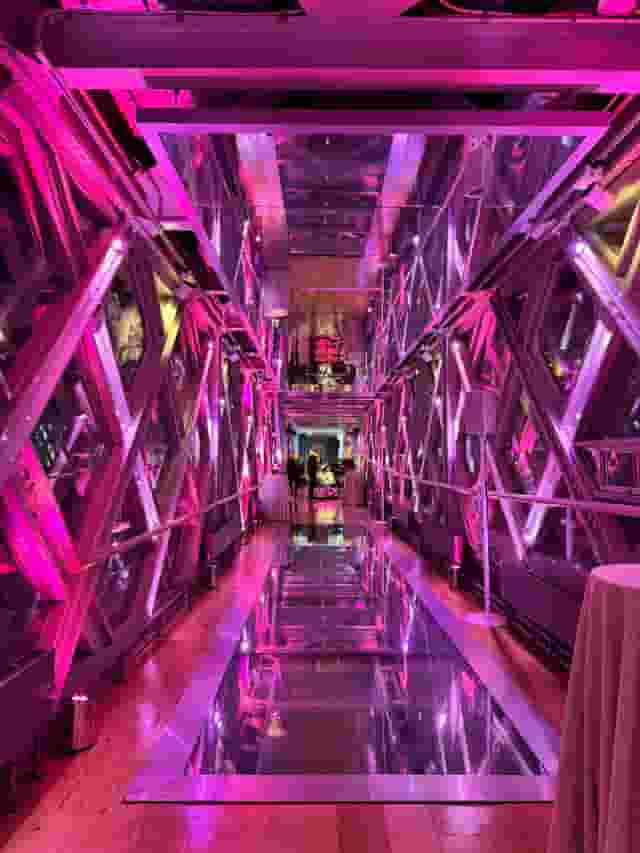
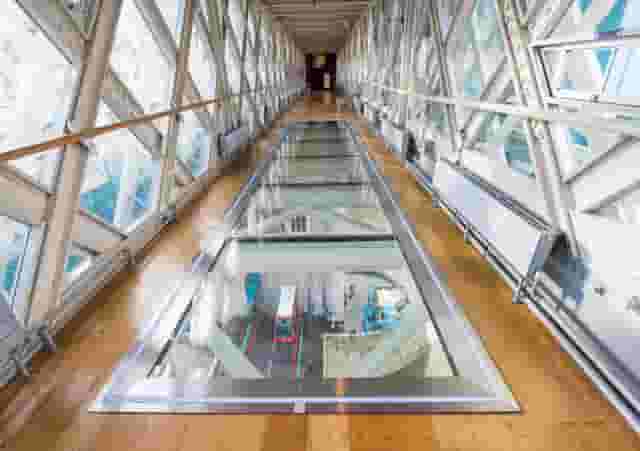
- Welcome drinks. Direct attendees to an adjoining parlour, reception gallery or cloister for champagne and canapes. For summer gatherings, elevated open spaces such as The Walkways at Tower of London, which hosts receptions for 250 guests, offer views over the Thames before people head to dinner.
- The main event. Call guests through to the primary hall by sounding a chime or having the toastmaster make a clear announcement. Opening double doors to reveal fully lit dining tables creates a sharp transition.
- Post-dinner networking. If your schedule includes informal drinks after dinner, move guests back to the reception room. This allows catering staff to clean down the main hall out of sight and keeps conversations energetic.
For daylight conferences that move from plenary discussions into evening dining, contrasting historic halls with contemporary business hubs can be useful. Our guide on top conference venues in London details how modern corporate floorplans handle daylight and delegate circulation.
Catering rules, approved panels and heritage restrictions
Livery halls operate under stricter building-protection rules than purpose-built hotels or modern event spaces. Understanding these constraints early saves hours of redesigning menus and decor later in the planning process.
Working with approved caterers
The vast majority of livery halls do not operate an open kitchen policy. Instead, they work with an approved panel of three to six external caterers who know the building's physical limits, fire paths and electrical loads.
While some venues use a tied in-house kitchen, others permit an approved external caterer or consider outside suppliers subject to prior approval, kitchen access, corkage, staffing and waste arrangements. You should always confirm the venue catering policy before committing to a contract. Approved caterers already understand how to manage narrow service corridors, historic service lifts and strict load-in windows. They also know whether red wine is banned in carpeted parlours, whether open flames are permitted on dining tables and how much electricity their hot-holding ovens can draw without tripping the main breakers.
If you bring your own wines for an executive dinner, expect the caterer or the venue to levy a corkage fee. Corkage covers chilling, glassware, ice and table service. Negotiate this rate upfront, particularly if you are serving fine vintage bottles that require decanting well ahead of dinner.
Common heritage restrictions to check
Before you book entertainment, florists or production teams, clarify the venue rules on these regular pain points:
| Restriction | Practical reality in historic halls | How to handle it |
|---|---|---|
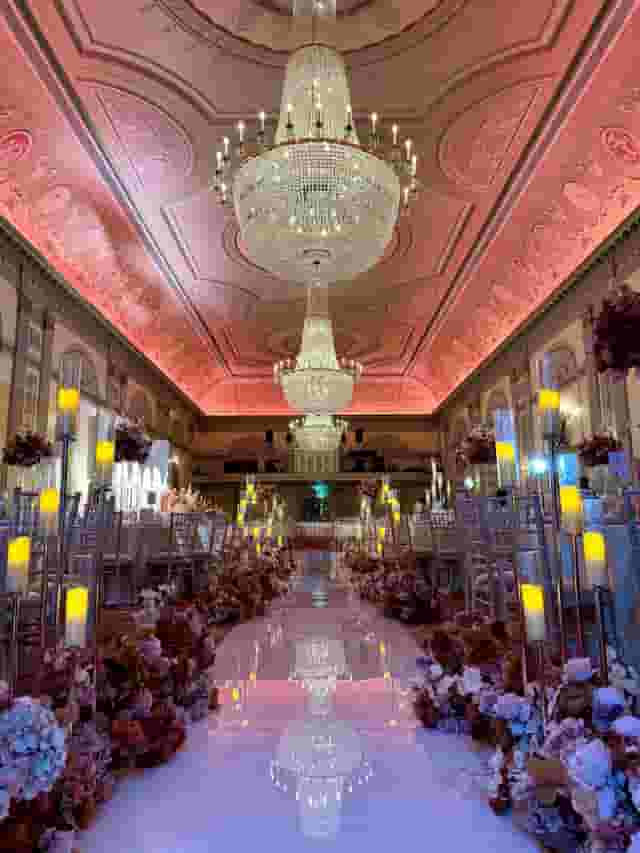
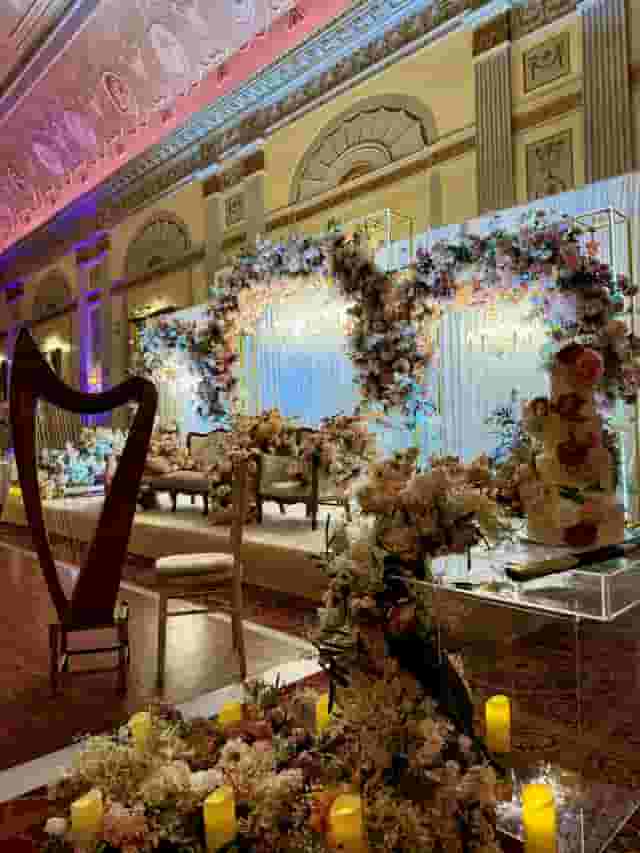
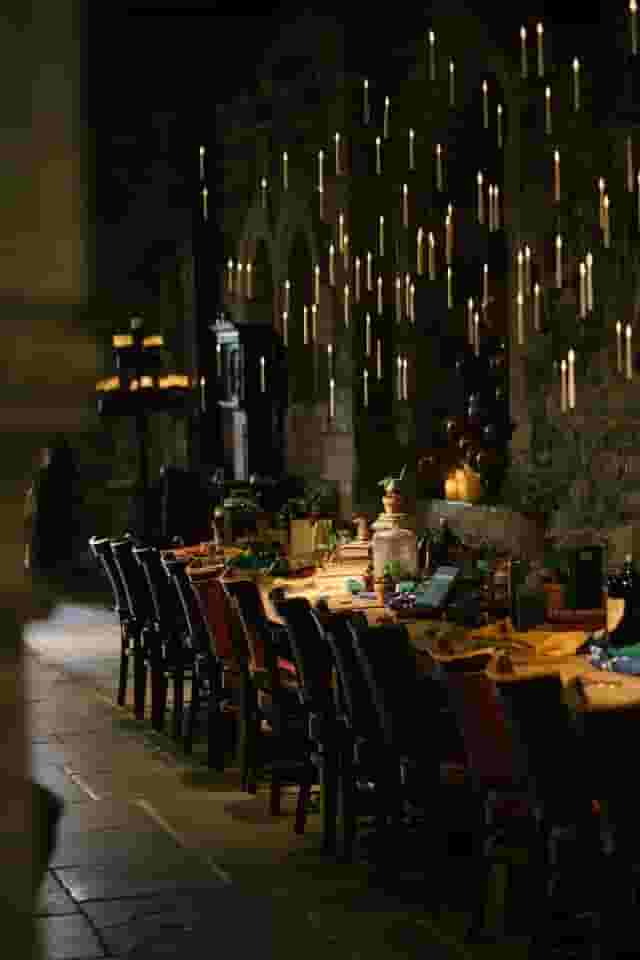
| Open flames and candles | Wax candles are frequently forbidden to protect portraits and woodwork | Use realistic battery-powered LED wax candles or low floral lighting |
| Rigging and fixing points | You cannot screw into walls, tape cables to masonry or hang banners from cornices | Use free-standing truss towers or weighted ground-support poles |
| Load-in routes and lift limits | Historic service lifts can be small, and stone stairs require protective boards | Check dimensions with your production team before booking staging |
| Red wine and dark liquids | Certain halls restrict red wine to seated dining tables to protect floor stone | Serve white wine, champagne or clear cocktails during standing receptions |
| Decibel caps and curfew | Residential neighbours or council conservation rules often mandate sound limits | Agree on sound-limiter thresholds with your band or DJ during site visits |
Budgeting for a livery hall event
Livery hall pricing usually separates room hire from catering, staffing and production. To calculate your actual expenditure accurately, you need to account for both fixed building costs and variable delegate fees.
Across the wider London market, event costs vary according to guest numbers, timings and production ambition. For planning purposes, general market benchmarks show that a typical corporate gathering scales as follows:
- Conference with catering and drinks: £7,000 to £23,000 in total (Indicative London market range for a private company conference with around 50 guests; weekday hire, delegate catering and drinks, with AV and VAT varying by venue.)
- Private dinner with catering and drinks: £7,500 to £16,000 in total (Indicative London market range for a private livery-hall dinner with around 50 guests; room hire, three-course food and a drinks element, excluding or varying for VAT, entertainment and premium packages.)
- All-in conference or dinner guide: £150 to £350 per head (Indicative all-in guide for a private London livery-hall event with around 50 guests, including an allocation of hall hire plus catering and drinks; AV, VAT, menu level, season and minimum spends can move the result.)
Comparing quote structures
When comparing quotes from livery halls against modern venues, check whether you are reviewing a dry-hire figure or a day delegate rate. A dry-hire figure covers access to the empty room, baseline heating and basic security. Everything else, from kitchen buy-outs to coat hangers, is invoiced on top. Hire Space 360 is enterprise venue and hotel procurement for companies spending £1m or more a year on meetings and events: a managed meetings and events programme, the kind procurement teams call strategic meetings management. It consolidates all venue contracts and supplier costs onto one master agreement with a single invoice, keeping every booking aligned with your company event policy. Finance and commercial teams also receive real-time spend reporting and an audit trail across all bookings, with further details on how Hire Space 360 works for procurement.
Total Event Cost = Room Hire Fee + Food and Beverage + Service and Staffing + AV and Production + Heritage Overheads (Security, Cleaning, Fire Stewards) + VAT.
Watch for security charges. Historic properties housing valuable collections or silver vaults frequently require accredited heritage security guards and fire stewards on site for the duration of your tenancy, including load-in and get-out hours. These rates are usually billed per guard per hour and can add several hundred pounds to your final invoice if your production runs late into the night.
If your guest count is small and an entire guild hall would feel cavernous, intimate dining spaces provide an alternative historic atmosphere without broad hire fees. An exclusive setting like the J.P. Morgan Media Centre at Lord's Cricket Ground hosts corporate dinners for 50 people, delivering focused sightlines without the overheads of an expansive multi-room guild house.
City logistics, transport and guest arrivals
Most traditional livery halls are situated within the City of London, concentrated around Bank, Moorgate, St Paul's and Mansion House. While central for financial and legal sector audiences, the Square Mile presents distinct logistical challenges that require advance coordination.
Evening vehicle access and taxi pickups
The City of London features narrow historic streets, one-way systems and strict vehicle priority restrictions, such as the Bank Junction traffic scheme. Black cabs and private hire cars cannot stop directly outside the front doors of certain halls during daytime and evening hours.
Send clear travel instructions with your invitations. Tell guests which Tube station exit to use, and designate a nearby main thoroughfare for taxi pickups at the end of the night. If you have senior executives or speakers arriving with chauffeur transport, check whether the venue has an internal courtyard or a licensed drop-off bay. Without one, delivery vehicles and VIP cars risk council penalty notices within minutes.
Production load-in windows
Guild halls operate active daytime business routines, serving committee meetings, member lunches and administrative duties. As a result, your production team will rarely have access to the main hall throughout the morning for an evening event.
A typical access window runs from 15:00 or 16:00 for an event opening at 18:30. In two and a half hours, your suppliers must unload vehicles, carry flight cases through protective doorways, assemble staging, set place names, tune sound equipment and leave the room clean.
To execute this without stress:
- Brief your florist and production teams on the exact load-in window before they quote.
- Confirm whether the venue has on-site parking for delivery vans. In the City, vans often need to unload rapidly and then relocate to off-site commercial car parks.
- Schedule a dry run with your event lead and head caterer to review the run of play, confirming who signs off on table settings before doors open.
By planning around acoustic properties, heritage rules and City road patterns early, you can take full advantage of London's livery halls to host a corporate event that runs with absolute precision.
What our customers say
Inspiration and planning guides

Top 5 Historic London Venues
With modern marvels such as 'The Gherkin' and 'The Shard' now dominating London's skyline, we felt it was time to pay tribute to our older, yet equally impressive event spaces [https://hirespace.com/Browse/Unusual-Event-Venues-London]. James Roche brings you five historic London venues! Drapers Hall The original hall may have been destroyed by the fire of London but with the present incarnation dating back to 1772, this superb venue is (hold on while I take off my socks to count) still sixtee

Venue Review: Weddings at Hampton Court Palace
Standing on the grounds of Hampton Court Palace is truly like standing in the footsteps of the most important figures and captivating characters in British history. Cardinal Thomas Wolsey resided in the Palace from 1515, until the charming Henry VIII decided to make it his own, after making the building lavish and luxurious – fit for a king (and his six queens – separately, of course). James I threw late-night parties in the Great Hall, and Shakespeare's troupe of players performed for the ro

Unique Venue of the Month: Royal Liver Building
There's a myth about the iconic "Liver Birds" at the top of the stunning Royal Liver Building [https://hirespace.com/Spaces/Liverpool/53567/The-Venue-Royal-Liver-Building/The-Venue/Events] . It claims that if they ever fly away, Liverpool will sink into the River Mersey. Thankfully, this has never happened to the beautiful city of Liverpool. Proudly standing as the tallest building in Europe when it was erected in 1911, the Royal Liver Building was originally constructed as a home to a group
One supplier. Every venue. Full visibility on what you spend.
Multiple venues and events. One agreement.