Community Centres in London
Discover versatile community centres in London suitable for 100 people.
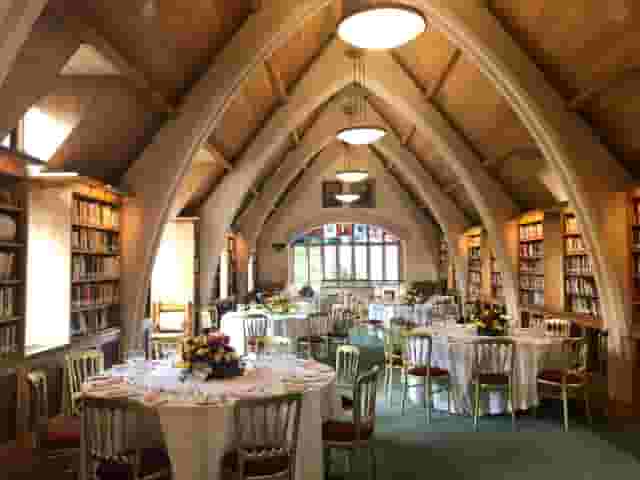
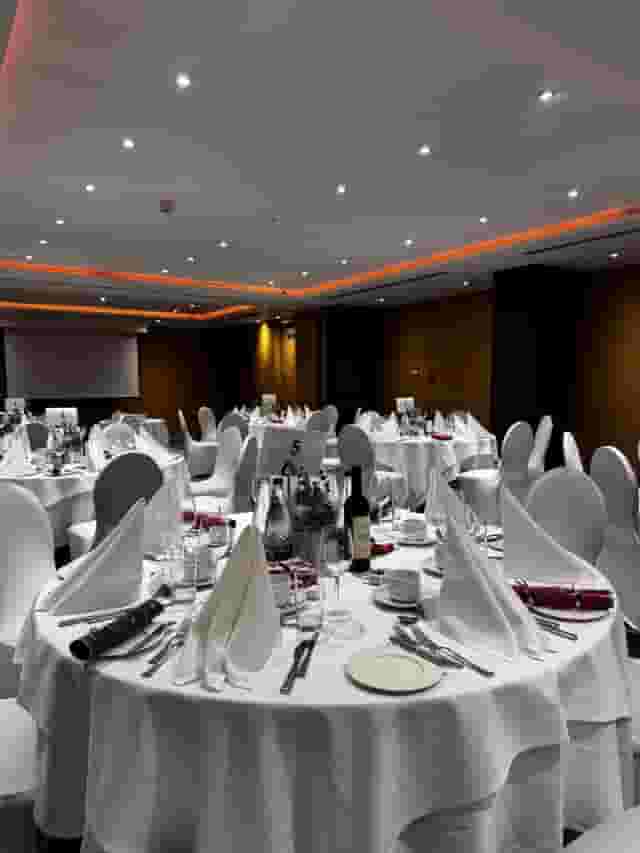
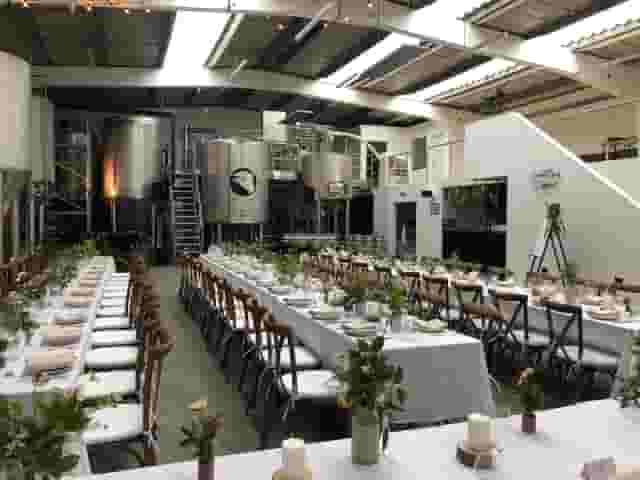
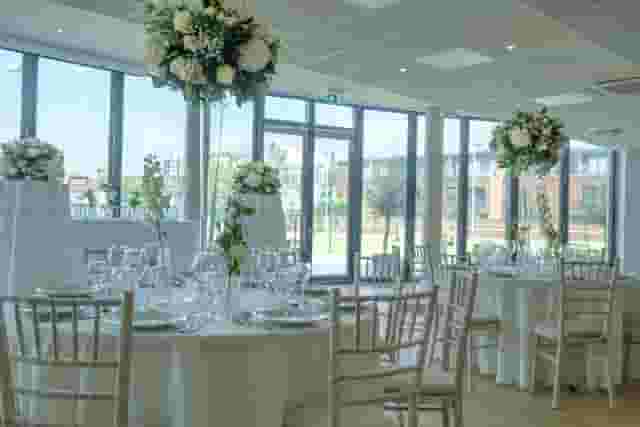
66 Community Centres in venues in London
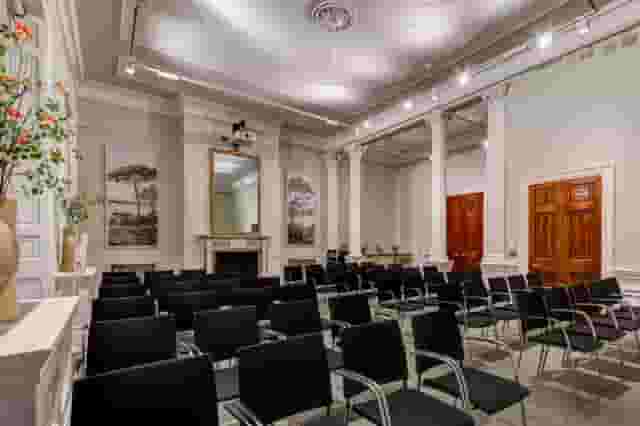
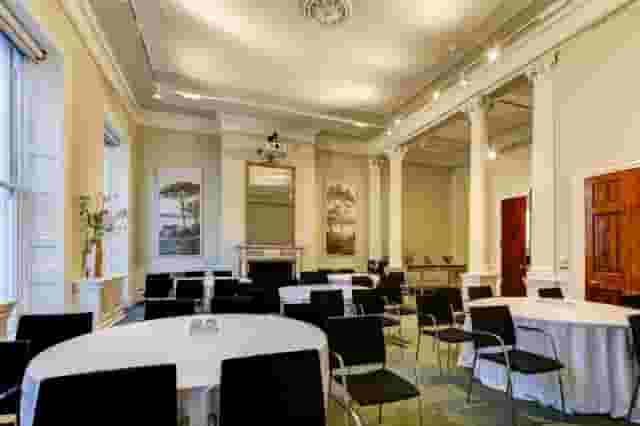
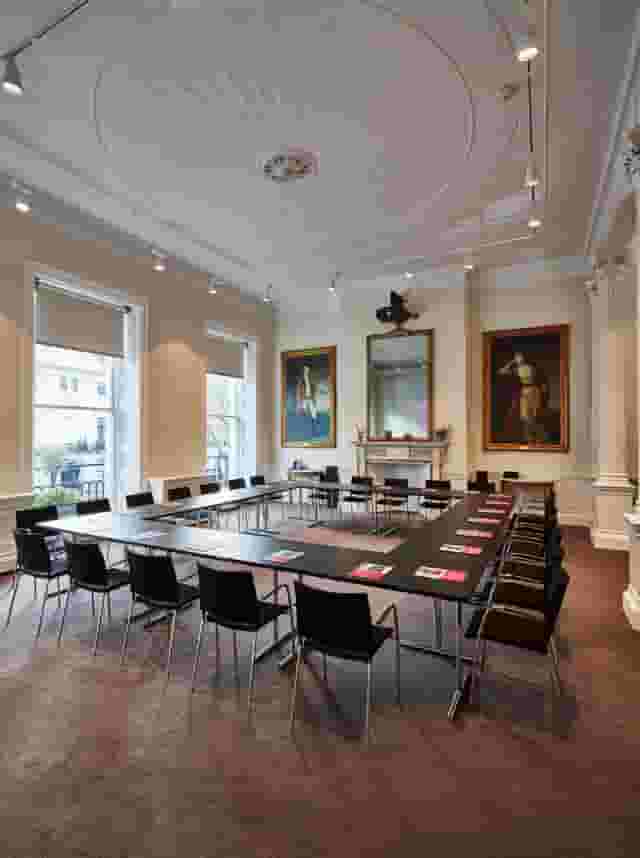
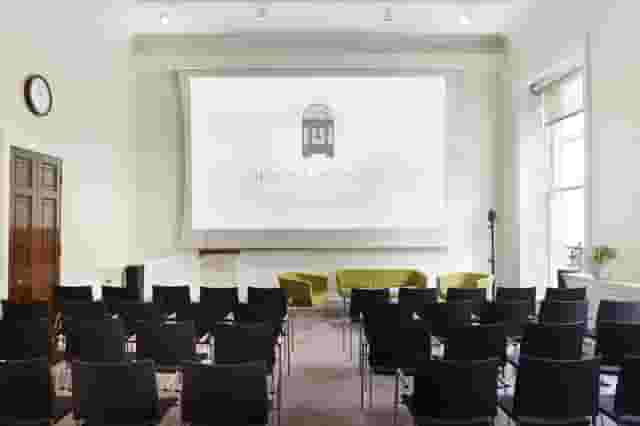













































































































































































































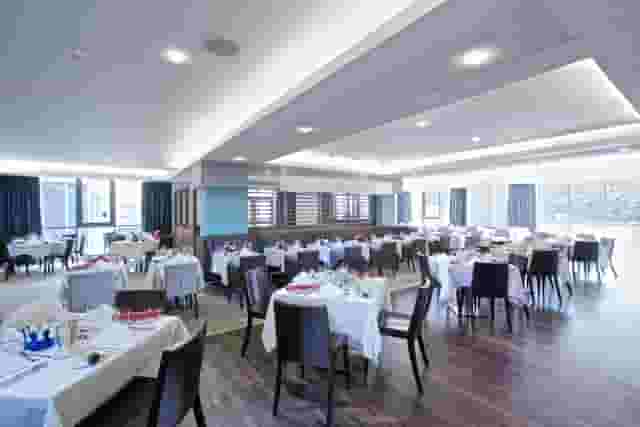

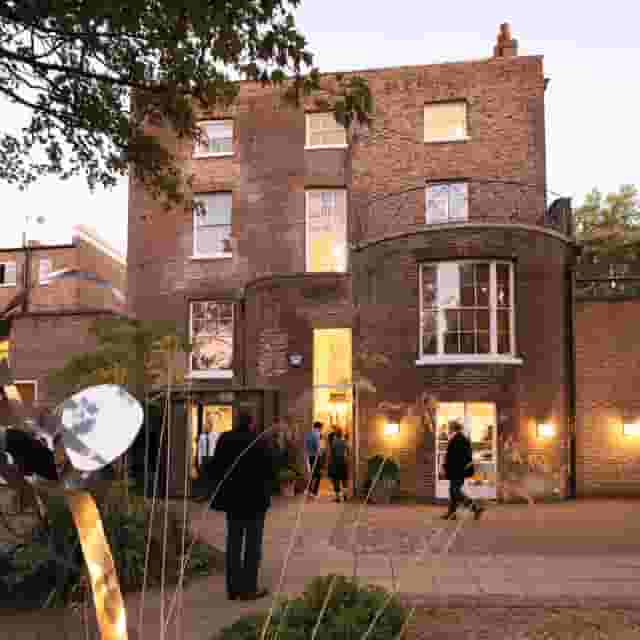


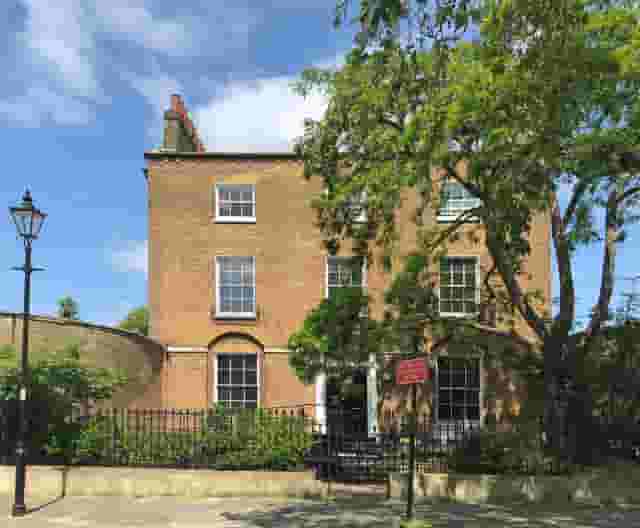



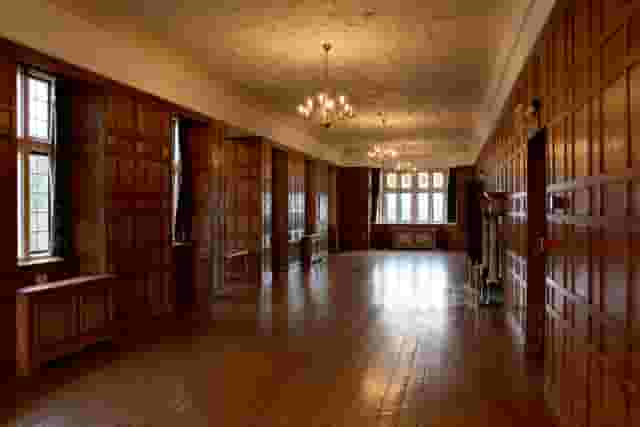



















































































































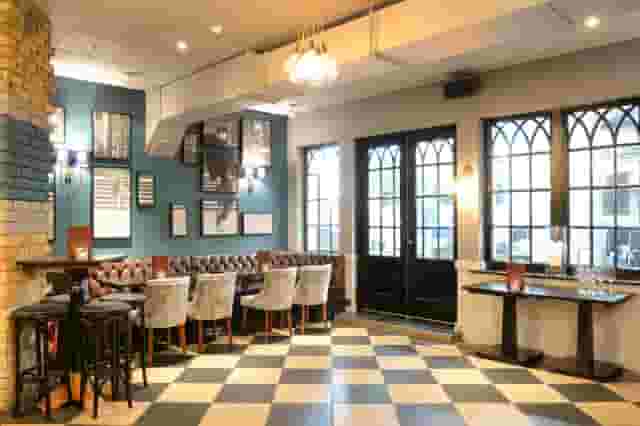




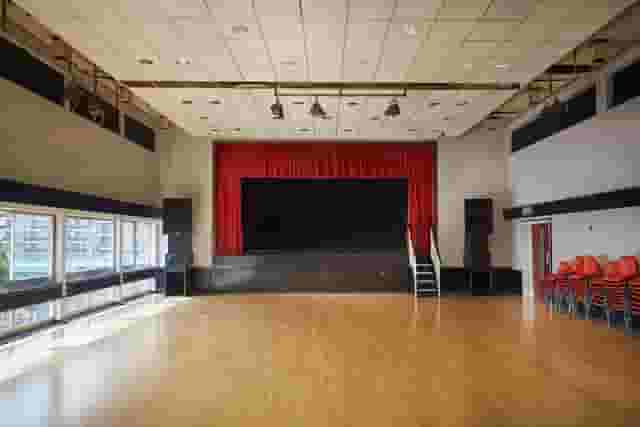
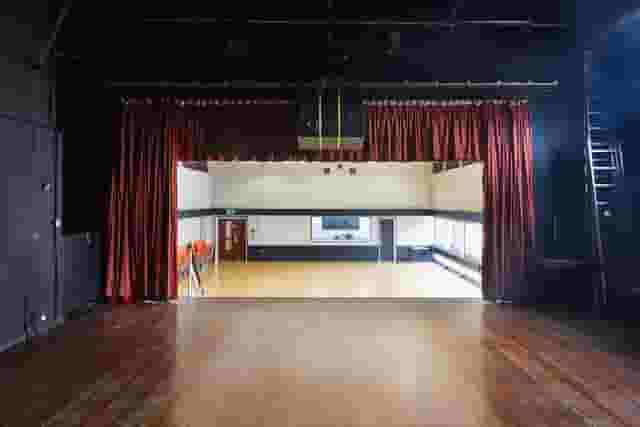
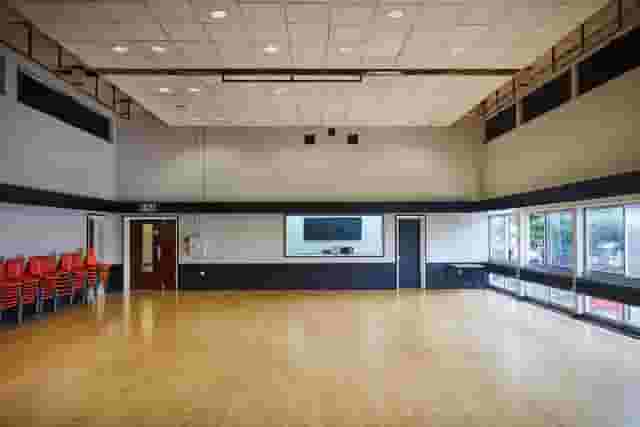
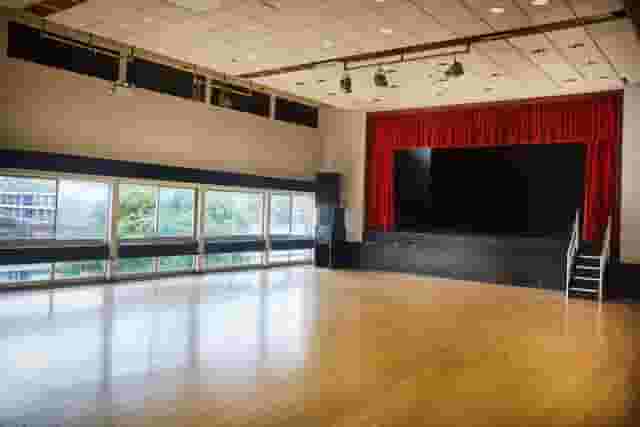
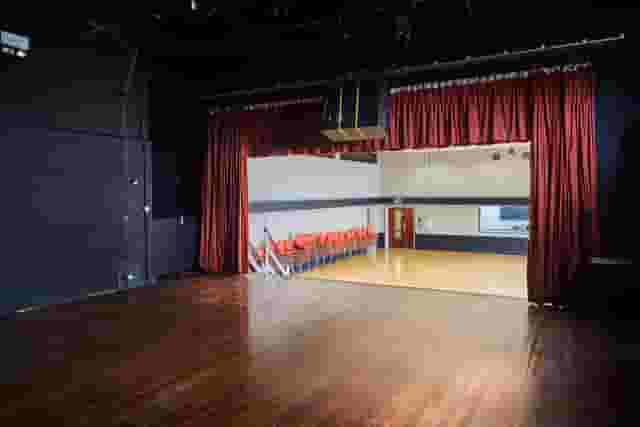
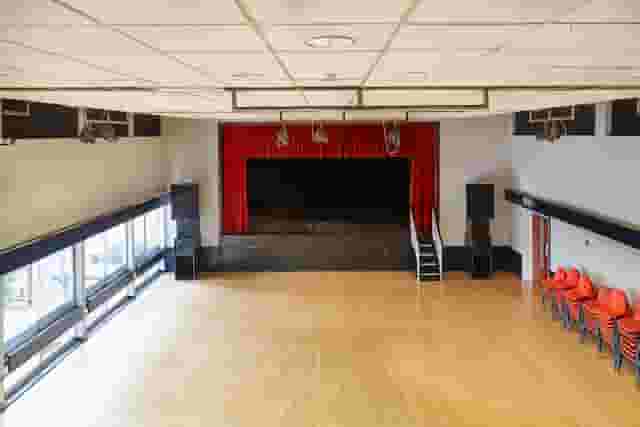

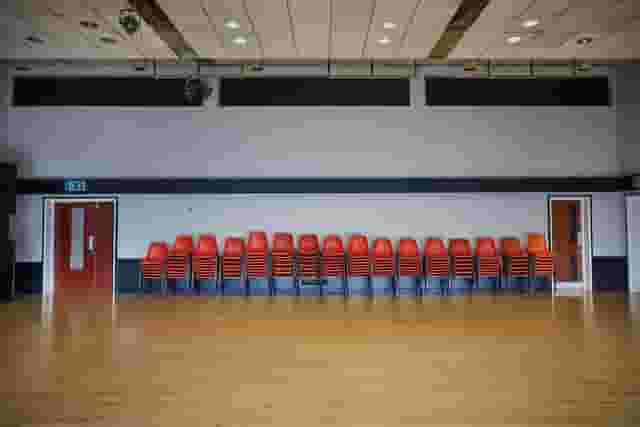

















No venues match these filters
Try widening your capacity, luxury level or event type.
Don't have time to search? We'll find it for you.
For business events that need human judgement, talk to our team. Free for events of 100+ people, budgets over £10k or ongoing programmes.


Explore more venues in London

















Frequently asked questions
Which London areas offer the most accessible community centres?
How do community centre hire costs compare across London zones?
How far in advance should you book a London community centre?
What insurance requirements apply to community centre events in London?
How much does it cost to hire a community centre in London for 100 people?
What facilities do London community centres provide for 100-person events?
Do London community centres require deposits for 100-person events?
What capacity do London community centres typically accommodate?
What catering options are available at London community centres?
What's the difference between community centres and village halls in London?
Other platforms search their database. We search everything.
Tell us what you need. Our deep research finds any venue, whether it's in our marketplace or not. No one else does this.
About Community Centres in London
Why London's Community Centres Are Perfect for Your 100-Person Event (And How to Spot the Best Ones)
When you're planning an event for 100 people in London, community centres offer something that hotels and corporate venues simply can't match: genuine flexibility at a price that won't make your finance director wince. We've seen countless event planners overlook these gems, thinking they're too basic or limited, but that's honestly where they're missing a trick.
The numbers tell the real story here. You're looking at £100-£250 per hour for a space that can comfortably accommodate your group, compared to £300-£500+ for equivalent hotel meeting rooms. For a full-day event, that's potentially £1,500-£2,000 in savings – money that's far better spent on your actual programme content or catering upgrades.
What Makes a Community Centre Worth Your Time
The best community centres for 100-person events share several key characteristics. First, look for venues with main halls of at least 120-130 person capacity – you'll need that extra breathing room for registration areas, catering stations, and comfortable networking spaces. Wrens Park Community Centre's 88m² main hall, for instance, works perfectly for seated presentations but might feel cramped for standing receptions.
Your technical requirements matter enormously here. Insist on venues with 32-amp power supply per phase and reliable Wi-Fi of at least 100 Mbps. We've learned this the hard way – nothing kills event momentum like a projector that keeps cutting out or internet that can't handle your live streaming needs.
The Location Sweet Spot
Camden, Islington, and Southwark consistently deliver the best combination of accessibility and value. These areas offer venues within 10 minutes of tube stations, multiple bus routes, and crucially, on-site parking for 10-30 cars. Your attendees from outside London will thank you for this foresight.
The pricing geography is quite predictable: Zone 1-2 venues cost £150-£250 hourly, whilst Zones 3-4 drop to £120-£200. For most corporate events, that outer zone sweet spot offers excellent transport links without the premium pricing.
Your Next Steps
Start your search 8-12 weeks ahead for central locations, though weekday bookings in outer zones can often be secured with just 4-6 weeks' notice. Always visit potential venues in person – photos rarely capture acoustics, natural light quality, or those practical details like loading access that can make or break your event setup.
Consider pairing your community centre booking with corporate days out in London for 200 people if you're planning a larger programme, or explore our guide on how to find a sustainable venue for your event to align with your organisation's environmental commitments.
The Smart Event Planner's Guide to Booking Community Centres in London: Timing, Costs, and Hidden Gems
Here's what we've learned from booking hundreds of community centre events across London: timing isn't just about availability – it's about getting the best value and avoiding the pitfalls that catch out even experienced planners.
The booking sweet spot for community centres is genuinely different from corporate venues. Whilst hotels and conference centres get booked solid months ahead, community centres often have excellent availability just 6-8 weeks out, particularly for weekday events. We've secured fantastic venues in Hackney and Lewisham with just four weeks' notice, saving clients 20-30% compared to their original hotel quotes.
The Hidden Cost Structure You Need to Know
Community centre pricing isn't as straightforward as the hourly rates suggest. Yes, you'll pay £100-£250 per hour, but the real costs emerge in the details. Most venues require a 25-50% deposit upfront – so for a £1,200 full-day hire, expect to pay £300-£600 to secure your booking. Then there's the security deposit, typically £100-£300, which covers potential damage or excessive cleaning.
The clever money-saving trick? Book your catering through the venue's approved suppliers rather than bringing in external caterers. Many community centres charge additional insurance fees (£50-£150) for outside caterers, but their approved lists often include excellent local providers at £15-£25 per person – significantly less than hotel catering.
Borough-by-Borough Insider Knowledge
Each London borough has its quirks. Southwark's community centres often include excellent kitchen facilities and flexible licensing, making them perfect for evening events with refreshments. Camden venues typically offer the best transport links but book up fastest during school holidays when local groups have priority.
Greenwich and Lewisham are our hidden gems – fantastic venues with parking, competitive pricing (often £20-£40 less per hour than central locations), and surprisingly good transport connections. The DLR makes venues like those near Cutty Sark incredibly accessible for City workers.
Negotiation Points That Actually Work
Community centres are far more flexible on pricing than corporate venues, especially for repeat bookings or off-peak times. We've negotiated 15-20% discounts for Tuesday-Wednesday bookings, and many venues offer package deals that include basic AV equipment and setup assistance.
The key is building relationships with venue managers. Unlike hotel sales teams who change frequently, community centre staff often stay for years and remember planners who treat their venues well.
Start your search with venues in Zones 3-4 for the best value-to-accessibility ratio, and always ask about their cancellation policies – some offer more flexibility than their standard terms suggest. For larger programmes, consider how these venues might complement company retreats in Hampshire or company retreats in Hertfordshire for multi-day events.
Essential Requirements Every 100-Person Event Needs: From Space Planning to Technical Setup
Getting the space planning right for a 100-person event in a community centre is where we see most planners either nail it brilliantly or create unnecessary headaches for themselves. The difference usually comes down to understanding that community centres aren't just smaller versions of conference hotels – they're completely different beasts with their own requirements and opportunities.
The golden rule we've learned? Your 100 guests need a venue with 120-130 person capacity minimum. This isn't about being generous – it's about practical event flow. You'll need space for registration tables, catering stations, networking areas, and crucially, somewhere for people to actually move around comfortably. We've seen too many events where planners booked exactly 100-person capacity and ended up with guests literally queuing to get their coffee.
Space Configuration That Actually Works
Most community centres offer flexible layouts, but the 80-120m² main halls work best when you think in zones. Allocate roughly 1.2m² per person for seated events, but bump that to 1.5m² if you're including presentation equipment or catering areas. The venues with 3-4 metre ceiling heights give you options for hanging banners or improved acoustics – something you'll appreciate when 100 people are networking simultaneously.
Your technical setup needs are more demanding than you might expect. Insist on 32-amp power supply per phase – standard domestic supply won't cope with projectors, sound systems, and catering equipment running simultaneously. We learned this during a product launch in Islington when the power kept tripping every time the coffee machine and projector ran together.
The Kit List That Prevents Disasters
Community centres typically provide tables, chairs, and basic AV, but the quality varies enormously. Always request a site visit to test the sound system with 20-30 people present – what sounds fine in an empty hall often becomes inaudible with a full audience. The Wi-Fi needs to handle at least 100 Mbps for basic presentations, but push for 1 Gbps if you're live streaming or running interactive sessions.
Storage space is often overlooked but absolutely critical. You'll need at least 10m² for registration materials, delegate bags, catering supplies, and coats. The best community centres have dedicated storage rooms; others just offer cupboard space that fills up quickly.
Making the Technical Side Seamless
The venues that work brilliantly for corporate events usually have dedicated technical support or at least staff who understand AV basics. Factor in 2 hours for setup and 1 hour for breakdown – community centres rarely have the quick-turnaround capabilities of hotels.
For events requiring more sophisticated production values, consider how community centres might work alongside London's best hybrid ready conference venues for multi-session programmes, or explore our insights on how Hire Space tech saves time for event planners to streamline your booking process.
Always confirm load-in access and parking for suppliers – many community centres have restricted access times that could affect your setup schedule.
Navigating London's Borough Regulations and Licensing Requirements for Community Centre Events
The licensing landscape for community centre events in London can feel like navigating a maze, but once you understand the borough-specific quirks, it becomes far more manageable. We've guided hundreds of planners through this process, and the key insight is that community centres operate under different rules than hotels or corporate venues – rules that can actually work in your favour if you know what you're doing.
The fundamental requirement for any 100-person event is public liability insurance of £1-£5 million. Most community centres are quite flexible here – if you don't have existing cover, many venues offer day insurance policies for £15-£50, which is considerably cheaper than the £200-£400 you'd pay for equivalent hotel coverage. Corporate hirers often discover their existing business insurance already provides adequate cover, so always check before purchasing additional policies.
Borough-by-Borough Licensing Variations
Each London borough interprets licensing requirements slightly differently, which affects your planning timeline. Camden and Islington are particularly strict about noise restrictions – no amplified music after 10pm, and some venues require acoustic assessments for events over 80 people. Southwark and Greenwich are more flexible, often allowing events until 11pm with proper notification.
The licensing that catches most planners off-guard is the Temporary Event Notice (TEN) requirement. If you're serving alcohol or hosting entertainment beyond basic presentations, you'll need a TEN submitted at least 10 working days before your event. The cost is £21, but the paperwork takes time, and some boroughs are stricter about approval than others.
Music and Entertainment Licensing Essentials
Community centres typically hold basic premises licenses, but these often exclude live music or DJ performances. For corporate events with entertainment elements, you'll need to confirm the venue's PRS (Performing Right Society) license covers your requirements. The annual cost for venues is usually £200-£500, but some pass this cost to hirers at £50-£100 per event.
Fire safety certificates are mandatory and non-negotiable. Most established community centres maintain current certificates, but always request copies during your booking process. The maximum occupancy figures on these certificates are legally binding – you cannot exceed them, even if the space physically accommodates more people.
Practical Compliance Steps
Start your licensing checks 4-6 weeks before your event. Contact the venue's regular booking coordinator rather than general enquiries – they'll know exactly which licenses apply and can often expedite paperwork. For events requiring multiple licenses, consider venues that already host similar corporate functions, as they'll have established processes.
The smartest approach is building relationships with venue managers who understand corporate requirements. Unlike hotel sales teams, community centre staff often stay for years and remember planners who handle licensing professionally. For larger programmes requiring multiple venues, explore how these requirements might affect company retreats in East Sussex or company retreats in Lancashire to ensure consistent compliance across your event portfolio.
5 Proven Strategies to Maximise Value and Avoid Common Pitfalls When Hiring Community Centres
After booking hundreds of community centre events across London, we've identified five strategies that consistently deliver exceptional value whilst avoiding the pitfalls that catch out even experienced planners. These aren't theoretical tips – they're battle-tested approaches that can save you thousands of pounds and countless headaches.
Strategy 1: Master the Art of Off-Peak Booking
The biggest money-saving opportunity lies in understanding community centre booking patterns. Unlike corporate venues that charge premium rates for Tuesday-Thursday slots, community centres often offer their best deals on these exact days. We've secured venues in Hackney and Southwark for £120-£150 per hour on Wednesday afternoons – the same spaces cost £200-£250 on Saturdays.
The sweet spot for 100-person events is Tuesday-Wednesday bookings between 10am-4pm. You'll avoid the evening premium (typically 20-30% higher) and school holiday surcharges that many venues apply. Book 6-8 weeks ahead for these slots, and you'll often find venue managers willing to negotiate package deals that include basic AV equipment and setup assistance.
Strategy 2: Leverage the Kitchen Facilities Advantage
Community centres' commercial kitchens are genuine goldmines for event catering. Rather than paying £25-£35 per person for external catering, use the venue's kitchen facilities with approved suppliers who charge £15-£25 per person. We've seen clients save £1,000-£1,500 on catering costs alone by taking this approach.
The key is confirming kitchen specifications during your site visit. Look for venues with commercial ovens, adequate refrigeration, and serving areas that can handle 100 portions simultaneously. Some centres even provide crockery and cutlery as part of the hire package – a detail that can save another £200-£300 in rental costs.
Strategy 3: Build Strategic Venue Relationships
Community centre managers are far more relationship-focused than hotel sales teams. We've developed partnerships with venue coordinators who now offer us first refusal on cancellations and 15-20% discounts for repeat bookings. This relationship-building approach has secured us premium venues at off-peak rates and flexible cancellation terms that standard contracts don't offer.
Start building these relationships by treating venues professionally – arrive on time for viewings, provide clear event briefs, and always leave spaces in better condition than you found them. Venue managers remember planners who respect their facilities and often extend preferential rates for future bookings.
Strategy 4: Understand the True Cost Structure
The hourly rate is just the starting point. Factor in deposits (25-50% of total cost), security deposits (£100-£300), and potential additional charges for external caterers or extended setup times. For a typical £1,200 full-day hire, your actual upfront costs might reach £800-£900.
However, community centres offer negotiation opportunities that hotels don't. We've secured package deals that include extended setup time, basic AV equipment, and even cleaning services for the same price as the standard room hire. The trick is asking about package options during your initial enquiry rather than booking individual services separately.
Strategy 5: Plan for the Unexpected
Community centres operate differently from corporate venues, so build contingency plans for common scenarios. Always have backup power solutions for critical AV equipment – not all venues have generator backup. Confirm loading access times and parking arrangements well in advance, as many centres have restricted delivery windows.
Most importantly, visit your chosen venue during a similar event if possible. This gives you realistic expectations about acoustics, traffic flow, and practical considerations that photos can't capture.
For larger event programmes, consider how community centres might complement [top venues to make your next away day an experience
What our customers say
Inspiration and planning guides

This Is Why London Has Such Unique Venues
At Hire Space, unusual venues [https://hirespace.com/Browse/Unusual-Event-Venues-London] are the name of the game. Passion to find a unique venue for an event seems to be unabated in London, but it's of little surprise when taking into account all the amazing spaces the capital has to offer. But just why is London filled with so many unusual venues for hire? We investigated: Romans, Saxons, Normans, Tudors and Stuarts. The Black Death, two World Wars and one Great Fire. London has seen it a

EventLAB Series: Introducing the Event
We're very excited to introduce EventLAB [https://eventlab.online/], our first two-day event designed to take event professionals through every step of the event planning process. We'll be bringing you the latest updates in the run-up to the event in our 'EventLAB Series' [https://hirespace.com/blog/tag/eventlab//], including relevant content and a little glimpse of the speakers, workshops and themes that will feature at the event. In the first instalment, we’ll explain all there is to know a

6 Reasons Why Venues Should Join Hire Space
Four years ago, we launched Hire Space to connect event venues with new customers easily via our online platform and Venue Expert service. We've come up with 6 reasons why Venue Managers might like working with Hire Space, and why venues should join the club [http://bit.ly/2kQaHEd]! 1. Best SEO in the Industry = High Web Traffic Our Marketing team has enhanced our site visibility on search engines and as a result 1.3M customers visited our web site in 2016 (7% higher than the previous year). Ou
One supplier. Every venue. Full visibility on what you spend.
Multiple venues and events. One agreement.