Conservatory Venues for Hire in London
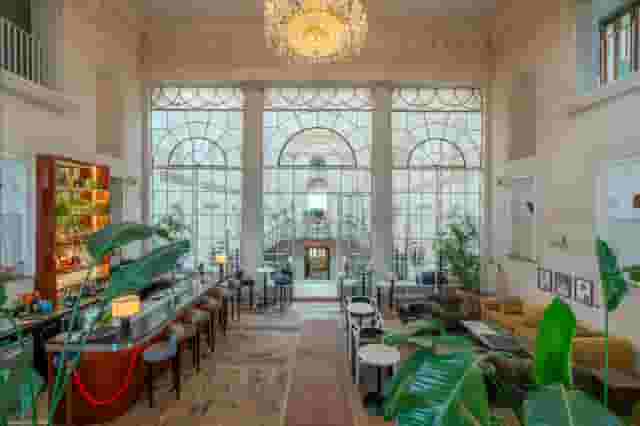
Find light-filled conservatory venues and orangeries across London for corporate dinners, summer parties and drinks receptions with built-in weather cover.
323 Conservatory Venues for Hire in London
























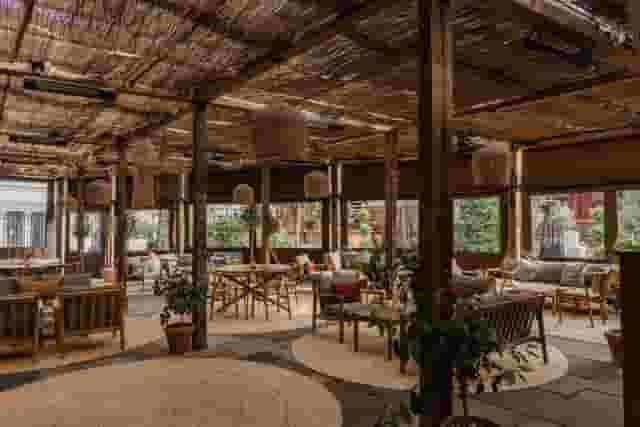
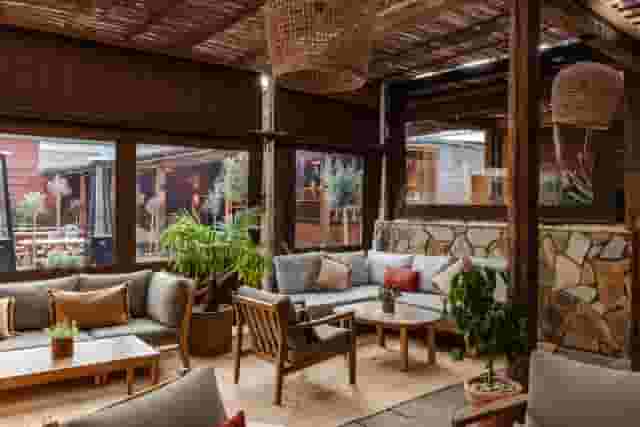
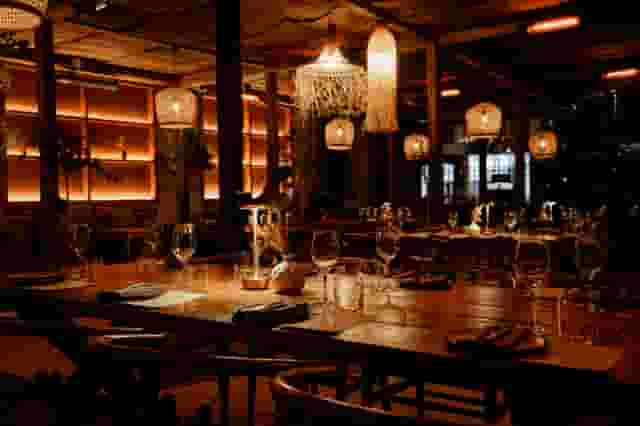

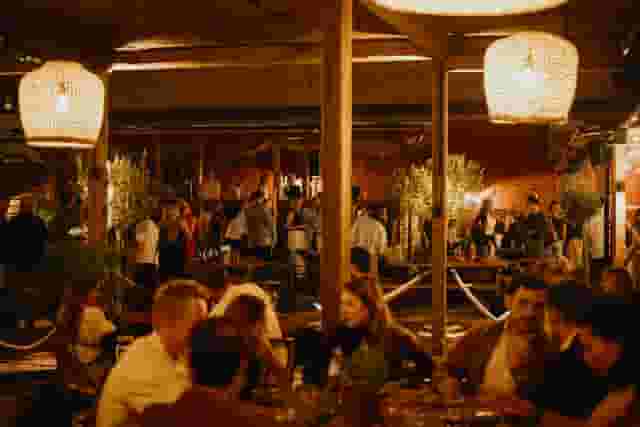

























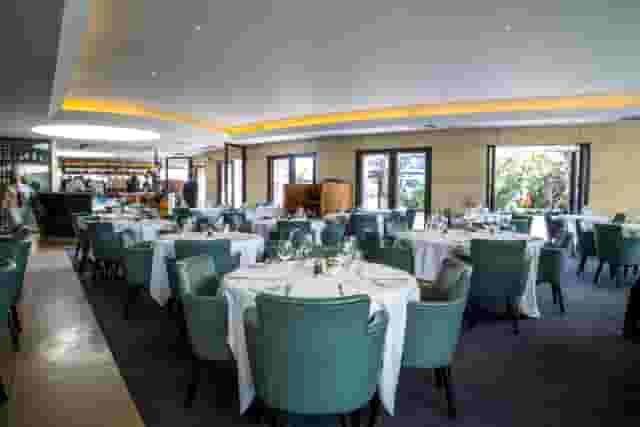
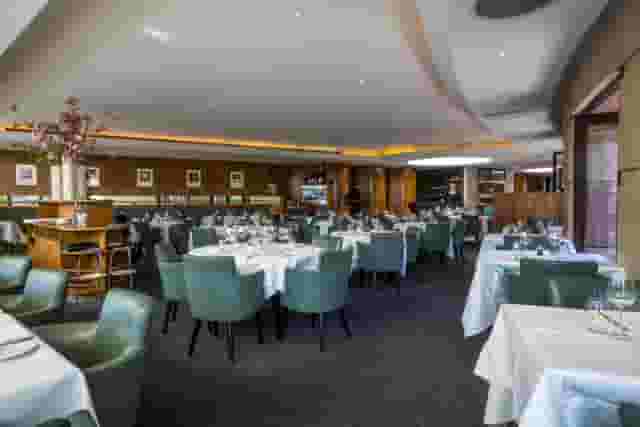
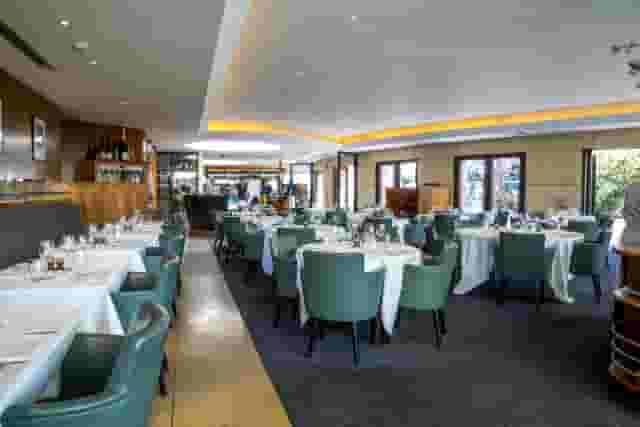
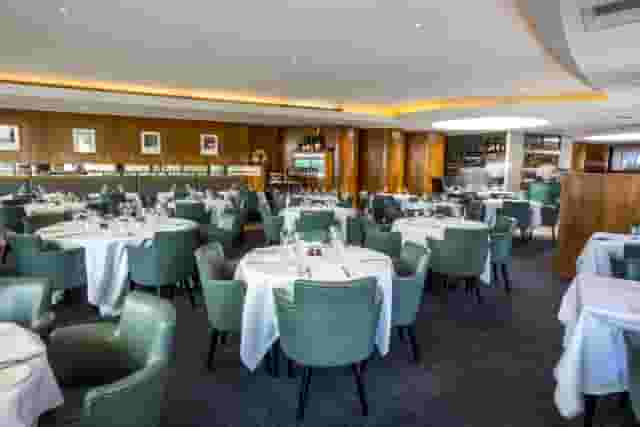



















































No venues match these filters
Try widening your capacity, luxury level or event type.
Don't have time to search? We'll find it for you.
For business events that need human judgement, talk to our team. Free for events of 100+ people, budgets over £10k or ongoing programmes.




Explore more venues in London







Frequently asked questions
What are the most popular conservatory venues for a wedding?
What are the most central conservatory venues in London?
Can I hire a conservatory venue all year round?
Other platforms search their database. We search everything.
Tell us what you need. Our deep research finds any venue, whether it's in our marketplace or not. No one else does this.
About Conservatory in London
Choosing a conservatory venue for a company event
A glasshouse or conservatory changes how people behave at a business event. Standard conference suites and hotel banquet rooms rely on artificial lighting, neutral carpet and heavy partition walls. They keep the outside world out. A conservatory does the opposite, pulling in natural daylight during the afternoon and city skies after dark. For team gatherings, client entertaining, summer drinks and celebratory dinners, this connection to the outdoors creates an immediate lift in energy.
London has an unusual variety of glass-walled and garden-facing spaces. They range from Victorian cast-iron palm houses and brutalist concrete glasshouses to contemporary orangeries and covered botanical terraces. Because these spaces are primarily built of glass and surrounded by planting, they introduce distinct planning factors that an organiser will never encounter in a windowless boardroom. Temperature control, acoustic reverberation, sightlines for presentations and privacy all need careful review before signing a contract. Hire Space is an event planning and venue booking platform, supporting venue sourcing alongside a team of real people who own the outcome. Through Deep Venue Research, you can search glasshouses and orangeries across the capital, compare data-backed price estimates for your guest numbers and check confirmed availability for your dates within minutes.
When shortlisting, the first distinction to make is between a heritage botanical collection, a purpose-built event glasshouse and an all-weather hospitality terrace.
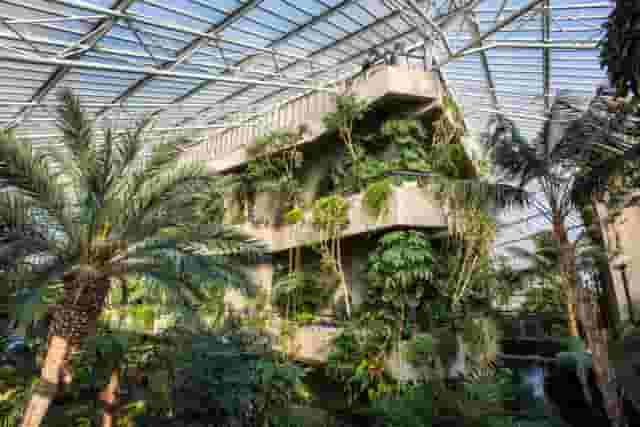
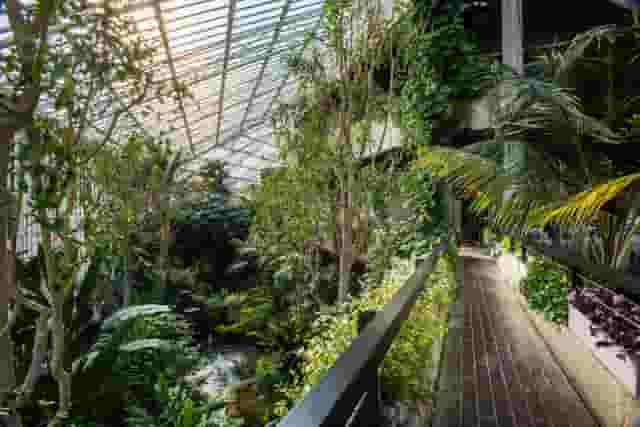
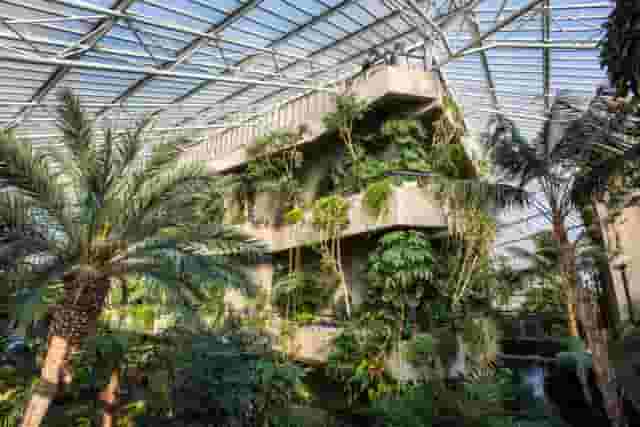
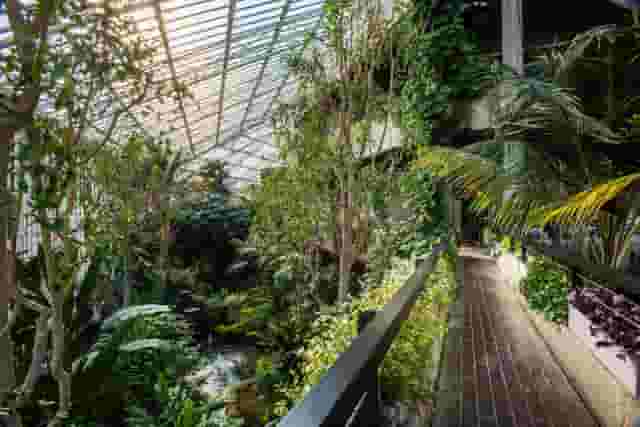
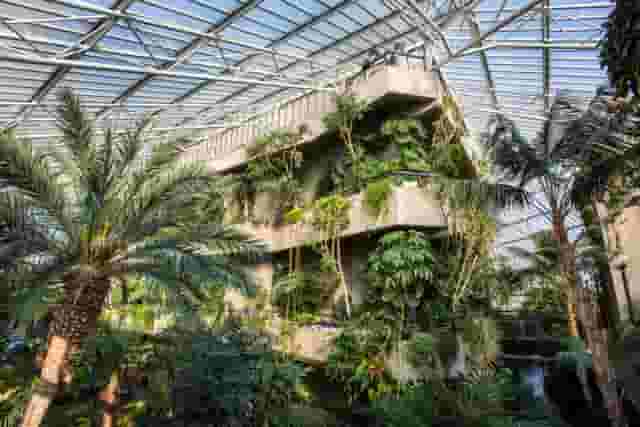
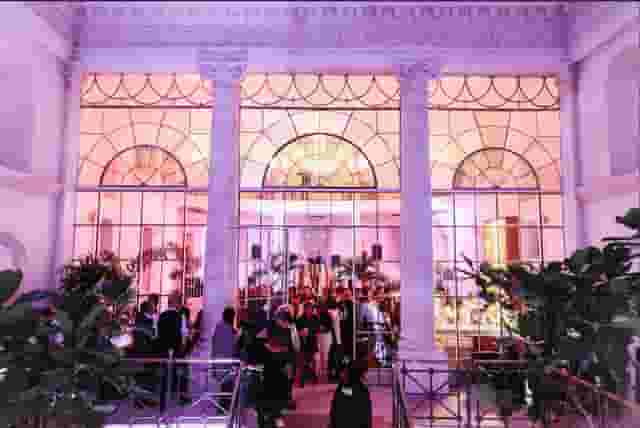
Heritage glasshouses, such as the tropical glasshouse at the Barbican Centre in the City, offer living architecture. Holding up to 100 guests standing among 1,500 species of tropical plants and fish, it gives guests an immersive environment that requires almost no decorative dressing. Spaces like this work exceptionally well for standing drinks receptions and networking evenings where conversation is the primary goal. However, historic structures often come with heritage protections, meaning you cannot fix branding to structural ironwork, bring in heavy production rigs or cook over open flames inside the glass walls.
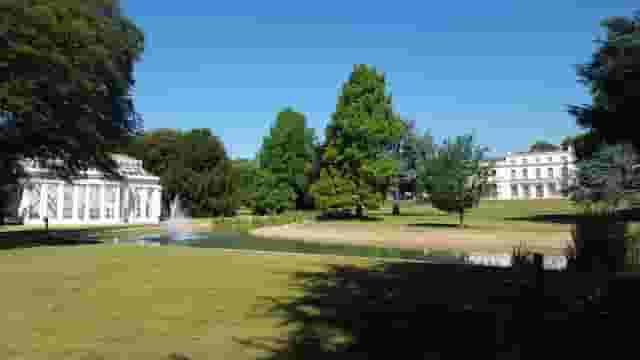
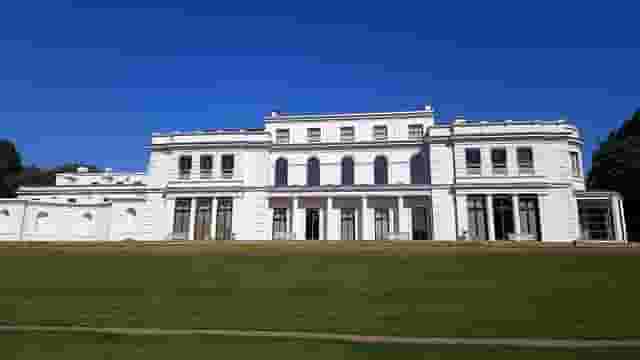
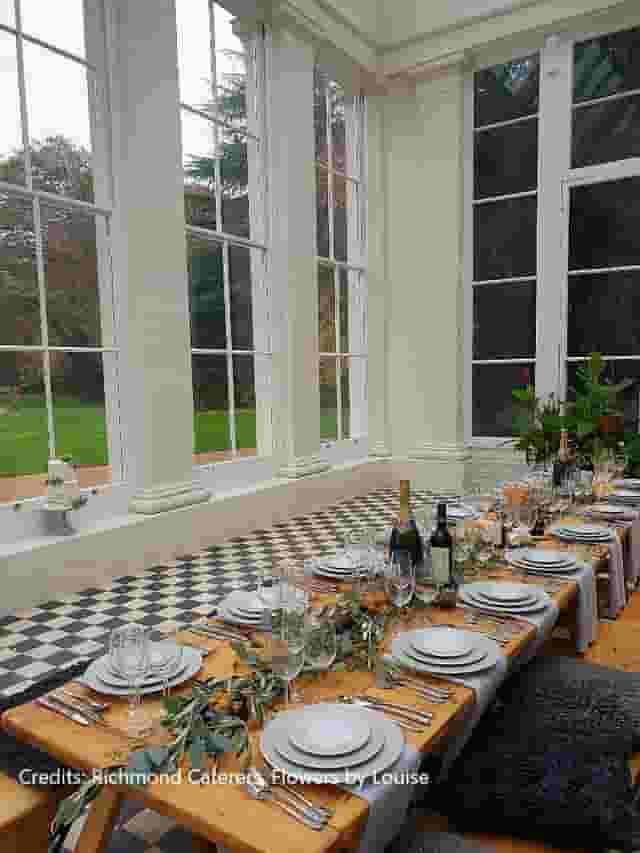
Purpose-built orangeries and garden glasshouses offer greater operational flexibility. At Gunnersbury Park in West London, the glass Orangery forms part of an estate that can host up to 250 guests for a reception alongside its Regency house and grounds. These standalone garden structures give you the daylight and garden sightlines of a conservatory while providing level load-in access, purpose-built service points and dedicated power for event production.
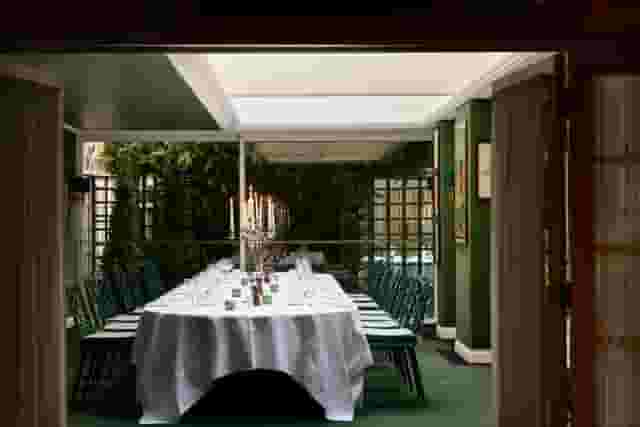
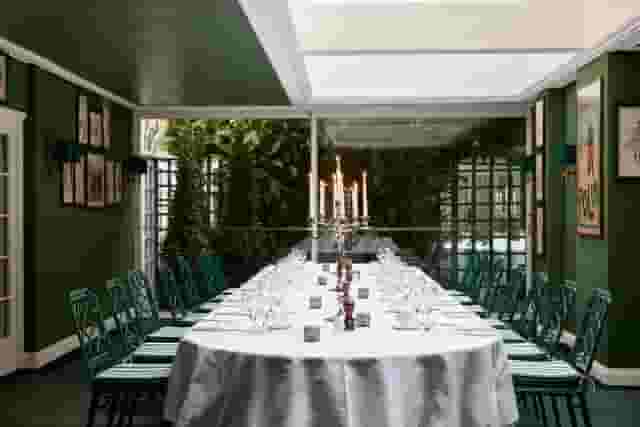
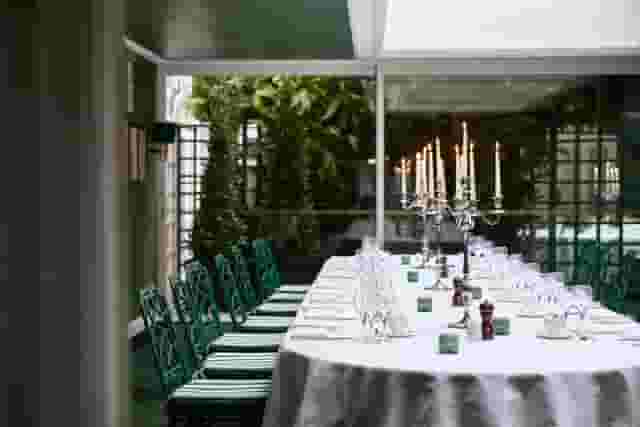
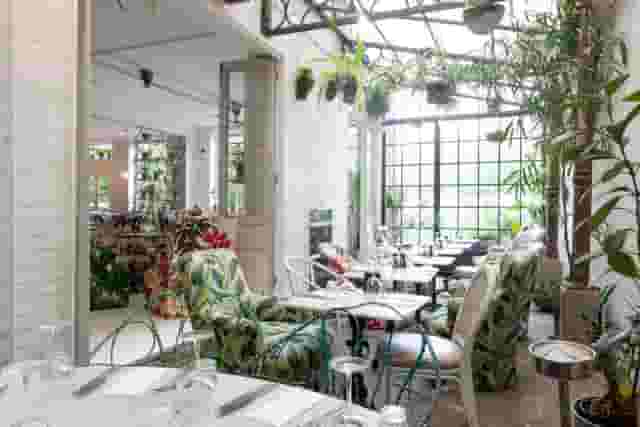
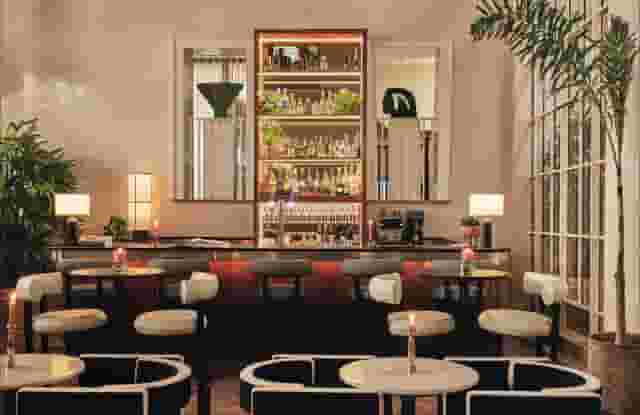
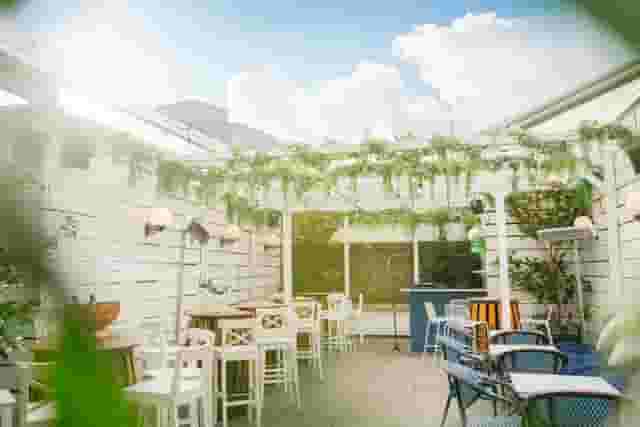
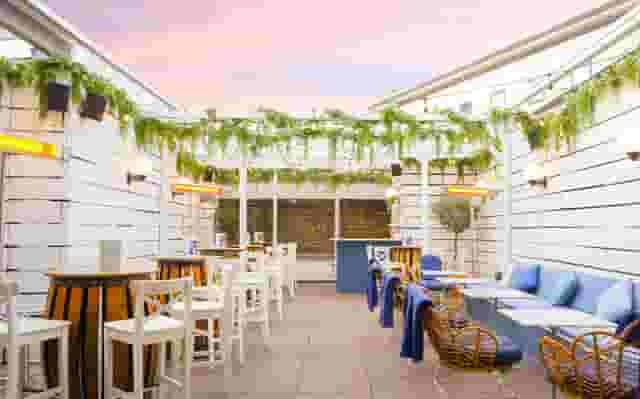
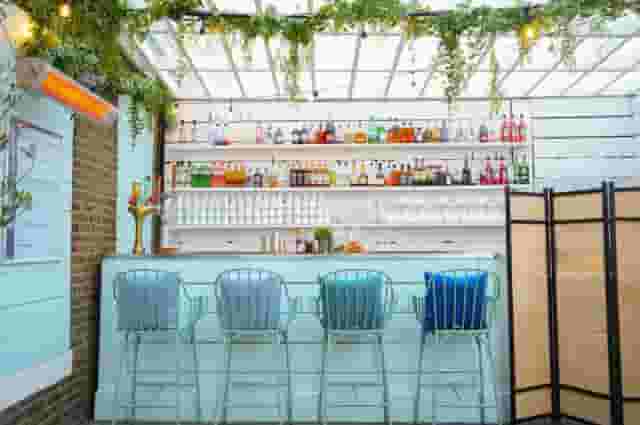
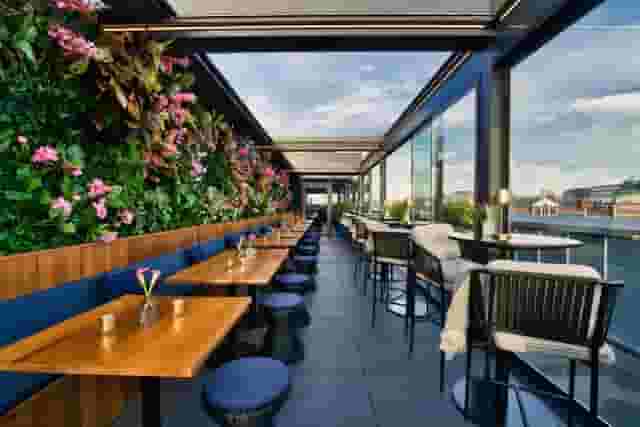
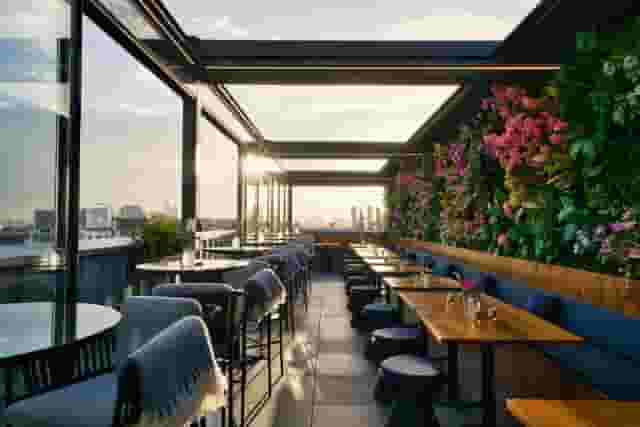
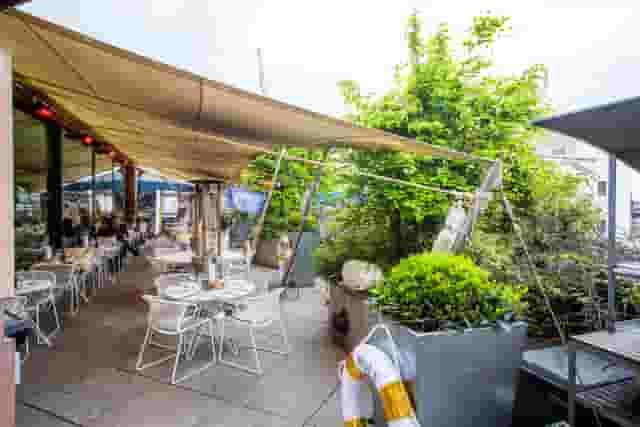
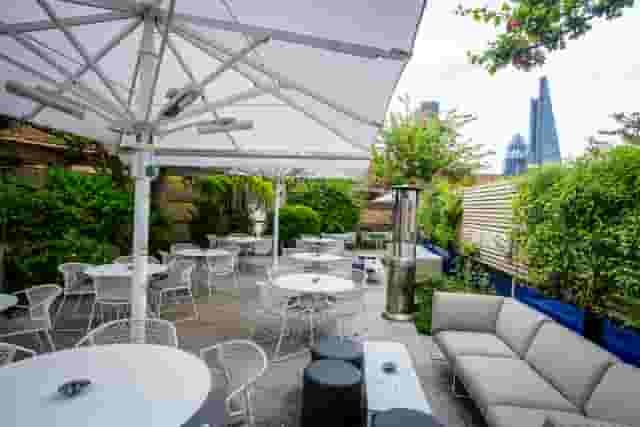
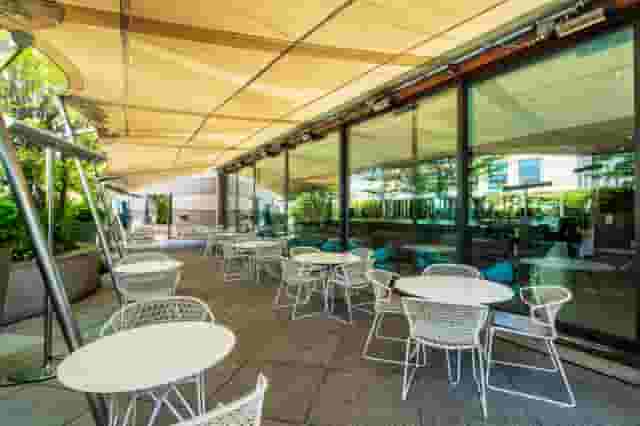
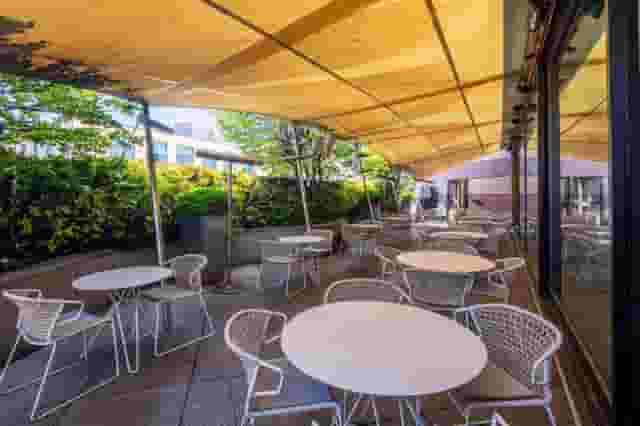
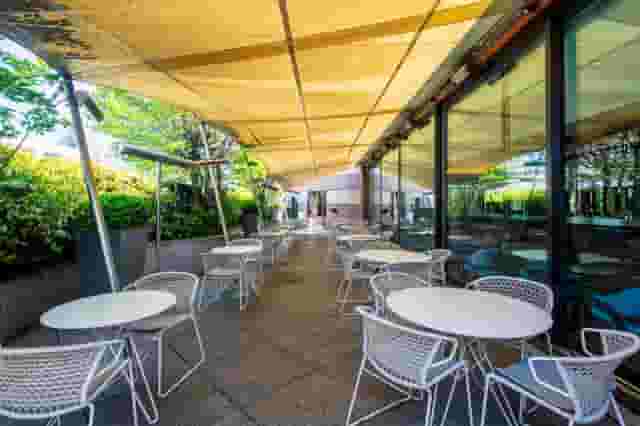
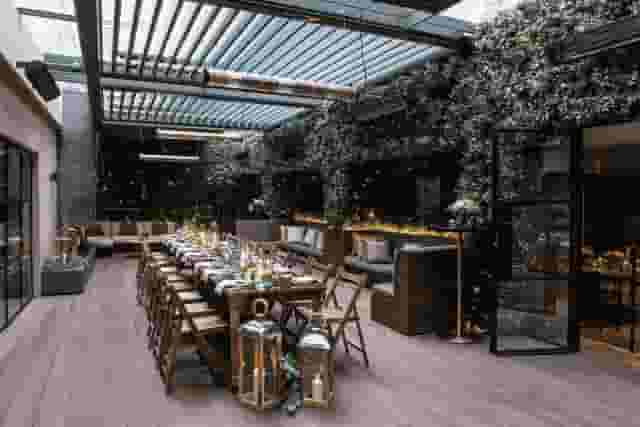
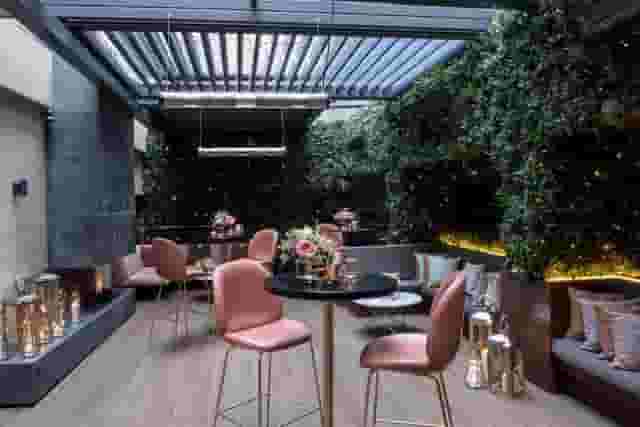
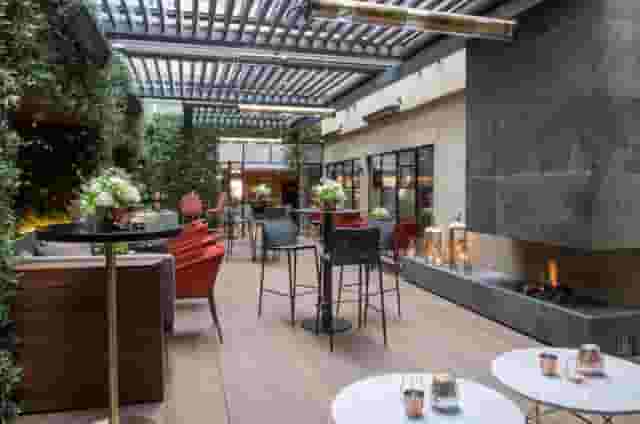
Hospitality terraces provide a third route. Spaces like Dalloway Terrace in Bloomsbury, which takes up to 90 guests standing, blend the foliage and light of an orangery with the built-in kitchens and cocktail bars of a luxury hotel. These are built for year-round entertaining, using retractable canopies, integrated heating and integrated sound systems that remove the need for external production hire.
Managing daylight, temperature and acoustics under glass
Glass structures react sharply to the weather. If you are organising an event between May and September, heat gain is your primary consideration. Direct sunlight through overhead panes can turn a conservatory into a greenhouse within an hour. When visiting potential venues, ask specific questions about environmental management:
- Does the glass have solar tinting or mechanical roof blinds?
- Are there automated louvres or roof vents to keep air moving?
- Is there commercial air cooling, or does the space rely on opening doors?
- What is the backup heating setup if temperatures drop sharply after sunset?
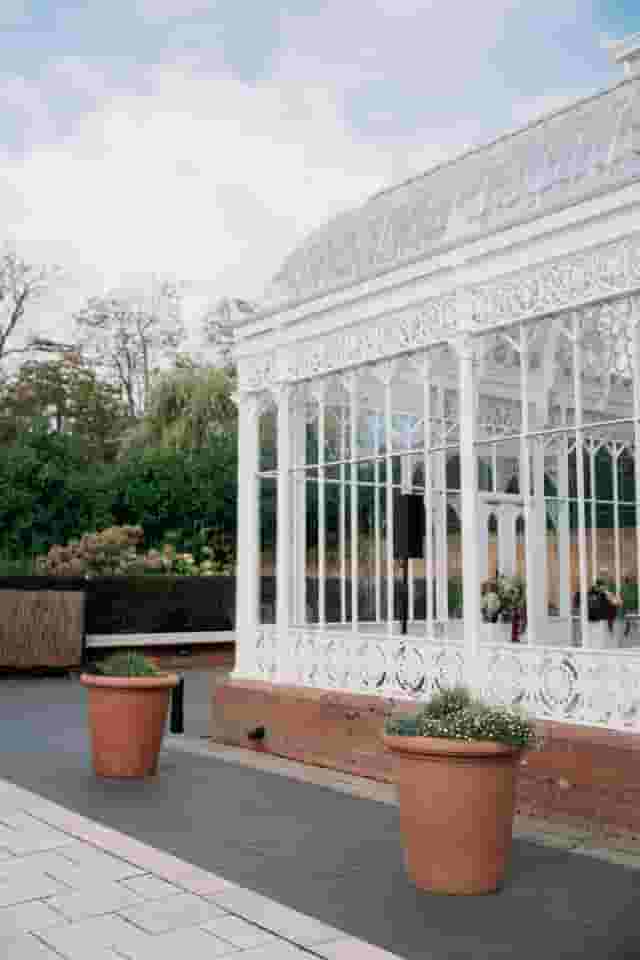
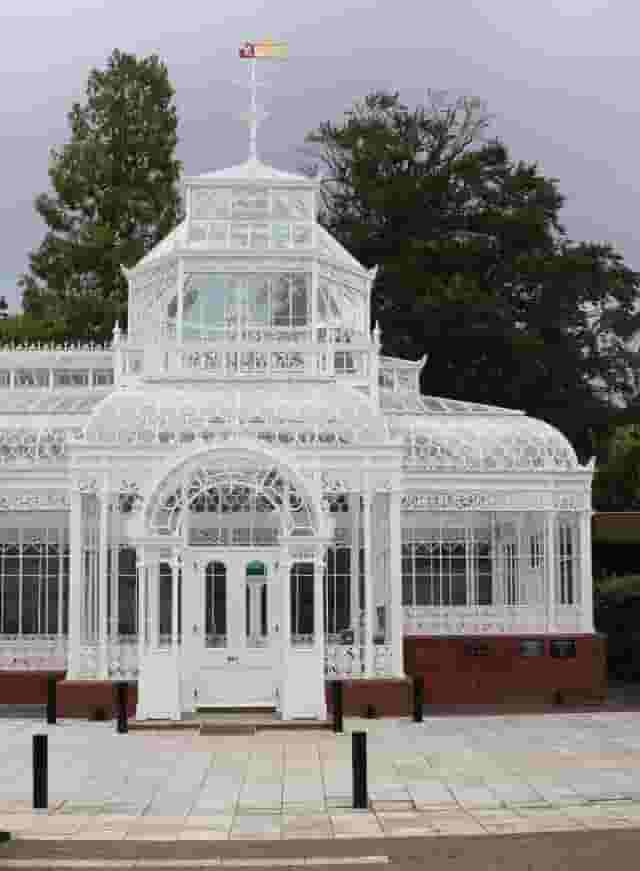
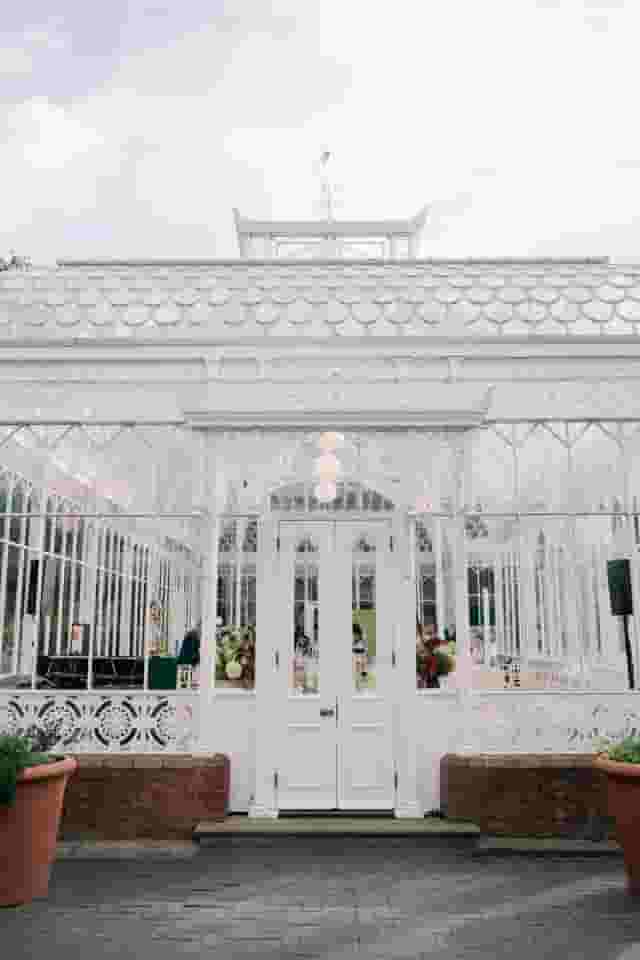
A venue like the Victorian conservatory at the Horniman Museum and Gardens in Forest Hill, which accommodates up to 120 guests for a buffet, offers a striking historic setting within scenic grounds. Because historic structures feature high vaulted ceilings and vast surface areas of single-glazed glass, their internal temperature tracks the outside air closely. For winter events, you must verify when the underfloor or perimeter heating is switched on prior to guest arrival. It can take several hours to bring a large glass volume up to comfortable room temperature.
Daylight also affects screen visibility. If your brief includes executive presentations, slide decks or product demo videos, standard hotel projectors will wash out completely under a glass roof. You have three practical options:
- Schedule all formal presentations for after dusk, treating the daytime hours as networking and drinks.
- Hire high-output LED video walls rather than projectors, which punch through ambient daylight without requiring blackouts.
- Choose a hybrid venue where the formal business takes place in an adjoining solid-walled hall, moving guests into the glasshouse for food and drinks.
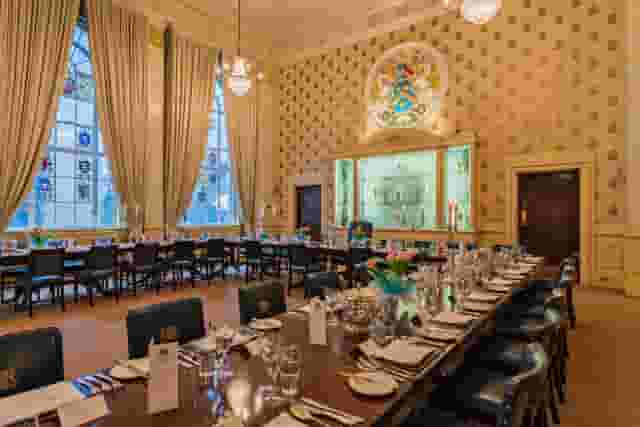
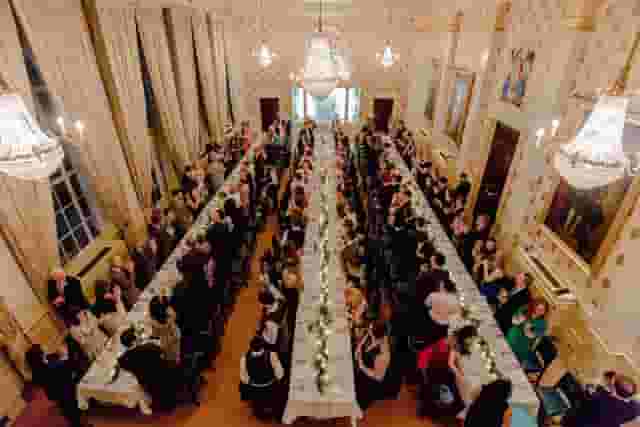
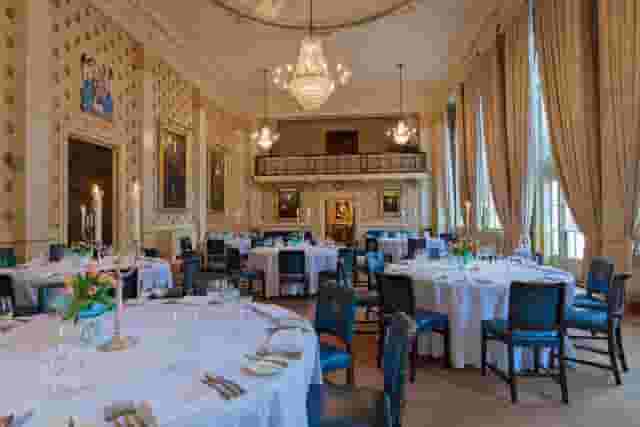
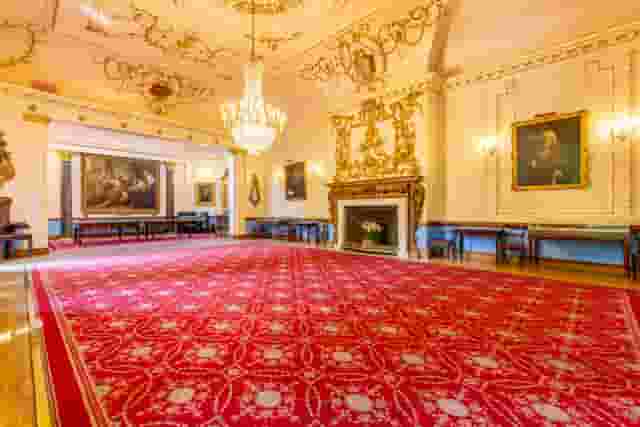
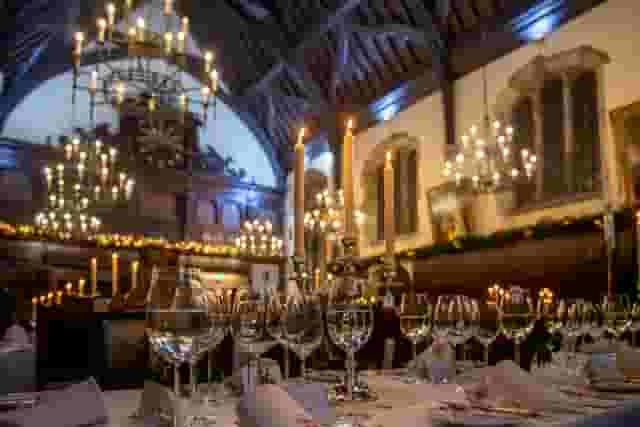
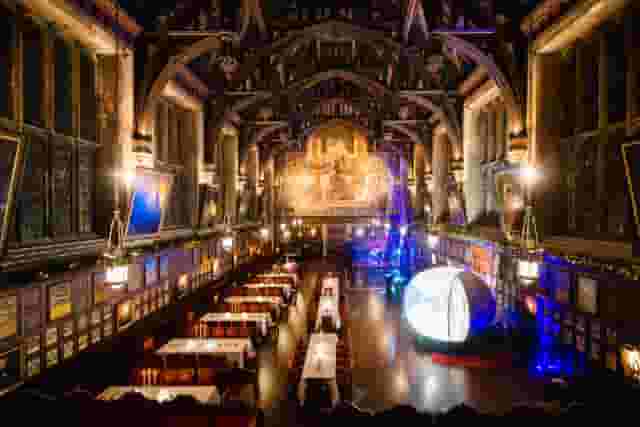
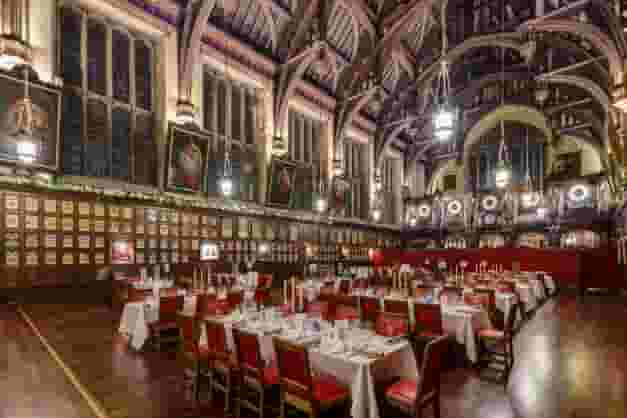
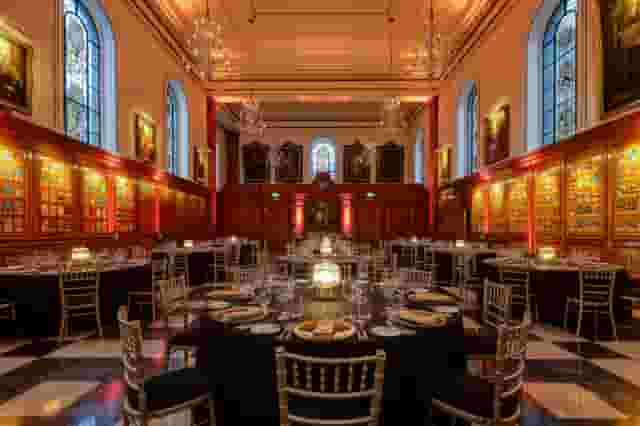
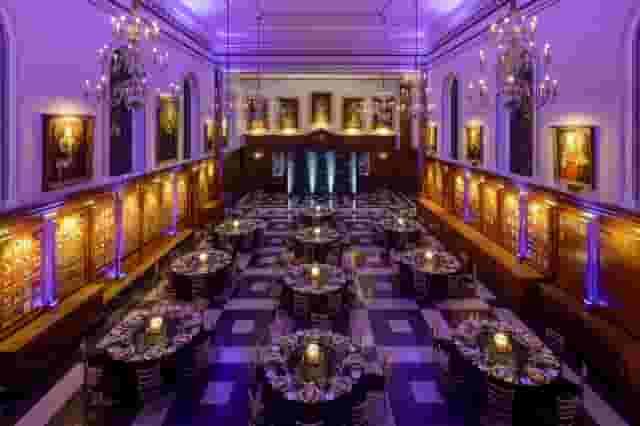
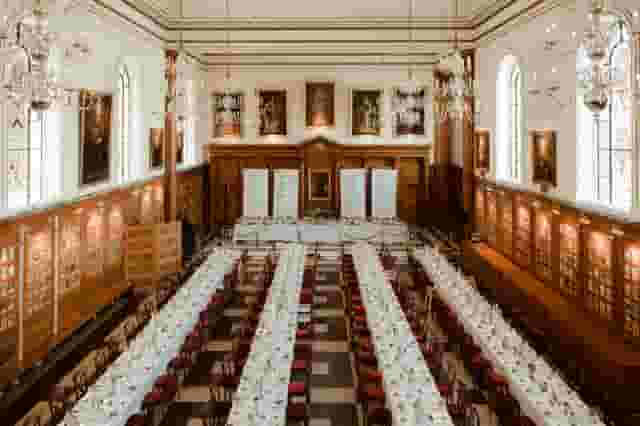
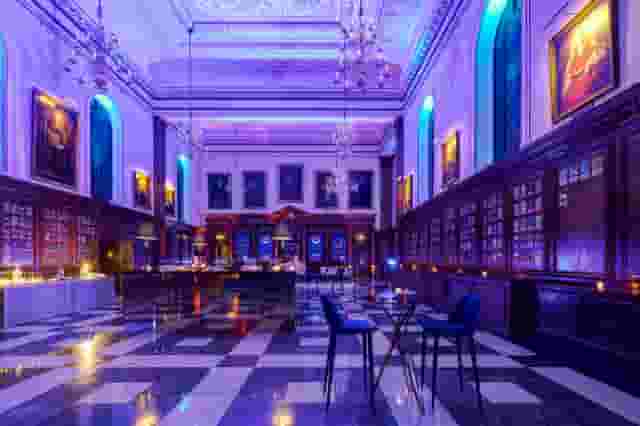
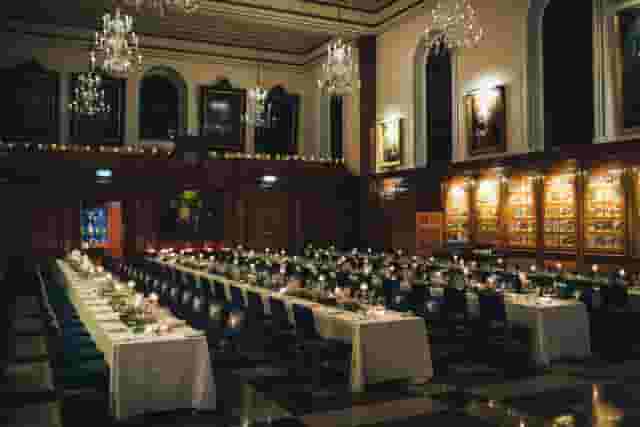
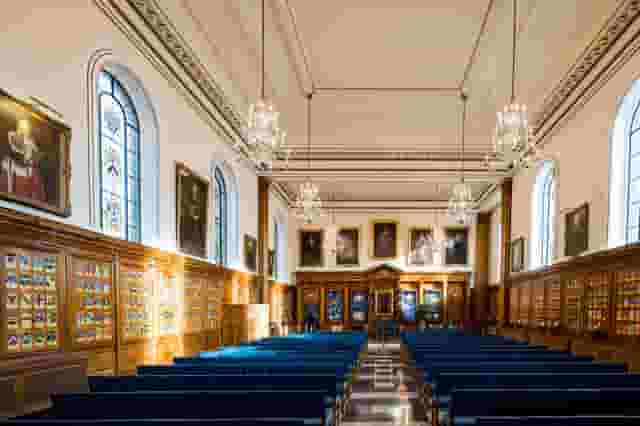
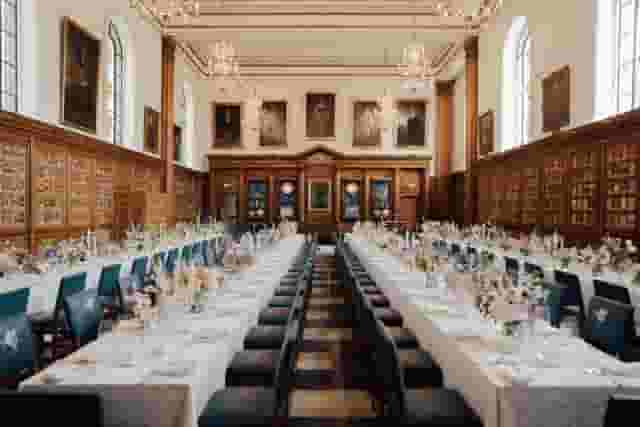
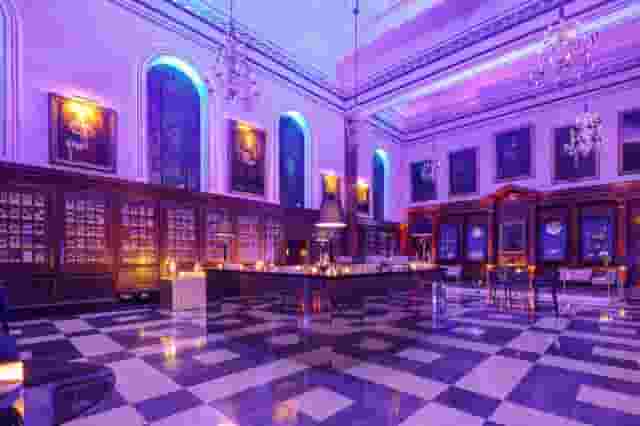
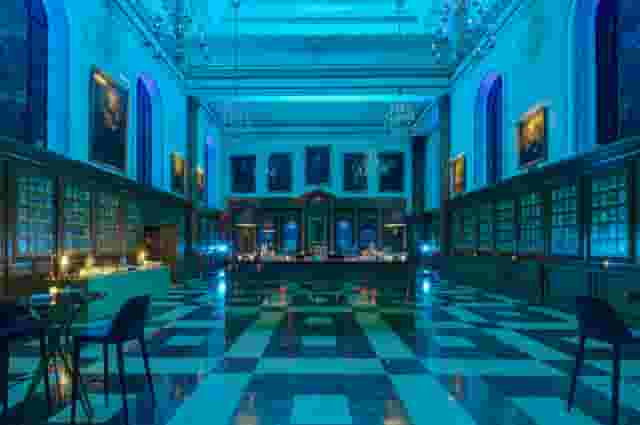
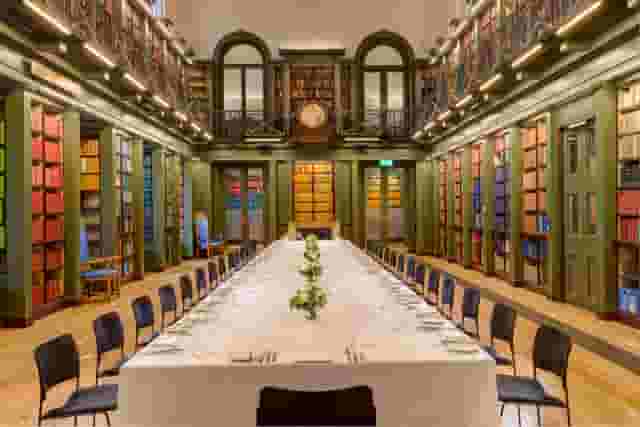
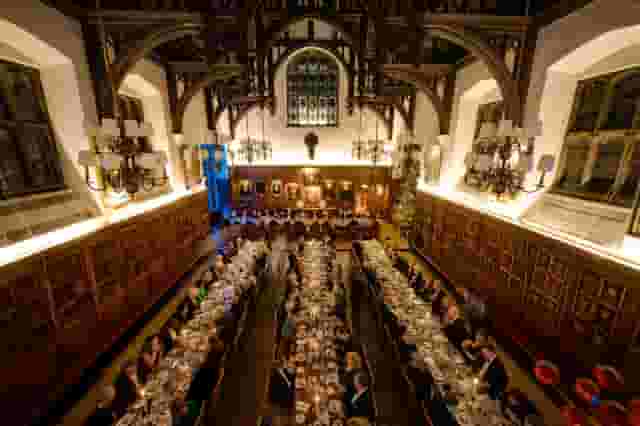
Venues with adjacent historic halls allow this split cleanly. At Stationers' Hall near St Paul's, you can manage dining for up to 200 guests across flexible rooms and then move people into the private garden. Similarly, Six Park Place, home of the Royal Over-Seas League in St James's features a Drawing Room that holds up to 120 guests for a reception, pairing classical interior architecture with direct summer garden access.
Acoustics present another challenge. Glass, stone floors and iron frames are hard, reflective surfaces. When 100 people talk simultaneously while glassware clinks, the volume rises quickly. If you plan to host speeches or live acoustic sets, test the sound system during your site visit. Directional speakers positioned low down, pointing toward the audience rather than up into the glass dome, prevent sound from bouncing uncontrollably off the ceiling.
Comparing event formats and space requirements
Conservatory layouts require more breathing room than windowless ballrooms. Thick planters, structural columns, perimeter heating pipes and internal trees eat into the usable floor area. An open room rated for 150 people might only fit 100 comfortably once you account for garden beds and pathways.
| Venue type | Best event format | Capacity limit | Operational strengths | Watch-outs to check |
|---|---|---|---|---|
| Botanical glasshouse | Standing drinks, canapés, networking | 80 to 120 standing | Distinctive natural foliage, minimal dressing required | Fragile plant collections, strict rigging limits, acoustic bounce |
| Estate orangery | Seated company dinners, summer parties | 150 to 250 reception | Elegant daylight, separate prep areas, expansive grounds | Travel times from central hubs, heating up times in winter |
| Hospitality terrace | Casual social mixers, client hospitality | 70 to 100 standing | Built-in bars, commercial kitchens, integrated heating | Partial weather exposure, shared access routes, noise curfews |
| Garden venue | Large summer gatherings, all-hands socials | 300 to 450 reception | High volume, space for entertainment and food stations | Rain contingency requirements, temporary facilities |
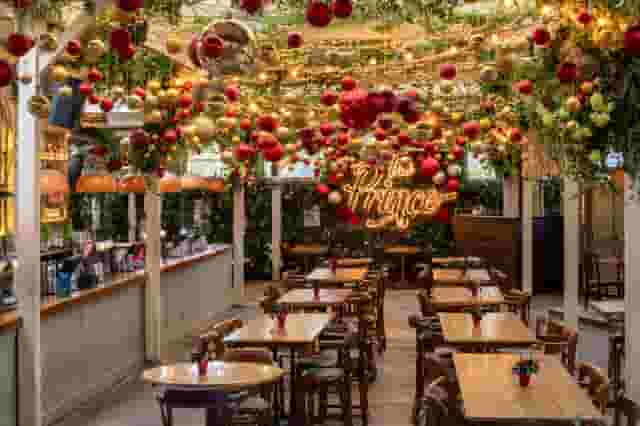
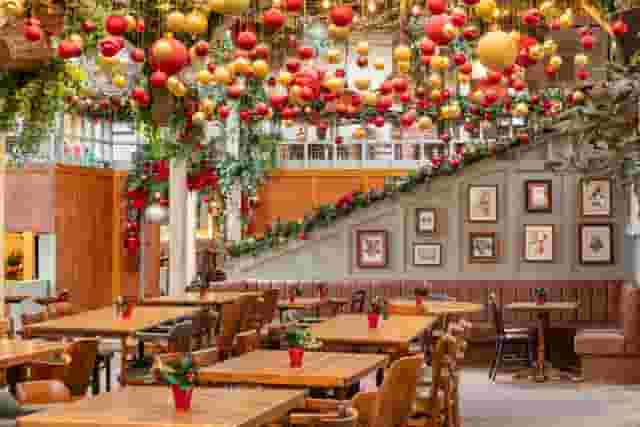
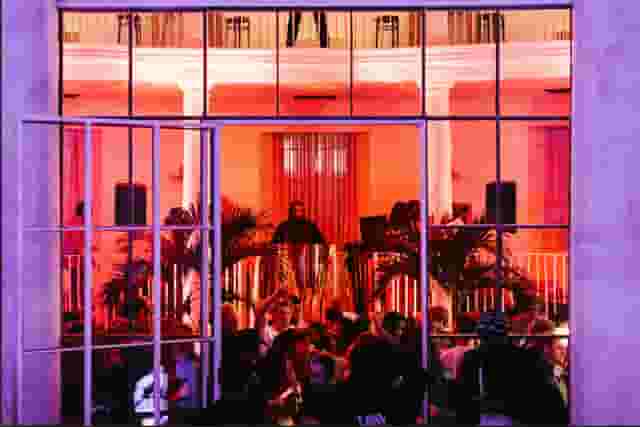
For large corporate social gatherings, high-capacity garden and glass-covered options give guests freedom to move. The Prince in West London provides a garden setting holding up to 450 guests for a reception, fitted with a private bar, DJ booth and dedicated bathrooms. Having dedicated facilities inside the private footprint keeps guests together and stops queues from spilling into public areas.
If your event leans toward sustainability or wellness, look at venues focused on horticulture and ecology. Omved Gardens in Highgate offers a serene garden and versatile glasshouse holding up to 100 guests for a reception. Spaces like this suit creative away days, leadership discussions and daytime corporate workshops where calm focus and natural light are central to the brief.
What corporate conservatory events cost
Budgeting for a conservatory venue involves looking beyond the headline room hire rate. Pricing structures across London generally fall into dry hire plus catering, a minimum spend on food and beverage, or an all-inclusive delegate package. Hire Space 360 is enterprise venue and hotel procurement for companies spending £1m or more a year on meetings and events: a managed meetings and events programme, the kind procurement teams call strategic meetings management. For organisations coordinating multiple gatherings across the year, how Hire Space 360 works for procurement shows how all venue contracts and hotel stays can sit under one supplier agreement. This gives finance teams live spend reporting and consolidated invoicing while keeping every booking aligned with company event policy.
Based on 7 quotes from the venues on this page for corporate events, indicative pricing typically falls between £115 to £230 per head. This estimate assumes a gathering of about 50 guests. The figure is indicative, based on what these venues have charged for similar events, rather than a fixed rate.
Where an event sits inside this £115 to £230 per head range depends heavily on the operational model of the space:
Toward the £115 end of the range
At the lower end of the band, venues generally operate on an existing hospitality model with on-site kitchens and standard bar setups. A mid-week reception serving house wines, local beers and a selection of six to eight bowl-food items or canapés fits into this territory. These spaces already have tables, bar staff, basic lighting and glassware on site. Because you are not paying to build infrastructure from scratch, your budget goes straight to food and drink.
Toward the £230 end of the range
Reaching the top end of the band is common in historic or civic conservatories that require an approved list of external caterers. Here, the venue hire fee is separate from the catering spend. The per-head cost rises because the external caterer must bring in mobile prep kitchens, hot-holding equipment, linen, specialist glassware and dedicated service staff. This end of the range also covers premium food menus, such as three-course seated dinners with fine wine pairings, extended open bars lasting four to five hours, and enhanced floral or lighting packages tailored to the building.
Hidden costs to watch under glass
When evaluating proposals, look closely at line items that conventional venues rarely charge for:
- Kitchen build fees. If the glasshouse does not have an attached catering kitchen, your caterer will need a prep tent or service corridor. This requires hiring mobile ovens, prep tables, hand-wash stations and dedicated power supplies.
- Specialist lighting. Conservatories look magnificent while the sun is out, but as dusk falls, unlit glass becomes a black mirror. Uplighting on specimen plants, foliage pin-spots and discreet warm floor lighting are essential to keep the room welcoming after dark.
- Waste management and water. Heritage conservatories and parkland glasshouses may lack high-volume drainage or refuse areas near the event floor. Caterers must pack down and transport all food waste off site, which incurs an additional staffing charge.
- Security and plant wardens. Venues housing rare or delicate botanical collections often mandate specialist invigilators or security guards to ensure guests keep to the pathways and protect the plant beds.
Planning logistics, access and guest travel
The journey to and from the venue sets the tone for the entire event. Central London options benefit from high-density Underground connections, making them easy for teams working across the City or West End. Venues in the Square Mile, Bloomsbury and Westminster allow attendees to arrive via multiple Tube lines or on foot from central offices.
If you choose an outer-borough setting for its wider gardens or historic architecture, travel logistics become an active part of your plan. A venue in Forest Hill, Highgate or West London offers an escape from the city streets, but guests leaving at 11pm need clear transport guidance:
- Check the walking distance and lighting along the route to the nearest railway or Tube station.
- Designate an exact mini-cab and taxi drop-off point with clear signage. Many historic parks close their vehicle gates at dusk, meaning cars cannot pull up to the door.
- If the walk to public transport involves unpaved park paths or dark avenues, factor private shuttle buses back to a central transport hub into your budget.
Load-in access is equally critical for suppliers. Conservatories rarely feature underground service bays or direct freight lifts. Instead, production crews, florists and caterers often have to wheel flight cases across lawns, gravel drives or narrow flagstone corridors. Check whether the venue requires protective boards on lawns during load-in, and confirm how many hours of supplier access are included before your guest arrival time. In a conservatory with public daytime visitors, supplier setup might not be permitted until the museum or gardens close to the public, leaving a tight window of two hours to prep the entire room.
Structuring the evening timeline
A successful corporate event in a glasshouse works with the shifting light rather than fighting it. A standard three-stage timeline helps keep energy levels high from arrival through to carriages.
| Time | Stage | What happens |
|---|---|---|
| 18:00 - 19:15 | Arrival and daylight drinks | Guests arrive while daylight fills the space. Keep food service light with passed canapés. Background acoustic music or ambient sound suits the open atmosphere while colleagues connect. |
| 19:15 - 19:30 | Welcome remarks and announcements | Schedule speeches right as the light begins to change. Keep presentations brief (no longer than 15 minutes) and position speakers so the natural architectural backdrop works for them, avoiding direct backlight from low evening sun. |
| 19:30 - 21:30 | Food service and dusk lighting | Transition to bowl food stations or a seated dinner. Bring up interior architectural uplighting on structural beams and trees to replace the fading daylight. |
| 21:30 - 23:00 | Evening reception and bar service | Lower general lighting, focus accent lights on the bar and social areas, and transition music to a livelier evening tempo. Ensure staff serve coffee and desserts from central stations to keep guests circulating. |
By matching your timeline to the natural movement of light, choosing an appropriate catering setup and confirming environmental controls in advance, a conservatory venue delivers an event that feels distinct, memorable and connected to its surroundings.
What our customers say
Inspiration and planning guides

6 Networking Venues That'll Seal the Deal
Networking is a key tool in today's competitive business world: it's often a necessary activity when trying to secure the right contacts, gain new employment or generally advance professionally. But in order to successfully rub elbows, you'll need an inspiring venue – such as one of these slick spaces. 1. Lee Valley VeloPark [https://hirespace.com/Spaces/London/107652/Lee-Valley-VeloPark/Velodrome-Track-Centre/Business] Stratford Few venues can claim to have been a part of the 2012 London Ol
6 Stunning London Wedding Venues for 2026
Planning a 2026 wedding? Discover 6 stunning London wedding venues, handpicked by Hire Space. From iconic landmarks to hidden gems, compare styles, capacities and locations, and enquire direct with our venue experts to secure the perfect backdrop for your big day.

Unique Venue of the Month: Madame Tussauds
Legendary Madame Tussauds really needs no introduction, so we could pretty much just end this blog right here. But the home of wax figures has such a rich history that we'd be remiss not to share it. The wax-centric museums are now dotted around the world – there are branches in Beijing, Tokyo, Sydney, San Francisco and Orlando – but the experience grew from humble beginnings. The Madame herself – born as Marie Grosholtz – sculpted her first wax figure of Voltaire in 1777, but it was still a
One supplier. Every venue. Full visibility on what you spend.
Multiple venues and events. One agreement.