Best Wedding Venues for Hire in London
Compare top London reception spaces with verified capacities, room layouts and straightforward pricing for dinner and dancing.
840 Best Wedding Venues for Hire in London





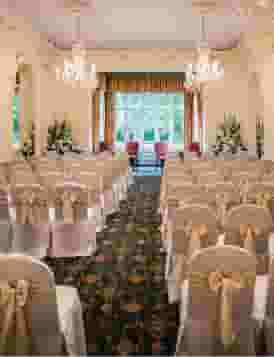
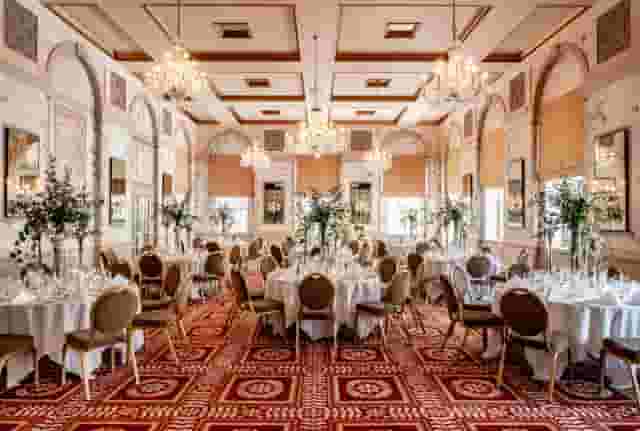
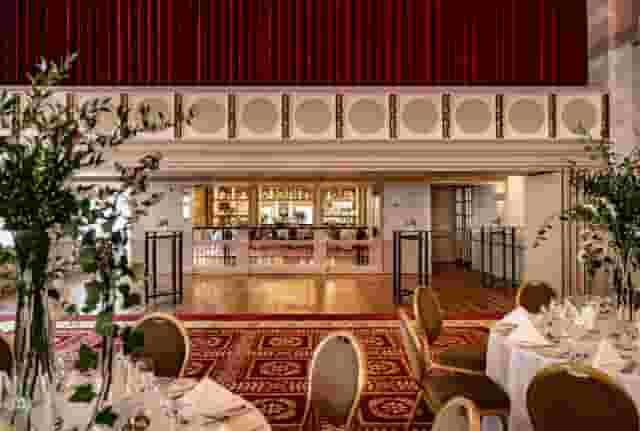
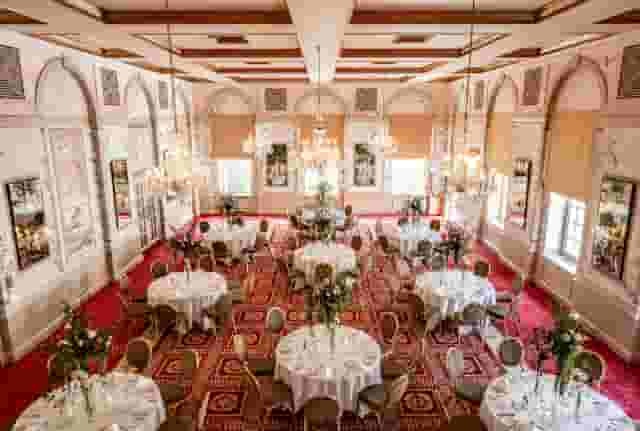
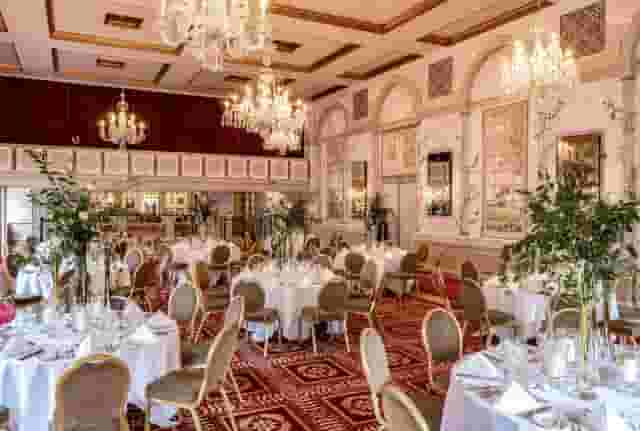
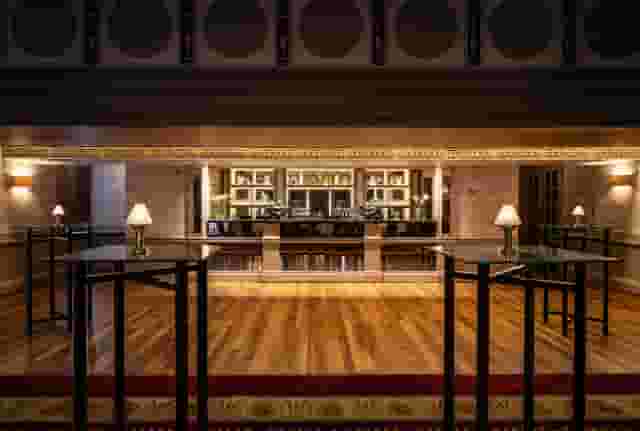
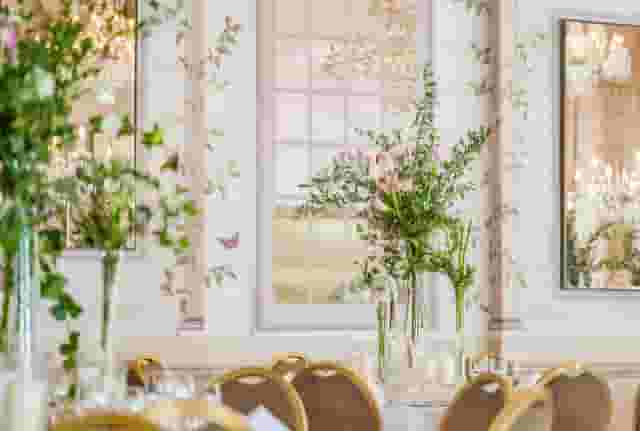
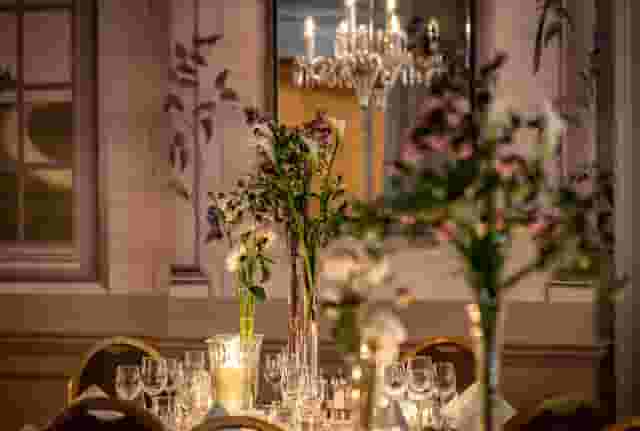







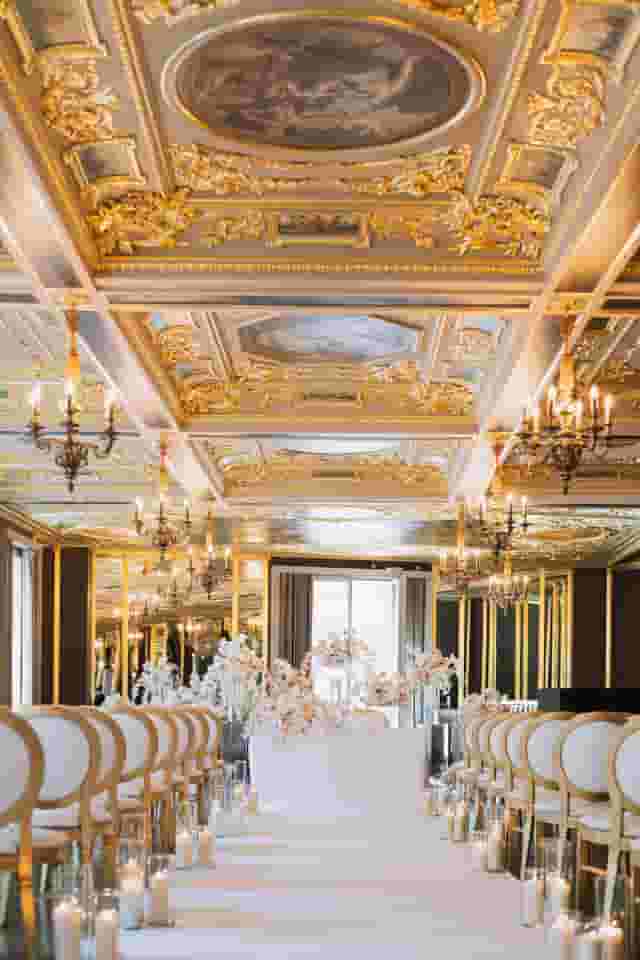

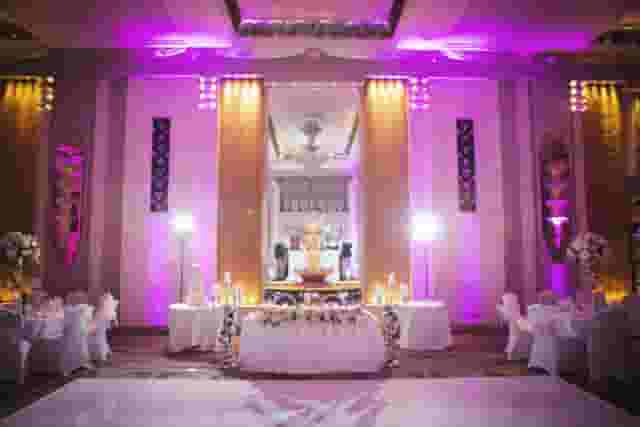
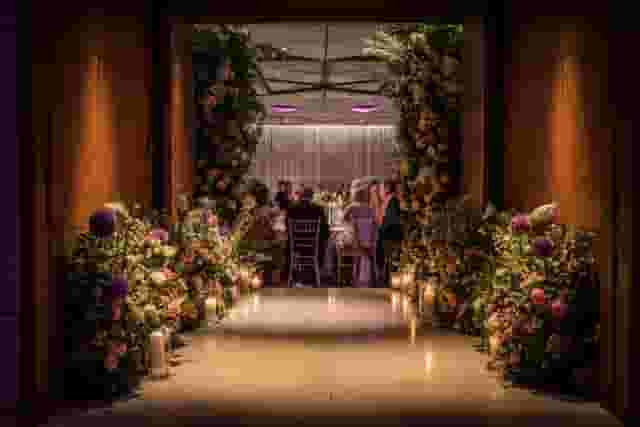
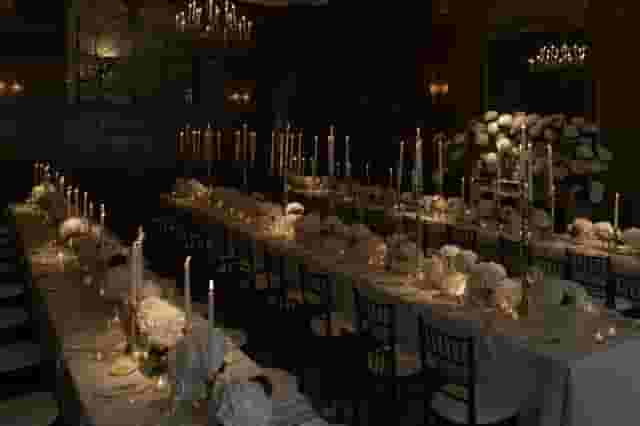











































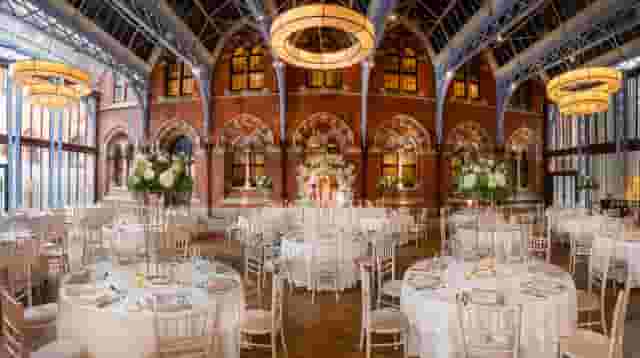
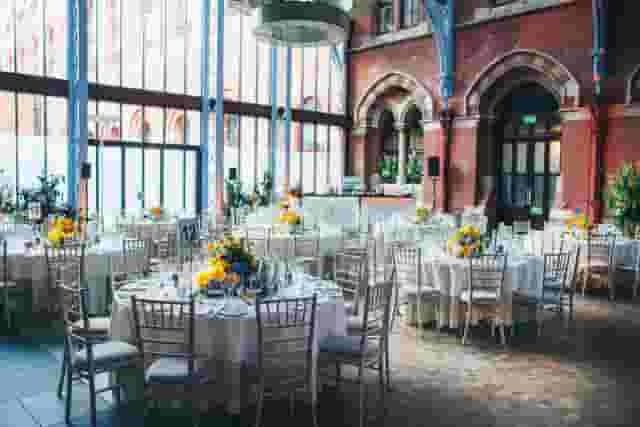
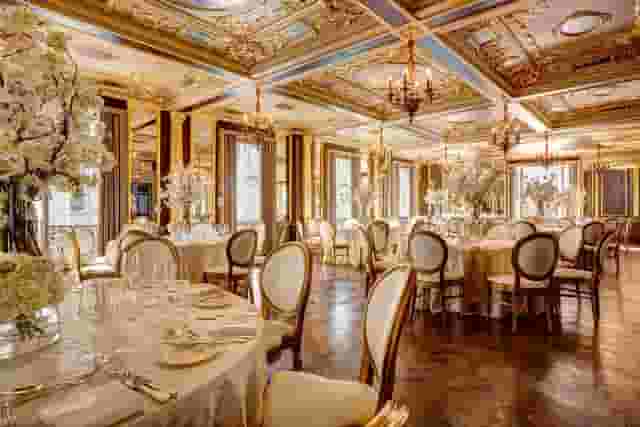
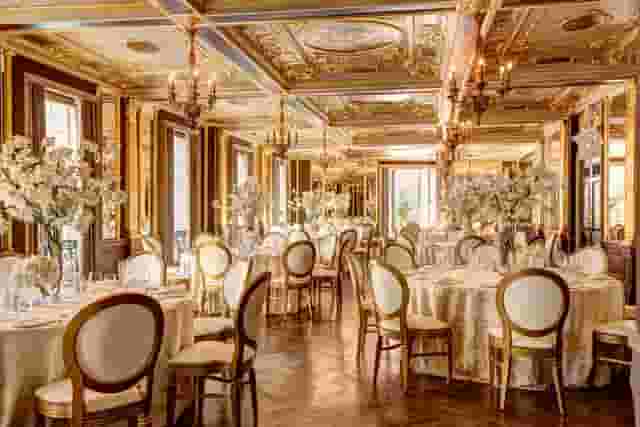
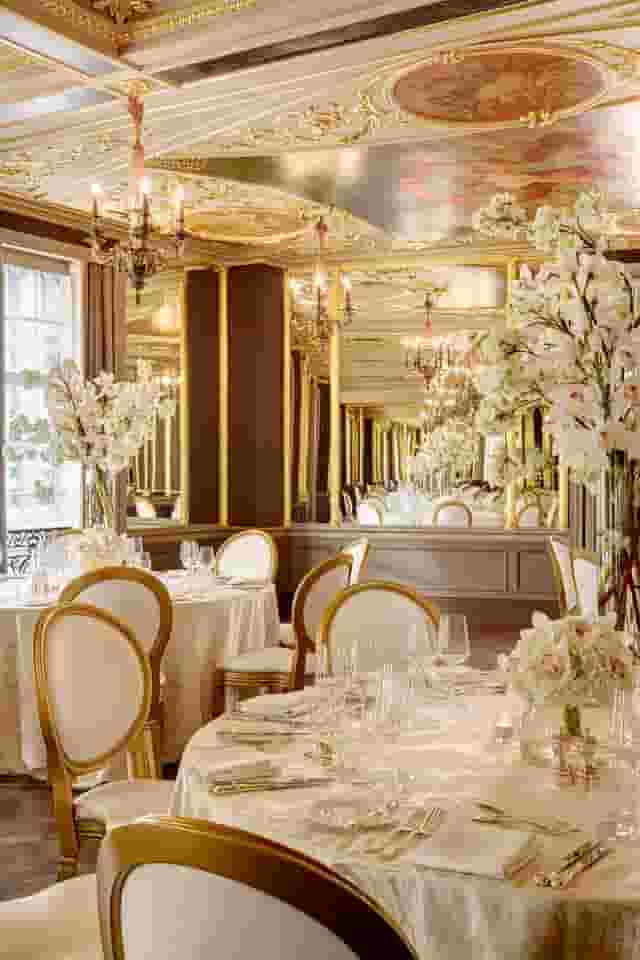
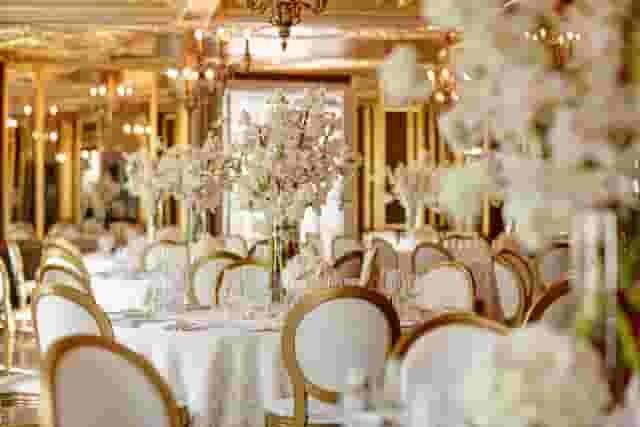
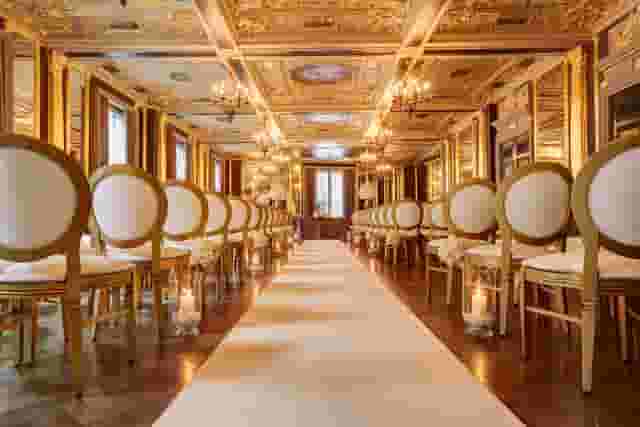
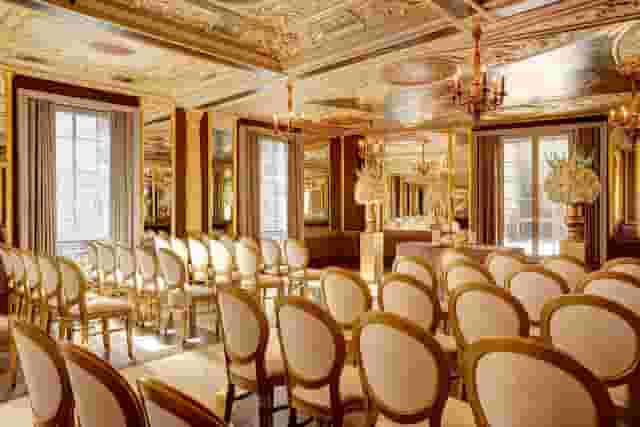
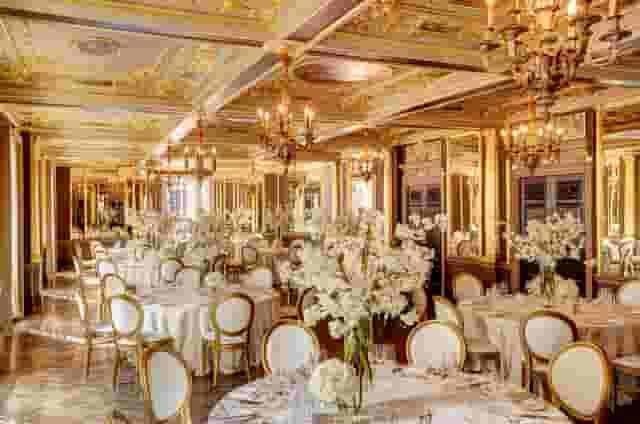
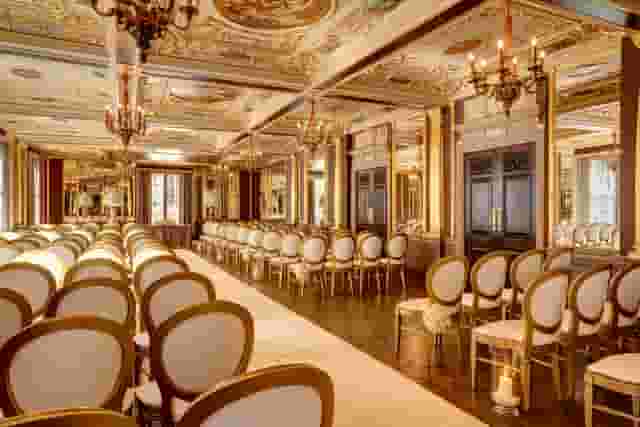
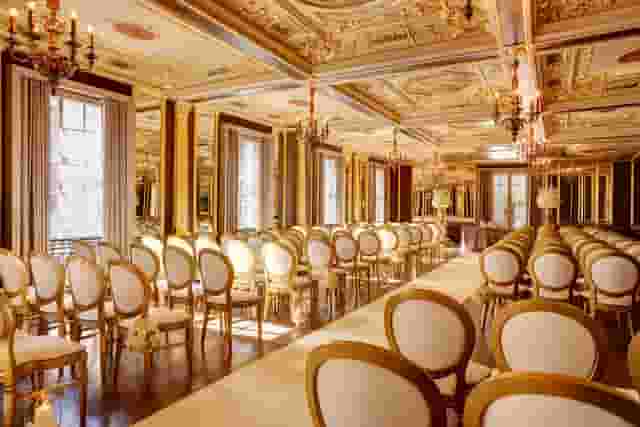
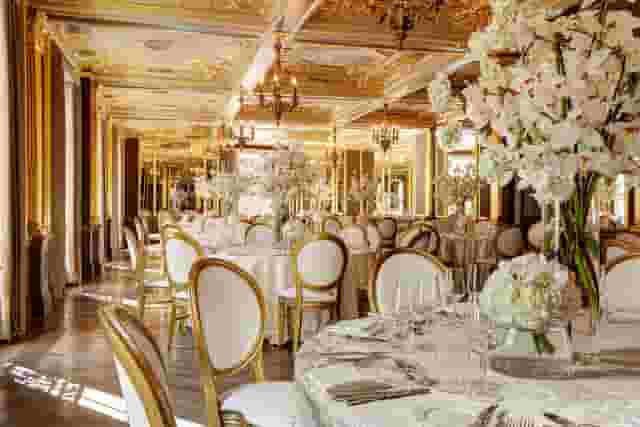




































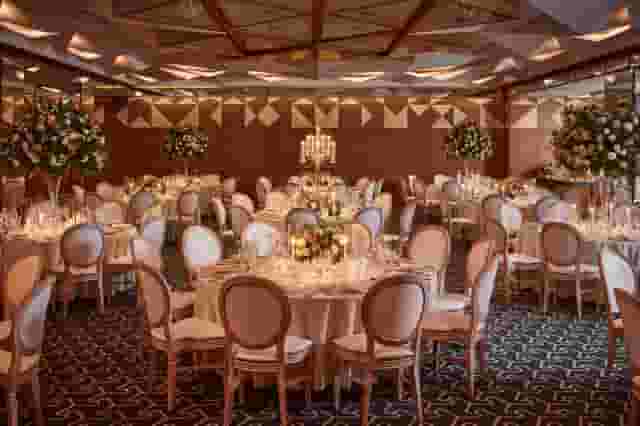
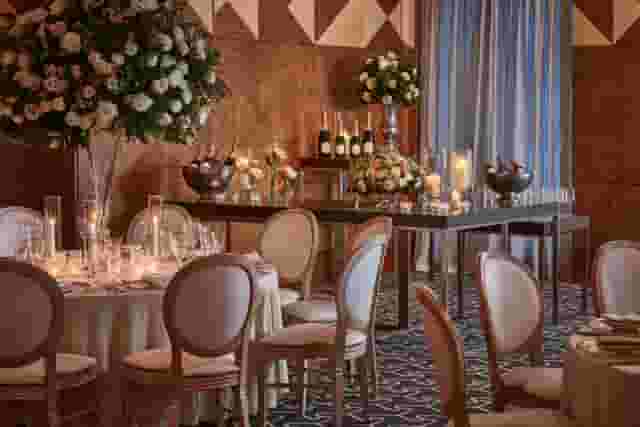
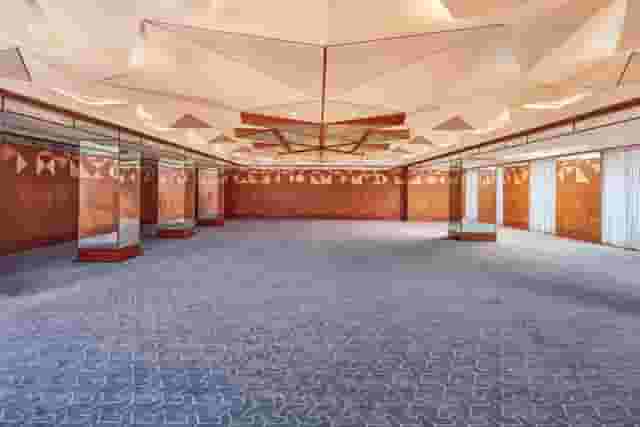
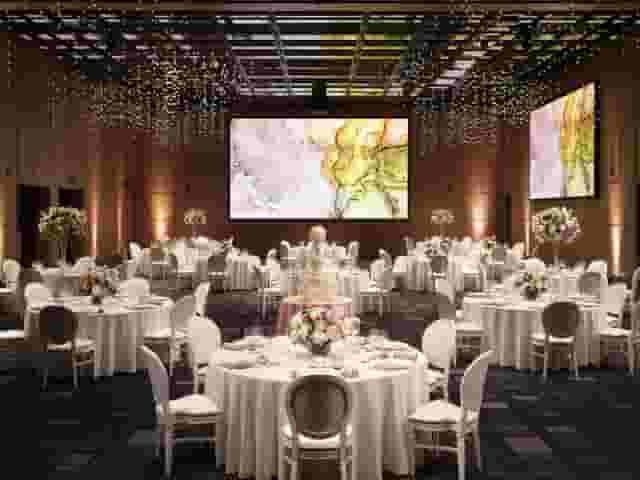







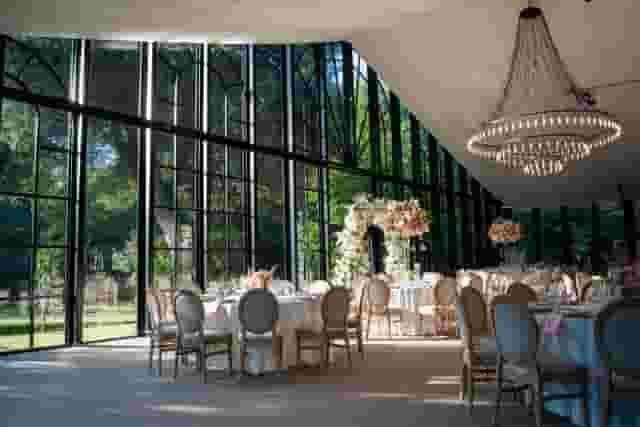

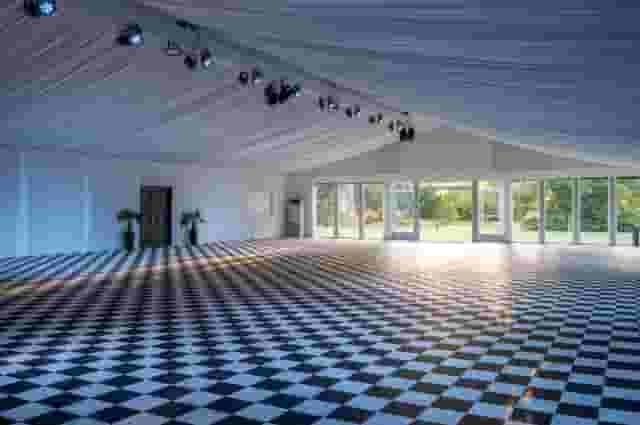
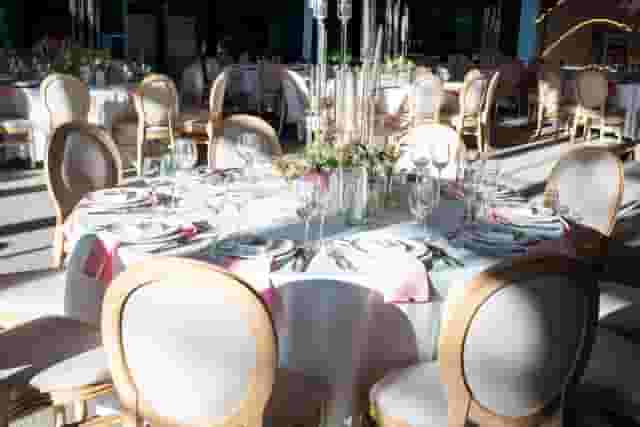
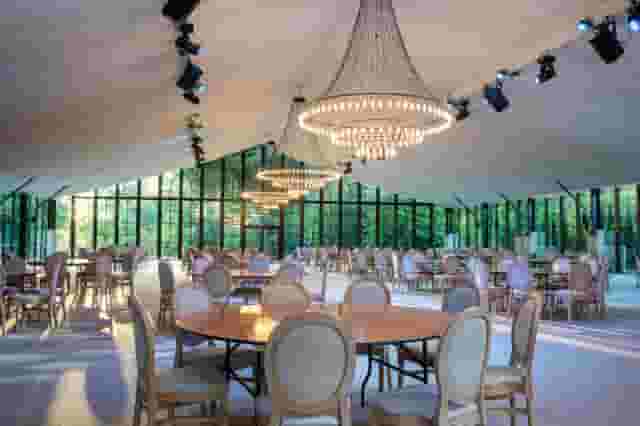
























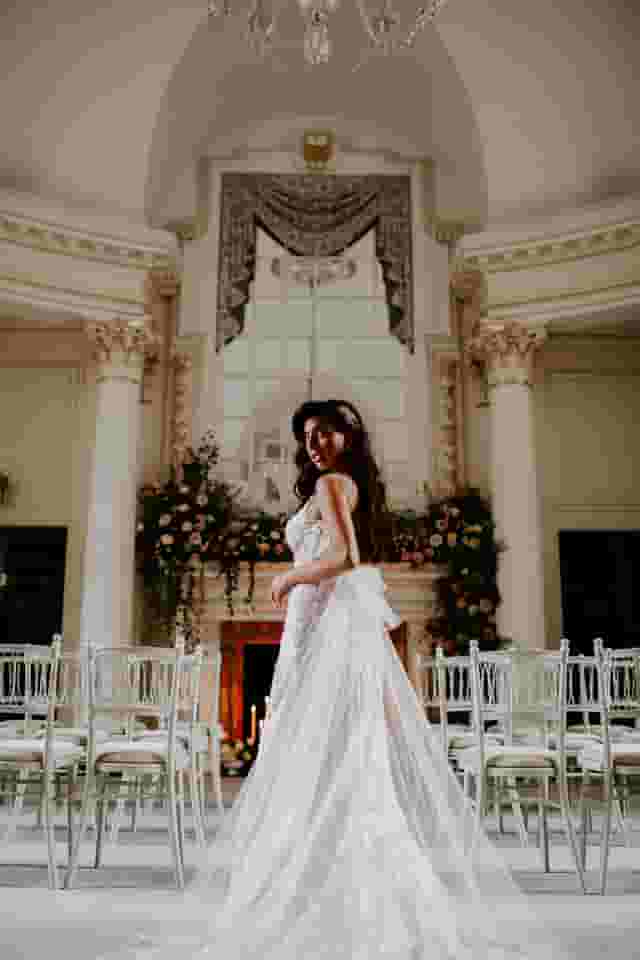
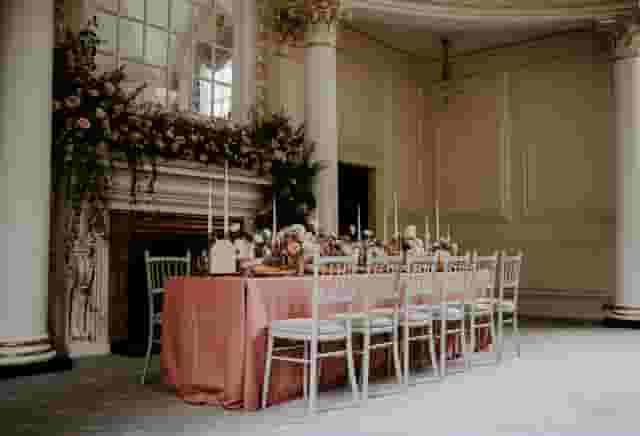

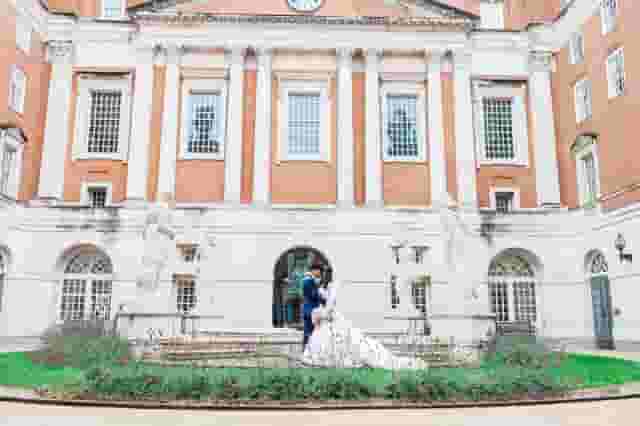
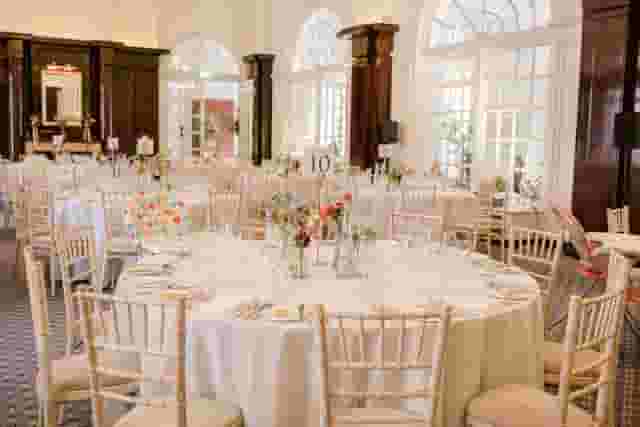





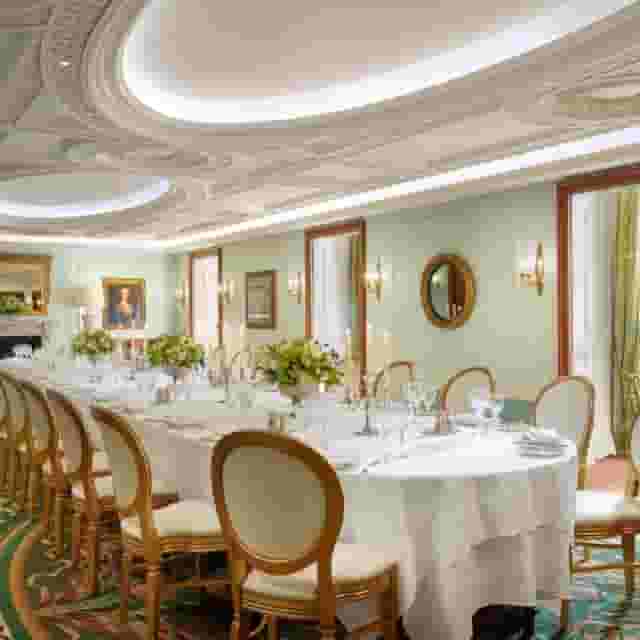
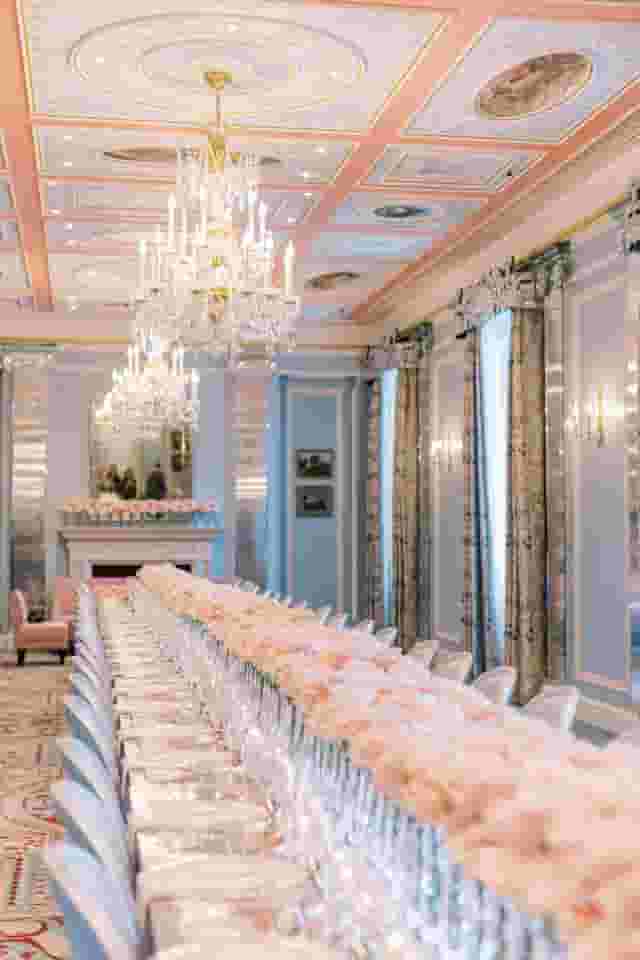
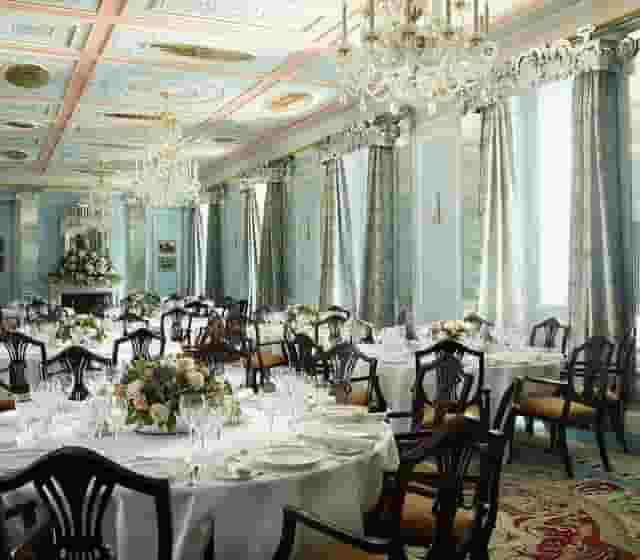
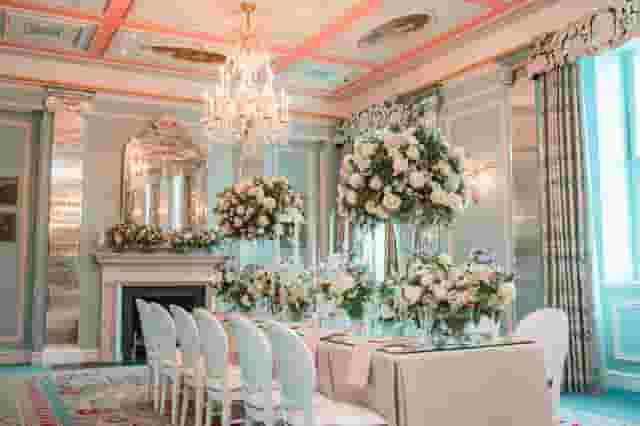


















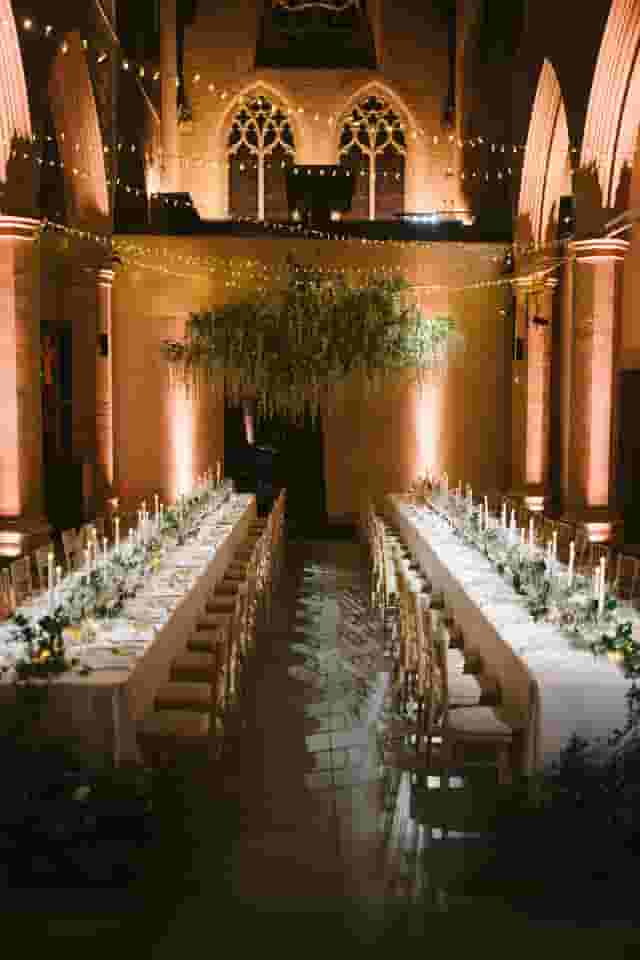
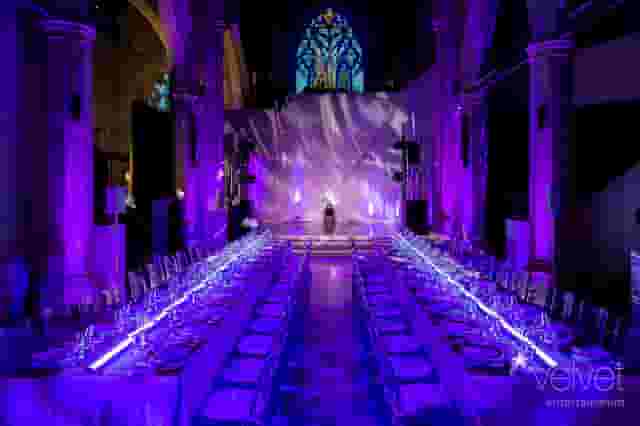
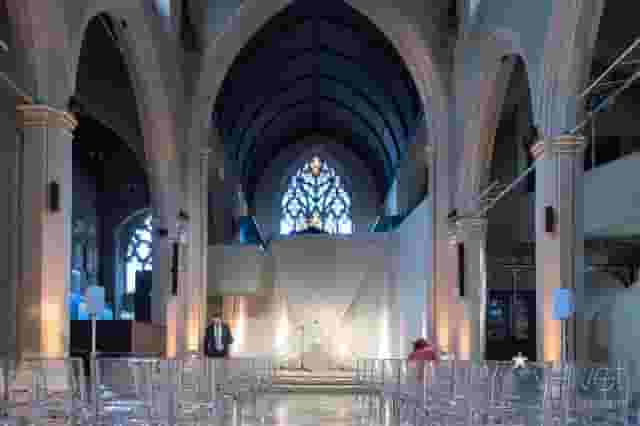
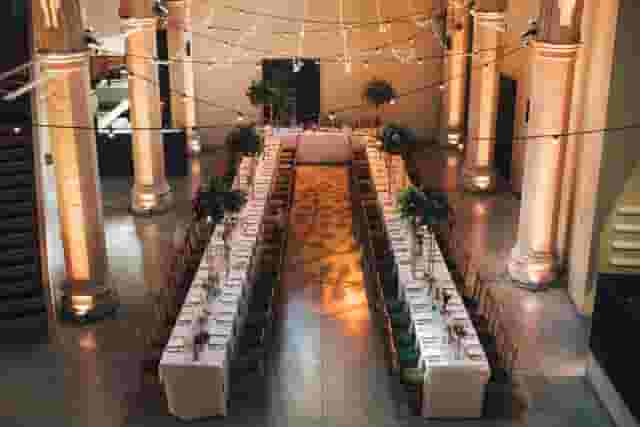

















No venues match these filters
Try widening your capacity, luxury level or event type.
Don't have time to search? We'll find it for you.
For business events that need human judgement, talk to our team. Free for events of 100+ people, budgets over £10k or ongoing programmes.




Explore more venues in London






Frequently asked questions
How can I ensure guest comfort at a London wedding?
How do I find a unique London wedding venue?
What makes a London venue ideal for weddings?
What is the price range for top London wedding venues?
What should I consider for outdoor weddings in London?
Other platforms search their database. We search everything.
Tell us what you need. Our deep research finds any venue, whether it's in our marketplace or not. No one else does this.
About Wedding in London
Structuring the reception: moving from drinks to dinner and dancing
A complete wedding reception relies on momentum. When an event brings guests together for arrival drinks, a seated dinner and several hours of evening dancing, the transition between those three phases dictates how relaxed the celebration feels. If the physical layout forces people to wait in cramped foyers while staff drag furniture across a dining room, energy drops. Choosing a venue that accommodates each stage of the evening without awkward pauses is the foundation of a successful wedding.
The primary logistical challenge in central London weddings is the room turnaround, commonly known as the room flip. In a single-room venue where dining tables occupy the main floor, the catering team must clear plates, fold down banquet tables and erect a dance floor before the evening band or DJ can begin. If there is no dedicated secondary room, guests end up standing in hallways, cloakroom queues or stairwells for forty-five minutes. When evaluating a floor plan, always look for spaces that allow distinct zones for each part of the day, or venues with enough square footage to set the evening dance floor and stage while the dinner tables remain untouched.
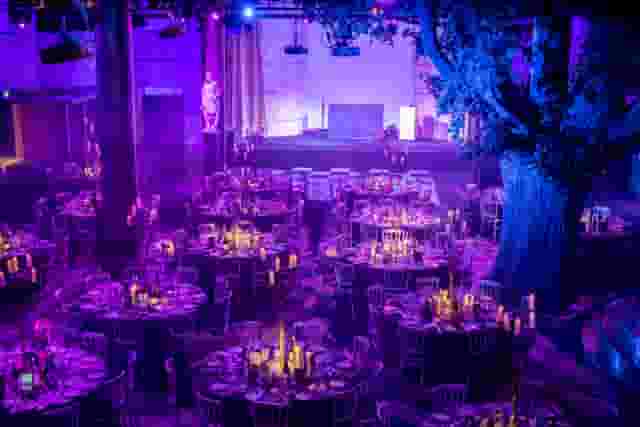
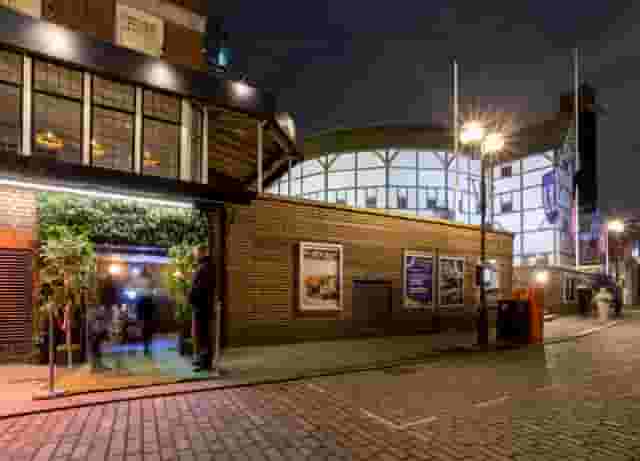
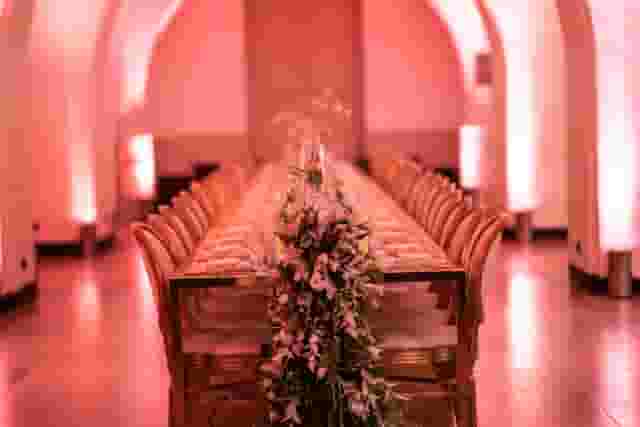
Subterranean and dedicated performance spaces often resolve this issue through their sheer volume. Swan at The Globe features the Underglobe, an underground space beneath Shakespeare's Globe that accommodates up to 450 guests for a reception. Because it incorporates built-in staging, acoustic insulation and a mezzanine level, guests can complete their meal and transition straight to an evening party without having to vacate the room for an extended furniture reset.
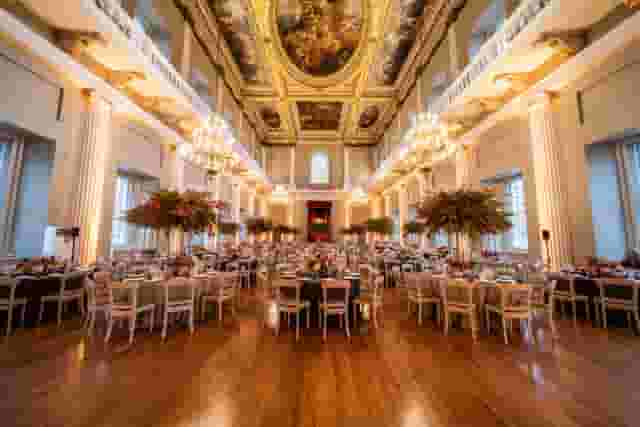
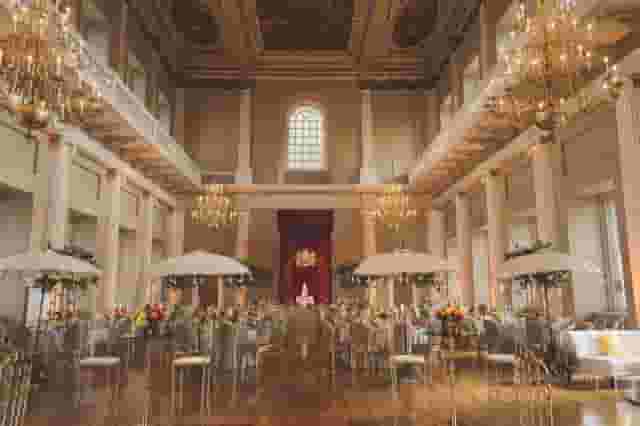
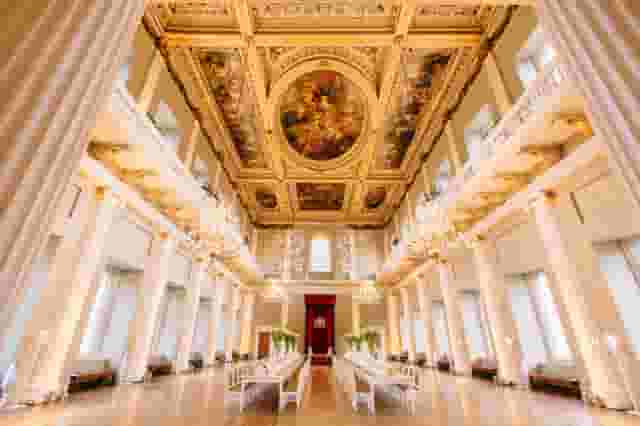
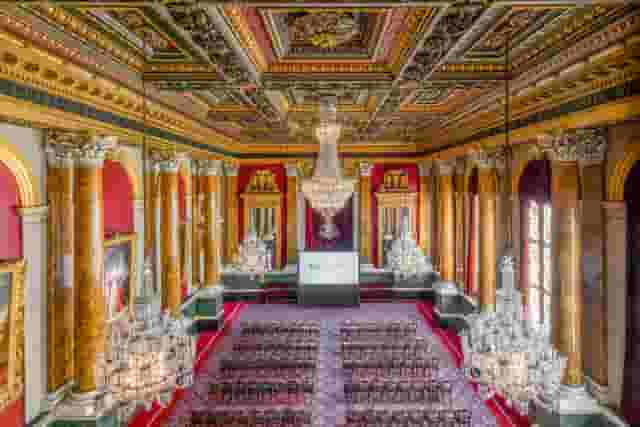
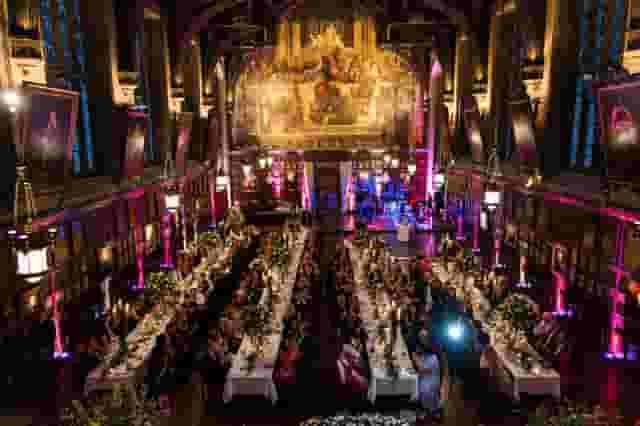
For large-scale formal celebrations, grand historic halls handle guest movement through scale. Banqueting House in Whitehall holds up to 500 guests for a reception. Beneath the high ceilings painted by Peter Paul Rubens, the main space offers the floor area required to host a formal seated dinner on one side while keeping a dedicated area open for an evening band and dance floor. When a venue has sufficient floor area, the change from dinner speeches to evening entertainment happens naturally, letting conversation continue without disruption.
Architectural styles across London: historic halls, private clubs and modern rooms
London has an enormous variety of reception settings, ranging from private members' clubs and centuries-old livery halls to converted galleries and riverside hotels. Each style of building brings distinct operational strengths and specific restrictions.
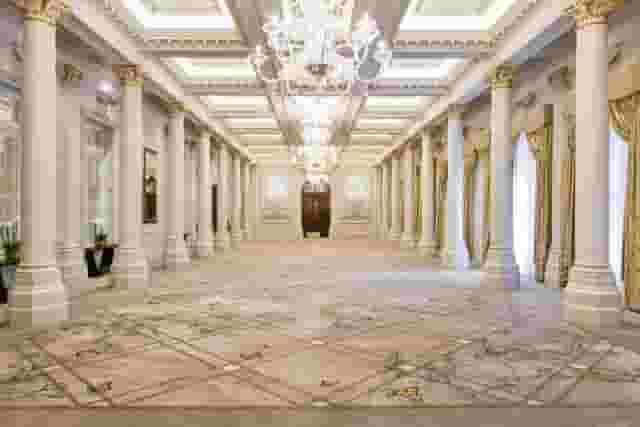
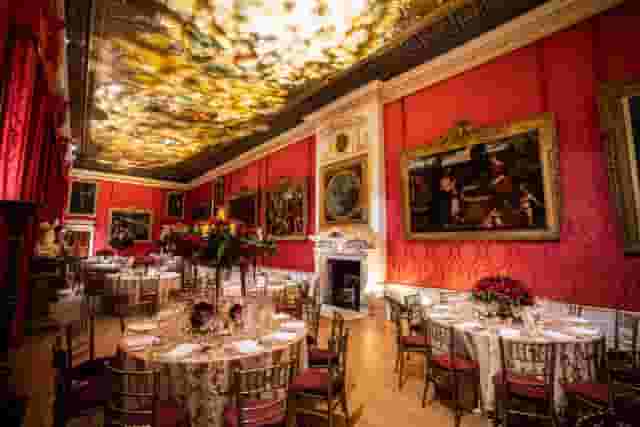
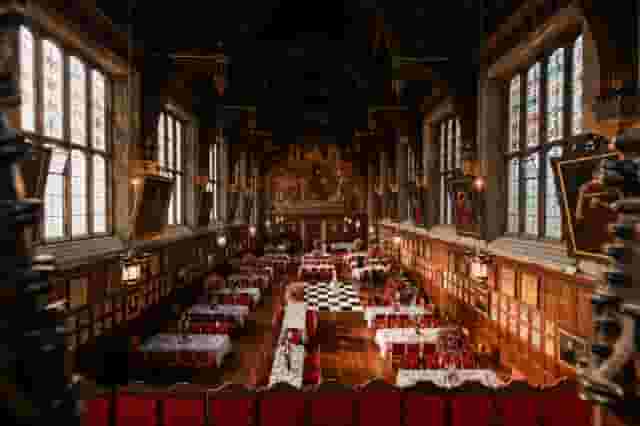
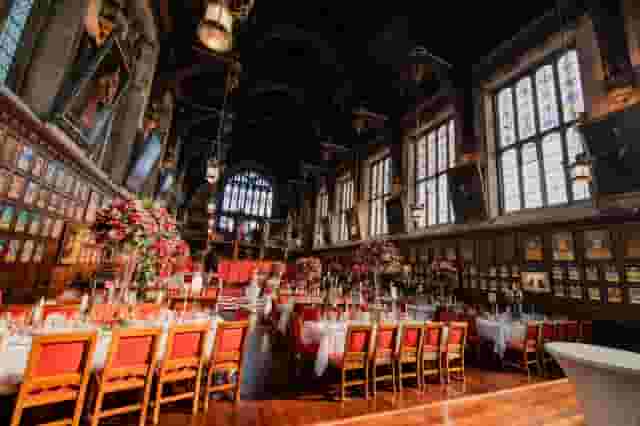
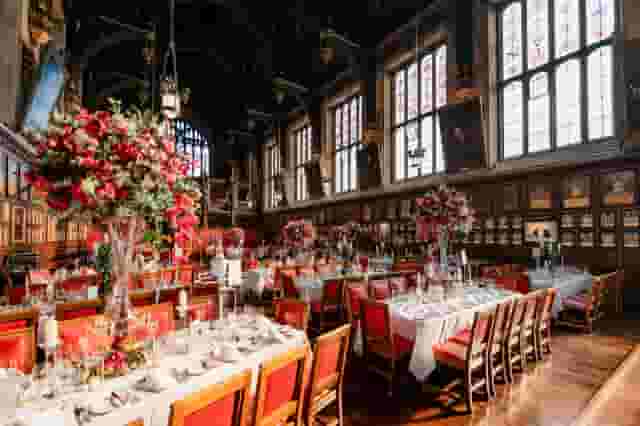
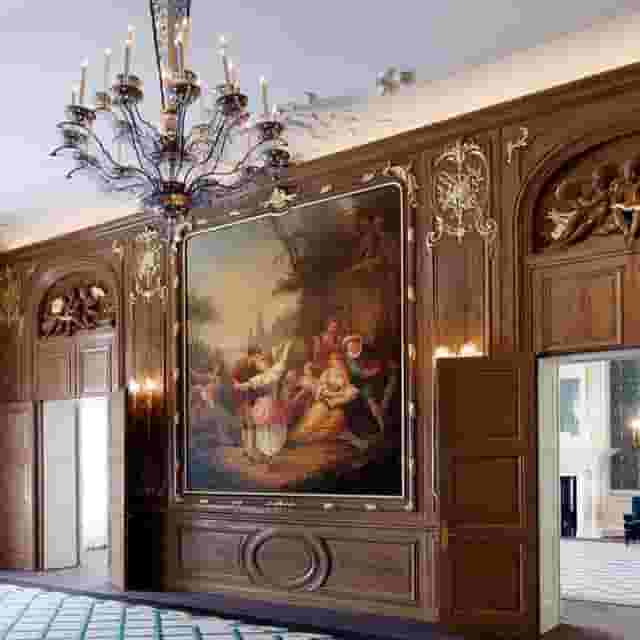
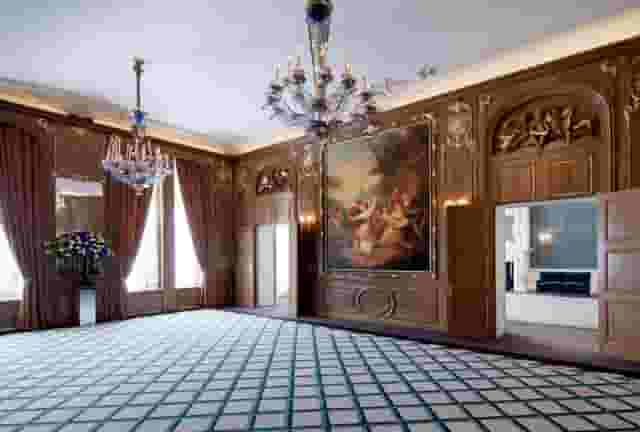
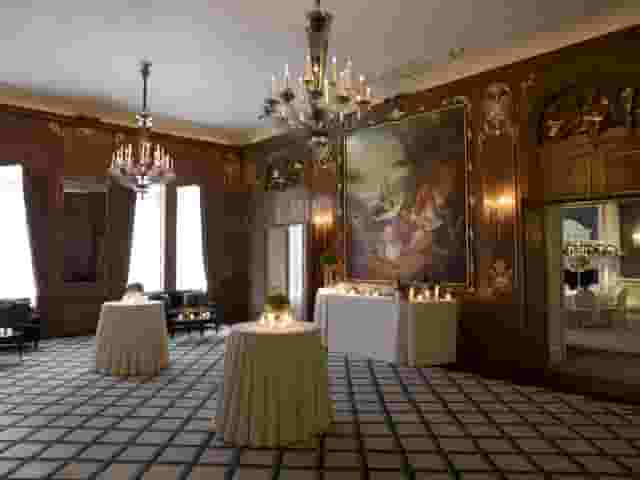
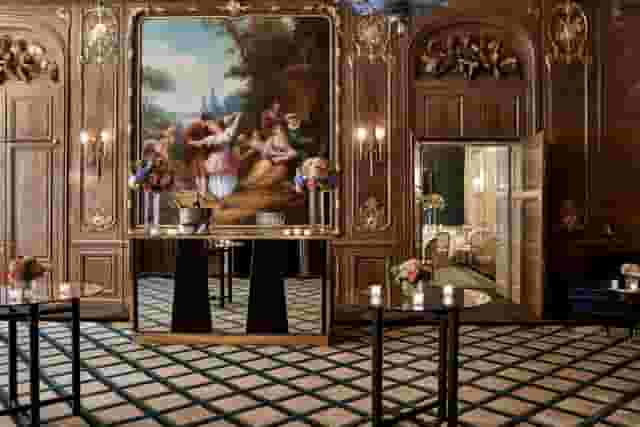
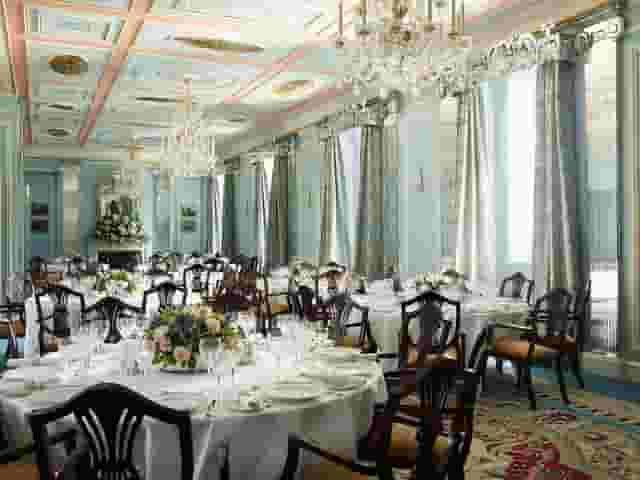
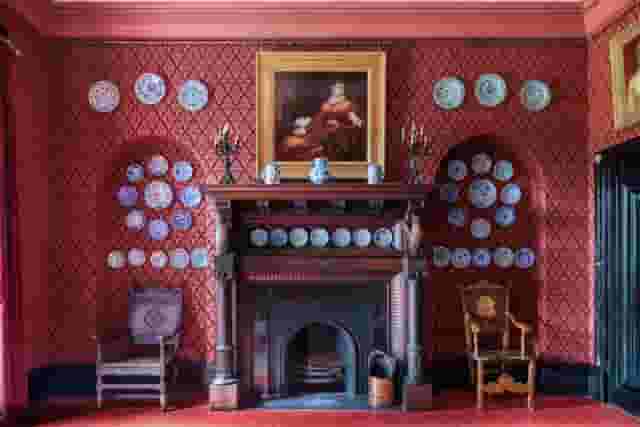
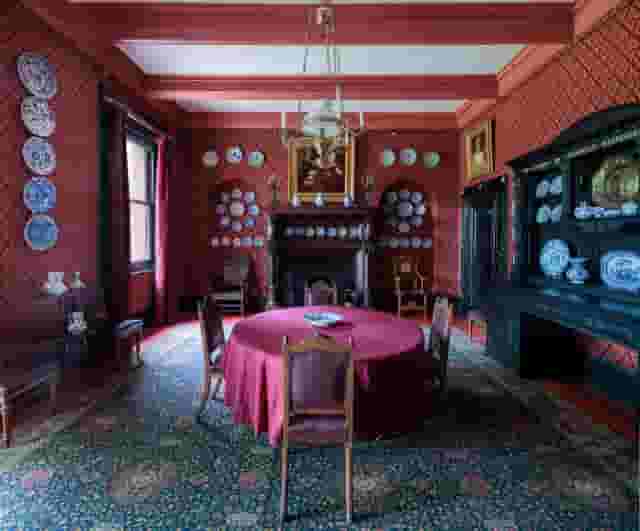
Historic livery halls and landmark institutions carry built-in decorative character through wood panelling, stained glass, heraldic crests and high ceilings. This heritage appeal means couples do not need to spend heavily on production, draping or extensive floral staging. Stationers' Hall near St Paul's is a Grade I listed venue that can accommodate up to 450 guests for a reception. It offers rococo style rooms paired with a secluded private garden, giving guests an outdoor lawn for canapes and champagne before they move indoors for a seated wedding breakfast.
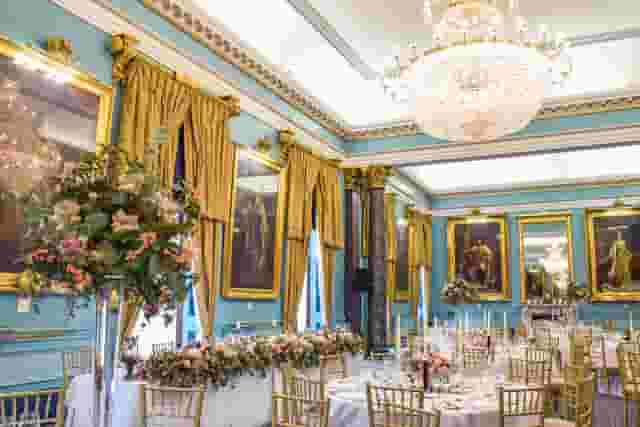
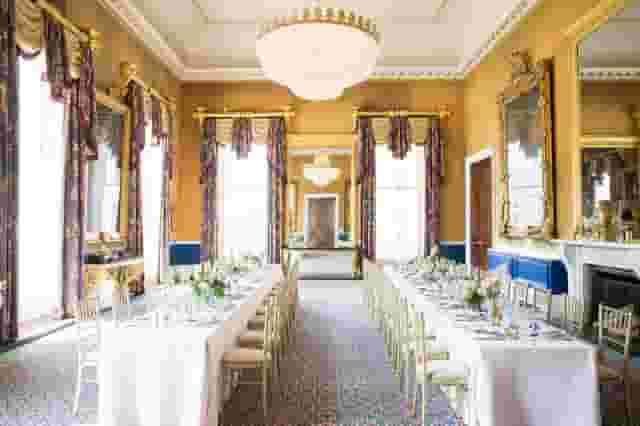
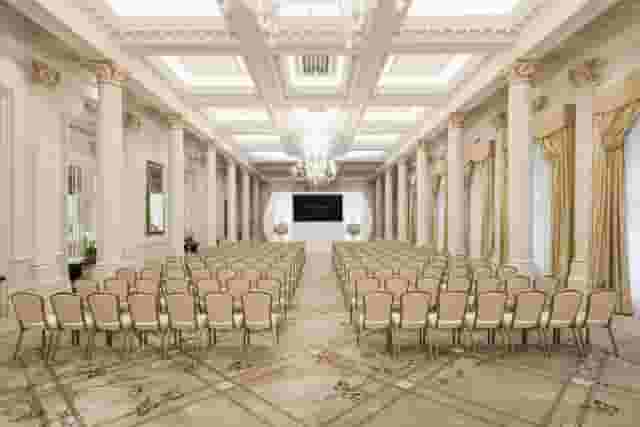
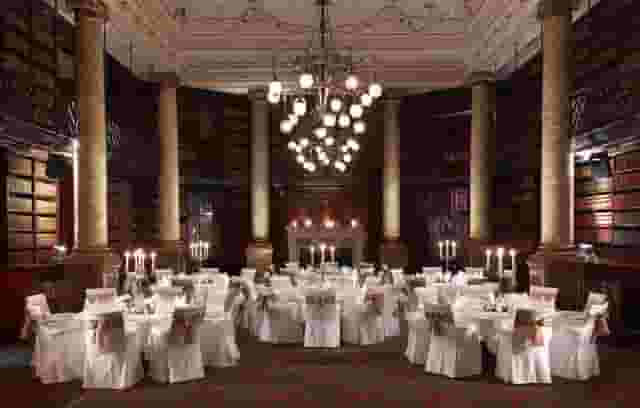
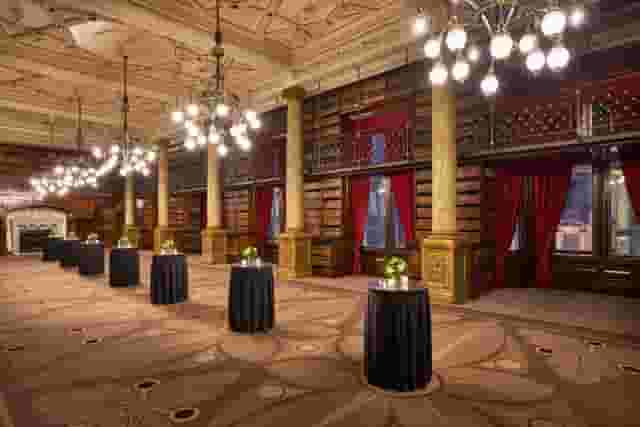
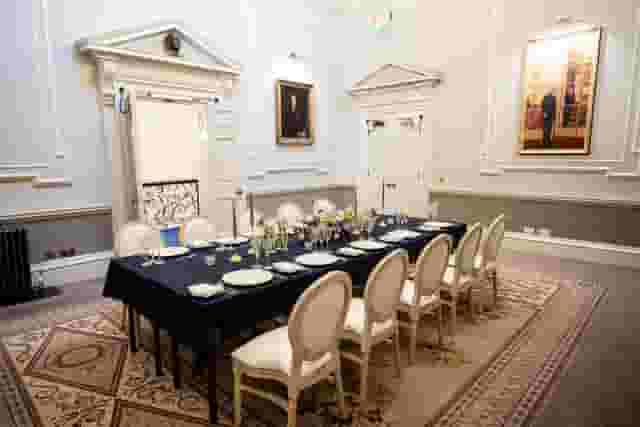
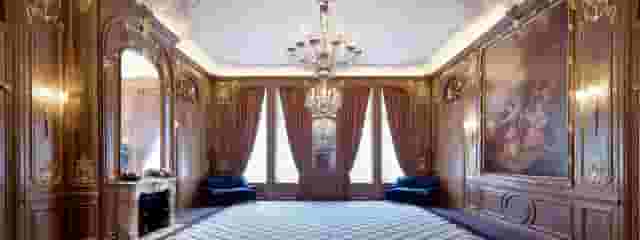
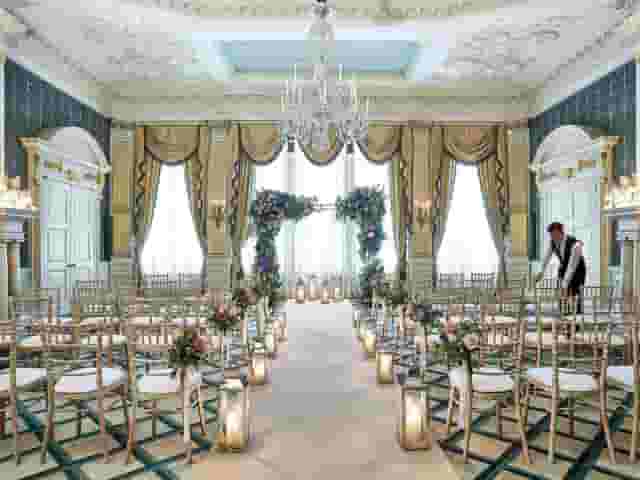
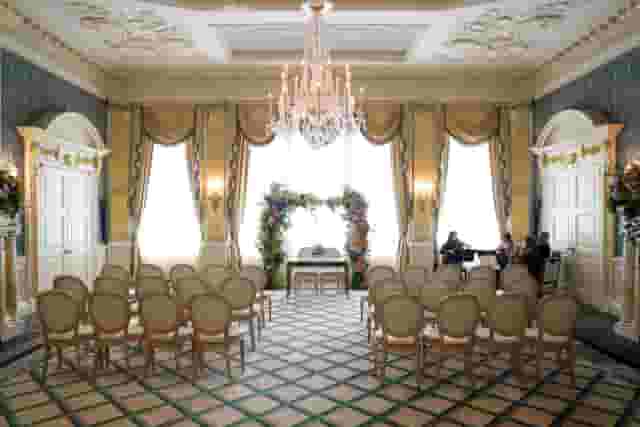
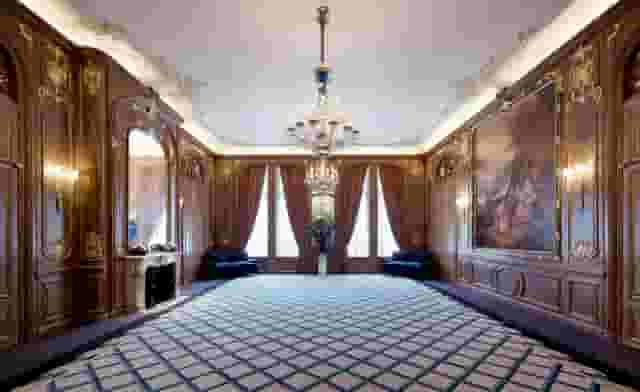
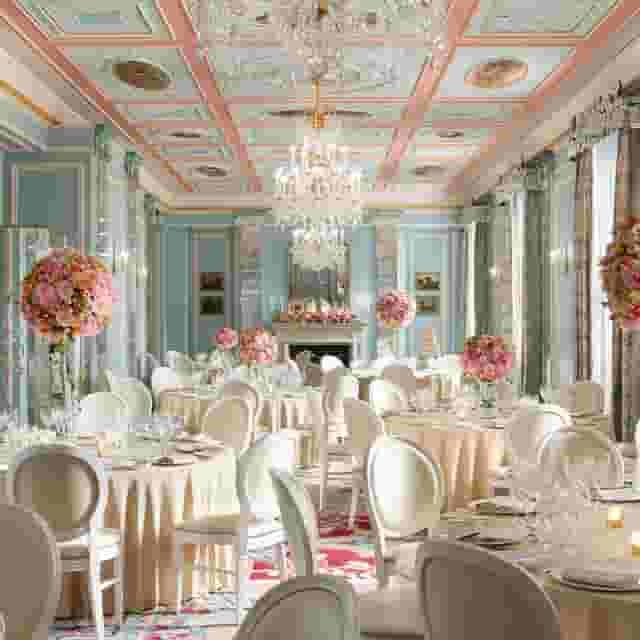
For classical Georgian architecture, 116 Pall Mall in Westminster provides the Nash Room, which holds up to 300 guests standing. The tall windows, ornate plaster mouldings and heritage proportions provide a formal environment that suits traditional speeches, long banquet tables and structured evening proceedings.
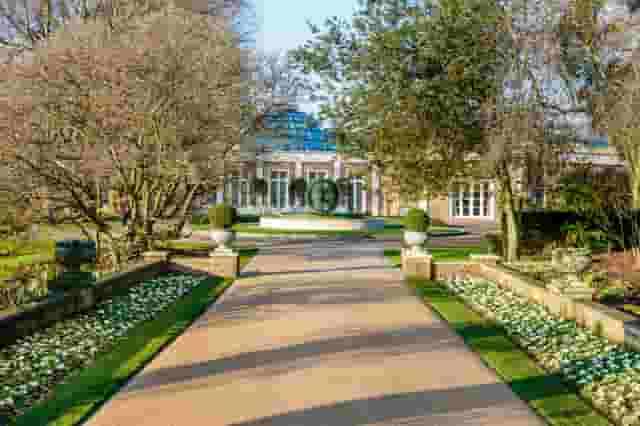
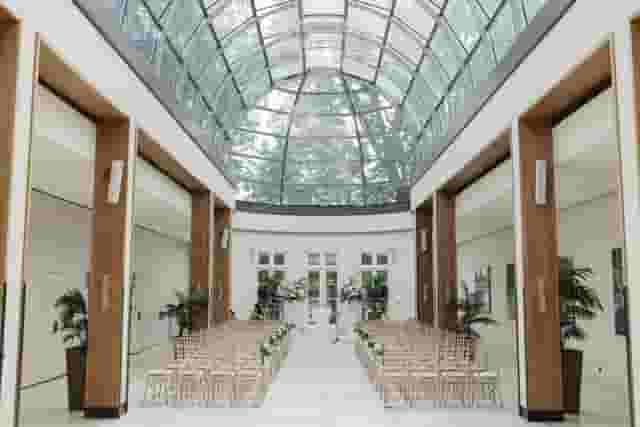
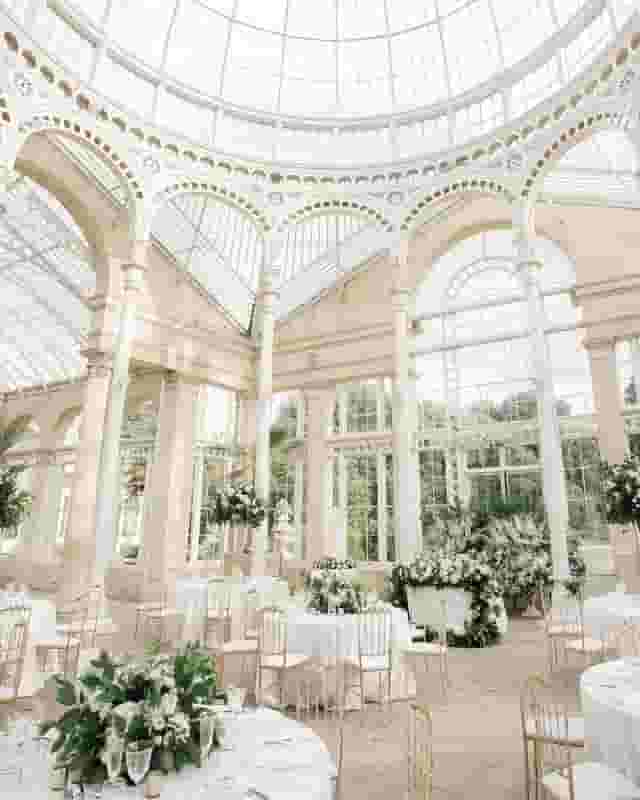
Private clubs and riverside grounds introduce open-air space that is rare in central postcodes. The Hurlingham Club in Fulham features the Palm Court and Broomhouse Suite, accommodating up to 850 guests standing. The glass-domed Palm Court and Thames-side gardens allow guests to enjoy outdoor drinks receptions against river lawns before moving into expansive suites for dining and late-night music.
If you prefer contemporary architecture with clean lines and neutral backgrounds, modern galleries offer flexibility for production and styling. 60 Great Queen Street in Covent Garden houses The Gallery, an art deco space holding up to 350 guests for a reception. Its adjacent anteroom allows the drinks reception to run independently of the dining room, meaning guests can be welcomed with drinks while caterers complete final table dressings next door.
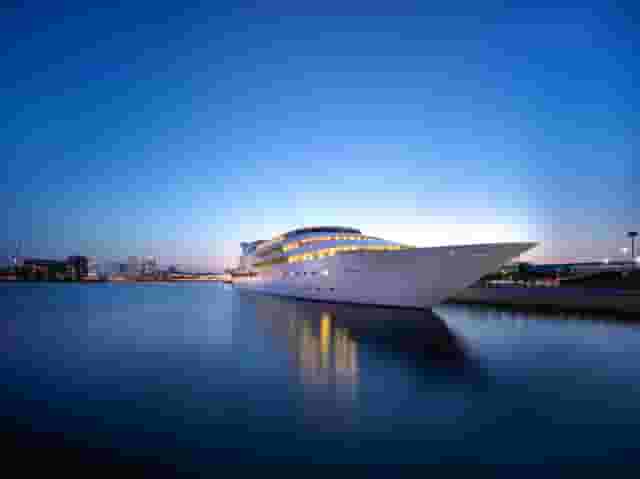
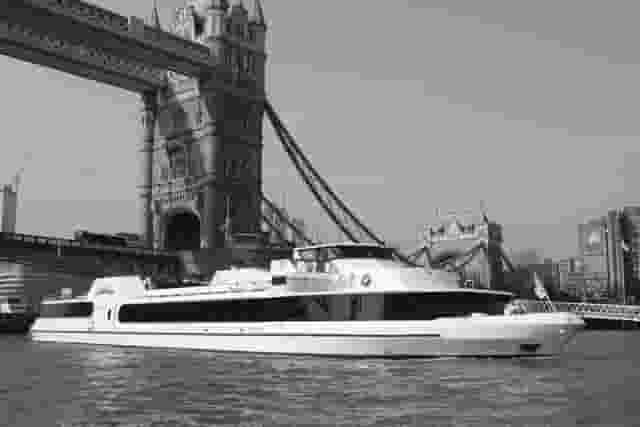
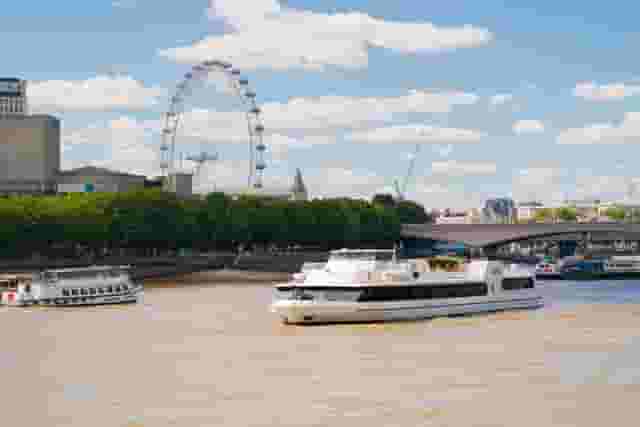
Waterfront settings offer an entirely different perspective on the city skyline. Sunborn London Yacht Hotel in Newham provides exclusive hire for up to 200 guests for a wedding, combining dockland water views with hotel hospitality and onboard dining.
For smaller, heritage-led weddings, intimate manors balance architectural pedigree with manageable scale. Pitzhanger Manor & Gallery in Ealing offers Soane's Garden Room, accommodating up to 90 guests for a dinner dance. Set within historic parkland, it allows couples to host an evening dinner dance surrounded by garden views without feeling lost in an oversized room.
Wedding budgets: venue hire, catering costs and itemised quotes
Calculating the true cost of a London wedding reception requires looking past the headline hire fee. Venues structure their charges in several ways: dry hire fees where you bring in external suppliers, package prices that bundle food and drink, or minimum food and beverage spends.
Across published comparisons of luxury London venues, typical dry hire rates fall within the following range:
- venue hire: £5,000 to £26,000 in total
This range reflects room hire only, with the final cost heavily influenced by season, day of the week, exclusivity and venue status. A Saturday in June at a prime historic hall commands the upper limit of that bracket, whereas a weekday in November sits nearer the base.
Catering and drinks represent the larger portion of overall expenditure. Across the market, typical costs run within these bands:
- catering: £120 to £300 per head
- drinks package: £40 to £150 per head
Menu style, service level, guest numbers, brand choices and package duration all affect where an event lands within these ranges. When planning for 100 guests, these core elements must be evaluated alongside essential operational charges that are often excluded from initial marketing estimates.
| Cost element | What the headline figure typically includes | Additional costs to confirm before signing |
|---|---|---|
| Venue hire | Exclusive use of contracted rooms, basic tables, chairs and standard post-event cleaning | Extended access hours, early supplier load-in, late-night security and cloakroom staffing |
| Catering | Multi-course meal, culinary preparation, kitchen team, basic crockery, cutlery and glassware | Specialist kitchen equipment hire, kitchen buyout fees, vendor meals and evening food stations |
| Drinks packages | Reception sparkling wine, table wine with dinner, table water and a glass of toast fizz | Service charge, corkage fees, spirit measures, late-night bar extension and bar refrigeration |
Always check whether a quote includes VAT and discretionary service charges, which add a combined total of around thirty percent to catering and bar bills. In heritage venues, ask whether an external caterer faces a kitchen buyout fee or a commission surcharge to the venue. When venues mandate an approved supplier list, obtain sample menus and minimum spend commitments from those specific caterers before paying your venue deposit. To get a clearer sense of the total spend before reaching this stage, the venue booking platform Hire Space provides instant price estimates drawn from real booking data. Supported by a team of real people who stay involved throughout, it can suggest similar spaces if your preferred setting stretches your budget, while couples planning receptions over £15,000 receive a complimentary event concierge to assist with venue sourcing.
Licences, curfews and acoustic requirements
Music, entertainment and licensing regulations differ dramatically across London boroughs. Westminster, Camden, Kensington and Chelsea and the City of London enforce strict residential disturbance policies. A venue might look ideal for an evening party, but local authority licences can dictate when the music stops and how loud the band can play.
Sound limiters and live bands
Many central venues operate with electronic sound limiters wired directly into the room's main power supply. If a band exceeds the agreed decibel ceiling, the limiter cuts electricity to the stage, plunging the room into silence.
Live acoustic drums, brass instruments and bass amplifiers frequently trip sensitive sound limiters because the musician cannot lower the physical volume of a snare drum strike. A professional DJ or an electronic drum kit provides far greater control over volume levels. Before booking entertainment, ask the venue coordinator three specific technical questions:
- Is there an active sound limiter installed, and what is the exact decibel limit?
- Does the venue allow live brass, acoustic drum kits and amplified electric guitars?
- What is the power distribution on the stage area, and is three-phase power available for sound and lighting rigs?
Finishing times and load-out curfews
Most standard venue licences require music to finish at 11pm or midnight, with all guests off the premises thirty minutes later. Venues with residential neighbours rarely secure extensions past midnight. If dancing into the early hours is essential, confirm whether the venue can apply for a Temporary Event Notice, what fee that entails, and whether the council imposes an absolute curfew.
Delivery and derig access times are equally important. Many central halls require all production equipment, floral arrangements and musical instruments to be removed within sixty minutes of the music stopping. If a band or production team requires three hours to dismantle their equipment, you may face late-night access surcharges or be required to pay for overnight security.
Guest comfort, transport routes and wet weather contingencies
A wedding reception should feel effortless for the guests attending it. Looking after the comfort of an assembly that includes elderly relatives, friends travelling from abroad and young families requires careful attention to building layout, seasonal temperature control and transport access.
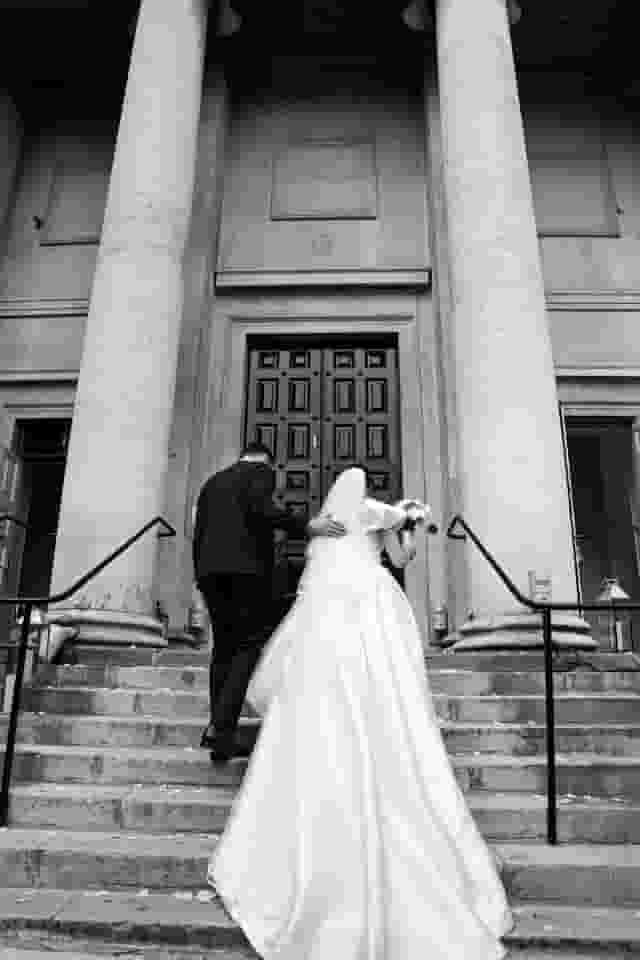
Step-free accessibility is one of the most critical considerations in historic London buildings. While grand stone facades and portico steps create impressive arrival points, they can present significant obstacles for guests with limited mobility or parents with prams. Confirm that step-free access is available through the main entrance or via a clearly signposted alternative route, and verify that internal lifts can accommodate wheelchairs between dining and dancing levels.
| Operational area | Key requirement to check | Practical test during site inspection |
|---|---|---|
| Accessibility | Step-free entry, wide doorways and accessible restrooms on the primary event level | Walk the step-free route from the street drop-off point through to dining and dance areas |
| Weather contingency | Dedicated indoor wet-weather space with adequate seating, heating and ventilation | Check that indoor rooms hold the entire guest list without disturbing the pre-set dining tables |
| Travel and dispersal | Proximity to night tube stations, taxi drop-off bays and step-free transport links | Review late-night rail schedules, taxi rank locations and ease of minicab collection |
Weather planning must be established early. A private lawn or terrace is ideal for summer drinks, but a wet-weather backup plan cannot be treated as an afterthought. If rain forces guests indoors, ensure the indoor space can comfortably hold your full party for standing drinks without requiring them to sit at their dinner tables two hours before food service begins. Verify that outdoor terraces offer adequate shade during high summer, as well as heating and covered shelters for guests who step outside during the evening.
Finally, review guest facilities such as cloakrooms, washrooms and quiet breakout spaces. A venue accommodating several hundred people requires enough washroom stalls to prevent queues during dinner intervals, alongside dedicated cloakroom staffing to handle heavy coats during autumn and winter receptions. Providing a separate, lower-volume seating area away from the main dance floor gives older guests and parents a comfortable place to talk without feeling forced to leave the party early. Planning these practical details in advance guarantees that the wedding runs smoothly from the first glass of champagne to the final dance.
What our customers say
Inspiration and planning guides

Watch a real brief turn into priced, available venues in 15 minutes
Chloe Richardson has spent 17 years in events. We gave Deep Venue Research one of her briefs and filmed every step, from the first questions to availability checked at the venues she chose.

Simple Events Win: Why Restraint Beats Spectacle
Budgets are tight and audiences want connection over spectacle. The events that land in 2026 are the deliberately simple ones. Here is how to edit rather than cut, grounded in the 2026 industry data, and why the right venue does the heavy lifting.

Why UK Event Calendars Got So Tight (And How to Book Smarter)
Lead times for UK corporate events are up 39% since 2022, based on Hire Space booking data. The calendar is tighter, conversion rates fall sharply when you leave it late and the peak windows are getting more crowded. Here is what the numbers say and what to do about it.
One supplier. Every venue. Full visibility on what you spend.
Multiple venues and events. One agreement.