Venues on The Thames in London
Find private event spaces, boats and dining rooms on the River Thames with transparent pricing and instant availability for your next company event.
2,174 Venues on The Thames in venues in London




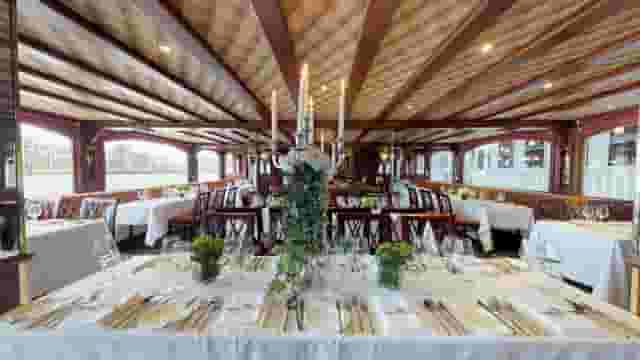
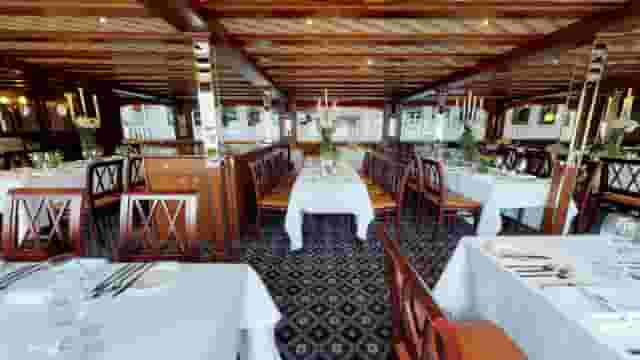
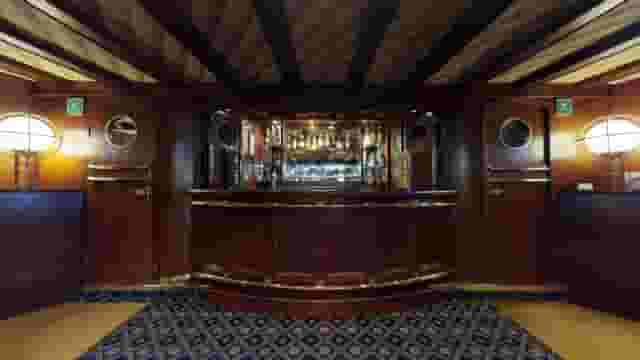
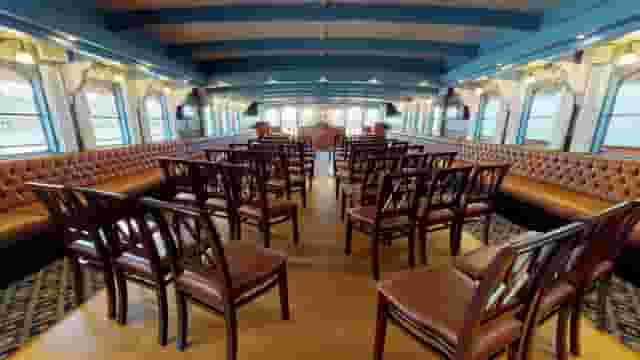








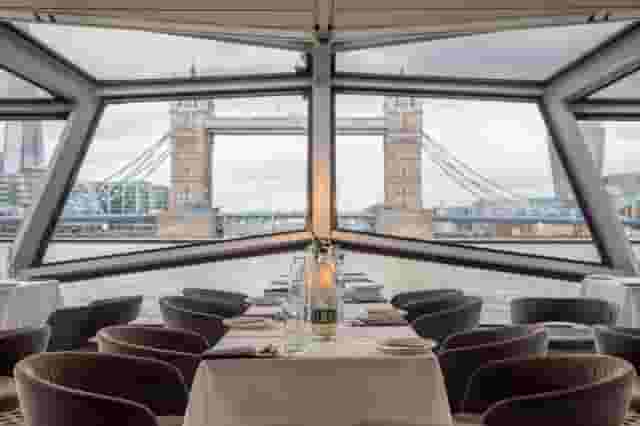
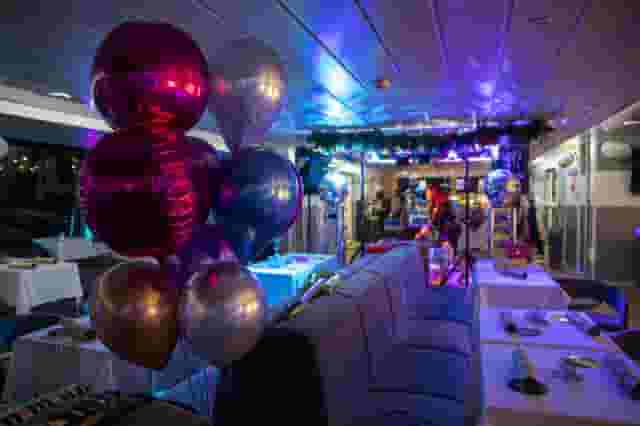


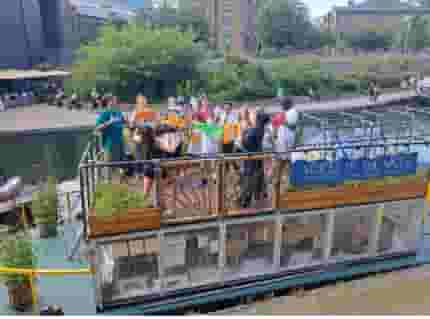








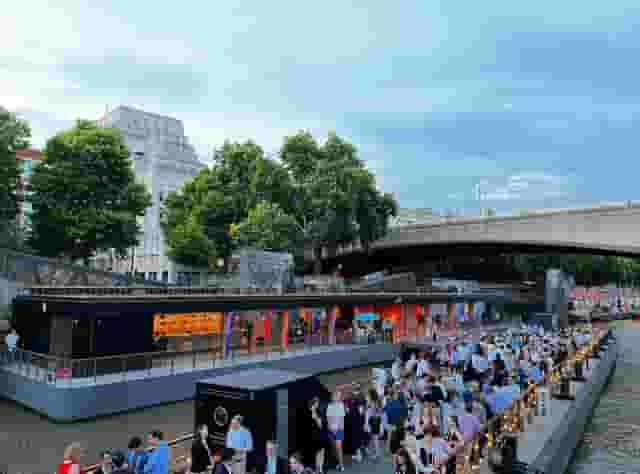
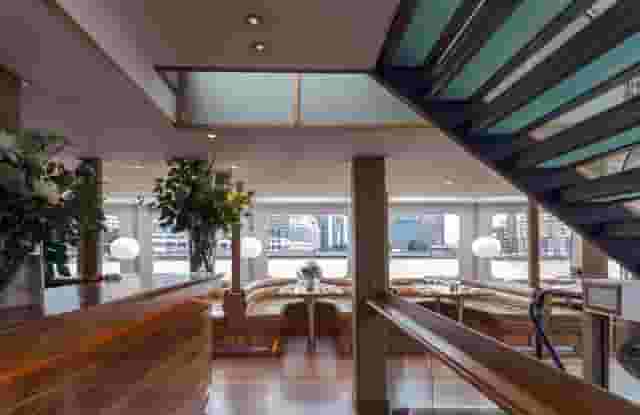
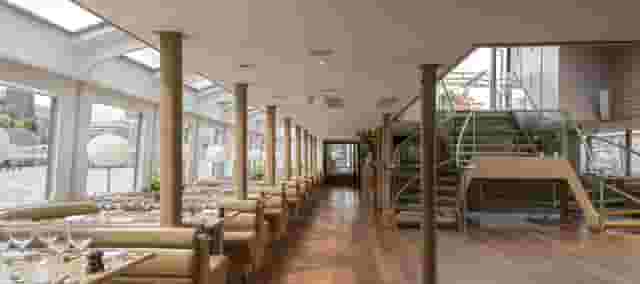
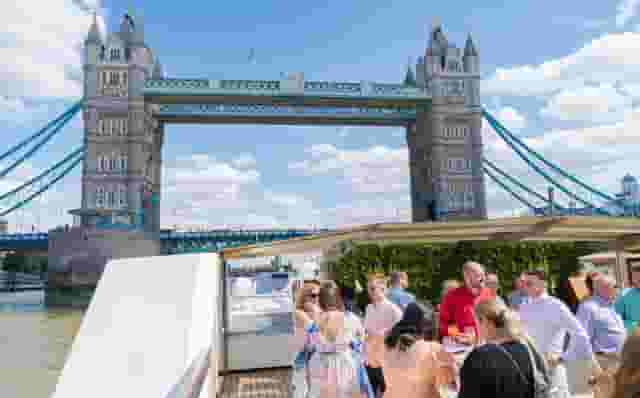
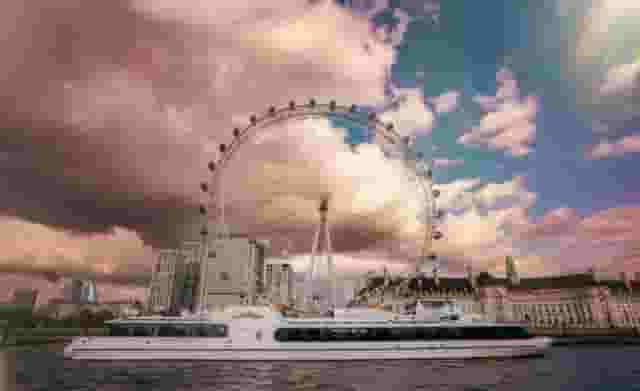
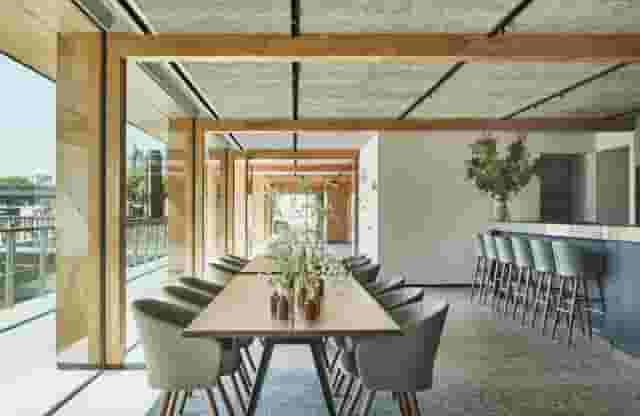
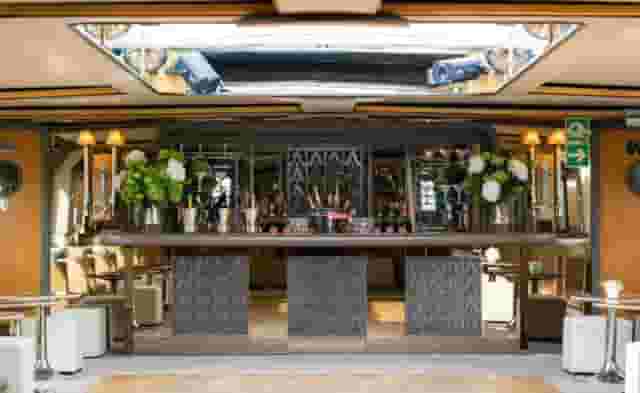
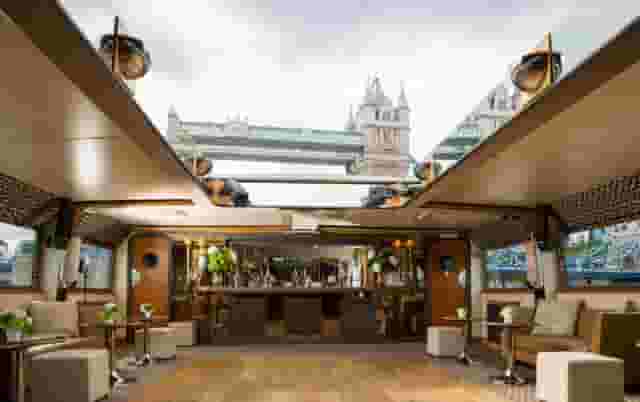





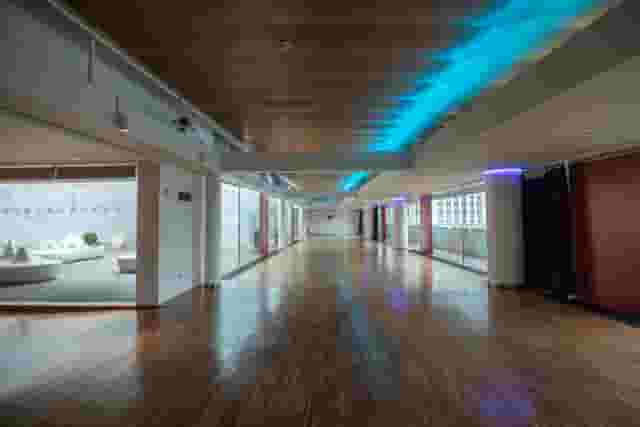
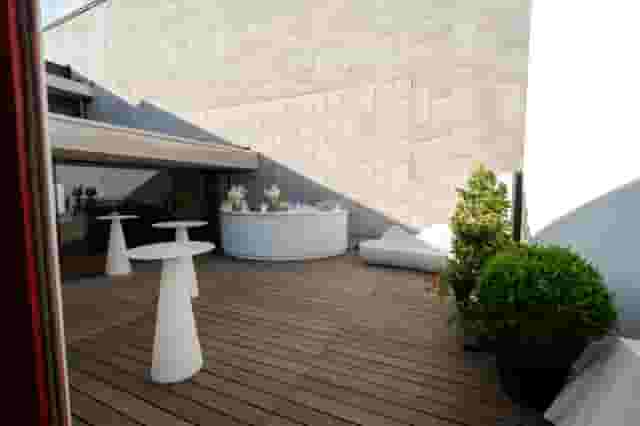
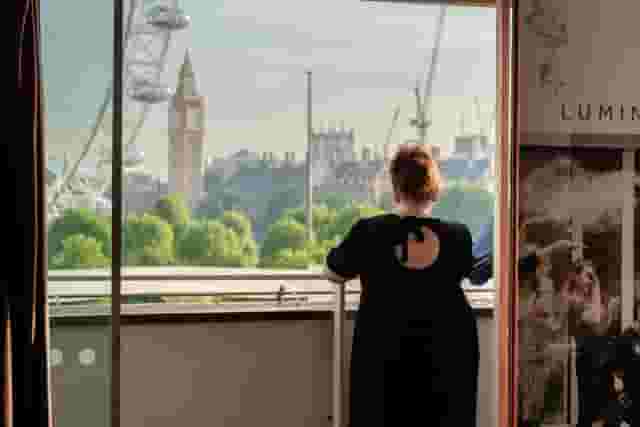

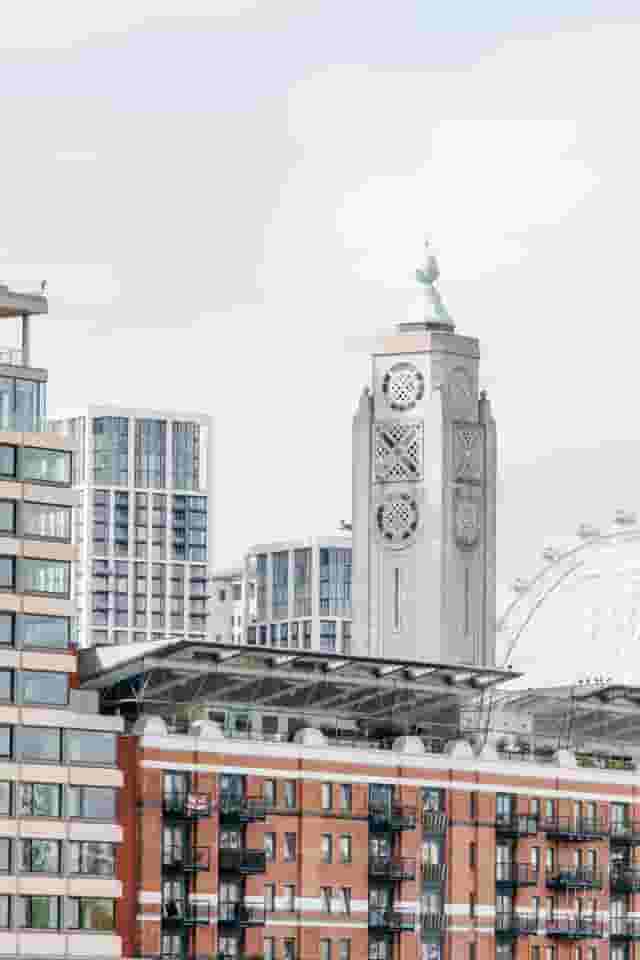





































No venues match these filters
Try widening your capacity, luxury level or event type.
Don't have time to search? We'll find it for you.
For business events that need human judgement, talk to our team. Free for events of 100+ people, budgets over £10k or ongoing programmes.




Explore more venues in London







Frequently asked questions
How to select a Thames event space?
Are Thames venues suitable for conferences?
What are Thames venue price ranges?
What makes Thames venues unique?
Can I host a banquet on the Thames?
Other platforms search their database. We search everything.
Tell us what you need. Our deep research finds any venue, whether it's in our marketplace or not. No one else does this.
About on The Thames in London
Choosing between cruising vessels, static ships and riverside rooms
Organising a corporate gathering along the river begins with a basic structural choice. You can take your guests moving down the waterway on a cruising charter, hold them on a permanently moored historic ship, or book a quayside room with a terrace. Each format changes how guests arrive, how long they stay and how the evening runs.
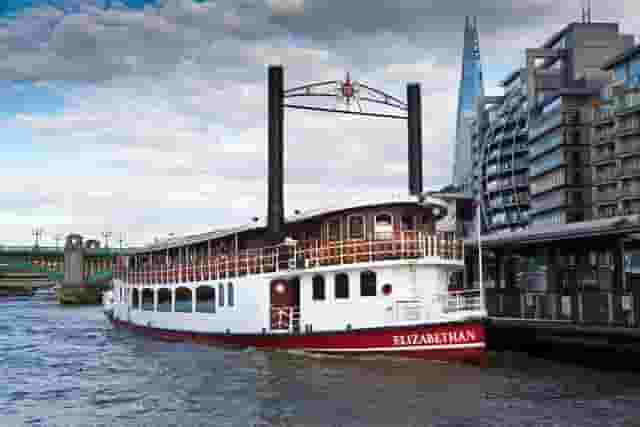
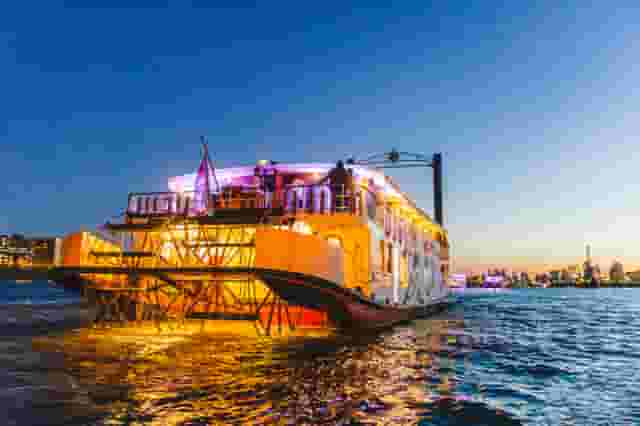
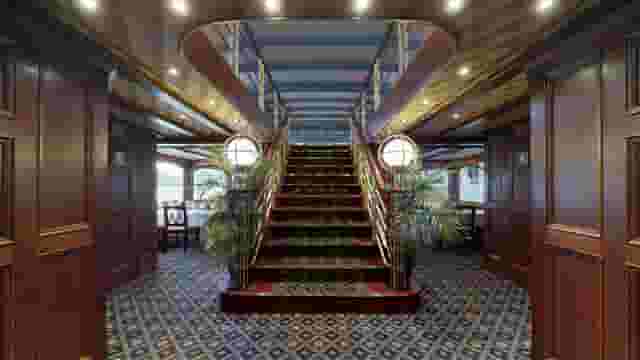
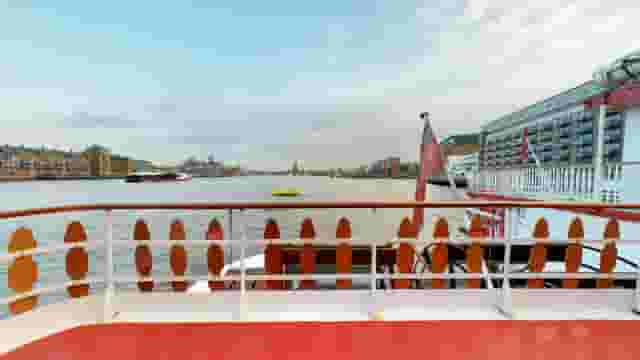
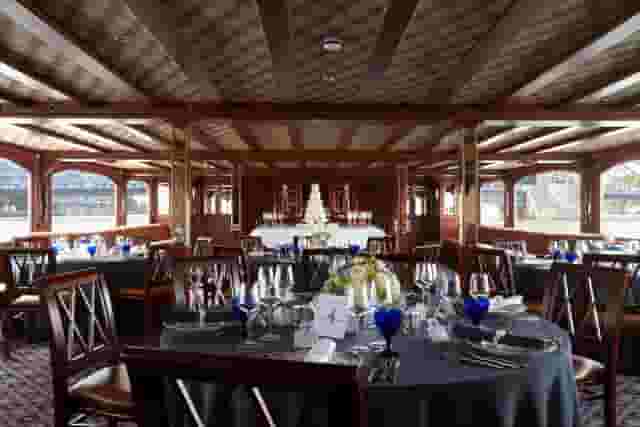
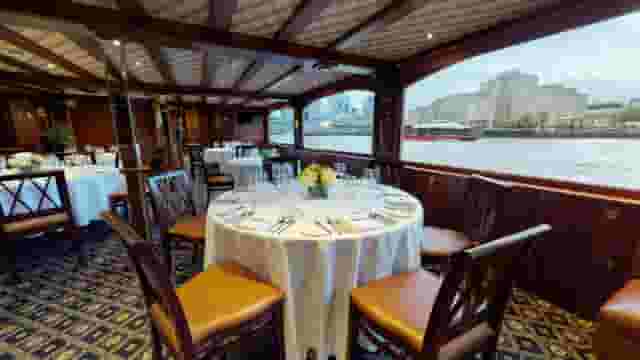
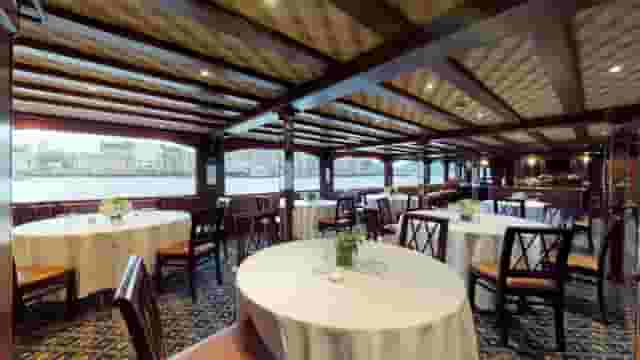
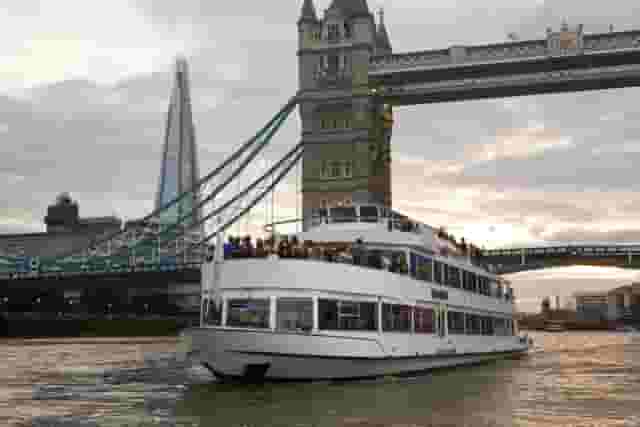
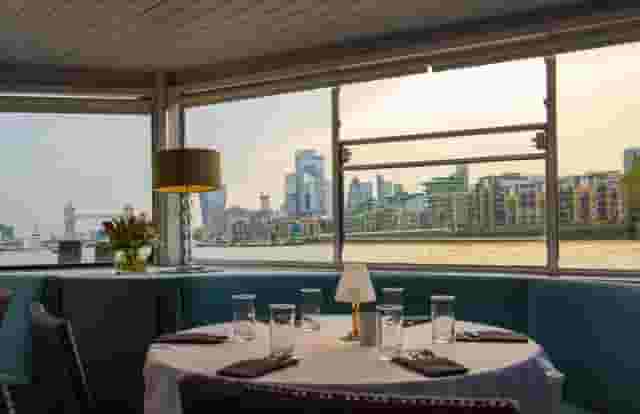
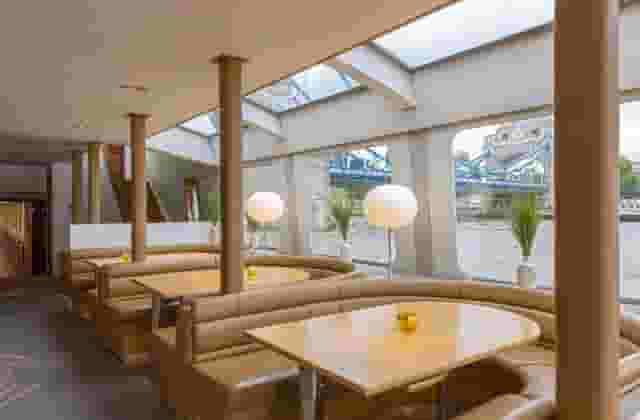
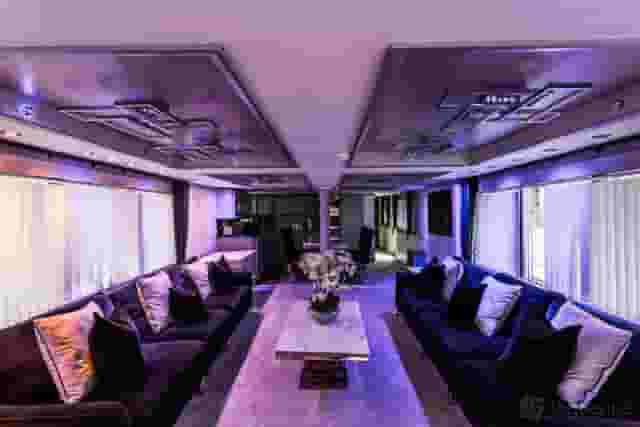
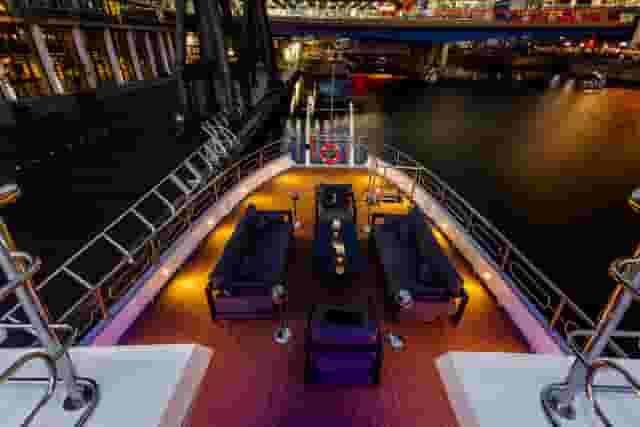
Cruising vessels offer an active backdrop as London landmarks pass the windows, but they require strict discipline. Once the boat pulls away from the pier, your guest count is fixed until the scheduled return. That setup works exceptionally well for celebrations, summer parties and focused networking where you want everyone in the room together. For larger groups, vessels such as Silver Sturgeon, which accommodates up to 550 guests for a buffet across two open decks, or Dixie Queen, handling buffets of up to 452 guests, give you substantial floor space. For mid-sized teams, M.V. Erasmus provides three decks with indoor and outdoor areas for 275 standing guests, while Venus offers an indoor cabin and open deck space for 180 standing guests.
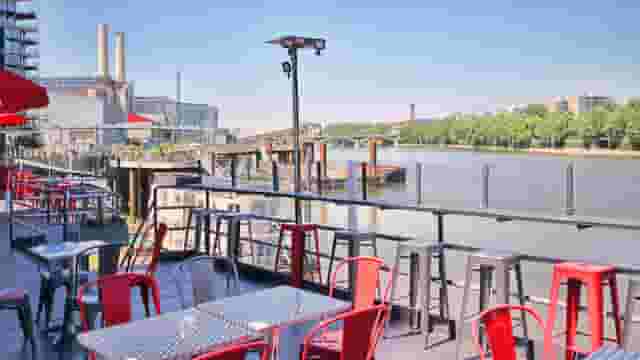
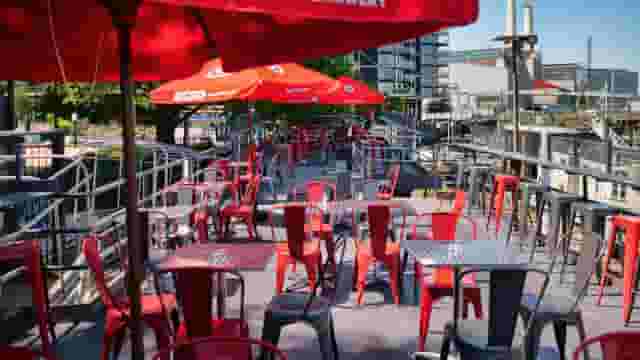
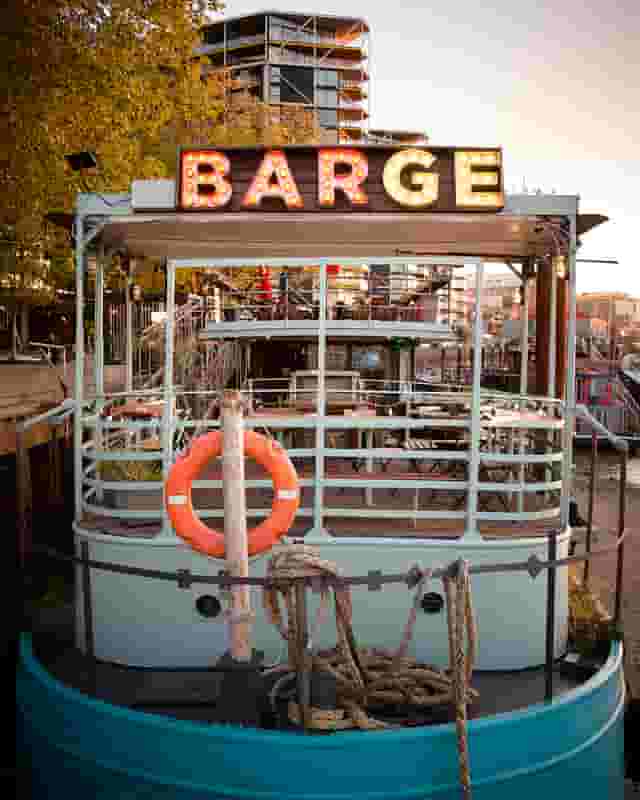
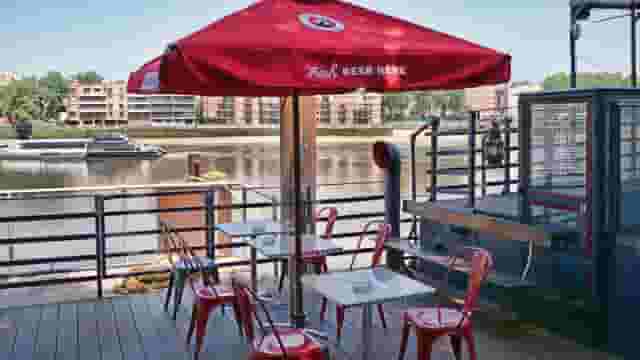
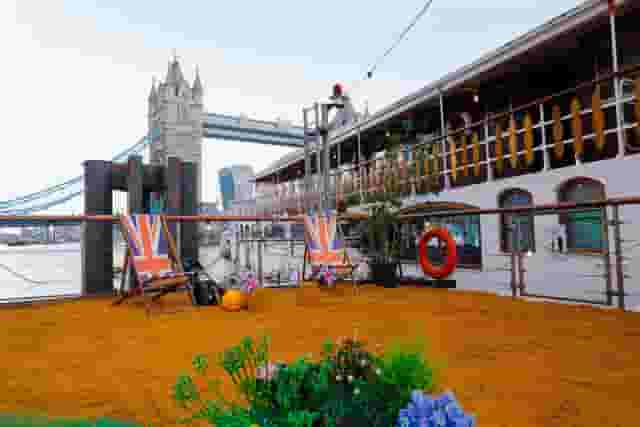
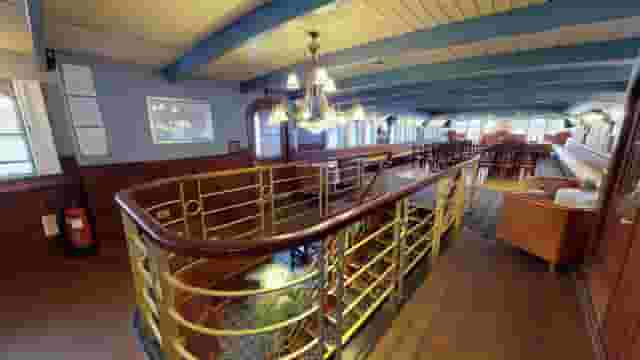
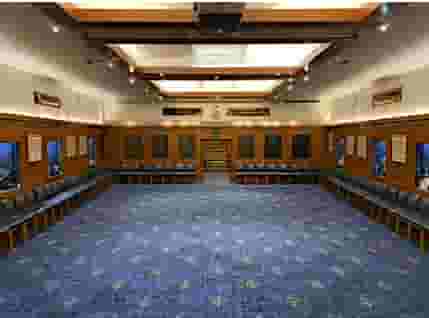
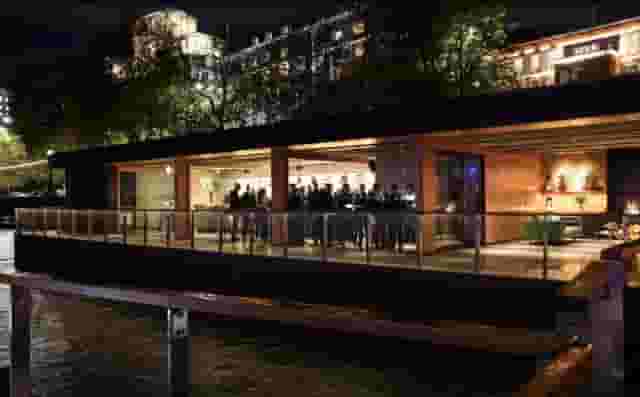
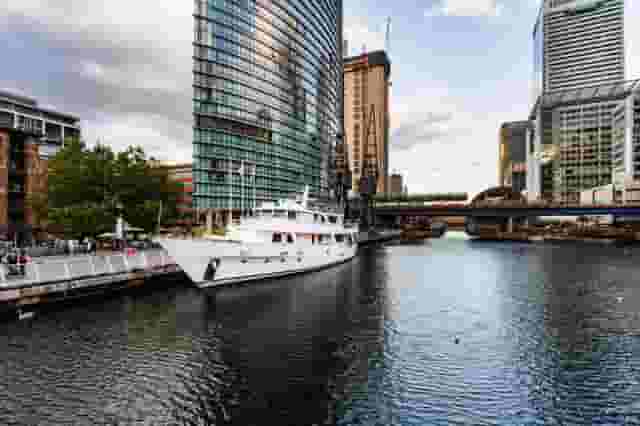
Permanently moored vessels provide water views and nautical character without locking your attendees to a timetable. Guests can drop in and leave as their work diaries allow. Spaces like The Courtroom, an interior setting accommodating 180 for receptions, give you historic naval architecture directly on the water. Further upriver, Battersea Barge holds up to 150 guests standing across two decks, providing a relaxed, self-contained venue for casual socials.
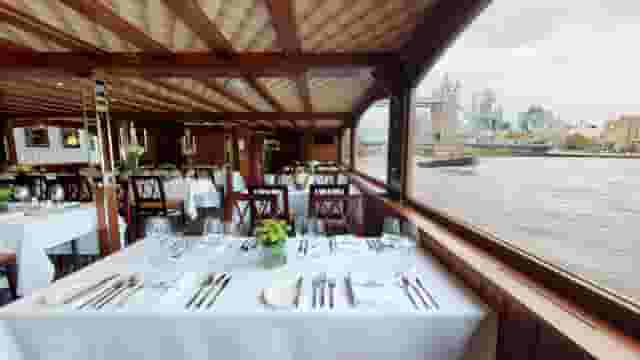
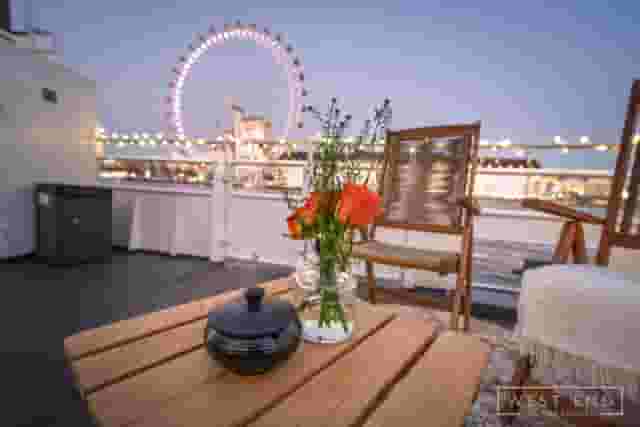
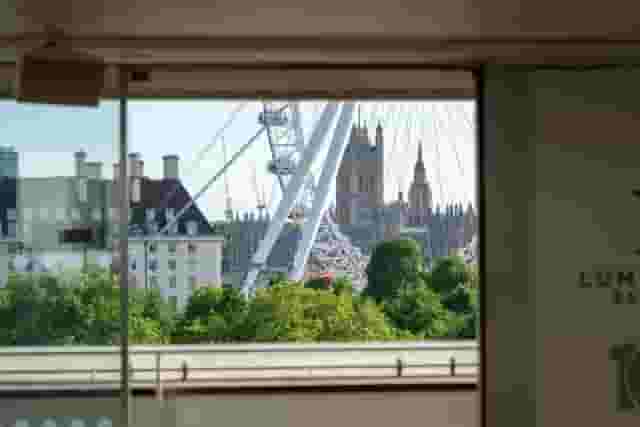
Quayside rooms and private dining spaces remove nautical logistics entirely while keeping the river setting. At Woods Quay, up to 250 guests can attend a waterside reception directly over the water. For smaller client dinners and team meals, Gillray's Bar seats 70 guests for private dining on the South Bank, giving attendees views across to the Houses of Parliament without leaving solid ground. If you are weighing up options along the water, venue booking platform Hire Space pairs intuitive venue sourcing with a team of real people who take ownership of the outcome. Its Deep Venue Research tool analyses spaces across London to deliver instant, data-backed price estimates for your brief, helping you shortlist suitable river locations in minutes rather than days.
| Venue type | Primary advantage | Operational constraint | Typical corporate format |
|---|---|---|---|
| Cruising vessel | Changing city views and captive audience | Fixed embarkation slots and no early exits | Receptions, summer socials and end-of-year parties |
| Permanently moored ship | Maritime atmosphere with flexible arrival times | Gangway access influenced by changing tides | Networking events, product showcases and company celebrations |
| Quayside private space | Full step-free access and simple catering load-in | Shared external walkways or public riverpaths | Seated client dinners, team away days and presentations |
Pier logistics, boarding windows and guest schedules
The single greatest operational difference between a standard venue and a river boat is the boarding window. On land, late guests slip into the room twenty minutes after the start time with minimal disruption. On the Thames, missing the boarding call means missing the entire event.
Managing the boarding window
Piers on the Thames are public infrastructure managed by Transport for London or private operators. Boats do not own their berths. Vessels are allocated strict berthing slots, usually lasting between 10 and 15 minutes. During this slot, the vessel must moor, disembark previous passengers if needed, clear security, load your entire group and cast off.
To protect your timeline, plan a gathering point ashore 30 to 45 minutes before the vessel arrives. Directing guests to meet on a busy public pier creates confusion, especially at central hubs like Westminster, Tower or London Bridge. Instead, instruct attendees to assemble at a designated dry-land bar or public square nearby, then move the group onto the pontoon once the boat is spotted approaching the berth.
Tidal movements and accessibility
The Thames is a tidal river with a vertical rise and fall of up to seven metres twice a day. This variation dramatically alters the gradient of pier access ramps. At low tide, the ramp down to a floating pontoon can be steep, posing challenges for attendees with limited mobility, wheelchair users or caterers moving heavy flight cases.
If your guest list includes individuals requiring step-free access, check low-tide predictions for your chosen date. Some older piers become difficult to navigate at low water. Moored vessels also move with the water line relative to the embankment, meaning gangway slopes shift throughout the evening. Confirm with the vessel operator how their crew assists passengers across gangways during extreme tidal movements.
Mid-cruise pier calls
Organisers often ask whether a boat can pull into a pier halfway through an evening to let early leavers depart. While possible, mid-cruise stops come with financial and operational costs:
- Extra pier fees apply for every approach and departure.
- The vessel must pause music, slow engines, navigate into the berth and secure lines, which interrupts the flow of the party for 20 to 30 minutes.
- Pier availability cannot always be guaranteed at the exact minute you want, as scheduled river buses take priority.
If attendee flexibility is essential for a weekday evening, choose a moored ship or a riverside room rather than a moving boat.
What corporate packages cover and how to budget
Budgeting for an event on the river involves different cost heads than hiring a hotel suite or a private room in town. Based on 9 quotes from the venues on this page, pricing typically sits at £120 to £340 per head. This figure assumes a party size of about 50 guests. It is indicative, and estimated from what these venues have charged for similar events.
What causes quotes to swing between the lower and higher ends comes down to vessel charter fees, food styling and beverage durations. Towards the £120 end of the range, packages generally cover private room hire or small boat charter, a basic arrival drink, a casual finger buffet or bowl food, and a limited drinks tab. Towards the £340 end, quotes incorporate high-spec cruising yachts, multi-course seated dinners, open bars with premium wines, and technical production. Hire Space 360 is enterprise venue and hotel procurement for companies spending £1m or more a year on meetings and events: a managed meetings and events programme, the kind procurement teams call strategic meetings management. It brings every venue contract and hotel stay under a single master agreement with consolidated invoicing, ensuring all activity aligns with company event policy. Dedicated event sourcing experts oversee each programme, giving procurement and finance teams transparent spend reporting and an audit trail across all corporate functions.
| Cost element | Cruising vessel | Moored ship or quayside venue | What to check before signing |
|---|---|---|---|
| Space hire | Hourly charter fee plus repositioning time | Minimum spend or fixed room hire fee | Whether hire covers preparation and strike hours |
| Pier and berthing dues | Charged per pier call at start and end | Mooring licences usually built into baseline hire | Fees for additional or late-night pier stops |
| Crew and marine staff | Captain, mate, deckhands and safety team included | Security and cloakroom attendants | Whether crew gratuities or service charges apply |
| Catering and beverages | Galley prep limits menu format; packages common | In-house kitchen or approved caterer list | Kitchen buy-out fees and corkage conditions |
| Waste management | River disposal charges for grey water and rubbish | Standard commercial waste collection | Rubbish removal fees for external production kit |
Mandatory costs that sit outside standard packages
When comparing proposals, look beyond the headline per-person figure. Cruising charters routinely carry three separate fees that dry-land venues do not charge:
- Pier fees: Each pier stop incurs a fee from the pier owner, usually running several hundred pounds per stop. A cruise boarding at Westminster Pier and disembarking at Tower Bridge pays two separate docking fees.
- Vessel repositioning: If you want the boat to pick up your guests at a pier far from its home mooring, the operator will charge for the empty sailing time required to get the vessel in position.
- River safety crew: Marine regulations require a minimum number of qualified deckhands and safety personnel based on the passenger count. Ensure these crew costs are stated clearly in the quote rather than added as an operational surcharge later.
Food, drink and service afloat
Catering on the water requires careful logistical planning. While riverside dining rooms operate with standard commercial kitchens, vessels afloat rely on compact galleys with limited power, water and space.
Menu formats that suit the river
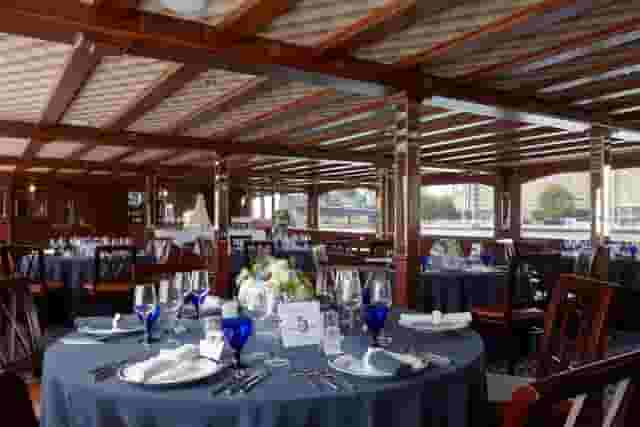
Seated three-course banquets require substantial galley space, heated plating equipment and wide gangways for waiting staff. While broad-beamed vessels accommodate seated dinners comfortably, narrow craft and smaller motor yachts work far better with bowl food, sharing boards or station-based buffets.
Bowl food is particularly effective for Thames events. It allows guests to eat standing up while moving between inside cabins and outdoor decks, prevents formal table plans from locking people down, and keeps food warm even if the breeze picks up outside. If you require a seated banquet, confirm that the galley can prepare all courses on board, or whether food must be delivered pre-cooked in hot-boxes from shore.
Drinks packages and onboard bars
Most river venues supply their own bars and do not allow external drinks without prohibitive corkage charges. When reviewing drinks packages:
- Service length: Confirm whether the package covers the total charter time or ends 30 minutes before docking.
- Glassware restrictions: On moving vessels, safety guidelines may require polycarbonate glasses on open decks to prevent broken glass in public areas, reserving real glassware for interior cabins.
- Draught beer limitations: Draft lines require cellar tanks that small vessels cannot accommodate. Many boats serve bottled craft beers, ciders and wines rather than cellar-drawn pints.
- Spillages and motion: The Thames is generally calm, but wake from passing high-speed catamarans and river buses will cause rolling. Opt for stemless glassware or wide-base tumblers where possible.
Audio visual, power and technical production on the water
If your company event includes presentations, speeches, client pitches or brand displays, technical planning requires extra attention afloat.
Engine noise and acoustic balance
Boat hulls, particularly steel or aluminium structures, reflect sound differently to plaster walls. Lower decks can suffer from low-frequency engine rumble, while upper decks face river winds and background city noise.
Ensure your vessel provides a multi-zone PA system. Speeches delivered from the wheelhouse or main saloon must carry clearly through external speakers without deafening the people sitting inside near the amplifiers. For presentations, choose wireless handheld microphones rather than lapel mics, which catch wind distortion the moment a speaker stands near an open deck window.
Screen sightlines and natural light
The Thames is surrounded by open sky and reflected water glare. Daylight events on vessels with large viewing windows look magnificent, but direct sunlight washes out projector screens and television monitors. If you intend to show a presentation, ask the venue whether windows have blackout blinds or if they recommend high-brightness LED video walls instead of standard projectors. Check whether low ceiling clearances limit screen heights.
Power supplies and generators
Cruising boats generate their own three-phase power while underway, while moored ships use shore power cables connected to the embankment. If your production team is bringing in high-draw lighting, LED walls or heavy DJ rigs, confirm the vessel's auxiliary power capacity. Drawing too much power can trip marine breakers. Professional production teams will need to liaise directly with the vessel's chief engineer.
Mobile connectivity and Wi-Fi coverage
Do not assume standard mobile broadband works reliably on the water. While London's mobile signal is strong on land, signals regularly drop when boats pass beneath the arches of stone bridges such as Waterloo, Blackfriars or London Bridge.
If your event requires live streaming, digital polling or remote attendee participation, ask the operator whether the vessel has an integrated cellular bonding or satellite Wi-Fi system. For static venues and riverside dining rooms, confirm that guest Wi-Fi reaches private rooms and outside terraces.
Safety, licensing and operational regulations
Every vessel operating commercially on the Thames falls under strict maritime governance administered by the Maritime and Coastguard Agency and the Port of London Authority.
The master's authority
On land, the event organiser or venue manager controls the run of show. On the water, the vessel's captain holds absolute legal authority over the ship, crew, passengers and itinerary. If the captain determines that river fog, high tidal currents, bridge maintenance or wind conditions make sailing unsafe, they have the legal power to adjust the route, delay departure or remain moored at the pier.
Build flexibility into your running order. If your event includes a planned speech precisely as the boat sails beneath Tower Bridge, understand that tidal traffic or bridge lift schedules can alter boat timings by 15 minutes in either direction.
Late licences and sound limits along residential banks
While the Thames feels like an open commercial corridor, much of the riverbank through central London, Southwark, Battersea and Greenwich is densely residential.
Sound curfews on the water are strictly enforced:
- External deck music must generally be turned off between 21:00 and 23:00, depending on the river sector.
- Doors to outdoor viewing decks must remain closed when live bands or DJs perform inside late at night.
- Licensing hours on the river generally mirror central London premises, with bars closing between 23:00 and midnight. Extensions past midnight require special temporary event notices and operator agreement.
To help evaluate your options, use this operational checklist when touring Thames venues:
| Site-visit check | Cruising vessel | Moored ship or quayside room |
|---|---|---|
| Ramp gradient and access | Check gangway angle at both high and low tide forecasts | Confirm step-free route from street to private room |
| Boarding procedure | Check baggage screening area and undercover waiting space | Check private registration desk location in main lobby |
| Sightlines and ceilings | Measure ceiling height for AV screens and backdrops | Check pillar positions and daylight glare on presentation screens |
| Smoking policy | Confirm designated exterior deck areas while underway | Check terrace boundaries and local council smoking rules |
| Supplier load-in | Confirm pier loading windows and parking permits for vans | Check service lift access, loading bays and delivery restrictions |
What our customers say
Inspiration and planning guides

This Is Why London Has Such Unique Venues
At Hire Space, unusual venues [https://hirespace.com/Browse/Unusual-Event-Venues-London] are the name of the game. Passion to find a unique venue for an event seems to be unabated in London, but it's of little surprise when taking into account all the amazing spaces the capital has to offer. But just why is London filled with so many unusual venues for hire? We investigated: Romans, Saxons, Normans, Tudors and Stuarts. The Black Death, two World Wars and one Great Fire. London has seen it a

EventLAB Series: Introducing the Event
We're very excited to introduce EventLAB [https://eventlab.online/], our first two-day event designed to take event professionals through every step of the event planning process. We'll be bringing you the latest updates in the run-up to the event in our 'EventLAB Series' [https://hirespace.com/blog/tag/eventlab//], including relevant content and a little glimpse of the speakers, workshops and themes that will feature at the event. In the first instalment, we’ll explain all there is to know a

6 Reasons Why Venues Should Join Hire Space
Four years ago, we launched Hire Space to connect event venues with new customers easily via our online platform and Venue Expert service. We've come up with 6 reasons why Venue Managers might like working with Hire Space, and why venues should join the club [http://bit.ly/2kQaHEd]! 1. Best SEO in the Industry = High Web Traffic Our Marketing team has enhanced our site visibility on search engines and as a result 1.3M customers visited our web site in 2016 (7% higher than the previous year). Ou
One supplier. Every venue. Full visibility on what you spend.
Multiple venues and events. One agreement.