Self-Catering Wedding Venues for Hire in London
Explore self-catering wedding venues in London to choose your own food, manage your drinks spend and plan your reception your way.
823 Self Catered Wedding Venues for Hire in London




































































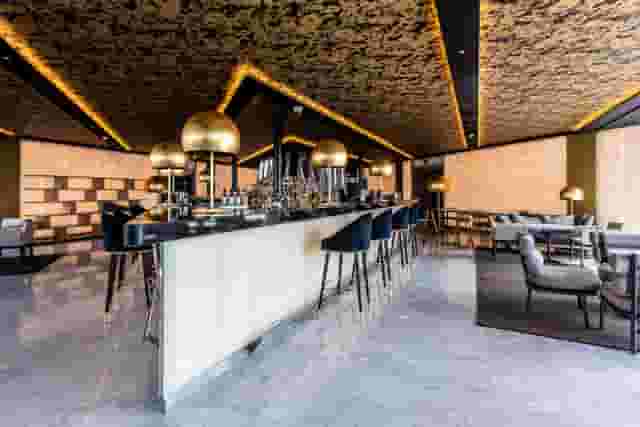
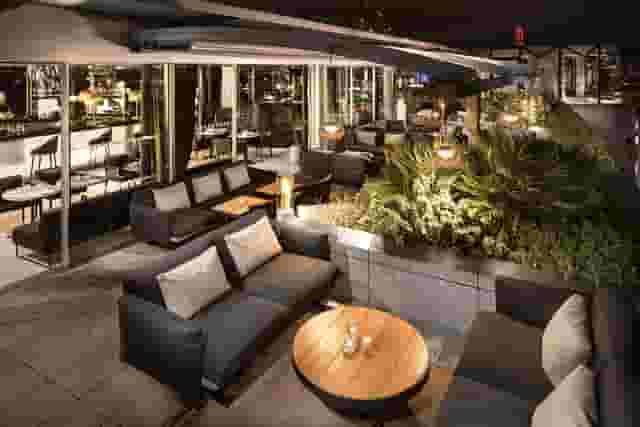
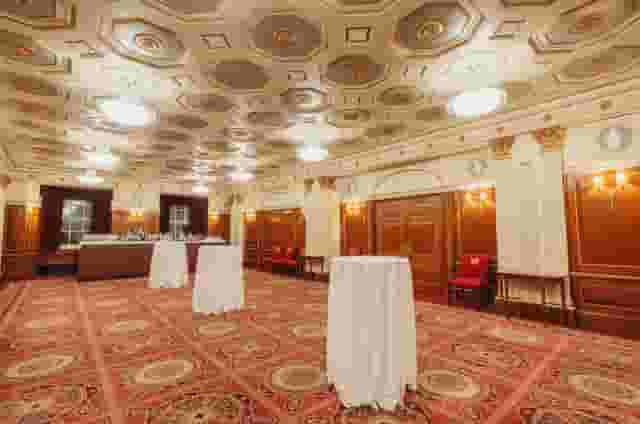
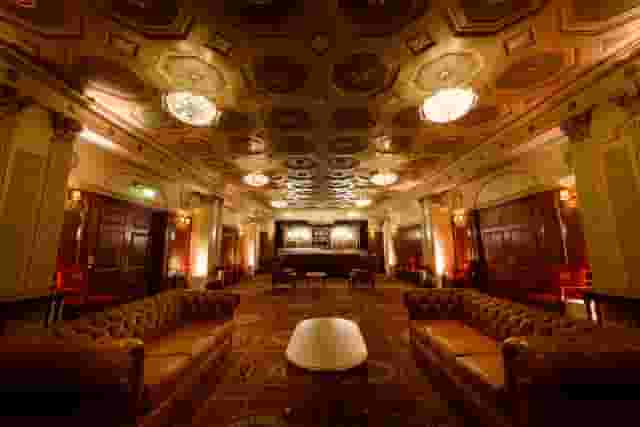




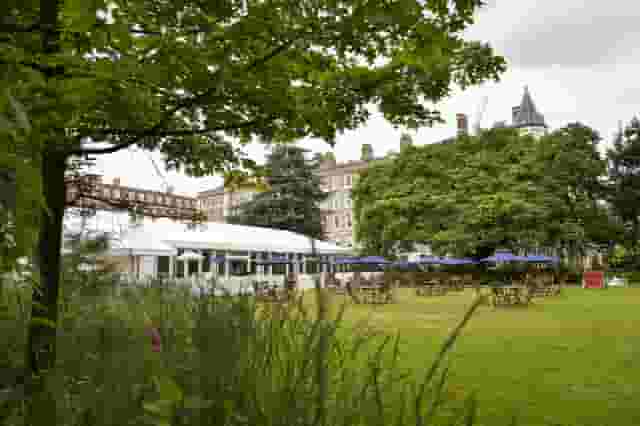
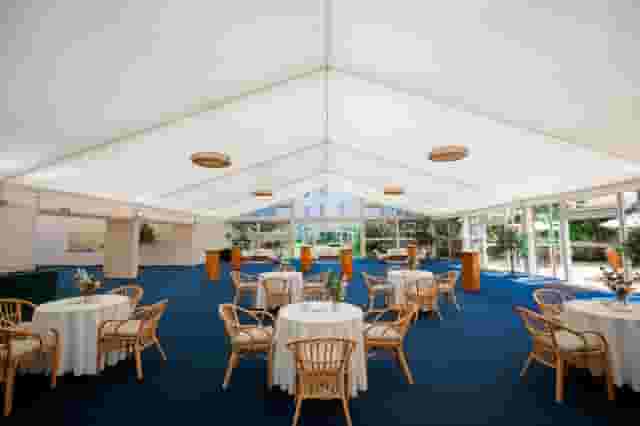
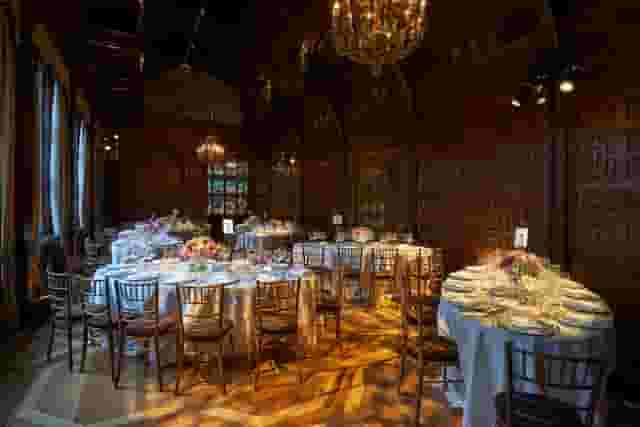
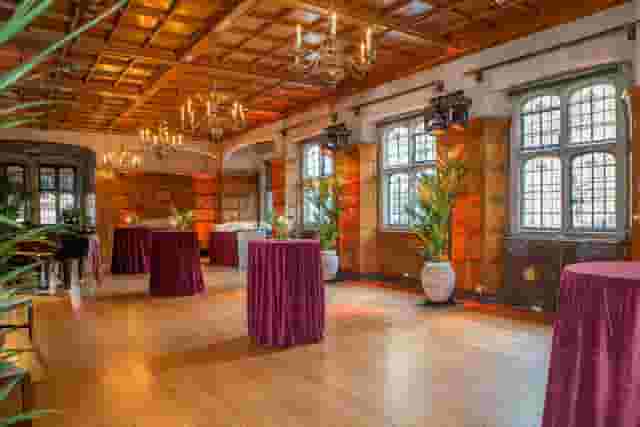





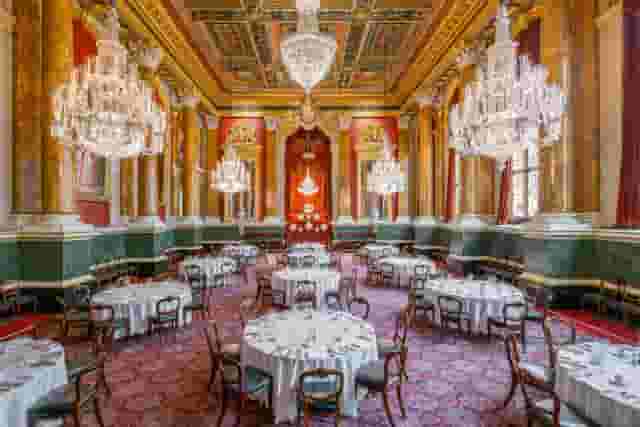
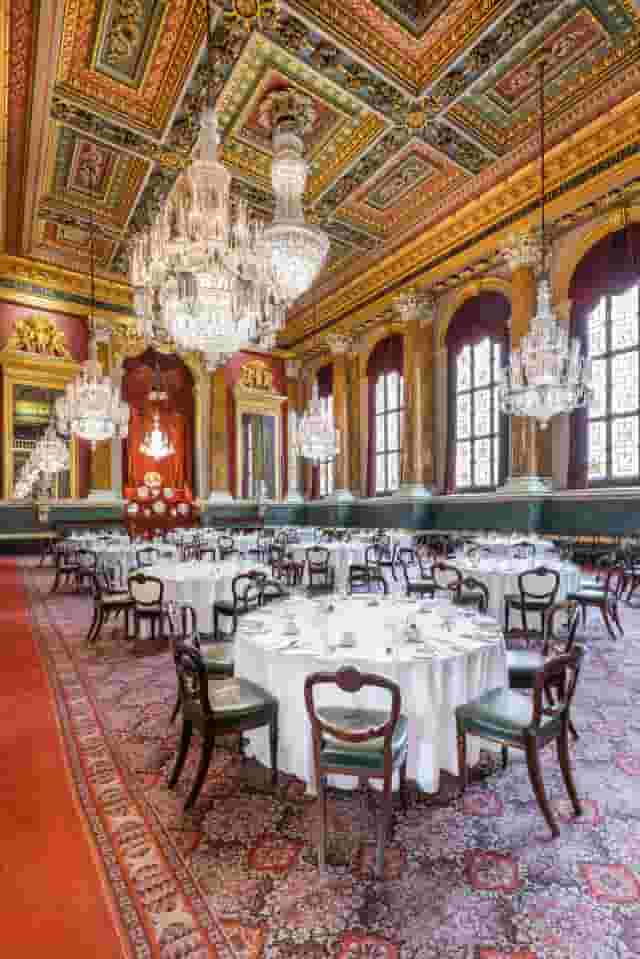

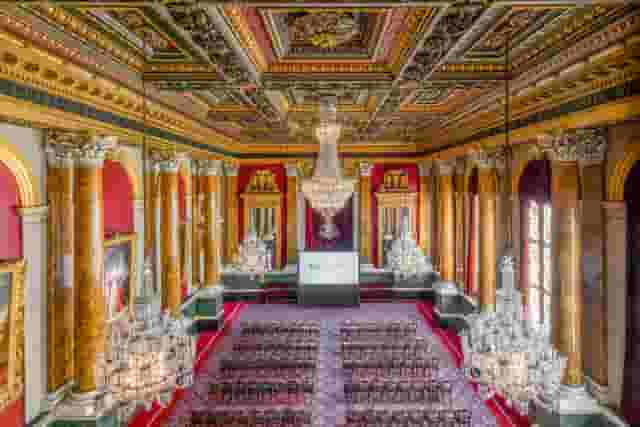
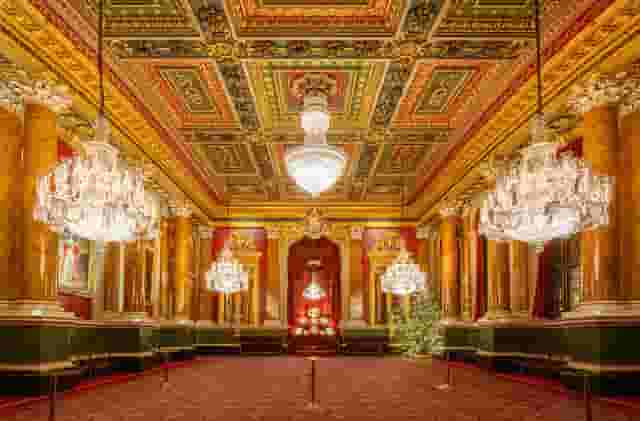



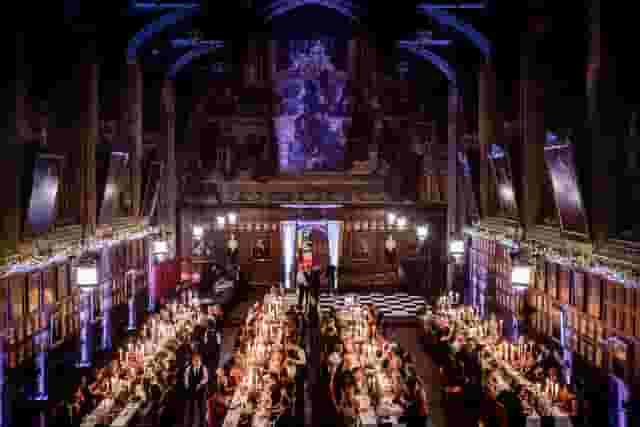
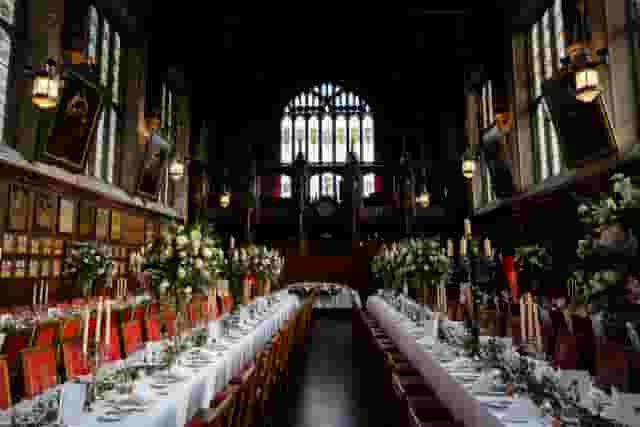

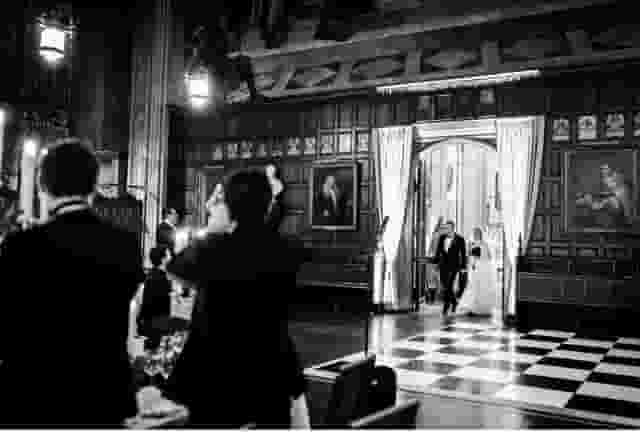
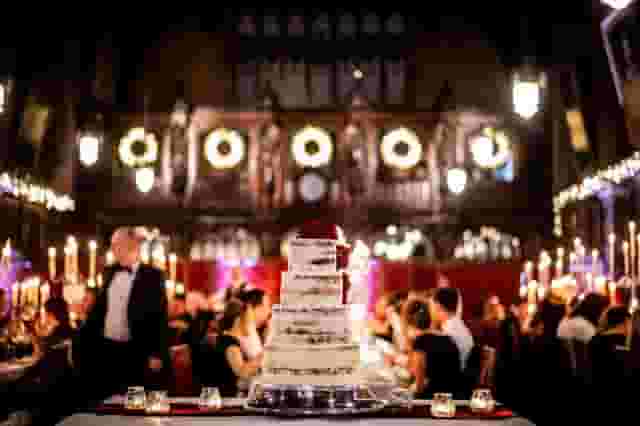
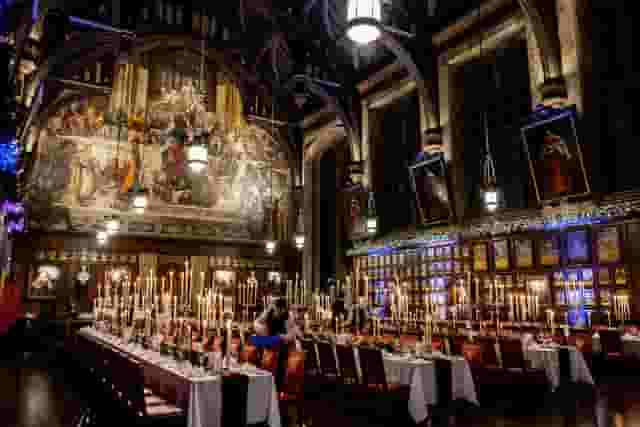
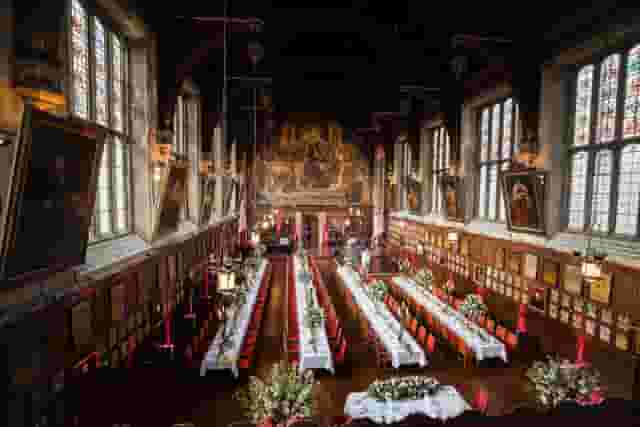
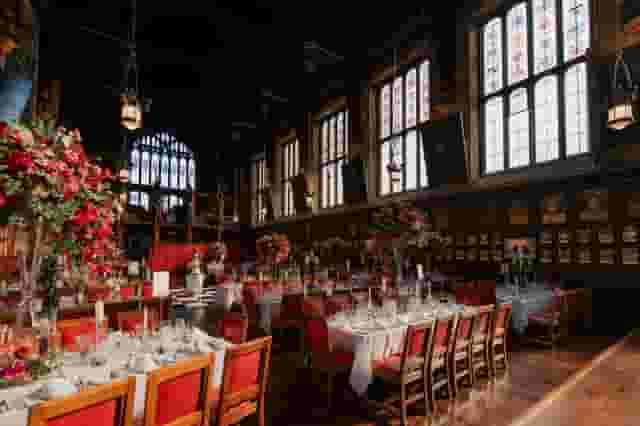

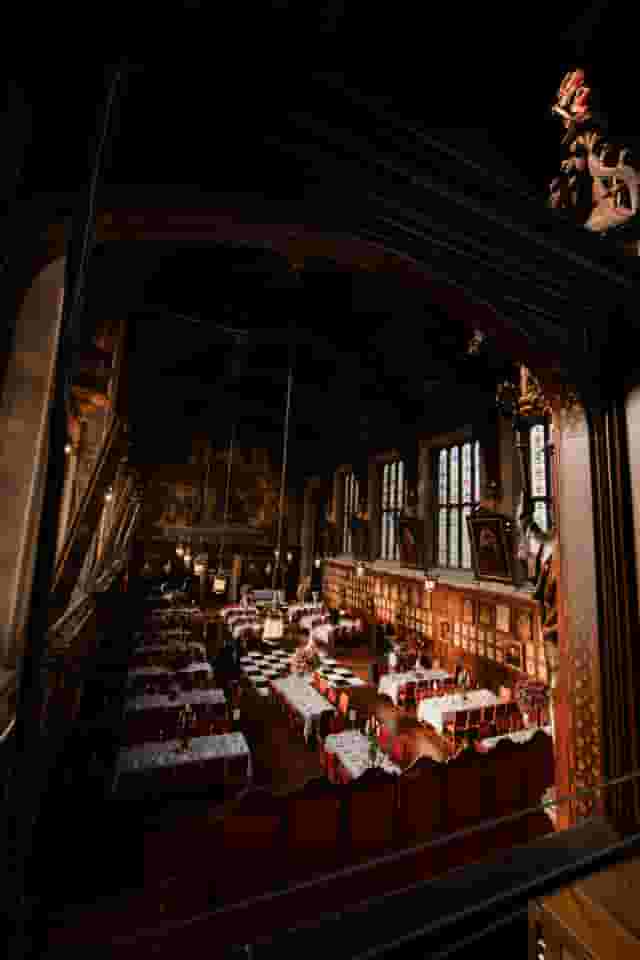


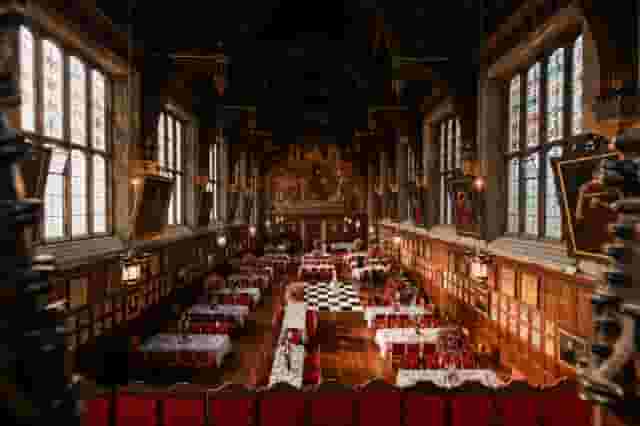

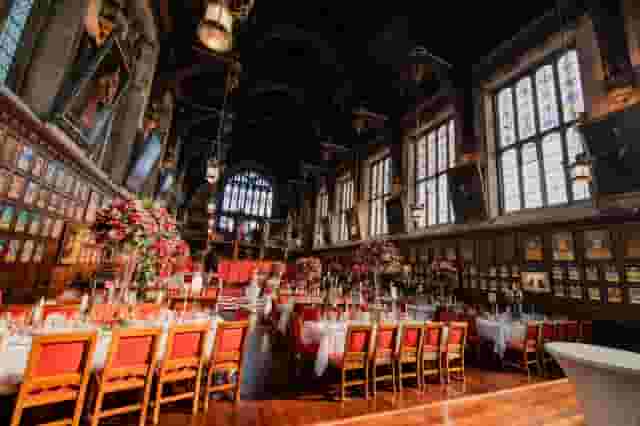

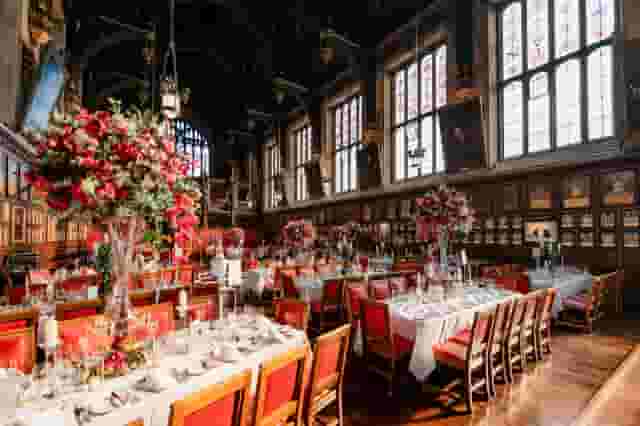

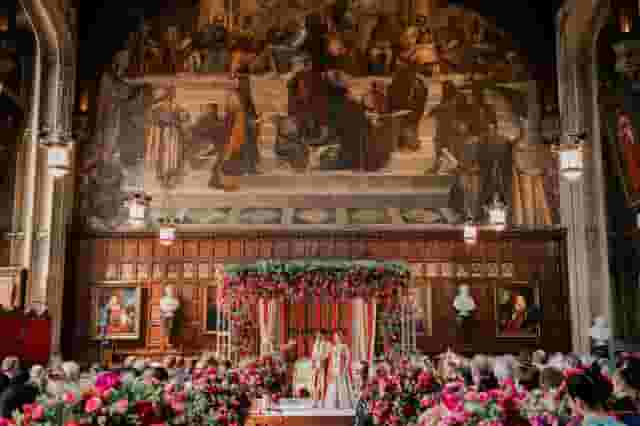






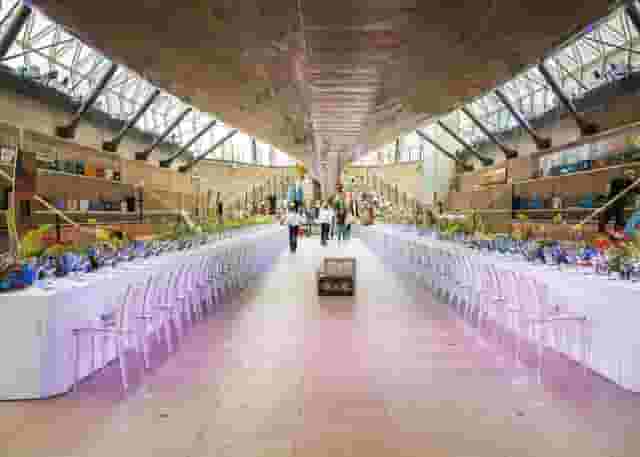
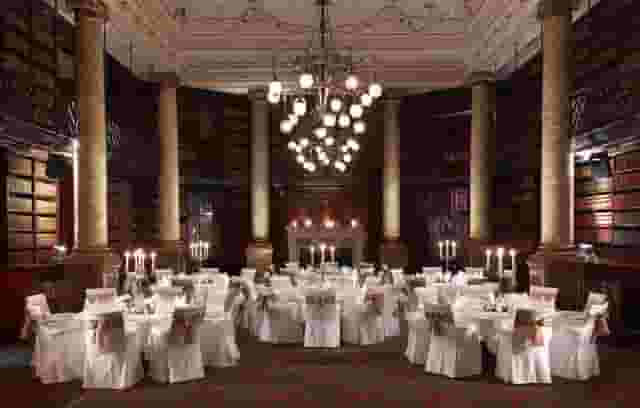

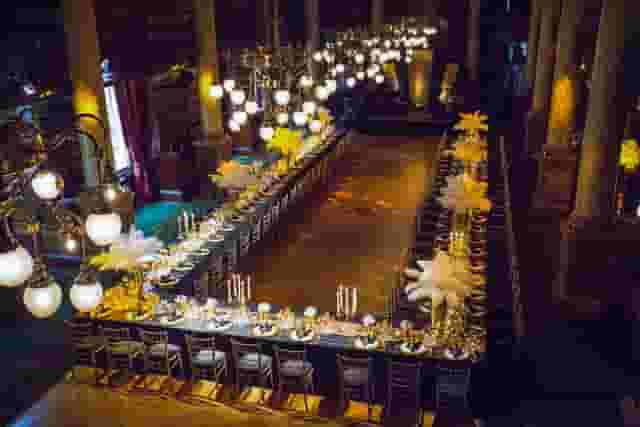



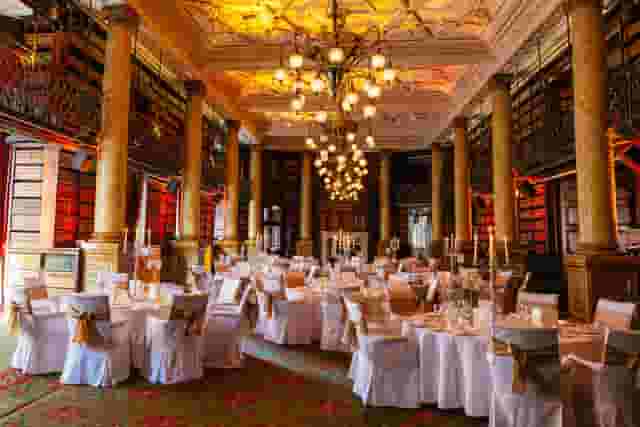




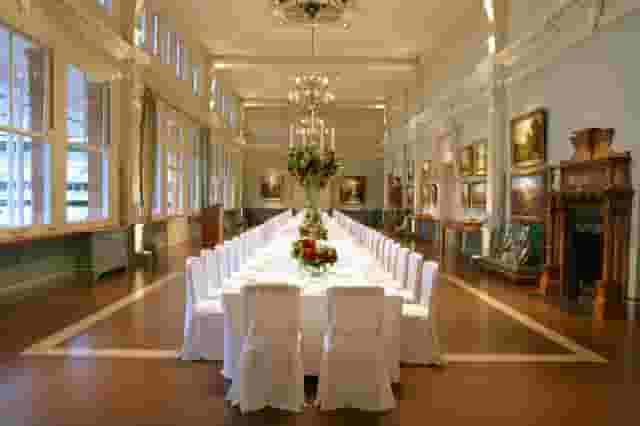
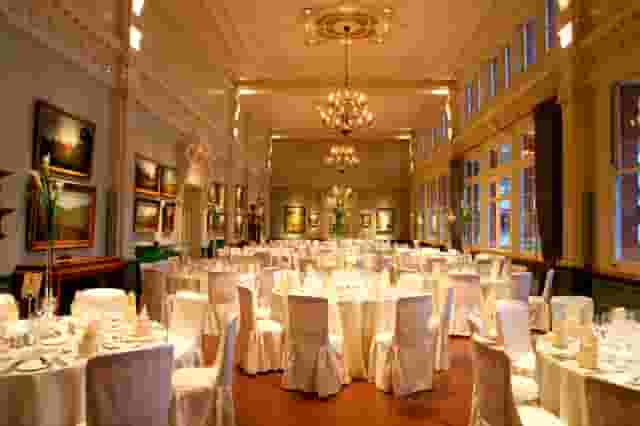
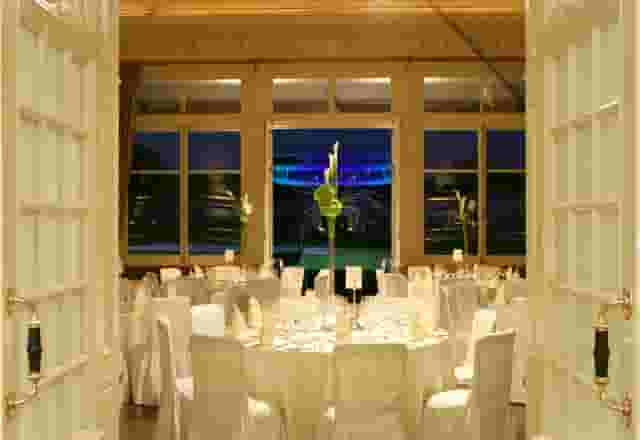
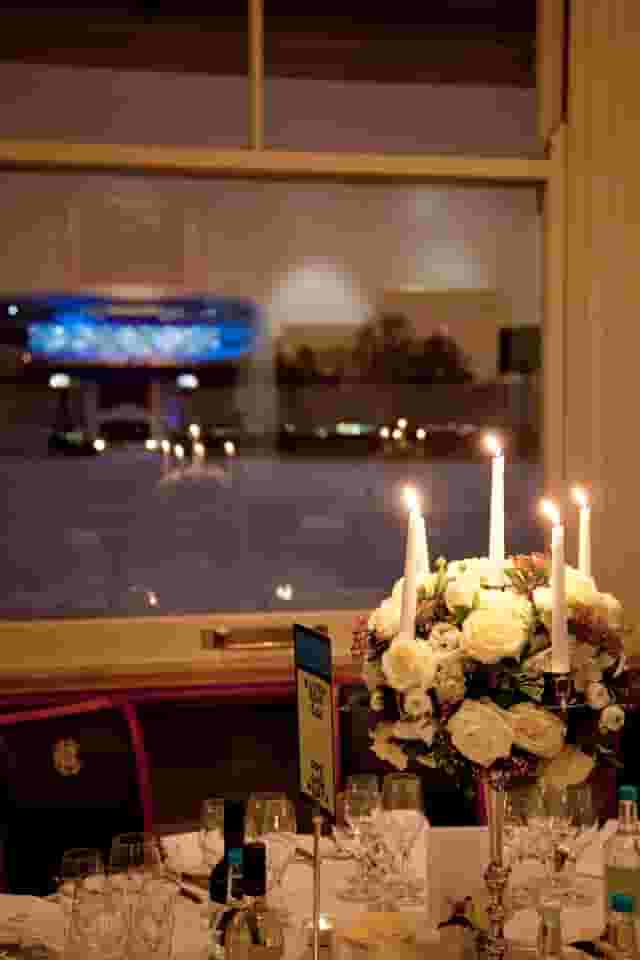
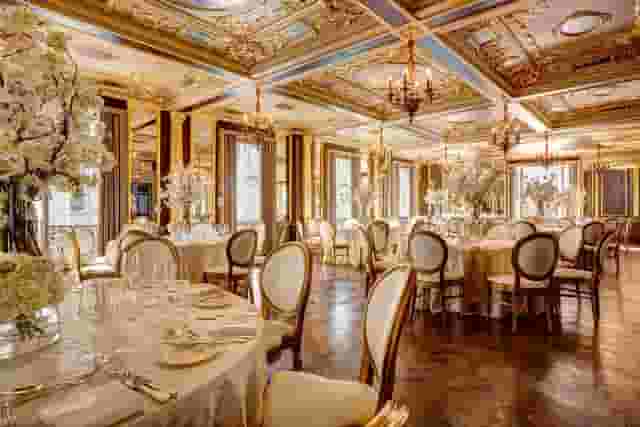
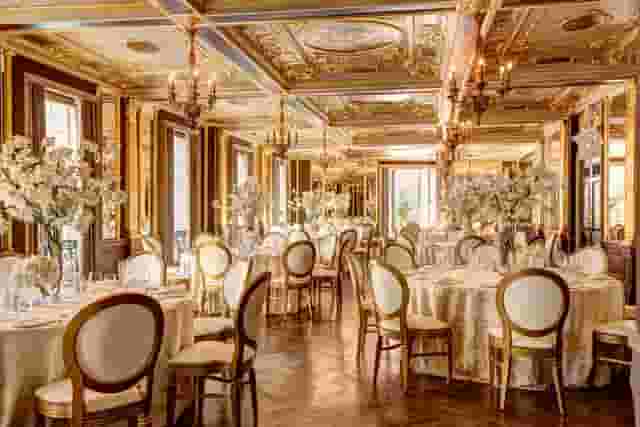
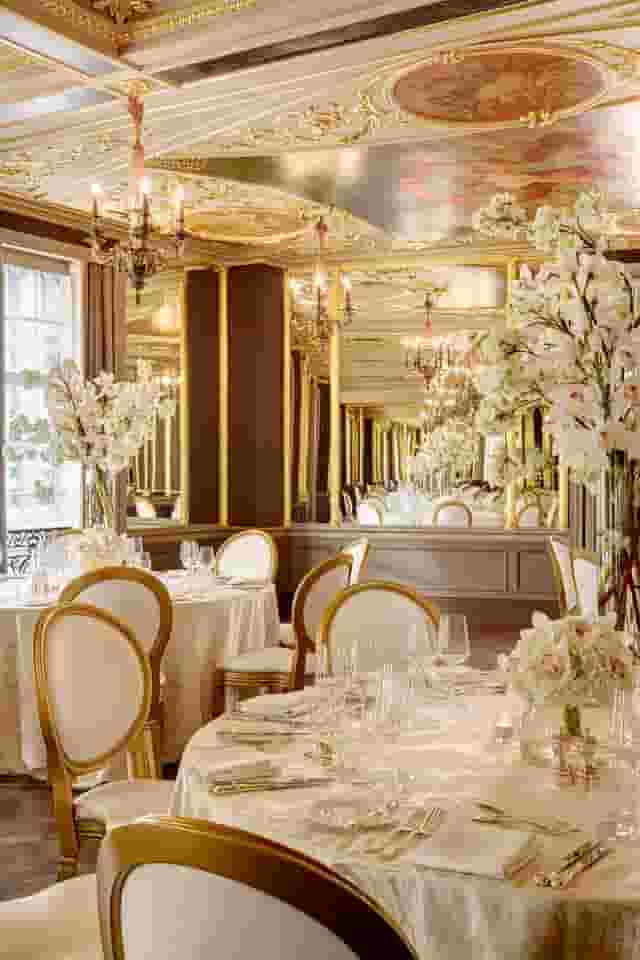
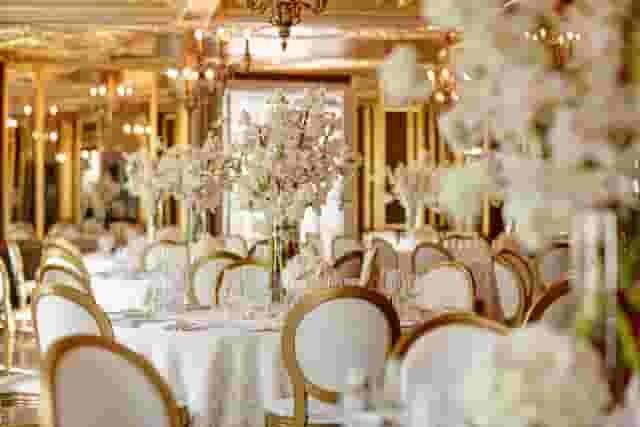

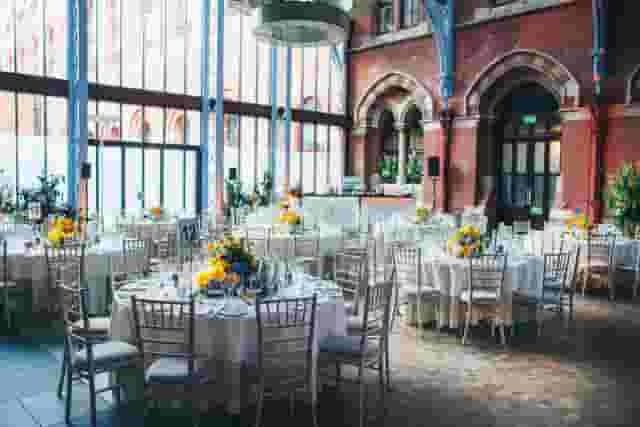
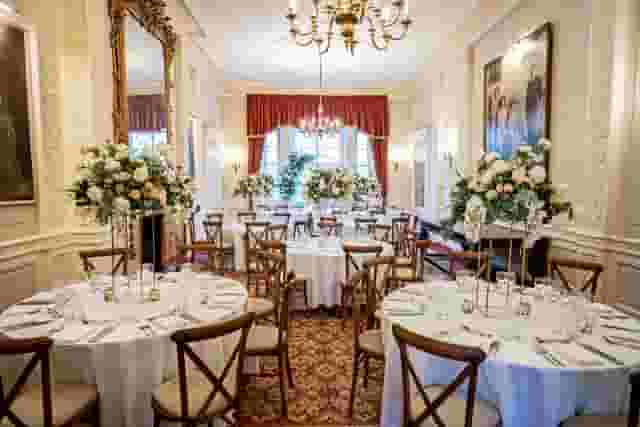
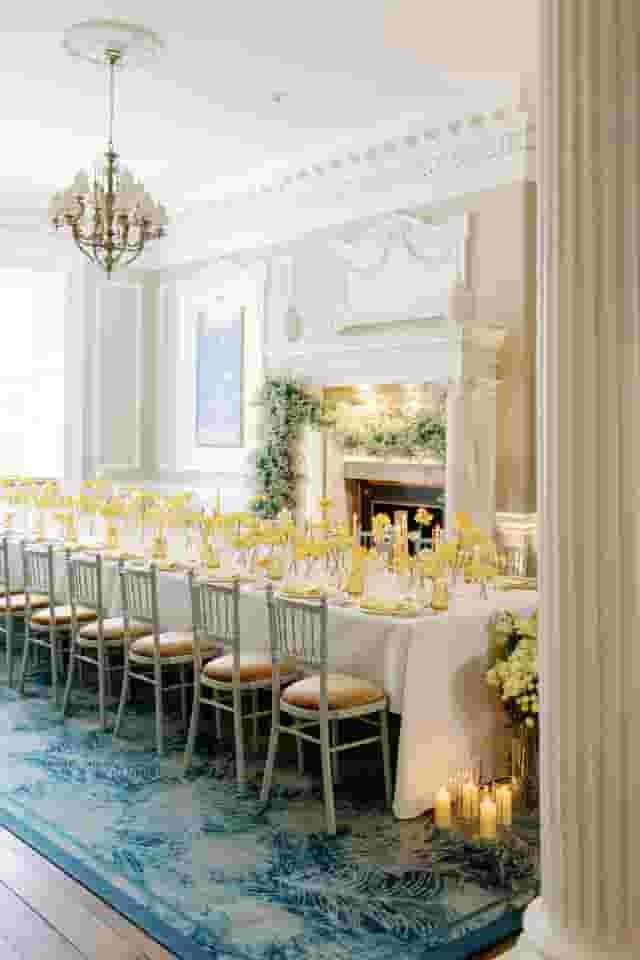

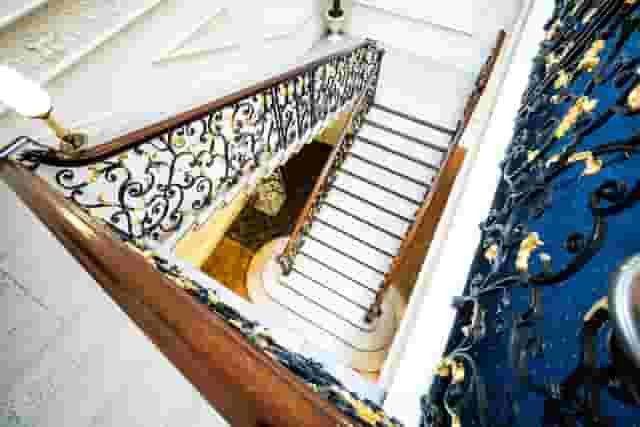






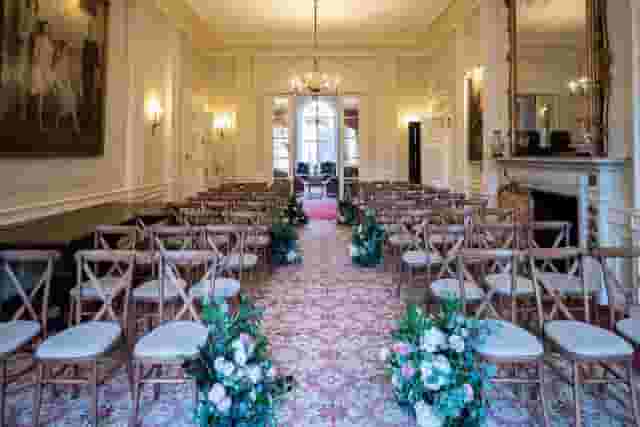
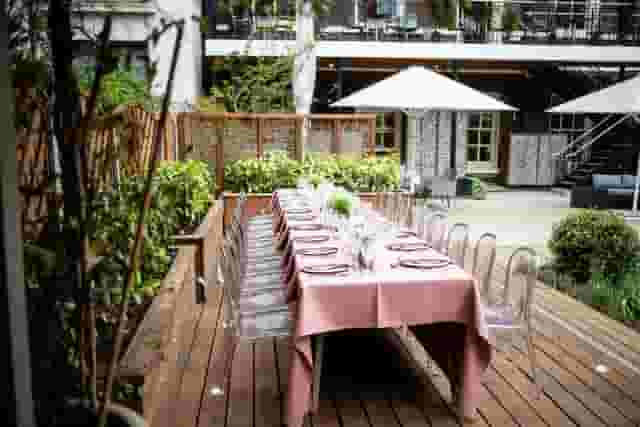
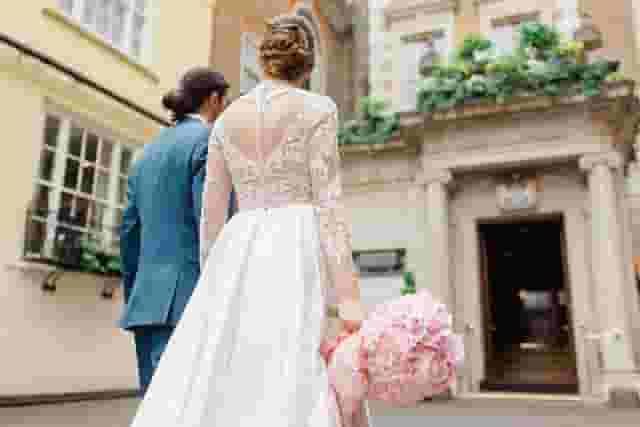

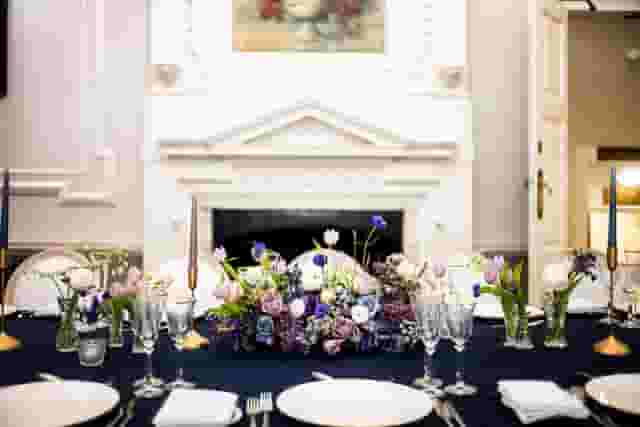






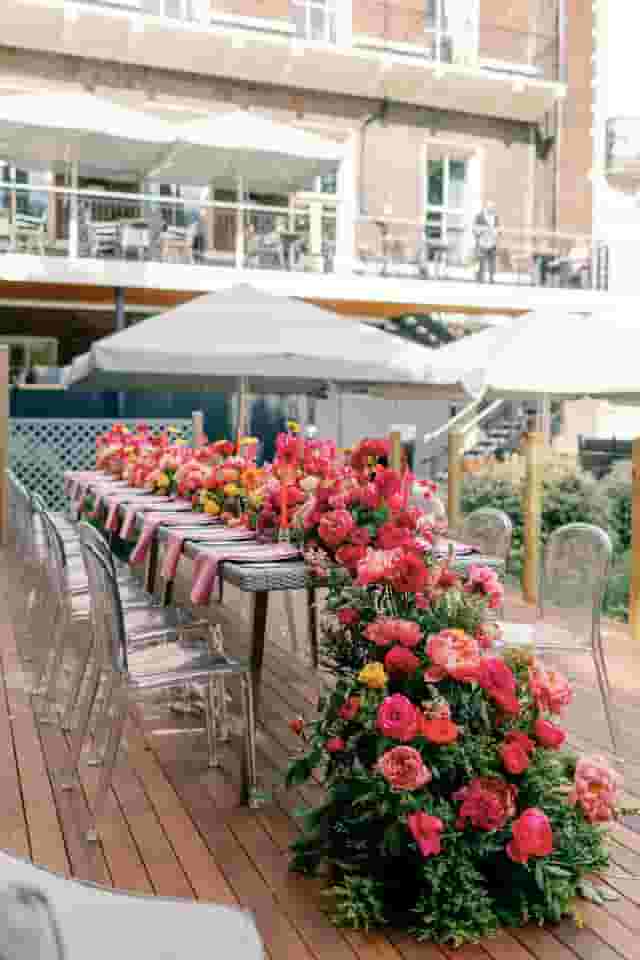

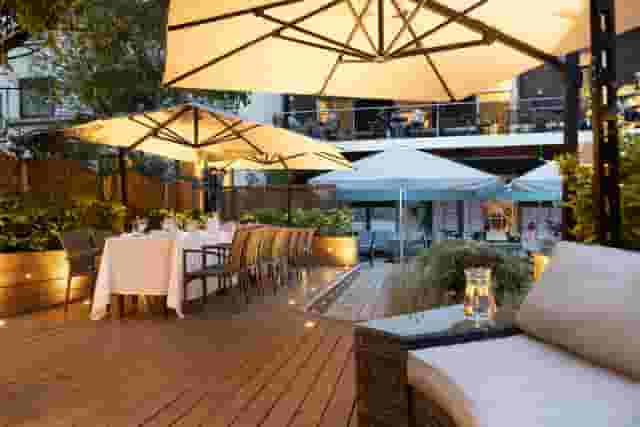
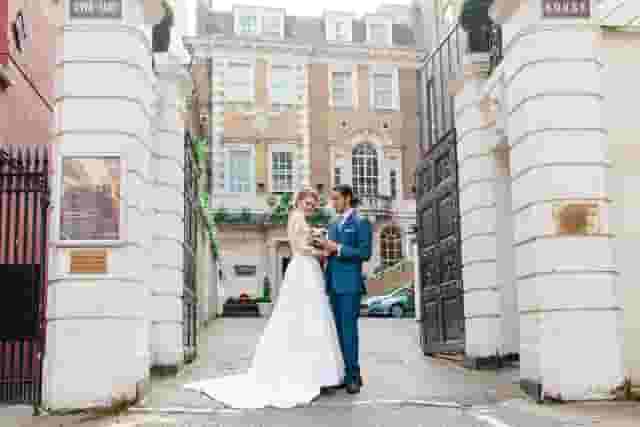

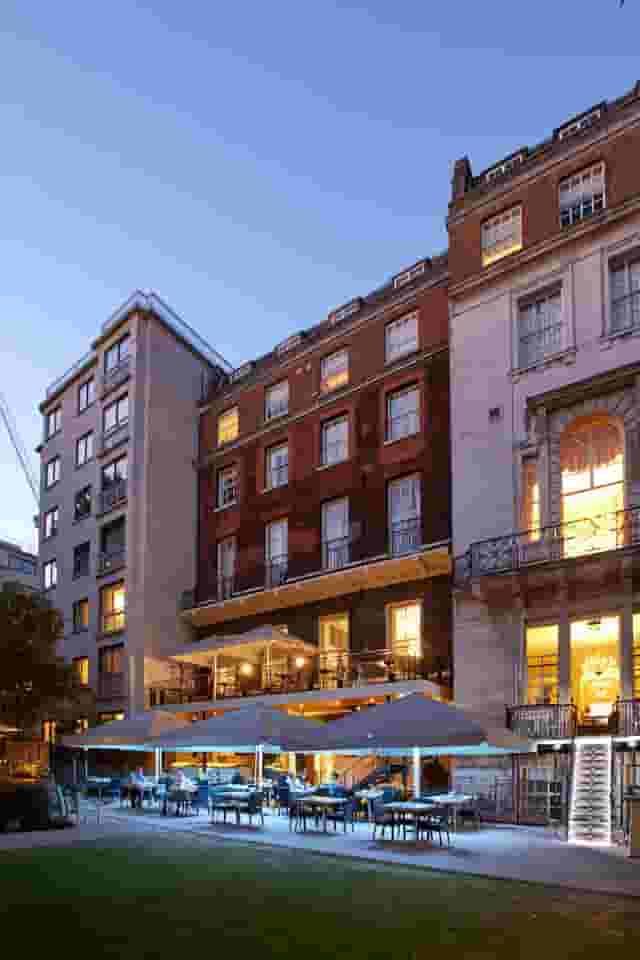














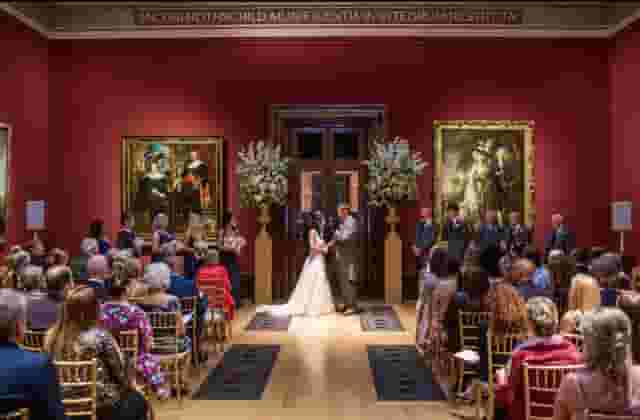
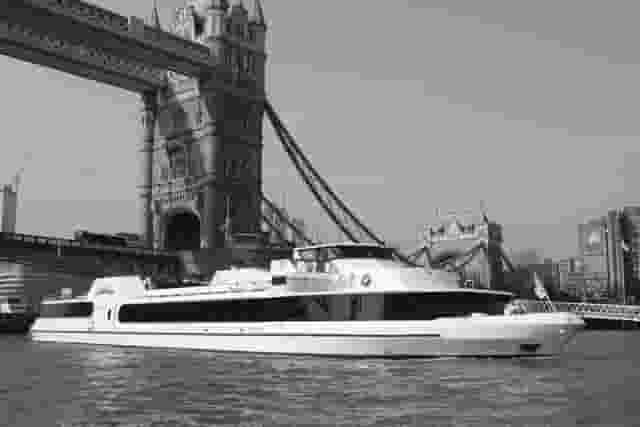
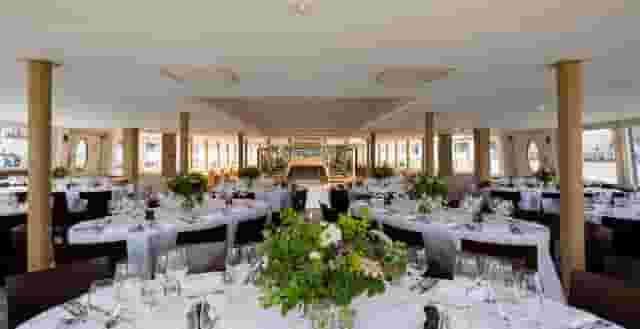
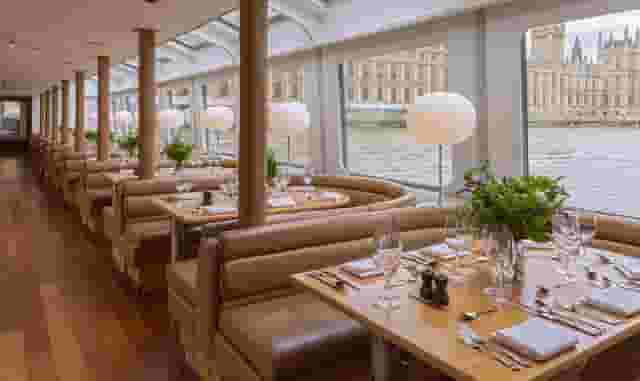









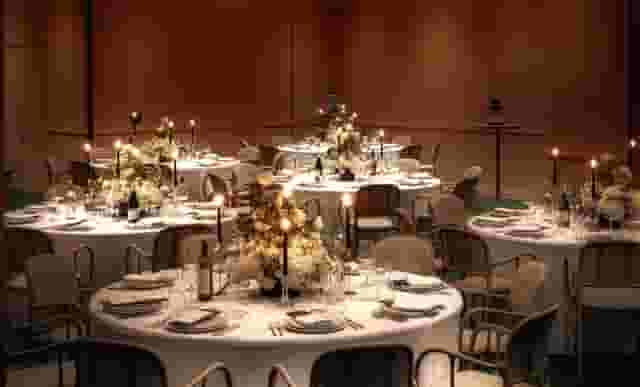
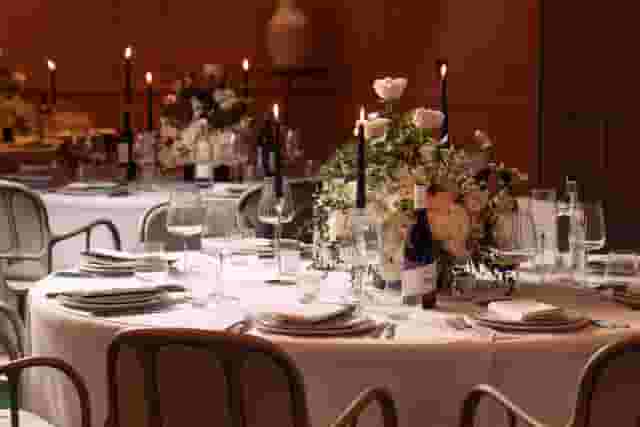

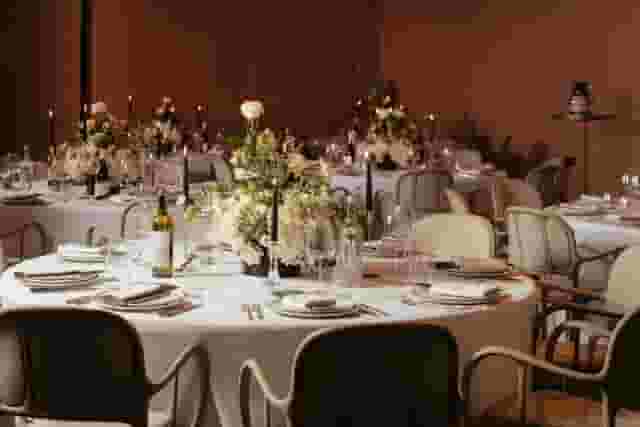

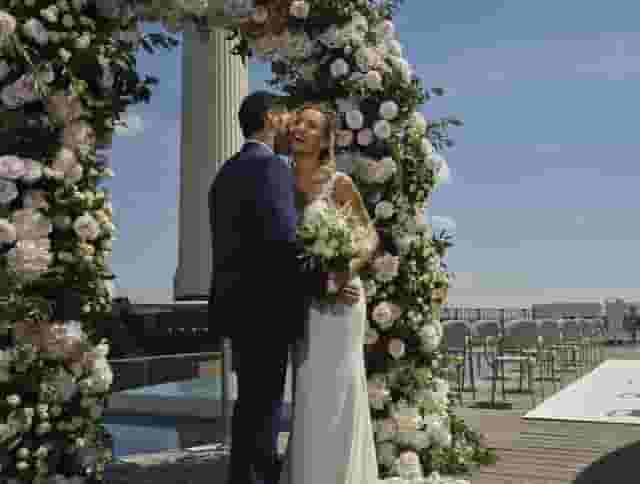








































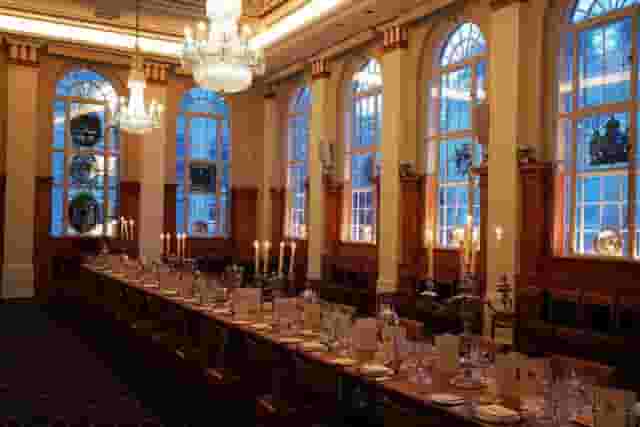
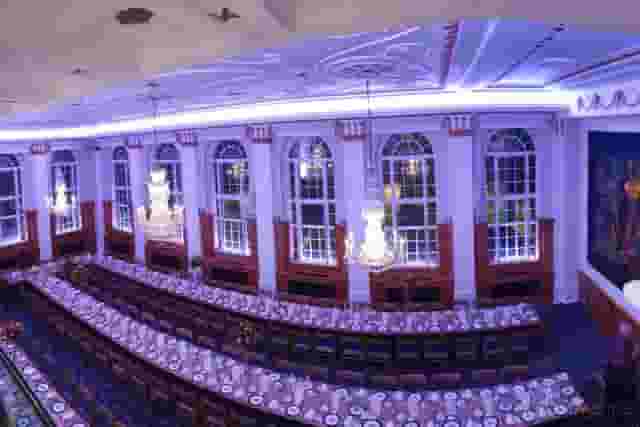
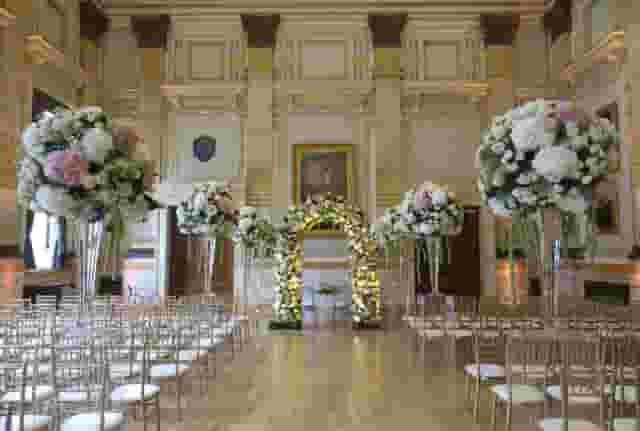
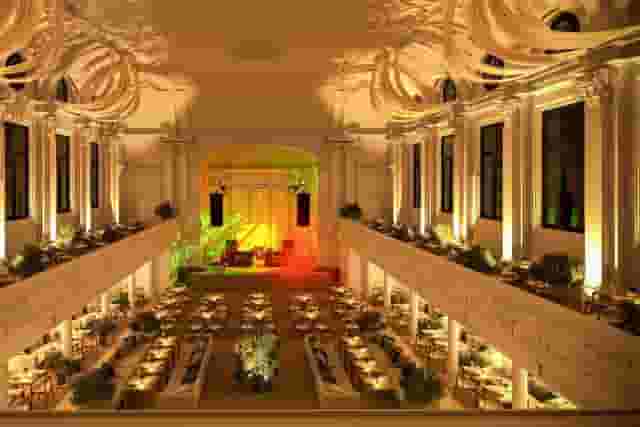






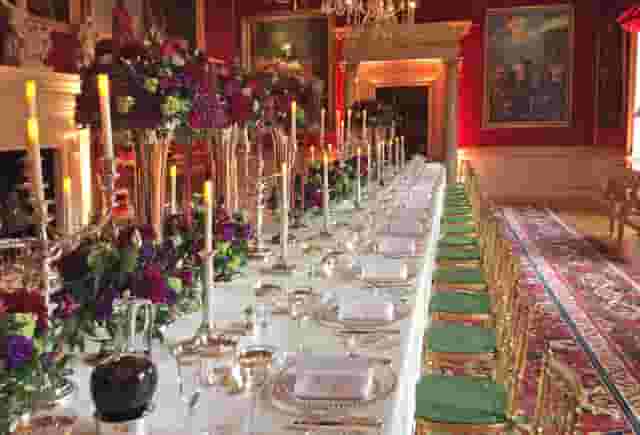

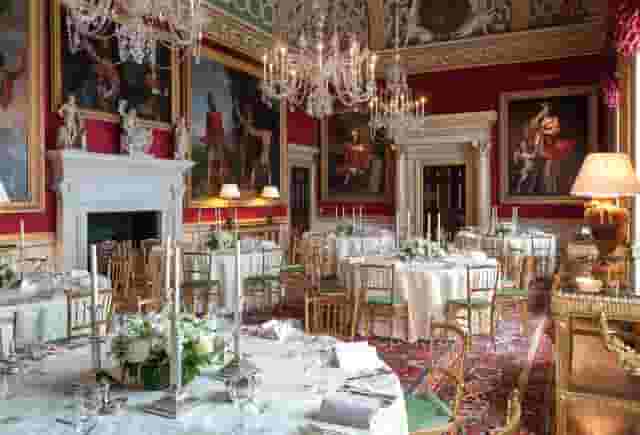
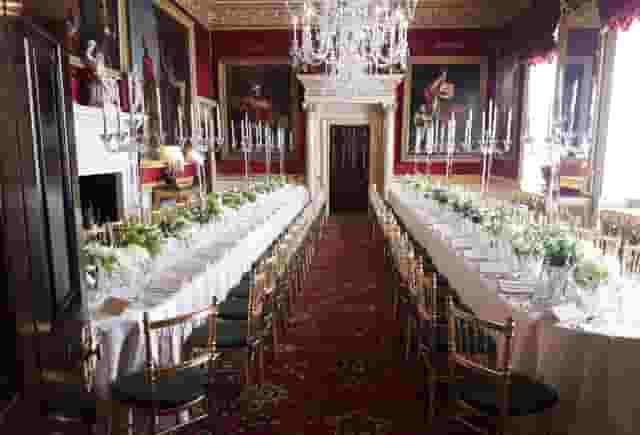
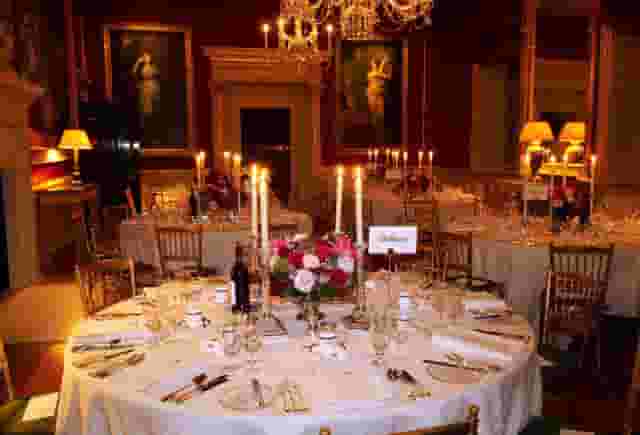































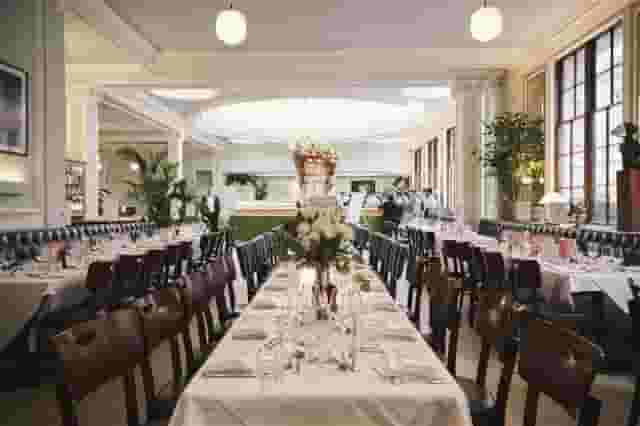

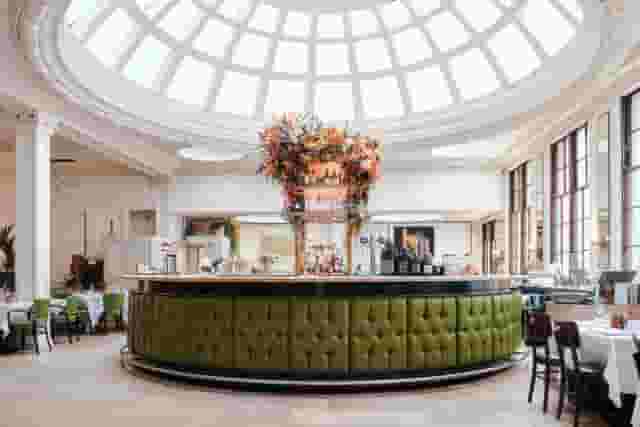

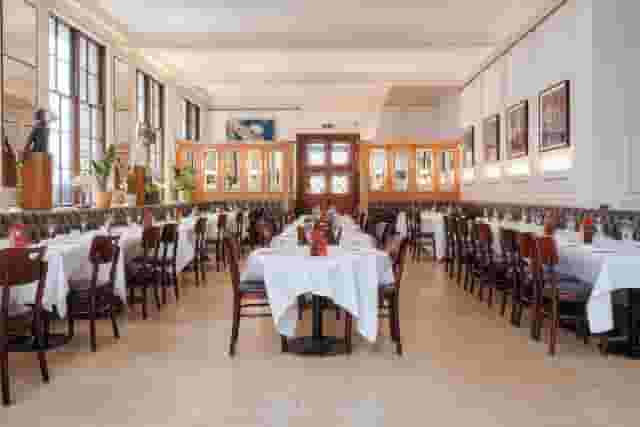
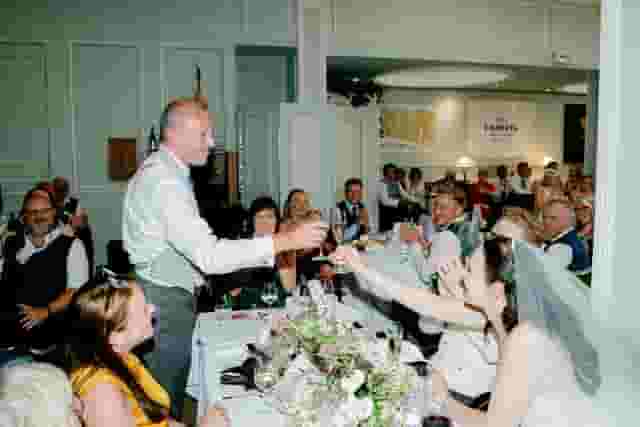
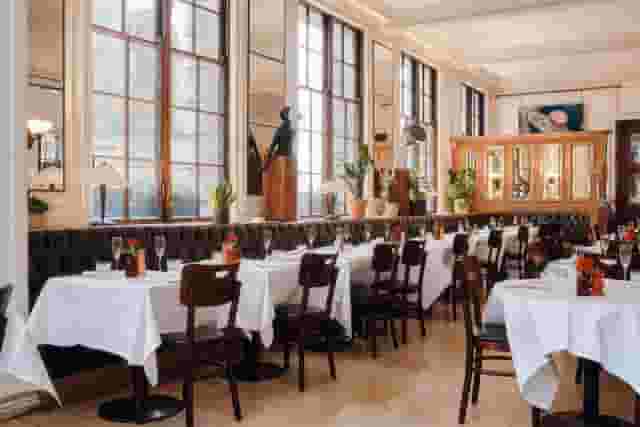


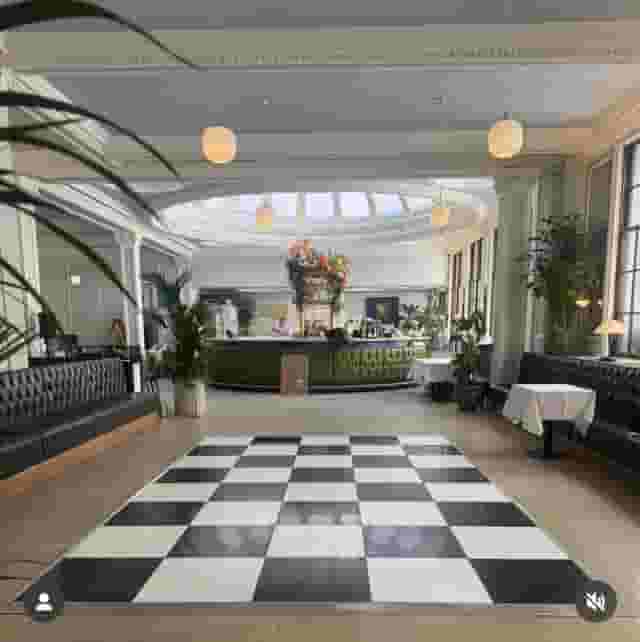

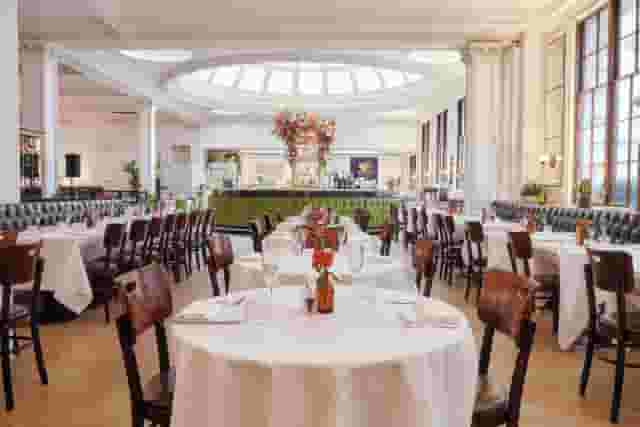
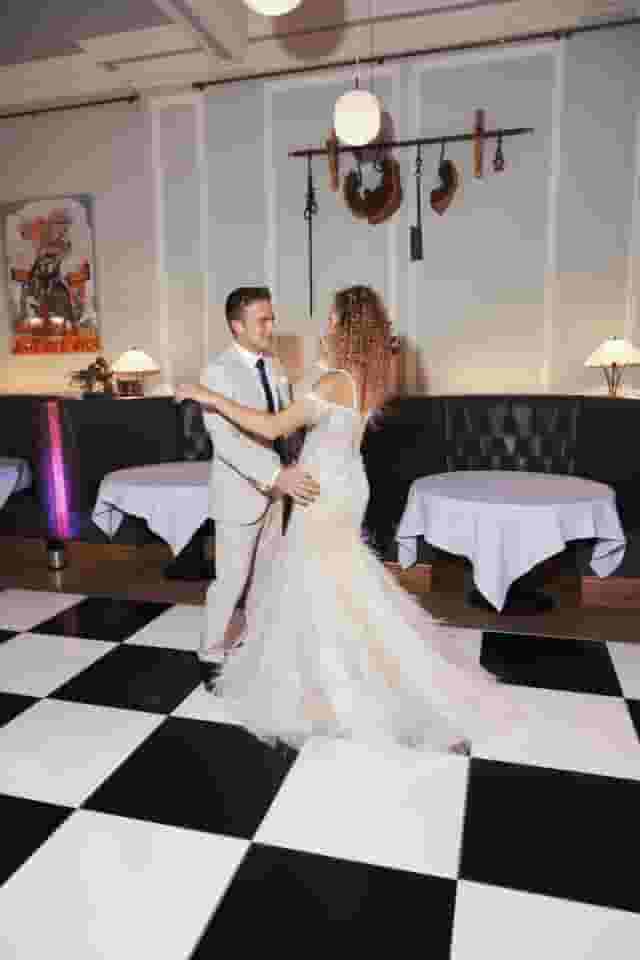
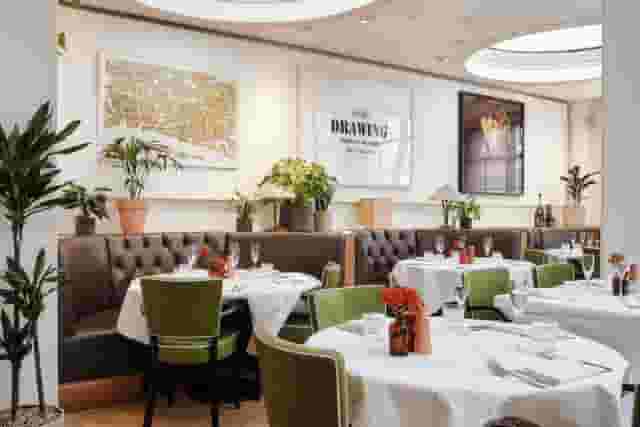
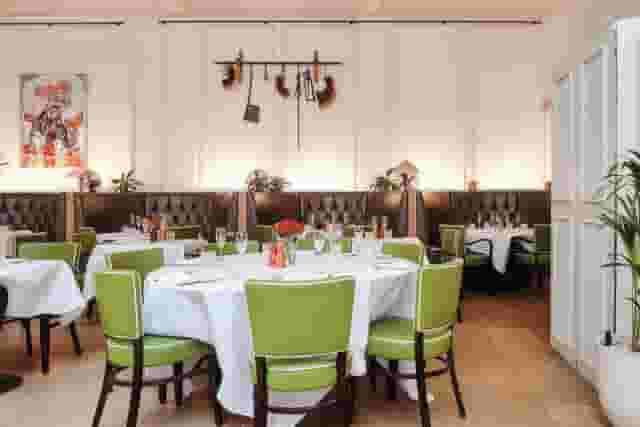
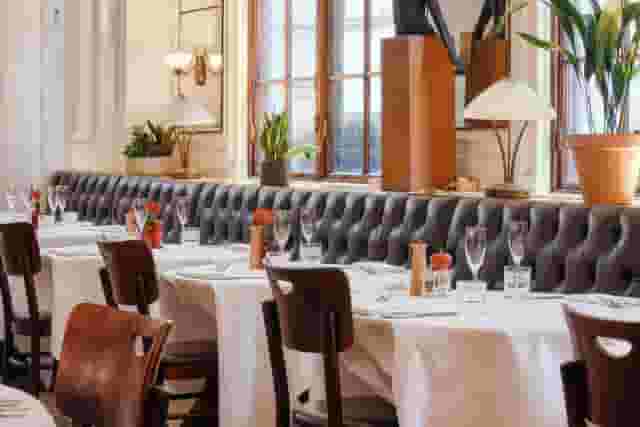
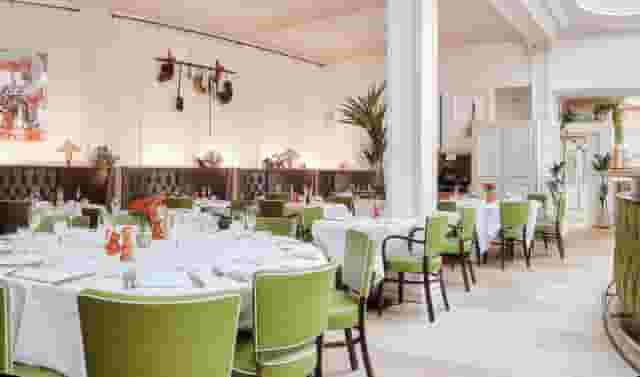














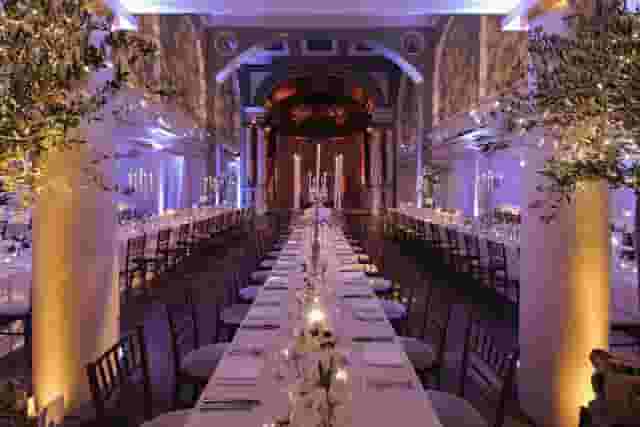
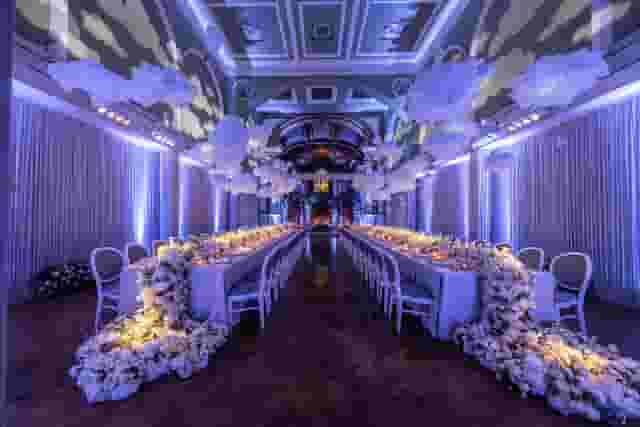
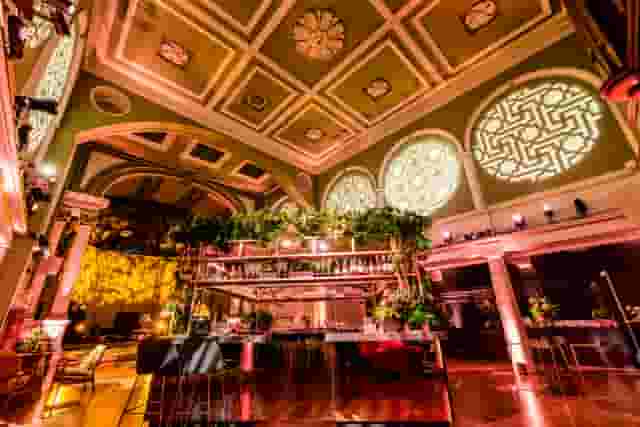
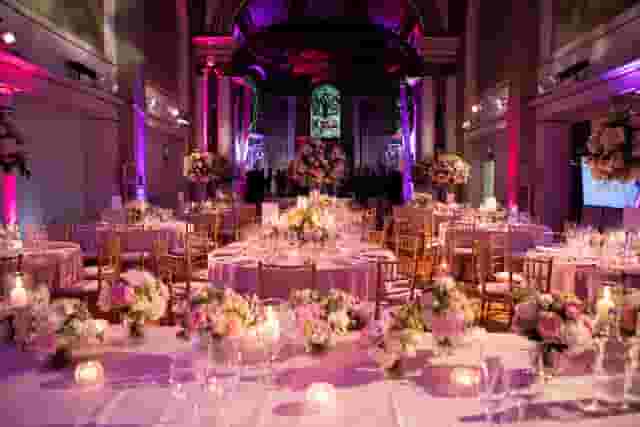



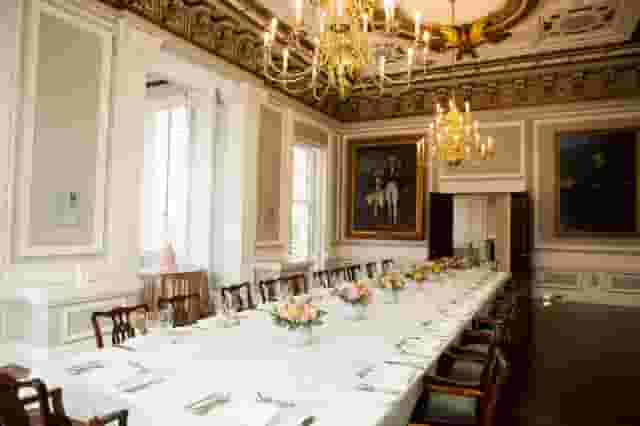


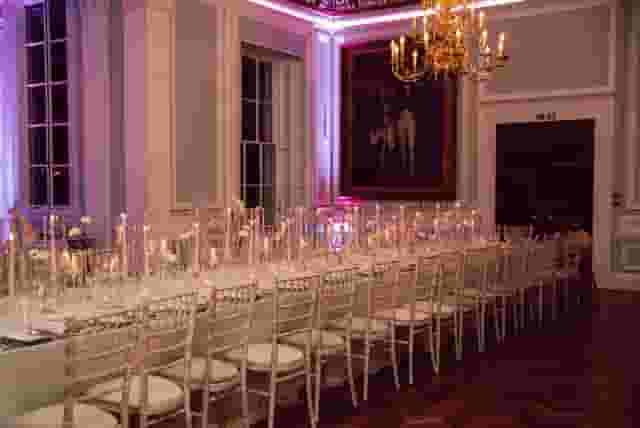
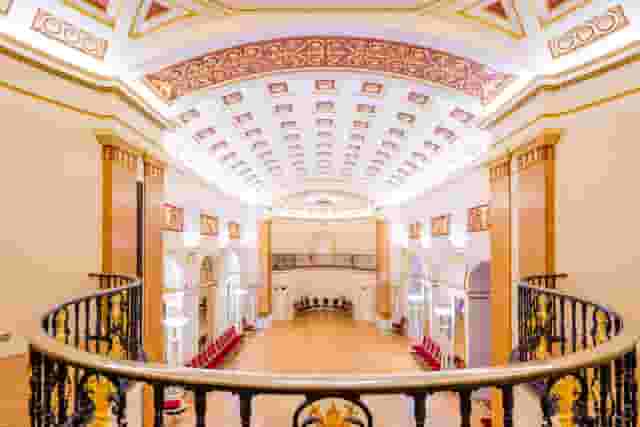
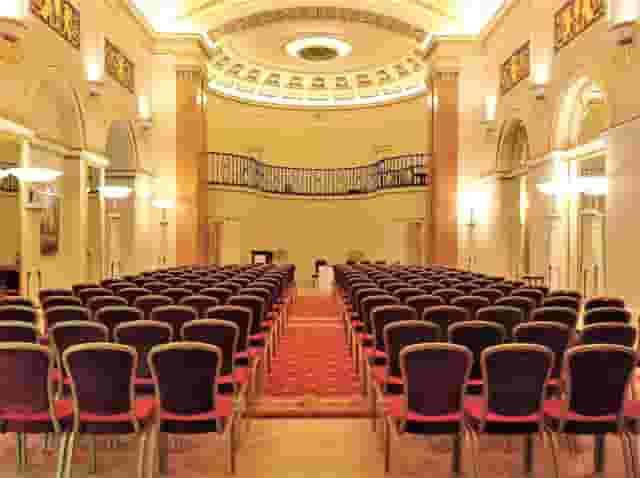
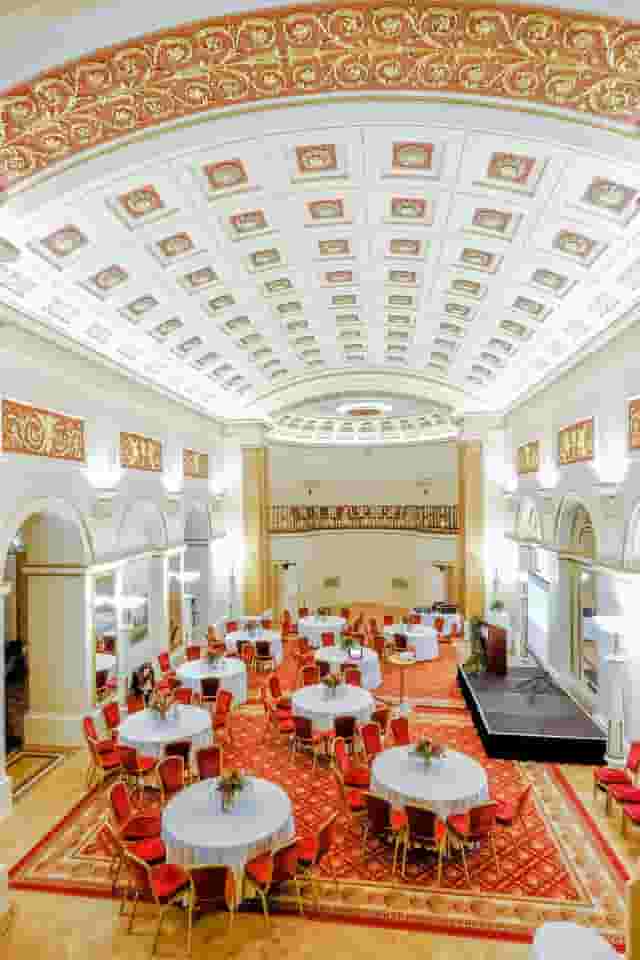
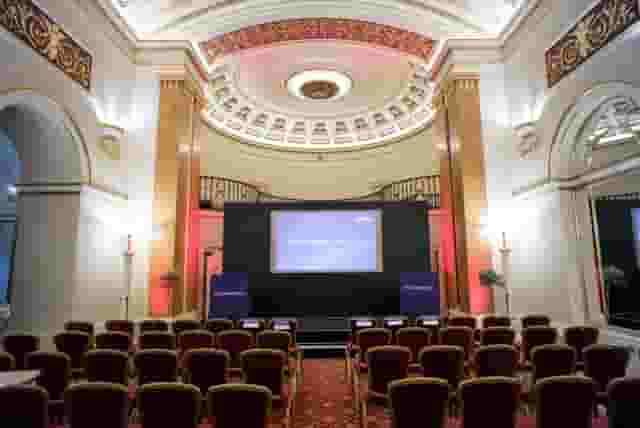




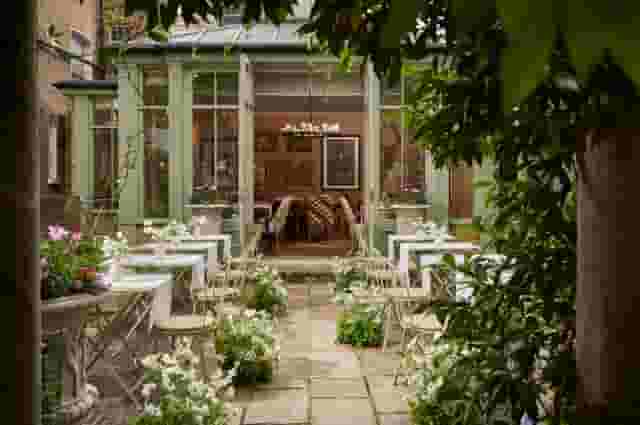


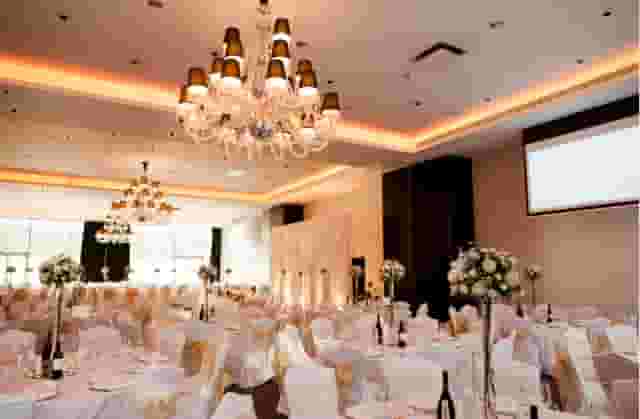








































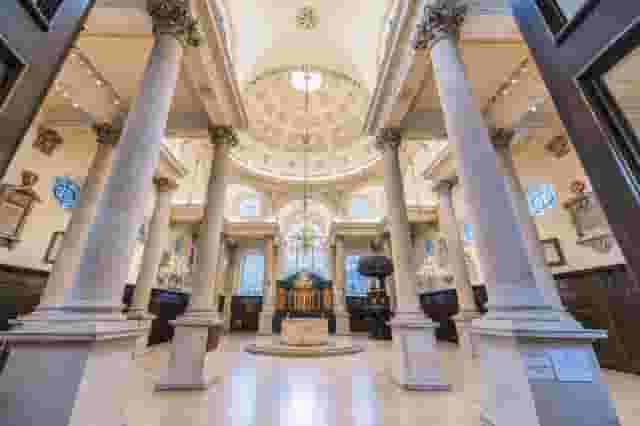

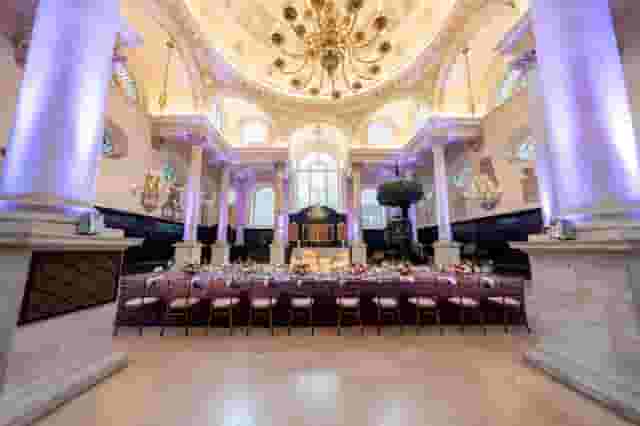
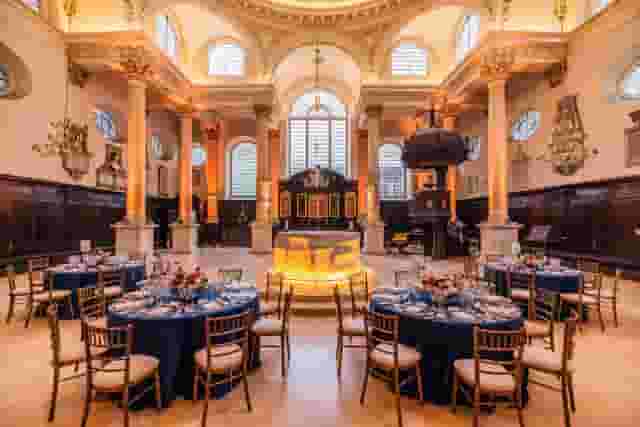
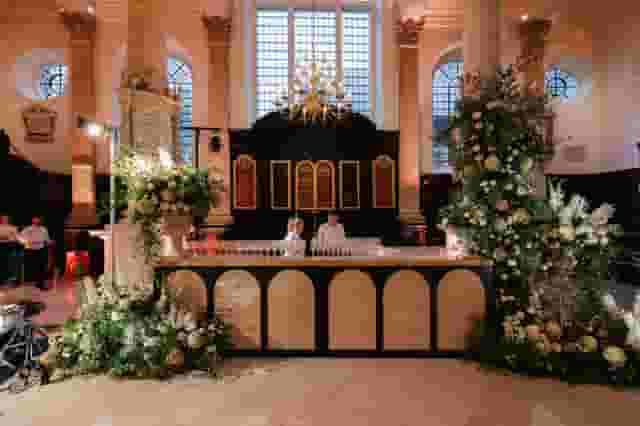


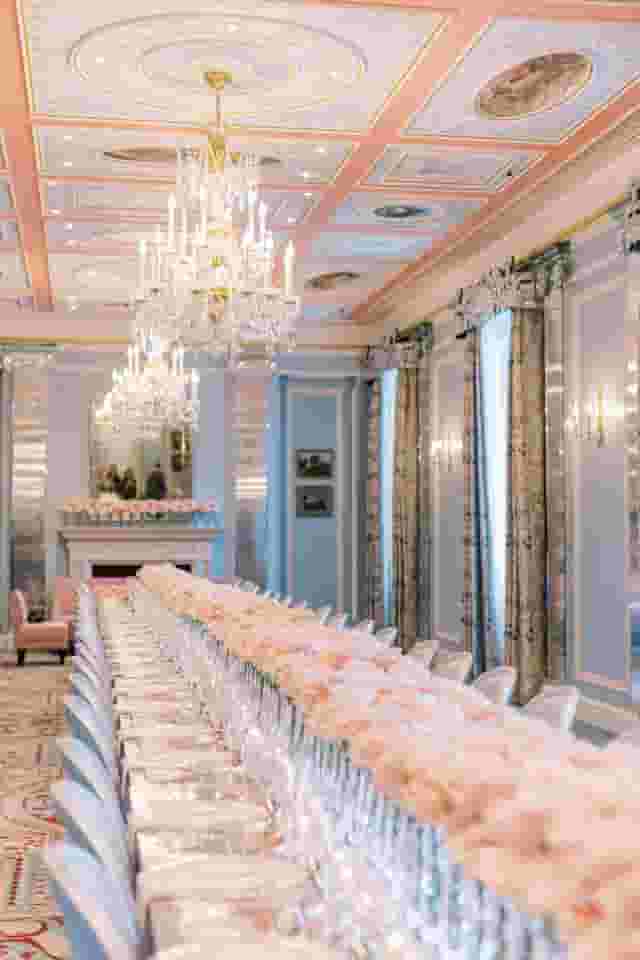
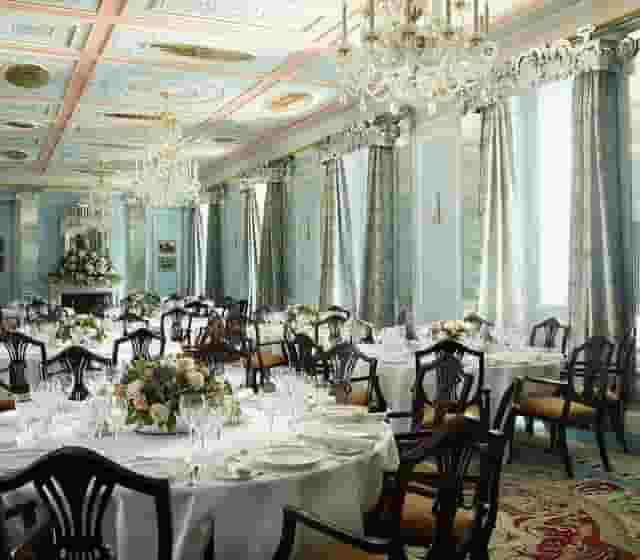
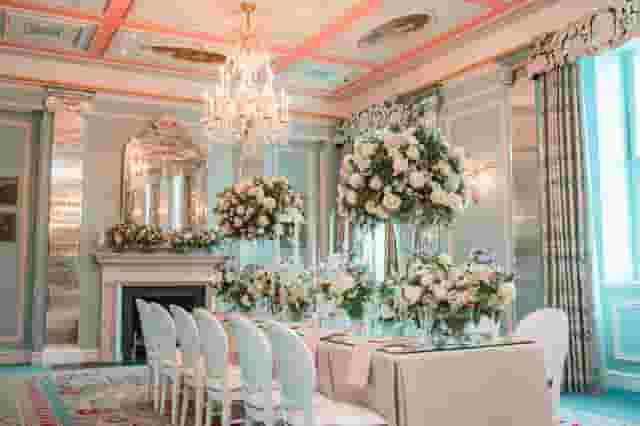

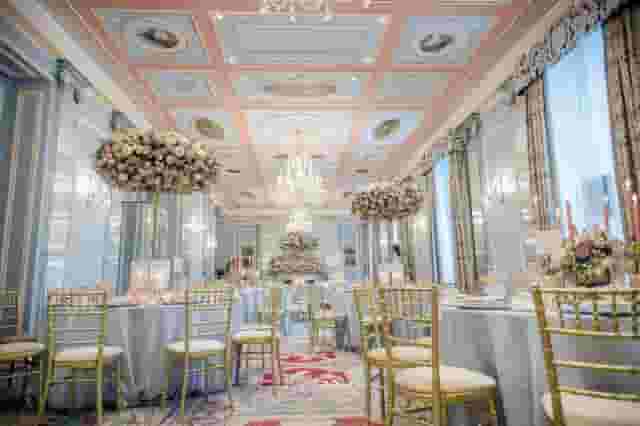











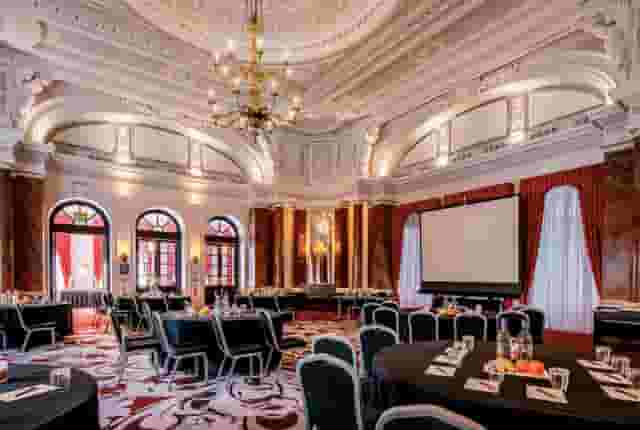
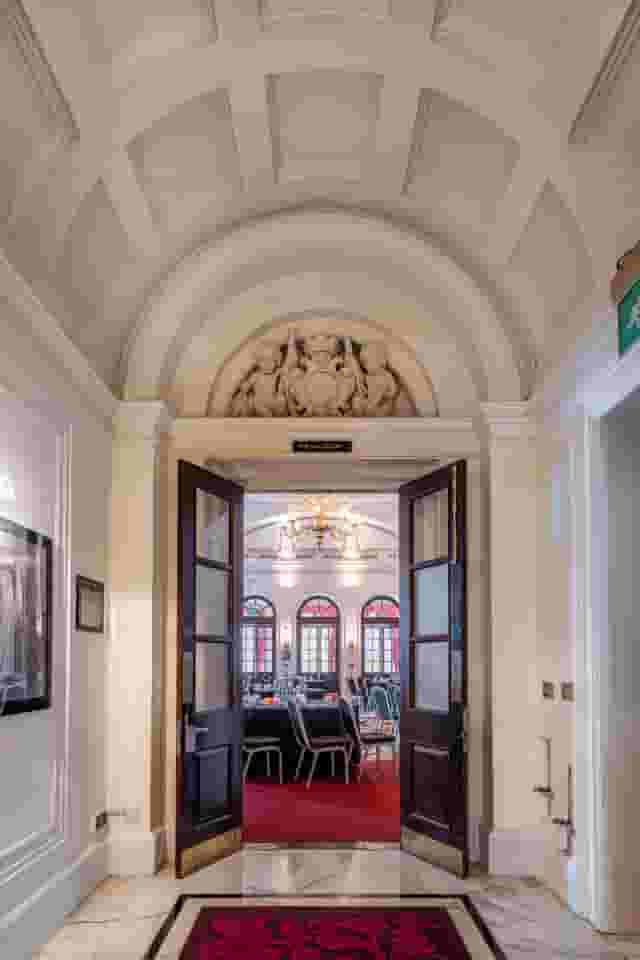
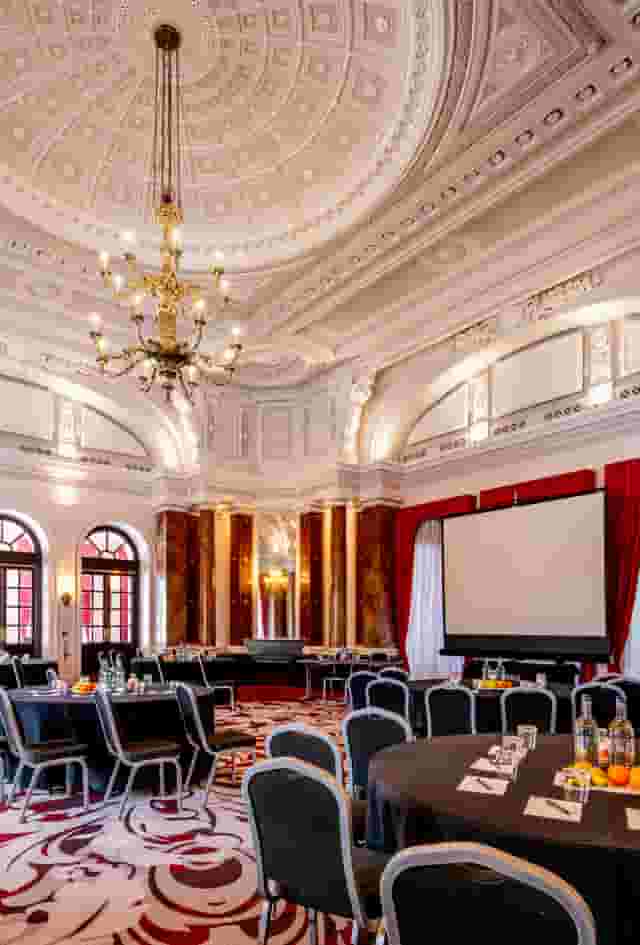
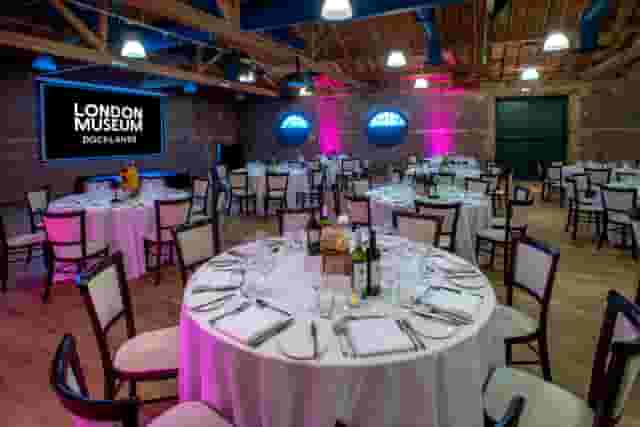
































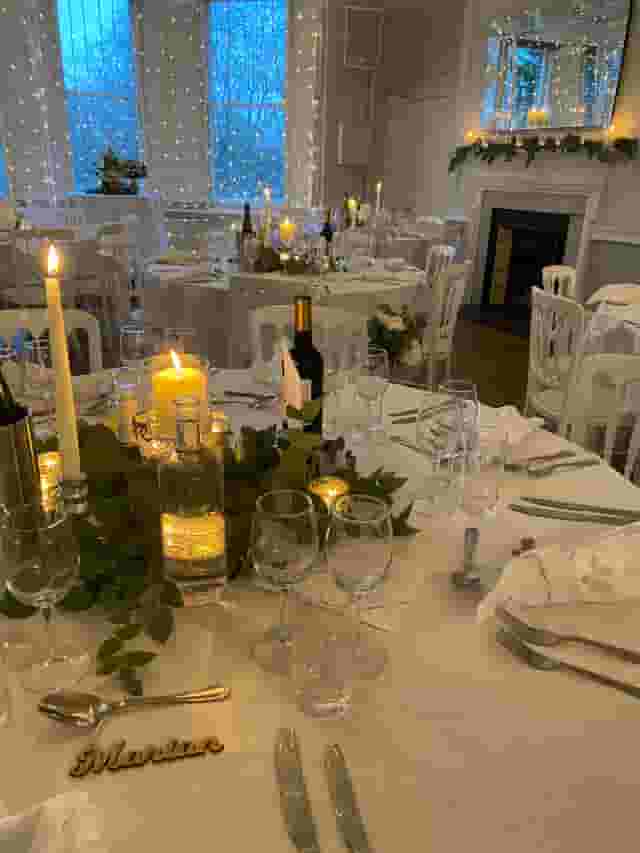


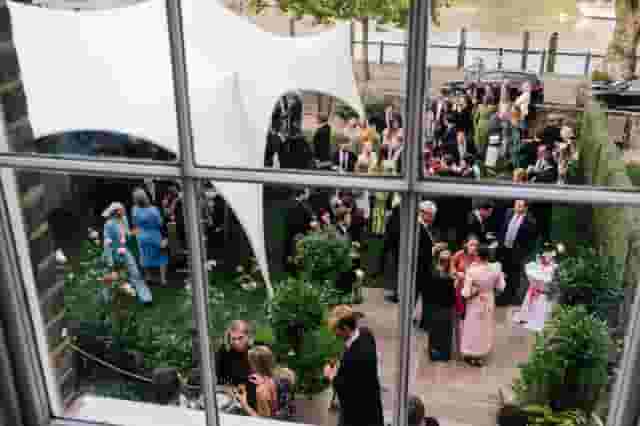


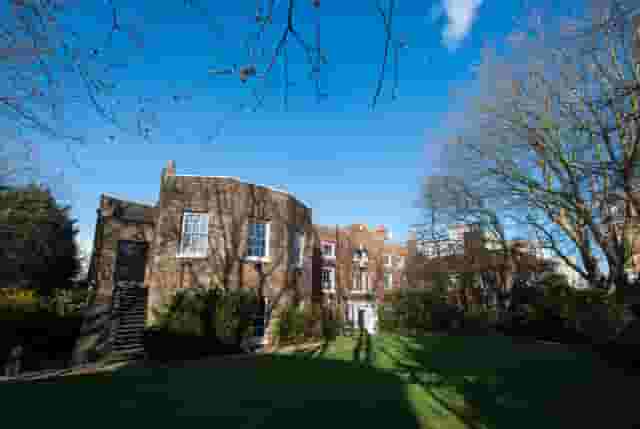
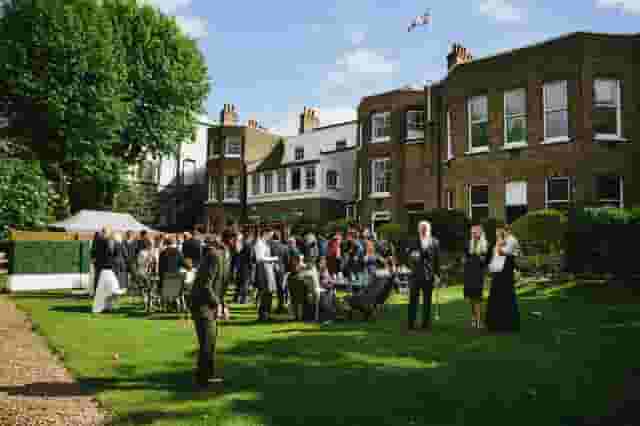




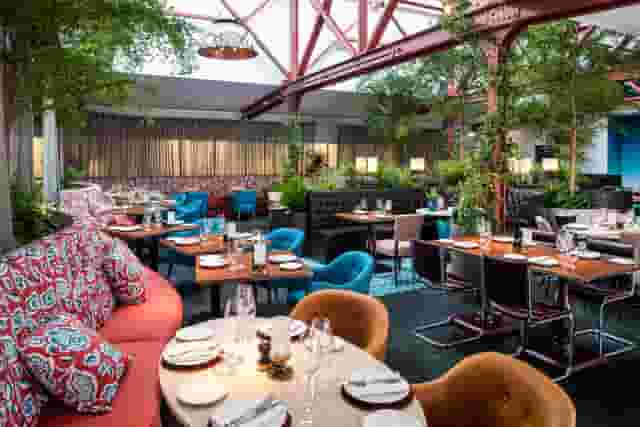


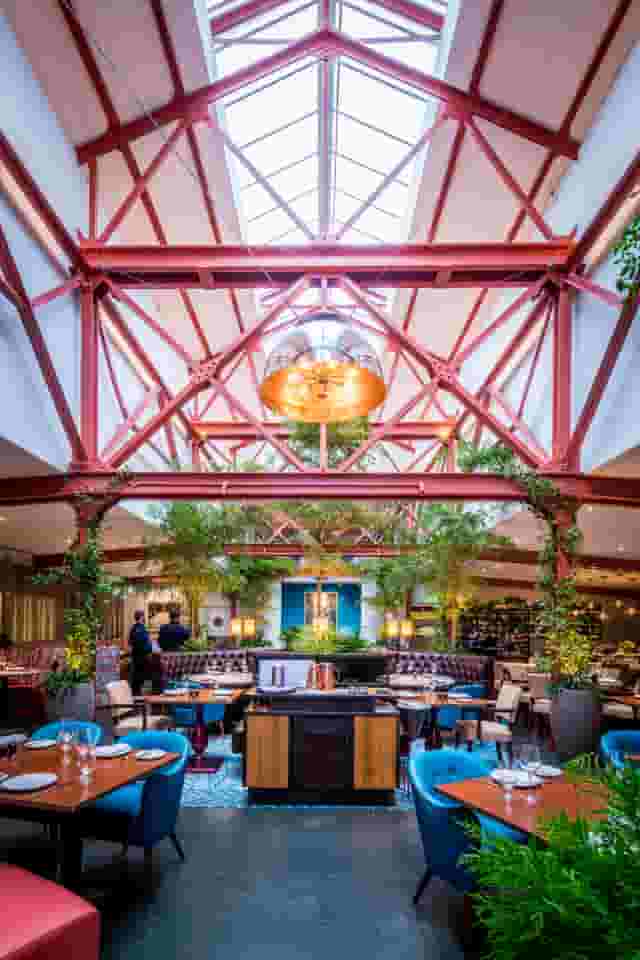
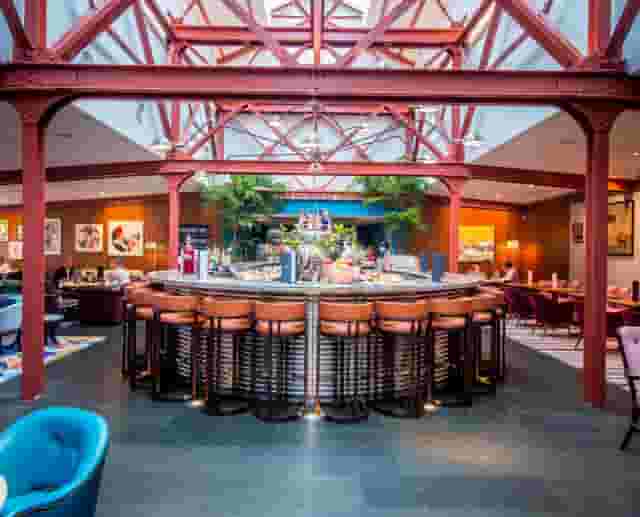

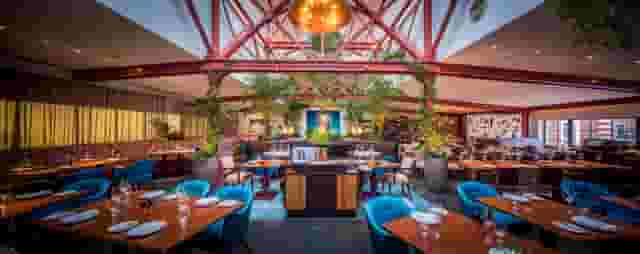





















No venues match these filters
Try widening your capacity, luxury level or event type.
Don't have time to search? We'll find it for you.
For business events that need human judgement, talk to our team. Free for events of 100+ people, budgets over £10k or ongoing programmes.




Explore more venues in London














Frequently asked questions
How do I ensure guest comfort at my wedding?
What should I look for in a London venue's kitchen?
Are there hidden costs in self-catering venues?
What's the best way to manage waste at my event?
Can I host a large wedding in a dry hire venue?
Other platforms search their database. We search everything.
Tell us what you need. Our deep research finds any venue, whether it's in our marketplace or not. No one else does this.
About Self Catering Wedding in London
Choosing the right style of dry hire venue in London
Booking a self-catering wedding venue gives you complete control over your food, drinks and timings. In London, this format is usually called dry hire. Instead of accepting a standard hotel package or an in-house chicken dinner, you hire the physical space and bring in your own specialist caterers, bartenders and decorators. This flexibility is essential for couples who want authentic regional cuisine, multi-course feasts from independent restaurants or family-style sharing plates that traditional venue packages rarely accommodate.
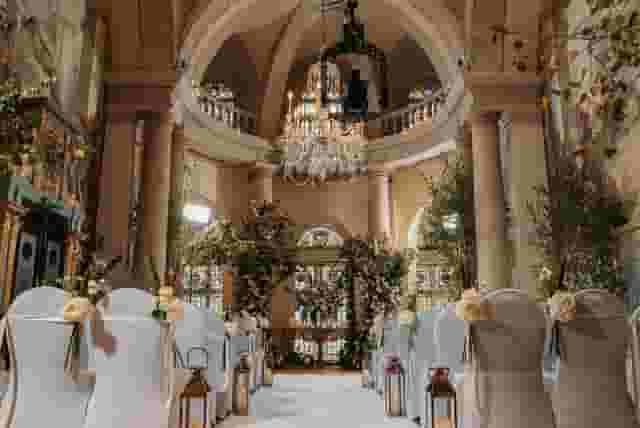
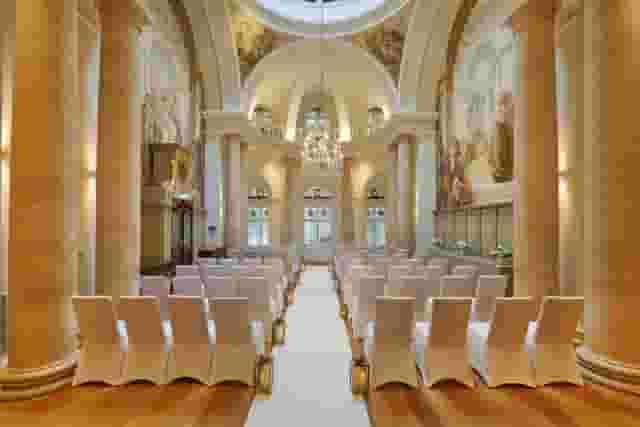
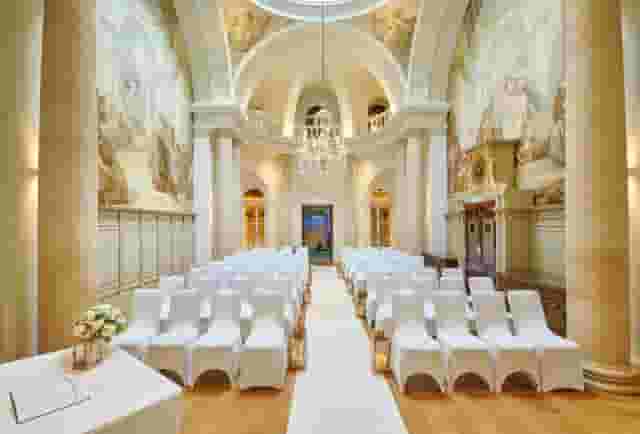
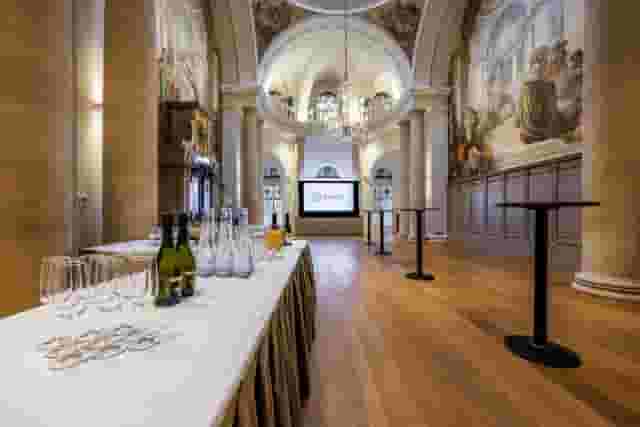
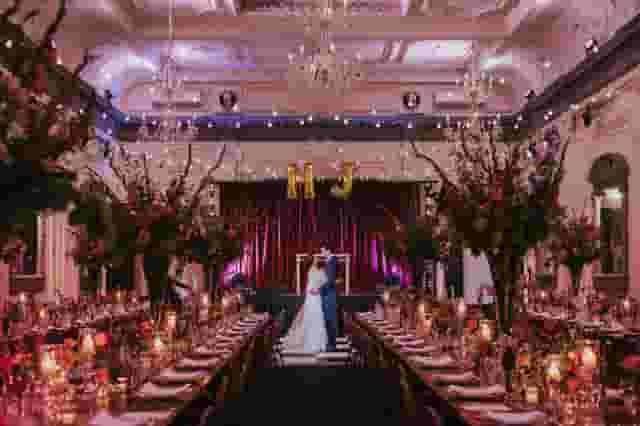
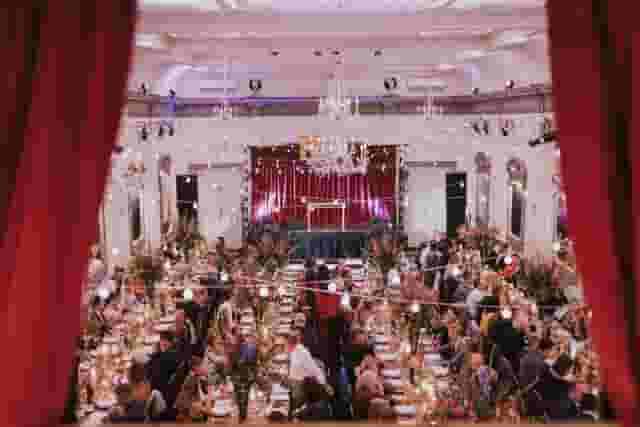
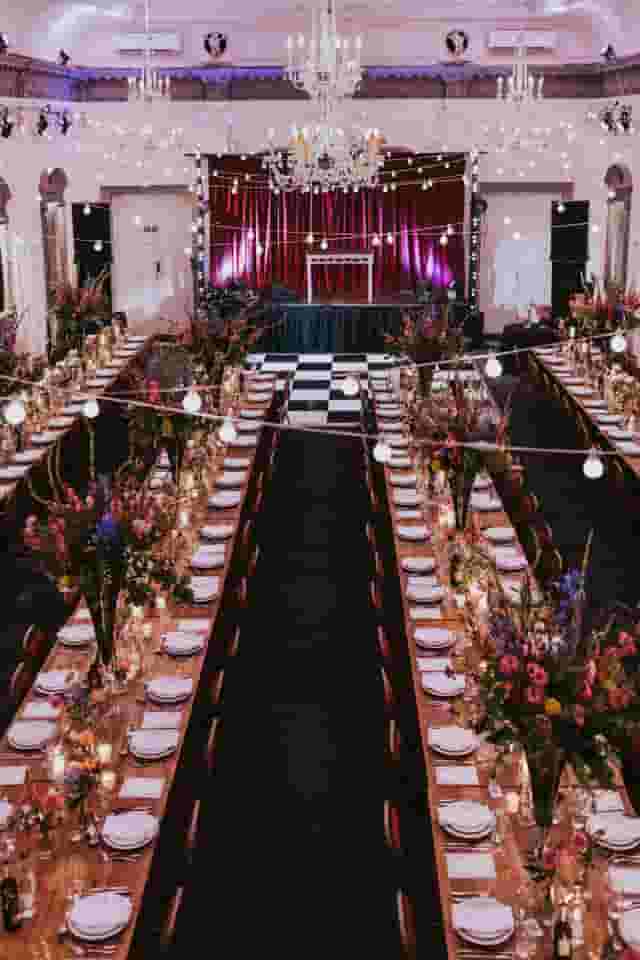
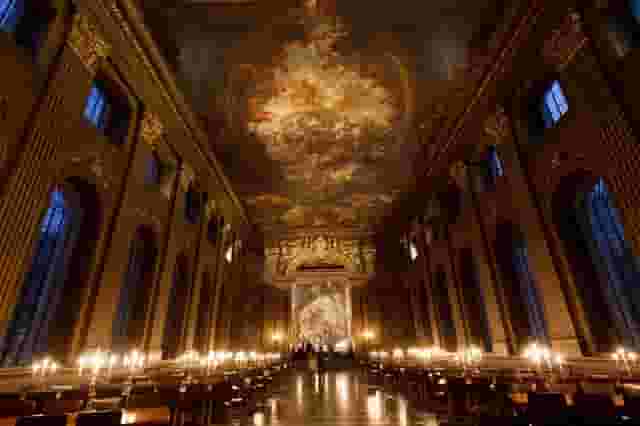
The architectural styles across the capital range from historic livery halls and royal state rooms to converted lofts, galleries and private member clubs. The venue you select sets the operational baseline for your entire reception. A historic building often provides grand architecture that requires minimal decoration, but it will come with strict conservation rules, listed building restrictions and tightly supervised supplier lists. A contemporary gallery or open loft gives you decorative freedom, but it may require you to bring in every fork, spotlight and power cable yourself.
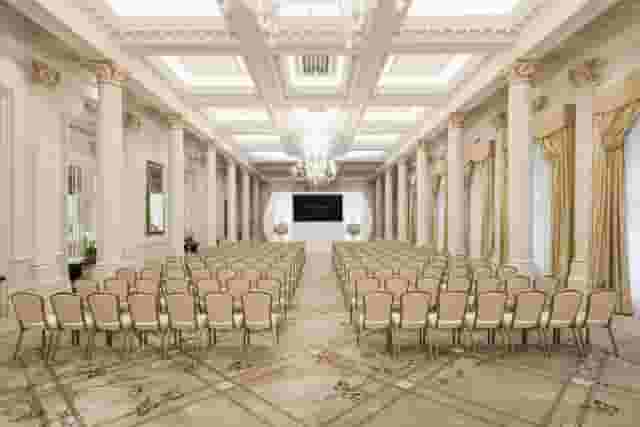
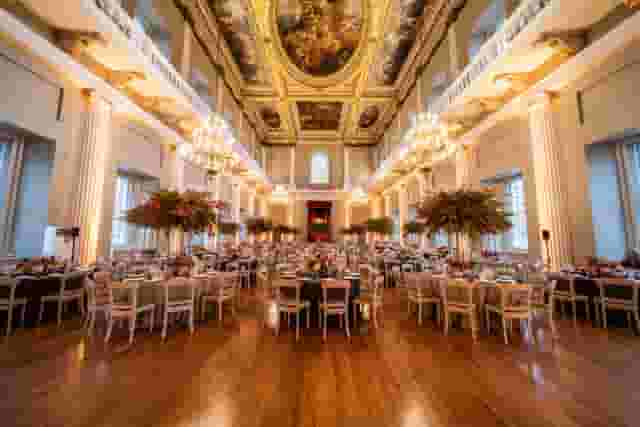
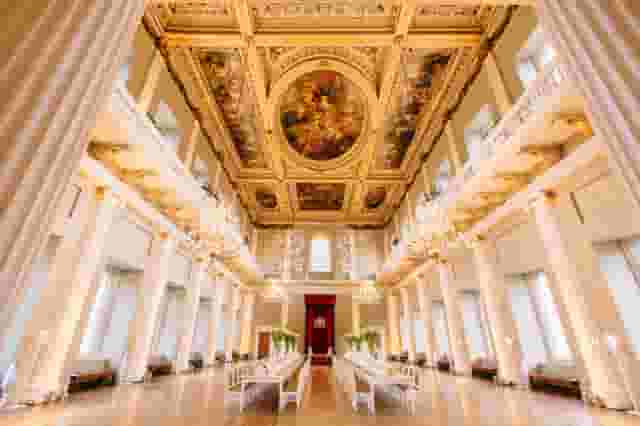
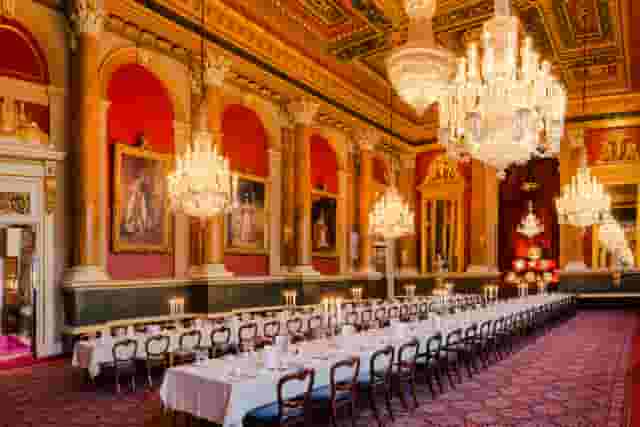
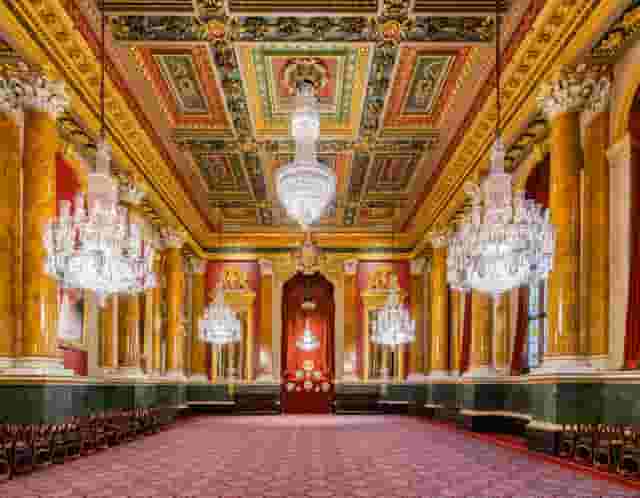
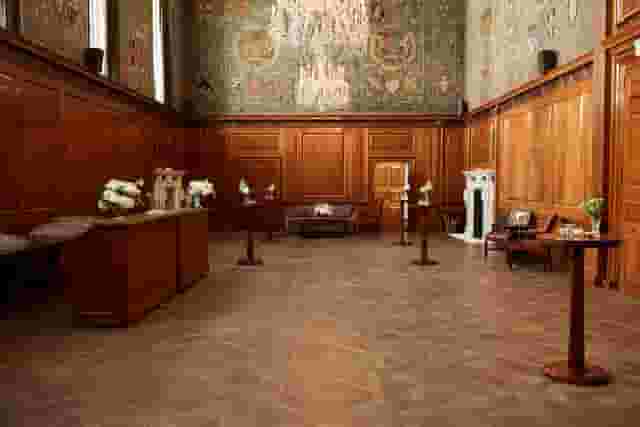
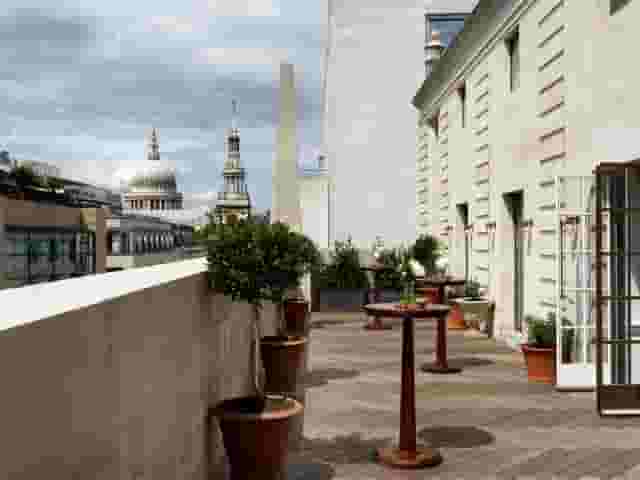
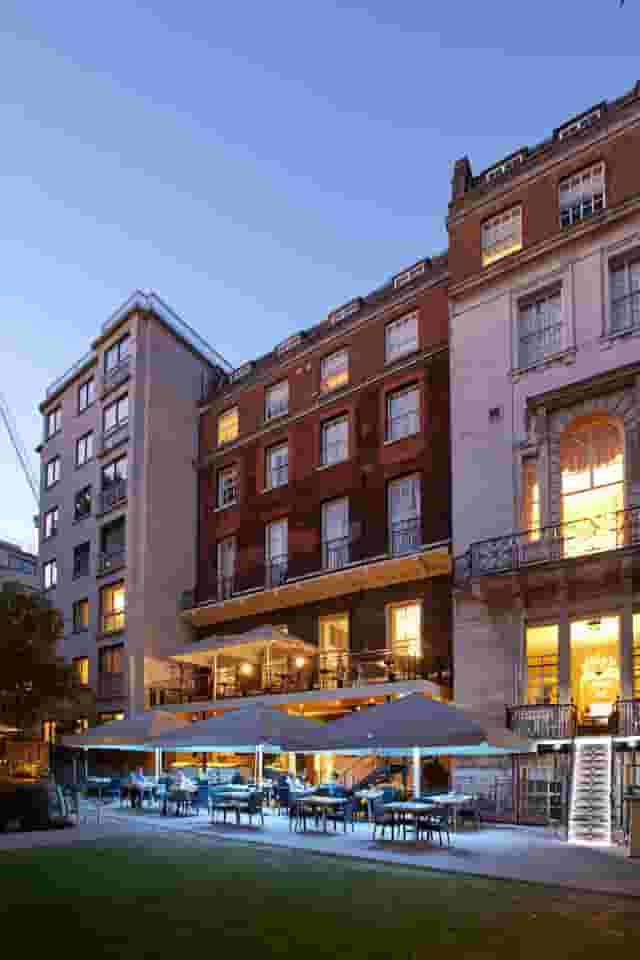
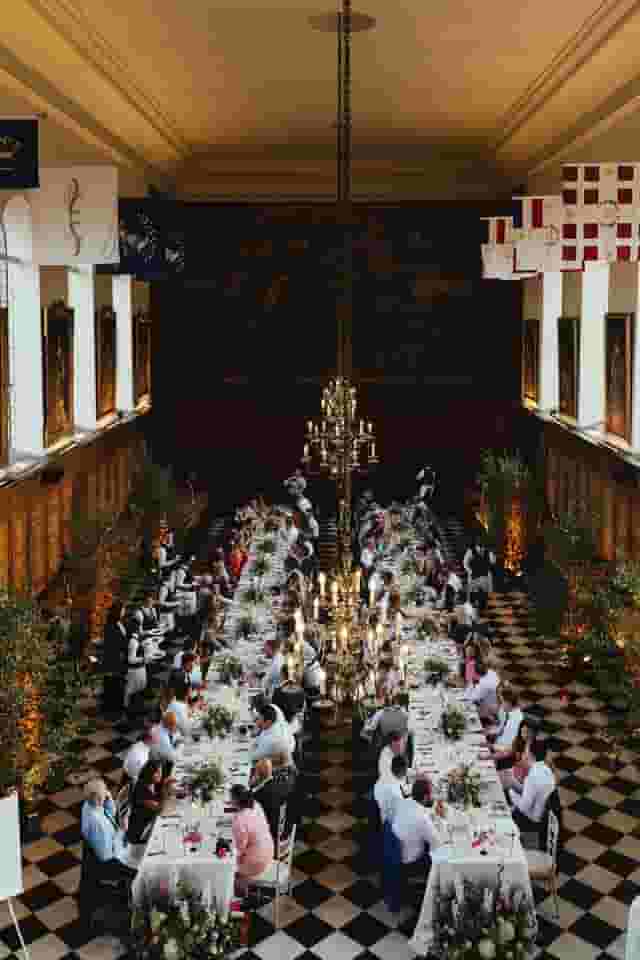
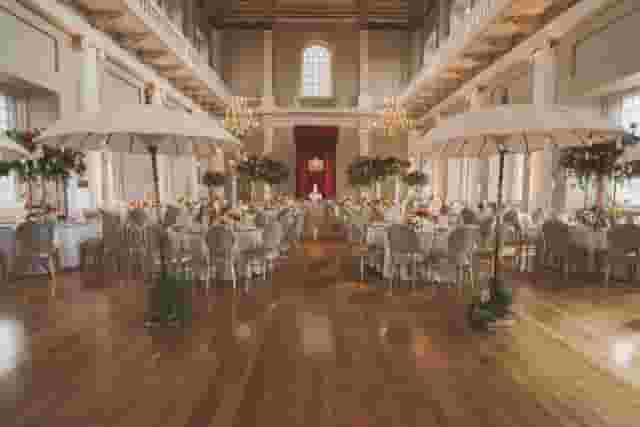
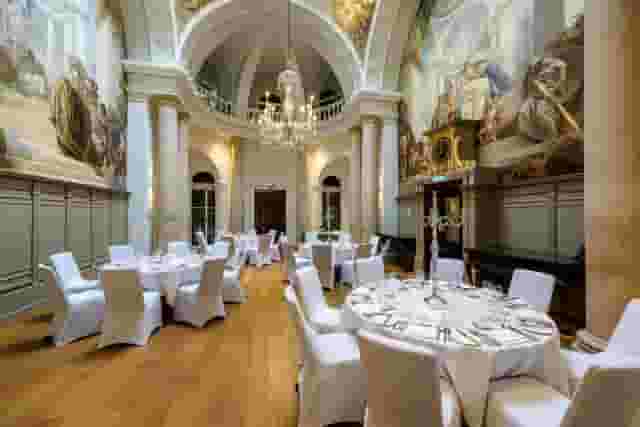
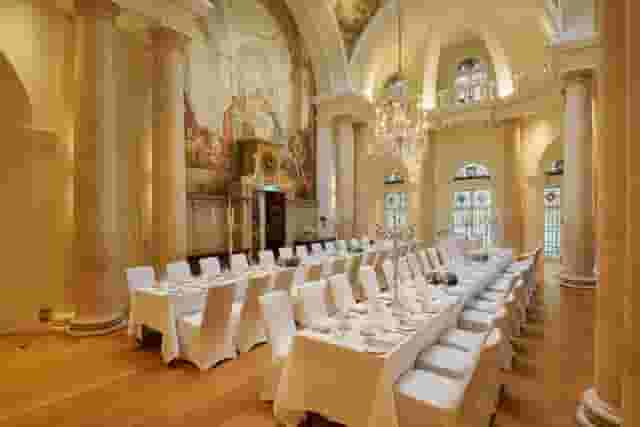
For large guest lists requiring traditional grandeur, central London has landmark spaces designed for high-capacity entertaining. Banqueting House in Whitehall offers a main hall that accommodates up to 500 guests for a reception beneath Peter Paul Rubens' painted ceiling. The sheer scale allows for a complete reception, banquet and dance floor setup, though working in a scheduled monument requires meticulous logistics and registered suppliers. Nearby in the City of London, Stationers' Hall near St Paul's accommodates up to 450 guests across its suite of rooms and secluded garden, making it an effective option for couples who want outdoor drinks followed by a formal indoor dinner.
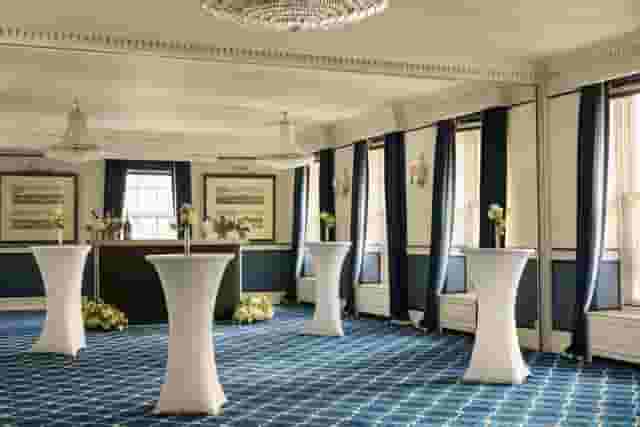
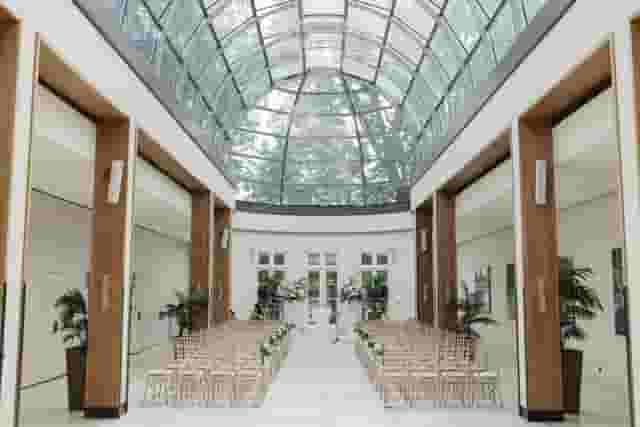
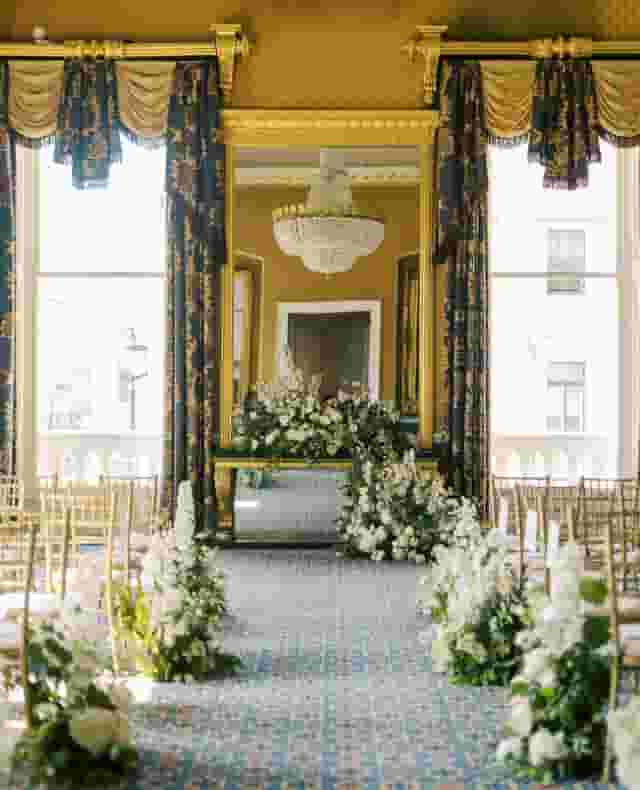
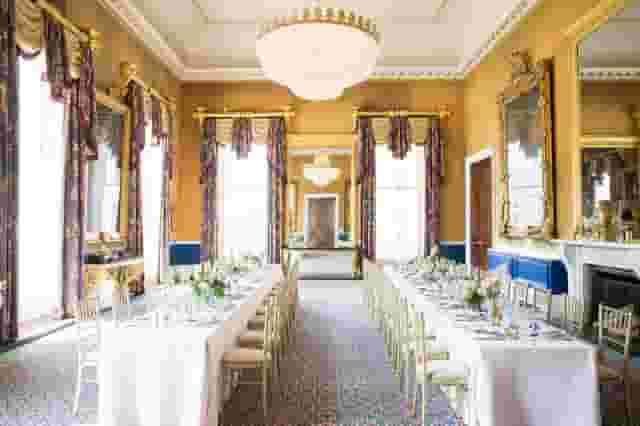
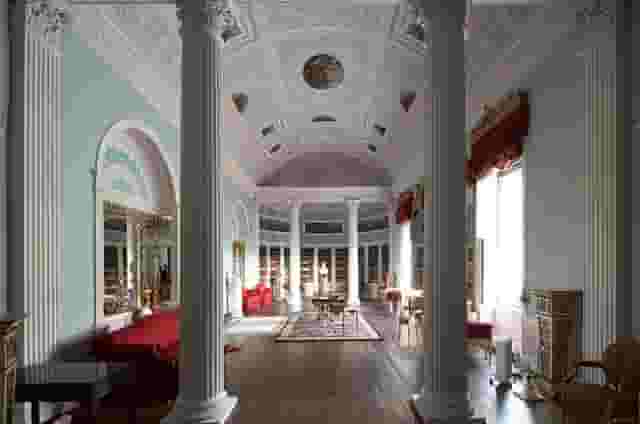
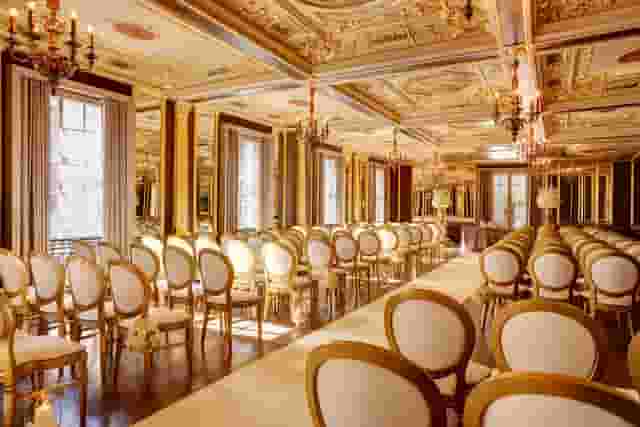
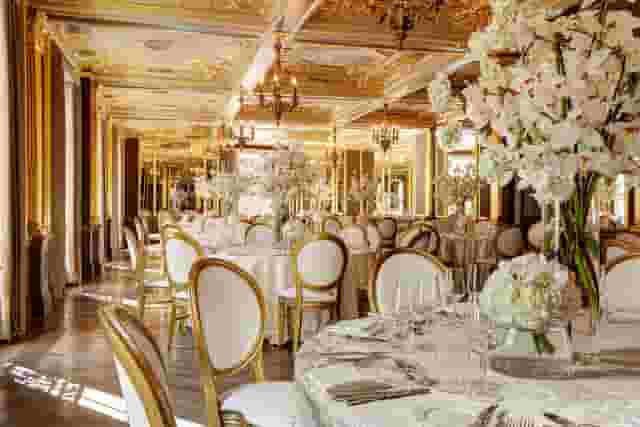
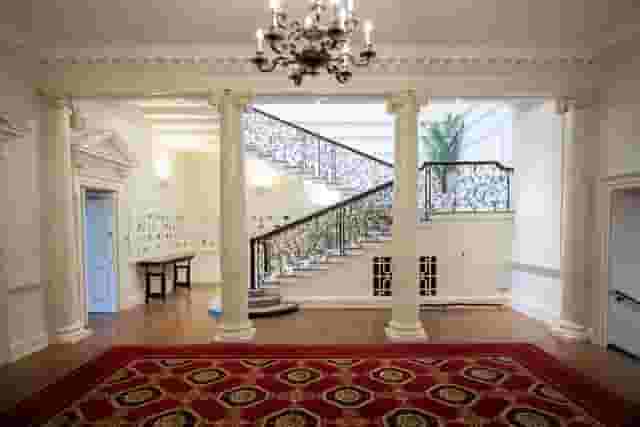
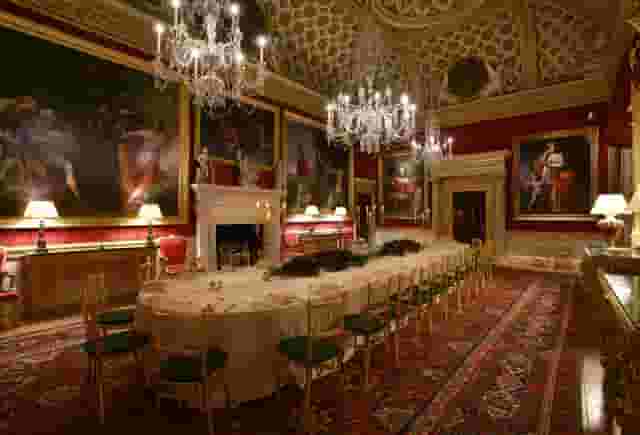
If you prefer manicured green surroundings along the river, The Hurlingham Club in Fulham accommodates up to 850 guests standing in its glass-domed Palm Court and Broomhouse Suite. Large private club grounds provide ample room for large-scale external catering teams to set up field kitchens or access dedicated loading bays. In contrast, central Georgian townhouses such as 116 Pall Mall in Westminster offer spaces like the Nash Room, which holds up to 300 guests for a standing reception. Rooms of this nature suit seated banquets followed by dancing, surrounded by original ornate plasterwork.
Before settling on a building style, weigh the practical trade-offs. A venue with period features saves thousands of pounds on draping and floral production, but often restricts the use of naked flames, cooking equipment and late-night bass levels. An industrial or modern hall lets you cook with live fire, bring in custom stages and party later, but demands a larger upfront budget for furniture hire and ambient lighting. For an overview of planning milestones across the capital, read Hire Space's Ultimate Guide to Finding The Perfect Wedding Venue in London.
Kitchens, infrastructure and operational realities
The kitchen is the engine room of a self-catering wedding. An attractive dining room means little if your caterer cannot safely prepare, hold and plate 100 or 200 hot meals at speed. When evaluating dry hire venues, never take the word kitchen at face value. In London event spaces, a kitchen can mean anything from a fully fitted commercial setup with walk-in fridges to an empty room with two domestic plug sockets and a sink.
You need to establish whether the facility is a production kitchen or merely a finishing and plating kitchen. A production kitchen allows raw ingredients to be prepped, cooked, fried and baked on site. A finishing kitchen requires the caterer to cook food in their central prep kitchen off-site, transport it in hot boxes or refrigerated vans, and assemble it on the plate just before serving.
| Kitchen feature | Finishing kitchen | Full production kitchen |
|---|---|---|
| Primary cooking appliances | None or basic domestic ovens | Commercial combi ovens, gas burners and grills |
| Extraction system | Domestic extractor or open window | Commercial canopy with interlocked gas shut-off |
| Power supply | Standard 13A single-phase sockets | Multiple 16A, 32A or 63A three-phase supplies |
| Sinks and plumbing | Single sink for washing hands and items | Separate handwash, food prep and pot-wash sinks |
| Storage space | Counter space for cool boxes | Walk-in cold rooms and dry storage shelving |
| Delivery access | Hand-carry through public doors | Dedicated loading bay with level or lift access |
Ask your shortlisted caterers for their minimum kitchen requirements before signing a venue contract. If a space lacks commercial equipment, your caterer will need to hire mobile cookers, hot cupboards, gas burners and upright refrigeration. Bringing in temporary catering equipment introduces additional costs: generator hire if electrical supplies are inadequate, bottled gas permits and safety certificates.
Waste management is another operational hurdle that couples regularly overlook. Unlike fully catered hotel packages, dry hire contracts rarely include rubbish disposal. In England, event waste must be sorted, stored safely away from food preparation areas and collected by a licensed waste carrier. You must agree in advance who clears plates from tables, who scrubs down the kitchen surfaces, who bottles up empty glassware, and who takes the rubbish away at midnight. If your caterer does not offer waste removal in their quote, you will need to book an external commercial waste company to collect refuse bags and recycling early the following morning. Failure to clear the site completely will lead to deductions from your security deposit.
Structuring the day from drinks to late night dancing
A classic wedding reception follows a three-part journey: a drinks reception with canapes, a seated multi-course meal, and an evening party with music and dancing. In a self-catering venue, you are responsible for orchestrating the transitions between these phases without leaving guests standing in corridors or waiting awkwardly while tables are cleared.
The smoothest receptions use separate rooms for dining and dancing, or choose a room wide enough to accommodate both setups simultaneously. If your chosen space requires a turnaround, where dining tables are folded away to make room for a dance floor and band, you must plan where guests go during that 45-minute window. An adjoining terrace, anteroom, bar or gallery space is vital to keep the party moving.
For a contemporary central option with connected rooms, 60 Great Queen Street in Covent Garden offers The Gallery, an Art Deco space holding up to 350 guests for a reception. Its adjacent anteroom allows caterers to serve welcome drinks while the main dining space is hidden behind closed doors, or provides a breakout retreat when evening music begins.
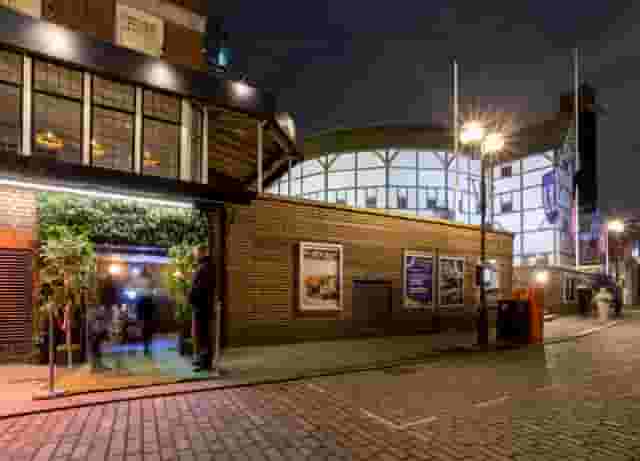
Subterranean and gallery spaces also solve one of London's biggest wedding challenges: sound limits. Converted lofts and glasshouses in residential boroughs often face strict decibel caps from local councils, requiring sound limiters that cut power if a drummer hits a cymbal too hard. Purpose-built party venues avoid this issue. The Swan at The Globe features the Underglobe on Bankside, a subterranean event space with room for 450 guests at an evening reception. The enclosed layout under the Globe Theatre gives your live band or DJ freedom to play at full party volume without disturbing neighbours above ground.
For smaller gatherings where dining and dancing happen in one space, look for venues with dedicated dance floors and clear architectural divisions. Pitzhanger Manor & Gallery in Ealing features Soane's Garden Room, which has a dinner dance capacity of 90 guests. A room designed specifically for a dinner dance lets your band set up sound checks earlier in the afternoon without disrupting the flow of the meal. Similarly, the De Montfort Suite at Town Hall Hotel in Bethnal Green accommodates up to 110 guests for a reception. Its period arched windows and split-level layout give an intimate crowd room to dine and socialise without feeling lost.
What self-catering weddings cost and where budgets slip
Dry hire pricing appears deceptively simple on paper. When you look at an initial venue hire fee, it often seems far cheaper than a per-person package at a hotel. However, a bare-walls hire fee covers only the room itself. Every operational element must be priced, hired and managed separately.
For wedding receptions in London self-catering venues, indicative pricing typically ranges from £65 to £190 per head. This estimate is based on 15 quotes from the venues on this page and assumes a party size of about 100 guests. If you want to test how those figures look for your specific reception plans, Hire Space operates as a venue booking platform with a team of real people beside it to guide your search. It provides instant price estimates drawn from real booking data so you can see what a dry hire room will cost before getting in touch, while suggesting similar spaces at a friendlier rate if your preferred setting sits above budget.
What drives the wide gap between the lower and upper ends of that range? Towards the £65 end, you are looking at spaces where the dry hire fee includes essential furniture such as banquet tables and folding chairs, basic ambient lighting, on-site security guards, and standard kitchen facilities with adequate power and refrigeration. At this tier, your caterer can plug in their own kit without needing secondary generators, and the venue's cleaning team manages the deep clean after you leave.
Towards the £190 end, you are paying for high-demand historic halls, riverfront properties or prime Westminster landmarks where the dry hire fee alone accounts for a substantial portion of the budget. In addition, these spaces frequently require you to use approved production crews, hire external luxury furniture, pay kitchen buy-out fees, install temporary carpets to protect historic floorboards, and cover overtime charges for heritage conservation officers who supervise the evening.
To build an accurate budget, you must map out the expenses that fall between the cracks of the venue quote and the caterer's quote:
| Expense category | What is typically included | What is charged on top |
|---|---|---|
| Room access and hire | Access during standard event hours | Early setup hours, late-night takedown, overnight storage |
| Furniture and linens | Bare wooden or trestle tables | Chairs, seat pads, linen tablecloths, napkins, poseur tables |
| Tableware and bar equipment | Nothing | Cutlery, glassware, crockery, ice buckets, bar tools, optics |
| Staffing | Venue duty manager, basic security | Cloakroom attendants, bar staff, plate waiting staff, kitchen porters |
| Drinks and corkage | Right to bring external alcohol | Corkage fees, glass handling fees, ice supply, chilling tubs |
| Kitchen access | Use of empty space | Kitchen utility surcharge, appliance hire, extraction deep-clean fees |
| Cleaning and waste | Swept floor at start | Post-event deep clean, commercial rubbish and recycling collection |
Corkage is a major budget variable. Many self-catering venues allow you to bring your own wine, beer and spirits with no corkage fee, which yields significant savings if you source alcohol through wholesalers or direct from vineyards. However, other venues charge a dry hire corkage fee or service charge per bottle opened. Always verify this policy before signing. To ensure you uncover every operational fee during in-person visits, use The Top Questions To Ask On Your Venue Site Visit as a practical reference guide.
Licensing, guest comfort and transport connections
When you hire a blank canvas space, you take on the responsibilities of an event producer. Chief among these are operating licences and guest welfare. A venue's premises licence dictates what you can do and when you must stop doing it. Check the licence details for four distinct activities: the sale of alcohol, the supply of alcohol under dry hire rules, the playing of live or recorded music, and late-night refreshment (serving hot food or hot drinks after 23:00).
If a venue lacks a permanent licence for your intended finishing time, you may need to apply for a Temporary Event Notice (TEN) from the local borough council. TENs have strict cut-offs, an application fee and limits on the number of notices a premises can hold each year. Confirm whether the venue or your caterer will hold the personal licence responsible for alcohol service on the night.
Guest comfort is the difference between an event that feels effortless and one that feels exhausting. In industrial lofts, barns and older brick warehouses, thermal control requires careful planning. High ceilings and uninsulated walls lose heat quickly between October and April, while glass conservatories and rooftop lofts can trap extreme heat during July and August. Ask how the building is heated or cooled, and check whether air conditioning or supplementary heaters carry an additional metered power charge.
Acoustics also dictate comfort. Vast open rooms with concrete floors, steel columns and bare glass walls look striking, but they bounce sound relentlessly. During the meal, loud echoes make conversation difficult for older relatives and guests with hearing sensitivities. If you choose an industrial space, introduce soft textures through table linens, upholstered chairs, drapes or floral installations to absorb sound.
Toilets and accessibility demand direct inspection. Review the toilet count against your guest numbers. A general rule for evening parties with free-flowing drinks is a minimum of one toilet cubicle per 25 to 30 guests. Check that toilets are situated within your private hire area rather than shared with public restaurants or office tenants. Confirm step-free routes from street level into the dining room, bar and accessible toilets so that guests with buggies, wheelchairs or limited mobility can move freely throughout the building.
Finally, consider the journey home. London has comprehensive public transport, but evening wedding schedules test its edges. If your reception finishes at midnight or 01:00, ensure the venue has a well-lit, safe pedestrian exit leading toward night tube stations, major bus routes or an accessible street bay where licensed taxis and pre-booked cars can pull up safely without blocking bus lanes or receiving parking tickets. Providing clear travel directions and local taxi company numbers on your wedding website helps guests relax and celebrate right up to the final dance.
What our customers say
Inspiration and planning guides

3 Affordable Wedding Venues In London
Planning a wedding in London can be as dreamy as it is daunting, especially when trying to keep costs reasonable without compromising on the venue. Fortunately, London boasts an array of stunning yet affordable wedding venues that cater to every taste and budget. So let's dive in!

Venue Review: Theatre Royal Drury Lane
Theatre Royal Drury Lane is a phoenix. Amazingly, the first time it burned down was after the Great Fire Of London - it survived that fire. But six years later, it was burnt to a crisp. But it rose, rebuilt, only a few years later - only to be destroyed once again, in 1794. And in 1809, having been rebuilt again, it caught alight, and Theatre Royal burned down again. It's a story of fire, turmoil, and resurrection. Theatre Royal still stands today, more beautiful than ever. Source: seanm

9 Glorious Glass Venues in London
London is a city that knows how to make an impression, and when it comes to hosting events, why settle for anything less than spectacular? Enter London’s glorious glass venues!
One supplier. Every venue. Full visibility on what you spend.
Multiple venues and events. One agreement.