Asian Wedding Venue in London
Explore London venues for Asian weddings, with capacity for large guest lists, specialised catering, late licences and evening dancing.
844 Asian Wedding in venues in London

























































































































No venues match these filters
Try widening your capacity, luxury level or event type.
Don't have time to search? We'll find it for you.
For business events that need human judgement, talk to our team. Free for events of 100+ people, budgets over £10k or ongoing programmes.




Explore more venues in London







Frequently asked questions
What size venue suits an Asian wedding in London?
What amenities are essential for Asian weddings?
Can historic homes host Asian weddings?
How do I ensure guest comfort at an Asian wedding?
Are there cultural considerations for venues?
Other platforms search their database. We search everything.
Tell us what you need. Our deep research finds any venue, whether it's in our marketplace or not. No one else does this.
About Asian Wedding Venue in London
Planning an Asian wedding reception in London means balancing multiple moving parts in a single evening. A classic format brings guests together for a welcome drinks reception, moves into a formal seated dinner, and finishes with late-night music and dancing. Delivering those three acts smoothly requires a room with genuine architectural flexibility, experienced operational staff and a clear understanding of the cultural traditions that make the celebration meaningful.
Whether you are organising an intimate family reception or a grand banquet with hundreds of guests, the venue you choose sets the operational rhythm for the day. Before looking at interior decor, focus on physical layout, logistical permissions and total guest circulation.
Matching your guest count to the room layout
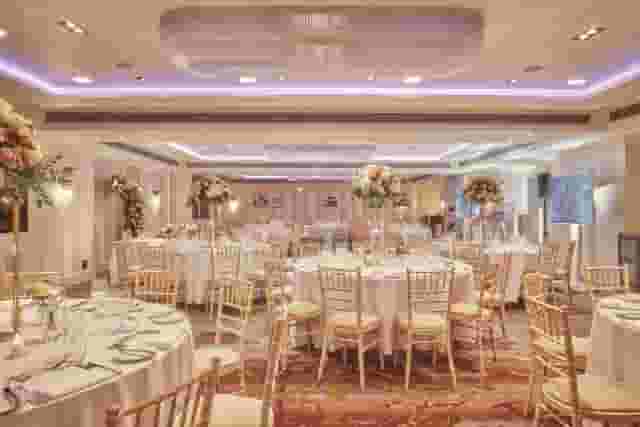
One of the most frequent miscalculations in wedding planning is mistaking a venue's standing reception capacity for its banquet dining capacity. A room that accommodates 400 people for a cocktail party often struggles to seat 250 once you add round dining tables, a head table stage, a dedicated dance floor, food staging areas and buffet runs.
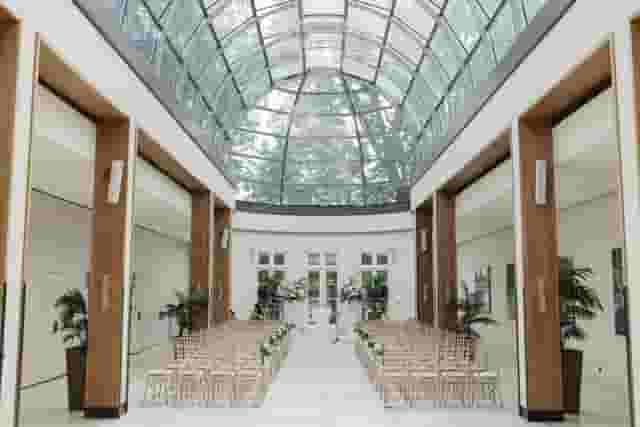
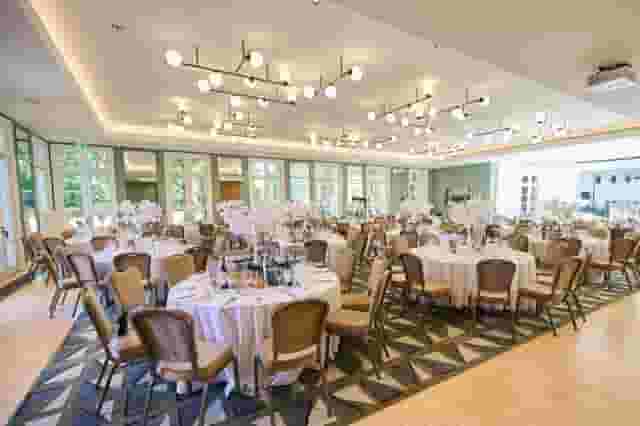
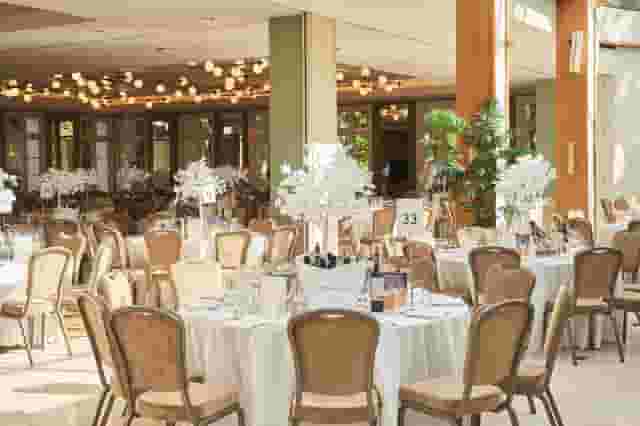
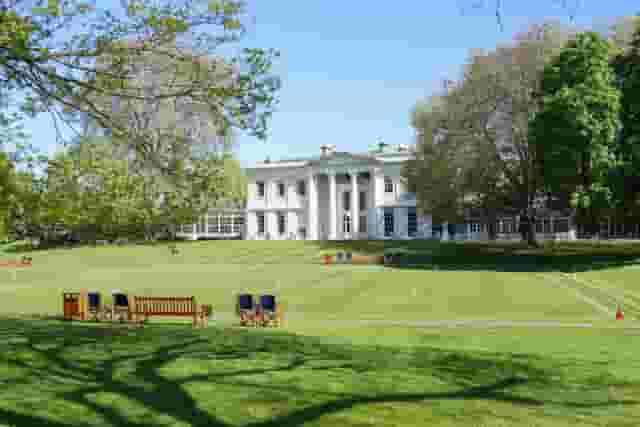
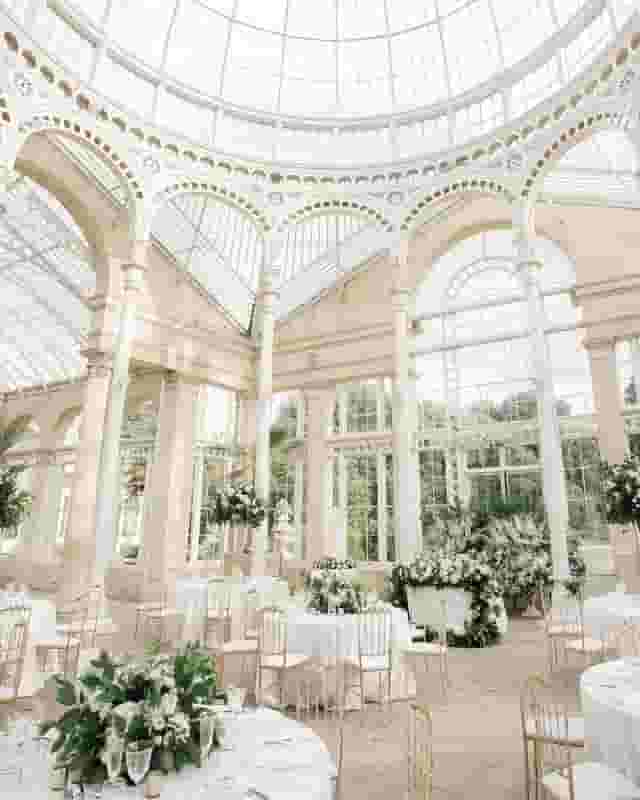
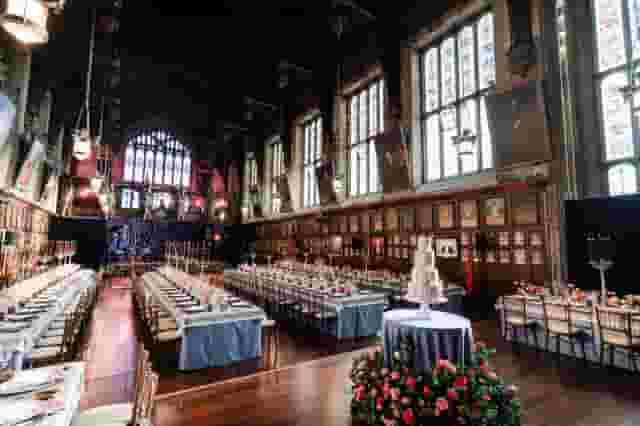
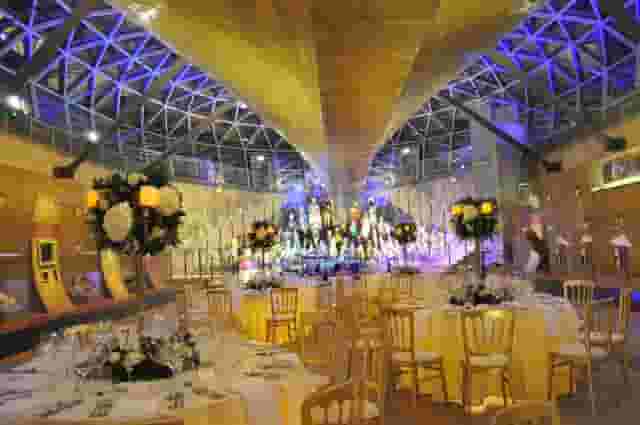
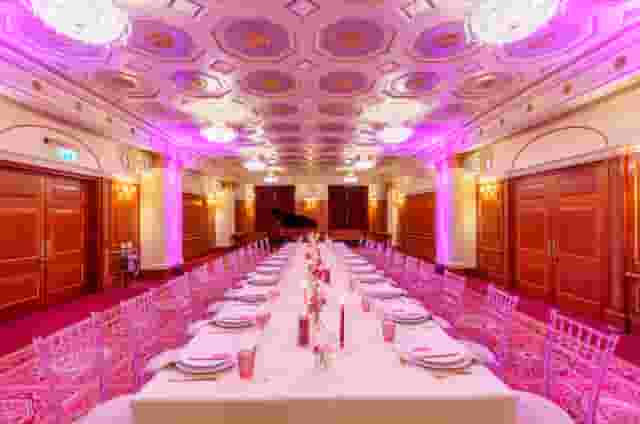
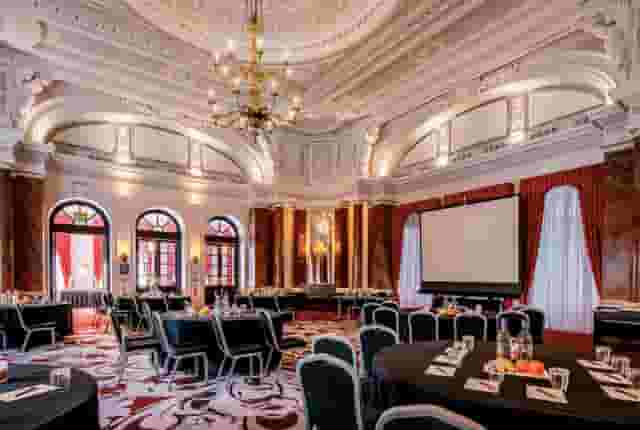
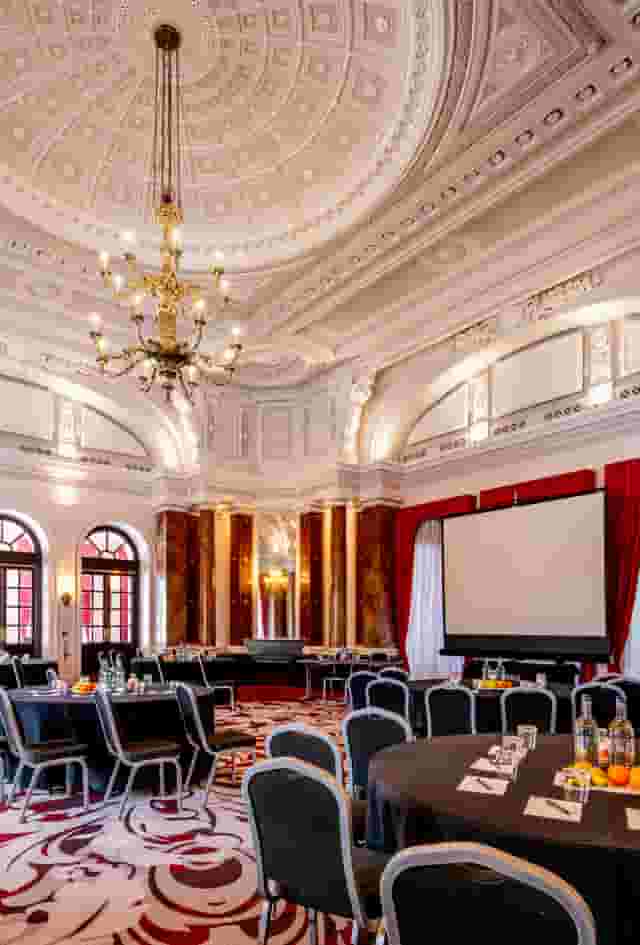
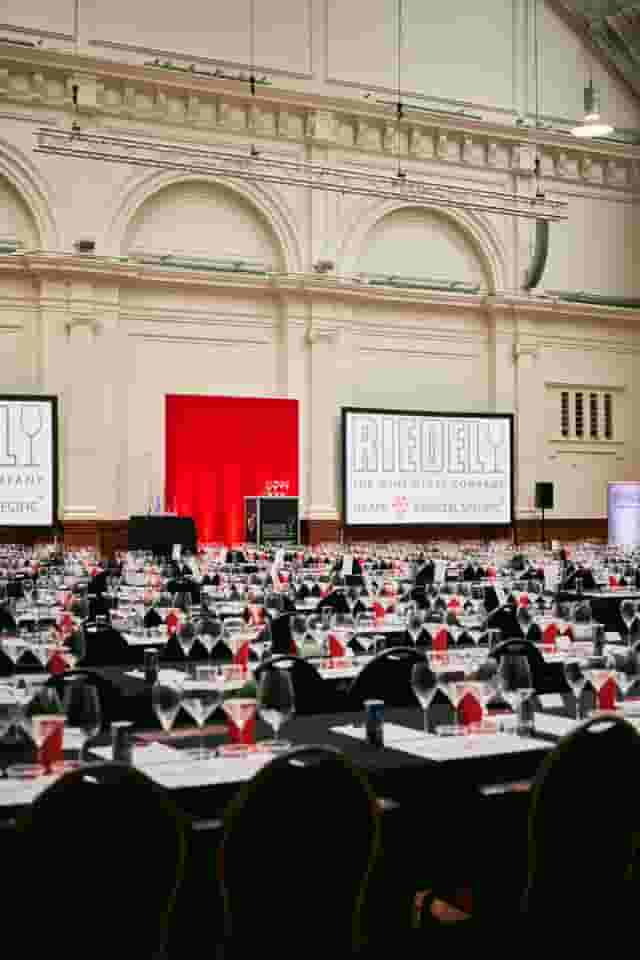
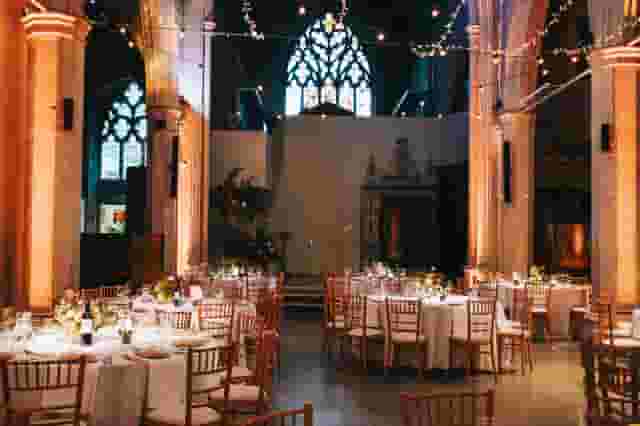
If you are planning for larger guest numbers, dedicated event spaces and grand historic halls provide the floor space required for generous seating layouts. For guest lists running into the hundreds, The Royal Regency in East London offers a Grade II listed ballroom built for large-scale celebrations where staging, extensive dining and production can sit comfortably in one room. In Fulham, the Palm Court and Broomhouse Suite at The Hurlingham Club holds up to 850 guests standing, combining glass domed architecture with expansive private grounds that let larger crowds mingle without feeling boxed in.
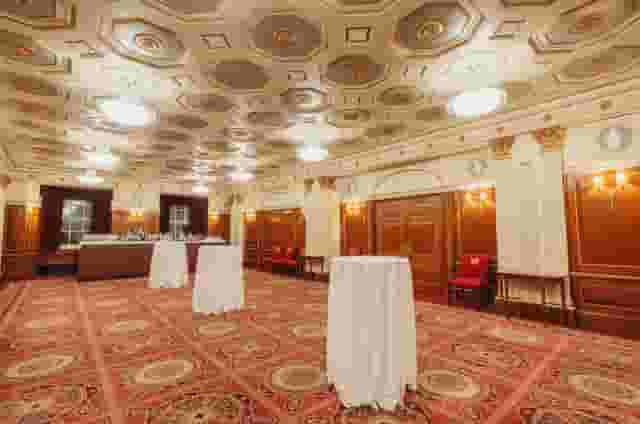
Mid-sized celebrations of 200 to 400 guests need rooms that feel lively rather than hollow. Art Deco spaces such as The Gallery at 60 Great Queen Street in Covent Garden offer reception capacity for up to 350 people. The adjoining anteroom provides an operational buffer where drinks can flow while catering staff prep the main room for dinner.
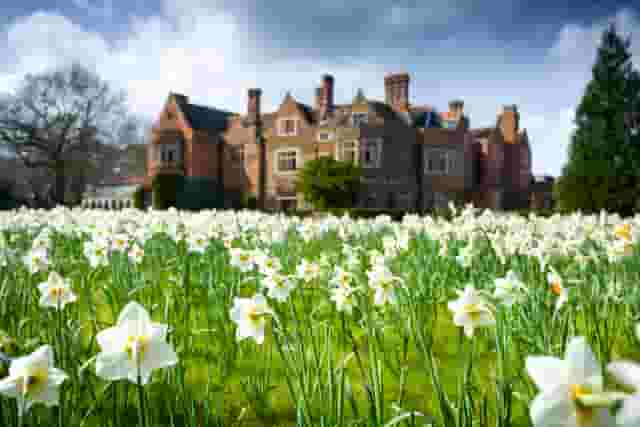
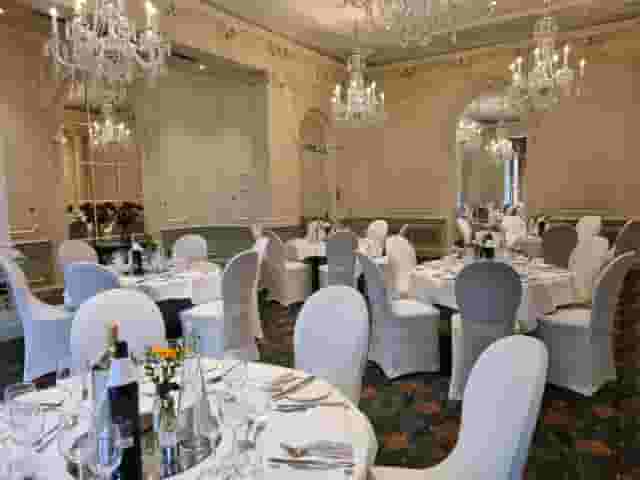
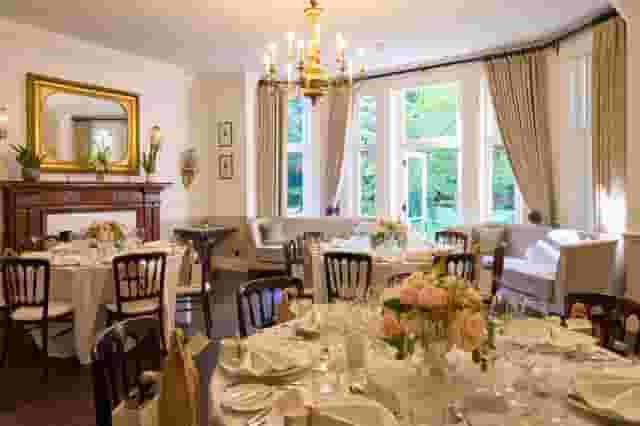
For celebrations between 80 and 150 guests, look to boutique hotels and historic estates where smaller rooms preserve an intimate family atmosphere. The Edwardian Ballroom at Warren House Hotel in Kingston upon Thames accommodates up to 90 guests for a reception, surrounding the dinner with landscaped grounds away from central city traffic.
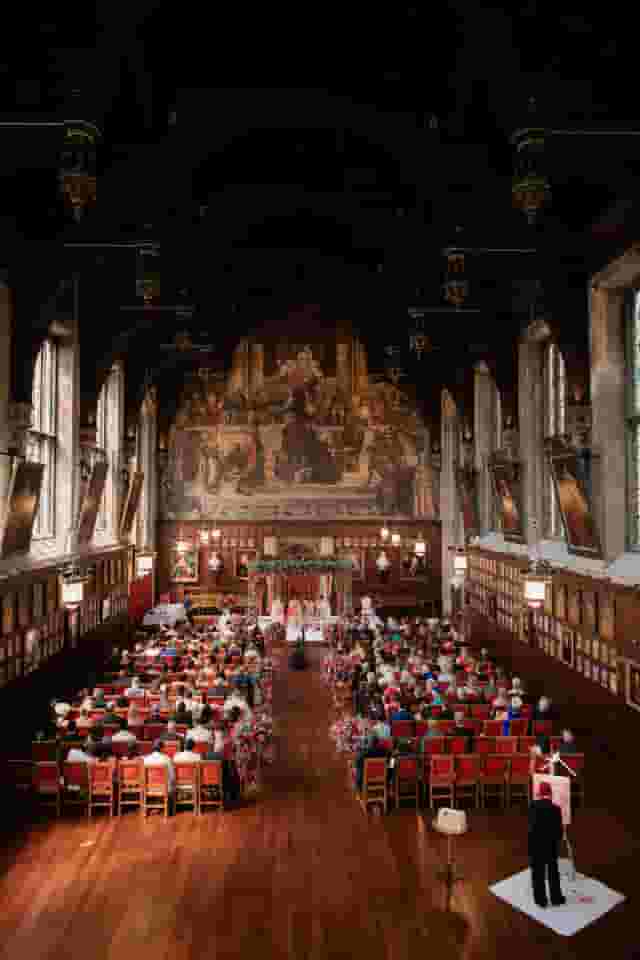
When you inspect a potential space, request a CAD floor plan configured specifically for round banquet tables, a stage and a dance floor. You need at least 1.5 to 2 metres between tables to allow waiting staff, photographers and guests to navigate comfortably, especially when guests wear formal attire that requires extra clearance.
| Typical guest count | Recommended venue style | Key floor plan priority |
|---|---|---|
| 70 to 120 guests | Country house hotel or boutique hall | Keeping the bar, dining and dance floor closely connected |
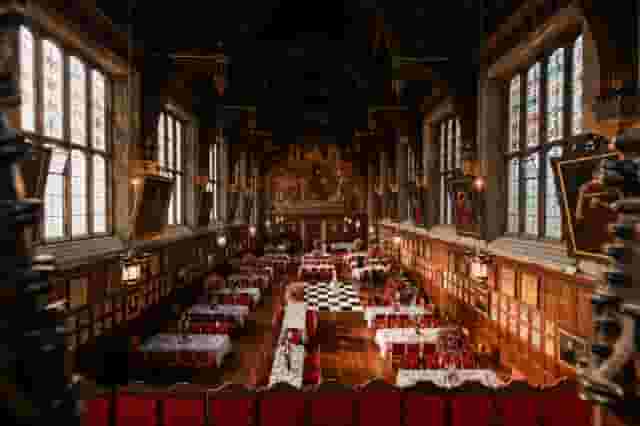
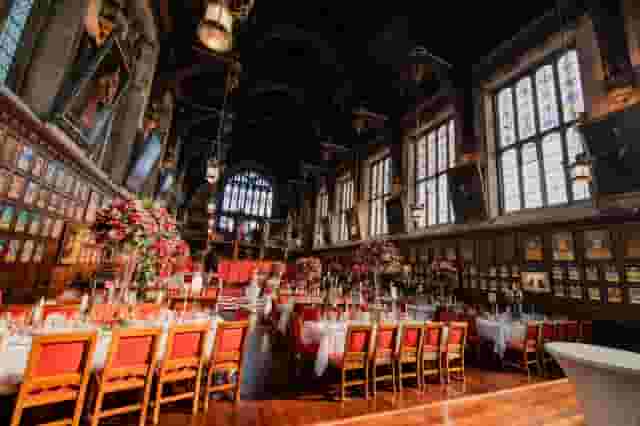
| 150 to 300 guests | City livery hall or central civic building | Separate drinks reception foyer to allow room resets |
| 350 to 800+ guests | Purpose-built ballroom or large members club | Multiple catering prep areas, wide aisles and dedicated loading bays |
Cultural logistics and ceremonial requirements
An Asian wedding reception rarely functions as a simple sit-down dinner. Depending on your background, faith and family preferences, the day may encompass specific religious rites, musical arrivals, dietary restrictions and multi-course culinary service.
Catering sits at the centre of the evening. Before signing any contract, establish whether the venue operates an open-caterer policy, works with a mandatory list of approved Asian caterers, or insists on in-house kitchen teams. If you need strictly certified halal preparation, regional vegetarian menus or specialised diaspora cuisine, verify that your chosen caterers have access to full hot-prep kitchen equipment, three-phase power connections and refrigerated storage.
Ceremonial logistics also require explicit written clearance during initial enquiries:
- Baraat and outdoor processions: If you plan a groom arrival with a dhol player, brass band or vehicle, check access routes, pavement rights and local council noise restrictions.
- Sacred fire and havan ceremonies: If religious vows precede the evening party, listed buildings and modern venues often have strict policies regarding open flames, smoke detection systems and fire marshals.
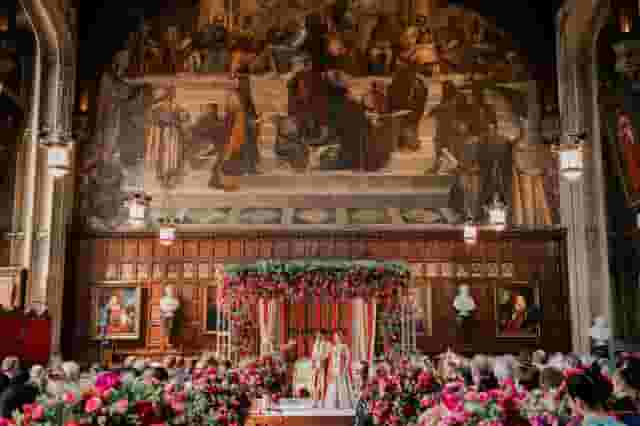
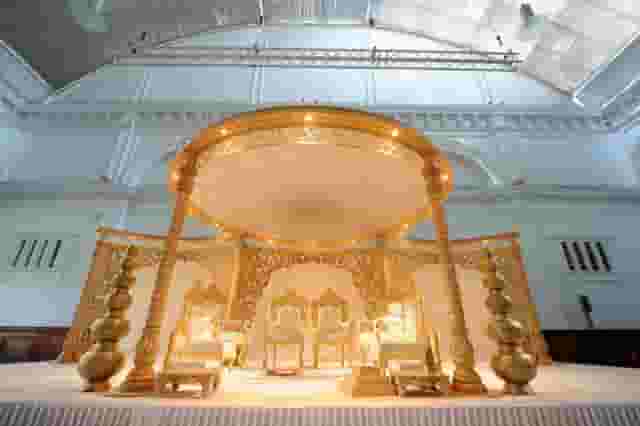
- Mandap and stage structures: Verify ceiling heights and load-bearing limits. Heavy floral installations, backdrops and raised platforms need ample set-up time and wide load-in doors.
- Dedicated family rooms: Ensure you have private, lockable dressing rooms on site for outfit changes, jewellery storage, prayer, and quiet resting space for elderly relatives.
- Alcohol-free bars: If you are hosting a dry celebration, ask how the venue approaches minimum spend contracts that are traditionally built around beverage consumption.
If you are just beginning your venue search and want a structured roadmap, read Hire Space's Ultimate Guide to Finding The Perfect Wedding Venue in London for advice on building your initial shortlist.
Balancing historic character with operational rules
London is packed with magnificent period properties, but historic buildings bring specific operational boundaries that affect how an evening unfolds.
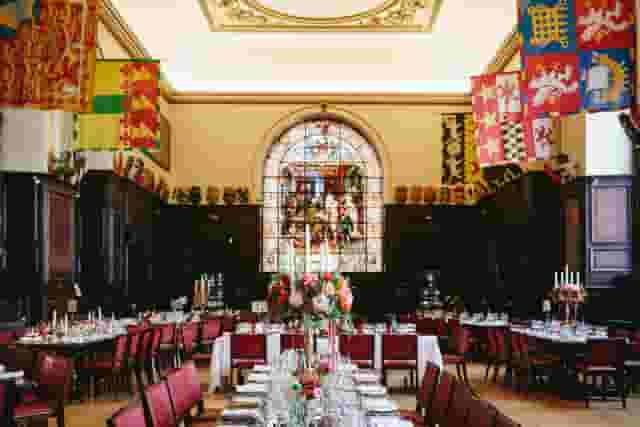
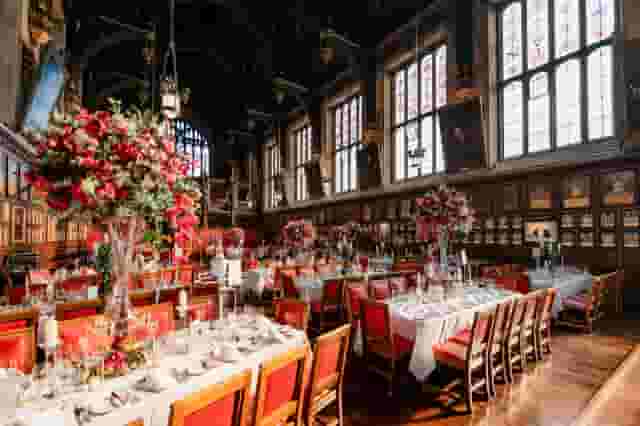
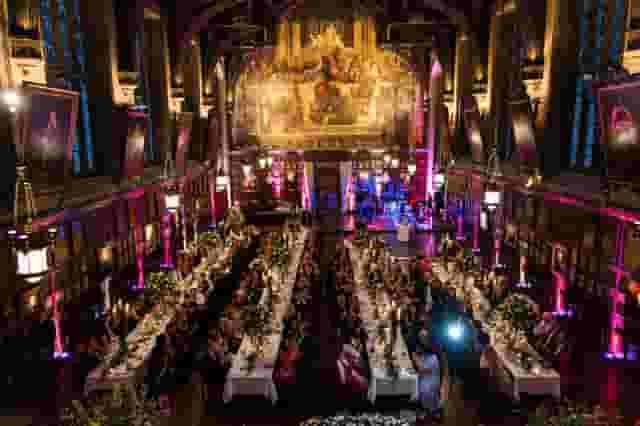
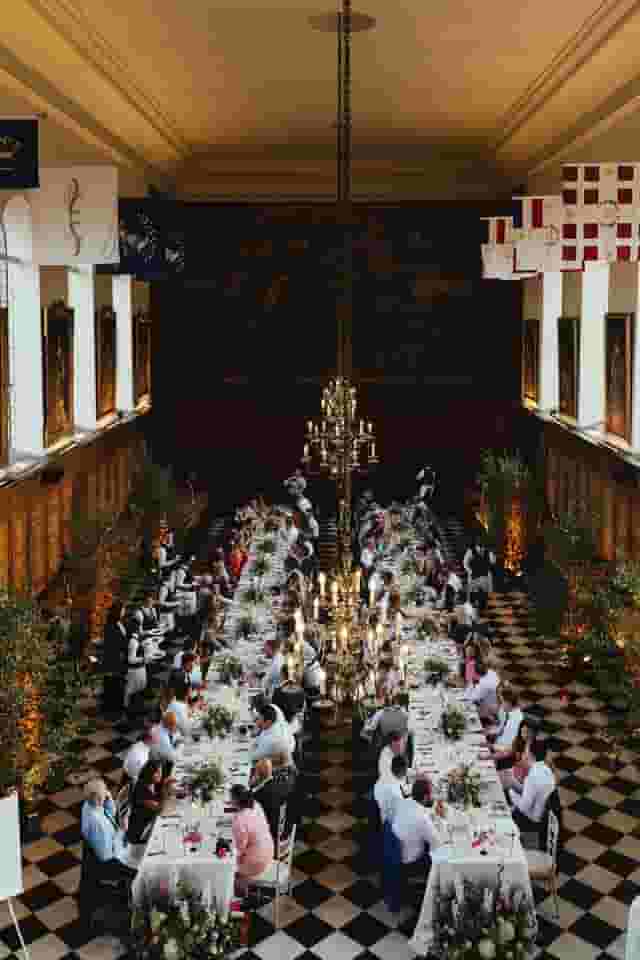
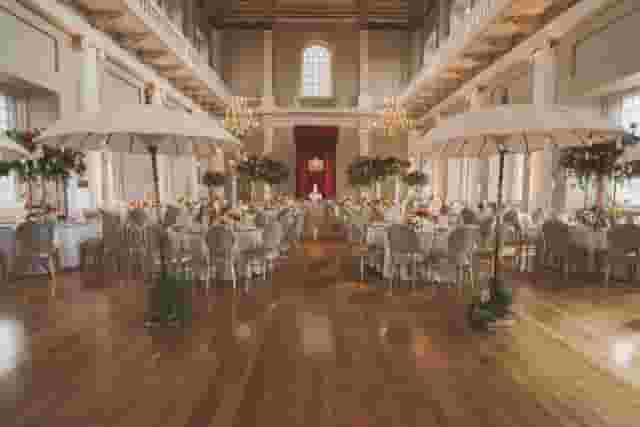
Central heritage sites such as Banqueting House in Whitehall provide unmatched drama with ceilings painted by Peter Paul Rubens and reception space for up to 500 people. Similarly, Stationers' Hall near St Paul's combines Grade I listed halls and a secluded private garden for up to 450 guests. Across Westminster, the Nash Room at 116 Pall Mall offers an ornate Georgian setting for standing receptions of up to 300 guests.
However, listed-building conservation rules mean these venues protect their historic fabric rigorously. Walls cannot take pinned fixings or vinyl tape, and production crews must bring freestanding truss systems for backdrops and lighting. Open flame is frequently banned, meaning real candles on dining tables must be swapped for LED alternatives, and ceremonial fires require specialist off-site or outdoor arrangements.
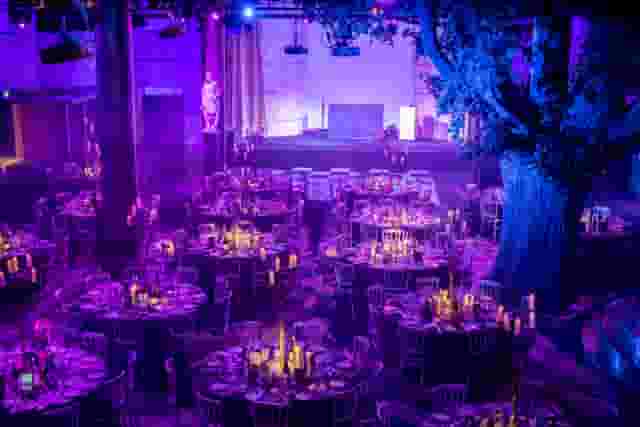
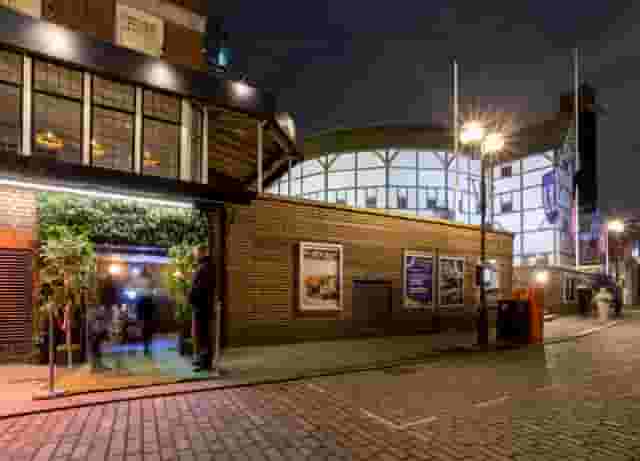
Subterranean and purpose-built venues offer an entirely different operational balance. Beneath Shakespeare's Globe on Bankside, the Swan at The Globe features the Underglobe, an atmospheric underground space holding up to 450 guests for a reception. Because it sits away from residential streets and above-ground historic restrictions, it provides built-in staging, comprehensive sound systems and projection capabilities that let you run a high-energy dance party without worrying about early sound curfews.
When touring historic properties, bring a targeted list of operational questions. Reviewing The Top Questions To Ask On Your Venue Site Visit will help you identify hidden structural constraints before you place a holding deposit.
Understanding wedding reception budgets and quotes
Budgeting for an Asian wedding reception in London requires a clear understanding of package structures. Costs vary widely depending on whether you choose dry hire, where you rent four blank walls and bring in everything yourself, or an all-inclusive hotel package that bundles food, staff and furniture into a single figure.
Our pricing data indicates that wedding bookings across these venues typically range from £80 to £240 per head. This indicative range is based on 10 quotes from the venues on this page and assumes a party size of about 100 guests.
Where you fall inside that band depends on the level of production, venue exclusivity and food service you choose:
- Towards the £80 end of the range: These rates are common for venues offering standard room hire with basic tables and chairs, or straightforward inclusive dining packages off-peak. At this level, you generally handle decor, external catering and specialist AV production separately.
- Towards the £240 end of the range: These quotes reflect central London landmarks, five-star hotel suites or full exclusivity on peak weekend dates. Higher quotes frequently encompass comprehensive security teams, dedicated venue managers, fine glassware, premium linen hire and extensive kitchen usage fees.
To evaluate real expenditure, establish what lies outside the headline figure. Dry hire venue contracts usually require additional payments for kitchen buyout fees, waste removal deposits, late-night alcohol licences, extra security guards for large guest numbers and overnight derigging access. As an event planning and venue booking company, Hire Space helps you assess the true cost upfront with instant price estimates drawn from real booking figures, backed by a team of real people who help you find the right fit. For weddings with a venue spend over £15,000, you also get a free, experienced event concierge to coordinate enquiries and help book your space.
| Cost category | Typical inclusion in venue quote | Common extra costs to verify |
|---|---|---|
| Room hire | Basic access hours, existing tables and chairs | Early access for suppliers, late-night extension past 23:00 |
| Catering and kitchen | Use of prep area, basic utility access | Commercial kitchen buyout fees, deep-cleaning deposits, waste removal |
| AV and entertainment | Standard architectural house lighting | Sound engineer fees, heavy power drops for live bands, stage hire |
| Staffing and safety | Front of house supervisor, basic duty manager | SIA-certified security guards, cloakroom teams, dedicated fire marshals |
Structuring the flow of the evening
A successful wedding reception keeps guests entertained and comfortable without long stretches of dead time. Because Asian weddings often feature speeches, performances and substantial food service, time management is critical.
A proven timeline for an evening reception works across three distinct movements:
Arrival and welcome drinks (60 to 90 minutes)
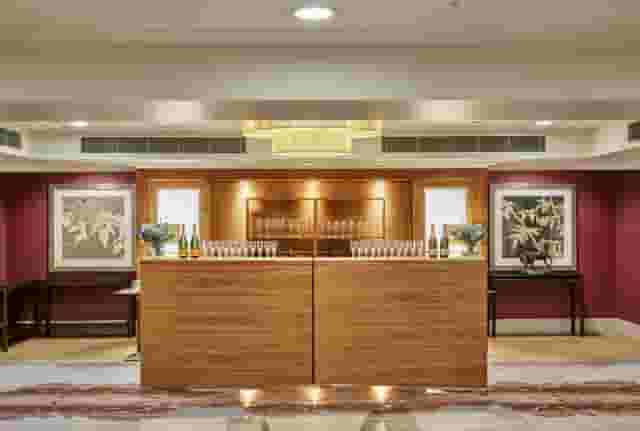
Use an anteroom, foyer or garden terrace for this phase so the main banquet room remains closed until dinner. Welcome drinks and canapes allow late arrivals to gather, mingle and take photographs without interrupting formal proceedings. Keep ambient background music light to encourage conversation, and ensure drinks stations are distributed around the room to prevent queuing bottlenecks.
The grand entrance, speeches and dinner (2 to 3 hours)
Once the doors to the main room open, direct guests to their tables quickly with clearly printed seating charts and escort staff. The couple's entrance works best when scheduled immediately after guests are seated, leading directly into formal welcomes or family speeches while attention is fresh.
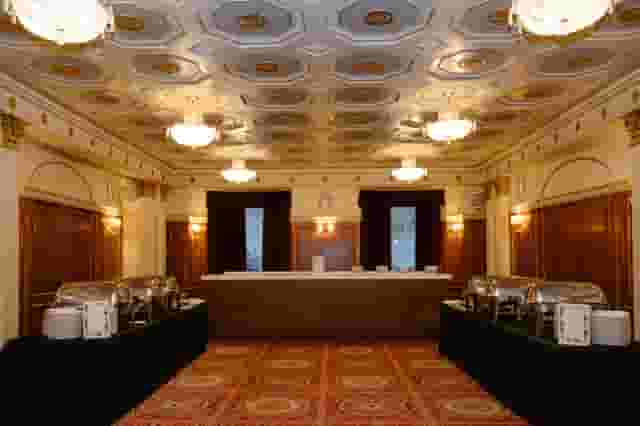
For dinner, choose your service style carefully. Plated table service keeps the schedule tight and feels formal, but buffet service offers guests variety and flexibility. If you opt for a buffet with more than 200 guests, configure duplicate food stations on both sides of the room. A single buffet line for 300 guests causes substantial delays, derailing your evening schedule.
Performances, cake cutting and evening dancing (2 to 4 hours)
Transitioning from dining to dancing requires a deliberate energy shift. Cutting the cake and hosting family dance performances on the main stage naturally pulls guests out of their seats. Once the dance floor opens, ask your catering team to discreetly clear dinner plates while leaving water and dessert stations accessible.
Confirm your venue's hard stop time well in advance. Central London venues often carry music and alcohol curfews between 23:00 and 00:00. If your family expects the party to run until 01:00 or 02:00, confirm whether late-night licence extensions are permitted and calculate the associated hourly staffing rates.
Guest comfort, arrival routes and accessibility
An Asian wedding spans several generations, from energetic young cousins to elderly grandparents. Creating a comfortable environment means thinking through physical accessibility, transport links and interior climate control.
Arrival, parking and coach access
In central boroughs such as Westminster, Camden and the City, private guest parking is almost non-existent. Make sure your invitations give precise instructions regarding the nearest public transport stations and commercial parking garages. If you are hiring private coaches to transport family groups, verify that your venue has a legal coach drop-off bay outside where buses can pause without obstructing red routes or bus lanes.
Venues located further out from the city centre, such as South West and Greater London locations, often provide dedicated on-site parking, which simplifies transport logistics for older relatives and families travelling with young children.
Step-free accessibility
Verify that step-free routes run through the entire guest journey, including arrival entrances, the main dining hall, restrooms and any outdoor photo areas. Avoid venues where wheelchair users must travel through service corridors, back-of-house kitchens or luggage lifts to reach the party. If your reception room features a raised stage for the bride and groom, consider installing a subtle access ramp so elderly relatives can join you for photographs comfortably.
Acoustic balance and quiet retreats
A high-decibel sound system with live percussion sounds exhilarating on the dance floor, but it can quickly overwhelm older guests and young children. Designate a quieter lounge space or adjoining foyer away from the speakers where guests can sit down for tea, coffee and conversation without shouting.
Ensure the venue's heating and cooling systems are suited to large gatherings. A ballroom that feels pleasant at four in the afternoon can quickly become hot and stuffy once 300 people take their seats and production lighting comes on. Ask the duty manager how their air handling units perform during peak summer celebrations and confirm that temperature settings can be adjusted quickly on the night.
By focusing on structural capacity, transparent cost breakdowns, clear vendor agreements and guest comfort, you can select an Asian wedding venue in London that allows your family to celebrate with complete peace of mind.
What our customers say
Inspiration and planning guides

3 Affordable Wedding Venues In London
Planning a wedding in London can be as dreamy as it is daunting, especially when trying to keep costs reasonable without compromising on the venue. Fortunately, London boasts an array of stunning yet affordable wedding venues that cater to every taste and budget. So let's dive in!

Venue Review: Theatre Royal Drury Lane
Theatre Royal Drury Lane [https://hirespace.com/Spaces/London/11681/Theatre-Royal-Drury-Lane/Grand-Saloon/Weddings] is a phoenix. Amazingly, the first time it burned down was after the Great Fire Of London - it survived that fire. But six years later, it was burnt to a crisp. But it rose, rebuilt, only a few years later - only to be destroyed once again, in 1794. And in 1809, having been rebuilt again, it caught alight, and Theatre Royal [https://hirespace.com/Spaces/London/11681/Theatre-Royal

9 Glorious Glass Venues in London
London is a city that knows how to make an impression, and when it comes to hosting events, why settle for anything less than spectacular? Enter London’s glorious glass venues!
One supplier. Every venue. Full visibility on what you spend.
Multiple venues and events. One agreement.