Restaurants with Private Dining Rooms in London
Find private dining rooms in London for corporate dinners and client entertaining, with data-backed pricing and room layouts.
609 Restaurants With Private Rooms for Hire in London












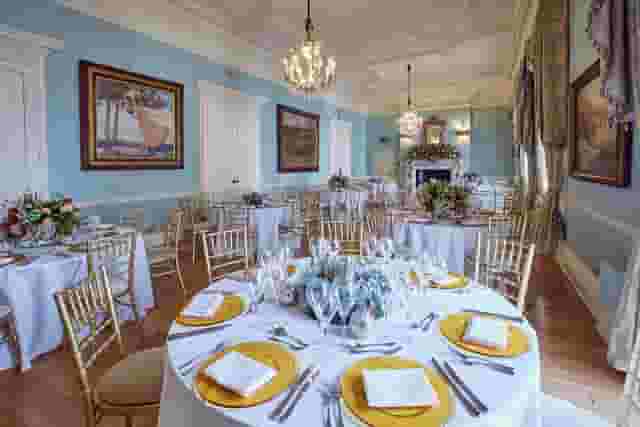
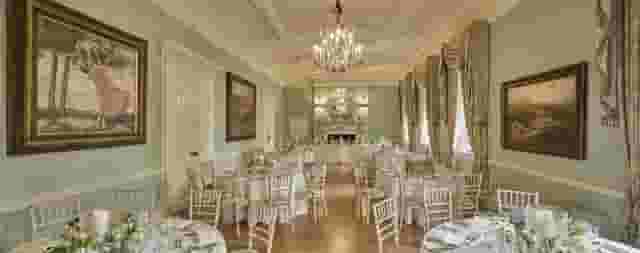
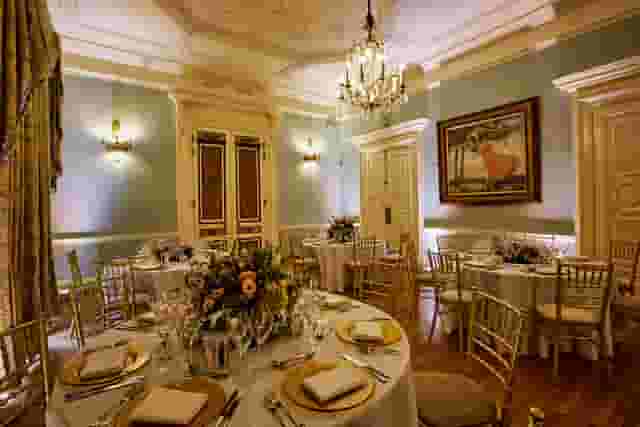
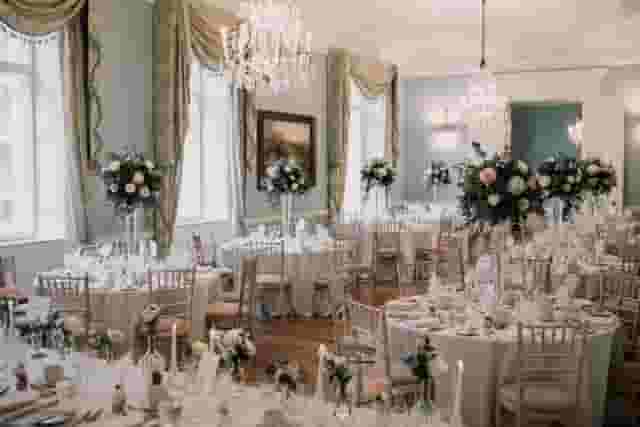








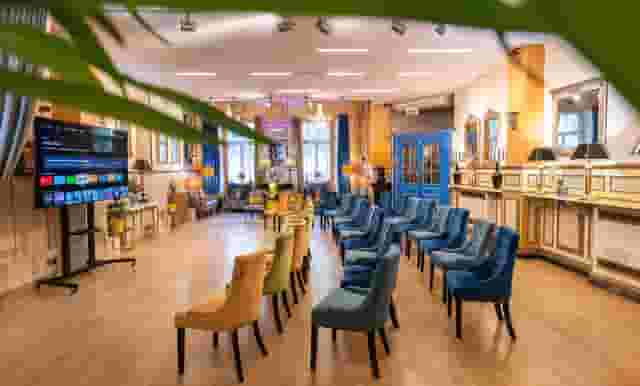
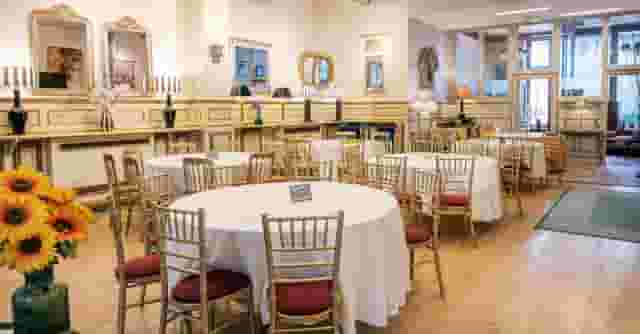
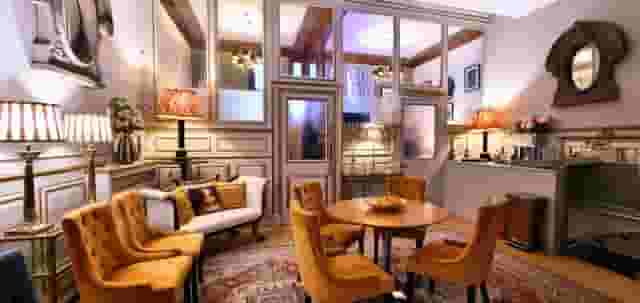
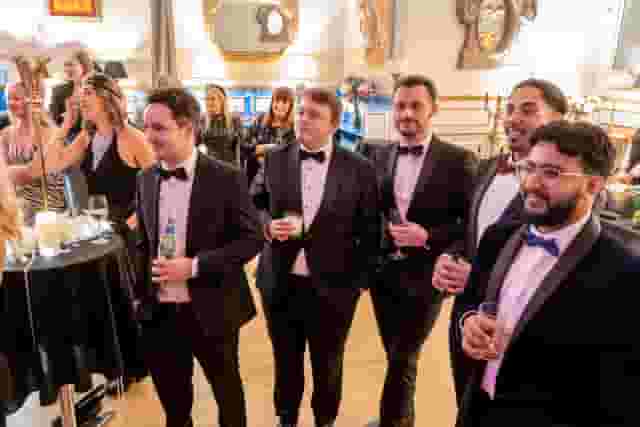



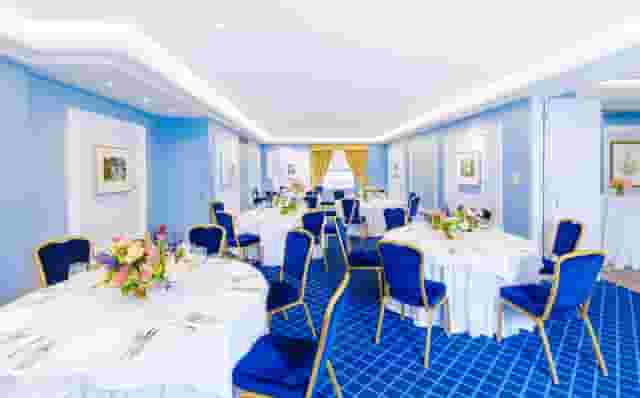
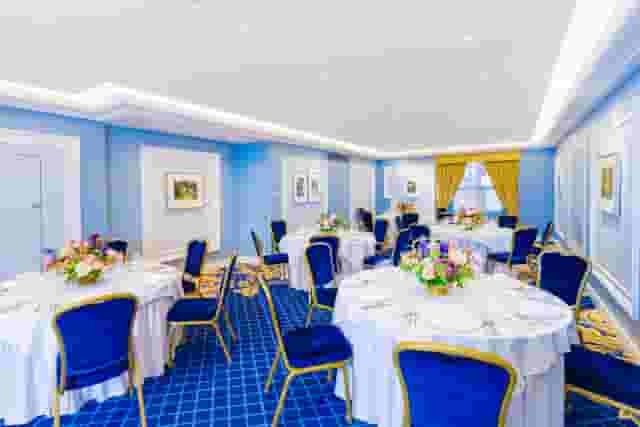
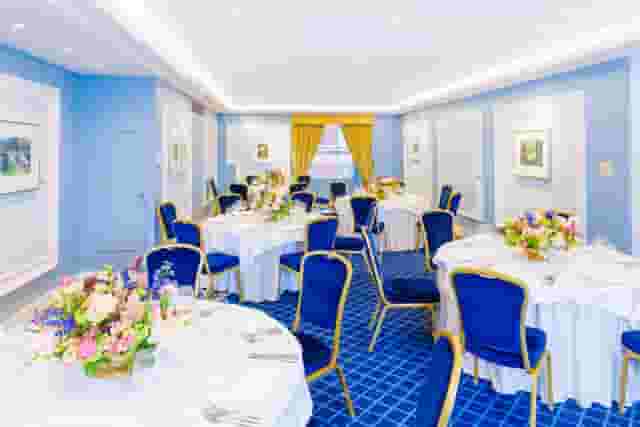
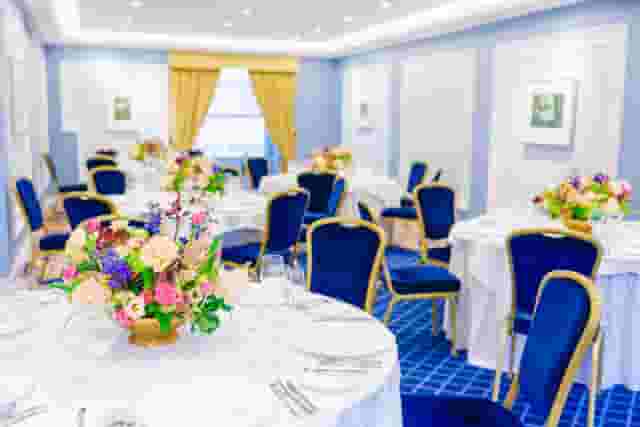



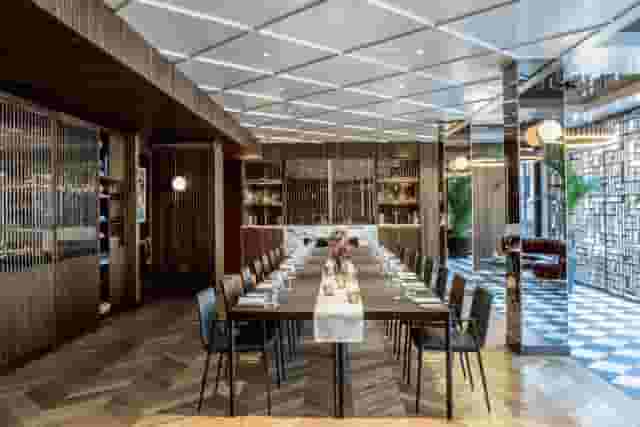
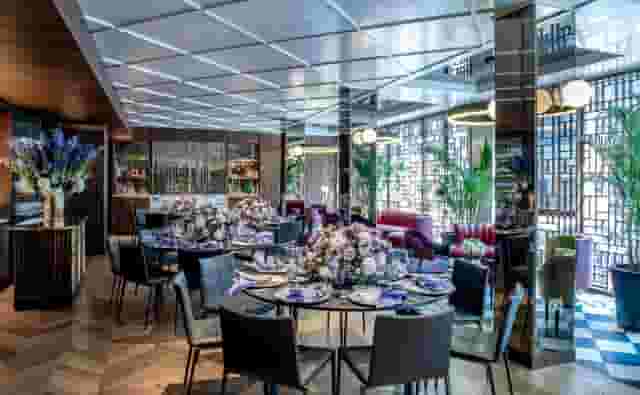
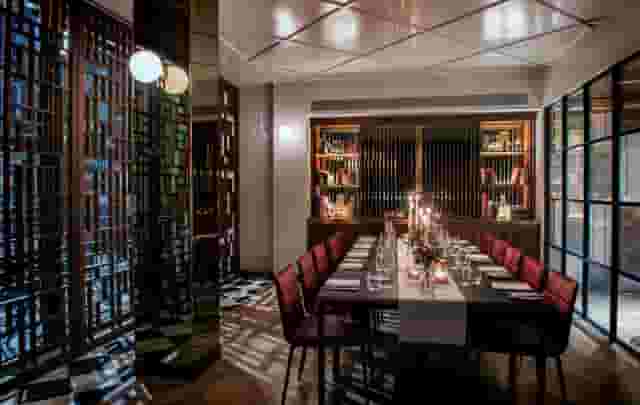

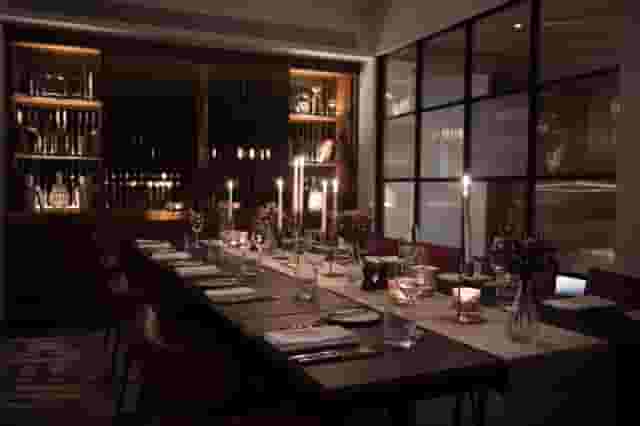


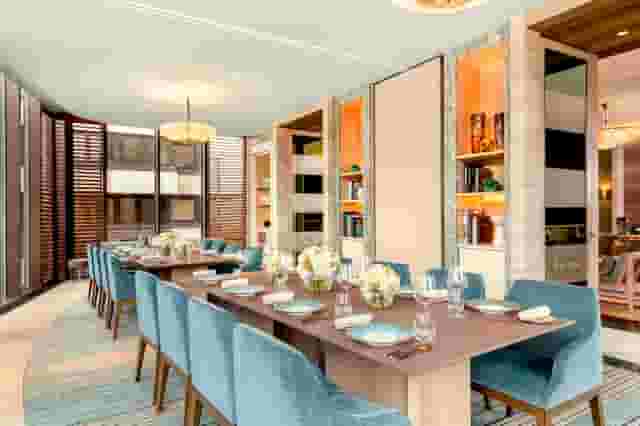
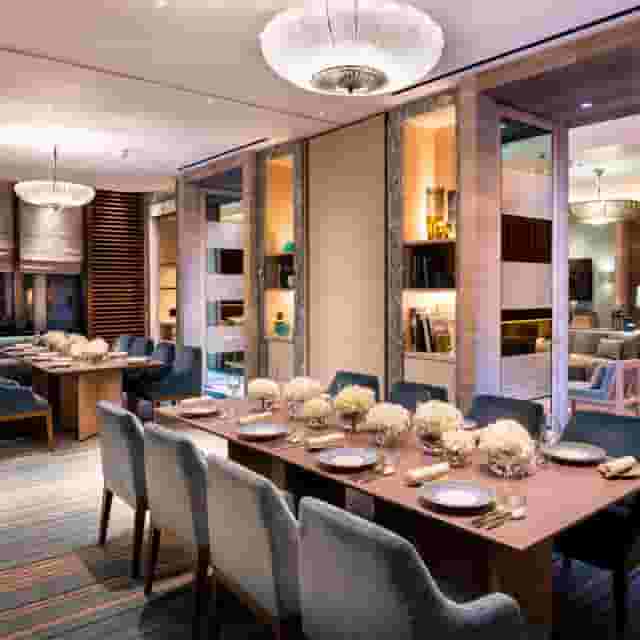
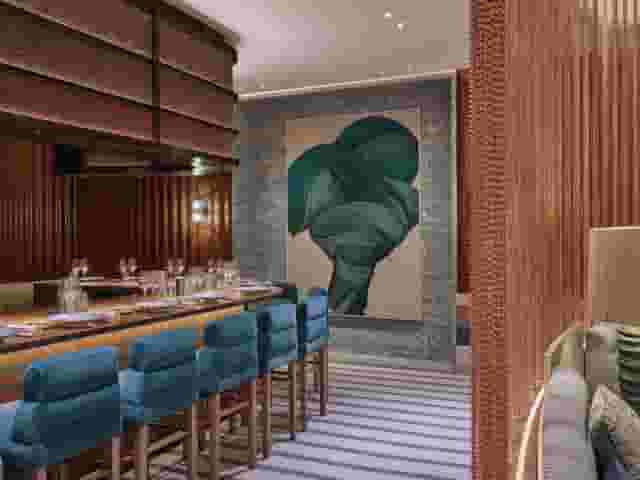
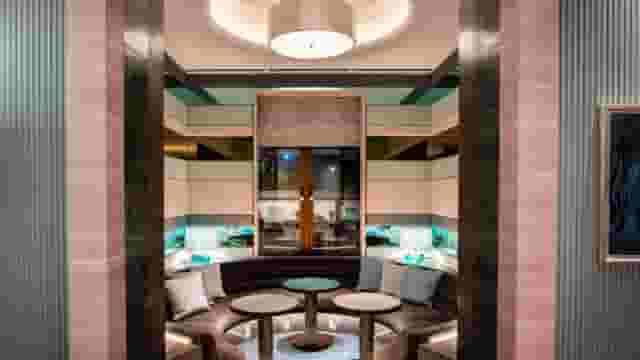







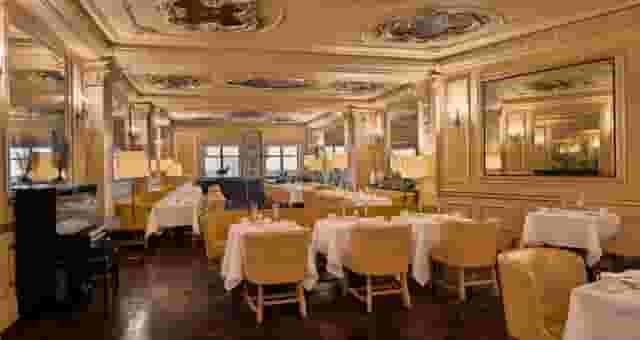
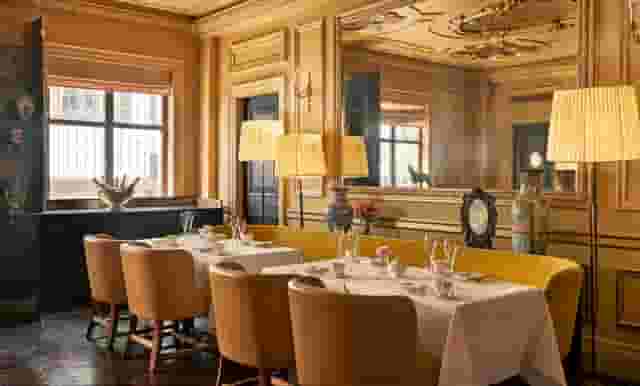
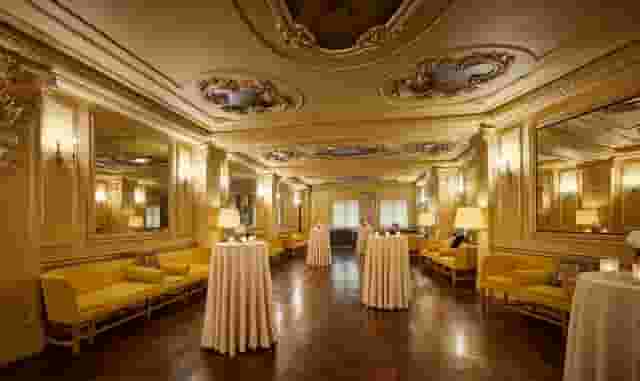
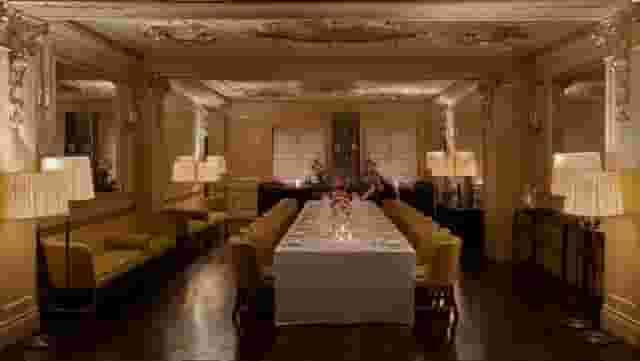


No venues match these filters
Try widening your capacity, luxury level or event type.
Don't have time to search? We'll find it for you.
For business events that need human judgement, talk to our team. Free for events of 100+ people, budgets over £10k or ongoing programmes.




Explore more venues in London

Frequently asked questions
How to select a private dining cuisine?
Are central London private rooms costly?
How do I ensure privacy in a restaurant?
What tech should a private room have?
What size should a private room be?
Other platforms search their database. We search everything.
Tell us what you need. Our deep research finds any venue, whether it's in our marketplace or not. No one else does this.
About Restaurants With Private Rooms in London
Organising a private business dinner in London comes down to balancing hospitality with operational control. Whether you are hosting a board dinner, closing a transaction with clients or gathering leadership teams for an annual strategy meal, the dining room sets the boundaries of the conversation. When the setting works, guests focus on the agenda and the relationships. When it fails, you spend the evening managing acoustic spill, delayed courses or cramped service aisles.
Choosing the right private room requires looking beyond restaurant reputations. You need to assess room dimensions, acoustic isolation, service structures and pricing models long before you review a wine list. To streamline venue sourcing, Hire Space provides an event planning and venue booking platform supported by a team of real people who help guide the search. Through Deep Venue Research, you can uncover private dining rooms tailored to your layout and brief in minutes, alongside instant price estimates drawn from genuine booking data.
Sizing the room and planning the table layout
A private dining room should never be booked solely on its maximum seated capacity. Restaurants often calculate their theoretical limits based on how many chairs can physically fit around a perimeter. In reality, a business dinner requires adequate space for table service, wine pouring, guest movement and sightlines.
For a seated group of 60 guests, a solid planning allowance is 1.5 to 1.9 square metres per person. This footprint accounts for chairs pushed back from tables, service trolleys and waitstaff circulating without brushing against guests. If your event includes pre-dinner drinks, a welcome speech or a small presentation screen, you must calculate space for those elements in addition to the dining tables. Always request a scaled floorplan and ask the venue to confirm their approved seated capacity for your specific layout.
The choice between a single long boardroom table and multiple round tables changes how the evening functions:
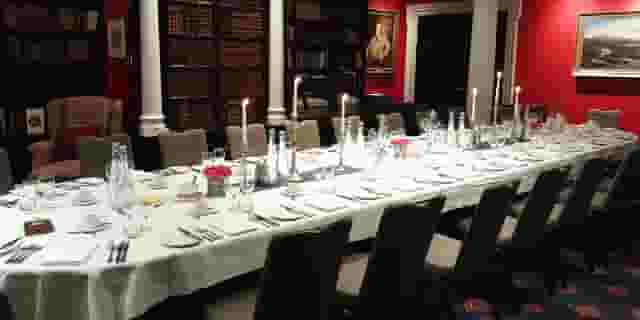
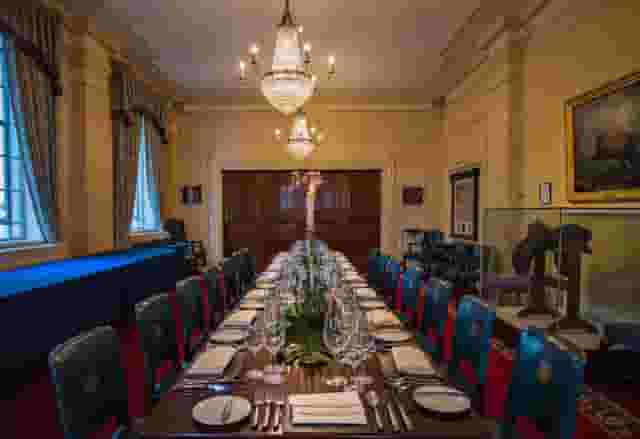
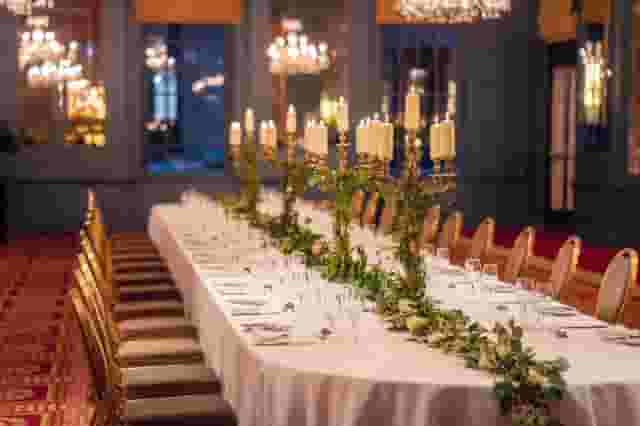
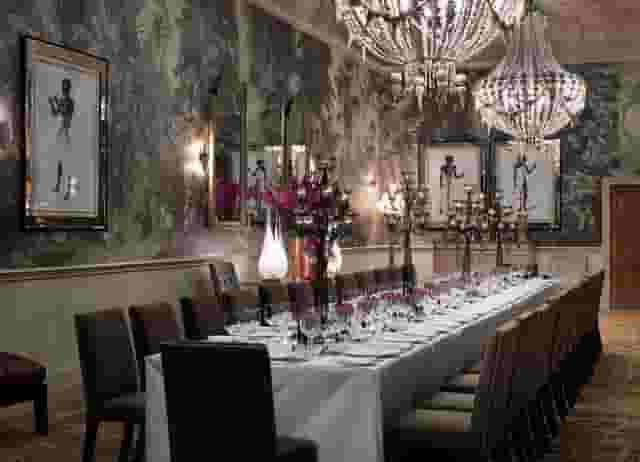
- Single long table (up to 20 to 24 guests): Creates a unified atmosphere suitable for board discussions or single-speaker presentations. Beyond 24 guests, cross-table conversation becomes impossible, and people can only talk comfortably to their immediate neighbours.
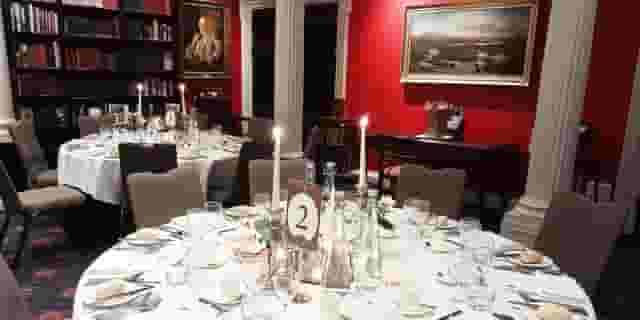
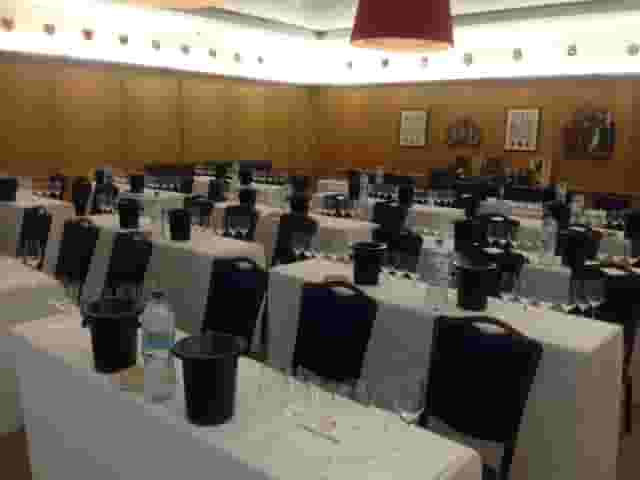
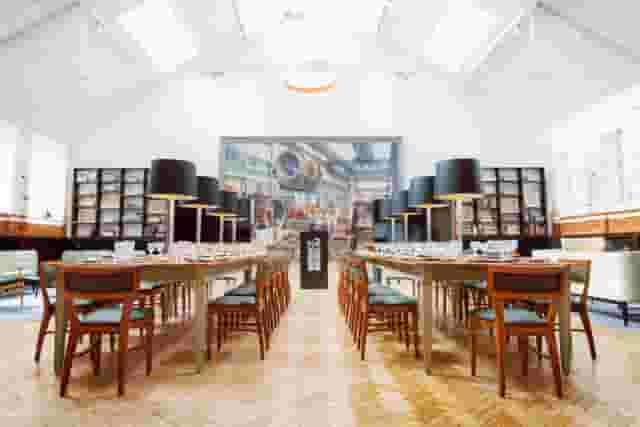
- Multiple round tables (groups of 24 to 80 guests): Encourages lively, table-level discussion and speeds up food service. Rounds allow you to distribute hosts or senior executives across different groups. The trade-off is that speeches must address multiple angles, which requires central positioning for the speaker.
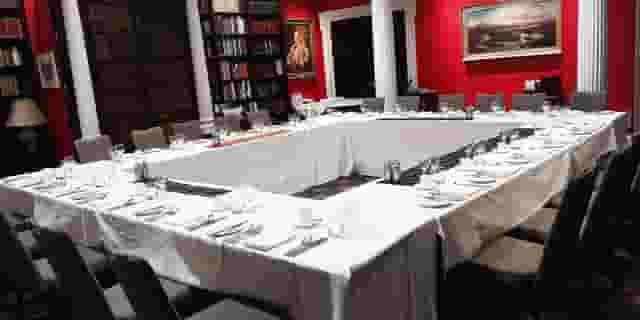
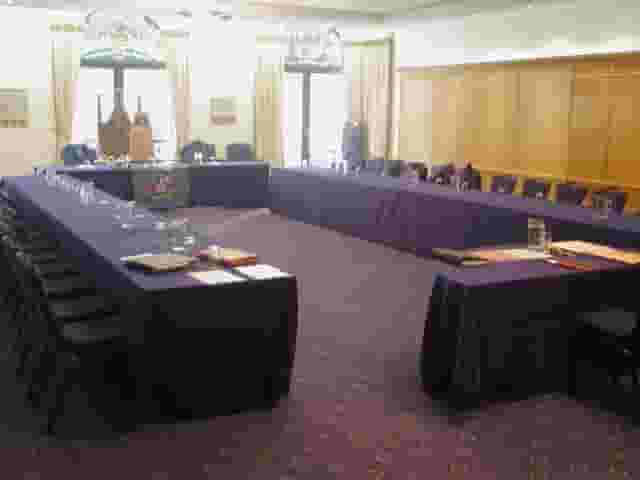
- Sprig or horseshoe layout: Useful for formal corporate dinners where everyone needs to face a top table or a screen, though it requires significantly more floor area than standard rounds.
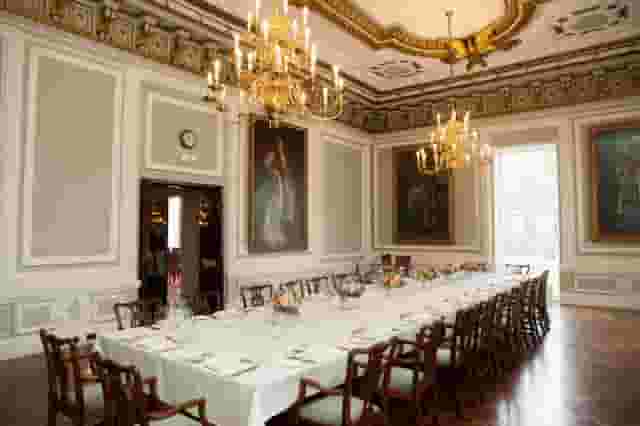
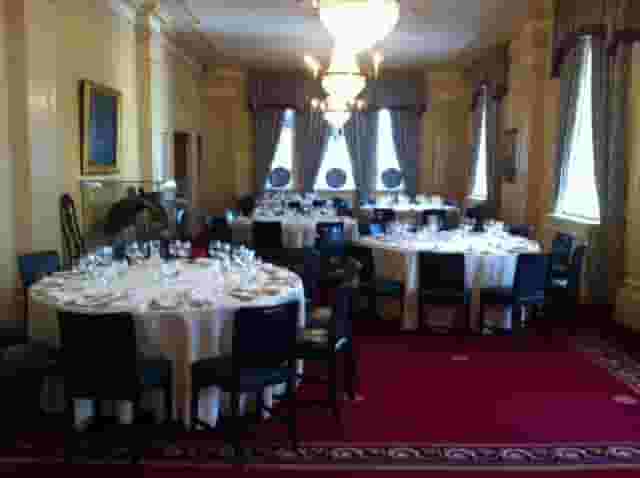
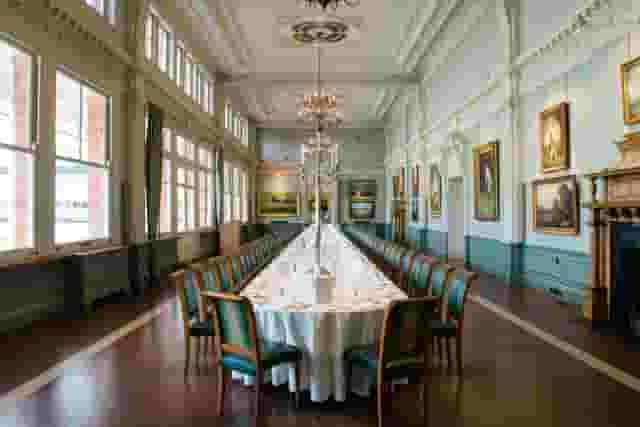
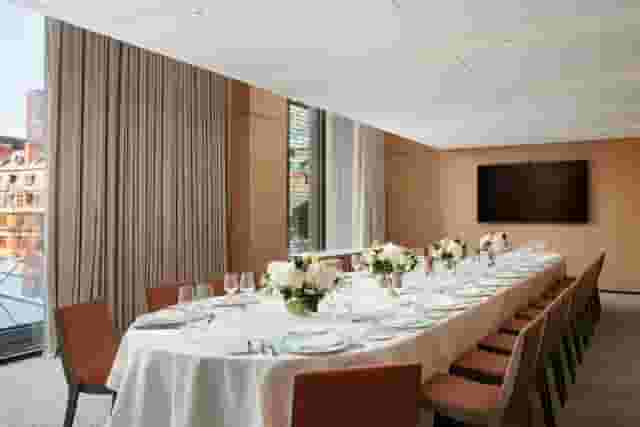
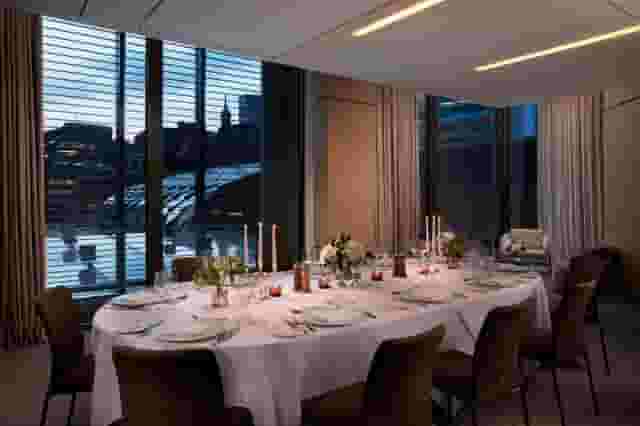
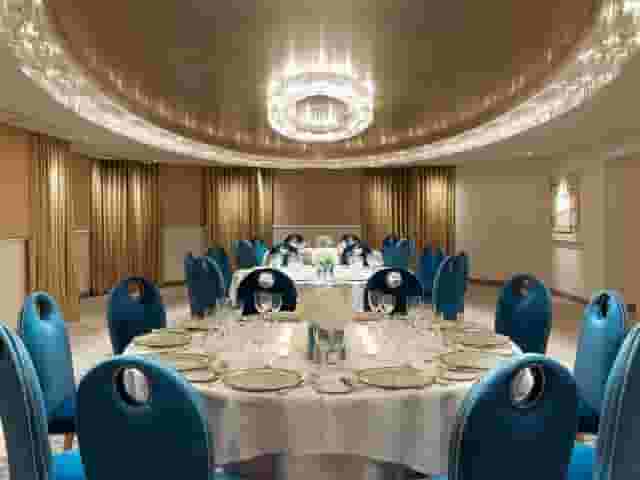
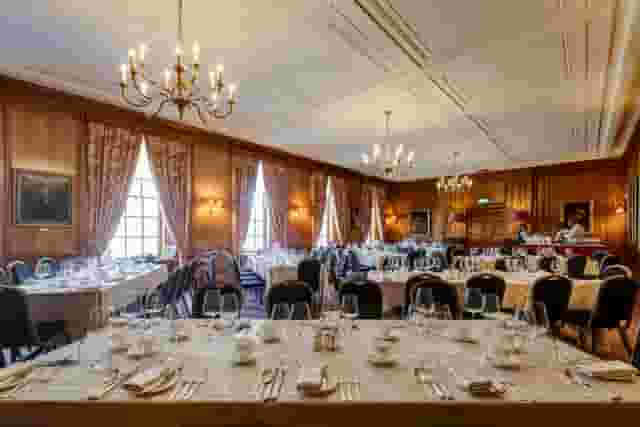
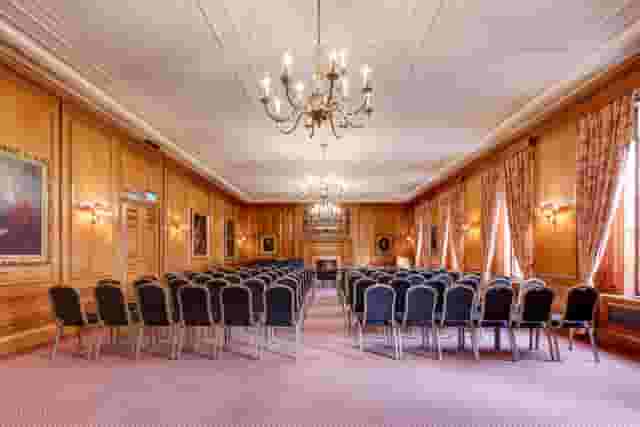
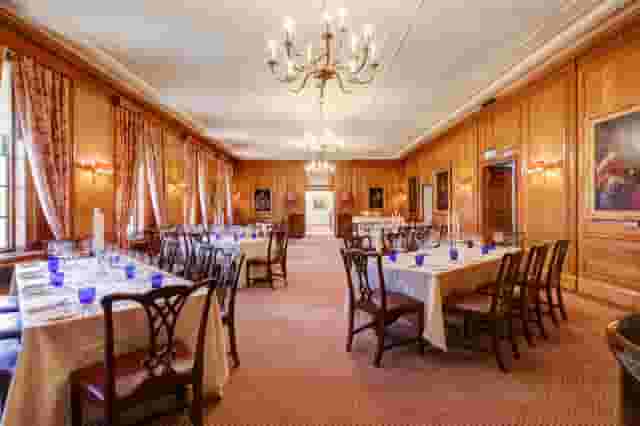
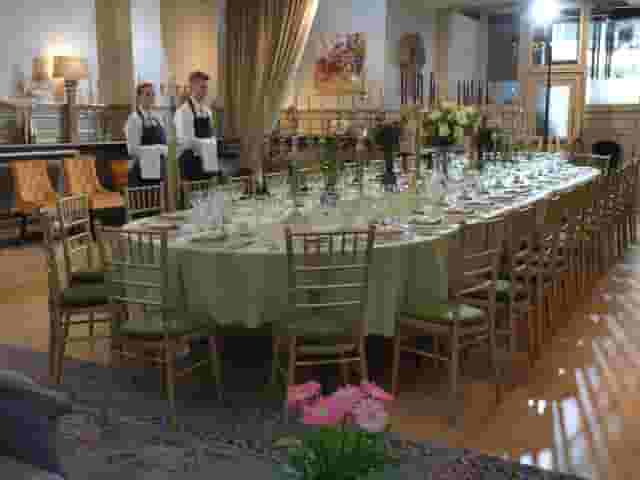
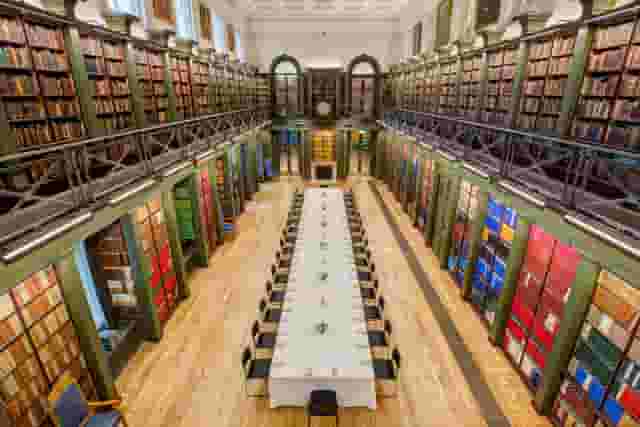
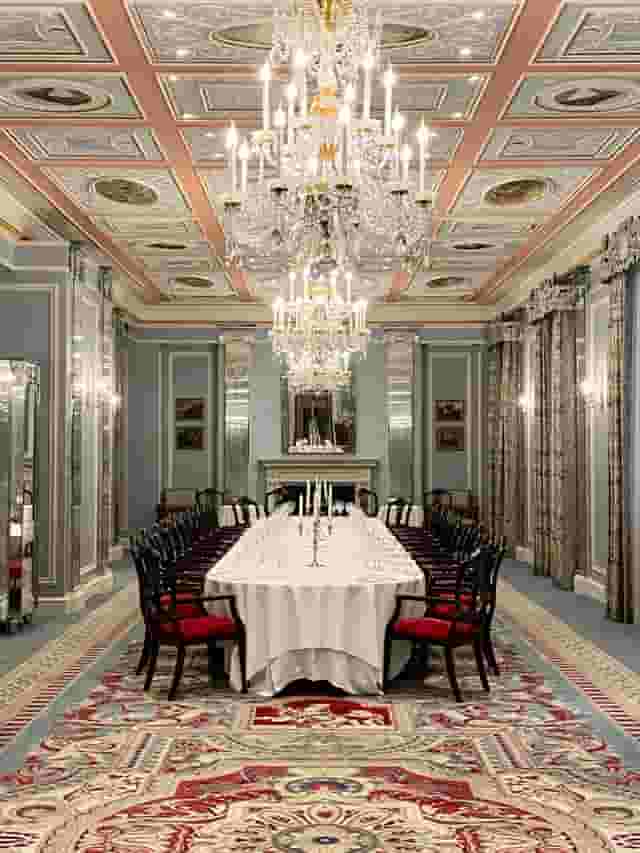
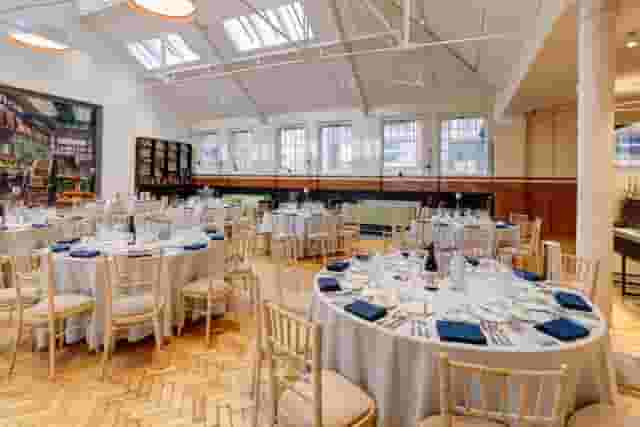
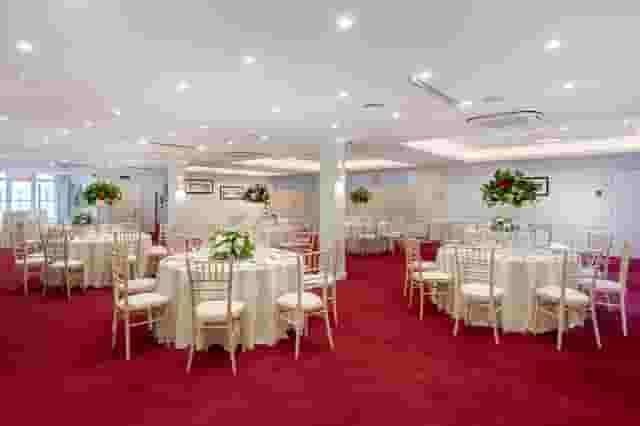
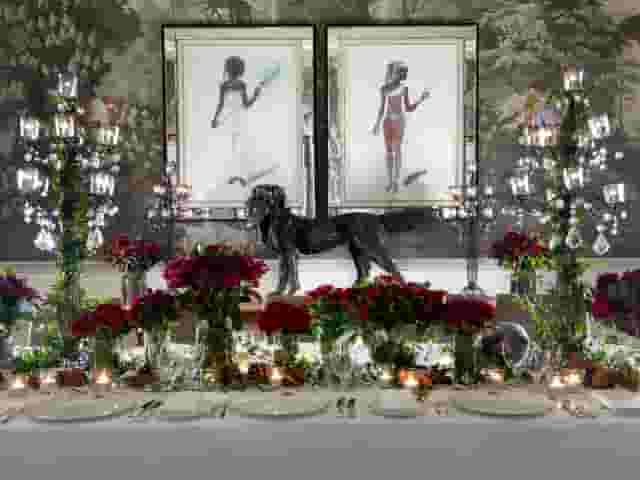
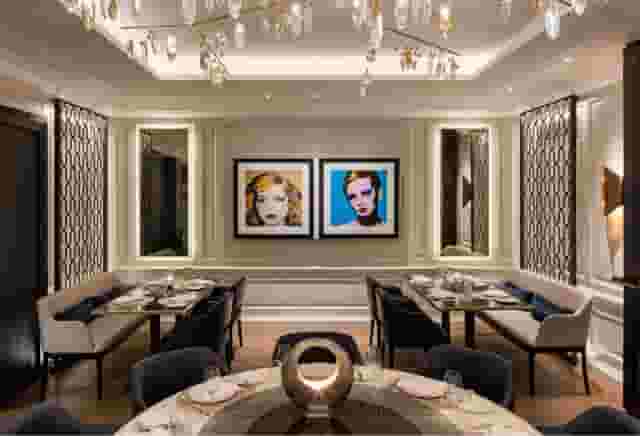
If you are planning for a group of 60, The Emin Room at 34 Mayfair seats up to 60 guests for dining (with standing space for 80), providing enough room for formal service without crowding the tables. For larger gatherings requiring traditional proportions and dedicated space for formalities, the Selkirk Room at The Caledonian Club accommodates 80 for seated dining, allowing comfortable spacing for speeches.
Acoustics, service access and true privacy
In commercial restaurants, the phrase "private dining" covers everything from fully sealed rooms to semi-private mezzanines cordoned off by velvet ropes. For corporate events where confidential transactions, commercial strategy or client relationships are on the table, semi-private spaces are rarely suitable.
To guarantee true privacy, confirm the following details during your site visit:
Acoustic boundaries and sound leakage
Ask whether the room has full-height, solid walls and a closable door. Check what sits on the other side of those partitions. A private room sharing a thin wall with a commercial wash-up station, an open kitchen or a busy cocktail bar will suffer from constant background clatter. High ceilings and hard floors also amplify conversation. If multiple guests speak at once, the ambient volume rises quickly, making speeches difficult. Look for soft furnishings, heavy curtains or carpeted floors that absorb sound.
Dedicated service corridors and entry points
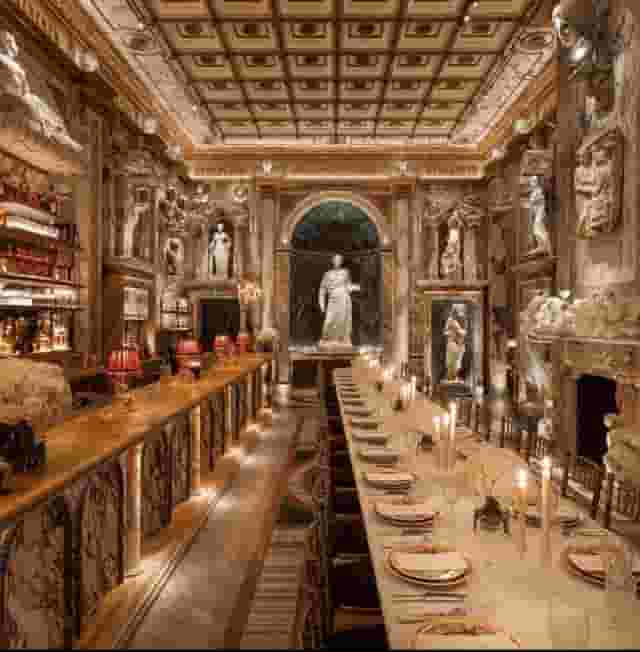
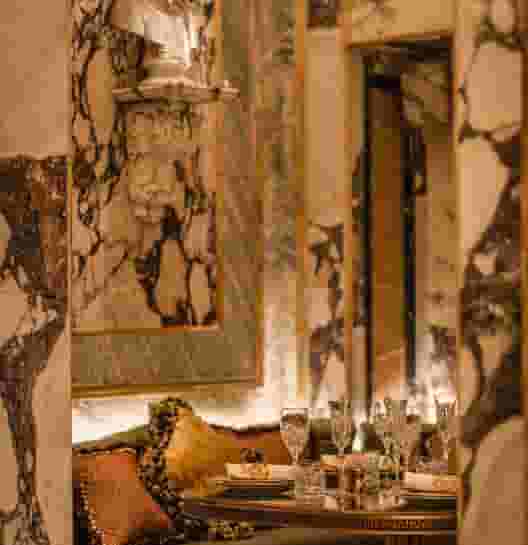
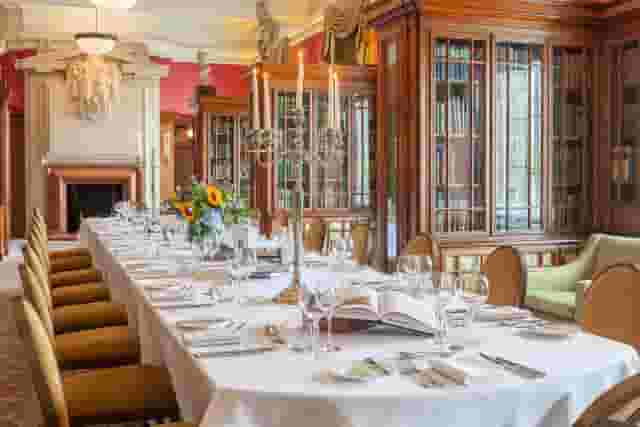
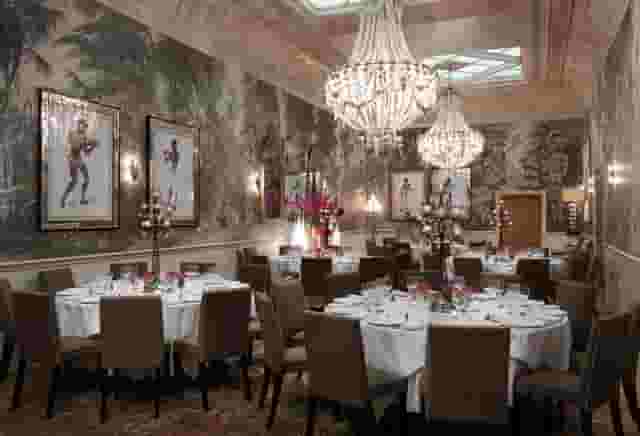
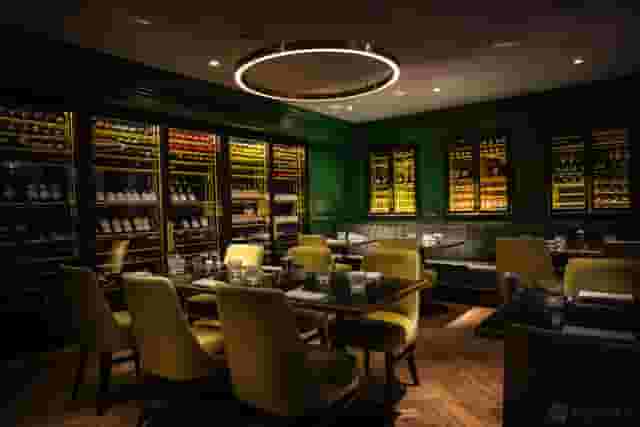
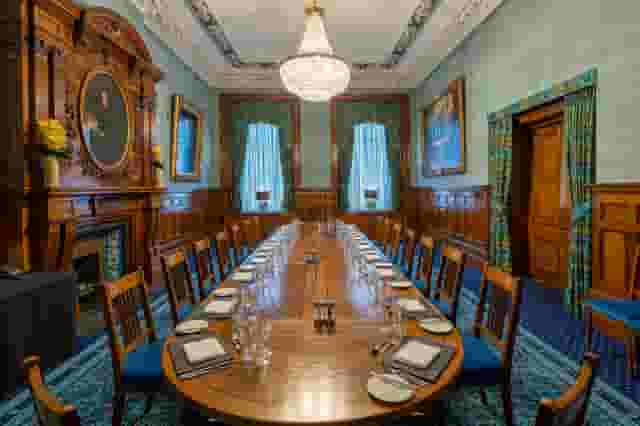
A private room should have its own designated entrance and, ideally, direct access for waitstaff that does not cut across the main dining floor. In spaces like the Private Dining Room at CORD Restaurant by Le Cordon Bleu, which seats 26 guests in a Grade II listed setting, self-contained service and dedicated hospitality allow presentations to proceed without outside interruption.
Service rhythms and interruptions
Establish how service will interact with your itinerary. If your dinner includes a presentation or an address by your chief executive, instruct the floor manager that all plate clearing, wine topping and water service must pause completely while the speaker is on their feet. In high-tempo restaurants, front-of-house staff are trained to keep glasses full and plates cleared as quickly as possible. Clear instructions prevent a waiter from walking in front of your managing director mid-sentence.
If your dinner is purely celebratory or social, a warmer neighbourhood setting such as the Private Dining Room at Daphne's, which accommodates up to 50 standing for a reception, offers a welcoming environment while maintaining a distinct, separate room for your party.
Budgeting, set menus and understanding quotes
Pricing for private dining rooms in London is generally calculated on either a minimum spend basis or a fixed price per head. Understanding how these models work protects your budget from unexpected extras on the final invoice.
Based on 12 quotes from the venues on this page for about 60 guests, indicative pricing typically falls between £131 to £281 per head. This figure assumes that party size and is estimated from what venues have charged for similar events.
Events landing towards the £131 end of the range typically feature a three-course set menu with a half-bottle of house wine per guest, filtered water and tea or coffee. At this level, minimum spends on quieter weekday evenings (Monday to Wednesday) offer sensible value.
Events moving towards the £281 end of the range incorporate champagne receptions, premium four or five-course menus, paired fine wines, extended room hire windows and private bar facilities. Weekend dates in peak months (particularly November and December) will push commitments towards this upper bracket due to heavy corporate competition.
| Cost Component | What is Usually Included | Watch Out For |
|---|---|---|
| Set Menu | Three courses, bread, tea and coffee | Surcharges for beef, seasonal game or extra cheese courses |
| Drinks Package | Welcome drink, half bottle of wine, mineral water | Consumption overages when guests switch to premium spirits |
| Room Hire | Exclusive room use for a set service window | Overtime fees if dinners run past standard lunch or dinner hours |
| Service Charge | Discretionary front-of-house gratuity | Ranges from 12.5% to 15%, calculated on the total gross bill |
| AV and Staging | Basic screens or built-in background sound | Charges for wireless microphones, technician call-outs or HDMI splitters |
Minimum spends against per-head packages
A minimum spend requires your group to spend a set amount on food and drink combined. If your food and beverage spend falls short, you will be billed the difference as room hire. This model suits groups who enjoy entertaining with fine wine and spirits, as premium bottles help you hit the threshold easily.
A fixed per-head package locks in your core costs from the start, making procurement sign-off simpler. However, always check whether the minimum spend is subject to VAT and service charge, or if those are applied on top. A quoted £5,000 minimum spend with 15% service charge and 20% VAT quickly becomes a £6,900 gross commitment. Hire Space 360 is enterprise venue and hotel procurement for companies spending £1m or more a year on meetings and events: a managed meetings and events programme, the kind procurement teams call strategic meetings management. It brings every dining venue and hotel booking onto one agreement, replacing separate supplier payments with consolidated invoicing and live spend reporting. To see how this simplifies approval workflows and keeps corporate entertaining aligned with internal event policy, explore how Hire Space 360 works for procurement.
For more inspiration on top-tier locations, our guide to the Top 7 Central London Private Dining Venues explores how different prime spots manage their space and pricing.
Menus, dietary management and wine service
Private dining requires a condensed, pre-agreed menu. Restaurants cannot offer their full à la carte selection to a table of 20 or more without slowing the kitchen to a crawl. The goal is to provide enough variety for guests while keeping kitchen execution sharp.
Pre-orders against choice on the night
- Reduced menu on the night: The kitchen offers three starters, three mains and two or three desserts. Guests order at the table after sitting down. This creates a relaxed guest experience but increases the time between courses. It works well for smaller groups up to 18 people.
- Advance pre-orders: Every guest selects their dishes one to two weeks ahead of the event. This is practically mandatory for tables over 25. It allows the kitchen to prepare service batches accurately and ensures smooth delivery. When taking pre-orders, compile a detailed table plan showing seat numbers alongside each guest's name and selections. This prevents waitstaff from calling out "who ordered the sea bass?" during a formal dinner.
Managing complex dietary requirements
Dietary management is no longer an afterthought. On a guest list of 40 people, you will regularly need to cater for vegan, vegetarian, gluten-free, dairy-free, halal and nut-allergic diners. Request written allergen menus early in the selection process. Ensure the kitchen can prepare equivalent, high-quality alternatives rather than serving a fruit plate while other guests enjoy a pastry dessert.
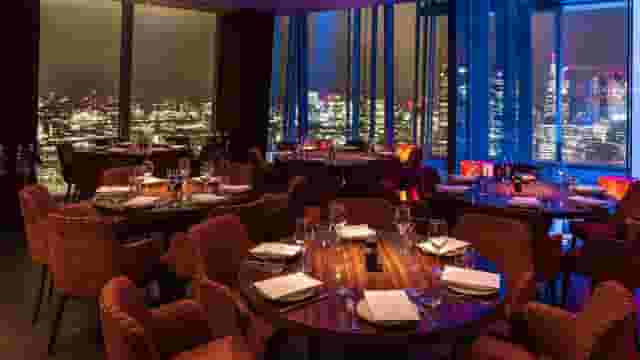
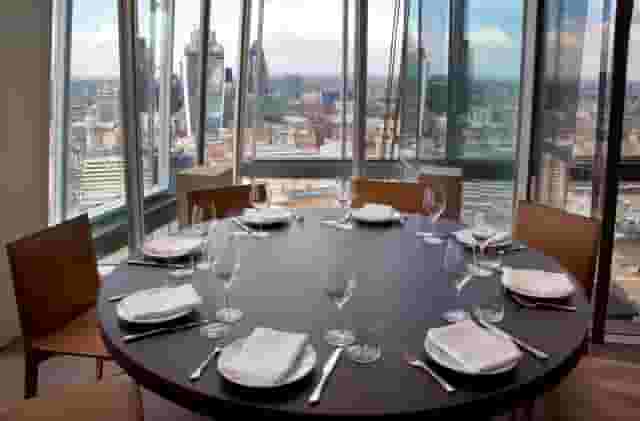
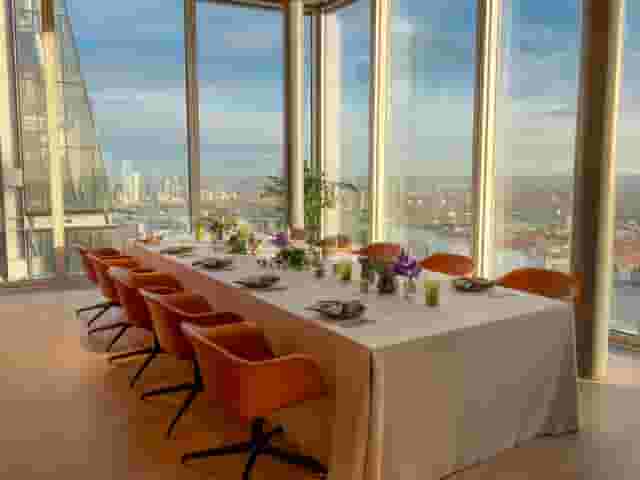
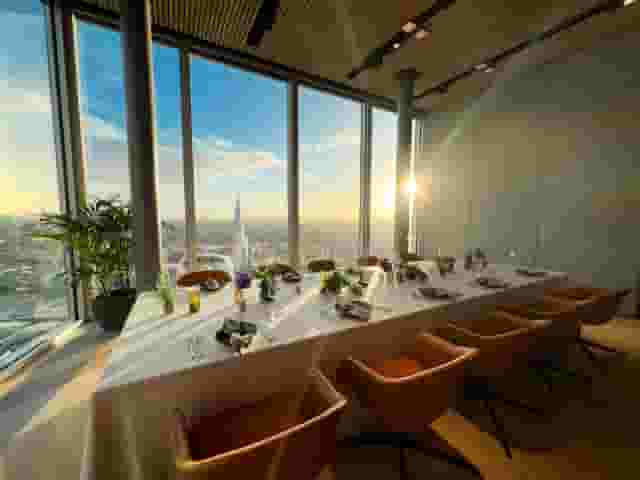
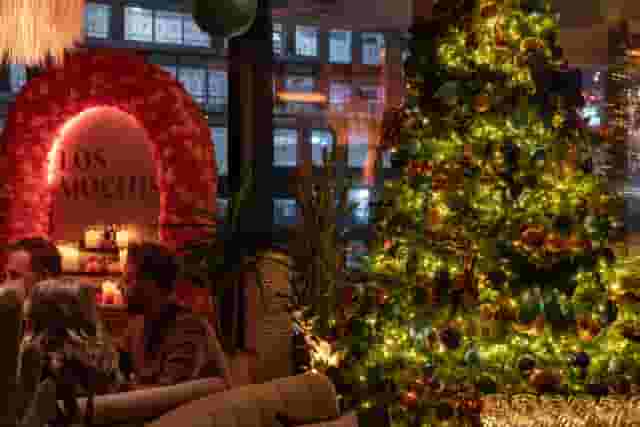
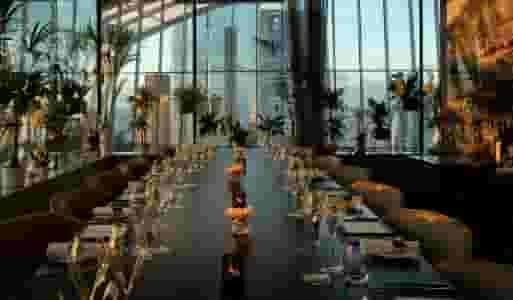
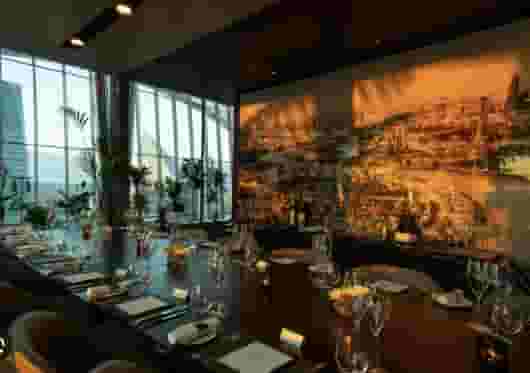
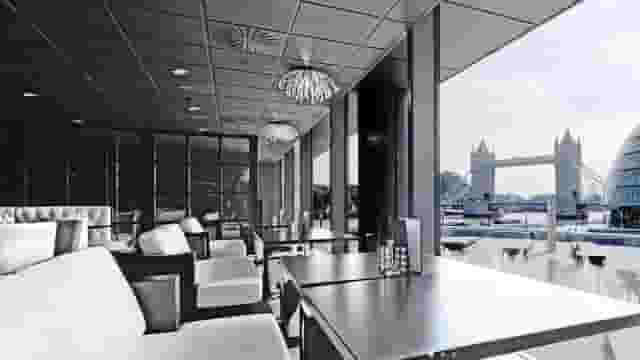
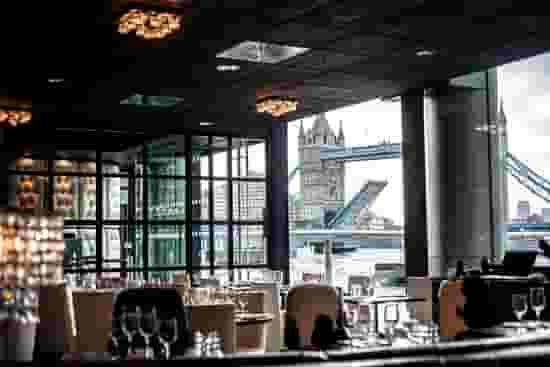
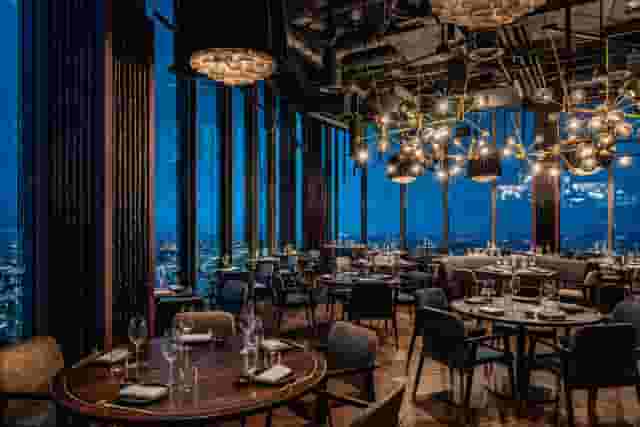
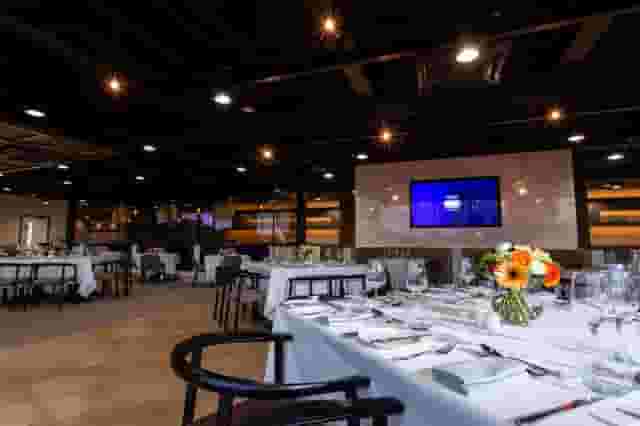
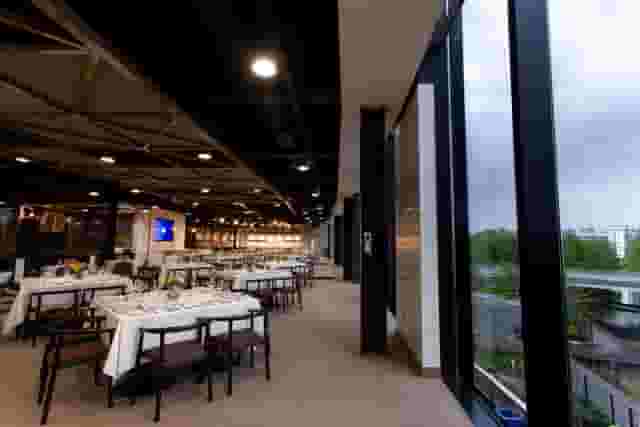
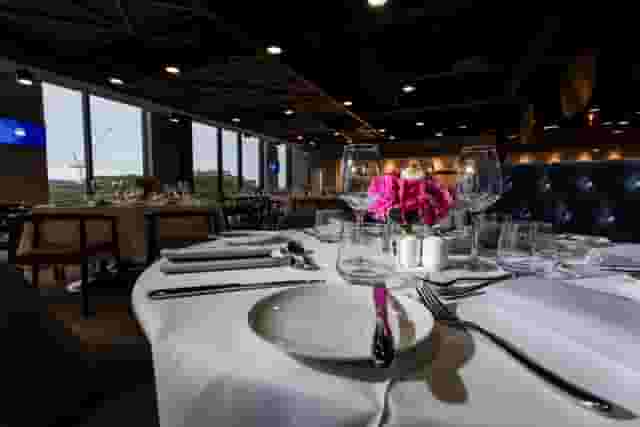
Cuisine choice also dictates how the evening feels. If you want a modern, dynamic dining style that stimulates discussion, spaces like the Private Dining Room at Los Mochis London City hold 30 standing and offer Mexican and Japanese menus alongside panoramic city views. For formal meals where traditional courses match serious executive agendas, the City View Corner at Oblix at The Shard seats 25 for dining, framing client conversations with views from the 32nd floor. You can also explore our curated list of 5 Delicious Private Dining Venues In London for further menu ideas.
Structuring wine allocations
A standard corporate allocation is half a bottle of wine per person during dinner, alongside a welcome glass of sparkling wine during arrivals. For longer dinners or networking events, increase this allowance to three-quarters of a bottle per guest. Always select your wines at least four weeks before the event to confirm the cellar has sufficient stock of the same vintage. Running out of your chosen red halfway through the main course forces an awkward, unplanned upgrade to an unfamiliar bottle.
Audio visual tech and running speeches
Business dinners often include a brief presentation, a welcome address or a quarterly awards segment. However, standard restaurant private dining rooms are rarely built with broadcast acoustics in mind.
Sound reinforcement
In a room seating more than 25 people, a speaker competing against kitchen movement, air conditioning and street traffic will struggle without amplification. Relying on an unamplified voice strains the speaker and tires the audience. Always ask for:
- A handheld wireless microphone or lapel microphone.
- A compact, freestanding PA speaker positioned away from the microphone to eliminate feedback.
- Background music controls located directly inside the private room so you can kill the audio track instantly when speeches begin.
Display screens and connectivity
If you plan to show slides or a short brand video, verify what technology is supplied in-house. While meeting-focused venues like the Four Swans room at Pan Pacific London, which holds 50 in theatre style and up to 30 for private dining, feature built-in presentation hardware and natural light, historic rooms may prohibit wall-mounted screens entirely.
For larger events with staging or formal presentations, grand heritage spaces such as the Nash Room at 116 Pall Mall, which holds 300 standing, give you the physical scale to introduce standalone staging, projection and full audio setups without encroaching on guest tables.
Always check connection protocols. Ask whether screens connect via standard HDMI, USB-C or wireless streaming. Bring your own display dongles and run a full technical test at least two hours before guests arrive. Ensure power cables and signal runs are securely taped down with hazard tape to prevent trip accidents in dim evening lighting.
Guest journey, transport and evening flow
The success of a business dinner depends on how guests feel from arrival to departure. Managing the physical transitions between the bar, the cloakroom and the dining table prevents bottlenecks and keeps the timetable on track.
Welcome receptions and arrival dynamics
Guests do not arrive simultaneously. If dinner is called for 19:30, schedule guest arrivals from 18:45 or 19:00 with standing drinks and canapes. Ensure the private room or an adjacent lounge can comfortably accommodate your full group standing up. If guests walk straight into a room where tables are already fully laid, they will awkwardly hover around their assigned seats, dampening conversation.
Timetable management
A reliable schedule for a formal three-course dinner runs as follows:
- 18:45 to 19:30: Guest arrivals, sparkling wine reception and coat check.
- 19:30 to 19:45: Guests called to sit, water poured, bread served.
- 19:45 to 20:15: First course served and cleared.
- 20:15 to 20:30: Welcome address or keynote speech.
- 20:30 to 21:15: Main course served and wine refreshed.
- 21:15 to 21:45: Dessert and digestifs served.
- 21:45 to 22:30: Coffee, petit fours and informal networking.
- 23:00: Carriages.
Positioning your primary speeches between the starter and the main course is usually most effective. Guests have taken the edge off their hunger, glasses are charged and the kitchen has a controlled window to prepare the main courses while attention is on the speaker.
Transport and late departures
Select a location with straightforward access to transport hubs. Corporate guests value convenience, especially when travelling home after evening drinks. Locations within walking distance of key tube and mainline stations reduce late arrivals and ensure people can leave smoothly at carriages without queuing in the street for taxis. Verify the venue's licence finish time and ensure the room's air conditioning stays active through to the end of the booking, preventing the space from becoming stuffy as the evening concludes.
What our customers say
Inspiration and planning guides

Beyond the Bowl: The Ultimate Bowl Food Recipes To Wow Your Guests
In the quest for the perfect party or private dining menu? One that combines convenience with style? Look no further than the versatile bowl food!

5 Catering Suppliers To Ensure Your Food is Glorious
Here's our curated list of catering suppliers guaranteed to transform your event into an extraordinary feast!

Unique Venue of the Month: The Attendant
If we said our Unique Venue of the Month for March was a restaurant inside a public toilet, you would probably start to think we've (finally) lost it here at Hire Space. Well...our Unique Venue of the Month is a restaurant inside a public toilet. But it's not what it seems. Hear us out. The Attendant [https://hirespace.com/Spaces/London/8941/Attendant/Whole-Venue/Events] was originally a Victorian public gents' bathroom in Fitzrovia, built in 1890. It was mothballed and made spick-and-span in
One supplier. Every venue. Full visibility on what you spend.
Multiple venues and events. One agreement.