Luxury Wedding Venues in London
Explore luxury London wedding venues for your reception, seated dinner and dancing, with clear capacity details and data-backed pricing.
777 Luxury Wedding in venues in London



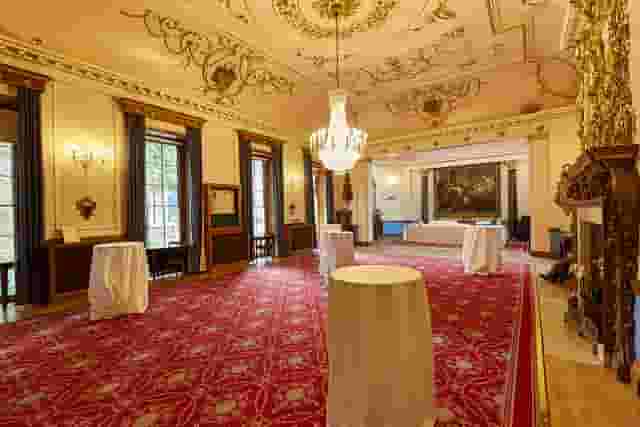
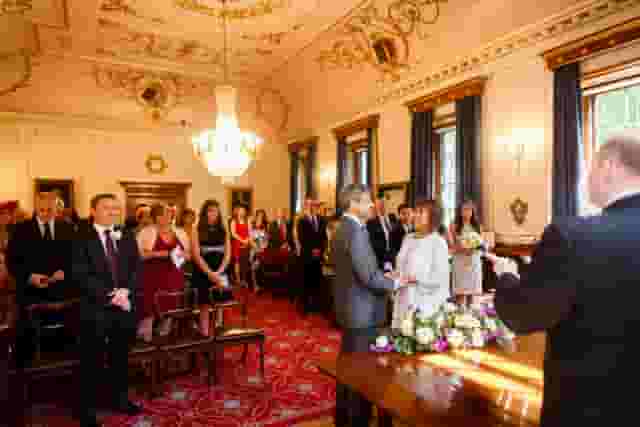
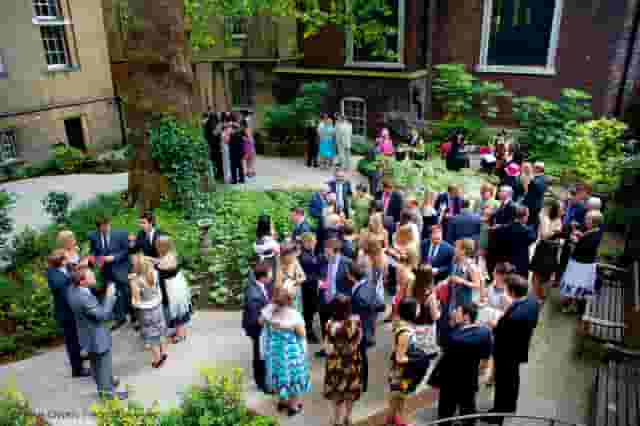
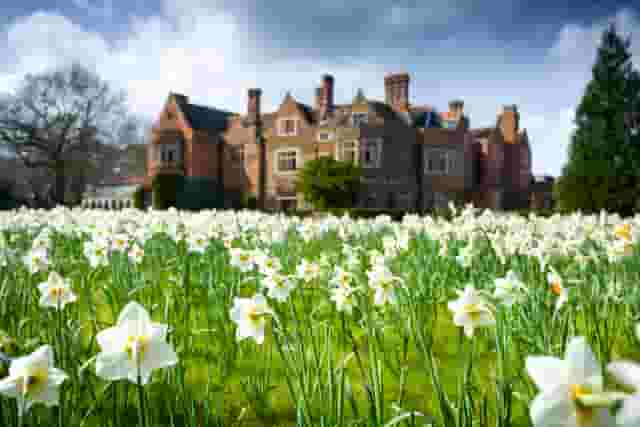










































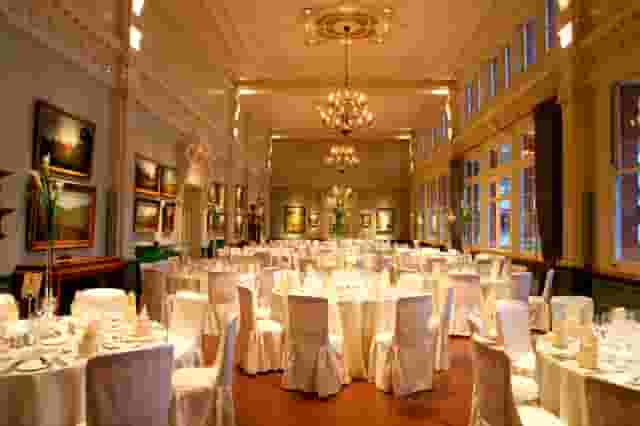
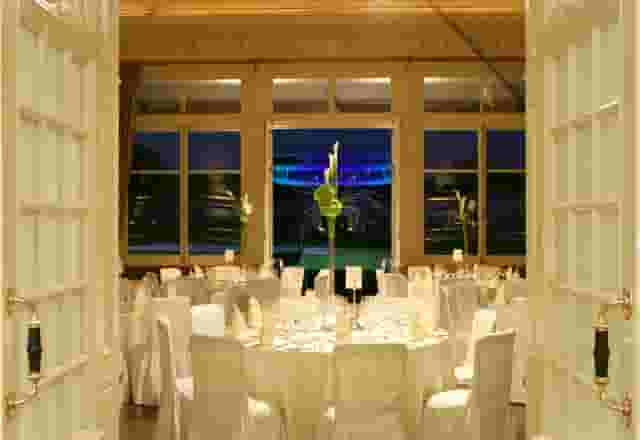
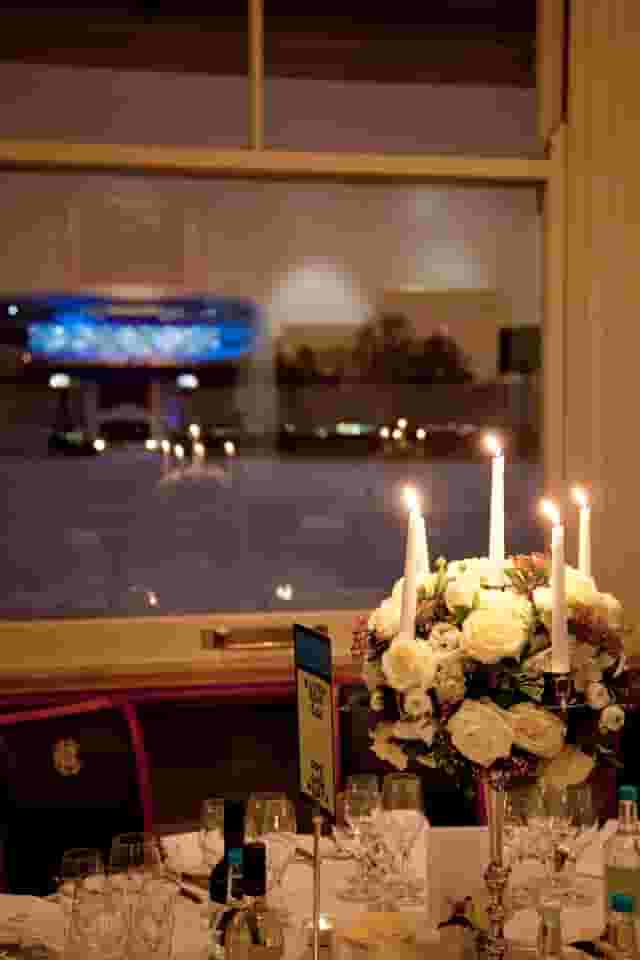


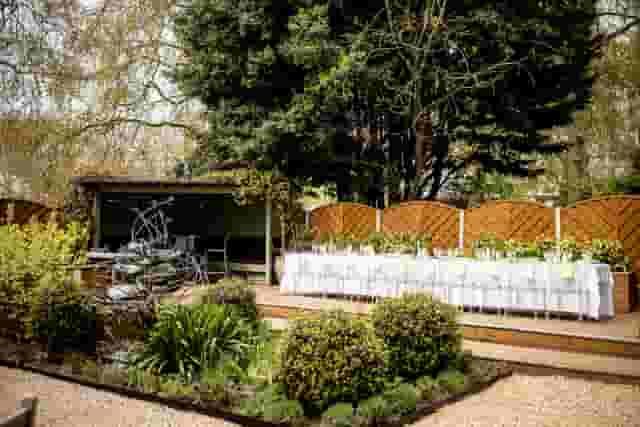

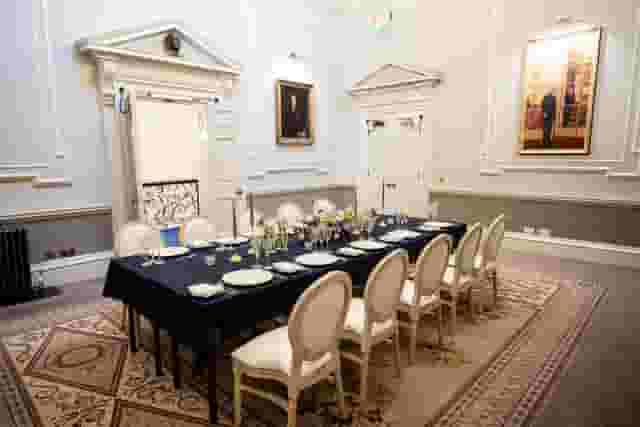
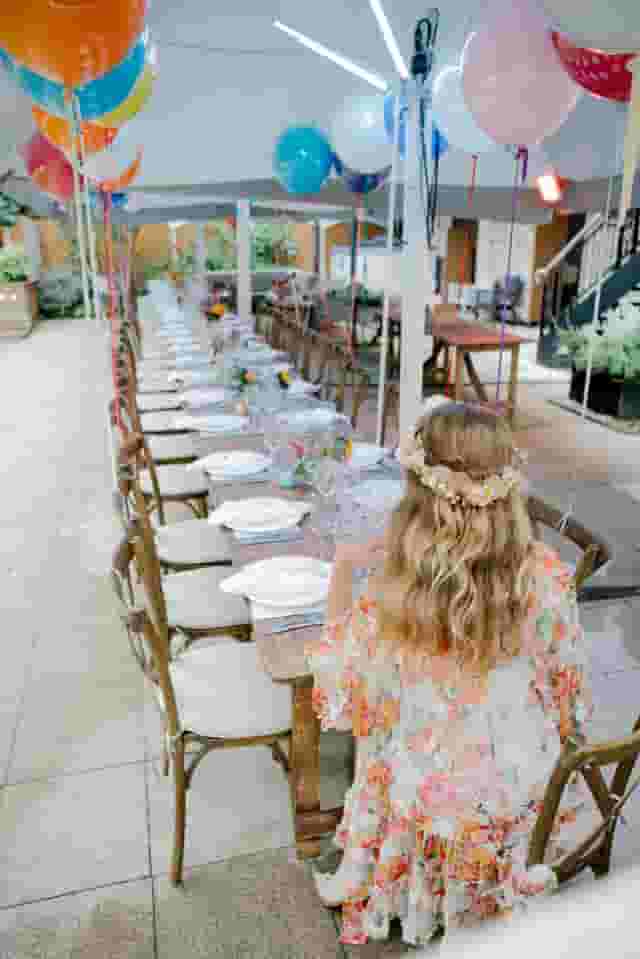
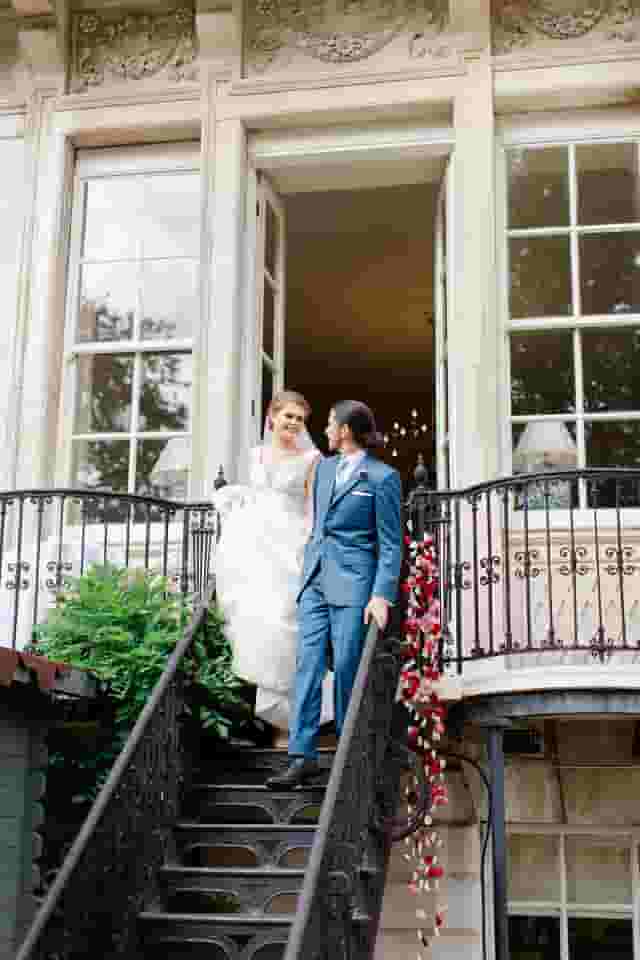
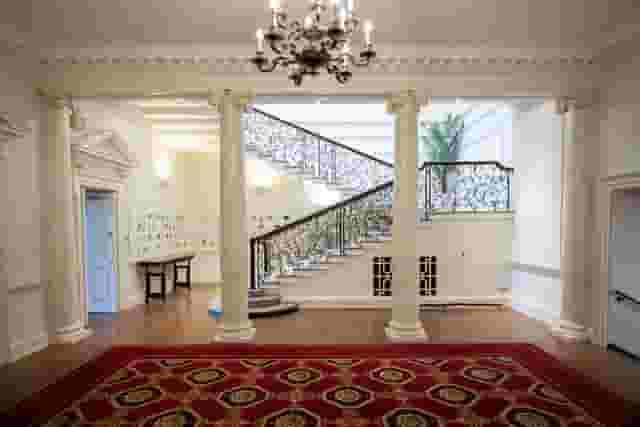











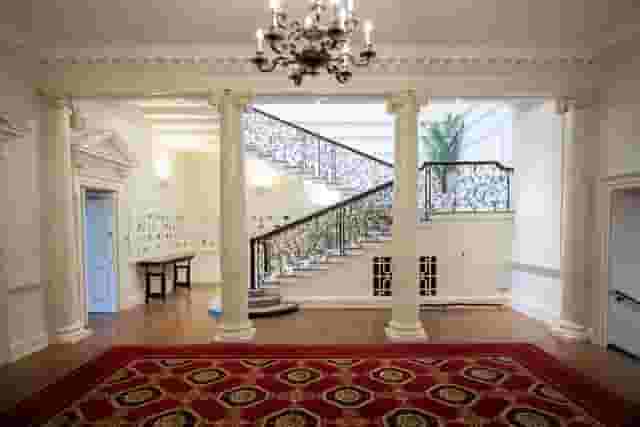
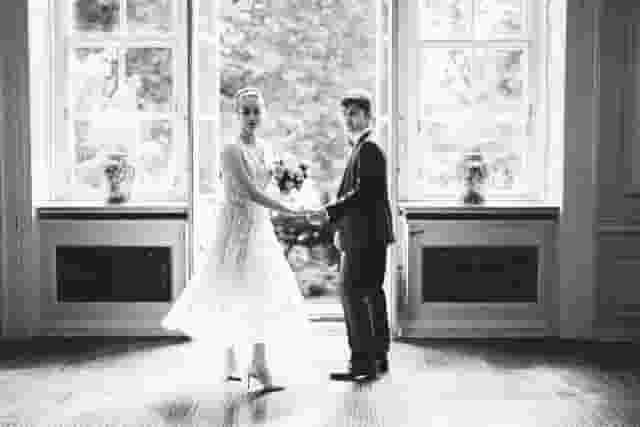

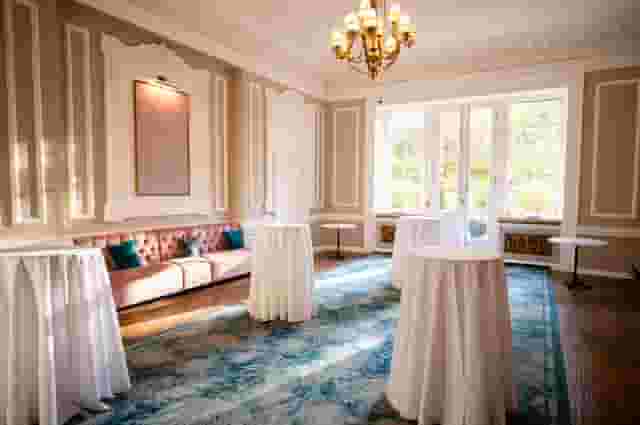
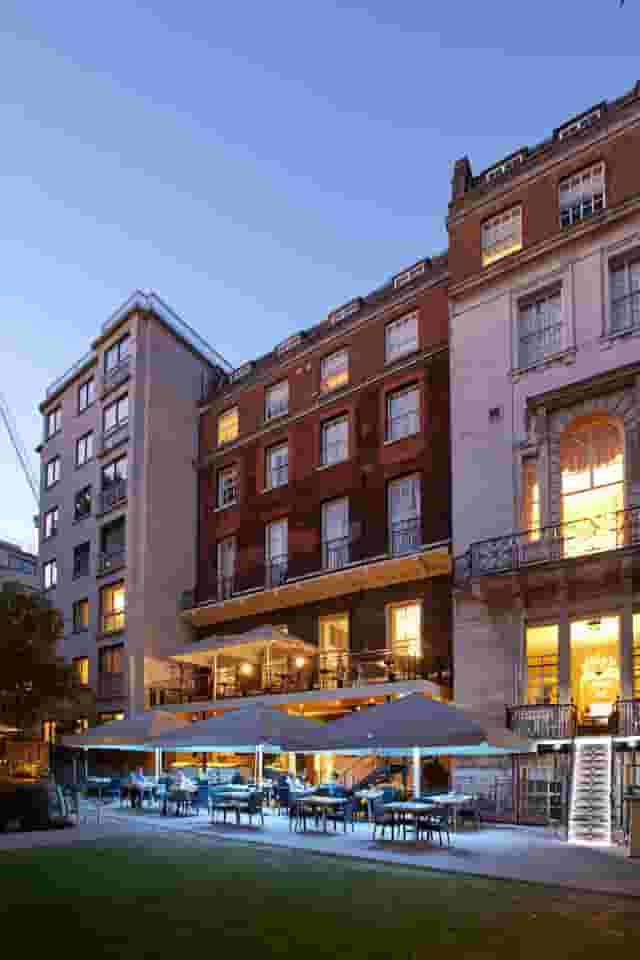










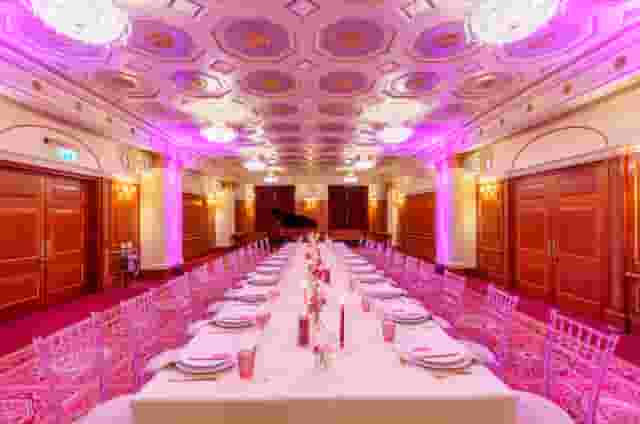
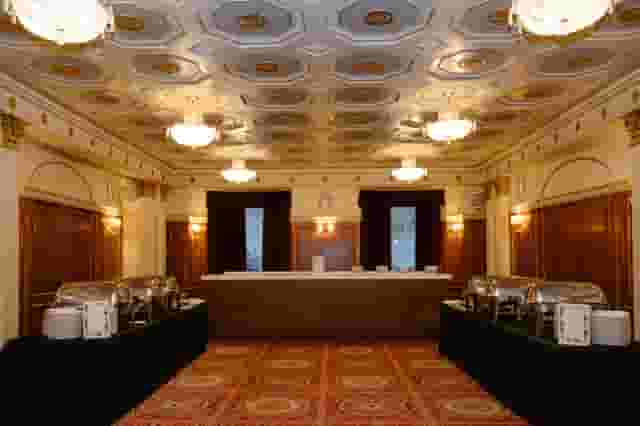
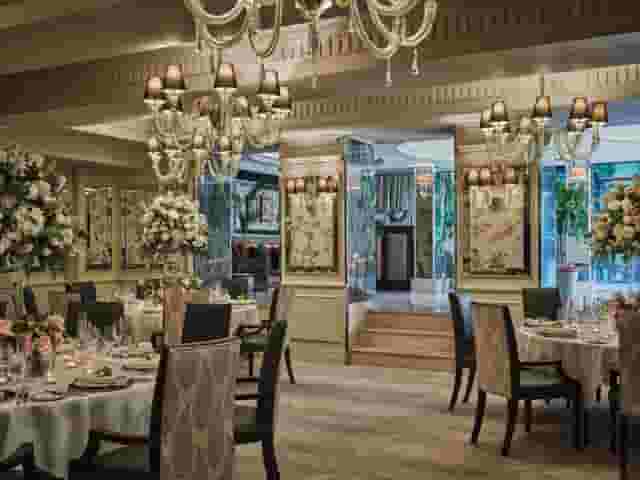
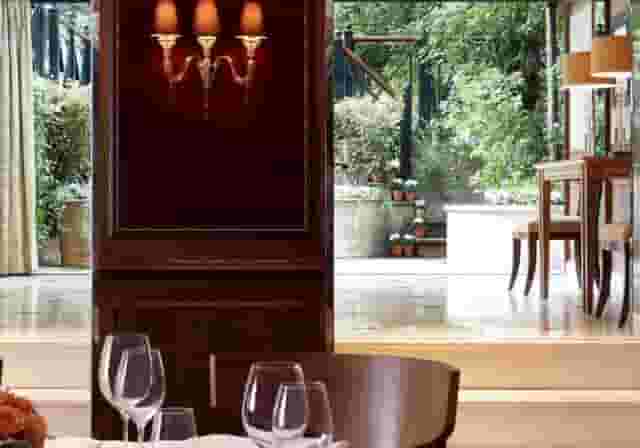
























































































No venues match these filters
Try widening your capacity, luxury level or event type.
Don't have time to search? We'll find it for you.
For business events that need human judgement, talk to our team. Free for events of 100+ people, budgets over £10k or ongoing programmes.




Explore more venues in London













Frequently asked questions
Are outdoor options available at luxury venues?
What defines a luxury wedding venue in London?
How can I ensure privacy at my London wedding?
What budget is needed for a luxury venue?
Other platforms search their database. We search everything.
Tell us what you need. Our deep research finds any venue, whether it's in our marketplace or not. No one else does this.
About Luxury Wedding in London
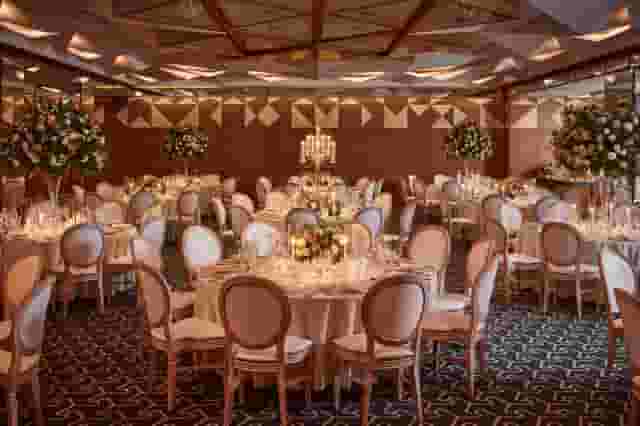
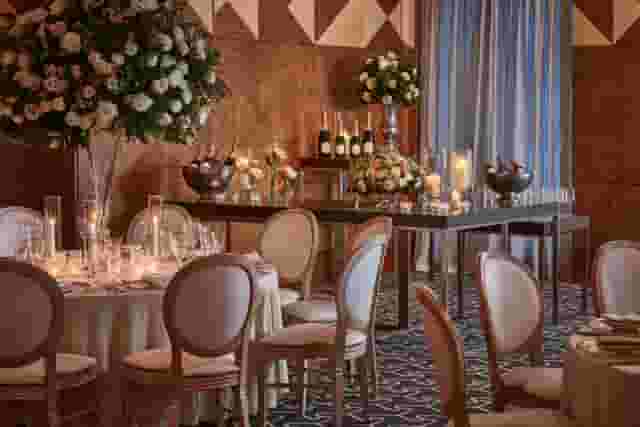
Planning a wedding reception in London with a drinks reception, a seated dinner and dancing means thinking about how people move through a building as much as how the rooms look. Luxury in this context is rarely about gold leaf or matching chair covers. It comes down to space, flow, attentive service, acoustic quality and having enough breathing room so your guests never feel herded between courses.
When an evening spans six or seven hours across three distinct phases, the physical layout of your venue dictates whether the party builds momentum or stalls. London has some of the most striking reception spaces in the world, but each architectural style brings specific operational demands. Understanding those logistics early saves you from awkward room turnarounds, unexpected production bills and disappointed evening guests.
Planning the progression from drinks to dancing
A classic wedding reception has three core acts: welcoming guests with drinks and canapés, sitting down for a three-course dinner with speeches, and transitioning into a party with a live band or DJ. Making those transitions feel effortless requires either multiple rooms or a single room large enough to zone effectively.
If you choose a single-room venue, you need to understand the turnaround plan. While guests are eating dinner, caterers and production teams cannot easily move furniture, test microphones or bring in evening staging without causing noise and disruption. If your dinner and dancing happen in the exact same footprint, you will need a separate holding space, such as an adjacent bar, terrace or foyer, where guests can take coffee or cocktails for 45 to 60 minutes while the room is reset.
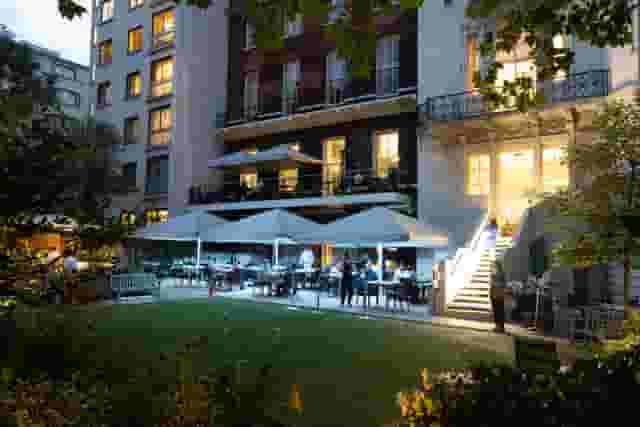
Venues with distinct, connected spaces eliminate that dead time entirely. For example, The Hurlingham Club in Fulham pairs its glass-domed Palm Court with the Broomhouse Suite, accommodating up to 850 standing guests across spaces that open out towards Thames-side grounds. That scale lets you keep dining tables pristine while the band sets up out of sight, letting guests drift straight onto the dance floor when dinner ends.
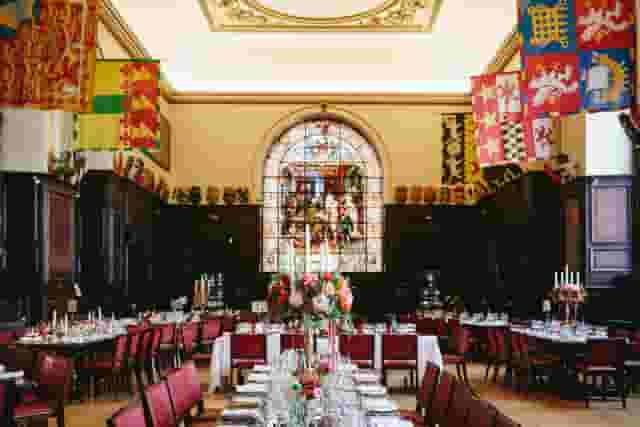
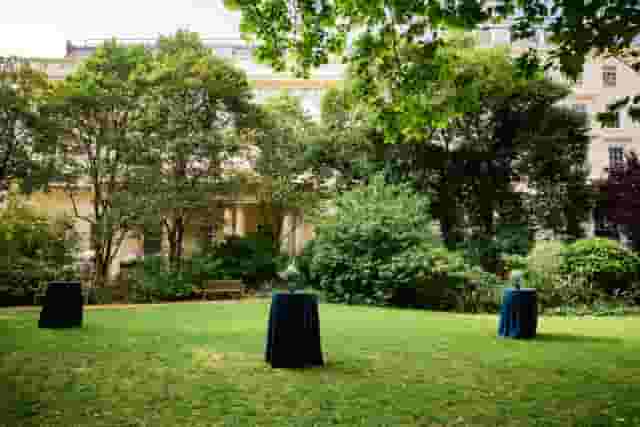
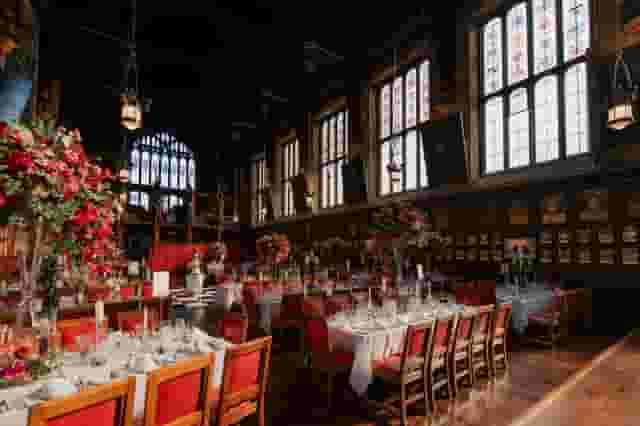
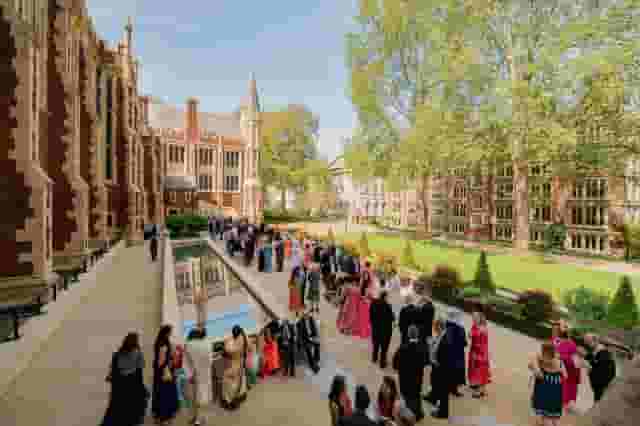
In central London, grand civic and livery buildings often provide natural compartmentalisation. At Stationers' Hall near St Paul's, which accommodates receptions for up to 450 guests, you can move people from a secluded private garden into ornate reception rooms without interrupting caterers setting the main tables.
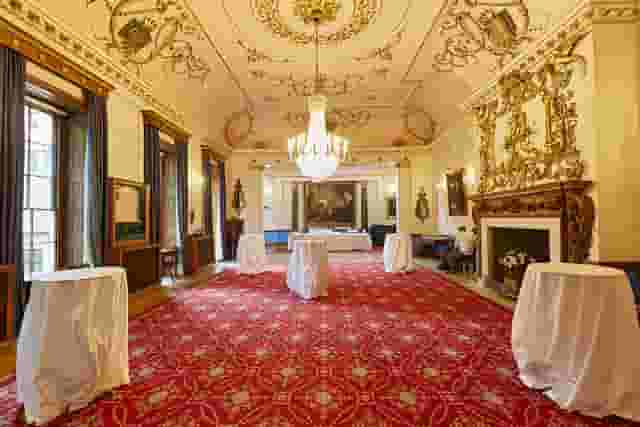
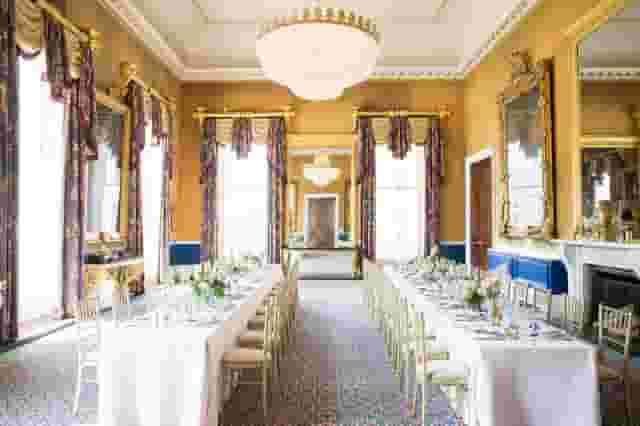
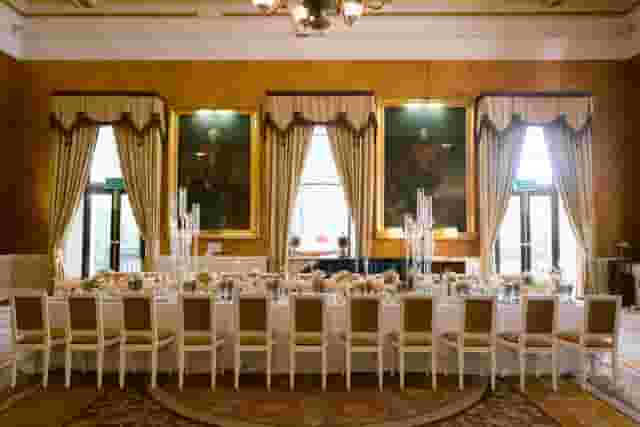
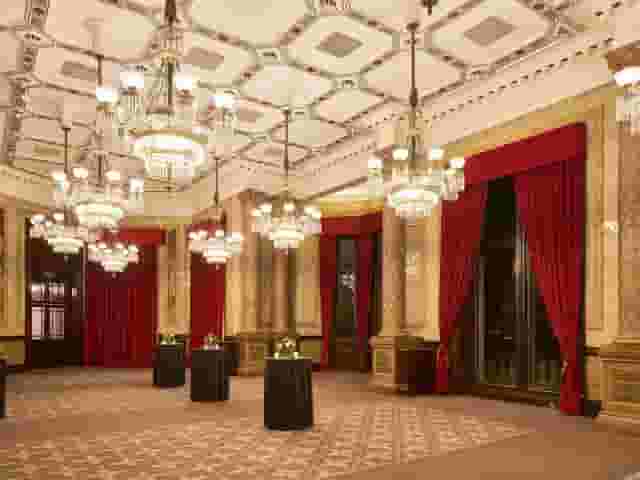
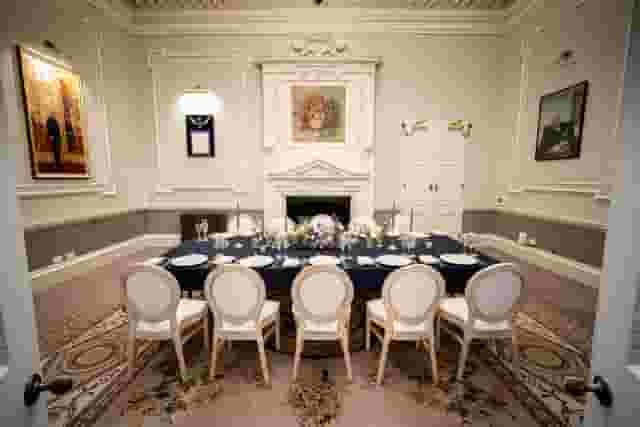
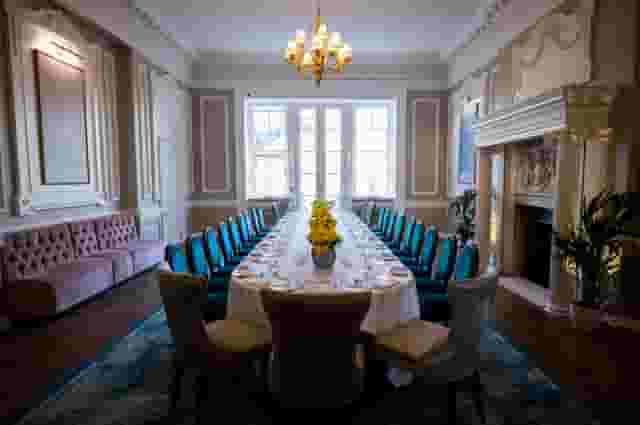
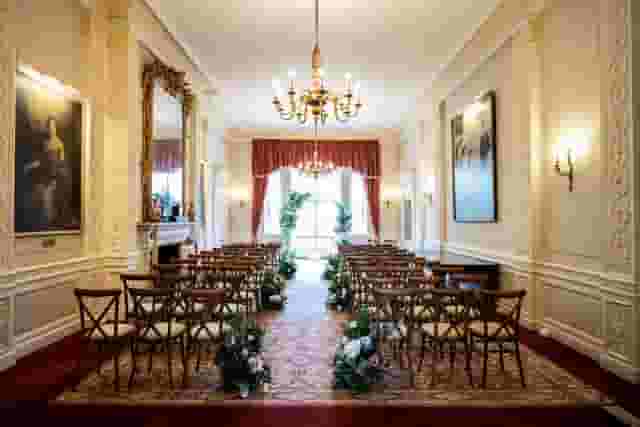
If your reception is more intimate, look closely at how smaller multi-room suites handle the evening shift. Pitzhanger Manor & Gallery in Ealing has Soane's Garden Room, which holds 90 guests for a dinner dance. Because the capacity is capped at 90 for dining and dancing together, you never have to sacrifice table count to make space for the band. For a central townhouse feel, the Nash Room at 116 Pall Mall in Westminster accommodates up to 300 standing guests, giving you high Georgian ceilings and stately proportions that allow dining tables and evening entertainment to share the room without feeling crowded.
Before you fall in love with a room, map out the timetable on paper. Work out where guests will stand when they arrive with coats and bags, where musicians can store flight cases, and where people who want a quiet conversation can sit once the music starts. You can read more about planning these room transitions in our guide to finding a wedding venue in London.
Architecture, privacy and picking the right setting
London luxury venues broadly divide into three camps: historic palaces and livery halls, private members' clubs and country houses with gardens, and design-led boutique hotels. Each sets a completely different mood for dinner and dancing, and each carries its own rules around privacy.
Historic and heritage halls
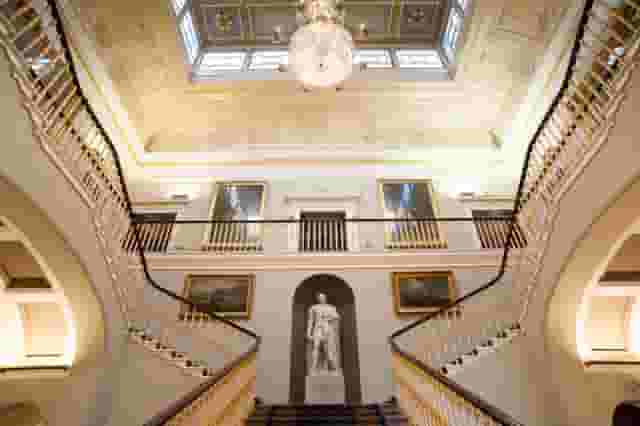
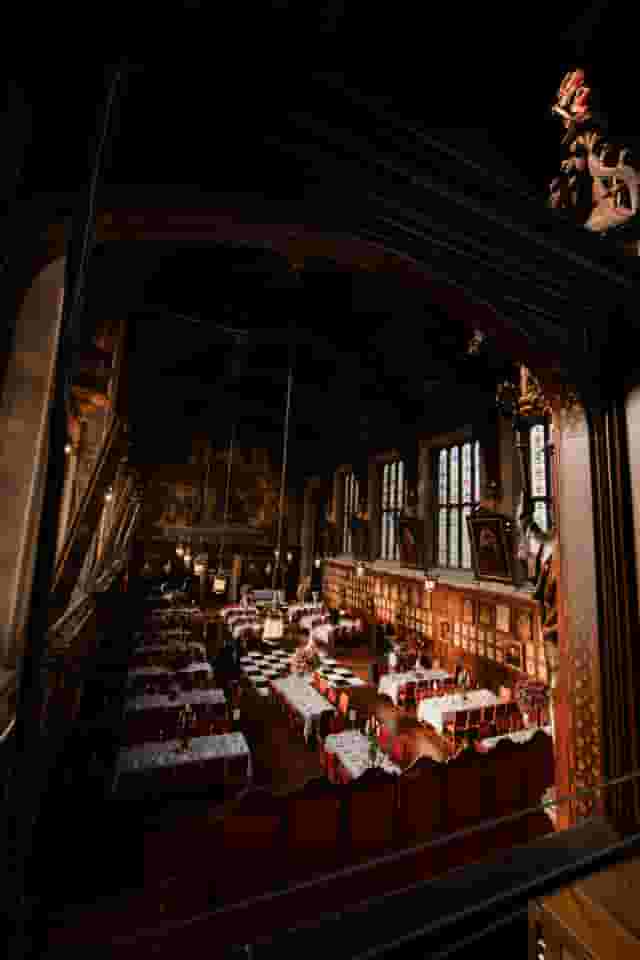
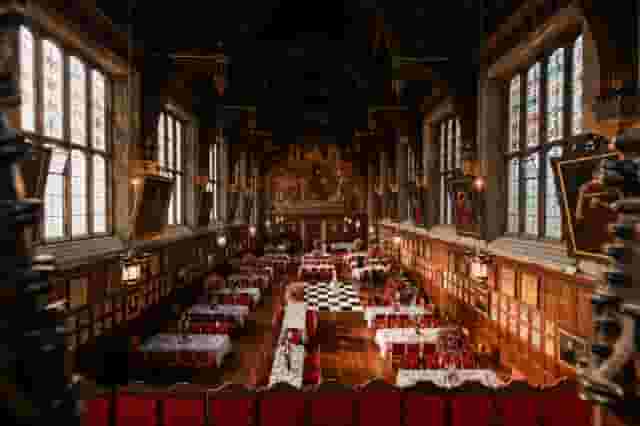
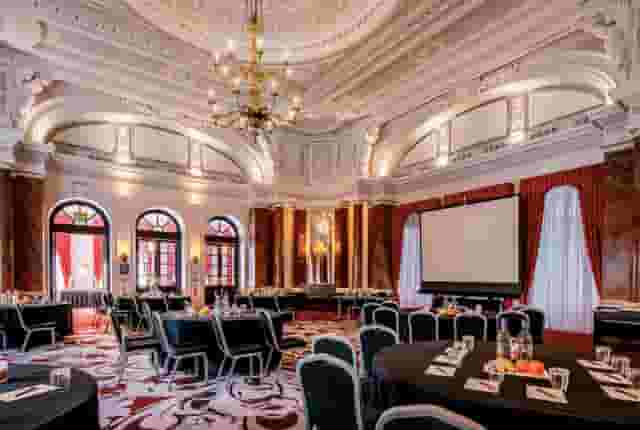
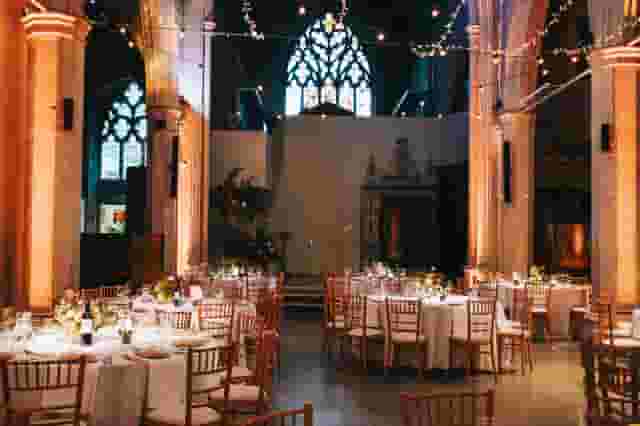
Historic buildings deliver high drama. Dining beneath painted ceilings or between stone arches gives an event a sense of occasion that modern white boxes struggle to match. At Banqueting House in Whitehall, holding up to 500 guests for a reception, your guests dine under the Rubens ceiling before taking to the floor for late-night dancing. In Bankside, the Underglobe beneath Shakespeare's Globe offers a subterranean alternative with space for 450 guests, featuring full production infrastructure and mezzanine levels that keep the energy focused down on the dance floor.
The trade-off with Grade I and Grade II listed buildings is restriction. You will encounter strict guidelines on open flames, red wine, vinyl dance floors and how production equipment is rigged. Pin-spotting floral arrangements or hanging lighting trusses often requires specialist contractors approved by English Heritage or local conservation officers.
Boutique hotels and private suites
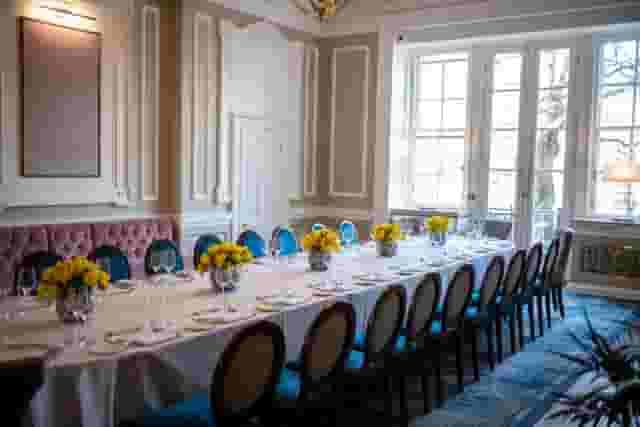
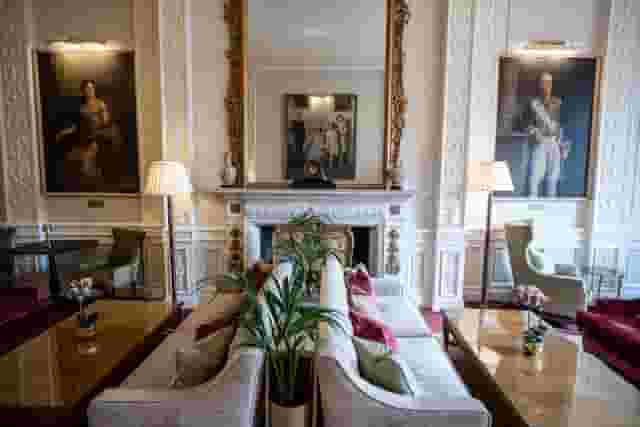
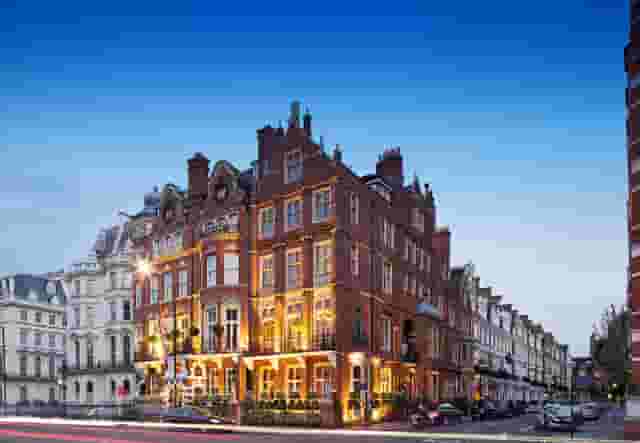
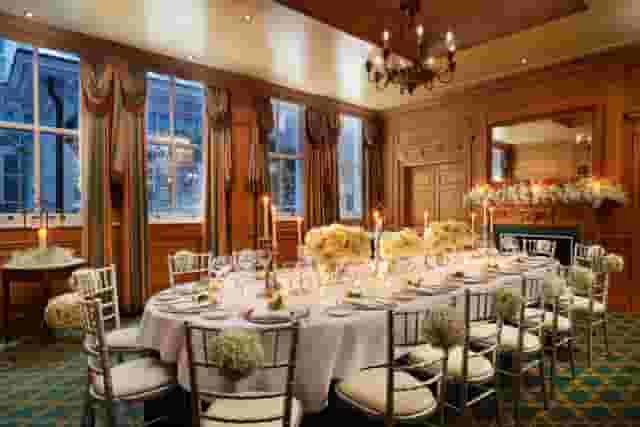
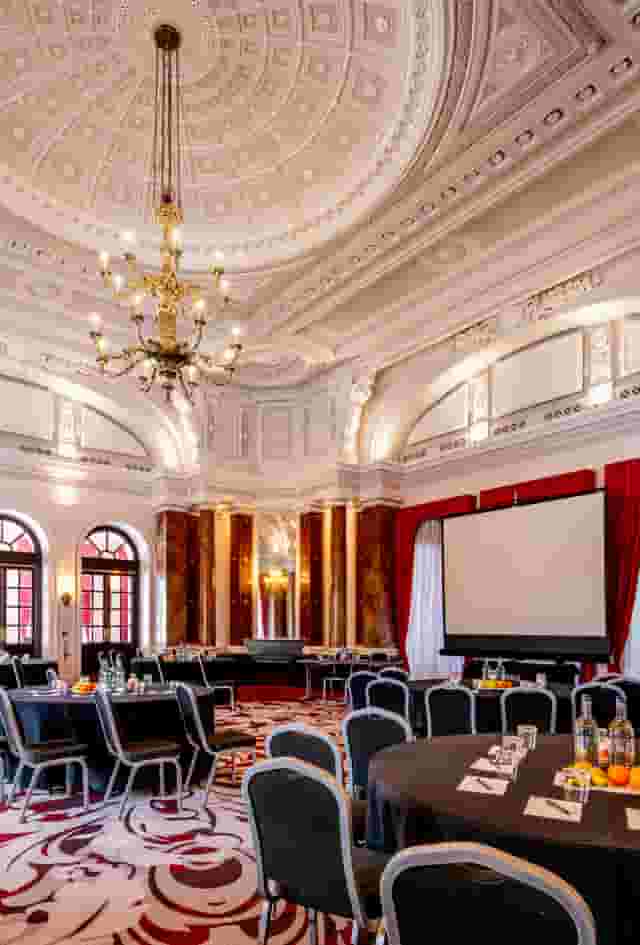
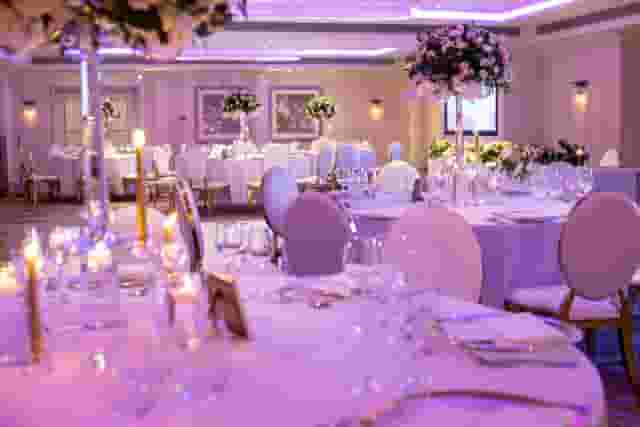
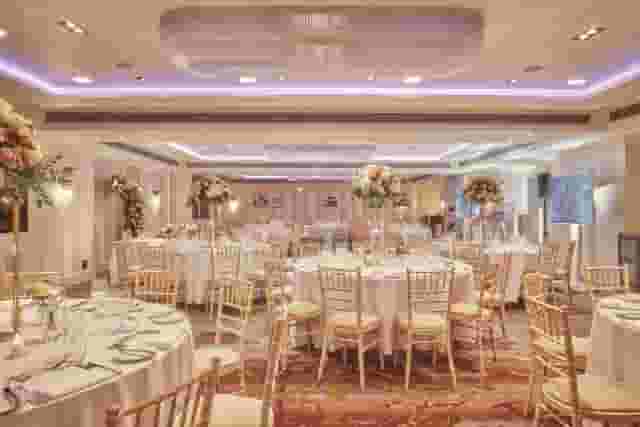
Hotels remove the friction of hiring outside infrastructure. Kitchens, glassware, service staff and bedrooms all exist under one roof. In Mayfair, the Royal Suite at The Chesterfield Mayfair Hotel handles receptions for up to 150 guests, with classic crystal chandeliers and an intimate residential atmosphere that suits civil celebrations followed by an evening meal. In east London, the De Montfort Suite at Town Hall Hotel in Bethnal Green hosts receptions for up to 110, pairing arched windows and period detailing with contemporary furnishings.
The critical question with any hotel is exclusive use. Luxury should mean privacy, so confirm whether your hire covers the entire event floor or just your designated suite. You want to know whether guests from other functions will share your cloakrooms, bar areas or entrance foyer.
| Venue type | Key advantages | Operational considerations |
|---|---|---|
| Historic halls | Grand scale, high ceilings, architectural impact | Strict heritage rules, fixed supplier lists, limited kitchen access |
| Hotels and clubs | Bedrooms on site, in-house catering, simpler logistics | Shared public areas unless booking full exclusivity |
| Garden manors | Outdoor drinks spaces, natural light, self-contained grounds | Weather contingency required, outdoor sound curfews |
When you tour a potential venue, walk the perimeter of the space you are hiring. Check whether tourists, club members or hotel residents can look into your reception room or garden. To help keep track of these physical details, run through our checklist of questions for your site visit before signing a contract.
What luxury wedding packages really cost in London
Pricing for top-tier London wedding receptions is rarely simple. Some venues charge a dry-hire fee for the room and leave everything else to external suppliers. Others offer per-head packages that wrap canapés, wine, a three-course dinner and evening snacks into a single figure.
Our pricing data for weddings across the venues on this page indicates that you should expect costs of £80 to £240 per head. This figure is an estimate based on 10 quotes from the venues on this page, and it assumes a party size of about 100 guests.
Where your event lands within that £80 to £240 per head range depends heavily on how the venue approaches food, drinks and production:
- Towards the £80 end of the range, you are typically looking at an all-inclusive catering package in an established hotel or suite with in-house kitchens. This usually covers arrival drinks, a three-course seated dinner, house wine throughout the meal, and standard banqueting tables and chairs. It rarely covers heavy audio-visual production, specialist late-night bars or dance floor installations.
- Towards the £240 end of the range, the price reflects premium food choices, paired fine wines, champagne toasts, extended drinks service and higher staffing ratios. In dry-hire venues, your total cost per guest often reaches this level once you factor in kitchen build-outs, security, late licences, table styling and external production teams.
Illustrative spend balance for a 100-guest luxury reception
| Spend area | Share of budget |
|---|---|
| Food and drinks | 45% |
| Venue hire and private licensing | 25% |
| Lighting, staging, sound and band | 20% |
| Flowers, stationery and styling | 10% |
When comparing quotes from different venues, never compare room hire fees in isolation. A dry-hire fee at the lower end of the £80 to £240 per head range might look attractive until you discover that the venue has no commercial kitchen, meaning your caterer must charge you thousands of pounds to build a temporary field kitchen in the loading bay. Conversely, an all-inclusive quote at the upper end of the £80 to £240 per head range may seem steep until you realise it includes all linens, crockery, glassware, tasting sessions, cloakroom staff and wedding coordination.
Always ask for a sample schedule of costs covering service charge and VAT. In central London venues, discretionary service charges of 12.5% to 15% are frequently added to all food and beverage spend, which significantly shifts your final balance sheet. To get a clear picture of the true figures before enquiring, Hire Space is a UK company that helps people find and book venues, supported by a team of real people who take personal ownership of helping you find the right space. It provides instant, data-backed price estimates drawn from genuine bookings so you can weigh up options with confidence, and events over £15,000 include an experienced event concierge at no extra charge to assist with securing your venue.
Licences, curfews and sound restrictions
The evening dance is where many wedding receptions hit regulatory walls. London councils take residential noise complaints seriously, and historic properties have delicate fabric that cannot tolerate deep bass frequencies. If a late party with a brass band or live DJ matters to you, interrogate the licence terms before putting down a deposit.
Sound limiters and live bands
Many luxury venues operate with sound limiters wired into the mains power. If a band's drummer hits a snare too hard or the bass peaks past a set decibel level, usually between 85dB and 95dB, the power to the stage cuts out automatically.
A five-piece or seven-piece horn band will struggle with a 90dB limit, because an unamplified brass section and acoustic drum kit easily breach that threshold on their own. If your chosen venue has a strict limiter, tell your band or DJ before booking them. Experienced wedding musicians can adapt by using electric drum kits and in-ear monitors, but they must know the restrictions in advance.
Curfews and extensions
In central London boroughs like Westminster and Camden, music licences for historic halls frequently finish at 23:00. Extending that curfew to midnight or 01:00 requires applying for a Temporary Event Notice (TEN) or paying for an existing late premises licence.
Ask the venue manager whether late licences are granted as standard or if they are subject to council approval. Check also whether staff and security fees increase after 23:00. Moving your finish time from 23:00 to 01:00 can easily add substantial charges for overtime security, bar staff and clean-up crews.
Managing arrival, guest transport and accommodation
Getting 100 or more people across London between an afternoon ceremony and an evening dinner is a logistical challenge. If your ceremony takes place in a church or registry office elsewhere in town, consider travel times carefully. On a Friday or Saturday afternoon, driving across central London can take double the time estimated by mapping apps.
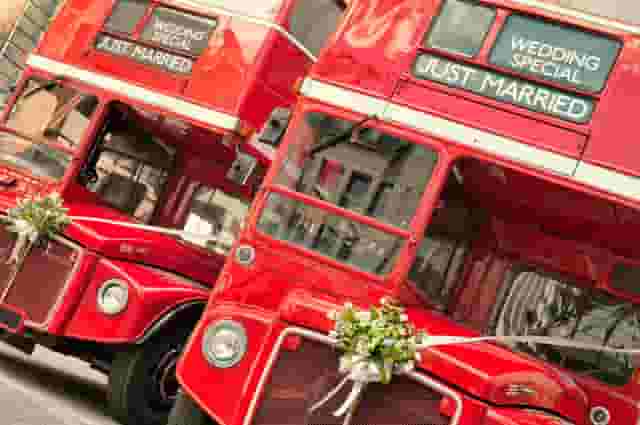
If you are transporting guests between sites, hire heritage buses or coaches that can drop people right at the door. Check whether your venue sits inside the Congestion Charge or Ultra Low Emission Zone, and whether coaches have a dedicated bay to set down passengers. Venues situated in tight streets around Mayfair or Covent Garden may require coaches to marshal around the block, leaving older guests to walk down busy pavements.
Late-night departures
When the music finishes at midnight, having dozens of guests trying to order ride-share cars at the same moment on a dark side street creates an unpleasant end to the night. A good venue team will have security stationed at the exit to help guests hail black cabs or direct them to pre-booked transport.
Bedrooms and bridal suites
Ending the evening without having to travel across the city is one of the strongest arguments for choosing a hotel or club venue. Having bedrooms on site gives older family members and parents with young children an easy retreat when the music gets louder, while allowing your core group of friends to celebrate until the final track.
If you choose a dry-hire historic venue without rooms, check the proximity of nearby luxury hotels and consider reserving a block of rooms well in advance. London hotels fill quickly for corporate conferences and peak tourist seasons, so securing your guest accommodation six to nine months ahead ensures your party stays together over breakfast the following morning.
What our customers say
Inspiration and planning guides

3 Affordable Wedding Venues In London
Planning a wedding in London can be as dreamy as it is daunting, especially when trying to keep costs reasonable without compromising on the venue. Fortunately, London boasts an array of stunning yet affordable wedding venues that cater to every taste and budget. So let's dive in!

Venue Review: Theatre Royal Drury Lane
Theatre Royal Drury Lane [https://hirespace.com/Spaces/London/11681/Theatre-Royal-Drury-Lane/Grand-Saloon/Weddings] is a phoenix. Amazingly, the first time it burned down was after the Great Fire Of London - it survived that fire. But six years later, it was burnt to a crisp. But it rose, rebuilt, only a few years later - only to be destroyed once again, in 1794. And in 1809, having been rebuilt again, it caught alight, and Theatre Royal [https://hirespace.com/Spaces/London/11681/Theatre-Royal

9 Glorious Glass Venues in London
London is a city that knows how to make an impression, and when it comes to hosting events, why settle for anything less than spectacular? Enter London’s glorious glass venues!
One supplier. Every venue. Full visibility on what you spend.
Multiple venues and events. One agreement.