Cheap Private Dining Venues in London
Find affordable private dining rooms in London for client entertaining and team dinners, with real pricing guidance and room capacities up front.
550 Cheap Private Dining in venues in London

















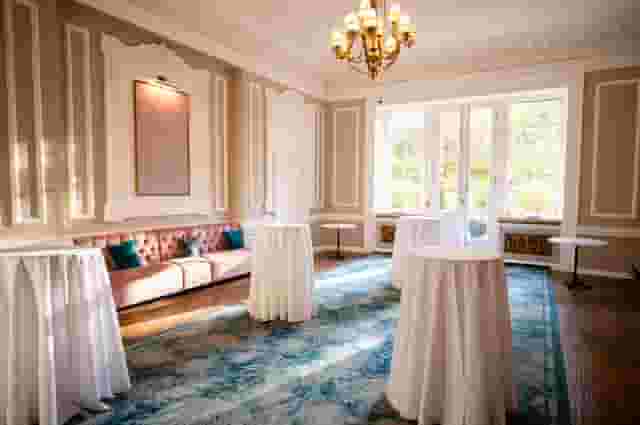
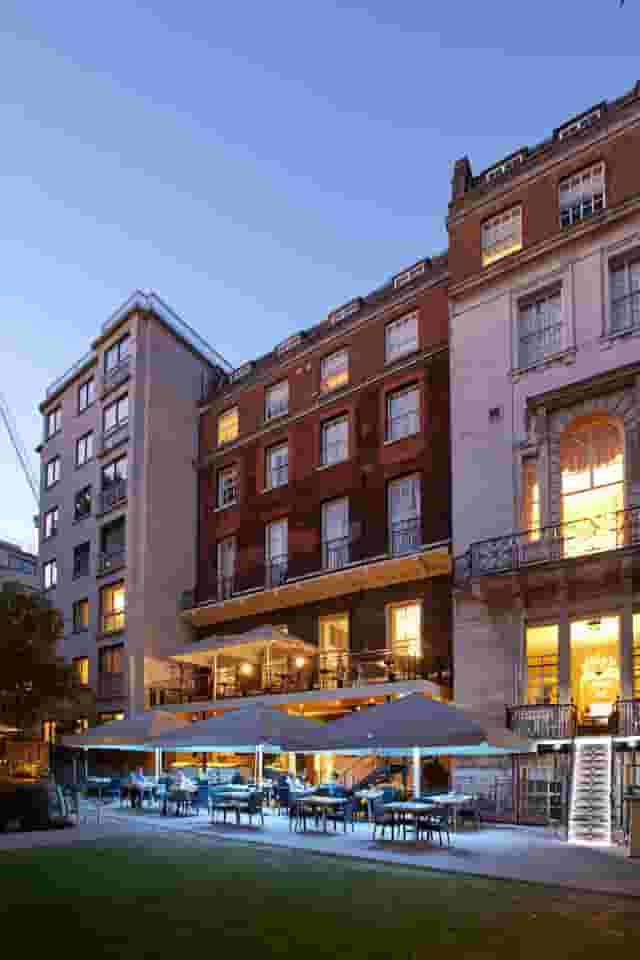
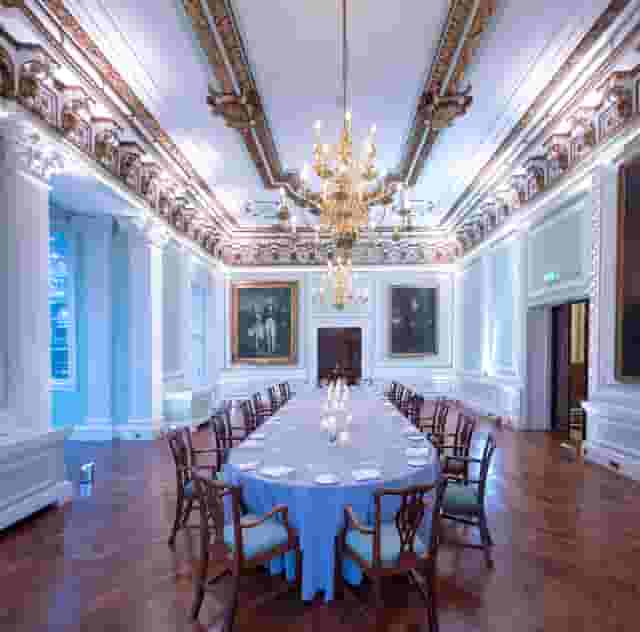
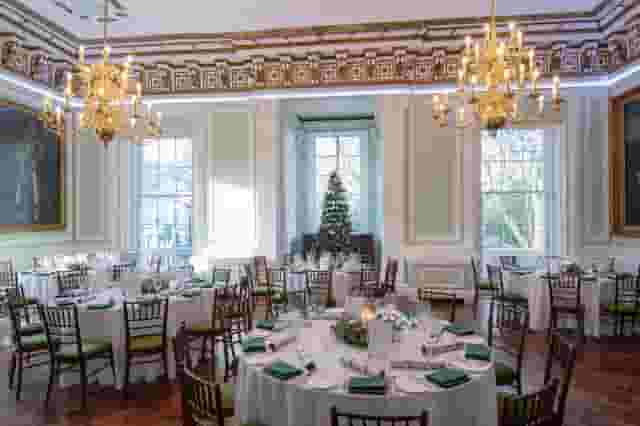
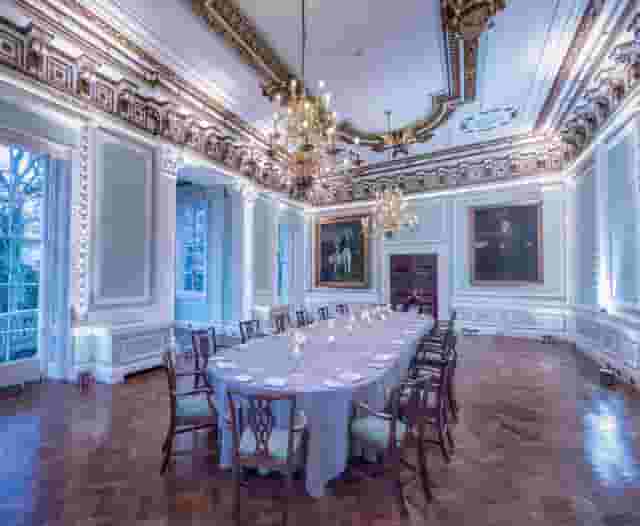
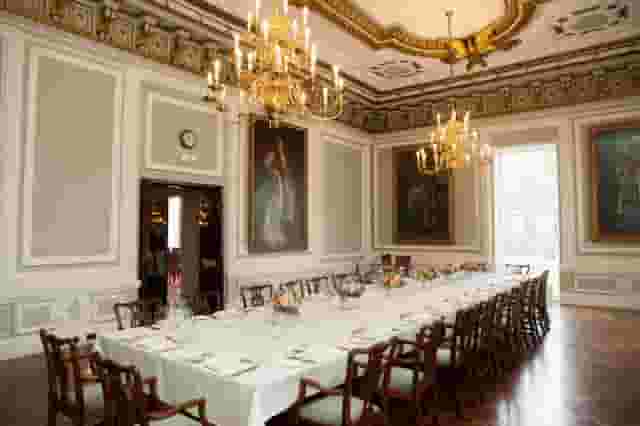



































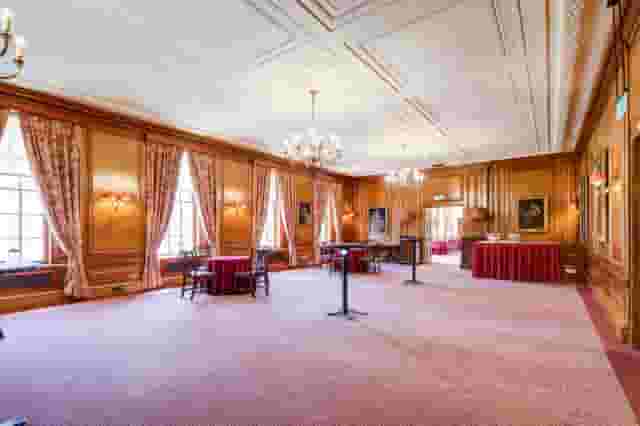
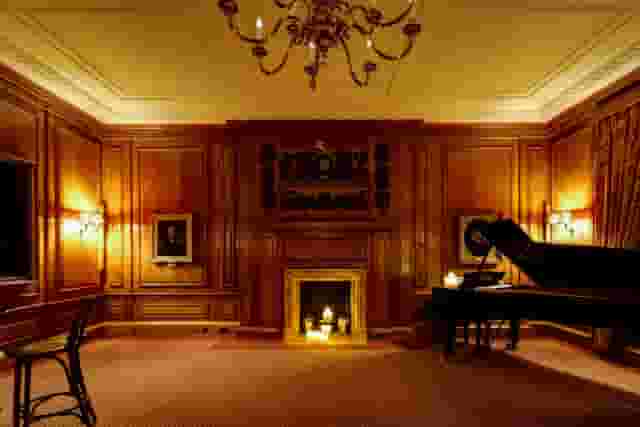
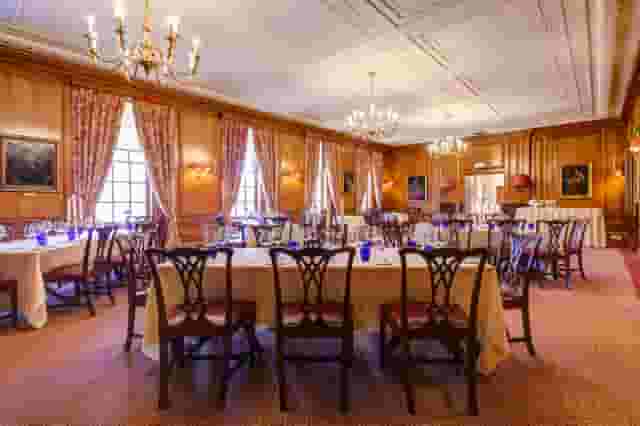
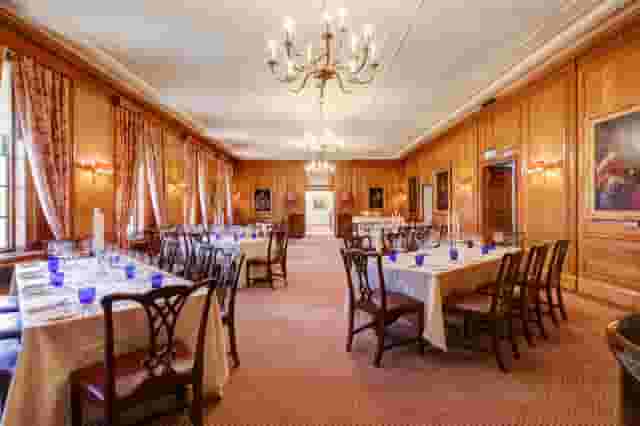


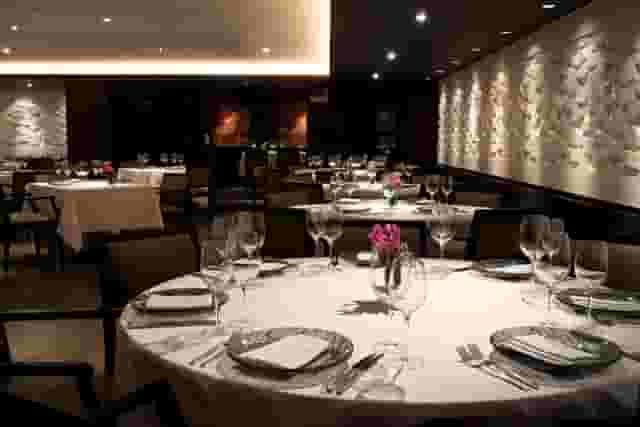
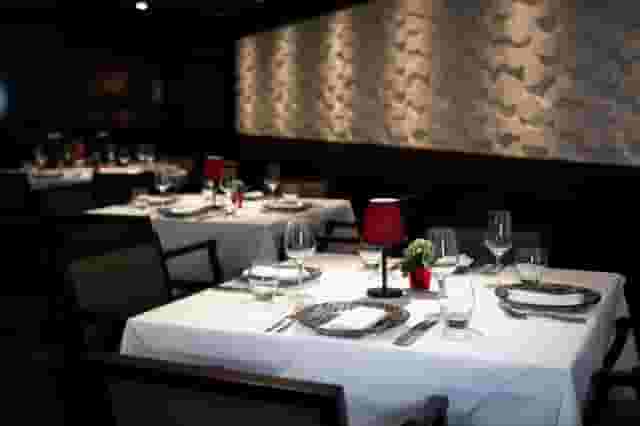
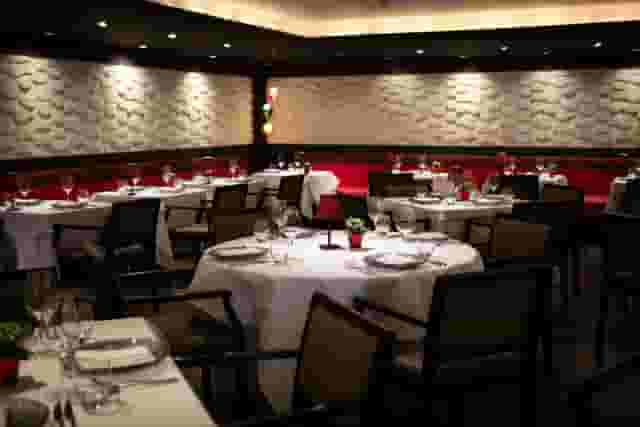



























No venues match these filters
Try widening your capacity, luxury level or event type.
Don't have time to search? We'll find it for you.
For business events that need human judgement, talk to our team. Free for events of 100+ people, budgets over £10k or ongoing programmes.




Explore more venues in London






Frequently asked questions
What are some quirky, affordable private dining spaces in London?
How much does it cost for a private dining room in London?
Will venues allow me to bring my own alcohol?
Do restaurants provide a discount for charities?
Other platforms search their database. We search everything.
Tell us what you need. Our deep research finds any venue, whether it's in our marketplace or not. No one else does this.
About Cheap Private Dining in London
Understanding the true cost of affordable private dining
Finding value in central London dining rooms requires looking past the menu headline. When you evaluate options for a corporate group, the initial figure per diner rarely represents the final invoice. Based on 12 quotes from the venues on this page, private dining typically costs £180 to £304 per head. This figure assumes a party size of about 60 guests and reflects real quotes shared for corporate dinners requiring dedicated dining space, set catering and drinks.
Where your event lands within that band depends on the pricing structure the venue applies. London venues generally operate on one of two commercial arrangements: minimum food and beverage spend, or room hire combined with set menu packages. Hire Space 360 is enterprise venue and hotel procurement for companies spending £1m or more a year on meetings and events: a managed meetings and events programme, the kind procurement teams call strategic meetings management. It puts every private dining room, venue and hotel booking under a single supplier agreement with centrally negotiated terms, keeping entertaining spend aligned with company event policy while replacing multiple vendor invoices with one consolidated invoice. Finance and procurement teams also gain live spend reporting and an audit trail across every booking, team and region.
| Minimum spend structure | Package structure |
|---|---|
| Covers all food and drink ordered | Fixed price per guest |
| No separate room hire fee | Room hire charged separately |
| Risk: under-spend penalty | Predictable overall bill |
| Value peaks at full capacity | Value peaks for smaller groups |
How minimum spends work in practice
Under a minimum spend agreement, the venue waives the room hire charge provided your group spends a contracted total on food and wine. If you book a room with a minimum spend for 30 guests, your baseline commitment typically falls between £180 and £304 per head before taxes and service. If your party drinks modestly and orders the standard three-course menu at £80 per head, you still owe the remaining balance to hit the contracted threshold.
To make a minimum spend deliver value, match your guest numbers closely to the room's optimum seated capacity. If you book a space designed for 80 guests for a group of 35, you will find yourself ordering surplus wine or premium spirits just to clear the baseline. When planning team dinners or client roundtables, browsing curated industry lists like 5 Delicious Private Dining Venues In London helps identify rooms whose footprint aligns directly with your intended guest count.
Unbundling the hidden extras
The gap towards the £304 end of our range usually comes down to three operational additions that catch planners off guard:
- Service charges: London restaurants routinely add an optional service charge of 12.5% to 15% to private room bills. On corporate contracts, this is almost always formalised into the contracted total.
- Value Added Tax: Some venues quote minimum spends inclusive of VAT, while others quote exclusive of VAT. A minimum spend quoted excluding VAT can push your per-head commitment towards the top of the £180 to £304 band.
- Equipment and staffing surcharges: If your dinner includes speeches, presentations or background music, venues may levy technical fees. Dedicated private dining rooms in historic spaces or members' clubs may include an in-house screen, while restaurants often hire equipment in and pass the invoice on.
If you are booking on behalf of a registered charity, ask the events manager whether they offer non-profit rates. Some London venues grant charity discounts, though these are discretionary and usually apply to room hire fees rather than food and beverage minimums. Venues typically request your UK charity registration number before amending the contract terms, and they assess whether the gathering is an internal meeting, a donor dinner or a fundraising event before confirming concessions.
Room selection, seating formats and acoustics
The physical layout of a private dining room establishes how guests interact throughout the evening. A room that feels spacious for drinks can become difficult once guests sit down, while an overcrowded table disrupts service and makes conversation impossible.
Boardroom versus round tables
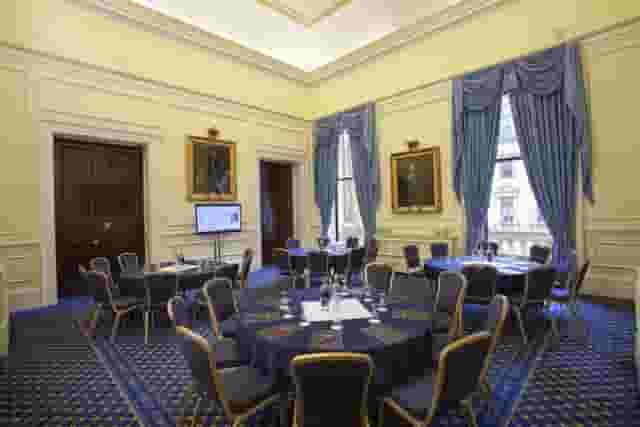
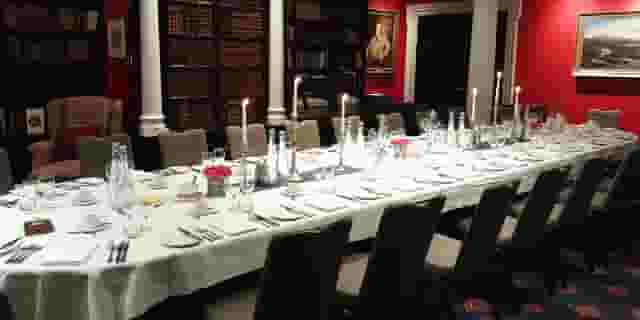
For groups up to 30 people, a single long boardroom table provides a cohesive atmosphere where the host can address the whole table at once. However, boardroom tables restrict organic conversation to immediate neighbours. For meetings where networking across the group matters, round tables of eight to 10 guests work significantly better.
| Layout format | Typical capacity | Best suited for |
|---|---|---|
| Single long | Up to 30 seated | Formal dinners, single speaker |
| Round tables | 40 to 120 seated | Networking, multi-course service |
| Standing drinks | 30 to 300 standing | Receptions prior to dining |
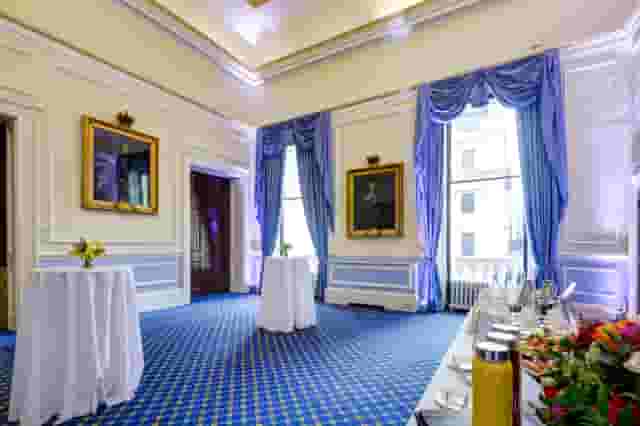
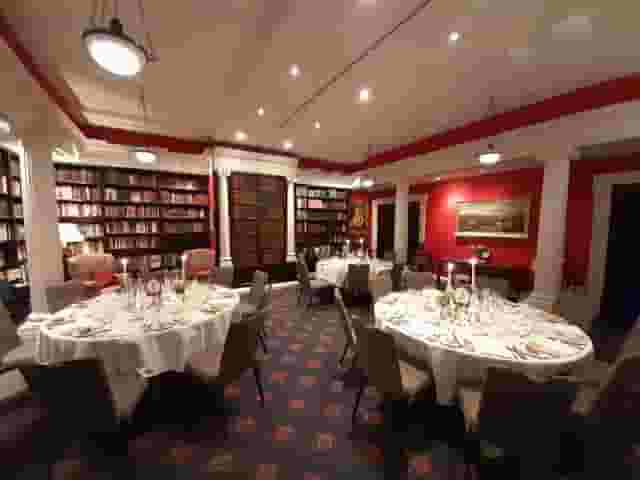
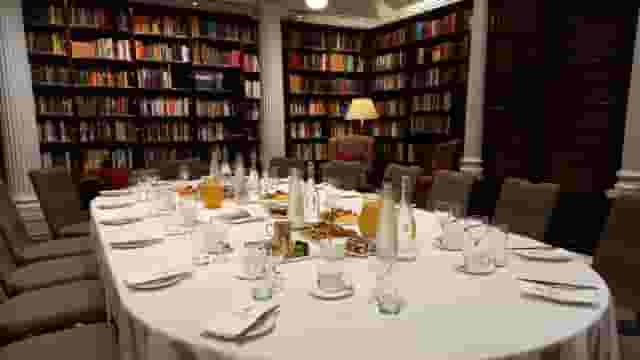
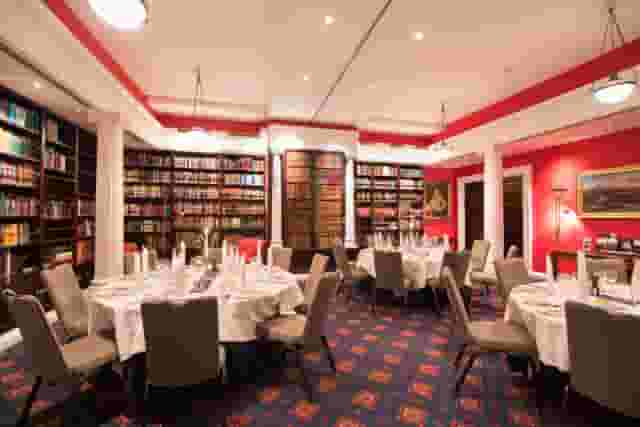
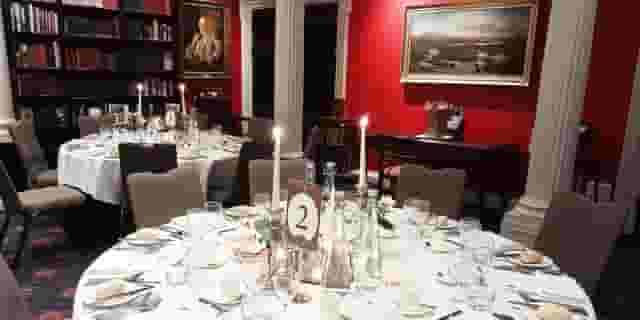
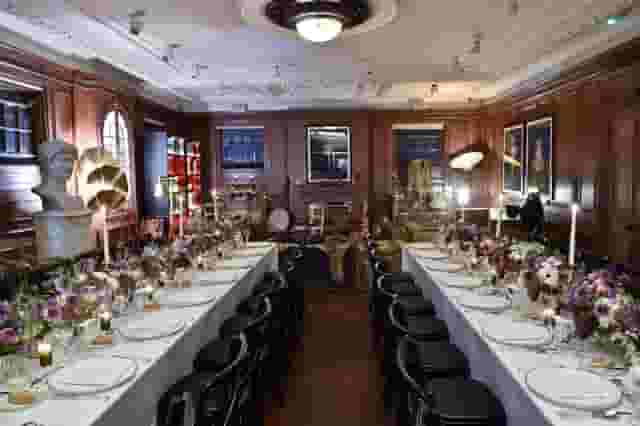
When matching rooms to layout requirements, look at spaces configured specifically for seated business events. The Selkirk Room at The Caledonian Club provides a traditional private room with dining capacity for 80 guests, supported by built-in audiovisual facilities that avoid external rental costs. For smaller, focused corporate discussions, CORD Restaurant by Le Cordon Bleu offers a dedicated private dining room for 26 guests in a historic setting, featuring integrated presentation screens and dedicated staff.
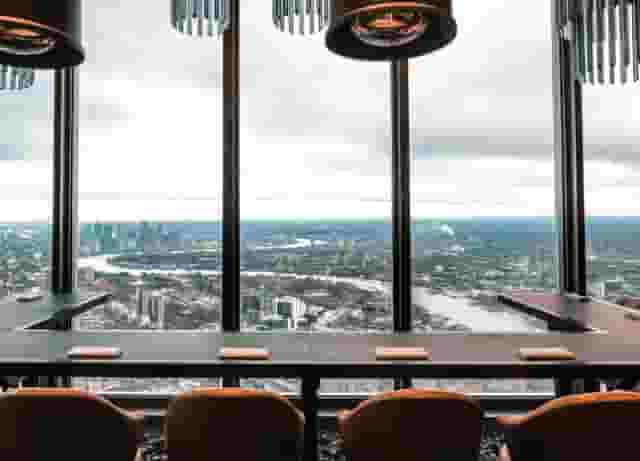
Where intimate executive hospitality is the goal, spaces such as the City View Corner at Oblix at The Shard accommodate 25 seated diners with skyline views from the 32nd floor. Alternatively, the Four Swans room at Pan Pacific London accommodates private dinners for up to 30 guests in a modern environment with natural daylight and high-specification AV connections.
Acoustic management and privacy
True private dining means acoustic separation from the main restaurant floor. Semi-private dining spaces separated only by curtains, lattice screens or half-height walls do not offer privacy for financial reviews, board discussions or client pitches. Background noise from a busy public restaurant also forces diners to strain to hear one another.
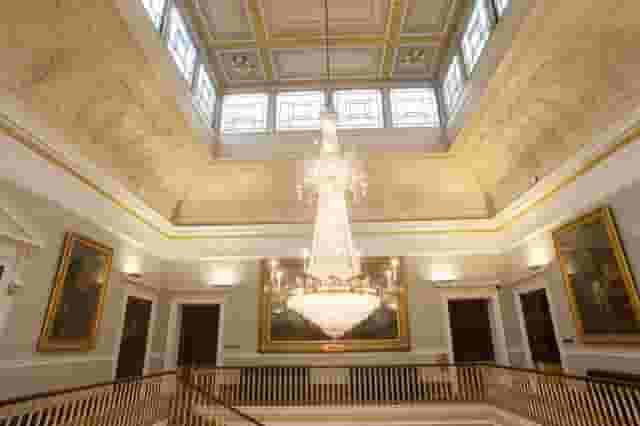
Art-led private rooms like The Emin Room at 34 Mayfair provide an enclosed private environment for up to 60 seated guests (or 80 standing), decorated with works by Tracey Emin. For traditional grandeur, spaces like The Front Rooms at Saddlers' Hall offer a Grade I-listed setting with chandeliers and stained glass for up to 150 standing guests, well suited to reception drinks ahead of an intimate meal. If your programme demands a larger historic context, the Nash Room at 116 Pall Mall offers a grand Georgian backdrop with standing space for up to 300 people for pre-dinner gatherings. In west London, Daphne's in South Kensington offers an enclosed conservatory-style dining room holding up to 50 guests for private gatherings.
For broader options across the capital, reviewing editorial selections such as Top 7 Central London Private Dining Venues provides a helpful benchmark for comparing traditional private rooms against restaurant-based spaces. To explore further, the venue booking platform Hire Space combines venue sourcing technology with a team of real people who help guide your selection. Through Deep Venue Research, you can search dining spaces across the capital and receive instant, data-backed price estimates drawn from real booking figures, making it simple to shortlist rooms that fit your budget in minutes.
Managing menus, dietary requirements and wine allocations
Food and wine service in a private dining room differs fundamentally from an à la carte restaurant experience. Trying to offer a large group an unrestricted choice on the night leads to delayed service, cold plates and an inflated bill.
Fixed set menus versus pre-orders
For groups of 12 or more, almost all London private dining rooms require a set menu. This typically means choosing one fixed starter, main course and dessert for the entire party, with individual alternatives arranged solely for confirmed dietary requirements.
Some restaurants offer a choice menu, allowing guests to choose between three starters and three mains on the night. Be cautious with this approach. Choice menus slow kitchen turnaround times and regularly carry a surcharge of £10 to £20 per person. The most cost-effective and reliable method is collecting pre-orders two weeks ahead of the event using a simple spreadsheet. Send your guest choices and clear dietary notes to the events coordinator 10 business days before the dinner to guarantee ingredient sourcing.
Controlling the wine spend
Alcohol accounts for the widest budget variations in private dining. If you leave the wine selection open to individual ordering on the evening, drinks costs can rapidly outpace the food spend.
To manage your costs, follow these guidelines:
- Select specific bottles in advance: Choose one house red and one house white from the venue's function wine list at least three weeks prior. Taste them if your budget allows.
- Calculate standard allocations: A standard corporate dinner allocation is half a bottle of wine per person, alongside two glasses of arrival sparkling wine and filtered tap water. For a group of 60 guests, budget for 30 bottles of table wine and 15 to 20 bottles of arrival drinks.
- Agree on service control: Instruct the banquet manager explicitly not to open bottles proactively without approval from your designated on-site host. Venues frequently open cases ahead of service; under standard licensing terms, you are billed for any bottle uncorked.
- Cap after-dinner drinks: Bar tabs for brandies, single malts and post-dinner cocktails accumulate rapidly. Set a hard stop on company tabs once dessert plates are cleared, transferring any subsequent drinks to individual guest payment.
Corkage terms and policies
Some London venues permit organisers to bring their own wine or champagne under a corkage agreement. This option can offer substantial savings if your company has corporate wine allocations or access to merchant pricing.
However, corkage is subject to prior approval and specific constraints:
- Venues charge a flat fee per bottle opened, typically ranging from £20 to £45 for still wine and higher for sparkling wine.
- Restaurants rarely allow corkage on labels already listed on their own wine menu.
- Check whether the venue provides glassware, chilling facilities and sommelier service within the agreed corkage fee. For a dinner of 60 guests, managing temperature control and bottle opening requires dedicated staff attention. Ensure this service is written into your booking agreement to prevent unexpected service charges on the final settlement.
Event timing, room access and transport logistics
A corporate dinner requires careful schedule management. Late arrivals compress kitchen timings, leading to rushed courses or overtime charges.
Building a realistic run of show
A standard corporate private dinner runs across three and a half hours. Structure the timeline with buffer periods to accommodate late transport:
- 18:30: Room opens for guest arrival and pre-dinner drinks. Keep coat check staff active at the door.
- 19:15: Call to dinner. Moving 60 people into their seats takes between 15 and 20 minutes.
- 19:35: Starters served.
- 20:10: Main courses served.
- 20:55: Short speeches or host remarks. Run speeches between mains and dessert while guests remain seated and attentive.
- 21:15: Dessert, coffee and petits fours.
- 22:00: Informal networking and closing conversations.
- 22:30: Room vacates.
Access times and breakdown restrictions
Always confirm your access window in writing. If you need to dress tables, place place-cards, install branded collateral or test AV equipment, confirm how early you can enter the room. In busy central London restaurants, private rooms are often used for lunch services that finish at 16:30, leaving venue staff a narrow window to turn the room around before an 18:30 dinner arrival.
Check the venue's closing and licensing hours. Many heritage spaces and residential-area venues hold entertainment and alcohol licences that conclude strictly at 23:00, requiring guests to clear the premises by 23:30. In the City of London, weekday venues may close earlier than West End restaurants.
Location and departure routes
End-of-evening logistics matter for corporate events. Choose a venue located within a five-minute walk of major London Underground stations or transport interchanges. Venues around Bank, Liverpool Street and Blackfriars serve City firms well, while Mayfair, St James's and South Kensington offer straightforward connections for West End teams. Confirm whether the venue has a dedicated carriage collection point or a safe, well-lit street frontage where guests can meet taxis or private cars without disrupting street traffic. Taking these operational factors into account ensures your evening runs smoothly from arrival through to final departure.
What our customers say
Inspiration and planning guides

Beyond the Bowl: The Ultimate Bowl Food Recipes To Wow Your Guests
In the quest for the perfect party or private dining menu? One that combines convenience with style? Look no further than the versatile bowl food!

5 Catering Suppliers To Ensure Your Food is Glorious
Here's our curated list of catering suppliers guaranteed to transform your event into an extraordinary feast!

Unique Venue of the Month: The Attendant
If we said our Unique Venue of the Month for March was a restaurant inside a public toilet, you would probably start to think we've (finally) lost it here at Hire Space. Well...our Unique Venue of the Month is a restaurant inside a public toilet. But it's not what it seems. Hear us out. The Attendant [https://hirespace.com/Spaces/London/8941/Attendant/Whole-Venue/Events] was originally a Victorian public gents' bathroom in Fitzrovia, built in 1890. It was mothballed and made spick-and-span in
One supplier. Every venue. Full visibility on what you spend.
Multiple venues and events. One agreement.