Boat Venues in London
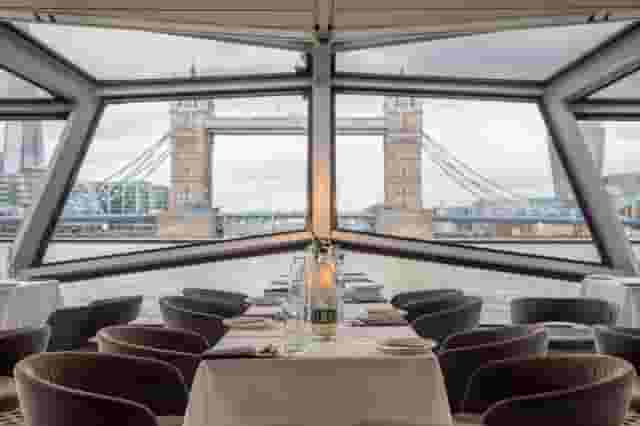
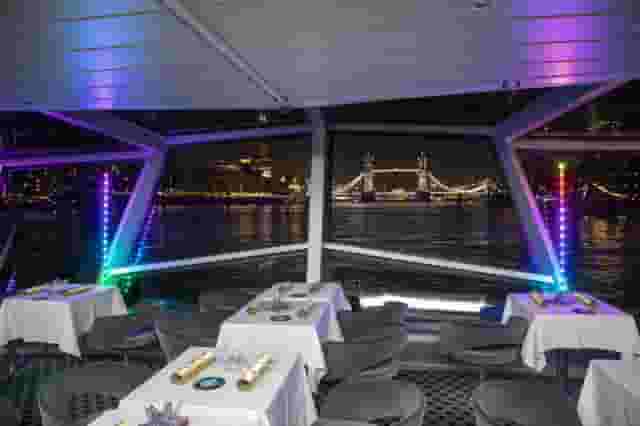
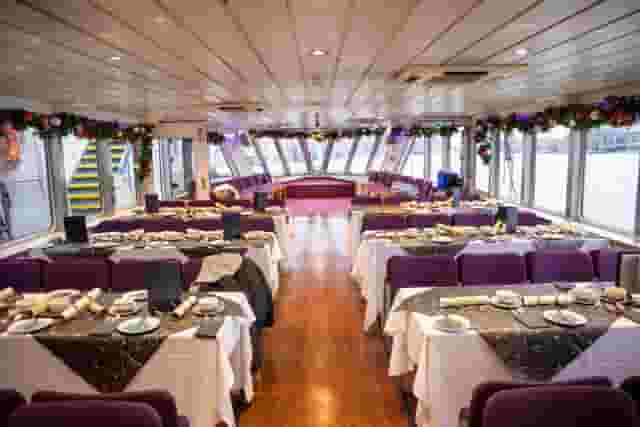
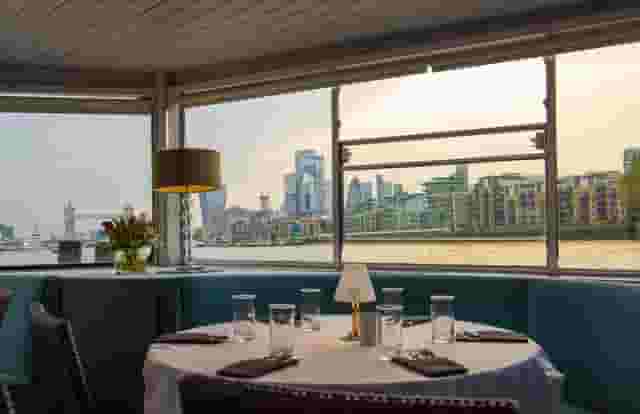
Find and book private charter boats on the Thames in London, with onboard dining, bars and skyline views for company dinners, receptions and parties.
2,155 Boat in venues in London






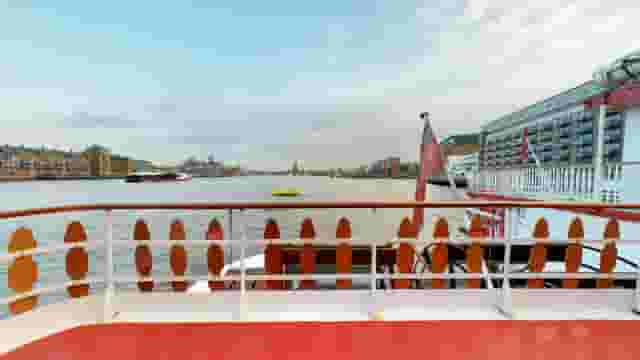
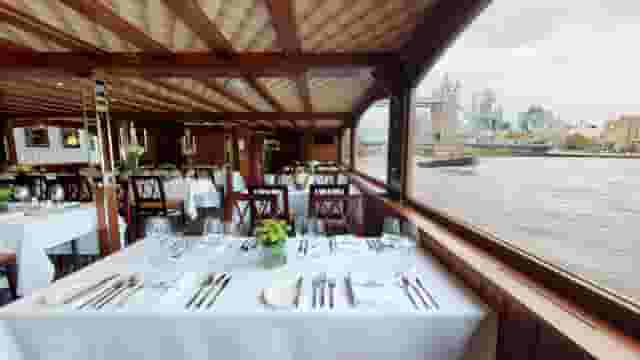
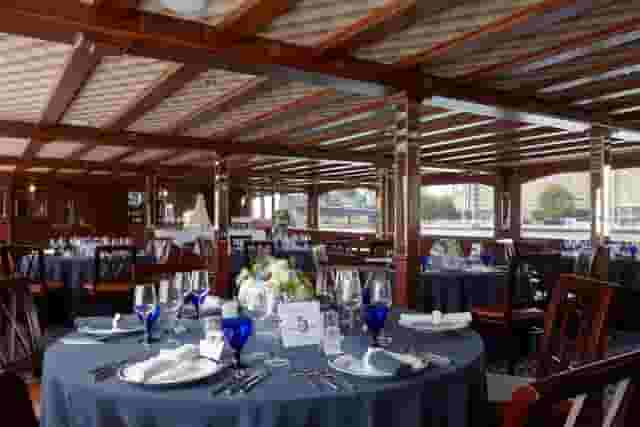
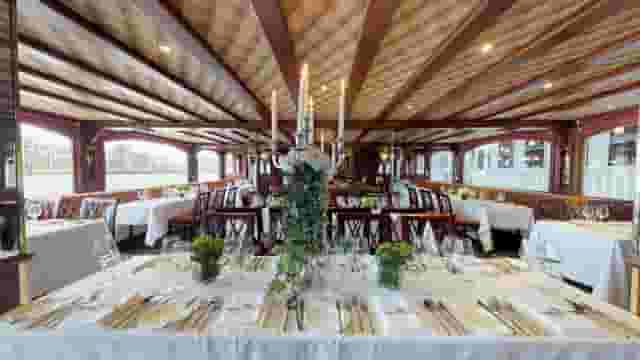
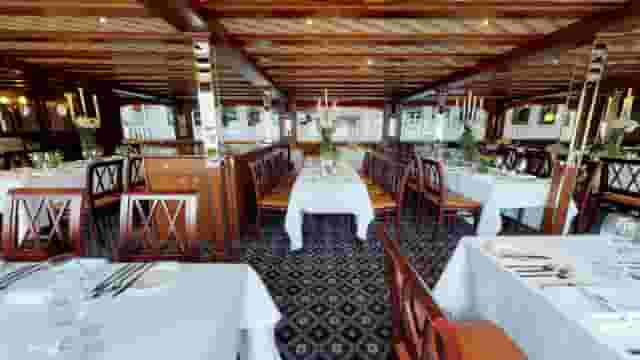
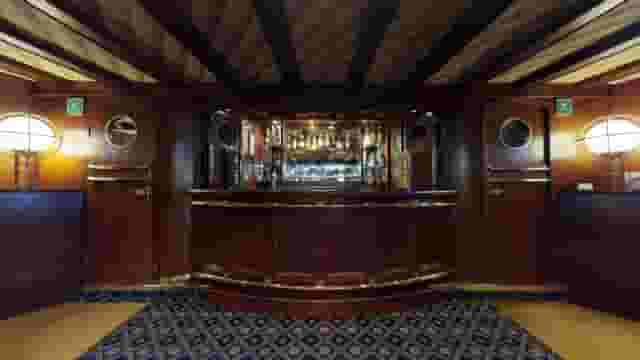
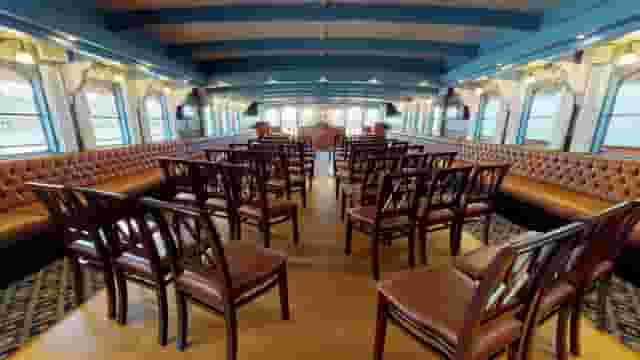
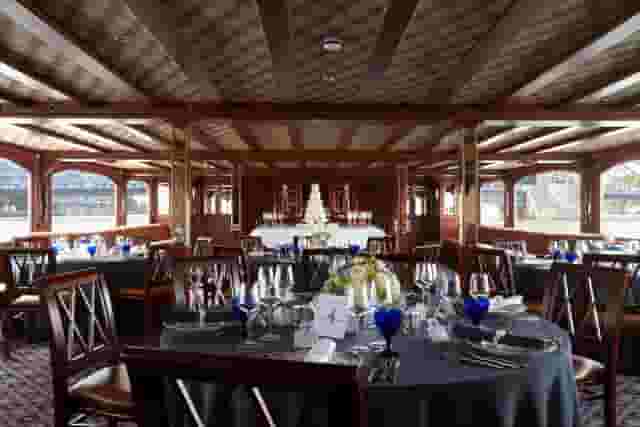






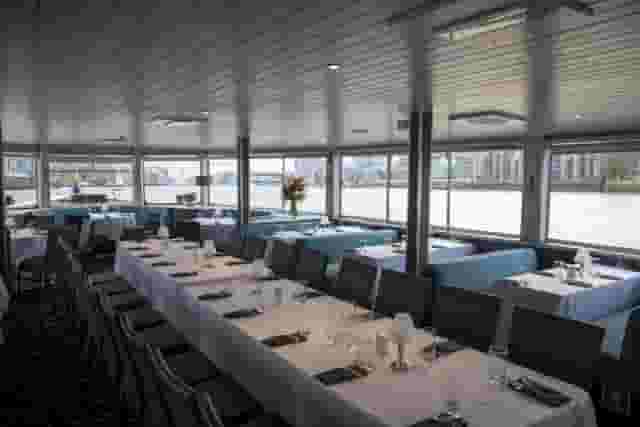
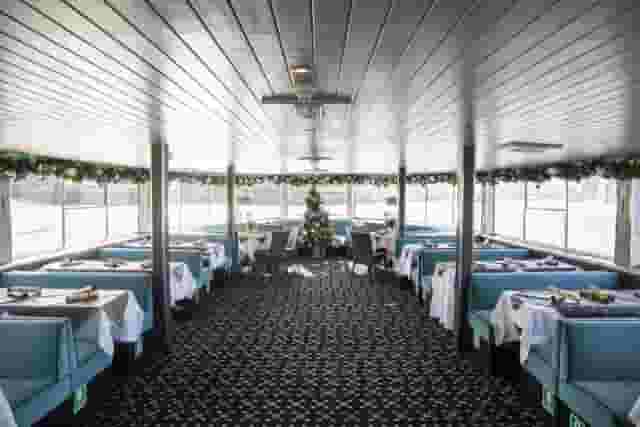
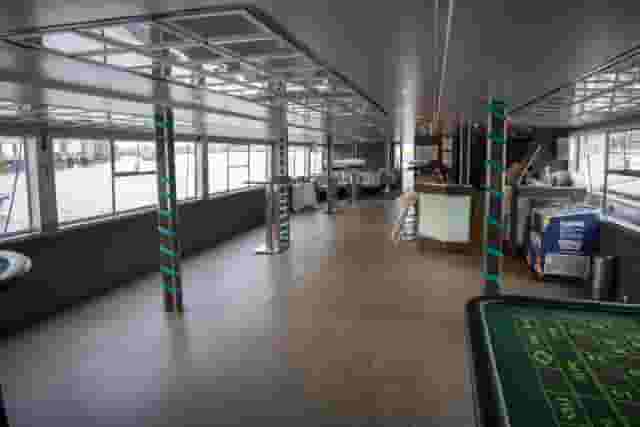
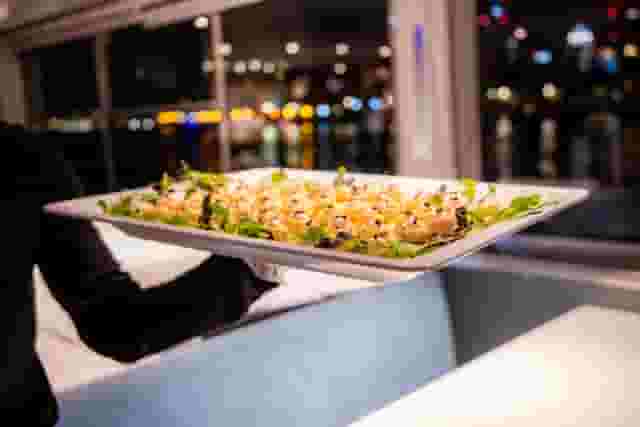
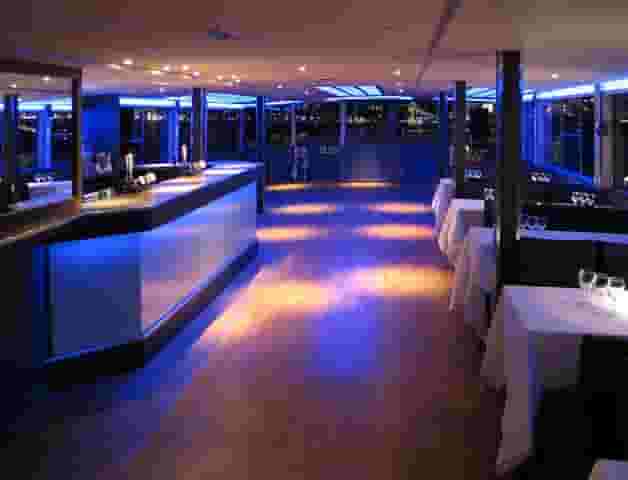
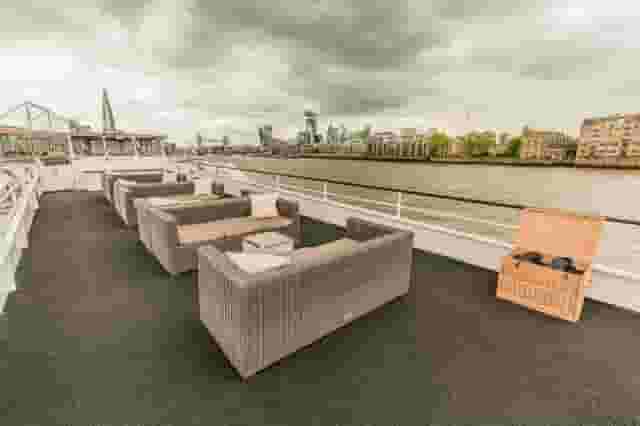


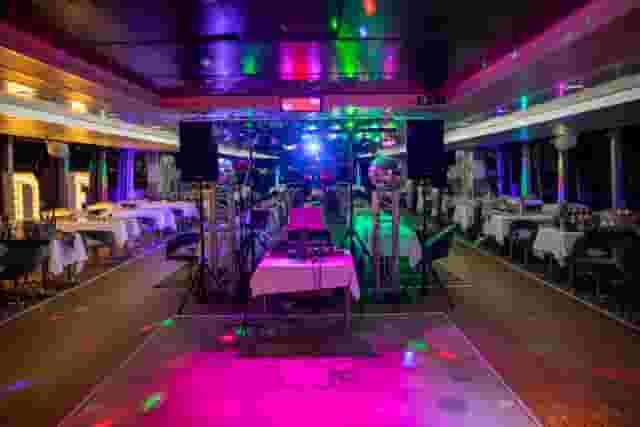
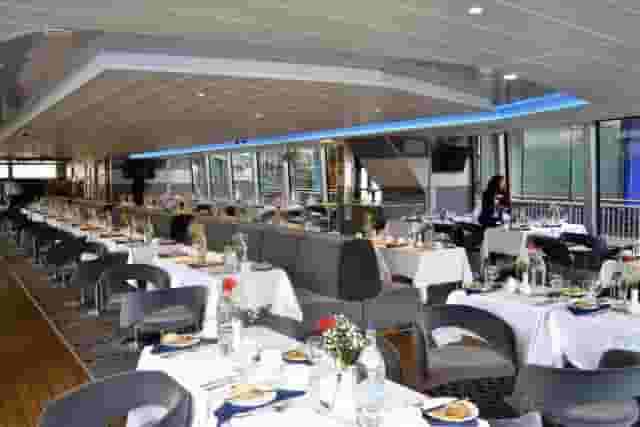

















































No venues match these filters
Try widening your capacity, luxury level or event type.
Don't have time to search? We'll find it for you.
For business events that need human judgement, talk to our team. Free for events of 100+ people, budgets over £10k or ongoing programmes.




Explore more venues in London





Frequently asked questions
Can you hire a boat on the Thames for events?
When hiring a boat for events, is the boat moving?
Can I decide where the boat picks us up from?
What boats are there to hire on the Thames?
What are the most historical boats which can be hired on the Thames?
What type of events work well on a boat on the Thames?
Other platforms search their database. We search everything.
Tell us what you need. Our deep research finds any venue, whether it's in our marketplace or not. No one else does this.
About Boat in London
Matching the vessel to your event format
Chartering a boat on the Thames changes the psychology of a business event. Unlike a standard hotel ballroom or private dining room, a river charter offers an enclosed, captive environment where attendees stay for the duration. That dynamic works well for summer parties, client receptions, product showcases and team celebrations, but it also means the vessel must fit the working rhythm of your group.
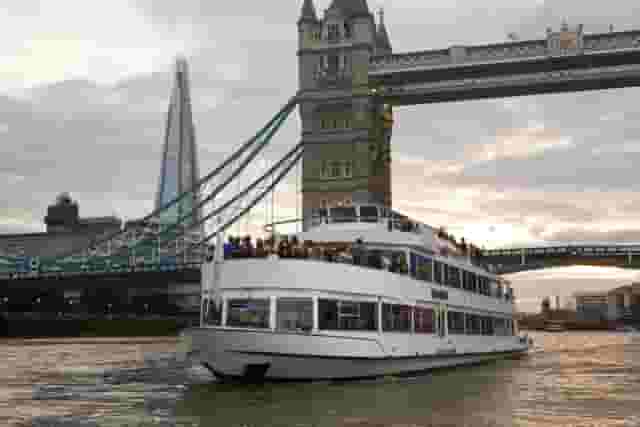
The first structural decision is whether your event needs an active cruise or a permanently moored vessel. Most Thames boat charters operate as moving cruises, taking guests past riverside landmarks between central London and Greenwich. A cruising format gives people changing scenery and makes the journey part of the entertainment. However, once the gangway goes up, late arrivals cannot board and early departures are impossible until the boat reaches its next scheduled stop.
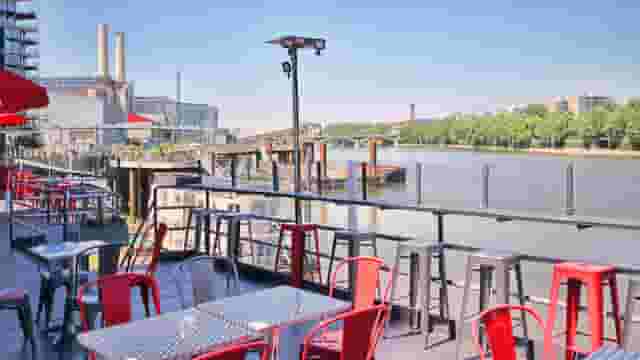
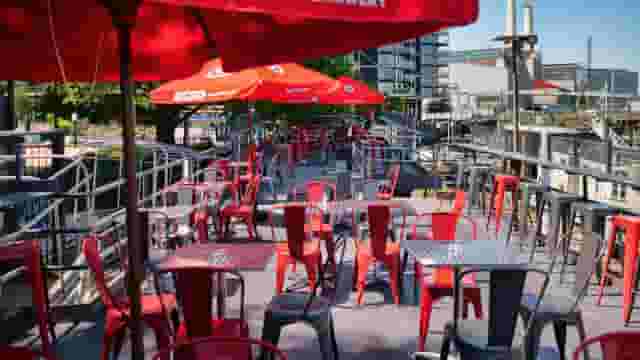
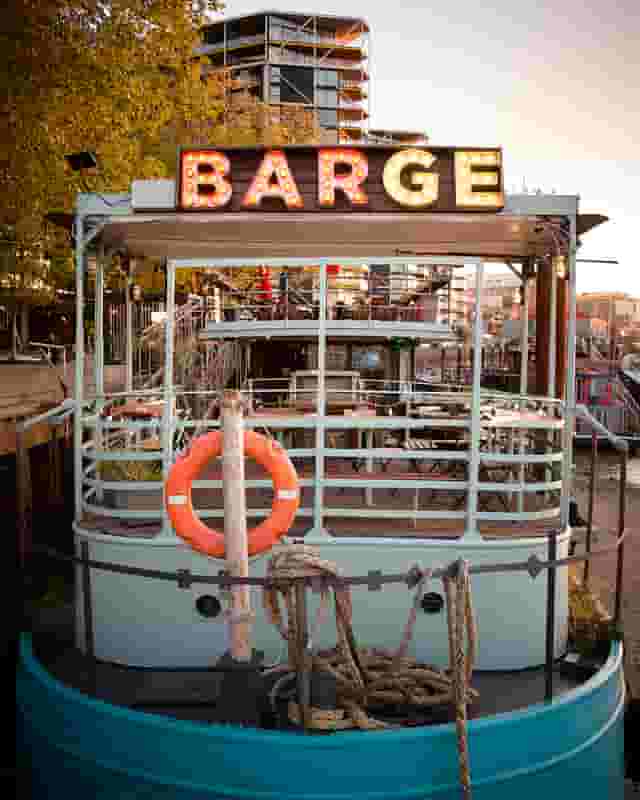
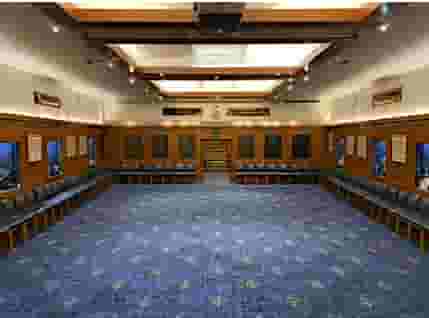
For events where senior executives need to drop in briefly, or where guests arrive in staggered waves after work, a static floating venue solves the access problem while retaining the water setting. A permanently moored barge such as Battersea Barge, which accommodates up to 150 standing guests, operates with normal venue access. Guests can step aboard and leave at their own convenience without disrupting a navigation schedule. Similarly, historic floating venues such as HMS Wellington, where the wood-panelled Courtroom holds up to 180 guests for a reception, offer riverside heritage with fixed access directly from the Embankment.
When a moving cruise is right for the brief, vessels divide into distinct operational styles:
| Vessel Style | Typical Best Use | Guest Flow & Features |
|---|---|---|
| Modern river yacht | Large receptions, gala dinners | Multi-deck, open sightlines, expansive climate control |
| Replica steamer | Themed parties, social mixers | Split levels, promenade decks, visual character |
| Classic cruiser | Intimate dining, team outings | Single-level dining, closer contact, sheltered saloons |
| Static moored ship | Networking, flexible drop-ins | Continuous access, no pier timing limits |
For large company celebrations, modern river yachts offer wide sightlines and expansive floorplates that prevent people feeling cramped. Silver Sturgeon is built on this scale, accommodating up to 550 guests for a buffet across two open decks and extensive indoor saloons. Large multi-deck layouts let you separate the event into distinct zones, such as speeches and food service on an enclosed main deck, followed by drinks on the upper deck.
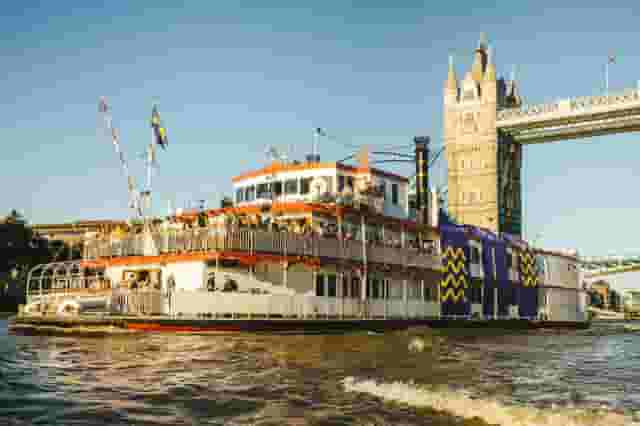
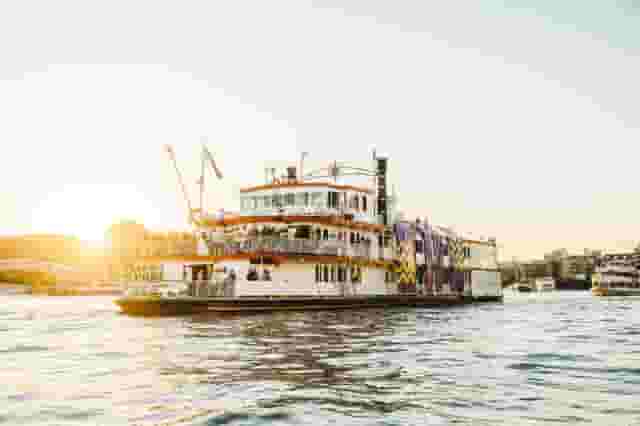
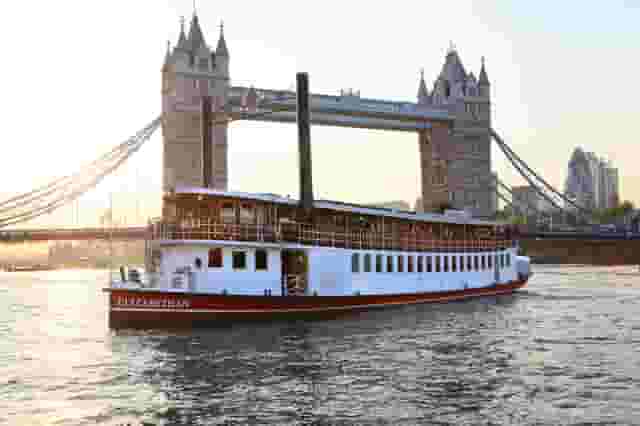
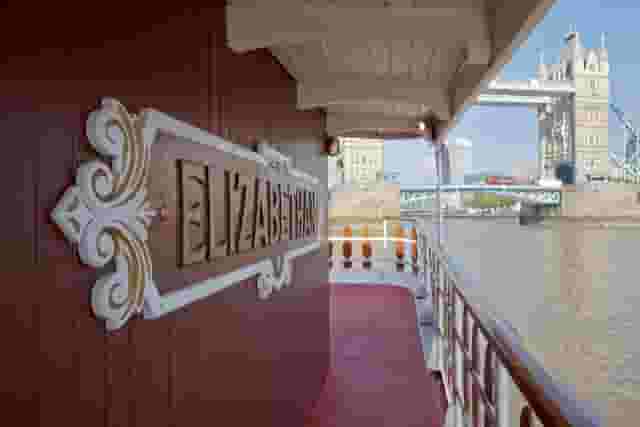
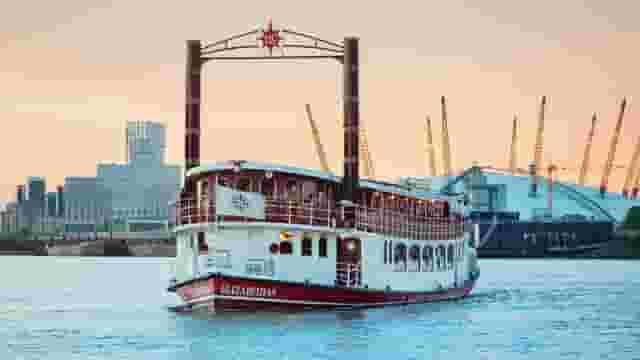
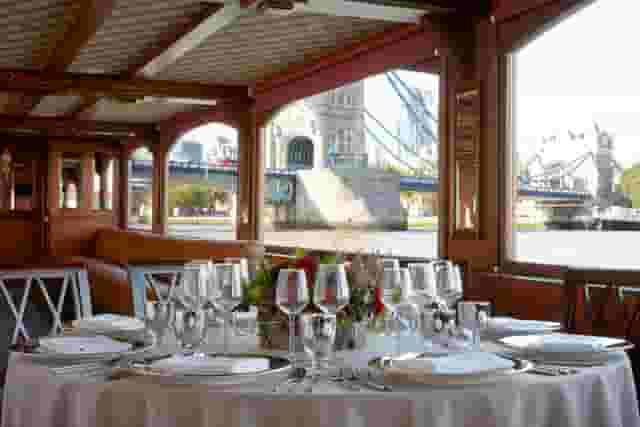
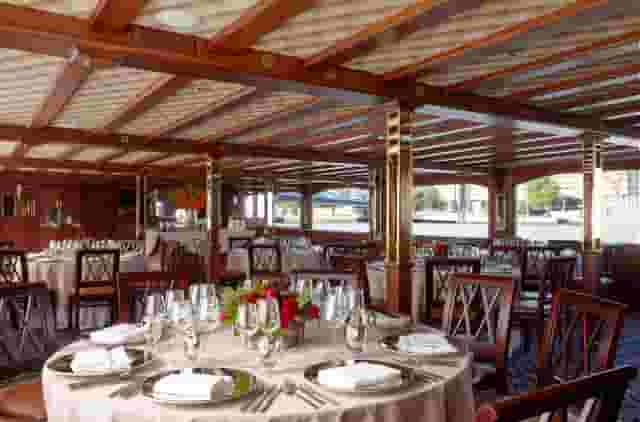
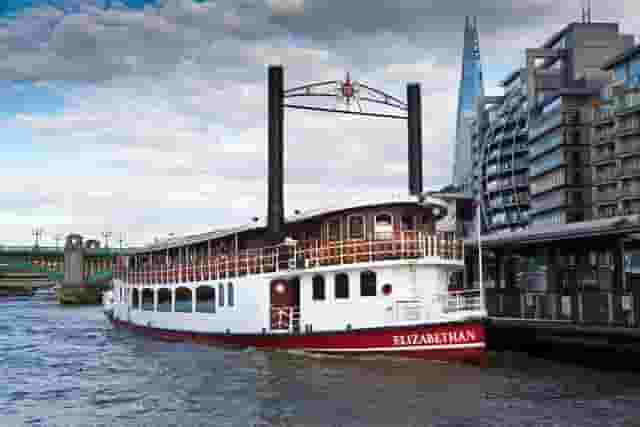
When your event calls for character over modern styling, replica paddle steamers such as Elizabethan, which takes up to 200 guests for a buffet, or Dixie Queen, with capacity for 452 buffet guests, offer a different visual identity. These vessels feature timber finishes, exterior promenades and open deck areas that suit social celebrations and informal summer gatherings. For mid-sized groups wanting a split between indoor entertainment and outdoor sightseeing, multi-deck vessels such as M.V. Erasmus provide standing room for 275 across three decks, incorporating dedicated bar areas and a dance floor.
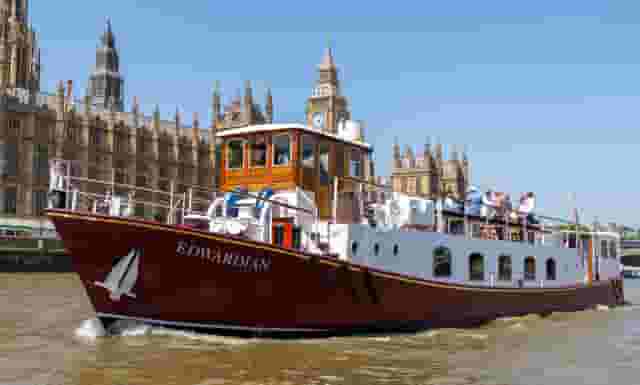
For smaller executive dinners or senior leadership off-sites, smaller classic river launches provide a private setting without the hollow atmosphere of an oversized boat. A vessel such as Edwardian, which handles intimate buffet events for up to 70 people, keeps a smaller team together in an environment that feels purpose-built for their numbers. When comparing river options, event planning platform Hire Space combines fast venue sourcing with a team of real people who own the outcome. It provides instant, data-backed price estimates based on real booking data, helping you weigh up charter rates upfront and shortlist available boats in minutes rather than waiting days for operators to respond.
Pier logistics, boarding windows and tides
The central operational risk of any Thames charter is the timetable. Unlike land-based spaces with flexible arrival windows, river piers run on strict commercial schedules managed by Port of London authorities and pier operators.
When you book a charter, you agree specific boarding and disembarkation piers. Most central London charter boats can access piers such as Westminster, London Bridge City, Tower, Butler's Wharf, or dedicated private moorings like Woods Silver Fleet at Woods Quay, which hosts shore-based receptions for 250 guests. However, public piers permit boats to berth only for 15 minutes at a time. If your charter documents state boarding from 18:30 to 18:45, the vessel must cast off at 18:45 sharp to clear the berth for incoming scheduled traffic.
Managing guest expectations around boarding requires clear, firm communication:
- State the boarding window clearly on the invitation, making it clear that the boat sails promptly at the end of that window.
- Encourage guests to arrive near the pier 15 to 20 minutes before the gangway opens. Many organisers arrange a nearby pub or cafe as an informal holding area.
- Provide clear walking directions and transport links for the specific pier. Central London has several piers with similar names, and sending attendees to Westminster Pier instead of Tower Pier will cause people to miss the event entirely.
- Designate an event host on the pier who holds a mobile phone number published to guests for urgent coordination.
Tidal conditions also shape the route and timing. The Thames is semi-diurnal, with tides rising and falling by up to seven metres twice a day. High tides can limit air draft beneath central London bridges, while low tides can affect access to certain shallow piers. A skipper will occasionally need to adjust an agreed cruising route depending on river currents and bridge clearances. If your event includes a specific visual milestone, such as cruising past Tower Bridge or positioning the boat off Canary Wharf at sunset, confirm with the boat operator in advance how the tide on your event date affects those timings.
Midway stops are another practical consideration. If your charter runs for four hours, say from 18:30 to 22:30, you can schedule an intermediate pier stop at 20:30. This allows early departures for attendees with childcare commitments or long commutes, and gives you a single collection point for late arrivals who could not make the initial departure. Every extra pier stop incurs an additional berthing fee and pauses the cruise for roughly 15 minutes, so limit stops to one scheduled window during the evening.
Managing deck space, weather and seasonal flow
British weather requires any boat charter to function just as well in driving rain as in clear sunshine. A boat advertised with a headline capacity of 200 standing guests might count both its interior saloon and its open top deck to reach that figure. If it rains, all 200 guests will crowd into the interior saloon. If that enclosed space comfortably holds only 120, the event will quickly feel overcrowded and uncomfortable.
When inspecting vessel capacities, always ask for the safe, comfortable indoor capacity in poor weather:
| Vessel Category | Total Licensed Capacity | Practical Wet-Weather Capacity | Ideal Event Flow |
|---|---|---|---|
| Large river yacht | 400 to 550 guests | 350 to 450 guests | Multiple enclosed saloons allow parallel dining, bars and dancing |
| Multi-deck cruiser | 200 to 300 guests | 150 to 200 guests | Covered lower decks provide dining; upper decks used when clear |
| Historic steamer | 150 to 250 guests | 120 to 180 guests | Enclosed dining rooms protect core program; decks provide viewing |
| Executive launch | 50 to 90 guests | 40 to 60 guests | Fully enclosed saloon with small forward or aft viewing areas |
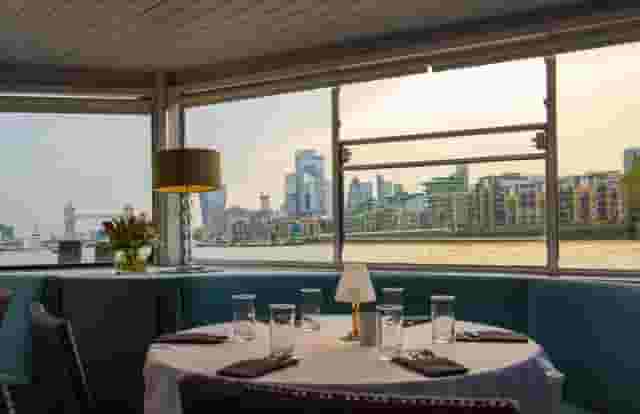
Temperature control is equally critical across different seasons. Midsummer afternoon charters can turn glass-fronted river saloons into greenhouses without powerful air conditioning. Check that the vessel maintains climate-controlled interiors on all covered decks. In winter, reliable central heating is essential, particularly near entrance doors where cold drafts enter during boarding and disembarkation.
Deck layout also influences how your presentation or entertainment runs. If you plan to host company speeches, a leadership update or an awards presentation aboard, test the sightlines and sound system across all interior levels. Sound travels differently over water, and background marine engine noise requires a clear PA system with speakers distributed evenly throughout the cabin. Microphones must be wired or broadcast on frequencies that do not suffer interference from river communications or metal hull construction.
Outdoor decks have strict safety and sound rules. Port of London Authority regulations and local council environmental health rules govern amplified music on the river. While a DJ or live acoustic set can play inside an enclosed saloon, music on open exterior decks is usually subject to volume restrictions or banned after 21:00 to prevent disturbance to riverside residential communities. Make sure your production team understands where sound can be directed and when outdoor decks must switch to lower background noise levels.
Catering, bar logistics and onboard facilities
Catering on a moving vessel operates under distinct technical constraints. Most boats do not have full commercial kitchens with open gas ranges. Instead, galleys rely on electric regeneration ovens, hot holding cupboards and tight preparation counters.
Because galley space is limited, the catering style you select dictates how smoothly food service runs:
Finger food and bowl food
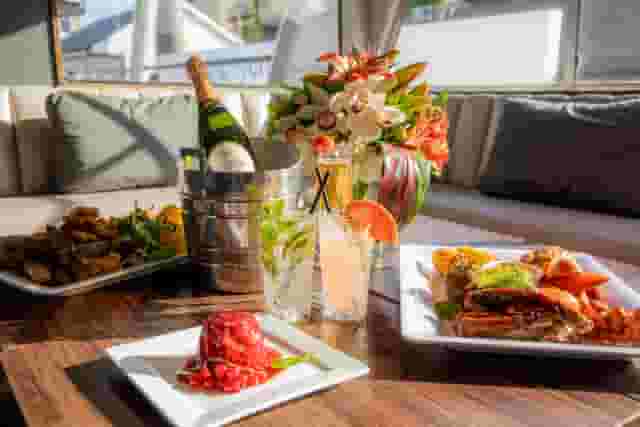
Bowl food and circulating canapes are the most reliable format for moving charters. Small portions can be finished quickly in compact galleys and carried easily through moving cabins by service staff. This format keeps guests on their feet, encourages social movement between interior bars and open decks, and avoids the need for heavy table setups that restrict circulation.
Standing and seated buffets
Buffets work well for casual company dinners, but they require careful queue management. On a vessel, a central buffet station can create bottlenecks that block stairways between decks. A venue like Silver Sturgeon or Dixie Queen provides enough floor width to set up twin buffet stations, allowing hundreds of guests to be served simultaneously without stalling movement.
Plated seated dining
Plated multi-course meals demand substantial kitchen space, dedicated plating lines and significant numbers of service staff. If you require a three-course formal dinner, confirm that the vessel has either an onboard finishing kitchen capable of handling your guest count or an established relationship with specialist marine caterers who bring pre-prepped courses in temperature-controlled hot boxes.
Bar infrastructure requires equal attention. A single bar counter serving 200 guests on a hot evening will create immediate frustration. Look for vessels with multiple service points or arrange secondary satellite bars dedicated to wine, beer and soft drinks to handle the initial rush after boarding. Most charter operators offer fixed-cost drinks packages covering house wine, beer and soft drinks for a three to four hour cruising window. A package structure avoids the accounting headache of running a consumption bar on a moving boat where internet connectivity for card machines can drop out between bridges.
Cloakrooms and washroom counts must also align with your numbers. Standard corporate land venues often have extensive facilities, but boats are naturally constrained by hull dimensions. A charter carrying 200 guests needs at least four to five well-maintained toilets to avoid long queues during intermediate cruising hours. Ask to see the washroom facilities during your site visit, and verify where coats and bags will be stored so they do not clutter the dining deck.
What charter proposals cover and how to compare costs
Comparing proposals from boat operators can be confusing because quotes combine marine operating costs with standard hospitality charges. When reviewing quotes, break the figures down into these core components to see what is included:
- Vessel charter fee. This covers the hire of the boat, the captain, the marine crew, fuel and standard navigation running costs for an agreed block of time, typically three to four hours.
- Pier dues and berthing charges. Every time a vessel ties up at a pier, the pier owner levies a berthing charge. Quotes should itemise both the embarkation and disembarkation pier fees, as well as fees for any intermediate stops. Central London piers generally carry higher fees than outer piers.
- Crew and mooring extensions. If your setup requires production crew, florists or external AV teams to board three hours before guest arrival, check whether you are paying standard charter rates or discounted preparation time while moored.
- Food and beverage minimums. Catering is usually quoted as a separate package per person or an overall minimum spend on top of the bare boat charter rate.
- Waste removal and cleaning. Standard end-of-night turnaround is usually included, but external decor removal or specialist waste disposal may incur supplementary fees.
| Proposal Element | What to Check | Typical Risk Area |
|---|---|---|
| Charter Hours | Sailing time vs setup and de-rig hours | Setup overrunning into paid cruise time |
| Pier Dues | Inclusion of boarding, midpoint and drop-off | Unbudgeted pier charges billed after event |
| Staffing Levels | Dedicated service staff vs marine crew only | Marine crew do not pour drinks or clear food |
| Power Provision | Onboard generator capacity and connection type | Heavy AV setups tripping primary boat power |
| Beverage Terms | Fixed packages vs card machine connectivity | Signal loss on water stalling card payments |
Power supply is a technical detail that frequently catches out corporate organisers who bring in external production. While boats generate their own three-phase power, high-draw lighting rigs, extensive LED walls or high-capacity kitchen equipment can strain onboard generators. Share your production supplier's technical rider with the boat operator early to ensure the vessel can supply the required load without requiring an auxiliary deck generator.
Accessibility must also be checked directly with the skipper or charter team. River piers often feature steep gangways that shift angle dramatically with the tide, and older vessels may require guests to navigate narrow, steep stairwells between decks. If you have guests with mobility requirements, choose a modern vessel with level boarding thresholds, lift access between passenger decks and accessible washroom facilities.
Taking time to confirm the boarding schedules, indoor weather capacity and catering flow at the contract stage ensures your river charter runs as a smooth, well-paced business event from the moment the lines are cast off. Hire Space 360 is enterprise venue and hotel procurement for companies spending £1m or more a year on meetings and events: a managed meetings and events programme, the kind procurement teams call strategic meetings management. It places all venue sourcing, boat charters and hotel stays under one supplier agreement with consolidated invoicing, ensuring every event complies with your internal event policy. You can see how Hire Space 360 works for procurement to explore how finance teams gain live spend reporting and full audit oversight across every booking.
What our customers say
Inspiration and planning guides

The 5 Best Boats For Hire In London
Looking for something a bit different for your summer party? Check out our picks for the best boat venues in London. Perfect for corporate events, they're guaranteed to offer a unique experience with stunning views!

This Is Why London Has Such Unique Venues
At Hire Space, unusual venues [https://hirespace.com/Browse/Unusual-Event-Venues-London] are the name of the game. Passion to find a unique venue for an event seems to be unabated in London, but it's of little surprise when taking into account all the amazing spaces the capital has to offer. But just why is London filled with so many unusual venues for hire? We investigated: Romans, Saxons, Normans, Tudors and Stuarts. The Black Death, two World Wars and one Great Fire. London has seen it a

London's Most Unusual Christmas Venues
Tired of the same old Christmas party venues? This year, why not switch things up and throw your festive bash somewhere that’s truly out of the ordinary?
One supplier. Every venue. Full visibility on what you spend.
Multiple venues and events. One agreement.