VENUE FINDING GUIDE
The Definitive Guide to Venue Finding
There are venues of every shape and size out there, which is exactly what makes finding the right one so hard. Where do you start? How do you know which space actually suits your event? The venue you pick can make or break the day, so it is worth getting right.
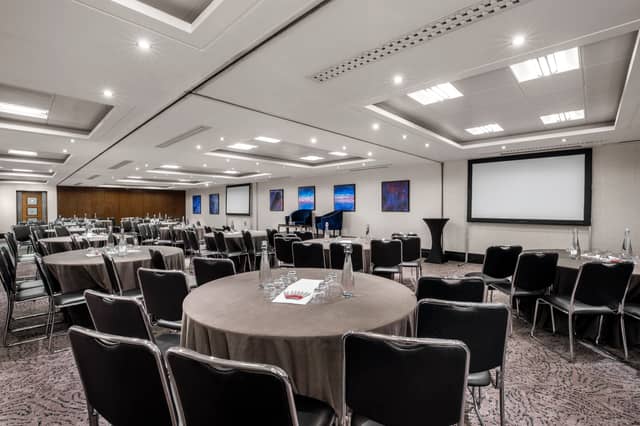
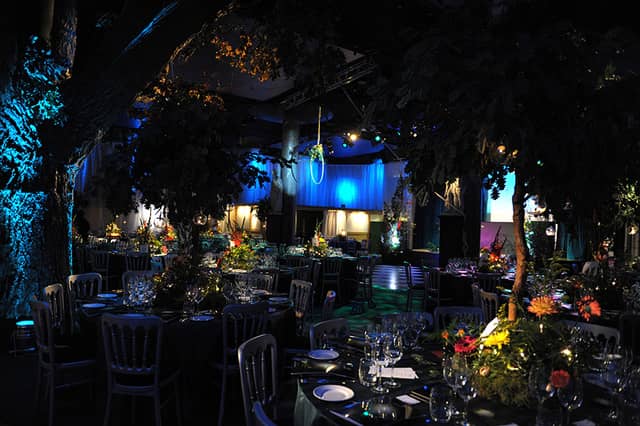
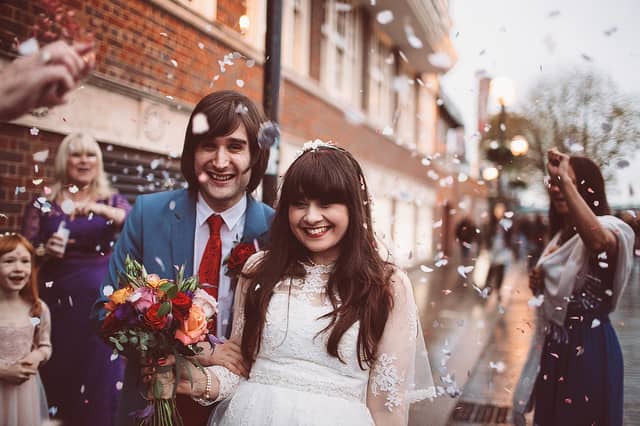
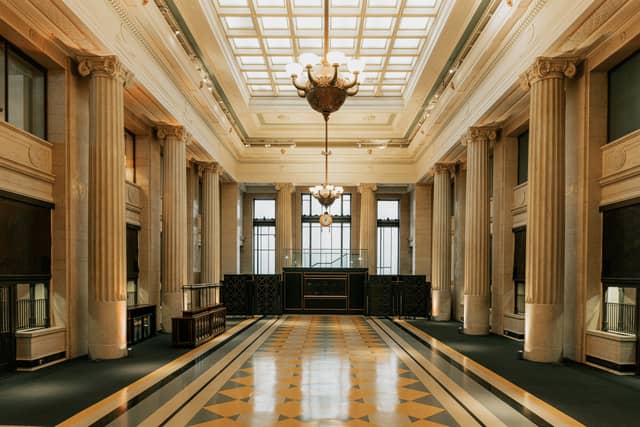
Hire Space is a market-leading venue sourcing platform, and our team works with venues, event tech and organisers every day.
This guide breaks the whole process down: where to start, how we can help and, at the end, how to run the day itself so the event lands. Read on for step-by-step guidance from our venue experts.
Define your event brief
Before you search for a single venue, get your key details down. A clear brief is what lets you find the space that genuinely fits.
The hardest part is often the brief itself, because it is easy to lock onto an assumption that quietly rules out better options. That is what Deep Venue Research is for. It pressure-tests your brief, asks the questions you might not have thought to and sharpens what you are really after, so the options you get back are the right ones. Start there, or work through the steps below yourself.
Know your audience
The first step is understanding who is coming, because that shapes almost every other decision.
A younger crowd might love an edgy, underground space, while an older audience may prefer somewhere lighter and more accessible, such as One Moorgate Place. Catering matters here too: younger guests tend to have more dietary requirements, and international guests may expect something different again, so look for a venue with a flexible catering partner like RSA House.
If any guests have disabilities, know their requirements early and make the event as accessible as you can. If attendees hold different religious beliefs, provide the right facilities, for example a prayer room.
Think carefully about who your audience really is and what they might need. Demographics worth considering: age, nationality, gender, interests, special requirements such as a sign language interpreter and dietary needs.
Identify your event type
Once you know your audience, decide on the type of event, because that defines the kind of venue you need. A conference for 300? Somewhere like Convene fits. A product launch for 1,000? Try Evolution London. An intimate, quirky away day or meeting? The Little Scarlet Door does the job.
Settle on the event type, the format, the layout, the look and feel and a rough headcount.
Choose your event date
Aim to have three or four dates that could work, and stay flexible. Locking in a single preferred date at peak times is hard. If you want a mid-August rooftop summer party for 60 on a set day at somewhere like Century Club, you will struggle if you cannot move.
Offer a spread of dates across a few weeks and different days and you will find it far easier to secure a great space. Live availability helps here too: on many venues you can see real dates in real time, so you know a space can take your date before you get in touch. Think about the season as well. A wet-weather option in summer, such as the garden room at BMA House, and a warm indoor space in winter, such as the covered rooftop at Trafalgar St James, will save you.
Do not send RSVPs until the venue is confirmed. It narrows your search, and it looks bad if you later have to move the date.
Identify your budget
Setting a budget is essential. Whether it is generous or tight, there are venues across the whole range, so be realistic and as flexible as you can. Have you accounted for every cost the event will carry? Do you know what it will actually come to? Get sign-off, land on a figure and hold to it, so there are no awkward conversations with clients or stakeholders later.
We negotiate strong rates with our venues, so be honest with us about your expectations. You will not get a central London ballroom on a boardroom budget. Not sure your brief is realistic for the budget? Deep Venue Research will tell you straight.
Identify your event extras
The details above cover the essentials. There are plenty of extras that are easy to miss if you have not sourced a venue before. Build these into your brief so the venue can cater for everything you need.
- Catering. Not every venue offers in-house catering. Ask about the food, how flexible the menus are and which dietary requirements they can handle. Pin down exactly what is included: are breakfast pastries and coffee in the package, can they do special VIP lunches?
- Branding. You will likely want your or your client’s branding on show, so identify where you can brand the space, and ask whether the venue has preferred graphics suppliers or expects you to bring your own. Consider exhibition stands and who builds them.
- AV. A hugely important part of any event. Ask whether AV is in-house or a preferred supplier list, and know exactly what support you get on the day.
- Wifi. Dedicated wifi is genuinely useful for guests, especially at corporate events where people need to fire off an email or two.
- Furniture. Never assume anything is included unless it is stated. There is nothing worse than 100 guests arriving to no chairs. Tell the venue exactly what you need and what they are providing.
- Photographer. Decide early whether the client wants photos. It can affect venue size, since the photographer may need a room to work in, and it affects budget.
- Venue staff. Most venues include security, catering staff, cleaners, cloakroom attendants and set-up and pack-down crews in the hire price, but check. Confirm which staff you have, and for exactly how long.
Find the perfect location
Wherever you land, the location has to work for both your suppliers and your attendees, and their needs are very different. Here is what to weigh up.
Considerations for suppliers
Start with the suppliers who set up and run the event. A product launch is not much of a launch if the product cannot reach the room.
Suppliers often arrive in large vehicles and need a loading bay and goods lift. Without decent loading access, they will struggle to deliver and set up. Check what the venue provides and know what your contractors need in terms of lifting equipment.
Location matters here too. Venues in areas like central London sit among narrow streets that clog with traffic and hold suppliers up. Many venues also restrict when suppliers can load in and pack down. If you tell a crew to arrive at 6am but the venue is locked, you have a problem, so talk this through before you commit.
Considerations for attendees and speakers
It is just as important to think about how guests get to and from the event, and how that shapes their experience. If people cannot make the journey easily, or the distance puts them off, the day suffers. Venues like Central Hall Westminster and 41 Portland Place sit centrally with transport on the doorstep, and the London Transport Museum is about as convenient as it gets, on top of being a great space inside.
Check the venue is well served by public transport, and look at how close it is to stations, taxi ranks and airports. Long journeys put people off, so keep travel time down. Where some guests have to travel far and stay over, try to keep the trip between the venue and nearby hotels under about 30 minutes.
For venues people will drive to, such as Hatfield House, check there is enough parking, with spaces close to the entrance for older or disabled guests. Make sure the area is safe for people to leave a car or walk to the station in the evening.
Encourage guests to walk or cycle where they can. Good for them, good for the planet.
How Hire Space helps
We work with venues day in, day out, so we know how much there is to weigh up when finding the right one. If you are short on time or just want guidance, that is where our team comes in. We have been matching venues with organisers for 13 years.
What Hire Space is and how it works
We list venues for every kind of event, and you can find and contact them directly. Our team can also source venues anywhere, not just from the platform. There is no fee to use the platform, and the process is simple enough for anyone to scope out the options themselves.
A few pointers from our venue experts:
- Put as much detail into the search filters as you can, such as guest numbers, so anything that is wrong for your size or budget drops out.
- Use "More filters" to add specifics like parking, overnight accommodation, storage or outdoor space, so every result already has your basics covered.
- Check live availability to see which venues can take your date, and it is still worth contacting them to confirm and keeping a few back-ups noted.
- If you would rather hand it over, fill in a short form and your enquiry goes to our venue experts. We come back by email with venues we think fit, and it is up to you which ones to approach, with us on hand for any issues.
- For larger events, we find and contact venues for you, set up site visits and manage production and anything else you need.
The tools that do the work
Venue search
The free platform: filter venues for any event type and contact them directly.
Search venues →Deep Venue Research
Pressure-tests your brief and returns a sharper, better-fitting shortlist.
Try Deep Venue Research →Instant quotes
See pricing on the spot instead of waiting days for a venue to reply.
Live availability
Check real dates in real time before you enquire.
Concierge
Talk to a real venue expert who does the legwork and negotiates for you.
Talk to our concierge →Hire Space 360
Full-service support for whole event programmes, with priority concierge help.
Explore Hire Space 360 →Why use Hire Space
Finding a venue through us saves you time, because we do the legwork. We have helped run thousands of events across 13 years of live booking data, so we know what to look for. You start with a call with a venue expert to talk through your requirements and the kind of space you are after.
From there we send your enquiry to a wide selection of venues to gather availability and quotes quickly. We only propose venues we trust for your event, and we use our relationships to get you in the door. We can negotiate on your behalf to land the best deal. Our experts also keep tabs on the hottest new openings, so ask them about the latest spaces to hit the market.
Use us for corporate events and a venue expert manages your account for free, so we can anticipate what you need. Upgrade to Hire Space 360 and you get priority concierge support, access to strong event technology and discounted event management teams and staff.
Dry hire vs wet hire: which is best for your event
Dry hire is when the venue provides the space and nothing else, for example Evolution London, the Troxy or Alexandra Palace. You source every element yourself, from suppliers to equipment, and you handle the logistics.
Wet hire, or all-inclusive, such as the spaces at Chelsea Football Club, usually bundles everything into the hire cost. Exactly what is included varies, but you typically get AV, catering, branding and an in-house coordinator to run the day.
Benefits of dry hire
The big draw of dry hire is control. You shape every element and make the event bespoke. It can also suit tighter budgets, since you negotiate your own supplier deals and can call in favours. Blank canvas venues let you bring in your own catering and drinks.
Benefits of wet hire
Dry hire takes far more organising, so if time or resources are tight, wet hire gives you tried-and-tested suppliers and a slicker, lower-stress event. The Barbican Centre and No.11 Cavendish Square are two of our favourite all-inclusive spaces, with strong tech and catering built in.
Wet hire is not always the pricier option, either. Sourcing everything yourself makes it easy to leave costs out, and they add up fast. All-inclusive shows you the full cost from the start, so you can keep the event inside budget.
Find a conference venue
The right conference starts with the right space. Whether you want a quirky twist on the standard format, an outdoor spot for alfresco content or a professional corporate venue on budget, it is out there.
From Grade II-listed gems like Conway Hall to modern, fully furnished spaces like 1 Wimpole Street and One Birdcage Walk, or venues built for multi-track conferences like the InterContinental O2, you will find it on Hire Space.
Choosing the space is only part of it. A few more things to weigh up:
- Get the AV right. Check whether AV is in-house or a preferred supplier list. Make sure the team can do everything you need and run a rehearsal before key sessions. VIP speakers should not be waiting on an avoidable fix. Think about other kit too: onsite badge printing, registration screens, and whether there is room to set it all up safely.
- Think about catering. For an all-day conference, plan welcome coffee and pastries, a mid-morning snack, lunch and an afternoon break. Ask how the venue runs it: do they have staff to put food out on time, is it a day delegate rate or included in the hire, can they handle dietary needs, can you change the menus, what happens to leftovers? Food waste is a real issue, so have a plan, and ask about the venue’s sustainability policies while you are at it.
- Explore every branding opportunity. Clients want branding everywhere: banners, walls, the entrance, screens, standalone boards, coffee cups, even lighting in the company colours (The Steel Yard has plenty of scope for that). Ask about every option the venue can offer.
- Find the right location. Stay close to stations, airports and hotels, since some guests travel in. For multi-day conferences with overnight stays, keep the venue near hotels, restaurants and bars for post-event networking. There are great spots around the country, like Emirates Old Trafford in Manchester.
- Be flexible with your date. Most people avoid conferences on Mondays and Fridays, so aim for midweek. Dodge key industry dates, school holidays and religious holidays, and keep a few date options in reserve. Flexibility improves your odds and can save money.

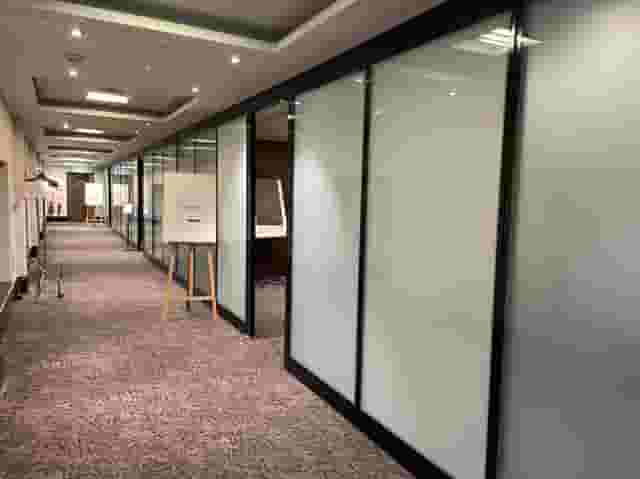
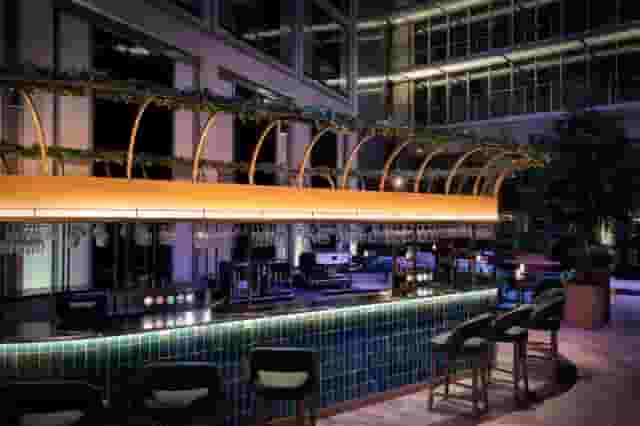
Leonardo Royal Hotel London St.Pauls
Versatile 220-capacity meeting space in a central hotel, ideal for conferences and dinner dances.
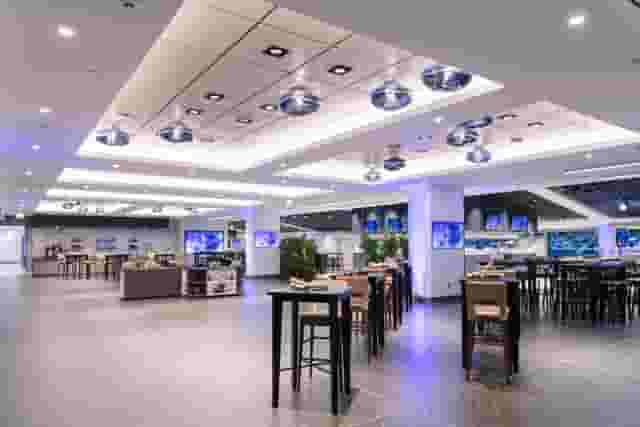
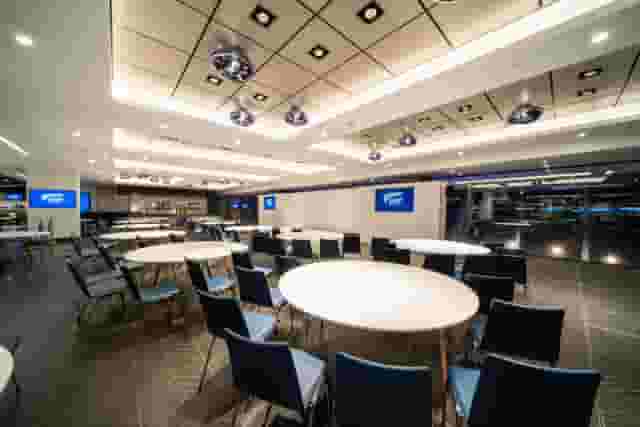
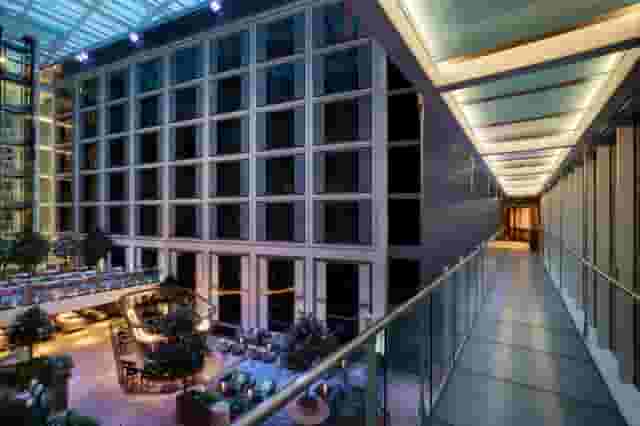
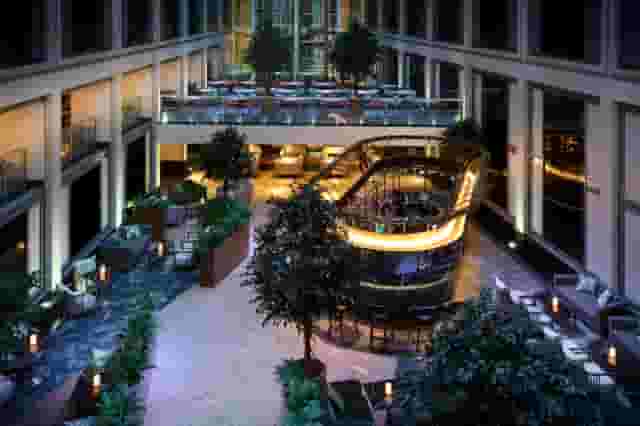
Tottenham Hotspur Stadium
A large high-tech stadium venue with conference spaces, AV and networking areas.
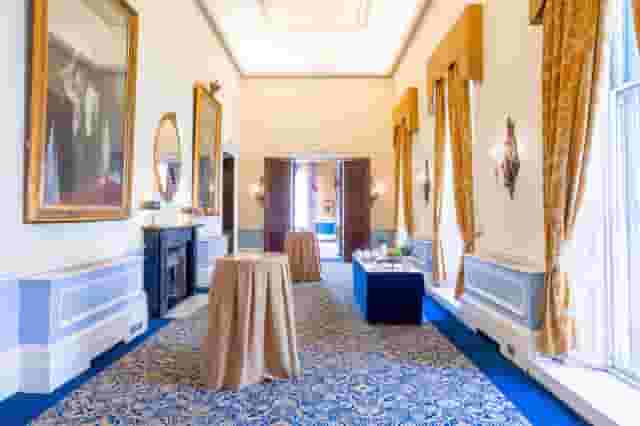
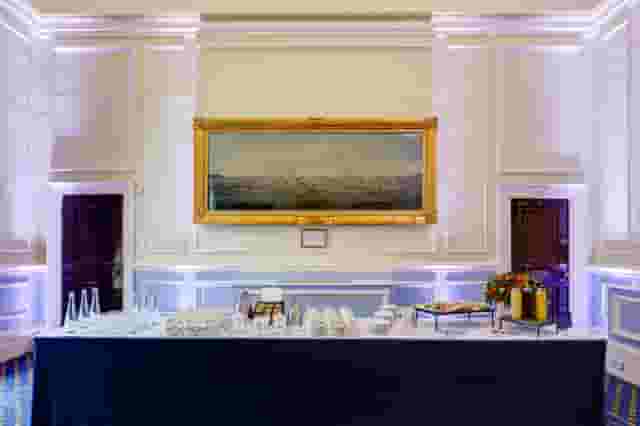
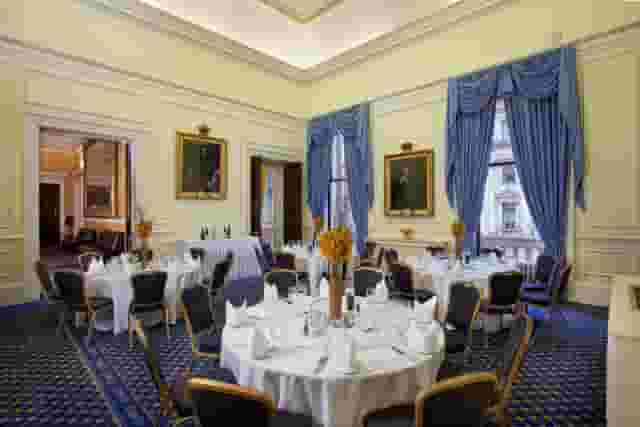
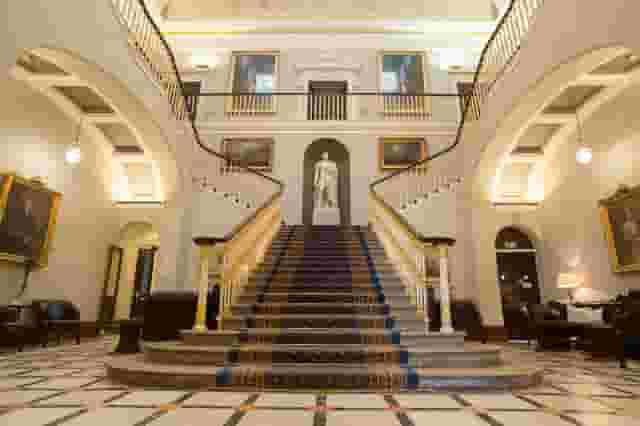
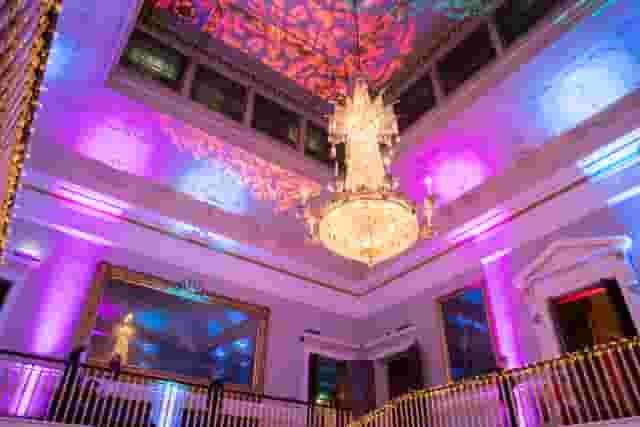
116 Pall Mall
Interlinking rooms with large windows in a Georgian landmark. Ideal for intimate dinners and receptions.


60 Great Queen Street
Grade II* Art Deco conference venue for 250-900 guests
Goldsmiths' Hall
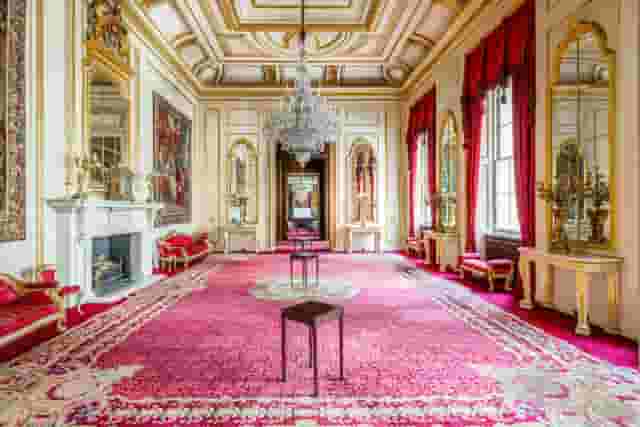
An elegant historic room with striking features, perfect for intimate dining and receptions.
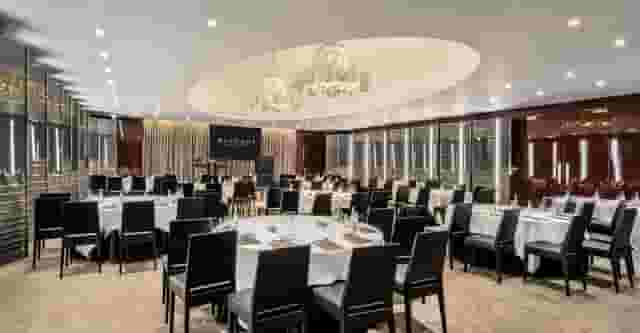
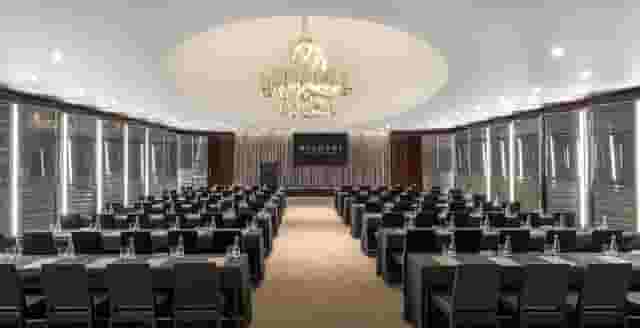
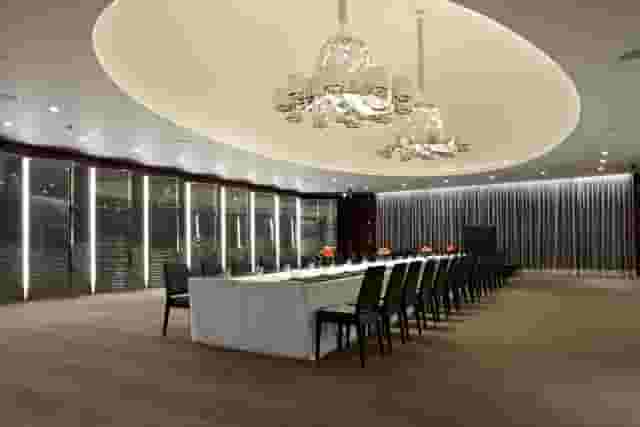
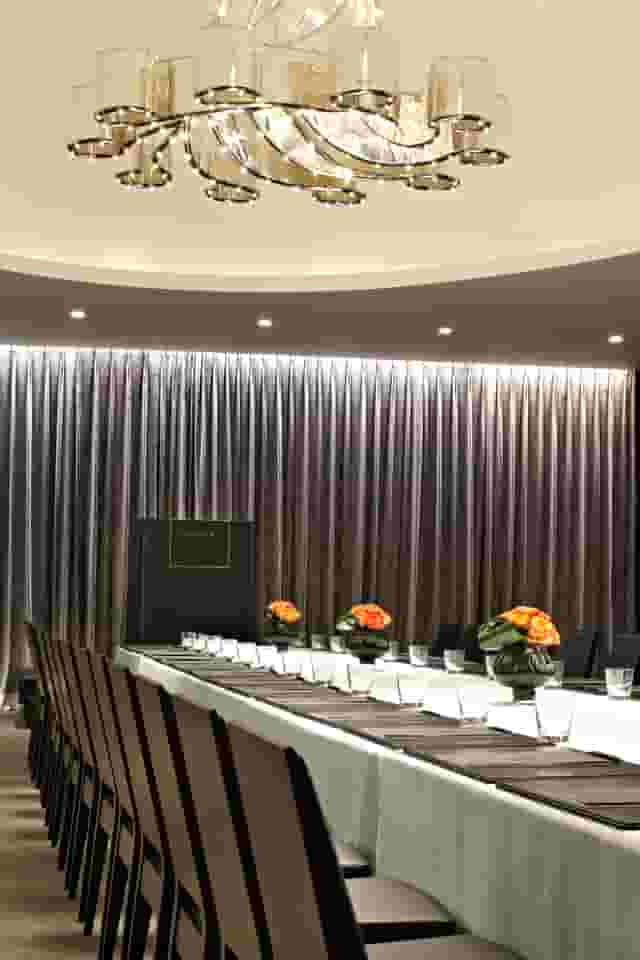
Bulgari Hotel, London
A luxurious Knightsbridge ballroom with elegant chandeliers and AV support for up to 280 guests.
Find a meeting venue
Finding the right meeting venue is more than booking a room with a table and enough chairs. As with any space, weigh up accessibility for guests and suppliers, and make sure the tech and AV are up to scratch.
- Decide on your format. Work out whether anyone needs to join online as well as in person, and if so, look for venues set up to livestream cleanly.
- Get the tech right. Whatever the format, confirm the venue supports what you need, from a screen for slides to wifi that handles every delegate. For a critical company update or a meeting with external stakeholders, glitches are not an option, so check whether there is an onsite AV team or whether you source that yourself.
- Check accessibility. For suppliers and attendees both. Look for good transport links and, depending on location, onsite parking. Asia House is a strong example, central and step-free throughout.
- Choose your package. Many venues offer meeting spaces on a day delegate rate, charging per head per day. It is typically around £30 to £60 per delegate and usually covers the room, water, hot drinks, lunch, stationery and a brainstorming pad. Packages vary, but a DDR is a good way to stretch the budget.
- Make it fun. Meeting rooms need not be dull. A quirkier venue can spark better thinking. Browse our unusual meeting rooms for ideas, or go for polished and productive with our most impressive London meeting spaces. Some venues, like members’ club 12 Hay Hill, add a rooftop terrace, bar and lounge for afterwards, and spots like Bounce mix meeting rooms with somewhere to socialise.
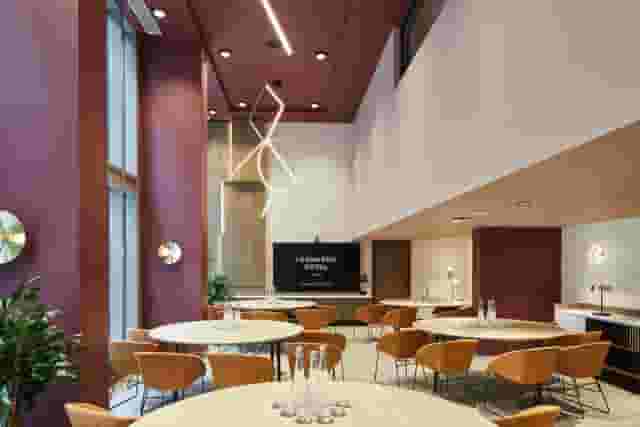


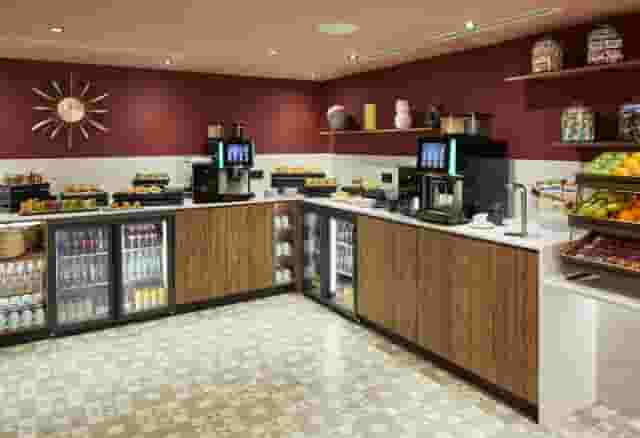
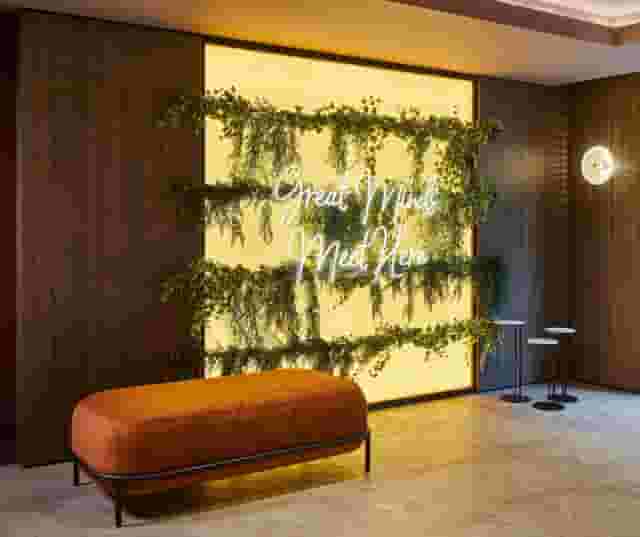
Leonardo Royal Hotel London St.Pauls
A modern, stylish meeting space in a central London hotel with cutting-edge technology and natural light.
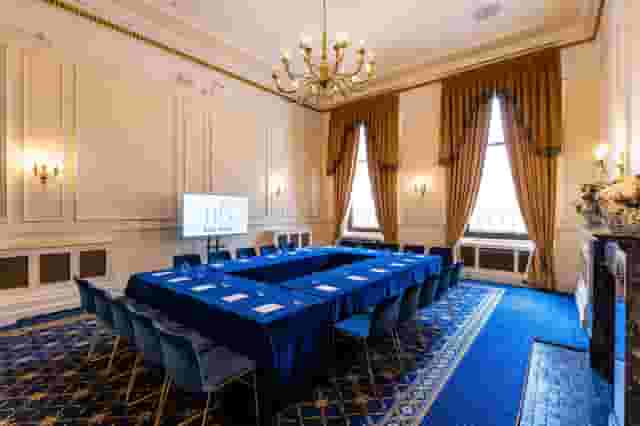
116 Pall Mall
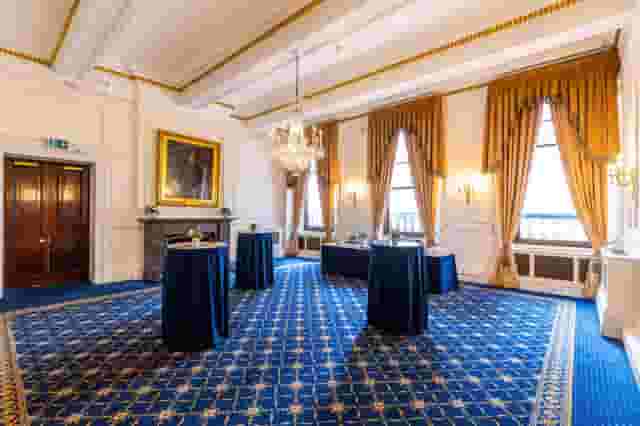
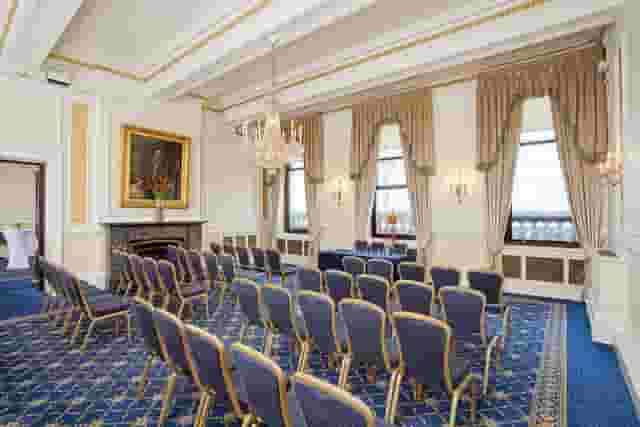
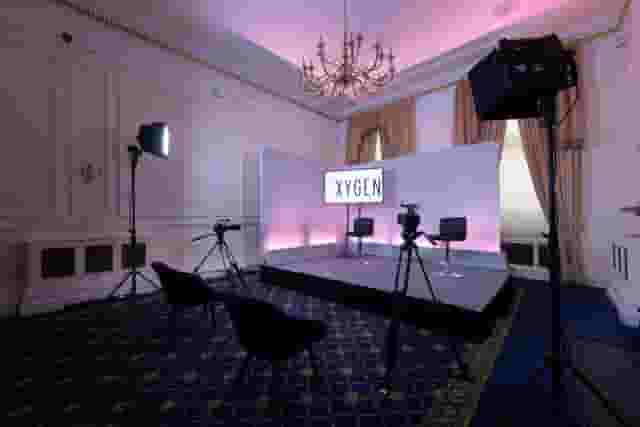
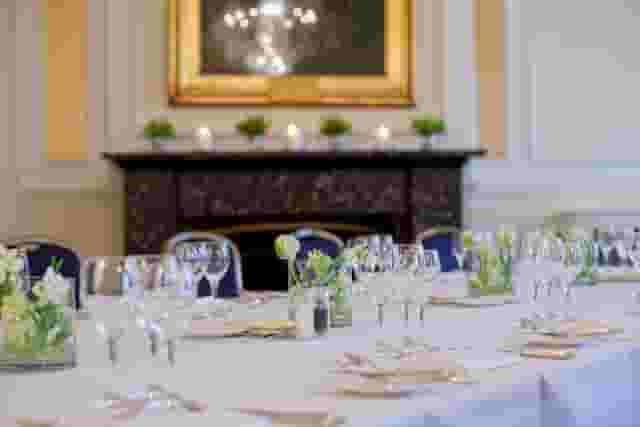
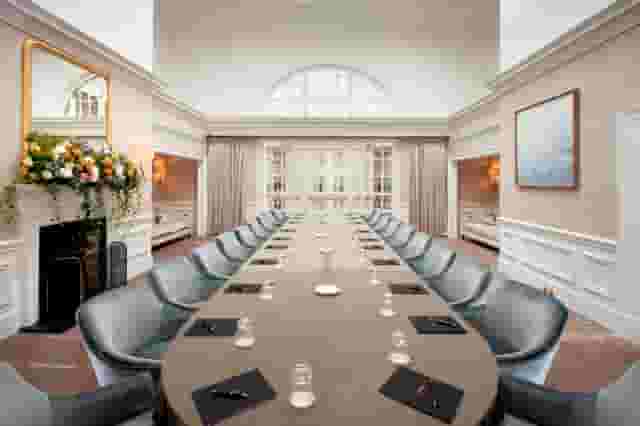
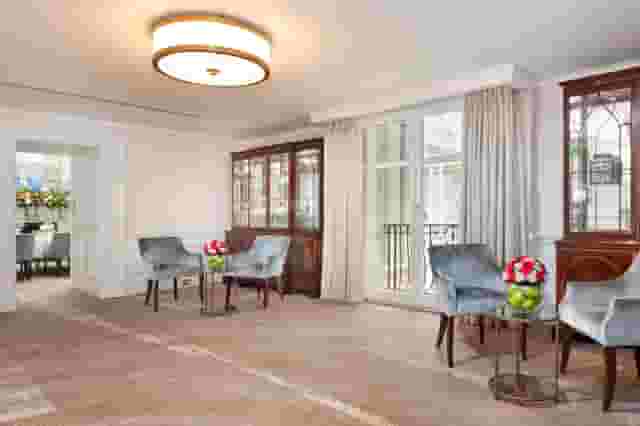
Two adjoining rooms with original features and charm, ideal for events. Virtual Studio available for hybrid and virtual events.


The Landmark London
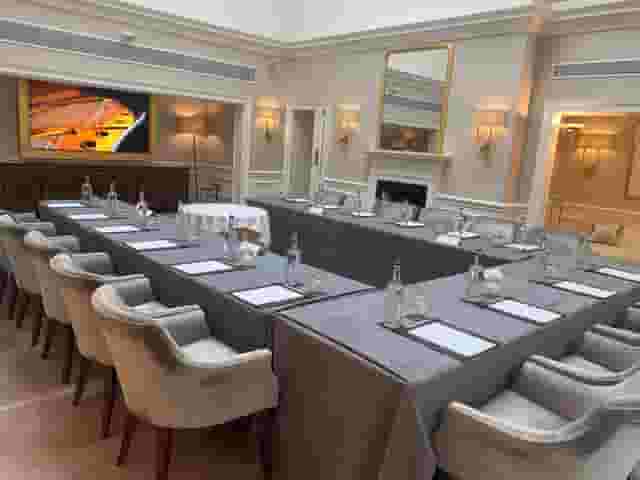
A luxurious Victorian-style suite in a 5-star hotel, ideal for intimate dinners or meetings.



One Great George Street
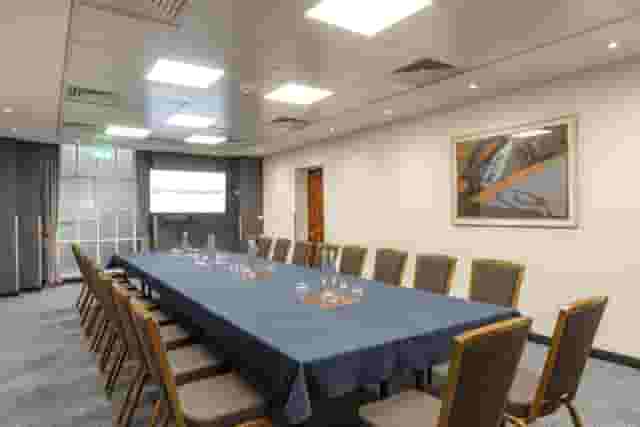
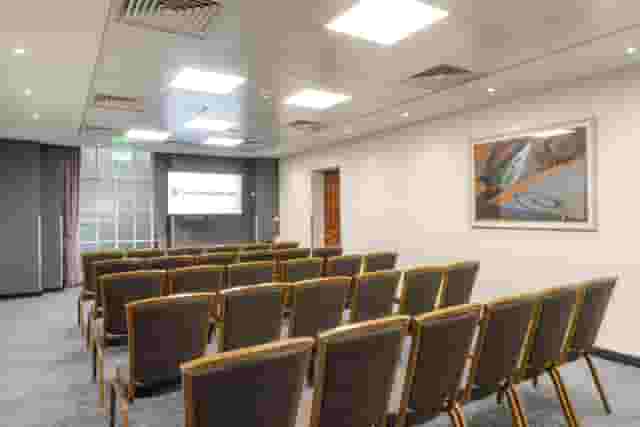
A modern, accessible board meeting room with natural light and interconnecting dining space in a Grade II Listed venue.
The Caledonian Club
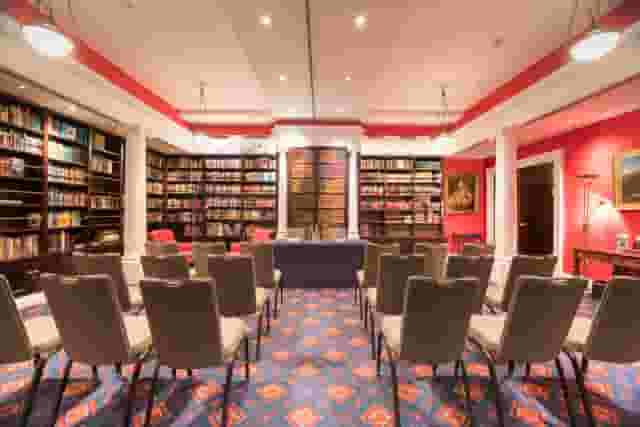
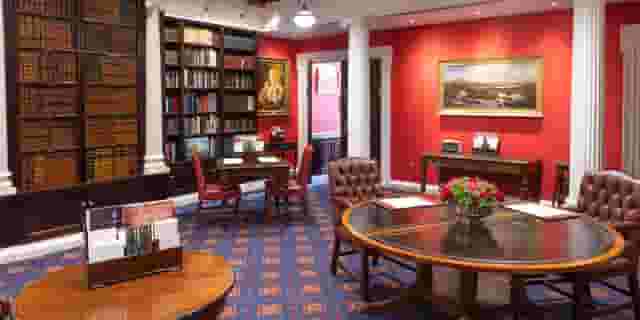
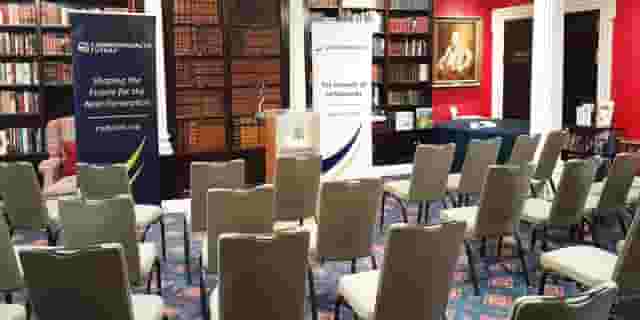
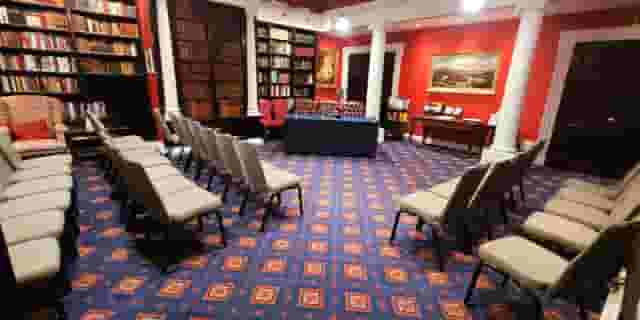
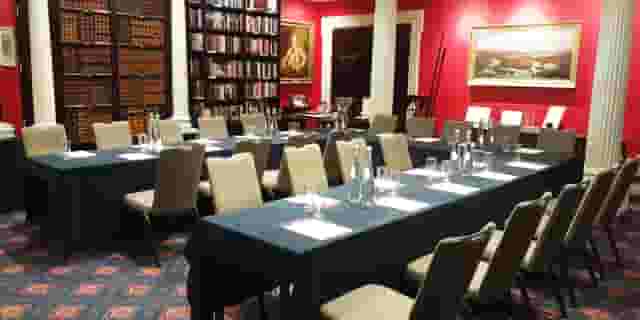
A historic library with Scottish literature, ideal for meetings and events, with breakout rooms and natural daylight.
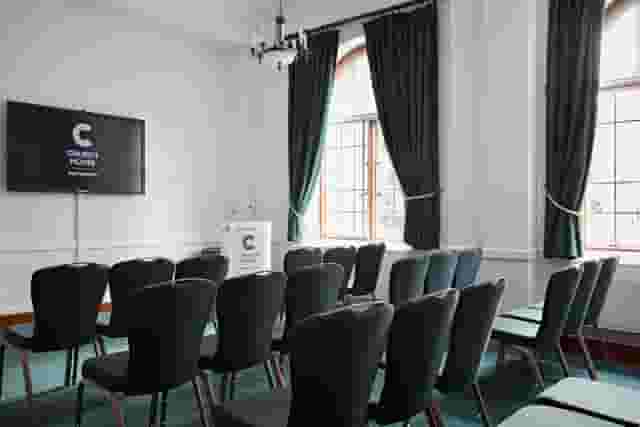
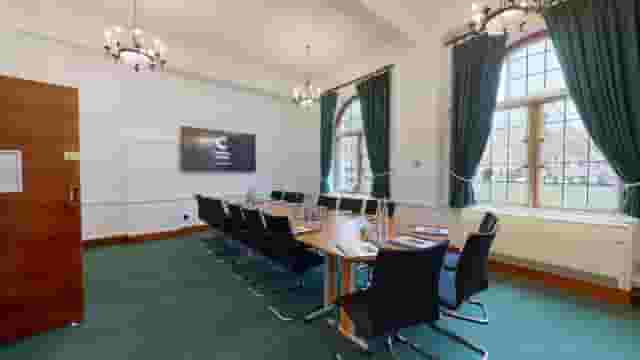
Church House Westminster
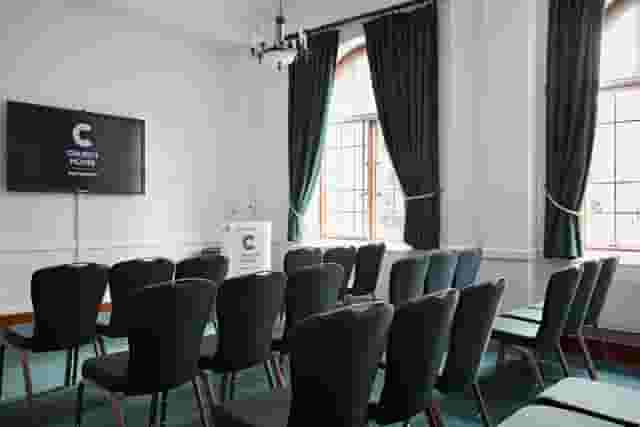
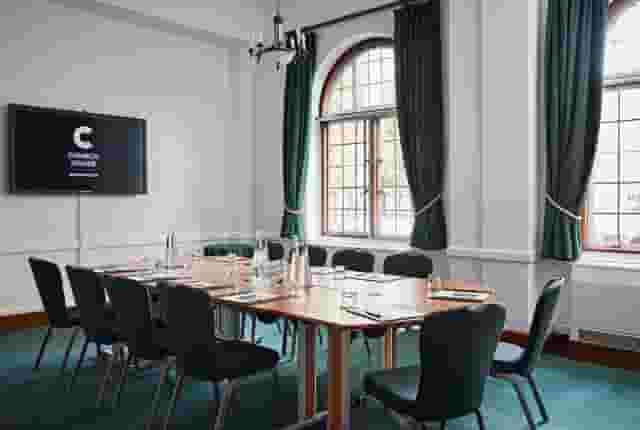
A historic Grade II listed building in Westminster with elegant event spaces and state-of-the-art AV.
Find an away day venue
Finding the right space can feel like double the work when you have to serve both the business and the social side of a company away day. Once you know what to look for, plenty of venues do both well. Our most popular away day listings give a quick sense of what is on offer.
The dual nature does mean more to weigh up. The main things:
- Location is key. People will travel further for a special away day, so long as transport links are straightforward and there is parking if needed. We would still err on the shorter side, and there are plenty of great venues close at hand.
- Build in entertainment. Away days need room to socialise, so if you are staying in one space, check it has the facilities for it. Activities get colleagues mixing once the work is done. Some of our favourites include Puttshack, TOCA Social and Bounce, and for something calmer you could run a cocktail masterclass at The Little Scarlet Door.
- Away day briefs are often loose, so if you are not sure what will land, our Concierge team can suggest options.
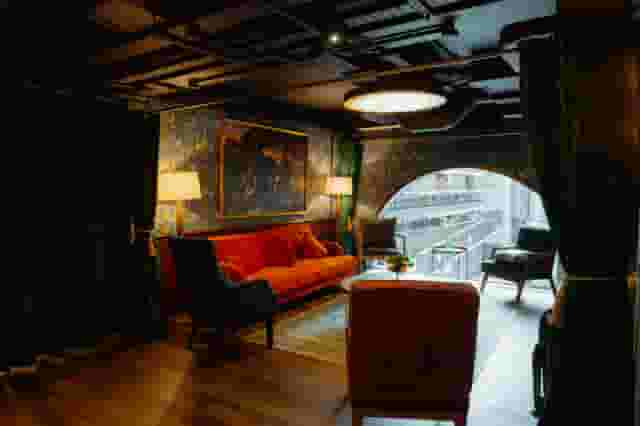
The Traitors Live Experience
A semi-exclusive space for up to 30 people, ideal for post-game gatherings and events, with access to a mezzanine bar.
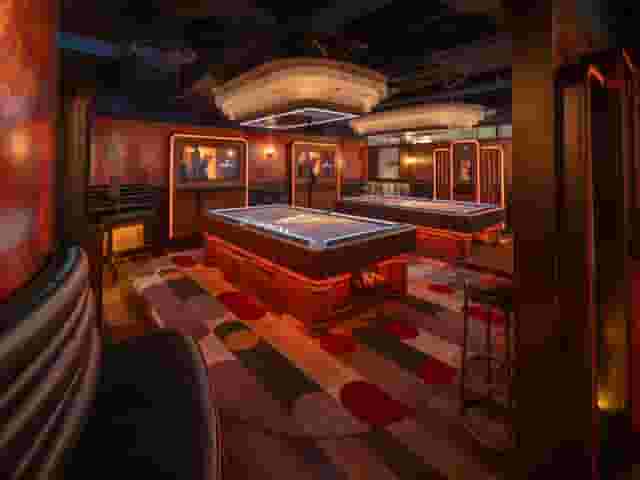
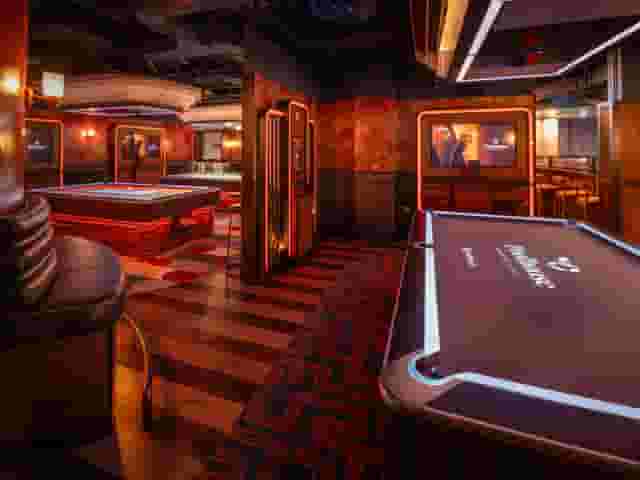
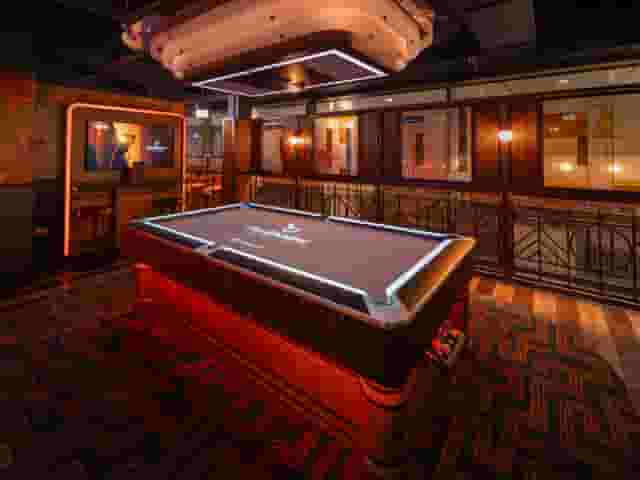

Poolhouse
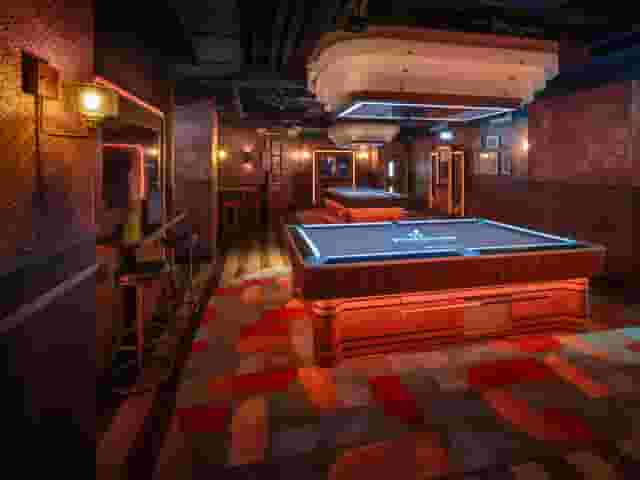
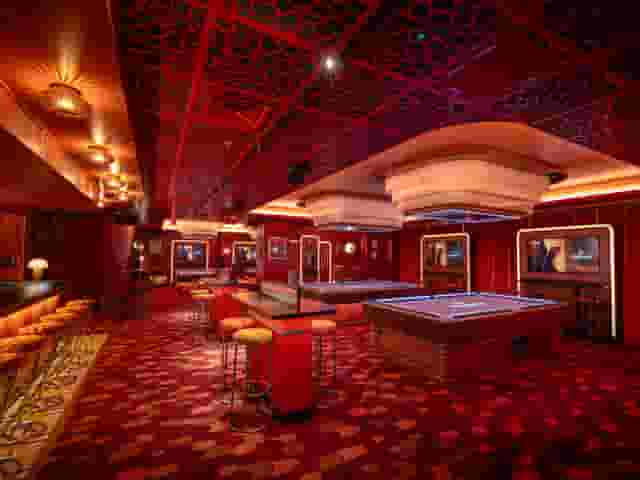
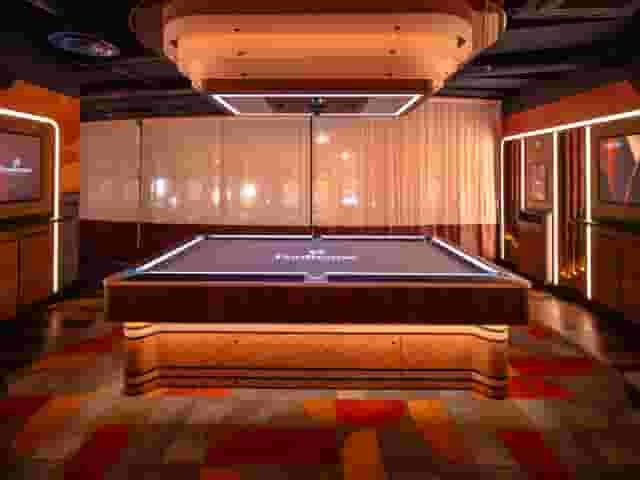
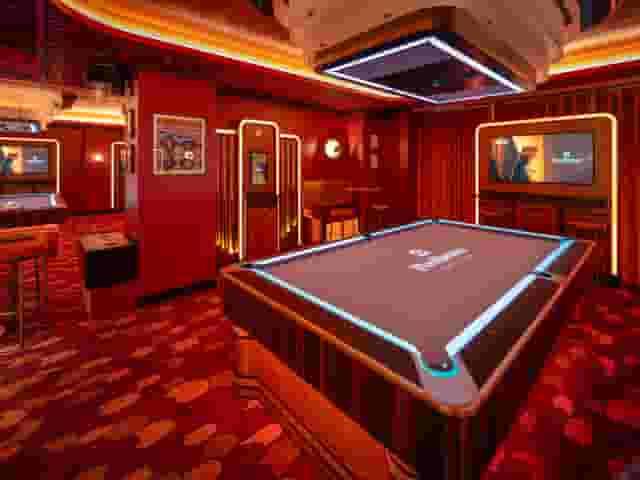
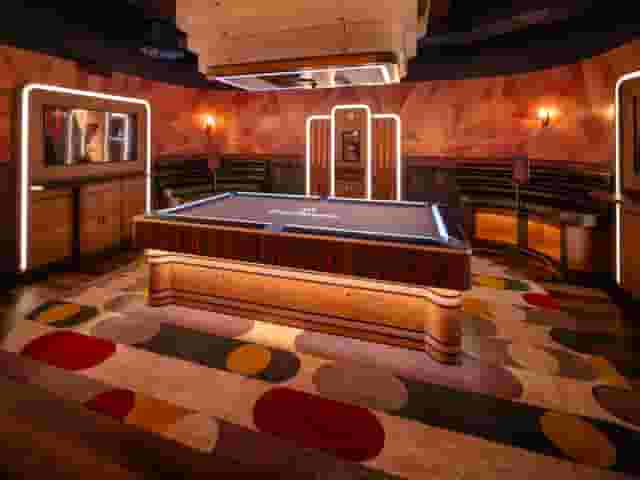
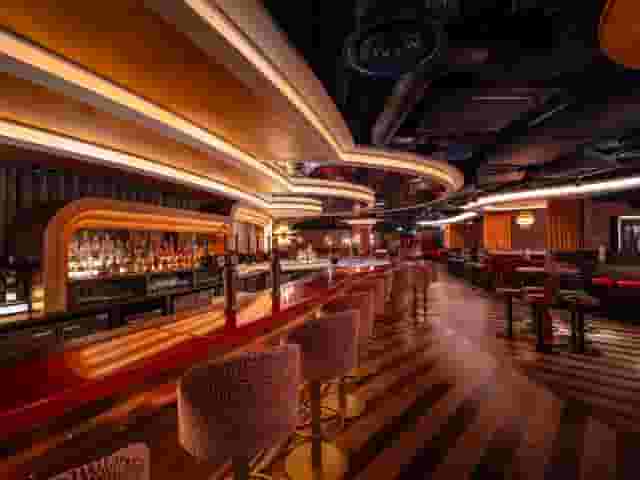
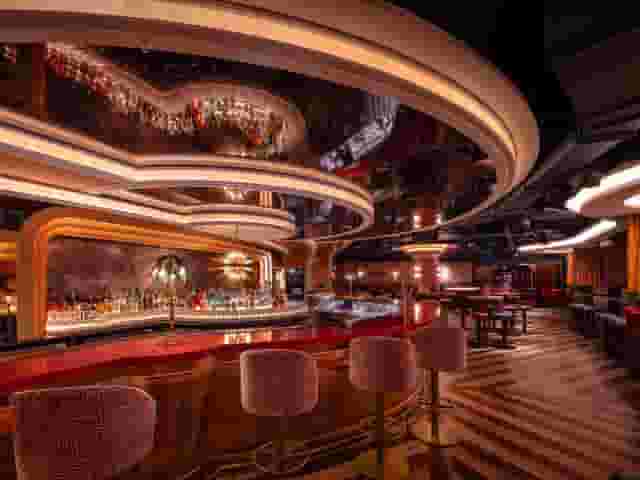
A high-tech social space with AI-powered pool tables in a lively atmosphere.
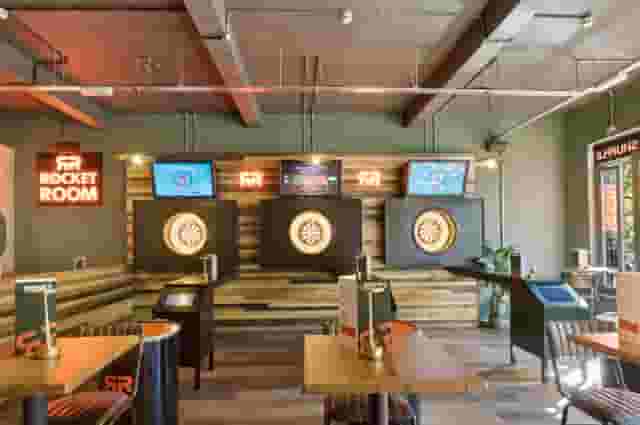
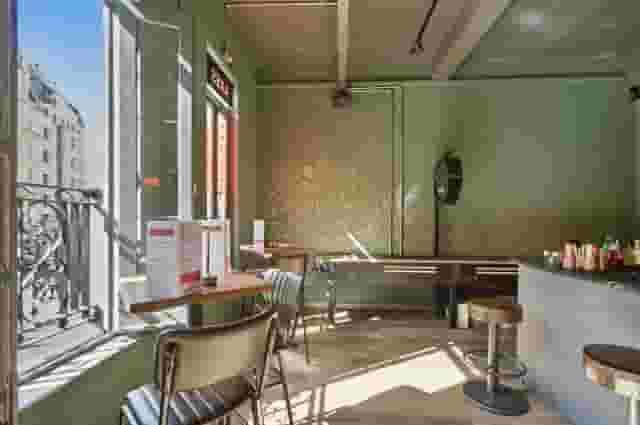
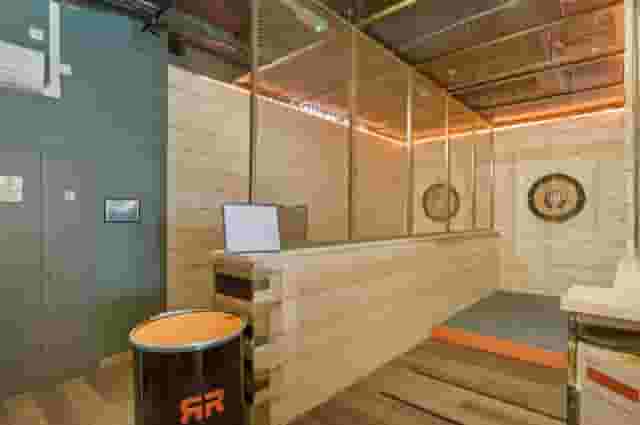
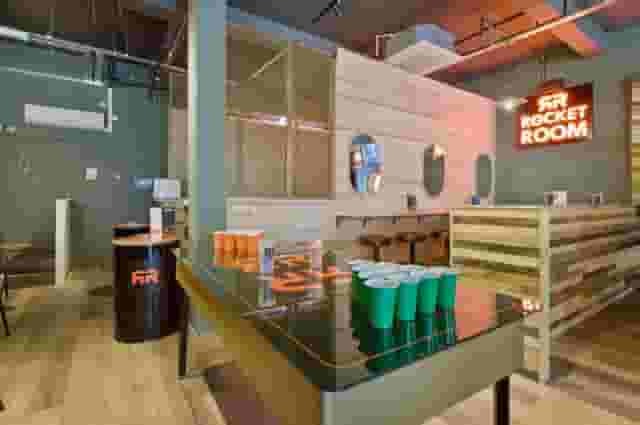
Rocket Room
Low‑lit, energetic bar with axe throwing, darts, shuffleboard, beer pong, up to 120 guests.
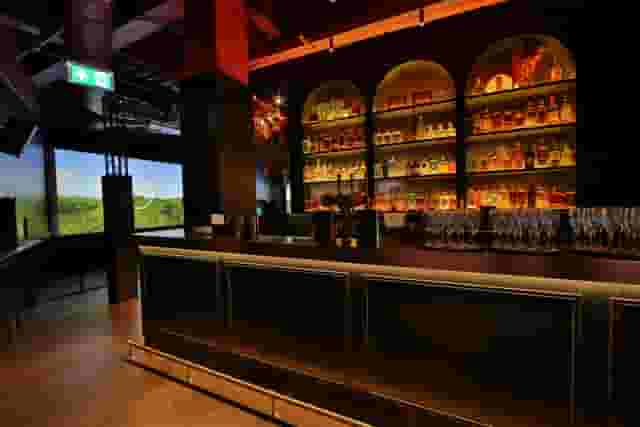
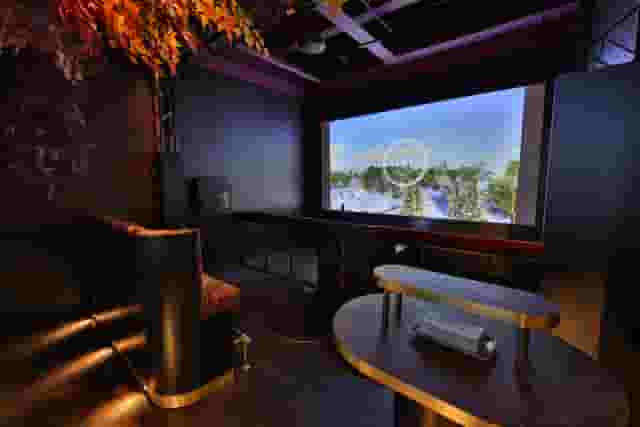
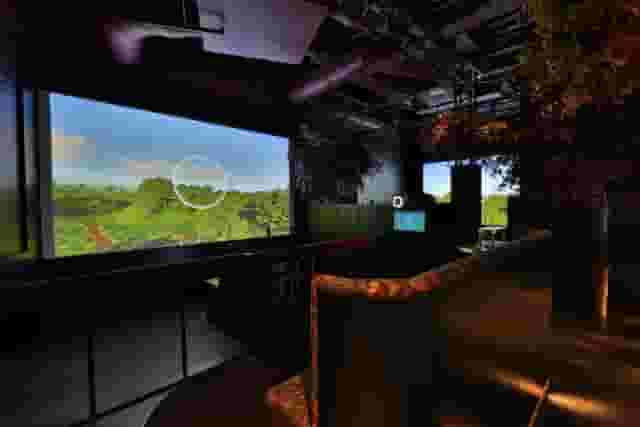
Clays Canary Wharf
A private room with shooting pegs and bar, plus terrace. Ideal for summer parties and events.
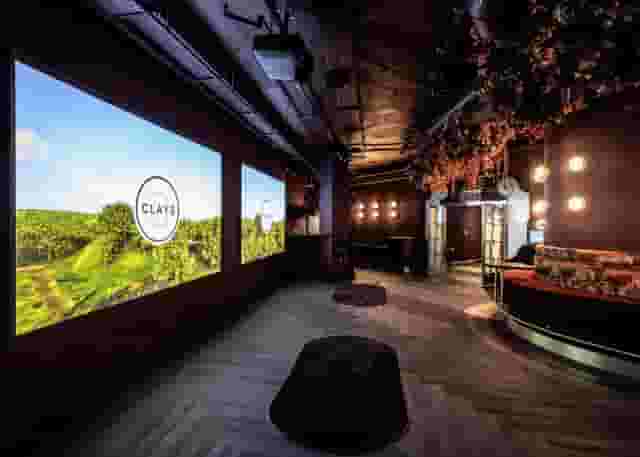
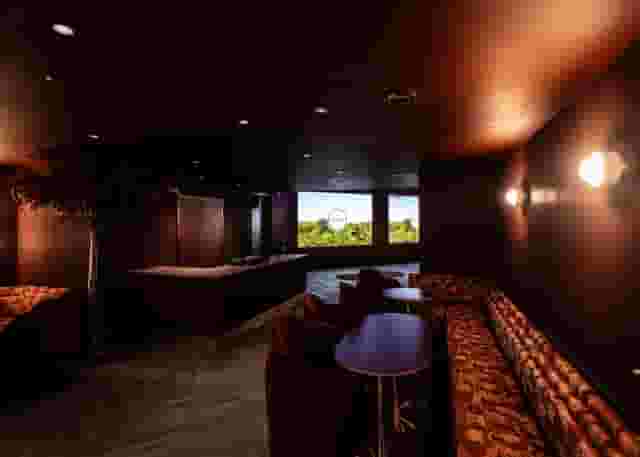
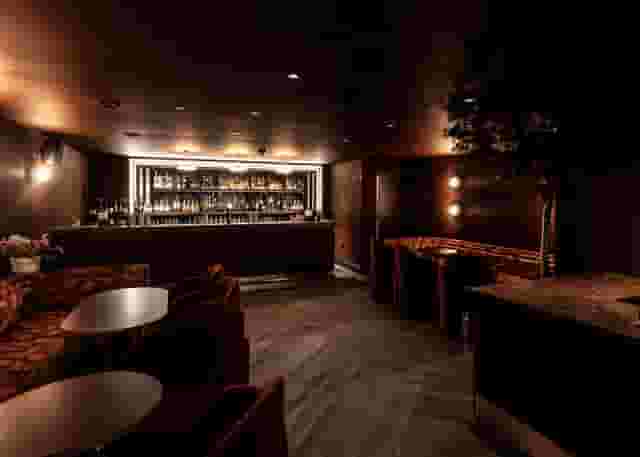
Clays Soho
A vibrant private room in Soho for corporate events and celebrations, accommodating up to 120 guests.
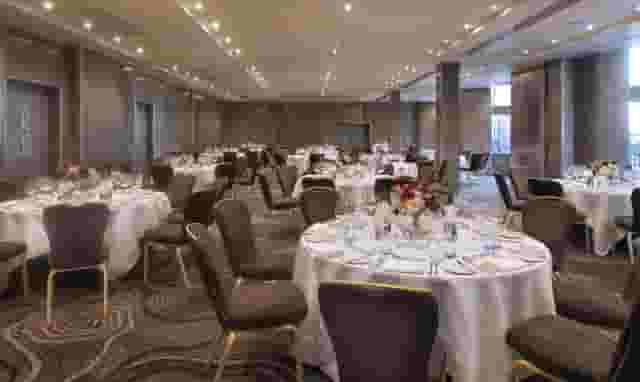
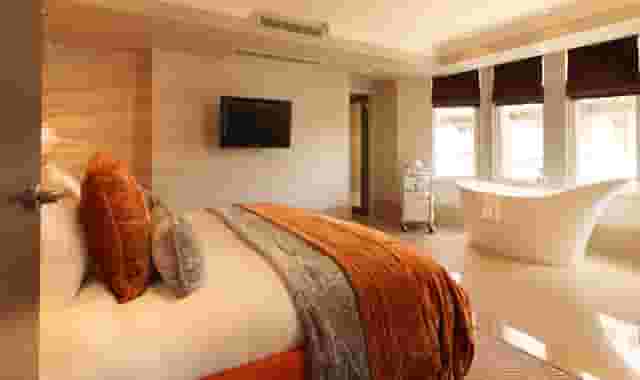
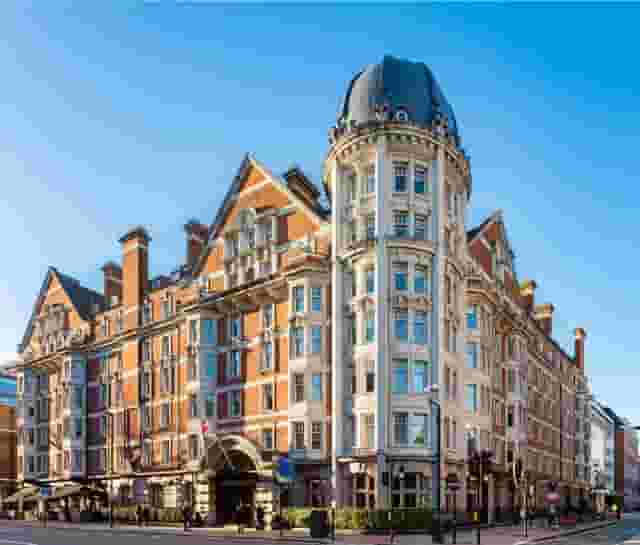

Radisson Blu Hotel +1 more
Central London bright, flexible conference/dinner space for 240 guests, touch‑screen tech.
Find a product launch venue
When you are launching a product, the setting does a lot of the work in making the event, and the product, stick in people’s minds, so it pays to get the venue right.
There are plenty of slick, stylish spaces for a launch, in and outside London. A few things to look for:
- Go for a memorable backdrop. You want guests leaving enthused about the product and the brand, and a great-looking space helps. Some of our favourites include the theatre at EartH, the blank canvas Studio Spaces and the underground Steel Yard.
- Lighting and tech support. These make or break how the product looks, so get the lighting right and make sure every bit of tech works cleanly. Set it all up beforehand so you know how it looks, which may mean early access, so check that is possible before you confirm.
- VIP areas. You may want a space for big investors or key clients. An atrium or adjoining room with canapés and champagne gives stakeholders an exclusive feel.
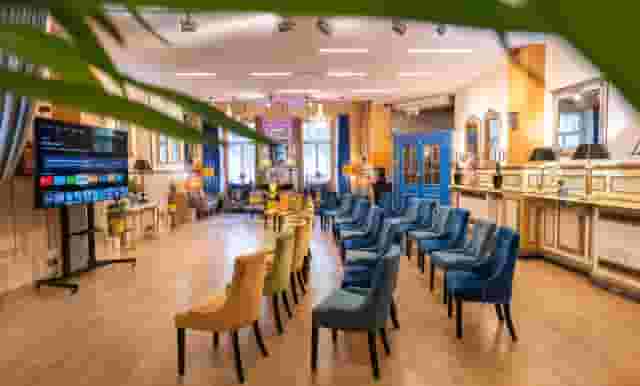

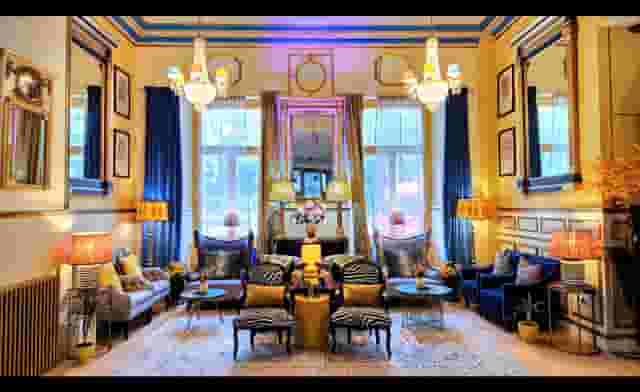




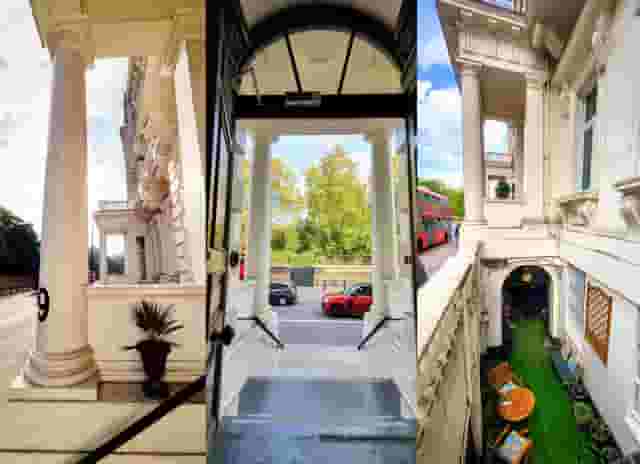

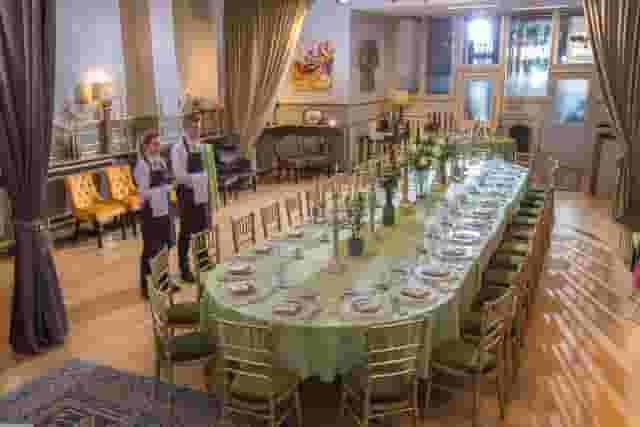
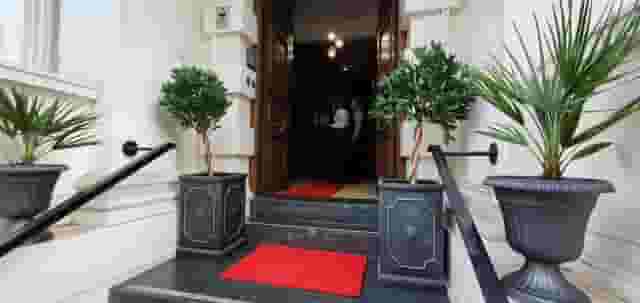




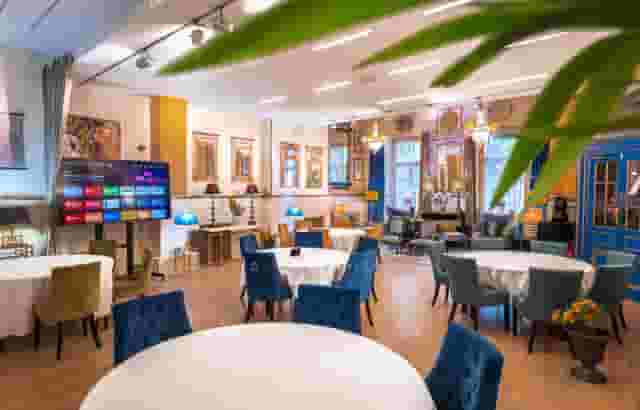

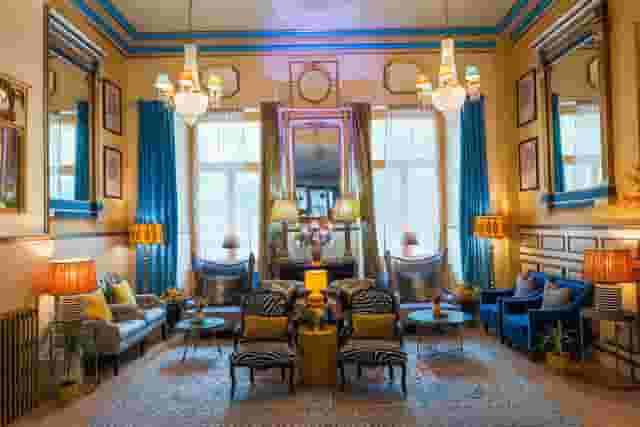
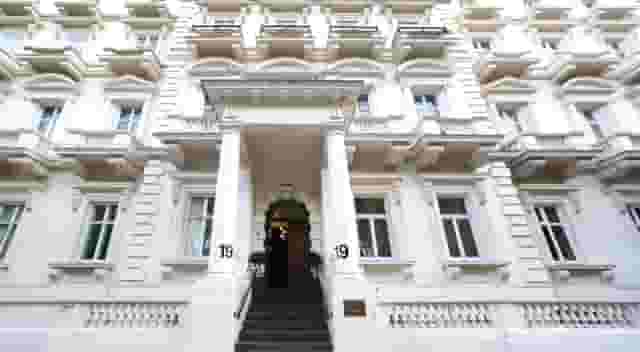
Lumiere London - The Embassy
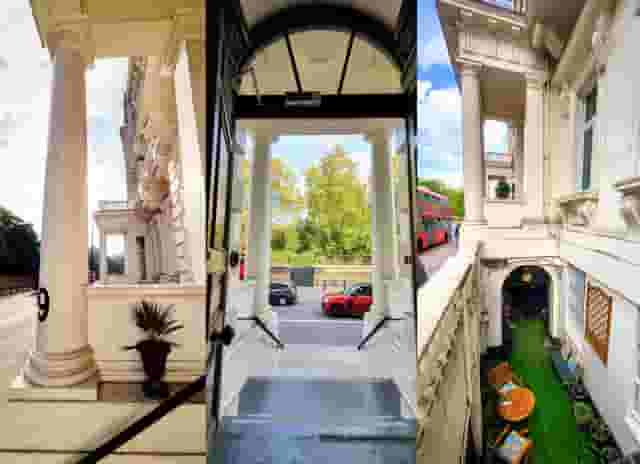
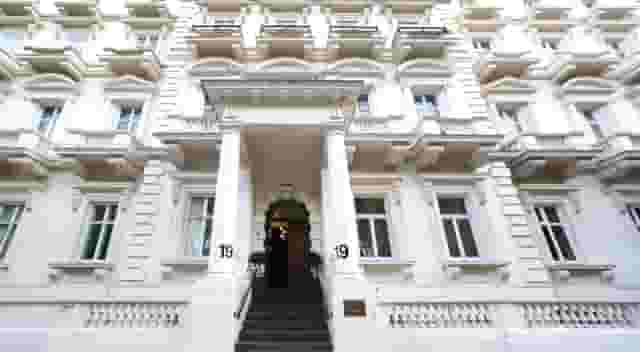
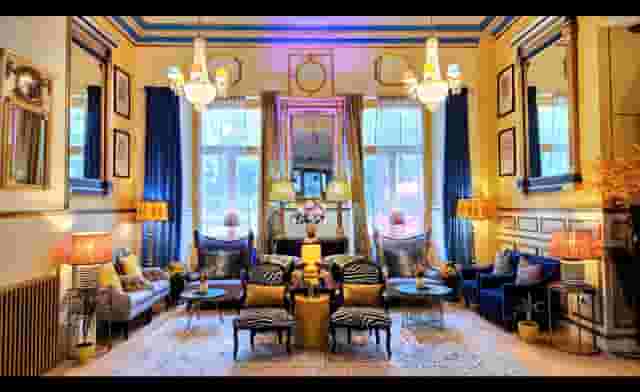
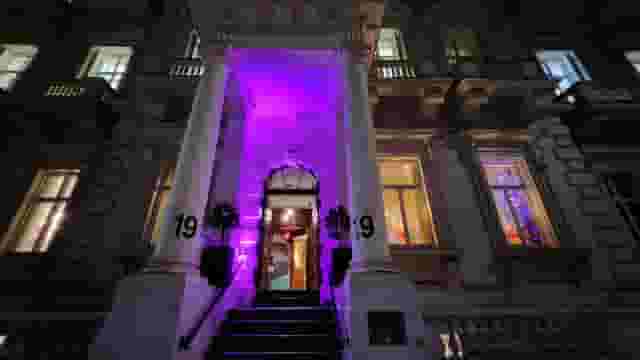
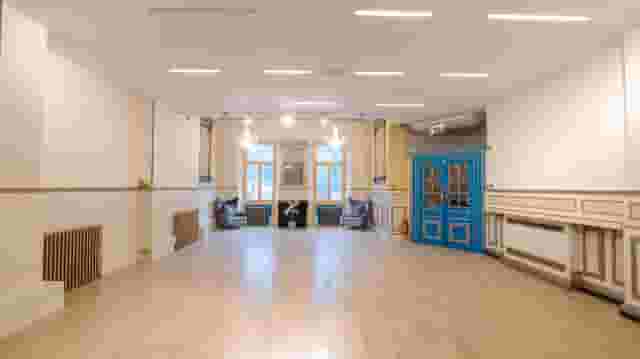
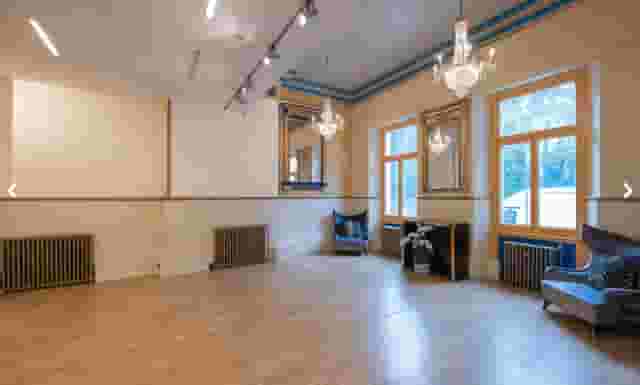
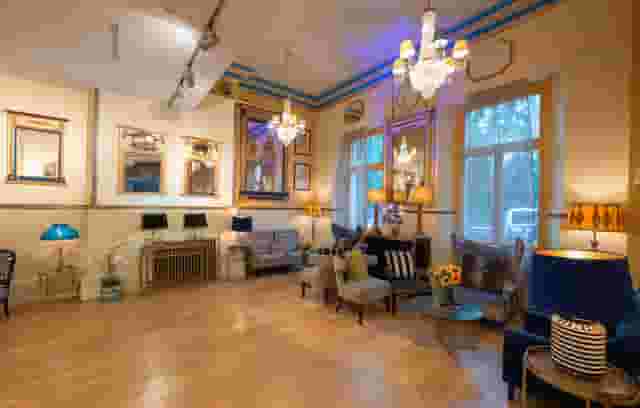
Elegant and versatile venue with a ballroom, ideal for events up to 100 guests near Hyde Park.
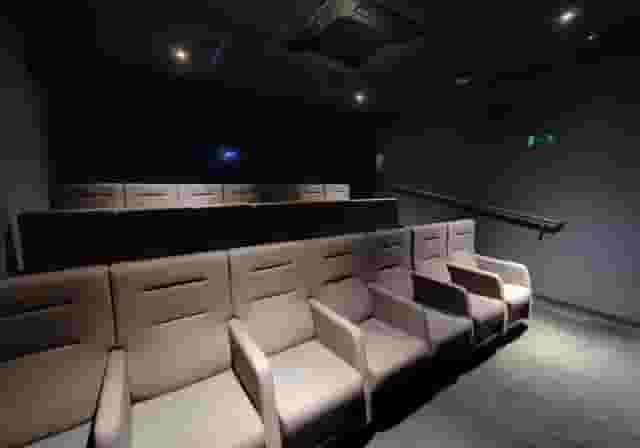
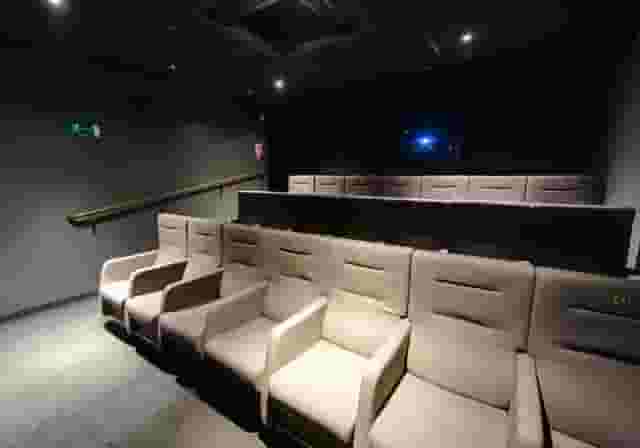
Curzon Bloomsbury
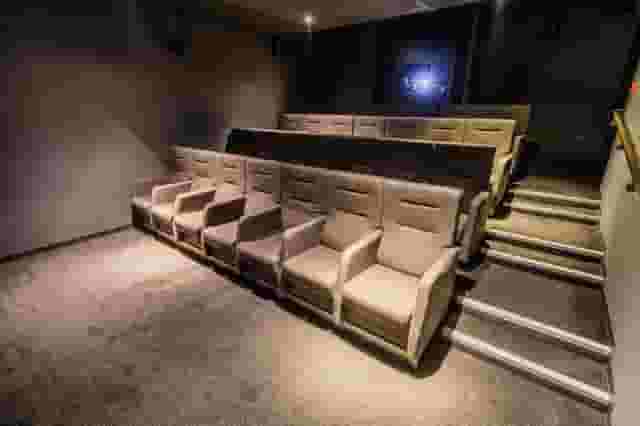
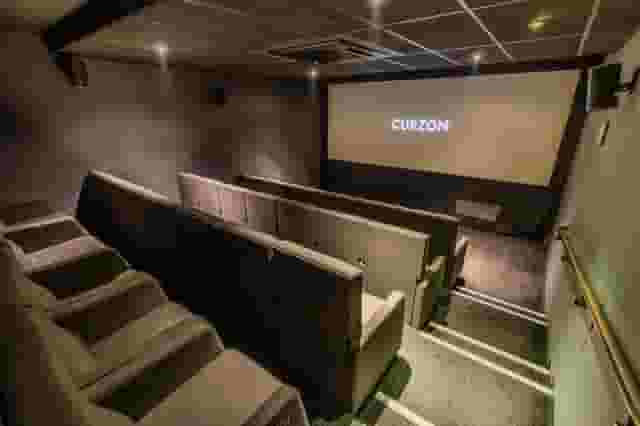
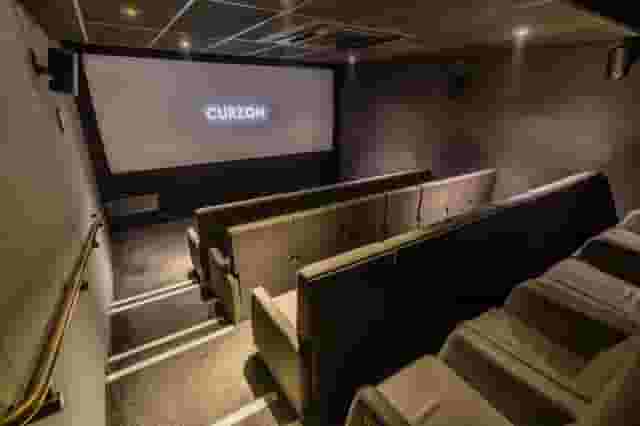
Two intimate 28-seater screens in a historic arthouse cinema, ideal for corporate events and meetings.

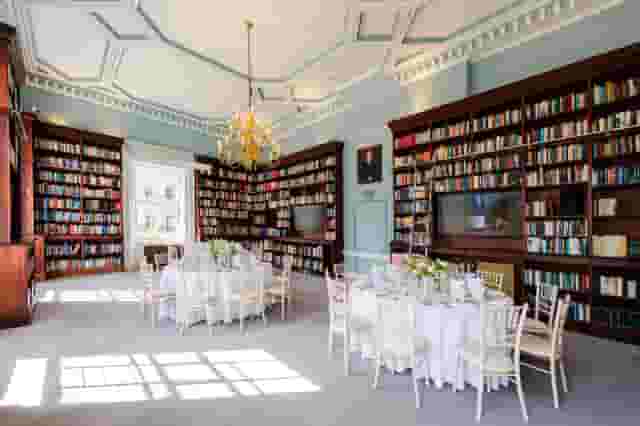
Carlton House Terrace
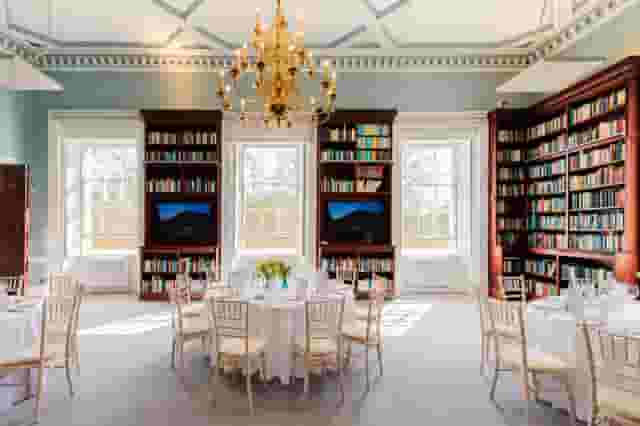
An intimate, private library space for dinners with stunning views of The Mall and St James's Park.
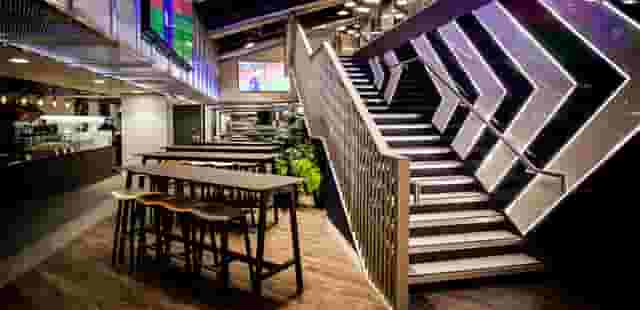
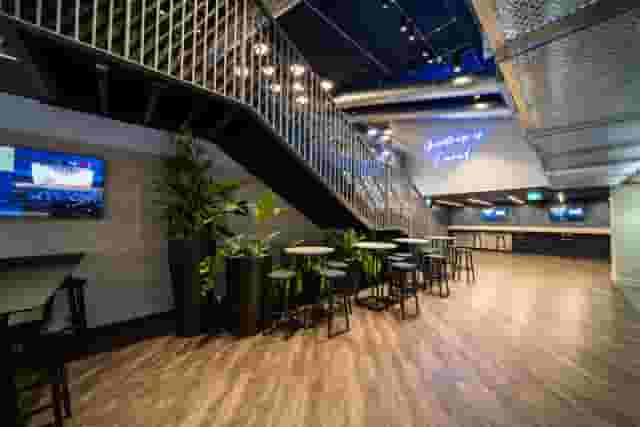
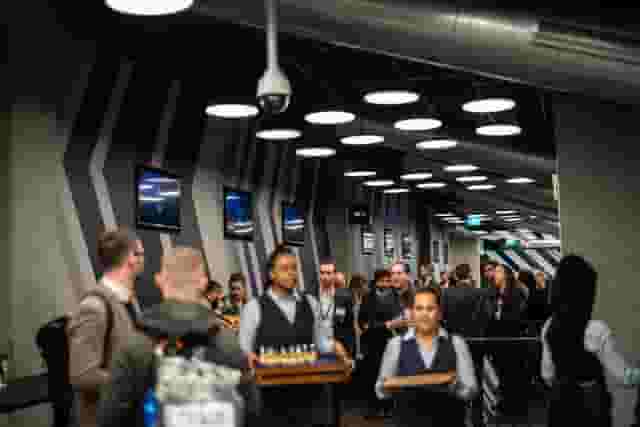
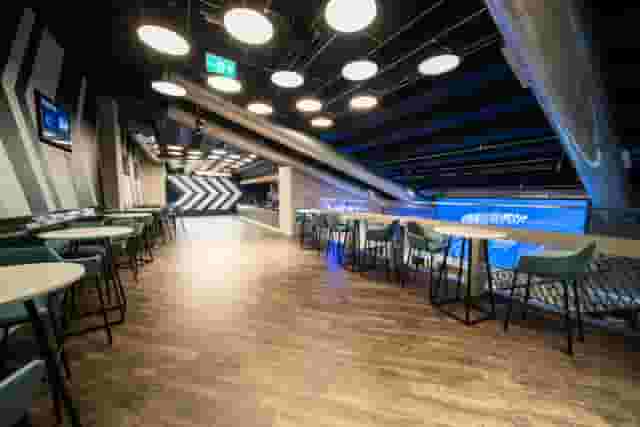
Tottenham Hotspur Stadium
A vibrant, high-end sports bar with a glass tunnel. Ideal for large receptions or intimate dinners.

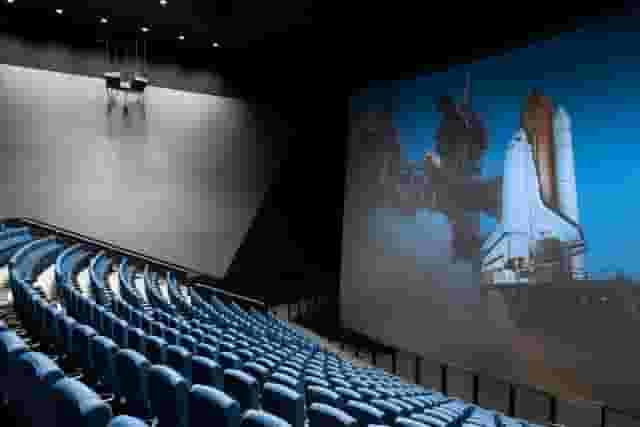


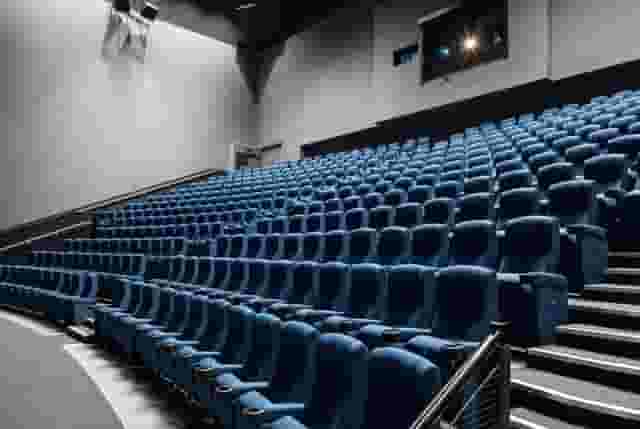
The Science Museum
400-seat IMAX cinema with giant screen
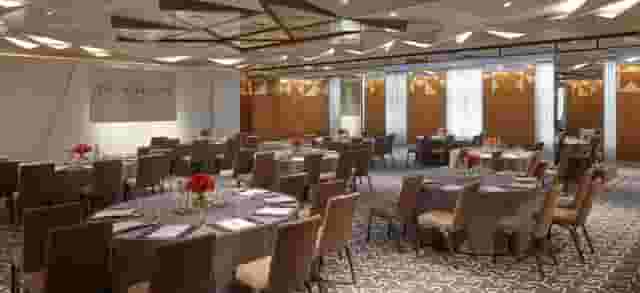
The Berkeley
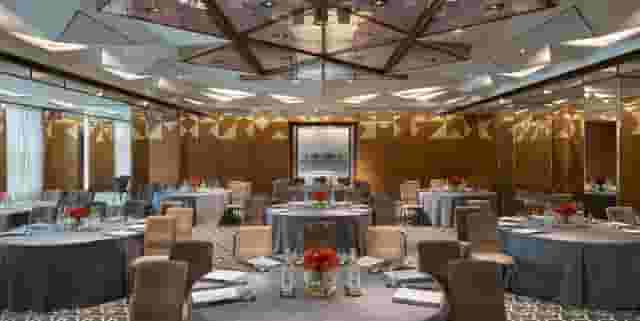
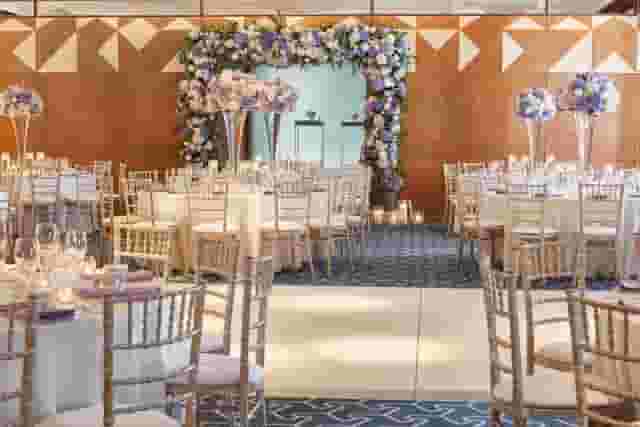
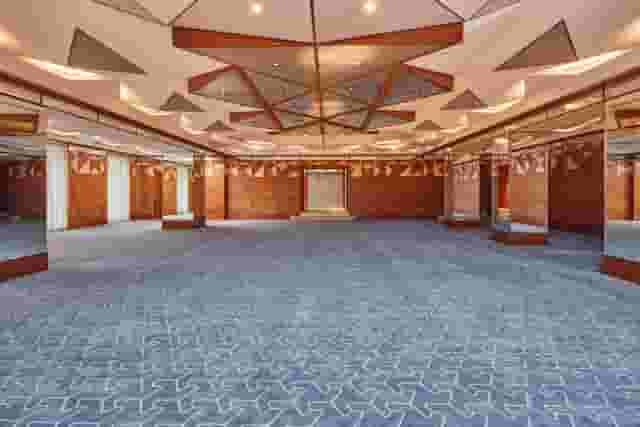
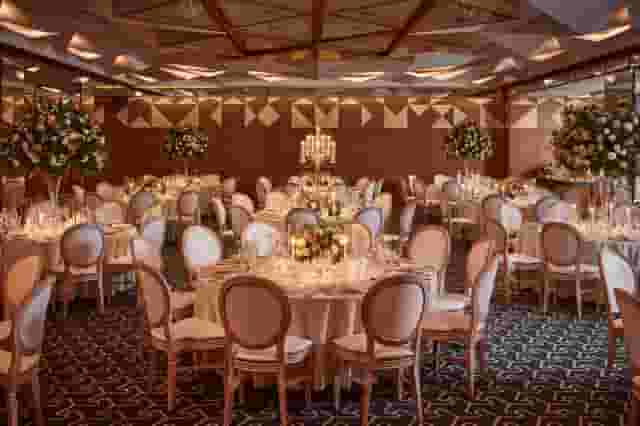
A modern, glamorous ballroom in a 5-star hotel with customizable lighting. Ideal for elegant events.
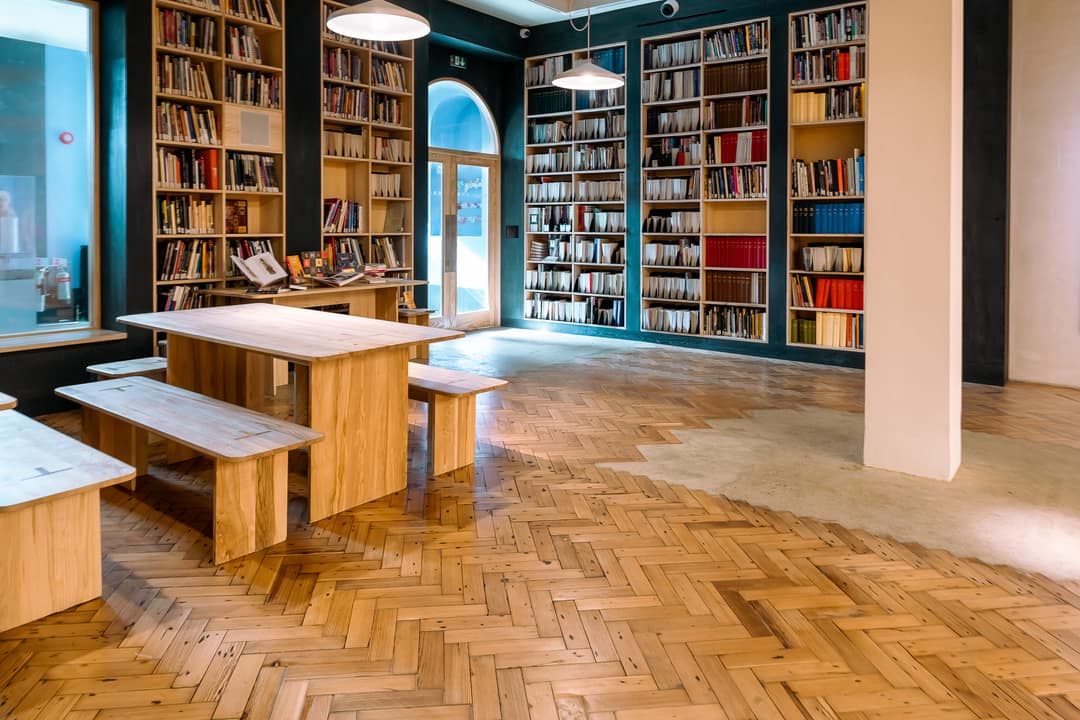
Find an exhibition venue
A trade show or exhibition usually needs a large space with room for multiple exhibitor or sponsor stands, plus separate areas for content. A few key considerations:
- Sponsorship packages are often tiered, so a Platinum sponsor pays more than a Bronze sponsor and gets better perks and a bigger stand. Some smaller conferences have a handful of exhibitors, while large exhibitions can have 100 or more, so pick a venue with plenty of space.
- Think about flow. It matters at any event, but here you also have exhibitors to keep happy. A company that paid £10,000 for a Platinum booth will not be pleased to end up next to the bins while Bronze sponsors sit by the entrance. Plan how attendees move around and where each exhibitor goes.
- Large exhibitions almost always need extra AV and technicians. Most stands want a screen for branding or presentations and sockets for laptops. Confirm the venue’s AV company can provide the extra manpower and cover both the sessions and the exhibition floor. Exhibitors get tetchy waiting hours to connect a screen.
- Ask about the stand builders the venue uses. Check they are reputable and can handle your scale. Know the load-in and access times, and get in early on the day to sort the stands before exhibitors arrive.
- You will also need the usual conference basics covered: session spaces, breakout areas, a registration area and catering.
Triple check every font, colour and logo on the branding. Sponsors pay a lot and will not accept mistakes. Get the latest files, run every version past them for sign-off and check the venue the day before, because the morning of is too late to fix.
Lumiere London - The Embassy
Elegant venue with ballroom and bank vault room. Ideal for events, meetings, and private dining.



Mall Galleries
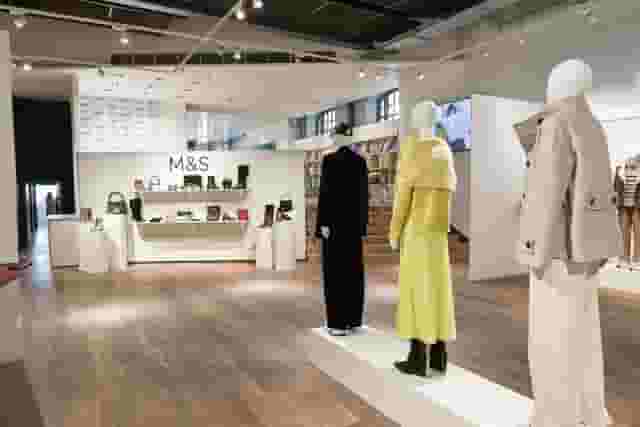
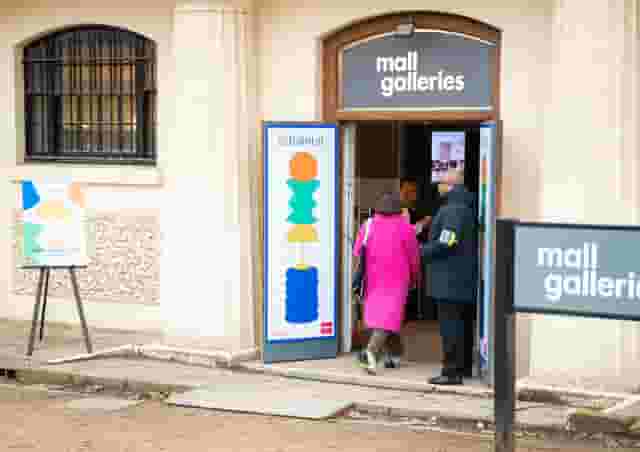
A large, versatile event space in Central London with neutral backdrop for press events, product launches, and fashion shows.
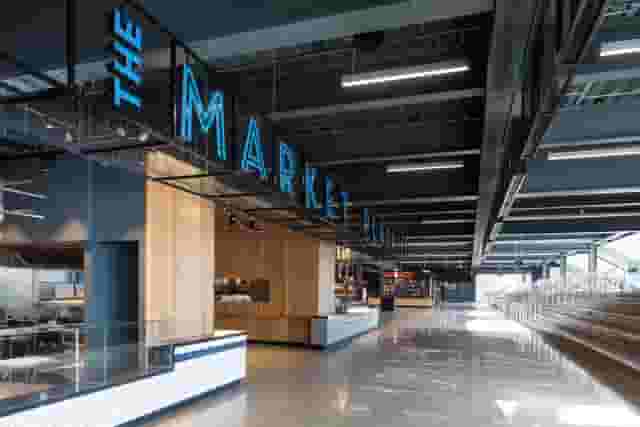
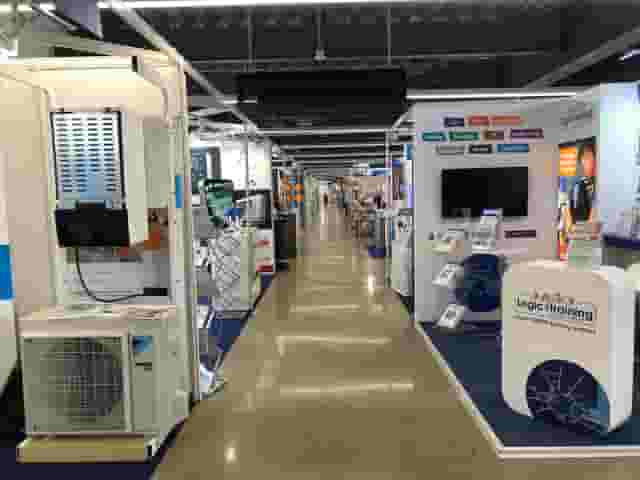
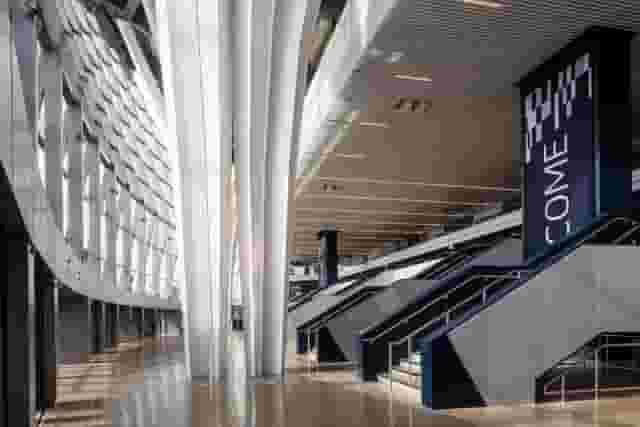

Tottenham Hotspur Stadium
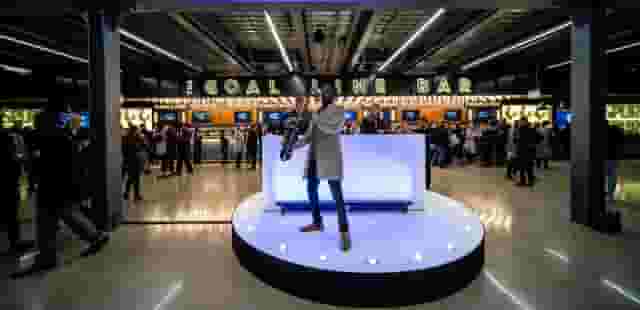
A versatile 2000-capacity atrium with street food and bar, ideal for large parties and exhibitions.
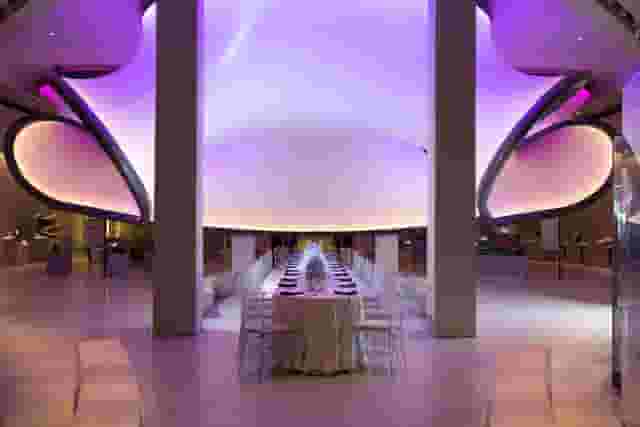
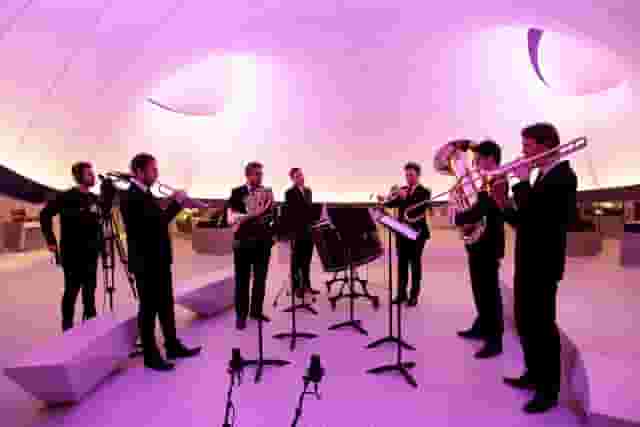
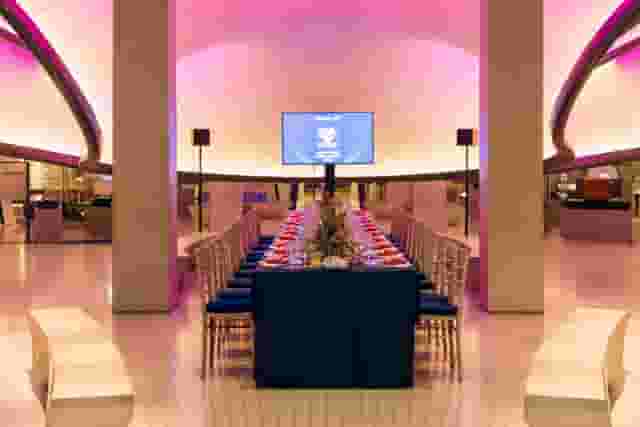
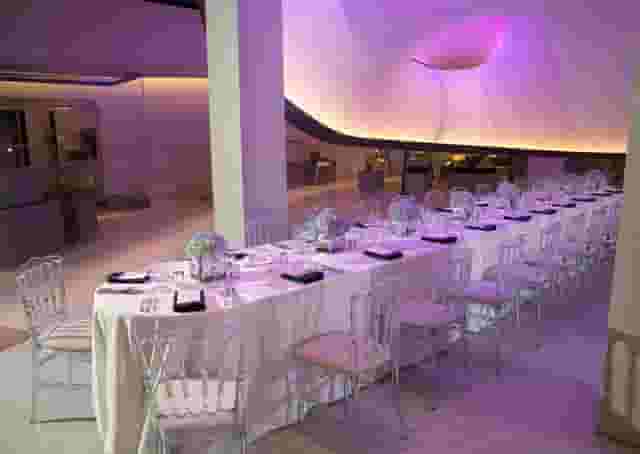
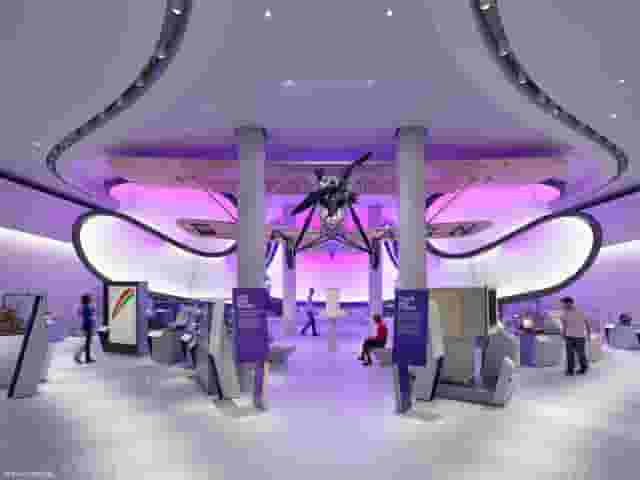
The Science Museum
Zaha Hadid-designed gallery for dining events



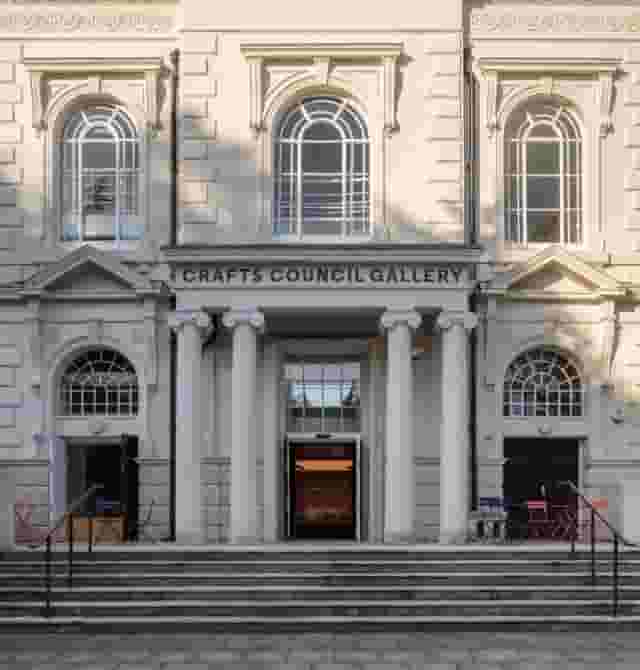
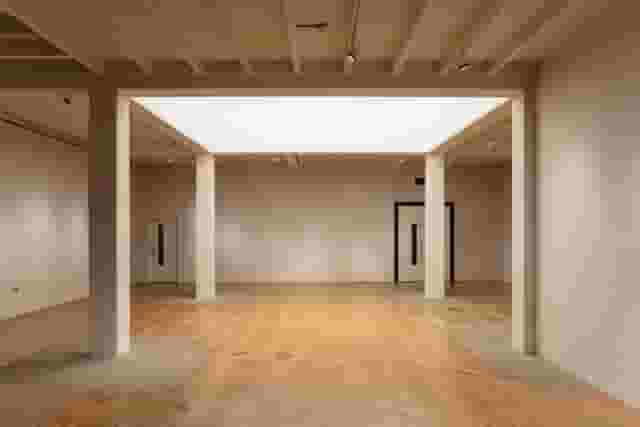
Crafts Council Gallery
An 18th-century chapel turned modern gallery, ideal for intimate events, meetings, and creative workshops.
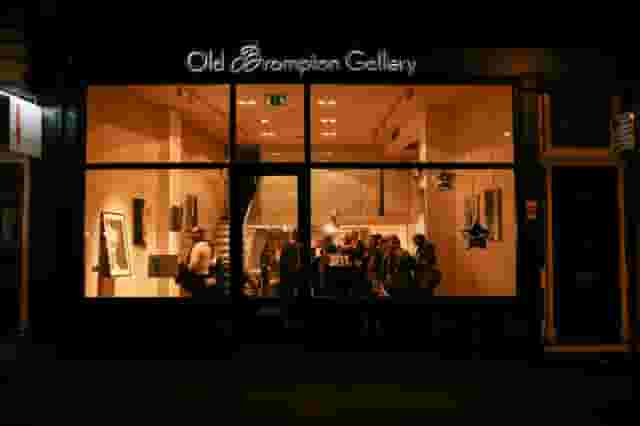
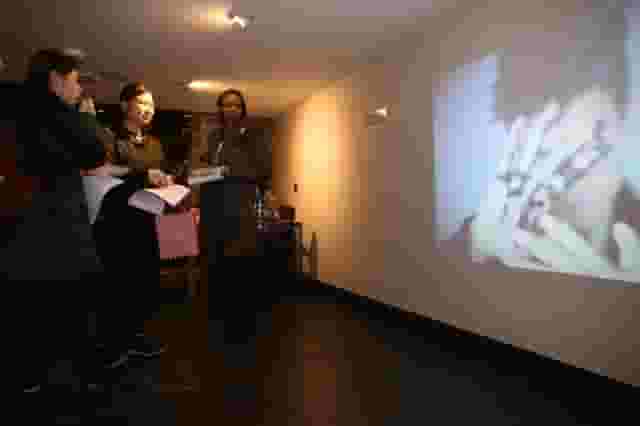

Old Brompton Gallery
A modern gallery in South West London for corporate events, exhibitions, and fashion shows.
Find a summer party venue
Plenty of companies take the summer party outdoors, and there are options to catch the sun across London and beyond. From rooftop terraces to sweeping gardens, an outdoor venue is a good way to keep guests happy on a sunny day. The roof at Pergola Brixton and the lawns at The HAC are a good start.
British summers being what they are, an outdoor party carries some risk. Our advice:
- Plan for the weather. As with Christmas, make sure suppliers have proper access, and pay close attention to load-in time restrictions, since summer heat is hard on pre-prepared food. Find a venue with easy access routes so caterers are not stuck in traffic. Check there is enough air conditioning, fans or ventilation so the space does not overheat, because guests will not linger if they are too hot. Avoid activities that leave people sweaty, and do not make them shiver outside if it turns cold. Get a reliable forecast and plan around it.
- Have a back-up. In case the weather turns. That could be a marquee or an indoor space at the same venue. Many venues offer a joint indoor-outdoor package: Century Club has a retractable roof, and Studio 9294 pairs a canalside terrace with a bar, restaurant and dancefloor inside. With a large guest list you could hire the full venue and keep dining or speeches indoors while the outdoor space handles welcome drinks and mingling.






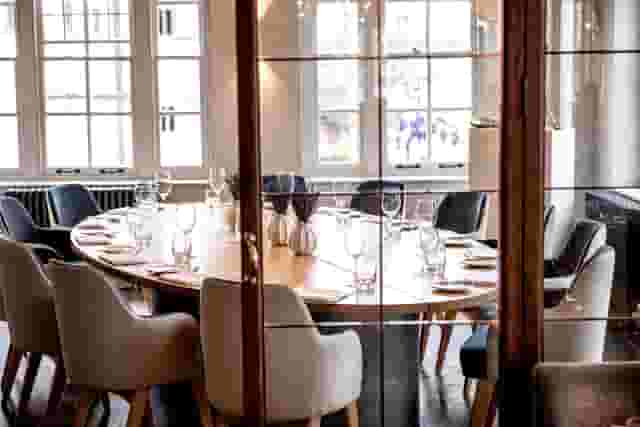
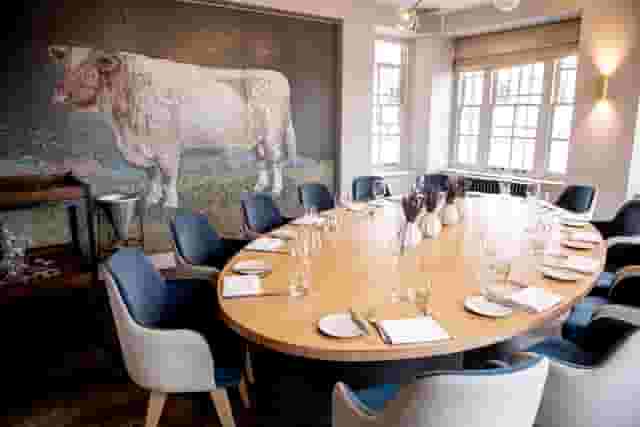


Swan at The Globe
Elegant event venue at Shakespeare's Globe with stunning Thames views and versatile spaces.
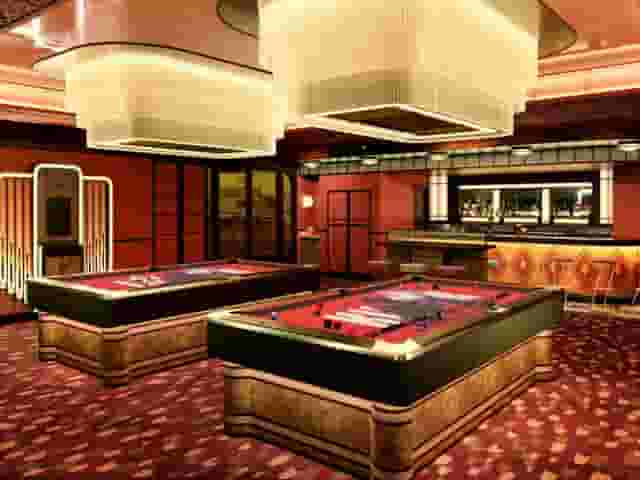


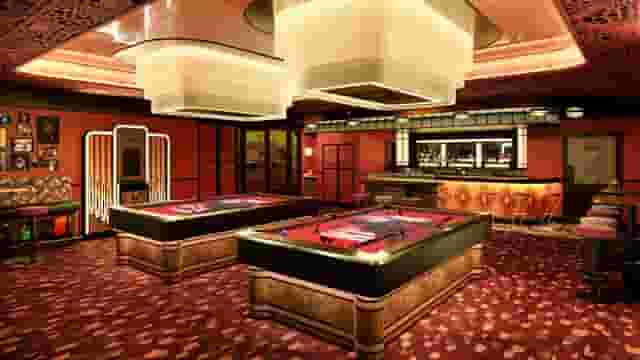













Poolhouse
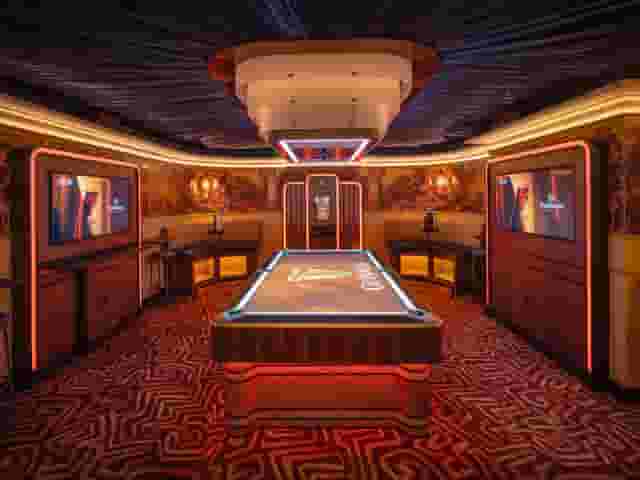
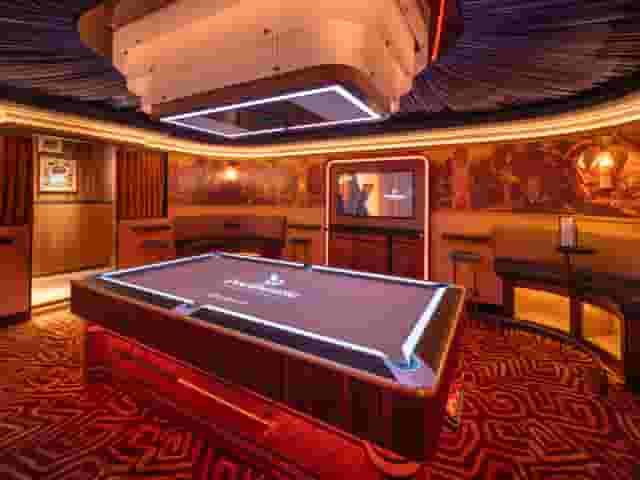
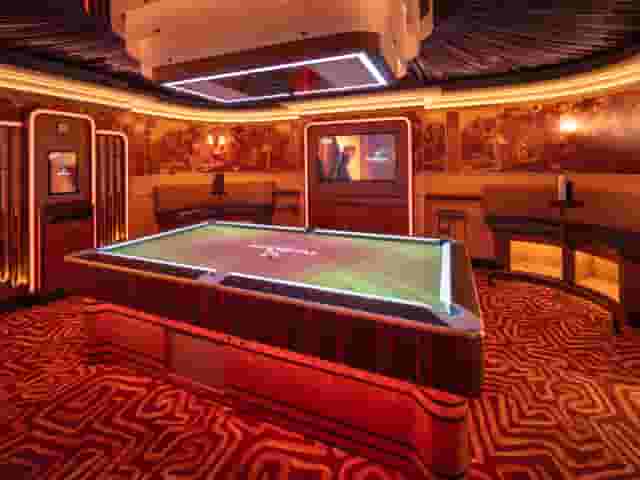
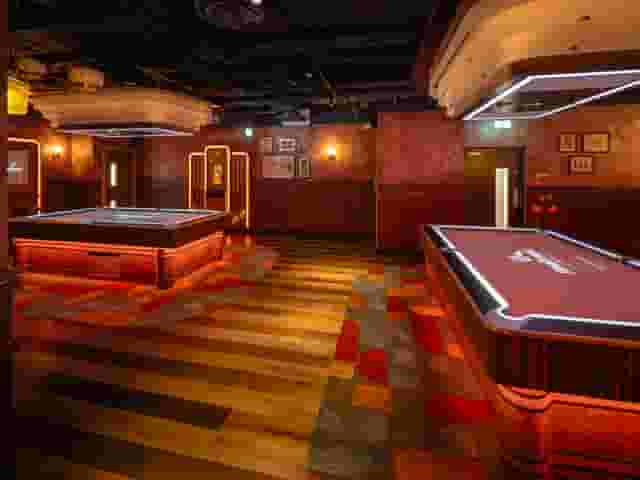
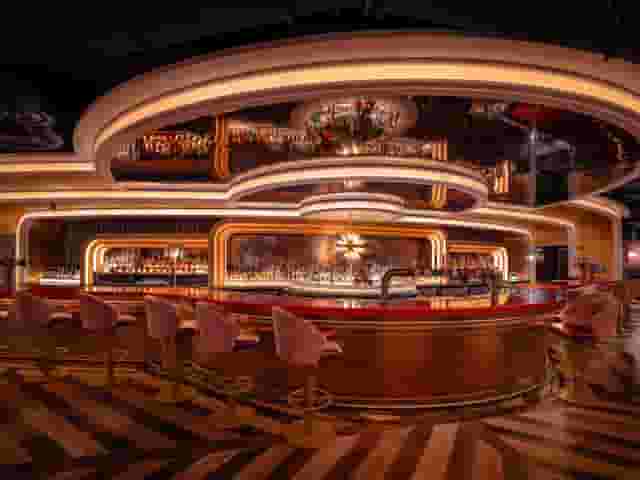
A large, high-energy pool hall in Liverpool Street, London.
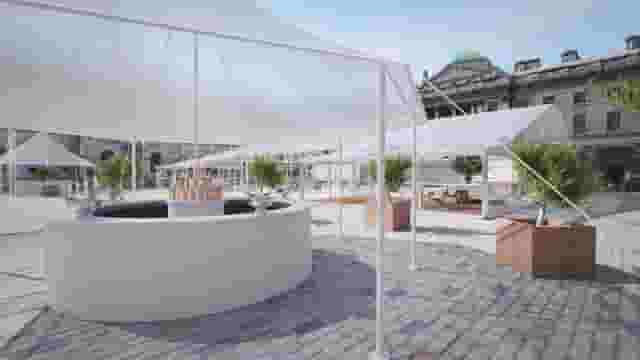
Summer Season 2026: Somerset House X Moving Venue
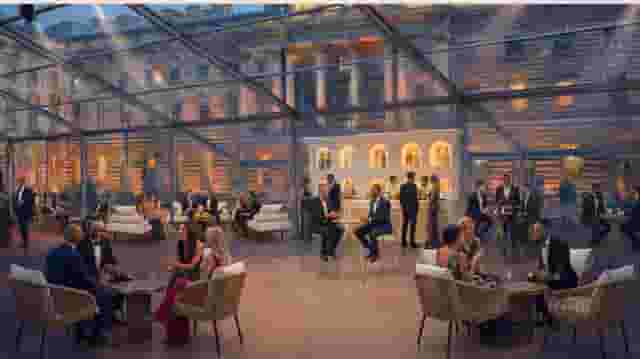
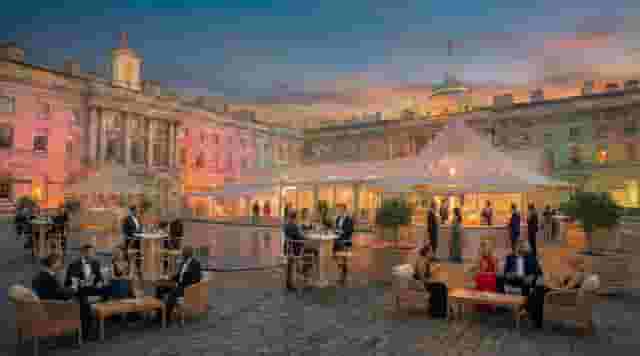
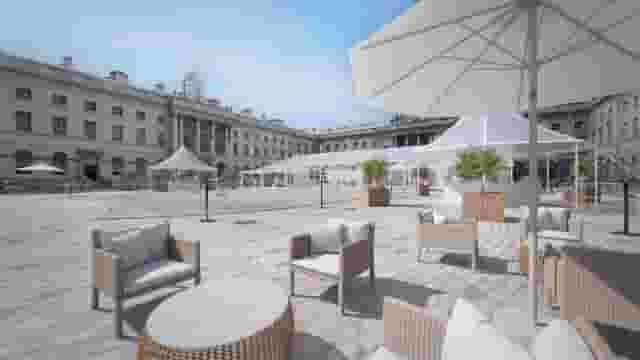
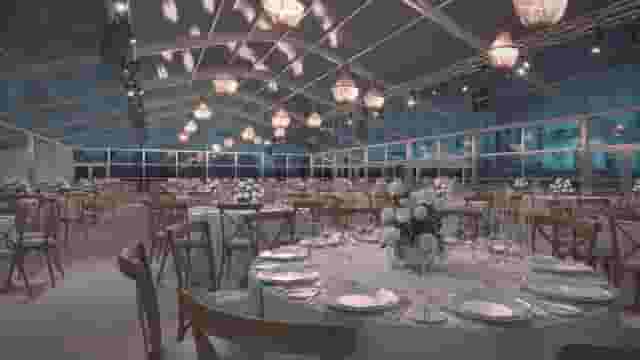
A unique, atmospheric open-air courtyard with elegant shelter and state-of-the-art production in a historic cultural landmark.
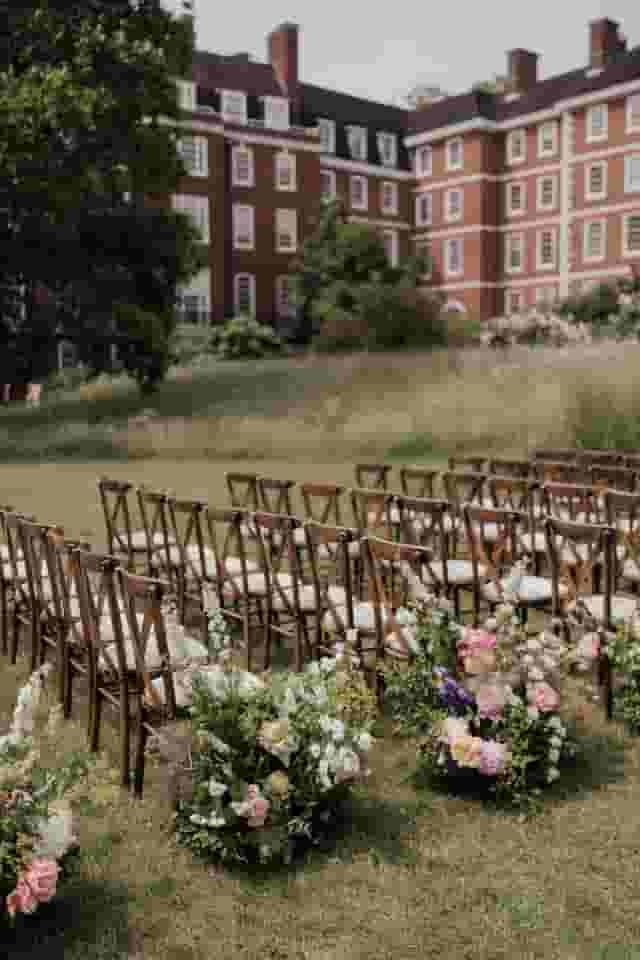
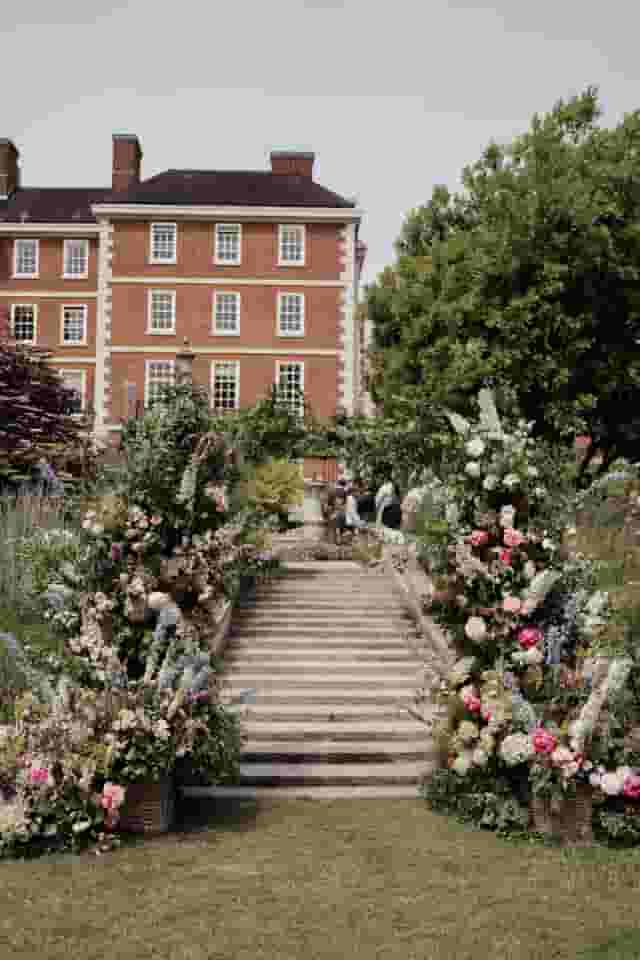
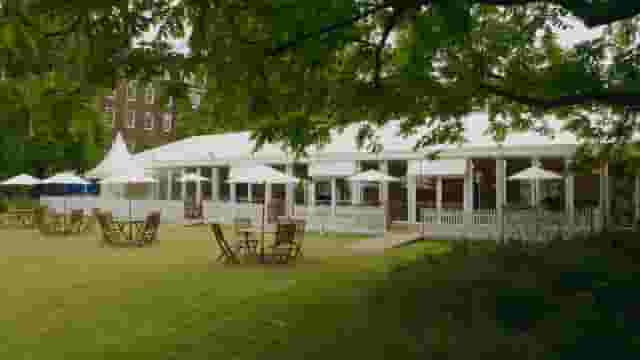
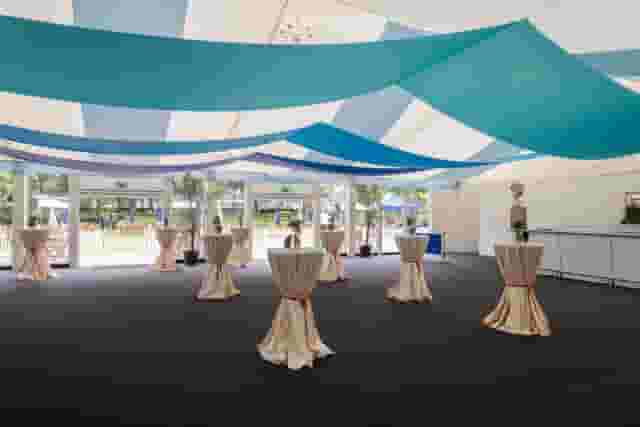
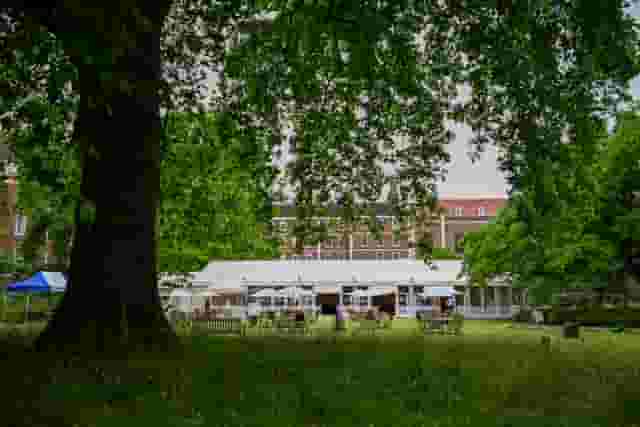
The Inner Temple
A historic three-acre garden in central London, ideal for summer parties and exclusive events.
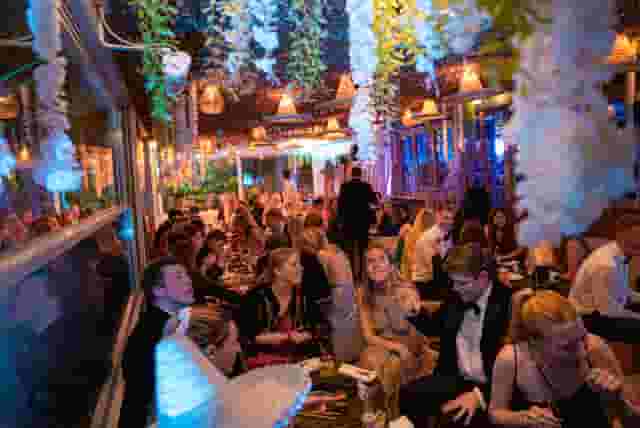

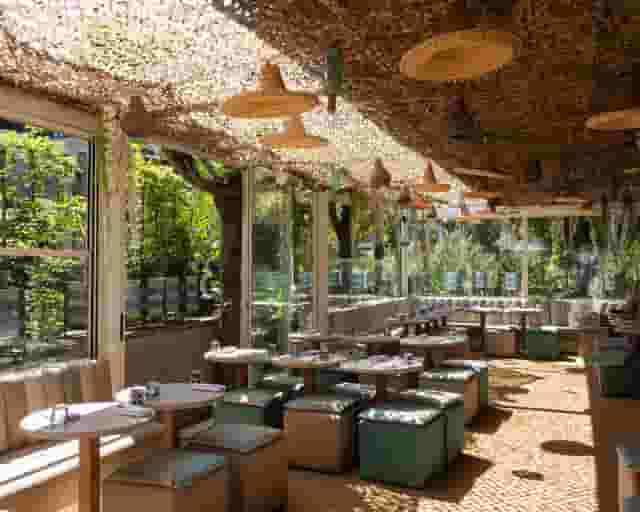

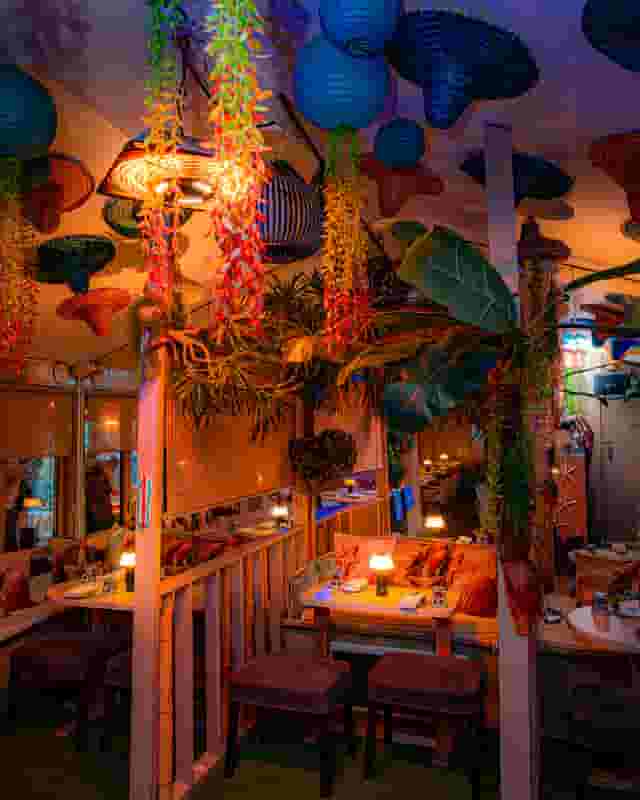
Mezcalito Chelsea
A vibrant Mexican restaurant and tequila bar with a lively atmosphere and various private spaces for events.
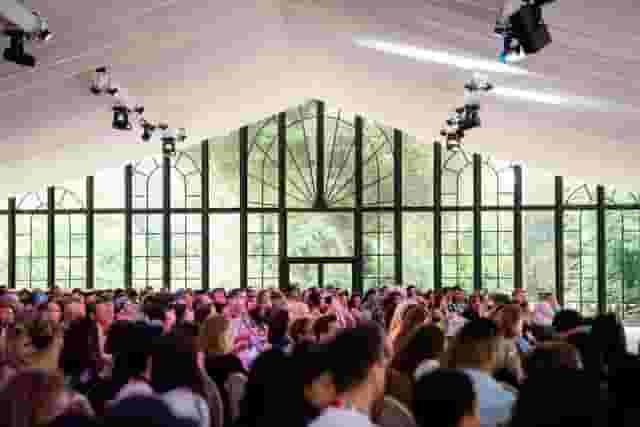
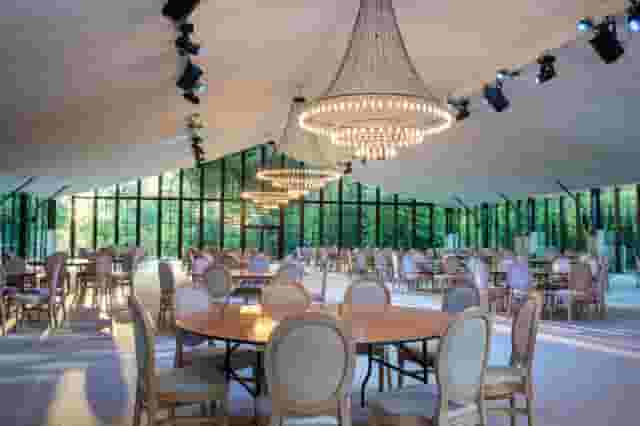

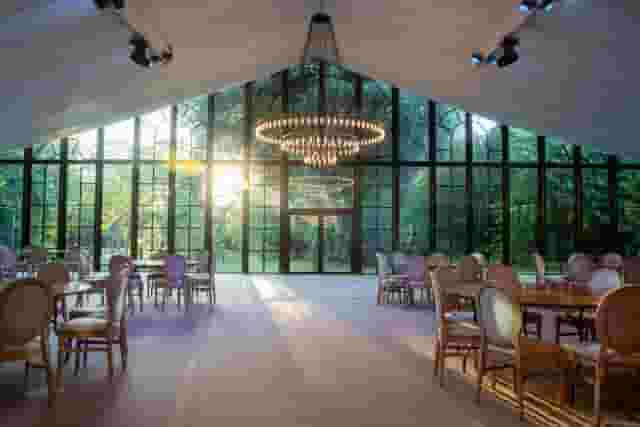
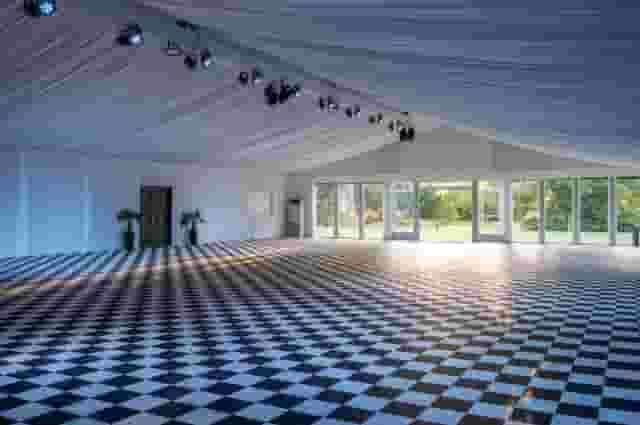
The Clementine, Syon Park
A luxury marquee and lawns in a large park with private access, ideal for large events and conferences.
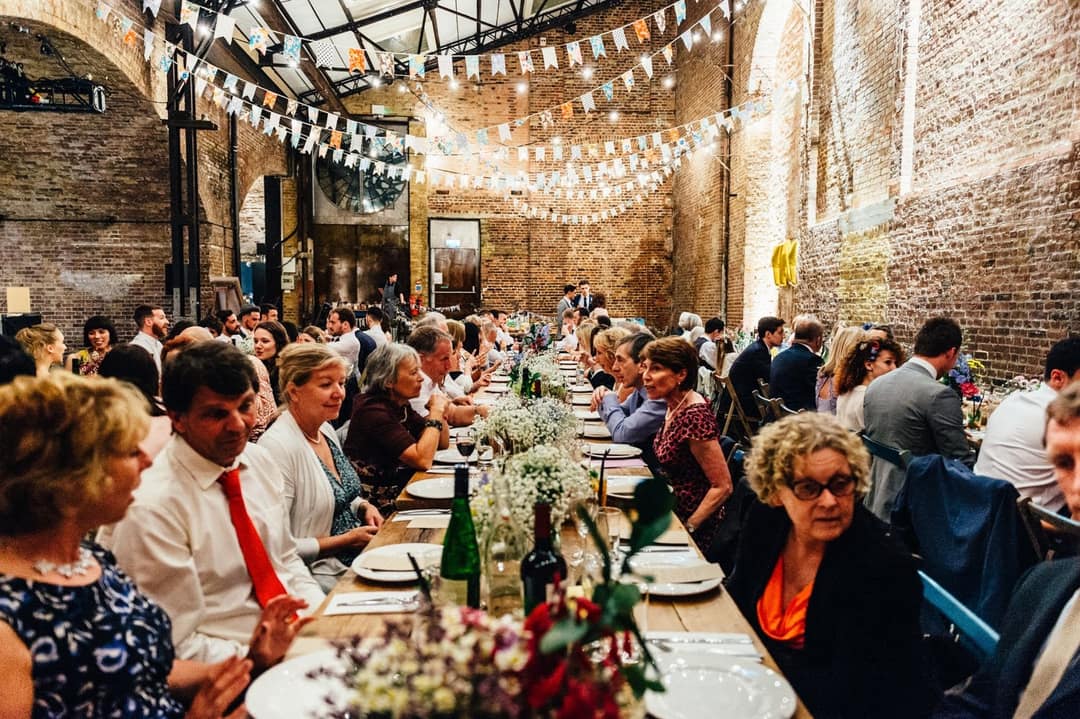
Find a Christmas party venue
Venue finding for the office Christmas party comes with extra pressure. It is the highlight of the company calendar and you are competing with every other company for a slot. A few things to weigh up.
- We have the space. Whether you want something quirky, something classic or a great setting that will not break the bank, there is a big selection, from the classic BMA House to the opulent Park Chinois. Whatever you are after, book early to stay ahead, but leave time to vet the venue properly.
- Think about the format. Decide between an evening of dinner and dancing or a daytime Christmas lunch. Some venues suit one better than the other: the underground Steel Yard is set up for a DJ and dancefloor, while the Ski Lodge at Montague on the Gardens has lots of daylight for a bright afternoon event.
- Add entertainment. Many venues have entertainment built in, which lifts the night. For something to burn off the Christmas dinner, TOCA Social is a good shout for sports fans.
- Add festive food. Some venues only work with their own caterers or a preferred list, so if menu control matters, keep that in mind. Searcys at The Gherkin pairs strong catering with a great view, while Village Underground offers a dramatic below-ground space with a free hand on catering.
- Think about theming. You may need decorators and entertainers if the venue does not supply them. To keep the effort down, look for venues that offer a full service. If you bring your own suppliers, check the venue has the loading capacity and set-up time they need. For built-in character, try a themed space like the Postal Museum, complete with a ride-on train.
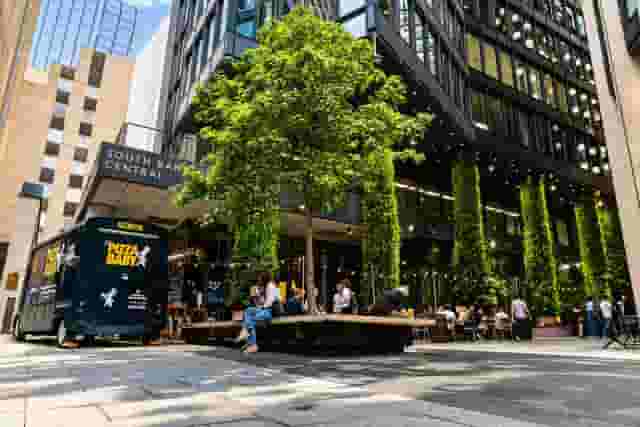
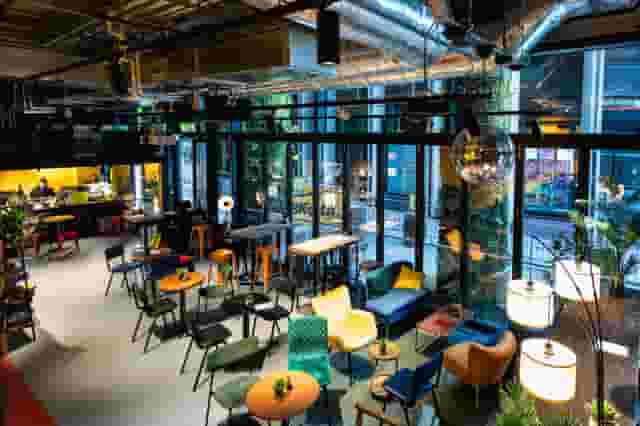





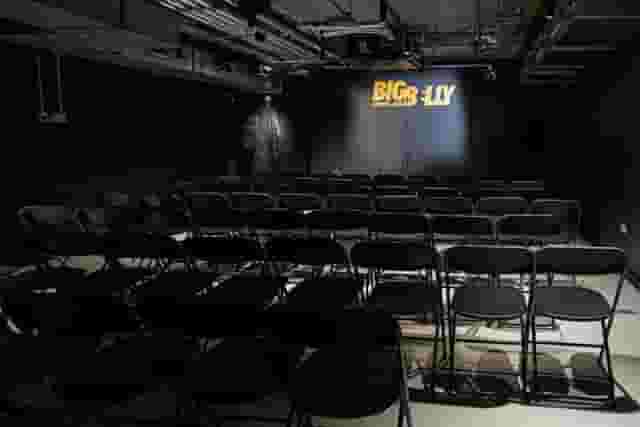
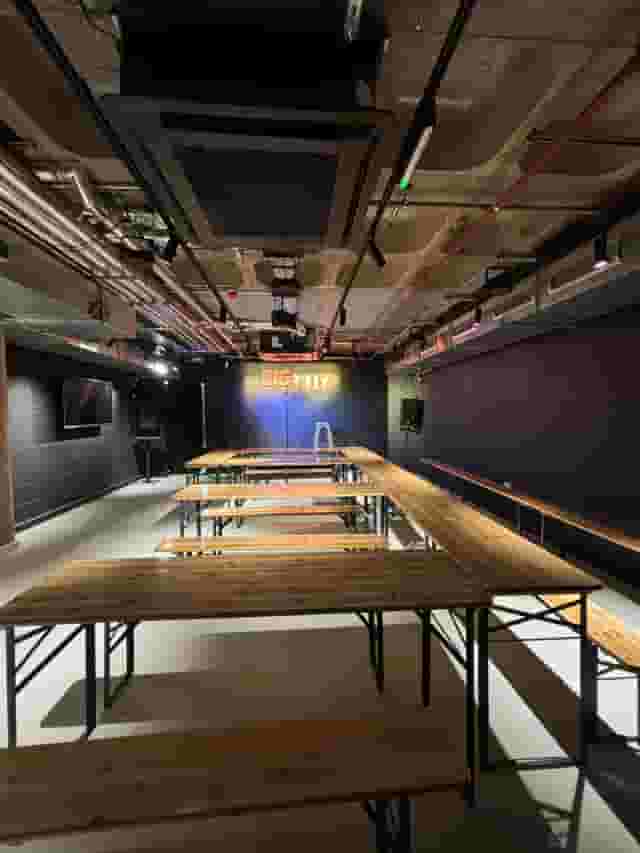
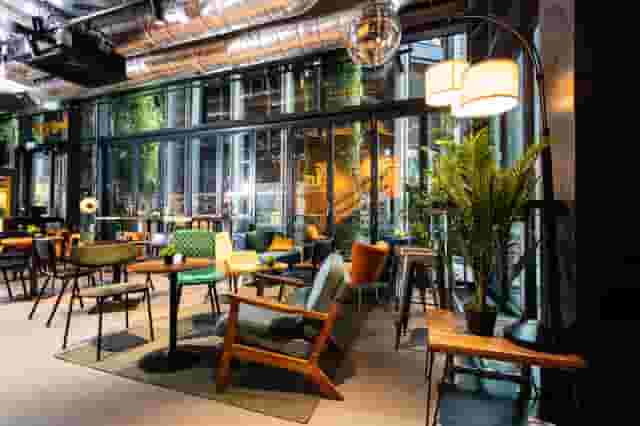
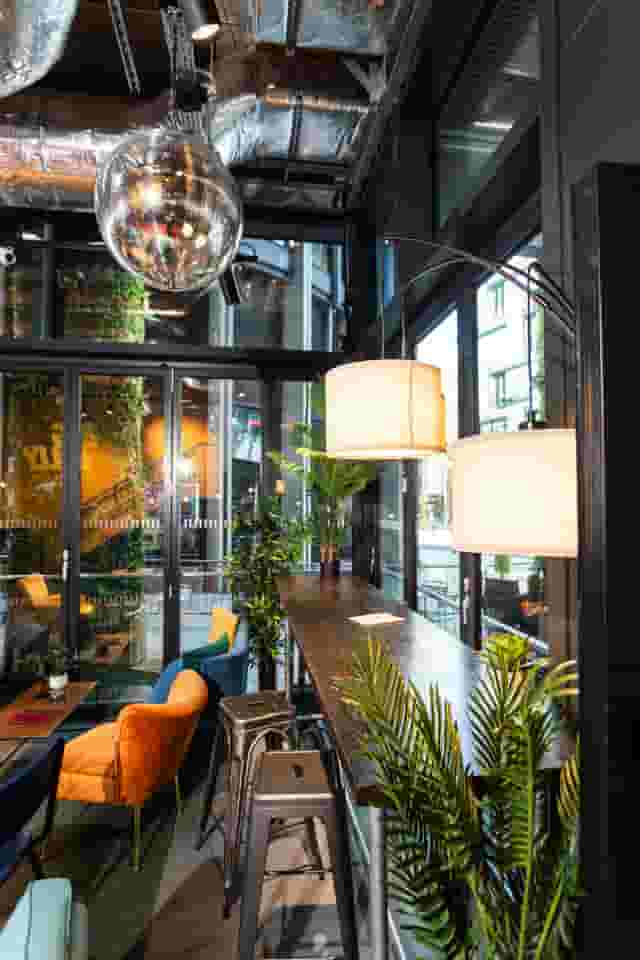


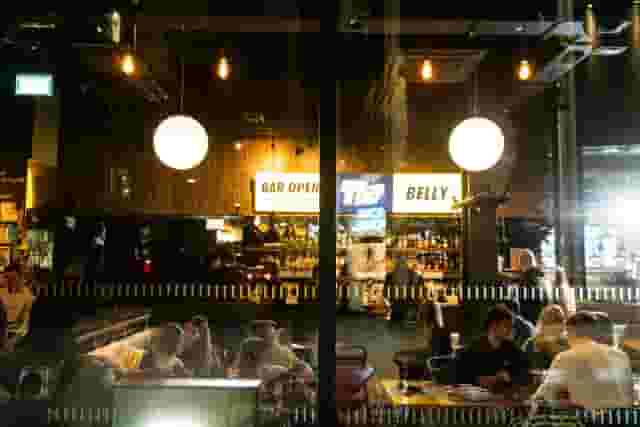

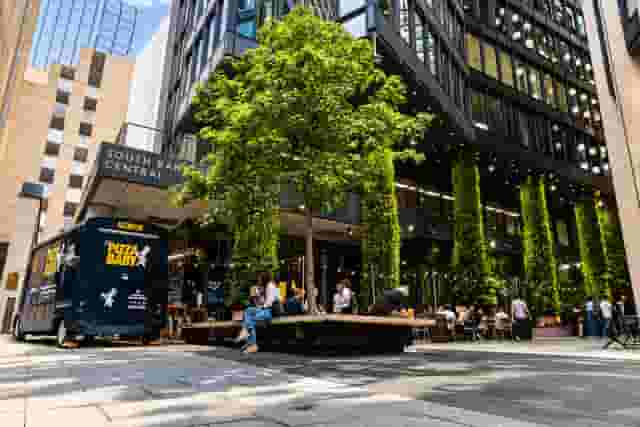
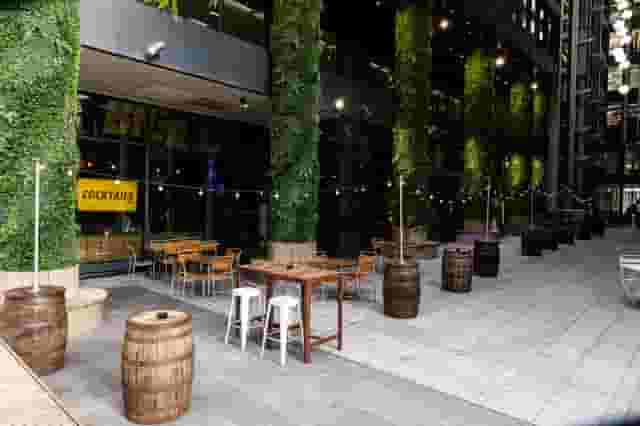
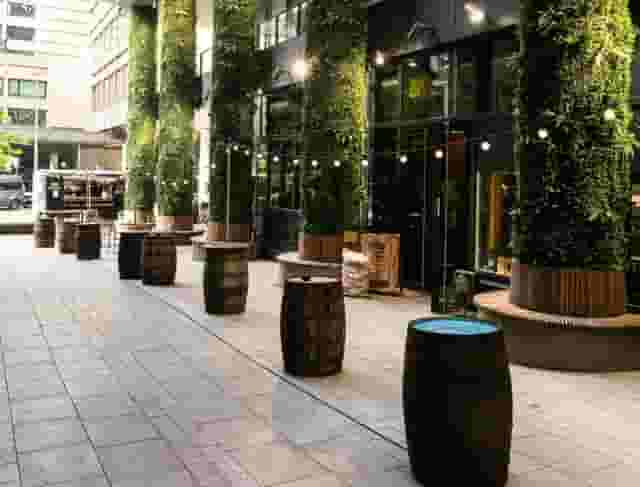

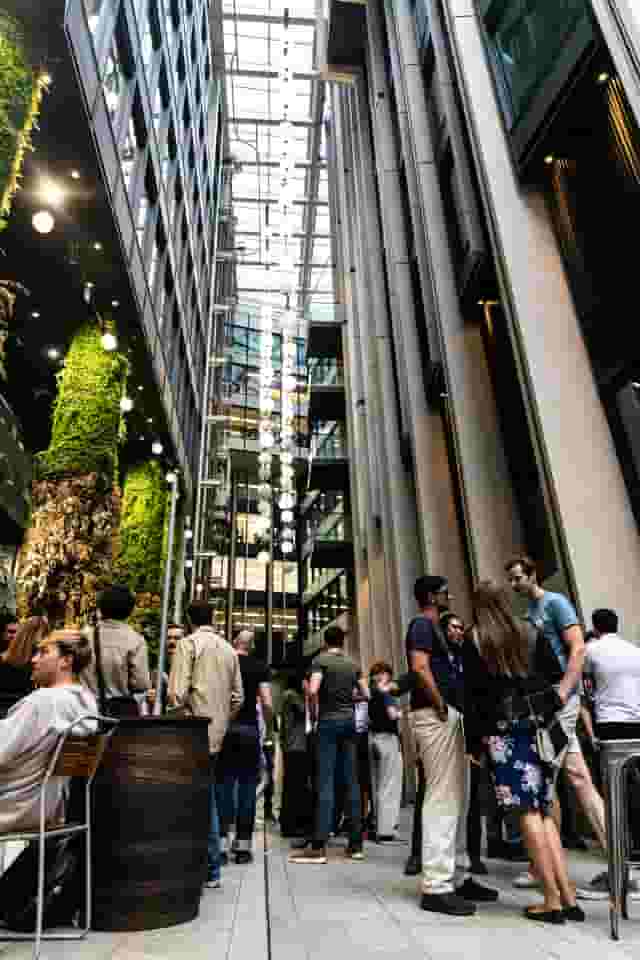
Big Belly Bar
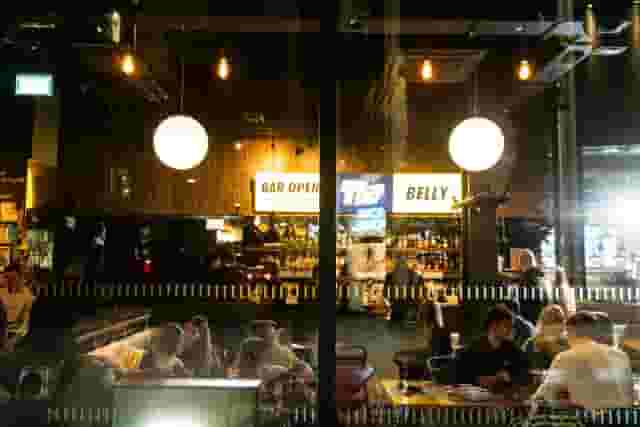
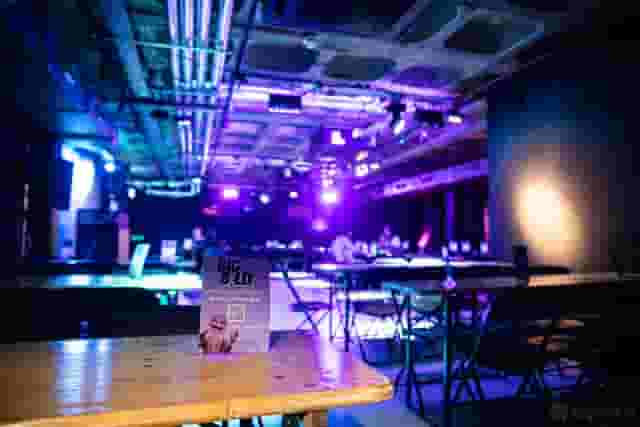
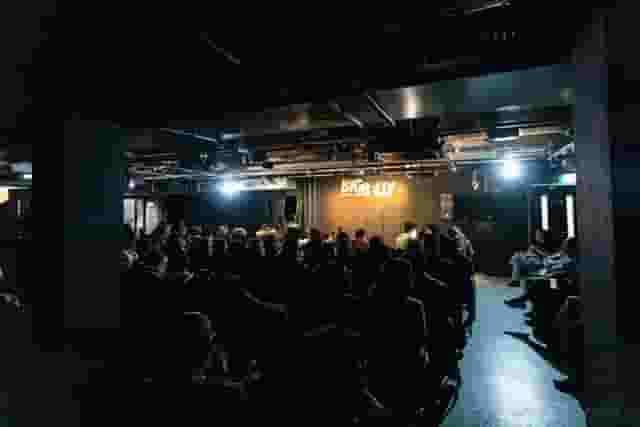
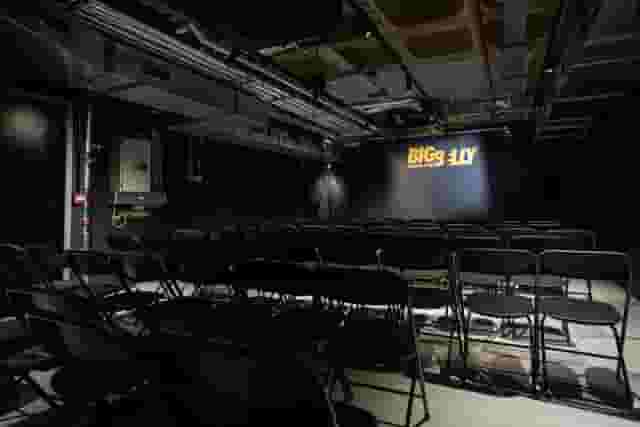
A lively bar and comedy club on London's South Bank with live entertainment and food.
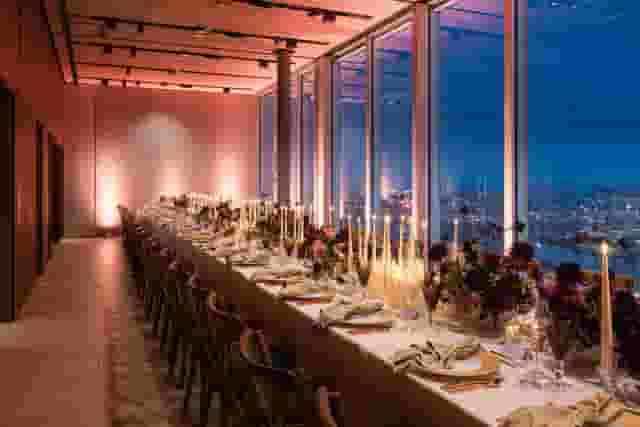
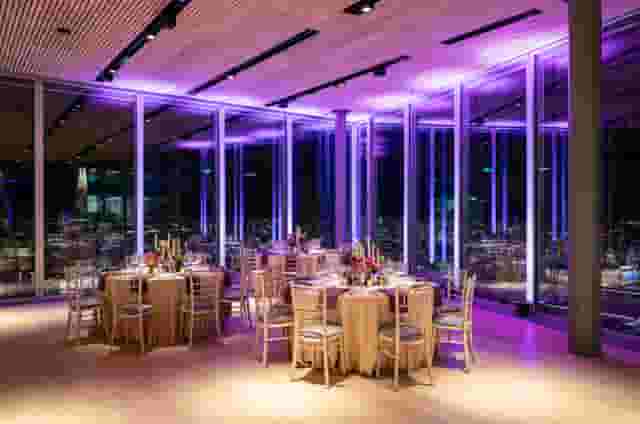
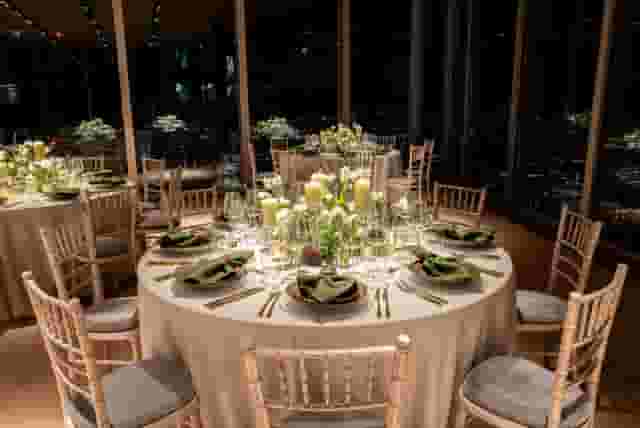
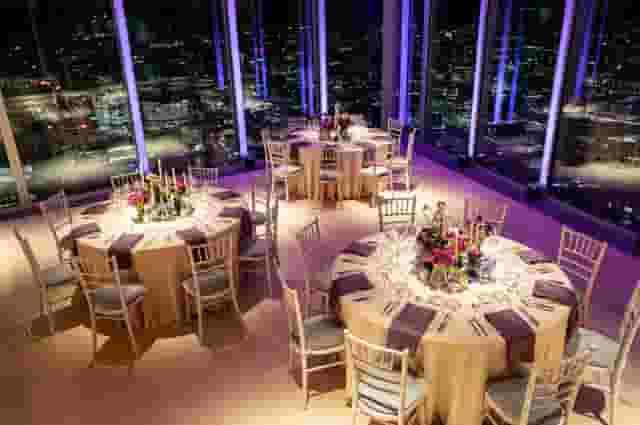
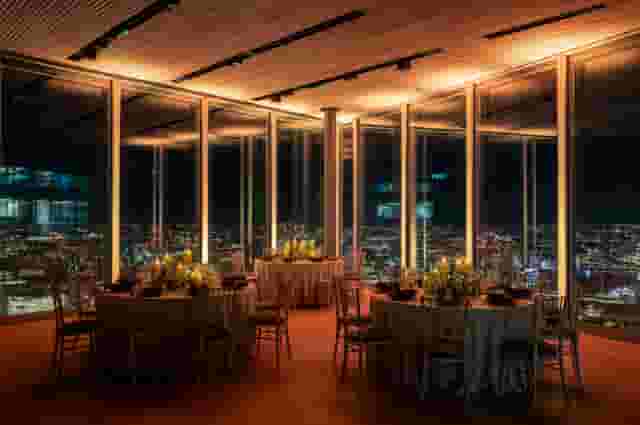
8 Bishopsgate
A bright event space with stunning views, ideal for dinners and corporate gatherings.
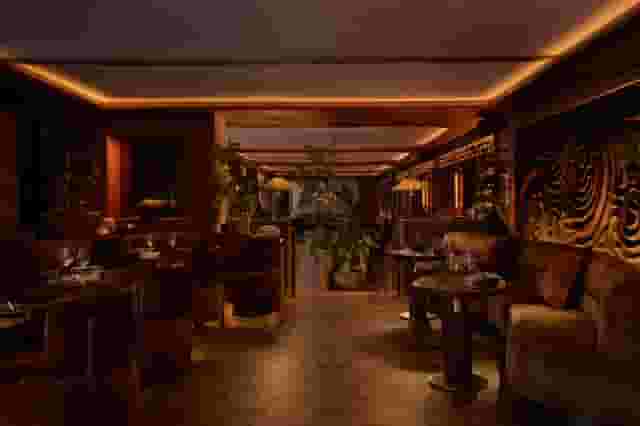
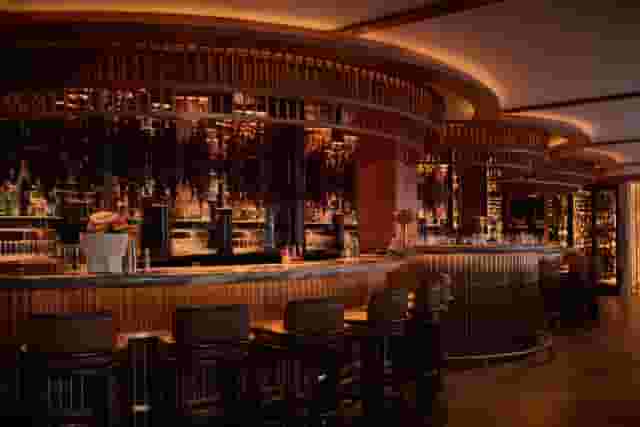
MA/NA
A modern Japanese restaurant in a refined Mayfair setting, suitable for private dinners and events.
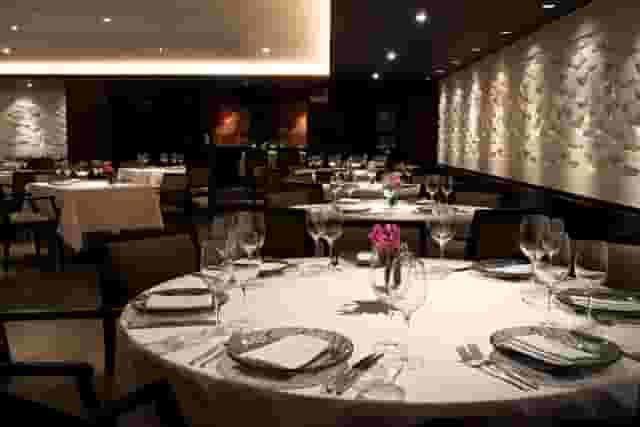
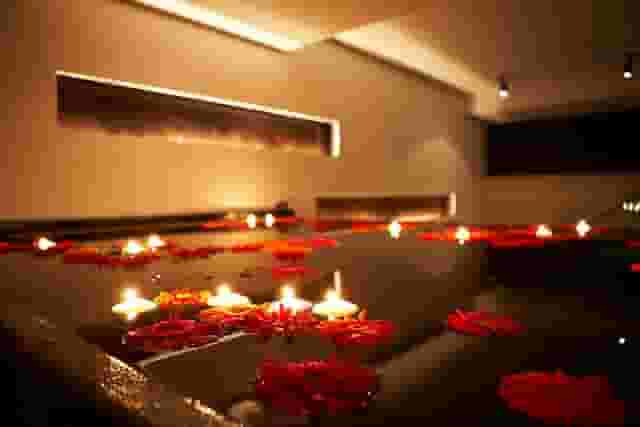
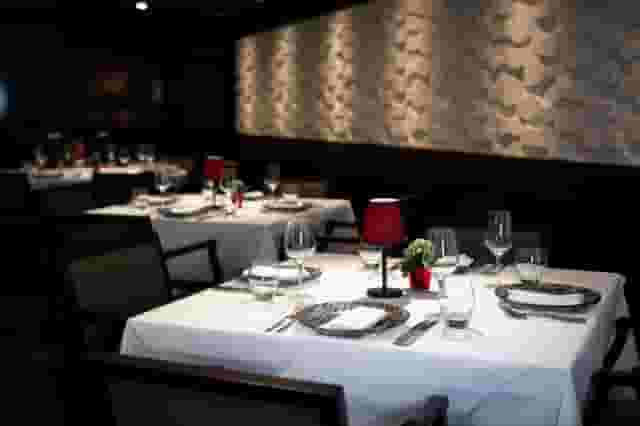
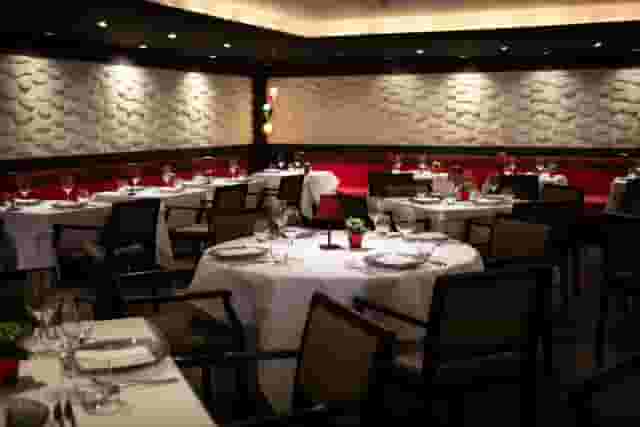
Benares
A Michelin-starred Indian restaurant in Mayfair with private dining rooms for exclusive events.


Pan Pacific London
A large 5-star event space in a luxury hotel near Liverpool Street station, suitable for up to 400 people.
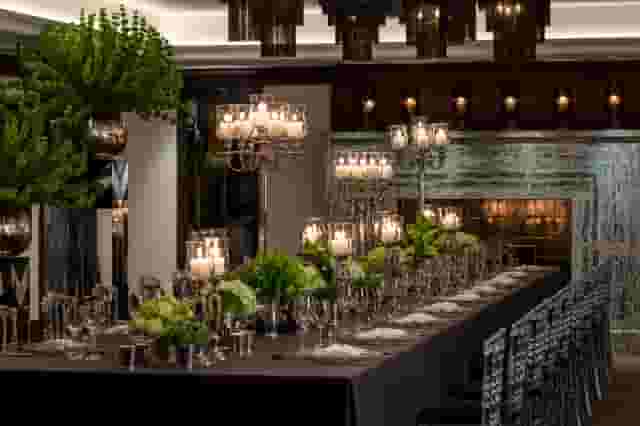
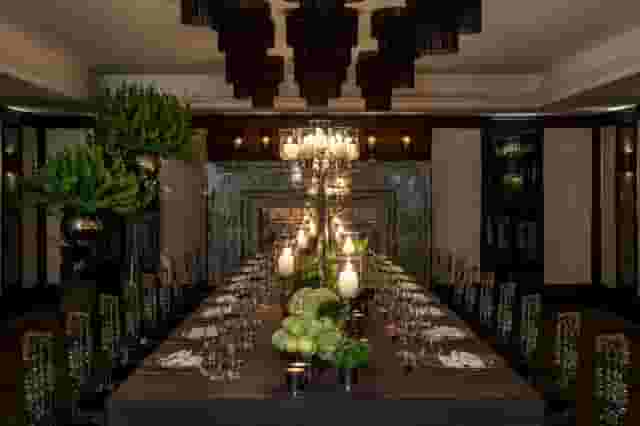
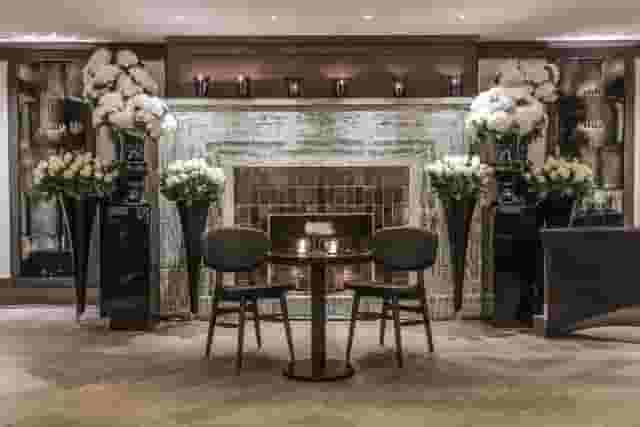
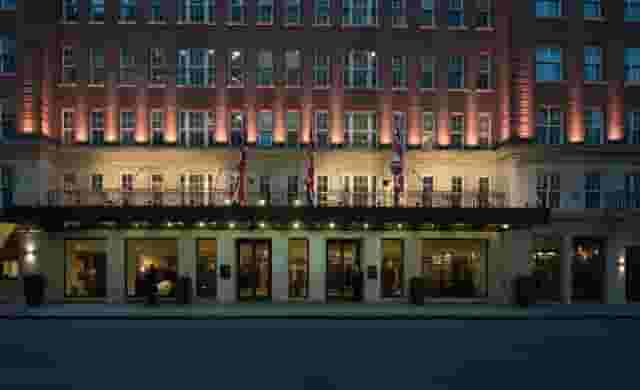
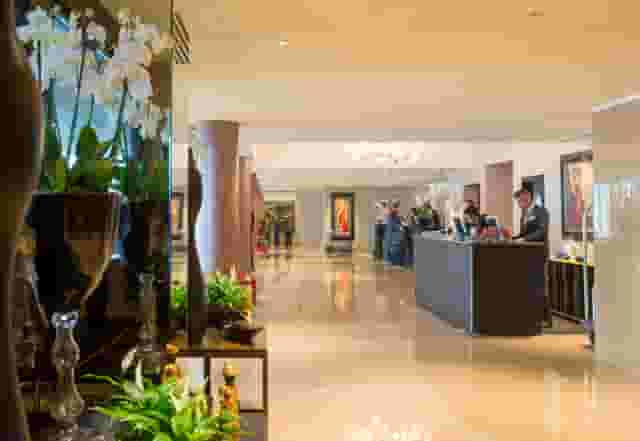
The May Fair Hotel
A luxurious hotel in the heart of Mayfair, offering upscale amenities and services.
Find a private dining venue
A private dinner is an excellent way to look after key or potential clients, but it needs an impressive venue to land. Our top tips:
- Make sure the venue can seat your guests the way you want. A restaurant handles this easily, as long as you get the numbers right.
- Do your research. Some of our favourite central spots include the restaurant Jeru, members’ club 12 Hay Hill, The Ned and the nautical Oyster Shed. The list goes on, and our top private dining spaces will give you plenty more.
- If a restaurant is not what you are after, there are venues that host a sit-down dinner beautifully. An out-of-the-ordinary choice can pay off: we have seen wonderful dinners in the galleries of the Museum of London, and the Queen’s House in Greenwich, a UNESCO world heritage site, makes a refined and historic backdrop.
Venues that are not primarily about dining may not have full kitchen facilities, so check what is available before you book. You do not want your caterer arriving to no kitchen.

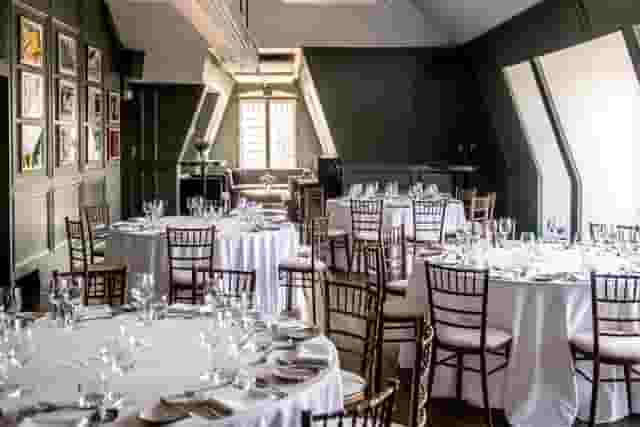
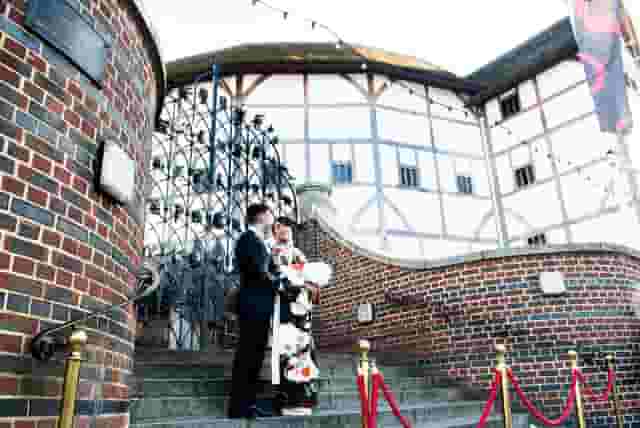
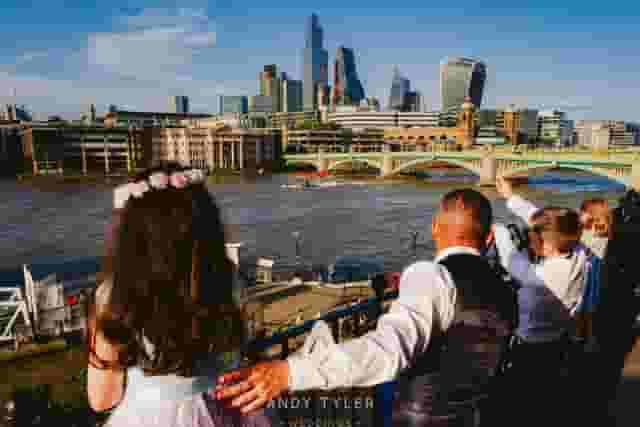
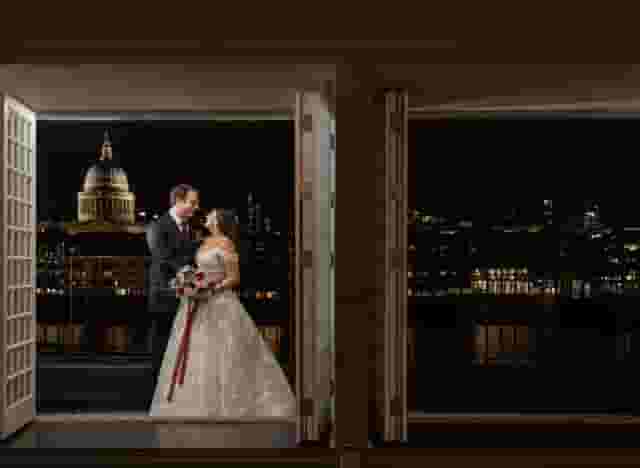
Swan at The Globe
Elegant penthouse wedding room with private balcony and St Paul's views for up to 70 seated or 120 evening guests.
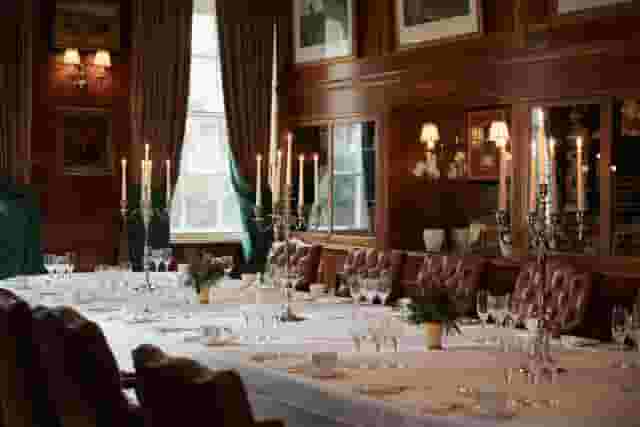
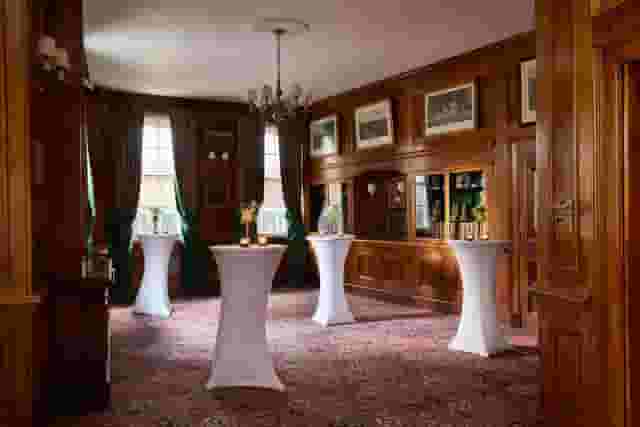
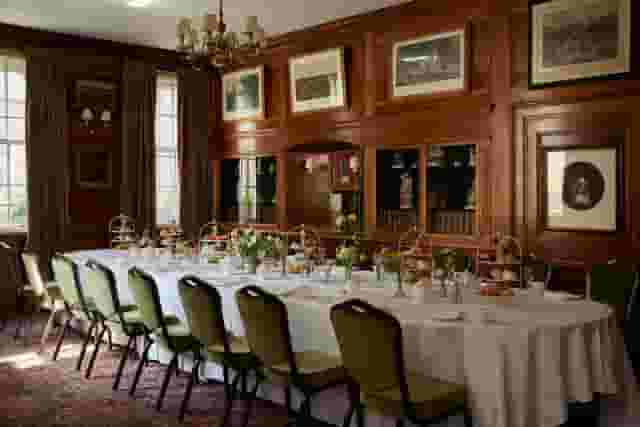
The Chesterfield Mayfair Hotel
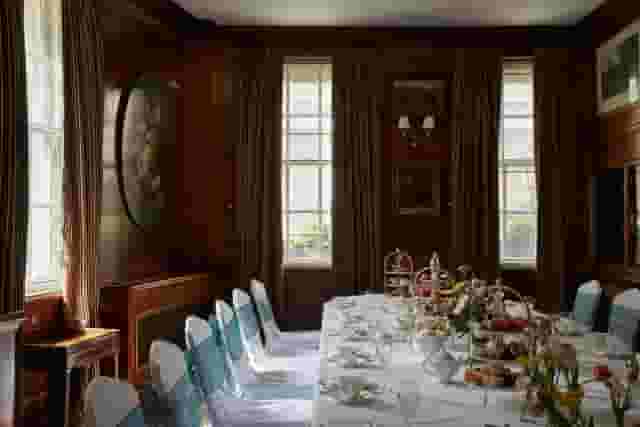
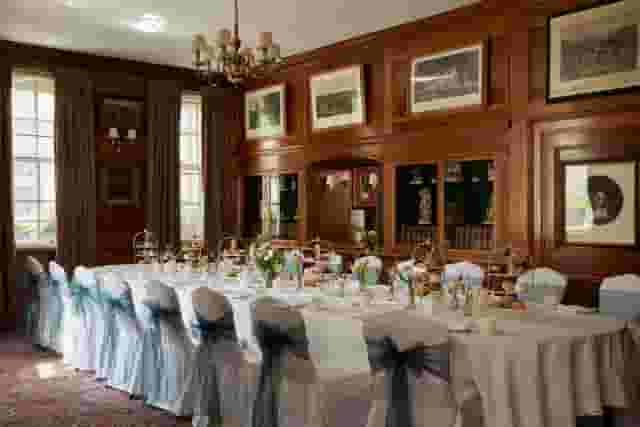
An oak-panelled, book-lined room in a Mayfair hotel. Ideal for intimate gatherings and private dinners.
Carlton House Terrace
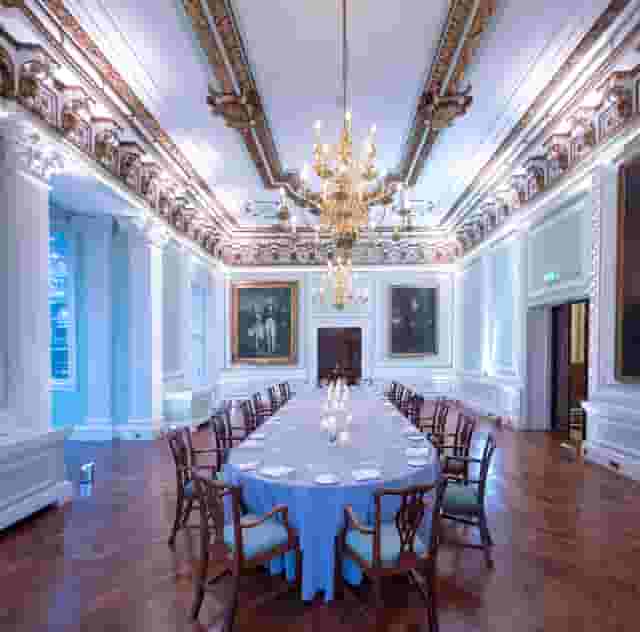
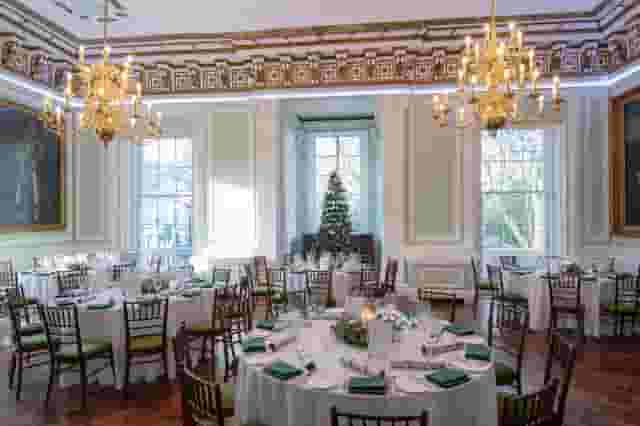
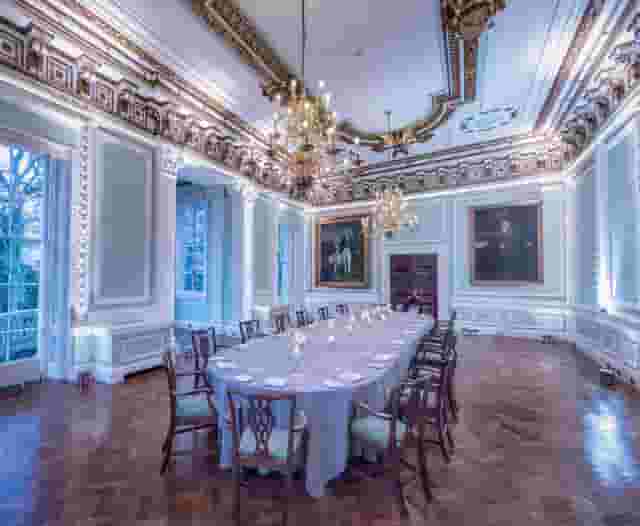
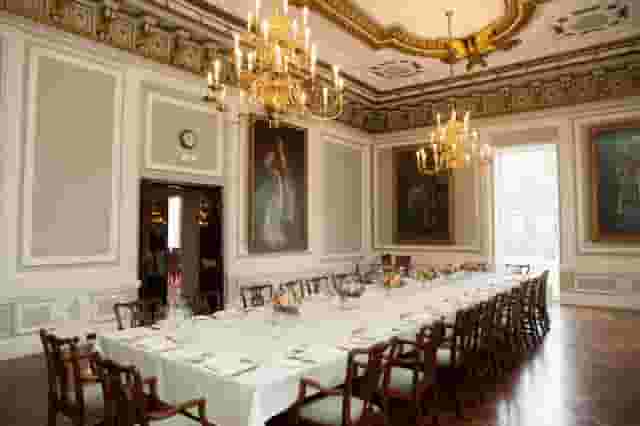
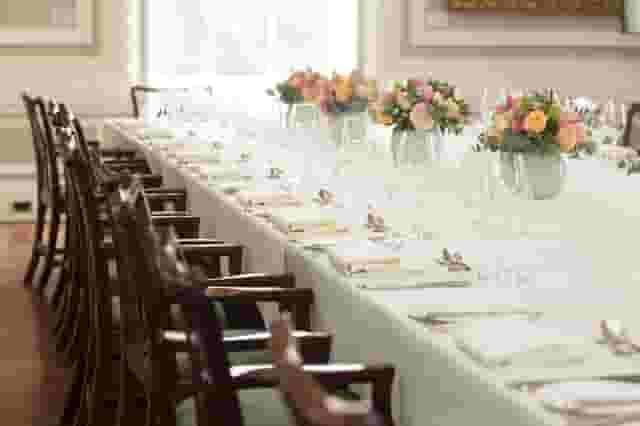
Grade I listed council room, 70 guests, chandeliers, adjacent music room.
The Line
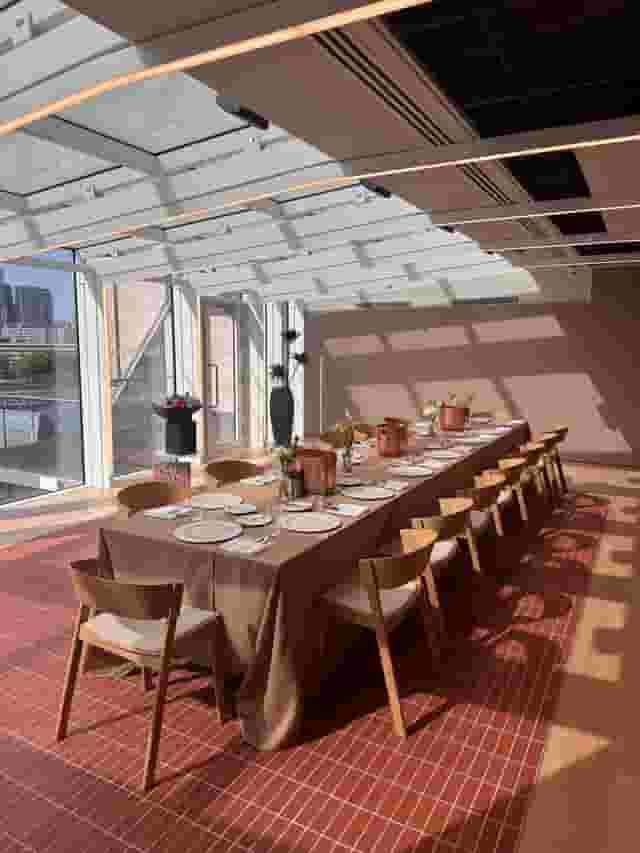
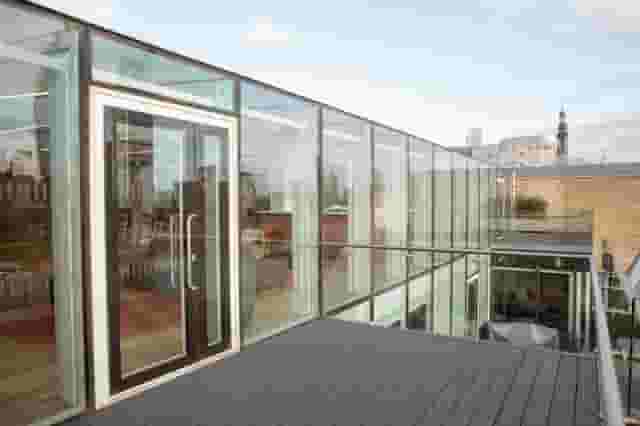
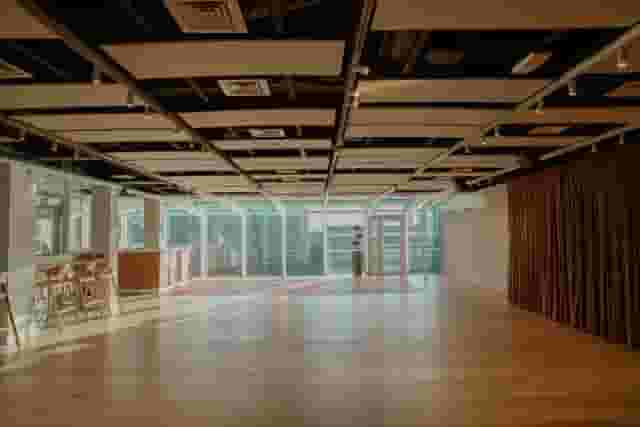
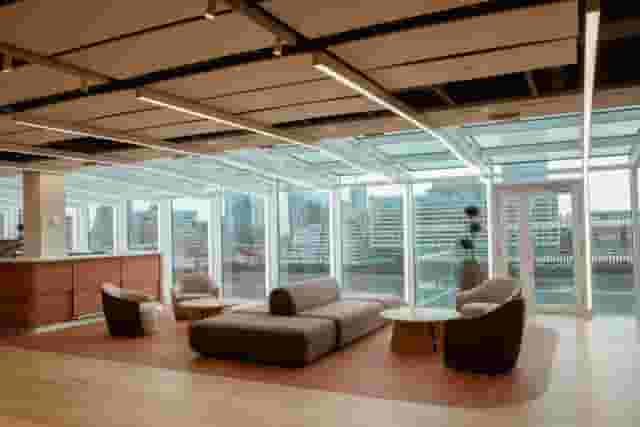
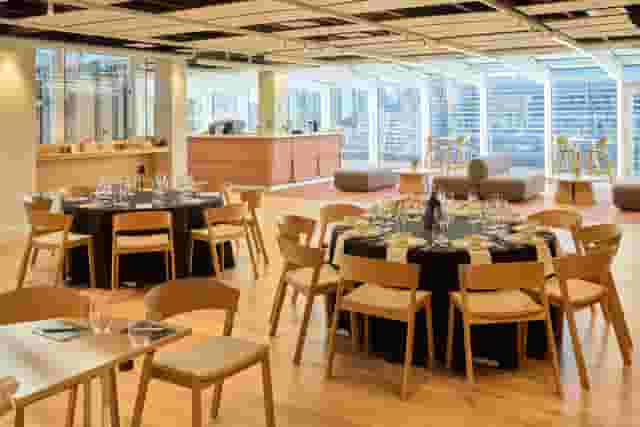
Riverside venue with modern interiors, skyline views, ideal for networking and brand events.
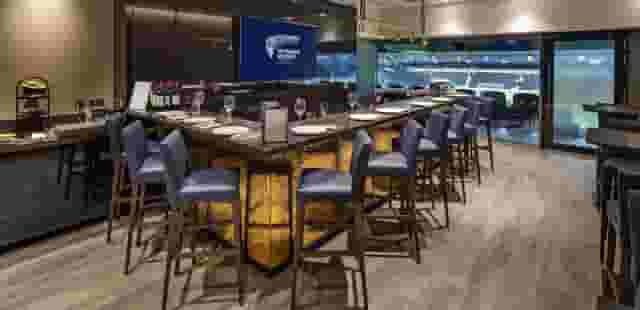
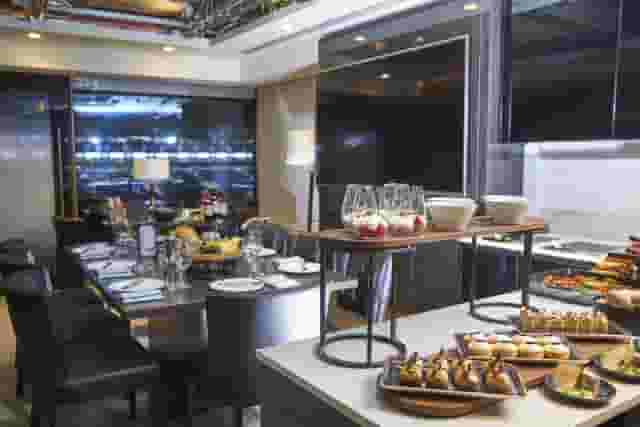

Tottenham Hotspur Stadium
Private suites with pitchside views, ideal for formal dinners or events at a high-tech stadium.
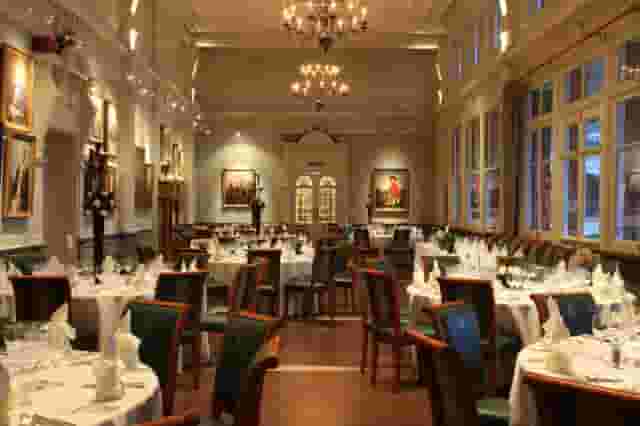
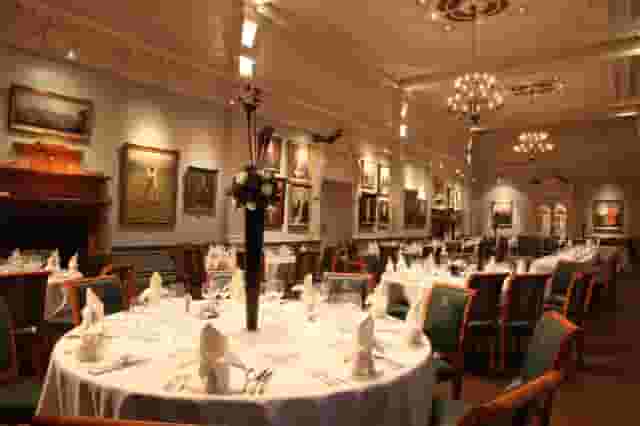
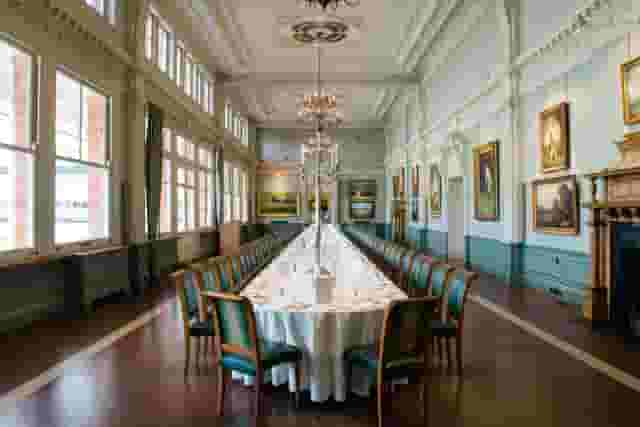
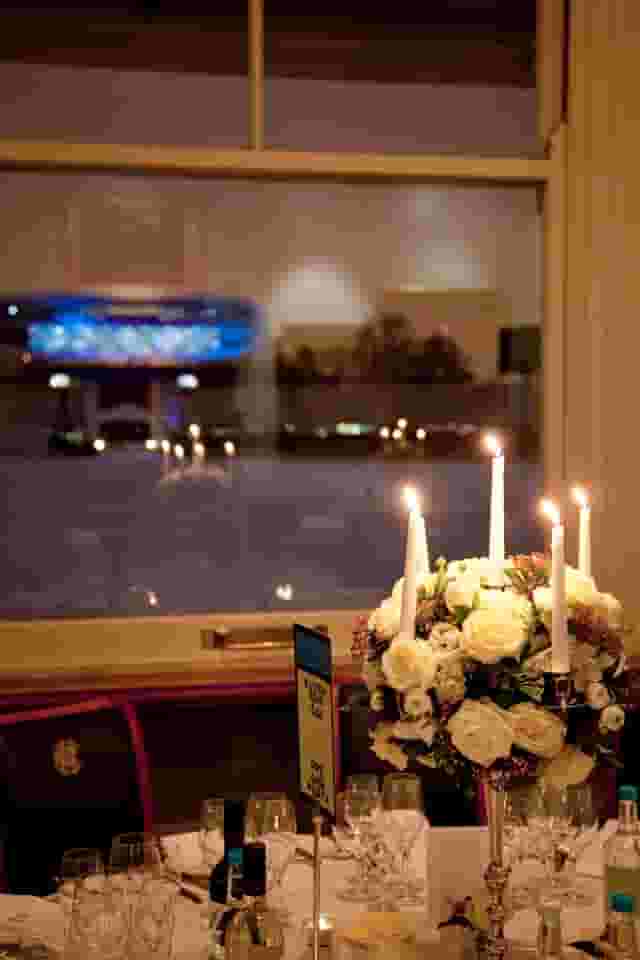
Lord's Cricket Ground
An iconic, historic cricket ground with a grand room for elegant parties and private dining.
Find an awards ceremony and gala dinner venue
Planning an awards night means getting a few things right so the event feels as special as the people or businesses you are celebrating.
Ideally that means a venue with the glamour of a red-carpet event. But look past the surface too. Spaces like BMA House and the Cutty Sark look the part for a ceremony or gala dinner and hold their standards behind the scenes. And a quirky choice like the London Transport Museum keeps guests entertained and makes the night memorable.
- Impress guests with the food. Most awards nights include a sit-down meal before or after the ceremony, so find a venue with in-house caterers or a kitchen your caterers can use. Check it seats everyone comfortably and whether furniture is provided or sourced. For multiple businesses, round tables help people chat.
- Get the tech right. Make sure the venue has wifi, flexible lighting and a large screen for nominees, runners-up and winners. For a big ceremony you will want a mic so everyone hears the winners and any speeches, plus a stage and podium. The OVO Arena Wembley has the capacity and the tech, in a Grade II-listed building. For something with grand interiors, Glaziers Hall covers it, and The National Gallery brings real sophistication.
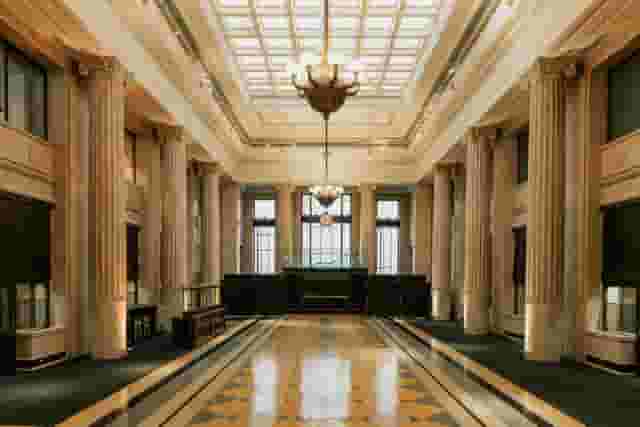
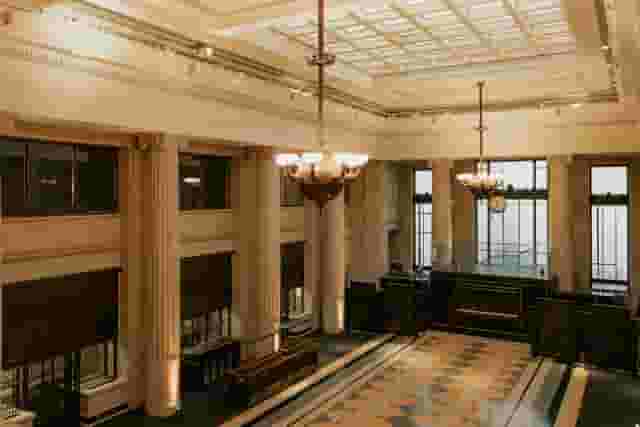
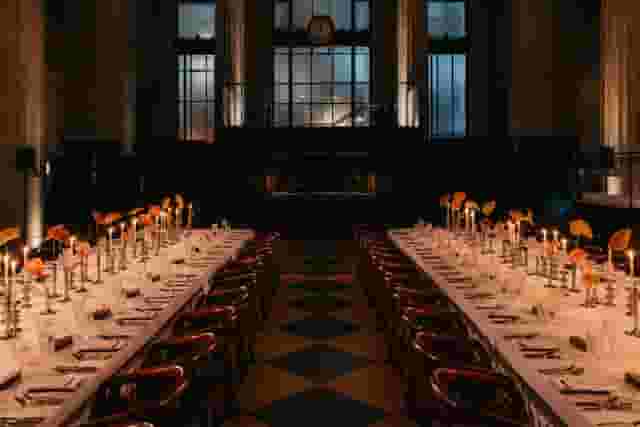
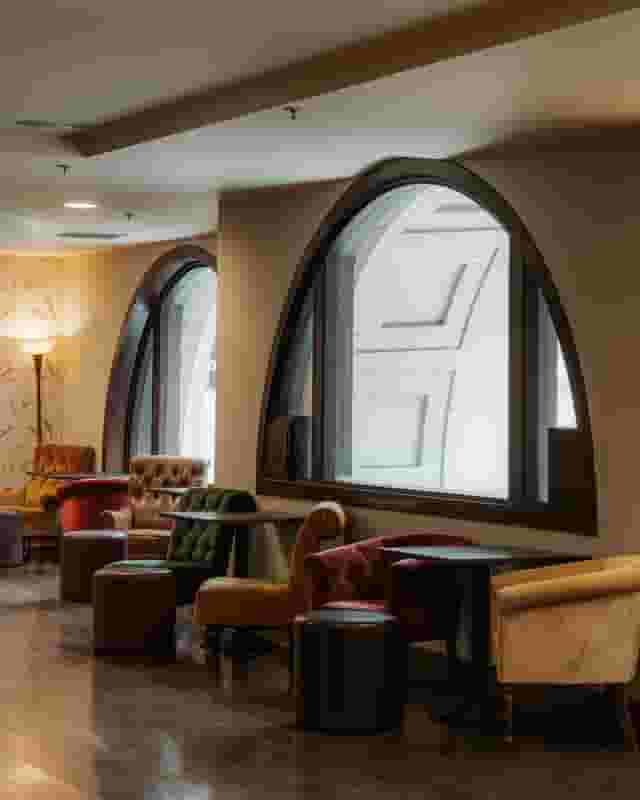
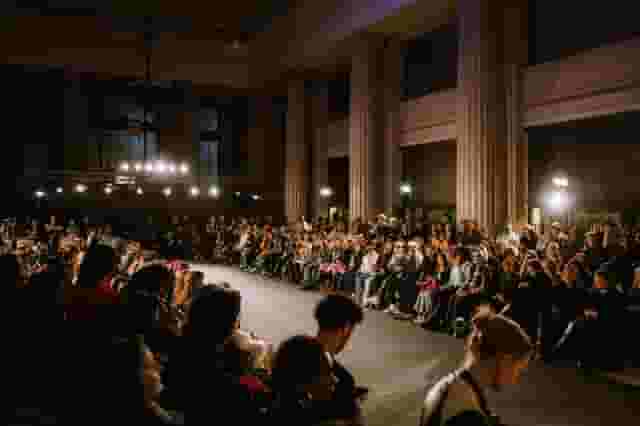
Banking Hall
An iconic Art Deco venue in London's financial district, perfect for corporate events and business functions.
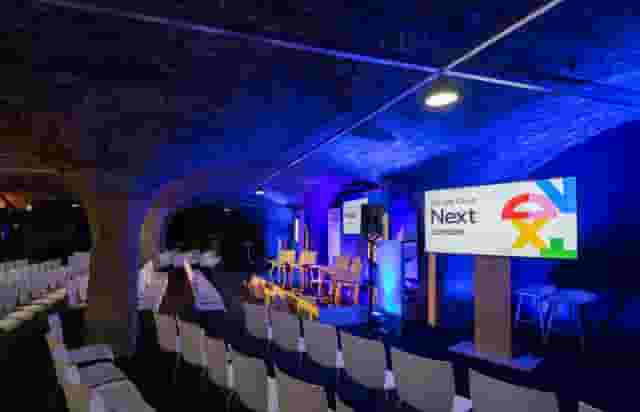


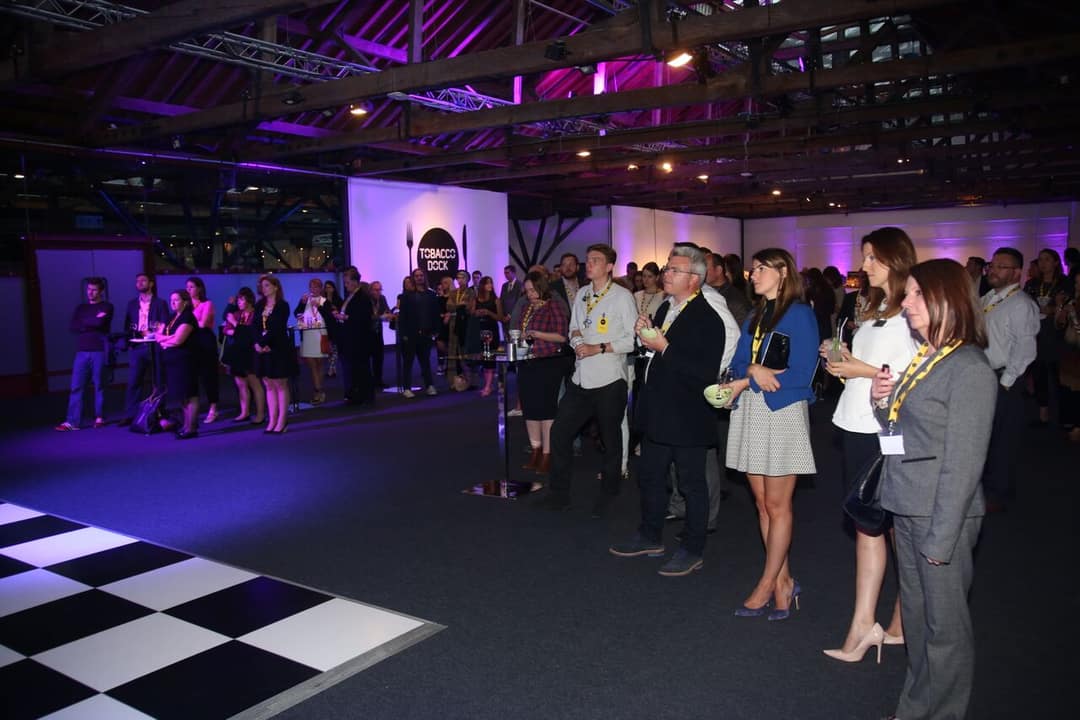
Tobacco Dock
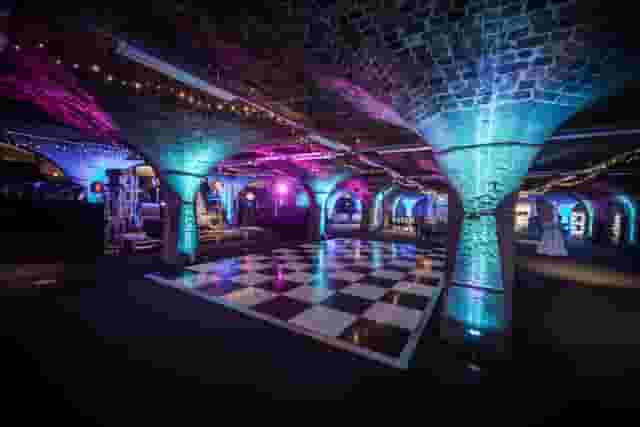
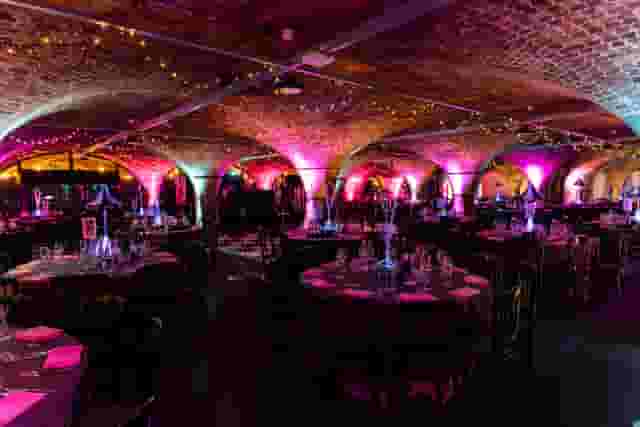
Historic industrial space with exposed brickwork, ideal for large events up to 1,700 guests.

Barbican Centre
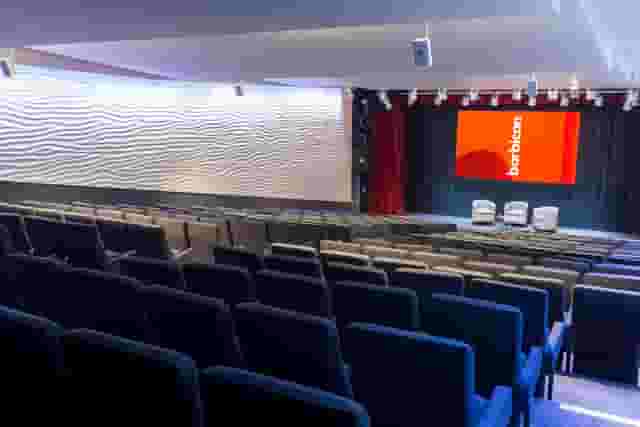
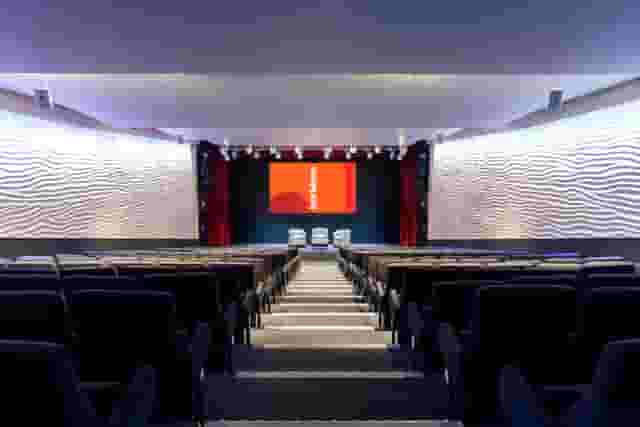
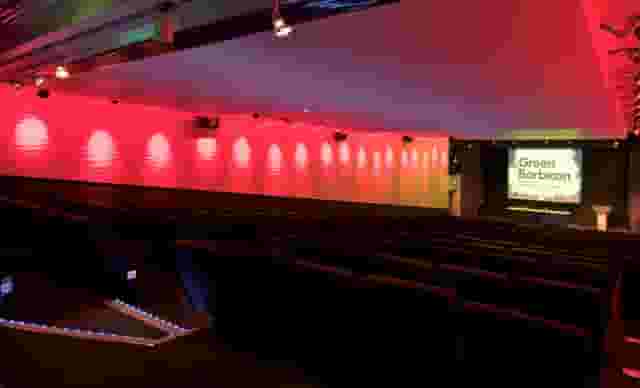
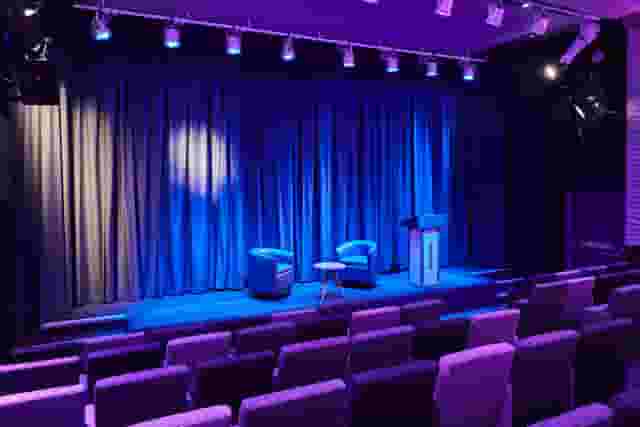
A versatile auditorium with state-of-the-art technology for conferences, meetings, and training days.

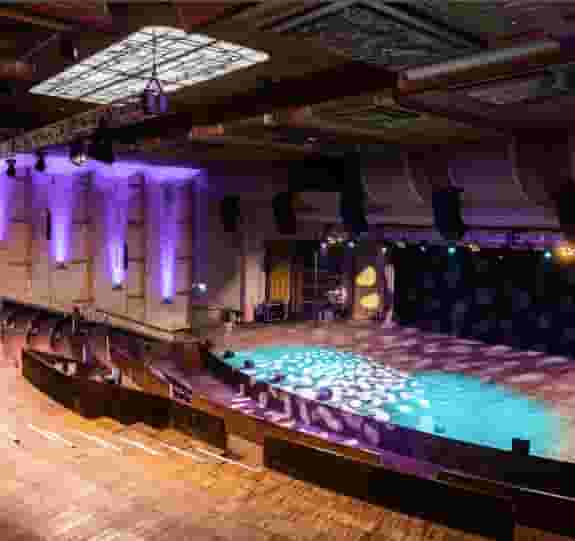

EartH
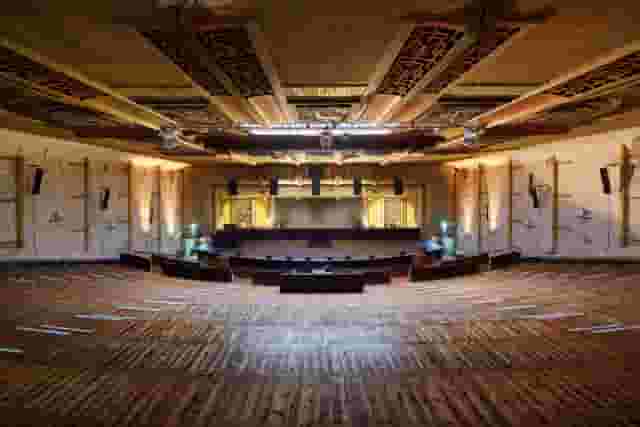
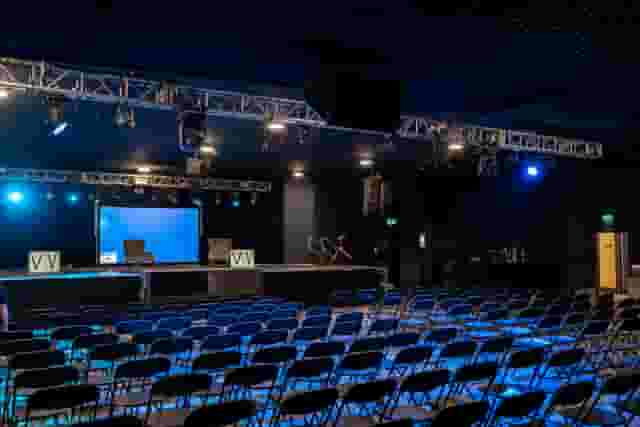
A historic cinema theatre with 700 capacity, a versatile hall for 1,200 guests, and a bright bar & kitchen.
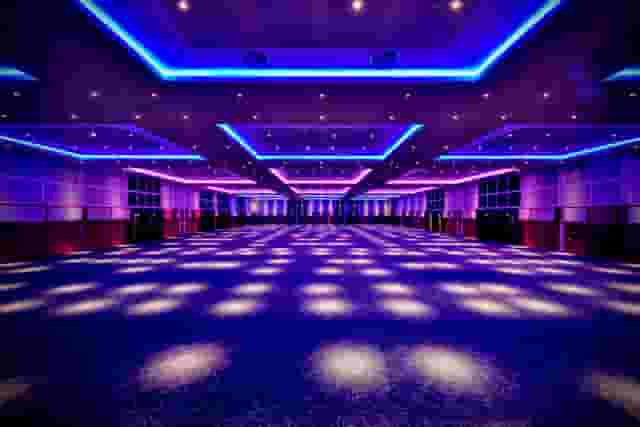
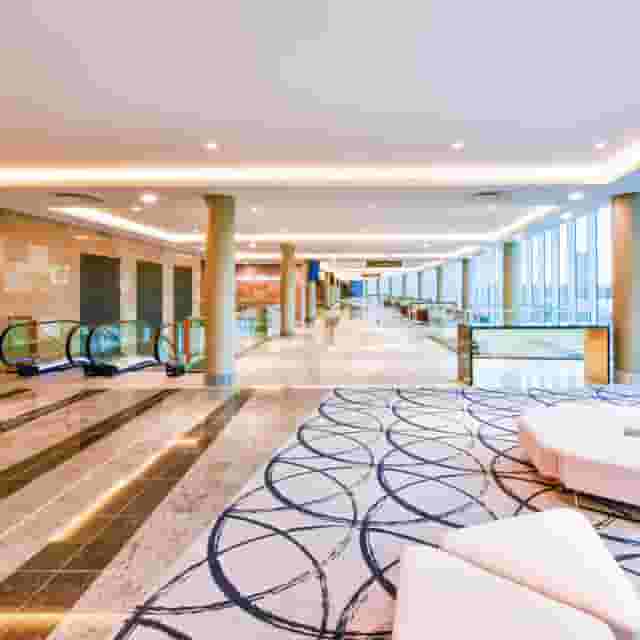
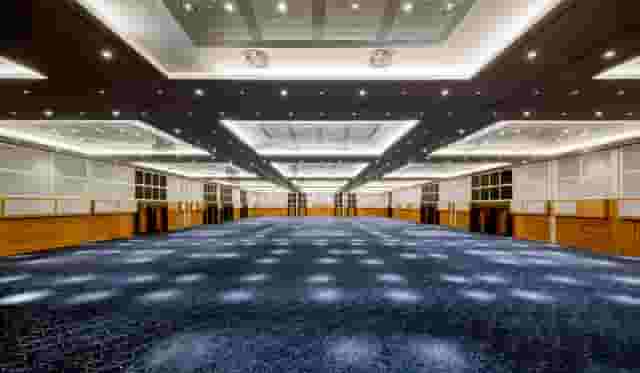
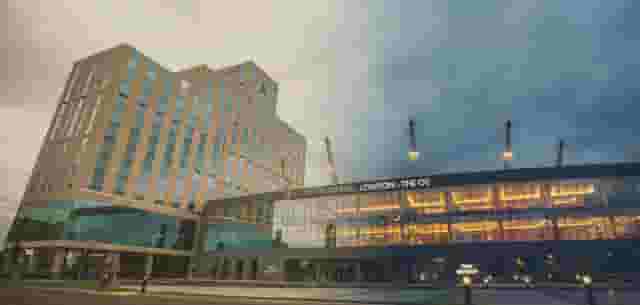
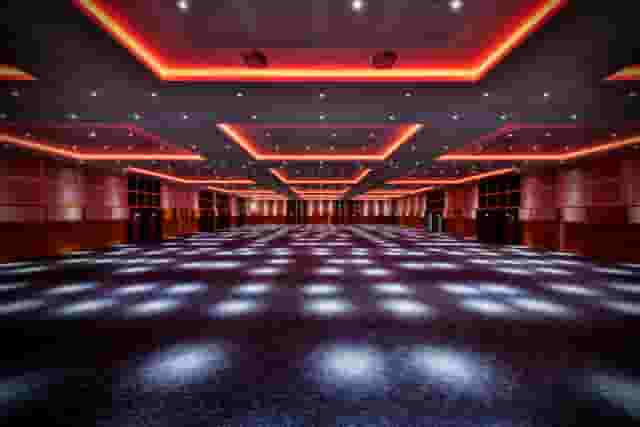
InterContinental London - The O2
A large, pillar-free ballroom in a conference hotel with flexible meeting space and strong AV, suitable for large events.
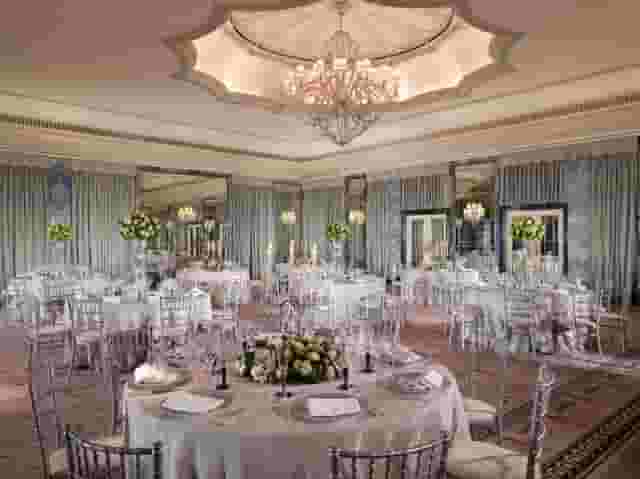
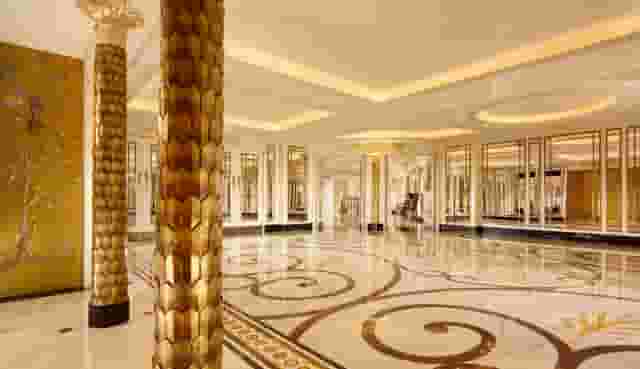
The Dorchester
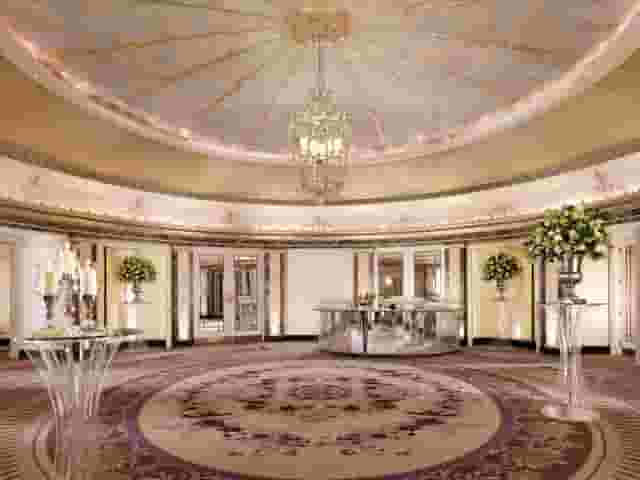
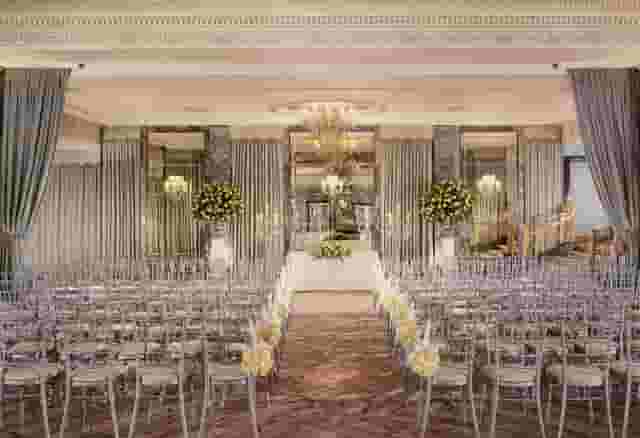
A luxurious ballroom in a central hotel, ideal for weddings and grand receptions up to 800 guests.
Find a wedding venue
Most of us have a fair idea of what we want our wedding to look like. You might have your heart set on an outdoor space like the walled garden at Fulham Palace, or, for a winter wedding, somewhere steeped in history like Southwark Cathedral or No.4 Hamilton Place.
There is more to weigh up than the look, though. Do you want to marry legally in the same place you hold the reception? If so, you need a venue with a wedding licence. There are fewer of them and they tend to cost more, so bear that in mind if budget is a priority.
Stationers' Hall
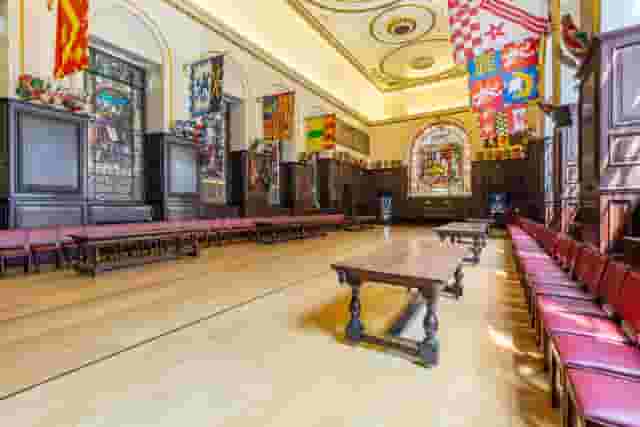
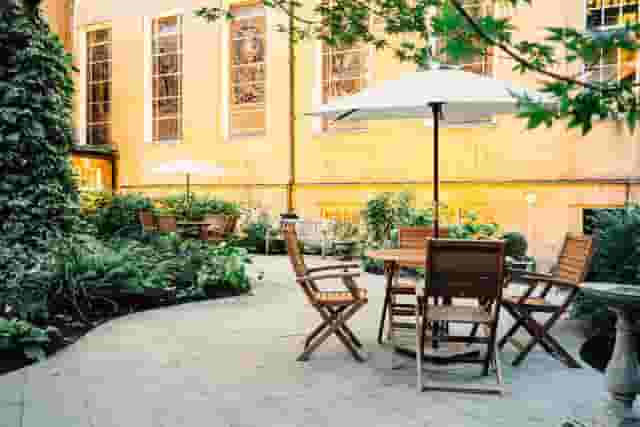
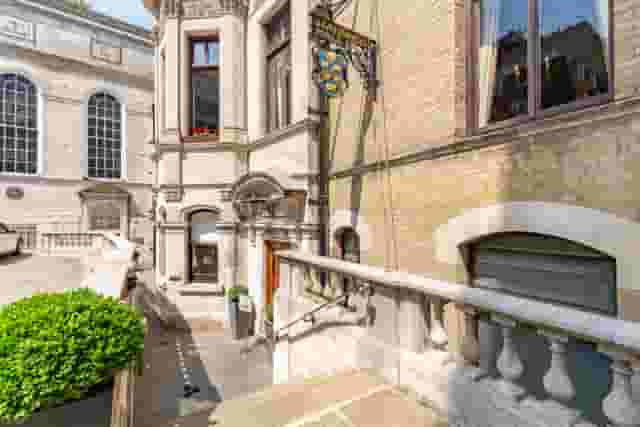
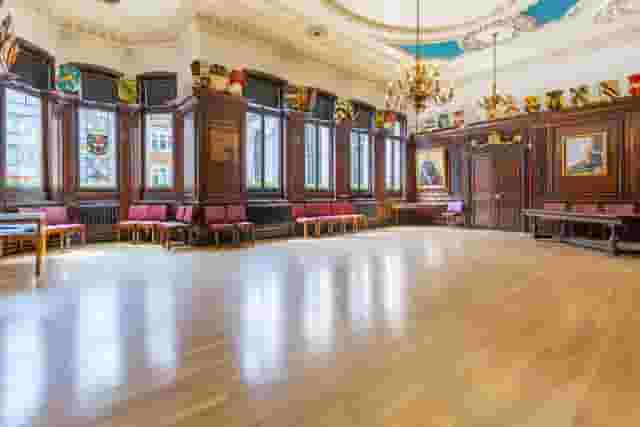
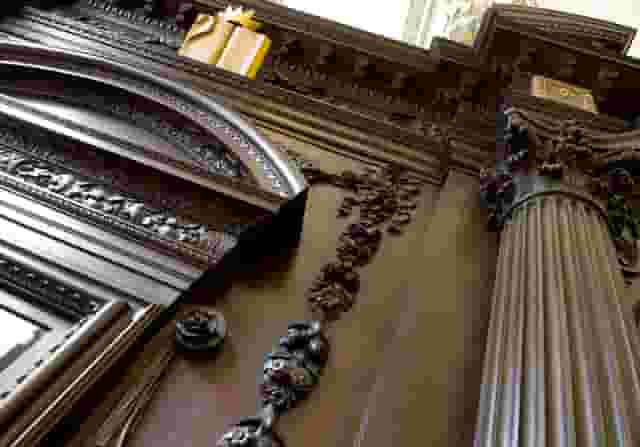
A Grade I listed venue with Rocco style rooms and a secluded garden, ideal for fashion shows or filming projects.
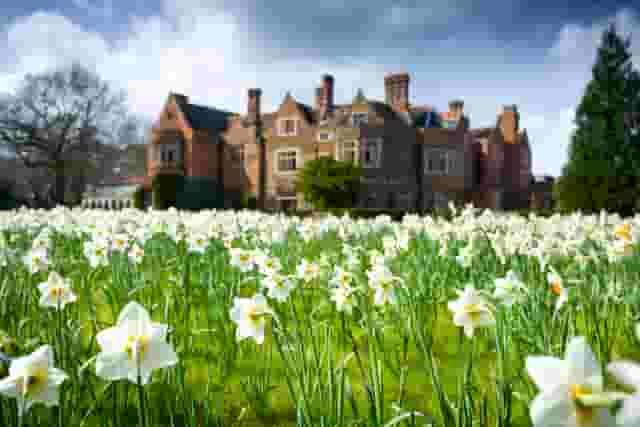

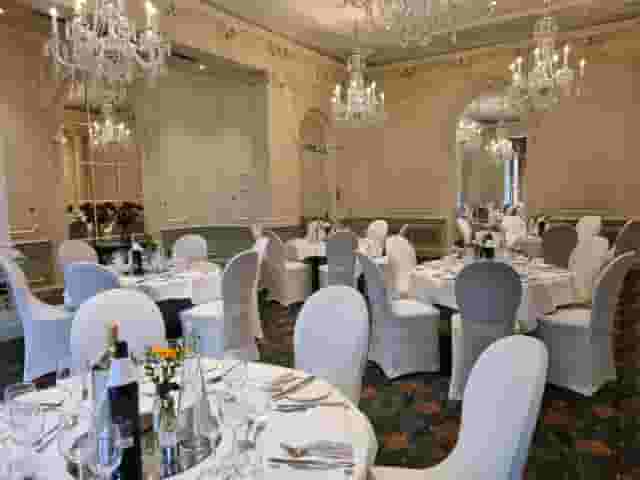

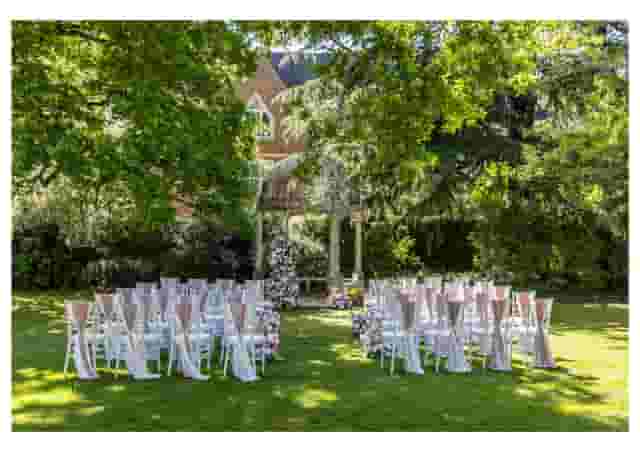
Warren House Hotel
A prestigious Edwardian ballroom in a Victorian mansion, ideal for weddings and elegant events.
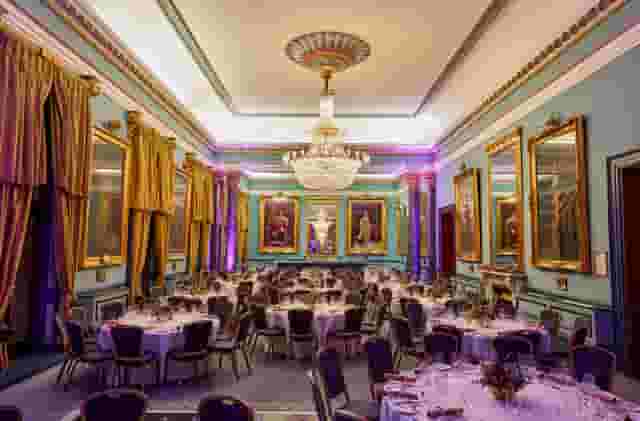
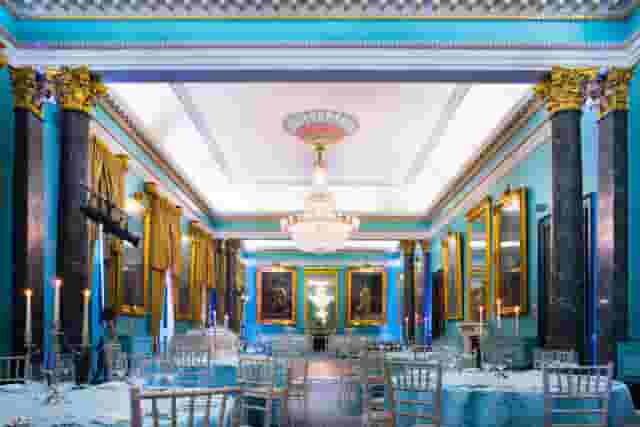
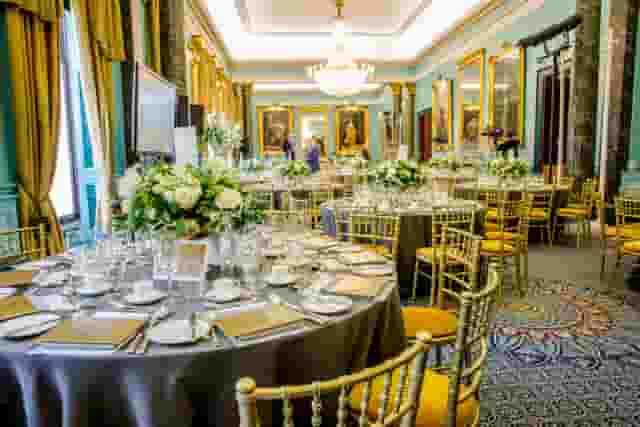


116 Pall Mall
A grand ornate room in a Georgian landmark, ideal for gala dinners, awards, and cabaret functions.
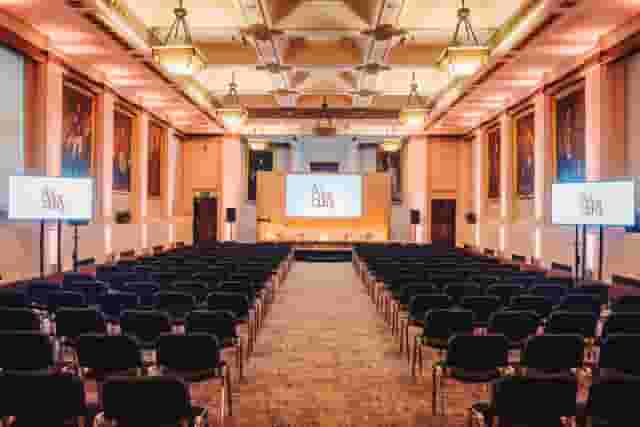
60 Great Queen Street
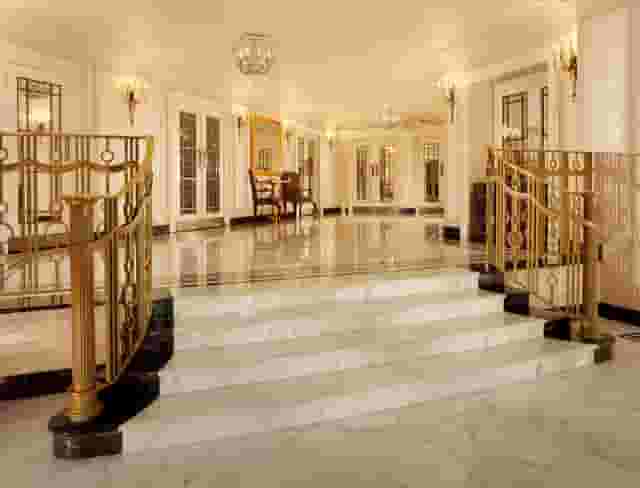
Light-filled Art Deco gallery with adjacent anteroom for events up to 350 guests
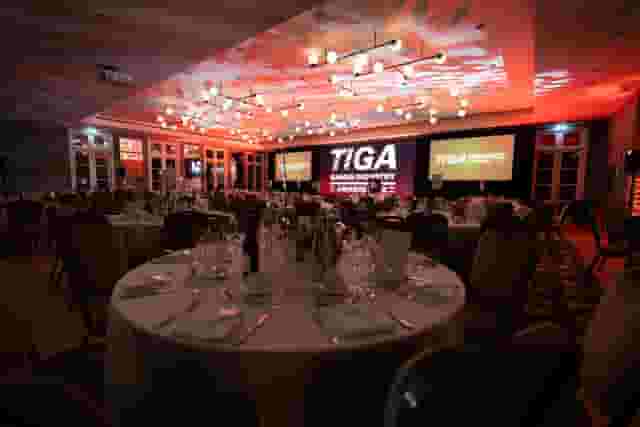
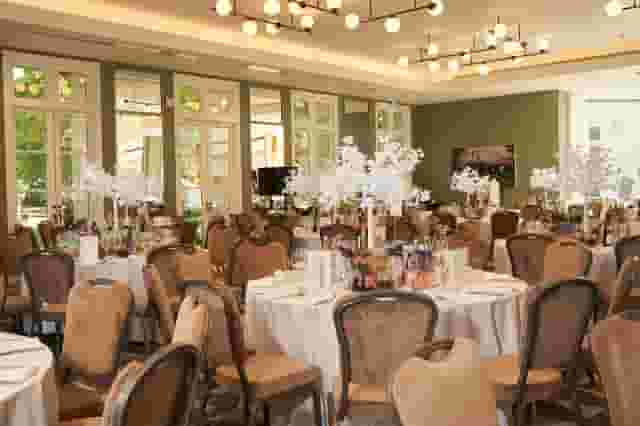
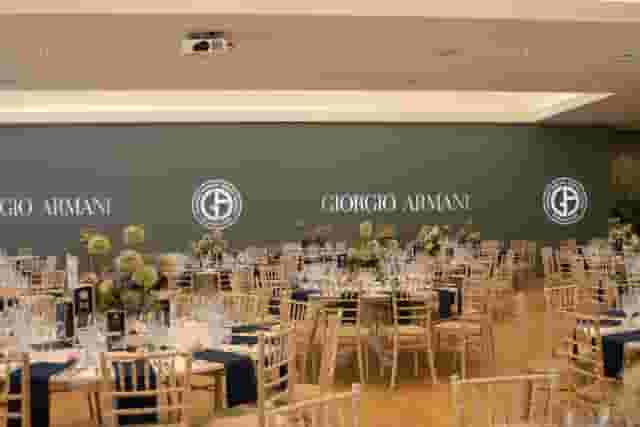
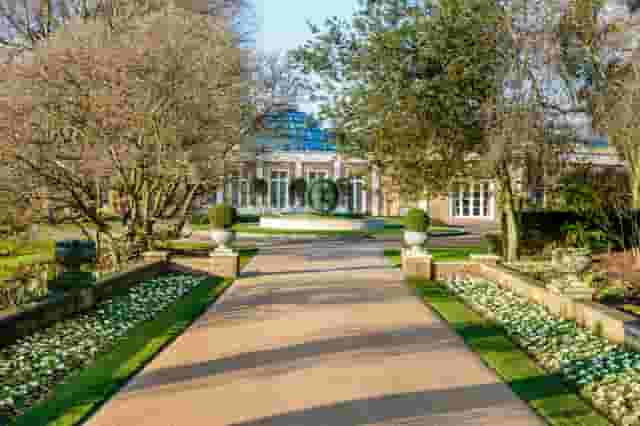
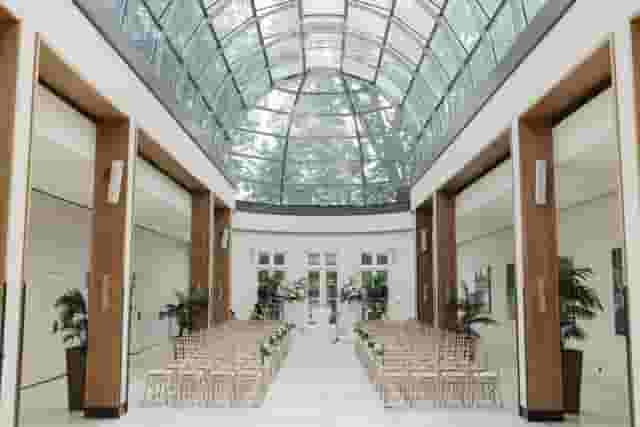
The Hurlingham Club
A luxurious private members' club with a glass-domed Palm Court and Thames-side gardens, ideal for black-tie events.
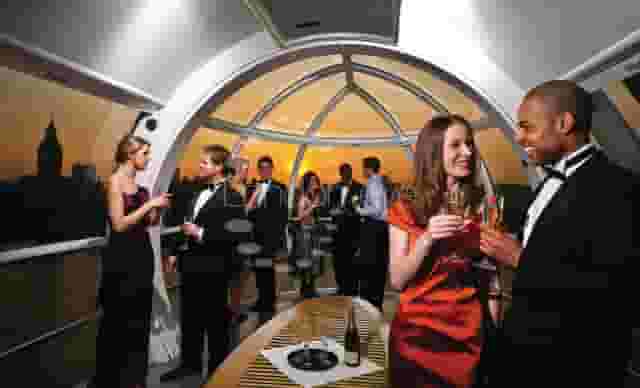
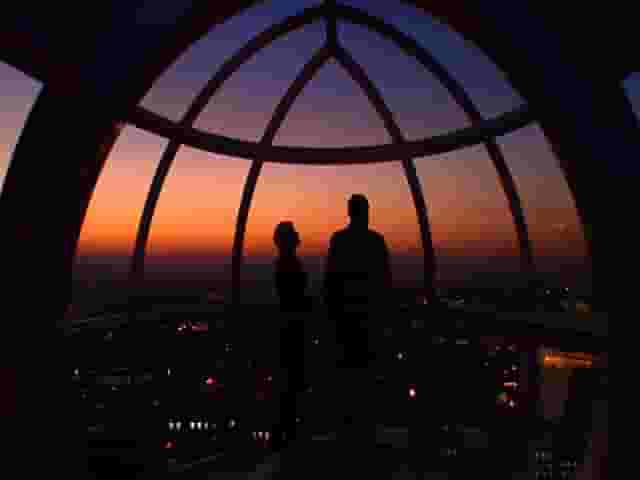
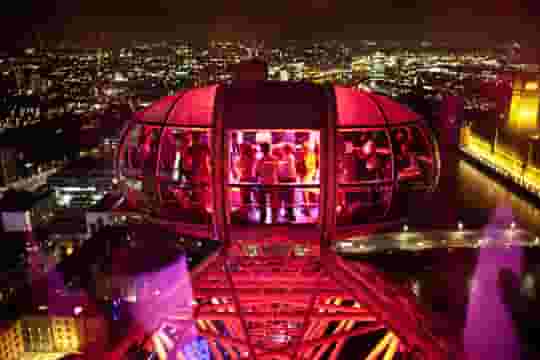

The London Eye
A private glass-enclosed capsule on the iconic London Eye observation wheel with 360-degree city views.
Find a networking venue
For a networking event, there is no shortage of settings to make the night stand out. A few pointers to get you going.
- Keep the layout open so guests can move and mingle freely, and just large enough for your numbers. A casual seating arrangement makes it feel more natural, and we like the eclectic furniture at Wallacespace Clerkenwell Green and Wallacespace Spitalfields for putting people at ease.
- You may want a stage or focal point to bring everyone together for a welcome, a few words or some live entertainment.
- Some venues only allow in-house caterers, which can be limiting. If you bring your own, confirm they can use the venue’s kitchen.
- Hard-to-reach spots have higher drop-off, so look for easy transport links. Trafalgar St James is a good central option with several spaces, and Century Club offers a versatile range, including a covered rooftop, for something smaller.
Swan at The Globe
Elegant event venue at Shakespeare's Globe with stunning Thames views and versatile spaces.
Big Belly Bar
A lively bar and comedy club on London's South Bank with live entertainment and food.
Pan Pacific London
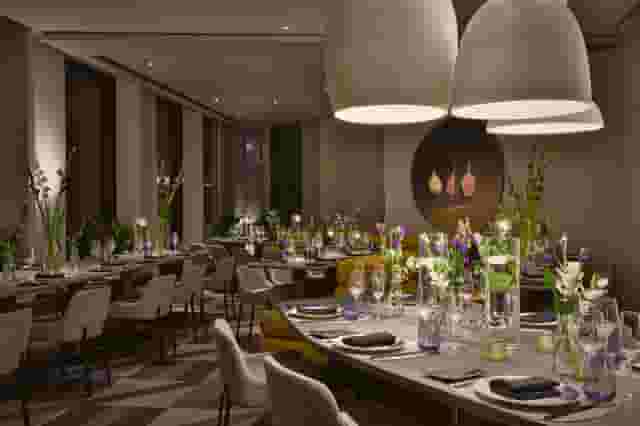
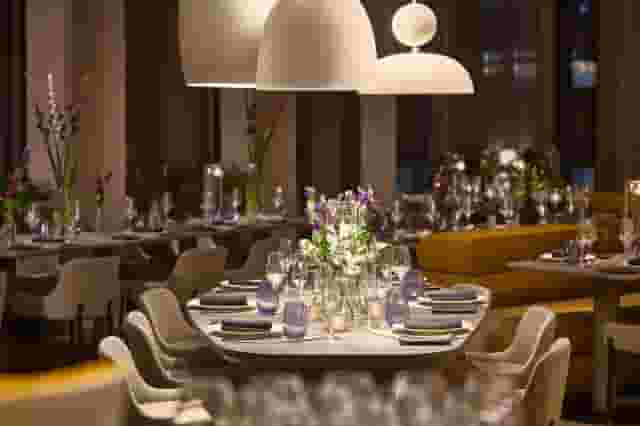
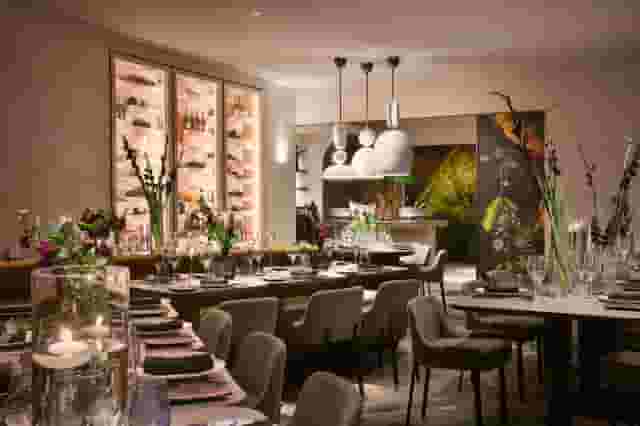
An elegant private dining room for 50, featuring Singaporean cuisine and views of Bishopsgate Plaza.
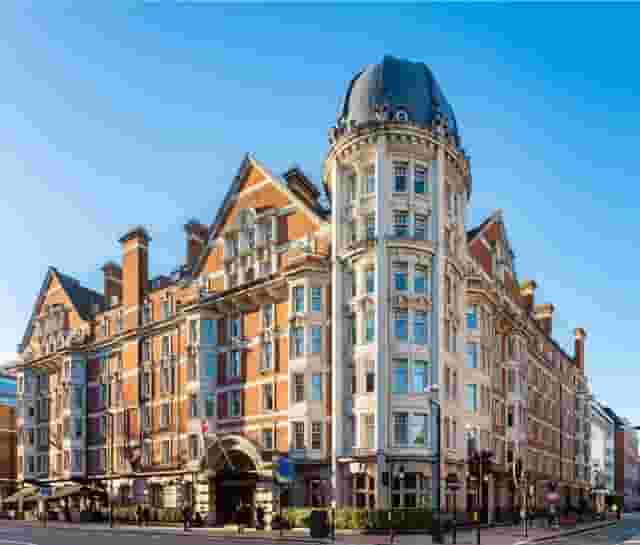
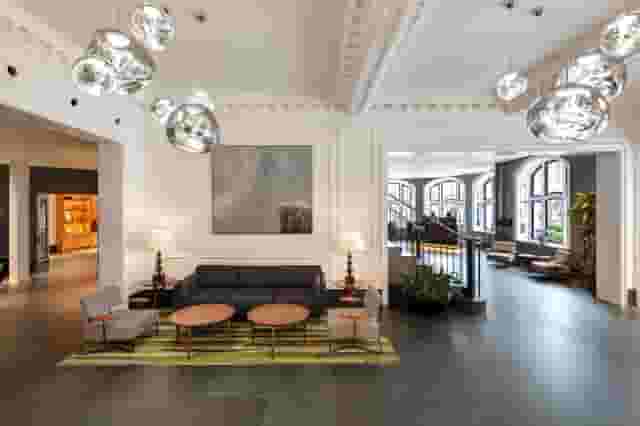
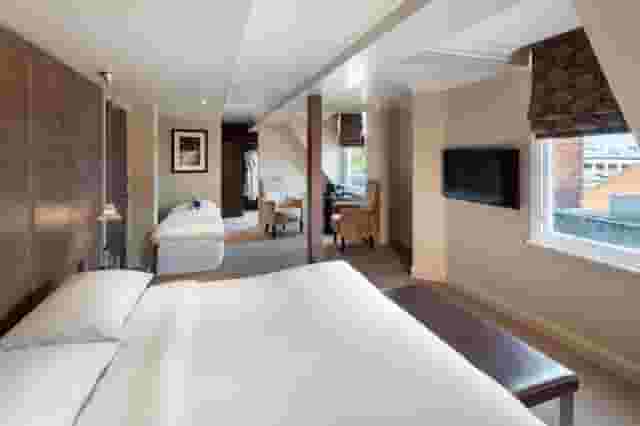
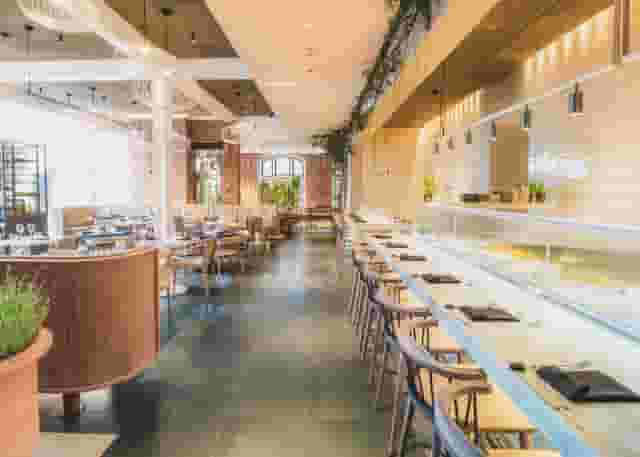
Radisson Blu Hotel +1 more
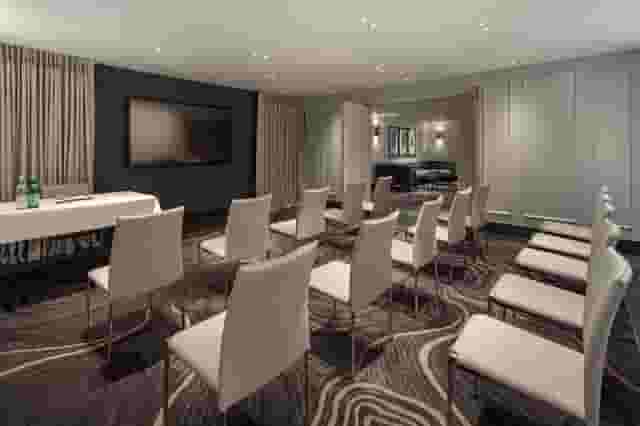
A modern 4-star hotel in Central Bloomsbury with flexible meeting spaces and on-site bedrooms.


Tobacco Dock
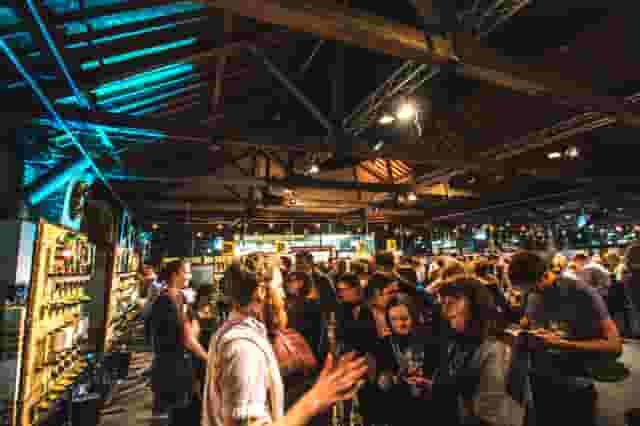
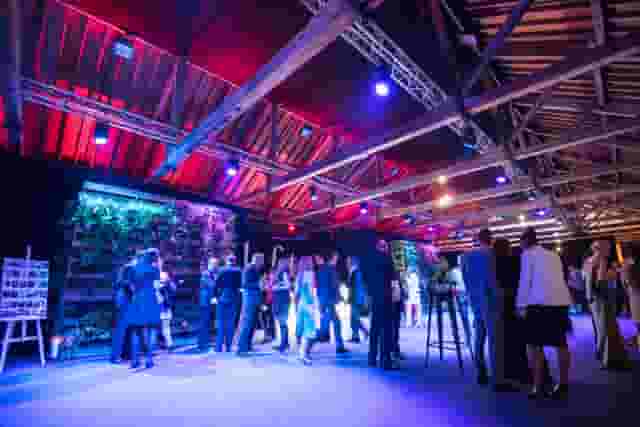
A versatile private dining hall in a historic venue, ideal for large events with top-notch catering.
Friends House
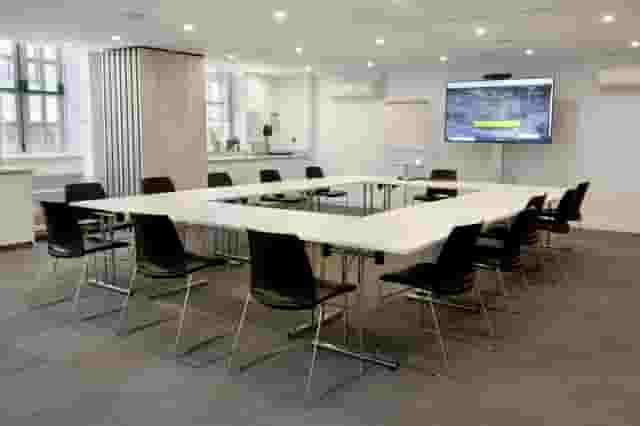
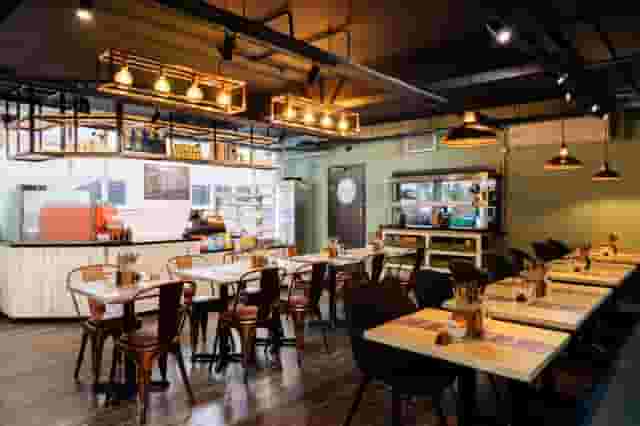
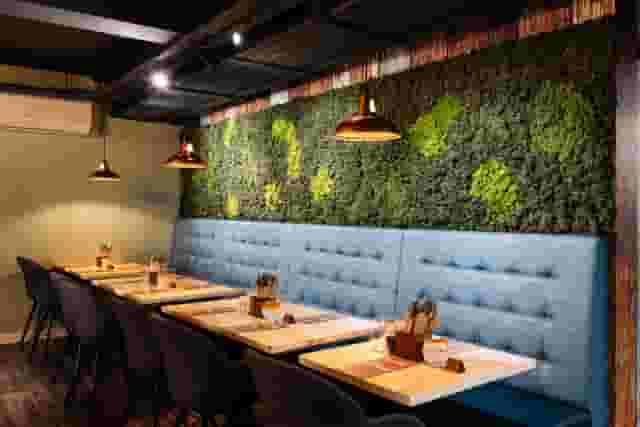
A bright, fully accessible meeting space for 45 with adjacent catering, near Euston Station.
Top tips for liaising with venues
When you deal with venues directly, stay open-minded, patient and flexible. Come with the full picture of your event and a list of questions, so think it through in advance and work out exactly what you need answered.
A few tips for talking to prospective venues: be flexible with your date, be clear about your budget, consider all your options, discuss cancellation policies in detail, organise a site visit, ask the right questions and do not be afraid to ask for help.
We have written a fuller piece on these tips, with the essential questions to ask, so take it and use it on your own search.
On the day
With the venue sorted, it is time to bring the event to life. We have plenty of experience to draw on here, from handling tech hurdles to getting attendees networking and engaged.
To keep your audience engaged, build in interactive elements: live Q&As, breakout discussions and personalised touches that get people taking part. Whether it is a conference, a product launch or a corporate celebration, tight coordination is what makes the day work.
If you would rather not run the day single-handed, we can set you up with an event manager to keep things on track, and provide event staff to look after guests. Hire Space 360 members also get help finding replacements for any drop-outs up to a day before the event.
Tips from our events team. Build in time for a dress rehearsal: it surfaces tech issues like mic feedback or projector hitches, and you want those ironed out before guests arrive. Know who your contact is at the venue, so you can reach them during the event, even if it is only to top up the water jugs. And have an event manager on hand if you are nervous about overseeing it yourself, since we can source experienced managers where the venue does not provide one.
Hire Space 360 is built to take the stress out of planning, with expert support, trusted suppliers and on-the-day help. Whether you need an event manager or last-minute cover for drop-outs, we can sort it.
Trending venues

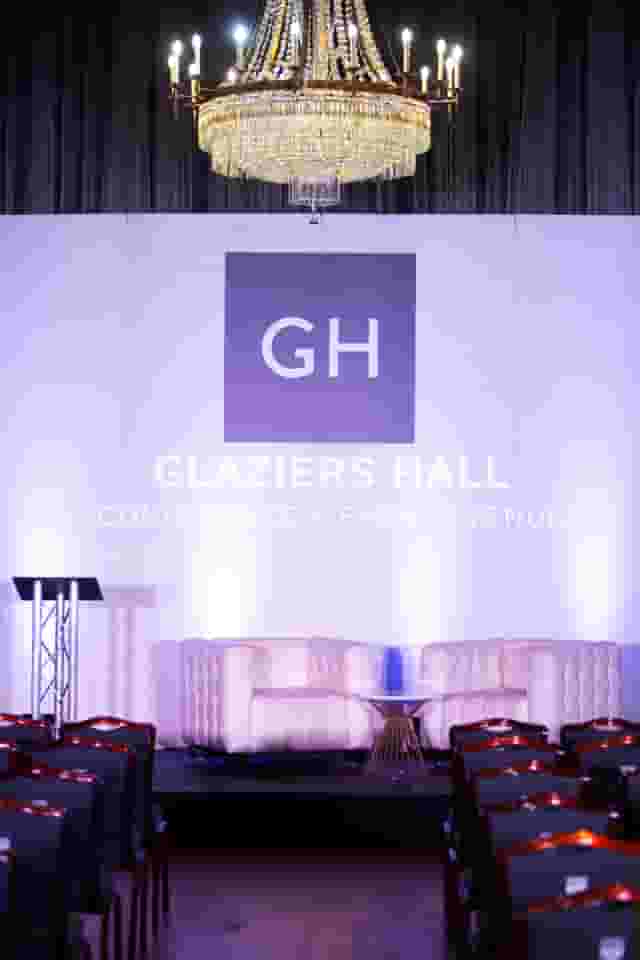

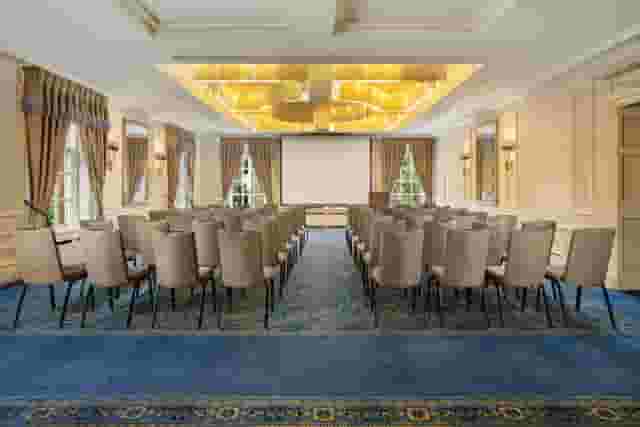
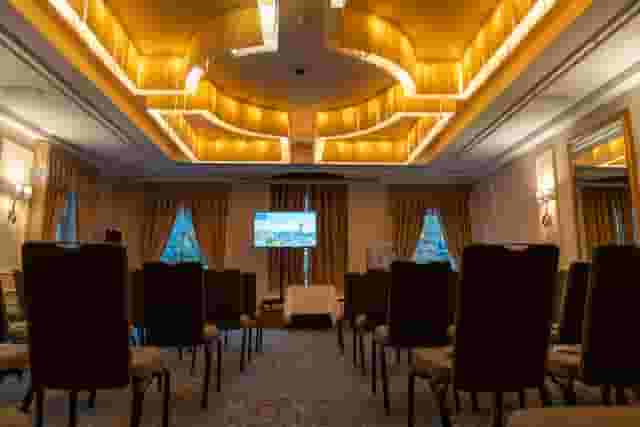
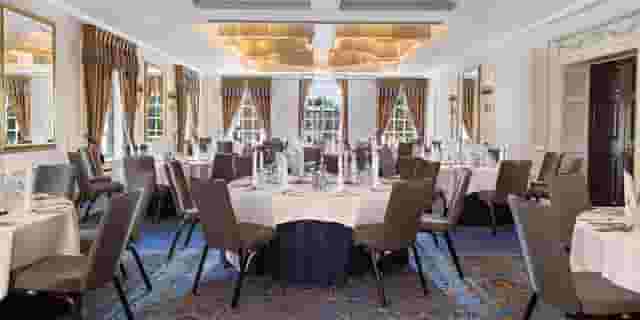








Ready to find your venue?
Tell us what you are planning and we will take it from there. It is free, and a venue expert will do the legwork with you.
Or let Deep Venue Research shape your brief first. Deep Venue Research →
Frequently asked questions
I have contacted a venue but not heard back, what should I do?
Is there anything in between dry hire and all-inclusive hire?
What if I do not have a confirmed number of attendees?
How can I make the venue safer for attendees at in-person events?
What is a venue checklist and should I have one?
Should you confirm your venue before inviting guests?
One supplier. Every venue. Full visibility on what you spend.
Multiple venues and events. One agreement.