Wedding Licensed Venues for Hire in London
Find London venues licensed for civil marriage ceremonies, with upfront pricing estimates and advice on guest capacities, suppliers and licenses.
844 Wedding Licensed Venues for Hire in London








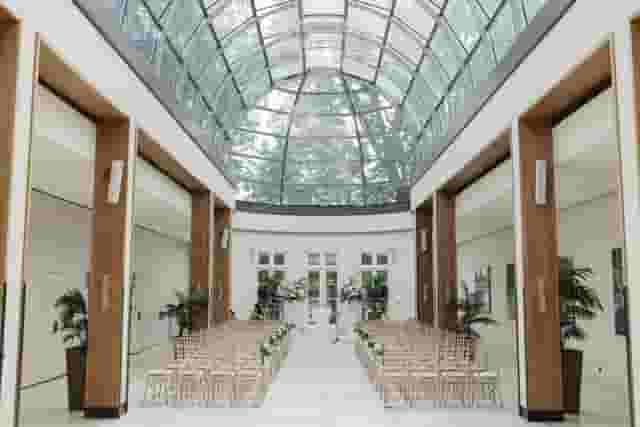


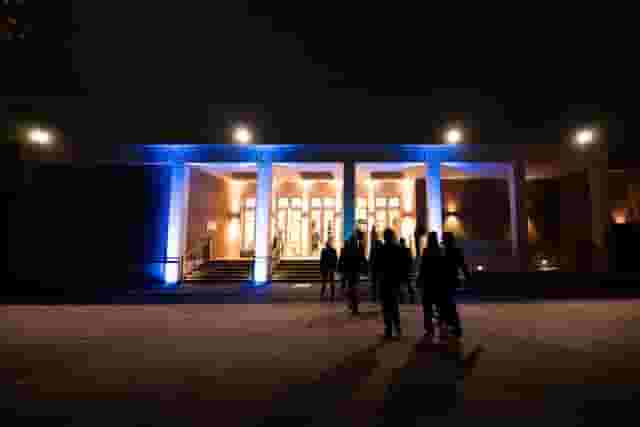


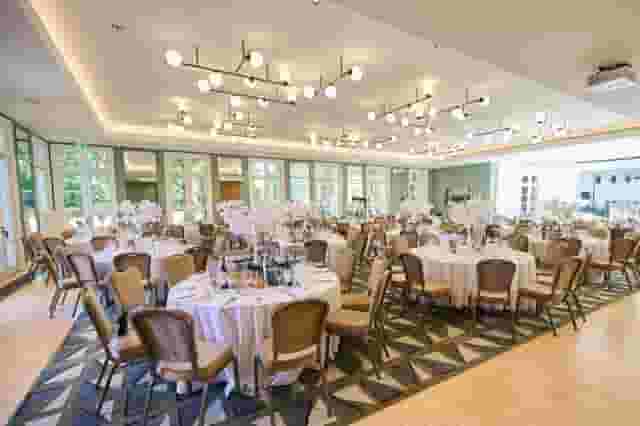
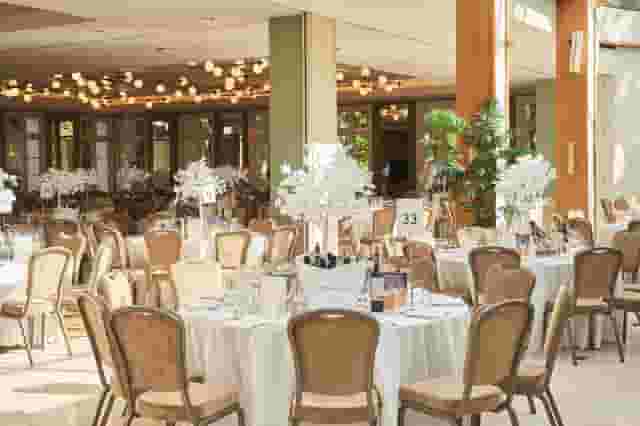




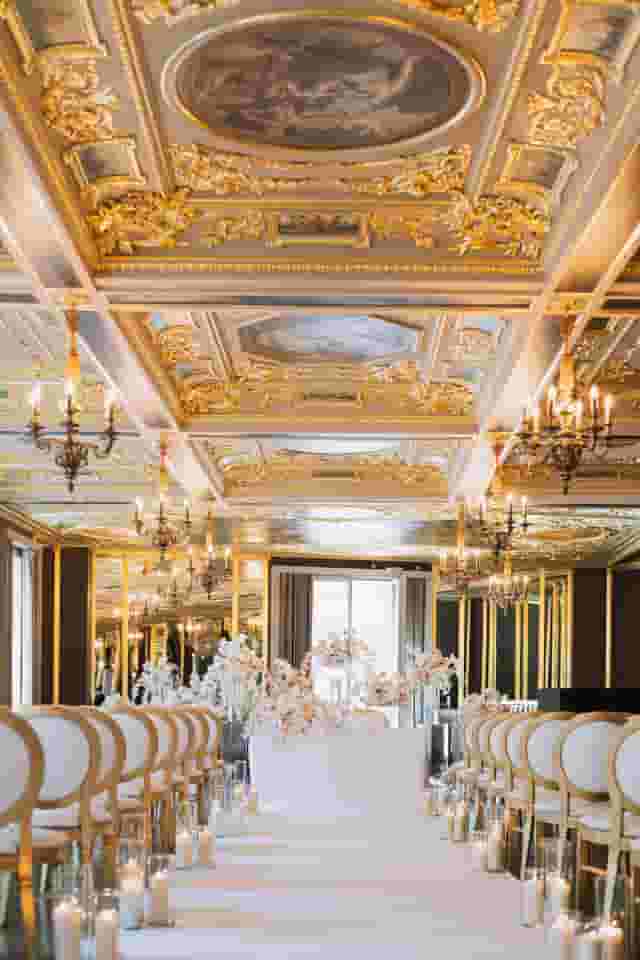

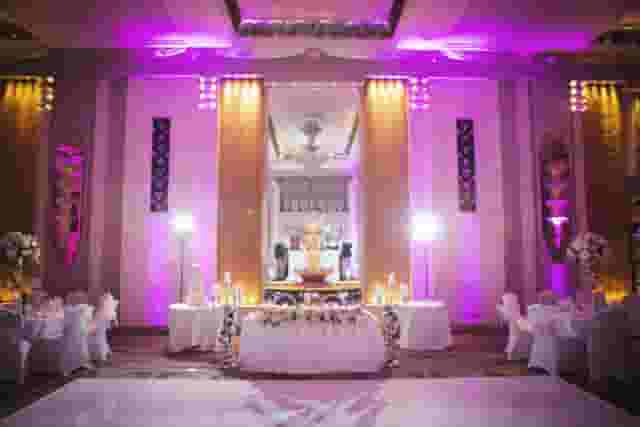
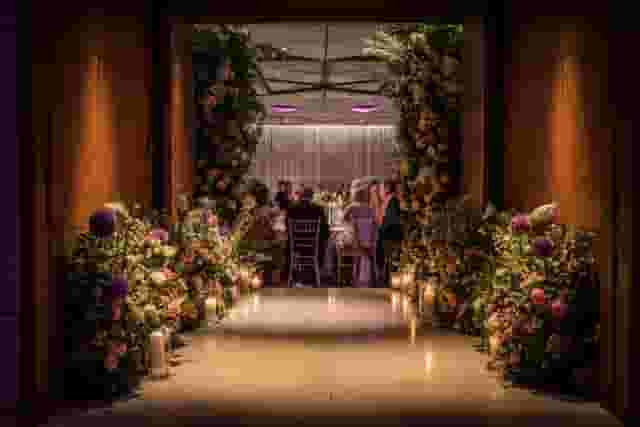
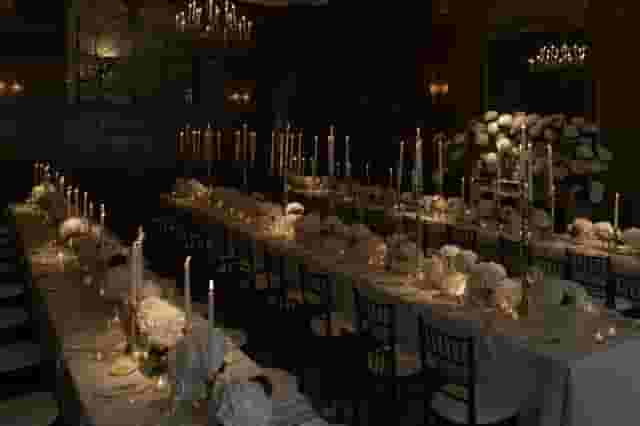
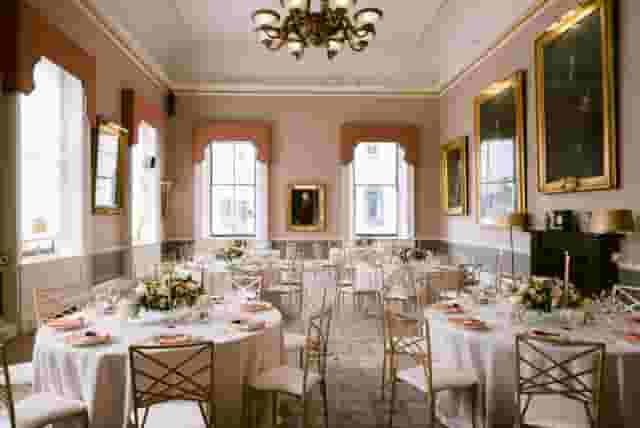
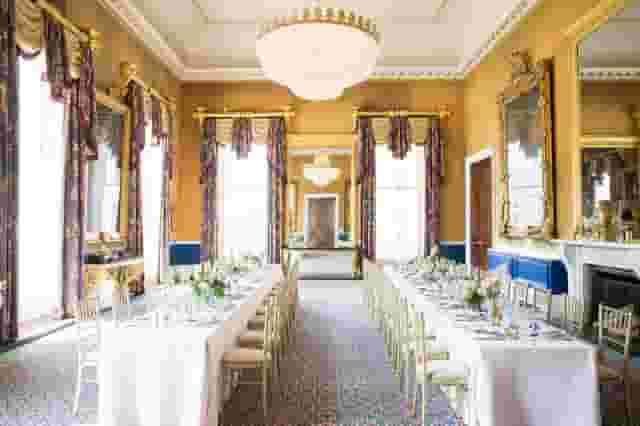
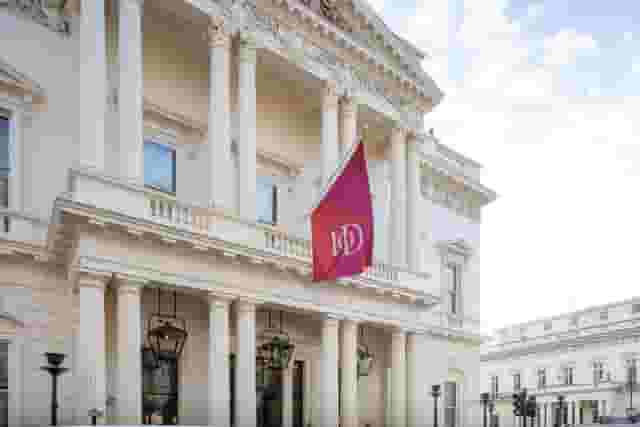
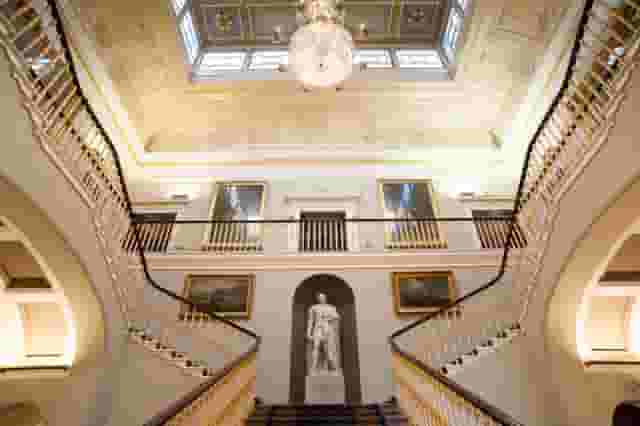

















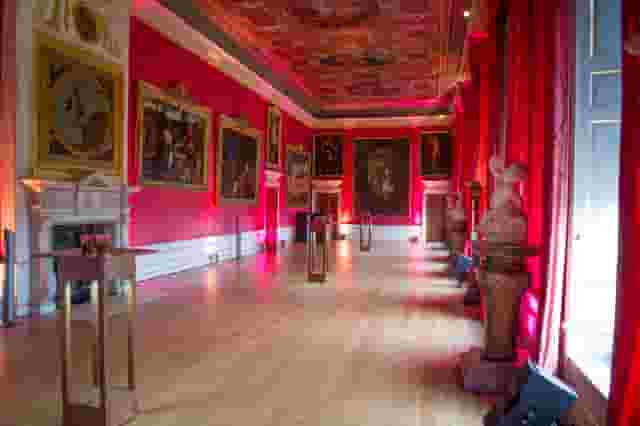
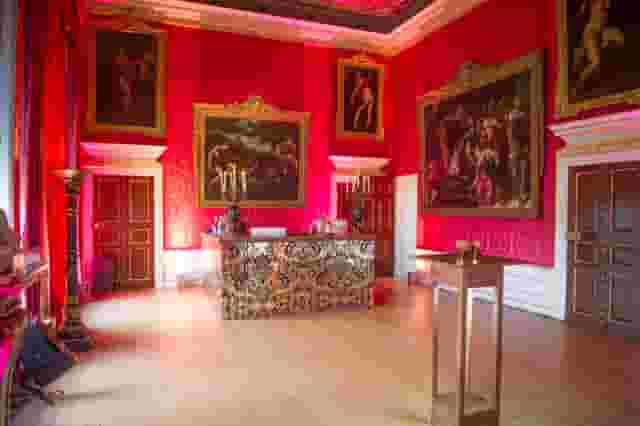
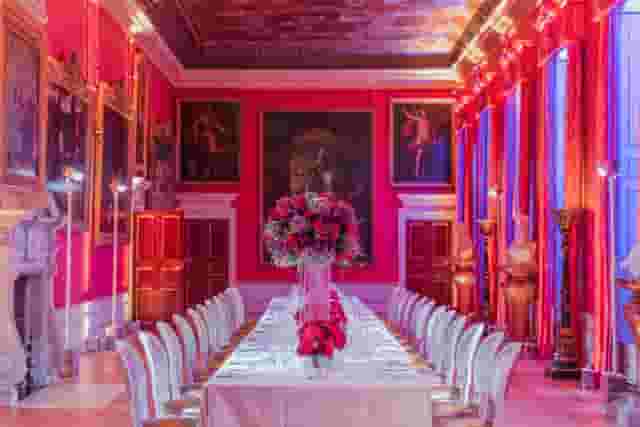
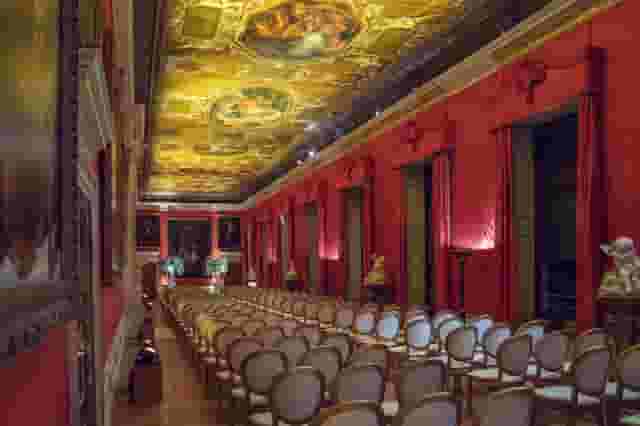

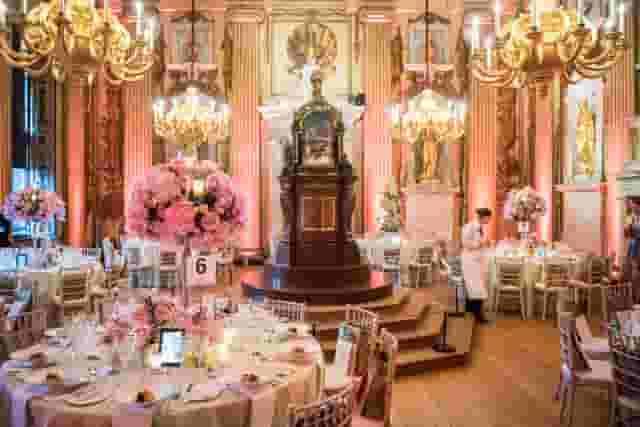
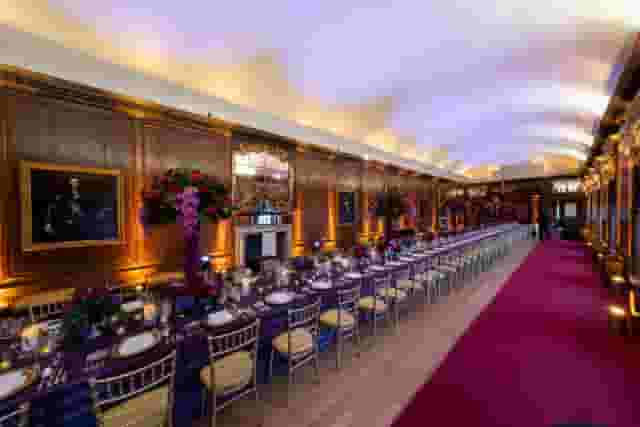
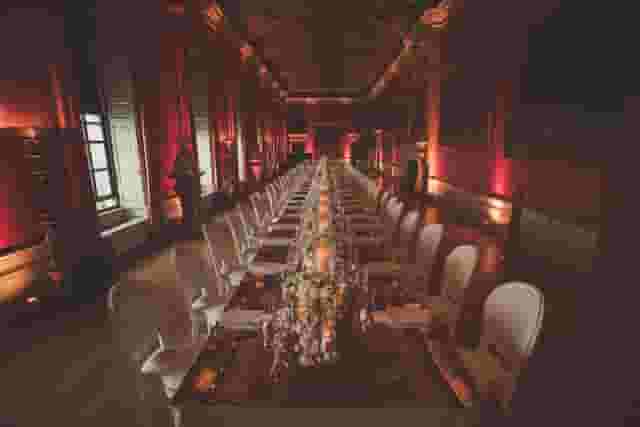
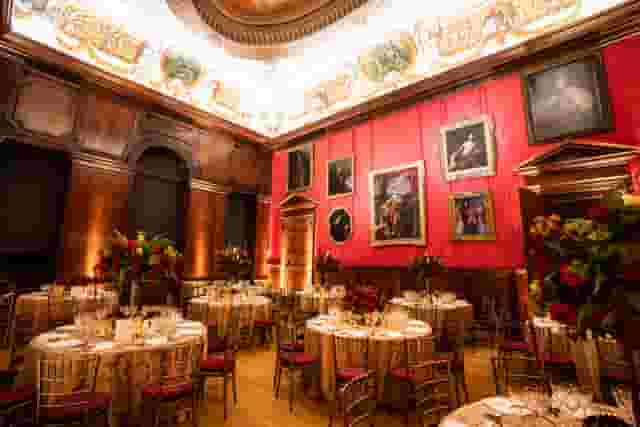
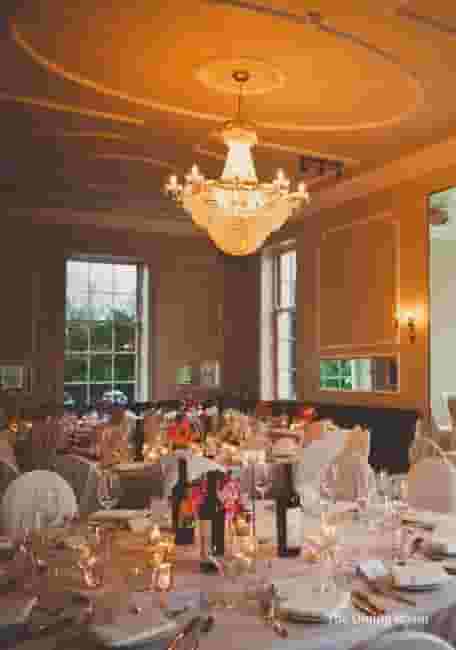
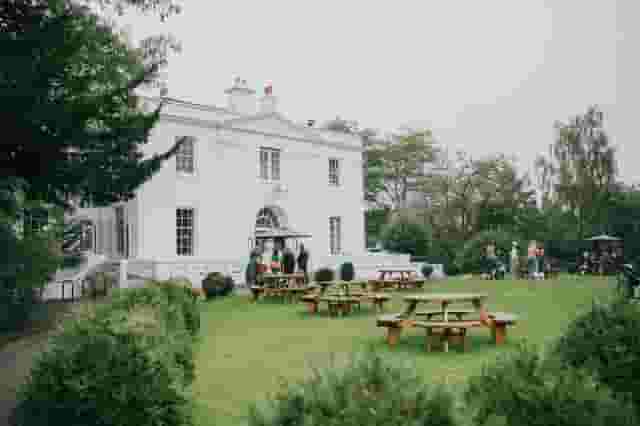
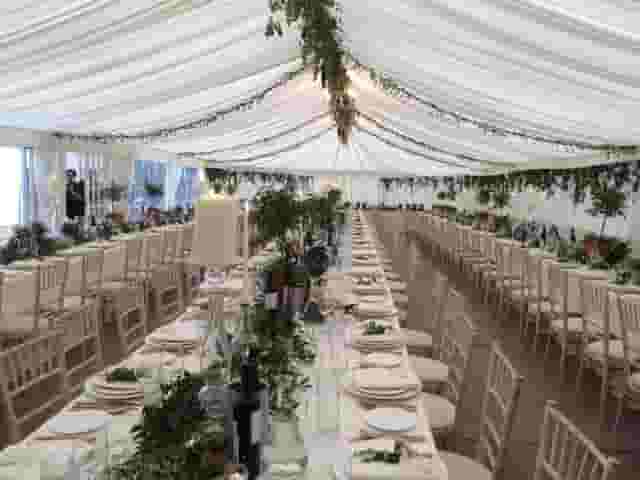
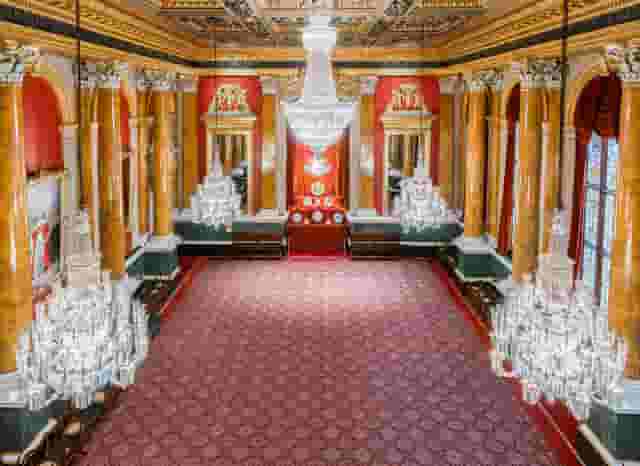
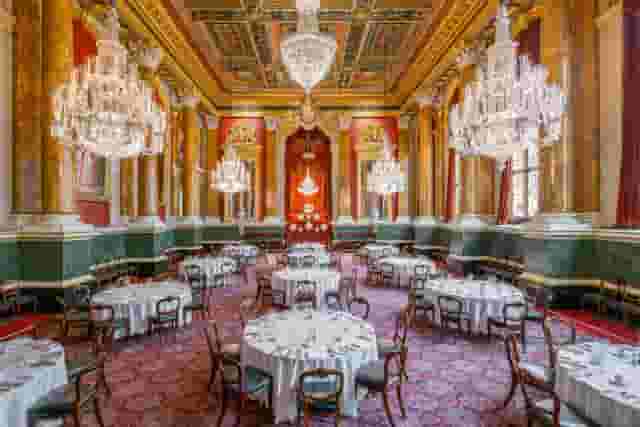
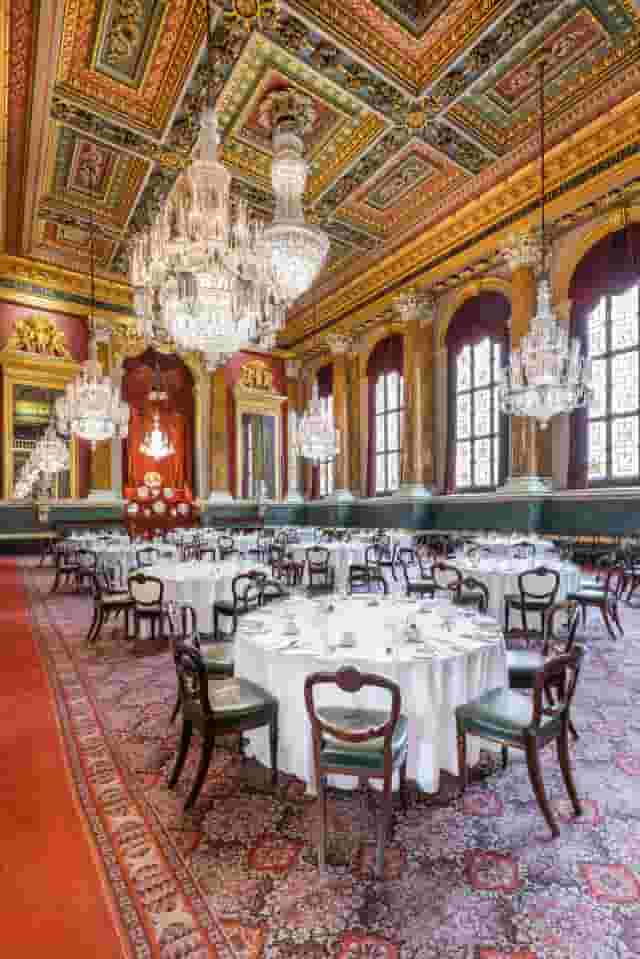

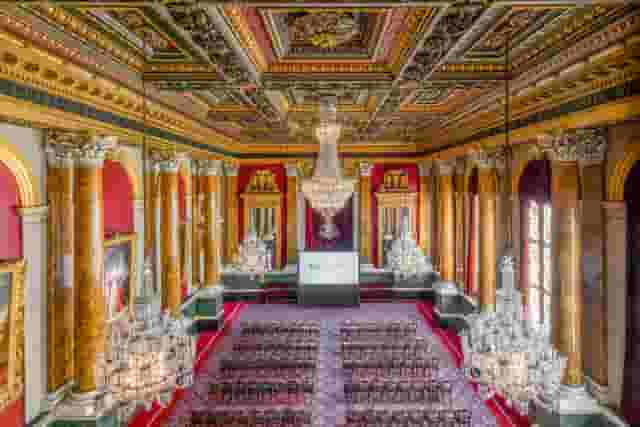
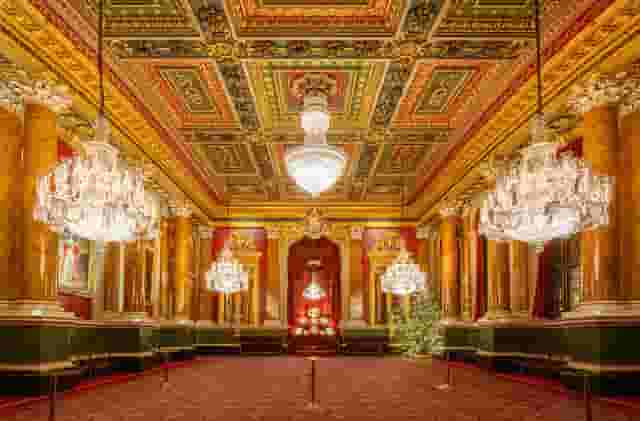
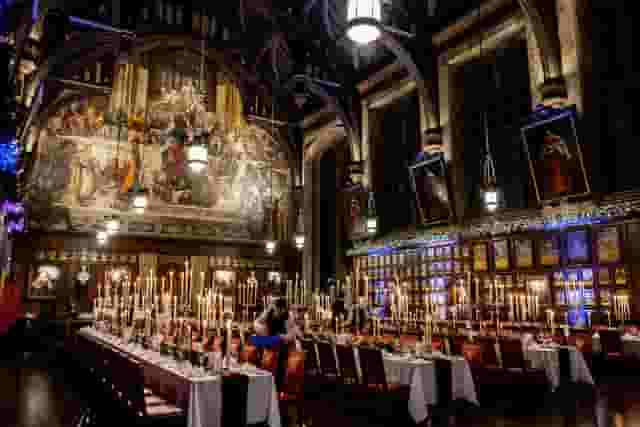
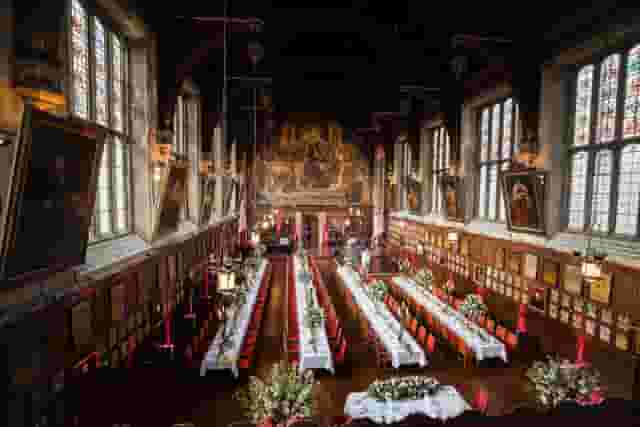
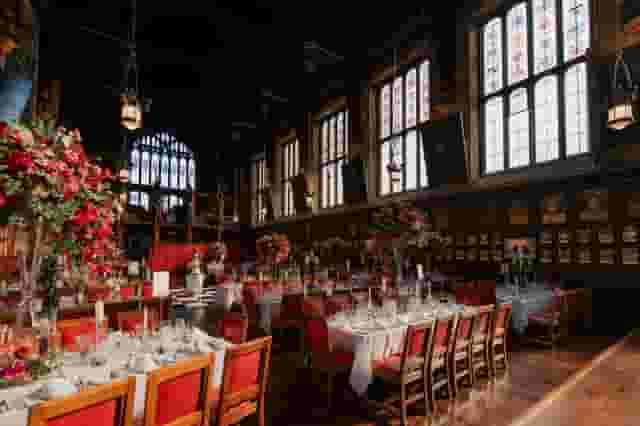
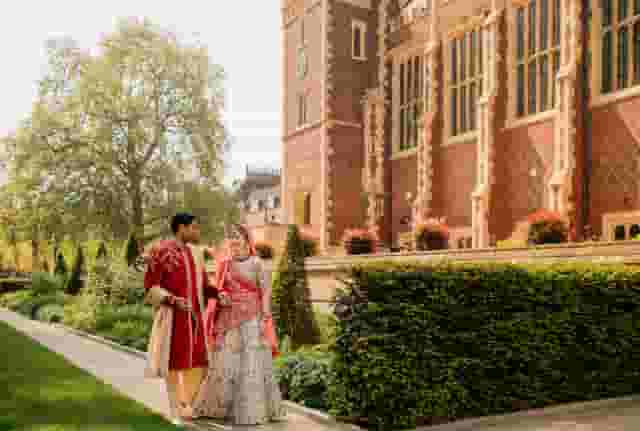
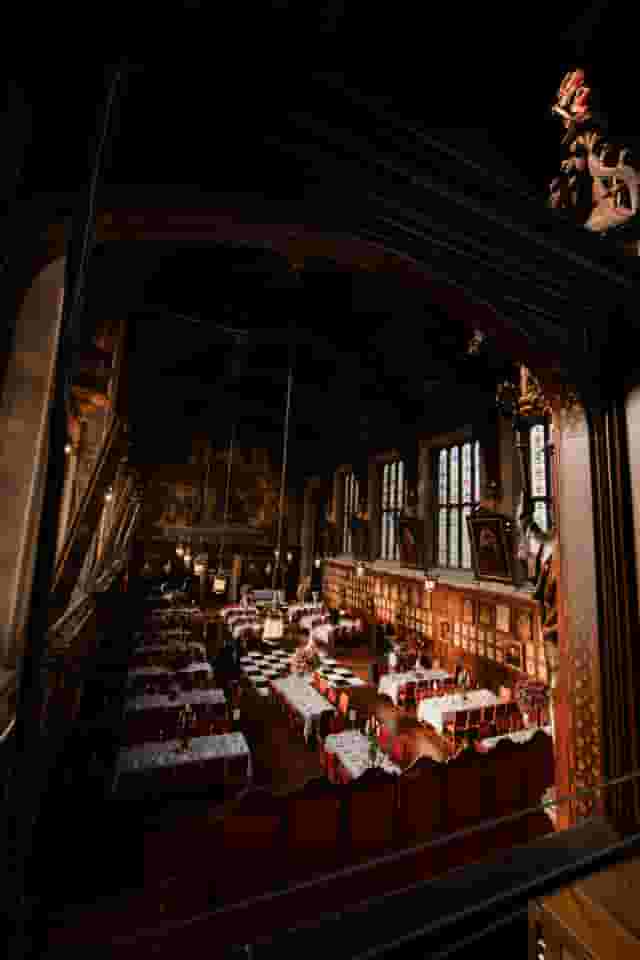
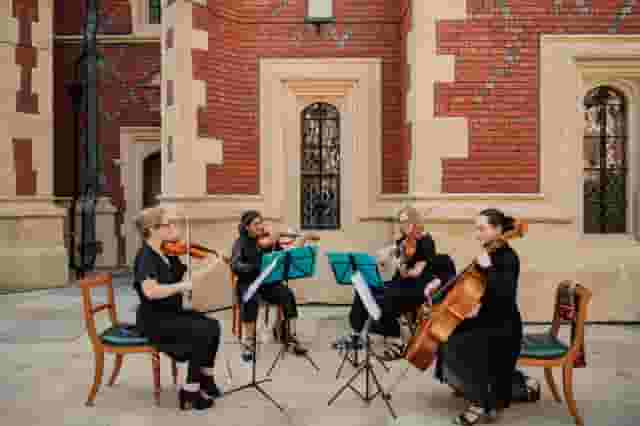
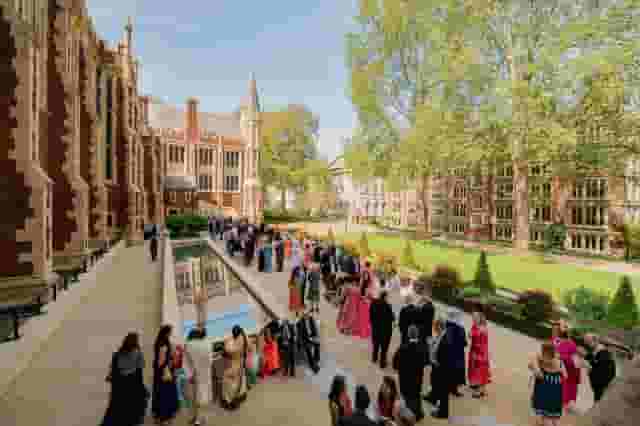
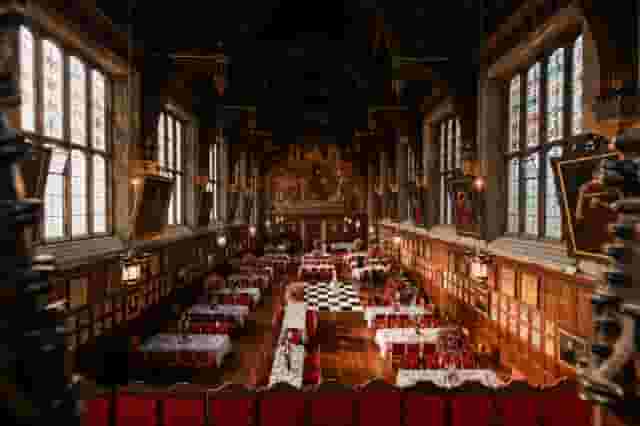








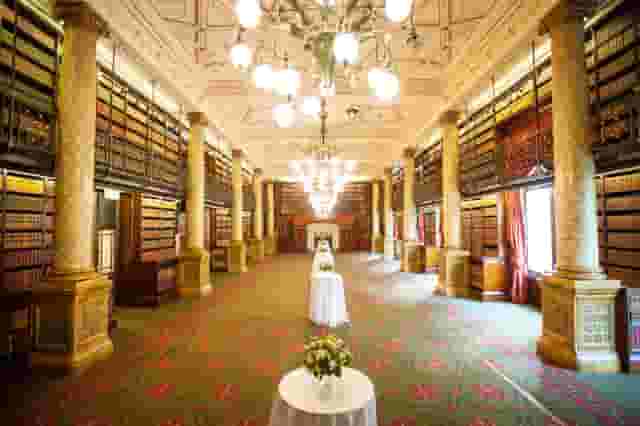
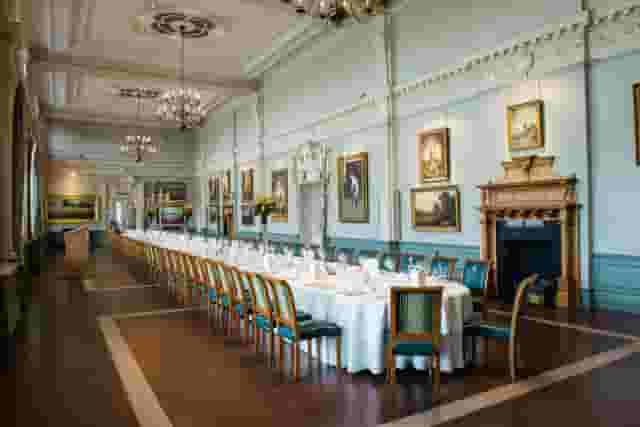
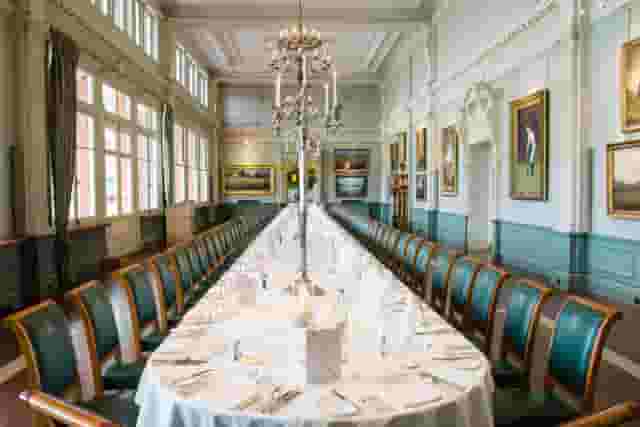
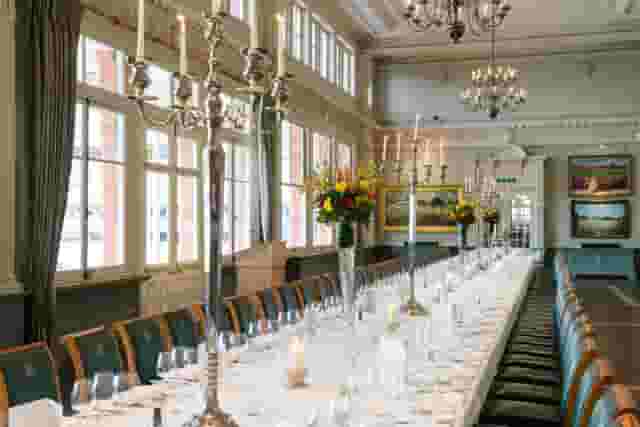
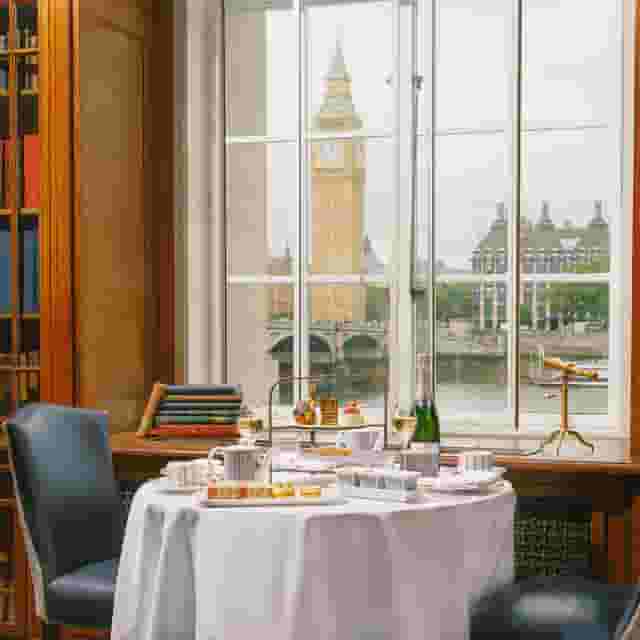
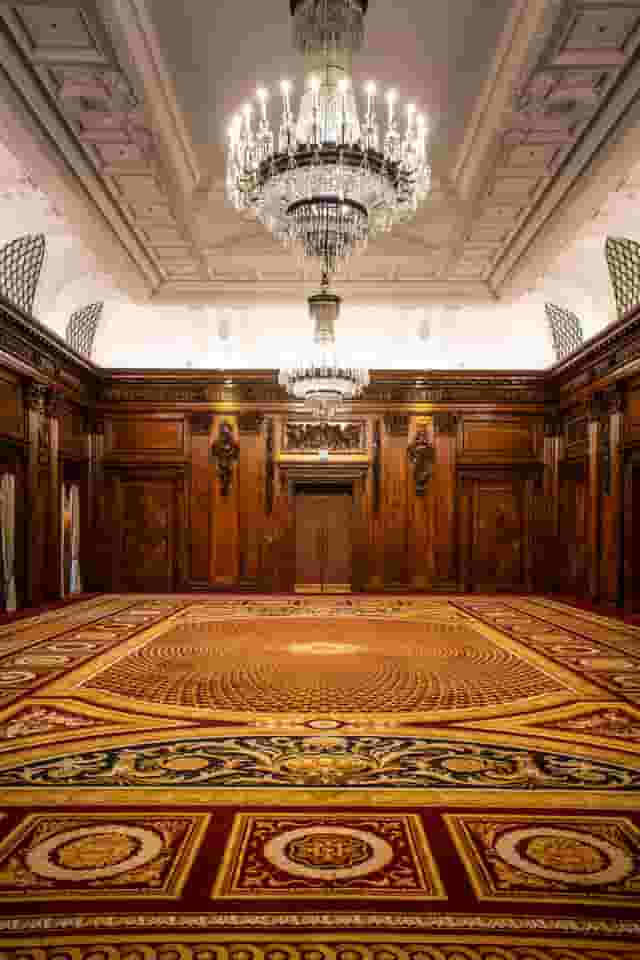
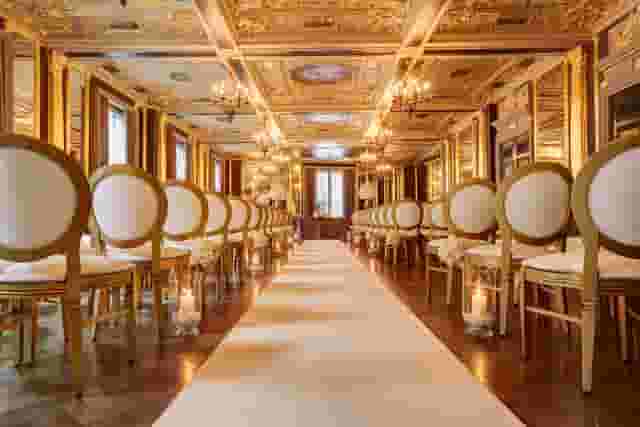
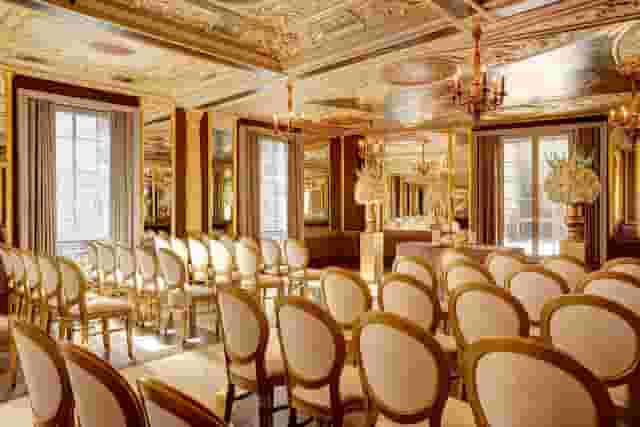
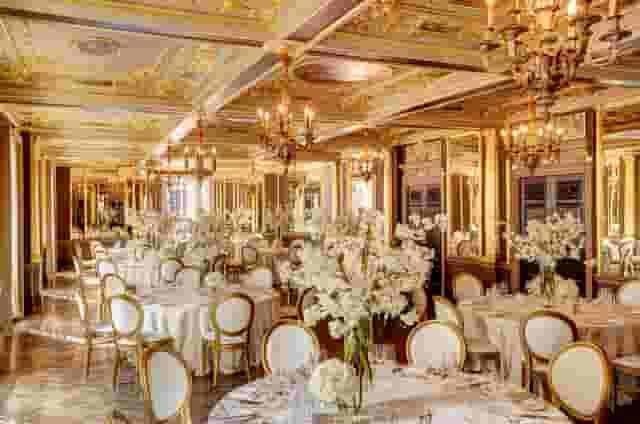
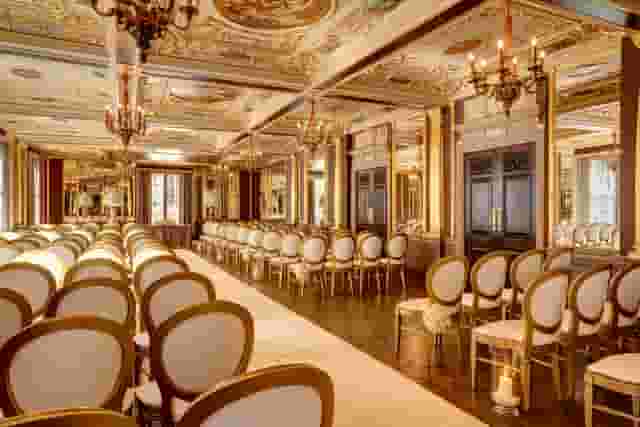
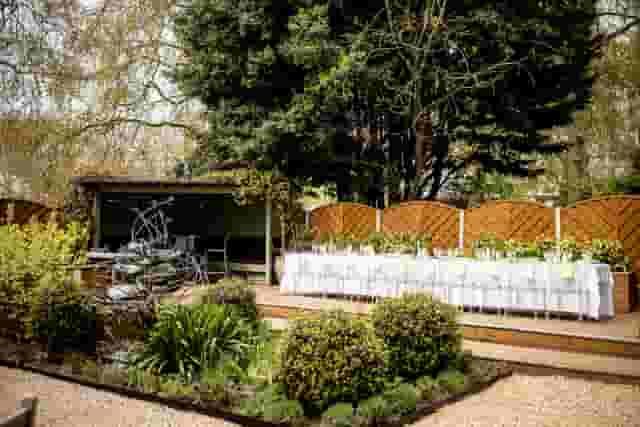
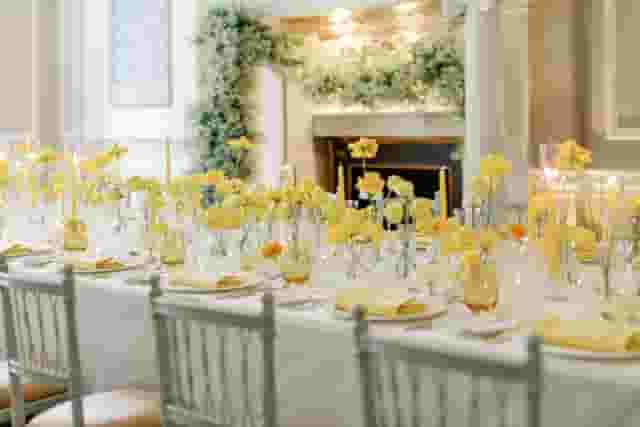

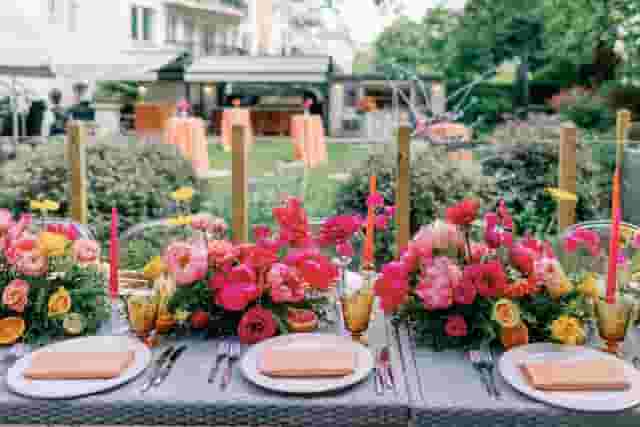
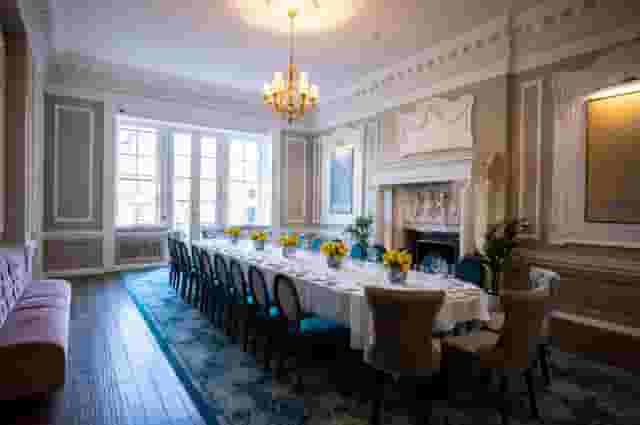

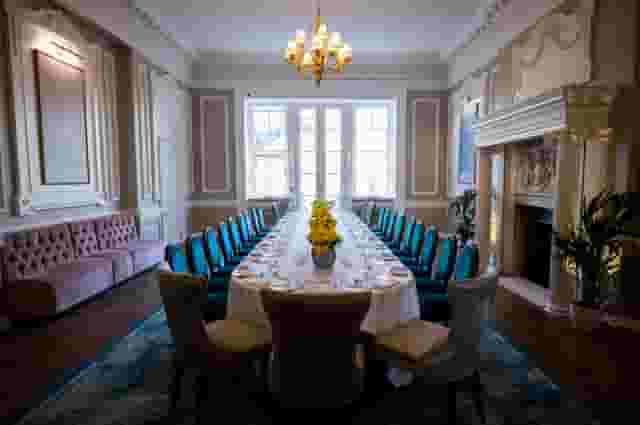
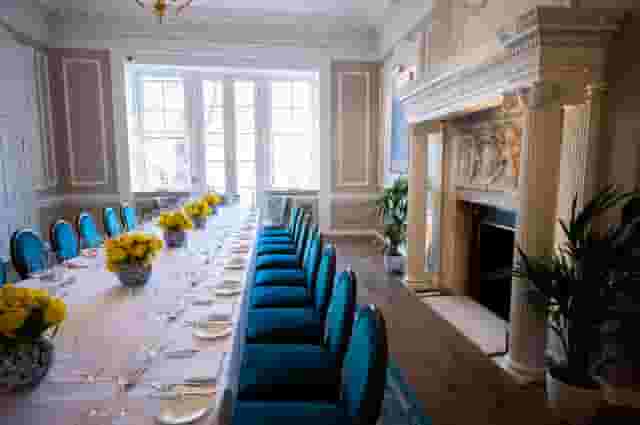
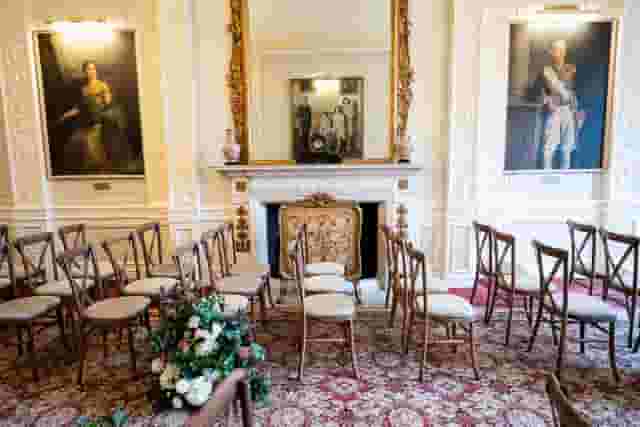
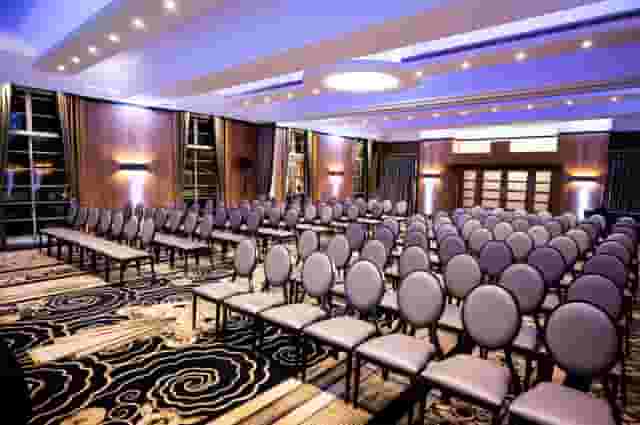
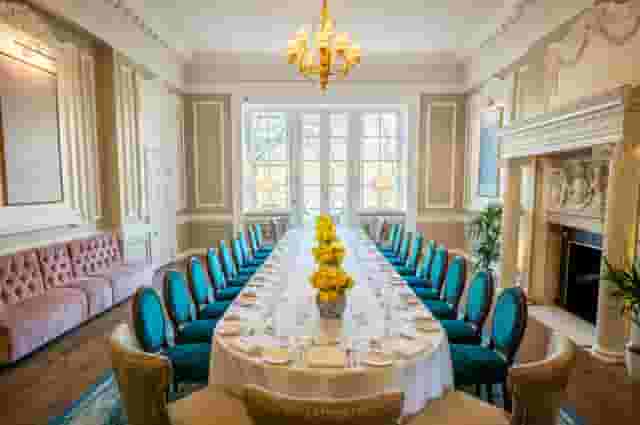
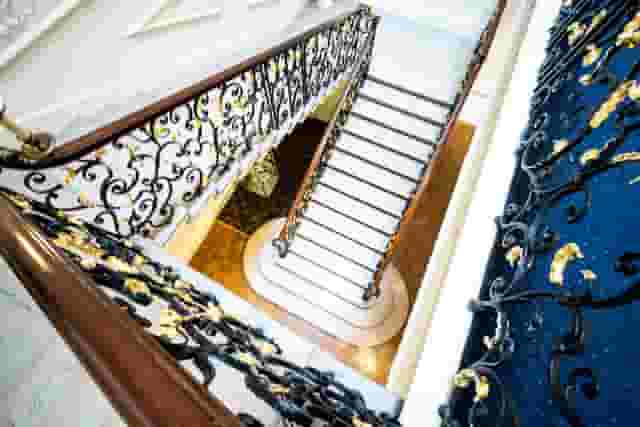
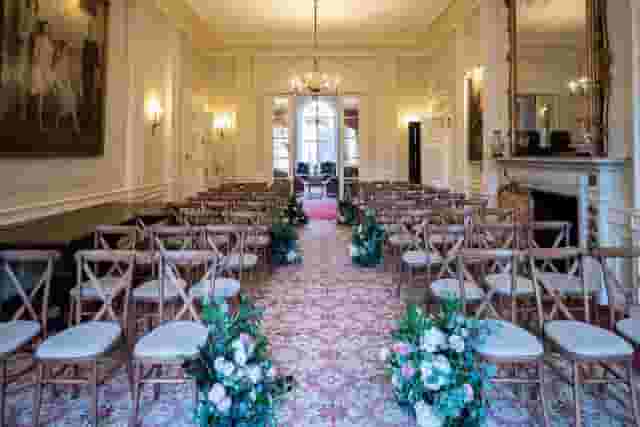










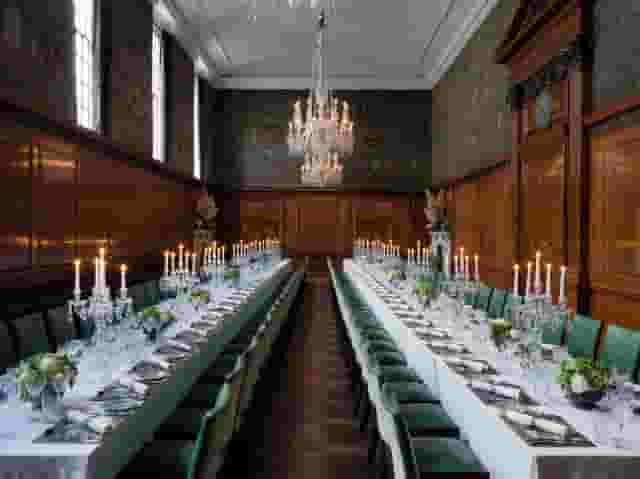
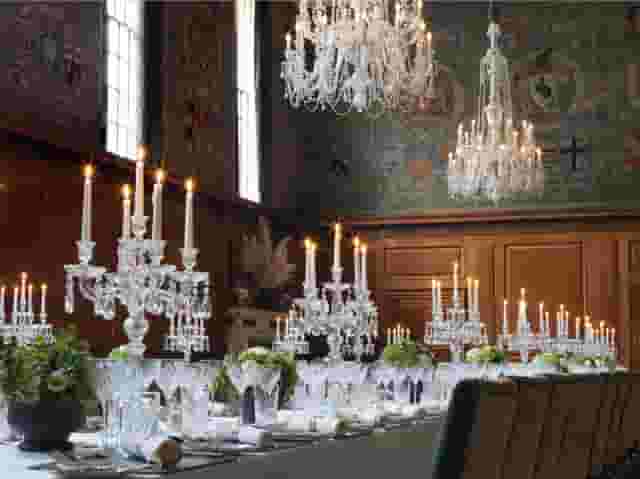
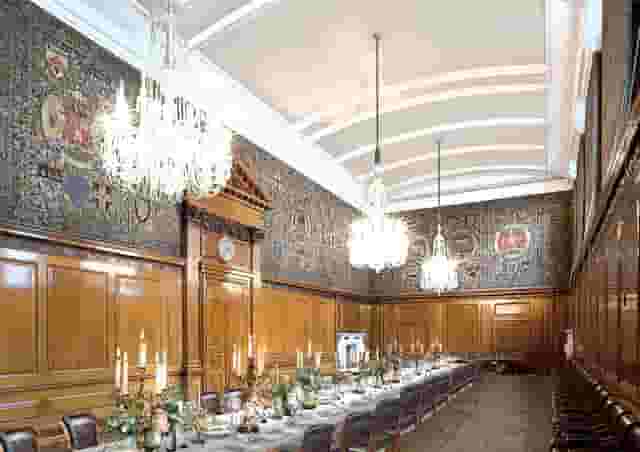
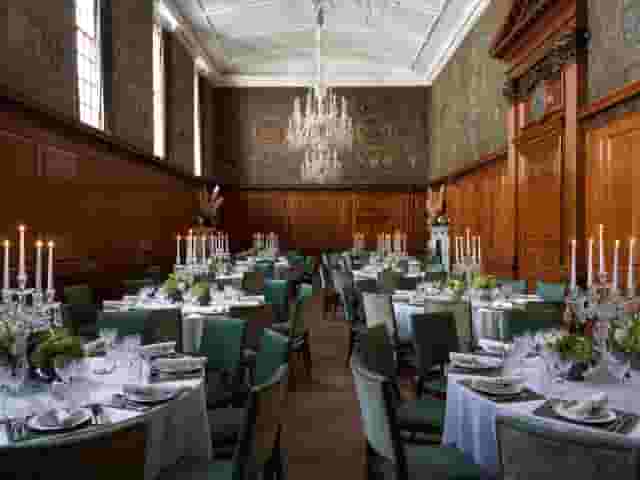








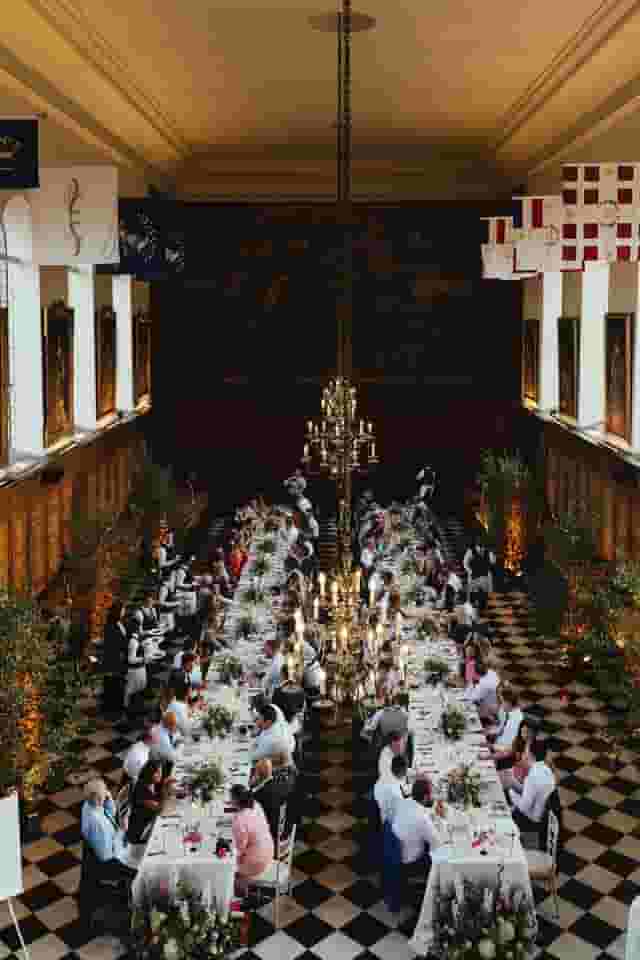
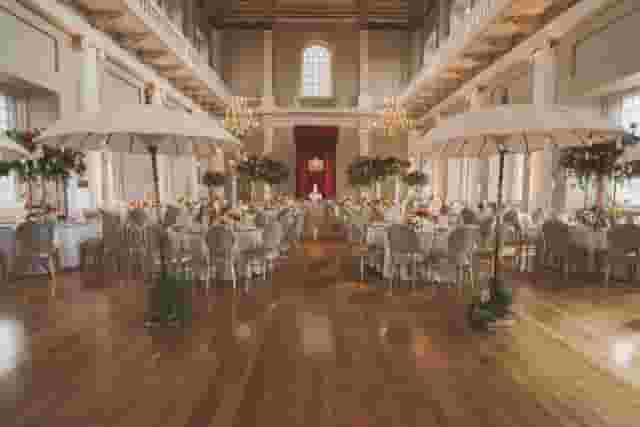
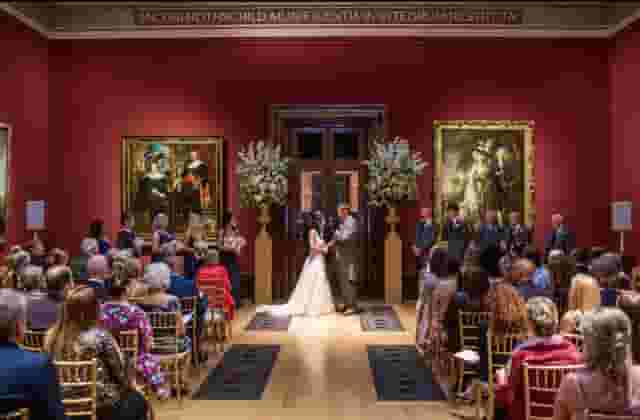
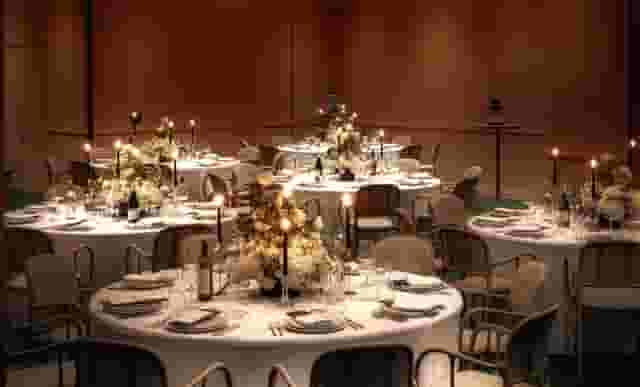





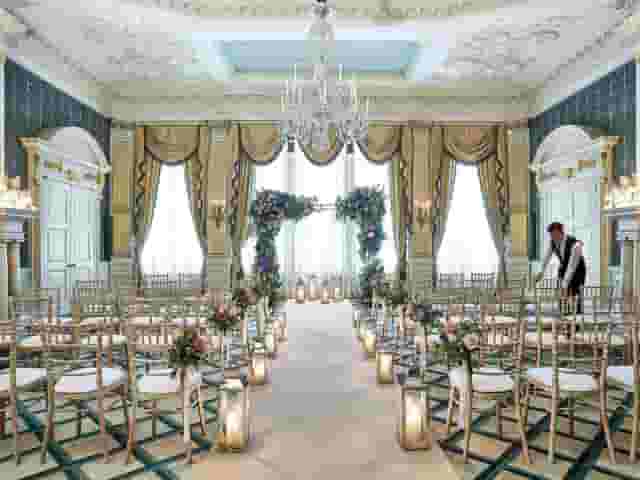
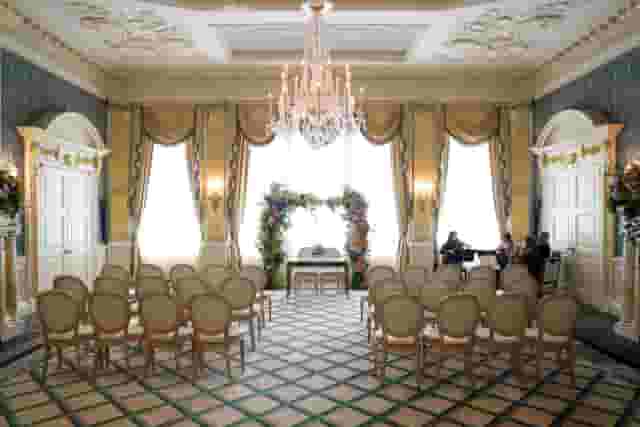
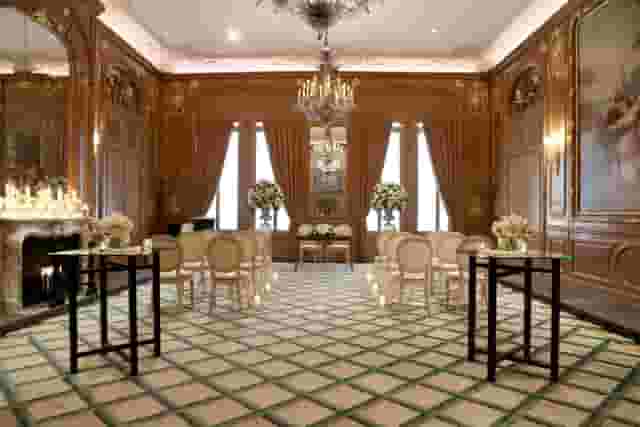
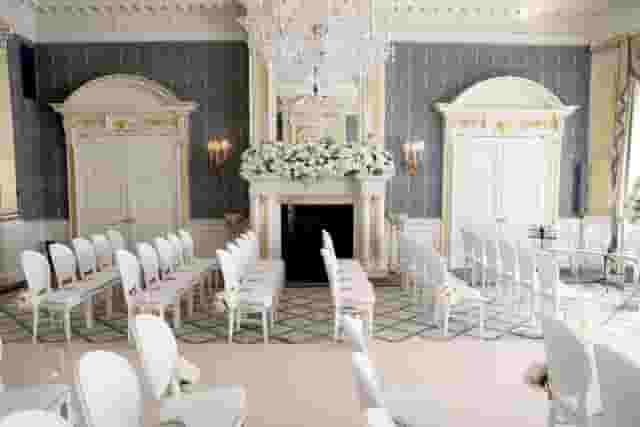
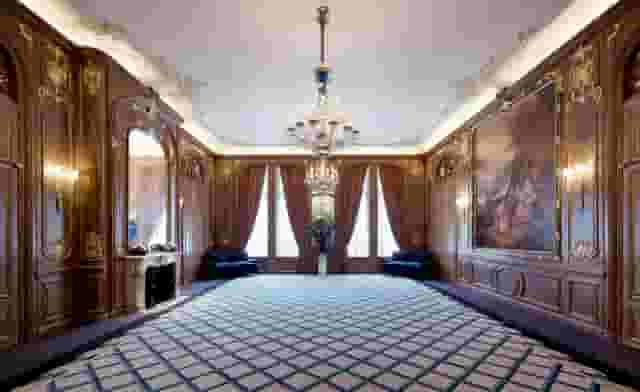
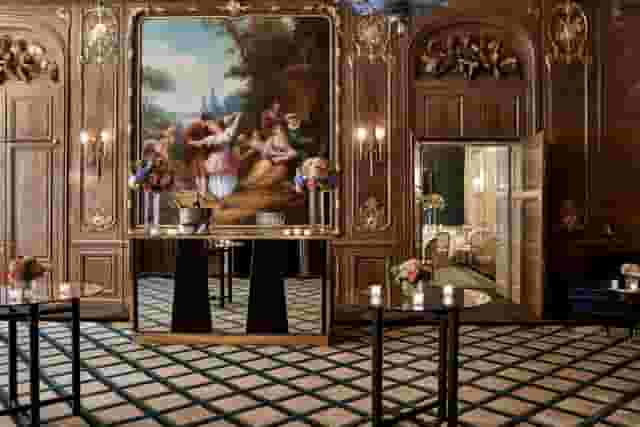
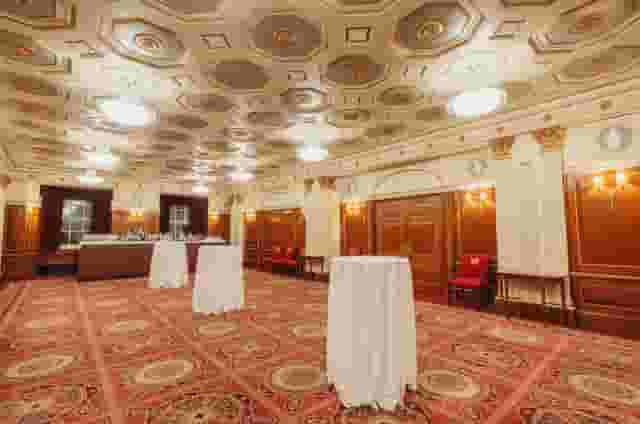
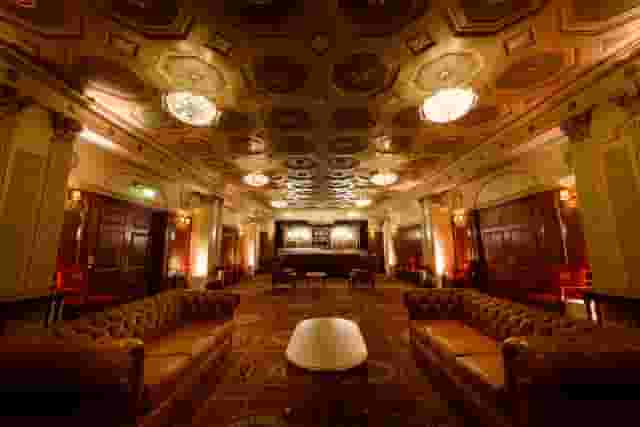


















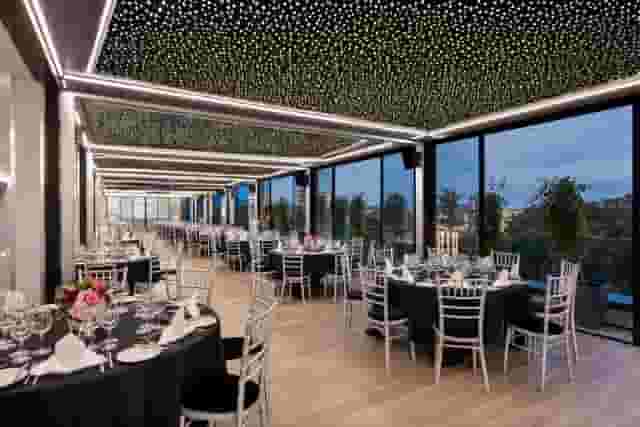
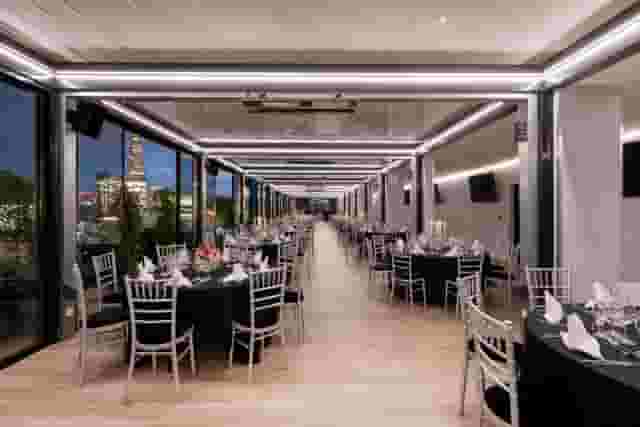

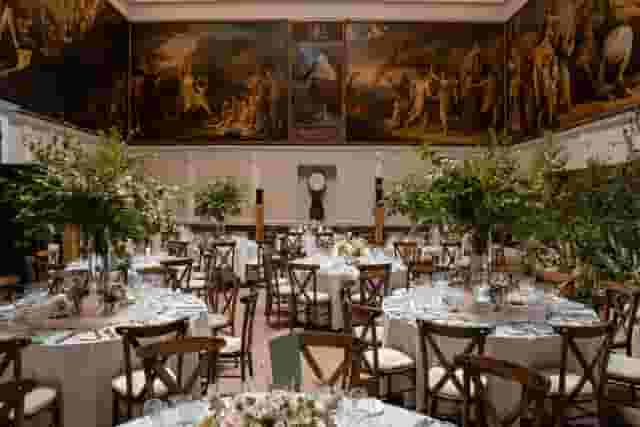

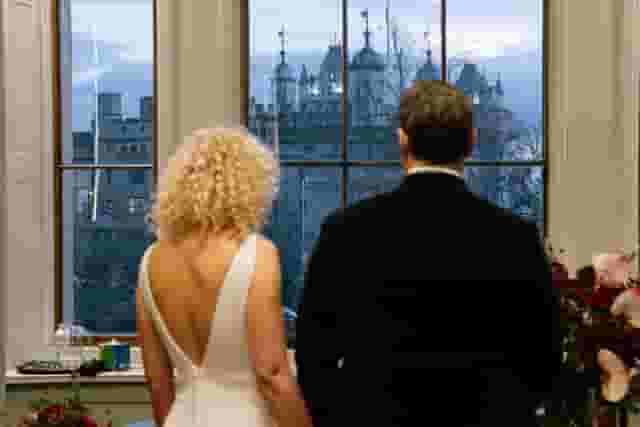
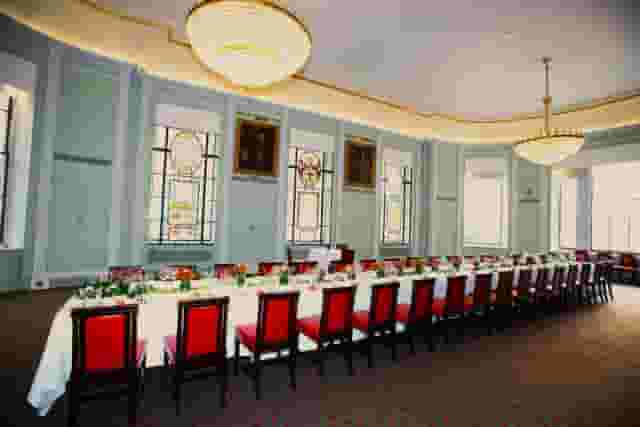
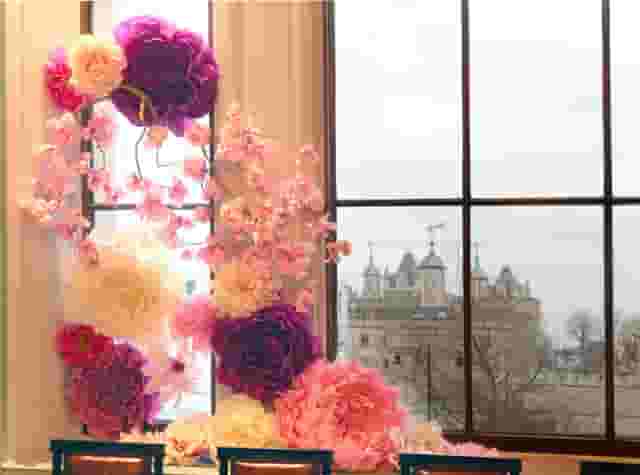
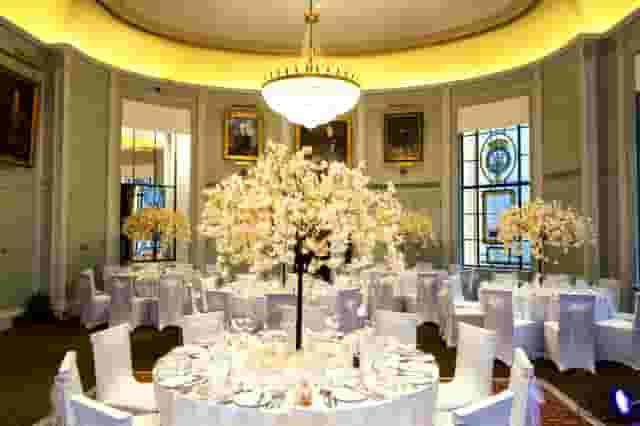
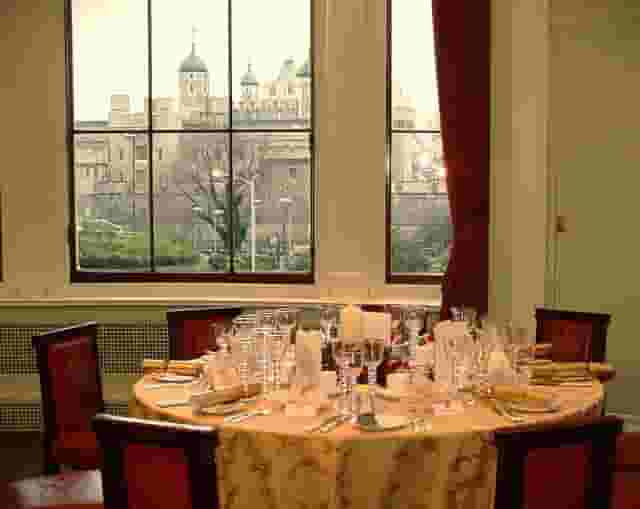
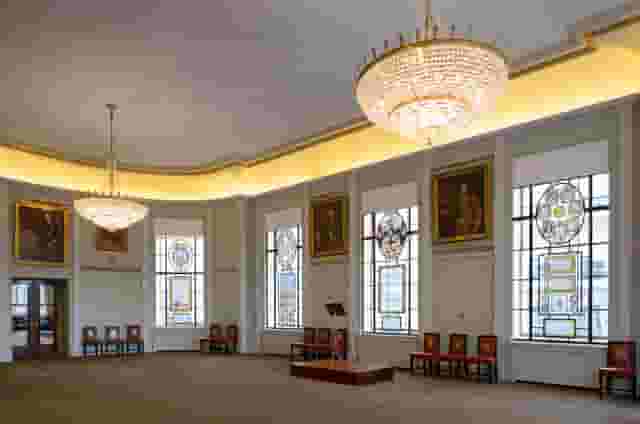
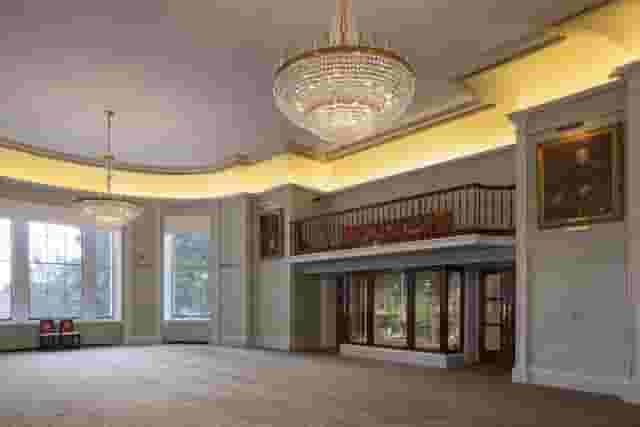
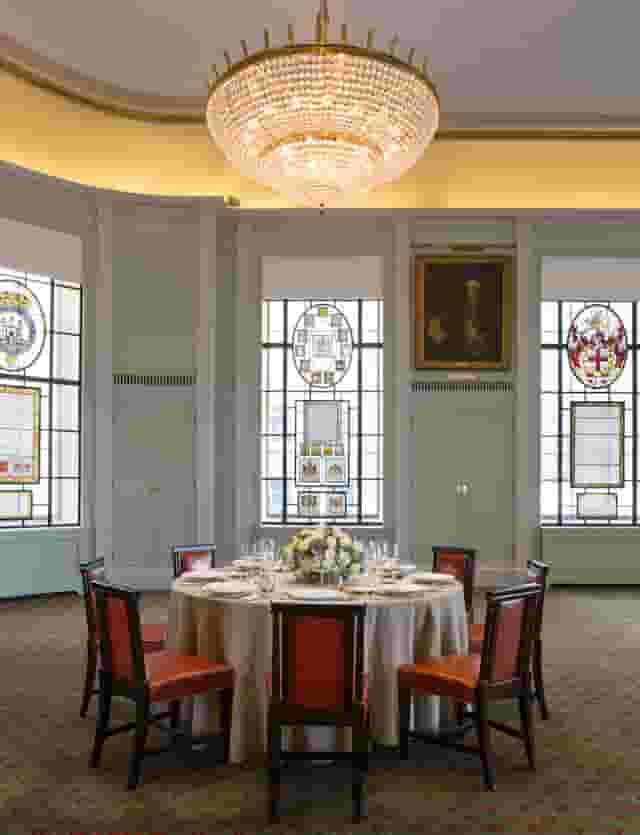
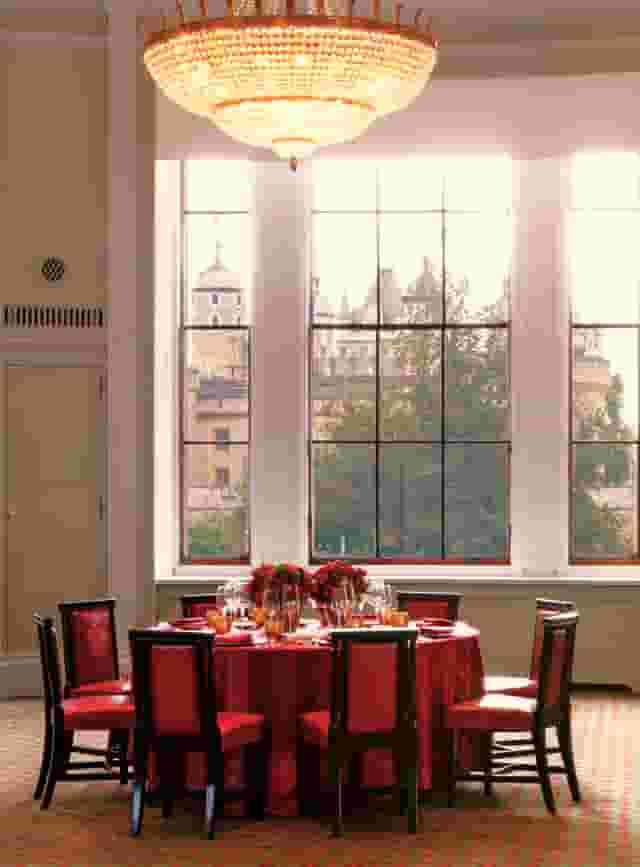



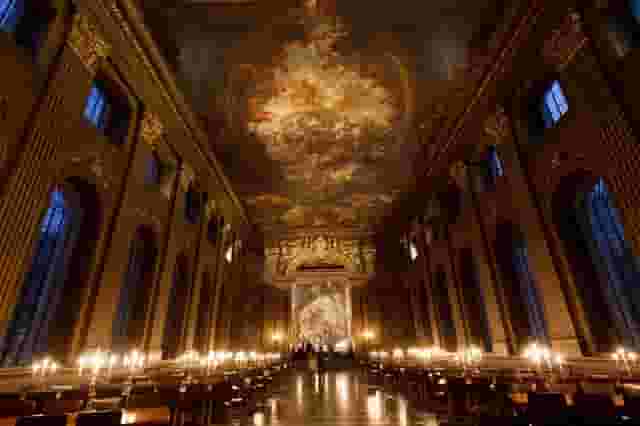
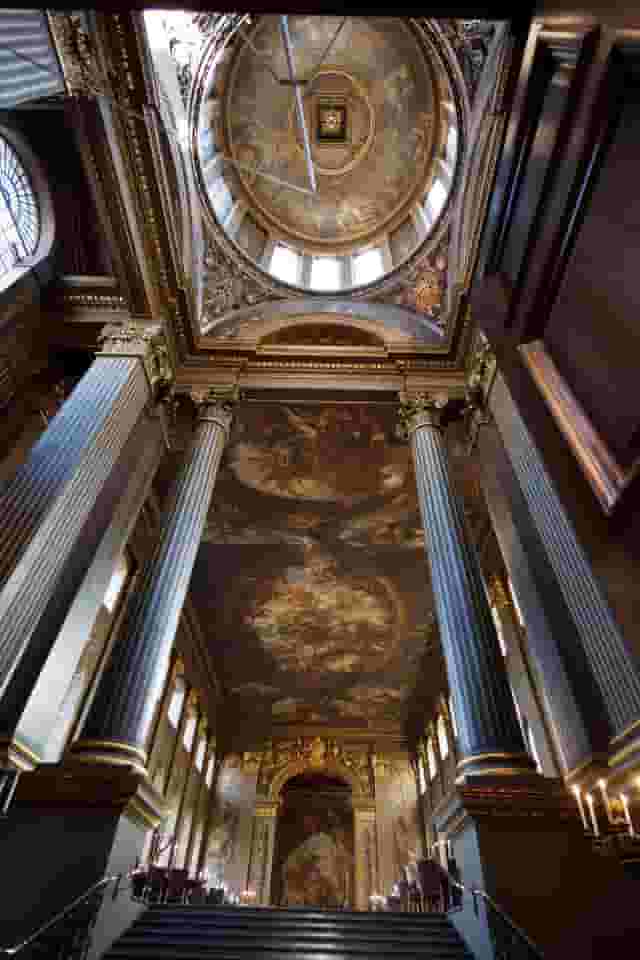
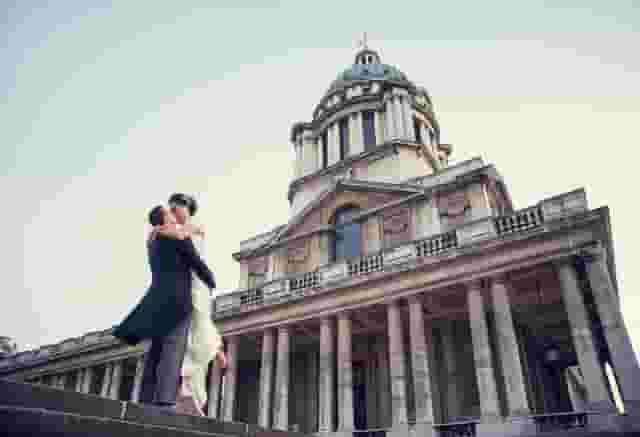
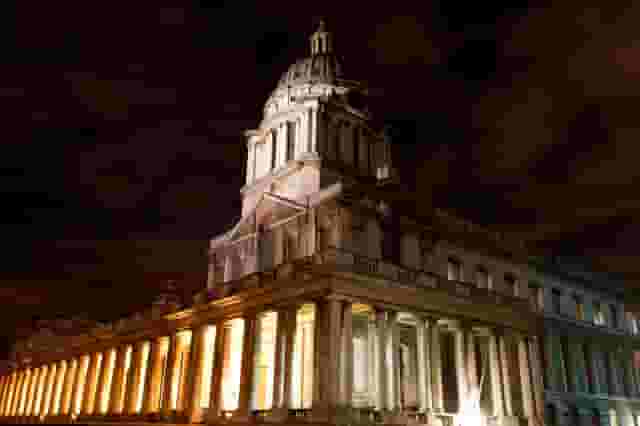


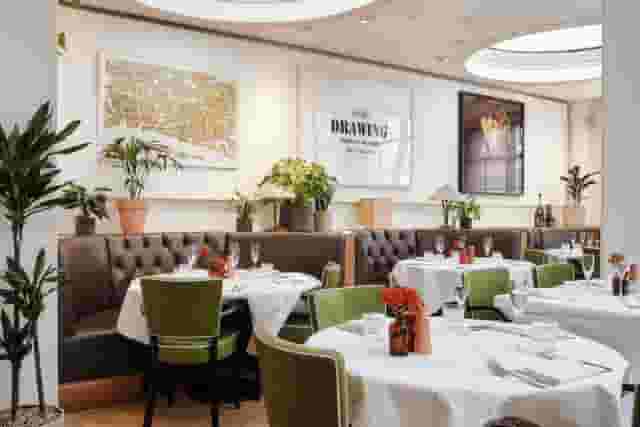
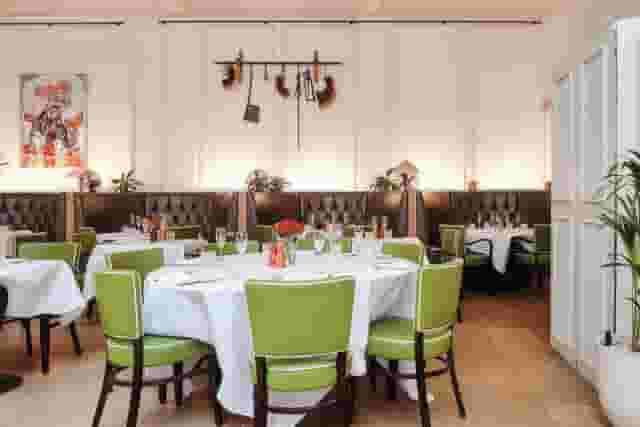
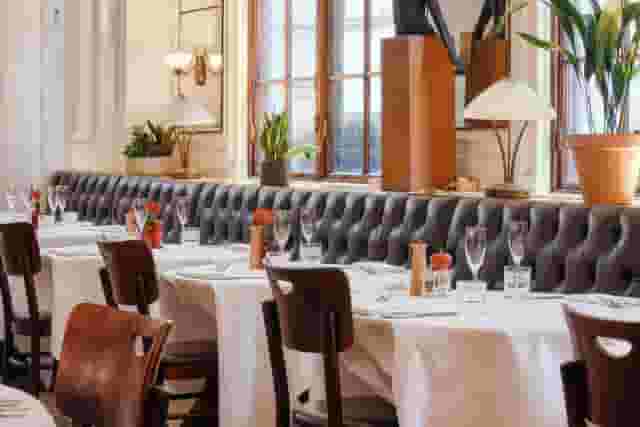
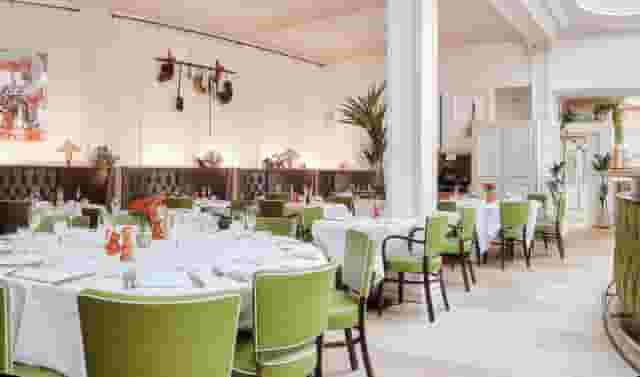













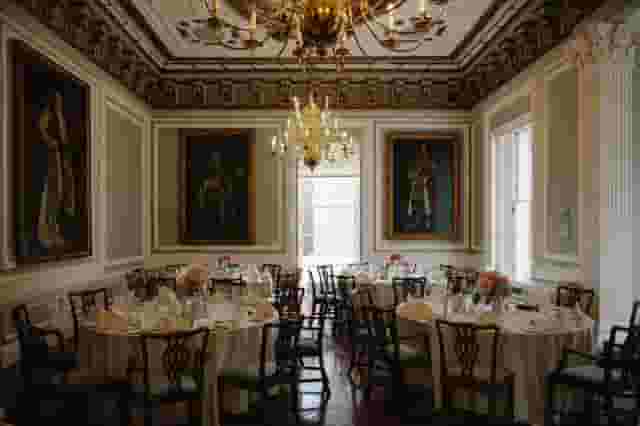
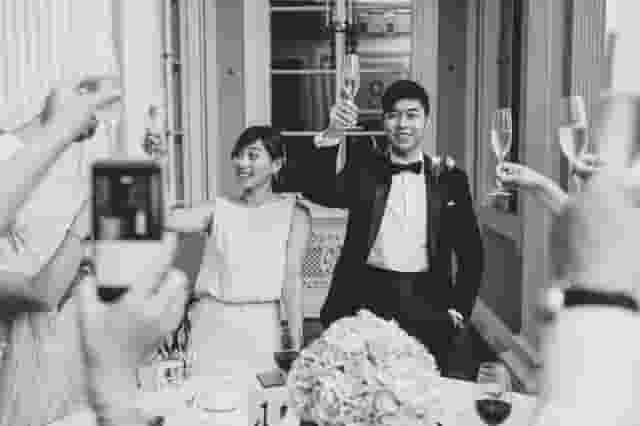

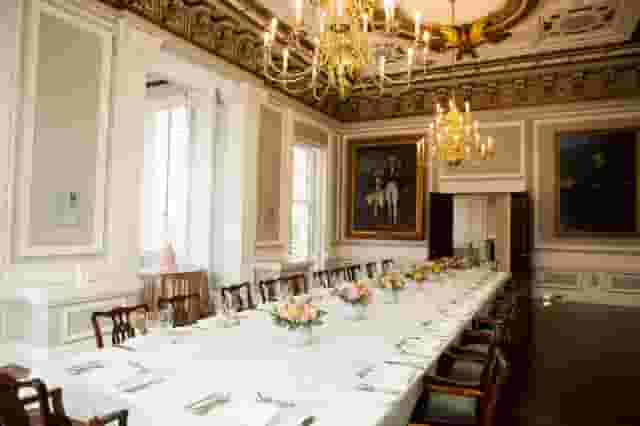
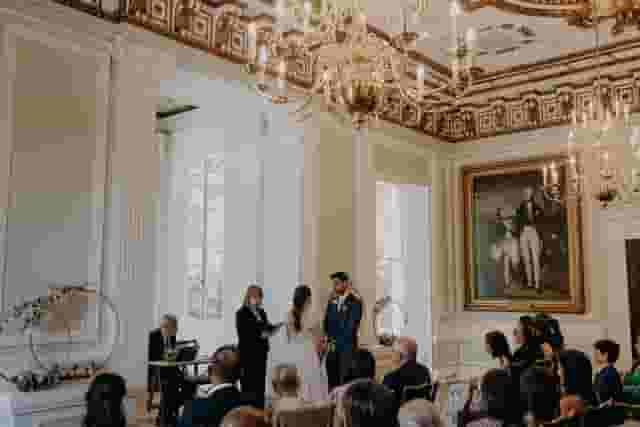









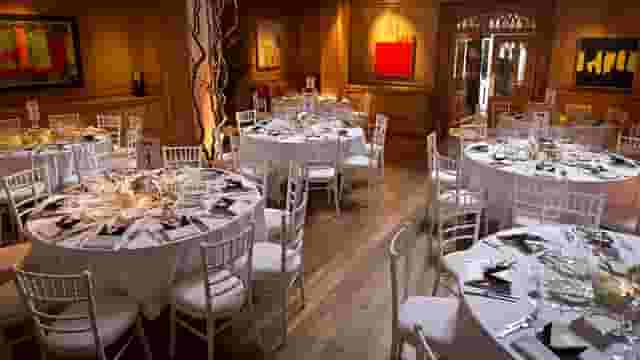
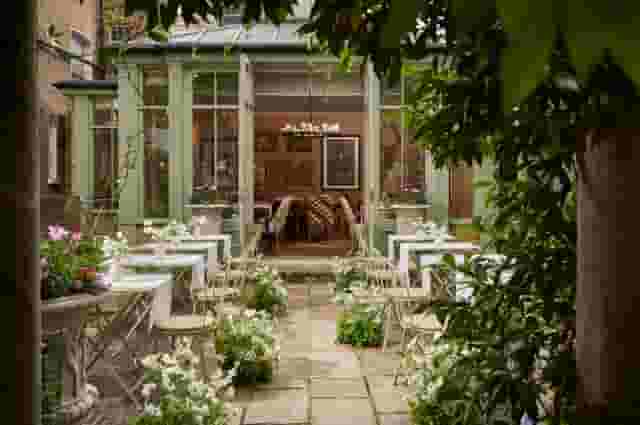
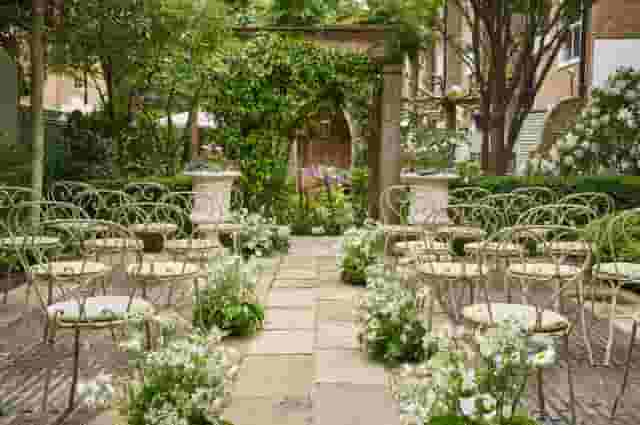

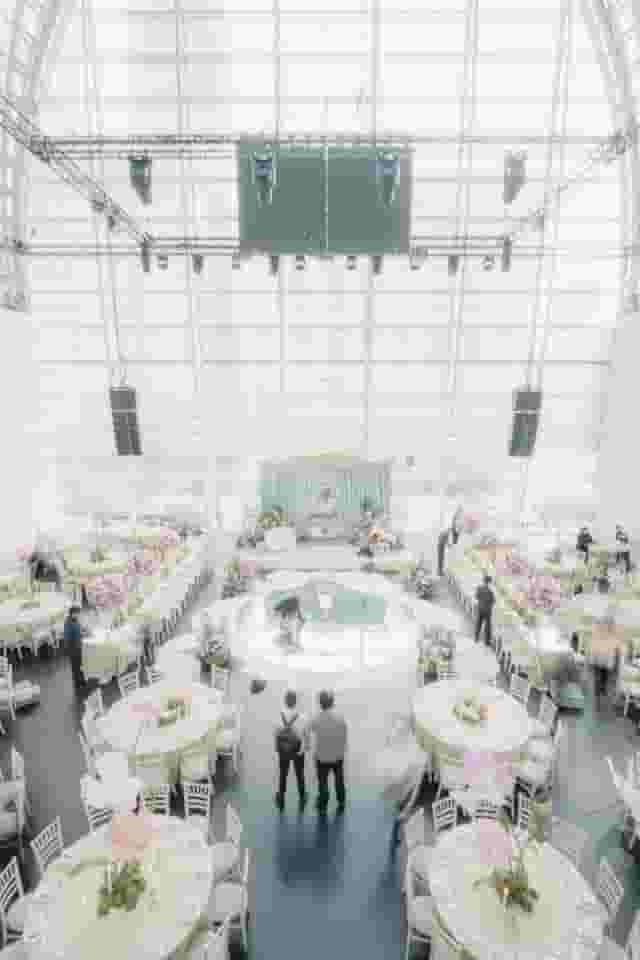




















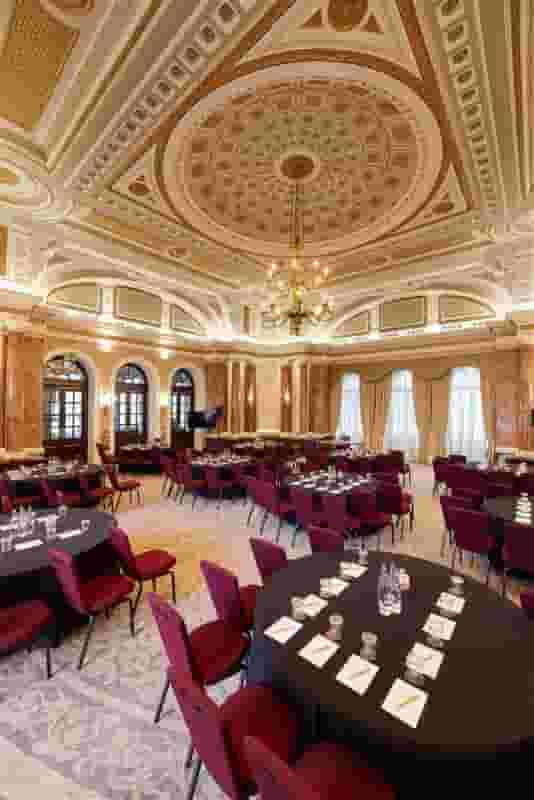
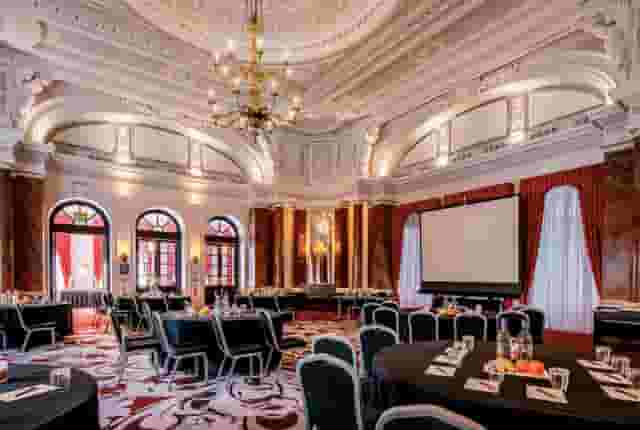
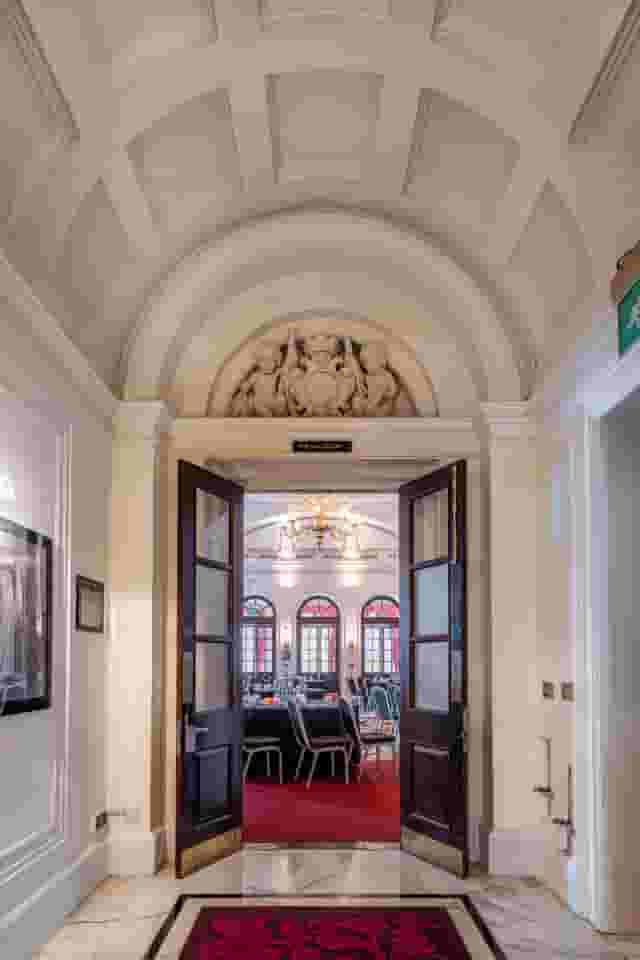
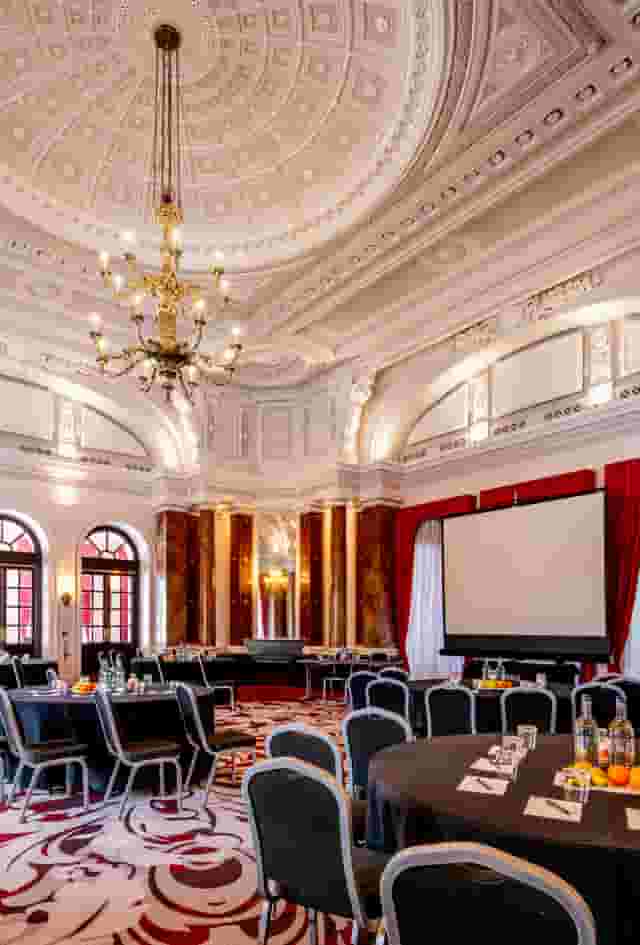












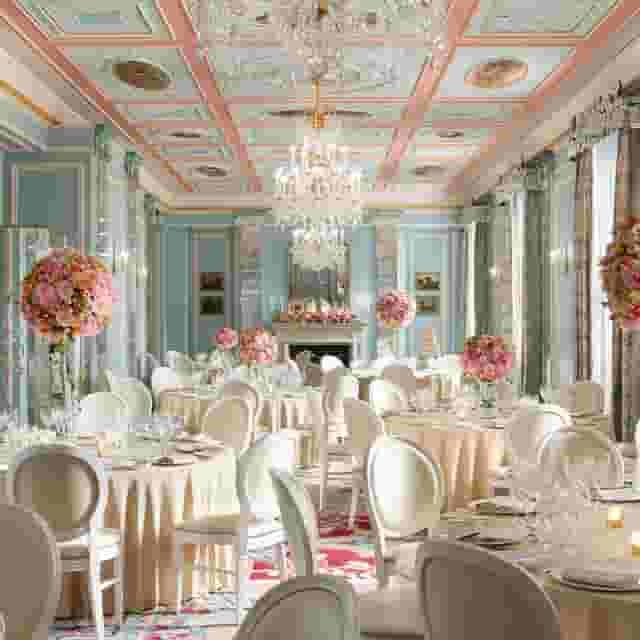
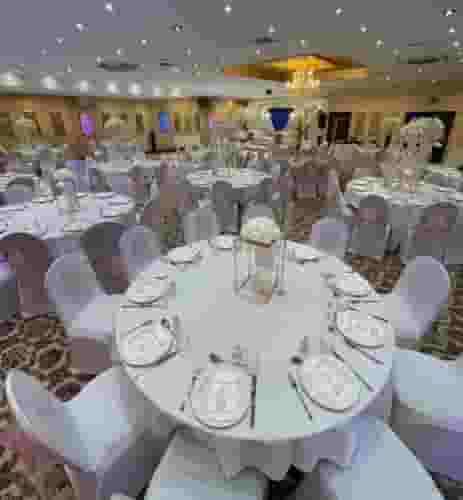




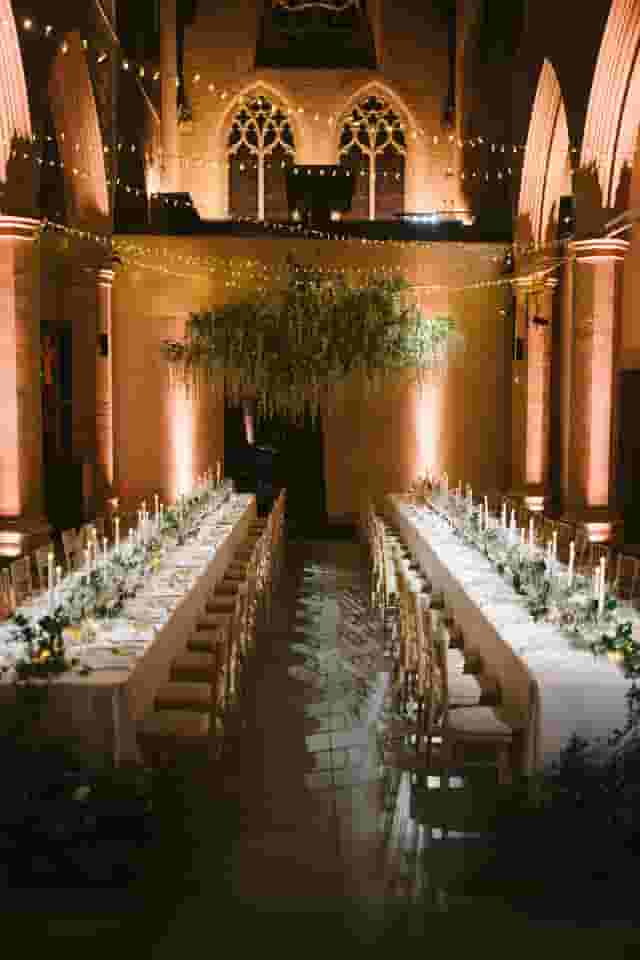
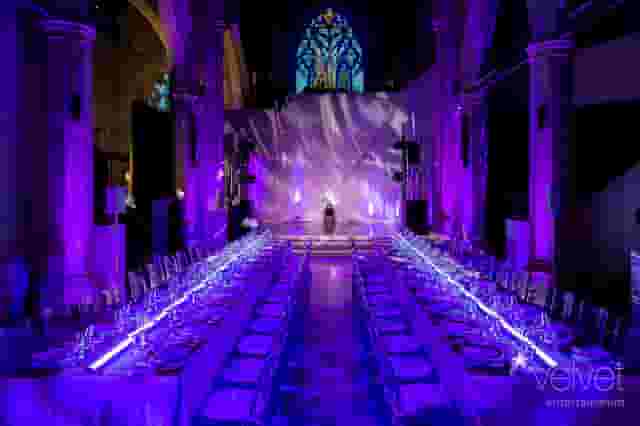
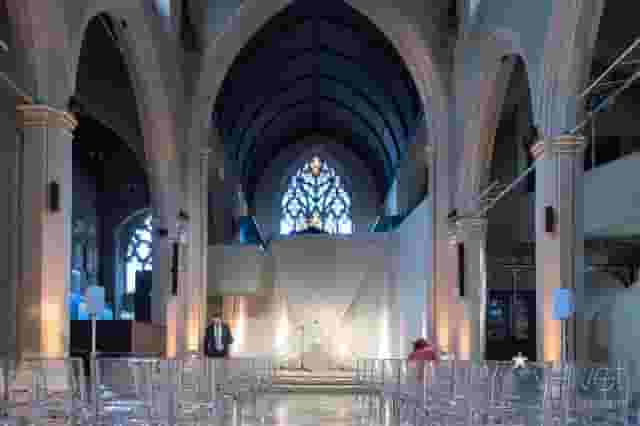
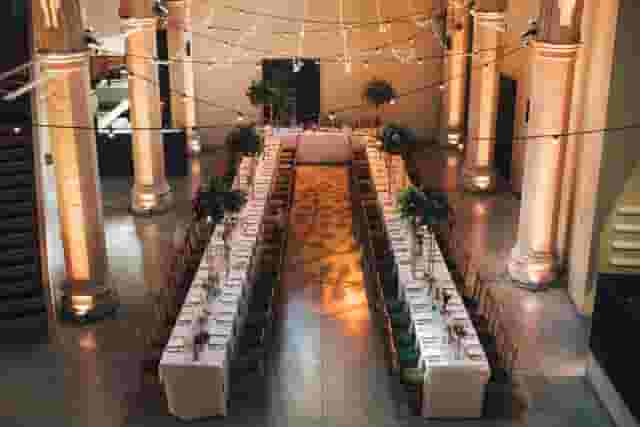
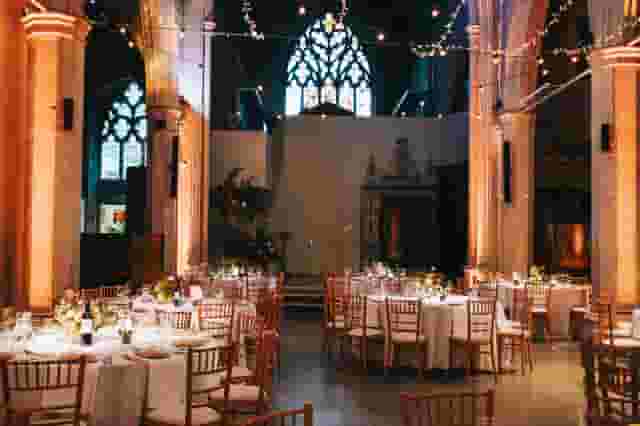
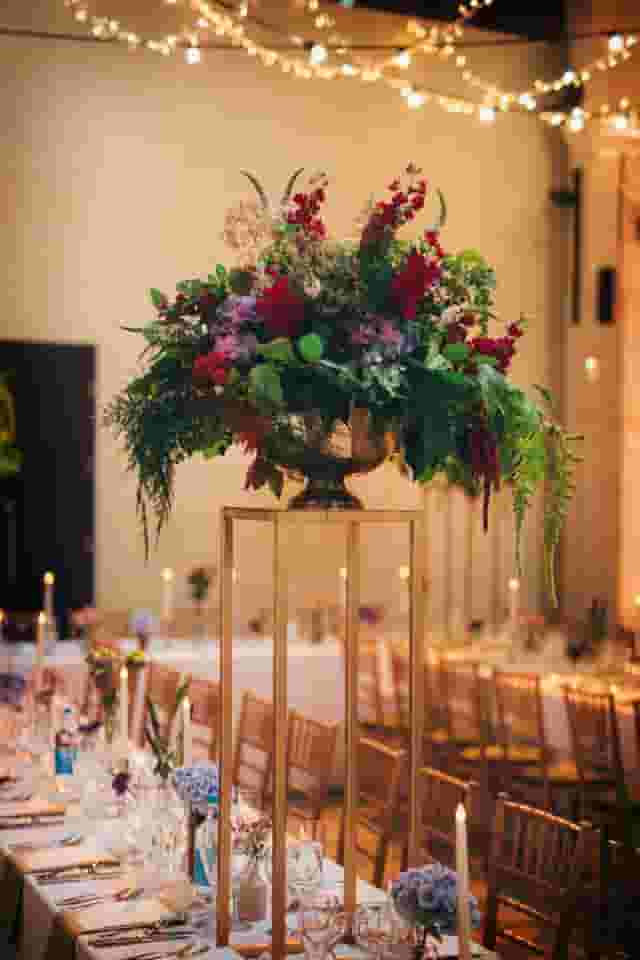
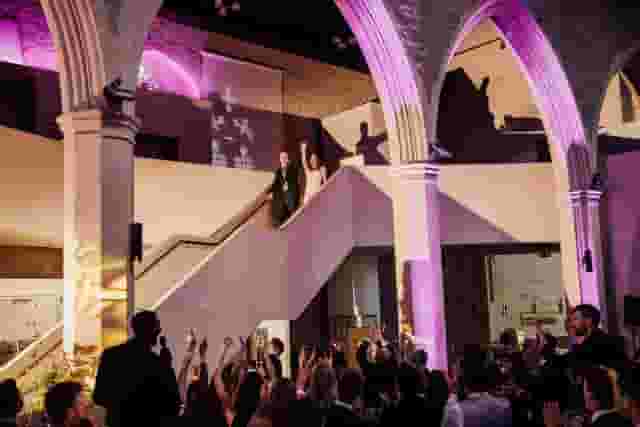
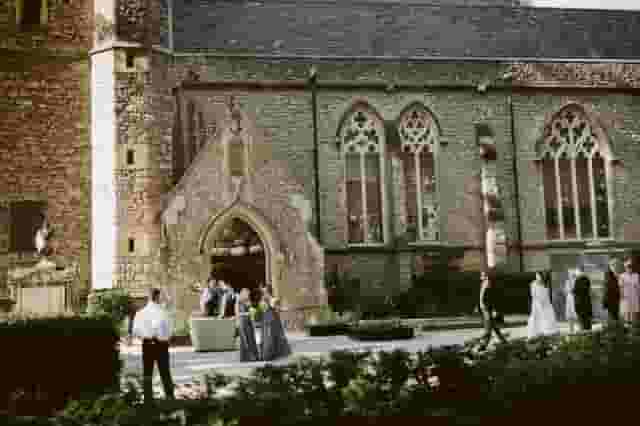












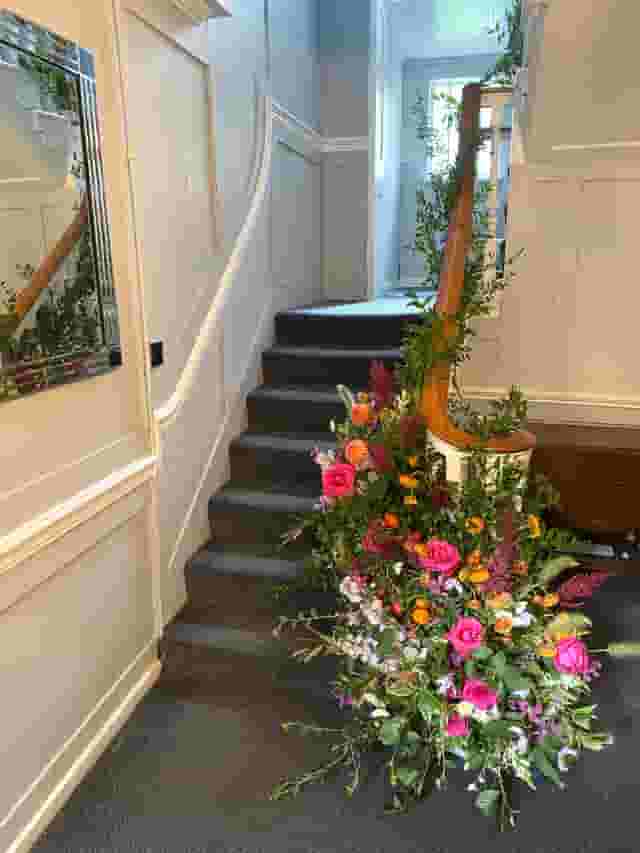
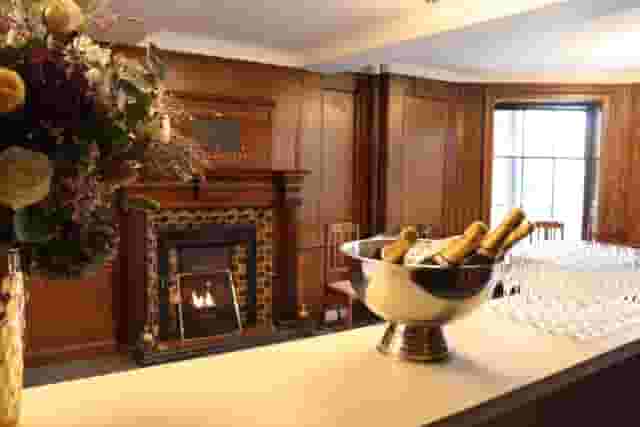
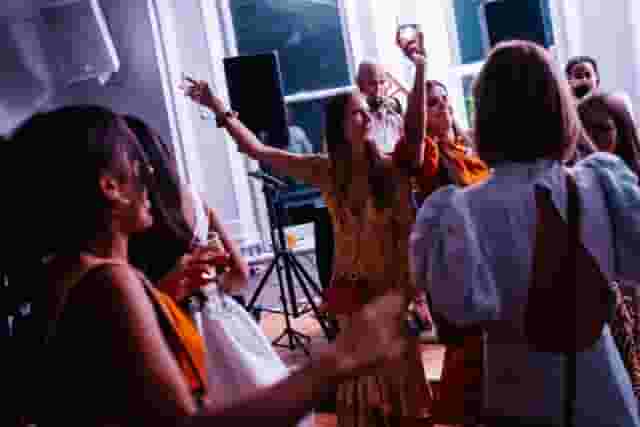

No venues match these filters
Try widening your capacity, luxury level or event type.
Don't have time to search? We'll find it for you.
For business events that need human judgement, talk to our team. Free for events of 100+ people, budgets over £10k or ongoing programmes.




Explore more venues in London










Frequently asked questions
Can unique venues cater to weddings?
What's key for a diverse guest list?
Are outdoor venues practical in London?
What should I look for in a historic venue?
Other platforms search their database. We search everything.
Tell us what you need. Our deep research finds any venue, whether it's in our marketplace or not. No one else does this.
About Wedding License in London
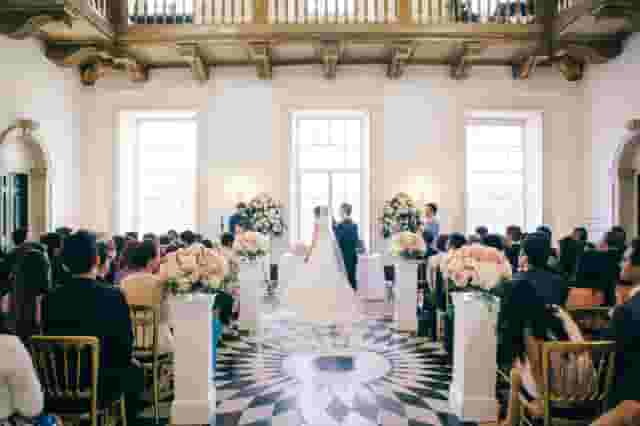
Getting married in London gives you access to some of the finest historic halls, converted civic spaces and riverside rooms in the country. Holding both your ceremony and your celebration under one roof simplifies logistics for your guests, removes the stress of crosstown transport and keeps the energy of the day moving forward.
A civil wedding licence applies to specific, designated rooms within a building rather than the property as a whole. Knowing how those licensed spaces connect to areas for your drinks reception, seated dinner and evening party is what separates a smooth celebration from an awkward, stop-start day. When you explore London's most beautiful wedding venues, planning around how rooms transition between day and night should be your starting point.
How civil licensing rules shape your wedding day
A venue cannot conduct a legal civil ceremony simply because it has four walls and a roof. Under English law, the local borough council inspects and approves specific rooms within a venue for marriages and civil partnerships. That licence dictates where you can stand, how many guests can sit witness to the vows and whether alcohol can be present in the room beforehand.
The legal distinction between venue and registrar
Booking a licensed venue does not automatically secure the registrar who conducts the legal ceremony. You must book the registrar directly with the register office for the London borough where the venue sits. Because popular Saturday dates fill up twelve to eighteen months in advance, you should always place a provisional hold on the venue while you verify registrar availability for your exact ceremony time.
Room turnovers and guest migration
A full wedding day typically involves four distinct chapters: the legal ceremony, a standing drinks reception, a seated meal and evening dancing. How a venue accommodates these four chapters determines how relaxed your day feels.
Venues handle this progression in one of two ways:
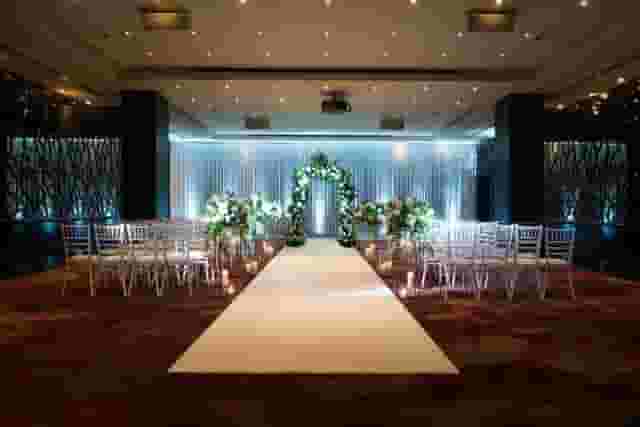
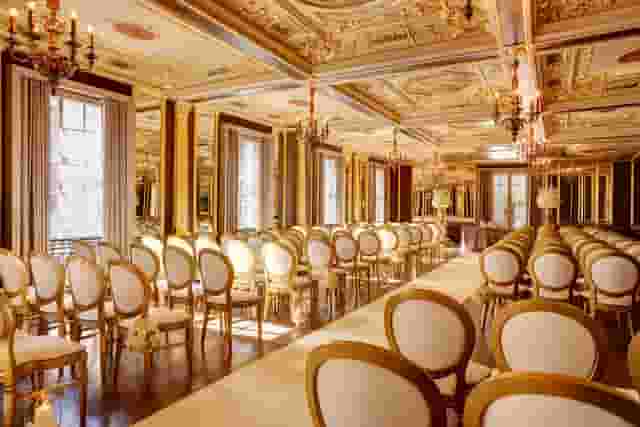
- Multiple dedicated rooms. You move from the ceremony room into a garden or anteroom for drinks, step into a grand hall for dinner, then move into a separate party space for dancing. Your guests keep moving forward, and suppliers work behind closed doors without disturbing anyone.
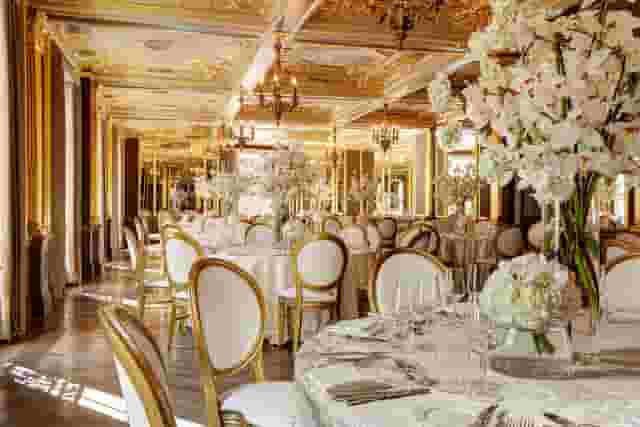
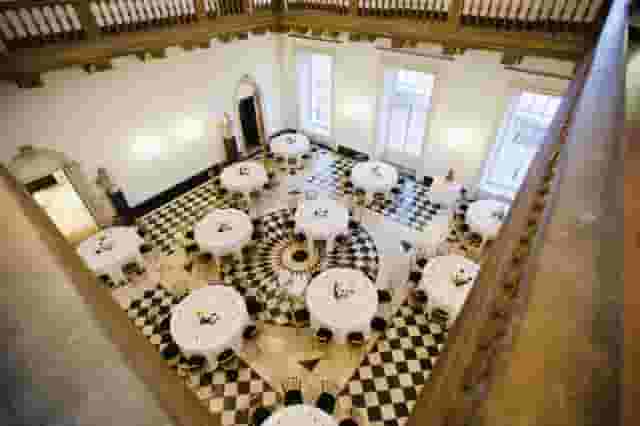
- A single-room turnover. Your dinner and dancing happen in the same room where you held the ceremony. While guests drink and mingle elsewhere, venue staff turn the room around by clearing ceremony chairs, setting dining tables and laying out place settings. Later, they move tables back to create a dance floor.
A room flip requires an absolute minimum of 45 to 60 minutes. If your venue relies on turning a space around, you must ensure the holding area for your drinks reception has its own bar, seating for older guests, adequate heating or cooling and direct access to toilets. Without those, guests will feel parked in a corridor while waiting for dinner.
Choosing between historic halls, private clubs and boutique hotels
London wedding venues fall into distinct architectural categories. Each format handles the transition between dinner and dancing differently, and each brings specific licensing quirks.
| Venue style | Best suited for | Key operational limitation |
|---|---|---|
| Historic livery halls and palaces | Formal dining and large guest numbers | Strict supplier lists and early music curfews |
| Private clubs and riverside suites | Indoor-outdoor flow and summer dates | Strict dress codes and sound limiters |
| Converted civic buildings and hotels | Compact celebrations with bedrooms on-site | Hard capacity caps in listed suites |
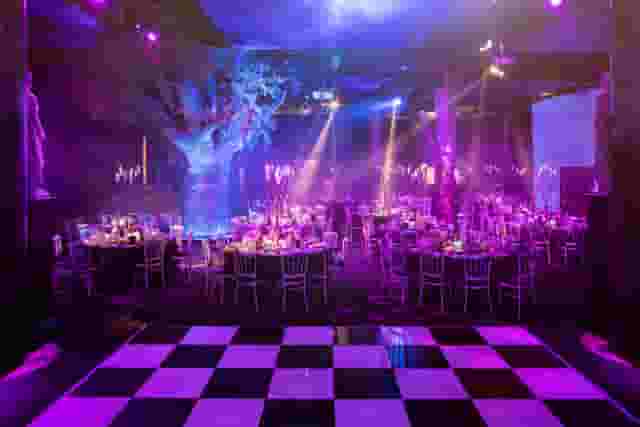
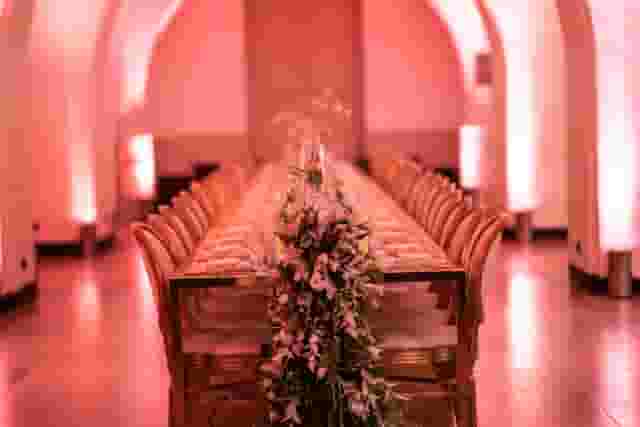
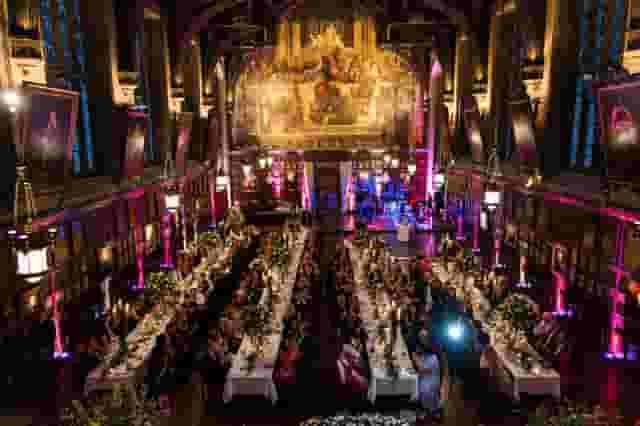
| Subterranean and club spaces | Late-night music and dramatic evening lighting | Limited daylight for daytime photography |
Historic halls and heritage spaces
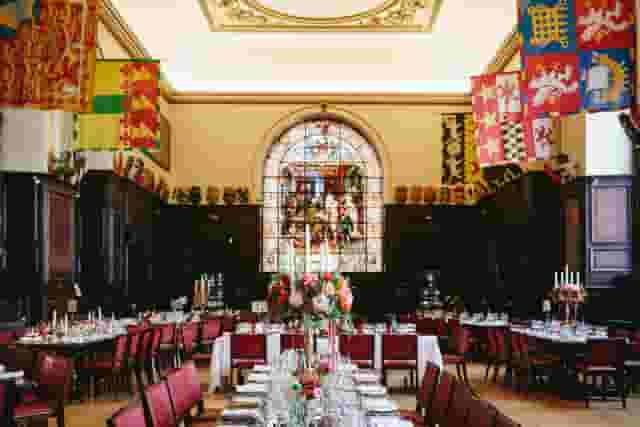
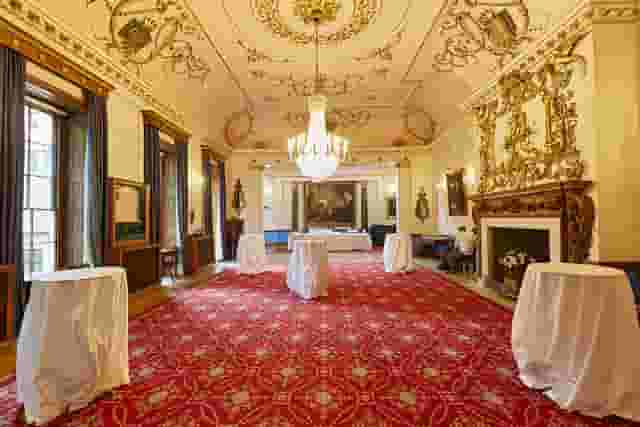
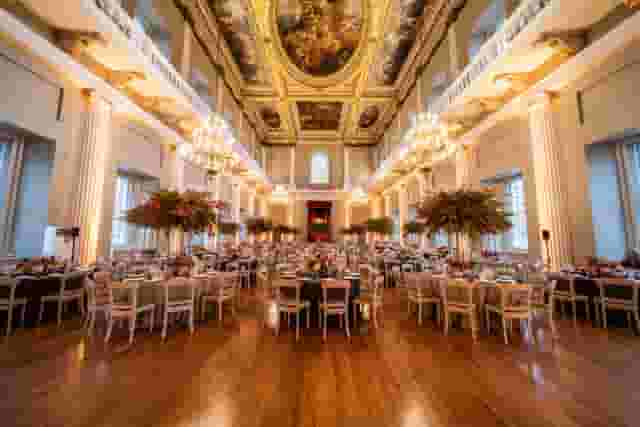
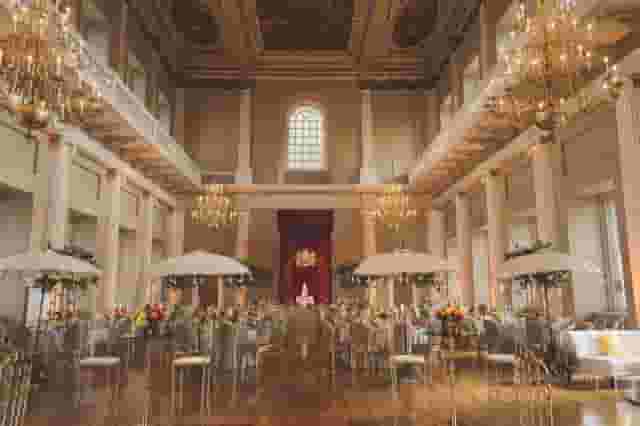
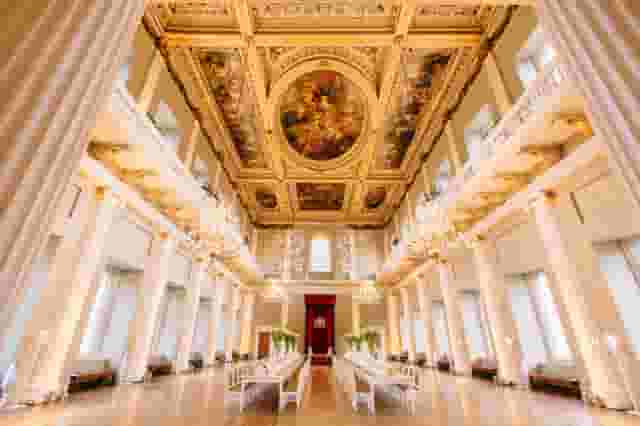
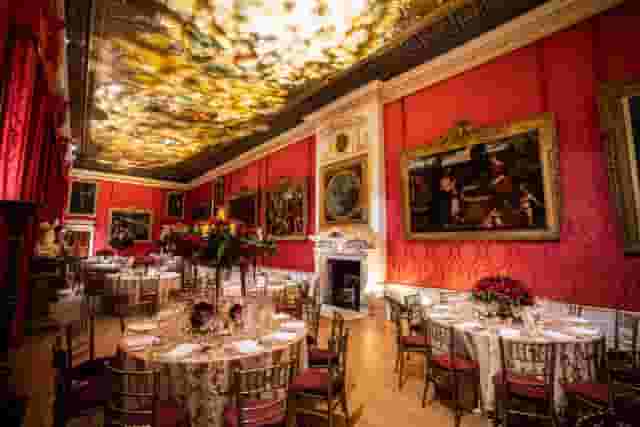
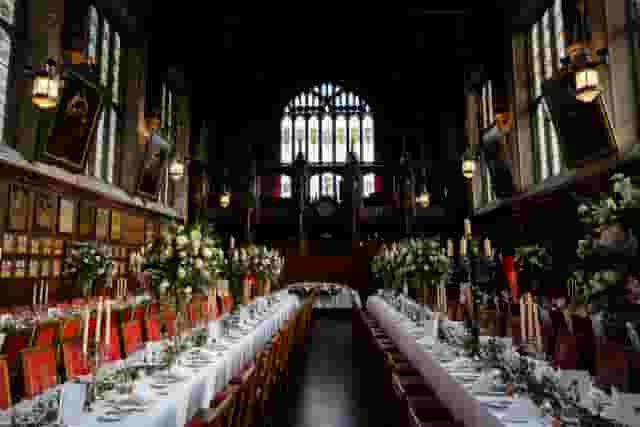
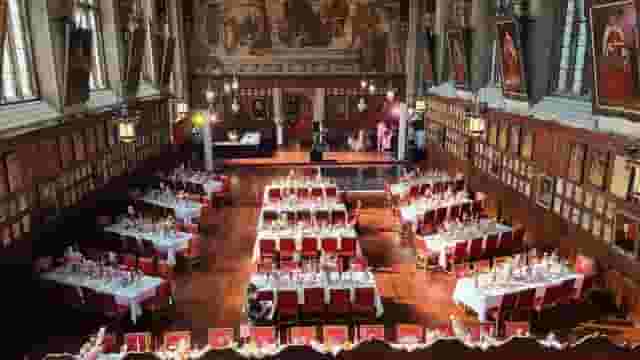
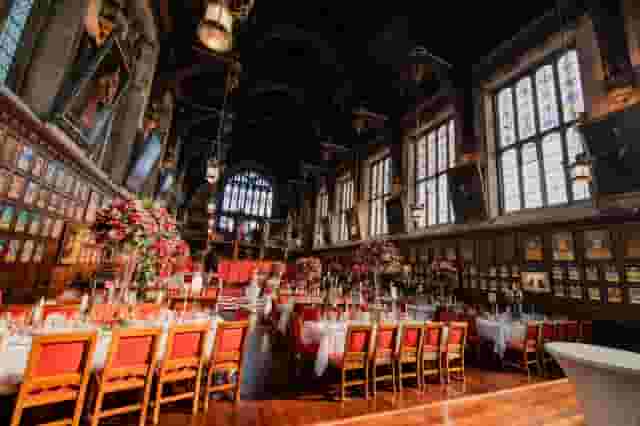
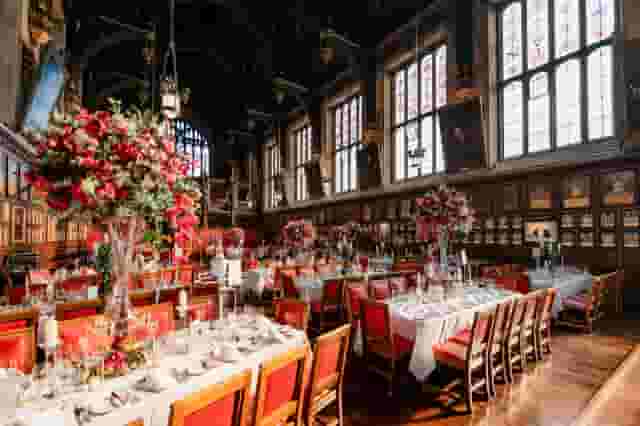
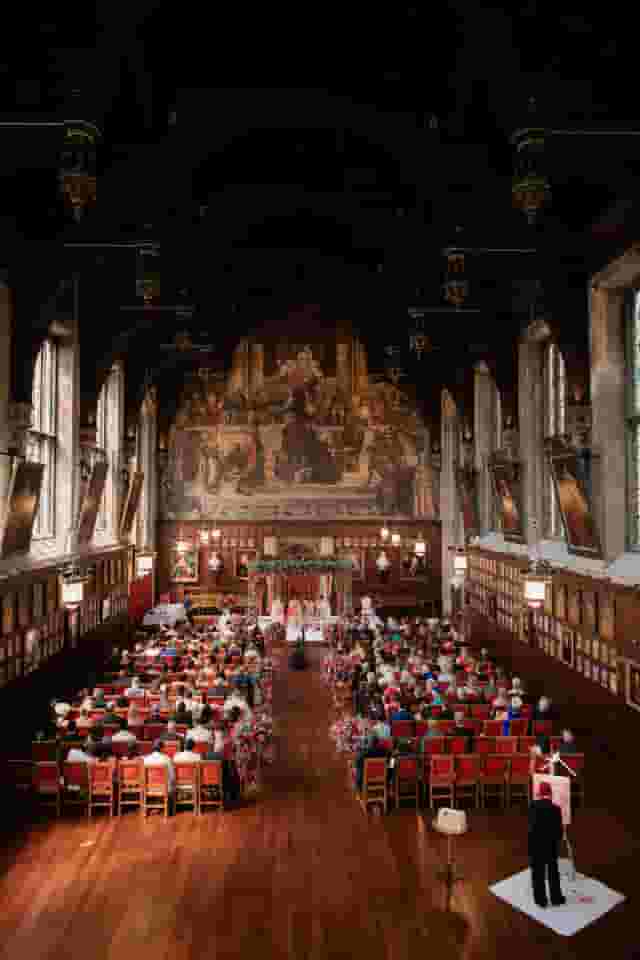
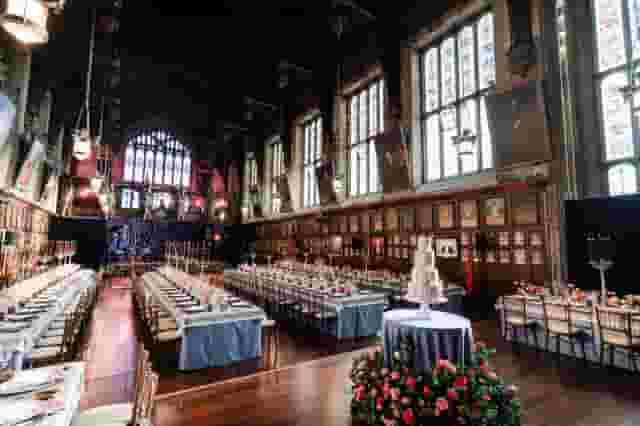
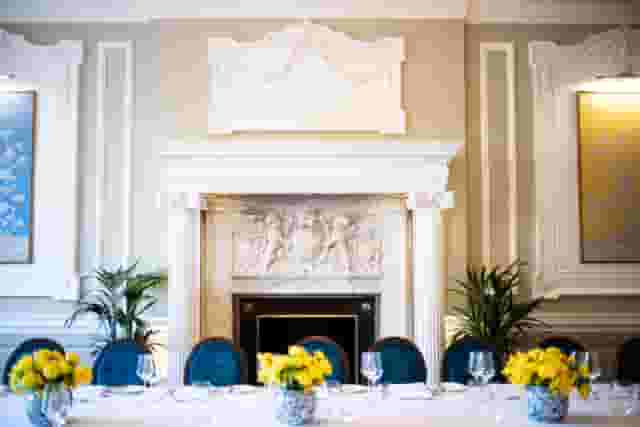
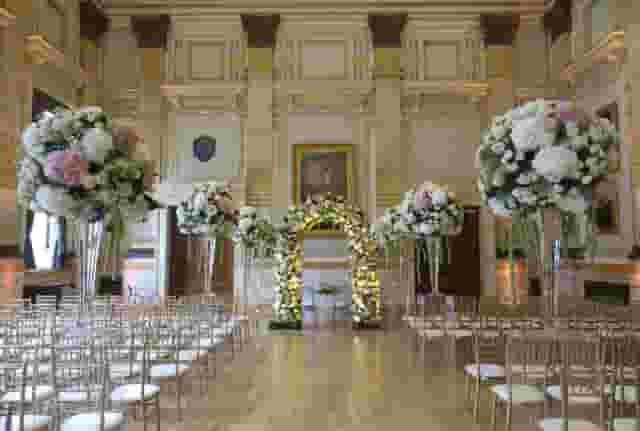
London's historic institutions offer immense character, high ceilings and formal architectural backdrops. In Whitehall, Banqueting House provides a vast, historic setting for celebrations of up to 500 guests for a reception beneath the Rubens ceiling. Near St Paul's, Stationers' Hall offers Grade I listed rooms and a secluded courtyard garden, holding up to 450 guests for a reception.
Historic status comes with strict preservation rules. Listed buildings frequently ban open flames, meaning table candles must be enclosed in glass storm shades or replaced with LED alternatives. Red wine might be restricted during your standing drinks reception to protect heritage floorboards or stone paving. Most historic properties also operate an accredited supplier list for catering and production. These caterers understand how to protect the fabric of the building, where the fire exits sit and how to bring kitchen equipment into spaces without permanent catering setups.
Riverside rooms and private clubs
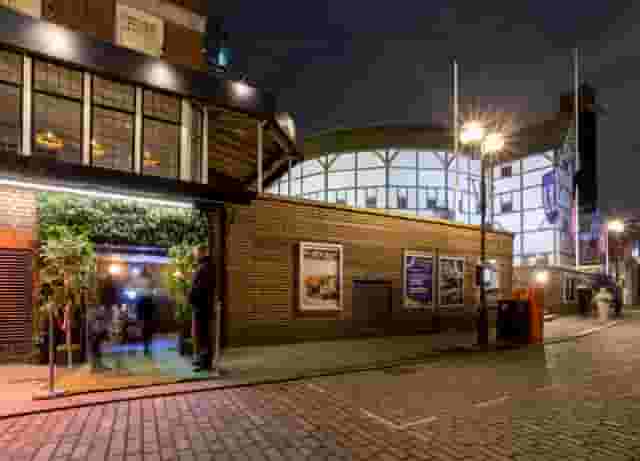
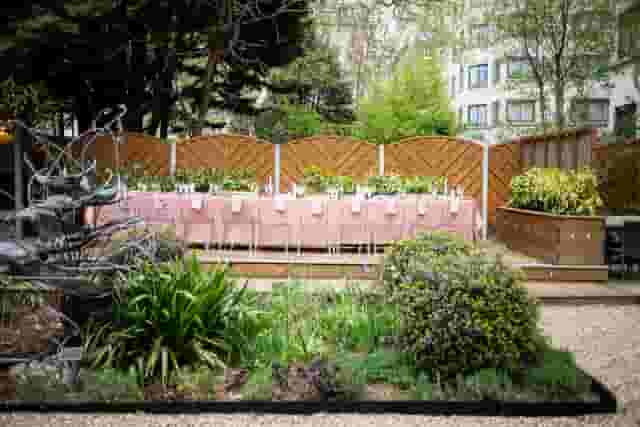
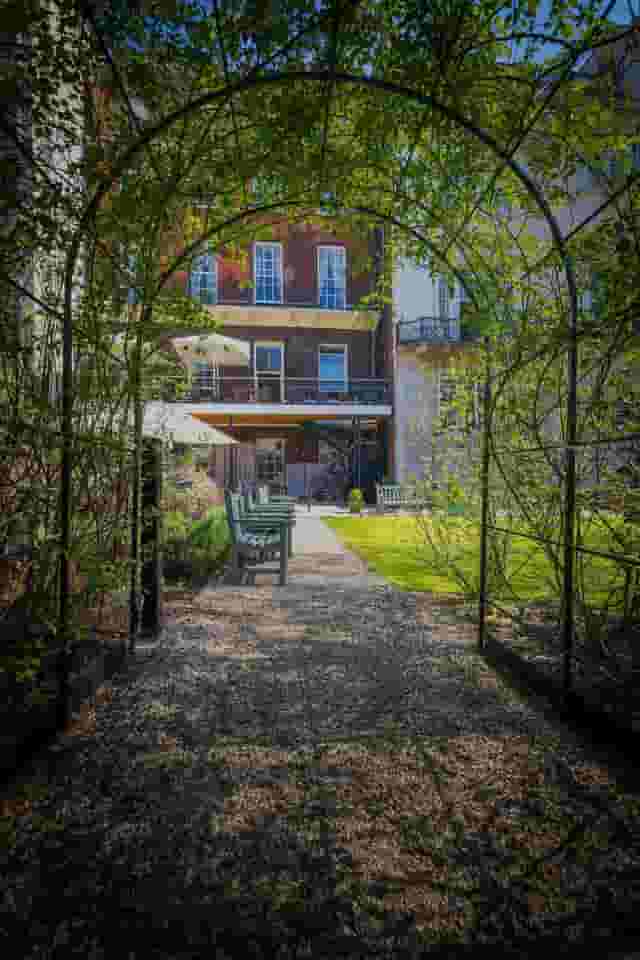
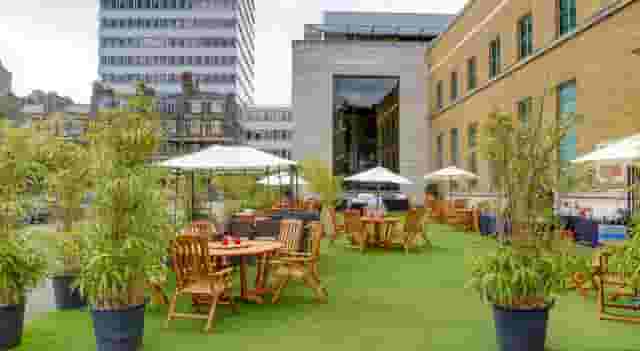
If you want outdoor space for your drinks reception before moving indoors for dinner and a band, private grounds and riverside settings offer a different feel. In Fulham, The Hurlingham Club pairs gardens along the Thames with its glass-domed Palm Court and Broomhouse Suite, accommodating up to 850 guests for standing receptions. Further east on Bankside, Swan at The Globe features the Underglobe, a dramatic subterranean room beneath Shakespeare's Globe that holds up to 450 guests for an evening reception.
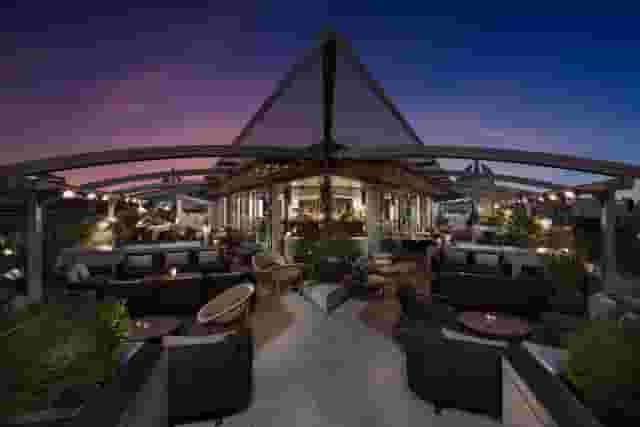
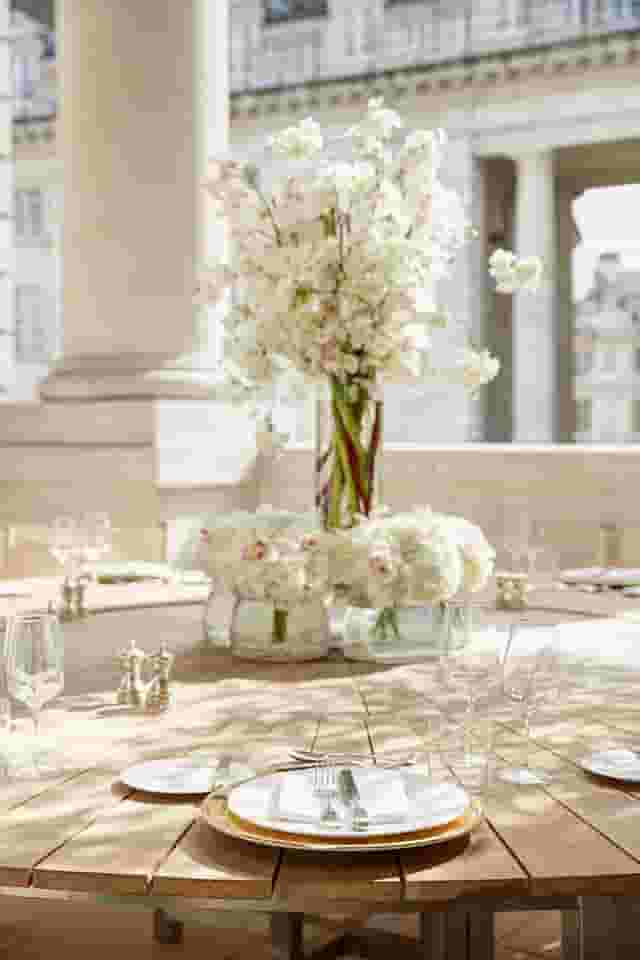
When planning an outdoor drinks reception, always verify the wet-weather contingency. London rain can arrive quickly, and shifting 100 people back indoors should not compromise the dining room that your team is still dressing. Check that external terrace licences permit alcohol, and establish the exact time evening sound curfews require outside spaces to close.
Boutique hotels and civic spaces
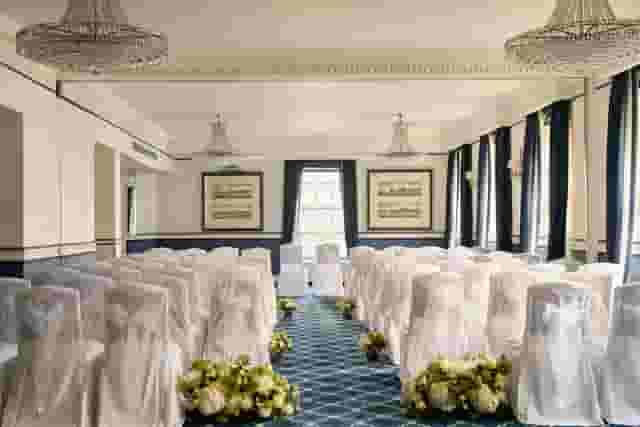
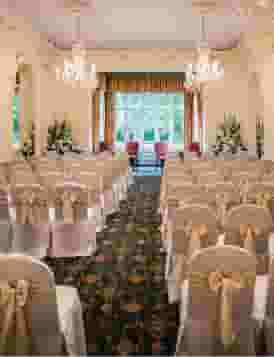
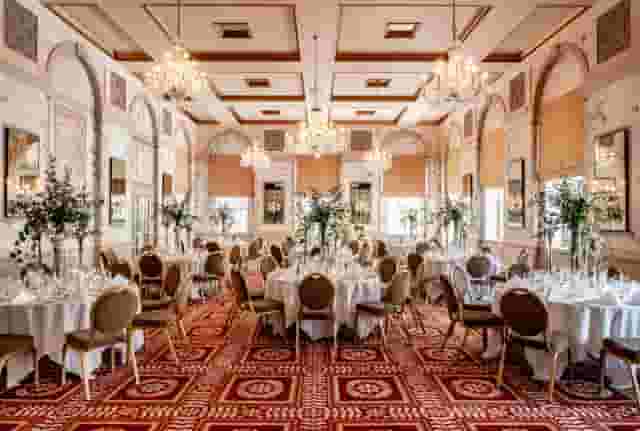
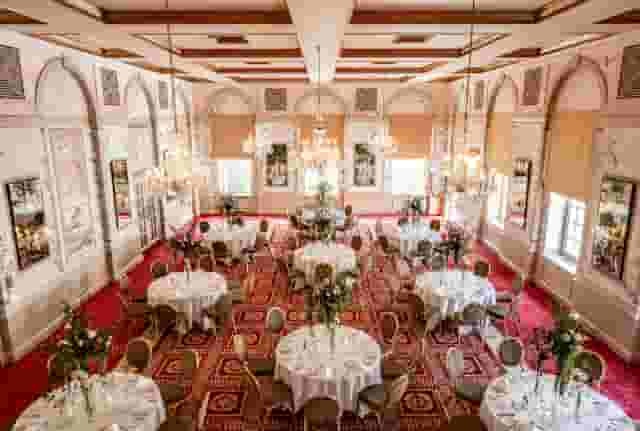
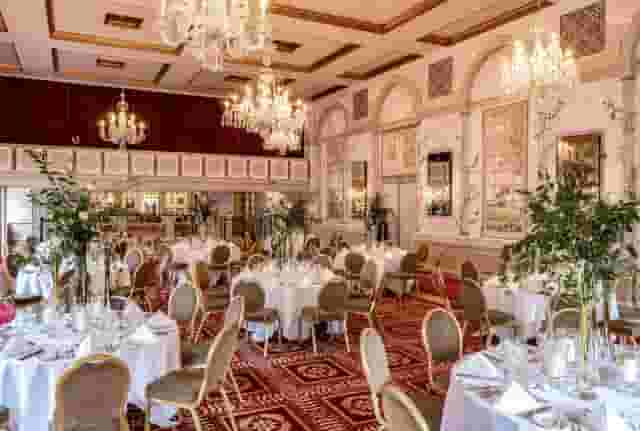
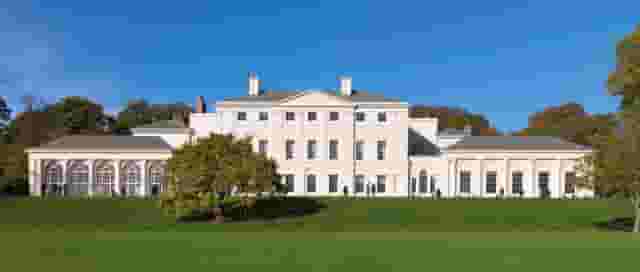
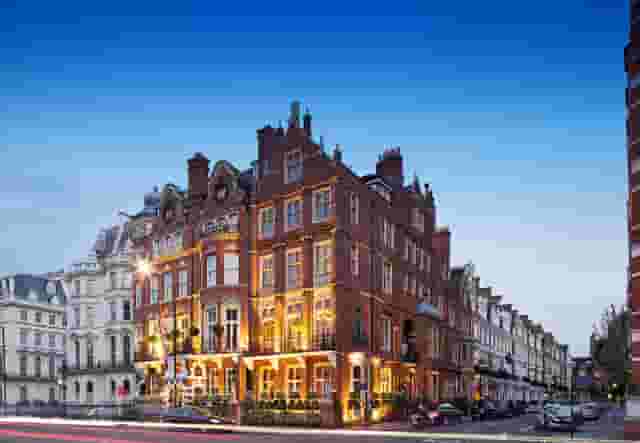
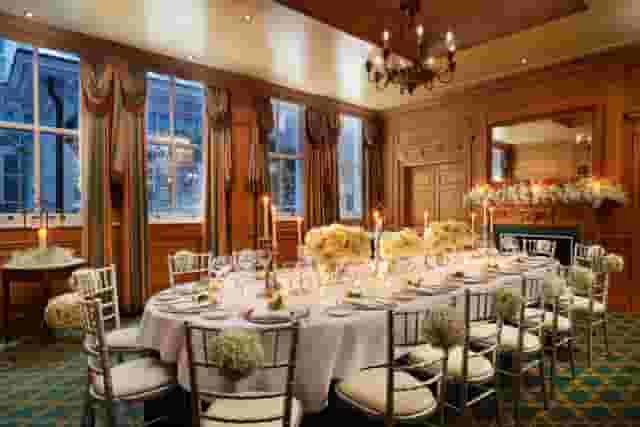
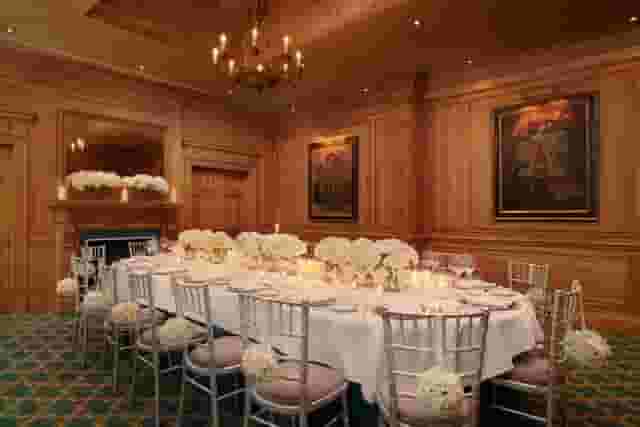
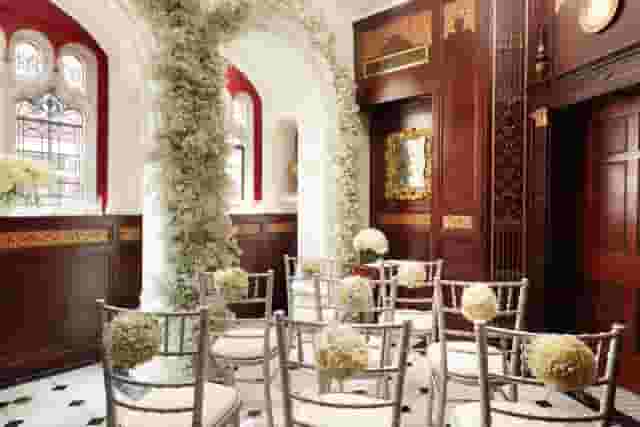
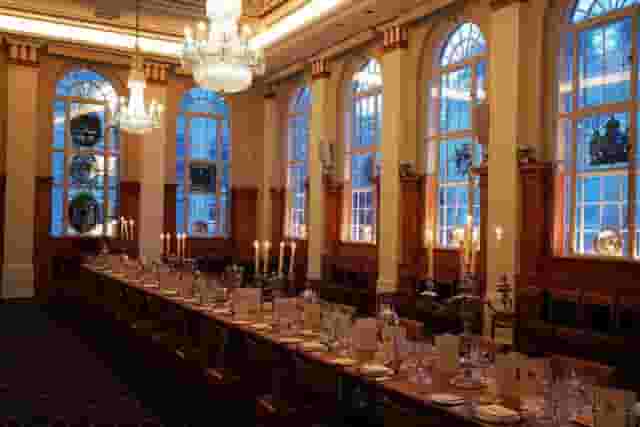
For gatherings where you want ceremony, dinner and overnight accommodation in one property, heritage hotels and converted civic buildings work exceptionally well. The Chesterfield Mayfair Hotel provides classical Mayfair surroundings, hosting up to 150 guests for a reception in its crystal-chandeliered Royal Suite. In east London, Town Hall Hotel in Bethnal Green houses the De Montfort Suite, a grand space with arched windows that accommodates up to 110 guests for a reception. In west London, Pitzhanger Manor & Gallery in Ealing offers Soane's Garden Room overlooking parkland, with room for up to 90 guests for a dinner dance.
Hotel venues reduce transit headaches because family members and wedding parties can get ready upstairs and take an elevator straight to the ceremony. However, sound isolation between public event rooms and guest bedrooms can lead to strict volume limiters on live bands.
For a comprehensive walkthrough on narrowing your shortlist, consult Hire Space's Ultimate Guide to Finding The Perfect Wedding Venue in London.
Understanding the real cost of a London wedding reception
Budgeting for a London wedding reception requires looking past headline hire fees. Venue pricing models usually follow one of three structures: exclusive dry hire, a minimum spend on food and beverage, or a per-person package.
Based on 10 quotes from the venues on this page, wedding costs in these spaces run typically between £80 to £240 per head. This figure assumes a guest count of about 100 guests and covers the core hospitality elements of a reception: welcome drinks, canapes, a seated meal with wine, and evening bar service.
Where you land on that spectrum depends on several practical factors:
- Towards the £80 end: The venue usually includes standard tables, banquet chairs, house linen, glassware and basic tableware. Menus stick to three seasonal courses with house wine and sparkling wine for toasts. The reception takes place on an off-peak weekday or between November and March.
- Towards the £240 end: The event incorporates luxury ingredients, Champagne receptions, paired fine wines, premium late-night food stations and longer bar service. It often covers the furniture hire upgrades required in raw spaces, together with security, dedicated cloakroom staff and complex sound or lighting installations.
| Expense element | What is typically included | Potential additional costs |
|---|---|---|
| Venue hire fee | Access to licensed rooms, baseline cleaning, standard event security | Early load-in access, late-night licence extensions after 23:00 |
| Food and drinks | Canapes, three-course plated dinner, house wine, toast drinks | Corkage fees, menu tastings, service charges (usually 12.5% to 15%) |
| Production and AV | Standard architectural lighting, speech microphone | Band PA system, staging, dance floor hire, specialist lighting tech |
| Facilities and staffing | Duty manager, waiting staff, basic bar team | Extra cloakroom attendants, restroom attendants, overnight de-rig fees |
When comparing dry-hire venues against packaged hotels, calculate the hidden operational costs. A dry-hire hall might look reasonable at first glance, but bringing in mobile refrigeration, hiring ovens, paying catering delivery charges and renting dining chairs can quickly add thousands of pounds to your final invoice. To cut through those variables, venue booking platform Hire Space provides instant, data-backed cost estimates based on real wedding bookings so you can see what a setting is likely to cost before you enquire. Backed by a team of real people who support your search, they can also suggest similar licensed venues at a lower price point if a space exceeds your planned budget.
Managing guest flow, sound limits and late-night licences
A celebration that begins with an afternoon ceremony and stretches past midnight demands careful pacing. Two operational details can make or break the evening: acoustics and transport.
Sound limits and music curfews
Central London boroughs enforce stringent noise regulations, particularly in residential neighbourhoods like Kensington, Mayfair, Westminster and Islington. Heritage venues often protect their neighbours by installing sound limiters. These automated monitors measure decibel levels on the dance floor; if a live band exceeds the set threshold for more than a few seconds, the power supply cuts out automatically.
Before booking an eight-piece brass party band, ask the venue manager these specific questions:
- What is the decibel limit on the dance floor?
- Does the venue permit live drum kits, or must drummers use electronic pads?
- What time must live music finish, and can DJ sets continue at a lower volume afterwards?
Most London venues hold premises licences that require live music to stop at 23:00, with bars closing at 23:30 and guests departing by midnight. If you want to party later, you must establish whether the venue can apply for a Temporary Event Notice (TEN) to extend alcohol and entertainment hours, and what the venue charges for late-night staffing.
Guest flow between dinner and dancing
The transition from dessert to dancing is where energy can stall. If guests must remain seated while staff clear dinner plates and assemble a dance floor right in front of them, the room loses momentum.
To keep spirits high:
- Serve coffee and evening cocktails in a separate lounge or bar area while your band soundchecks.
- Position your evening bar immediately adjacent to the dance floor rather than in an adjoining corridor. If guests must leave the music to get a drink, your dance floor will stay half empty.
- Schedule your cake cutting and first dance immediately after the speeches while everyone is already gathered and attentive.
Accessibility, transport and guest comfort
A wedding brings together guests across multiple generations, often with vastly different physical needs. Relying solely on headline capacity figures can blind you to accessibility challenges.
Transit and arrival logistics
Few central London venues offer on-site guest parking. Check how close the venue sits to accessible tube and rail stations, and inspect the street outside for taxi drop-off suitability. Venues situated on red routes or busy thoroughfares can make setting down elderly relatives complicated. If you are hiring coaches to move guests from an external church to the reception, verify that the venue's street can legally accommodate a 52-seater vehicle without blocking traffic.
Inclusive physical access
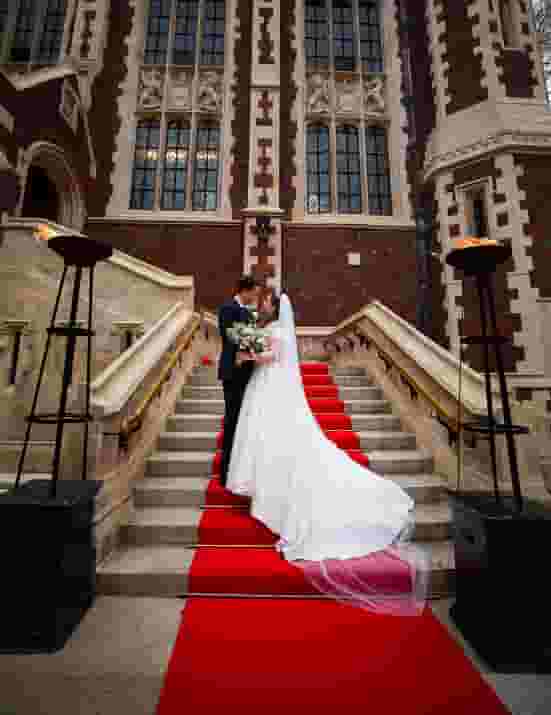
Historic and listed venues often feature grand flights of external stone steps, narrow historic doorways and split-level dining rooms. Look beyond a simple step-free tick box:
- The complete route: Verify that a guest using a wheelchair can travel from the ceremony room to the terrace, dining room, bar and dance floor without requiring staff to carry them over thresholds.
- Lifts and hoists: If accessibility relies on a platform lift or service elevator, confirm its dimensions, weight limit and whether an operator must accompany guests.
- Accessible toilets: Check where accessible restrooms sit relative to the party spaces. A guest should not have to navigate back through dark service corridors or service kitchens to find an accessible toilet during the party.
- Quiet spaces: Provide a comfortable, quieter seating area away from the main speakers where older relatives or guests with sensory sensitivities can converse without shouting over the bassline.
Practical questions to ask before you sign
Before paying a deposit and signing your venue contract, walk through the property with a critical, operational eye.
- Which exact rooms are covered by the civil licence? If you plan an outdoor ceremony on a terrace or lawn, verify that the registrar can legally marry you in that specific spot, and inspect the indoor backup room.
- What are the supplier restrictions? Can you bring in your preferred caterer, florist and production team, or are you contractually bound to an approved list? If external caterers are permitted, what buyout fee does the venue charge?
- What are the kitchen facilities? Does the venue provide a fully equipped commercial kitchen, or must your caterer hire and install temporary cooking equipment at your expense?
- When can suppliers access the space? If your florist and production team only get two hours of access before guests arrive, your decor options will be severely limited. Ensure your hire contract includes sufficient setup time in the morning and adequate breakdown time at night.
- What are the payment and deposit milestones? Clarify the deposit schedule, cancellation terms, security bond requirements and the date by which you must submit final guest numbers.
By matching the legal demands of your ceremony licence with a realistic plan for your dinner, evening party and supplier access, you can choose a London venue that keeps your guests comfortable from your first vows right through to the final song.
What our customers say
Inspiration and planning guides

3 Affordable Wedding Venues In London
Planning a wedding in London can be as dreamy as it is daunting, especially when trying to keep costs reasonable without compromising on the venue. Fortunately, London boasts an array of stunning yet affordable wedding venues that cater to every taste and budget. So let's dive in!

Venue Review: Theatre Royal Drury Lane
Theatre Royal Drury Lane [https://hirespace.com/Spaces/London/11681/Theatre-Royal-Drury-Lane/Grand-Saloon/Weddings] is a phoenix. Amazingly, the first time it burned down was after the Great Fire Of London - it survived that fire. But six years later, it was burnt to a crisp. But it rose, rebuilt, only a few years later - only to be destroyed once again, in 1794. And in 1809, having been rebuilt again, it caught alight, and Theatre Royal [https://hirespace.com/Spaces/London/11681/Theatre-Royal

9 Glorious Glass Venues in London
London is a city that knows how to make an impression, and when it comes to hosting events, why settle for anything less than spectacular? Enter London’s glorious glass venues!
One supplier. Every venue. Full visibility on what you spend.
Multiple venues and events. One agreement.