Christmas Party Venues in Tower Hamlets
Find top corporate Christmas party venues in Tower Hamlets, comparing spaces for drinks receptions, seated dinners and late-night DJ sets.
959 Christmas Party in venues in Tower Hamlets






















































































No venues match these filters
Try widening your capacity, luxury level or event type.
Don't have time to search? We'll find it for you.
For business events that need human judgement, talk to our team. Free for events of 100+ people, budgets over £10k or ongoing programmes.




Explore more venues in Tower Hamlets








Frequently asked questions
What facilities should I look out for at these locations?
What size should I consider for my event in Tower Hamlets?
What type of Christmas party venues are available in Tower Hamlets?
Are there private hire options available at Tower Hamlet’s venues?
How much should I budget per head for a Tower Hamlets venue?
Other platforms search their database. We search everything.
Tell us what you need. Our deep research finds any venue, whether it's in our marketplace or not. No one else does this.
About Christmas Party in Tower Hamlets
Structuring the evening for a drinks reception, food and dance floor
Planning an office Christmas party that transitions smoothly from early drinks to a late DJ set requires careful zoning. When a room is too large during the first hour, guests gather awkwardly by the entrance. If the floor plan fails to ringfence dedicated dancing space later, guests linger around dining tables long after the music begins. Success comes down to setting distinct focal points that pull people through the room as the evening advances.
The most effective party format follows three distinct phases: arrival drinks, food service and dancing.
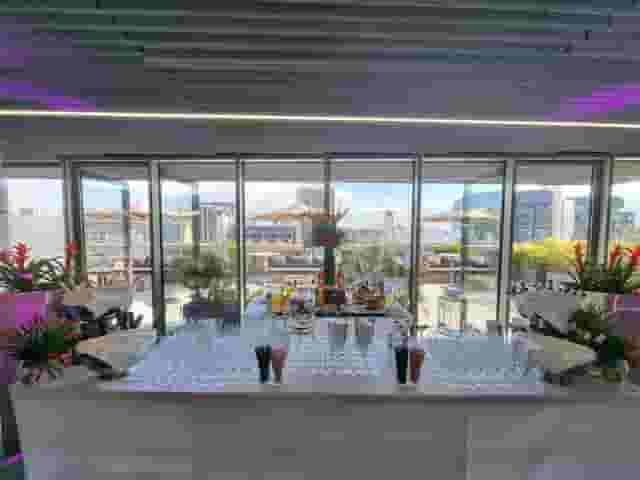
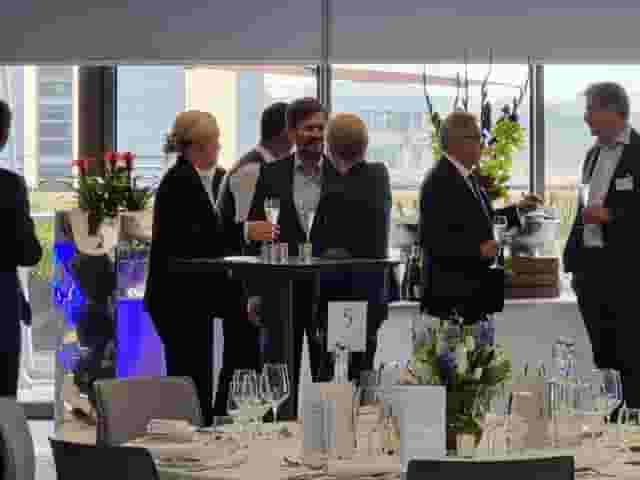
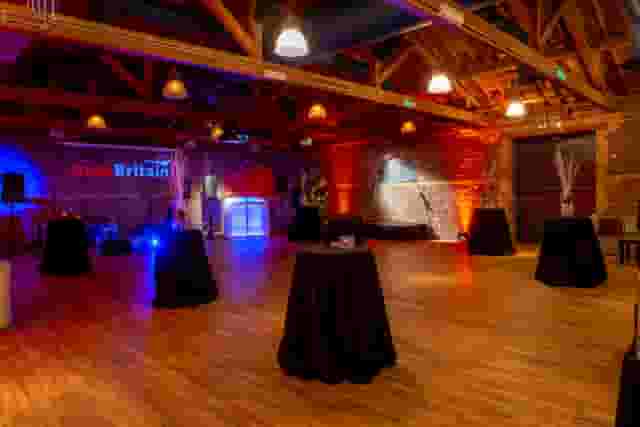
A standing reception should run for 45 to 75 minutes. Keeping this phase relatively compact prevents energy levels from dipping before food arrives. Arrange the bar or drink stations away from the welcome door so guests immediately circulate deeper into the room. Poseur tables work well here because they provide a place to rest glasses without encouraging small groups to establish fixed, immovable camps.
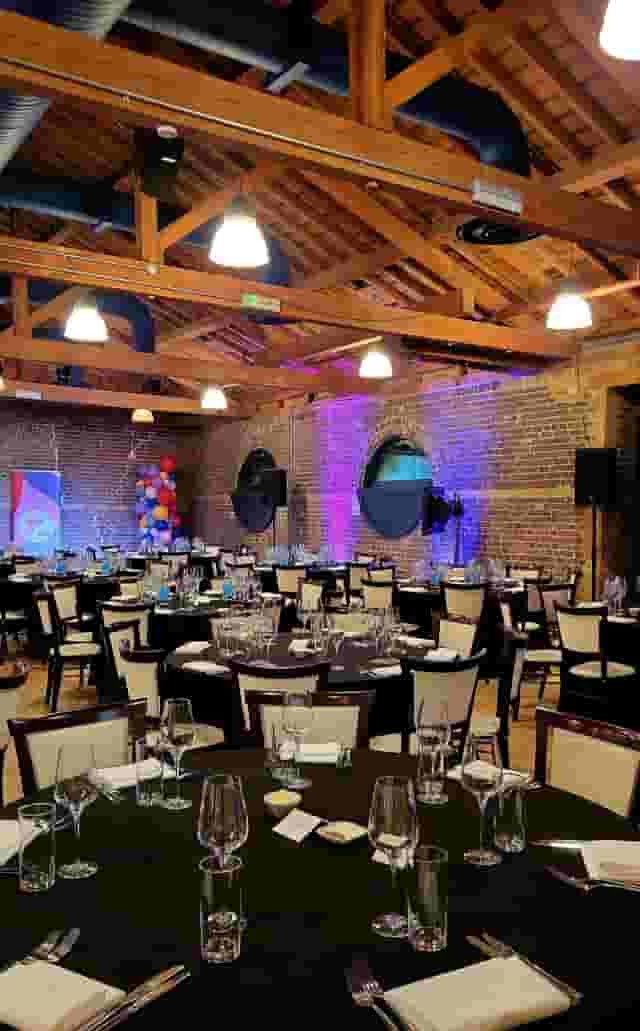
For dining, your choice between seated tables and circulated bowl food determines the entire room flow:
| Format | Floor space per guest | Service duration | Interaction level | Production transition |
|---|---|---|---|---|
| Circulated bowl food | 0.8 to 1.2 sqm | 60 to 90 minutes | High across whole room | Immediate shift into dancing |
| Seated three-course dinner | 1.8 to 2.2 sqm | 105 to 135 minutes | Limited to immediate table | Requires table clearing or relocation |
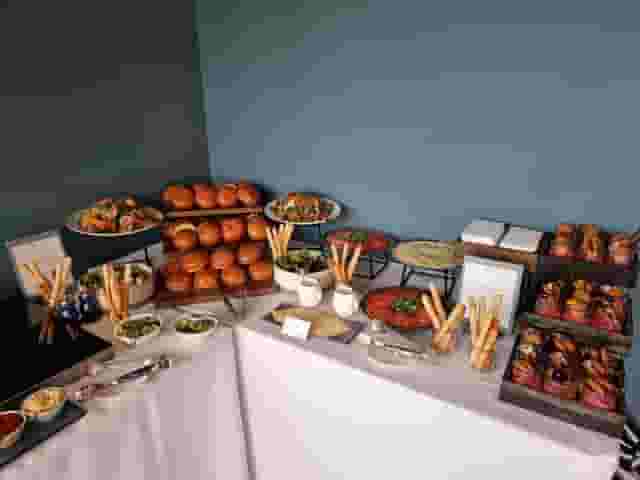
Circulated bowl food and food stations keep guests mobile, allowing the DJ to build sound levels gradually without competing with formal dinner speeches. Three to four substantial warm dishes followed by two dessert bowls provide ample sustenance for an evening with alcohol. If you choose a seated dinner, negotiate early with the venue about how the room transitions once dessert finishes. In single-room spaces, venues must clear tables swiftly or move guests towards a designated bar zone to make way for the dance floor.
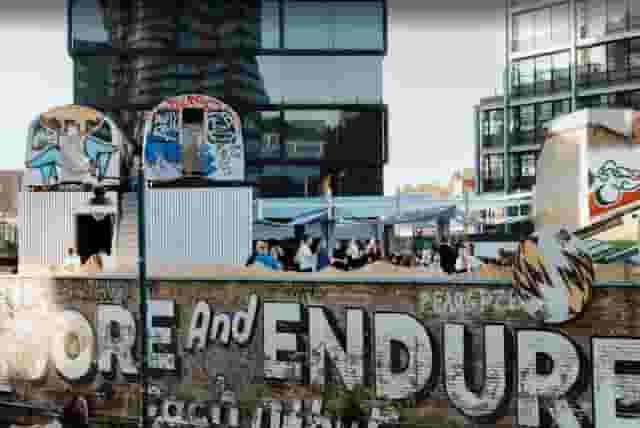
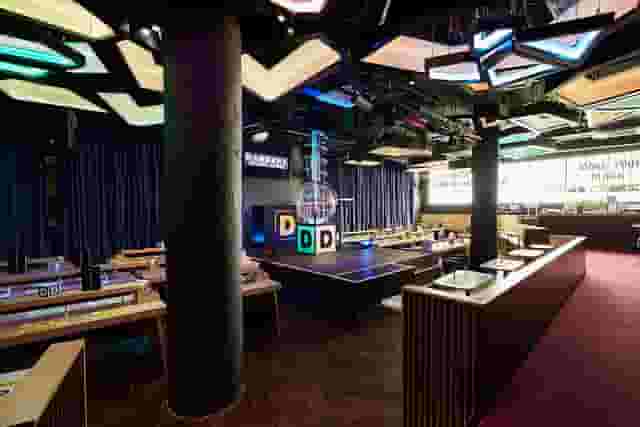
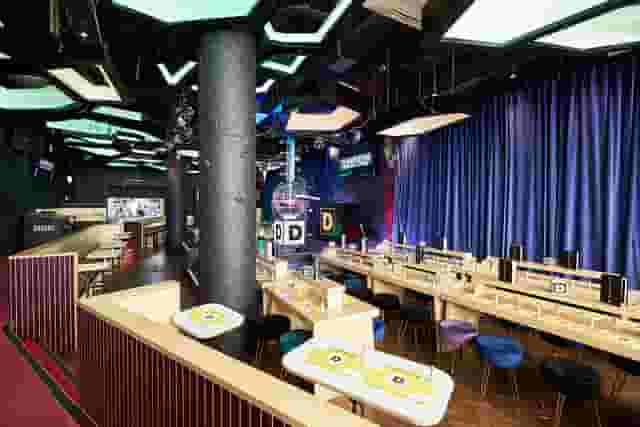
The musical shift should be decisive. Background playlists suit drinks and food service, but when the DJ takes over for the main set, lighting levels must drop and bar service should be fully staffed. If you are planning late entertainment, spaces with high ceilings and heavy-duty acoustic insulation handle volume shifts far better than low-ceiling dining rooms. Large-scale converted spaces such as Village Underground, which accommodates up to 700 standing guests, allow organizers to build concert-grade production rigs where sound stays punchy without bleeding into breakout areas. For groups wanting interactive entertainment alongside music, Poolhouse provides a standing capacity of 500, combining social games with reception areas so non-dancers remain engaged throughout the night.
For a deeper dive into timing templates and schedule planning, review these Top Tips for Planning a Christmas Party in 2026.
Choosing the right style of venue in and around Tower Hamlets
Tower Hamlets stretches from the edge of the Square Mile across Wapping, Canary Wharf, Bow and Mile End. This geographic span means you can choose between converted industrial spaces, riverside terraces, glass towers and storied heritage halls. The key is matching the architectural style of the building to the expectations of your team.
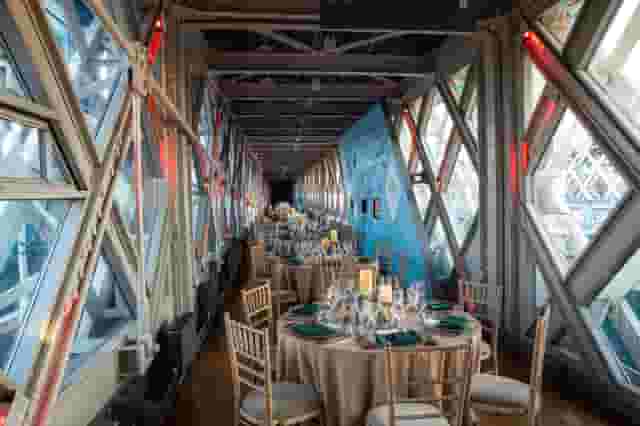
Heritage venues and historic landmarks offer a traditional, formal atmosphere that suits company anniversaries or traditional end-of-year gatherings. The New Armouries at Tower of London accommodates up to 1200 standing or 200 guests for dining, giving large corporate groups access to historic surroundings right on the western boundary of the borough. These venues usually enforce stricter operational rules: restricted loading windows, certified rigging teams and strict decibel limits to protect historic interiors.
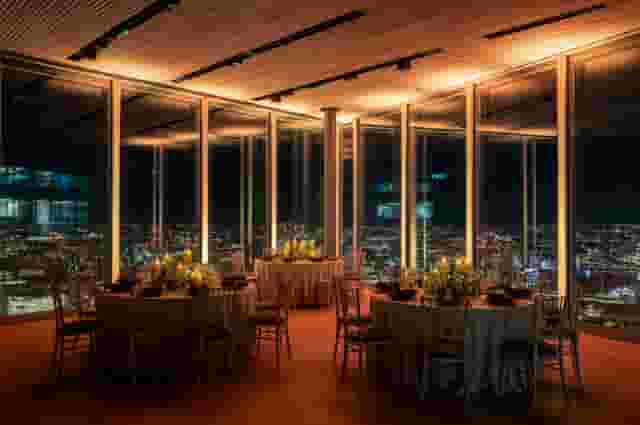
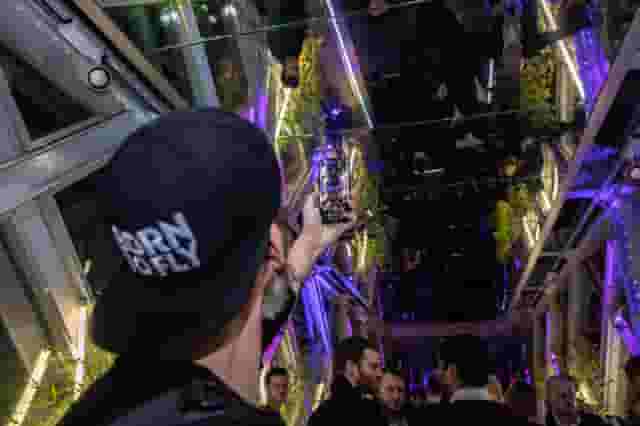
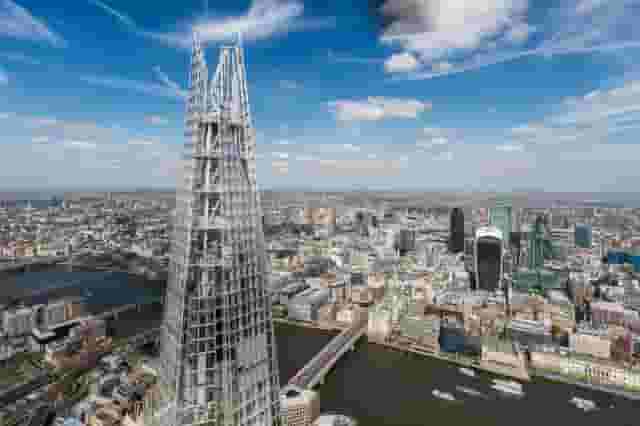
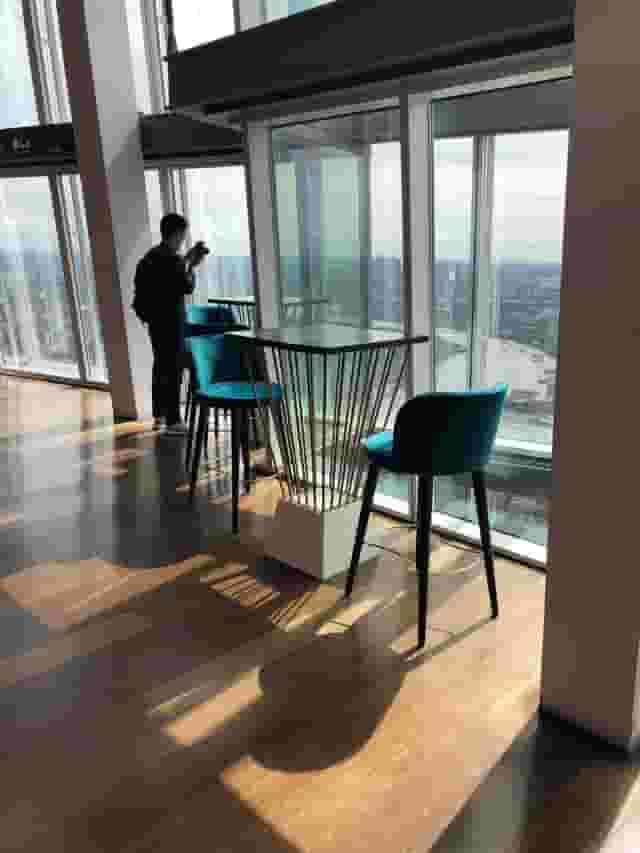
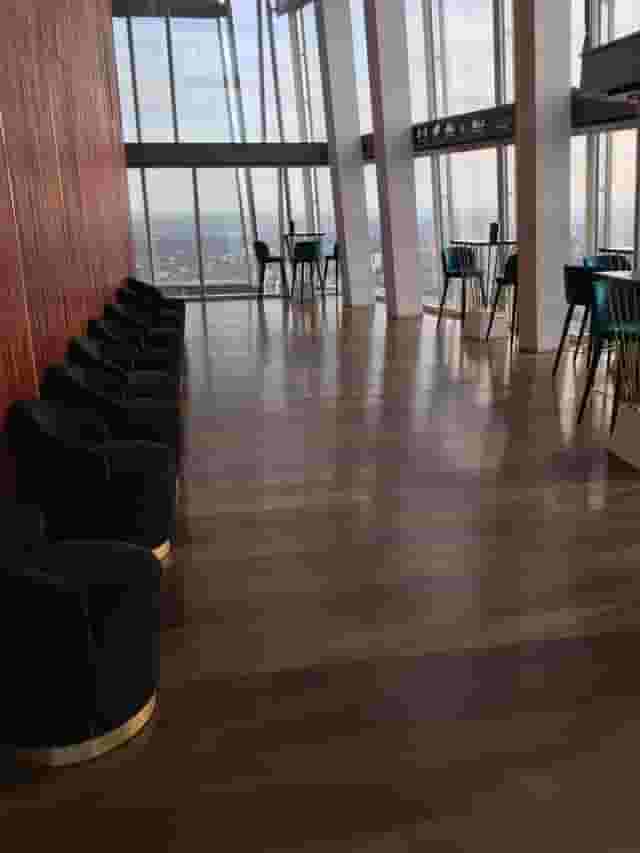
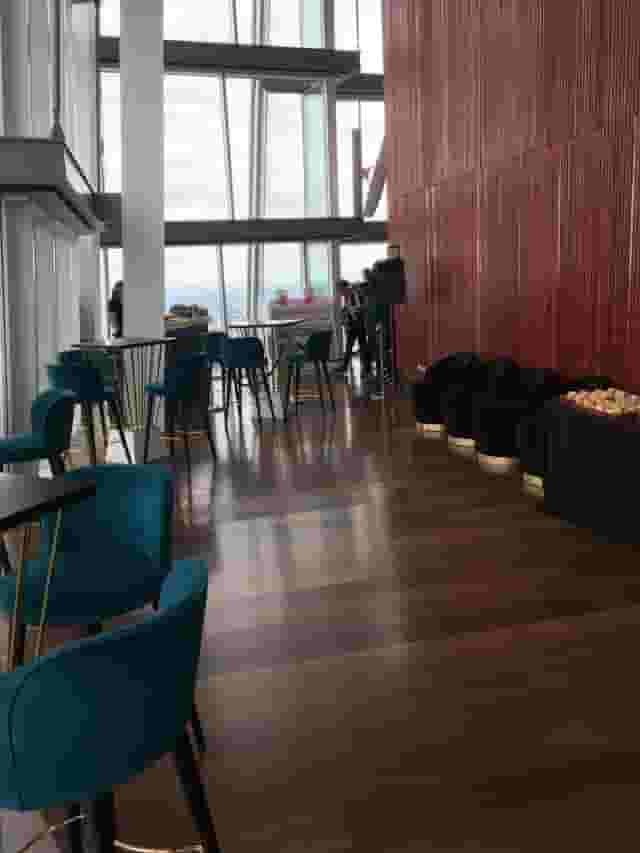
Contemporary high-rise locations and hospitality suites prioritize skyline views and integrated AV equipment. Up on the 35th floor, Sky Garden London holds 300 standing guests in its City Garden space, offering dramatic evening panoramas over the Thames. Further east, Canary Wharf brings slick corporate dining options such as the Lounge at ROKA Canary Wharf, which suits smaller celebrations of up to 40 guests looking for robata-grilled dishes and cocktail service.
If your guest list runs into hundreds of attendees, consider major event arenas positioned on the borough borders. The Great Briton and The Academy suites at London Stadium span 1000 square metres with floor-to-ceiling windows and space for 800 reception guests. These purpose-built venues simplify logistics because they have dedicated loading bays, wide service lifts, commercial kitchens and extensive on-site cloakroom capacity.
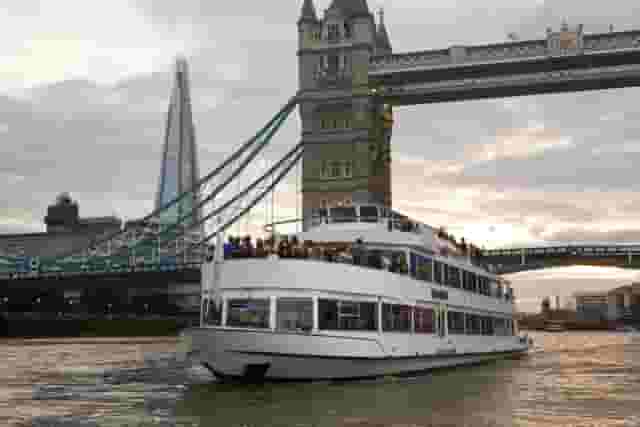
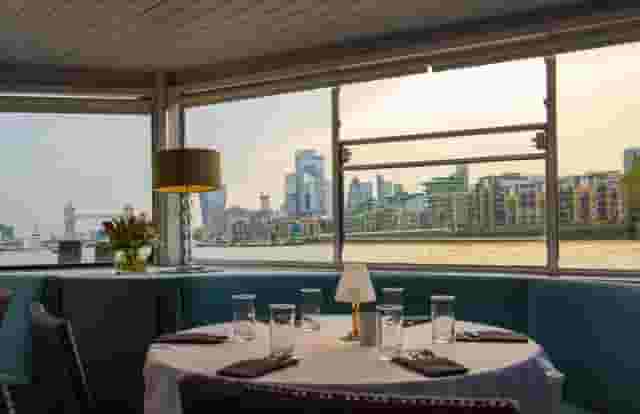
For smaller, dining-centred celebrations, riverside options like The Ivy Tower Bridge offer private rooms such as The View Room, hosting 50 dining guests or up to 150 across wider formats. Choosing an established restaurant means you bypass external caterers, hire fees and equipment sourcing, while commercial event spaces require you to coordinate every supplier yourself. If you are comparing venues for substantial numbers, browse The 10 Coolest Christmas Party Venues for Large Groups to see how different group sizes impact venue selection. If you are shortlisting spaces, Hire Space is an event planning and venue booking platform backed by a team of real people who oversee the process alongside you. For corporate events of 100 people or more, it displays live availability confirmed by venues for your chosen date and timings, letting you secure a suitable shortlist in minutes rather than waiting days for replies.
What party packages cost and how to budget
When pricing a corporate event in this part of London, headline room hire figures can be misleading. Venues often quote either a dry-hire fee with mandatory minimum catering spends, or an all-inclusive festive package per attendee.
Across venues in this area, pricing typically sits at £157 to £223 per head. This indicative figure is drawn from 26 quotes from the venues on this page for similar festive bookings, and it assumes a party size of about 80 guests.
Where your booking falls within that range depends on the scope of catering, the drinks duration and the level of production required:
| Budget tier | Catering format | Beverage provision | Production inclusions |
|---|---|---|---|
| Towards the £157 end | Welcome drink plus four to five bowl food items | Three-hour house wine, beer and soft drinks package | Venue background sound system, basic lighting wash |
| Mid-range | Three-course seated dinner or premium food stations | Four-hour unlimited house drinks with prosecco upgrade | Basic DJ setup, wireless microphone, moving wash lights |
| Towards the £223 end | Champagne reception, seated dinner with upgraded wines | Four to five hours open bar including spirits and cocktails | Specialist sound rig, dedicated lighting engineer, staging |
Understanding what drives the gap between the £157 end and the £223 end helps you negotiate effectively. The single biggest variable is the drinks package. A package limited to house white wine, red wine and lager keeps costs predictable. The moment you introduce spirits, cocktails or sparkling wine on arrival, costs move rapidly towards the upper limit.
Pay close attention to these commercial factors when reviewing proposals:
First, service charge. In London venues, discretionary service charges usually range from 12.5% to 15% and are added on top of food and beverage totals. Always confirm whether an initial per-person estimate includes or excludes this charge, as it can add several thousand pounds to the final invoice.
Second, minimum spend thresholds. If you hire a private bar or restaurant exclusively, the venue will set a minimum spend requirement rather than a per-head fee. If your final guest turnout drops, you remain contractually liable for the full minimum spend. Negotiate to convert any unspent balance into premium wine upgrades or late-night snacks rather than surrendering the cash as a penalty fee.
Third, supplier surcharges. Some historical or blank-canvas venues charge an administration fee (often 10% to 15%) if you bring in caterers or AV suppliers who do not sit on their approved list. Stick to the venue's accredited partners to avoid friction, administrative surcharges and redundant site visits.
Technical requirements, DJ setups and noise curfews
A corporate party featuring a live DJ requires specific technical groundwork. Unlike acoustic acts, a DJ demands reliable power, adequate monitor speakers, appropriate table heights and clear sightlines to the crowd. Never assume the venue has suitable DJ equipment on site unless it is explicitly written into the contract.
Start by asking whether the venue operates an in-house PA system or requires you to hire external equipment. Many modern restaurants and hotel lounges have background sound systems designed purely for ambient dining. These speakers distort when pushed to dance volumes, and their bass response is insufficient for modern party tracks. In these spaces, your DJ or AV provider must bring active PA speakers, subwoofers and standalone stands.
Check local licensing constraints and noise regulations early:
- Sound limiters: Many venues located beneath residential flats or inside heritage structures use calibrated noise limiters. These devices measure decibels and automatically cut power to the DJ booth if volume thresholds are breached for more than a few seconds. If a limiter is set below 90dB, a lively party will struggle, as crowd singing alone can trigger the cut-off switch.
- Licensing hours: Normal premises licences in Tower Hamlets frequently mandate that music ceases at 23:00 or midnight on weekdays, and midnight or 01:00 on Fridays and Saturdays. If you plan to celebrate until 02:00, the venue must apply for a Temporary Event Notice (TEN) from the local council, which carries statutory limits per venue per year.
- Pack-down windows: Clarify exactly when external suppliers must vacate the building. Venues often charge penalties if load-out runs past agreed times. If your party ends at midnight, your DJ will need at least 45 to 60 minutes to dismantle lighting bars and pack flight cases. Ensure access agreements cover this post-event period.
Provide your DJ with three independent 13-amp power sockets on a clean circuit, separated from heavy kitchen equipment like fryers or glass washers, which can induce electrical hums through the audio lines.
Transport links and guest departures across East London
Getting guests to a venue is straightforward, but getting them home safely after midnight during the December rush takes advance planning. Tower Hamlets benefits from excellent transport arteries, but route efficiency varies significantly across the borough.
Canary Wharf and Whitechapel are served by the Elizabeth line, providing rapid connections west to Paddington and east towards Essex. The Jubilee line offers 24-hour Night Tube services on Friday and Saturday nights from stations like Canary Wharf, which makes late travel painless for central and south London commuters. DLR lines connect the financial district to Bank, Lewisham and Stratford, providing practical transit routes across east London.
For venues situated along the historic western fringe near Aldgate and Tower Hill, District and Circle line connections are convenient, while Liverpool Street Station is within walking distance for regional rail services to Hertfordshire, Essex and Cambridge.
When your event finishes between 23:30 and 01:00, hundreds of corporate parties across east London spill out at the exact same moment. Smartphone ride-hailing apps experience extreme surge pricing and long waiting times throughout December. To mitigate departure bottlenecks:
- Pre-book group coaches or executive cars: For senior staff or regional teams travelling back to a shared hotel base, book private minibuses well in advance.
- Review taxi drop-off regulations: Street access in modern developments like Canary Wharf is strictly controlled. Establish an exact passenger pick-up point and share clear street maps on your digital event invitations so guests do not wait on cold, private access roads where taxis cannot stop.
- Staff the cloakroom generously: The final bottleneck of the night is always the cloakroom. A single attendant trying to return coats for 150 guests creates a frustrating 20-minute queue. Insist on a staffing ratio of at least one cloakroom attendant per 75 to 100 guests during the final hour of the night.
Questions to confirm before signing your contract
Before paying a deposit or signing an event hire agreement, run through this practical operational checklist with the events coordinator:
| Operational area | Critical detail to verify | Risk to avoid |
|---|---|---|
| Access and loading | Handover time for decorators and DJ | Paying hire fees for dead setup hours |
| Cloakroom facility | Dedicated rail space and staffing inclusion | Unattended coats piled on tables |
| Sound compliance | Limiter cut-off level in decibels | Power cuts during peak DJ sets |
| Corkage terms | Flat bottle fee versus minimum spend credit | Unexpected handling charges on deliveries |
| Security staffing | SIA-licensed door guards required by licence | Mandatory staffing charges billed late |
| Post-midnight licence | Council extension approvals and bar close times | Abrupt end to bar service mid-party |
Ask specifically about kitchen access and food waste clearing. If you are hiring an external caterer for bowl food, confirm whether the kitchen fee includes ovens, hot boxes and refrigeration, or merely empty prep tabling. Check whether the venue provides dedicated recycling disposal or if the catering team must take all empty bottles and organic waste away at the end of the shift.
Review the cancellation policy and attrition clauses carefully. Corporate headcount projections made in July or August often change by November. Ensure the contract includes a sliding scale that lets you adjust guest counts downwards by 10% to 15% without forfeiting the full catering spend, with final numbers confirmed no earlier than 14 days before the event. Clear terms on payment schedules, damage deposits and security provisions will ensure your party delivers a smooth celebration for the entire company. Hire Space 360 is enterprise venue and hotel procurement for companies spending £1m or more a year on meetings and events: a managed meetings and events programme, the kind procurement teams call strategic meetings management. For organisations reviewing how Hire Space 360 works for procurement, it rolls every venue contract and accommodation booking into a single master agreement with consolidated invoicing. Each account is guided by named venue sourcing specialists who ensure every party stays aligned with internal event policy, alongside live spend reporting for finance teams.
What our customers say
Inspiration and planning guides
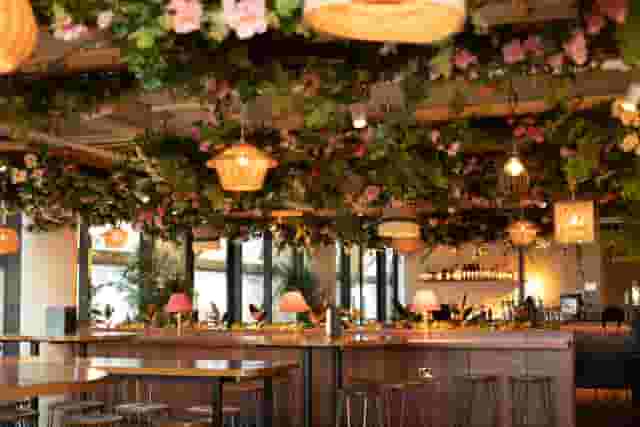
7 Venues to Transform Your Office Party into a Festive Fiesta!
Make this year's office Christmas party one to remember with these 7 unique venues in London. From sleek rooftop bars to immersive wonderlands, there's something for every team.

Unique Venue of the Month: Banqueting House
On a blustery winter's day in January 1649, the deposed King Charles I was beheaded by the victorious rebels of the Civil War. And the bloody execution took place just outside of our Unique Venue of the Month. Not many venues can claim to be of such historical significance, but Banqueting House [https://hirespace.com/Spaces/London/42821/Banqueting-House/Main-Hall/Weddings] – the only remaining part of the Palace of Whitehall, where English monarchs used to reside – played a major part in Briti

Review: La Belle Assiette
Dining is often the centrepiece of an event, whether served in sit-down, buffet or casual-canapé style. Especially today – when being a “foodie” is a common and trendy trait, and when culinary TV shows are among the most popular – parties of all kinds are putting a renewed significance in the edible aspects. After securing a venue, therefore, all eyes are naturally turned to the plate. Indeed, La Belle Assiette [https://labelleassiette.co.uk/] translates literally as The Beautiful Plate, and
One supplier. Every venue. Full visibility on what you spend.
Multiple venues and events. One agreement.