Palaces in London
Explore London palace venues and historic halls for corporate dinners, private drinks receptions and high-level company events.
214 Palaces in venues in London


























































































No venues match these filters
Try widening your capacity, luxury level or event type.
Don't have time to search? We'll find it for you.
For business events that need human judgement, talk to our team. Free for events of 100+ people, budgets over £10k or ongoing programmes.




Explore more venues in London












Frequently asked questions
What defines a palace venue in London?
Are outdoor options available at palace venues?
How to ensure privacy at a London palace event?
Can palace venues in London host large events?
Other platforms search their database. We search everything.
Tell us what you need. Our deep research finds any venue, whether it's in our marketplace or not. No one else does this.
About Palaces in London
Selecting the right palace venue for a corporate event
Palace venues across London offer a level of architectural weight and historical authority that modern conference halls or hotel ballrooms cannot replicate. Originally constructed as royal, episcopal or aristocratic seats, these properties were engineered for formal display, diplomacy and assembly. Using them for business entertainment, client receptions, board dinners and company anniversaries communicates permanence and prestige to stakeholders. However, these spaces were built centuries before digital production rigs, commercial banqueting kitchens and complex corporate security requirements existed. Choosing to host a company event in a palace requires balancing ceremonial grandeur with strict operational realities.
The first consideration is matching guest headcount to the architectural format of the property. A palace is rarely a uniform shell. It is often an interconnected sequence of state apartments, galleries, cloisters and ceremonial halls. If your event has 150 guests, putting them in an immense historic courtyard can feel cavernous and diminish the atmosphere. Conversely, attempting to squeeze 300 standing guests into an ornate drawing room risks overcrowding and breaches conservation occupancy caps.
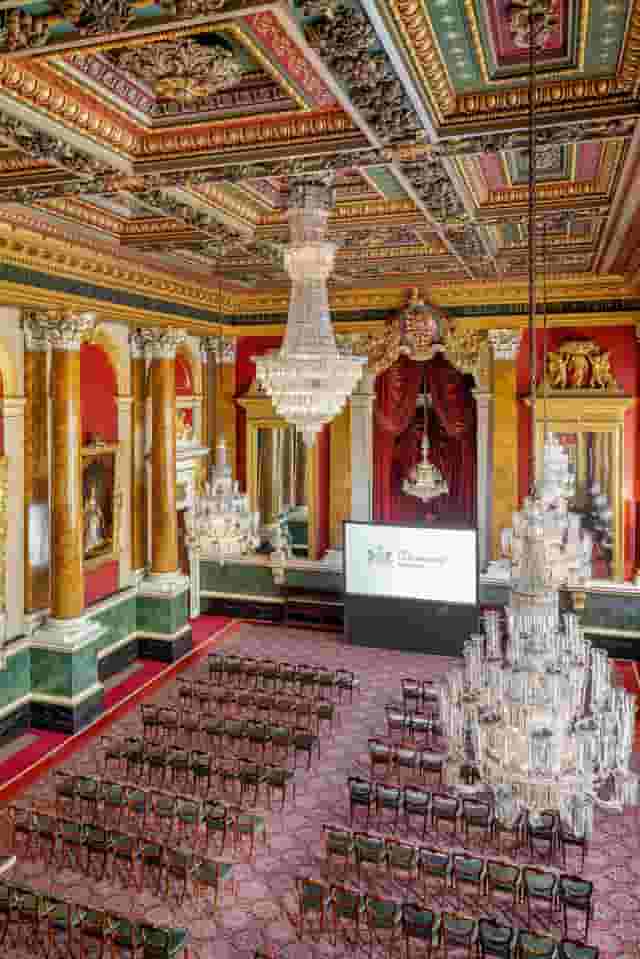
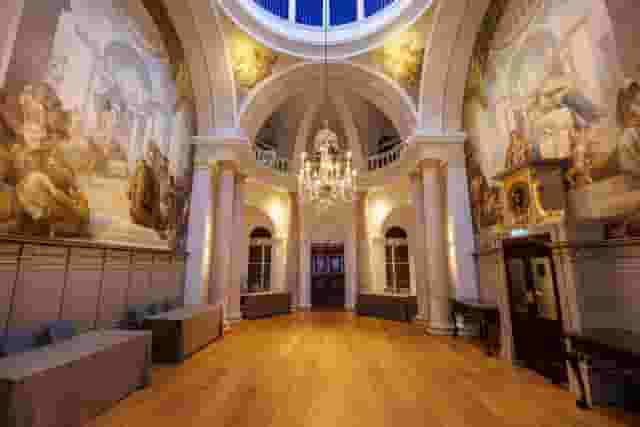
For medium-scale dinners requiring formal seated dining, spaces such as the Orangery and State Apartments at Kensington Palace accommodate up to 200 guests for dining. The configuration allows guests to move from arrival drinks within historical reception chambers directly into a seated meal surrounded by heritage architecture. For larger standing drinks receptions where circulation is central, venues with single, vast architectural halls present a different experience. The Whole Venue Hire at Banqueting House provides capacity for up to 500 guests for a reception directly beneath Peter Paul Rubens' painted ceiling. Here, guests gather in a single room designed specifically for Jacobean state masques, creating an unbroken focal point for speeches and presentations.
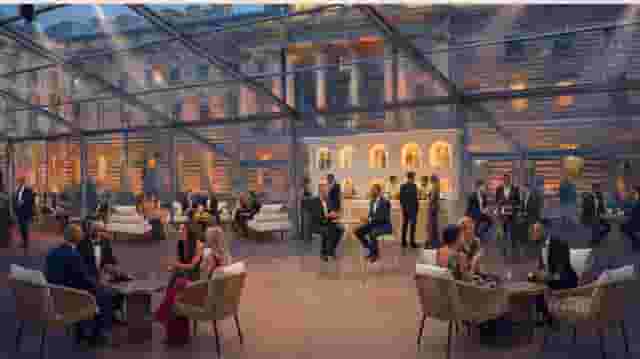
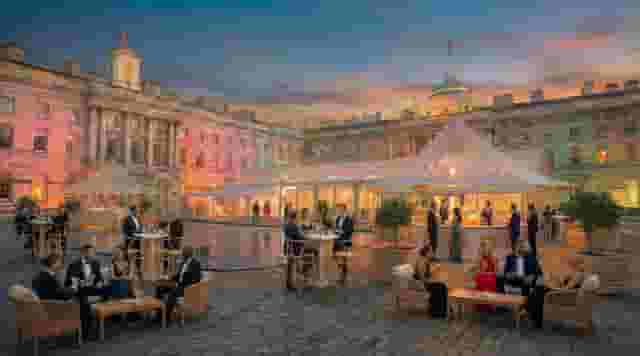
When an event requires dramatic scale or an open-air transition, palatial civic courtyards provide alternative footprints. The Edmond J. Safra Fountain Court at Summer Season 2026: Somerset House X Moving Venue hosts receptions for up to 2500 guests within an 18th-century neoclassical quadrangle. This style of space suits summer corporate gatherings, product launches and high-capacity partner summits where scale and outdoor shelter take precedence over intimate chamber dining.
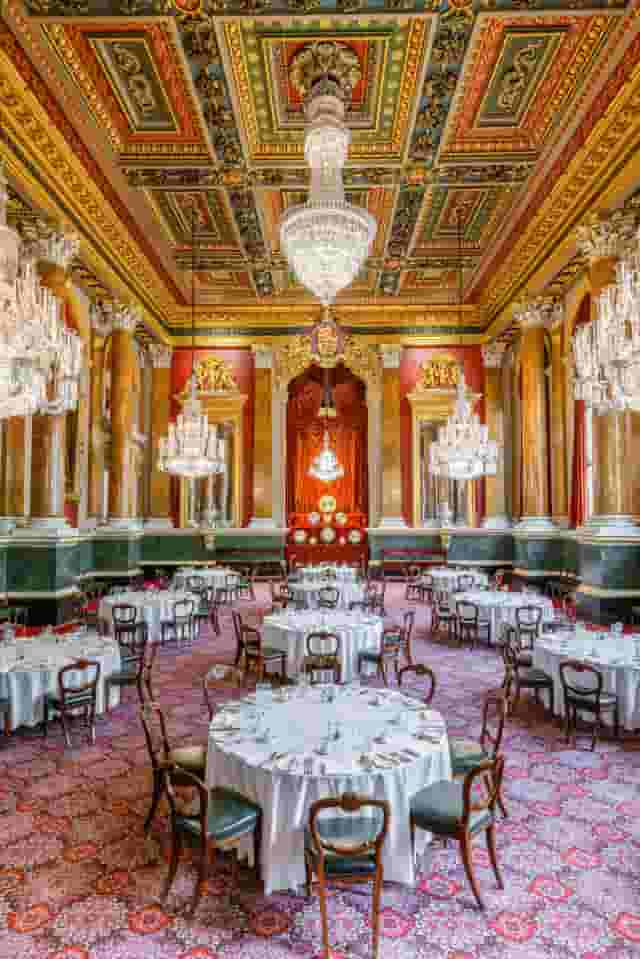
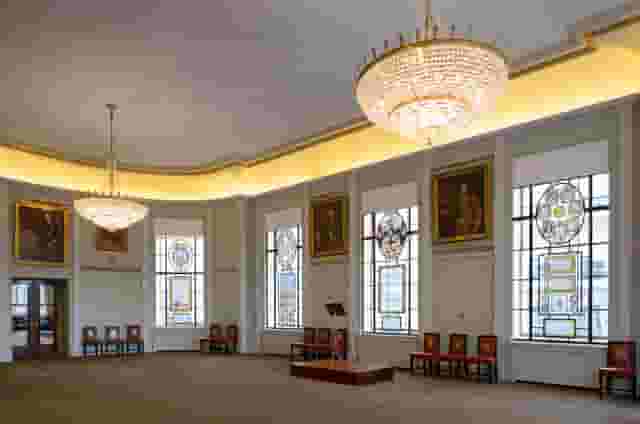
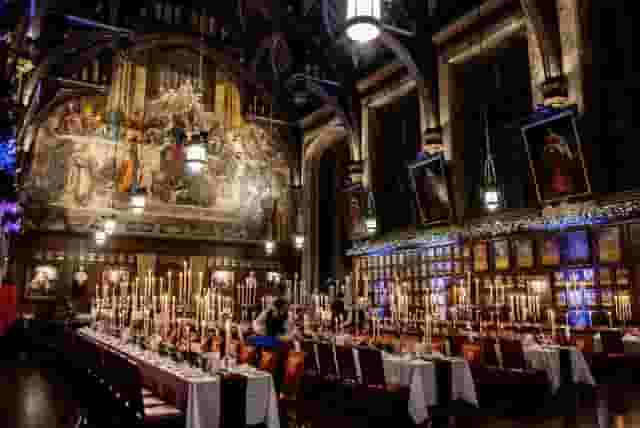
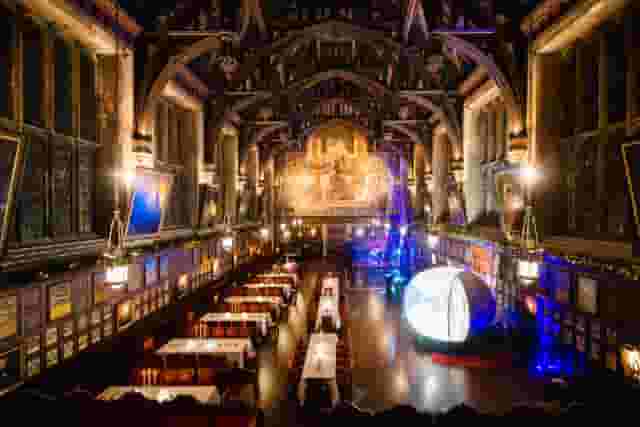
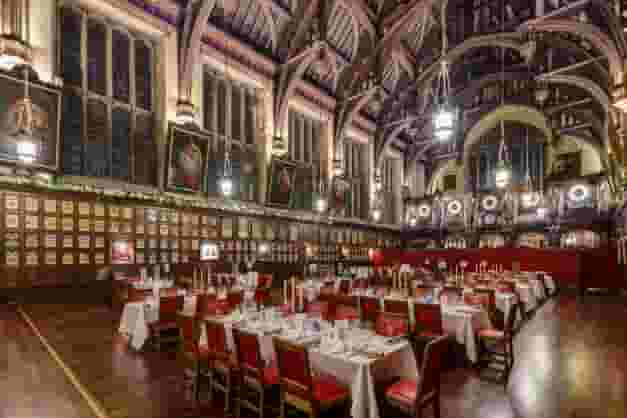
For civic and livery halls with sovereign connections, spaces like The Livery Hall at Goldsmiths' Hall accommodate up to 300 guests for a standing reception. These properties offer comparable period mouldings, gold-leaf detailing and stately proportions within the commercial heart of the City of London, giving organisers a central alternative to West End royal residences. To compare historic settings across the capital, venue booking platform Hire Space pairs venue sourcing technology with a team of real people who oversee the outcome. Organisers can use Deep Venue Research to search beyond standard event listings, accessing data-backed price estimates and checking confirmed dates in minutes rather than waiting days for venues to reply.
| Venue type | Structural characteristics | Typical corporate use case | Primary planning trade-off |
|---|---|---|---|
| Royal State Apartments | Series of connected historic chambers | High-level dinners, investor receptions | Strict conservation rules, limited branding |
| Great Hall or Banqueting Chamber | Single, high-ceilinged ceremonial room | Award ceremonies, keynote galas | Echoing acoustics, strict rigging limitations |
| Historic Courtyard or Cloister | Enclosed stone quadrangles, partially exposed | Summer drinks receptions, seasonal celebrations | Weather dependency, external sound restrictions |
| Livery or Aristocratic Hall | Guild chambers with period portraits and panelling | Executive dinners, partner summits | Fixed layout furniture, defined access windows |
Managing security, privacy and public access
A defining challenge of booking a palace or crown property is that many of these sites remain active royal residences, working government offices or major visitor attractions during the day. True privacy requires meticulous coordination with the venue's operations team and security services.
Most palace venues operate on dual schedules. During daylight hours, public ticket holders, tourists or accredited staff occupy the corridors and grounds. Private evening access rarely commences before public closing, which is typically 17:00 or 18:00 depending on the season. This limits setup time for floristry, furniture hire and production teams to a tight window before your guests arrive. Organisers must verify whether daytime access can be arranged via dedicated service entrances, or if every flight case and floral urn must wait until the public clears the threshold.
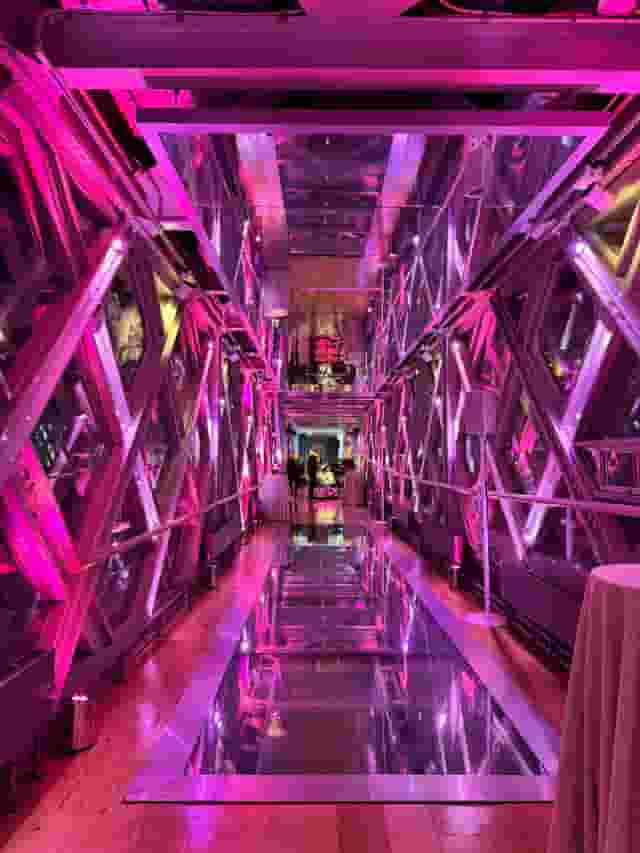
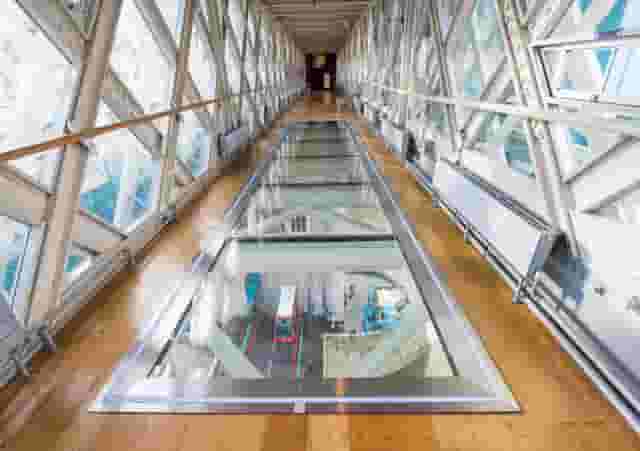
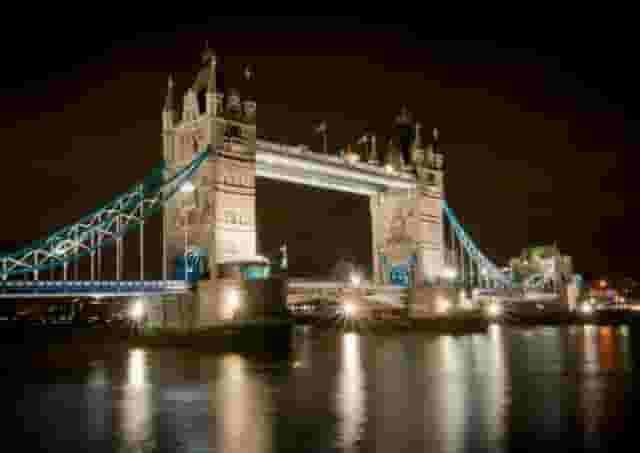
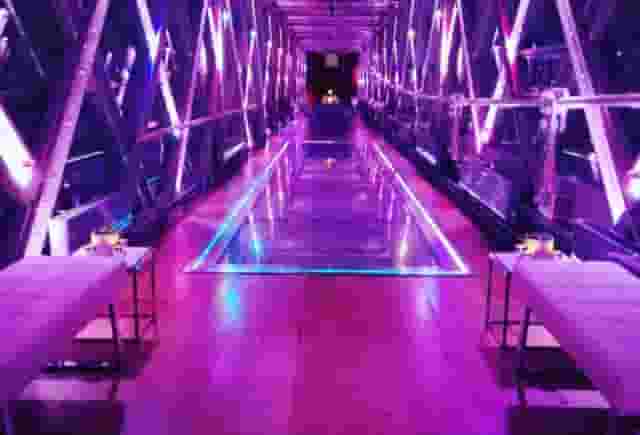
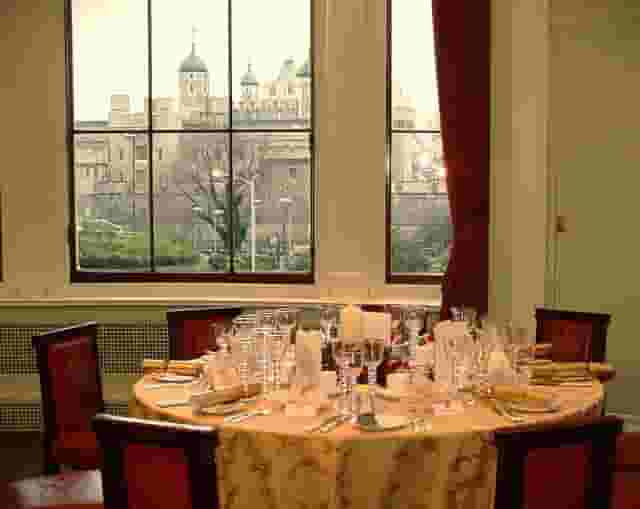
Privacy also relies heavily on perimeter control and entrance demarcation. When hosting an event at a landmark like the Tower of London, guests must be separated immediately from tourists lingering around the perimeter. Spaces such as The Walkways at Tower of London, which accommodate receptions for up to 250 guests, sit 42 metres above the River Thames. Managing guest flow into these elevated walkways involves routed security points, bag checks and designated escort teams to guide attendees through historic fortifications to their private space.
Organisers must ask specific operational questions regarding privacy before signing contracts:
- Does the agreement cover exclusive hire of the whole site, or are other private events or public tours taking place concurrently?
- Is there a dedicated private entrance, or will corporate guests share arrival courtyards with general visitors?
- Are on-site security guards provided by the estate, and does the venue require pre-submitted guest lists for accreditation 48 hours in advance?
- What are the exact protocols for executive transport, private drop-offs and security details for VIP attendees?
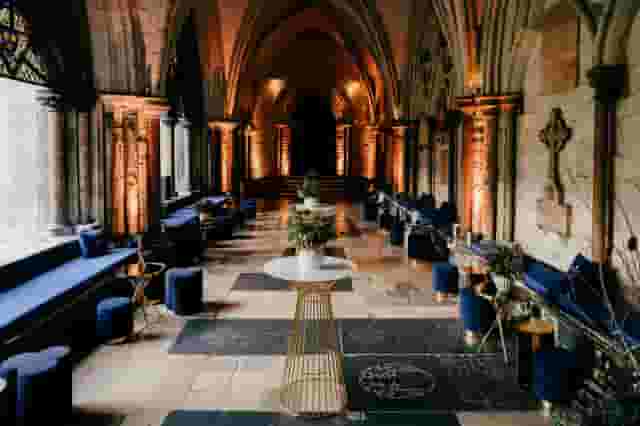
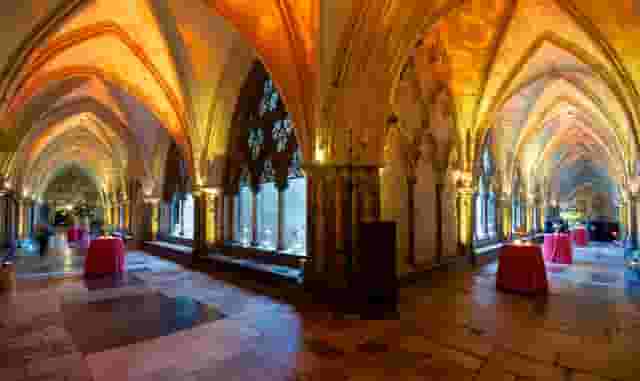
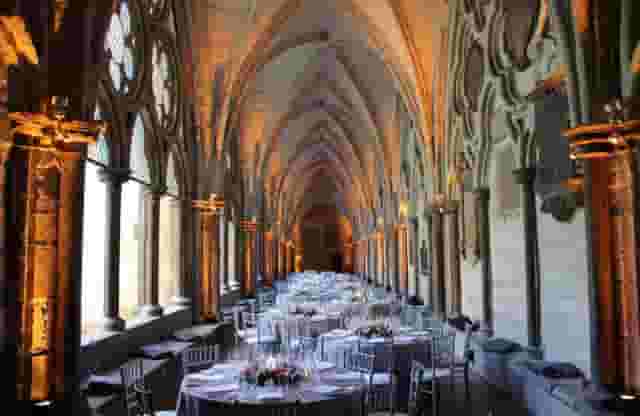
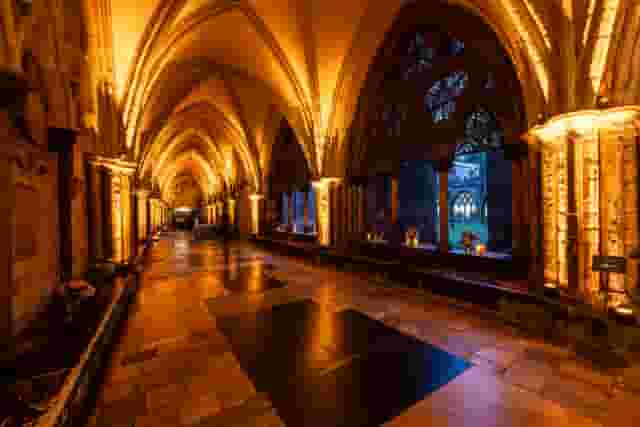
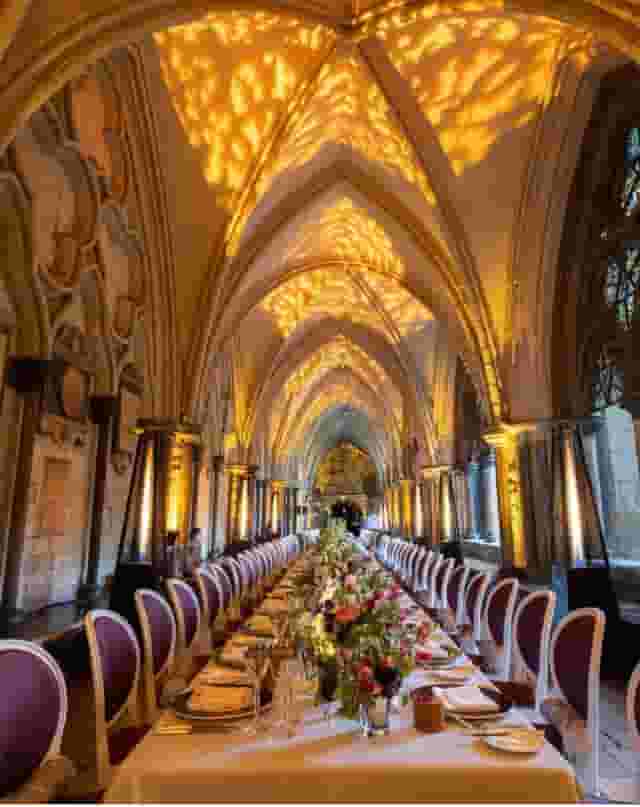
Where political figures, diplomatic delegations or public corporate leaders are attending, venues with monastic or state connections often require liaison with external police and security teams. The East and North Cloisters at Westminster Abbey, which accommodate outdoor receptions for up to 400 guests, require structured arrival routes due to the high-security profile of the surrounding Parliamentary precinct. Knowing these constraints early prevents guest delays at perimeter gates.
Navigating conservation rules and production constraints
Palaces are protected heritage environments, frequently holding Grade I listed status or Scheduled Ancient Monument designations. Conservation teams oversee these buildings to protect historic stonework, delicate timber floors, irreplaceable tapestries and painted ceilings. Every corporate planner must understand that conservation priorities will always override event aesthetic preferences.
The primary friction point in palace production involves rigging and lighting. You cannot drill into masonry, nail cables to cornices or tape production lines to historic floorboards. Heavy trussing must be entirely free-standing and ground-supported, with protective rubber matting beneath base plates. In rooms with delicate textiles or historic paintings, certain light wavelengths and heat outputs are prohibited to prevent canvas degradation. Battery-powered uplighters and LED fixtures are standard requirements.
Audio production requires careful treatment. Historic stone halls, marble galleries and soaring ceilings bounce sound across hard surfaces, creating significant reverberation. If your corporate evening includes a CEO address, sponsor speeches or an awards announcement, speech intelligibility can suffer dramatically without a distributed sound system. Instead of placing two large speakers at the front of the hall, production crews must deploy multiple smaller speaker units running at lower volumes throughout the room, timed to avoid acoustic delay.
Catering within heritage properties carries similarly tight operational rules:
- Red wine, pomegranate juice and dark berry cocktails are routinely banned in rooms with porous stonework, historic rugs or bare floorboards to prevent permanent staining.
- Open flames are strictly prohibited. Food warming must rely on specialised electric hot cupboards, induction plates or outdoor preparation tents rather than naked-flame chafing dishes.
- Kitchen staging areas are rarely adjacent to the dining hall. Caterers often work out of temporary service tents erected in service courtyards, meaning food service requires careful choreography and hot plate covers to maintain temperature across transit distances.
- Trash, glass recycling and liquid waste must be removed off-site immediately following the event, as historic estates do not allow organic waste to sit in open service yards overnight.
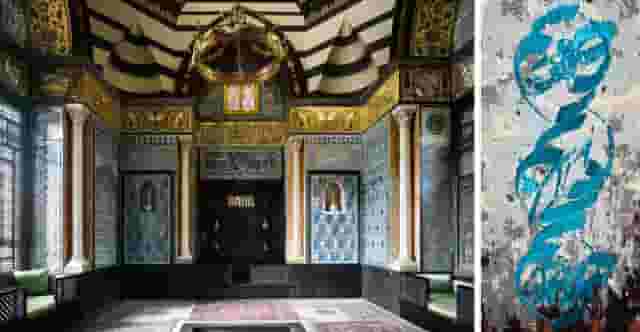
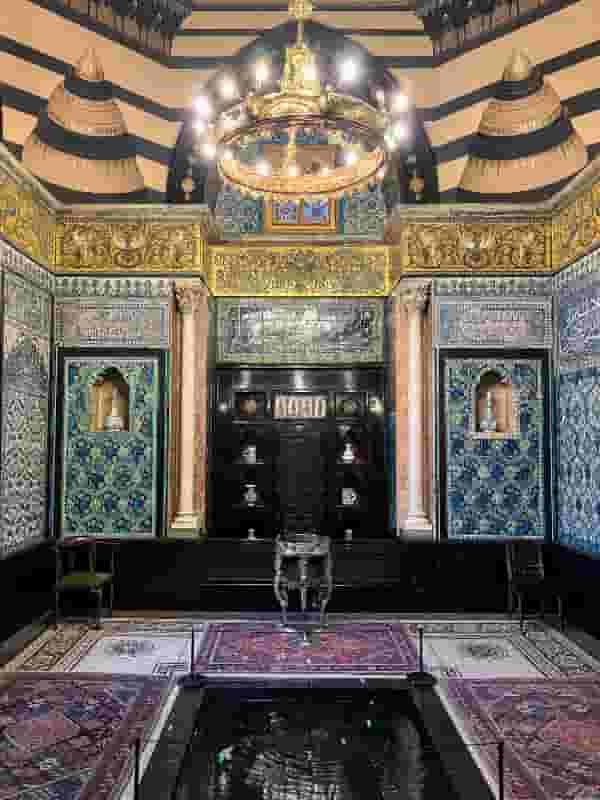
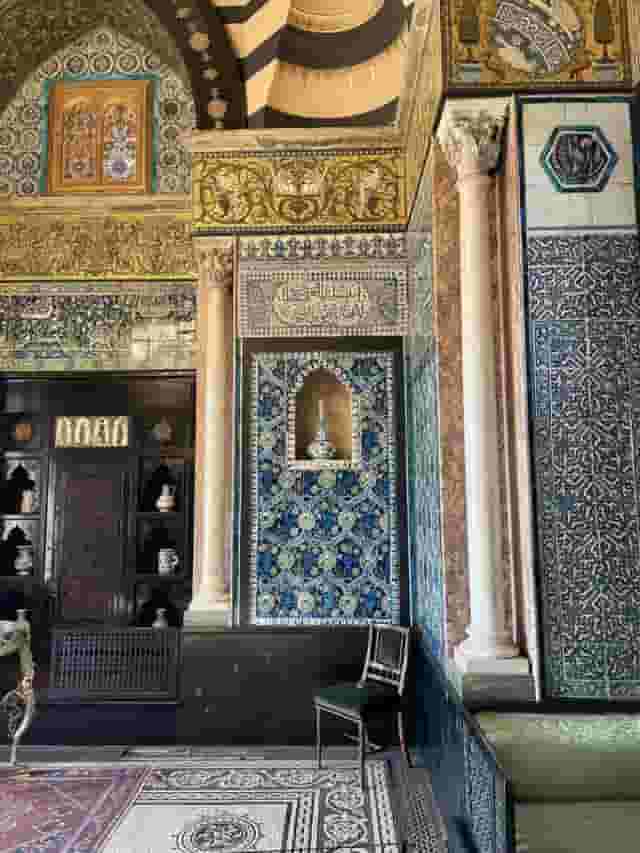
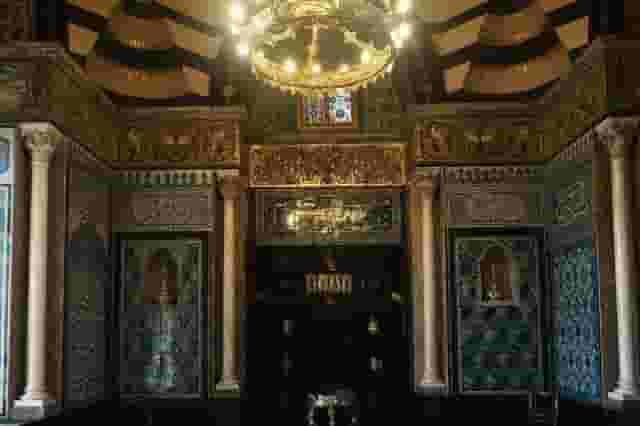
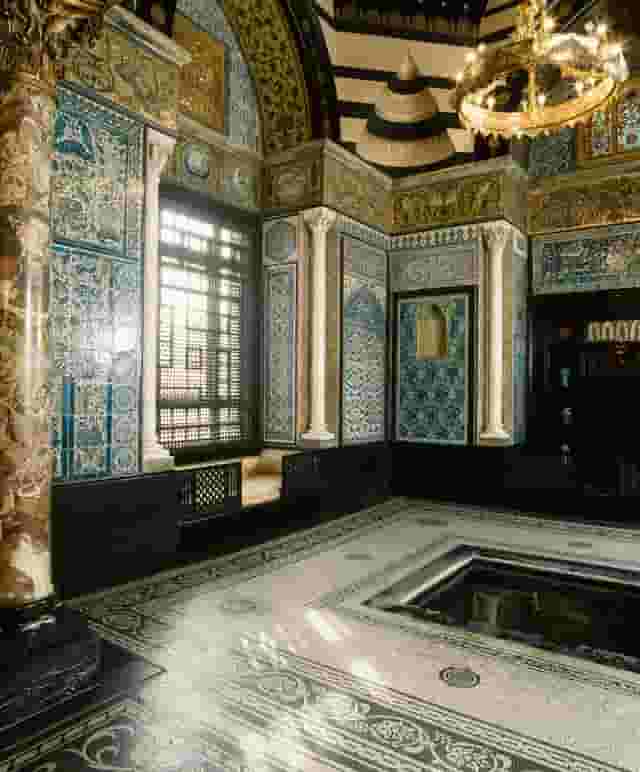
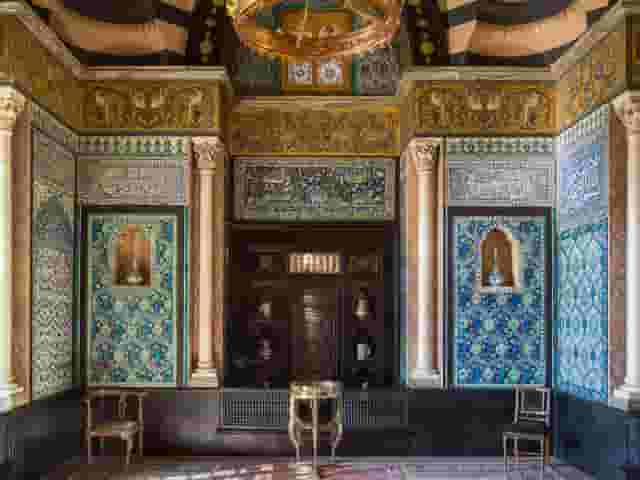
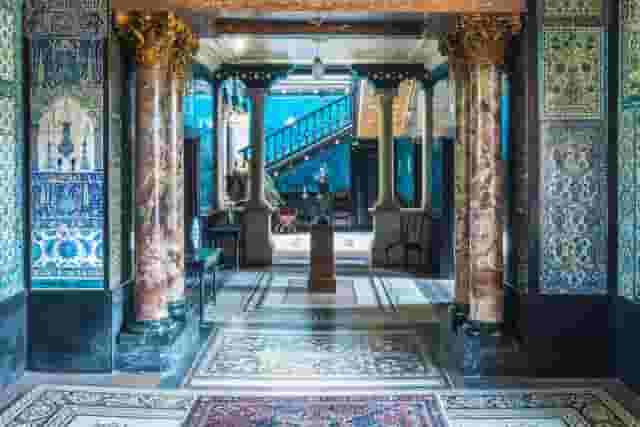
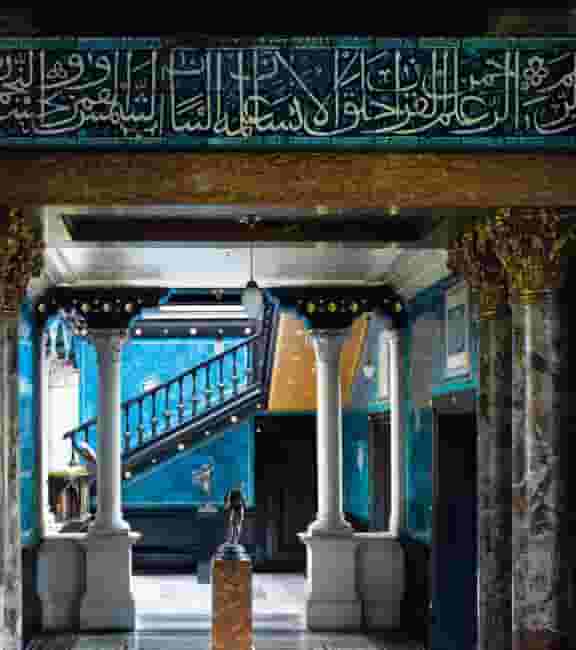
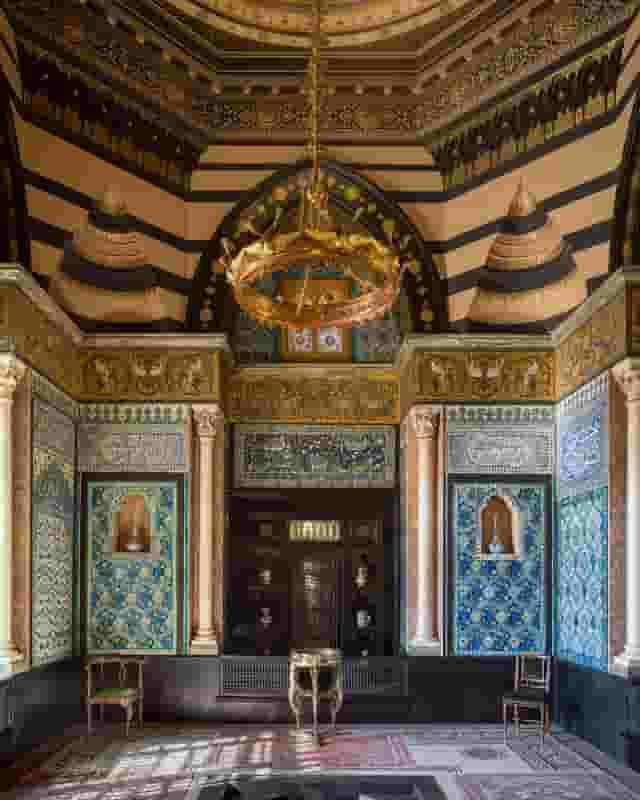
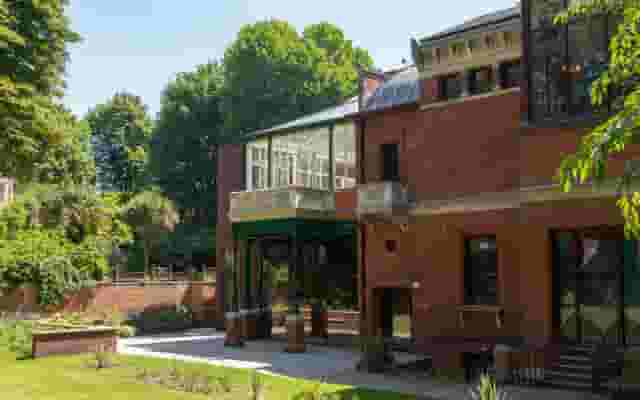
For smaller corporate gatherings where decorative heritage is preserved down to the wall tiles, smaller aesthetic spaces require delicate handling. Arab Hall at Leighton House accommodates receptions for up to 100 guests and features intricate Middle Eastern tiles alongside a central fountain. In environments like this, free-standing production and low-profile catering setups are mandatory to prevent accidental damage to fragile historic mosaics.
Designing the corporate evening flow
A successful corporate event in a palace leans into the drama of the architecture rather than fighting it. Corporate receptions typically follow an arrival-to-departure sequence that builds anticipation across different rooms or zones.
A standard format begins with an arrival sequence through ceremonial gates or quiet outer courtyards. Guests should be relieved of coats immediately upon entry to prevent bulky outerwear from cluttering historical reception rooms. The drinks reception should run for 60 to 75 minutes in an initial gallery or ante-room, allowing attendees to network and absorb the surroundings while circulation remains fluid.
For events transitioning to dinner, the shift from reception room to dining chamber should feel intentional. Moving guests from a low-lit historic gallery into a grand dining hall with lit candelabra on tables creates a tangible shift in energy. If speeches are scheduled, position them between the starter and the main course or immediately following the dessert. Avoid holding speeches before guests have had their first drink, as early evening arrivals in formal venues can feel stiff until guests settle.
For post-dinner activity, historical venues vary in their licensing allowances. Some properties mandate that entertainment and alcohol service conclude strictly at 23:00 to protect local residents or meet estate charters. Others possess late licences allowing music and dancing to continue into the early hours. For example, spaces like Banqueting House permit late-night entertainment within their historic footprint, whereas other royal apartments may require dancing to relocate to a modern sub-level or affiliated pavilion.
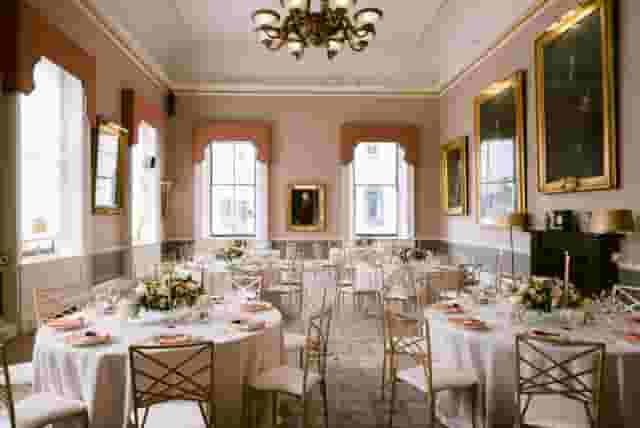
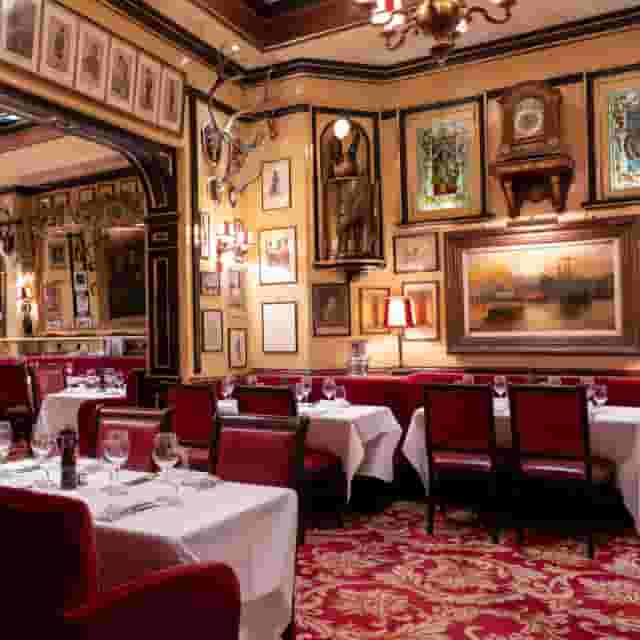
For classic networking dinners and corporate discussions requiring traditional Georgian proportions, properties such as the Burton room at 116 Pall Mall provide space for up to 160 guests for a reception. Its layout allows an efficient transition from arrival networking to formal company presentations without the operational overhead of securing national royal monuments.
| Event phase | Recommended duration | Key spatial requirement | Common operational error |
|---|---|---|---|
| Guest arrival and security | 30 to 45 minutes | Covered, well-lit perimeter screening area | Bottlenecks caused by manual guest-list checks |
| Drinks reception | 60 to 75 minutes | Broad circulation space with poser tables | Crowding around bars positioned too near the door |
| Formal dinner or banquet | 90 to 120 minutes | Direct service routes from kitchen staging | Long transit delays between kitchen tent and table |
| Speeches and presentations | 15 to 20 minutes | Central sightlines and distributed PA sound | Speakers competing with acoustic room echo |
| Carriages and departure | 30 minutes | Covered pick-up zone, cloakroom capacity | Cloakroom queues backing up into historic hallways |
Outdoor courtyards, gardens and seasonal variables
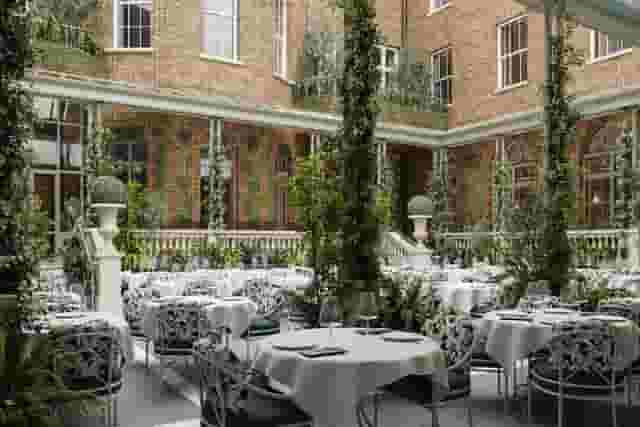
Many of London's palatial venues feature private lawns, walled gardens, cloisters or historic courtyards. Incorporating outdoor grounds into a corporate brief provides air, natural light and striking photo backdrops, but it adds environmental complexity.
Weather planning is non-negotiable in the UK. A venue may present sweeping lawns for summer drinks, but you must establish whether the venue contract automatically includes an indoor contingency room of equal capacity. If rainfall forces your 300 guests inside, you cannot afford to discover that the wet-weather alternative only holds 150 people standing. If a marquee or stretch tent is required on the grounds, check whether the lawn can withstand temporary structures or if heritage regulations require weighted ballasts instead of ground stakes.
Acoustics outdoors also demand strict scrutiny. Open courtyards surrounded by stone facades amplify sound, meaning external audio equipment, acoustic bands or microphone systems may trigger local council environmental health restrictions early in the evening. In historic cloisters like those at Westminster Abbey, evening sun and sheltered gothic stonework create natural acoustic amplification, which works well for unamplified string quartets or conversation, but cannot support high-decibel corporate sound rigs.
Ground lighting is another operational detail often overlooked in palace gardens. As evening progresses, historic stone flags, gravel paths and lawn edges can present trip hazards for guests in business dress or heels. External battery uplighters must illuminate pathways to restrooms, transport pick-up areas and exits without casting glare that detracts from the facade.
Budget structures, quotes and supplier frameworks
Hiring a historic or royal venue in London involves a different commercial structure than booking a standard hotel event suite. Palaces rarely quote inclusive day delegate rates or all-in banqueting packages. Instead, they operate on a multi-part cost framework where the headline venue fee covers only the right to occupy the building.
The cost of hosting a corporate event in a London palace depends on several compounding elements:
- Dry hire fees: This is the baseline access cost for the space, which varies based on day of the week, seasonality and whether you are taking one specific room or the whole estate.
- Approved supplier commissions: Historic estates maintain mandatory supplier lists for catering, production, lighting, floristry and security. Venues charge these suppliers an accreditation fee or concession commission, which is typically reflected in the final quote presented to the client. Attempting to bring in external, unaccredited suppliers is almost never permitted.
- Heritage and conservation fees: Many royal and state properties apply conservation charges to fund curatorial supervision. This covers dedicated property wardens who remain on-site throughout your load-in, event and breakdown to ensure no damage occurs to the fabric of the building.
- Security and staffing ratios: Unlike commercial venues where basic security is included, palaces mandate specific ratios of estate-certified security personnel, bag screeners and cloakroom attendants based on guest numbers.
- Overtime and logistics penalties: Because public attractions must reopen cleanly early the following morning, de-rigging windows are compressed. If your production team runs late clearing the hall past midnight, penalty charges run at steep hourly rates.
When reviewing proposals, ask for an itemised scope that separates venue hire from operational overheads. Clarify whether waste disposal, service tent hire, kitchen equipment hire and security personnel are included in the facility fee or billed as additional line items. Understanding these variables early ensures that executive teams can evaluate palace quotes against conventional business venues with clear, transparent figures. Hire Space 360 is enterprise venue and hotel procurement for companies spending £1m or more a year on meetings and events: a managed meetings and events programme, the kind procurement teams call strategic meetings management. It places all venue agreements, third-party suppliers and overnight stays under one master contract, delivering consolidated invoicing alongside live spend reporting for finance. You can explore how Hire Space 360 works for procurement to maintain company event policy across every team, backed by dedicated sourcing specialists who handle contract negotiations.
What our customers say
Inspiration and planning guides

Top 5 Historic London Venues
With modern marvels such as 'The Gherkin' and 'The Shard' now dominating London's skyline, we felt it was time to pay tribute to our older, yet equally impressive event spaces [https://hirespace.com/Browse/Unusual-Event-Venues-London]. James Roche brings you five historic London venues! Drapers Hall The original hall may have been destroyed by the fire of London but with the present incarnation dating back to 1772, this superb venue is (hold on while I take off my socks to count) still sixtee

Venue Review: Weddings at Hampton Court Palace
Standing on the grounds of Hampton Court Palace is truly like standing in the footsteps of the most important figures and captivating characters in British history. Cardinal Thomas Wolsey resided in the Palace from 1515, until the charming Henry VIII decided to make it his own, after making the building lavish and luxurious – fit for a king (and his six queens – separately, of course). James I threw late-night parties in the Great Hall, and Shakespeare's troupe of players performed for the ro

Unique Venue of the Month: Royal Liver Building
There's a myth about the iconic "Liver Birds" at the top of the stunning Royal Liver Building [https://hirespace.com/Spaces/Liverpool/53567/The-Venue-Royal-Liver-Building/The-Venue/Events] . It claims that if they ever fly away, Liverpool will sink into the River Mersey. Thankfully, this has never happened to the beautiful city of Liverpool. Proudly standing as the tallest building in Europe when it was erected in 1911, the Royal Liver Building was originally constructed as a home to a group
One supplier. Every venue. Full visibility on what you spend.
Multiple venues and events. One agreement.