Wedding Venues in Mayfair
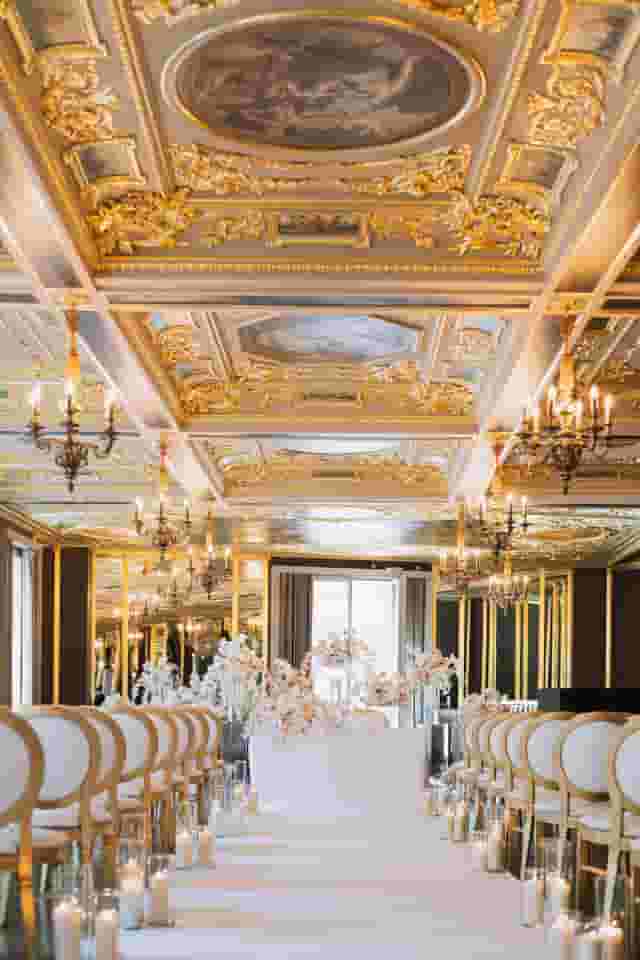
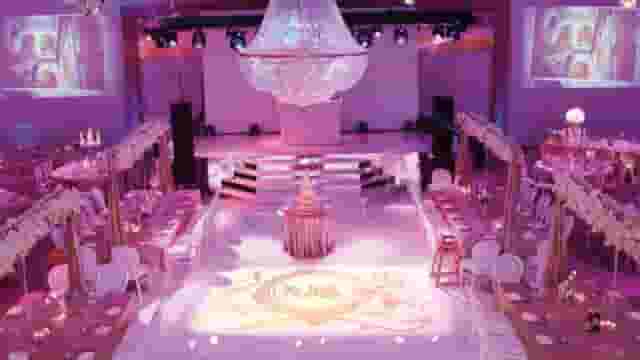
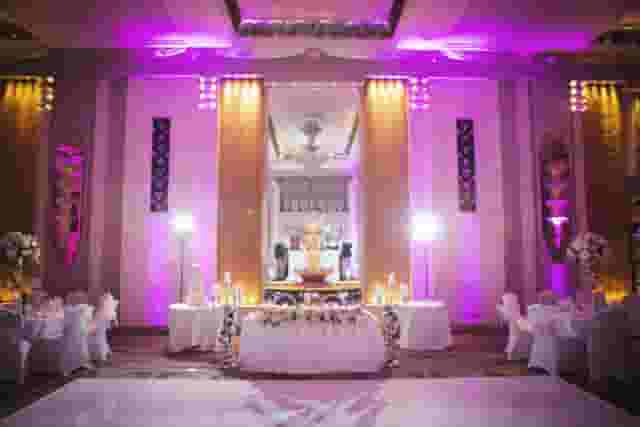
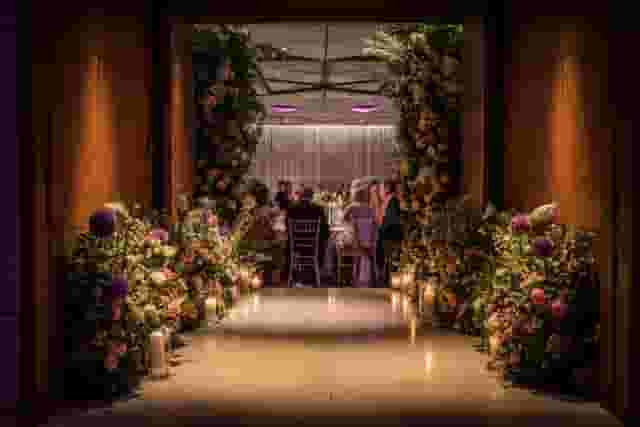
Explore Mayfair wedding spaces with ballroom dance floors, private garden courtyards and verified capacity data for drinks, dining and dancing.
132 Wedding in venues in Mayfair


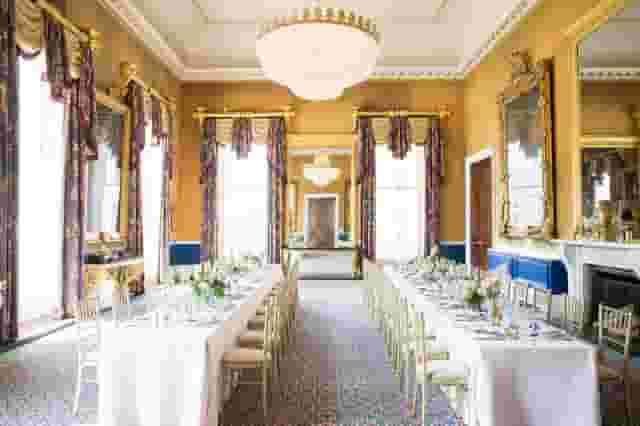
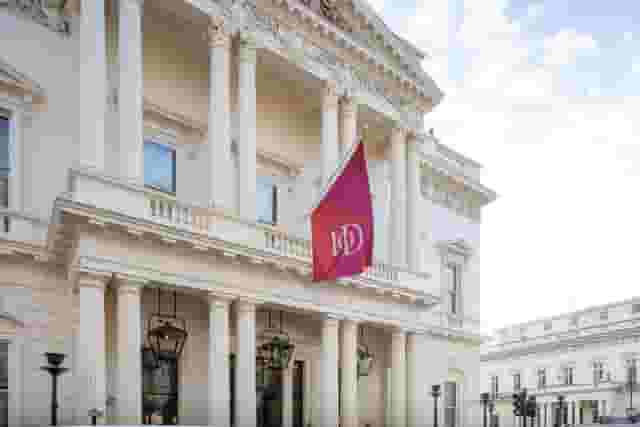
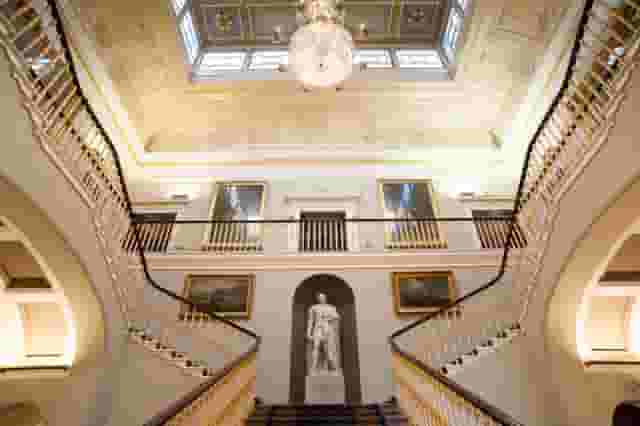
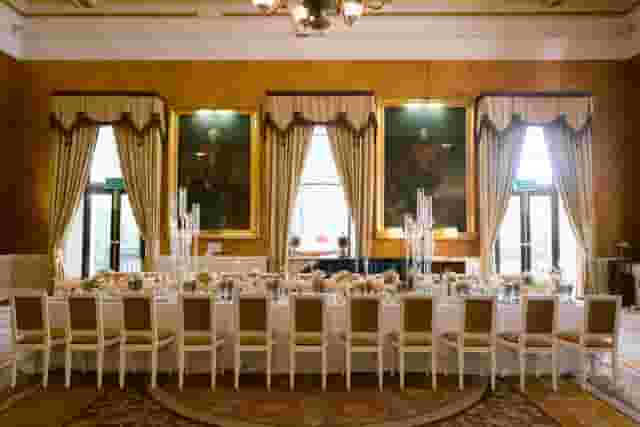


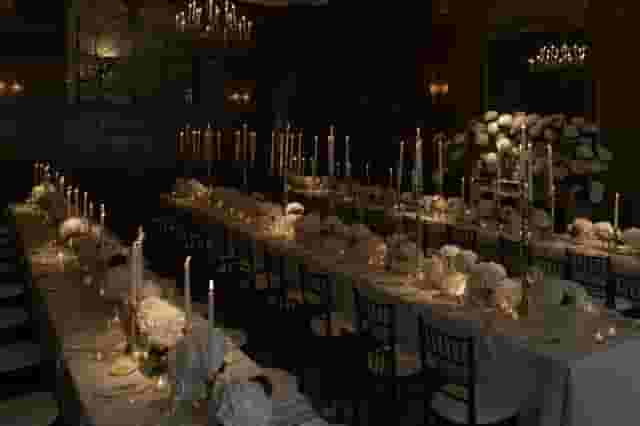


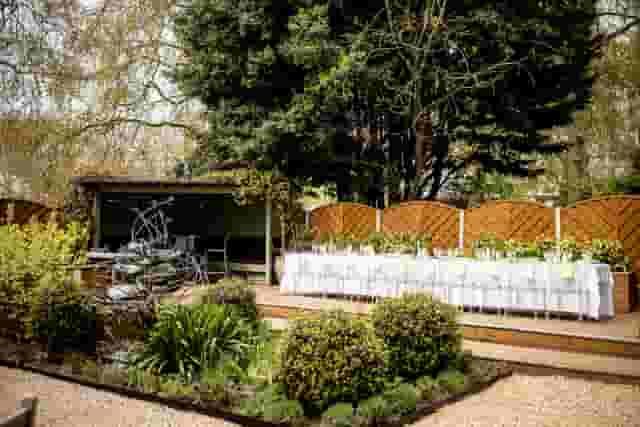
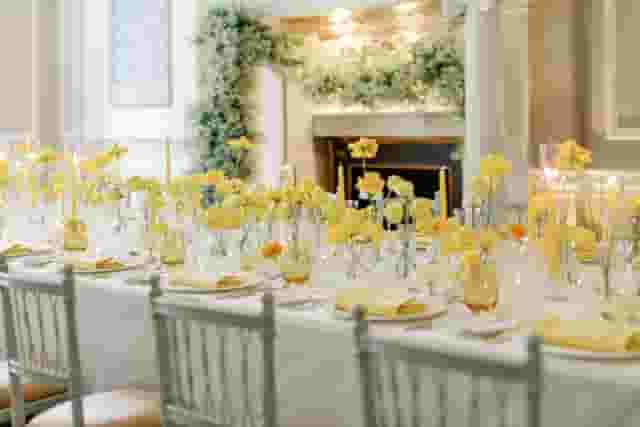
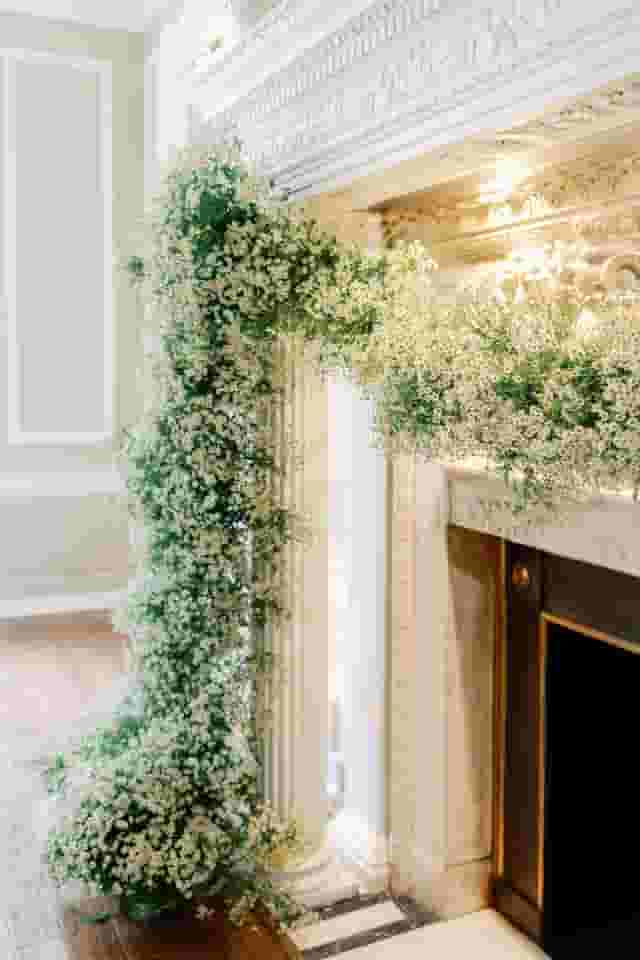




















































































































































No venues match these filters
Try widening your capacity, luxury level or event type.
Don't have time to search? We'll find it for you.
For business events that need human judgement, talk to our team. Free for events of 100+ people, budgets over £10k or ongoing programmes.




Explore more venues in Mayfair

















Frequently asked questions
What amenities do Mayfair wedding venues offer?
Can I host an outdoor wedding in Mayfair?
Are Mayfair venues suitable for large weddings?
What style of wedding suits Mayfair venues?
How do I ensure privacy at my Mayfair wedding?
Other platforms search their database. We search everything.
Tell us what you need. Our deep research finds any venue, whether it's in our marketplace or not. No one else does this.
About Wedding in Mayfair
Choosing between private clubs, townhouses and grand hotels
Planning a wedding reception in Mayfair usually comes down to how you want the day to feel once the ceremony ends. This corner of central London has three distinct architectural styles, and each handles the transition from welcome drinks to dinner and dancing in a different way.
Historic townhouses and private mansions
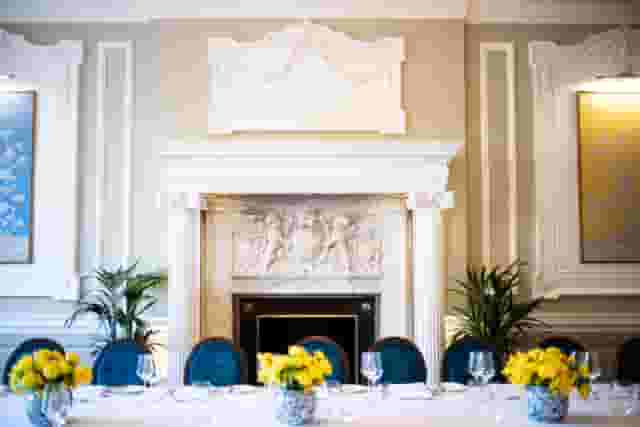
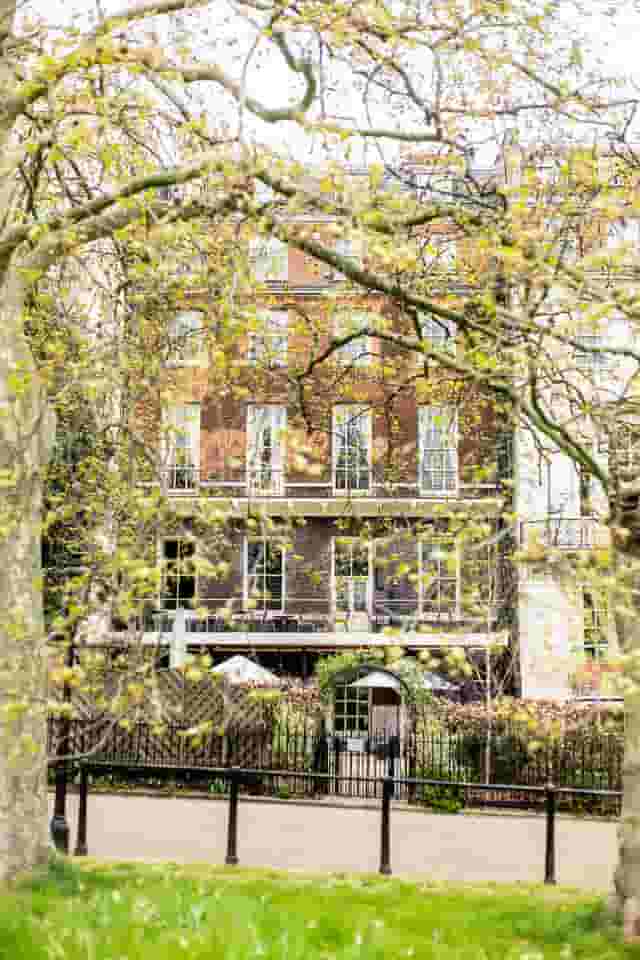
Townhouses give you domestic scale with grand proportions. You get high ceilings, original fireplaces, carved staircases and interconnecting rooms. That layout creates a natural progression because guests move through the house as the day unfolds rather than staying anchored to a single room.
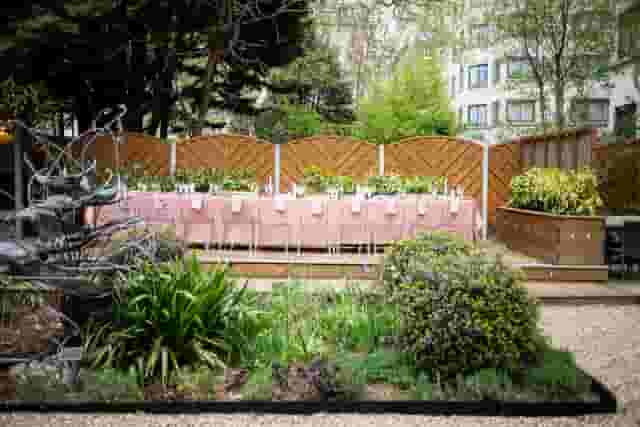
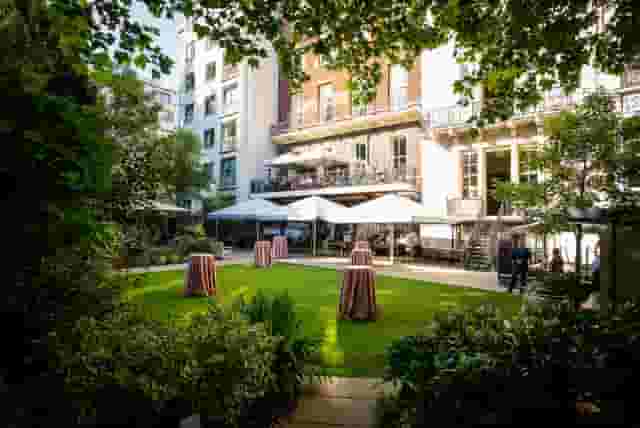
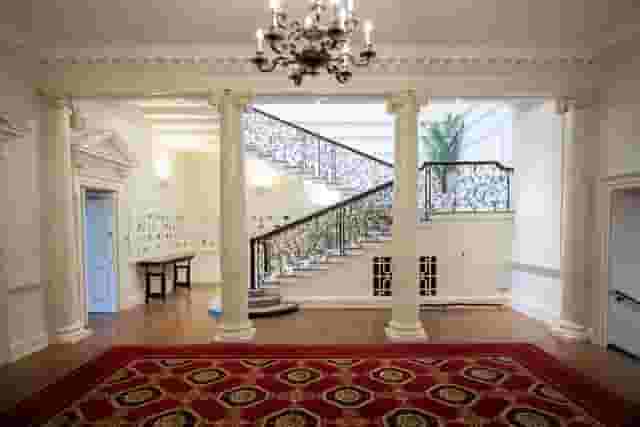
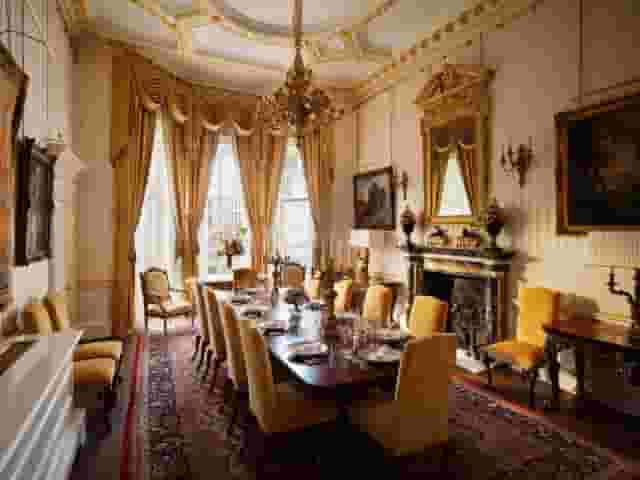
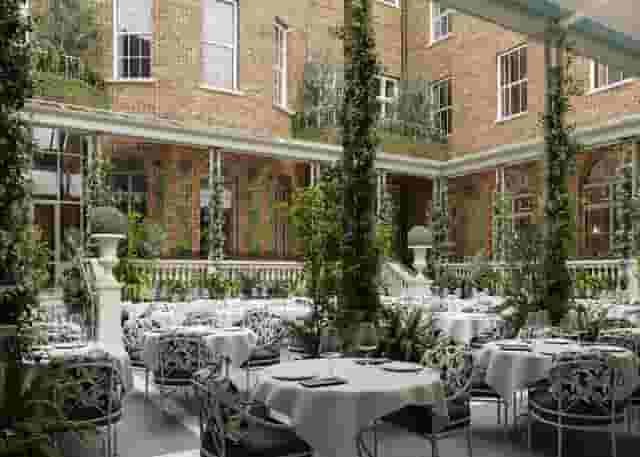
The compromise is usually capacity and sound containment. Georgian drawing rooms were designed for conversation rather than amplified bass. If you choose an exclusive-hire mansion like Dartmouth House, which accommodates up to 350 standing guests across its floor plan, you gain period rooms and a private open-air courtyard. That gives you an outdoor drinks option that feels shielded from street noise. Similarly, Spencer House accommodates 120 guests for seated dining against park views, offering an authentic aristocratic setting, but historic preservation rules mean your production team must work within strict rigging and load-in parameters.
Private members clubs
Mayfair clubs often have more architectural variety than hotels because they have evolved across centuries. They tend to offer distinct rooms for each stage of the evening, meaning staff can set up dinner while your guests are drinking cocktails elsewhere, with no clatter of cutlery in the background.
A venue like The Lansdowne Club, a Grade II* listed building with an Art Deco ballroom holding up to 200 standing guests, provides an architectural shift between classical arrival spaces and an evening party room built specifically for music and dancing. Clubs often have built-in staging and sprung floors. However, they also operate as working member spaces during the day, which means you must clarify guest arrival routes, dress codes and access restrictions well ahead of time.
Grand luxury hotels
Hotels offer operational resilience that standalone buildings struggle to match. They have service lifts, commercial kitchens directly adjacent to function suites, on-site event managers and bedrooms upstairs for family and tired guests at midnight.
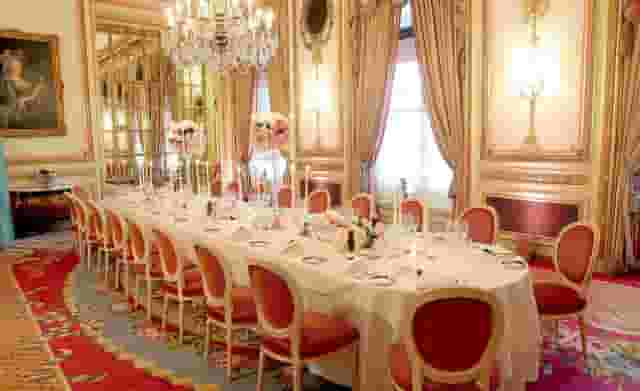
In spaces like the French Salon at Claridge's, which holds up to 240 guests for a reception and features original ironwork and murals, you get classic Mayfair hospitality combined with deep back-of-house support. Further along Regent Street, The Langham, London provides a Grand Ballroom with six-metre ceilings and room for 375 reception guests. Hotel spaces are engineered for smooth turnarounds, but you are sharing the wider property with other hotel guests unless you book an entire wing.
| Venue type | Best suited for | Key logistical advantage | Main watchout |
|---|---|---|---|
| Historic townhouse | Flowing receptions, domestic intimacy | Separate rooms for each phase of the day | Rigging limits, heritage conservation rules |
| Private members club | Atmospheric dinners, evening dancing | Built-in dance floors, characterful architecture | Member access rules, strict arrival routes |
| Luxury hotel | Large parties, multi-course dining | Heavy infrastructure, on-site accommodation | Other guests on site, strict ballroom access times |
Managing the flow: drinks, dining and the evening turnaround
A traditional evening reception involves three acts: welcome drinks with canapes, a three-course seated dinner and late-night dancing with music. The central logistical challenge is how you move people between these phases without leaving them standing in a holding area while tables are dismantled.
The drinks reception
Plan for 60 to 90 minutes. Any longer and guests grow restless on their feet; any shorter and late arrivals miss the round of champagne. You need enough floor space for circulating staff to pass trays without bumping into conversation clusters.
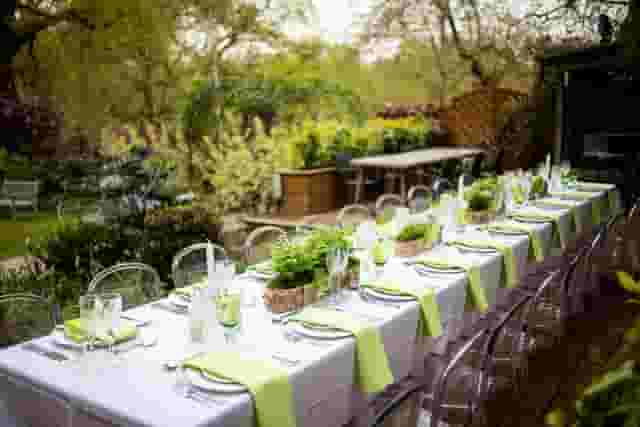
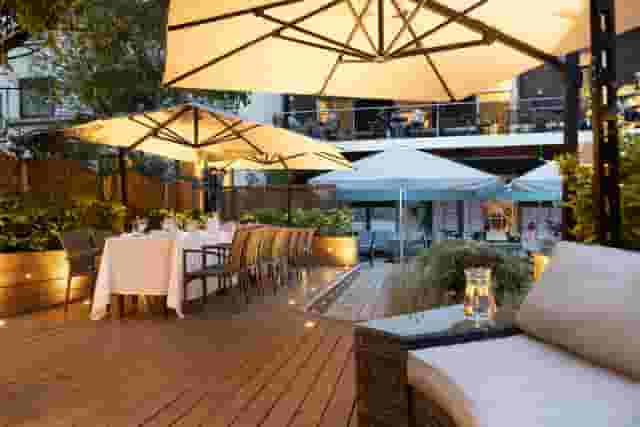
If your venue has an outdoor courtyard or terrace, check what happens if it rains. An outdoor space must have an immediate indoor backup ready to receive the full guest count. For couples looking at expansive standalone spaces, One Mayfair, a former church that can seat up to 300 guests, offers the volume and height to host both drinks and dining under one roof, using clever lighting to delineate the reception area from the banquet tables.
The seated meal
A seated wedding breakfast takes between two and two and a half hours from call to sit-down to the end of the speeches. Round banquet tables of 10 or 12 guests require roughly two square metres per person once you factor in service aisles and chair clearance. Long refectory tables look striking in high-ceilinged rooms and take slightly less floor space, but they make conversation across the table harder.
For mid-sized parties of 80 to 120 guests, spaces like the Crystal Suite at The Dorchester, which takes 120 for a reception, or the Royal Suite at The Chesterfield Mayfair Hotel, which accommodates up to 150 for drinks and up to 120 for ceremonies, keep the room feeling full without squeezing the catering staff. When your dinner numbers hover near a room's stated maximum capacity, ask the venue manager where the band equipment or staging will sit during speeches, as microphones and podiums eat into table space.
The dance floor transition
You have two choices for dancing: reveal a secondary room, or flip the dining room.
Flipping the dining room takes roughly 45 to 60 minutes. Staff must clear side plates, move tables to the perimeter, roll out a dance floor if one is not fixed, and allow the band or DJ to soundcheck. During this window, you must usher your guests back into the drinks reception foyer or bar. If that holding space is cramped or cold, the party loses momentum.
Revealing a separate ballroom or basement club space keeps the energy high because guests walk straight into the evening party. When you only have one main room, choose a space with enough floor area to keep the dance floor and band setup screened off behind drapery or architectural pillars during dinner.
What Mayfair wedding packages cost and how to compare quotes
Budgeting for a central London wedding requires looking past the room hire headline to understand catering, staffing and minimum spend commitments. Based on 13 quotes from the venues on this page, pricing is typically £95 to £225 per head. This figure assumes a party size of about 100 guests, which represents a standard full-day reception with drinks, seated meal and evening party.
Because this estimate is derived from real booking data across local venues, it gives you a practical baseline for what venues actually charge rather than an arbitrary starting figure. Where you land across that range depends heavily on how the venue packages its services. If you want clear figures before you enquire, Hire Space is a venue booking platform supported by a team of real people who generate instant price estimates tailored to your guest count. Should your preferred room push past your limit, they can suggest comparable settings nearby, and any reception budget over £15,000 includes a complimentary event concierge to help secure the space.
What sits at the lower and higher ends
Towards the £95 end of the range, you are generally looking at a straightforward food and beverage package in a private dining suite or hotel room, often tied to a minimum spend agreement rather than a hefty separate venue hire fee. These packages usually cover a welcome drink, three seated courses, half a bottle of house wine per guest, water and tea or coffee. Table linens, basic glassware and standard banqueting chairs are included.
Towards the £225 end of the range, quotes usually incorporate dry hire of an exclusive mansion or a premier ballroom suite alongside elevated catering. That higher band reflects canapes on arrival, premium champagne, multi-course menus with choices, late-night food stations, dedicated tasting sessions and late-night alcohol licences. It also accounts for venues that include private security, dedicated cloakroom attendants and dedicated green rooms for performers.
| Budget element | Standard package expectation | Potential upgrade or add-on |
|---|---|---|
| Welcome drinks | Two glasses of prosecco or house sparkling wine | Vintage champagne, craft cocktails, raw bars |
| Seated dining | Fixed three-course menu for all guests | Choice of main course, cheese courses, paired wines |
| Furniture and tableware | Standard in-house banquet chairs, white linen | Custom cross-back chairs, coloured glassware, charger plates |
| Evening party | Cash bar, bar nibbles | Open cocktail bar, late-night sliders, DJ sound package |
| Staffing and service | Included banquet waiting staff | Dedicated bridal butler, private security, cloakroom team |
Hidden extras that alter the final balance
Always scrutinise what sits outside the per-head quote:
- Service charge: Most central London venues apply a discretionary service charge of 12.5% to 15% across all food and beverage spend. On a 100-person reception, this adds several thousand pounds to your final invoice.
- Dry hire versus package: If you hire a blank-canvas property, your per-head food cost may seem reasonable from an outside caterer, but you will need to pay for catering kitchen equipment hire, waste removal, refrigeration trucks and table hire separately.
- Production and power: Live bands require dedicated three-phase power supplies and specific sound limiters. Historic venues may mandate that you use their approved production suppliers, whose baseline lighting and audio packages start higher than high-street rates.
- Corkage: If you plan to bring your own wine, ask whether corkage is permitted. Many Mayfair venues do not allow external alcohol at all, and those that do may charge £25 to £45 per bottle of wine and up to £60 per bottle of champagne, which quickly eliminates any retail savings.
Privacy, exclusive hire and building acoustics
Privacy is a practical issue rather than just a luxury. If your guests are spending six hours together, you do not want members of the public wandering through your drinks reception or sharing the restroom queue.
Exclusive hire versus shared suites
Full exclusive hire means your party has sole access to the front door, foyer, cloakrooms, main halls and outdoor areas. Venues like Dartmouth House offer exclusive hire across their Georgian layout, meaning there are no overlapping events and no confusion about where guests should go when they arrive.
When booking a private suite inside a functioning luxury hotel, confirm where your perimeter sits. Ask the coordinator whether your guests have dedicated bathrooms or must share them with restaurant patrons. Check whether the suite has its own street entrance or if guests must navigate the main lobby. Make sure that the contract specifies that no other event with loud music will take place in an adjoining room during your speeches.
Outdoor courtyards and sound cut-offs
Mayfair is primarily residential above ground-floor level. Because of this, Westminster City Council enforces strict environmental health rules regarding outdoor noise.
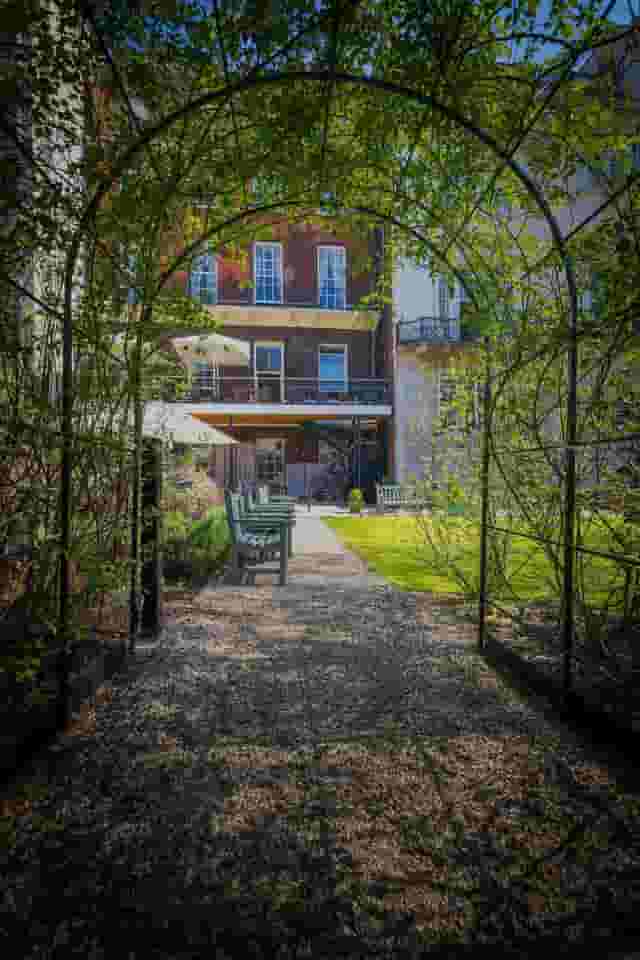
If your venue features a garden or courtyard, outdoor drinks receptions are usually required to move inside by 21:00 or 22:00. Amplified music is rarely permitted outside. If you are planning an outdoor civil ceremony, the exact patch of ground must sit within the premises boundary approved by the local registration authority. Always confirm the indoor contingency room for bad weather and ensure you would be happy holding the ceremony there if rain forces you inside.
Evening licences and sound limiters
Most standard wedding entertainment licences in central London run until 23:00 or midnight. If you want to party until 01:00 or 02:00, you will need a venue with an extended premises licence or one that can apply for a Temporary Event Notice (TEN).
Check whether the ballroom operates an electronic sound limiter. These devices cut the master power to the band's amplifiers if the volume exceeds a preset decibel level (often 85dB to 92dB). Brass bands, acoustic drum kits and rock bands easily trigger these limiters, causing embarrassing interruptions. A five-piece band with an electric drum kit or an experienced DJ accustomed to hotel limits will keep the dance floor full without risking sudden blackouts.
Transport, arrival logistics and local practicalities
Mayfair offers an exceptional central location, but navigating its narrow streets requires clear advice for your guests.
Public transport and drop-offs
The area is bounded by major Underground stations: Green Park (Piccadilly, Victoria and Jubilee lines), Bond Street (Central, Jubilee and Elizabeth lines), Hyde Park Corner and Marble Arch. The Elizabeth line at Bond Street makes transit from Heathrow or East London straightforward for out-of-town guests.
For guests arriving by taxi or hired car, check the street directly outside the venue. Properties on Park Lane have deep forecourts for drop-offs, whereas venues tucked along Charles Street, Curzon Street or South Audley Street have narrow single-lane roads with double yellow lines. If you are hiring classic cars or guest coaches, ask the venue coordinator about designated loading bays and whether you need to arrange parking suspensions with the council.
Parking and accessibility
On-street parking in Mayfair is exceptionally scarce and heavily restricted until 18:30 or 20:00, with parking meters charging high hourly rates. Point driving guests toward secure underground car parks such as the Q-Park facilities on Park Lane or Burlington Street.
Accessibility requires careful attention in listed heritage properties. Townhouses often feature stone steps at the main entrance and narrow historic lifts that cannot accommodate modern wheelchairs. Hotels and modernised clubs generally have flat side entrances, automated doors and spacious guest lifts. Always walk the route from the kerb to the dinner table and bathrooms to ensure guests with reduced mobility can navigate the building comfortably and independently.
Midnight departures
When your reception concludes between 23:30 and 01:00, black cabs are usually easy to flag on Piccadilly or Park Lane, but they can be sparse along inner residential side streets. Speak to your venue about their end-of-night procedures. Experienced venues will keep guests warm in an internal foyer while door staff hail cabs, rather than having a crowd gathered noisily on a quiet residential pavement late at night.
What our customers say
Inspiration and planning guides

Watch a real brief turn into priced, available venues in 15 minutes
Chloe Richardson has spent 17 years in events. We gave Deep Venue Research one of her briefs and filmed every step, from the first questions to availability checked at the venues she chose.

Simple Events Win: Why Restraint Beats Spectacle
Budgets are tight and audiences want connection over spectacle. The events that land in 2026 are the deliberately simple ones. Here is how to edit rather than cut, grounded in the 2026 industry data, and why the right venue does the heavy lifting.

Why UK Event Calendars Got So Tight (And How to Book Smarter)
Lead times for UK corporate events are up 39% since 2022, based on Hire Space booking data. The calendar is tighter, conversion rates fall sharply when you leave it late and the peak windows are getting more crowded. Here is what the numbers say and what to do about it.
One supplier. Every venue. Full visibility on what you spend.
Multiple venues and events. One agreement.