Pop Up Spaces in Central London
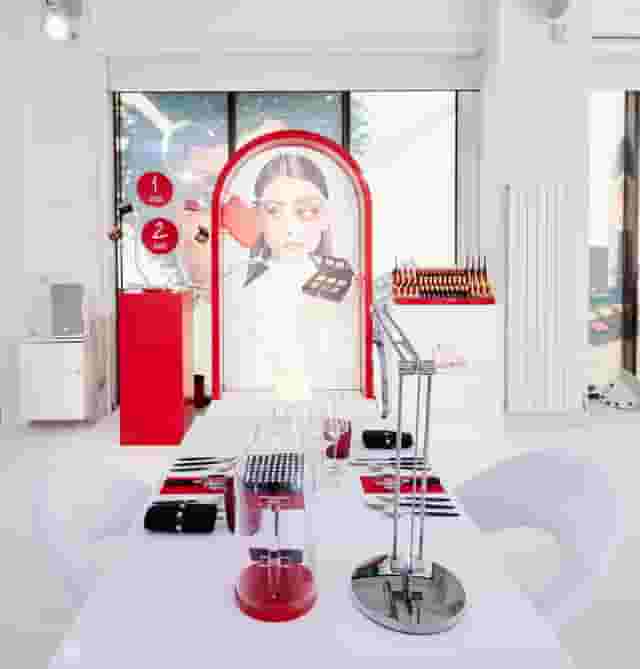
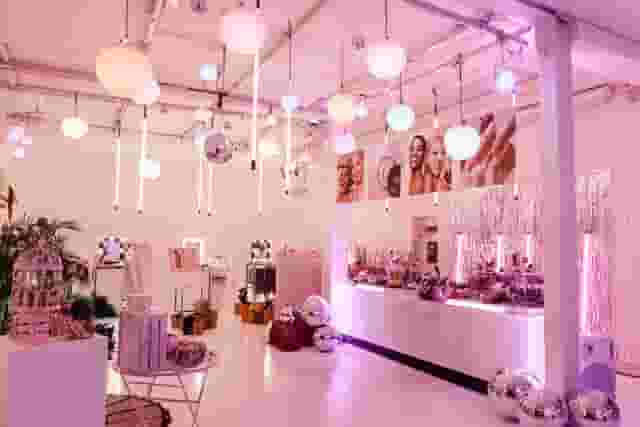
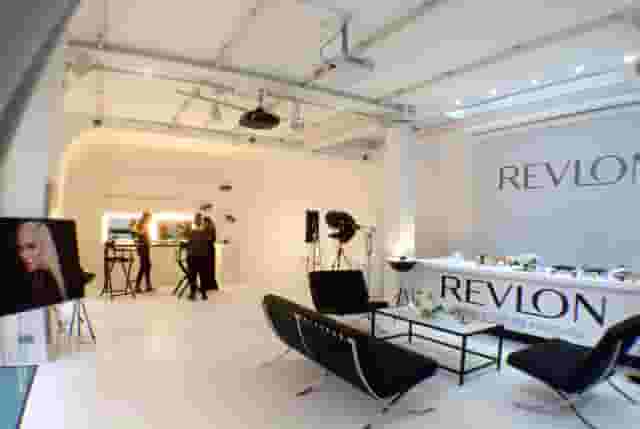
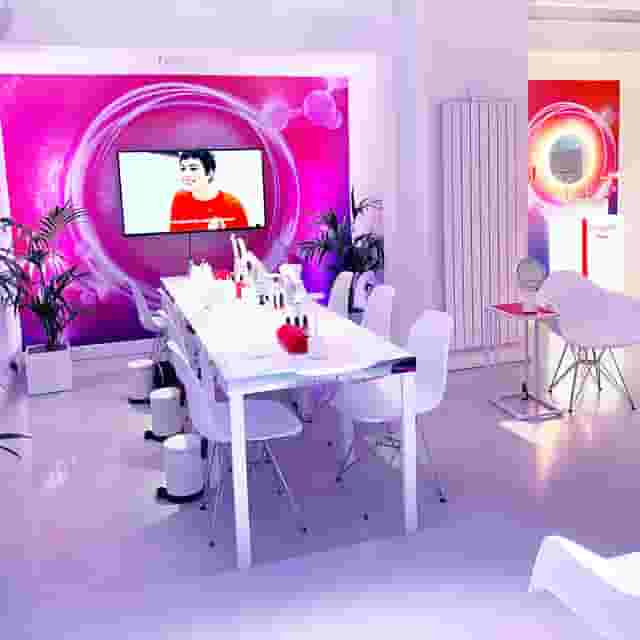
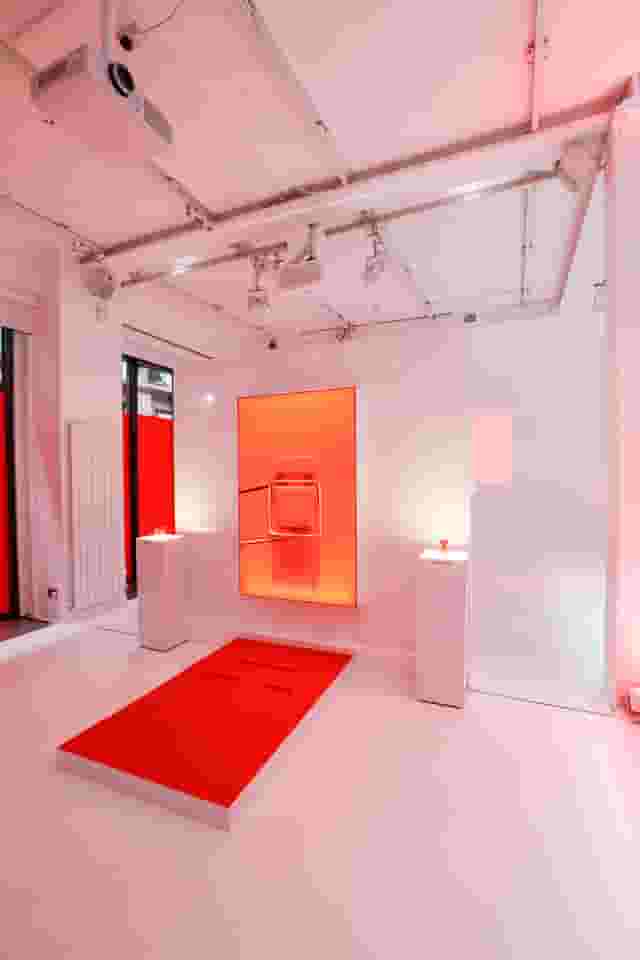
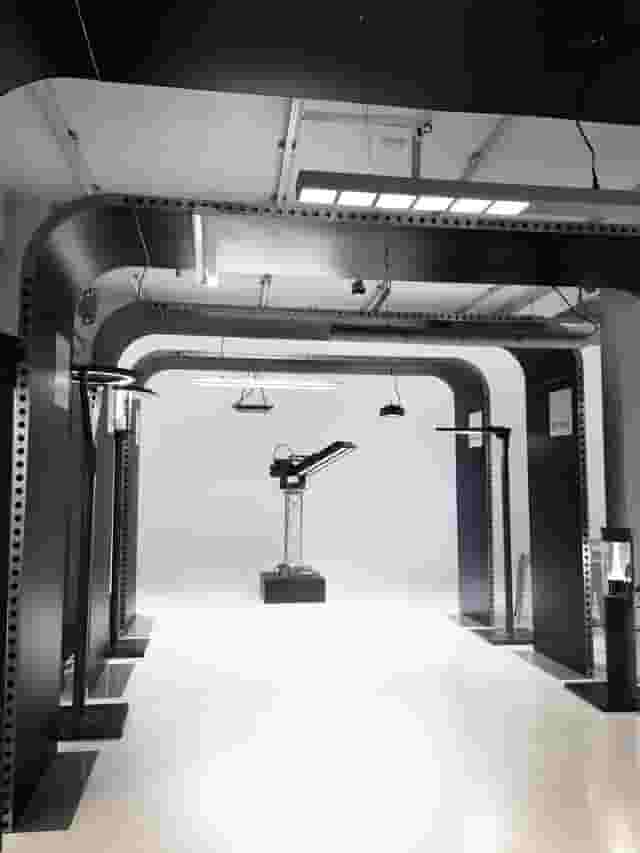
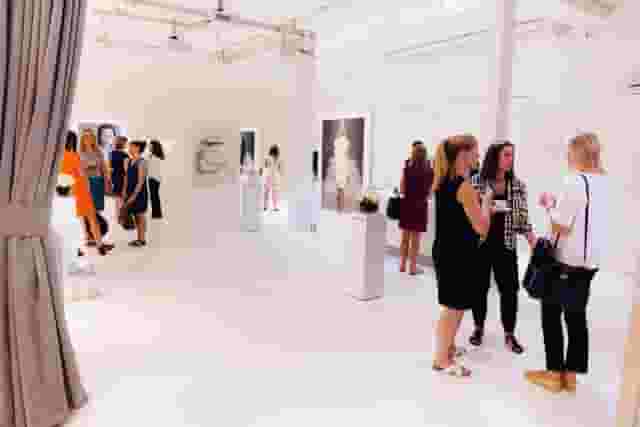
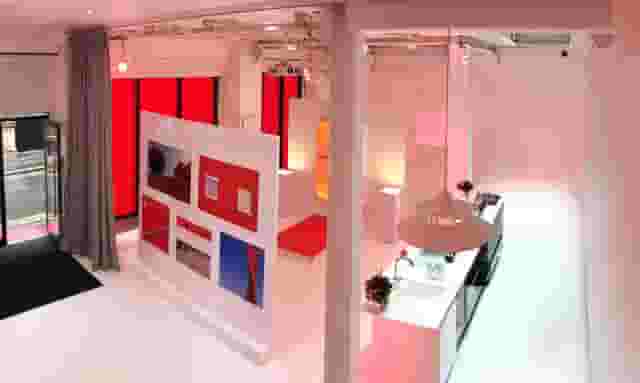
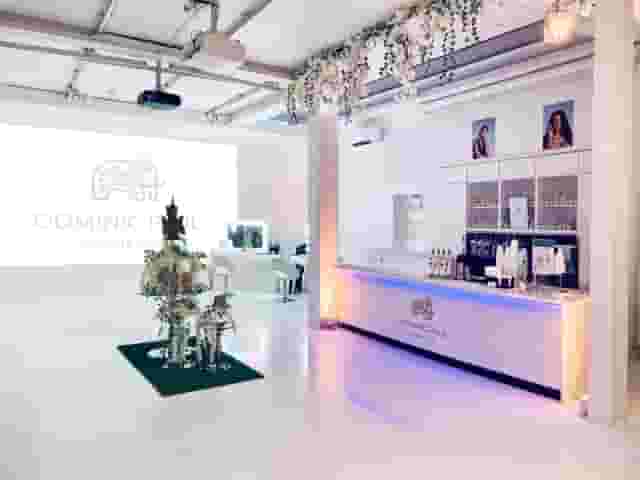
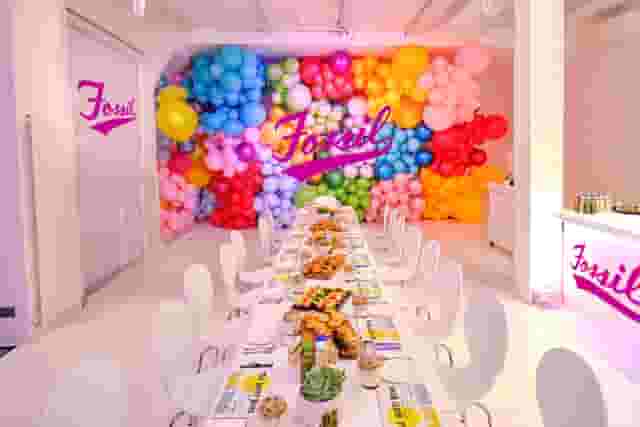
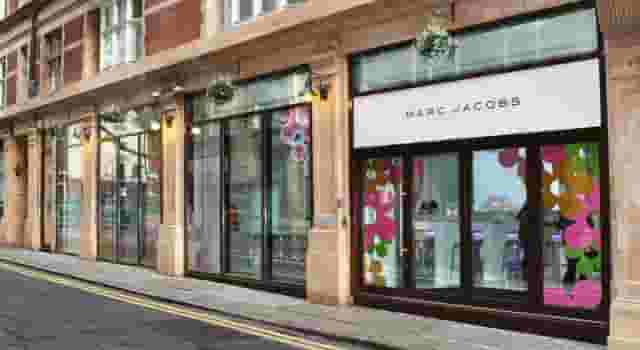
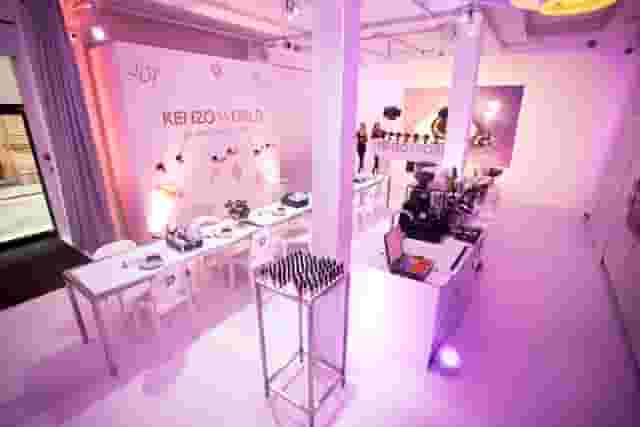
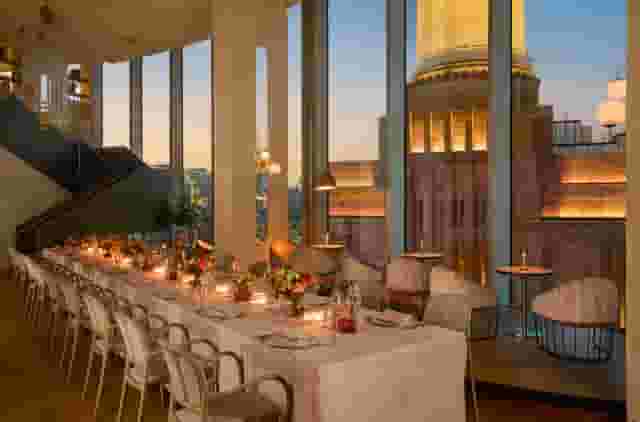
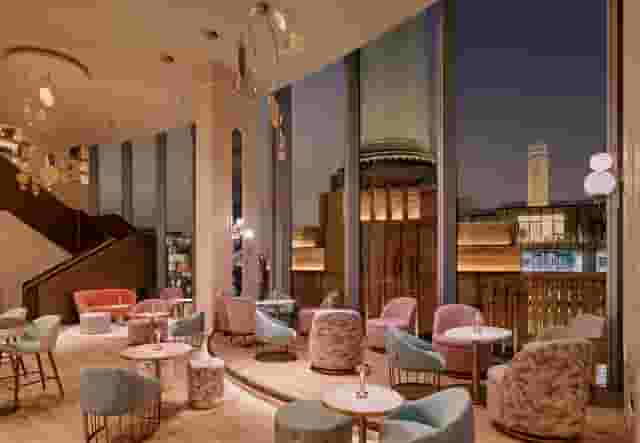
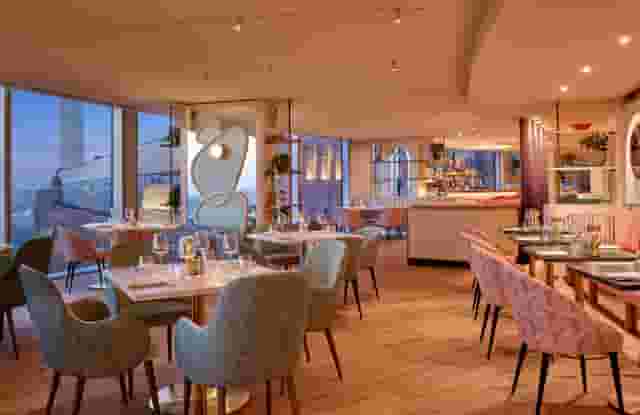
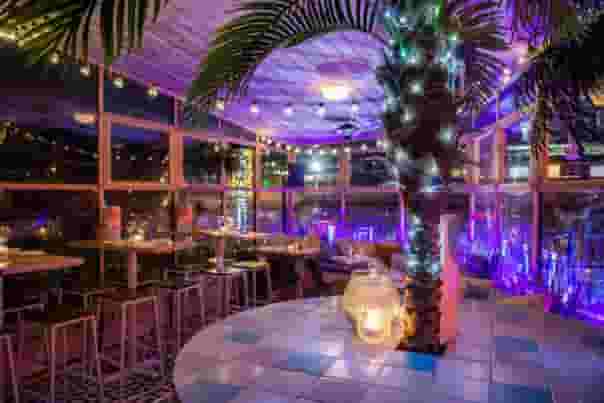
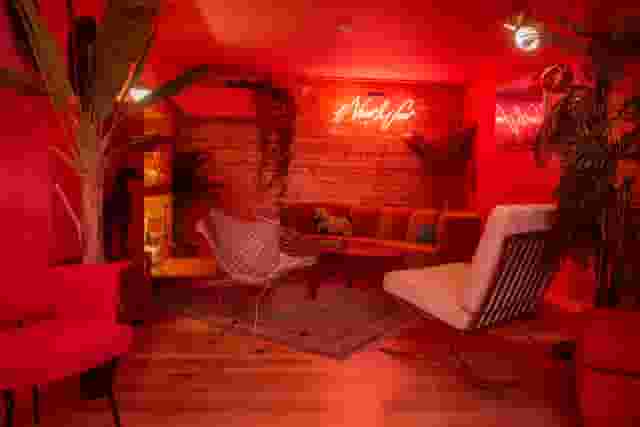
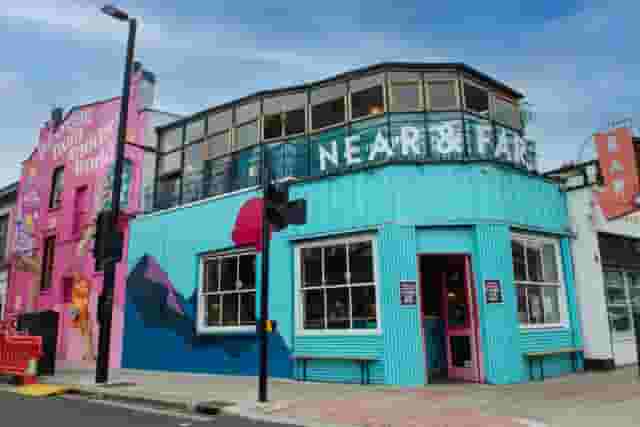
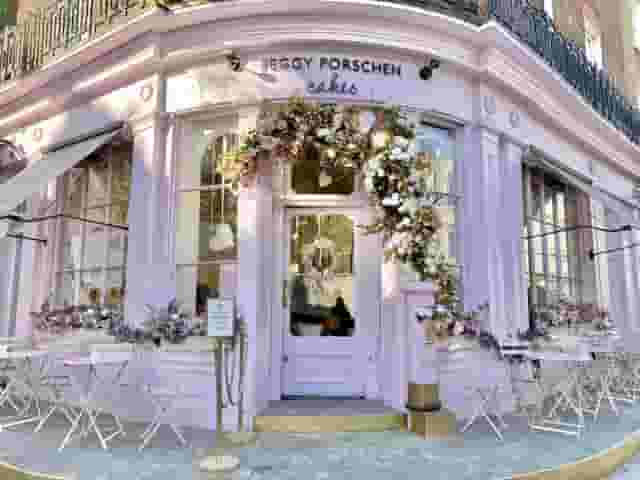
Explore unique Pop Up Spaces in Central London suitable for 50 guests. Perfect for corporate events and creative gatherings.
106 Pop Up Spaces in venues in Central London











































































































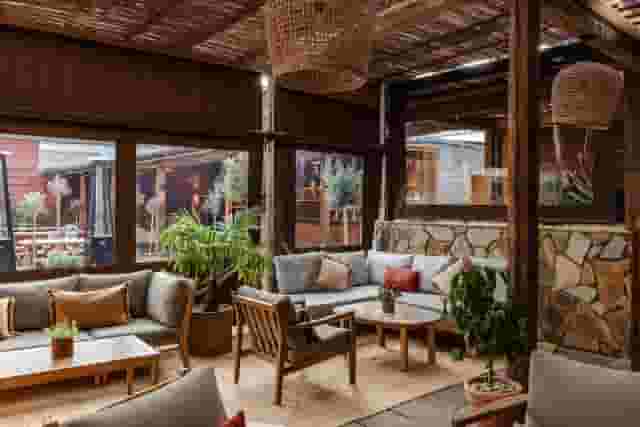



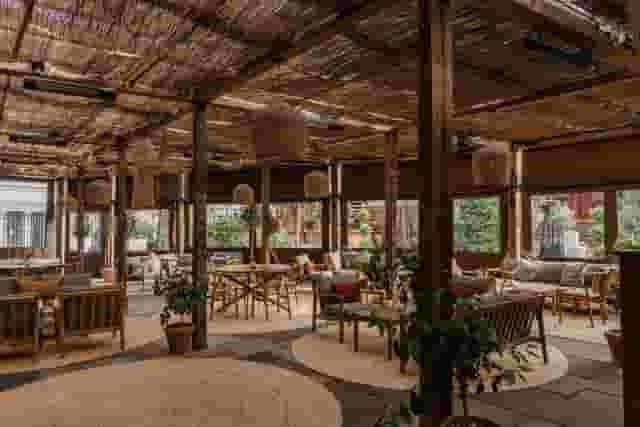
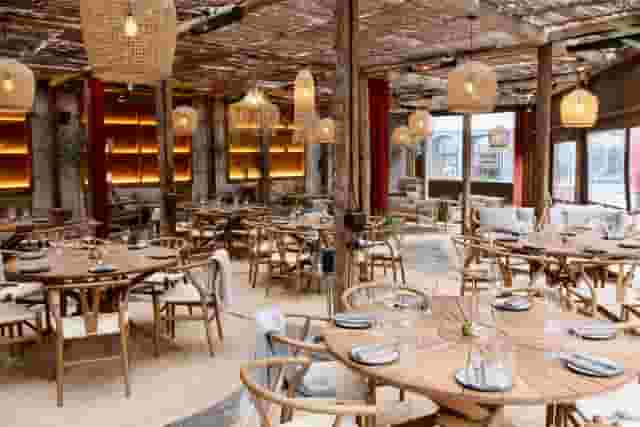
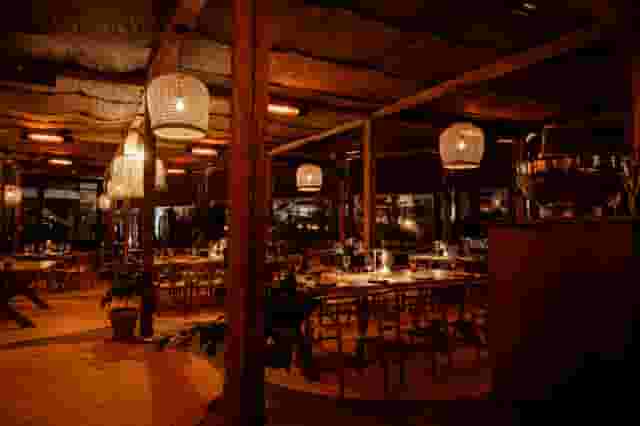






































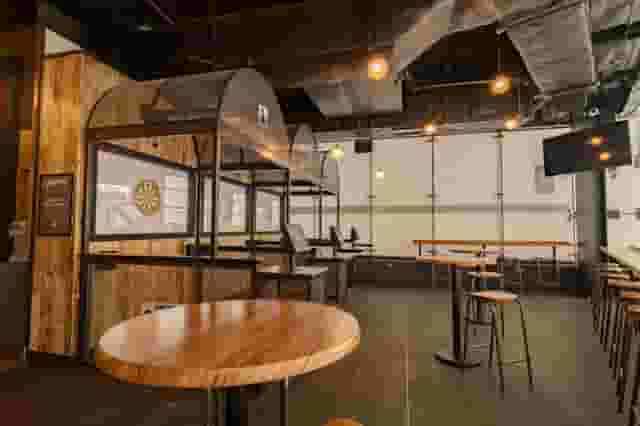

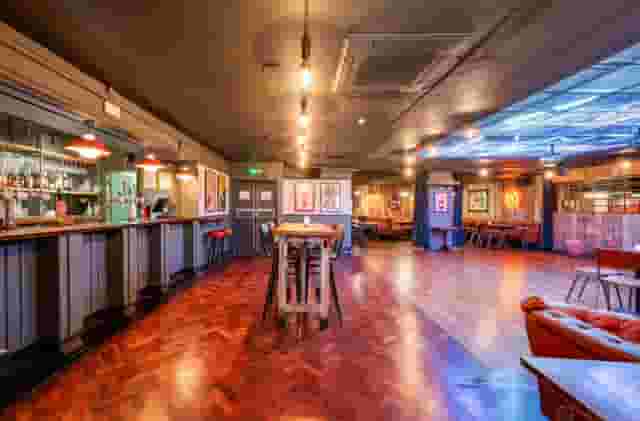
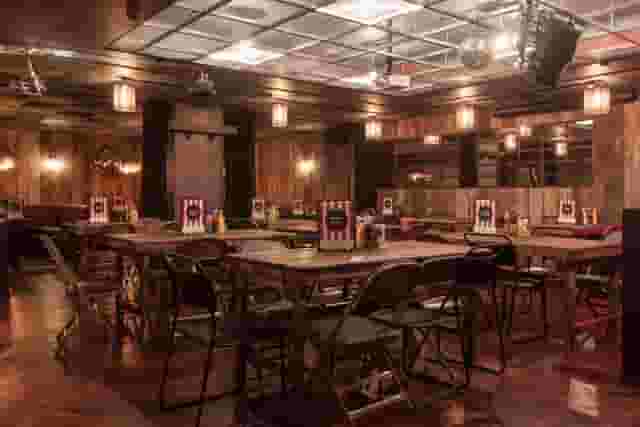

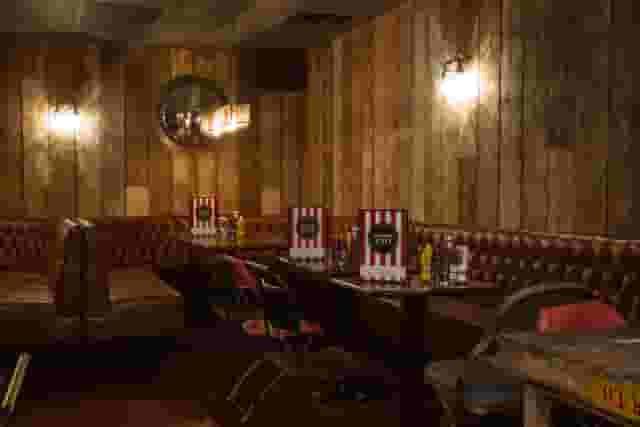

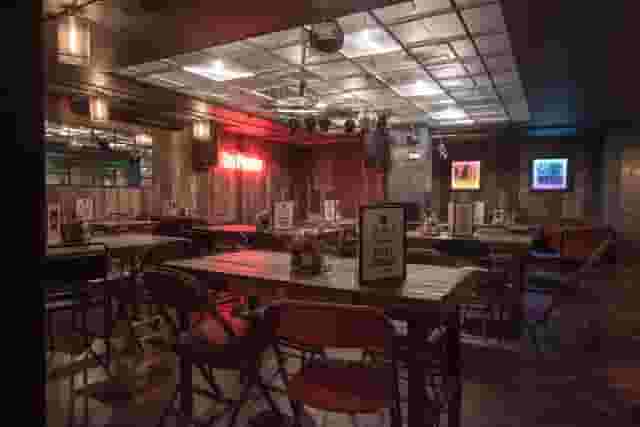
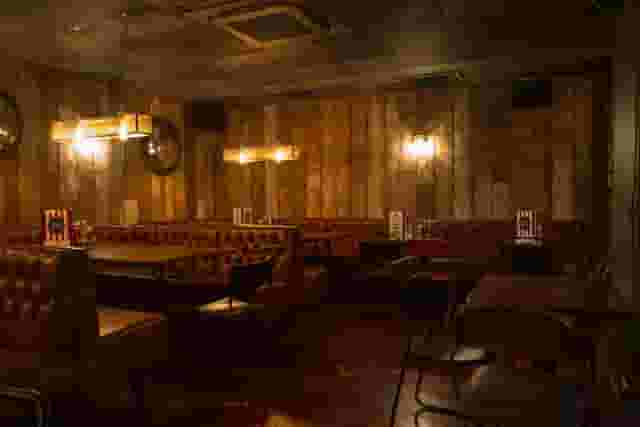


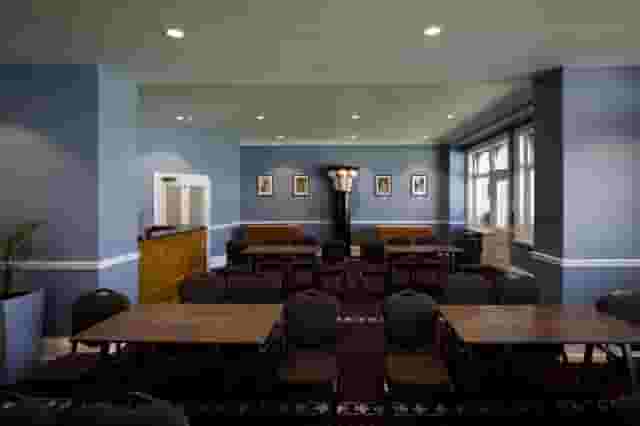
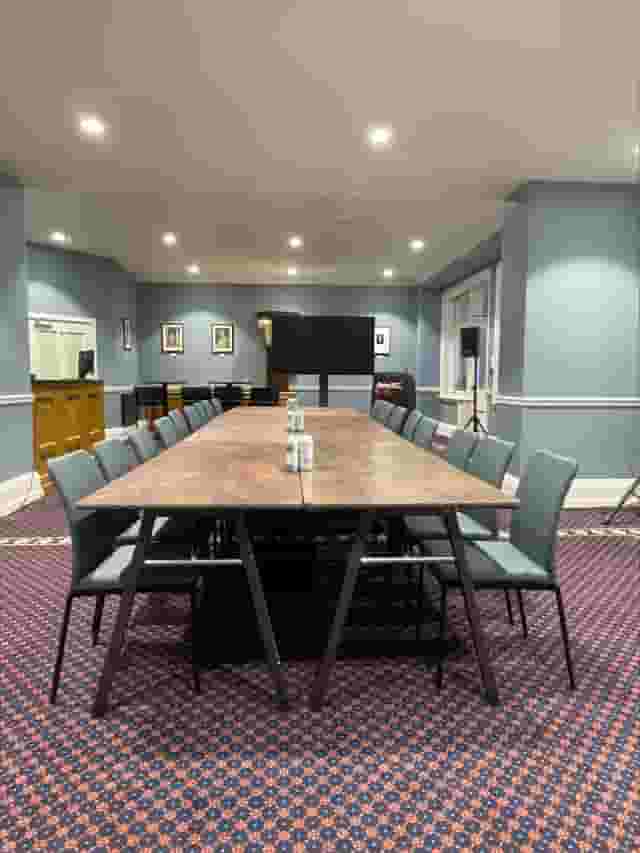







































































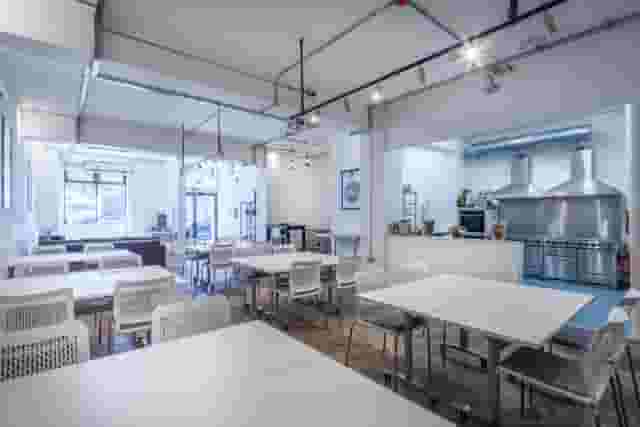
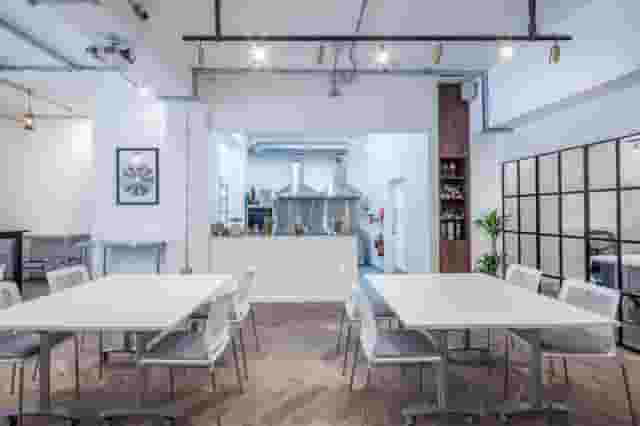
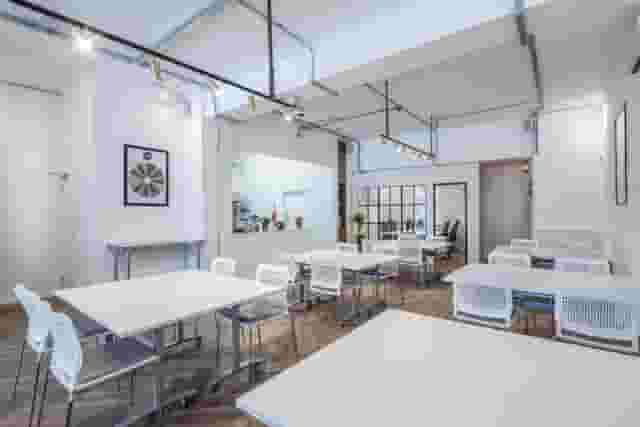
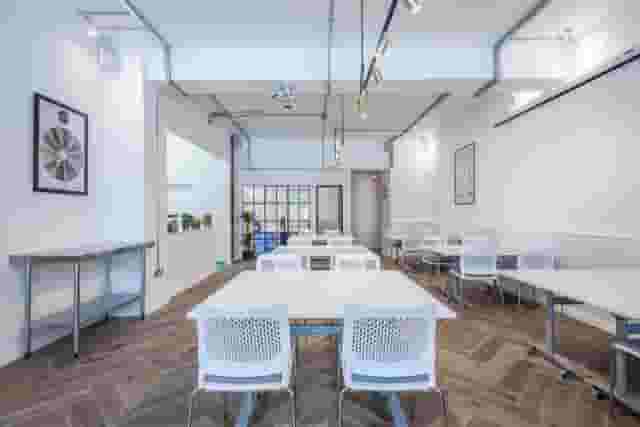


















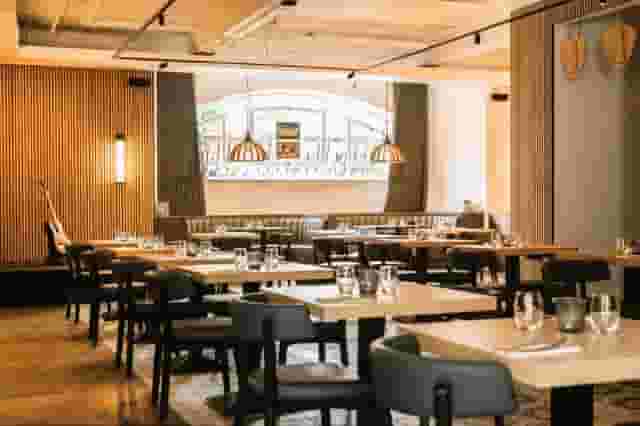
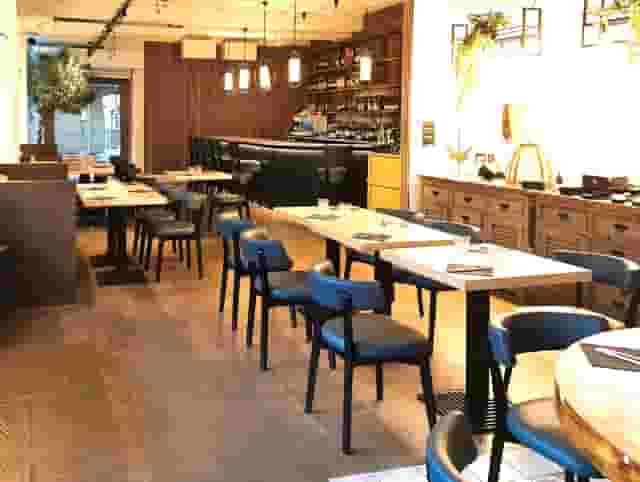
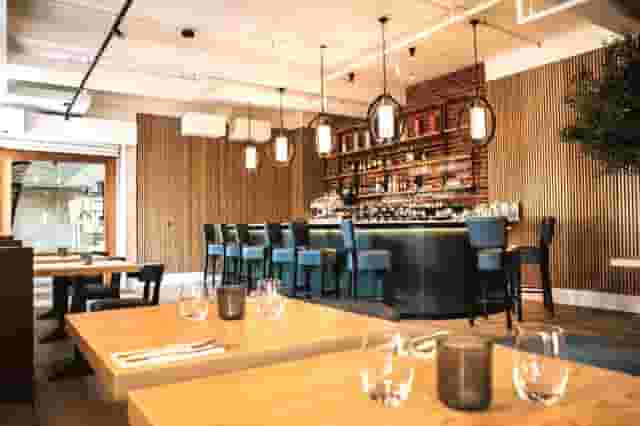
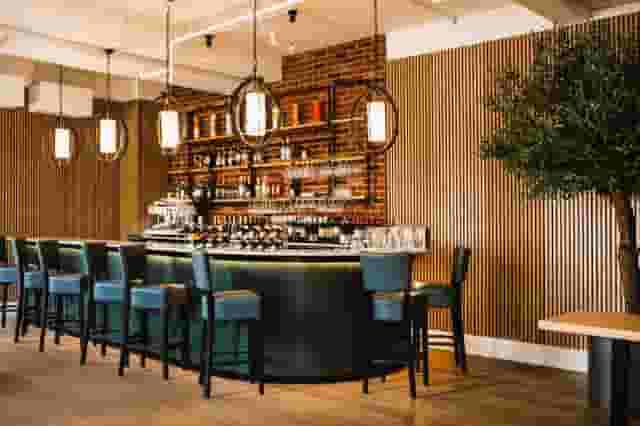

















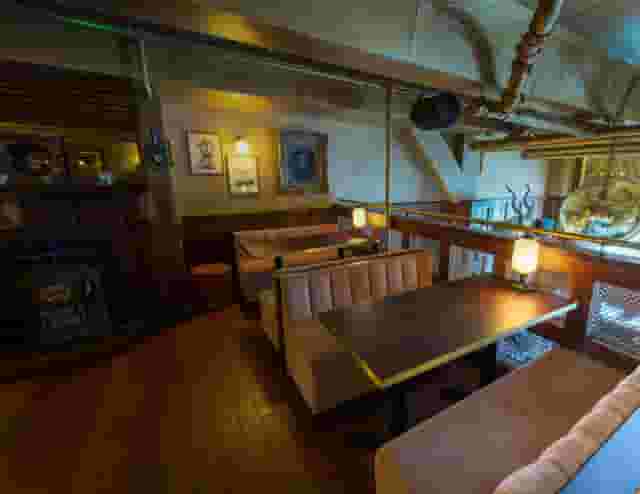
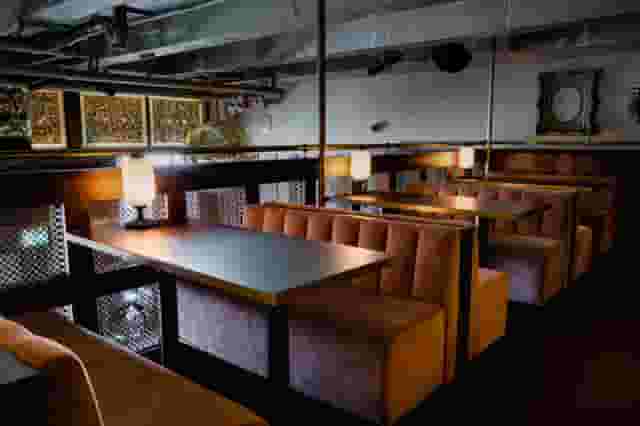
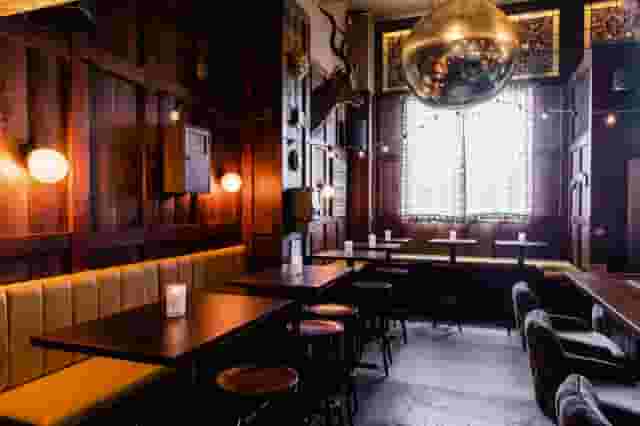
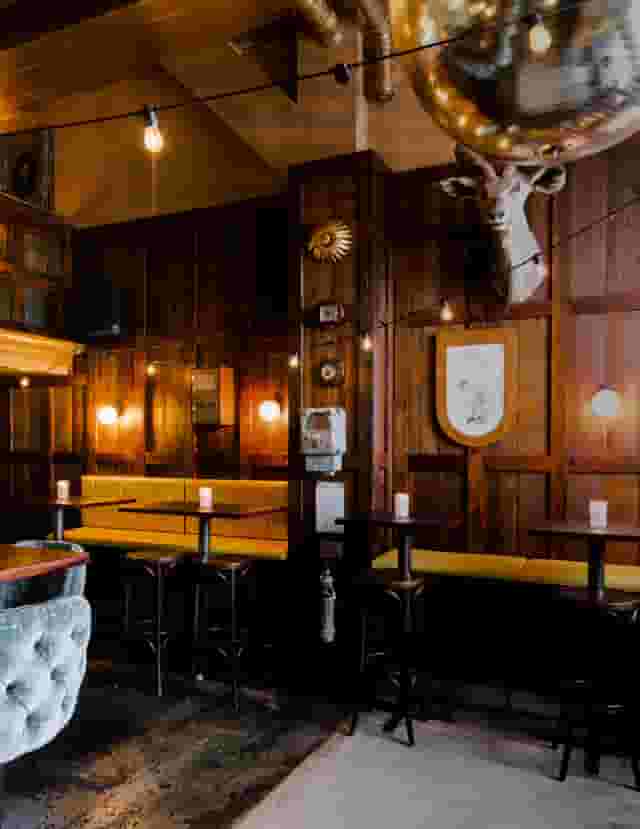













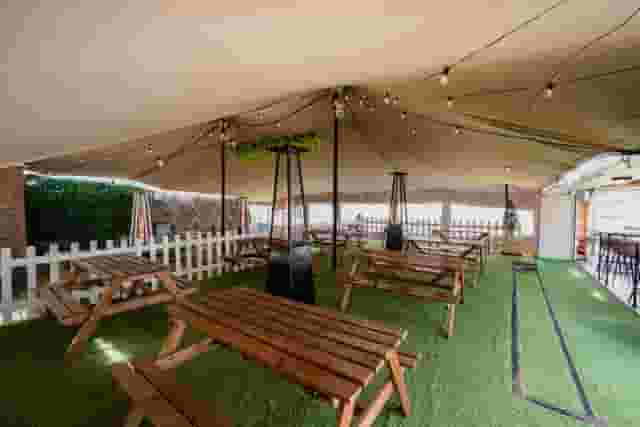
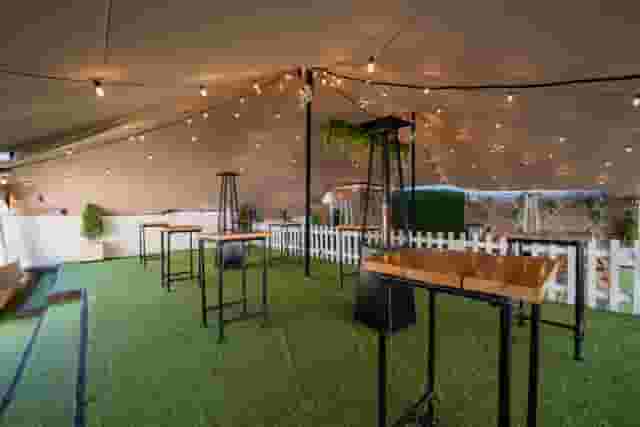
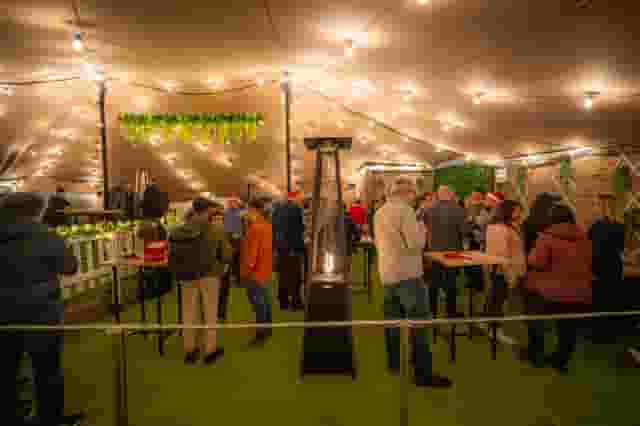
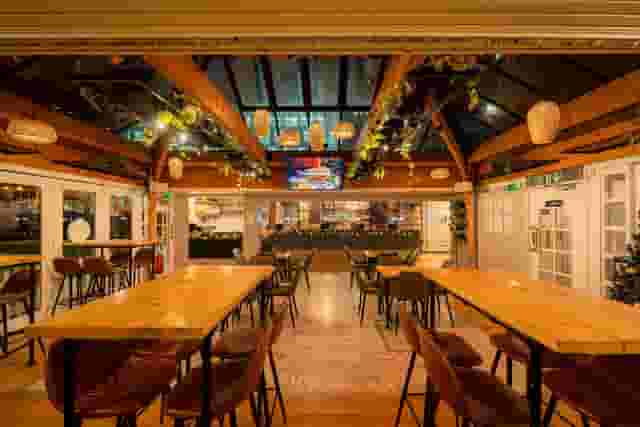






































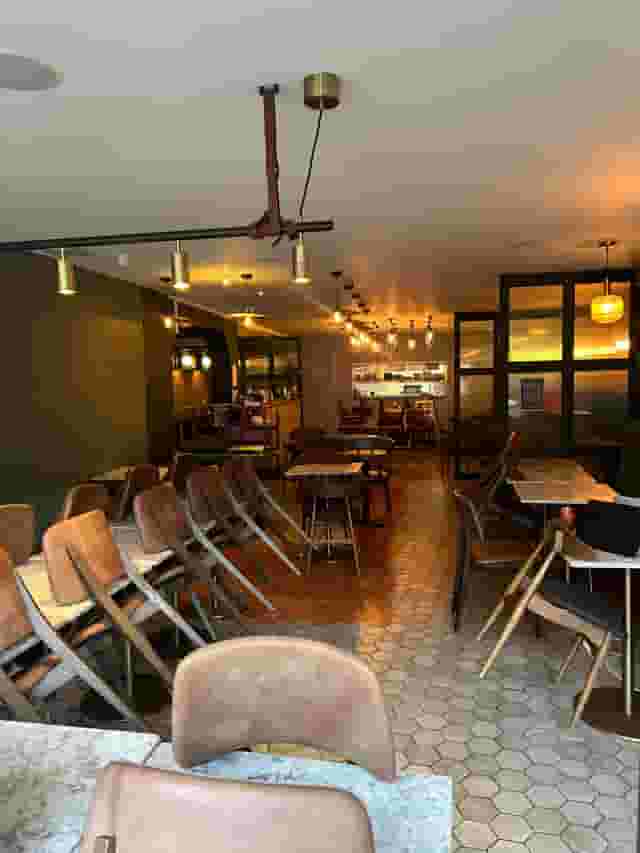

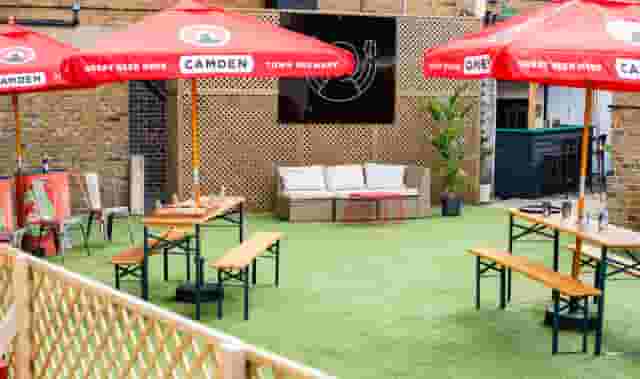
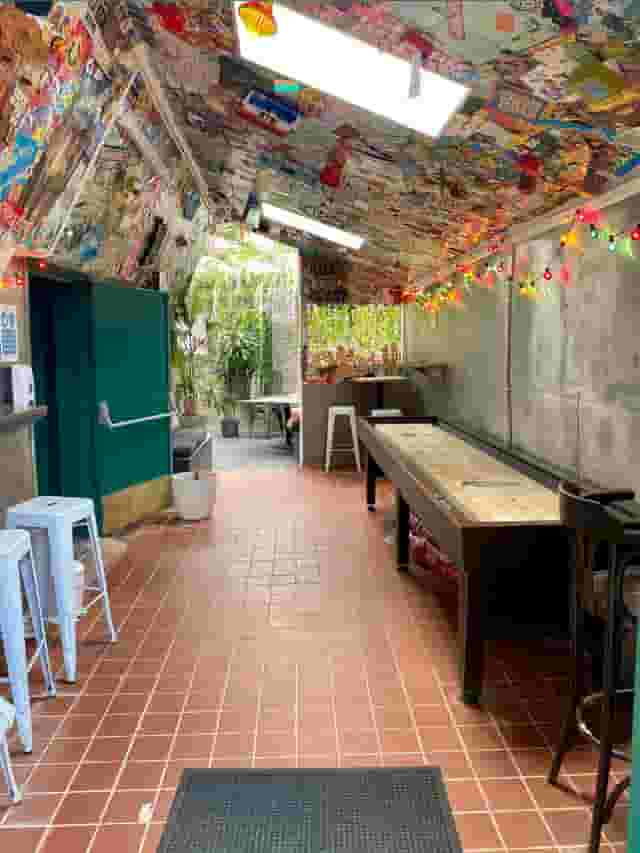


No venues match these filters
Try widening your capacity, luxury level or event type.
Don't have time to search? We'll find it for you.
For business events that need human judgement, talk to our team. Free for events of 100+ people, budgets over £10k or ongoing programmes.




Explore more venues in Central London























Other platforms search their database. We search everything.
Tell us what you need. Our deep research finds any venue, whether it's in our marketplace or not. No one else does this.
About Pop Up Spaces in Central London
Why Central London's Pop-Up Scene is Perfect for Your 50-Person Event (And What Makes It Different)
There's something genuinely exciting about Central London's pop-up scene that you simply won't find elsewhere in the UK. Having organised dozens of events in these spaces, I can tell you that the 50-person sweet spot opens up possibilities that larger venues just can't match.
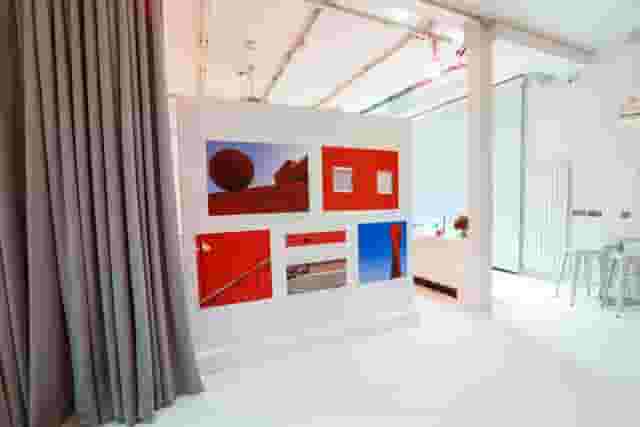
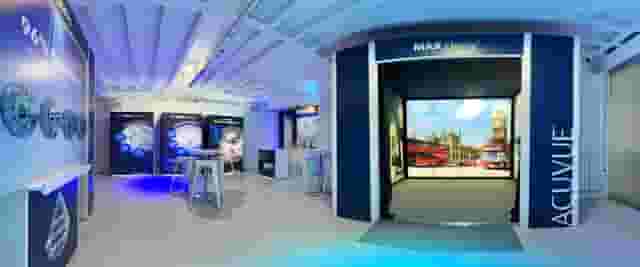
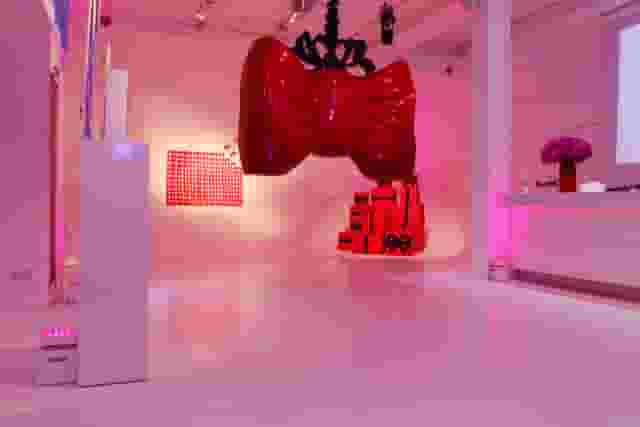
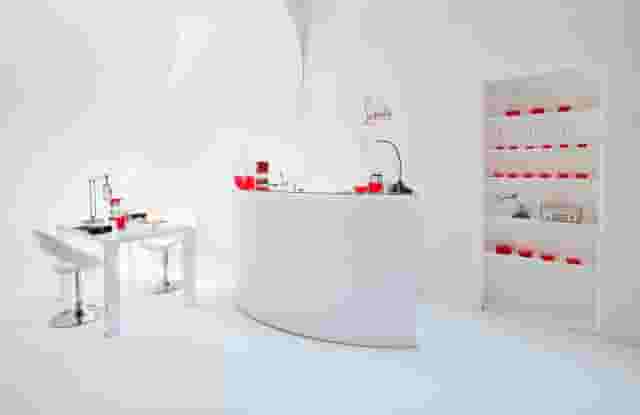
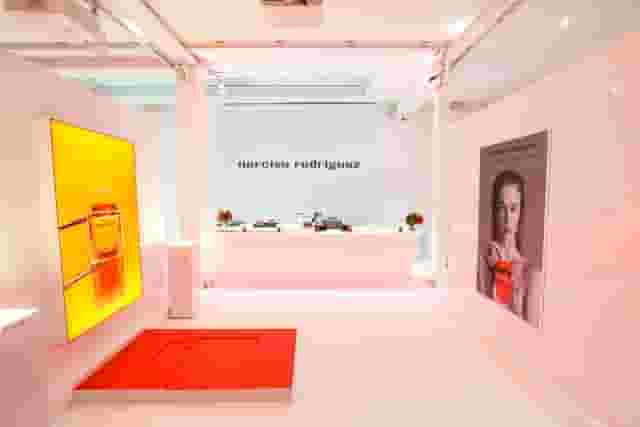
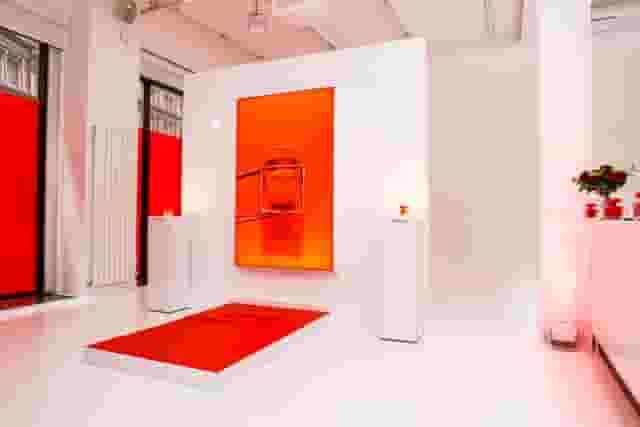
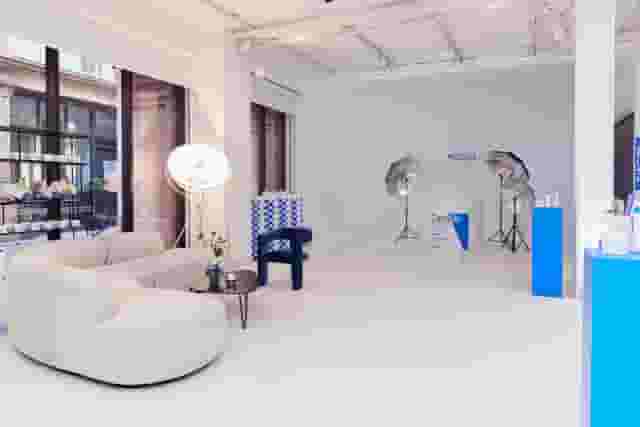
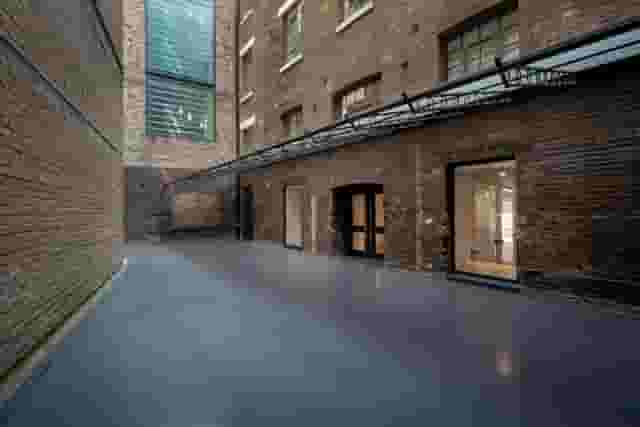
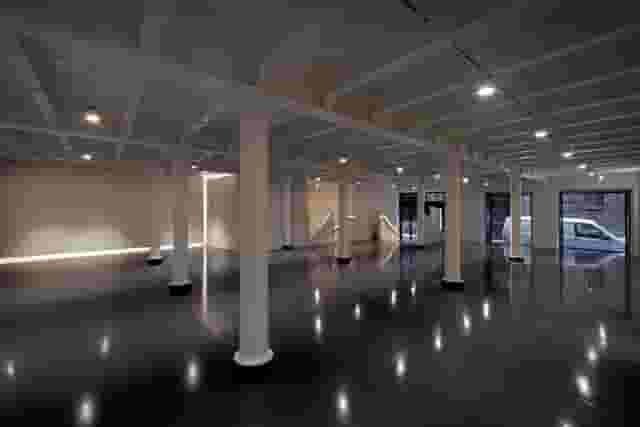
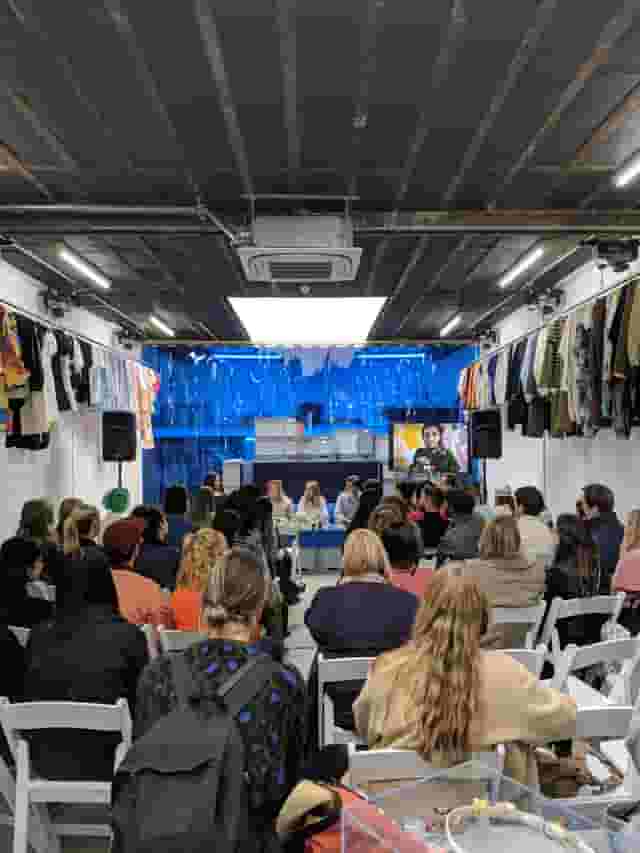
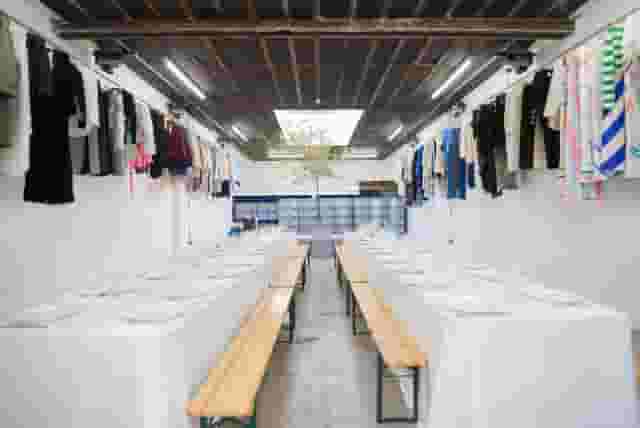
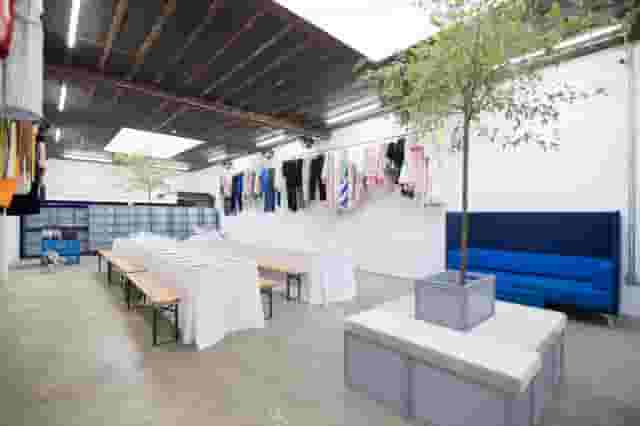
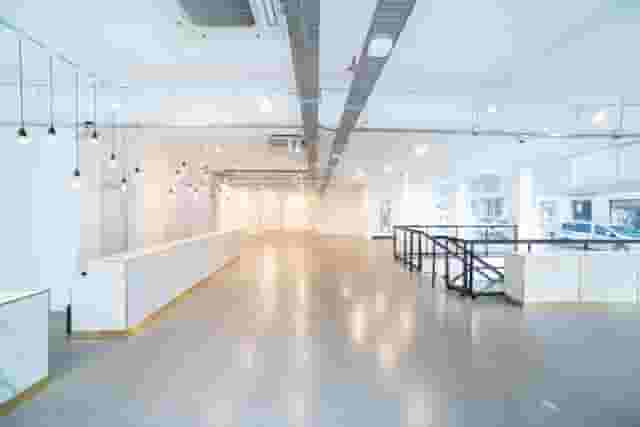
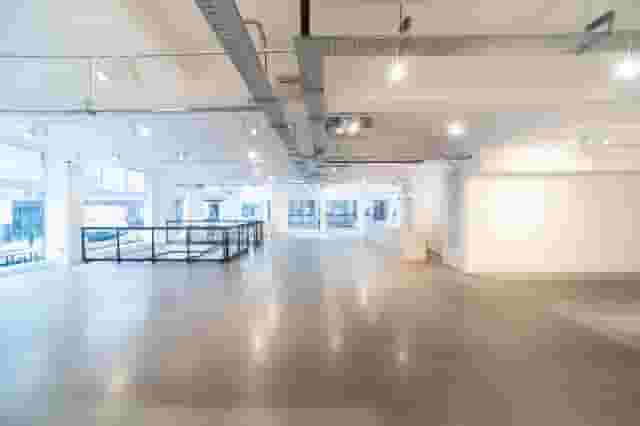
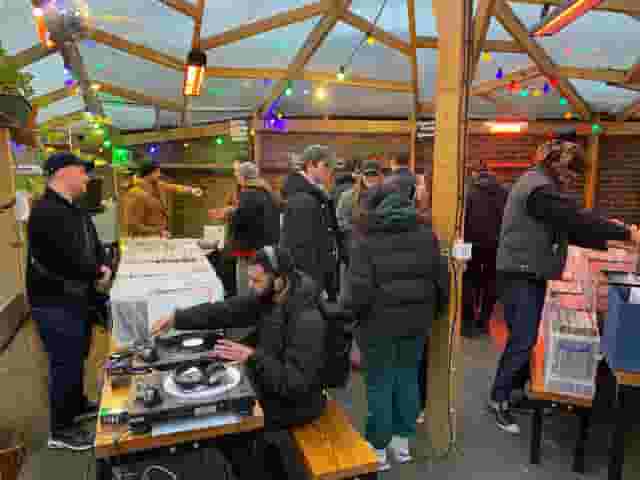
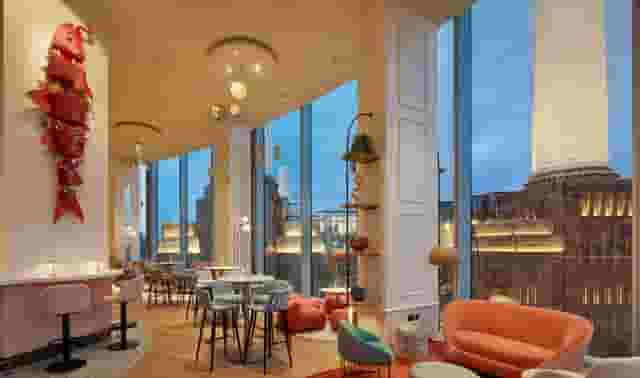
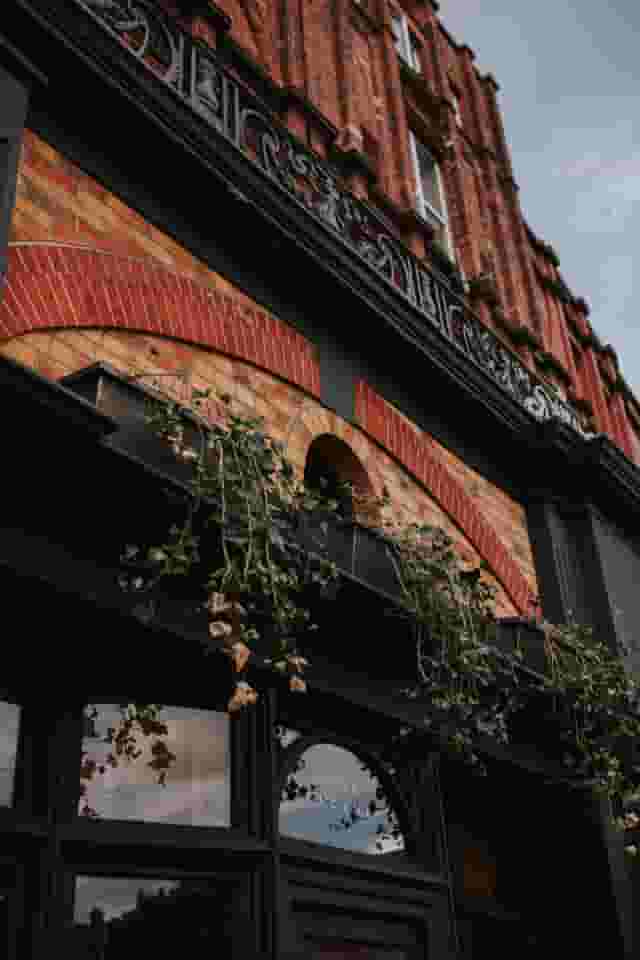
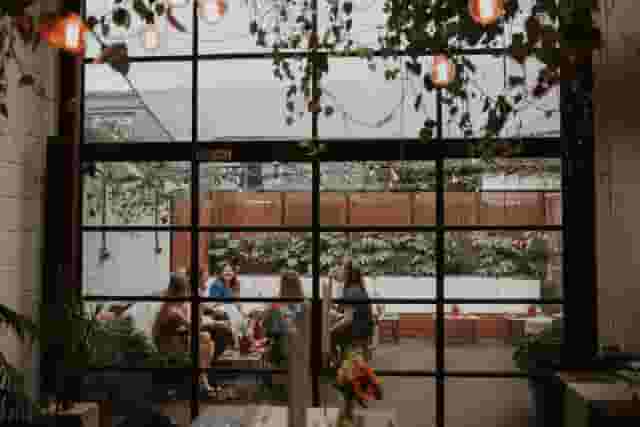
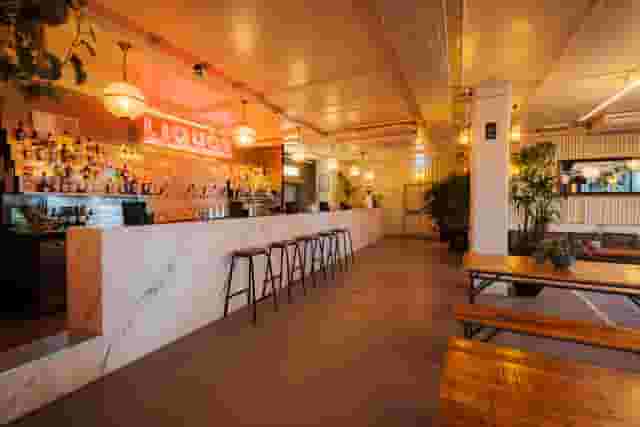
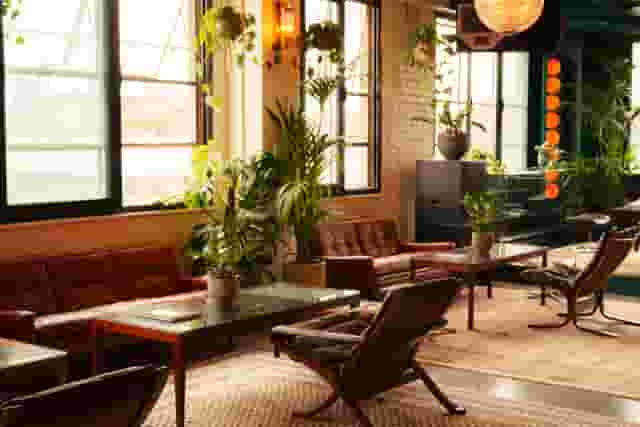
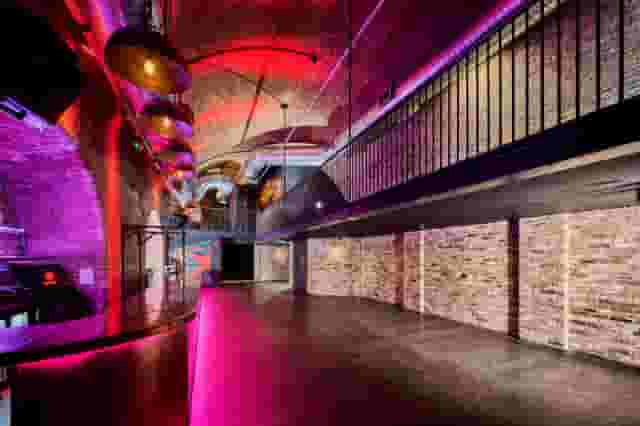
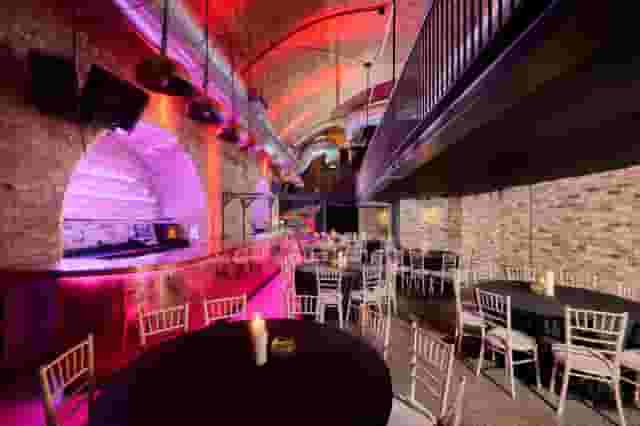
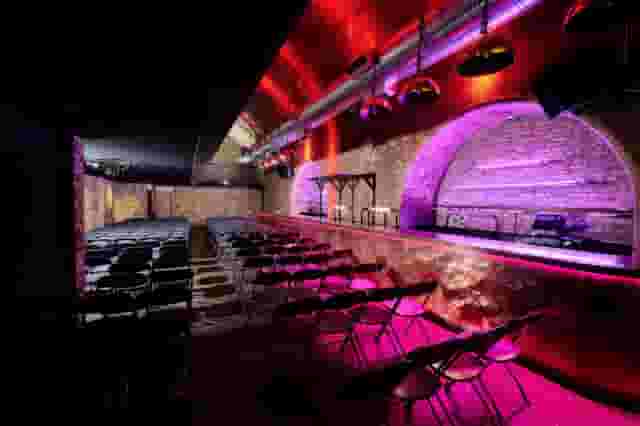
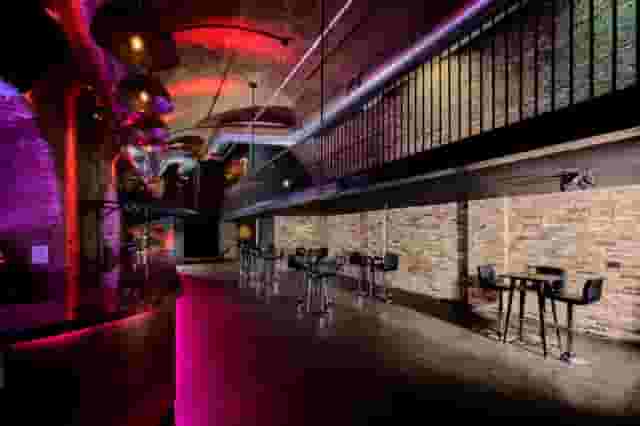
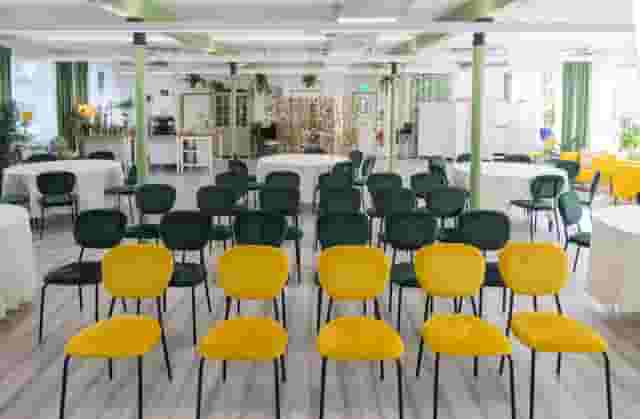
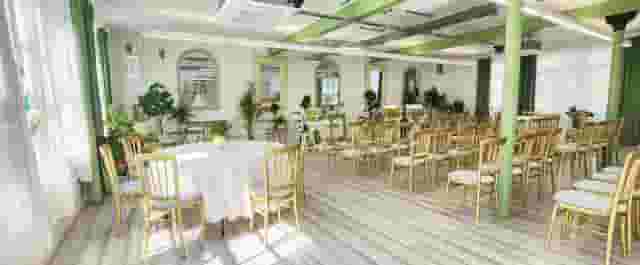
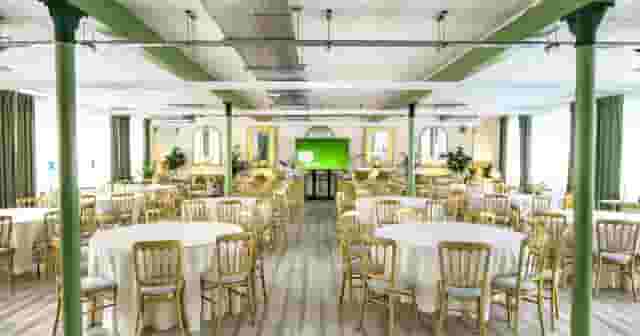
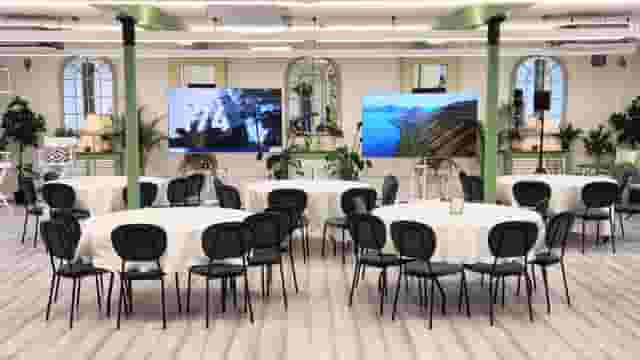
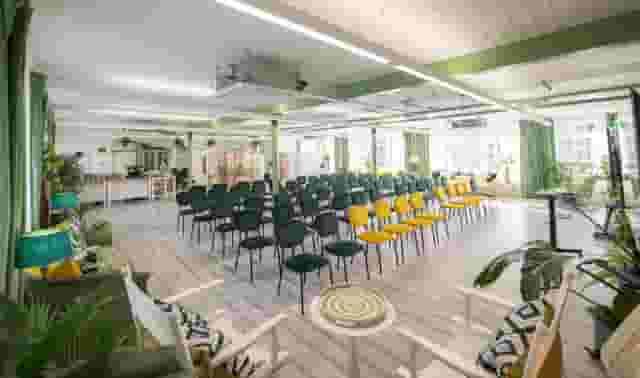
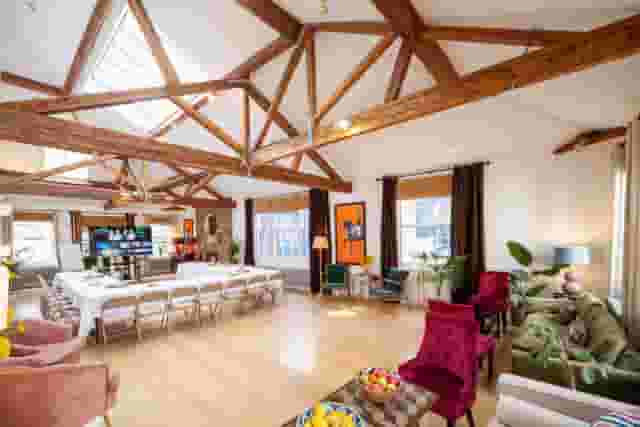
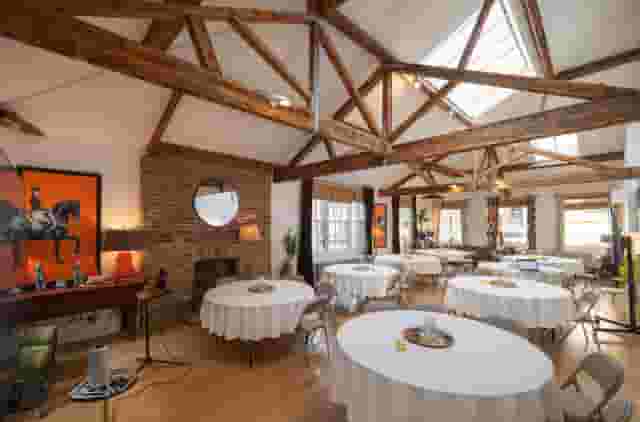
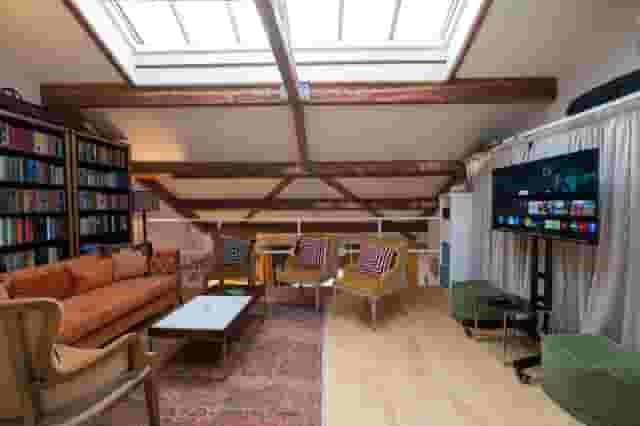
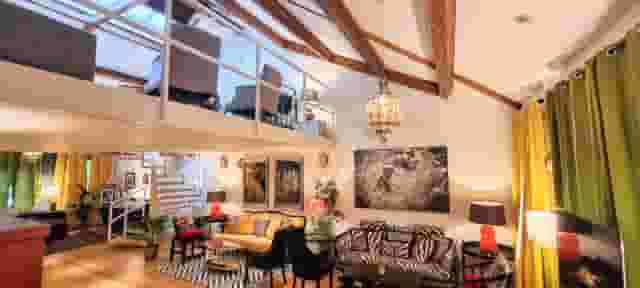
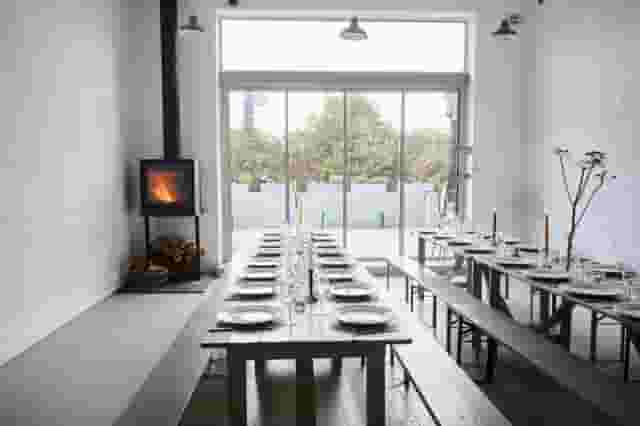
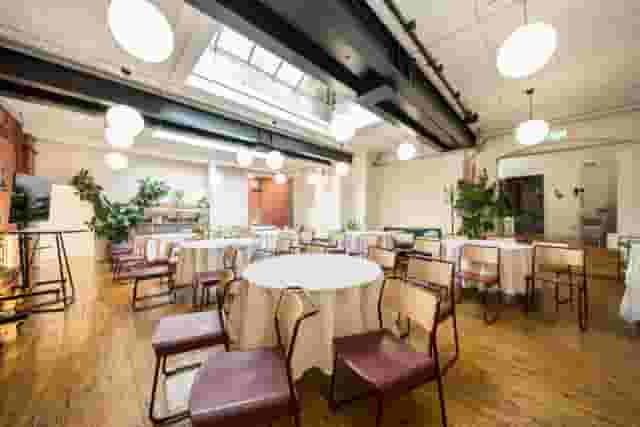
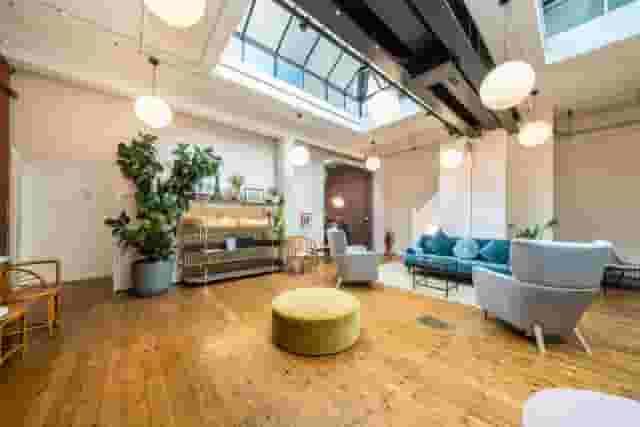
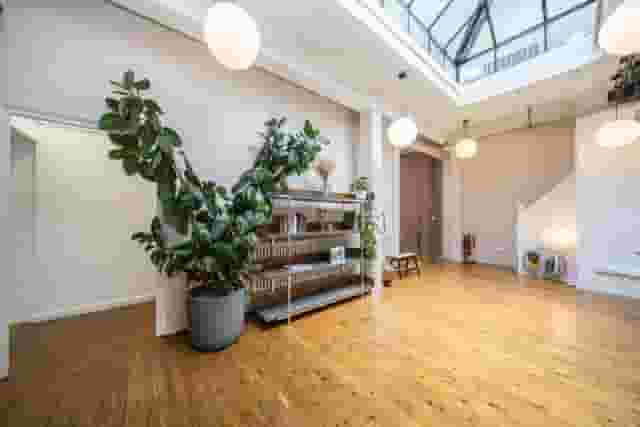
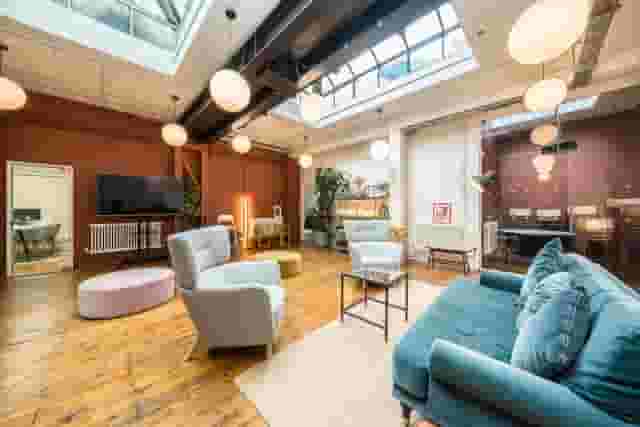
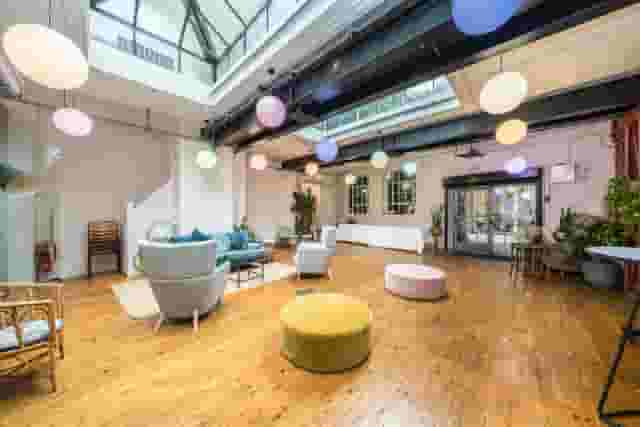
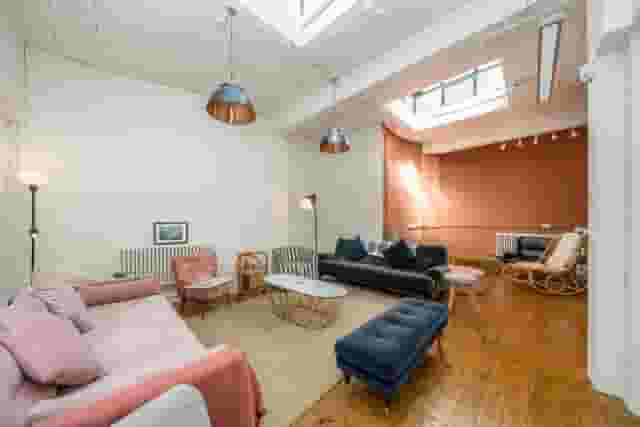
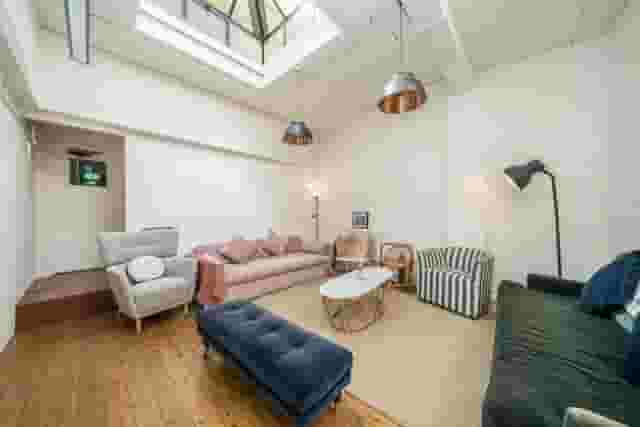
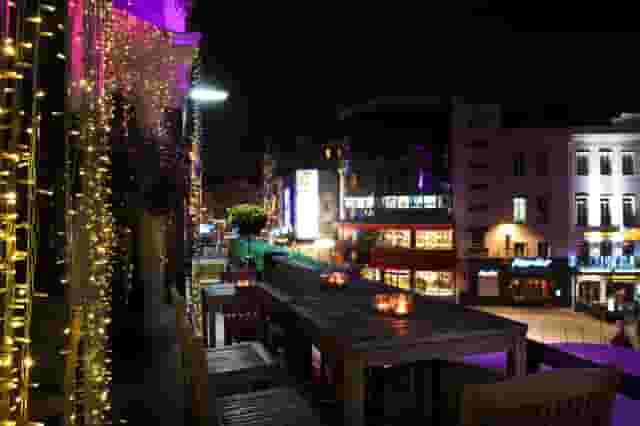
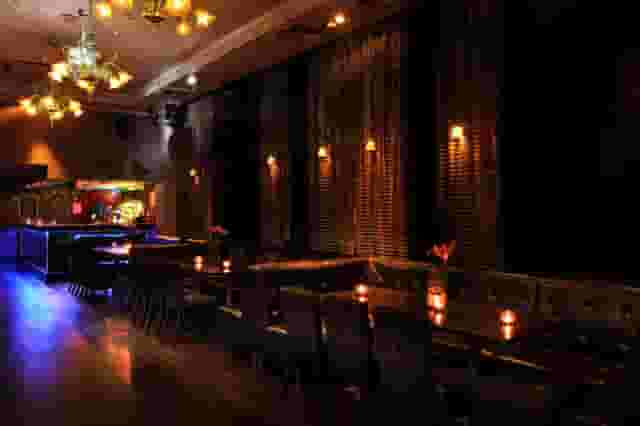
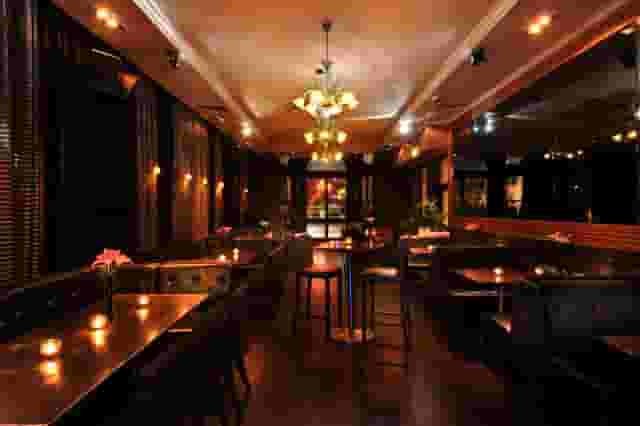
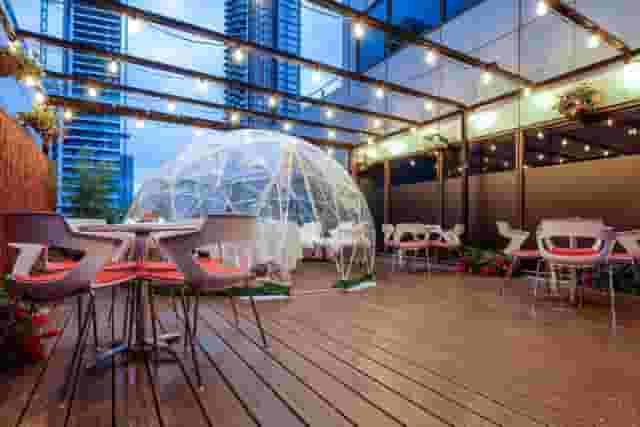
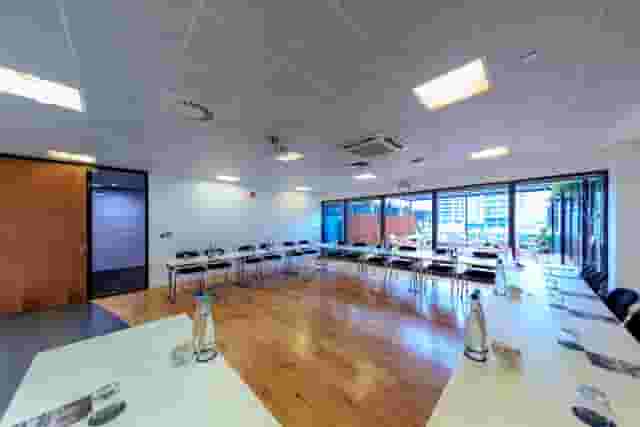
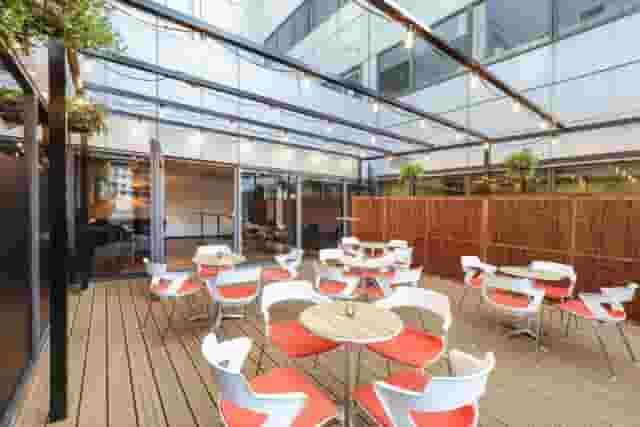
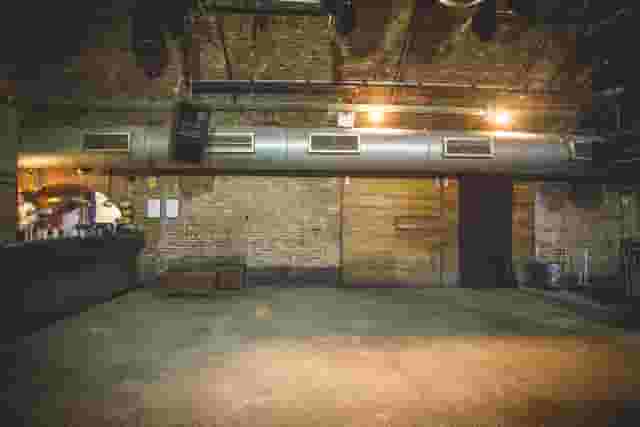
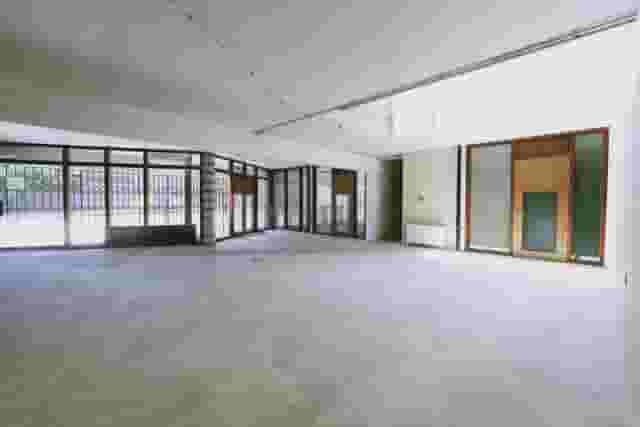
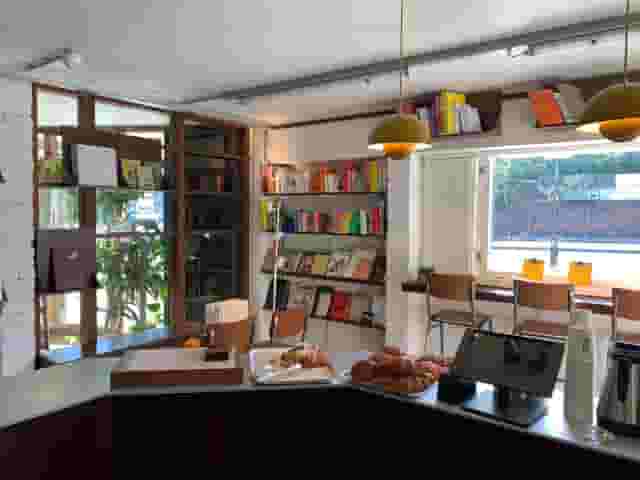
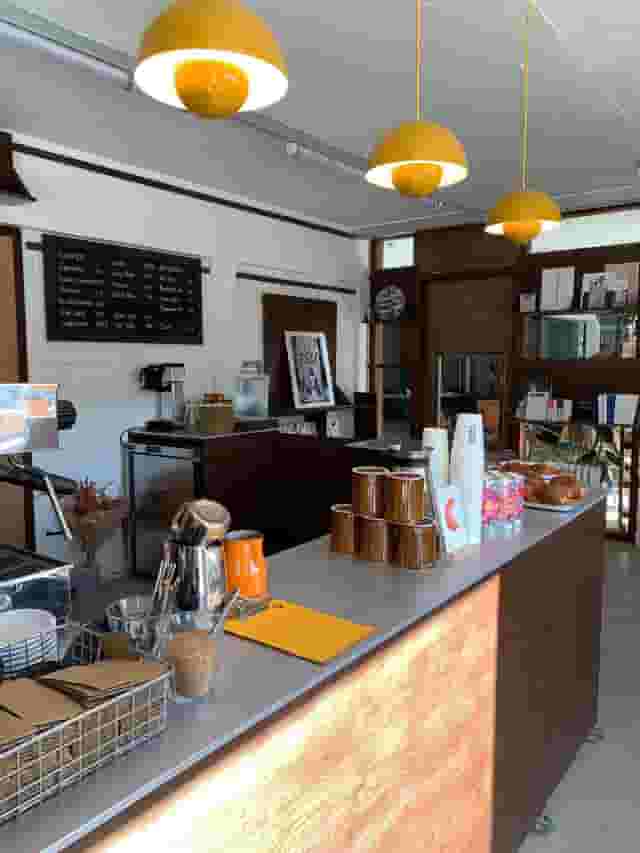
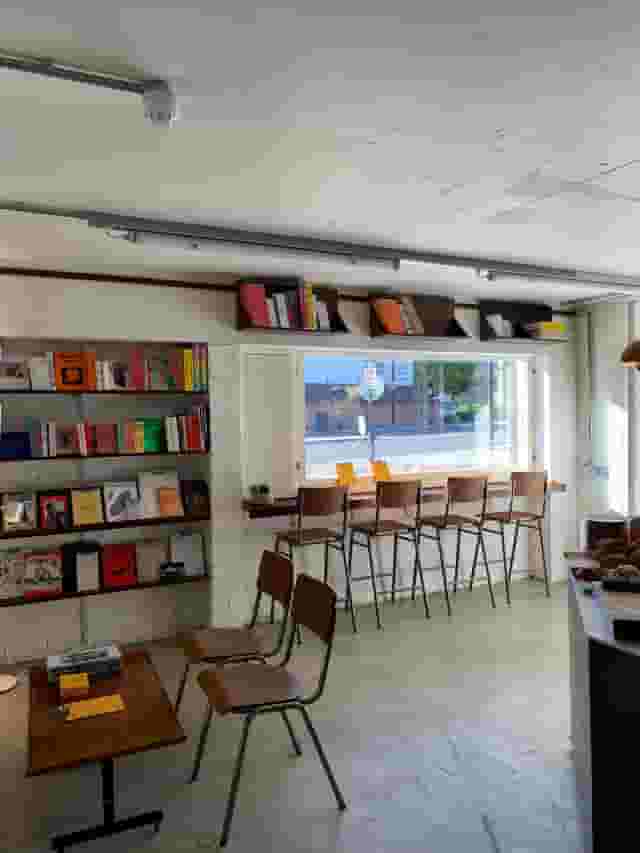
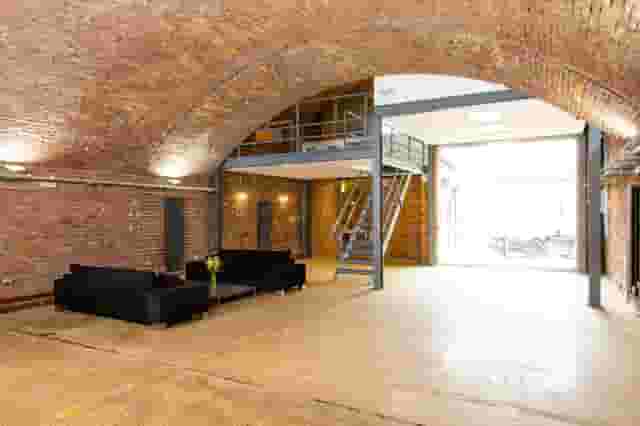
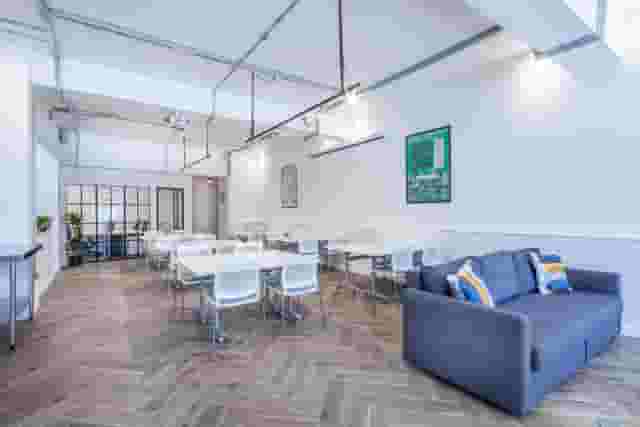
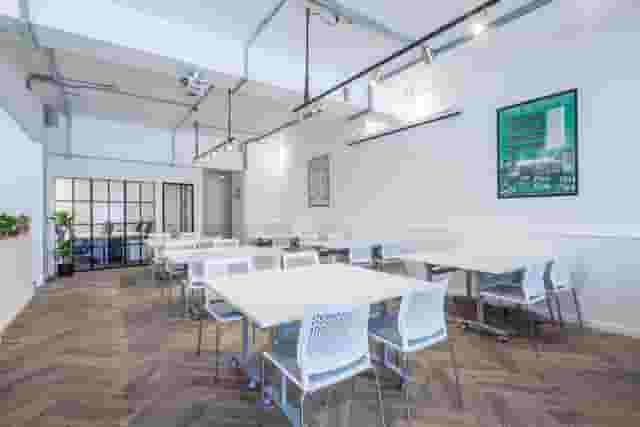
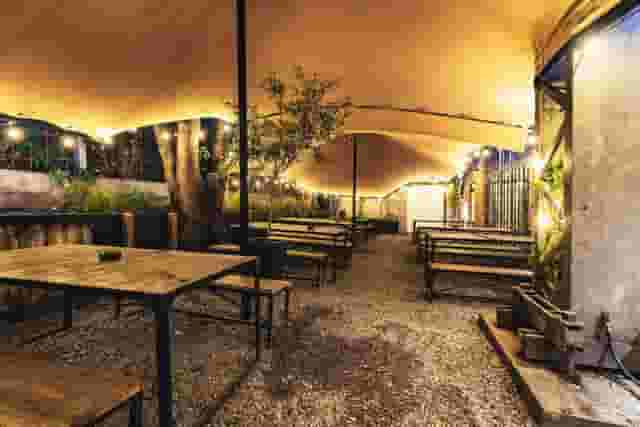
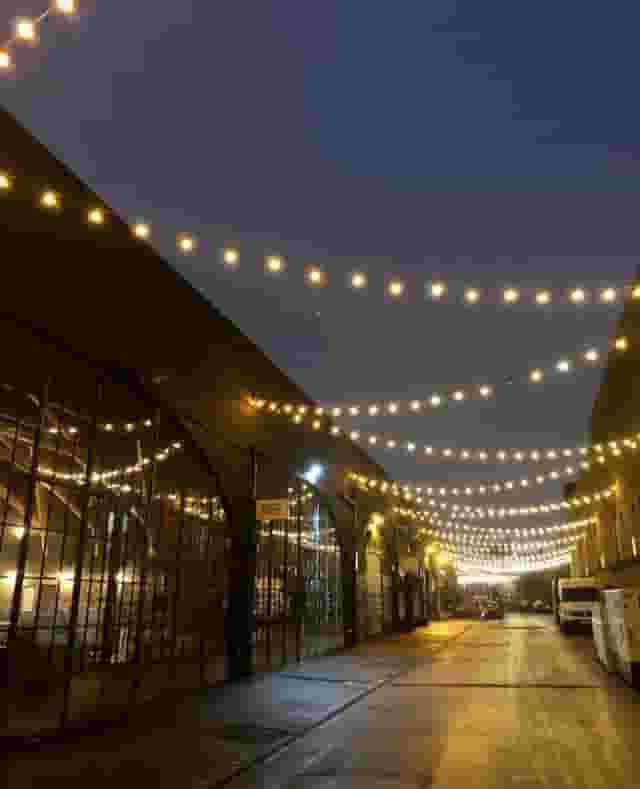
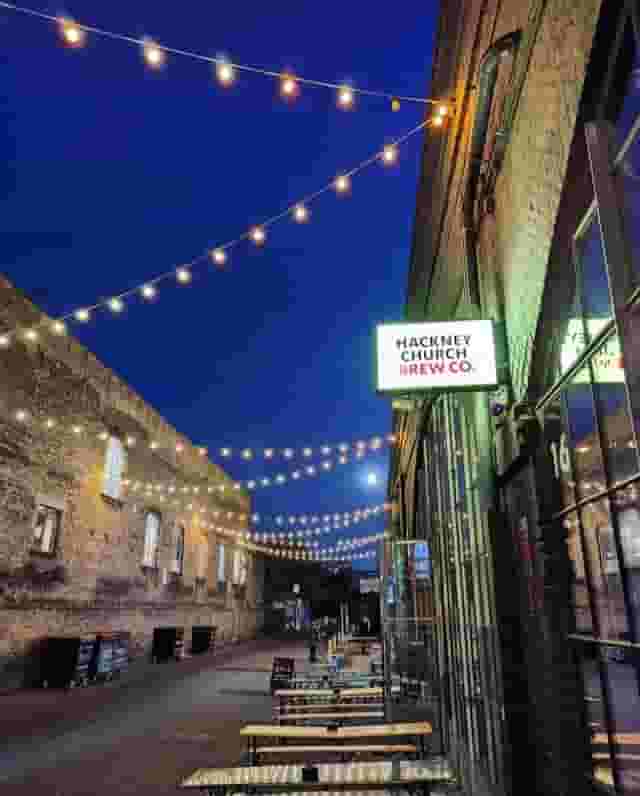
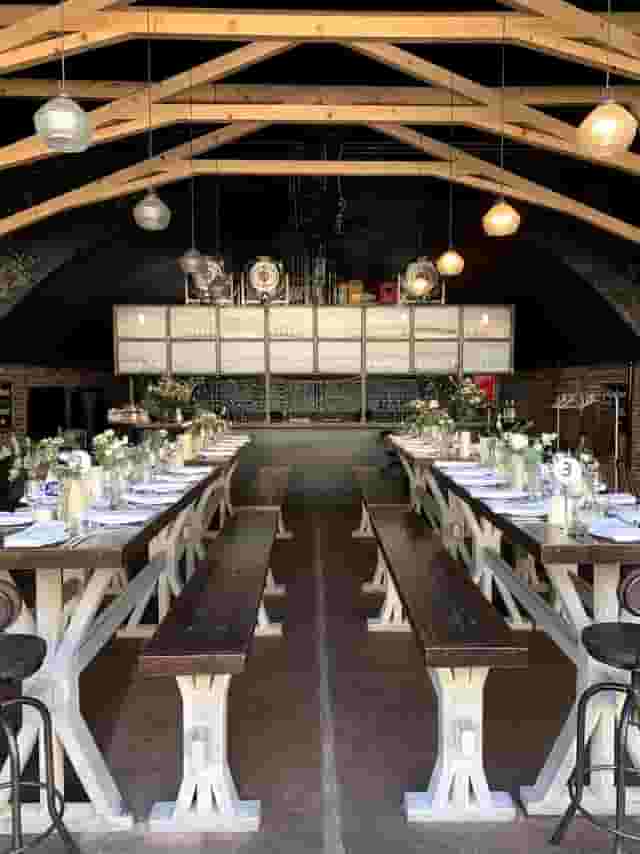
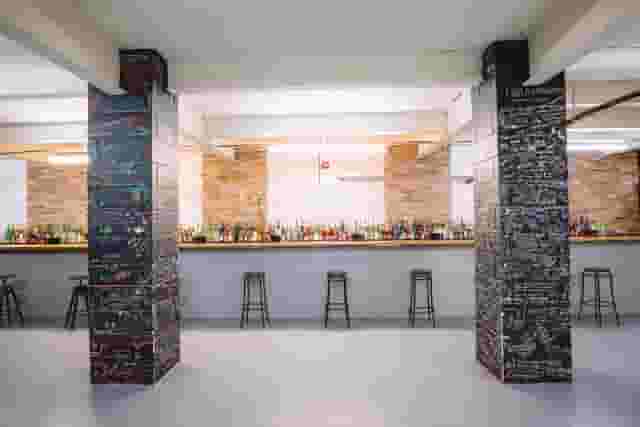
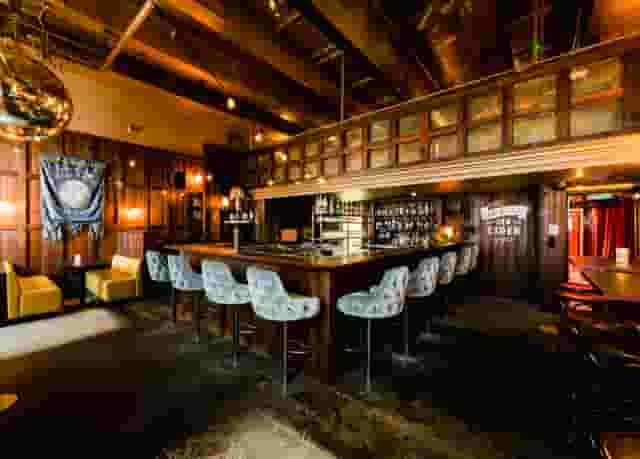
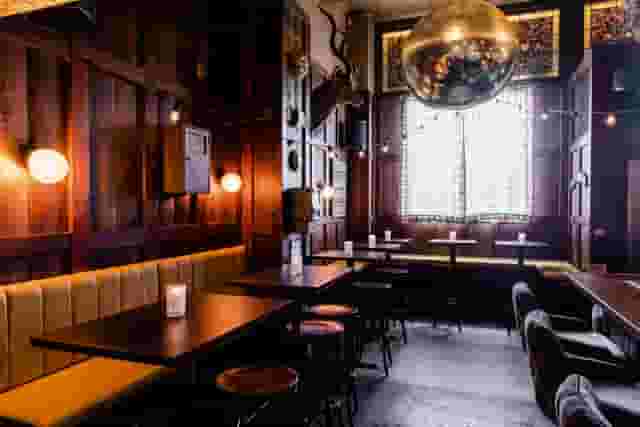
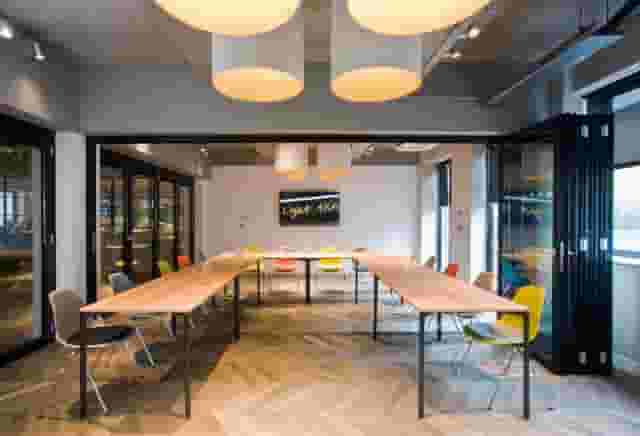
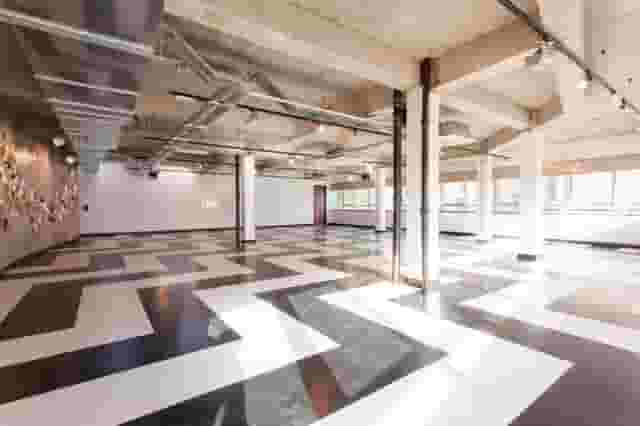
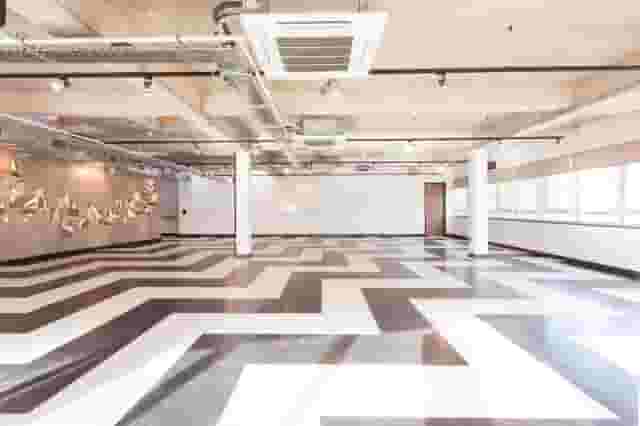
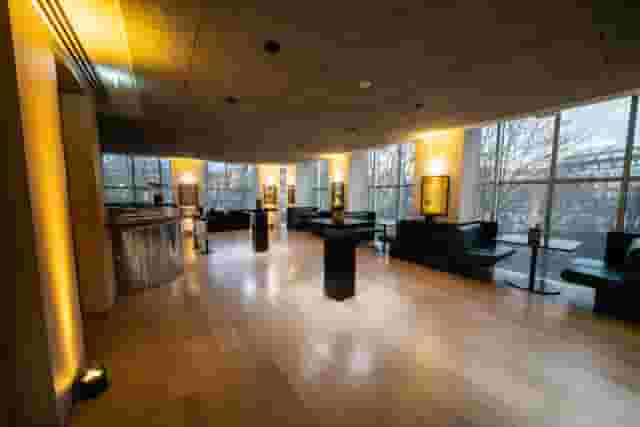
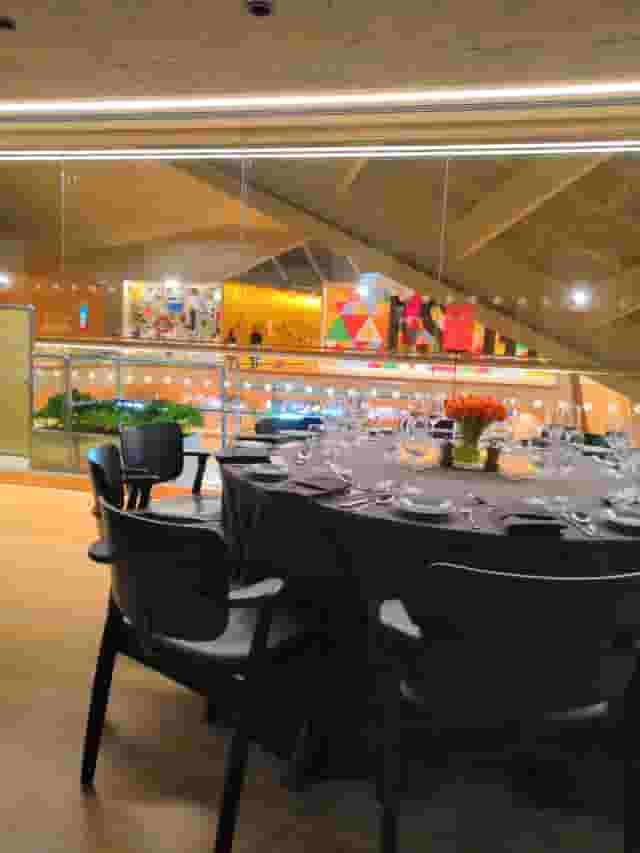
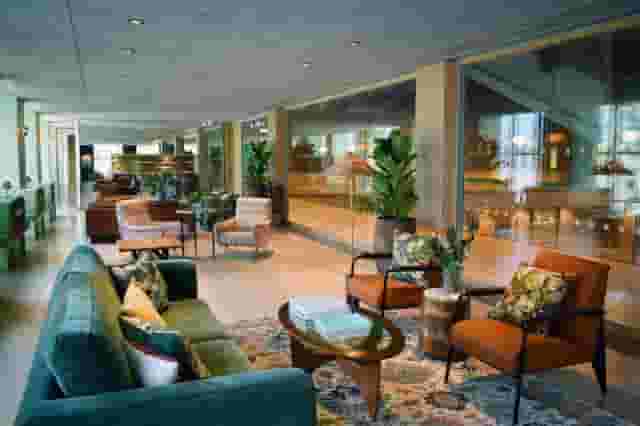
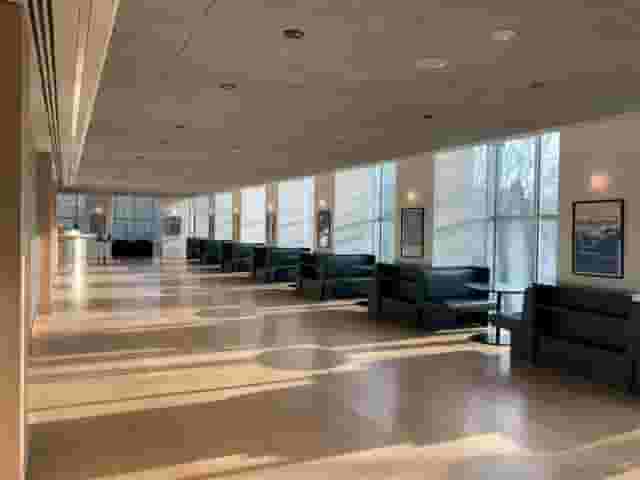
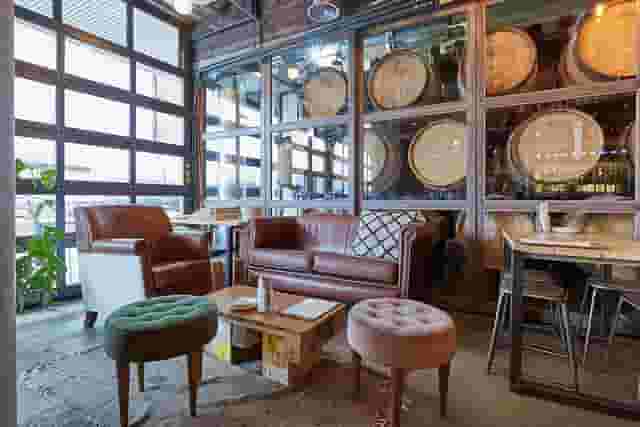
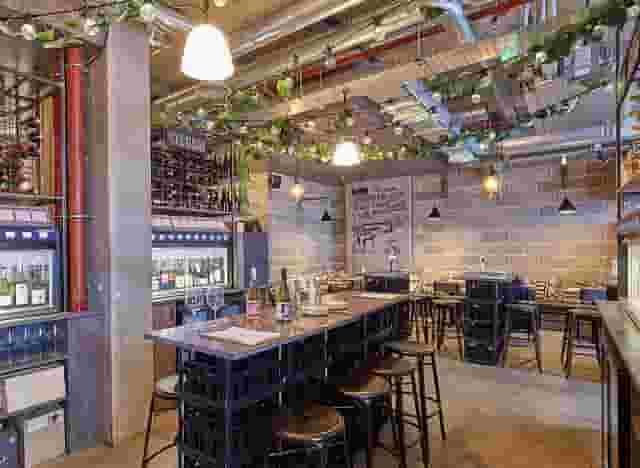
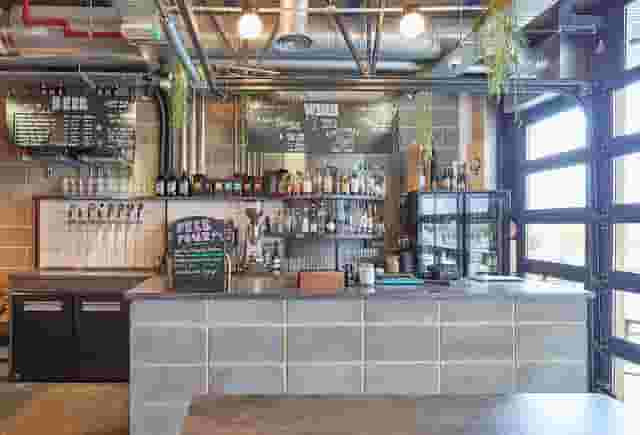
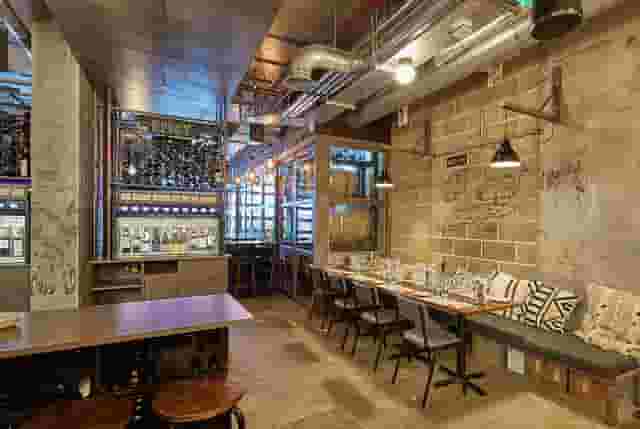
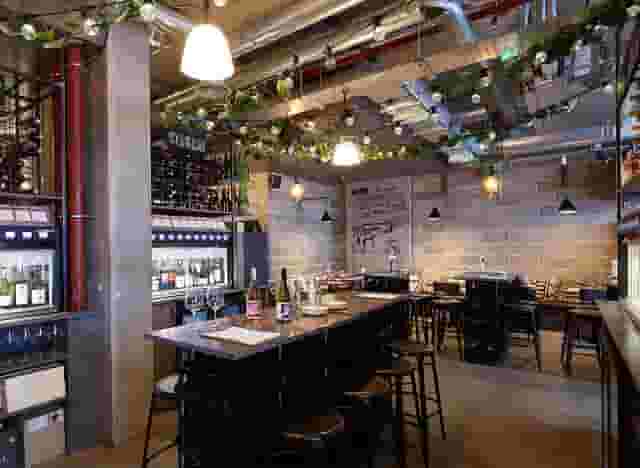
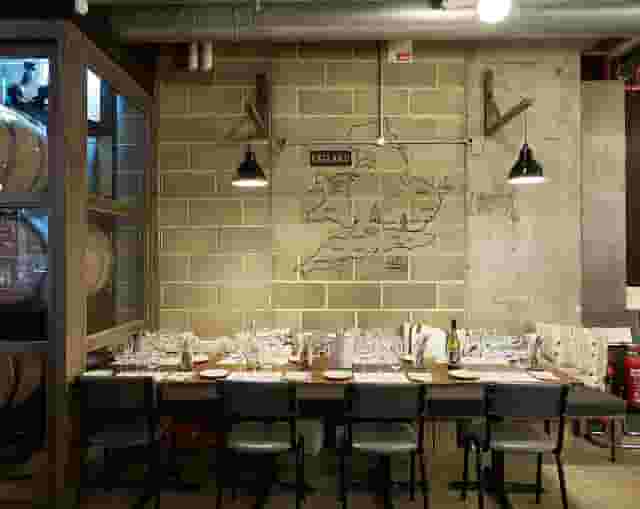
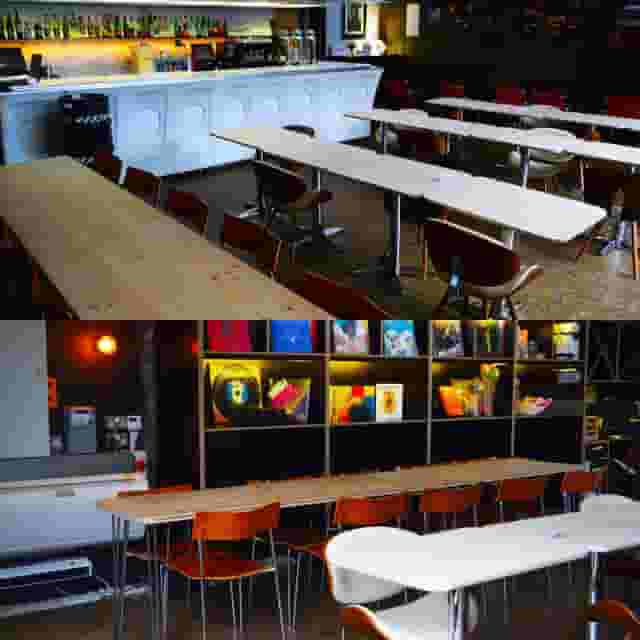
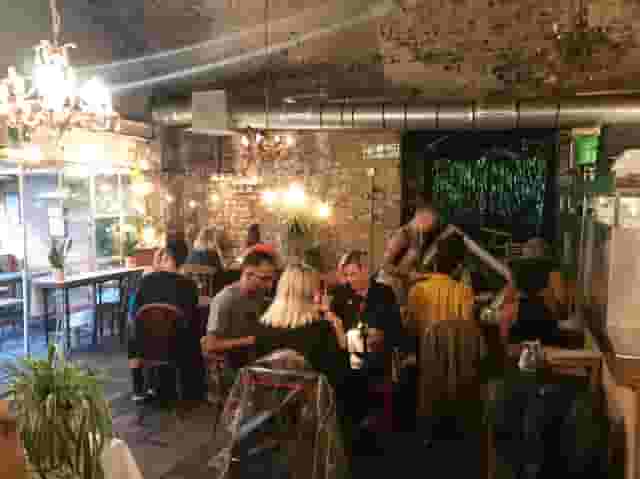
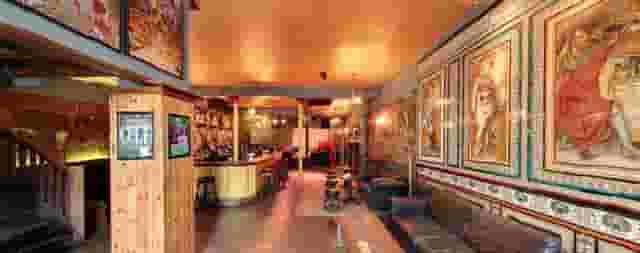
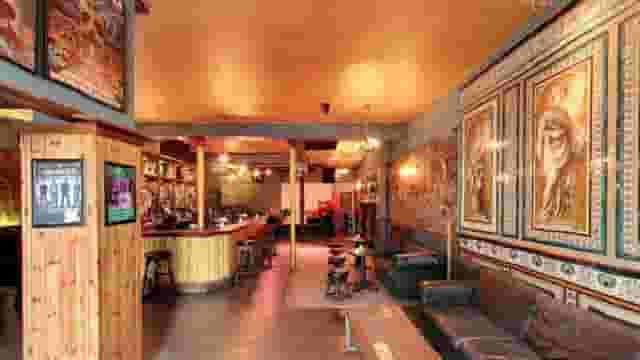
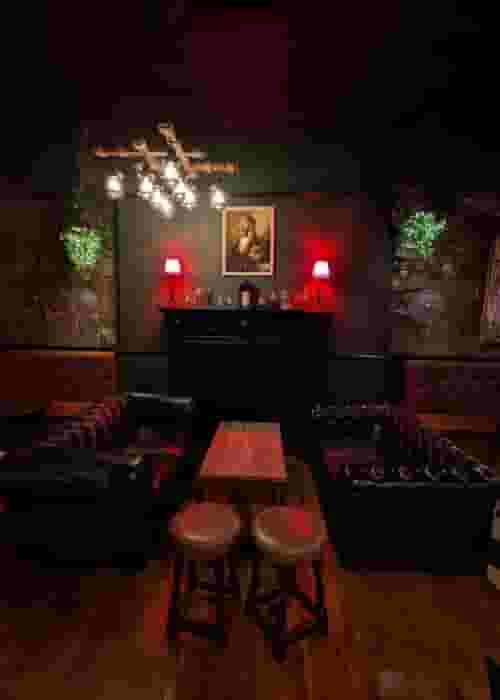
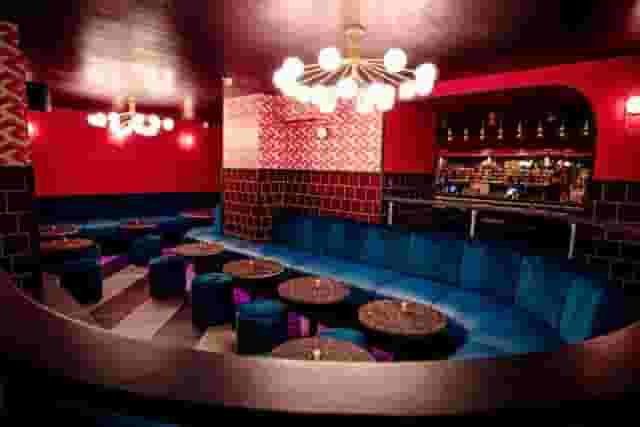
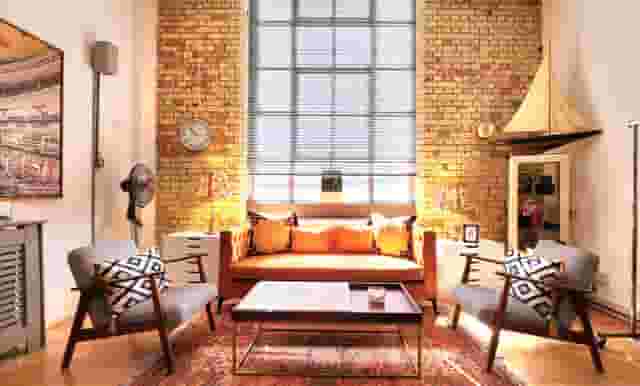
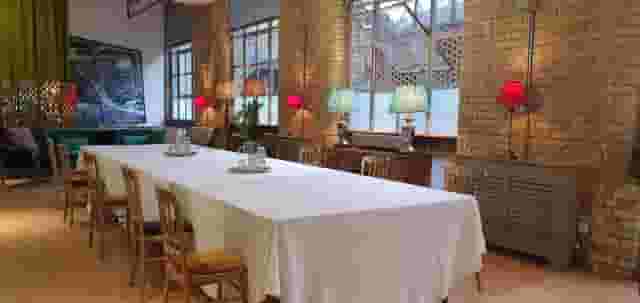
The beauty of Central London's pop-up landscape lies in its sheer diversity. One week you might be in a converted Victorian warehouse in Shoreditch, the next in a sleek glass box overlooking the Thames. These spaces typically range from 50-100m², which means your 50 guests won't feel lost in an oversized venue – something that's surprisingly common when you're working with traditional event spaces designed for hundreds.
What really sets Central London apart is the accessibility factor. Your guests can reach virtually any pop-up space within 10 minutes from major transport hubs like King's Cross or Liverpool Street. We've found this dramatically improves attendance rates – particularly important when you're dealing with busy professionals from finance firms in Canary Wharf or tech companies who might be travelling from various London locations.
The Technical Advantages That Matter
Most Central London pop-ups come equipped with the essentials you'd expect: minimum 32 amp power supply, at least 100 Mbps internet (crucial for hybrid events), and 2.5m+ ceiling heights. But here's what makes them special for 50-person events – the intimacy factor. Unlike larger venues where you're fighting acoustics and sightlines, these spaces naturally create the engagement you're after.
The pricing reflects this premium positioning. You're looking at £500-£1,000 per day for a decent space, but that often includes basic AV equipment and sometimes even furniture. Compare this to traditional venues where you might pay similar rates just for the room, then add thousands more for production.
Why the 50-Person Capacity Works So Well
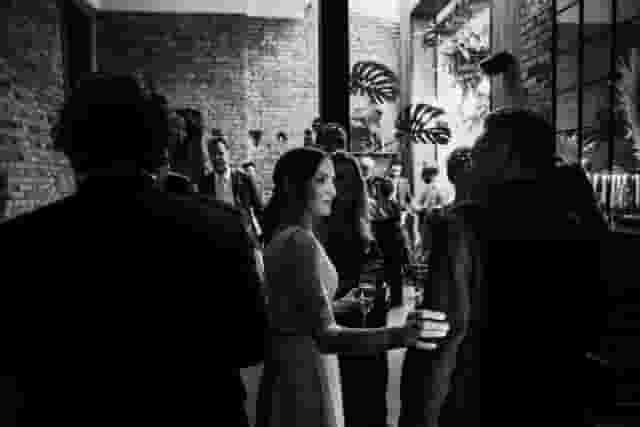
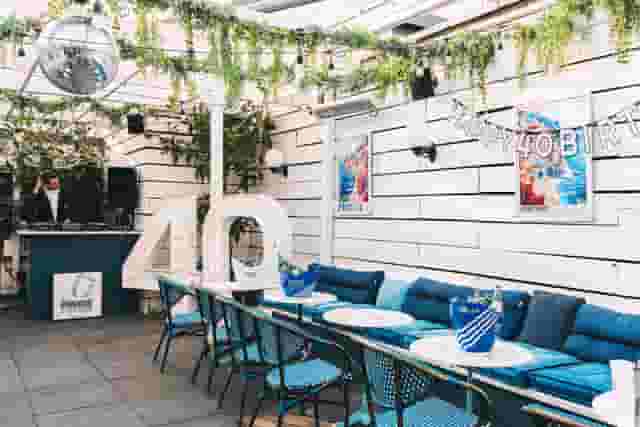
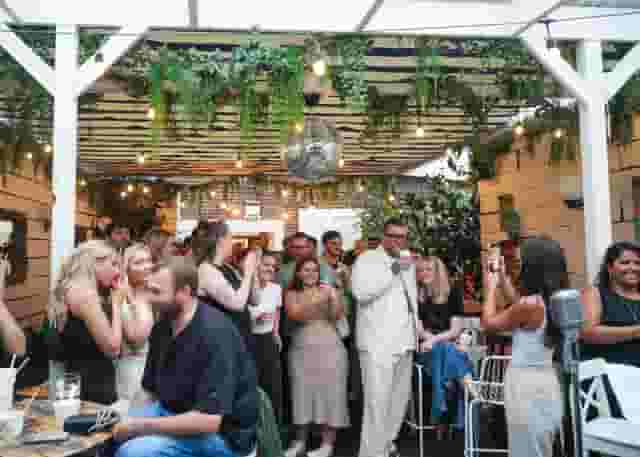
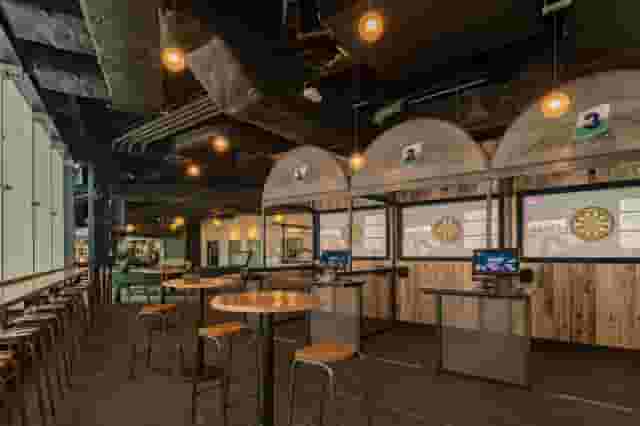
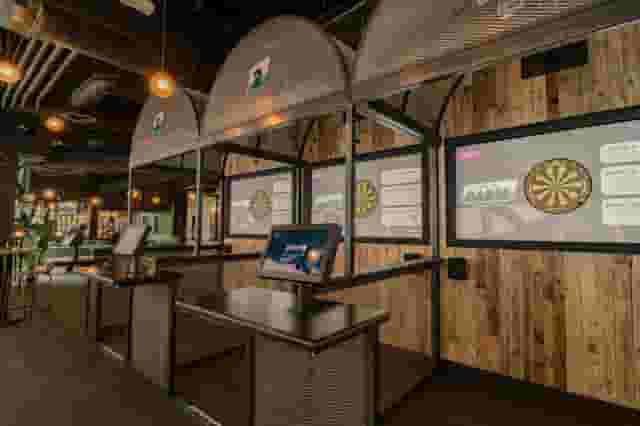
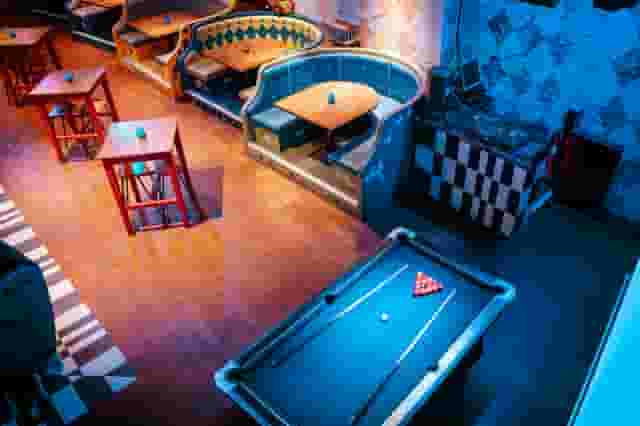
There's a reason why 5 a Side in Covent Garden and similar intimate venues are so popular – they create natural networking opportunities. In a pop-up space designed for 50, everyone can see and interact with everyone else. It's perfect for product launches where you want genuine buzz, or corporate workshops where collaboration is key.
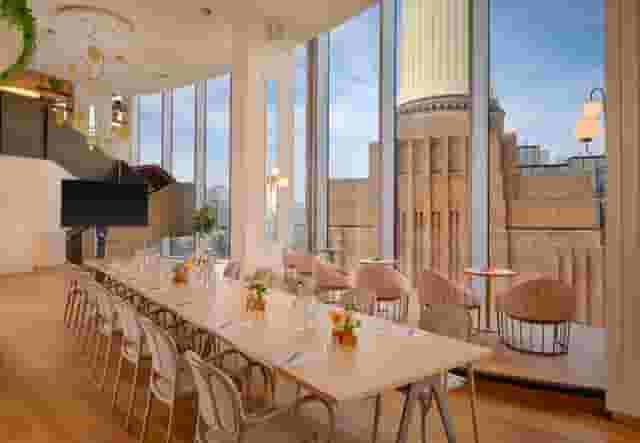
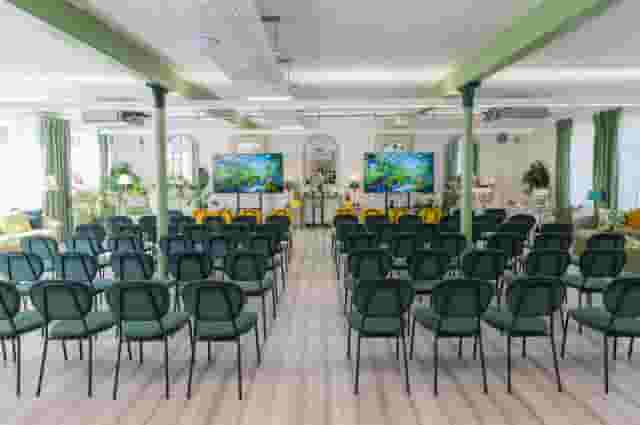
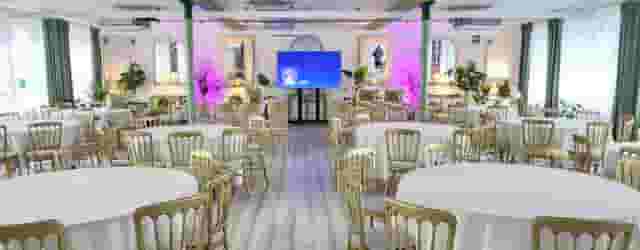
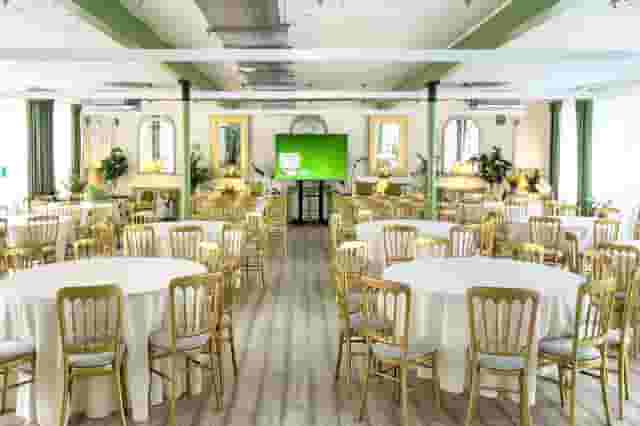
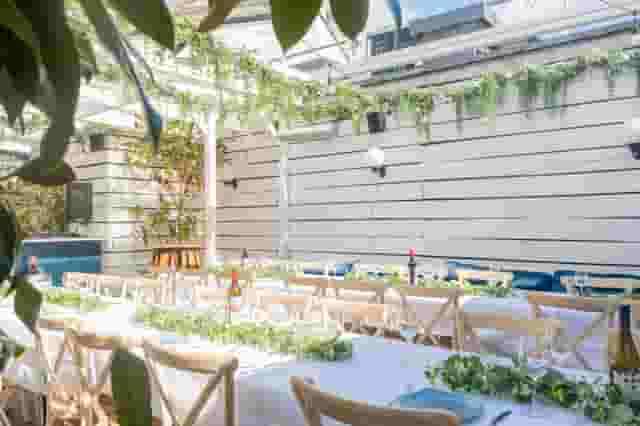
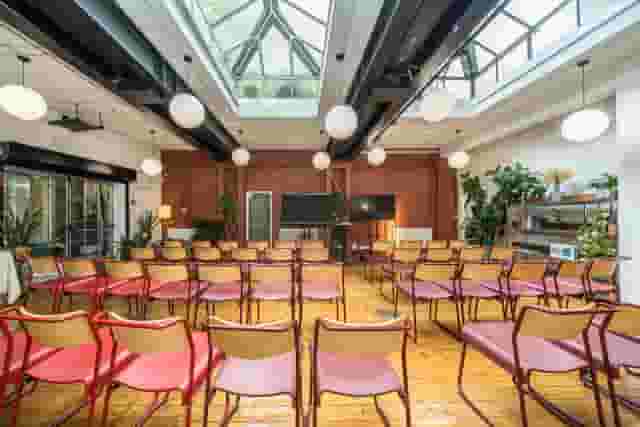
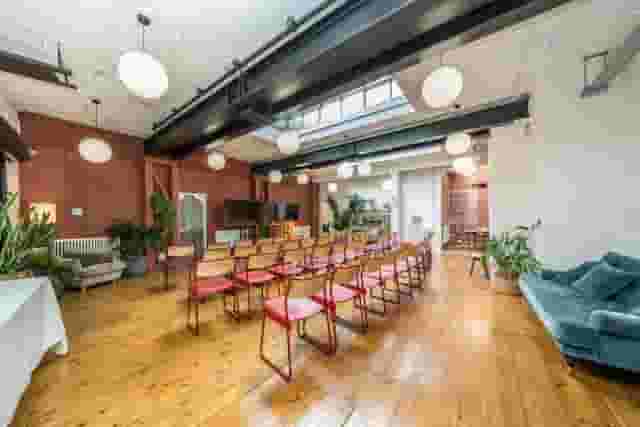
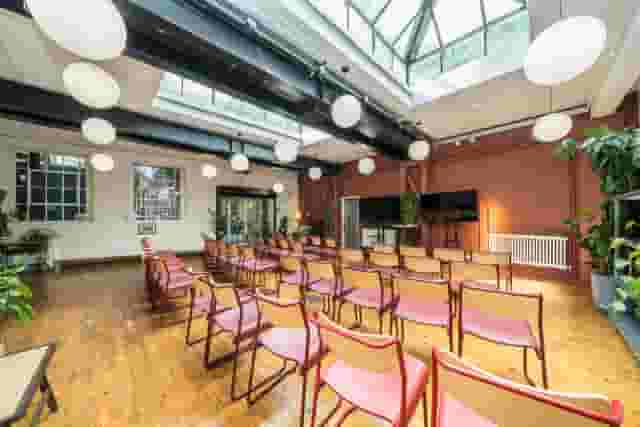
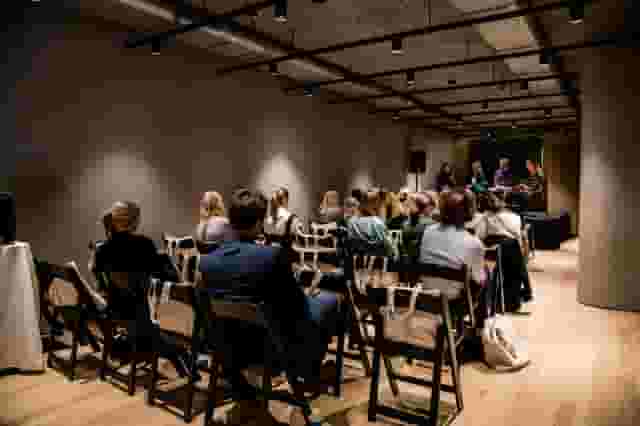
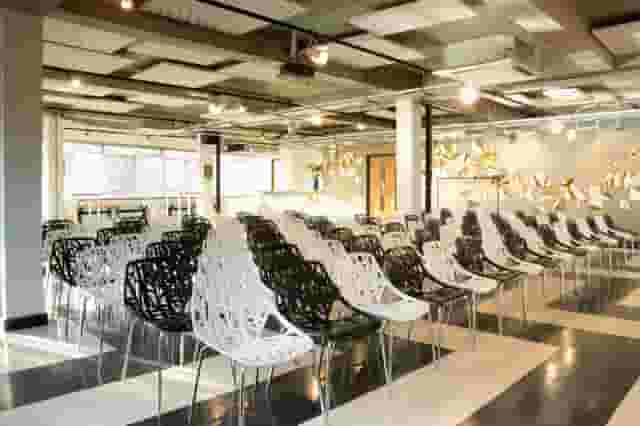
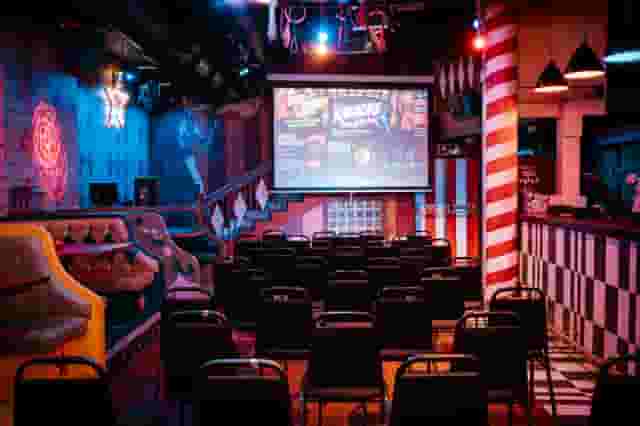
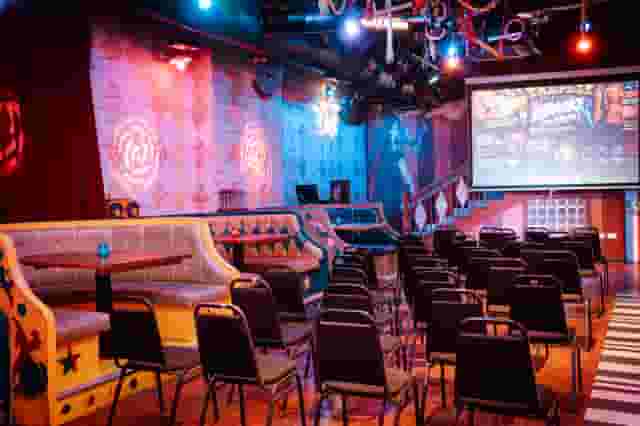
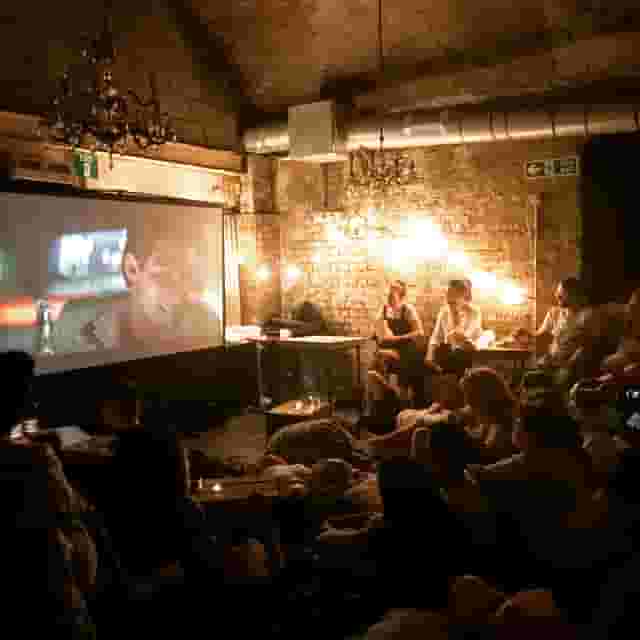
The flexibility is unmatched too. Need to reconfigure for a presentation followed by networking? Most pop-ups can handle theatre-style seating for 50, then quickly transform to reception layout for the same number. Try doing that seamlessly in a traditional conference centre.
If you're considering scaling up, spaces like Pop Up Spaces in Central London for 200 people offer similar flexibility but require significantly more planning and budget. For most corporate events, the 50-person capacity hits that perfect balance of impact and manageability.
The Real Costs Behind Pop-Up Spaces in Central London: What £500-£1,000 Actually Gets You
Let's be completely honest about what you're actually paying for when you book a pop-up space in Central London. That £500-£1,000 daily rate might seem steep at first glance, but when you break it down properly, it often represents better value than traditional venues – especially for intimate 50-person events.
What's Actually Included in Your Daily Rate
Most decent pop-up spaces in Central London include the basics: power supply (usually 32 amps), WiFi that actually works (100 Mbps minimum), and basic lighting. But here's where it gets interesting for 50-person events – many spaces throw in essential furniture like cocktail tables, basic seating, and even a small PA system. We've found this can save you £300-500 in hire costs compared to bringing everything in separately.
The real value becomes clear when you consider location premiums. A pop-up in Shoreditch or near Liverpool Street commands top rates because your guests can literally walk from the station. Compare this to hiring a traditional venue in Zone 2 where you're adding transport costs and losing attendees who simply can't be bothered with the journey.
The Hidden Costs That Catch People Out
Here's what often isn't included: professional cleaning (budget £150-200), security deposit (typically 25% of hire fee), and any specialist AV beyond basic sound. For product launches, you'll likely need additional lighting and projection equipment – expect £400-600 for a decent setup that works in a 50-100m² space.
Insurance is another consideration. Most venues require £5 million public liability coverage, which costs around £50-80 for a single event if you don't have annual cover. Some pop-up operators offer this as an add-on service, which can be convenient but usually costs more.
Smart Budget Allocation for Maximum Impact
For a 50-person event, we typically recommend allocating 40% of your venue budget to the space itself, 30% to catering, and 30% to production and extras. So if you're spending £800 on the venue, plan for around £2,000 total venue-related costs.
The sweet spot for value often lies in midweek bookings during off-peak months (January-February). You can sometimes negotiate 20-30% off standard rates, particularly if you're flexible with dates. Weekend rates, especially during peak season (May-July), can easily double your costs.
Remember, with pop-up spaces, you're not just paying for four walls – you're investing in a unique atmosphere that traditional conference rooms simply can't replicate. For 50 guests, that experiential element often justifies the premium, particularly when it translates to higher engagement and better business outcomes.
5 Critical Planning Steps That Make or Break Pop-Up Events for 50 Guests
After organising countless pop-up events across Central London, I've learned that the difference between a memorable event and a complete disaster often comes down to five critical planning decisions. The intimate nature of 50-person events in pop-up spaces means there's absolutely no room for error – every detail matters when your guests are this close to the action.
Step 1: Secure Your Temporary Event Notice (TEN) Early
This is where most people trip up. If you're serving alcohol or having amplified music, you need a TEN from the local council – and in Central London, that means dealing with Westminster, Camden, or Tower Hamlets depending on your location. The application takes a minimum of 10 working days, but I always recommend applying 4-6 weeks ahead. During peak season (May-July), councils get swamped with applications, and delays are common.
The cost is only £21, but the consequences of not having one are severe. We've seen events shut down mid-flow because organisers assumed the venue would handle licensing. Always confirm who's responsible for what.
Step 2: Plan Your Power Requirements Like a Pro
Most pop-up spaces offer 32 amp supply, which sounds generous until you start adding up your actual needs. A basic setup for 50 people – lighting, sound system, catering equipment, and charging stations – typically draws 25-30 amps. That leaves precious little headroom for additional equipment.
Here's a practical checklist: LED lighting (8 amps), PA system (4 amps), coffee machine (13 amps), laptop charging station (3 amps). You're already at 28 amps before considering any specialist equipment. Always request a detailed power specification from your venue and plan accordingly.
Step 3: Master the Four-Hour Setup Rule
Pop-up spaces typically allow four hours for setup and breakdown. For 50-person events, this is actually quite generous if you plan properly. Create a detailed timeline: first hour for furniture and basic setup, second hour for AV and technical equipment, third hour for catering prep and decoration, final hour for testing and final touches.
The key is having everything pre-staged and ready to go. We always arrive with a detailed floor plan and assign specific team members to each setup phase. This systematic approach has saved us countless times when venues have been running behind schedule.
Step 4: Account for Acoustic Challenges
Pop-up spaces often have hard surfaces and minimal acoustic treatment, which can be problematic for 50-person events where conversation is key. Budget for portable acoustic panels if your event involves presentations or networking. A simple investment of £200-300 in temporary sound dampening can transform the guest experience.
Step 5: Build in Contingency Time and Budget
Always add 20% to both your timeline and budget. Pop-up venues, by their nature, can present unexpected challenges. Whether it's a delayed delivery, technical hiccup, or last-minute venue access issue, having buffer time and money prevents panic decisions that compromise your event quality.
The most successful pop-up events we've organised have been those where we've planned for the unexpected while maintaining the spontaneous, creative energy that makes these spaces so special.
Navigating Central London's Pop-Up Regulations: Licenses, Permits, and What You Actually Need
The regulatory landscape for pop-up events in Central London can feel like navigating a maze, but here's the reality – most 50-person events need fewer permits than you'd expect. Having dealt with councils across Westminster, Camden, and Tower Hamlets for years, I can tell you that understanding the specific requirements for your venue size and event type will save you both time and unnecessary stress.
The Essential Permits You Actually Need
For most 50-person pop-up events, you're looking at just two key requirements: a Temporary Event Notice (TEN) if you're serving alcohol or having amplified music, and potentially a street trading licence if you're doing anything food-related outdoors. The TEN costs £21 and covers up to 499 people, so you're well within limits. What catches people out is the timing – you need to apply at least 10 working days before your event, but councils like Westminster often take longer during busy periods.
Here's something most people don't realise: if your pop-up space already holds a premises licence, you might not need a separate TEN for alcohol service. Always check with the venue operator first – this single question has saved our clients hundreds of pounds in unnecessary applications.
Council-Specific Quirks That Matter
Westminster City Council tends to be stricter about noise levels, particularly for evening events near residential areas. They often require a noise management plan for events over 30 people, even in commercial pop-up spaces. Camden is more relaxed but incredibly thorough with their paperwork – expect detailed questions about crowd management and emergency procedures.
Tower Hamlets has become surprisingly efficient since moving their licensing online. Their turnaround time is typically 7-10 days, making them one of the more reliable councils for last-minute applications.
The Insurance Reality Check
Every pop-up venue will require £5 million public liability insurance as a minimum. For 50-person events, this typically costs £50-80 for single-event cover. However, if you're planning multiple events throughout the year, annual cover often works out cheaper and gives you more flexibility.
Smart Compliance Strategies
Always submit your applications on a Tuesday or Wednesday – councils process these faster than Friday submissions that sit over weekends. Keep digital copies of all permits on your phone during the event. We've had licensing officers turn up unannounced, and having immediate access to documentation prevents any awkward conversations.
The key is starting this process 4-6 weeks before your event date. This gives you time to address any council queries without panic, and ensures your pop-up event runs smoothly from a regulatory perspective.
Smart Booking Strategies: How to Secure the Best Pop-Up Space Without the Common Pitfalls
The biggest mistake I see event organisers make is treating pop-up space booking like traditional venue hire. These spaces operate on completely different timelines and booking patterns, and understanding this difference is what separates successful events from last-minute scrambles.
The 6-8 Week Sweet Spot for Central London
Unlike hotels or conference centres that take bookings 12 months ahead, most pop-up spaces in Central London work on much shorter lead times. The optimal booking window is 6-8 weeks before your event date. Book too early, and you'll pay premium rates for spaces that haven't yet established their market positioning. Book too late, and you're competing with everyone else for limited availability.
We've found that spaces typically release their best rates around the 6-week mark. This is when operators know their fixed costs but haven't yet hit peak demand. For 50-person events, this timing often saves you 15-20% compared to last-minute bookings.
Negotiation Points That Actually Work
Here's what most people don't realise – pop-up space operators are often more flexible than traditional venues because they're building relationships for future bookings. The key negotiation points for 50-person events are setup time extensions and equipment inclusions rather than just price reductions.
Ask for an extra hour of setup time (worth £100-150) or inclusion of basic furniture that you'd otherwise hire separately. We've successfully negotiated cocktail tables and bar stools into deals, saving clients £200-300 in external hire costs. Midweek bookings give you the strongest negotiating position, particularly Tuesday-Thursday slots.
The Deposit Strategy That Protects You
Most pop-up venues require 25-50% deposits, but here's the insider tip – always negotiate payment terms that protect your cash flow. Request a 25% deposit on booking, 50% four weeks before the event, and final 25% on the day. This structure gives you flexibility if circumstances change and keeps more money in your account longer.
Red Flags to Avoid
Be wary of spaces that can't provide detailed floor plans or power specifications. For 50-person events, you need precise measurements to ensure comfortable capacity. Spaces under 50m² will feel cramped, while anything over 100m² might feel empty and lack the intimate atmosphere you're after.
Always visit during a similar time of day to your planned event. That trendy Shoreditch space might have perfect natural light at 2pm but terrible acoustics during evening rush hour when nearby bars get busy.
The most successful bookings happen when you approach pop-up spaces as partnerships rather than simple venue hire. These operators want events that showcase their space brilliantly – align your needs with their marketing goals, and you'll often find surprisingly flexible terms.
What our customers say
Inspiration and planning guides

Watch a real brief turn into priced, available venues in 15 minutes
Chloe Richardson has spent 17 years in events. We gave Deep Venue Research one of her briefs and filmed every step, from the first questions to availability checked at the venues she chose.

Simple Events Win: Why Restraint Beats Spectacle
Budgets are tight and audiences want connection over spectacle. The events that land in 2026 are the deliberately simple ones. Here is how to edit rather than cut, grounded in the 2026 industry data, and why the right venue does the heavy lifting.

Why UK Event Calendars Got So Tight (And How to Book Smarter)
Lead times for UK corporate events are up 39% since 2022, based on Hire Space booking data. The calendar is tighter, conversion rates fall sharply when you leave it late and the peak windows are getting more crowded. Here is what the numbers say and what to do about it.
One supplier. Every venue. Full visibility on what you spend.
Multiple venues and events. One agreement.