Christmas Parties in North East London
Explore North East London venues for company festive events featuring drinks receptions, dining and DJ sets, with transparent pricing guidance.
300 Christmas Parties in venues in North East London






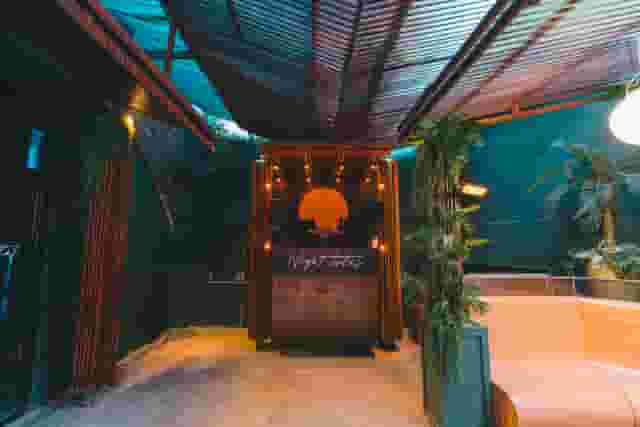
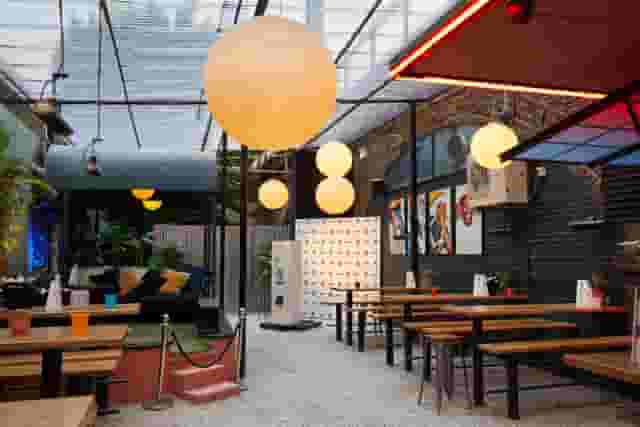
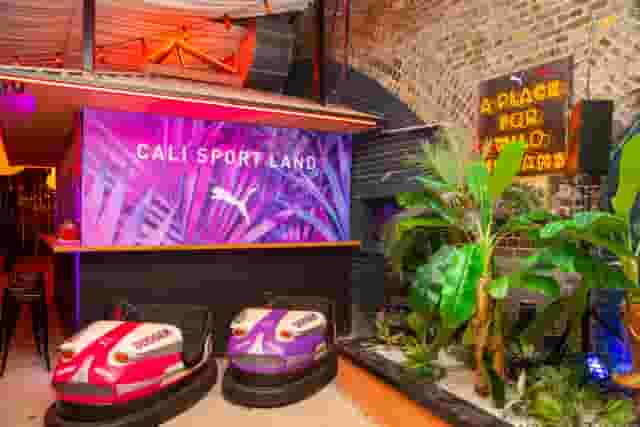
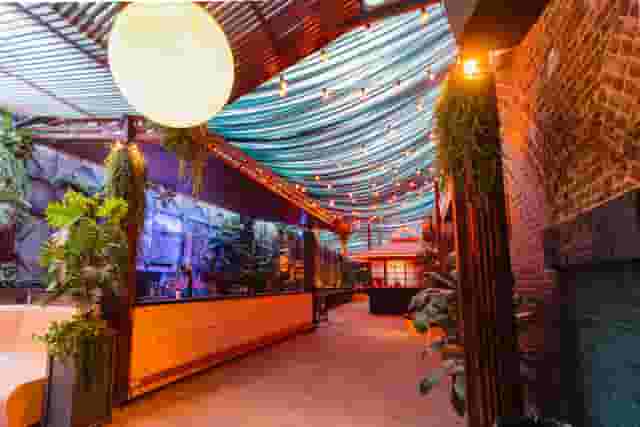





























































































No venues match these filters
Try widening your capacity, luxury level or event type.
Don't have time to search? We'll find it for you.
For business events that need human judgement, talk to our team. Free for events of 100+ people, budgets over £10k or ongoing programmes.




Explore more venues in North East London

Frequently asked questions
What's key when selecting NE London venues?
What makes a pub ideal for Christmas parties?
'Historic vs Modern': Which suits Xmas best?
Are NE London venues tech-ready for events?
How do I choose between event spaces?
Other platforms search their database. We search everything.
Tell us what you need. Our deep research finds any venue, whether it's in our marketplace or not. No one else does this.
About Christmas Parties in North East London
Matching the space to the flow of the evening
A company festive celebration that combines a welcome drinks reception, dinner and a dancefloor needs deliberate spatial planning. When an event stumbles, the cause is rarely the quality of the food or the playlist. It is almost always friction between the stages of the night. If guests finish their meal and have to wait awkwardly while tables are cleared to make room for the DJ, energy drops quickly.
The most successful format separates the evening into three clear zones, or uses a room wide enough to allow a natural progression without disruptive room flips:
- The arrival and reception zone: A dedicated bar area or foyer where coat check is immediate, welcome drinks are served within steps of the entrance and guests can talk without competing against the sound check.
- The dining setup: Long banqueting tables or rounds positioned away from the cold draft of the main entrance, arranged with sufficient space between rows so service staff move quickly with hot plates or sharing platters.
- The late-night floor: A defined space near the bar and the DJ booth that feels inviting even before the dancing starts, avoiding the vast, empty look of a vacant hall while dinner is underway.
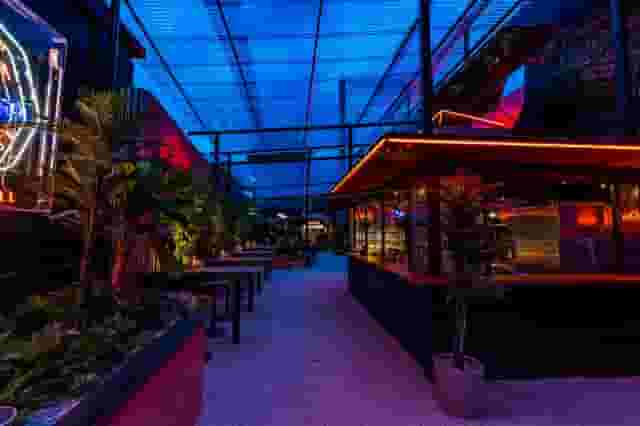
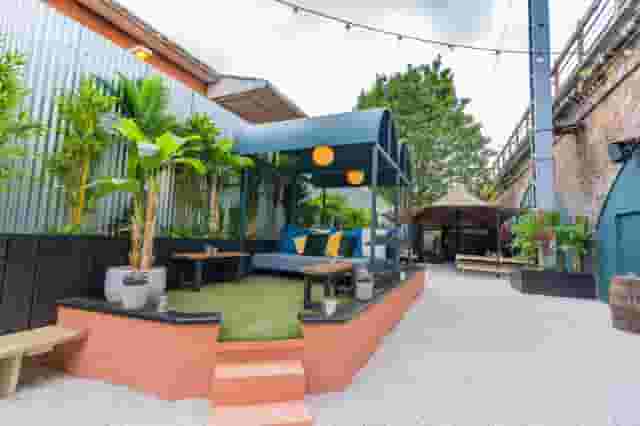
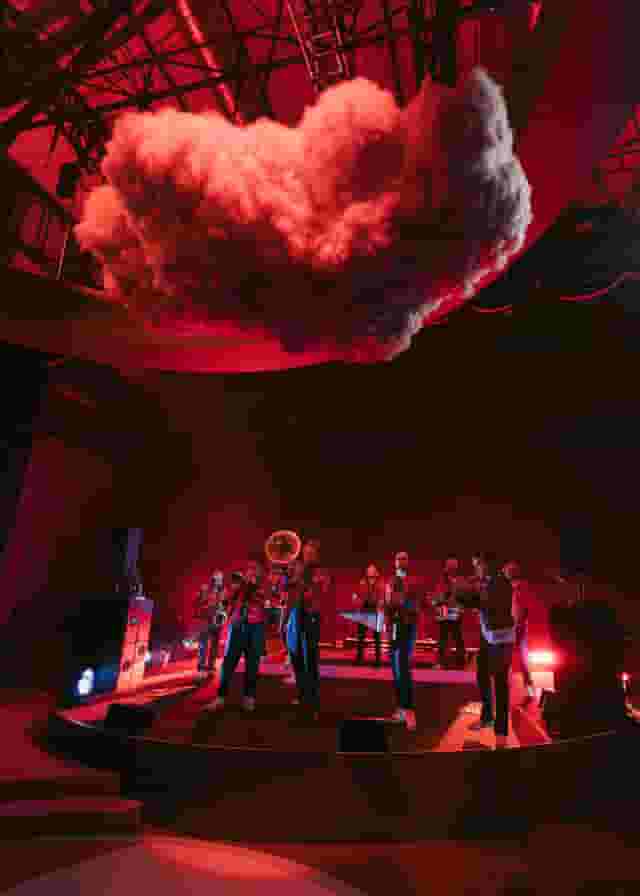
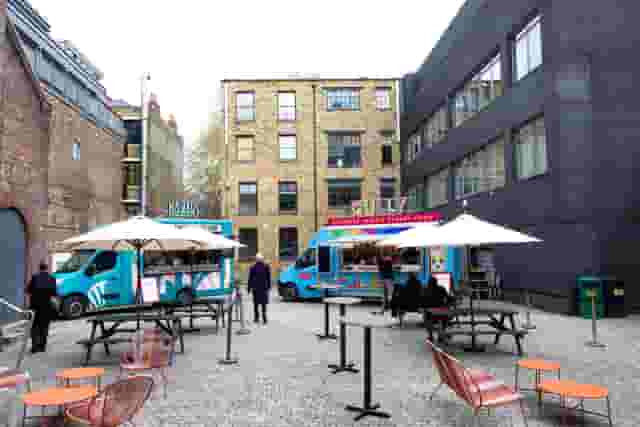
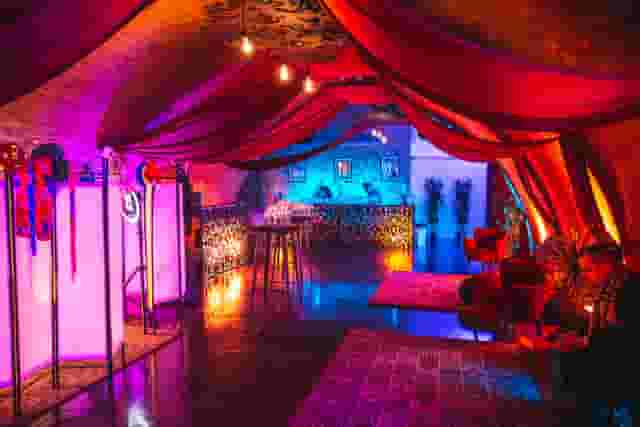
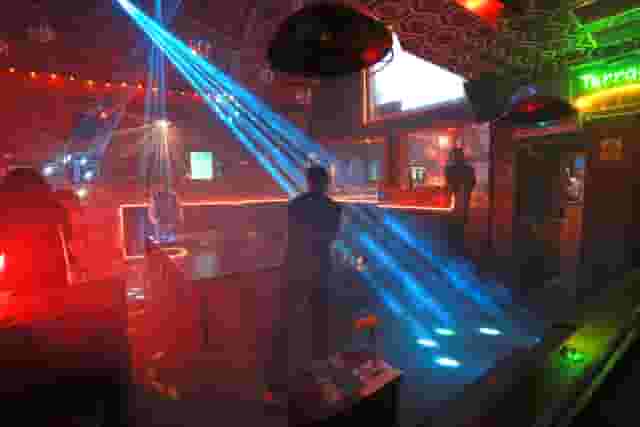
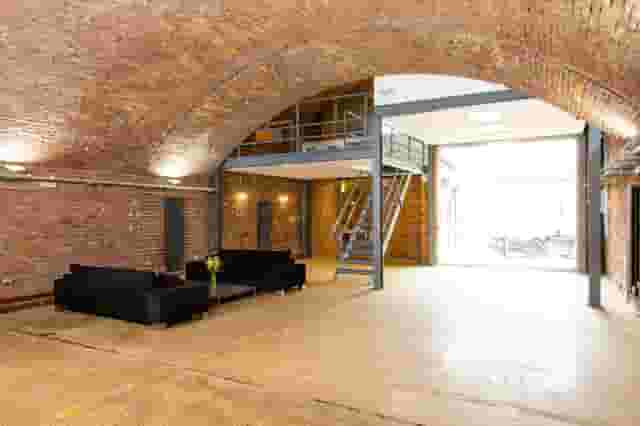
Venues with split levels or interconnected rooms handle this transition naturally. At NT's Loft in London Fields, which accommodates up to 350 people standing, the all-weather terrace gives people an airy place to hold a drink during the early part of the evening before the party pulls inwards around the DJ booth. For smaller company teams of around 50 or 60, a compact open-plan room like The Hackney works well because its 60-capacity standing footprint keeps the group gathered together, meaning you never lose the atmosphere when food service finishes and the music steps up.
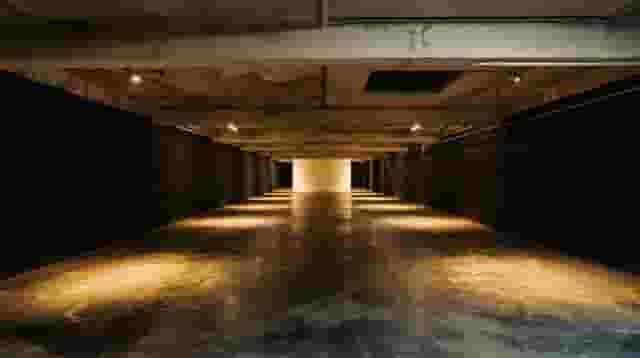
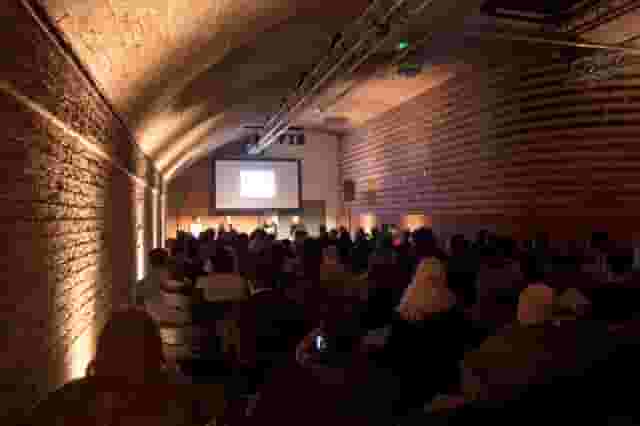
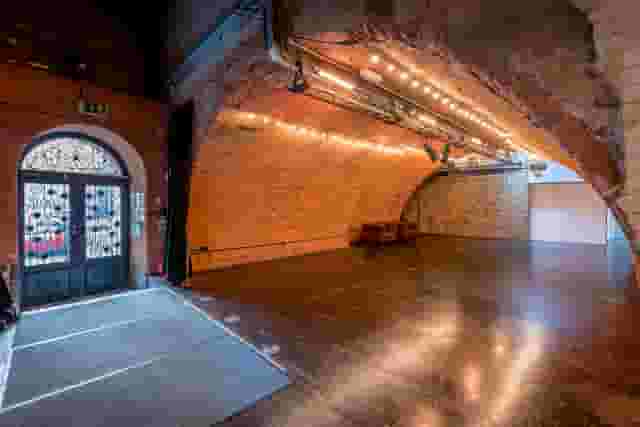
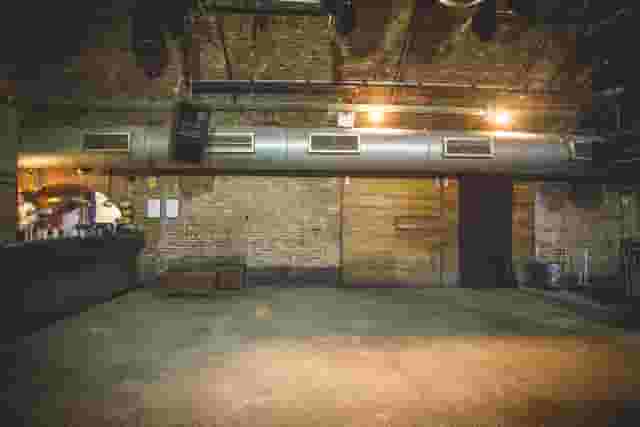
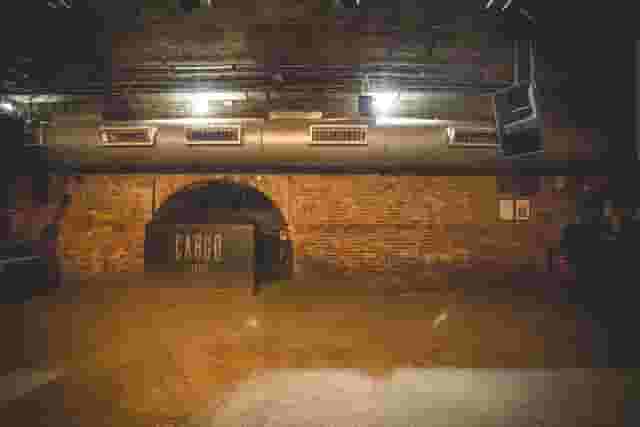
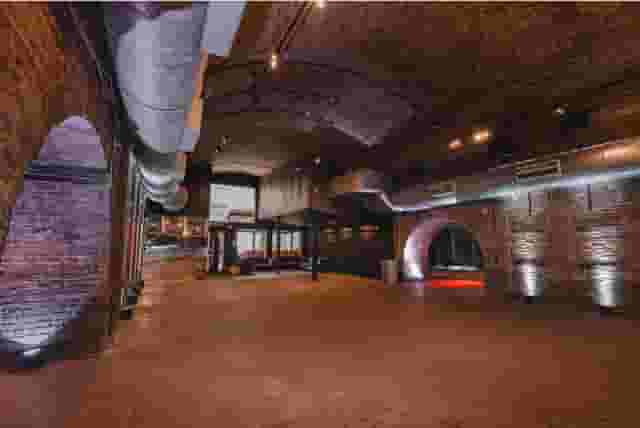
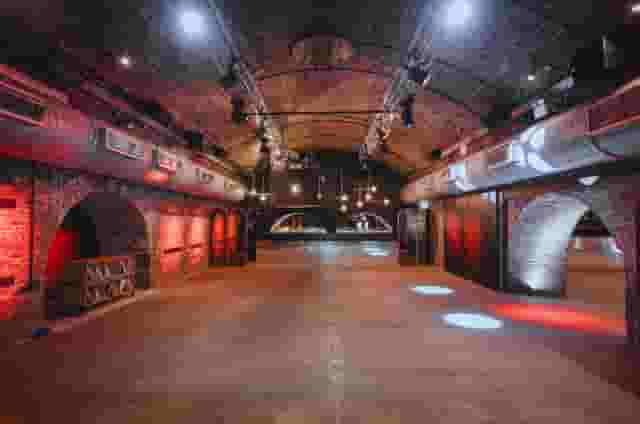
For headcounts in the hundreds, having separate architectural pockets is essential. Village Underground in Shoreditch provides 700 standing capacity under its converted railway arches, giving you enough floor space to establish a distinct dining run alongside a dedicated staging area for entertainment. If you are starting your timeline from scratch, check our guide on planning a Christmas party for advice on pacing out drinks service and coordinating dinner speeches before the party takes over.
Choosing between industrial conversions, music venues and dining spaces
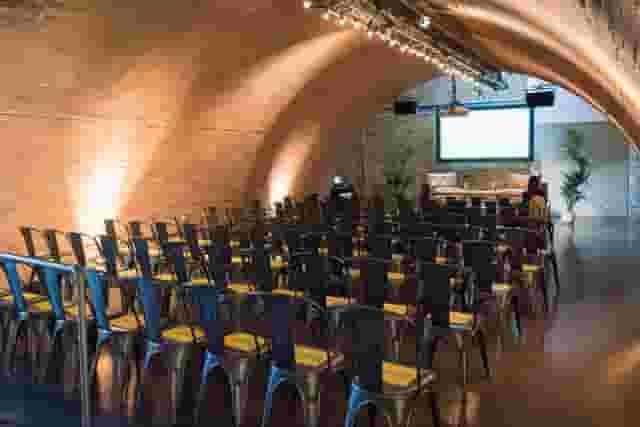
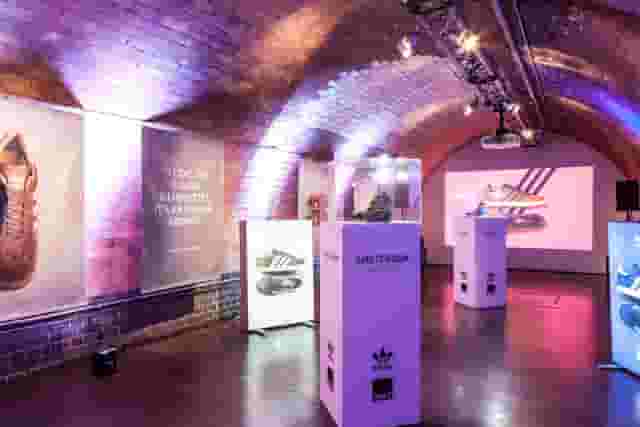
North East London holds some of the most characterful commercial event spaces in the capital, running from Victorian warehouses in Shoreditch to former factory sites in Hackney Wick. The aesthetic appeals to teams who want to avoid the bland neutrality of central hotel banquet rooms, but each building category introduces different operational realities.
| Venue type | Pros | Cons |
|---|---|---|
| Industrial arch / warehouse | Flexible floor plans, high ceilings, atmospheric brickwork | Often dry hire, requires hired kitchens, strict rigging limits |
| Live music venue | Built-in sound systems, acoustic treatment, late alcohol licences | Fixed stage positions, darker lighting, limited seated dining furniture |
| Private restaurant / dining room | Commercial kitchens on-site, dedicated service staff, high-end seating | Limited dancefloor space, early noise curfews, restrictive DJ policies |
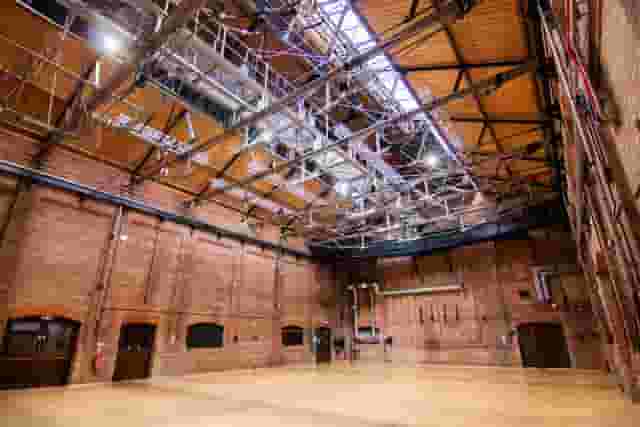
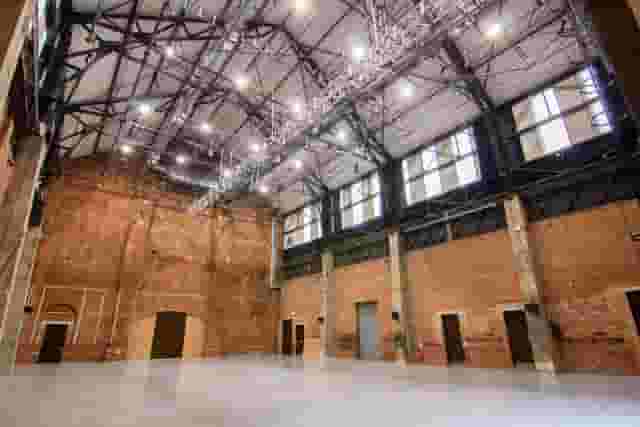
Industrial conversions and heritage spaces bring instant warmth with exposed brick, steel beams and high ceilings, but they often operate on a dry-hire basis. That gives you total control over caterers and bar suppliers, yet it also means you are responsible for hiring back-of-house equipment, waste disposal and furniture.
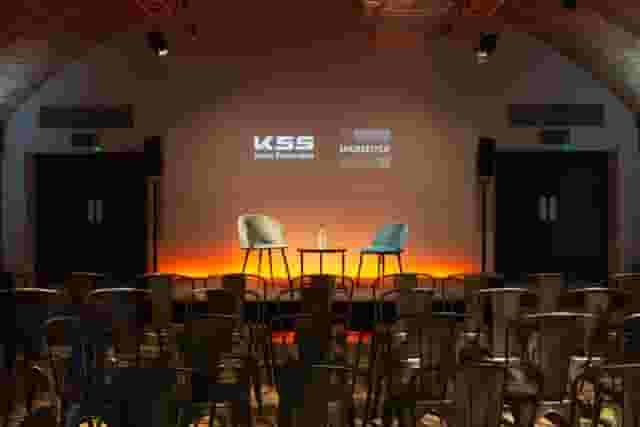
Dedicated music venues, by contrast, solve almost every entertainment challenge straight away. Colours Hoxton holds 300 standing in its live room and already features a permanent stage, calibrated house sound system and lighting rig. That removes the expense of bringing in external AV production companies, though you will need to plan food that works in a music-first setting, such as street food bowls or pass-around sliders, rather than formal four-course dining.
If your priority is a polished seated meal followed by dancing, look for properties that combine commercial kitchens with open floor plans. The Trampery Old Street offers a dedicated ballroom that holds 200 standing, providing a clear footprint for dining alongside built-in AV infrastructure. Further east, canalside spots like No90 Hackney Wick, which accommodates 180 for dining across its bar and terrace, deliver high-volume kitchen capability alongside a strong bar presence.
When evaluating historic brick properties against modern spaces, weigh visual charm against production friction. Historic buildings frequently impose restrictions on open flames, wall fixings and sound vibration to protect their structure. Modern builds may require more creative lighting to feel warm, but they offer level load-in access, high-capacity three-phase power and compliant accessible facilities as standard. If you want to compare spaces across both styles, Hire Space is a venue sourcing platform backed by a team of real people who own the outcome. Its Deep Venue Research tool searches any venue across the area rather than a limited directory, pulling together viable shortlists in minutes rather than days.
Getting the sound and staging right for a DJ
Never assume a venue is ready for a professional DJ simply because it hosts evening receptions. Many dining spaces and restored buildings feature strict environmental health restrictions, particularly in densely populated postcodes across Shoreditch, Islington and Hackney.
Before booking, clarify these technical factors with the venue manager:
- Sound limiters and decibel caps: Many converted properties have electronic sound limiters wired into the mains power. If the DJ exceeds a preset decibel limit (often between 85dB and 95dB in mixed-use neighbourhoods), the power cuts out automatically. Ask where the microphone sensor sits and whether bass frequencies are capped independently.
- Power distribution: A professional sound setup, subwoofer and lighting rig cannot run off a single domestic ring main. Confirm whether the DJ area has access to independent 13-amp or 16-amp power lines that will not trip when catering ovens or glass-washers fire up.
- Acoustics and reverberation: Industrial rooms with polished concrete floors, unclad brick walls and high metal ceilings look impressive, but hard surfaces bounce sound around the room. Without acoustic draping or directional speakers, speech clarity suffers during toasts and bass frequencies turn to mud.
- Load-in access and storage: Check whether equipment must be carried up flights of stairs or through public areas. In East London, narrow doorways and lack of loading bays can add hours to production schedules.
| Venue type | Audio infrastructure | Sound limitations | Ideal food and drink format |
|---|---|---|---|
| Warehouse conversions | Typically dry; external PA, monitors and rigging required | Variable; depends on proximity to residential flats | Street food stations, bowl food, standing canapes |
| Dedicated music spaces | Built-in concert PA, calibrated monitors, sound engineer on-site | Generous late-night thresholds; designed for live music | Finger food, sharing platters, high-volume bar |
| Banqueting halls | Basic speech PA built-in; DJ production often brought in | Stricter decibel limits; mandatory sound curtains | Seated three-course banqueting, table wine service |
| Canalside and loft bars | Existing background sound system; DJ inputs available | Moderate limits; outdoor terraces close earlier than indoors | Casual dining, craft beer, seasonal cocktail receptions |
Large-scale music hubs simplify this coordination. EartH in Dalston holds up to 1200 guests standing in its Concert Hall, which features professional-grade AV infrastructure, heavy-duty stage rigging and acoustic engineering designed specifically for amplified performance. At the upper end of capacity, London Stadium in Stratford can host 800 guests in a reception layout across the Great Briton and Academy suites, offering modern technical production, high ceilings and city views without the loading limitations of older buildings.
Budgeting and what quotes actually cover
Pricing for festive events in North East London varies based on whether a venue charges a dry-hire fee, an all-inclusive per-head package or an evening minimum spend.
Based on 13 quotes from the venues on this page, indicative pricing for a company Christmas party typically sits between £125 to £300 per head. This figure assumes a gathering of about 80 guests, drawn from data on what these venues have charged for similar events.
Where your brief falls within that £125 to £300 per head range depends heavily on how the venue structures its charges:
- Towards the £125 end: This pricing typically applies to standing drinks receptions with substantial bowl food or street food stations, held on off-peak dates such as late November or early December Mondays and Tuesdays. It often covers a welcome drink, half a bottle of wine per person and standard background sound systems.
- Towards the £300 end: This level usually reflects peak Thursday and Friday dates in mid-December. It typically incorporates exclusive venue hire, a seated three-course dinner, premium free-flowing drinks for four to five hours, dedicated security, cloakroom staff, upgraded lighting and late-licence DJ extensions.
To understand how to keep costs manageable across December dates, read our breakdown of festive event budgeting.
| Line item | Minimum spend structure | Dry hire structure | All-inclusive package |
|---|---|---|---|
| Room hire | Included if spend threshold is met | Fixed upfront fee (£3,000 to £10,000+) | Built into the per-head rate |
| Food and beverage | Counts directly towards spend target | Invoiced separately by external caterer | Fixed menu and agreed drinks allocation |
| Staffing and security | Usually included; check minimum ratios | Invoiced as separate hourly labour costs | Included for the duration of the package |
| AV and DJ gear | House system included; DJ brings decks | Fully hired and delivered externally | Basic PA included; DJ production extra |
| Cleaning and waste | Standard clean included | Post-event skip hire often charged extra | Fully covered in contracted price |
When comparing quotes, watch out for unlisted operational costs. Check whether the quoted price includes VAT, service charges (often 12.5% to 15%), mandatory door security ratios (typically two guards for the first 100 guests and one per 100 thereafter) and cloakroom staffing. If you choose dry hire, verify whether the venue charges a kitchen buy-out fee or an external caterer commission, which can add between 10% and 20% to your catering invoice.
Always confirm deposit structures and cancellation terms in writing. Most venues ask for a 50% deposit on contract signing, with the remaining balance and guaranteed guest numbers due 30 days before the event date. Hire Space 360 is enterprise venue and hotel procurement for companies spending £1m or more a year on meetings and events: a managed meetings and events programme, the kind procurement teams call strategic meetings management. For organisations managing festive events across multiple teams, it places every venue on a single master agreement, keeping bookings aligned with your company event policy while replacing multiple venue deposits with consolidated invoicing and clear spend reporting.
Managing curfews, licensing and end-of-night transport
A great party falls flat if the bar shuts unexpectedly early or guests struggle to get home. Licences vary sharply between boroughs. In Hackney, late-night restrictions around Shoreditch and Dalston mean many non-club venues face an alcohol and music curfew of 23:00 or midnight on weeknights, extending to 01:00 or 02:00 on Fridays and Saturdays only if the venue holds a time-limited Temporary Event Notice (TEN).
Check the licensing constraints before committing:
- Bar closing vs music curfew: Most venues call last orders 30 minutes before the entertainment licence ends, with 30 minutes of drinking-up time. Clarify the exact hour music must stop.
- Terrace closures: Outdoor courtyards, rooftops and smoking areas almost always close earlier than the indoor event rooms, often between 21:00 and 22:00, to minimise disturbance to neighbouring residents.
- Dispersal policies: Borough licensing officers often require venues to employ SIA-accredited security to manage guest dispersal, ensuring attendees leave quietly toward public transit hubs.
Transport links are a strong reason to choose North East London, but plan for December travel patterns. Rail networks like the London Overground (serving Shoreditch High Street, Dalston Junction and Hackney Wick) connect easily to Highbury & Islington, Whitechapel and Stratford. Old Street and Moorgate provide Northern line and national rail connections, while Stratford offers Elizabeth line, Central line, Jubilee line and DLR access.
When your event finishes past midnight, the Night Tube on the Central and Northern lines or the 24-hour Overground on Fridays and Saturdays becomes essential. Provide your team with clear transport advice ahead of time, including designated taxi drop-off and collection points, as narrow East London side streets are frequently blocked by private hire vehicles during peak festive weekends. Informing your guests about tube stations and night bus routes ensures the night finishes as smoothly as it started.
What our customers say
Inspiration and planning guides
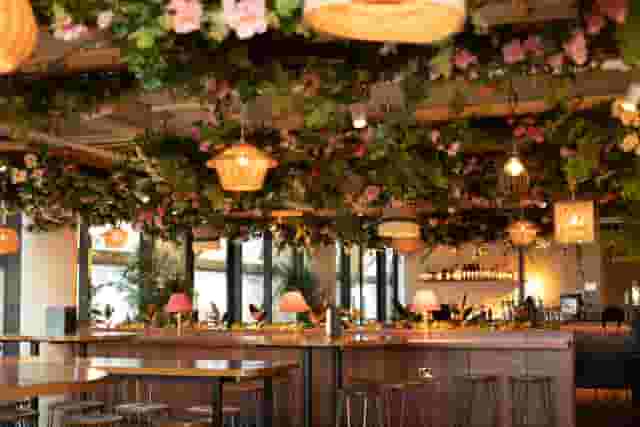
7 Venues to Transform Your Office Party into a Festive Fiesta!
Make this year's office Christmas party one to remember with these 7 unique venues in London. From sleek rooftop bars to immersive wonderlands, there's something for every team.

Unique Venue of the Month: Banqueting House
On a blustery winter's day in January 1649, the deposed King Charles I was beheaded by the victorious rebels of the Civil War. And the bloody execution took place just outside of our Unique Venue of the Month. Not many venues can claim to be of such historical significance, but Banqueting House [https://hirespace.com/Spaces/London/42821/Banqueting-House/Main-Hall/Weddings] – the only remaining part of the Palace of Whitehall, where English monarchs used to reside – played a major part in Briti

Review: La Belle Assiette
Dining is often the centrepiece of an event, whether served in sit-down, buffet or casual-canapé style. Especially today – when being a “foodie” is a common and trendy trait, and when culinary TV shows are among the most popular – parties of all kinds are putting a renewed significance in the edible aspects. After securing a venue, therefore, all eyes are naturally turned to the plate. Indeed, La Belle Assiette [https://labelleassiette.co.uk/] translates literally as The Beautiful Plate, and
One supplier. Every venue. Full visibility on what you spend.
Multiple venues and events. One agreement.