Outdoor Wedding Venues in London
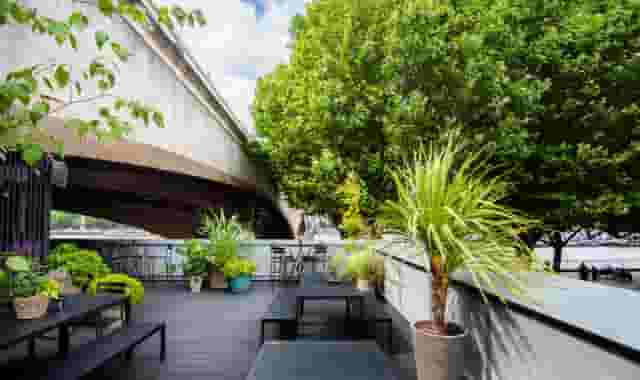
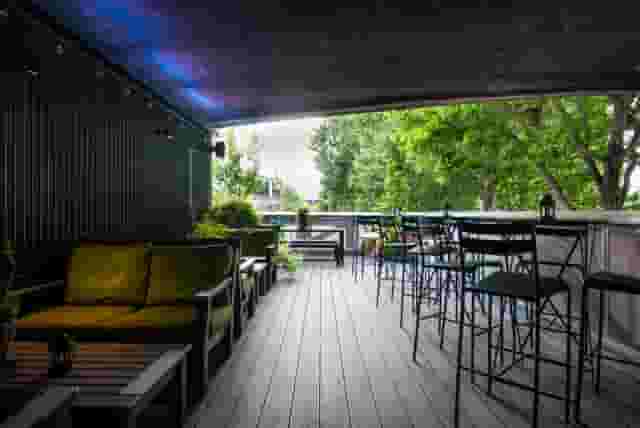
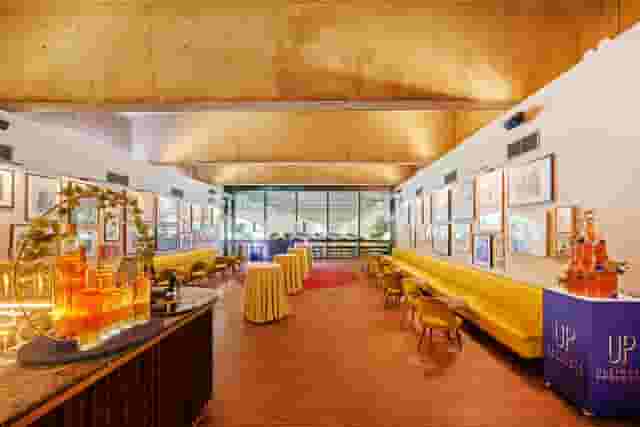
Explore outdoor wedding venues across London with transparent pricing estimates and spaces for your ceremony, seated dinner and evening reception.
570 Outdoor Wedding in venues in London






















































































































































































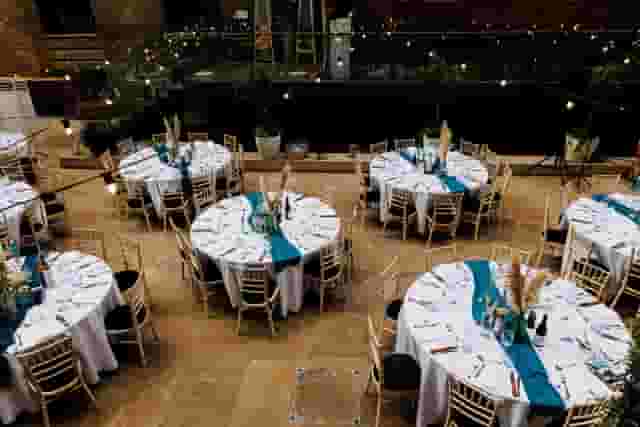
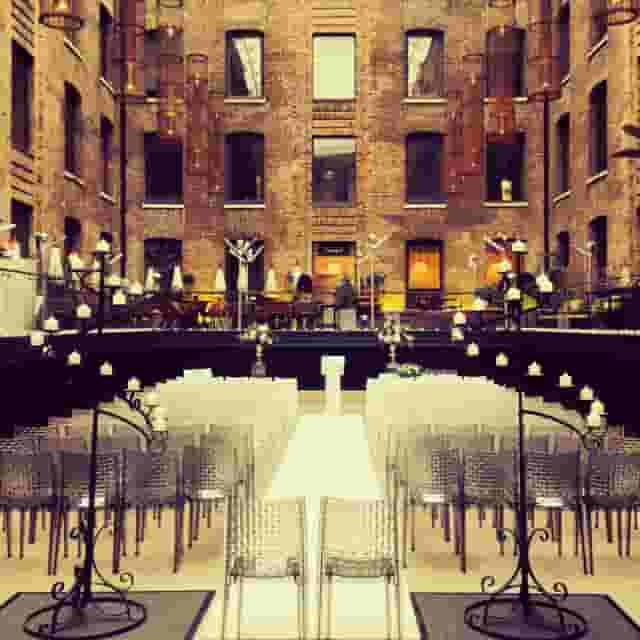

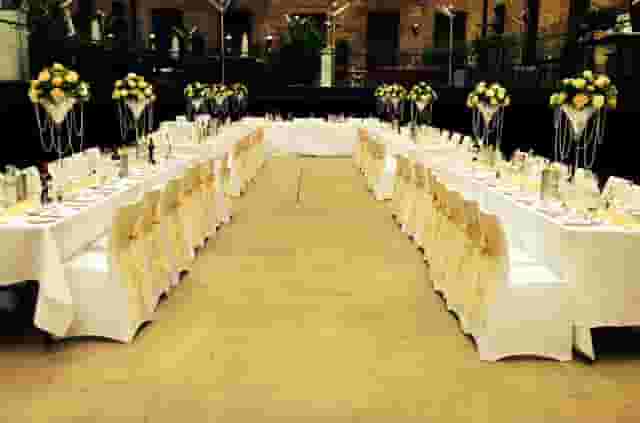

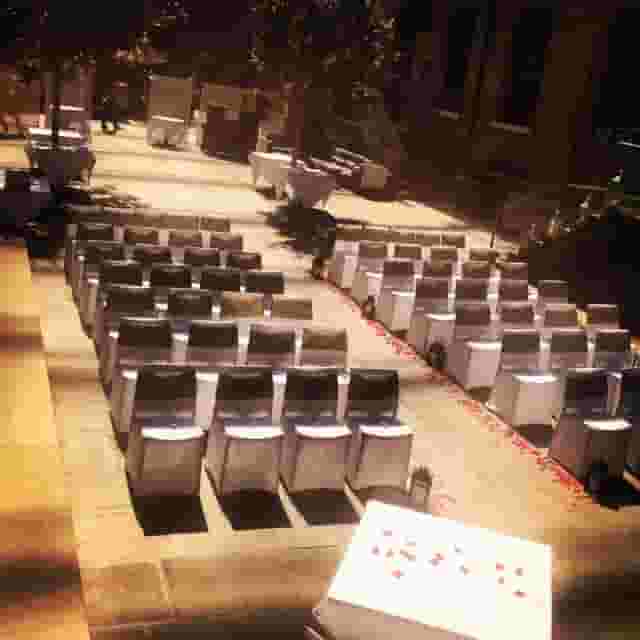










































































No venues match these filters
Try widening your capacity, luxury level or event type.
Don't have time to search? We'll find it for you.
For business events that need human judgement, talk to our team. Free for events of 100+ people, budgets over £10k or ongoing programmes.




Explore more venues in London














Frequently asked questions
Are rooftop venues suitable for weddings?
What should I consider for London outdoor weddings?
What tech should I expect at outdoor venues?
How do I secure privacy at outdoor venues?
How to plan for London's unpredictable weather?
Other platforms search their database. We search everything.
Tell us what you need. Our deep research finds any venue, whether it's in our marketplace or not. No one else does this.
About Outdoor Wedding in London
Structuring an outdoor wedding day in London
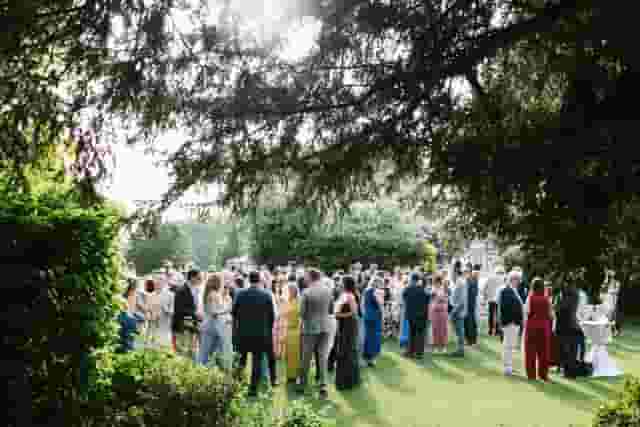
Planning an outdoor wedding in London involves balancing open-air ambition with city logistics. Most outdoor celebrations follow a proven three-part flow: an afternoon drinks reception on a lawn or terrace, a seated dinner, then music and dancing late into the evening. Because London weather changes rapidly, the movement between indoor and outdoor areas needs as much thought as the decor.
Guest circulation dictates how comfortable people feel across eight to ten hours. When guests arrive, they need an immediate sense of where to drop bags, grab a drink and find shade or shelter. Grass lawns work well for summer drinks receptions, but you must consider high heels and accessibility. Flagstone courtyards, paved terraces and boarded lawns keep walkways stable, particularly if afternoon rain softens the ground.
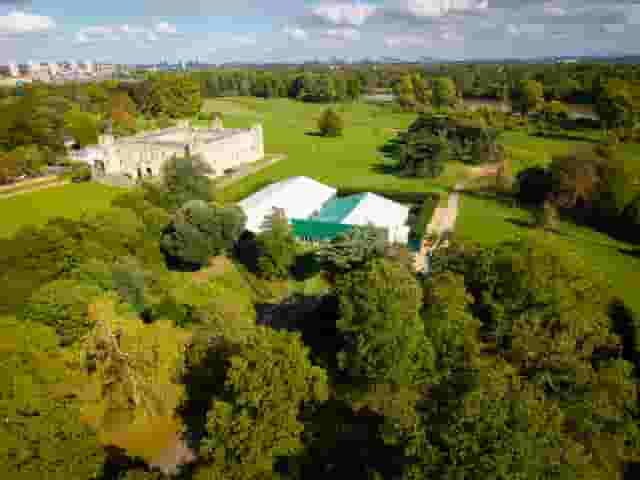
Moving your guests from canapes to dinner takes longer in open spaces than within a single banquet room. People wander into garden corners, linger near the bar or pause for photographs. Allow a clear 20 to 30 minutes in your timeline for this transition. If your seated meal takes place inside a dining room or marquee, ensure the entry points are wide enough to prevent bottlenecks. Chiswick House & Gardens offers 65 acres of grounds with an 18th-century villa accommodating 200 reception guests, which gives planners ample room to set distinct zones for canapes before ushering people inside for dinner.
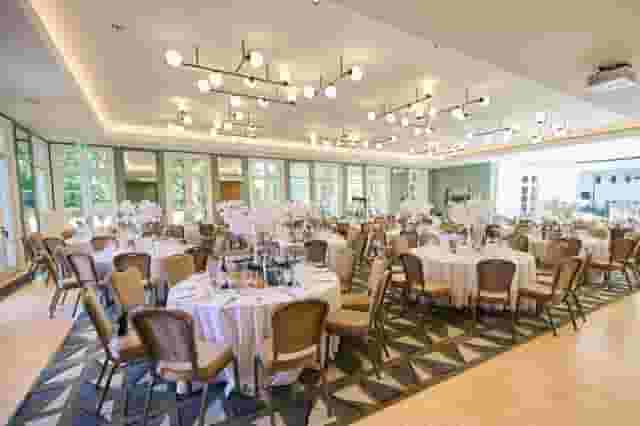
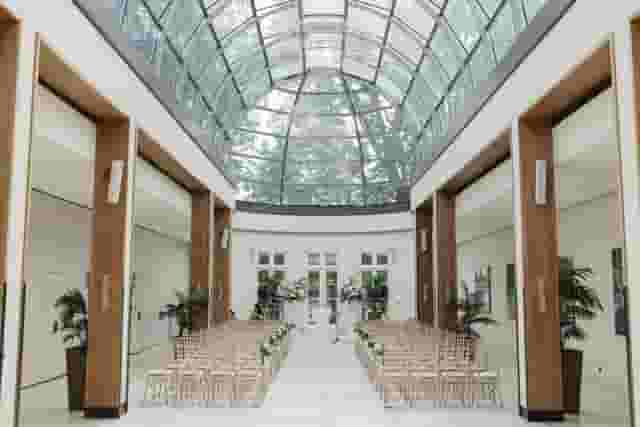
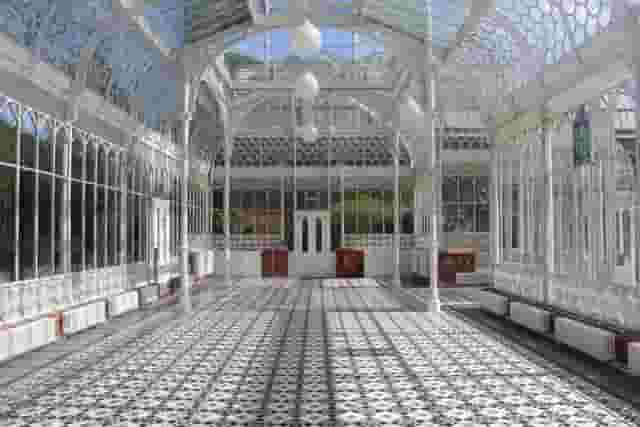
The evening party introduces sound and temperature changes. In London, nearly all outdoor music must wind down earlier than indoor entertainment due to local council environmental health rules. Moving your guests indoors for the band or DJ avoids noise complaints and keeps people warm once the sun dips. The Hurlingham Club in Fulham handles this flow naturally, using its Thames-side gardens for drinks before moving up to 850 guests into the glass-domed Palm Court and Broomhouse Suite for evening entertainment.
If you are researching locations across the capital, reading Hire Space's Ultimate Guide to Finding The Perfect Wedding Venue in London helps clarify the balance between central transport links and private grounds.
Navigating venue styles across the capital
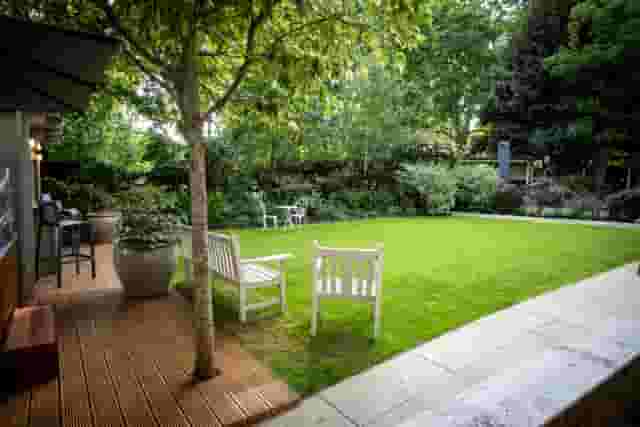
Outdoor spaces in London fall into three distinct camps: secluded historic gardens, rooftop terraces and dedicated parkland estates. Each category presents different operational advantages, licensing boundaries and wet-weather alternatives.
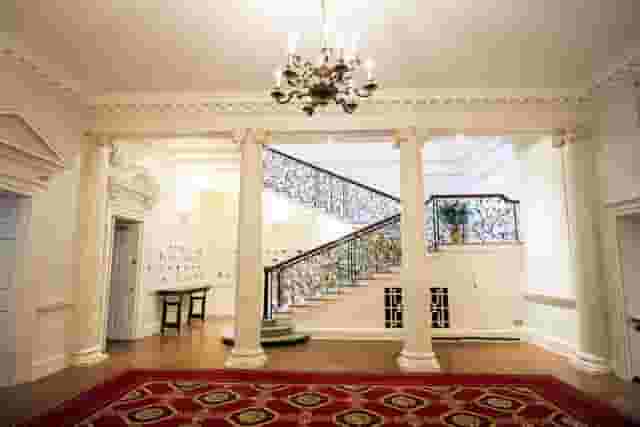
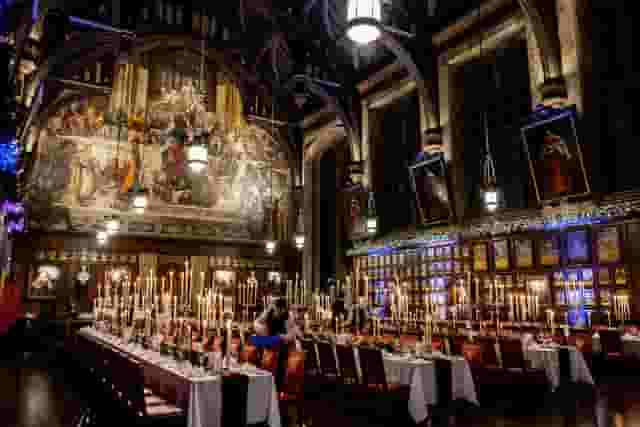
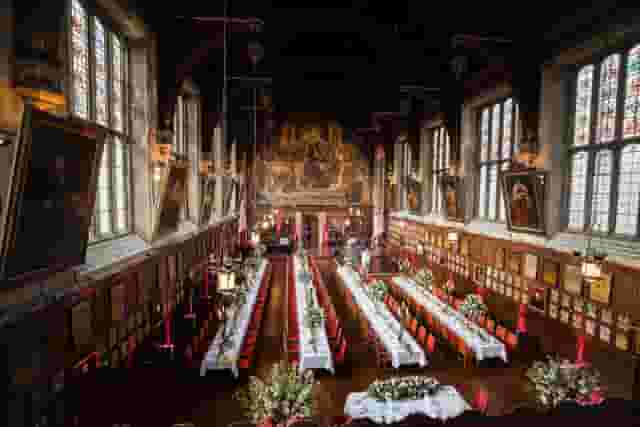
Historic city gardens and livery halls place your reception right in central London while keeping traffic noise behind stone walls. Venues like Stationers' Hall near St Paul's combine secluded outdoor garden space with flexible internal rooms accommodating 200 guests for dining. These enclosed courtyard settings trap afternoon heat and shield guests from city winds, though access for production vehicles can be tight through historic archways. Similarly, The Inner Temple offers grand Georgian interiors alongside private gardens, holding 400 reception guests in an area protected from public thoroughfares.
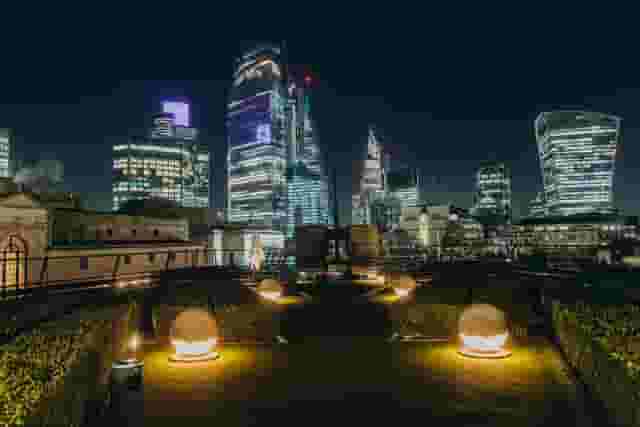
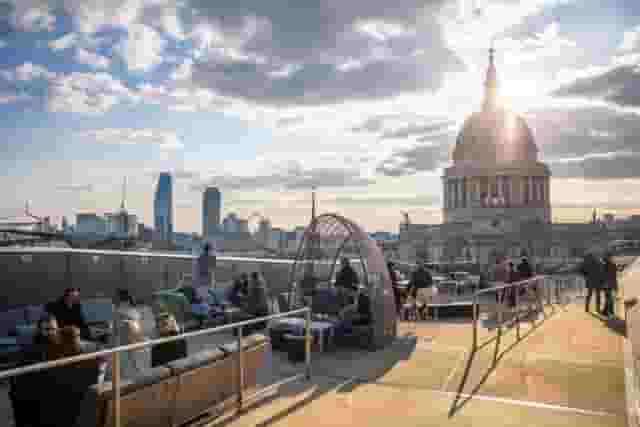
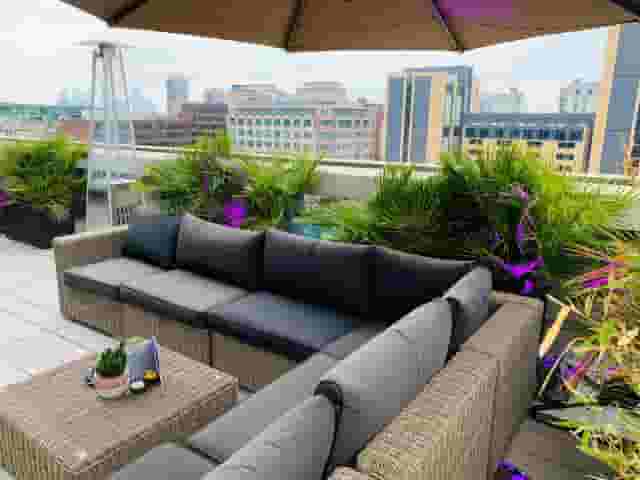
Rooftop terraces provide open-air skyline views but require tighter crowd management. At Coq d'Argent in Bank, a terrace garden holds 300 guests for receptions surrounded by City architecture. Rooftops demand careful scrutiny of lift capacities, service access and exposure to high wind. Canopies that work in a walled garden may act like sails eight storeys up, so rooftop styling leans on fixed structures and sheltered pergolas.
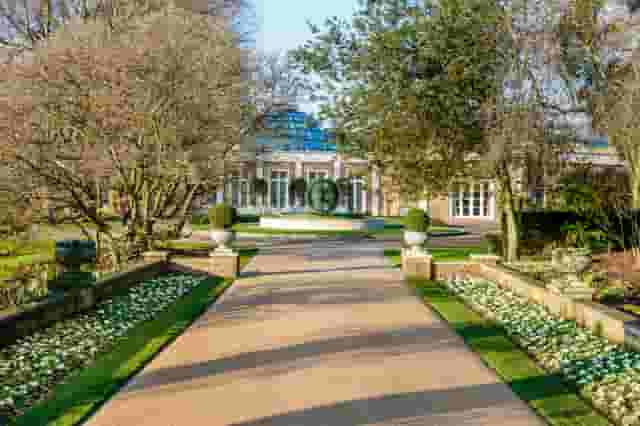
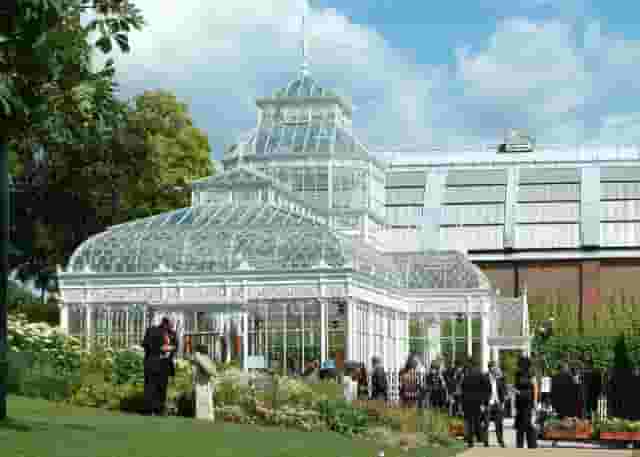
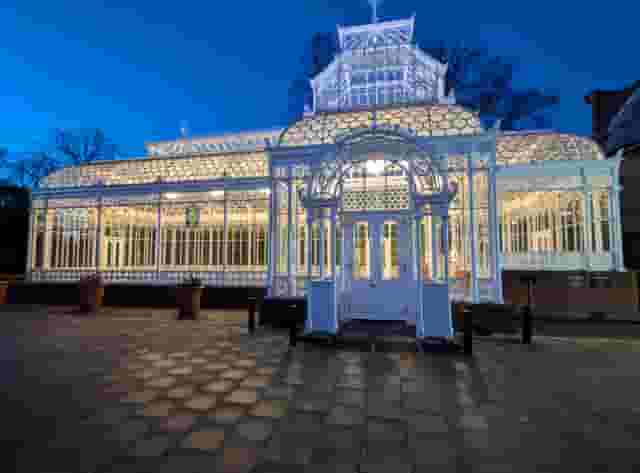
Large open parklands and estate lawns suit weddings with bigger guest lists or complex marquee builds. The five-acre grounds at The HAC (Honourable Artillery Company) provide outdoor reception capacity for up to 5000 guests right in Old Street, offering space for substantial temporary structures. West London options such as Gunnersbury Park offer a Regency house, classical Temple and a glass Orangery for up to 250 guests, allowing couples to stage photographs across park lawns before dining in a sheltered glass building. For a South London perspective, the Victorian conservatory at Horniman Museum and Gardens accommodates 120 guests for a buffet while looking out across landscaped gardens.
| Setting type | Main operational benefit | Primary planning consideration | Typical indoor fallback |
|---|---|---|---|
| Historic city garden | Central transport links and built-in wind shelter | Narrow loading access and tight council sound limits | Period hall or adjoining library |
| Rooftop terrace | Panoramic views and integrated commercial kitchens | High wind exposure and strict lift capacity limits | Internal restaurant or covered bar |
| Historic estate or park | Expansive acreage for marquees and large guest counts | Variable ground conditions and longer walking routes | Orangery, ballroom or permanent pavilion |
For more ideas on characterful spaces across town, take a look through London's 7 Most Beautiful Wedding Venues to see how heritage sites handle private events.
Budgeting and what outdoor wedding quotes cover
Budgeting for an outdoor wedding involves more line items than booking a standard hotel suite. The baseline figures across London give a clear starting point: pricing typically sits between £64 to £175 per head. This indicative range is based on 12 quotes from the venues on this page and assumes a guest count of about 100 guests, estimated from what these venues have charged for similar events. To help clarify those figures early on, venue booking platform Hire Space provides instant price estimates drawn from real booking data, showing what a setting is likely to cost before you enquire. Backed by a team of real people who help manage the outcome, they can suggest similar open-air spaces at a lower price if a particular venue exceeds your target, while celebrations with a venue spend above £15,000 receive a complimentary event concierge to assist with securing the booking.
What that per-head figure actually covers varies substantially based on the hire model:
Dry hire against package rates
A dry hire venue provides the space, basic utilities and little else. You secure the grounds for a set window, but you must bring in caterers, furniture, bars, mobile refrigeration and waste disposal. While dry hire gives you complete culinary freedom, production expenses accumulate quickly. Bringing commercial catering into a garden often requires building a temporary field kitchen complete with non-slip flooring, handwash stations and dedicated power supplies.
All-inclusive package venues incorporate food, drinks, service staff, tables, chairs and core tableware into a unified per-head fee. Venues with permanent on-site catering teams usually work out cheaper overall than converting an empty lawn into an operational restaurant for one evening.
Marquees and temporary shelter
Never assume a lawn hire fee includes a marquee. A clearspan marquee for 100 guests with hard flooring, carpet, lighting, heating and basic linings will add thousands of pounds to your supplier total. If your chosen venue lacks a permanent indoor dining space, confirm whether they have a preferred marquee contractor and whether the lawn requires structural sub-flooring to protect heritage turf.
Power distribution and lighting
Outdoor spaces swallow light rapidly once night falls. Uplighting paths, illuminating external toilets and lighting catering tents requires heavy-duty distribution boards and armoured cabling. If your venue cannot supply clean 63-amp or 32-amp power directly to the garden, you will need a silent generator. Ask whether fuel costs, backup units and certified on-site technicians are included in production estimates.
Staffing, security and waste management
Because outdoor weddings span larger footprints, staffing ratios must increase. You need extra team members to clear glassware from garden tables, direct guests between zones and restock ice across distant service points. Councils also frequently condition outdoor evening licences on the presence of registered security staff to monitor perimeter fences and ensure guests disperse quietly. Ensure cleanup and rubbish collection are accounted for, as London venues heavily penalise clients who leave waste on public or conservation parkland.
Weatherproofing, licences and the practical realities
Every successful outdoor wedding in London is underpinned by an airtight wet-weather backup plan. Summer downpours, strong gusts and unseasonable chill occur regularly, and relying on a last-minute forecast three days out will cause chaos. Your contract must define an indoor alternative for both the seated meal and evening dancing from the moment you sign.
Managing wet-weather decisions
Agree in writing on who makes the call to switch to the wet-weather plan, and set a hard deadline for that decision. Changing table layouts, relaying linen and shifting audio equipment takes several hours. A sensible cutoff is 24 hours before the event, or at latest 8am on the morning of the wedding. Once that switch is made, stick to it. Trying to move 100 guests and laden dining tables back onto damp grass because the clouds broke at 2pm leads to stressed staff and delayed food.
Wind, flooring and heating
Rain is not the only weather hazard; wind presents a serious disruption outdoors. Tall table centres, lightweight signs, gazebos and outdoor glassware blow over easily in sudden gusts. If you are erecting temporary shade or rain canopies, check their certified wind tolerances with your hire supplier.
Ground conditions also dictate comfort. If guests are walking on grass, consider hiring interlocking polypropylene event matting or timber walkways to protect footwear. For late-spring or autumn evenings, outdoor heating is essential. Gas patio heaters work well on open terraces, whereas enclosed temporary structures require ducted warm-air blowers positioned outside the perimeter to keep noise out of the dining space.
Sound limits and council curfews
Licensing is where many outdoor wedding plans encounter friction. Central London boroughs enforce strict sound limits to protect neighbouring residents. Outside music often faces an early curfew, typically between 9pm and 10pm, after which all amplification must move indoors.
Venues with sensitive residential neighbours frequently install in-house decibel limiters plugged directly into the sound system. If your band or DJ exceeds the agreed sound ceiling, the power cuts out automatically. Ask venues to state their sound limits in decibels and clarify whether live drums and brass sections are permitted outside, or if outdoor music is restricted to acoustic sets and low-level background playlists.
Civil ceremony approvals
If you intend to hold your legal wedding ceremony outdoors, confirm that the specific garden area, temple or gazebo is approved by the local authority registrars for civil marriages. English law requires civil weddings to take place within an approved permanent structure or on the registered grounds of an approved venue. Always contact the local borough registry office early to ensure registrars are available to travel to your chosen site at your preferred time.
Questions to ask before paying a deposit
Before signing a venue contract or transferring your holding deposit, walk through these logistical questions with the venue coordinator:
- Exclusivity and public boundaries. Does your hire fee guarantee exclusive use of the entire garden, or will members of the public, club members or museum visitors share lines of sight and pathways during your drinks reception?
- Setup and breakdown windows. How many hours prior to guest arrival do your florists, caterers and production teams have for loading in? An outdoor setup often takes twice as long as an indoor one. Can suppliers collect heavy production gear the following morning, or must everything be cleared off the lawn by midnight?
- Toilets and sanitation. How far is the walk from the lawn to the indoor facilities, and are those routes well lit and step-free? If portable luxury trailer toilets are required outside, where do they tap into water and power, and how are waste tanks positioned out of guest sight lines?
- Kitchen access. Where will the catering brigade prep, cook and plate? If there is no on-site commercial kitchen, is there a designated hardstanding area with running water, drainage and power where caterers can park a mobile kitchen van or erect a preparation marquee?
- Corkage and supplier lists. Are you tied to a rigid panel of approved suppliers, or can you bring your own team? If you bring in external catering or wine, what are the kitchen buy-out fees and corkage charges per bottle?
- Damage bonds. What deposit is held against lawn repairs, turf damage or broken outdoor paving, and how soon after the event is that bond returned? Heavy catering trollies and marquee pegs can scar grass, so understanding liability up front prevents surprises.
What our customers say
Inspiration and planning guides

3 Affordable Wedding Venues In London
Planning a wedding in London can be as dreamy as it is daunting, especially when trying to keep costs reasonable without compromising on the venue. Fortunately, London boasts an array of stunning yet affordable wedding venues that cater to every taste and budget. So let's dive in!

Venue Review: Theatre Royal Drury Lane
Theatre Royal Drury Lane [https://hirespace.com/Spaces/London/11681/Theatre-Royal-Drury-Lane/Grand-Saloon/Weddings] is a phoenix. Amazingly, the first time it burned down was after the Great Fire Of London - it survived that fire. But six years later, it was burnt to a crisp. But it rose, rebuilt, only a few years later - only to be destroyed once again, in 1794. And in 1809, having been rebuilt again, it caught alight, and Theatre Royal [https://hirespace.com/Spaces/London/11681/Theatre-Royal

9 Glorious Glass Venues in London
London is a city that knows how to make an impression, and when it comes to hosting events, why settle for anything less than spectacular? Enter London’s glorious glass venues!
One supplier. Every venue. Full visibility on what you spend.
Multiple venues and events. One agreement.