Outdoor Terraces for Hire in City Of London
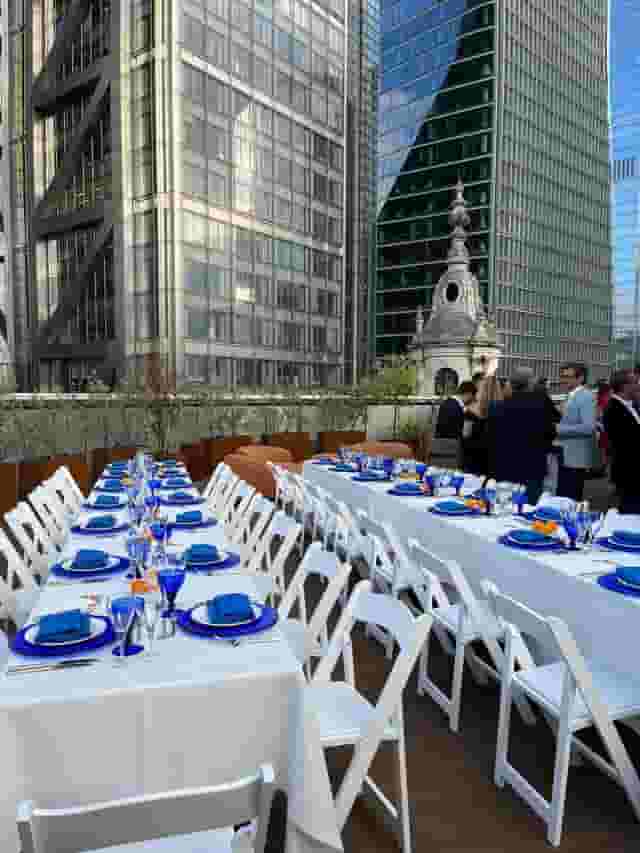
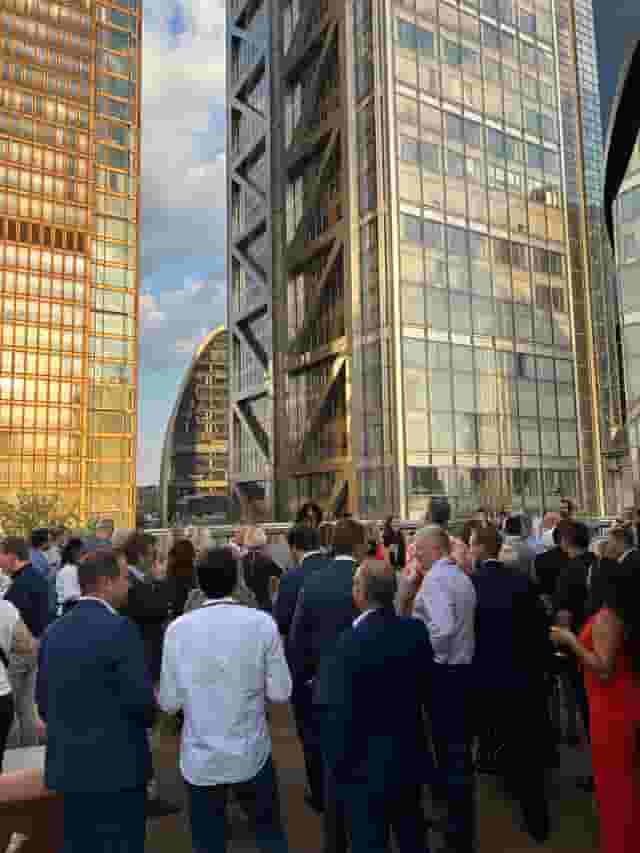
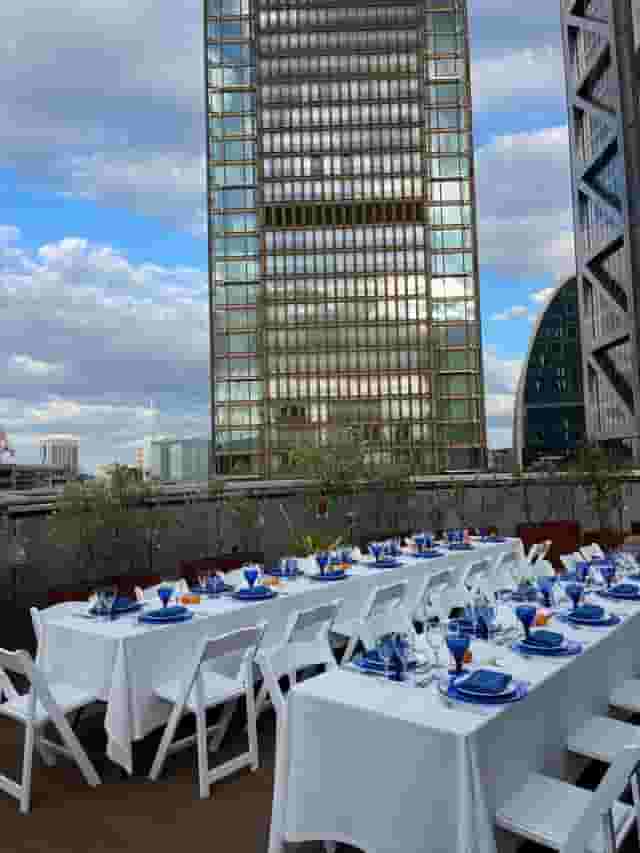
Compare private open-air terraces across the City with real pricing, skyline views and indoor backups for your next company reception.
183 Outdoor Terraces for Hire in City Of London


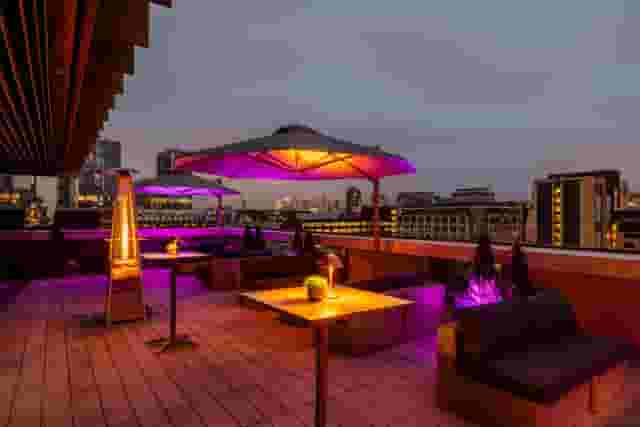
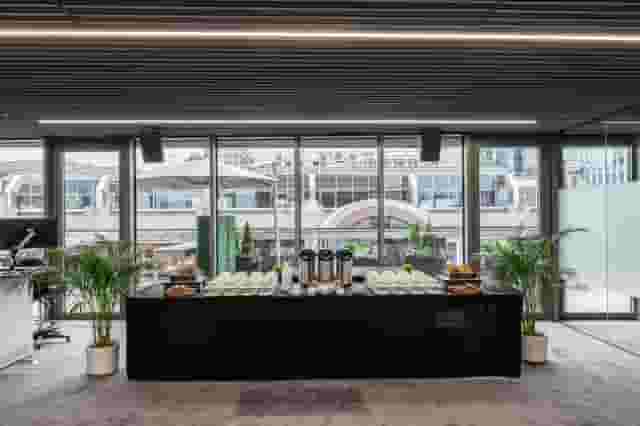
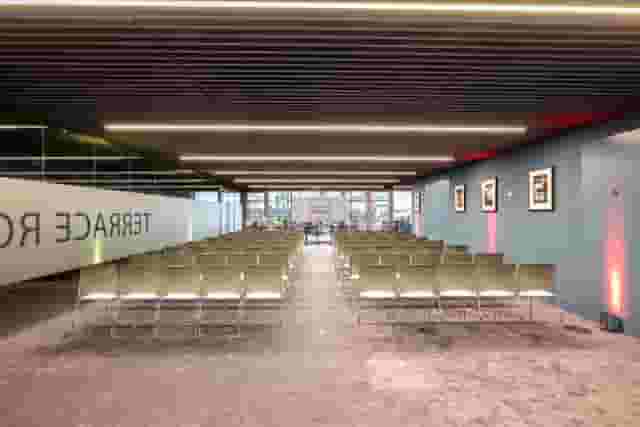
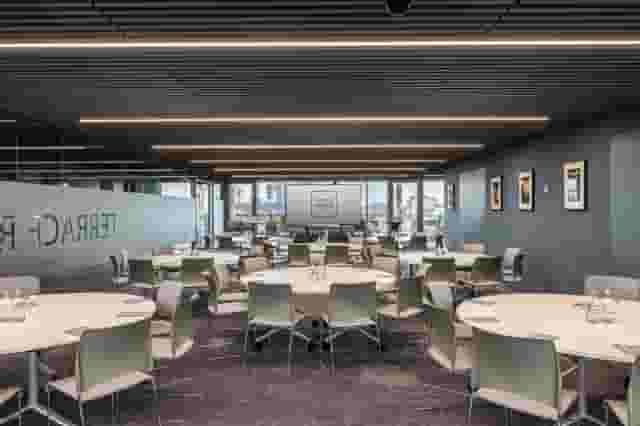








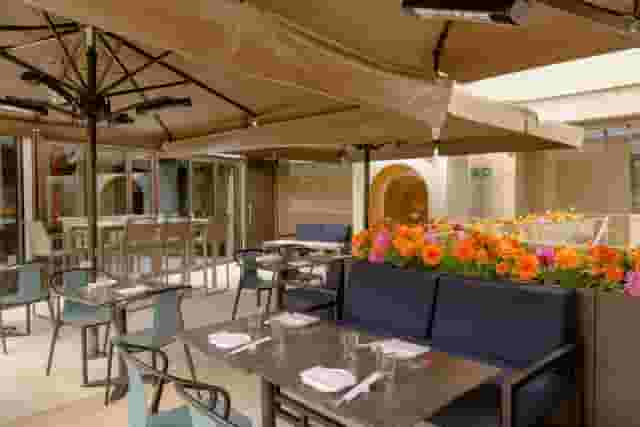
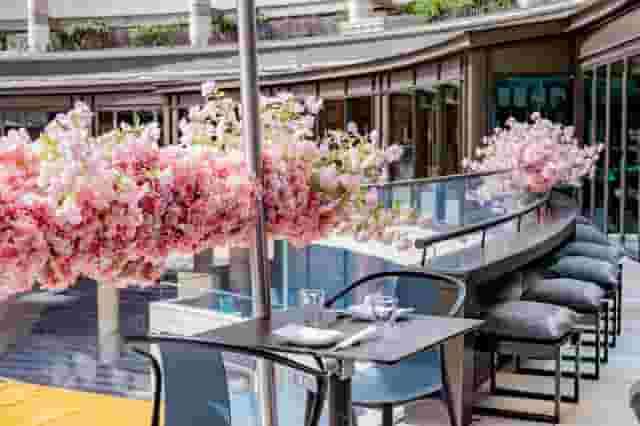
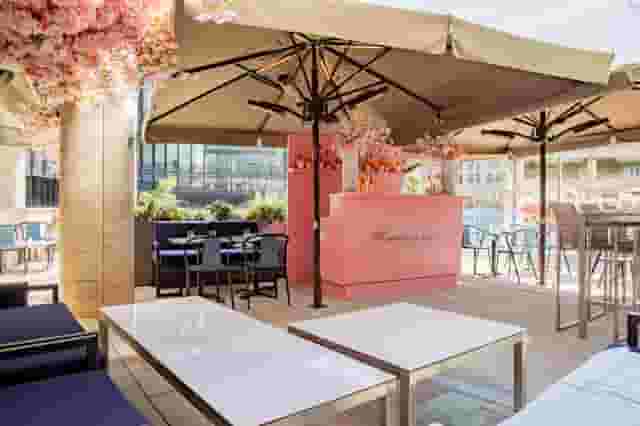

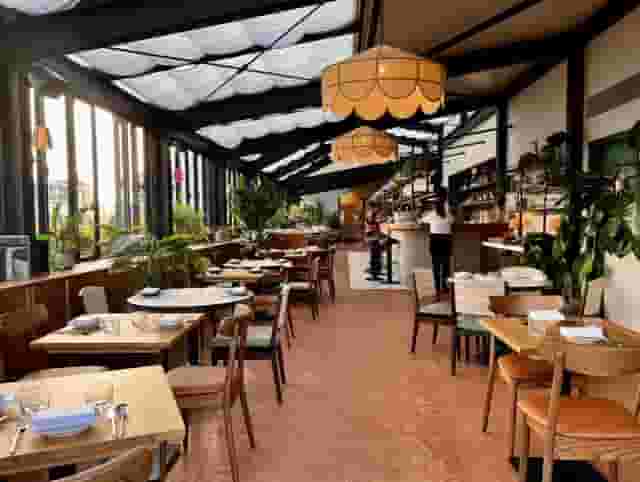
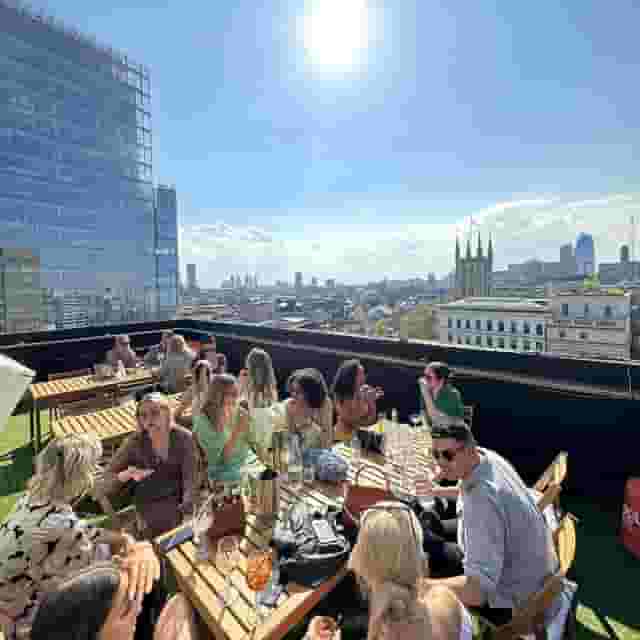
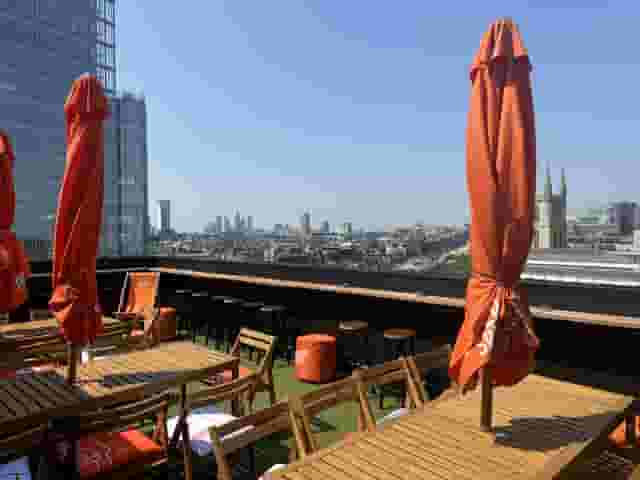
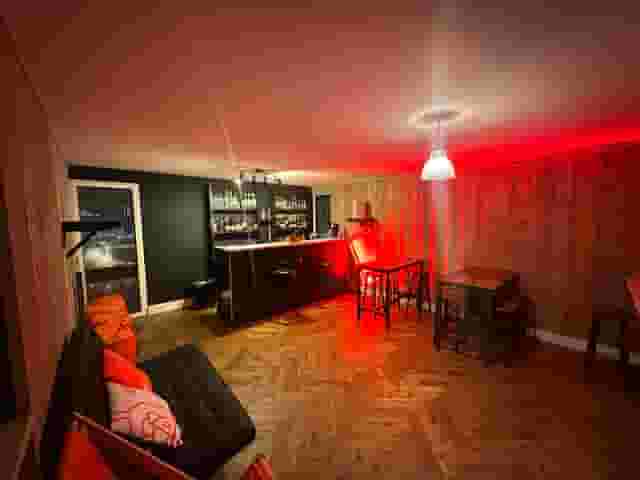








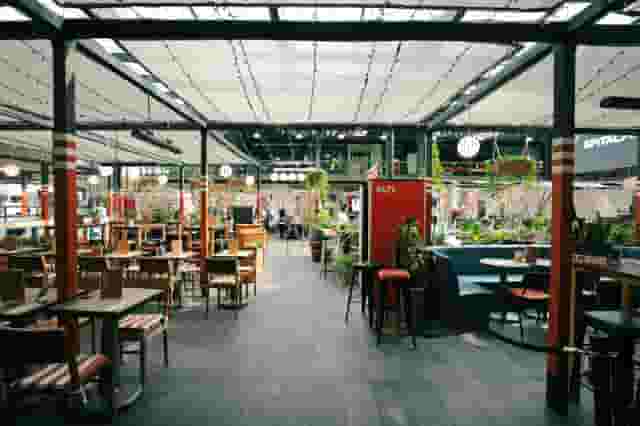
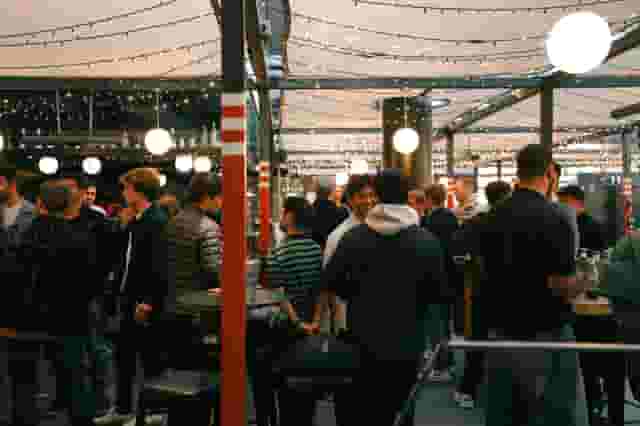
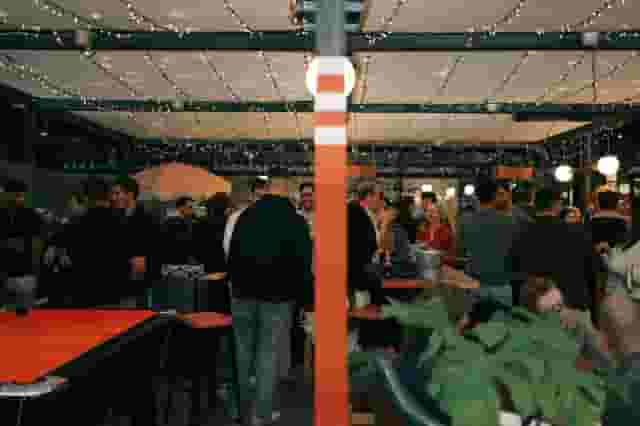
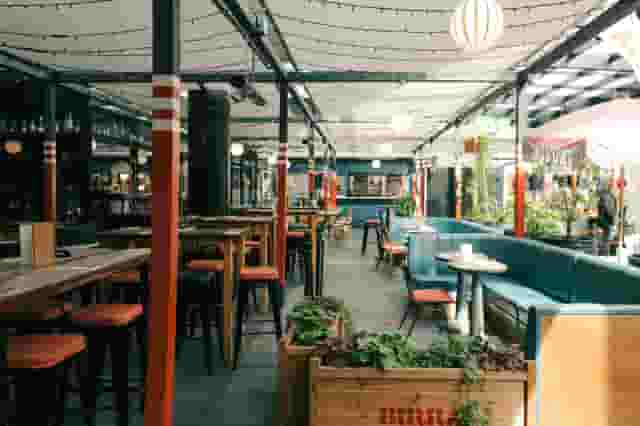

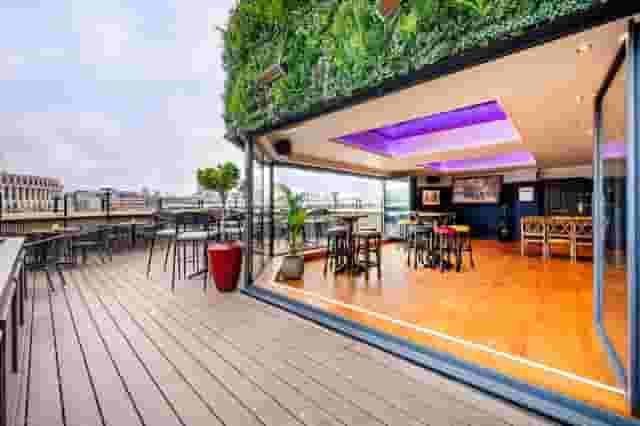
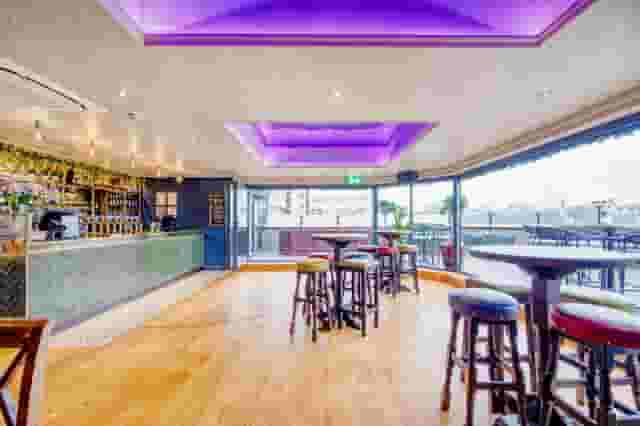
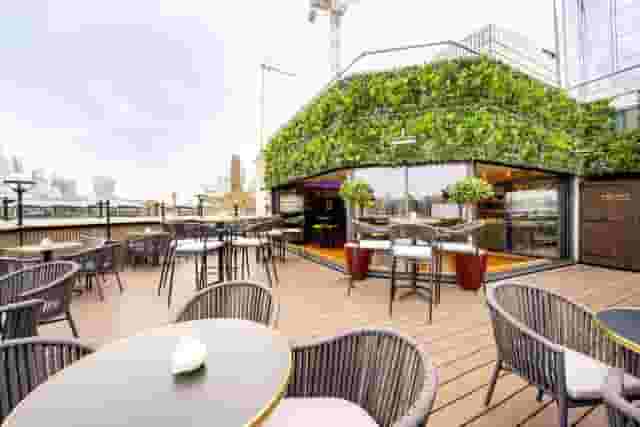

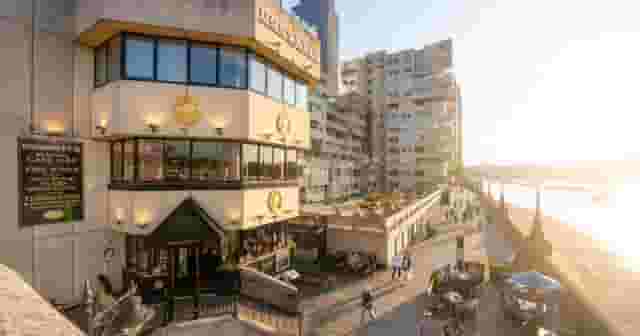


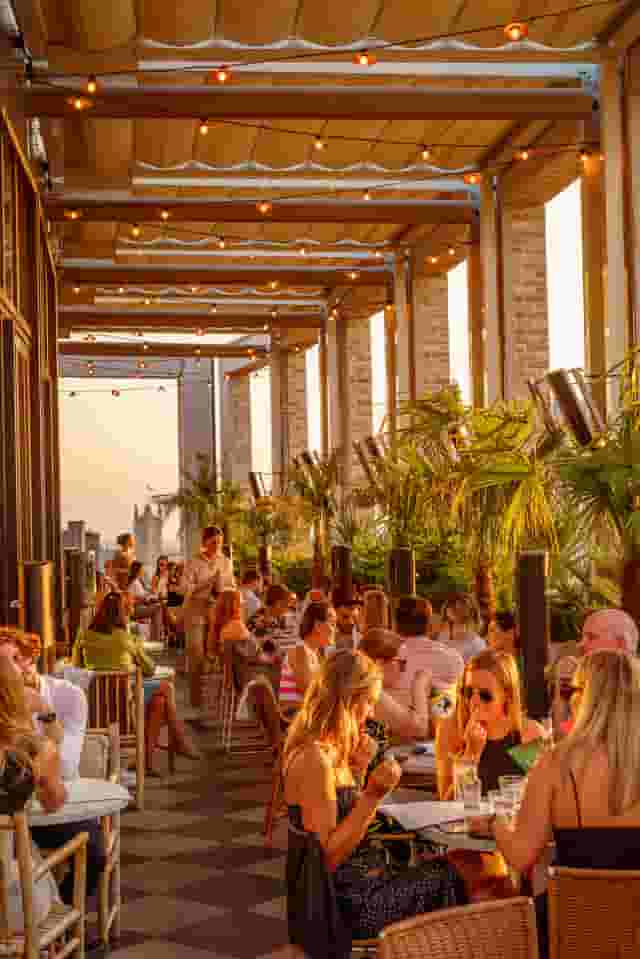
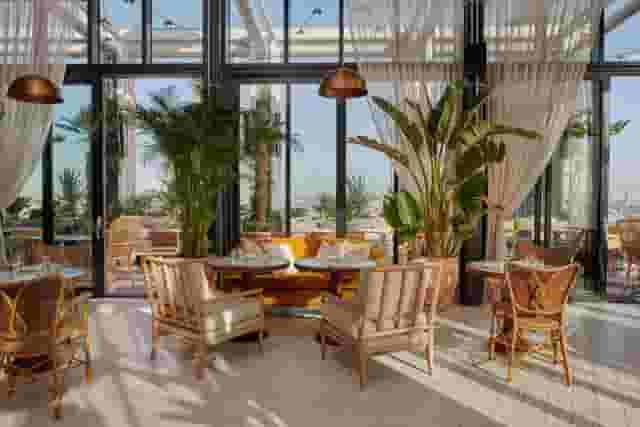
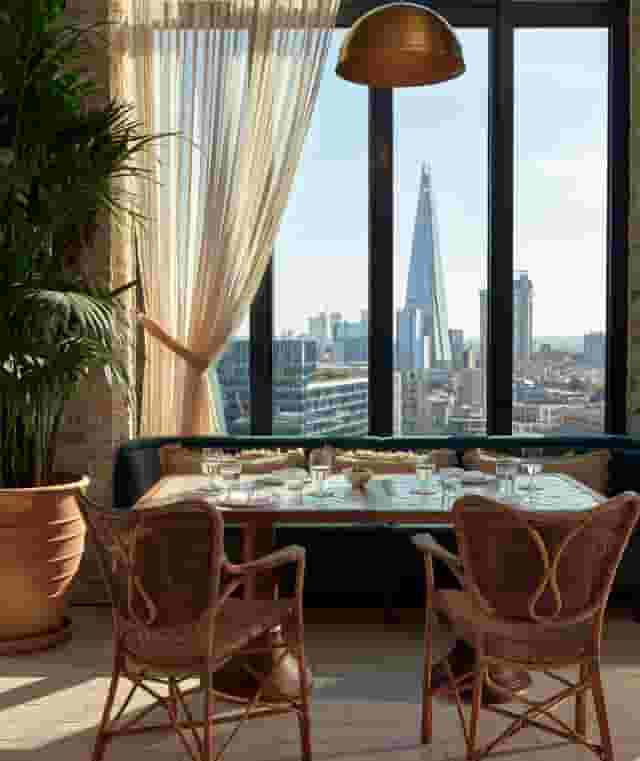
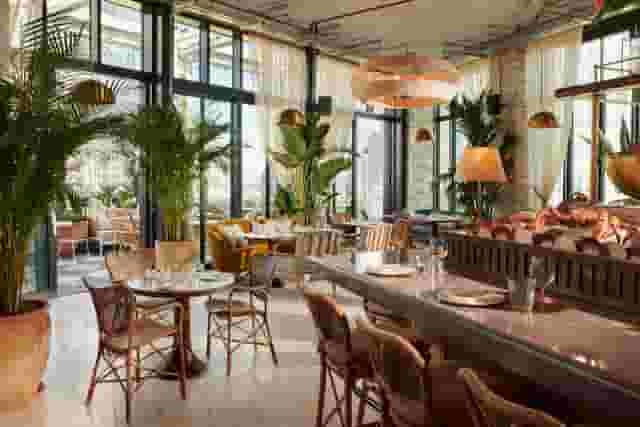































































No venues match these filters
Try widening your capacity, luxury level or event type.
Don't have time to search? We'll find it for you.
For business events that need human judgement, talk to our team. Free for events of 100+ people, budgets over £10k or ongoing programmes.




Explore more venues in City Of London








Frequently asked questions
Are City terraces tech-equipped?
What terrace size suits corporate events?
How to ensure privacy on City terraces?
What makes a terrace venue ideal in the City?
How accessible are City terrace venues?
What makes a City of London outdoor terrace ideal for corporate events?
What regulations impact the use of outdoor terraces for events in the City of London?
How can you ensure an outdoor terrace event runs smoothly in the City of London?
Are outdoor terraces in the City of London suitable for both intimate and large events?
How accessible are outdoor terraces in the City of London for corporate gatherings?
How do modern and traditional outdoor terraces differ for event settings?
What are the typical costs per head for hosting an event on an outdoor terrace in the City
What budget range should you plan for when hiring an outdoor terrace in the City of London
What facilities can be expected at a well-equipped outdoor terrace for an event?
Can you host both casual and formal events on a City of London outdoor terrace?
Other platforms search their database. We search everything.
Tell us what you need. Our deep research finds any venue, whether it's in our marketplace or not. No one else does this.
About Outdoor Terraces in City Of London
Choosing the right terrace format for your event
Outdoor terraces in the City of London solve an immediate corporate problem: how to host a summer reception or client drinks party that feels distinct from an everyday pub gathering without dragging teams across town. The Square Mile offers a dense concentration of open-air platforms, but they vary fundamentally in architecture, layout and functional purpose. Selecting the right space requires looking beyond the skyline horizon and evaluating how your guests will actually spend their hours.
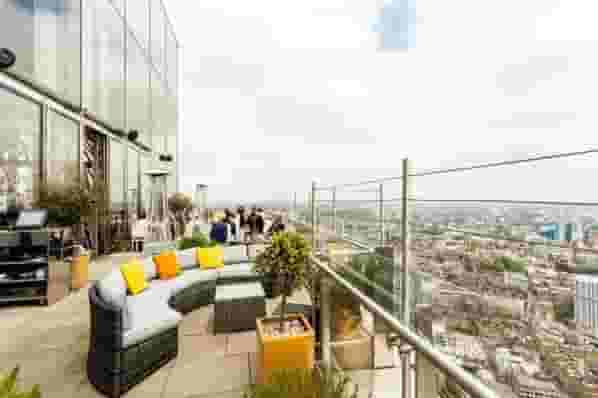
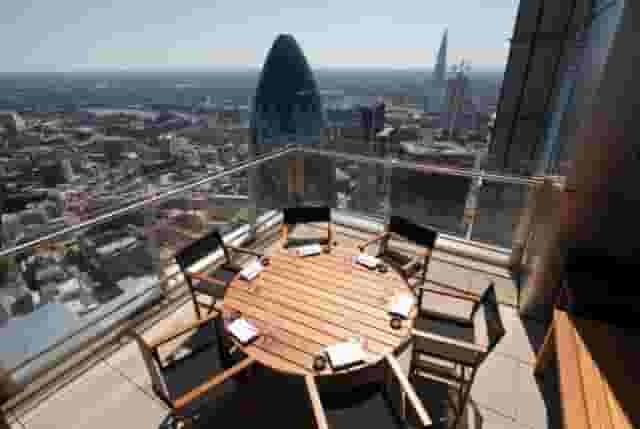
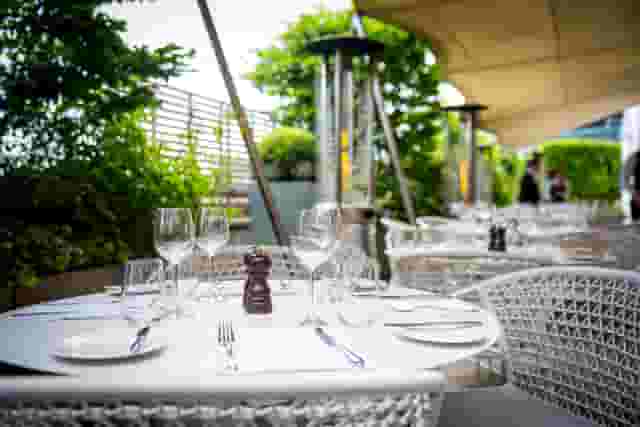
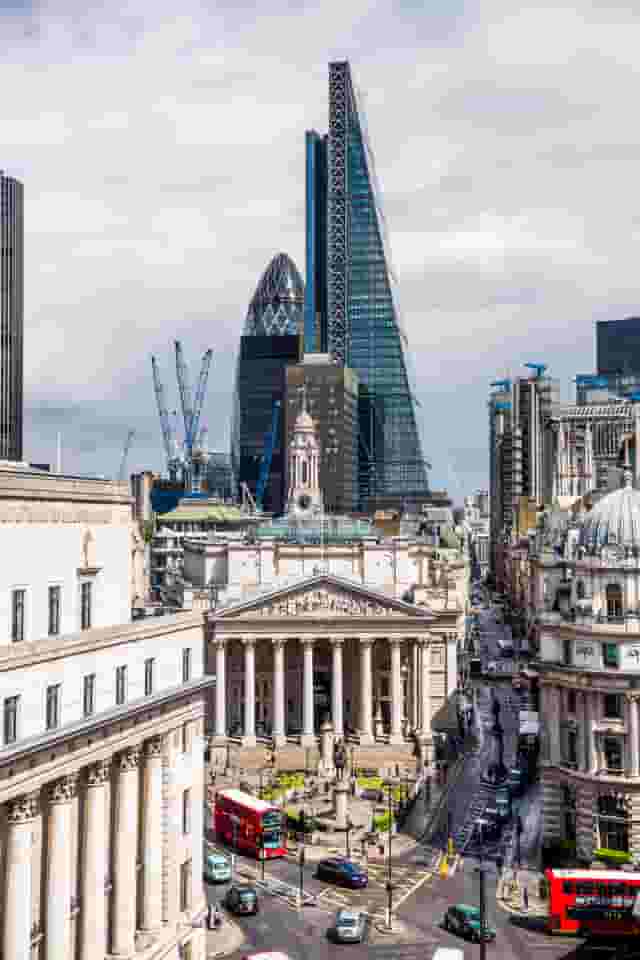
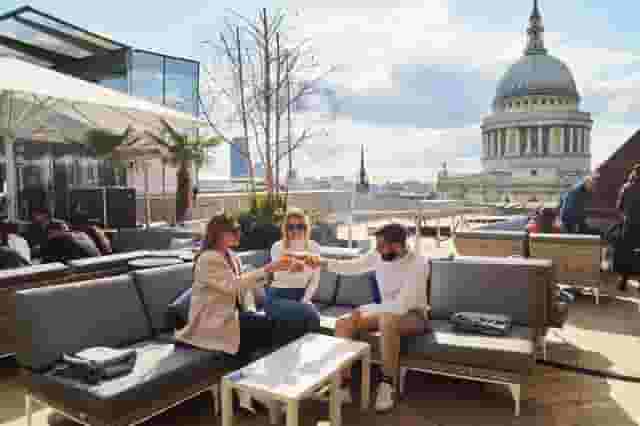
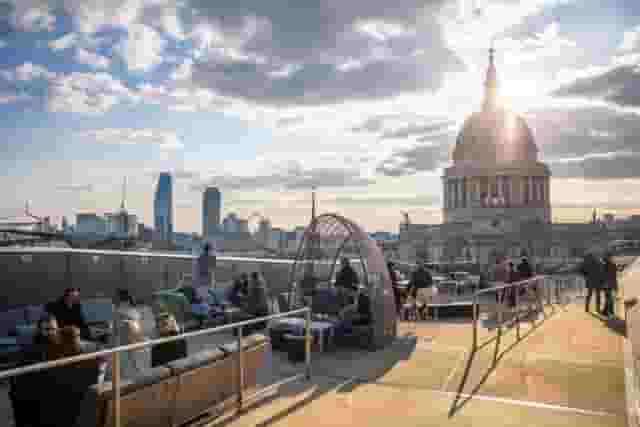
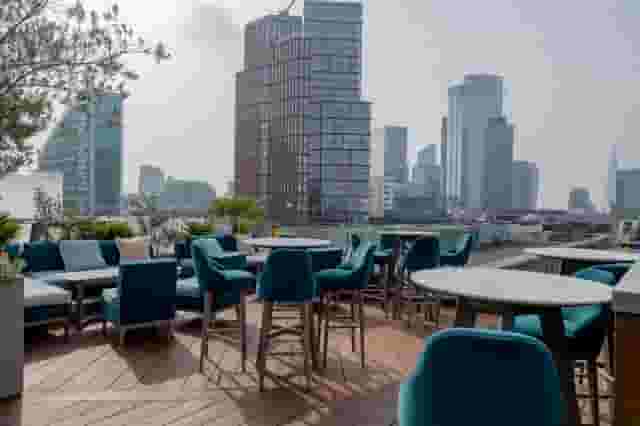
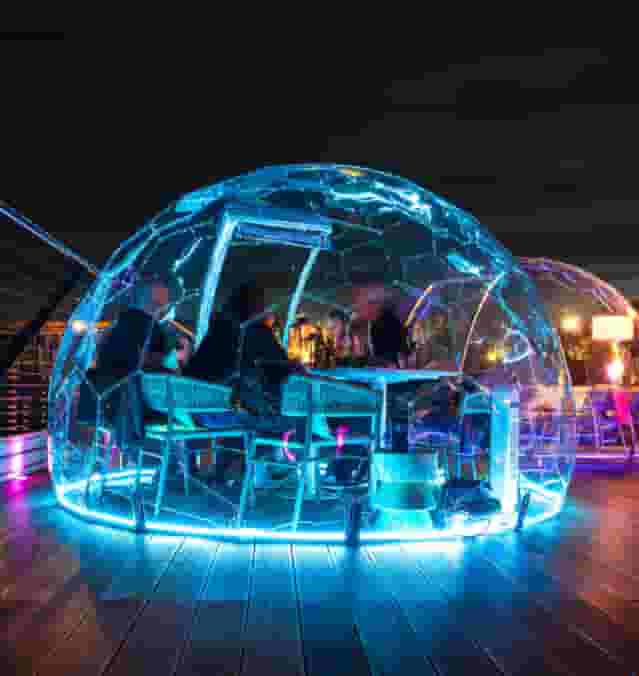
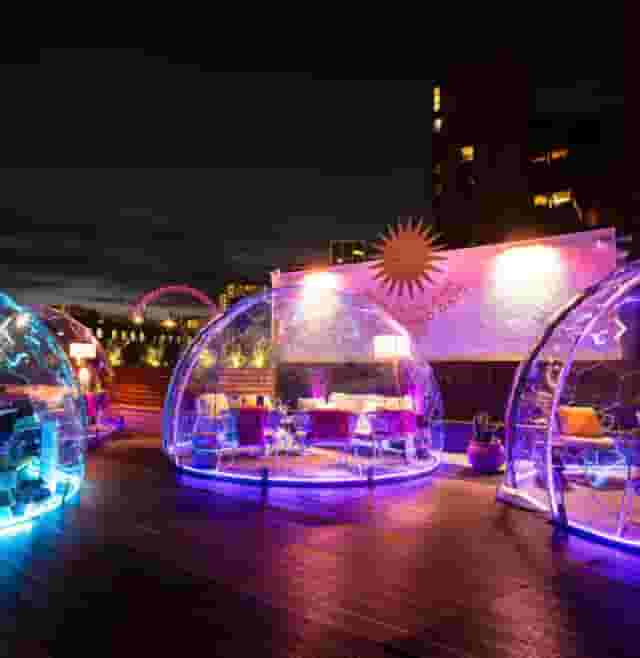
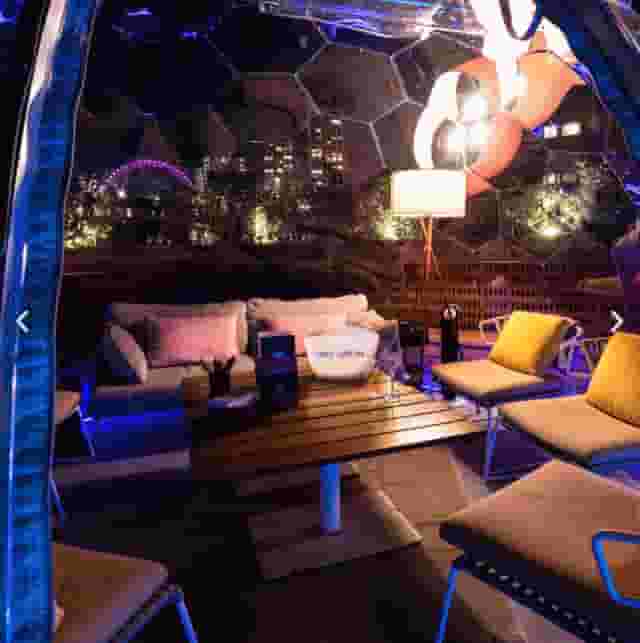
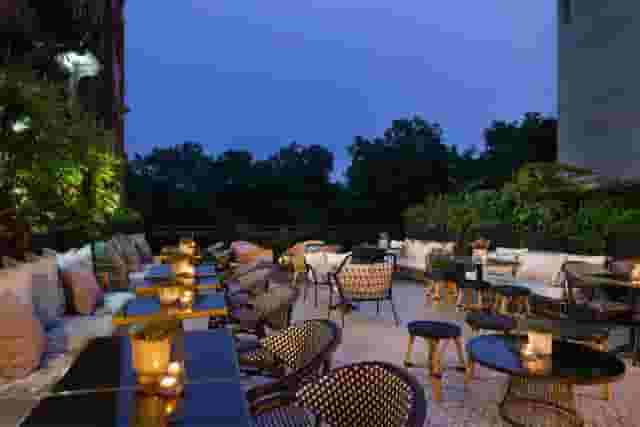
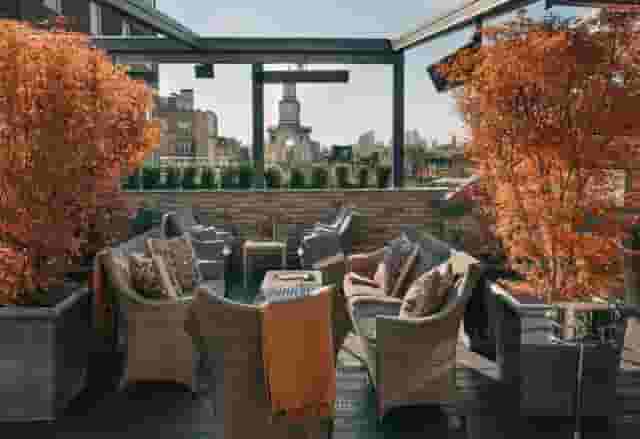
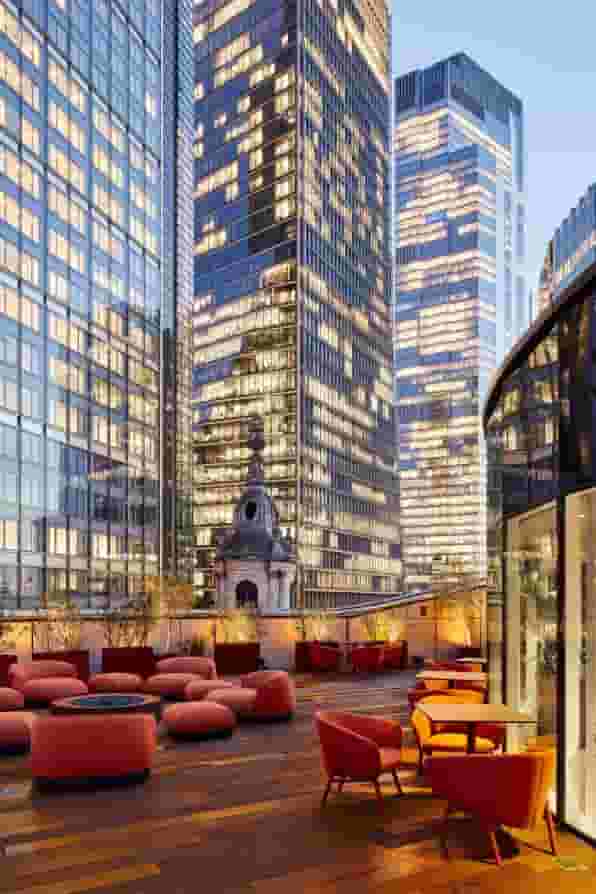
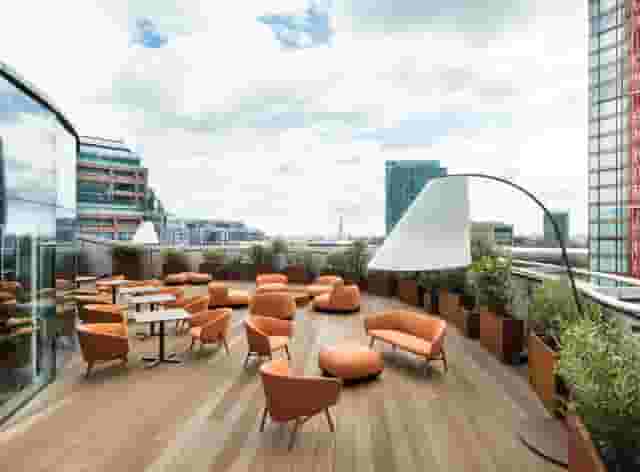
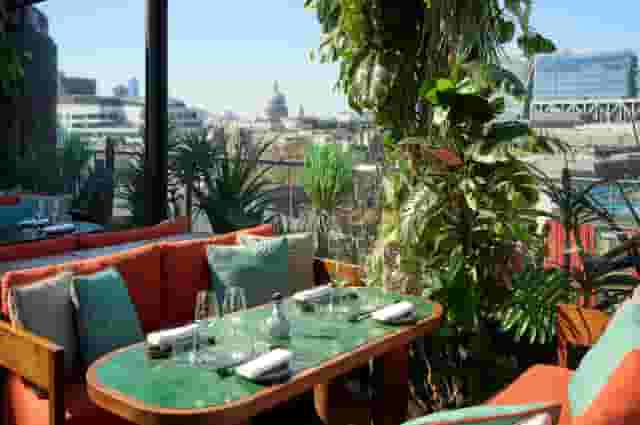
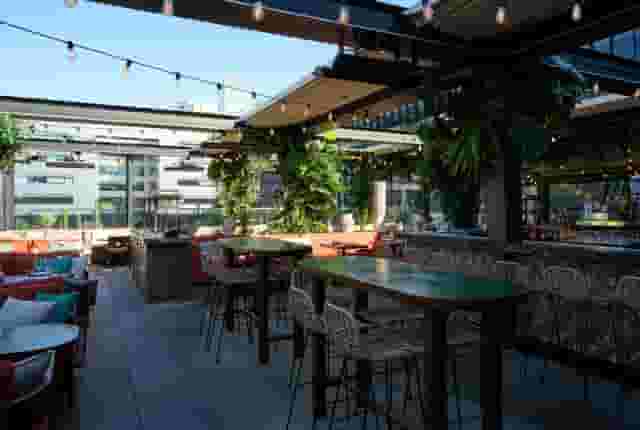
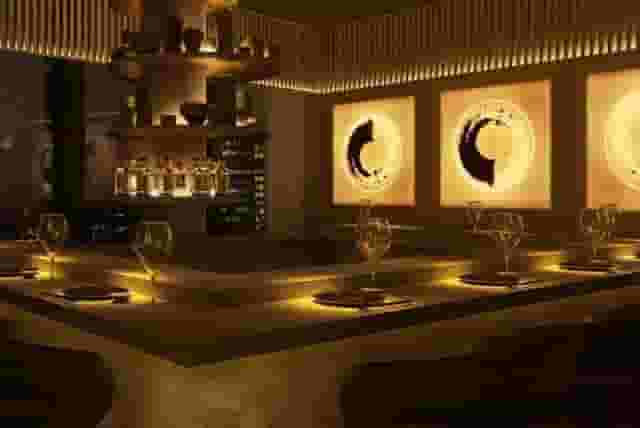
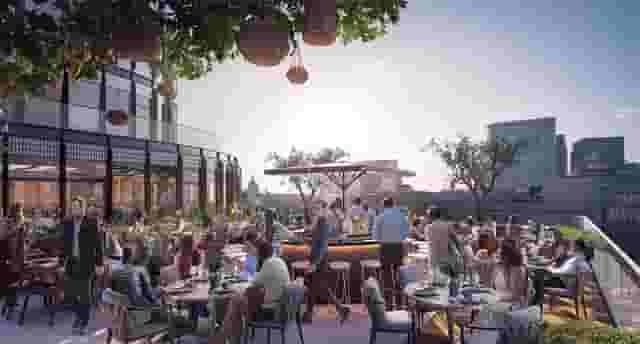
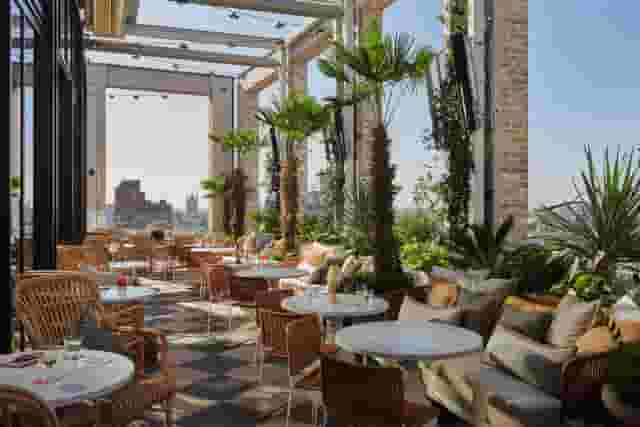
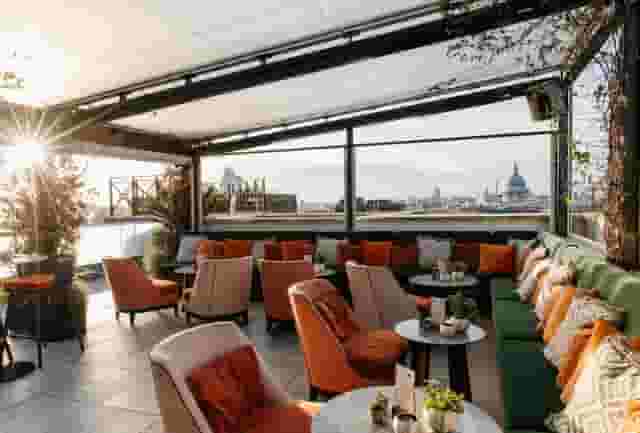
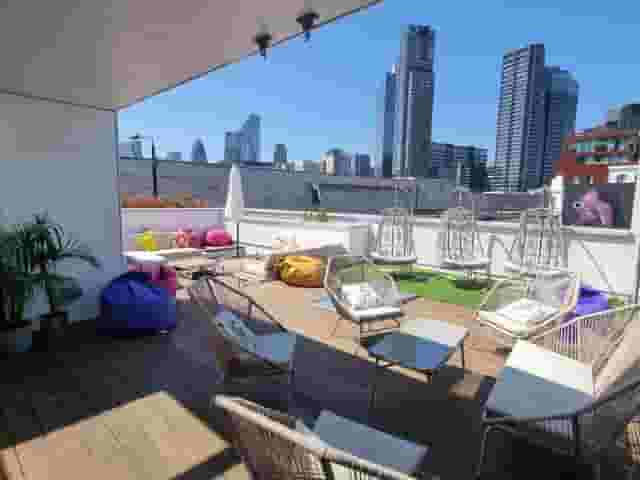
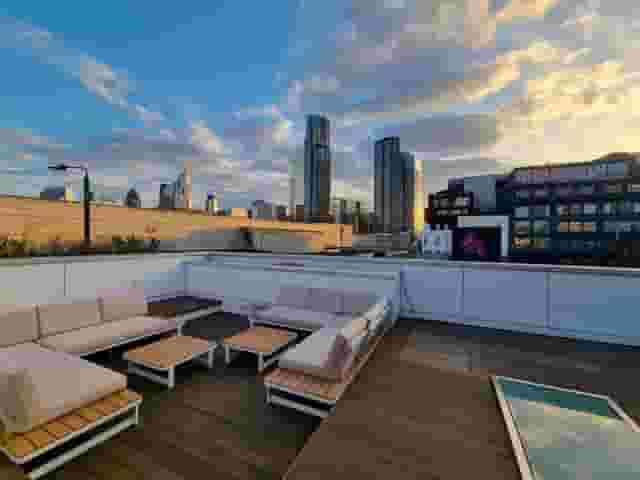
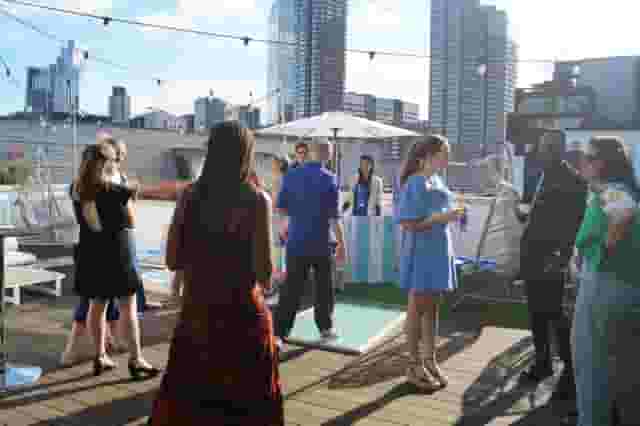
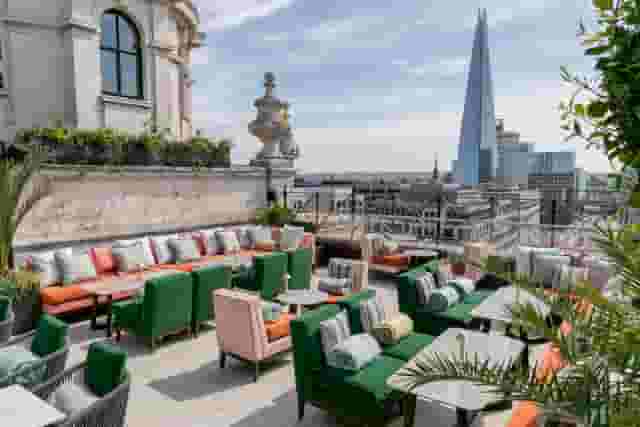
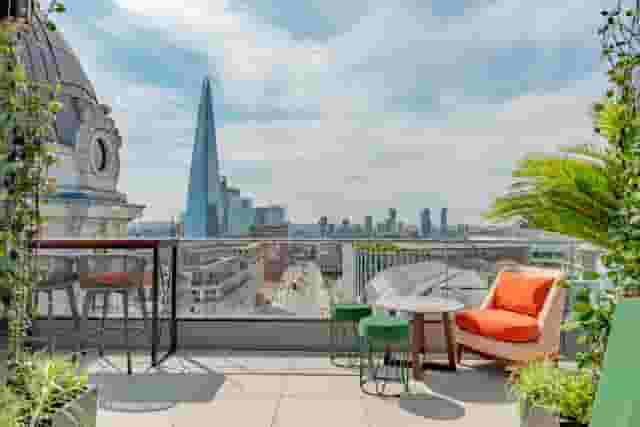
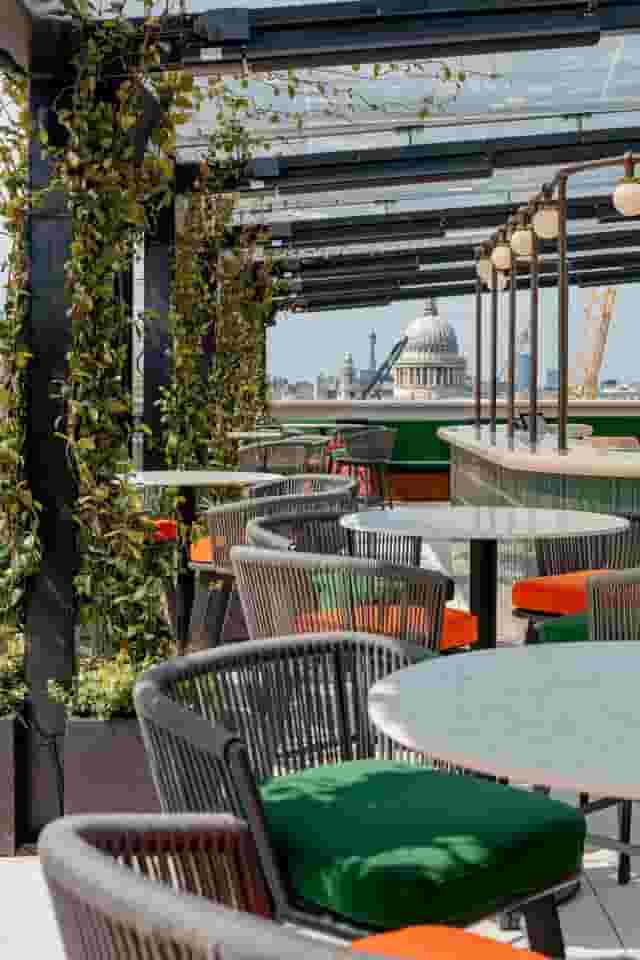
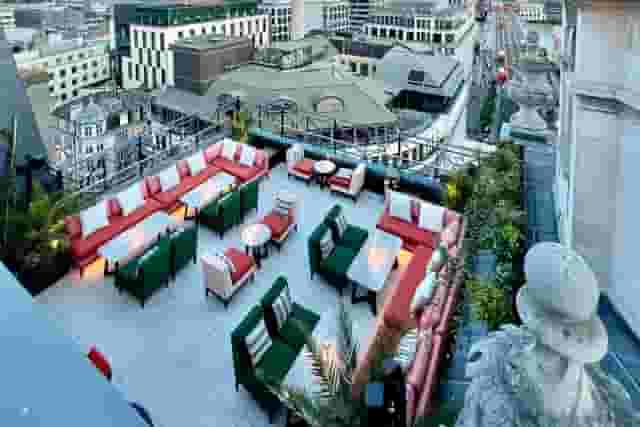
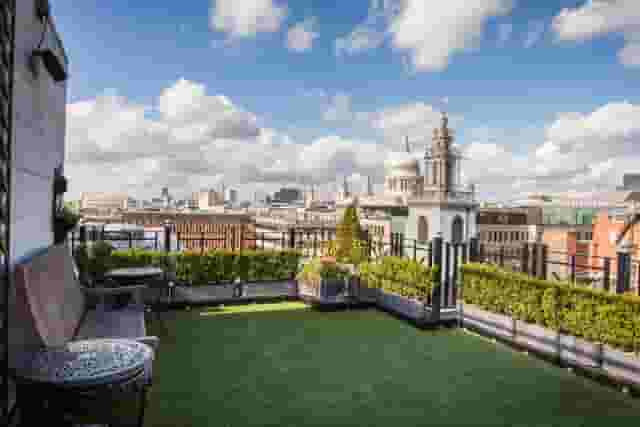
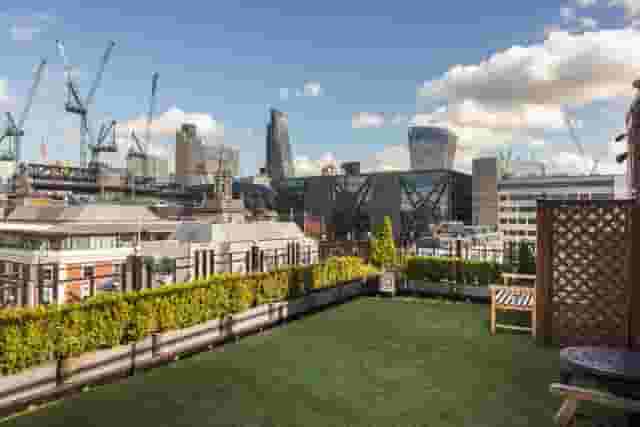
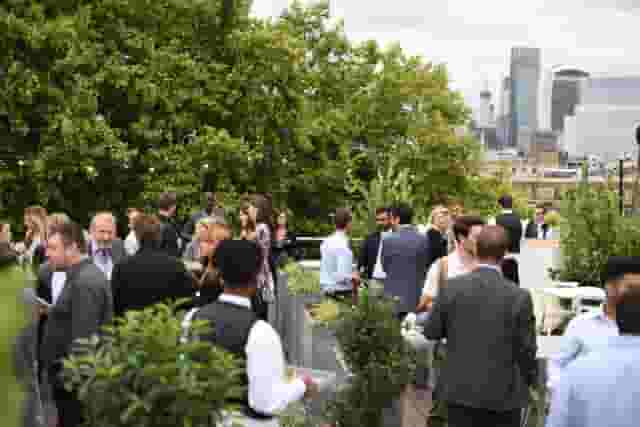
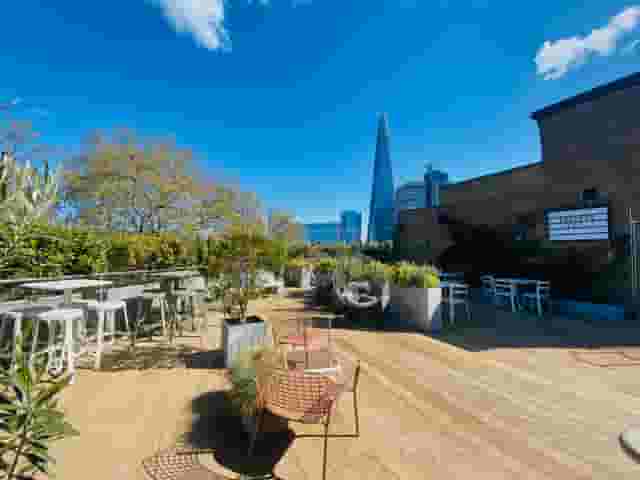
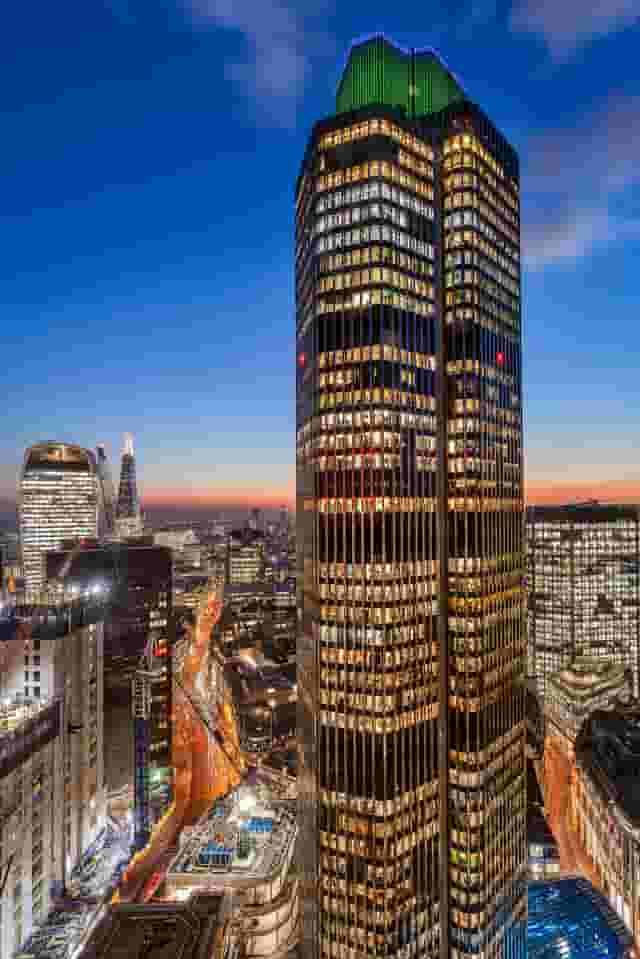
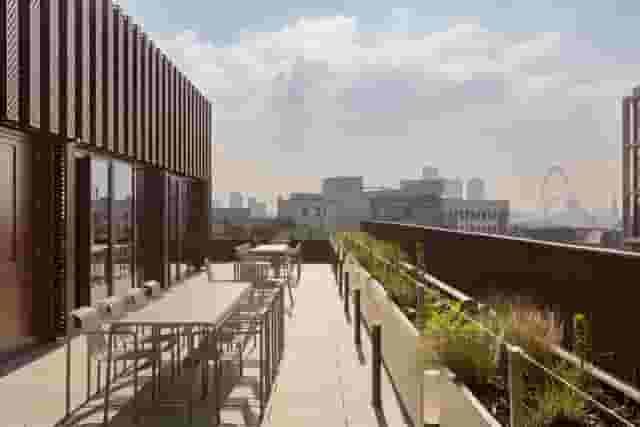
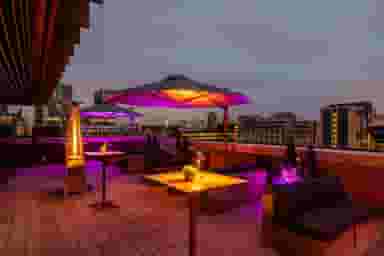
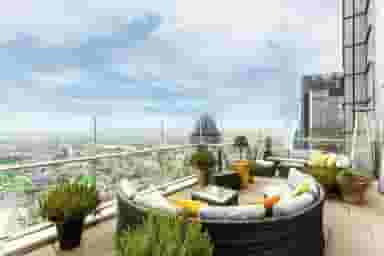
High-altitude perches provide an undeniable visual impact. Spaces like SUSHISAMBA Heron Tower, where the East Terrace holds 120 guests standing, place your event high above the capital. These settings work best for networking receptions, international delegate welcomes and milestone celebrations where the immediate view does the heavy lifting. Similarly, Aviary at Finsbury Square accommodates 250 guests on its 10th floor exclusive hire, balancing City skyline sightlines with dedicated cocktail service areas.
However, elevated open-air decks bring specific trade-offs. Wind exposure at forty storeys up can make even mild summer evenings chilly within an hour, and high perches rarely permit open flames, loose decorative elements or unweighted signage.
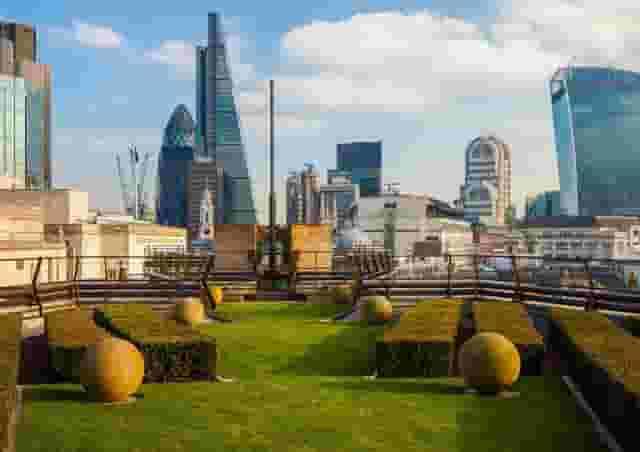
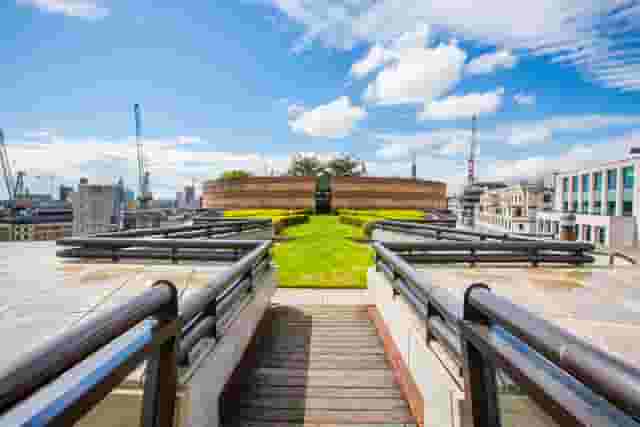
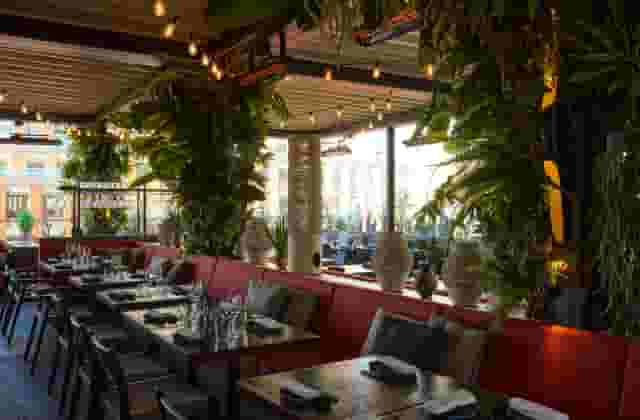
Mid-level rooftops and sheltered garden spaces offer an entirely different atmosphere. Properties such as Coq d'Argent in Bank accommodate up to 300 standing guests in a landscaped garden environment that feels contained, warmer and quieter. These spaces allow for more natural conversation because guests do not have to compete with high-altitude gusts or intense street reverberation.
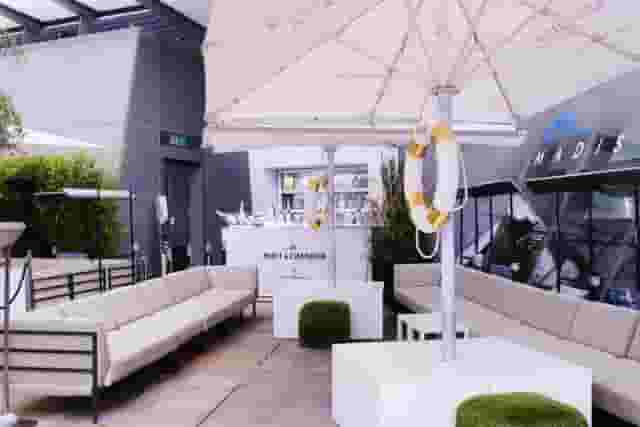
For smaller, focused team gatherings or private hosting, platforms like the VIP Terrace at Madison near St Paul's offer room for 60 reception guests. When booking a smaller terrace, ensure that the footprint is genuinely private rather than a roped-off corner of a public bar. True exclusivity gives you control over the background sound, presentation timing and service pacing, which proves vital if your evening includes internal remarks or speeches.
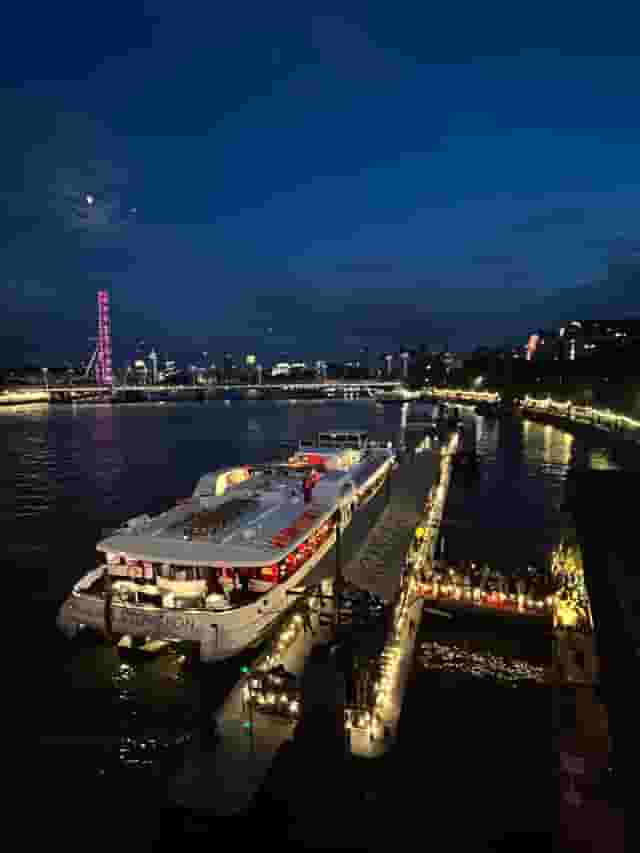
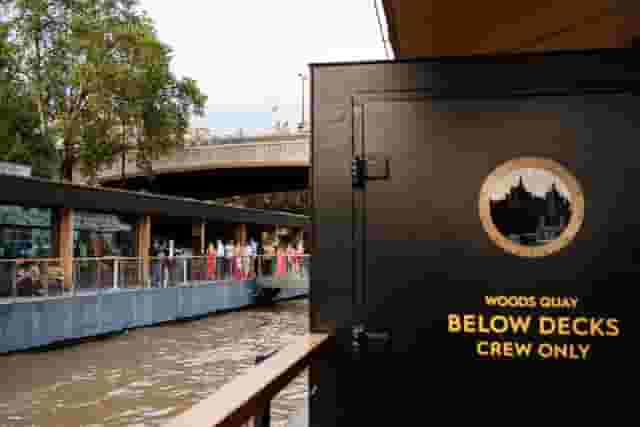
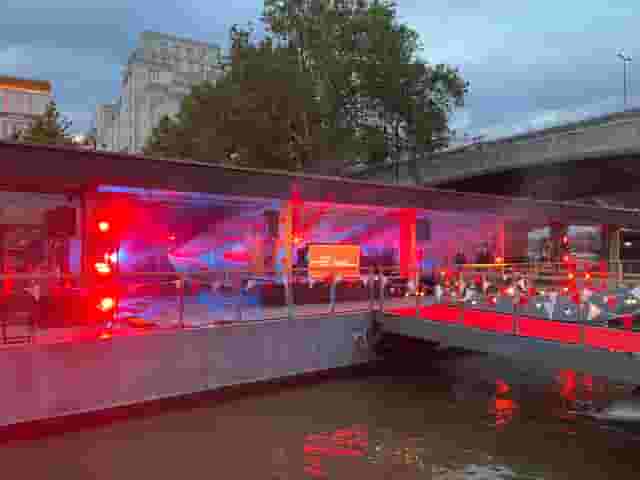
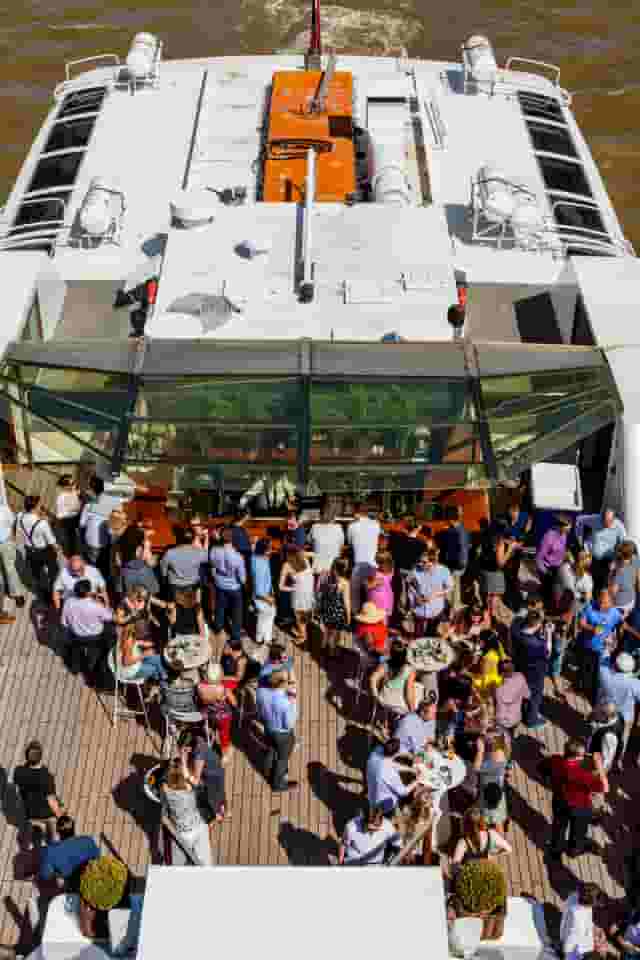
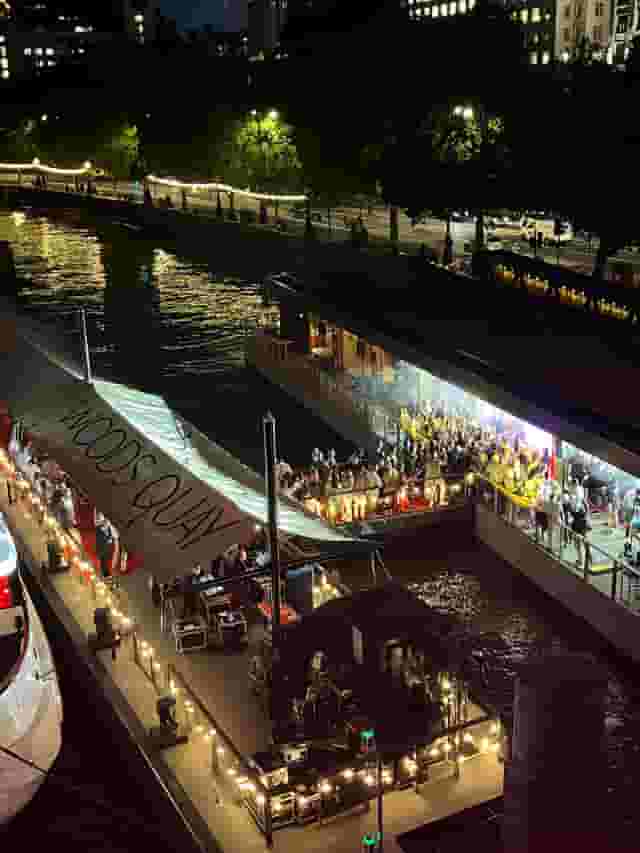
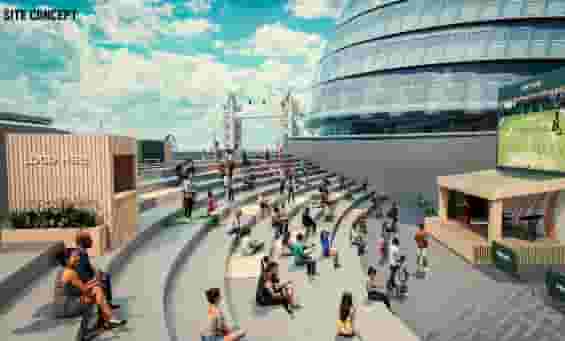
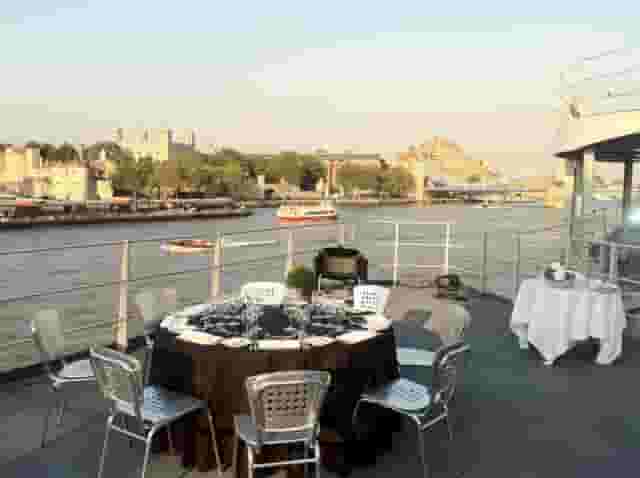
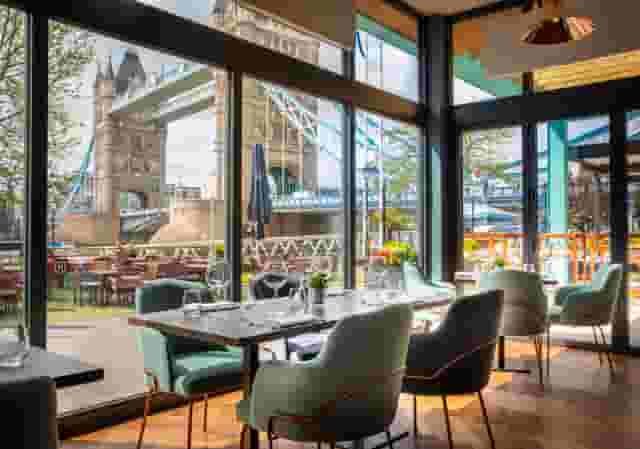
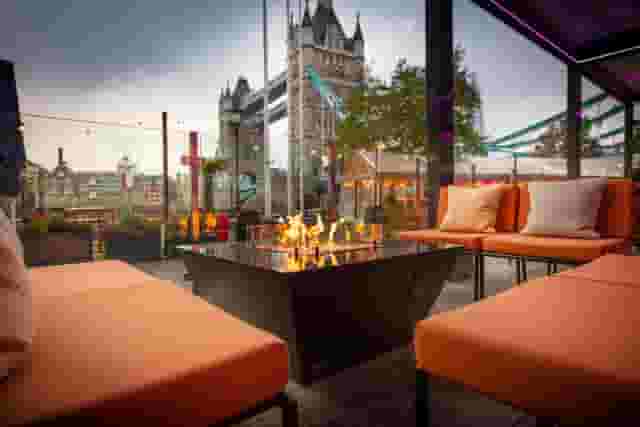
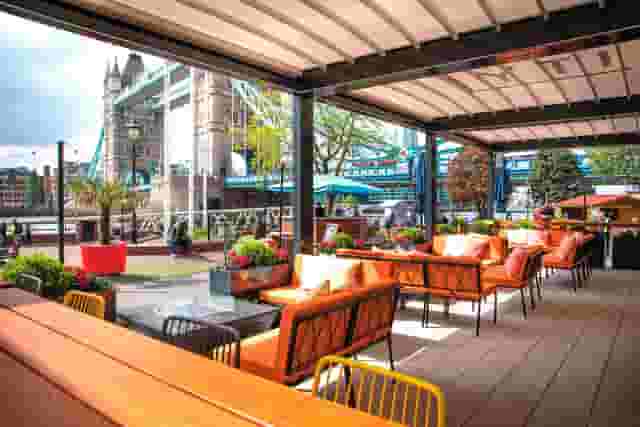
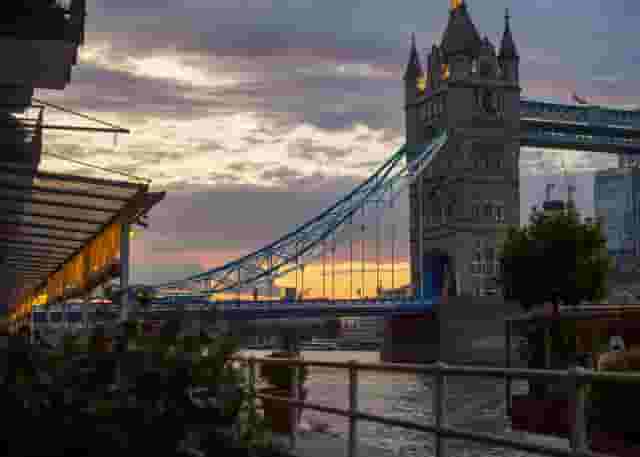
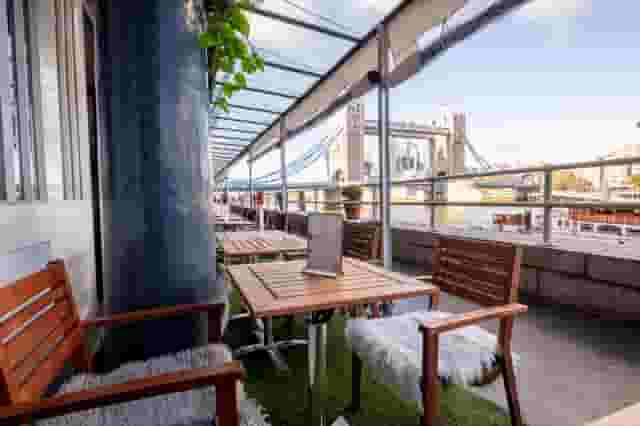
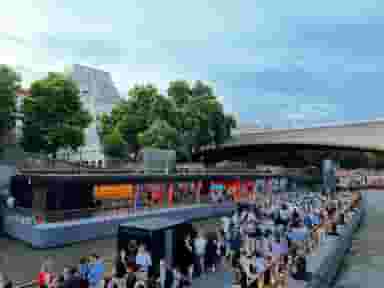
If your guest list runs into hundreds, single rooftops often reach their legal limits quickly. Large gatherings require multi-zone planning. The Glasshouse Terrace handles up to 800 standing guests across a double-storey structure overlooking Tower Bridge, giving large corporate groups room to spread out without feeling split into isolated rooms. At the absolute top end of capacity, river-based decks like Woods Silver Fleet hold up to 900 reception guests, combining open-air deck viewing with extensive indoor reception lounges.
Wet-weather contingency and cover
Relying on uninterrupted sunshine in central London is an operational risk. The single most common failure in terrace event planning is treating wet weather as an afterthought. A drizzle can turn a packed terrace into an unmanageable crush at the cloakroom within two minutes if there is no viable shelter plan.
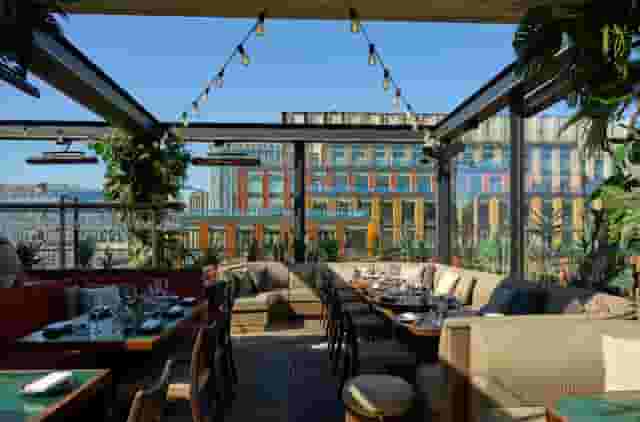
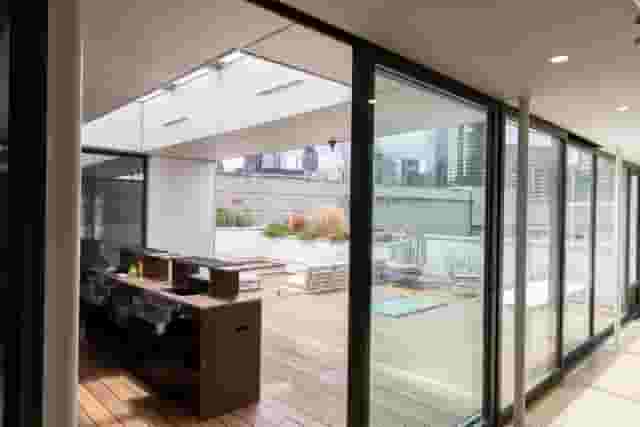
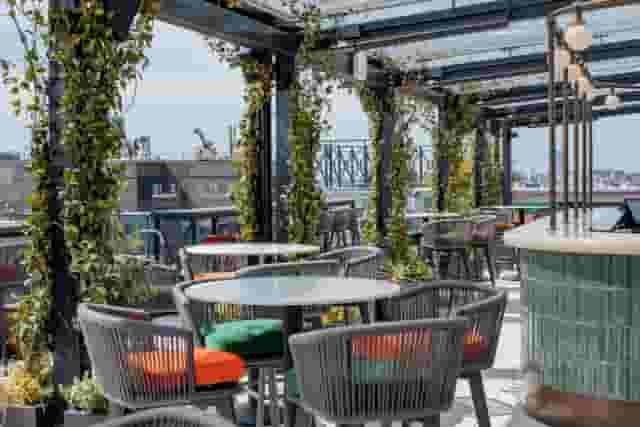
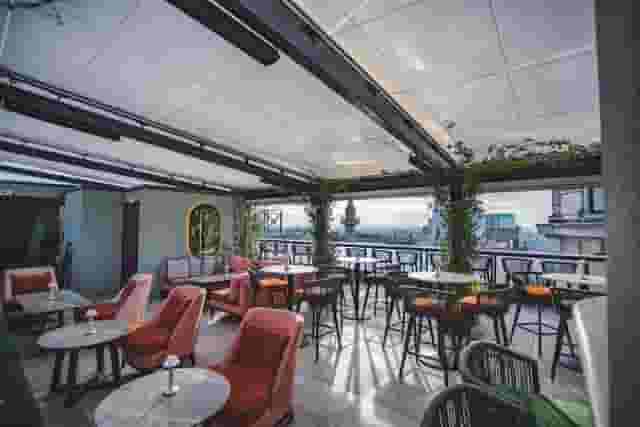
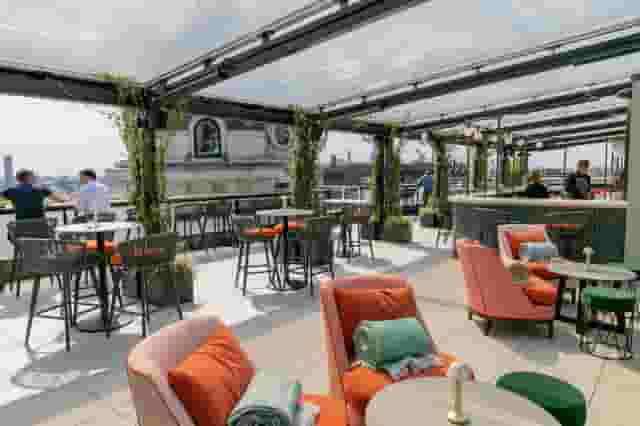
When assessing a venue, establish whether the outdoor area has fixed architectural cover, retractable awnings or simply reliance on an adjoining indoor room. Covered rooftop spaces provide built-in insurance. If rain rolls through, service continues outdoors without interrupting the flow of conversation or requiring staff to move glassware and catering stations.
Where the terrace is entirely open to the elements, the indoor fallback space must have enough capacity to house 100% of your guest list standing comfortably. Many venues advertise combined indoor and outdoor capacities: a venue might claim a total capacity of 200, which actually means 100 people inside and 100 outside. If the heavens open, that space cannot legally or comfortably absorb everyone indoors. Always verify the dedicated indoor capacity separate from the terrace figures.
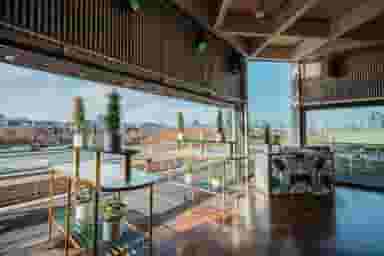
Venues designed with corporate programmes in mind often feature integrated interior spaces directly attached to their open-air decks. Events @ No 6 in Aldgate provides a dedicated summer party rooftop holding 150 guests for a reception, where the transition between the outdoor platform and the interior suite remains fluid. You can review broader venue layouts in our guide to the best summer party venues with outdoor space.
Heaters and windbreaks are equally important. Even on dry days, a clear evening in May, June or September drops in temperature rapidly once the sun slips behind neighbouring office towers. Check whether heating elements are permanent overhead infrared fixtures or mobile gas units, and confirm whether the cost of running them is included in your booking fee. Wind deflection glass screens make a considerable difference to how long guests remain outside before drifting towards the indoor bar.
What outdoor terrace events cost in the City
Pricing for City of London outdoor terraces tends to follow clear commercial brackets, though transparency varies depending on how catering and hire fees are packaged.
Across the venues featured on this page, indicative pricing typically sits in the range of £75 to £145 per head. This estimate is based on 11 quotes from the venues on this page for about 50 guests. The figure assumes that party size and provides an indicative estimate derived from what these spaces have charged for similar events. To test your group size against current market figures, venue booking platform Hire Space provides instant, data-backed price estimates drawn from actual booking transactions, supported by a team of real people who help shape the search. If a chosen terrace exceeds your budget, the platform immediately suggests similar spaces across the Square Mile at a lower price point.
What that spend covers will depend heavily on whether the venue operates on a minimum spend basis, a venue hire plus catering model or a combined day-delegate or evening package.
| Pricing structure | How it works | Best suited for | Key budget risk |
|---|---|---|---|
| Minimum spend | Venue hire fee is waived if food and beverage spend reaches an agreed threshold. | Drink-heavy receptions, informal socialising, client entertainment. | Shortfalls must be settled directly; service charge and VAT can inflate the final bill. |
| Package per head | Fixed fee per guest covering venue access, set drinks allocation and food service. | Company all-hands, structured networking, fixed departmental budgets. | Over-ordering for dropouts; drinks packages often have strict time caps (e.g. three hours). |
| Dry hire plus catering | Space rental paid separately; external or approved caterer invoiced on top. | Tailored culinary events, complex brand activations, large production setups. | High production, waste clearance, extra staffing and security costs. |
Towards the £75 end of the range, bookings generally secure partial terrace hire or off-peak evening access (such as a Monday or Tuesday), accompanied by a light bowl food service or set canapé selection and a limited wine, beer and soft drink allocation.
Towards the £145 end, quotes usually reflect exclusive rooftop buyouts on peak summer dates (Wednesday to Friday), comprehensive premium drinks packages including champagne and cocktails, substantial food stations or barbecues, dedicated security and extended service staff.
When comparing estimates, scrutinise what sits outside the per-head headline. Common additional charges include:
- Service charge: Discretionary service in central London venues routinely sits between 12.5% and 15%. On a substantial minimum spend, this represents a significant cash outlay that must be budgeted up front.
- Security staffing: Outdoor terraces overlooking public highways or located in multi-tenant office towers often mandate SIA-licensed security personnel. Venues may bill this separately per guard, per hour.
- Audio-visual equipment: Background music systems might be included, but handheld microphones for company announcements or outdoor-rated uplighting frequently incur hire charges.
- Cloakroom facilities: Ensure cloakroom provision and dedicated staffing are included in the agreement, particularly if attendees arrive directly from the office with laptops and luggage.
Sound, licensing and operational curfews
The City of London maintains strict controls over external noise, managed through local authority environmental health policies and premises licensing. Even in commercial districts that appear quiet after office hours, residential pockets, boutique hotels and conservation zones mean outdoor amplified sound faces rigorous regulation.
Most open-air terraces in the Square Mile are subject to sound curfews between 21:00 and 22:00. At this cut-off point, outdoor music must cease, and guests are typically asked to move inside to prevent disturbance to nearby premises. When planning your event schedule, map your speeches, entertainment and main announcements well before these cut-off windows. Trying to hold a CEO address on an open terrace at 21:30 is often impossible due to acoustic regulations.
Licensing also dictates the nature of entertainment permitted. A standard premises licence covers normal background music and the sale of alcohol. If your event includes a live DJ, acoustic performers, temporary bars or ticketed alcohol distribution, confirm whether these activities fall within the venue's existing licence or require a Temporary Event Notice (TEN). A TEN is generally required if an event falls outside standard operating conditions for gatherings of fewer than 500 people, including staff. Venues handle these applications routinely, but they must be submitted to the local authority within statutory working-day deadlines.
Crowd safety and boundary management must also adhere to Health and Safety Executive standards. HSE crowd management guidance recommends assessing clear entry points, uninhibited exit routes and emergency procedures before confirming any outdoor event layout. Terraces with open balustrades or low perimeter walls require clear management plans to stop guests placing glassware on edges or gathering unsafely near drops. Explore our advice on rooftop bars for summer party entertainment for further insight into managing elevated spaces.
AV, lighting and branding in open-air settings
Delivering presentations, speeches or sponsor branding on an outdoor terrace requires a practical understanding of daylight and outdoor acoustics. Standard equipment that performs reliably in a conference room often fails completely in the open air.
Sound propagation is the primary hurdle. Without walls to reflect sound waves, speech drops off sharply over short distances, and passing traffic, wind and construction noise quickly drown out weak speaker systems. Wireless handheld microphones used outdoors must have proper foam wind shields to eliminate distortion. If you plan to make company announcements, ask the venue whether their terrace has multi-point directional speakers or if an auxiliary public address system must be brought in.
Visual presentations require careful handling:
- Screens in direct sunlight: Projectors do not work outdoors during daylight hours. Even high-lumen digital projectors produce washed-out images on white screens under an open sky. If your event requires presentation slides or video playback, position high-brightness LED panels in shaded spots or keep the presentation component inside an adjoining suite before opening the terrace for drinks.
- Terrace lighting transitions: June and July events start in bright afternoon daylight and conclude in full dusk. Built-in terrace lighting should offer dimmable control to adjust mood as daylight fades, paired with adequate lighting along walkways, thresholds and steps to prevent trip hazards.
- Branding and physical assets: City rooftop breezes make light pull-up banners dangerous sails. Any freestanding signage, branded backdrops or floral displays must be weighted down with stage weights or tethered securely to fixed terrace structures.
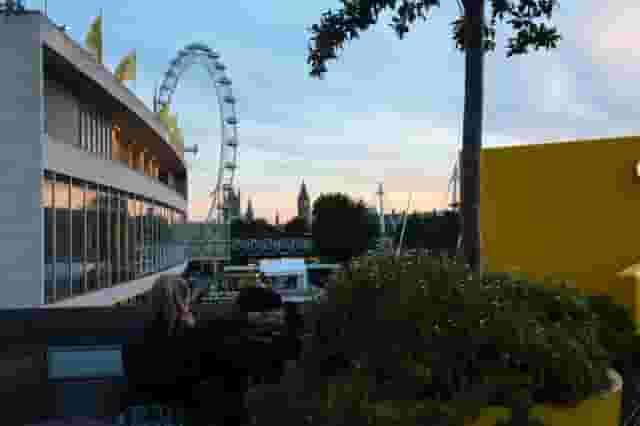
Venues with dedicated production infrastructure make technical execution substantially simpler. The National Theatre Buffini Chao Deck, located on the South Bank just across from the City, accommodates up to 200 standing guests and integrates comprehensive AV tech into a riverside terrace room, allowing seamless speech delivery alongside skyline views.
Logistics, guest access and accessibility
The logistics of getting guests onto a high-floor rooftop in the Square Mile require careful coordination. Multi-tenant commercial office buildings house some of the finest terraces, but their security screening and lift capacities can introduce serious friction if unmanaged.
When 150 guests finish their working day and arrive at your venue within the same twenty-minute window, standard reception lifts can cause bottlenecks in the ground-floor lobby. Enquire whether the venue has dedicated express lifts, whether building security requires a pre-submitted guest list with photo identification, and how guest badges or wristbands are issued at street level.
Accessibility must be audited across the entire attendee journey, from street to glass balustrade. While transport links in the City are robust, with Tube and rail connections across Bank, Monument, Liverpool Street, Moorgate and Farringdon, step-free access from station platforms to street level varies significantly.
Once at the building, verify step-free routes to the terrace itself. A building might feature full lift access to the top floor, yet require guests to navigate a set of fire doors with a raised threshold or four steps to reach the external deck surface. Under the Equality Act, venues must offer reasonable adjustments to ensure disabled guests are not placed at a substantial disadvantage. Confirm that portable ramps, automated doors and accessible bathroom facilities are located on the same level as the event space, rather than several floors away via secondary service lifts.
| Planning phase | Core operational task | Key question to ask the venue |
|---|---|---|
| 8 to 12 weeks out | Layout, capacity and fallback validation | What is the guaranteed wet-weather indoor capacity if the terrace cannot be used? |
| 4 to 6 weeks out | Technical and acoustic sign-off | What time does the outdoor sound curfew take effect, and what equipment is built in? |
| 2 to 3 weeks out | Access, security and guest lists | Does building security require pre-registered guest names, and are the lifts dedicated? |
| Event week | Weather check and run of play | At what time on the day do we make the final call to activate the indoor contingency plan? |
Planning an outdoor terrace event in the City of London delivers an exceptional experience for your team and clients when technical restrictions, weather backups and commercial terms are addressed early. By prioritising operational substance alongside the view, you ensure the gathering runs smoothly from the first welcome drink to the final departure. Hire Space 360 is enterprise venue and hotel procurement for companies spending £1m or more a year on meetings and events: a managed meetings and events programme, the kind procurement teams call strategic meetings management. It brings every venue contract and hotel booking under one supplier agreement with consolidated invoicing, ensuring corporate gatherings stay within company event policy. Procurement and finance teams gain live spend reporting and full audit tracking across every department, supported by named venue sourcing specialists who handle negotiations directly.
What our customers say
Inspiration and planning guides

The Top 3 Rooftop Venues In London
Check out three of our favourite rooftop venues in London to escape the bustle and get as close to the sun as possible (when it shows its face!).

5 Summer BBQ Party Venues
What better way to usher in the summer than a summer party in a great venue. With everything from rooftops to private gardens, discover London's best.

Good Hotel London: A (Really, Really) Good Venue
Those who remember Hire Space's very early days know that the original inspiration for breaking into the venue industry was to find uses for non-profit, charitable spaces. That's why it's great, four years on, to be humbly reminded of the original mission, and so when we come across venues [https://hirespace.com/Top/London/Unusual-Event-Venues-London] such as Good Hotel London [https://hirespace.com/Venues/London/76585/Good-Hotel-London], it truly inspires us even more. The work of the folks be
One supplier. Every venue. Full visibility on what you spend.
Multiple venues and events. One agreement.