Meeting Rooms in City Of London
Explore top meeting rooms in the City of London for 50 people, perfect for professional gatherings.
78 Meeting Rooms in venues in City Of London
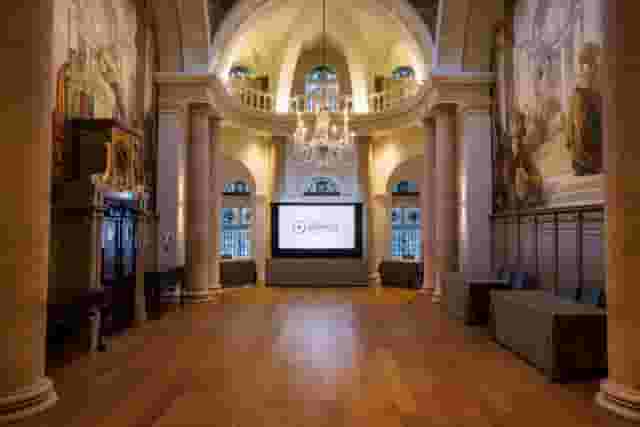
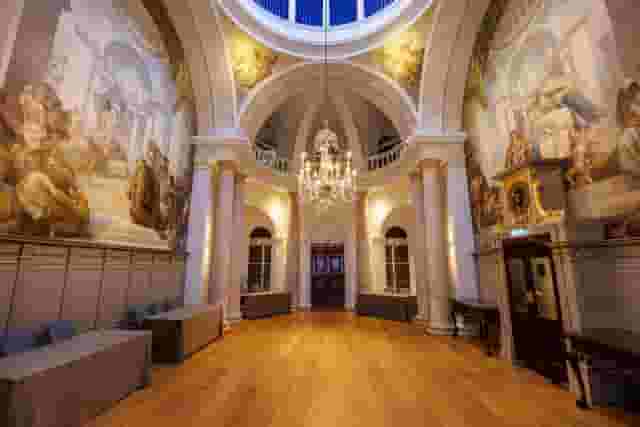
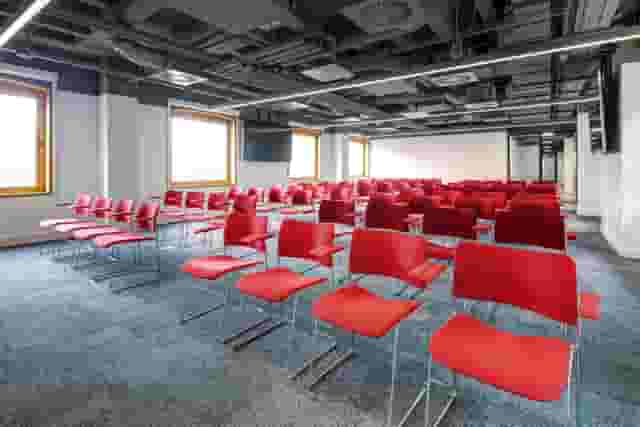
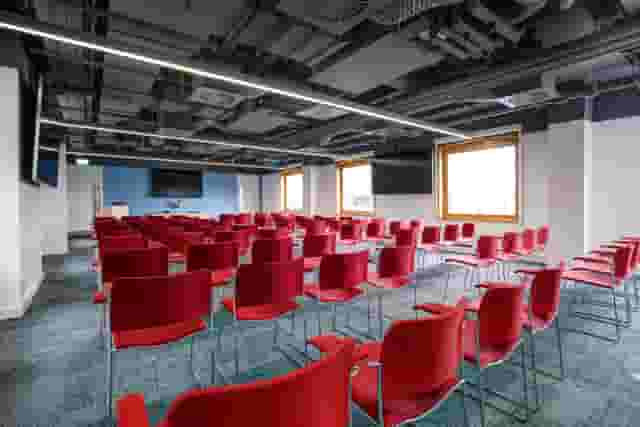


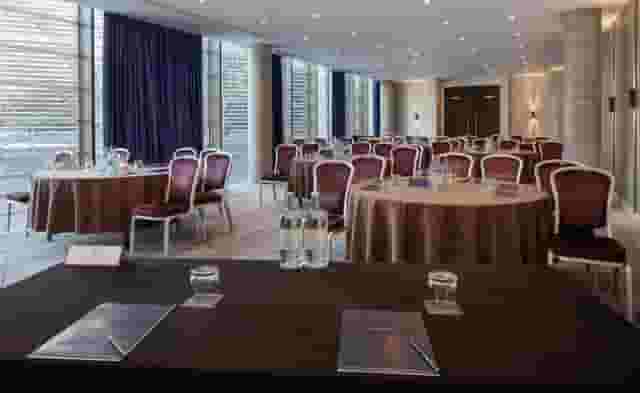

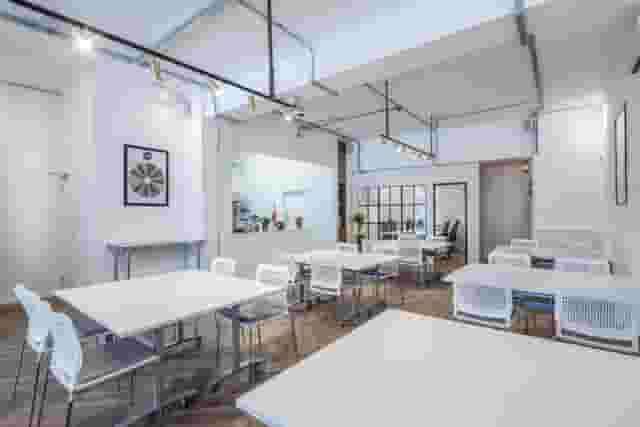
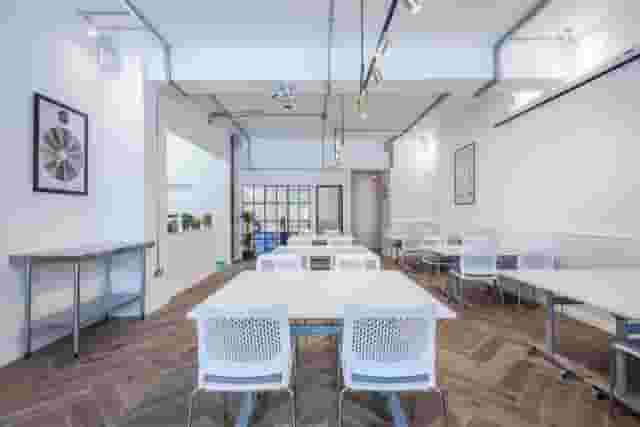
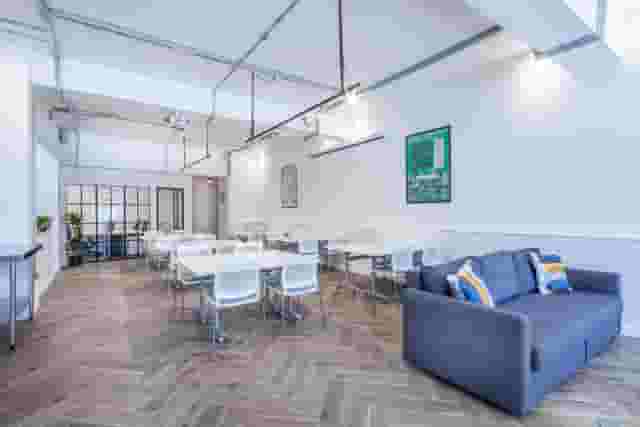










































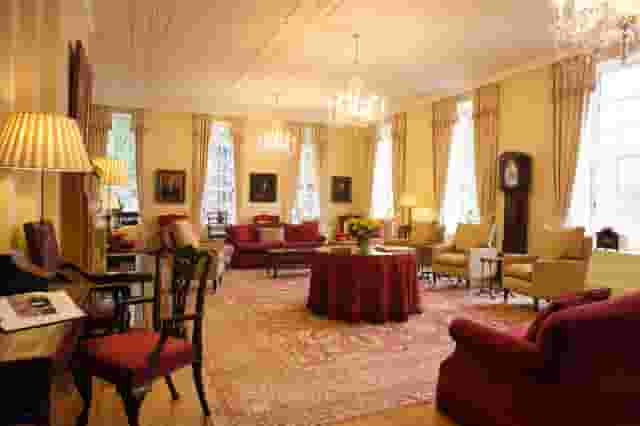
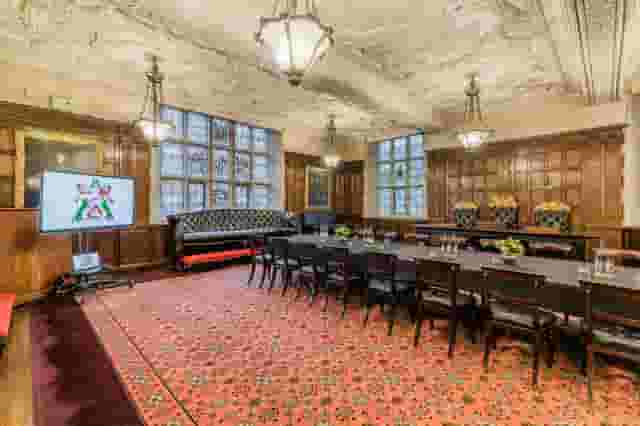
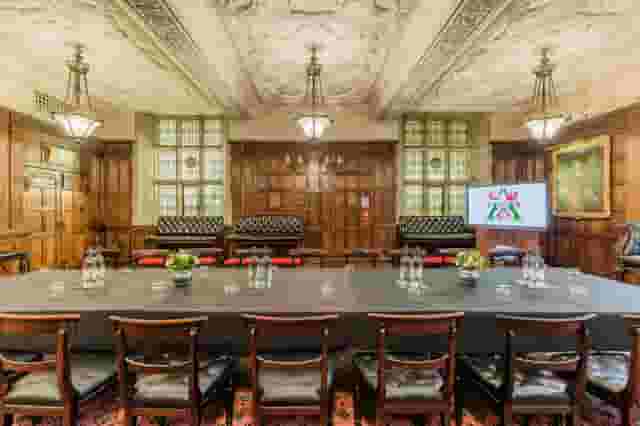
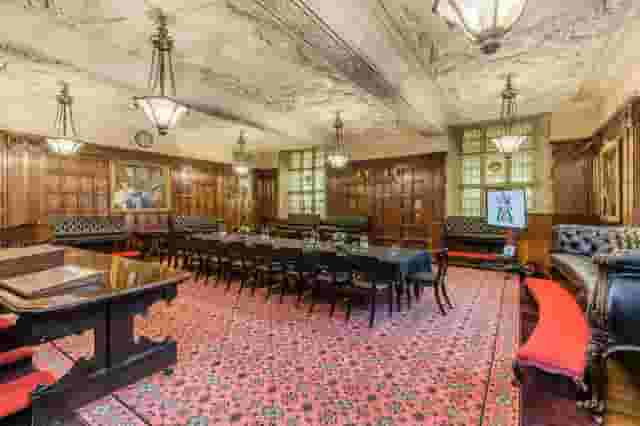

















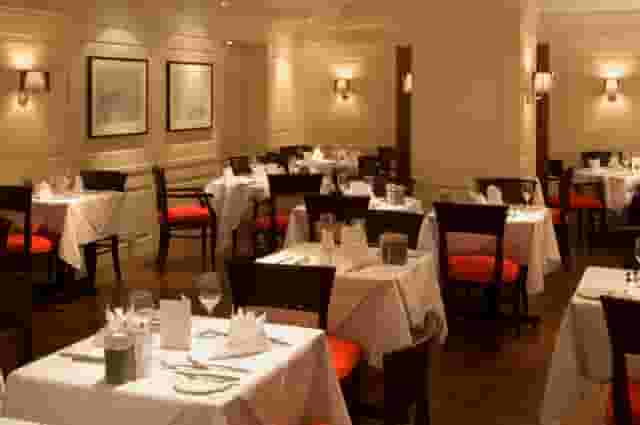
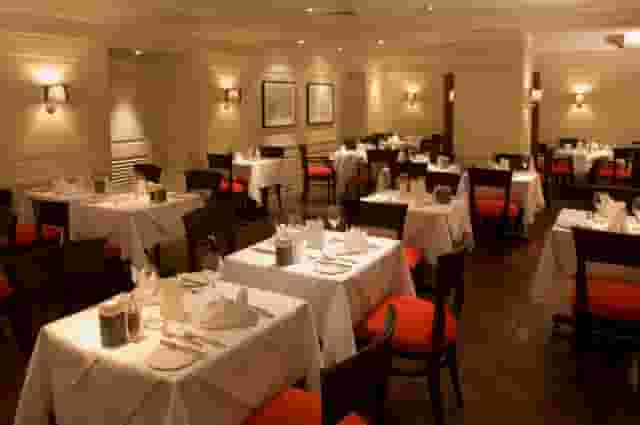
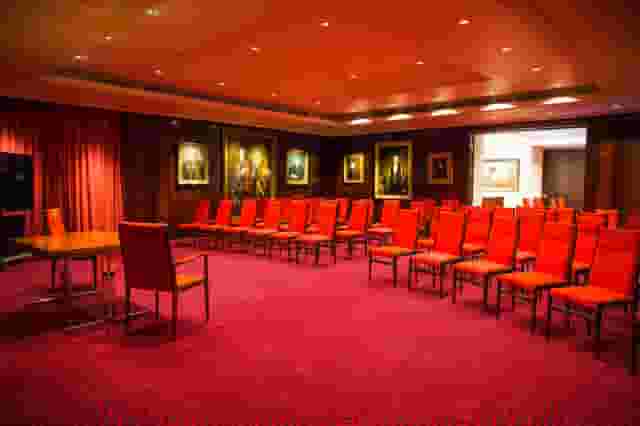

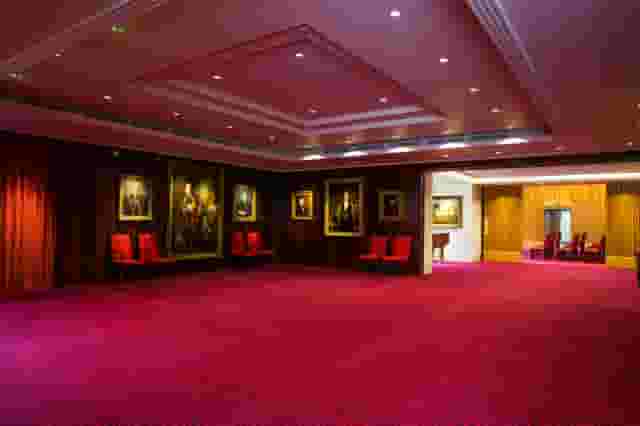








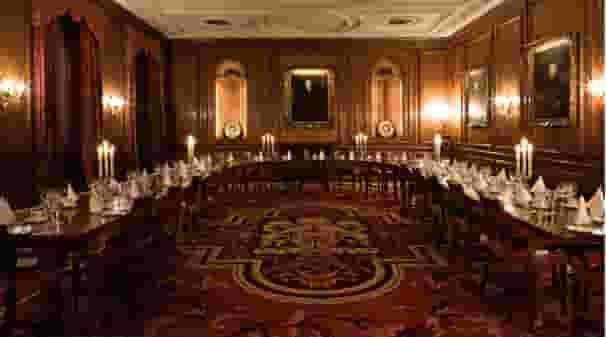
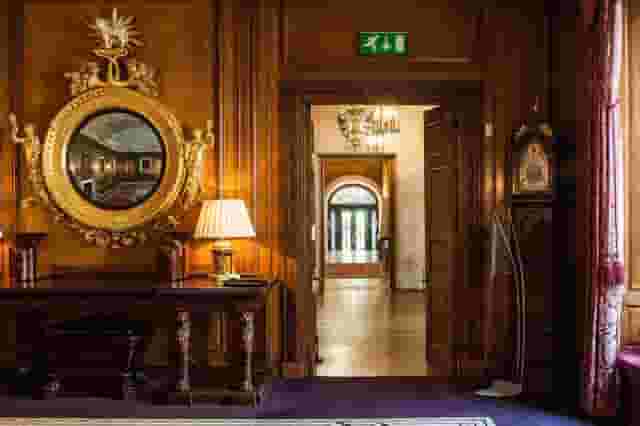
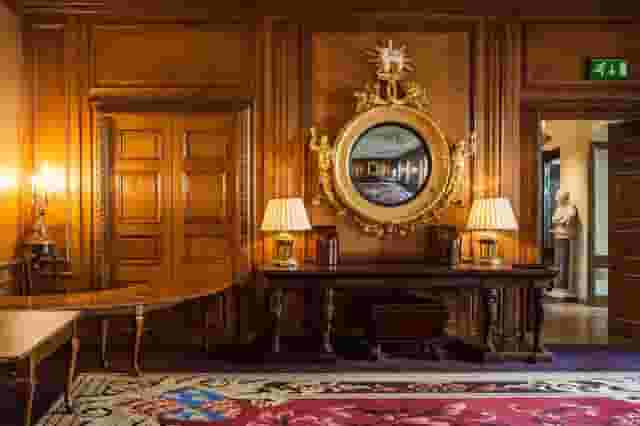
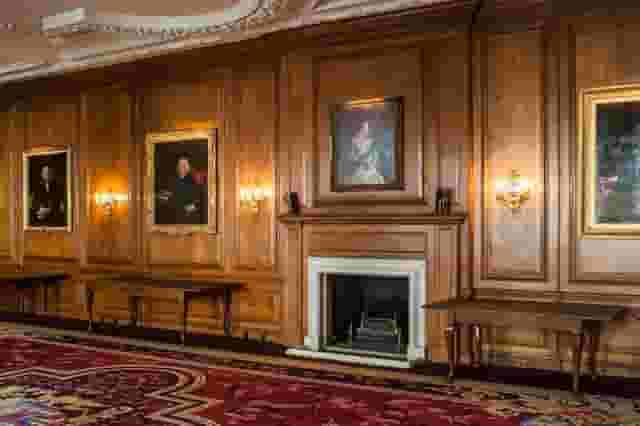

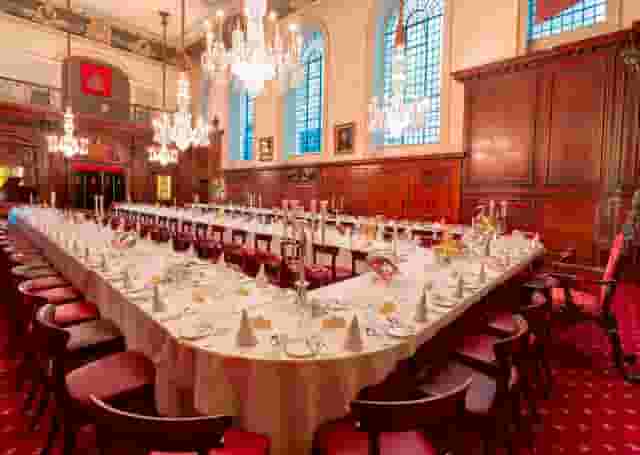

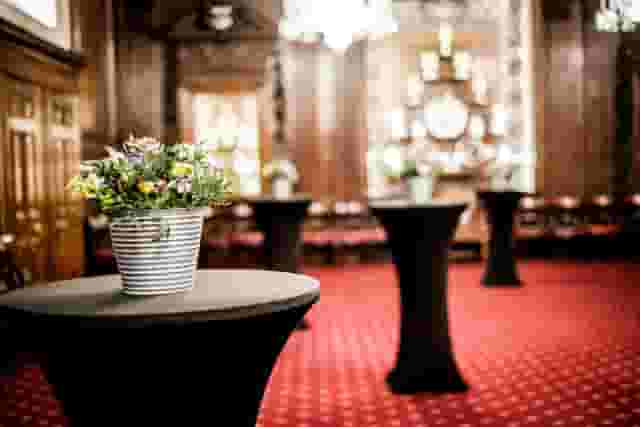
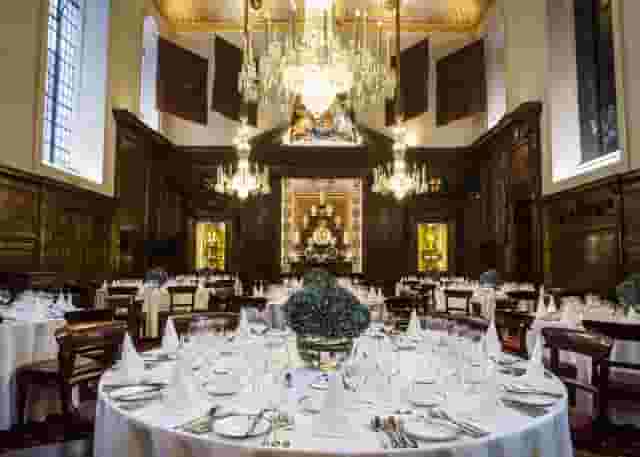
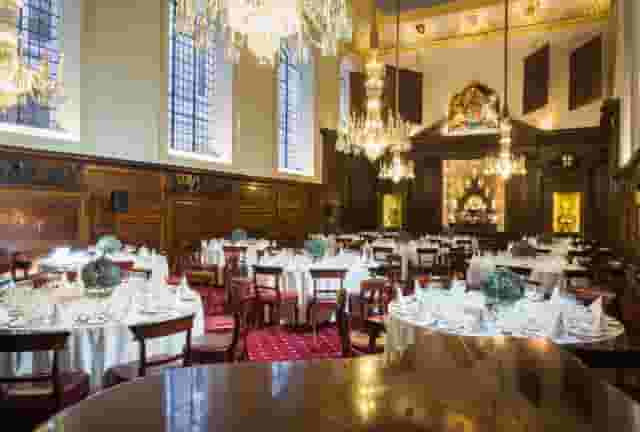






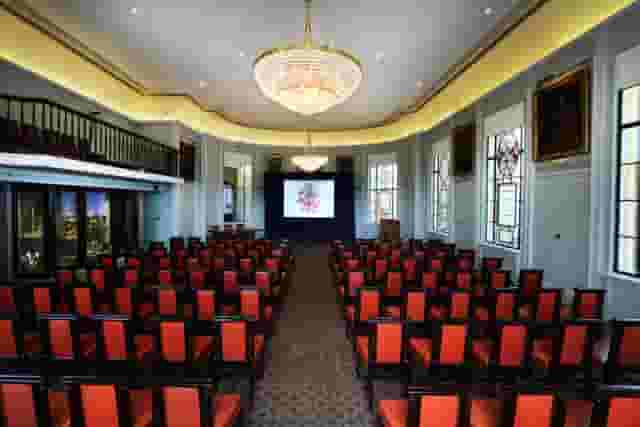
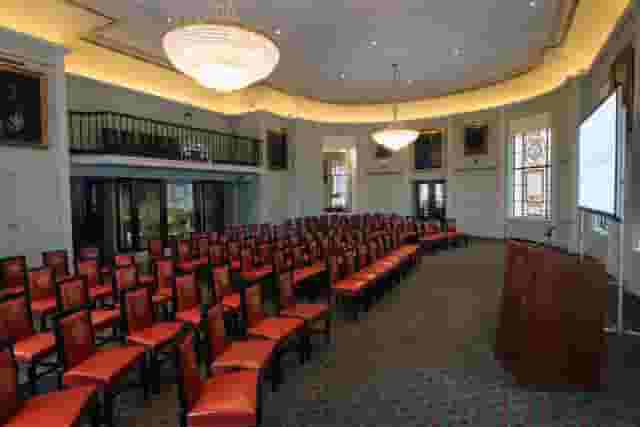
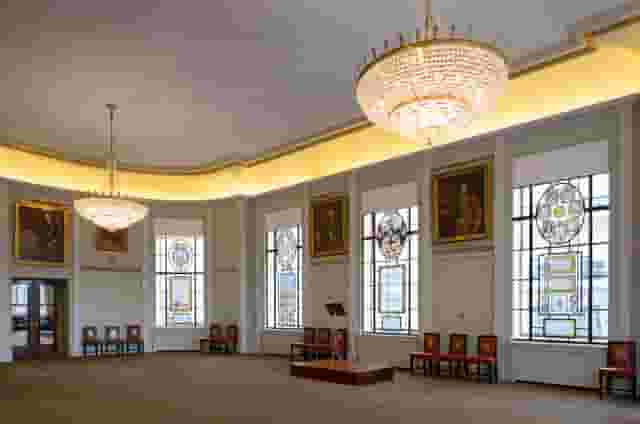
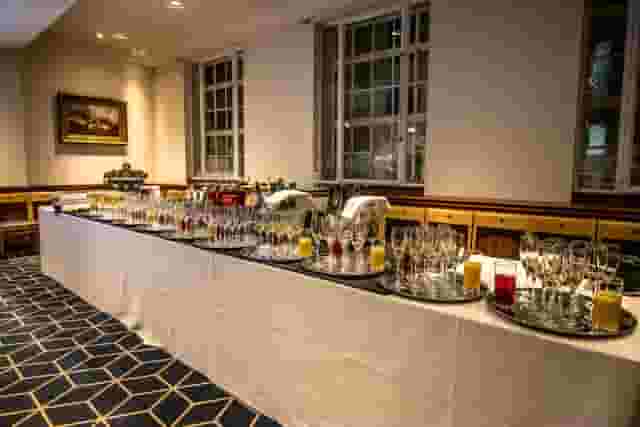

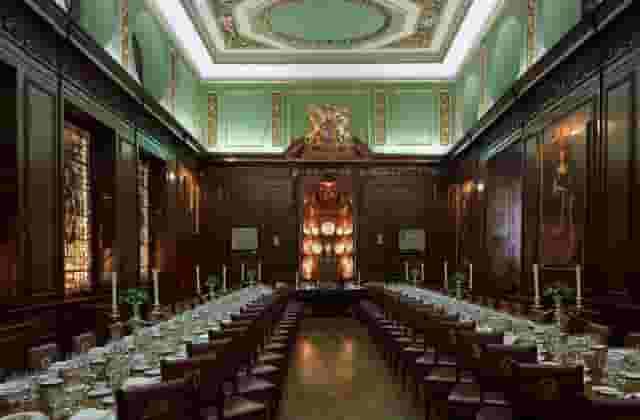
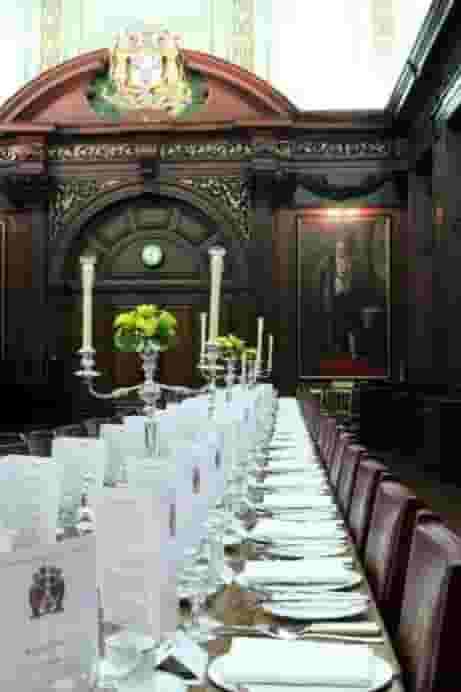
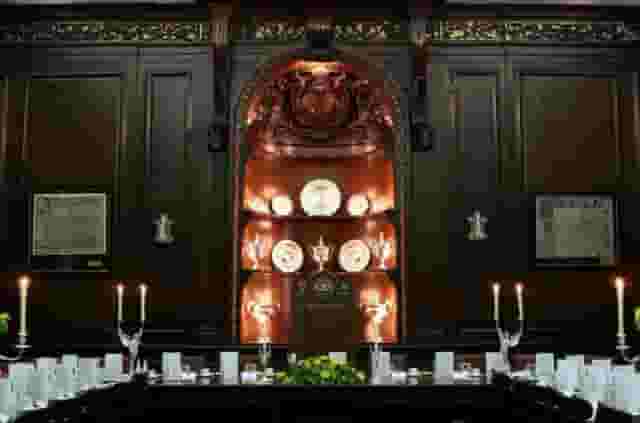
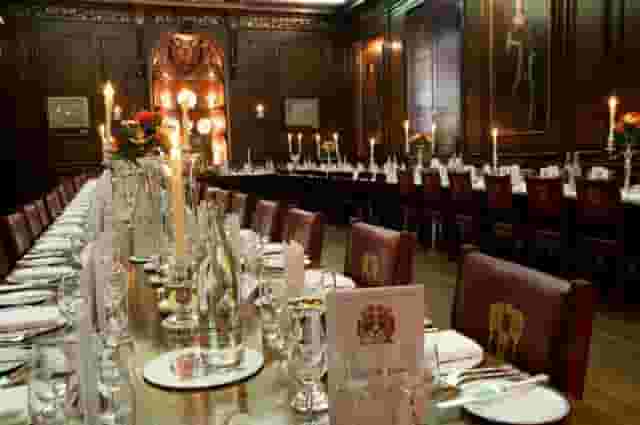

















































No venues match these filters
Try widening your capacity, luxury level or event type.
Don't have time to search? We'll find it for you.
For business events that need human judgement, talk to our team. Free for events of 100+ people, budgets over £10k or ongoing programmes.


Explore more venues in City Of London




















Other platforms search their database. We search everything.
Tell us what you need. Our deep research finds any venue, whether it's in our marketplace or not. No one else does this.
About Meeting Rooms in City Of London
Why the City of London Remains the Gold Standard for 50-Person Corporate Meetings
When you're planning a corporate meeting for 50 people, there's simply nowhere quite like the City of London. After organising hundreds of events across the capital, I can tell you that the Square Mile offers something unique – a perfect storm of prestige, practicality, and proximity that's hard to replicate elsewhere.
The numbers speak for themselves: with over 500,000 people working within a single square mile, you're placing your event at the heart of global finance. Your attendees from Goldman Sachs, Deloitte, or any of the major law firms can literally walk to your venue. We've seen attendance rates jump by 15-20% simply because delegates don't need to factor in cross-London travel time.
What Makes City Venues Perfect for 50-Person Gatherings
The beauty of hosting 50 people in the City lies in the venue options available. You're looking at spaces between 60-80m² – large enough for meaningful interaction but intimate enough for genuine engagement. The Meeting Rooms in Mayfair might offer glamour, but City venues deliver something more valuable: credibility.
Take the typical day rates we're seeing: you'll pay £500-£1,000 for a quality City meeting room, but compare that to the networking value when your delegates can pop out for lunch at Leadenhall Market or continue conversations at nearby wine bars. The ROI calculation changes completely.
Transport Links That Actually Work
Here's where the City truly shines. Liverpool Street and Bank stations mean your delegates from Canary Wharf arrive in 15 minutes, while the Elizabeth Line brings Heathrow within 30 minutes. We've tracked arrival times across dozens of events – City venues consistently see 95% on-time attendance versus 80% for venues in outer zones.
The parking situation deserves mention too. Yes, NCP Barbican charges £12 per hour, but pre-book daily rates at £40, and suddenly it's competitive with central alternatives. More importantly, your senior executives aren't circling blocks looking for spaces.
For those considering alternatives, Small Meeting Rooms in Clerkenwell offer excellent value, while Meeting Rooms in Westminster provide government proximity if that's relevant to your agenda.
The City's unique blend of historic gravitas and cutting-edge infrastructure creates an environment where business gets done. Your next step? Start with venue availability – peak booking periods (April-June, September-November) fill up three months ahead.
The Essential Planning Blueprint: From Layout Selection to Technology Integration for Mid-Size Teams
Getting the layout right for 50 people isn't just about squeezing everyone in – it's about creating an environment where ideas flow and decisions happen. After years of watching meetings succeed and fail, I've learned that the difference often comes down to those crucial planning decisions you make weeks before anyone walks through the door.
Choosing Your Layout: Theatre vs Classroom vs Boardroom Dynamics
For 50 delegates, you've got three realistic options, and each serves a different purpose. Theatre style maximises capacity – perfect for presentations where you need everyone facing forward. But here's what the venue brochures won't tell you: theatre works brilliantly for the first 45 minutes, then engagement drops off a cliff.
Classroom layout accommodates around 30 people comfortably in a 70m² space, leaving room for breakout discussions. We've found this sweet spot works particularly well for training sessions or workshops where note-taking matters. The extra space also means better acoustics – crucial when you're dealing with City venues where traffic noise can be an issue.
Boardroom configurations typically max out at 20 people, but don't dismiss this option. For senior leadership meetings or strategic planning sessions, the intimacy creates better dialogue. Plus, you can always use the remaining space for networking areas or catering stations.
Technology Integration That Actually Enhances Your Meeting
Here's where many organisers get it wrong – they focus on the flashy tech rather than the fundamentals. Your 50-person meeting needs a minimum 100 Mbps dedicated line, not shared bandwidth. We've seen too many hybrid meetings collapse because venues promised "high-speed internet" that couldn't handle video conferencing for half the room.
The AV setup requires careful consideration too. HD projectors with HDMI inputs are standard, but ensure you've got backup options. A simple flip chart can save your presentation when technology fails – and it will, usually at the worst possible moment.
For hybrid capabilities, budget for dedicated 10 Mbps upload speed per stream. This isn't negotiable if you're connecting remote participants. The Small Meeting Rooms in Holborn often excel at this, given their proximity to major telecoms infrastructure.
Climate Control and Acoustics: The Overlooked Essentials
Maintain temperatures between 20°C-22°C – sounds obvious, but 50 people generate significant heat. Venues with individual HVAC controls give you flexibility as energy levels change throughout the day. Acoustic panels aren't just nice-to-have; they're essential for maintaining focus when you've got animated discussions happening.
Your next step: create a technical requirements checklist and share it with potential venues during your initial enquiry. The venues that respond with detailed answers are the ones worth pursuing.
Navigating City of London's Unique Venue Landscape: Transport Links, Regulations, and Hidden Gems
The City's venue landscape is unlike anywhere else in London – it's a fascinating mix of medieval guildhalls, converted banking halls, and sleek modern spaces, all within walking distance of each other. But navigating this unique environment requires insider knowledge that most venue directories simply don't provide.
Understanding the City's Transport Ecosystem
The transport links are genuinely exceptional, but there's a hierarchy that affects your venue choice. Bank station handles 40 million passengers annually, making it the busiest interchange on the network. If your delegates are coming from across London, venues within 200 metres of Bank offer the smoothest arrival experience. Liverpool Street, meanwhile, excels for attendees travelling from the east – particularly useful if you're hosting teams from Canary Wharf or international visitors arriving via Stansted.
Here's something most organisers miss: the Elizabeth Line has transformed accessibility from west London. Venues near Moorgate now connect to Heathrow in 30 minutes, making them viable for international meetings that previously would have defaulted to Paddington area venues.
Regulatory Landscape: What You Need to Know
The City of London Corporation operates differently from other London boroughs, and this affects your event planning. Temporary Event Notices (TENs) must be submitted 10 days prior – not the standard five days elsewhere. The licensing team at Guildhall is remarkably efficient, but they're sticklers for proper documentation.
Noise restrictions kick in at 11 PM, particularly around residential areas like the Barbican Estate. We've learned this the hard way when planning evening networking sessions. The key is building relationships with venue managers who understand these nuances and can guide you through the process.
Hidden Gems and Venue Selection Strategy
The obvious choices – Guildhall, The Brewery – are magnificent but book up months ahead and command premium rates. Instead, consider the livery company halls scattered throughout the City. Many offer stunning 50-person spaces at surprisingly reasonable rates, often £600-800 per day versus £1,200+ for the headline venues.
The Small Meeting Rooms in Barbican area deserve particular attention – you're getting City prestige with slightly more flexible pricing and excellent transport links. Similarly, Small Meeting Rooms in Farringdon offer that perfect balance of accessibility and character.
Your next step: map out your delegates' likely journey routes and shortlist venues within a five-minute walk of their most convenient transport hub. The time saved on arrival logistics often justifies any premium in venue costs.
Smart Budgeting and Booking Strategies: Getting Maximum Value from Premium City Locations
The reality of City venue pricing might surprise you – it's not always the premium you'd expect, but knowing when and how to book makes all the difference. After negotiating hundreds of City venue contracts, I've discovered that the perceived expense often comes from poor timing and missed opportunities rather than genuinely inflated rates.
The Real Cost Breakdown for 50-Person City Venues
Let's talk numbers honestly. Day delegate rates in the City typically range from £55 for straightforward spaces up to £120+ for premium locations with full service. But here's the insider secret: these rates are highly negotiable, especially for midweek bookings outside peak periods. We've secured 30% discounts simply by avoiding the Tuesday-Thursday rush and booking for Monday or Friday slots.
The sweet spot for 50-person venues sits around £500-£1,000 per day for room hire alone. Add catering at £35-45 per head for a working lunch, and you're looking at £2,250-£3,250 total. Compare this to Meeting Rooms in Soho where similar quality spaces command £1,200-£1,800 daily, and the City starts looking remarkably competitive.
Timing Your Booking for Maximum Leverage
January and February are your golden months – venues are hungry for bookings after the Christmas lull, and you'll find rates 20-25% lower than peak periods. The Culture Mile project launching in 2025 will likely increase demand, so booking early for next year's events makes financial sense.
Here's a negotiation tip that's saved clients thousands: always enquire about minimum spend requirements rather than fixed hire fees. Many City venues prefer guaranteed F&B spend over room hire, especially for 50-person groups where catering margins are attractive. We've turned £800 room hire plus catering into £1,200 minimum spend deals that actually cost less overall.
Value-Adding Opportunities That Cost Nothing
The proximity factor in the City creates unique value-add possibilities. Venues near Small Meeting Rooms in Fitzrovia might offer competitive rates, but City locations let you extend networking into nearby establishments without transport costs. Factor this into your budget calculations – the informal continuation of business discussions often delivers more value than the formal meeting itself.
Consider seasonal patterns too. April-June and September-November see 40% higher demand, but shoulder months offer identical venues at significantly reduced rates. For quarterly reviews or training sessions, this timing flexibility can slash your annual meeting budget.
Your next step: request quotes for three different months and compare the total cost including delegate travel time. The savings often justify booking around your preferred dates rather than sticking rigidly to them.
Avoiding the 7 Most Common Pitfalls When Hosting 50-Person Meetings in Financial District Venues
After organising countless meetings in the City's financial district, I've watched even experienced event professionals make costly mistakes that could have been easily avoided. The unique environment of the Square Mile creates specific challenges that don't exist elsewhere in London – and the stakes feel higher when you're hosting senior executives from major financial institutions.
Pitfall #1: Underestimating the Security Clearance Timeline
Many City venues, particularly those in converted banking buildings, require security clearance for all attendees. We've seen meetings delayed by 45 minutes because organisers didn't collect passport details 48 hours in advance. Always ask about security requirements during your initial venue enquiry – some locations need a full week's notice for non-EU delegates.
Pitfall #2: Ignoring the Lunchtime Exodus Effect
Between 12:30-1:30 PM, the City transforms into organised chaos as 500,000 workers flood the streets. If your meeting runs through lunch, factor in 15-20 minutes for delegates to return from nearby restaurants. We've learned to either provide in-house catering or schedule strategic breaks that work with, not against, this natural rhythm.
Pitfall #3: Overlooking Acoustic Challenges in Historic Venues
Those stunning Georgian rooms and converted banking halls often have terrible acoustics for 50-person discussions. High ceilings and hard surfaces create echo chambers that kill engagement. Always request a sound check during your site visit – if you can't have a normal conversation from opposite ends of the room, your meeting will struggle.
Pitfall #4: Misjudging Technology Infrastructure in Period Buildings
Historic City venues often have beautiful facades hiding inadequate power supplies. A 50-person meeting with laptops, phones, and AV equipment can easily overwhelm older electrical systems. We've witnessed presentations crash mid-flow because venues couldn't handle the power draw. Always specify your exact technical requirements and ask for written confirmation of capacity.
Pitfall #5: Booking Without Understanding Minimum Spend Commitments
Many premium City venues quote attractive room hire rates but bury substantial minimum spend requirements in the small print. For 50-person meetings, these can range from £1,500-£3,000 depending on the venue's prestige. Factor this into your budget calculations from day one, not when you're signing contracts.
Pitfall #6: Failing to Plan for the 'City Pace' Culture
Financial district meetings move faster and finish earlier than elsewhere in London. Your carefully planned 6-hour agenda might wrap up in 4.5 hours as City delegates cut through discussions with characteristic efficiency. Build flexibility into your schedule and have backup content ready.
Pitfall #7: Neglecting Alternative Transport Options During Strikes
The City's excellent transport links become a liability during tube strikes. Always have contingency plans – Boardrooms in Waterloo offer similar prestige with better bus connections, while Small Meeting Rooms in Bloomsbury provide walking distance alternatives for many City workers.
Your next step: create a pre-event checklist covering security clearance, technical specifications, and transport contingencies. Share this with your venue contact at least two weeks before your meeting to avoid last-minute surprises.
What our customers say
Inspiration and planning guides

8 of the Coolest Meeting Rooms in London
Looking for the coolest meeting rooms in London? From stylish interiors to unique settings, here are 8 venues that will definitely elevate your next meeting!

Sneak Peek: The Salters' Hall Refurbishment
Located in the heart of the City, Salters’ Hall combines the rich heritage of the salt trade of medieval London with contemporary surroundings. Rebuilt in 1972 by Basil Spence and now a Grade II listed building, it is a rare example of a post-war livery building and has remained largely untouched until now... Architects de Metz Forbes Knight [http://www.dmfk.co.uk/projects/load/salters-hall] (dMFK) were tasked with the project to upgrade the building whilst retaining its sense of history and al

Venue Review: Anomalous Space
Creative ventures across the artistic spectrum are accommodated and embraced at Anomalous Space [https://hirespace.com/Venues/London/1551/Anomalous-Space], situated stunningly close to Angel Station on Pentonville Road. The venue's name captures its uniqueness, in that it deviates from the standard, unoriginal function space that's all too common. Anomalous Space combines the most contemporary of technological facilities with Art-Deco features, all set within an authentic Georgian townhouse.
One supplier. Every venue. Full visibility on what you spend.
Multiple venues and events. One agreement.