Meeting Rooms in Soho
Compare tech-ready meeting spaces in Soho with daylight, AV equipment and clear indicative pricing for your next team session.
91 Meeting Rooms in venues in Soho
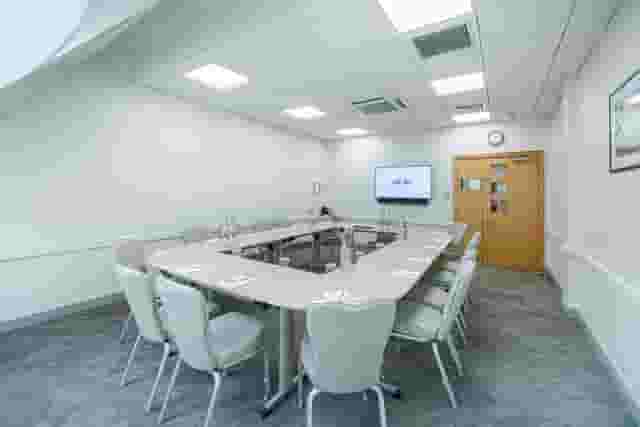
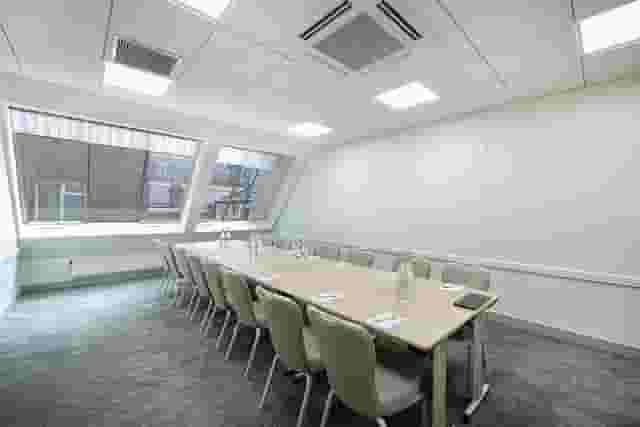
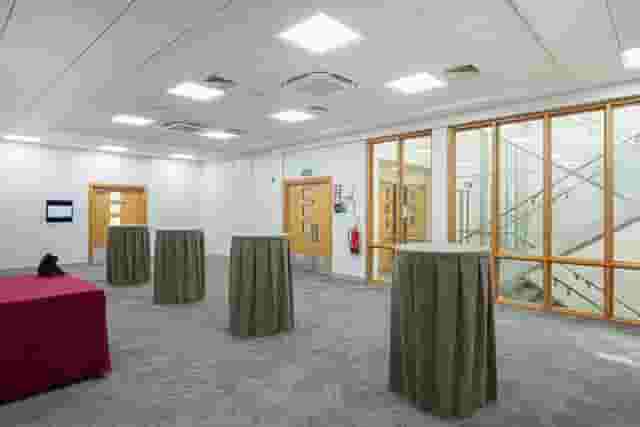
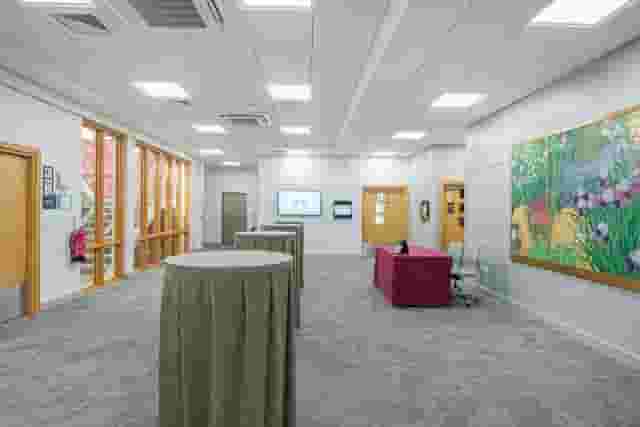


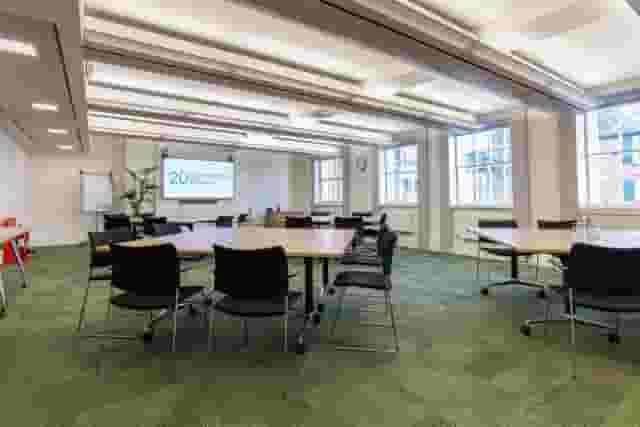
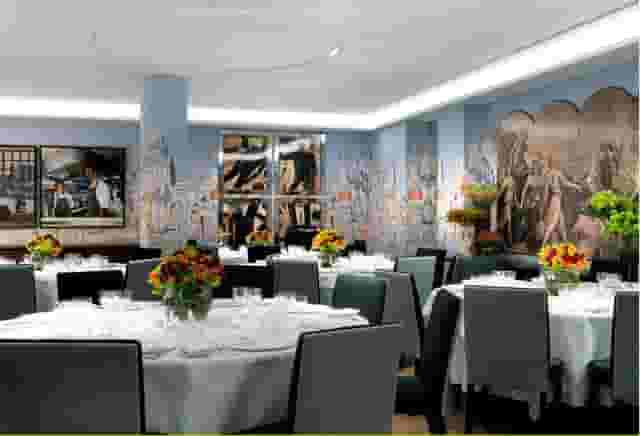
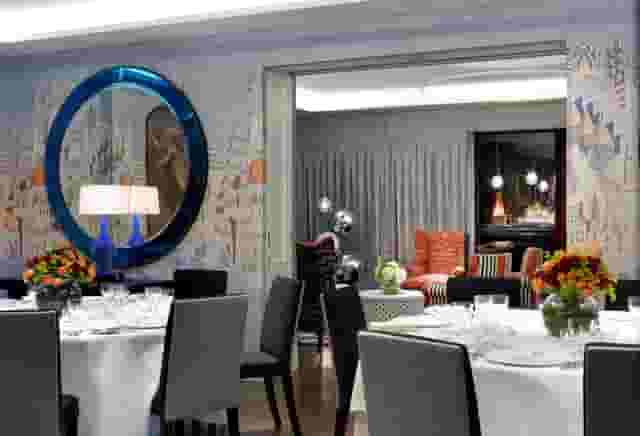
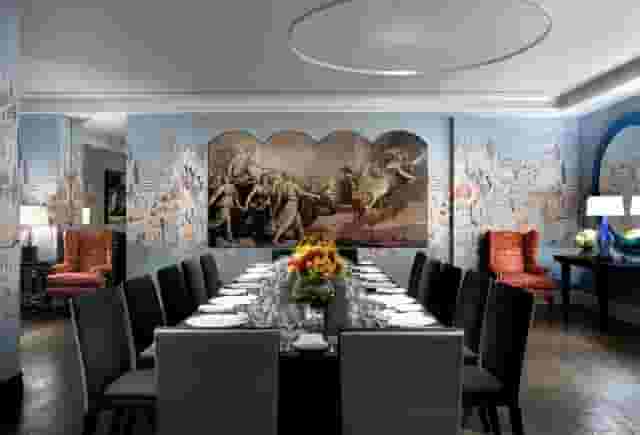
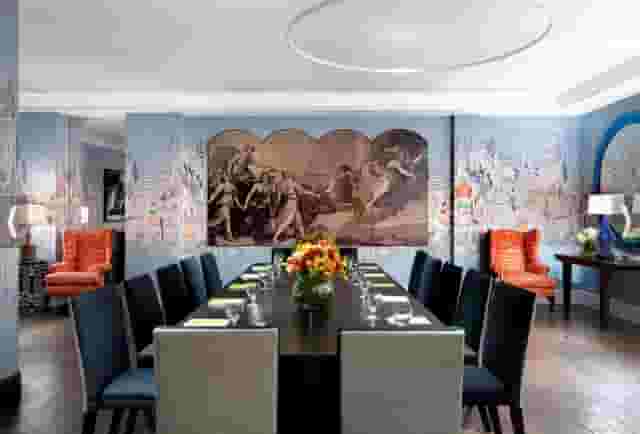
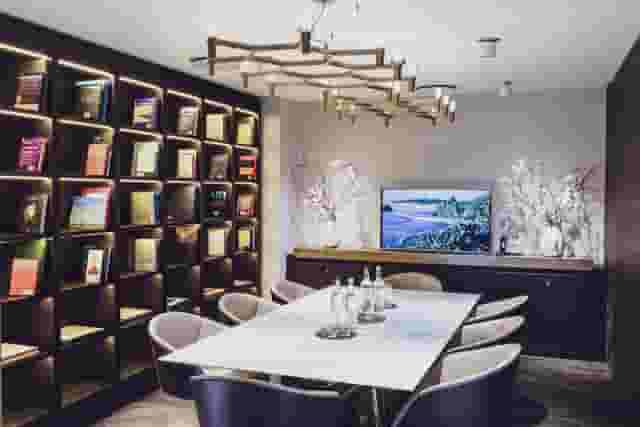

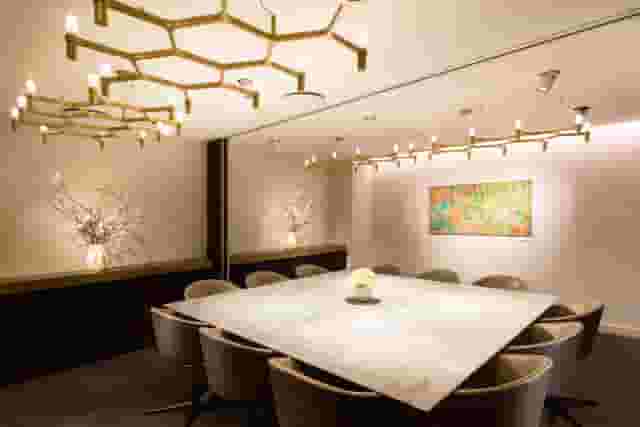
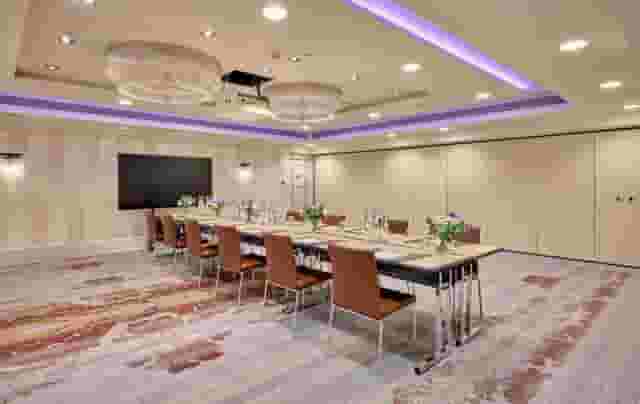
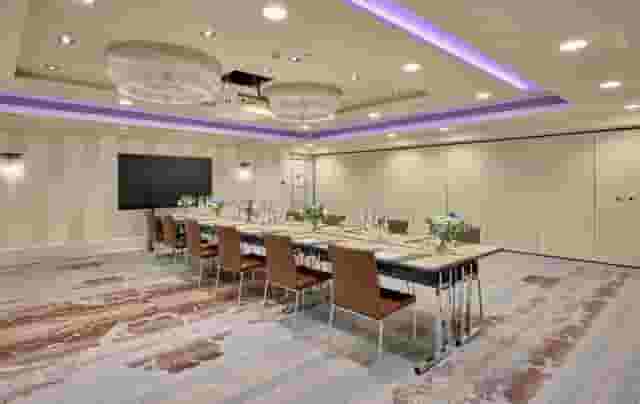
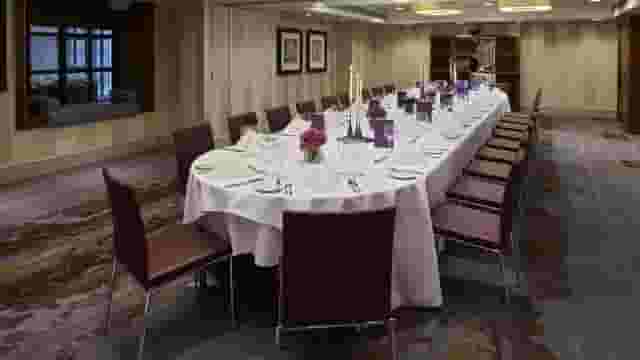
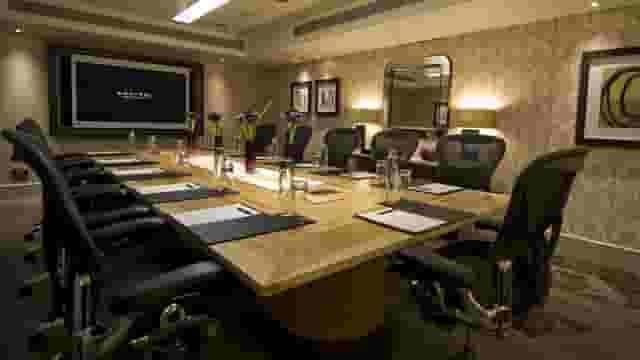
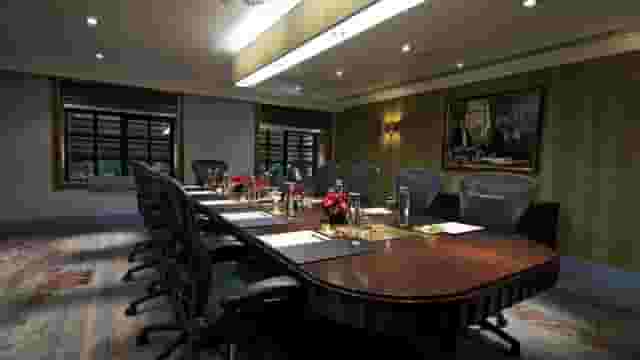

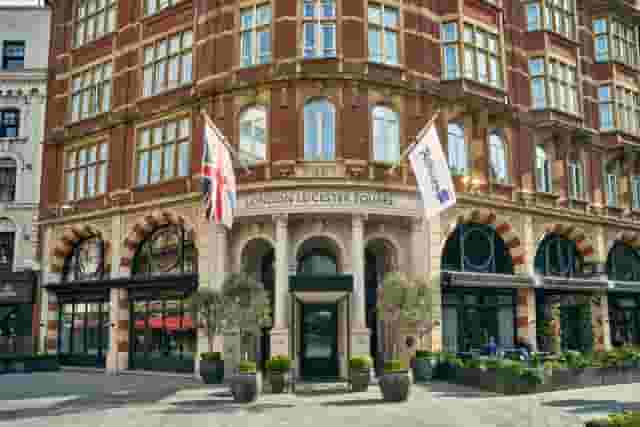
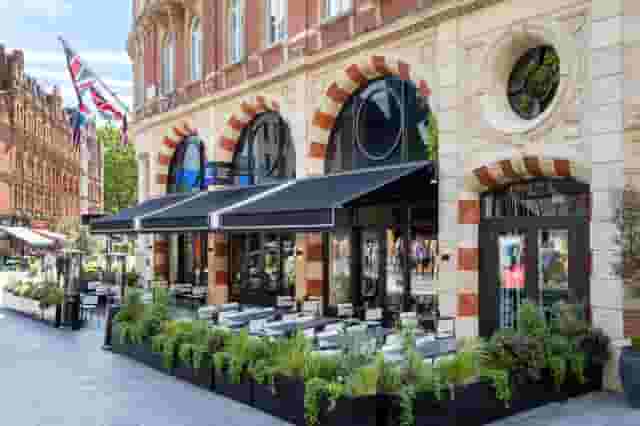
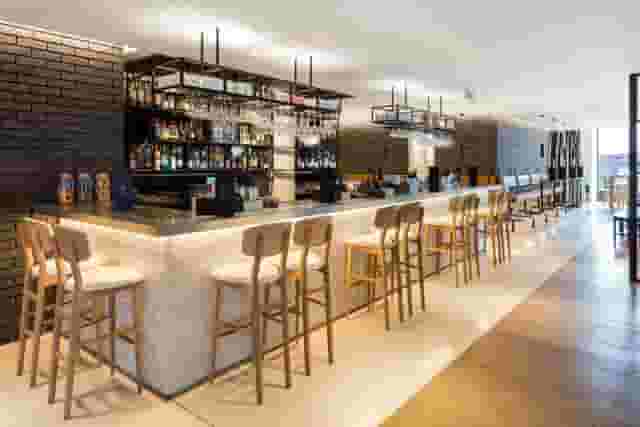
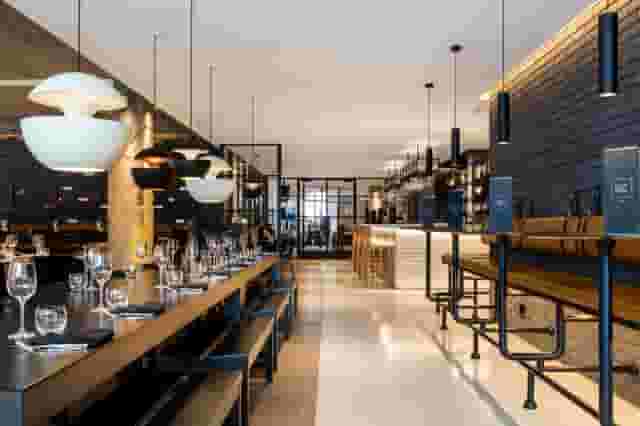
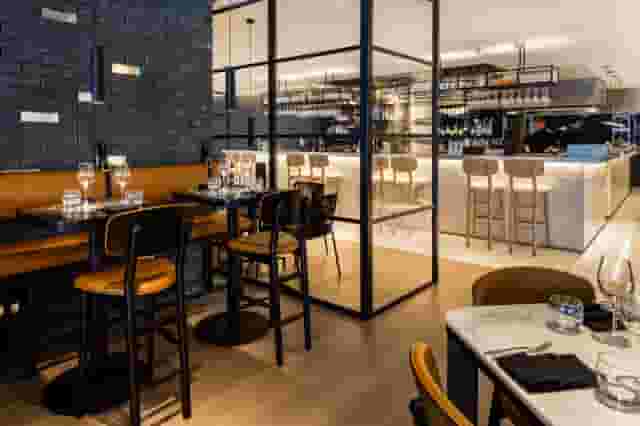
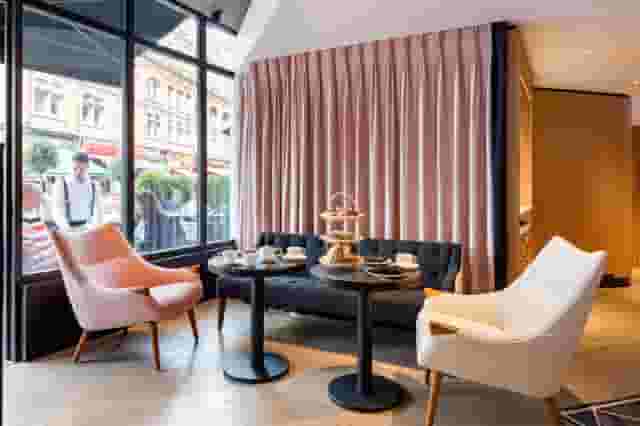
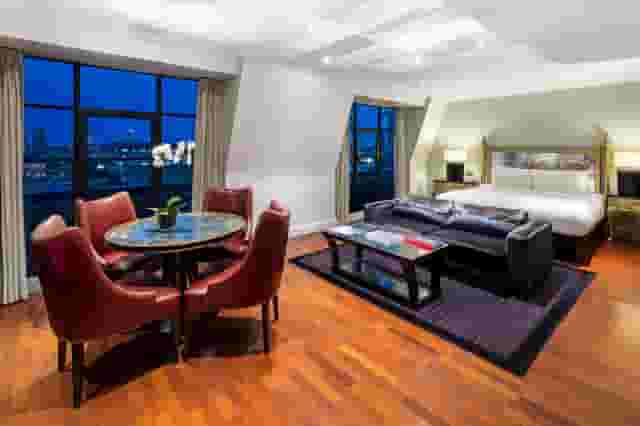
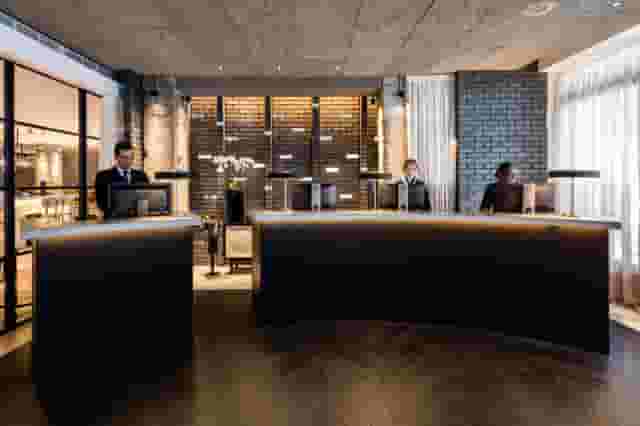

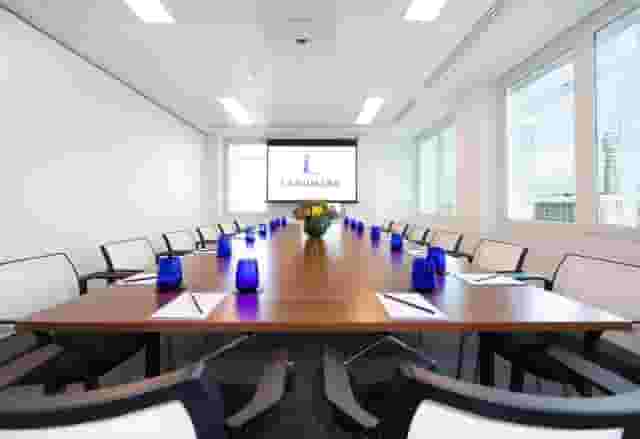
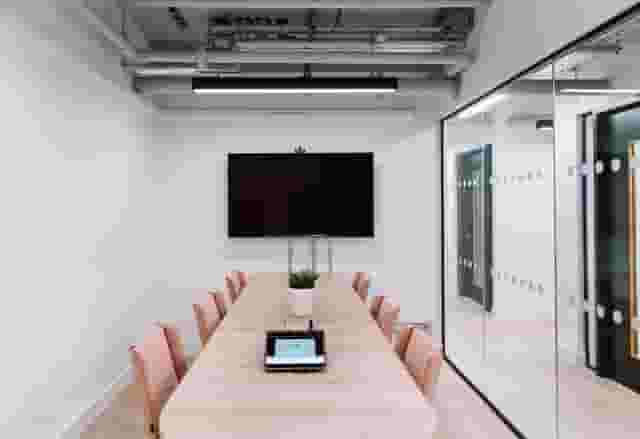
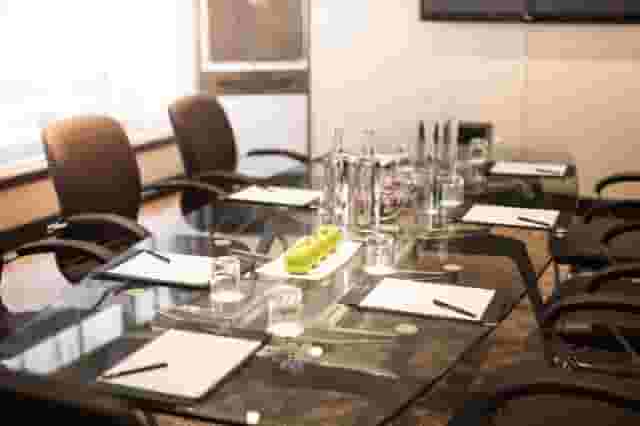
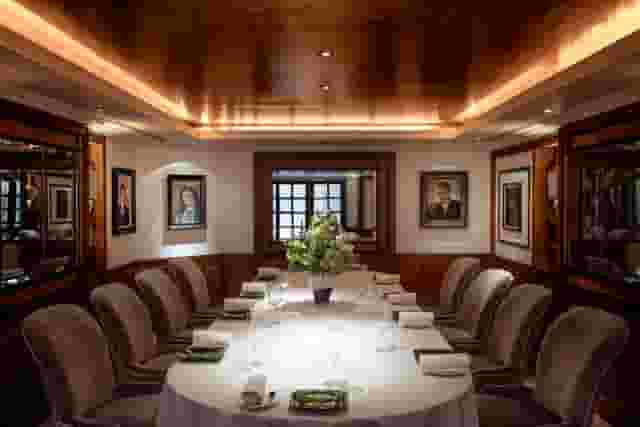



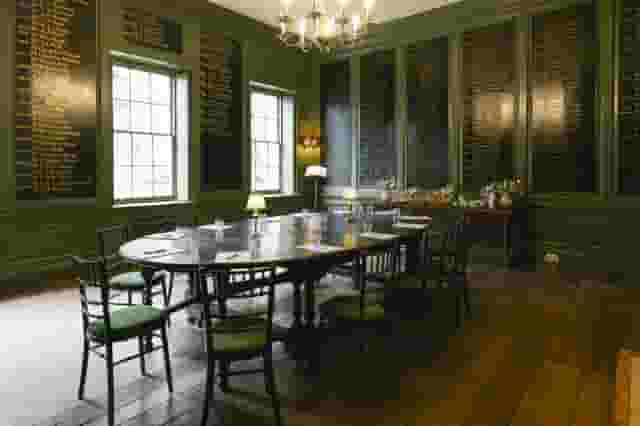
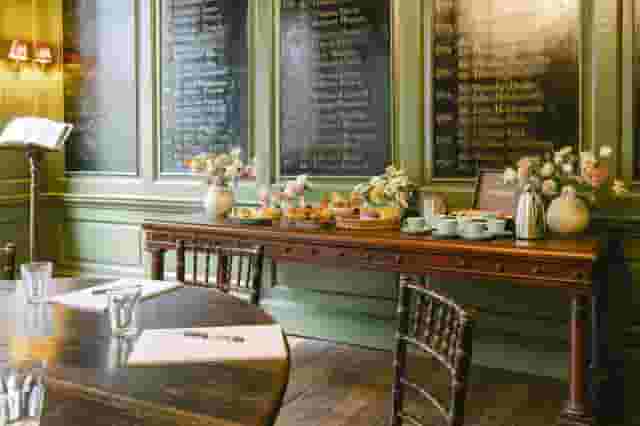
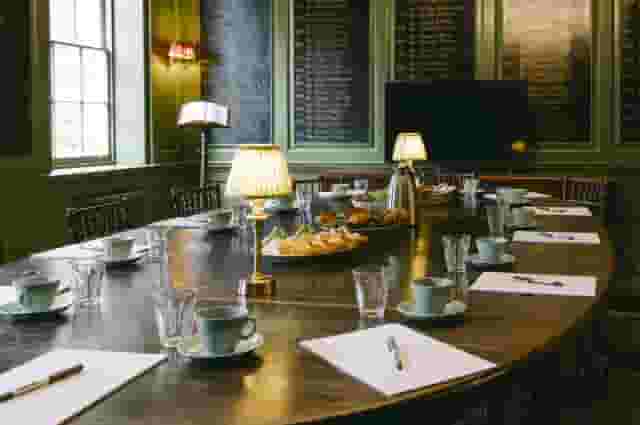

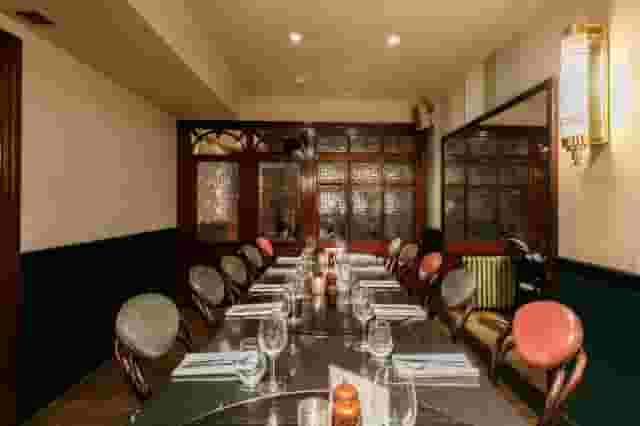



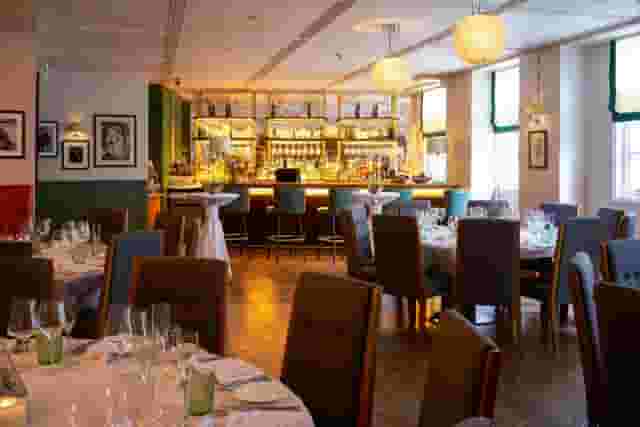
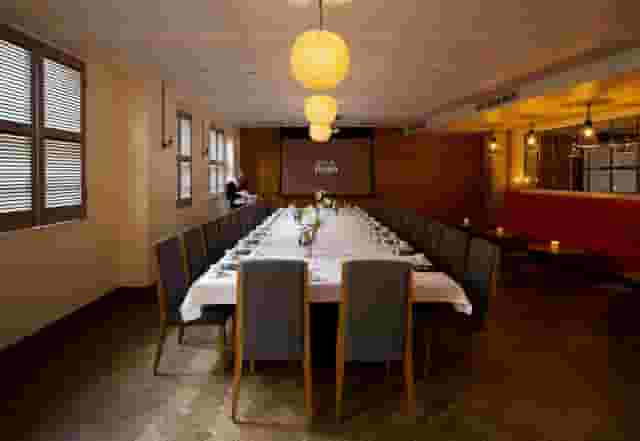
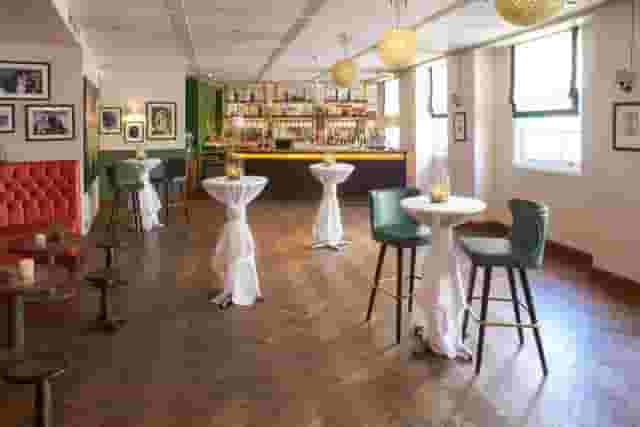
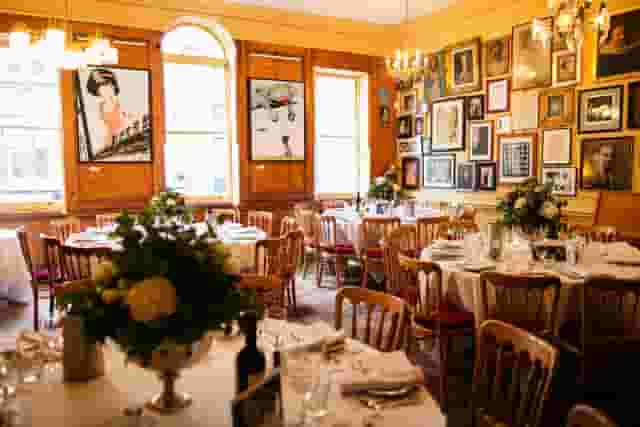
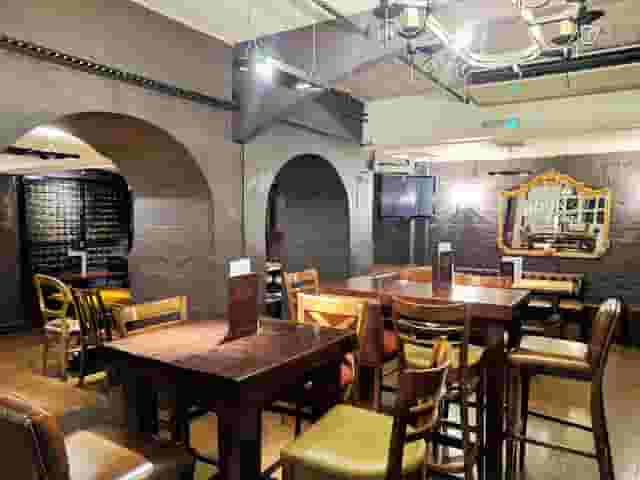
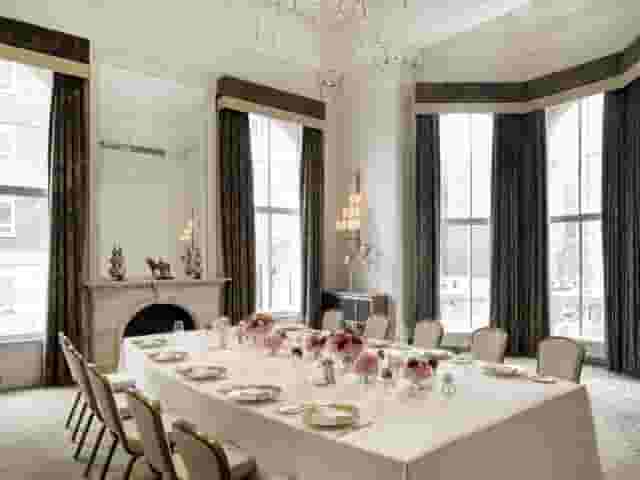
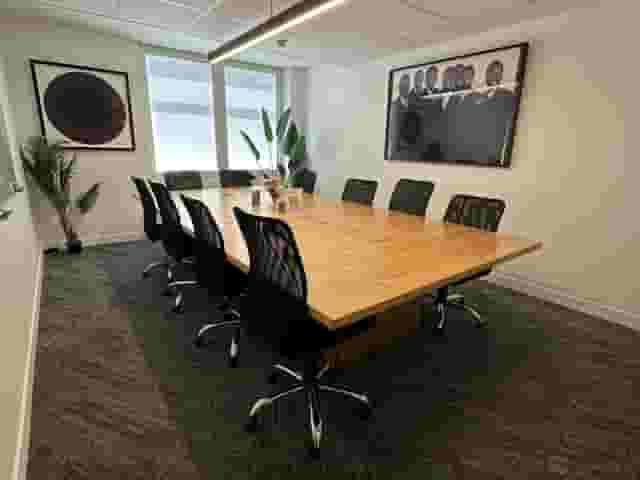
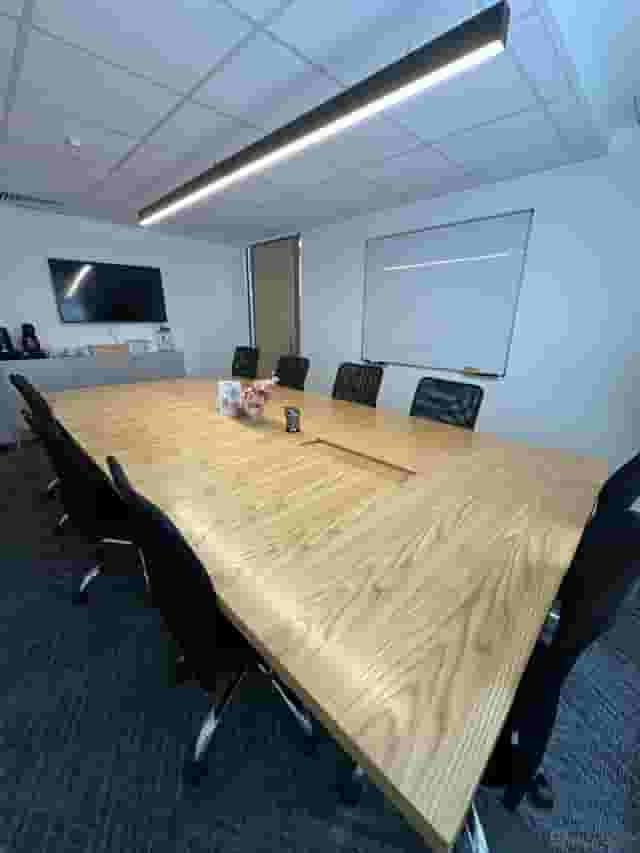







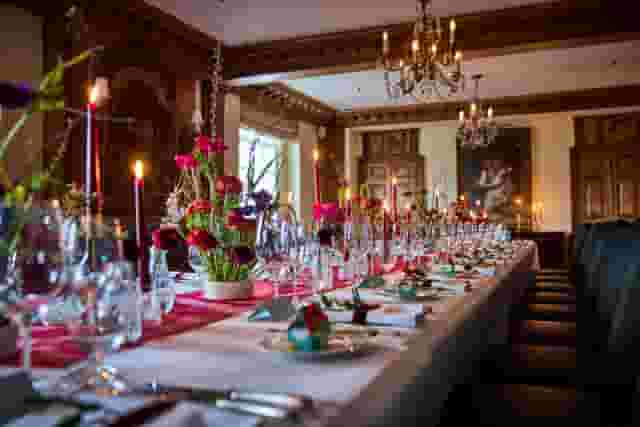
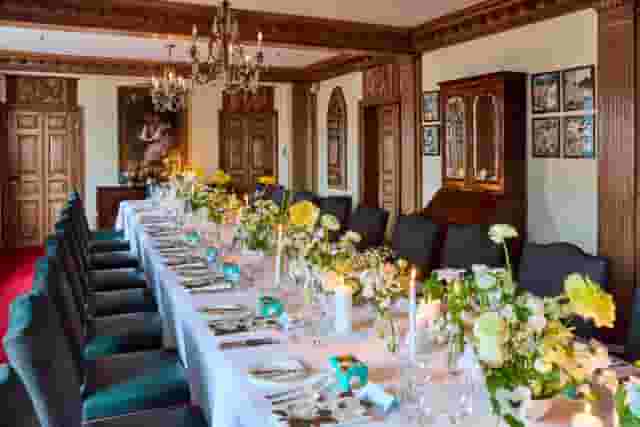
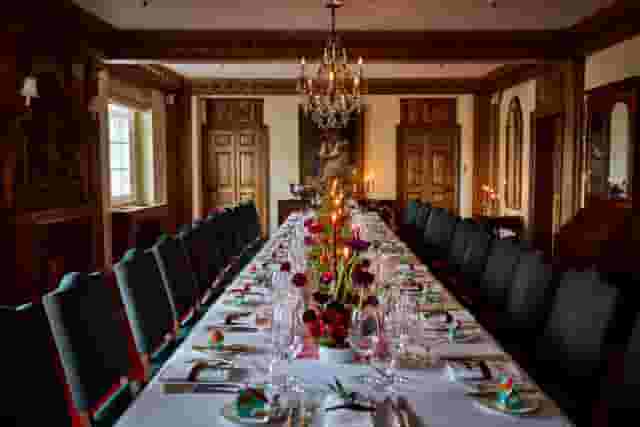
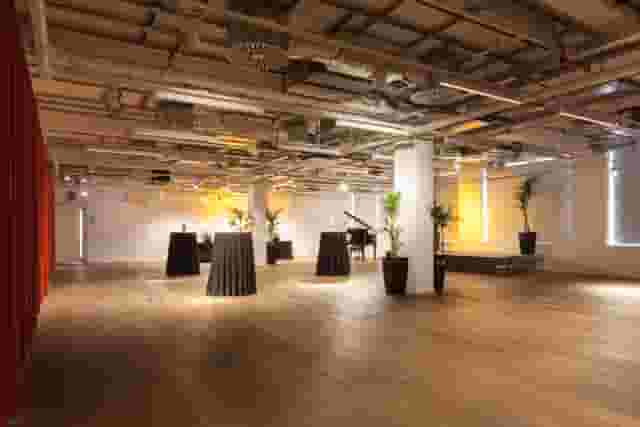















No venues match these filters
Try widening your capacity, luxury level or event type.
Don't have time to search? We'll find it for you.
For business events that need human judgement, talk to our team. Free for events of 100+ people, budgets over £10k or ongoing programmes.




Explore more venues in Soho









Frequently asked questions
How do I choose the right meeting room ambiance in Soho?
What size are typical meeting rooms in Soho?
What are the best types of meeting rooms in Soho?
Are there tech-equipped venues available in Soho?
How much does it cost to hire a meeting room in Soho?
Other platforms search their database. We search everything.
Tell us what you need. Our deep research finds any venue, whether it's in our marketplace or not. No one else does this.
About Meeting Rooms in Soho
Organising a half day meeting in Soho usually comes down to three priorities: getting everyone in the room without travel friction, keeping them engaged with clear presentation kit, and serving refreshments that keep energy high until lunch. Soho remains one of the most requested areas in Central London for team off-sites, board updates and client presentations. The Elizabeth line at Tottenham Court Road has cut cross-city journey times, while the concentration of restaurants and private members' clubs gives attendees an easy transition from work to dinner once the agenda wraps up.
The challenge with Soho is variety. Behind the Georgian facades and converted warehouses sit spaces ranging from quiet, high-spec hotel suites to cramped basement rooms where street noise bleeds through single-glazed windows. Choosing well means looking past cosmetic styling and checking the operational details: acoustics, natural light, display connections and how the venue handles coffee service during a tight schedule. To help you navigate those choices, Hire Space is a venue booking platform supported by a team of real people who take ownership of the outcome. Its Deep Venue Research technology uncovers spaces across the neighbourhood in minutes rather than days, pairing live options with data-backed price estimates drawn from actual bookings so you can compare costs before enquiring.
Matching the room to the job on the agenda
Every productive meeting starts with room layout. When you book space for roughly 20 people, placing everyone around a single central table changes the tone completely compared to arranging rows facing a screen.
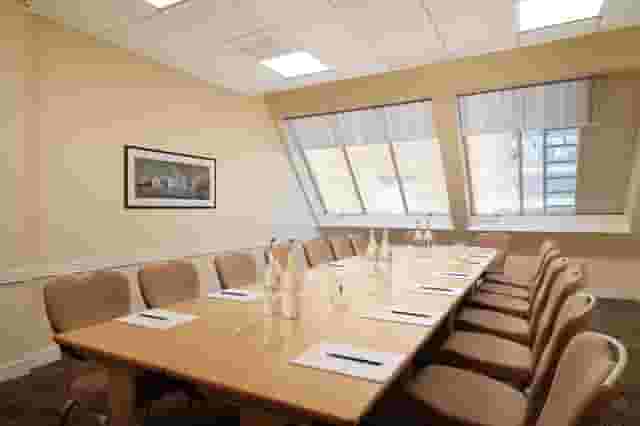
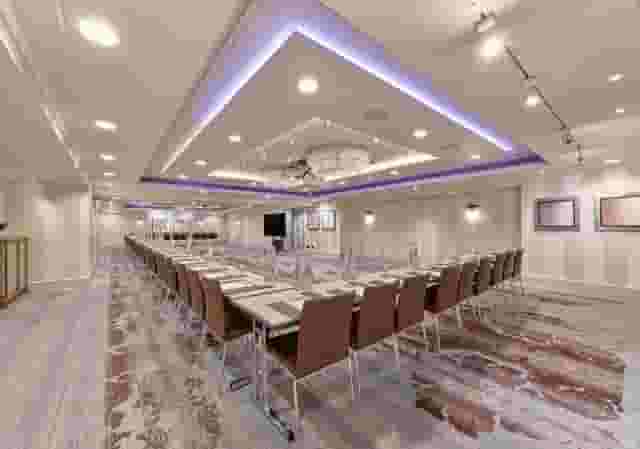
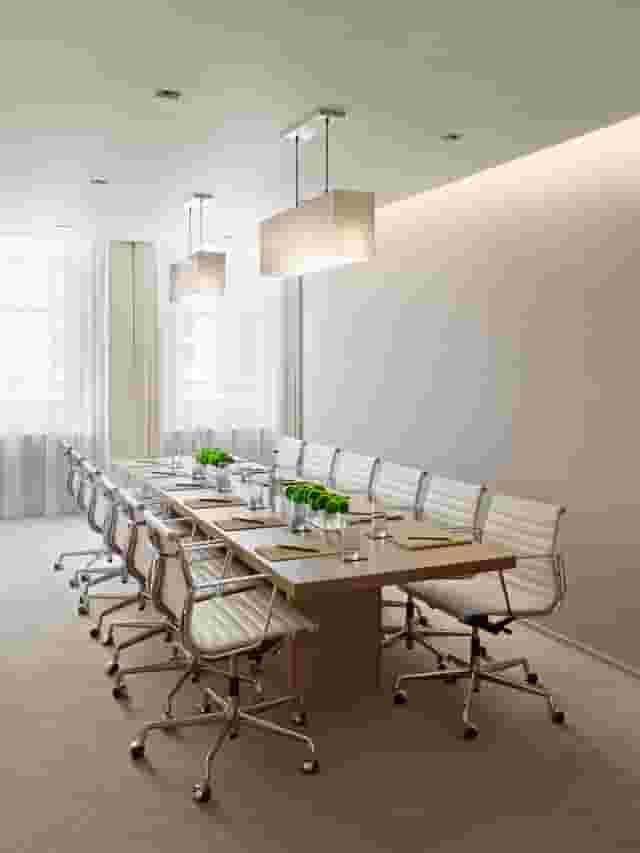
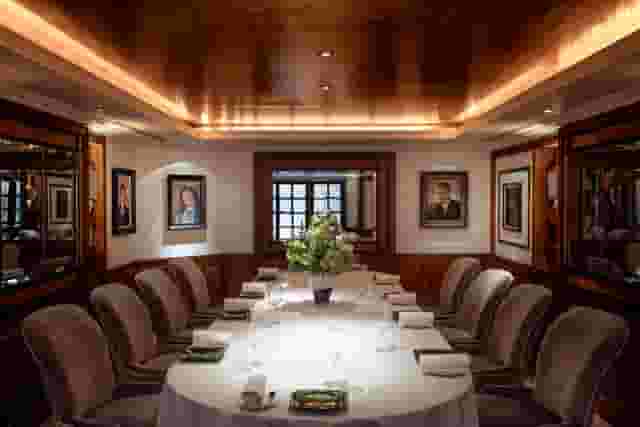
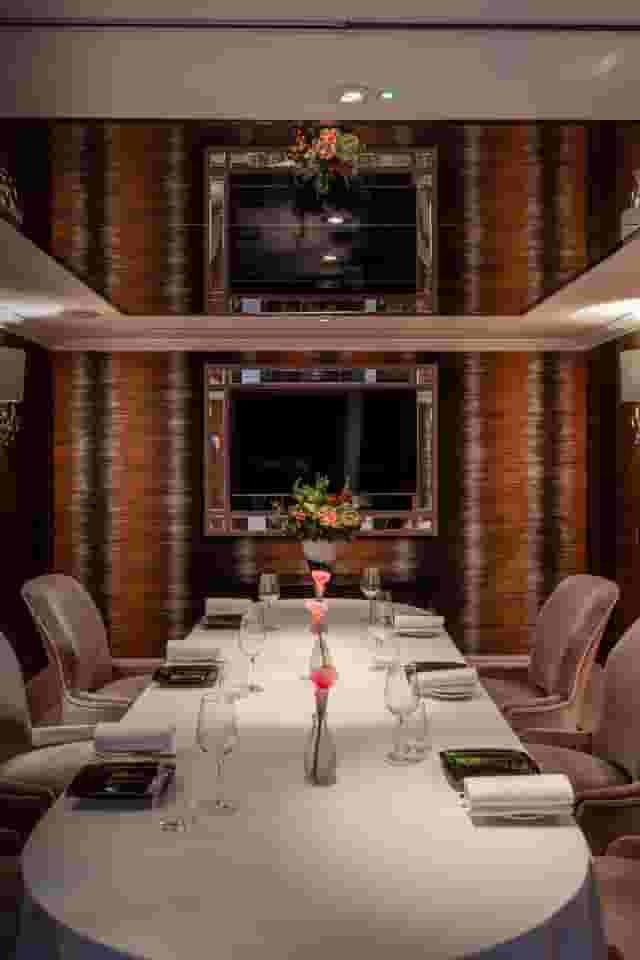
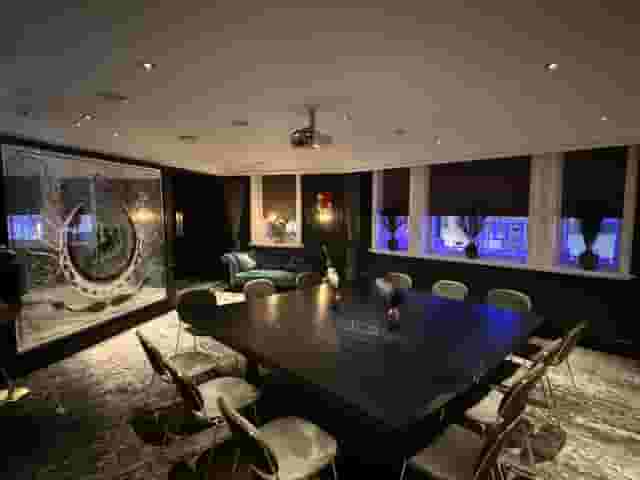
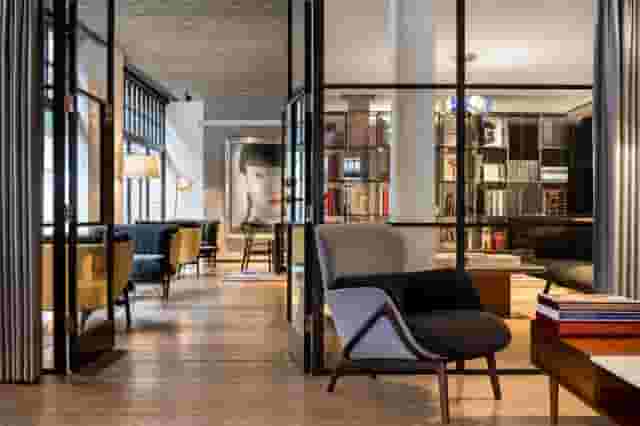
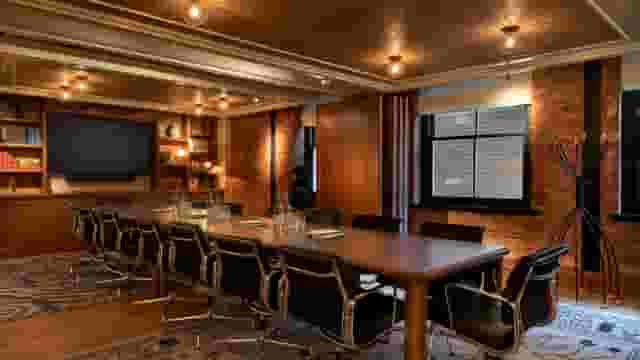
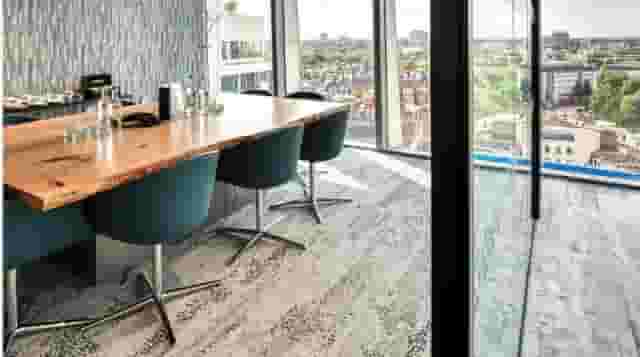
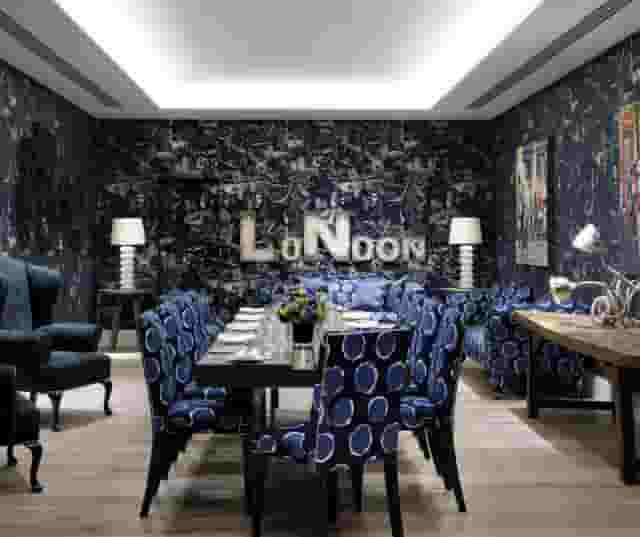
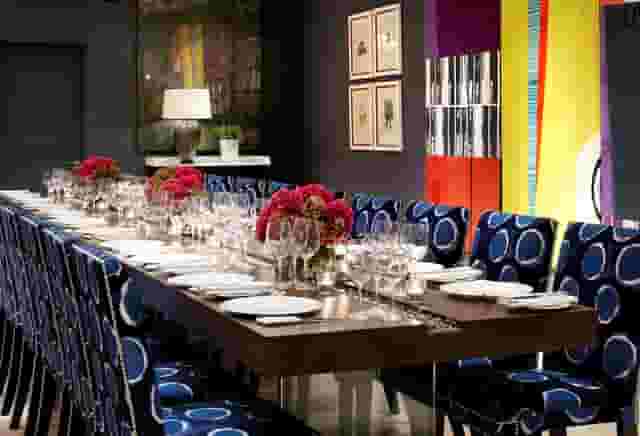
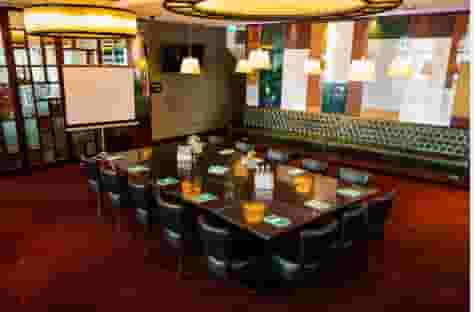
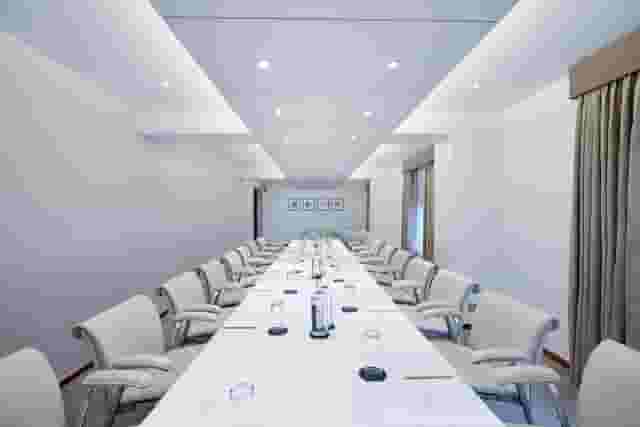
For discussion-led sessions such as quarterly board reviews, executive catch-ups or senior leadership alignments, a classic boardroom layout is the standard choice. Everyone can make eye contact, body language is visible across the table, and conversation flows without a single person feeling like they are on trial. For smaller leadership teams of around a dozen people, The London EDITION on the edge of Soho offers Studio I, which sits up to 12 people in a dedicated boardroom setting that keeps discussions private and contained.
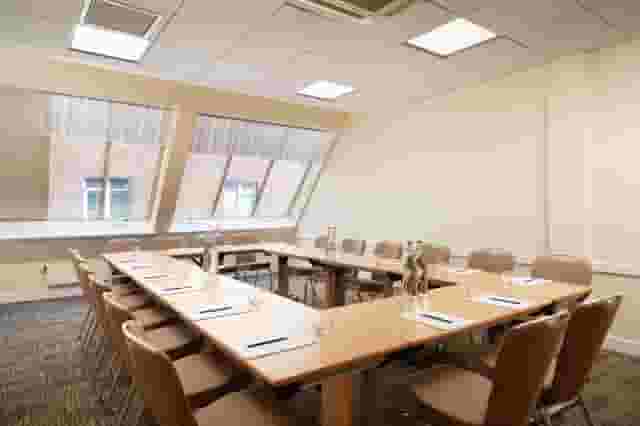
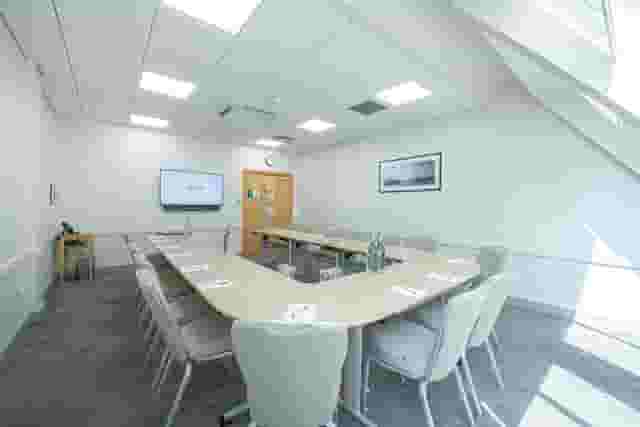
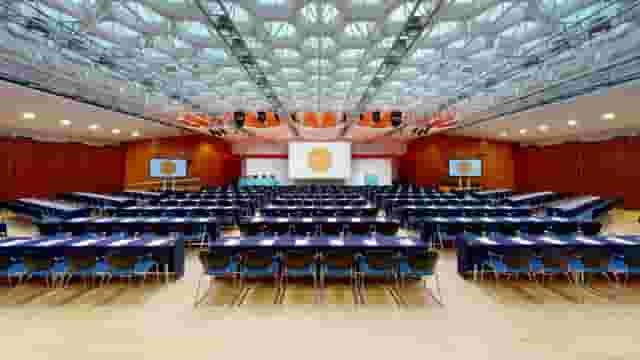
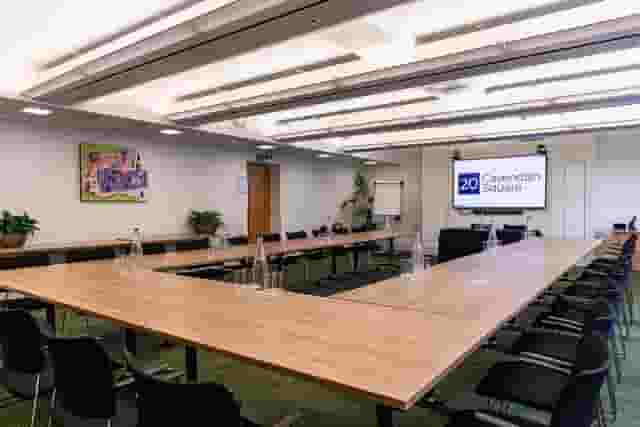
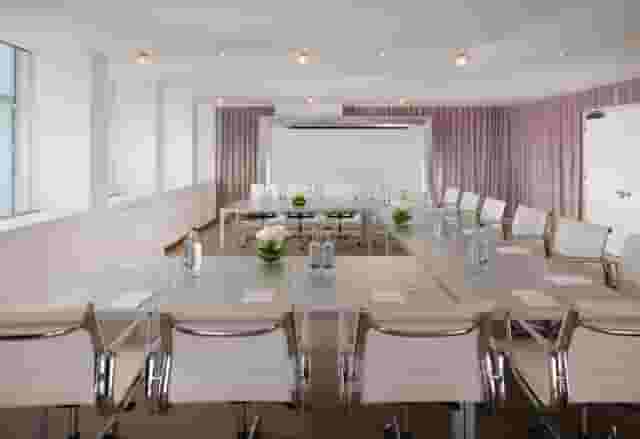
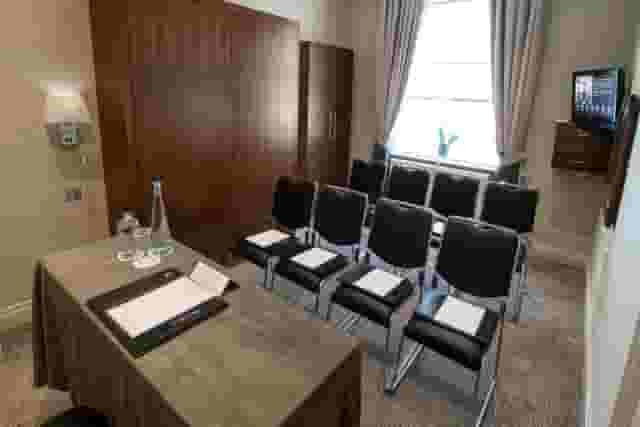
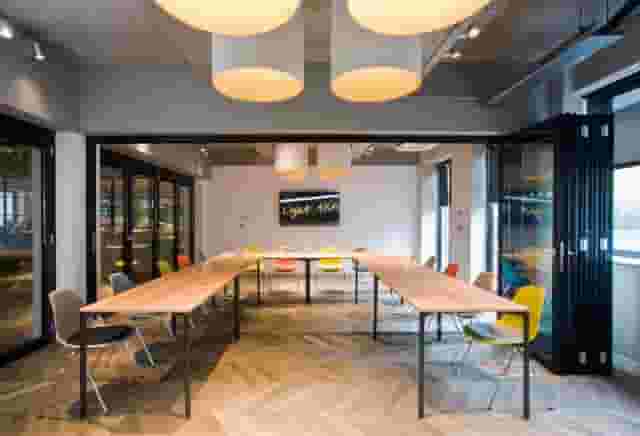
When one or two people need to lead with slides while taking questions from the floor, switch to a U-shaped arrangement. Removing the front table opens a clear line of sight to the presenter and the screen, while keeping desk space in front of every attendee for notebooks, tablets and water glasses.
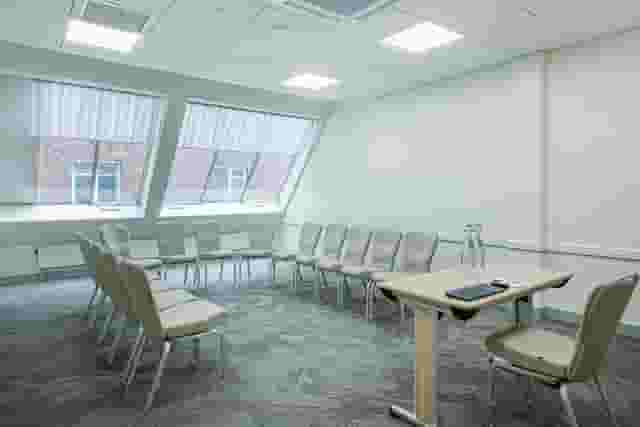
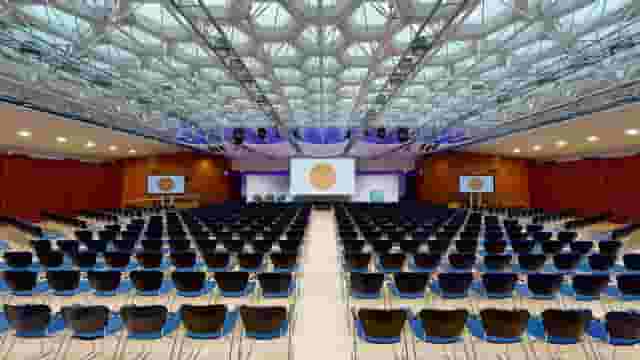
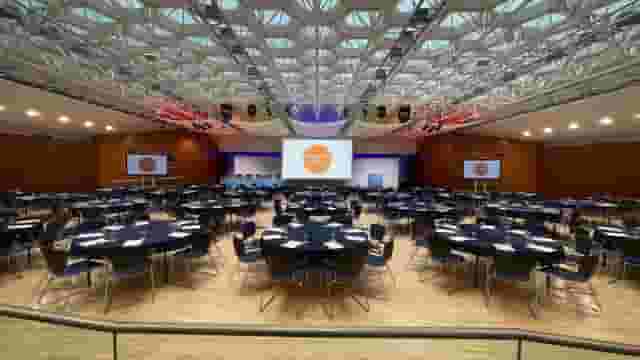
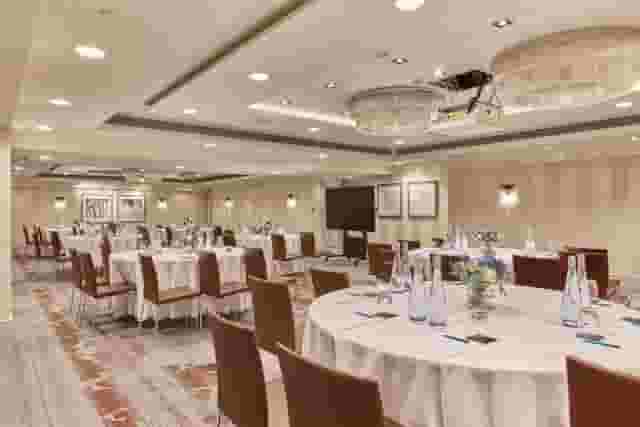
If the morning or afternoon involves breakout exercises, sprint planning or collaborative problem solving, classroom or cabaret layouts work far better than a solid table. Cabaret seating places people at small round tables with one side left open towards the main presentation wall. This lets attendees talk among themselves in small groups without twisting their necks when the chair calls time. Theatre style, with chairs arranged in rows facing front, holds the highest headcount for a given floor area. It works well for company announcements or one-way briefings, but it discourages peer-to-peer discussion and leaves no space for laptops.
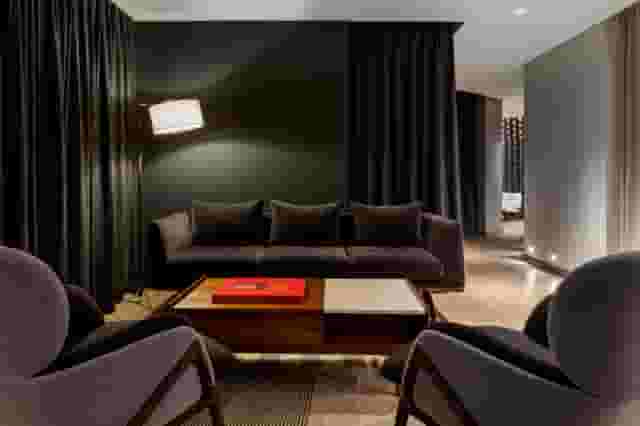
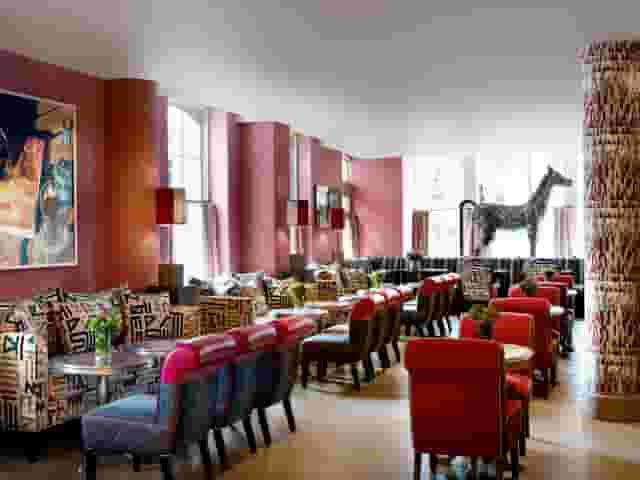
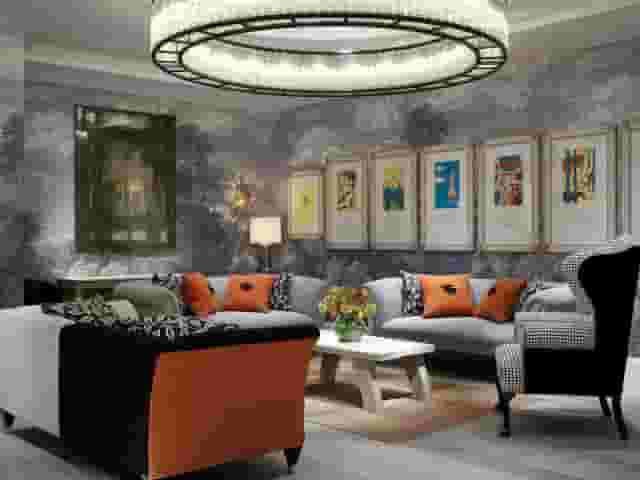
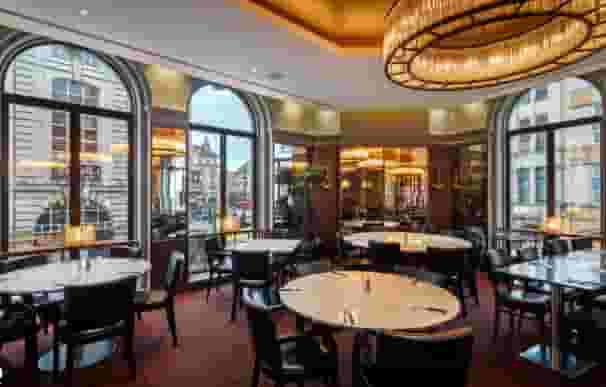
The atmosphere of the room needs to support the task. High-stakes client pitches and confidential personnel reviews require a quiet, formal setting with solid doors and proven acoustic isolation. Creative workshops, brand planning days and team development sessions often benefit from softer furniture, breakout nooks and higher ceilings. In central Soho, the Indigo Room at The Soho Hotel provides a stylish hotel setting that can hold up to 100 guests for larger gatherings, functioning well for creative teams who want an environment that feels less corporate than a glass tower. For teams looking for inspiration, our guide to 5 Lovely London Meeting Rooms covers how interior design influences attendee focus.
| Room setup | Best use case | Capacity efficiency | Pros and cons for a half day session |
|---|---|---|---|
| Boardroom | Strategic reviews, executive decisions, interviews | Moderate | Excellent eye contact and debate; poor for slide-heavy presentations |
| U-shape | Training, pitches, interactive presentations | Moderate | Presenter can walk into the room; uses significant floor space |
| Cabaret | Workshops, team exercises, working sessions | Lower | Encourages group work; requires larger room footprint |
| Theatre | Keynotes, company updates, one-way briefings | High | Fits maximum people; zero writing surfaces and minimal group talk |
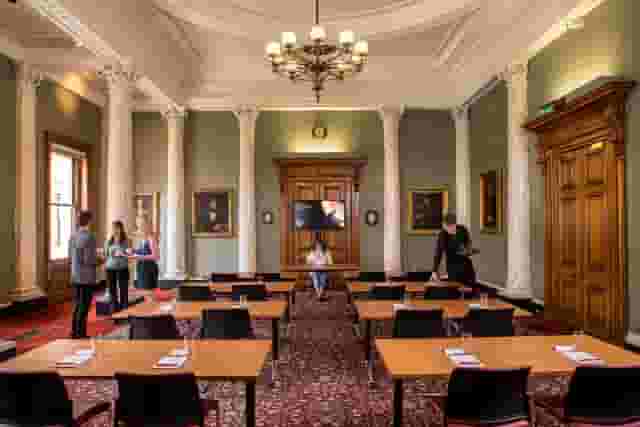
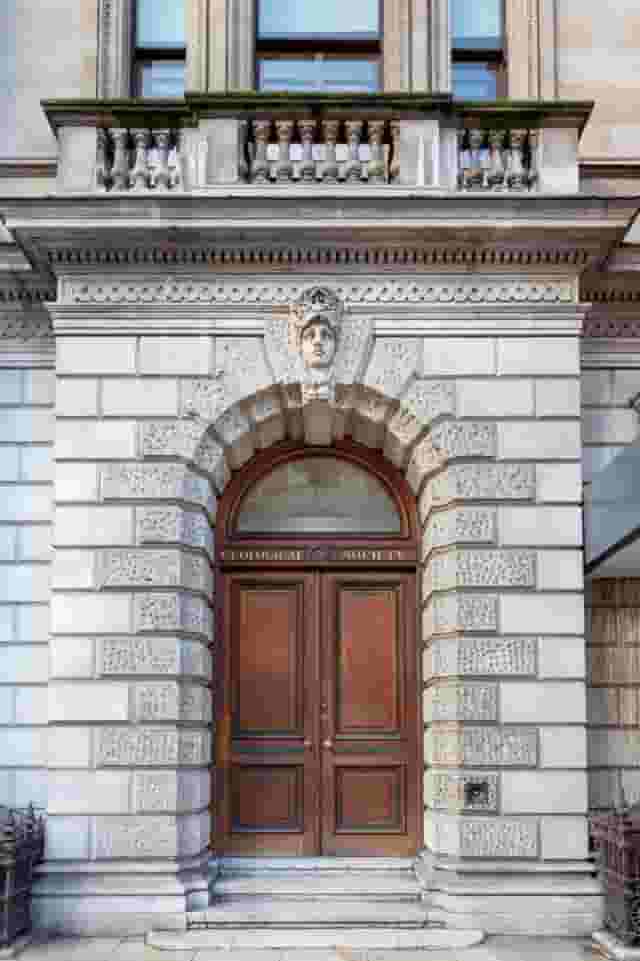
For groups who want something outside standard corporate rooms, historical buildings offer an alternative. Across Regent Street in Carnaby, the Courthouse Hotel repurposes a Grade II listed magistrates court into event space. Its Chamber2 &3 spaces accommodate up to 100 people for receptions and provide daylight meeting settings that retain historic architectural character. If your team responds better to unusual spaces, browsing quirky London meeting rooms to inspire creative thinking helps show how non-traditional venues shift team mindsets.
What a half day meeting in Soho actually costs
Budgeting for a half day session in Soho requires understanding how venues package their time. Unlike co-working hot desks rented by the hour, most established meeting venues sell space either on a morning block (typically 08:30 or 09:00 to 12:30 or 13:00) or an afternoon block (13:30 to 17:00 or 17:30).
Pricing across Soho venues is typically £105 to £240 per head. This indicative range is based on 9 quotes from the venues on this page and assumes a group of about 20 guests.
Where your booking sits within that range depends on the type of property, the catering specification and the technical infrastructure included in the base rate.
Breaking down the price band
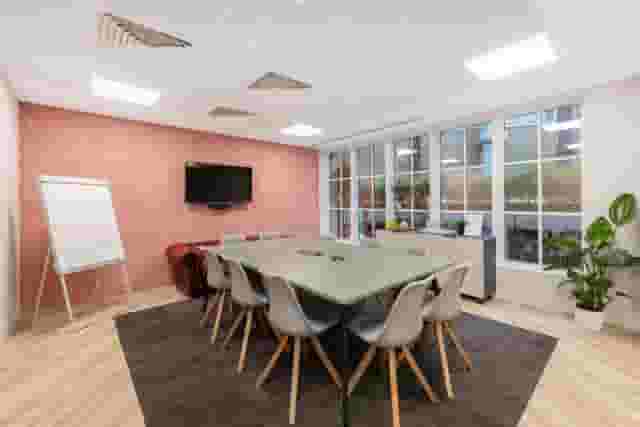
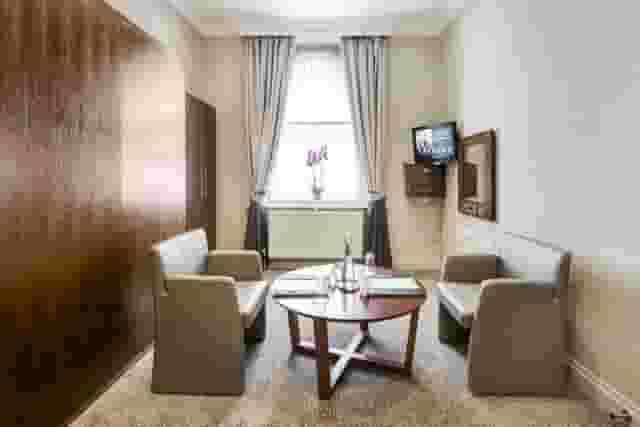
At the lower end of the range, towards the £105 mark, you are generally looking at serviced office meeting suites and contemporary co-working centres. Spaces like the Conference Room at eOffice - Soho, which holds up to 35 people in theatre format, focus on clean technical utility. At this price level, the hire covers the room, fast Wi-Fi, a commercial wall screen with HDMI or wireless cast connections, and self-serve hot drinks from a central pantry.
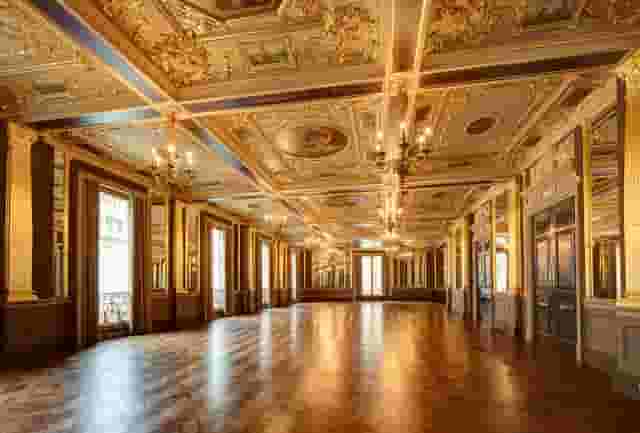
Moving towards the £240 end of the range takes you into five-star hotels and historic private spaces. Venues such as Hotel Cafe Royal, whose Pompadour Ballroom can host 250 guests for larger corporate events, operate at the luxury end of Central London hospitality. High-end hotel pricing covers dedicated cloakroom staff, front-of-house greeting teams, continuous table clearance, mineral water replenishments and chef-prepared arrival pastries.
| £105 per head | £240 per head | |
|---|---|---|
| Venue type | Serviced workspace | Five-star hotel suite |
| Service | Self-serve coffee, base AV | Table service, plated lunch |
Room hire versus delegate packages
When reviewing quotes, venues present their pricing in one of two ways:
- Room hire plus catering: You pay a fixed fee for the physical room for four hours, then add food, drinks and specialised technical kit per person or per order.
- Half day delegate rate (DDR): A bundled per-person fee that includes the space, arrival tea and coffee, a mid-session break and a basic AV package.
If your attendees only need tap water, black coffee and two hours of focused discussion, paying a straight room hire fee and buying drinks on consumption can save money. However, if you plan to provide breakfast pastries, two tea breaks, bottled water and a sandwich lunch before attendees leave, a structured delegate rate is almost always more predictable.
Always ask whether the quoted price includes VAT and discretionary service charges. Central London hotels routinely add a 12.5% or 15% service charge to food and beverage components, which adds up quickly on a group booking of 20 people.
Tech, screens and acoustics: getting the basics right
Nothing drains energy from a morning session faster than twenty minutes spent hunting for an HDMI adapter or restarting a frozen display. In a half day meeting, you cannot afford wasted time at the start.
When evaluating a Soho room, examine the technical specification rather than accepting a generic promise that the room is fully equipped. Ask five practical questions before putting down a deposit:
- Screen dimensions and connection types: Is the display a commercial 4K television or an overhead projector? In rooms with wide windows, projectors can look washed out under morning light. Check whether the system uses HDMI, USB-C, Apple AirPlay or ClickShare dongles.
- Video conferencing hardware: If three colleagues are joining remotely, a simple laptop webcam on the end of the table will not work. You need a dedicated room bar with an integrated wide-angle camera, directional microphones and soundbar speakers so virtual guests can hear everyone in the room clearly.
- Wi-Fi bandwidth and login protocol: Consumer guest Wi-Fi that requires every attendee to fill out a marketing form creates an immediate bottleneck. Request the dedicated event network details and password in advance.
- Acoustic containment: Soho is lively throughout the working day. Rooms facing street level on Wardour Street, Dean Street or Greek Street can suffer from delivery vans, sirens and construction. Check that the meeting room has acoustic secondary glazing or is located towards the rear of the property.
- On-site technical support: Establish whether an AV engineer is on hand in the building or if front desk staff manage equipment issues alongside checking in hotel guests.
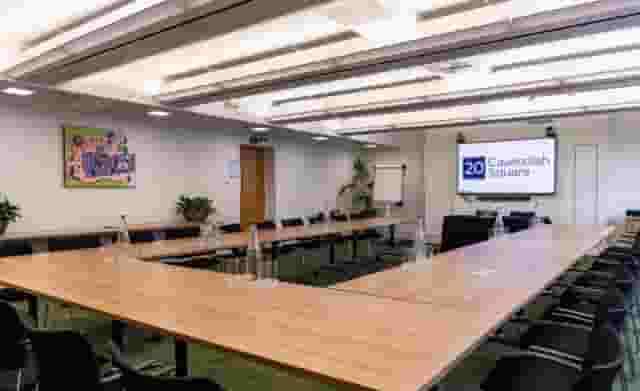
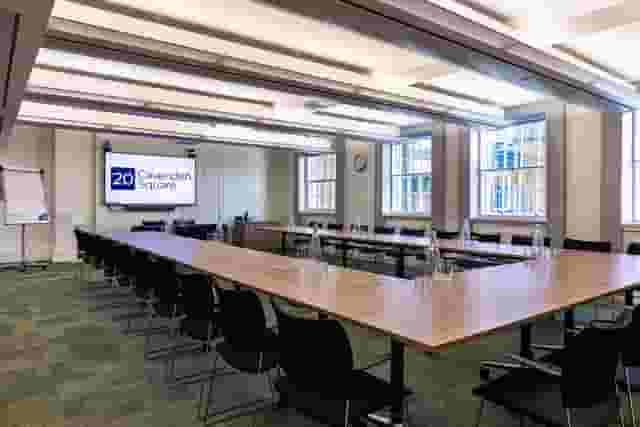
For medical, scientific or academic boards requiring presentation reliability and natural light, institutions just north of Oxford Street provide reliable alternatives. The Rosalind Paget room at 20 Cavendish Square holds up to 60 people in theatre style inside a Grade II listed property built for modern corporate training. Similarly, Marlborough 1 at No.11 Cavendish Square offers an airy, pillar-free space for up to 30 delegates with integrated presentation kit and dependable acoustic isolation.
| Feature | What to look for | Common problem to avoid |
|---|---|---|
| Screen display | 75-inch or larger 4K display, or high-lumen laser projector | Small 50-inch screens unreadable from table ends |
| Cables and ports | Hardwired HDMI and USB-C ports built into central table | Relying entirely on guest wireless casting apps |
| Microphones | Ceiling-mounted or multi-pod table microphones | Single laptop microphone picking up air conditioning hum |
| Lighting | Dimmable zone lighting with blackout blinds for screens | Fixed fluorescent tubes directly above the monitor |
| Street noise | Double or secondary glazing on external windows | Single-pane Georgian windows overlooking delivery bays |
Refreshments, timing and the post-meeting handover
Managing a half day schedule requires tight control over food and beverage breaks. A standard morning booking runs from 09:00 to 13:00, with attendees arriving from 08:30. An afternoon session runs from 13:30 to 17:30.
Morning schedules
For morning sessions, arrange arrival tea, coffee and pastries inside the room or immediately outside the door 30 minutes before the agenda begins. This lets early arrivals settle in, answer emails and catch up informally without delaying the start time.
Plan a structured 20-minute break at around 10:45. Ask the catering team to refresh the hot water, clear used cups and put out fresh fruit, biscuits or protein snacks. Avoid heavy carbohydrates mid-morning, as they lead directly to a post-break energy slump.
If you are concluding with lunch at 13:00, decide whether delegates are eating standing up in the room, moving to a private dining space or heading out into Soho. Standing finger buffets or artisan sandwich platters allow people to eat quickly and get back to their desks. For client meetings where hospitality is part of the objective, booking a private dining room nearby or within the hotel is the natural progression. At Leicester Square on the southern fringe of Soho, The Londoner offers the Tate Britain room for up to 42 delegates, pairing business facilities with immediate access to hotel dining rooms for an easy transition once the laptops are closed.
Afternoon schedules
Afternoon meetings face the post-lunch dip. Delegates arriving at 13:30 may already feel sluggish from travel or lunch.
Start with sparkling water, iced citrus water and fresh espresso on arrival. Schedule your primary discussion topic early, between 13:45 and 15:15, when focus is strongest. Break at 15:15 with tea, cold drinks and light snacks, then use the final 90 minutes for action planning, summaries and open Q&A.
One significant benefit of booking an afternoon slot in Soho is the evening handover. Wrapping up at 17:00 places your team minutes away from dinner venues, theatres and transport connections.
What to check before signing the contract
Before you return a signed agreement and pay the deposit, clarify the operational terms that govern the booking:
- Access times: Confirm whether your booking window includes setup time. If your meeting starts at 09:00, you need access by 08:30 to plug in your laptop, test slide decks and review the room layout. Ensure the venue does not charge extra for early access.
- Overrun policy: Soho rooms are heavily booked. If your meeting runs 20 minutes over its allocated time, will the venue turn off screens, clear tables around you, or charge a penalty fee?
- Cancellation schedule: Review the staged cancellation clauses. Standard business terms allow free cancellation up to 30 days prior, with sliding scale liabilities as the event date approaches.
- Minimum catering spend: If you book on room hire plus catering, check whether the venue applies a minimum food and beverage spend.
- Cloakroom and luggage storage: If colleagues are travelling from outside London with overnight bags, verify that the venue has secure luggage storage space rather than leaving bags stacked against the meeting room wall.
Taking time to confirm these details upfront ensures that on the day, you can focus entirely on the agenda, knowing the venue logistics, presentation tech and hospitality will run smoothly. Hire Space 360 is enterprise venue and hotel procurement for companies spending £1m or more a year on meetings and events: a managed meetings and events programme, the kind procurement teams call strategic meetings management. It places every meeting room and hotel stay on a single supplier agreement with pre-negotiated terms, keeping reservations within company event policy and replacing multiple venue invoices with consolidated billing. Finance and procurement teams also receive real-time spend reporting and full audit visibility across departments, with named sourcing experts managing supplier negotiations; see how Hire Space 360 works for procurement for more on how the programme operates.
What our customers say
Inspiration and planning guides
8 of the Coolest Meeting Rooms in London
Looking for the coolest meeting rooms in London? From stylish interiors to unique settings, here are 8 venues that will definitely elevate your next meeting!

Sneak Peek: The Salters' Hall Refurbishment
Located in the heart of the City, Salters’ Hall combines the rich heritage of the salt trade of medieval London with contemporary surroundings. Rebuilt in 1972 by Basil Spence and now a Grade II listed building, it is a rare example of a post-war livery building and has remained largely untouched until now... Architects de Metz Forbes Knight [http://www.dmfk.co.uk/projects/load/salters-hall] (dMFK) were tasked with the project to upgrade the building whilst retaining its sense of history and al

Venue Review: Anomalous Space
Creative ventures across the artistic spectrum are accommodated and embraced at Anomalous Space [https://hirespace.com/Venues/London/1551/Anomalous-Space], situated stunningly close to Angel Station on Pentonville Road. The venue's name captures its uniqueness, in that it deviates from the standard, unoriginal function space that's all too common. Anomalous Space combines the most contemporary of technological facilities with Art-Deco features, all set within an authentic Georgian townhouse.
One supplier. Every venue. Full visibility on what you spend.
Multiple venues and events. One agreement.