Sports Team Hotels in London
London hotels provide practical accommodation for sports teams, with room options for players, coaches and support staff across the capital. When comparing group stays, consider proximity to training grounds and fixtures, transport links, room configurations, meal arrangements, secure equipment storage and space for team briefings. Confirm rooming lists, arrival times and any early breakfast or recovery needs before booking.
- Free to enquire
- Group bookings team
121 hotels in London
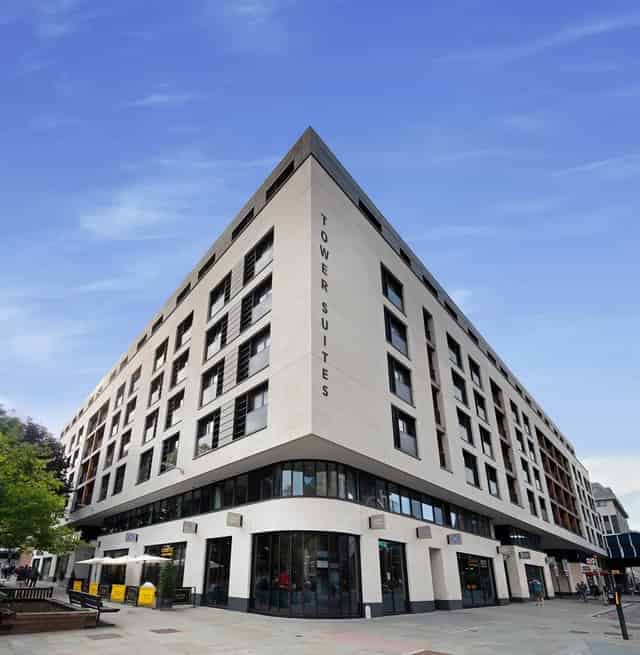
Tower Suites by Blue Orchid Hotels
Estimate£170 to £530 per night in November

Leonardo Royal Hotel London Tower Bridge
Estimate£230 to £680 per night in November
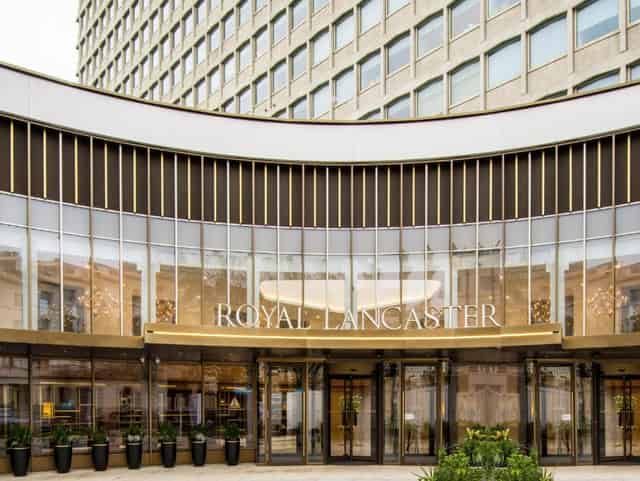
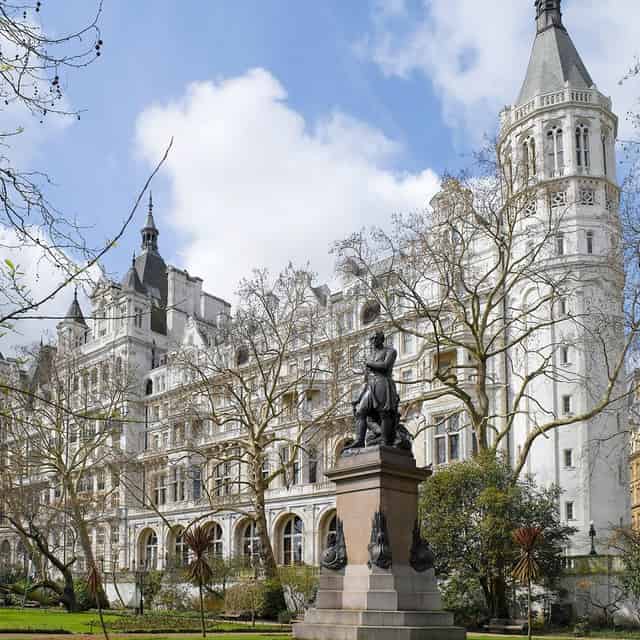
The Royal Horseguards Hotel & One Whitehall Place, London
Estimate£260 to £810 per night in November
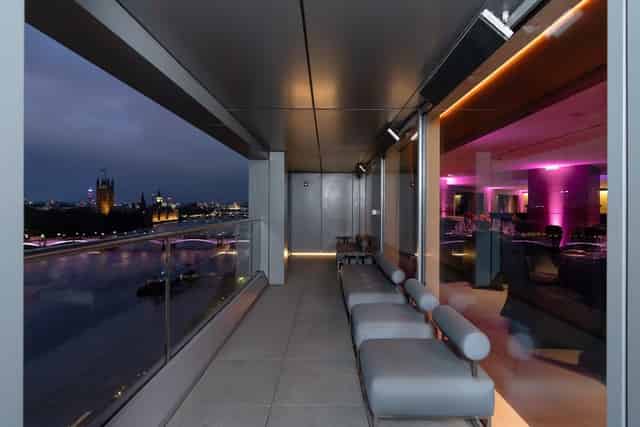
Park Plaza London Riverbank
Estimate£170 to £490 per night in November
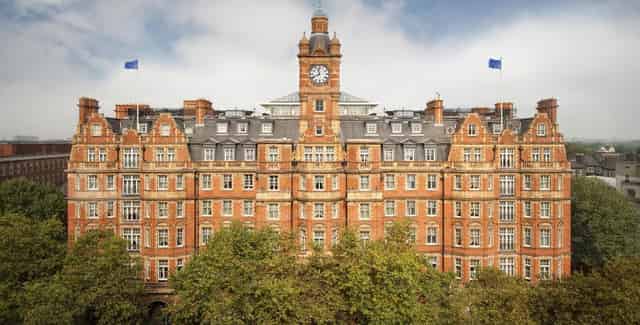
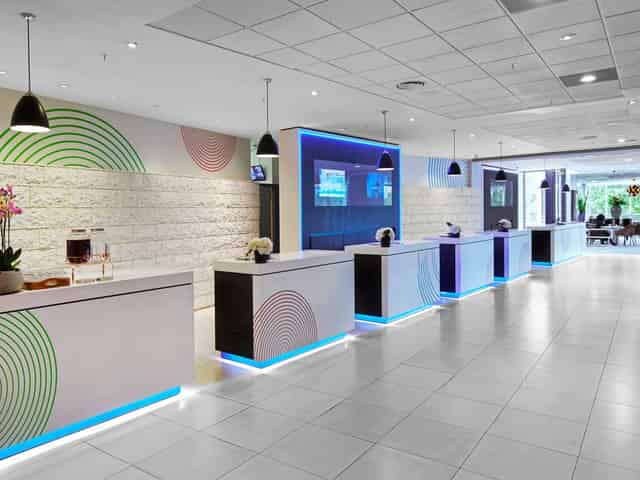

Nobu Hotel London Portman Square
Estimate£230 to £740 per night in November

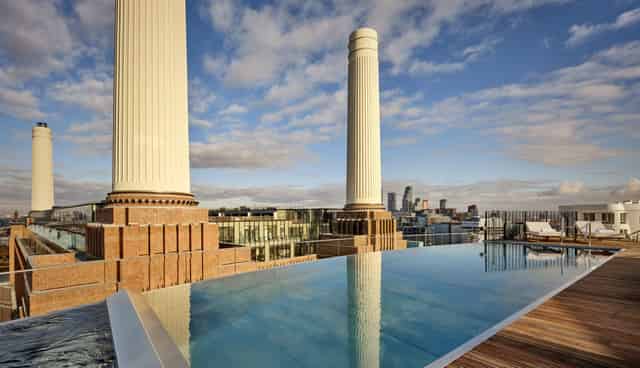
art'otel London Battersea Power Station, Powered by Radisson Hotels
Estimate£240 to £750 per night in November
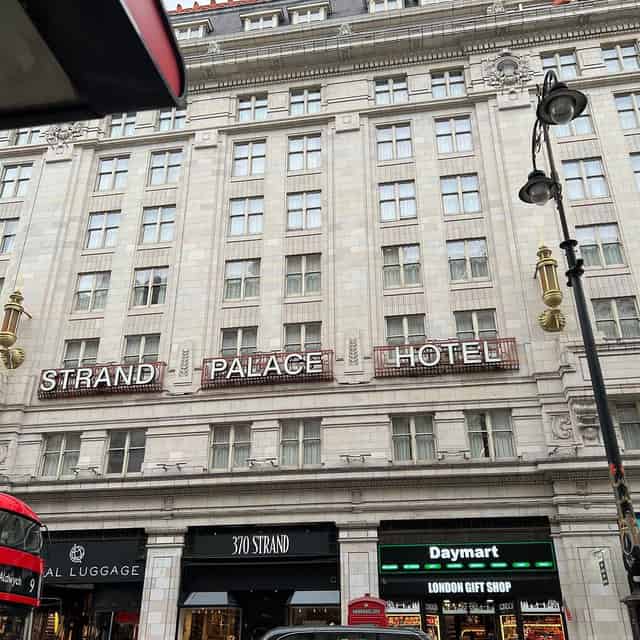
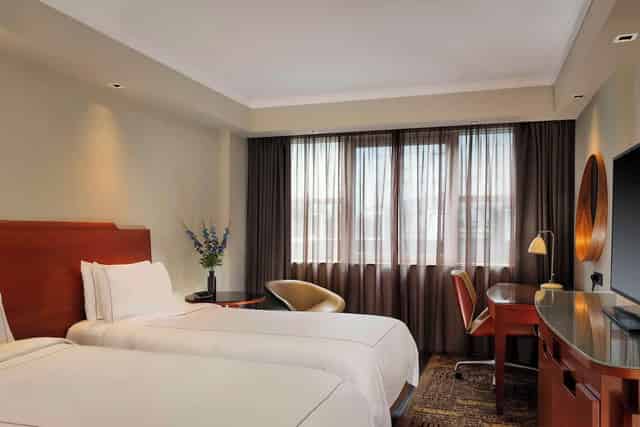
Park Plaza Victoria London
Estimate£180 to £520 per night in November
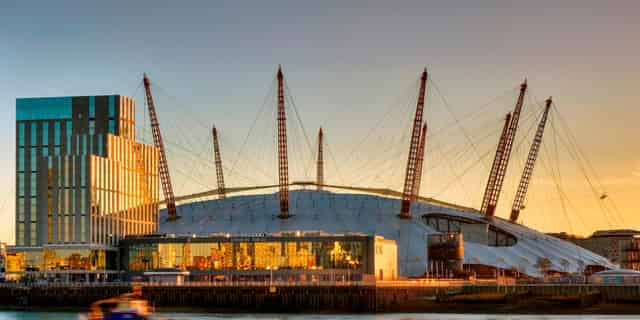
InterContinental London - the O2 by IHG
Estimate£210 to £640 per night in November
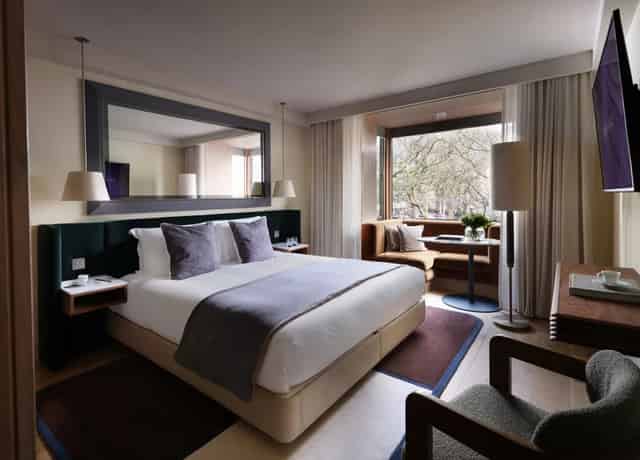
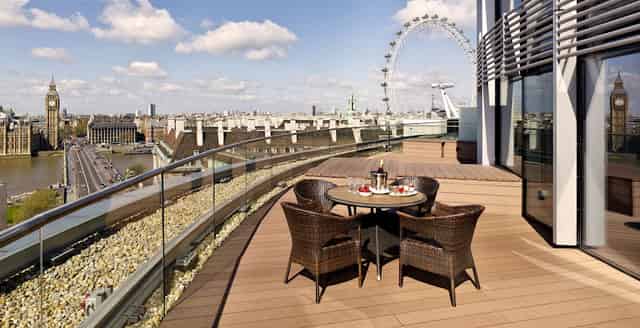
Park Plaza London Westminster Bridge
Estimate£170 to £510 per night in November

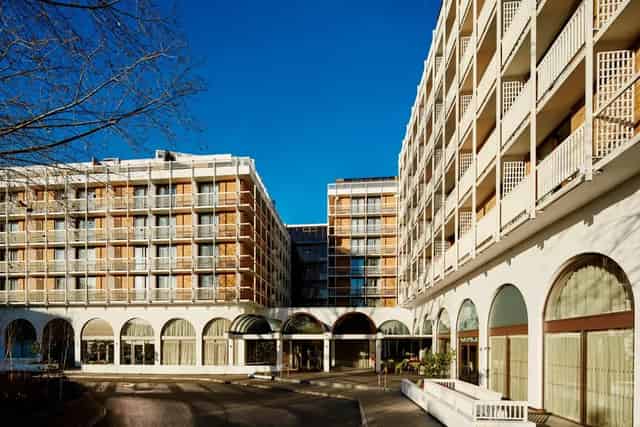
London Marriott Hotel Regents Park
Estimate£200 to £590 per night in November
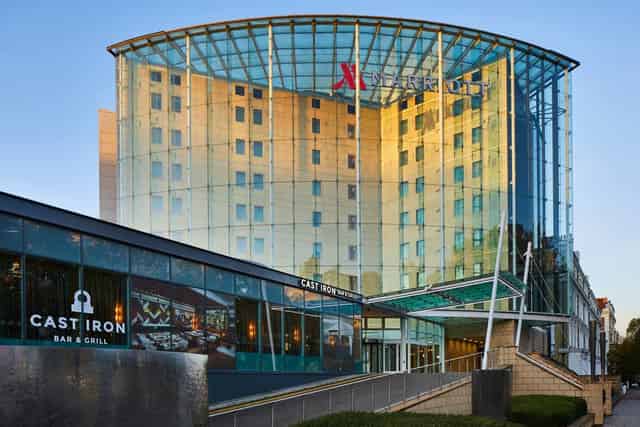
London Marriott Hotel Kensington
Estimate£170 to £510 per night in November
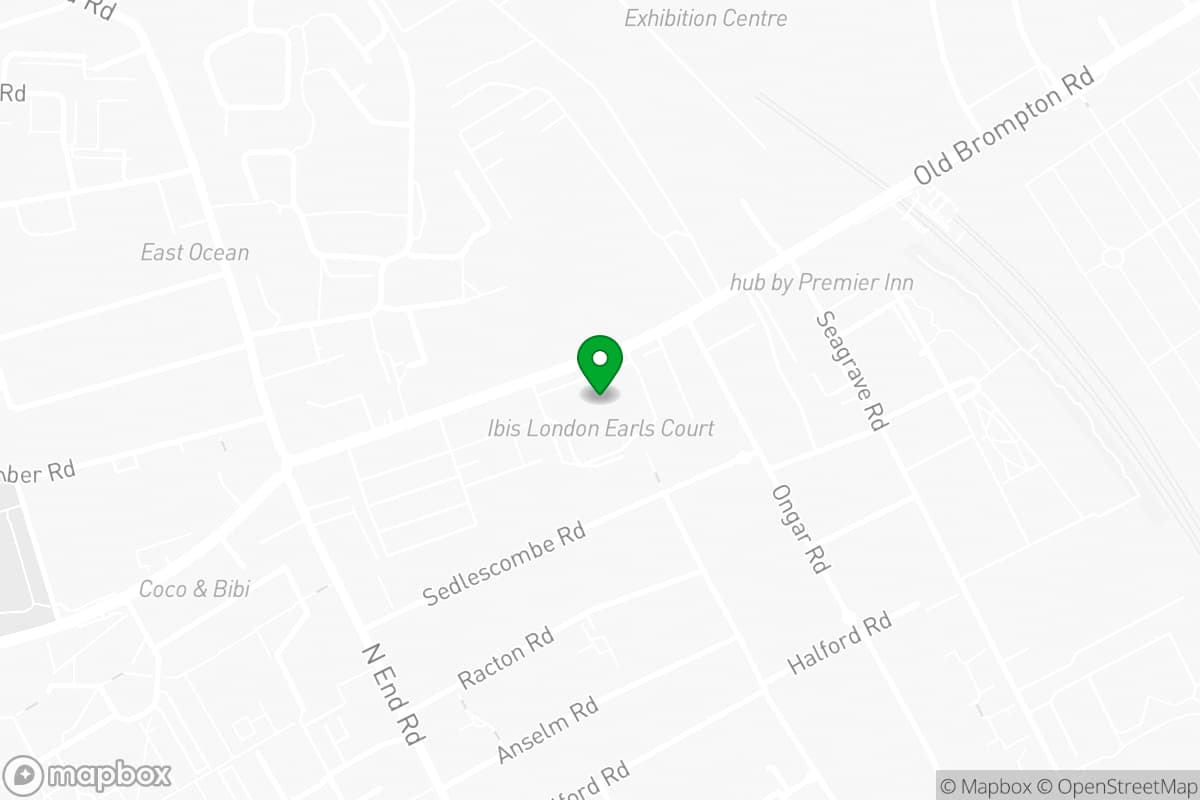
Mercure London Earls Court
Estimate£110 to £340 per night in November
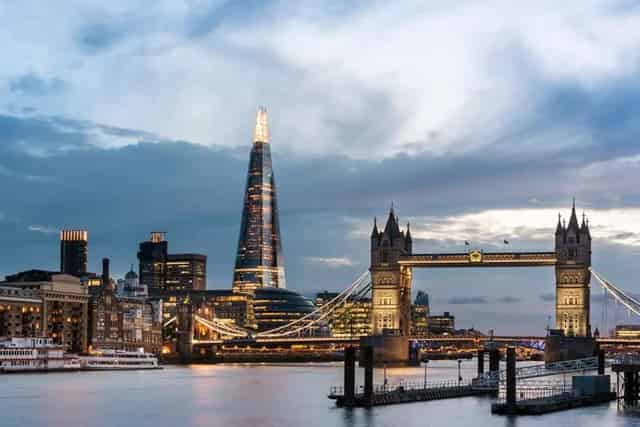
Shangri-La The Shard, London
Estimate£490 to £1,470 per night in November
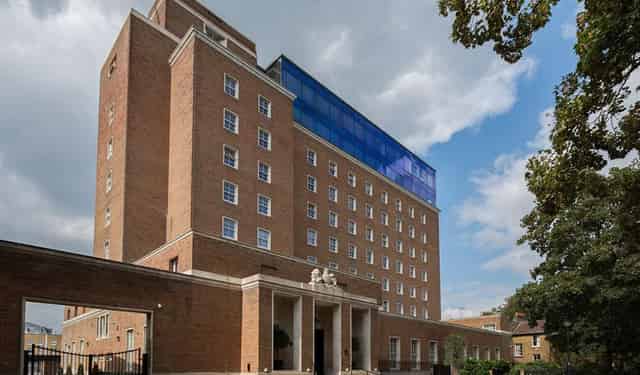
DoubleTree by Hilton London Greenwich
Estimate£80 to £240 per night in November
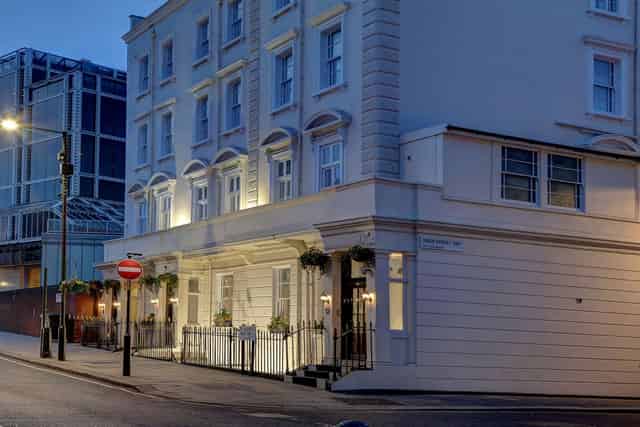

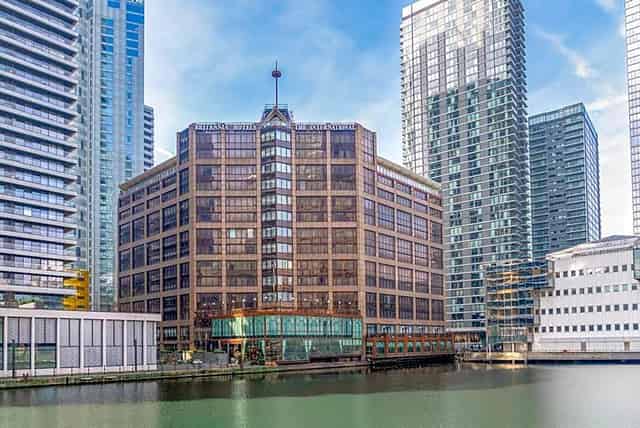
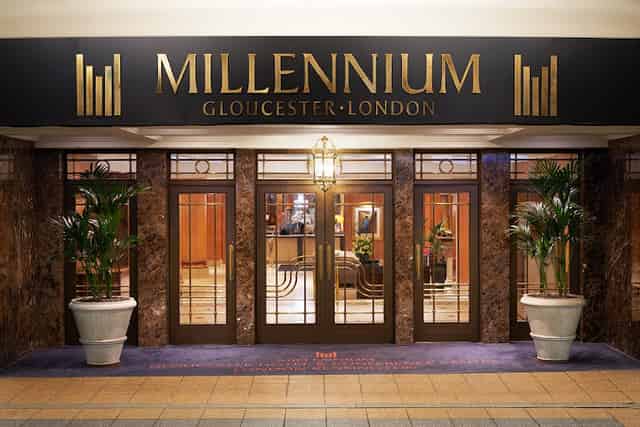
Millennium Hotel and Conference Centre Gloucester London
Estimate£120 to £360 per night in November
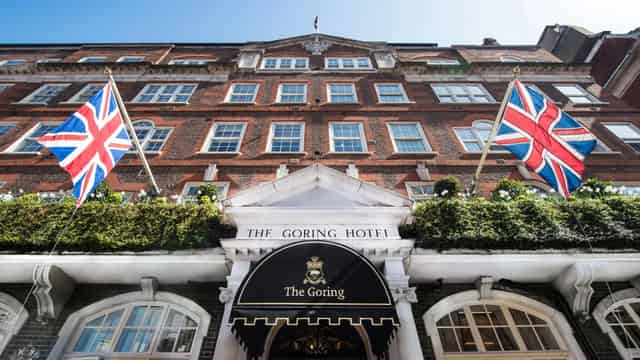
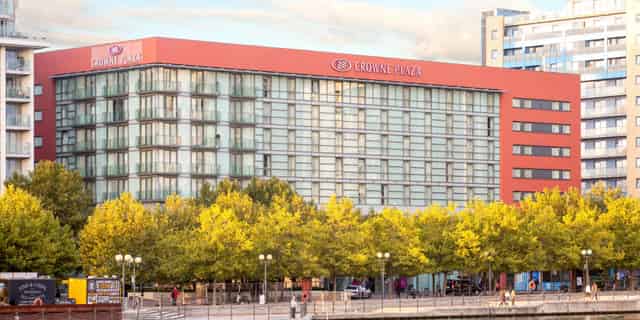
Crowne Plaza London Docklands by IHG
Estimate£160 to £470 per night in November
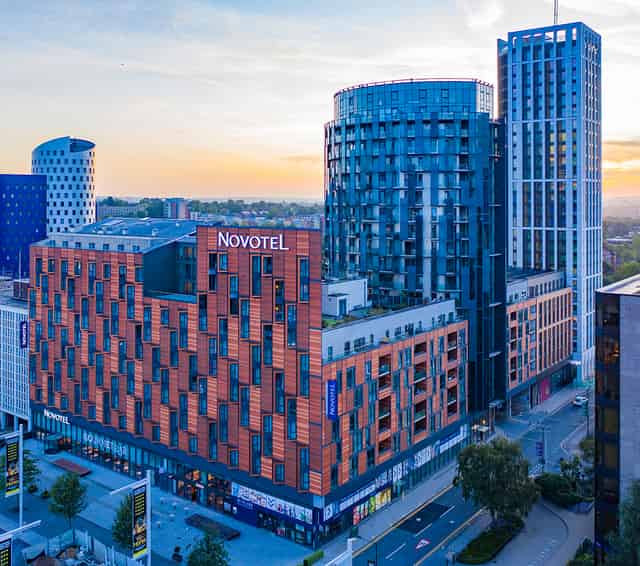
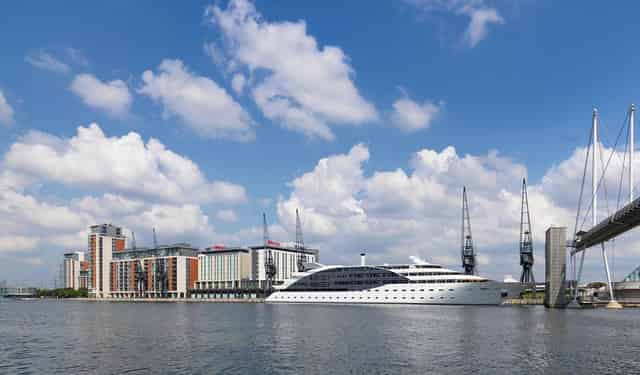

The Washington Mayfair Hotel
Estimate£200 to £570 per night in November
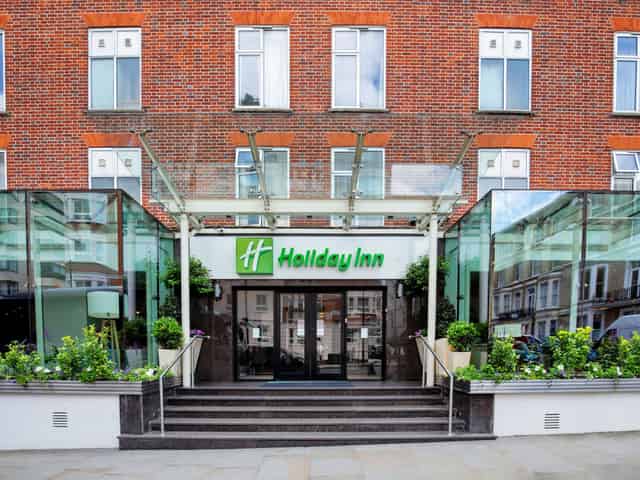
Holiday Inn London - Kensington High St. by IHG
Estimate£130 to £370 per night in November


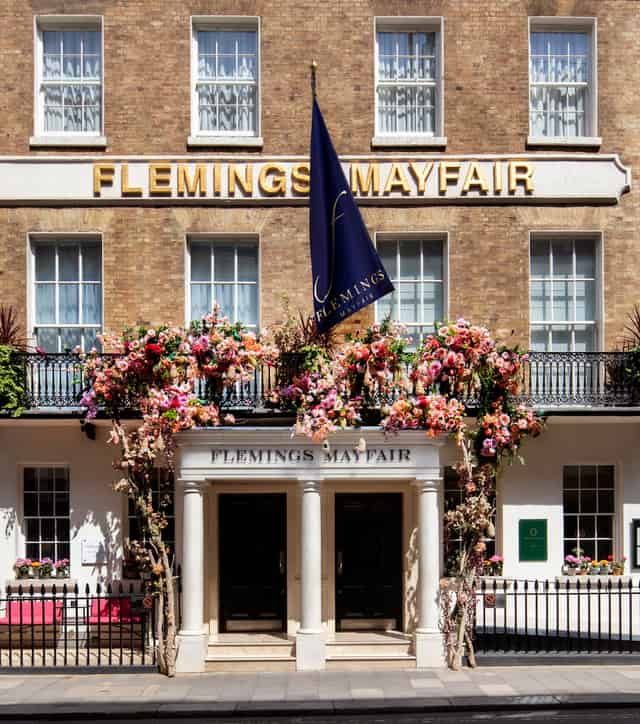
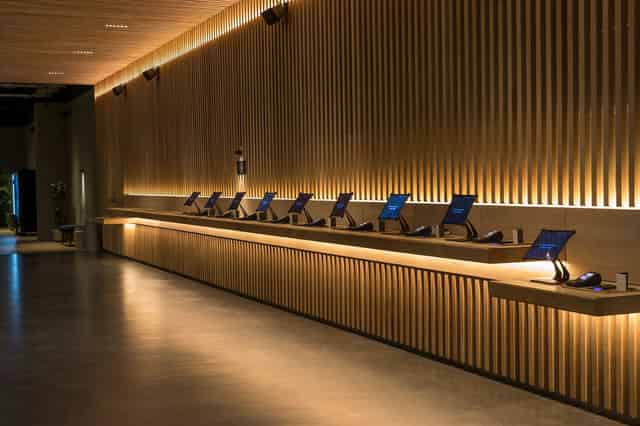
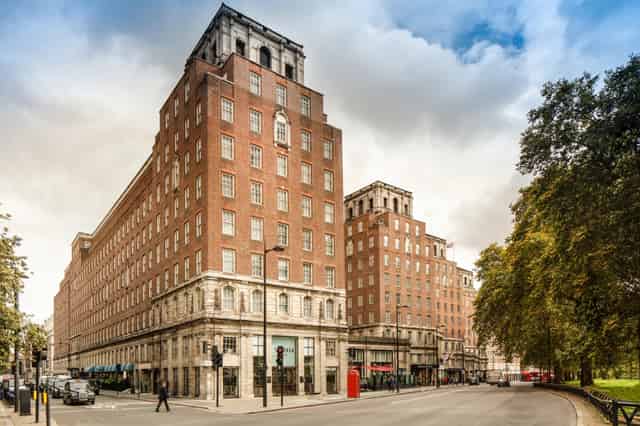
JW Marriott Grosvenor House London
Estimate£330 to £1,010 per night in November
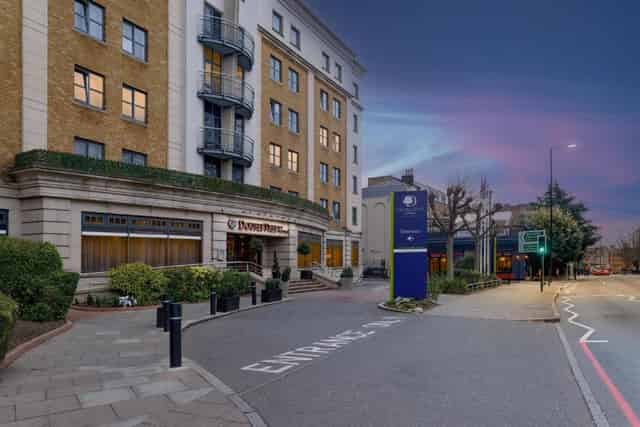
DoubleTree by Hilton London Angel Kings Cross
Estimate£210 to £600 per night in November
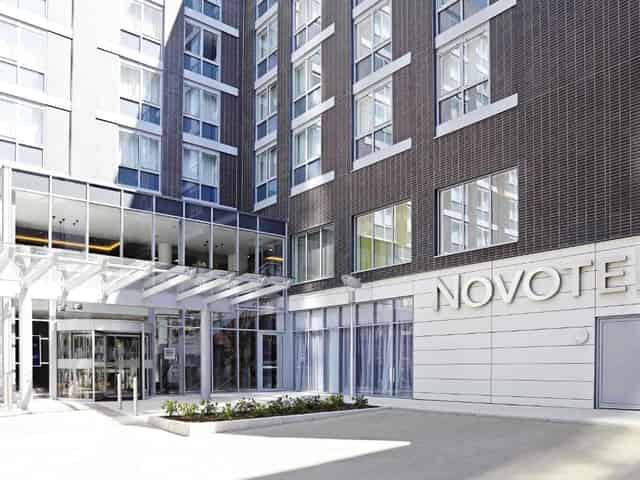
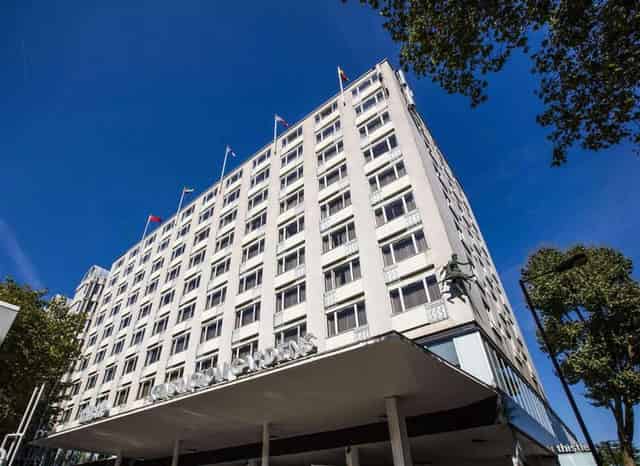
Thistle London Hyde Park Kensington Gardens
Estimate£140 to £410 per night in November
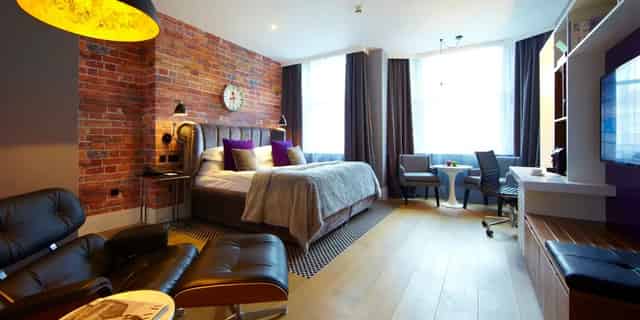
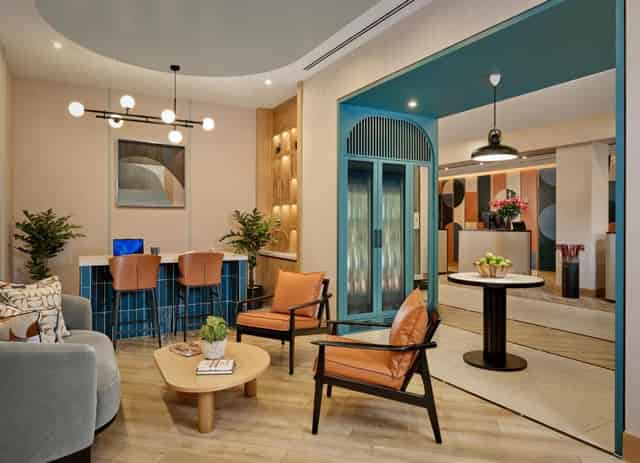
Citadines Holborn-Covent Garden London
Estimate£160 to £460 per night in November
Explore more NEW
More group accommodation in London
- London group accommodation
- 4 Star Hotels
- 5 Star Hotels
- Conference Room Blocks
- Corporate Offsite Hotels
- Hotels for 100 rooms
- Hotels for 20 rooms
- Hotels for 200 rooms
- Hotels for 50 rooms
- Hotels near BDC
- Hotels near Billingsgate
- Hotels near ExCeL
- Hotels near Olympia
- Hotels near QEII Centre
- Hotels near The O2
- Hotels Near Tobacco Dock
- Hotels near Wembley
- Business Suitable Hotels in Marylebone
- Business Suitable Hotels in City Of London
- Business Suitable Hotels in Westminster
- Business Suitable Hotels in Mayfair
- Business Suitable Hotels in Holborn
- Business Suitable Hotels in Bloomsbury
- 4 Star Hotels in City Of London
- 4 Star Hotels in Marylebone
Show all (25 more)Show fewer
- 4 Star Hotels in Bloomsbury
- 4 Star Hotels in Holborn
- 4 Star Hotels in Westminster
- 4 Star Hotels in Canary Wharf
- 5 Star Hotels in City Of London
- 5 Star Hotels in Marylebone
- 5 Star Hotels in Mayfair
- 5 Star Hotels in Soho
- 5 Star Hotels in Westminster
- 5 Star Hotels in South Bank
- Business Suitable Hotels in Belgravia
- Business Suitable Hotels in Clerkenwell
- Business Suitable Hotels in Covent Garden
- Business Suitable Hotels in Fitzrovia
- Business Suitable Hotels in Knightsbridge
- Business Suitable Hotels in Soho
- Business Suitable Hotels in Victoria
- Business Suitable Hotels in Waterloo
- Business Suitable Hotels in Canary Wharf
- Business Suitable Hotels in Old Street
- Business Suitable Hotels in Shoreditch
- Business Suitable Hotels in Whitechapel
- Business Suitable Hotels in South Bank
- Business Suitable Hotels in South Kensington
- Business Suitable Hotels in Paddington
About Sports Team Hotels in London
Choosing the right size and standard among sports team hotels in London
When you are organising travel for a travelling squad, finding the right base across sports team hotels in London comes down to operational logistics rather than pure luxury. You need an environment where athletes can rest, support staff can manage treatment schedules, and the whole party can stay together without friction.
Matching property size to your squad's footprint
Scale matters when keeping a travelling contingent focused. About half of the hotels have 200 or more rooms, which is ideal if you are managing a large squad alongside coaching staff, analysts, and medical teams who need rooms grouped together. For mid-sized delegations, some of the hotels offer 100 to 199 rooms, providing a solid balance of operational capacity and quieter corridors.
If your group is more compact, a few of the hotels have 50 to 99 rooms, a few have 20 to 49 rooms, and a few of the hotels have fewer than 20 rooms. These smaller settings can suit an elite coaching party wanting privacy, though kit storage and coach drop-offs can be tighter.
Balancing star ratings and functional spaces
Star ratings tell only half the story when assessing athletic performance requirements. About half of the hotels hold 4 stars, and about half hold 5 stars, while a few of the hotels are rated 3 stars. Rather than focusing solely on star ratings, look at practical utility:
- Briefing areas: Some of the hotels have their own event space on site. If you need dedicated rooms for tactical walk-throughs or private team dining, coordinating with Meeting Rooms in London or wider Event Venues in London can provide flexible backup options.
- Rest and recovery: Higher-tier properties frequently offer better climate control and soundproofing, but always check twin-bed dimensions and lift capacity for kit transport first.
Your immediate next step is to finalise your exact squad rooming list, categorising single and twin room requirements before reaching out to properties.
Holding the right number of rooms and timing your booking request
Locking in group accommodation for a travelling squad requires a completely different mindset to standard corporate bookings. Between fluctuating fixture schedules, cup progression, and late fitness tests, room requirements can shift rapidly, making flexibility your primary objective when approaching hotels.
Securing allocations without overcommitting
When we approach hotels for a squad, the initial focus should always be securing a solid block of twin and single rooms on a provisional hold. Properties that regularly host sporting delegations understand that player selections and support staff travel lists are rarely finalised until match week approaches.
- Layered release dates: Agree staggered room-release dates in writing so unneeded rooms can be dropped without friction as squad selections firm up.
- Twin bed parity: Ensure twin rooms feature genuine separate single beds rather than shared doubles, keeping athletes well rested.
- Separate zones for staff: Keep coaches, analysts, and medical teams together on dedicated corridors so evening planning sessions do not disrupt player recovery.
Aligning booking schedules with the sporting calendar
London hosts an immense volume of domestic and international fixtures alongside major citywide gatherings, so timing your initial request is vital. As soon as your league schedule or competition draw is published, reach out to secure your rooms immediately.
Booking early provides the breathing space needed to arrange complex itineraries, including private meal times, equipment delivery, and secure coach drop-offs. If a property cannot accommodate tactical debriefs alongside your bedrooms, coordinating with dedicated Meeting Rooms in Central London or specialised Conference Venues in London can provide quiet, highly secure environments nearby for your video reviews.
Your next step is to outline your core player-to-staff room split and request provisional allocation contracts that include staged cut-off dates.
Navigating typical nightly rates across the seasons and what moves group pricing
Budgeting for squad accommodation across the capital means understanding how seasonality, fixture calendars, and citywide demand influence room pricing. When we manage group blocks, we always look at baseline market movements across the winter months to build realistic cost models before entering formal negotiations.
Understanding winter seasonal benchmarks
Room rates in London shift noticeably as the sporting season unfolds. When looking at rate profiles across these hotels, typical nightly prices move with the calendar:
- Late autumn peaks: Typical £130 to £960 per night in November reflects heightened business travel alongside busy domestic and European fixture schedules across the capital.
- Mid-winter adjustments: Typical £90 to £740 per night in December shows a softening across standard commercial demand, though festive gatherings can concentrate pressure around key central weekends.
- Early-year planning: Typical £70 to £520 per night in January offers some of the most competitive pricing windows of the season as citywide travel quietens down.
Keep in mind that these figures are indicative estimates, not quotes or availability, taken from the middle half of hotels with typical pricing for each month.
What influences your group's bottom line
When securing room blocks for players and support staff, properties evaluate your overall operational footprint rather than bedroom totals alone:
- Ancillary meal and kit requirements: Early breakfast access, private team dining, and secure kit storage influence property staffing. Ensure these items are detailed early so they are factored into agreements.
- Extended departure times: Late check-outs for post-match recovery sessions or evening travel will shape your final room rate.
- Off-site briefing alternatives: If your base lacks suitable meeting space for tactical walk-throughs, pairing your rooms with nearby Event Venues in Central London can keep squad preparation on schedule.
Your next step is to map your fixture dates against these seasonal pricing bands and draft your ancillary requirements before requesting formal quotes from hotels.
Arranging seamless transport and coach access between your hotel and the fixture
Navigating London traffic on match day can quickly derail an otherwise meticulous team schedule. When we manage travel for visiting squads, coach logistics carry just as much weight as bedroom comfort. Transport delays cause fatigue and disrupt pre-match nutrition, so choosing a base with straightforward access to your fixture is essential.
Auditing coach access and parking provisions
Many properties across the capital sit on bustling thoroughfares where coach drop-offs can be challenging. Before signing an accommodation contract, establish clear arrangements for team transport:
- Dedicated drop-off bays: Confirm whether coaches can pull up directly outside the main entrance or if staff must unload equipment from a designated loading bay on a side street.
- Overnight vehicle parking: Very few urban properties accommodate full-sized team coaches overnight. Ask whether the hotel coordinates secure parking with nearby coach parks or local transport facilities.
- Turning circles and height limits: Properties with barrier entries, underground ramps, or narrow access roads may struggle with full-size touring coaches, so verify exact access clearances beforehand.
Factoring in travel corridors and fixture geography
Match schedules and venue locations dictate your ideal base. While staying in central districts places your squad close to major rail terminals, traversing central London during peak traffic can add unnecessary friction to match-day timetables.
For fixtures in the west or south-west, opting for hotels situated along major arterial routes or near key transit hubs often cuts travel time considerably. Coach journeys benefit from bus lanes and dual carriageways, making travel to suburban training grounds or stadia far more predictable. If your travel party plans to use rail networks rather than road transport, look for properties positioned within an easy walk of step-free Underground or mainline stations to keep player movement straightforward.
Equipment handling and arrival protocols
Handling team kit, medical equipment, and analyst tech requires a calm, coordinated entrance. Work with hotel operations staff to arrange:
- Direct luggage transit: Secure a dedicated service lift or staff route from the coach bay straight to the squad's floor to protect privacy and speed up check-in.
- Secured equipment holds: Ensure kit skips and treatment tables have an allocated ground-floor storage room immediately accessible from the drop-off zone.
Your immediate next step is to obtain your team coach operator's vehicle dimensions and send them to your shortlisted hotels alongside your arrival and fixture departure timetables.
Evaluating what hotels offer beyond a bed for team briefings, meals and recovery
Securing a comfortable bed is only the baseline when managing travelling athletes. A squad's operational rhythm depends far more on how a hotel handles nutritional programmes, physical recovery, and pre-match tactical meetings.
Protecting the squad's dietary programme
Standard hotel catering rarely aligns with competitive sports nutrition. When reserving rooms, agree meal requirements directly with the food and beverage team rather than standard reservations:
- Private team dining: Athletes need a dedicated dining space away from public guests to maintain focus and follow tailored meal schedules without distraction.
- Flexible kitchen hours: Agree early breakfast services and post-match recovery meals in writing, ensuring high-energy menus and bespoke dietary requests are fully accommodated.
Spaces for recovery and tactical analysis
Performance support requires functional floor space beyond the bedrooms. When shortlisting hotels, walk through these essential requirements:
- Treatment and physio rooms: Set aside an adjoining bedroom or quiet breakout space where medical staff can set up treatment tables and massage equipment.
- Tactical briefing environments: Ensure your briefing area features reliable screens, presentation connectivity, and blackout blinds for video analysis. Having high-speed Wi-Fi access included ensures performance analysts can upload and review match footage seamlessly.
- Secure kit management: Confirm a locked, ground-floor room is allocated solely for kit skips and medical supplies to avoid crowding player bedrooms.
Your immediate next step is to compile your squad's daily schedule—including meal times, treatment windows, and tactical meetings—and send it to prospective hotels to verify they can support your itinerary.
Questions about sports Team Hotels in London
What should a sports team look for in a London hotel?
How far in advance should a team book hotel rooms in London?
What information do hotels need to confirm a team booking?
How much does a sports team hotel room cost per night in London?
What affects hotel room prices for teams in London?
What size and star rating of hotel suits a sports team?
Do London hotels have space for team meetings and briefings?
Which facilities matter most for team recovery and training?
Which area of London is best for a team hotel?
How do teams travel between the hotel and the fixture in London?
What types of hotel are a poor fit for a sports team?
Can hotels arrange early breakfasts and special meals for teams?
Need rooms across several hotels?
Our group bookings team can split a block between hotels near your venue. Free, no obligation.