Corporate Offsite Accommodation in London
Find hotels in London for corporate offsite accommodation, with rooms for teams attending retreats, away days and multi-day meetings. Compare options across the city, considering transport links, room capacity, meeting facilities and dining. For a smooth stay, check group booking requirements, room configurations, accessibility and proximity to your event venue before choosing.
- Free to enquire
- Group bookings team
269 hotels in London
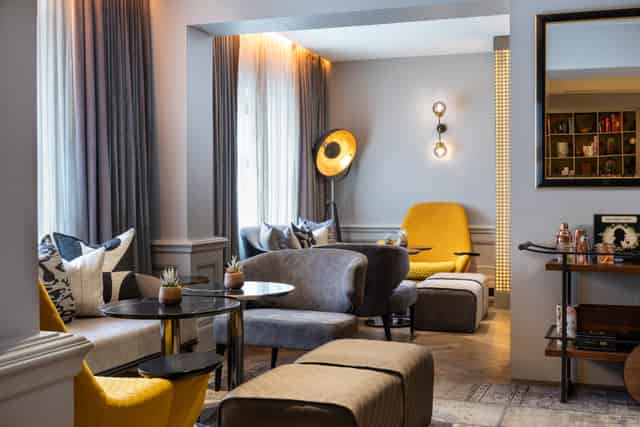
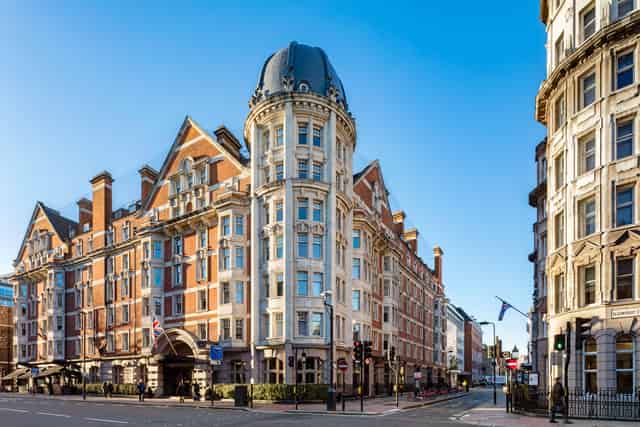
Radisson Blu Hotel, London Bloomsbury
Estimate£220 to £630 per night in November
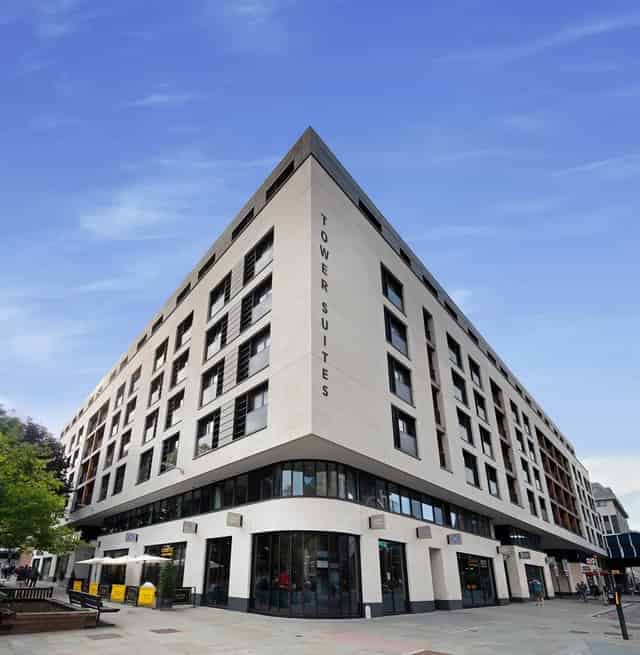
Tower Suites by Blue Orchid Hotels
Estimate£170 to £530 per night in November

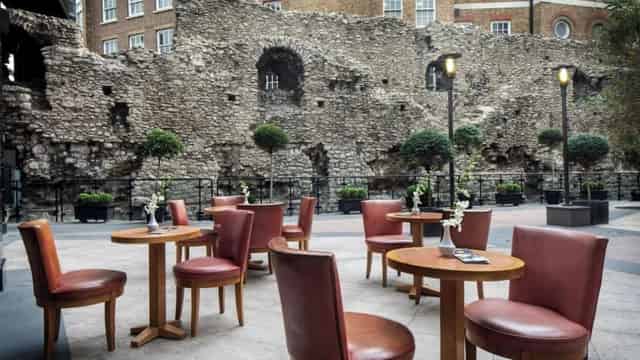
Leonardo Royal Hotel London City
Estimate£160 to £470 per night in November
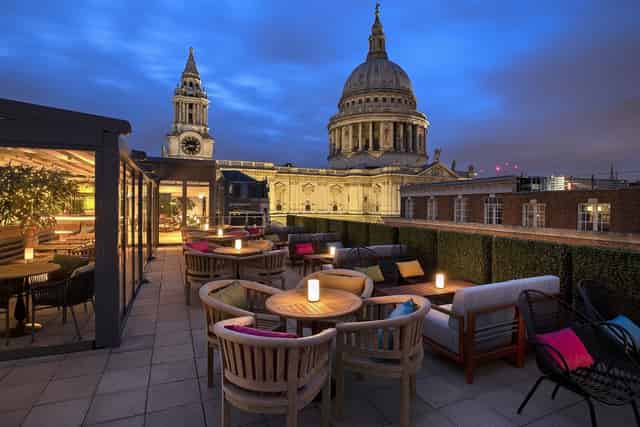
Leonardo Royal London St Paul's
Estimate£260 to £890 per night in November
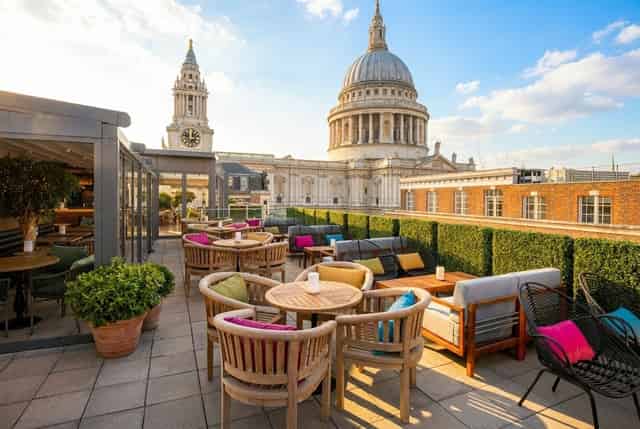
Leonardo Royal Hotel London Tower Bridge
Estimate£230 to £680 per night in November
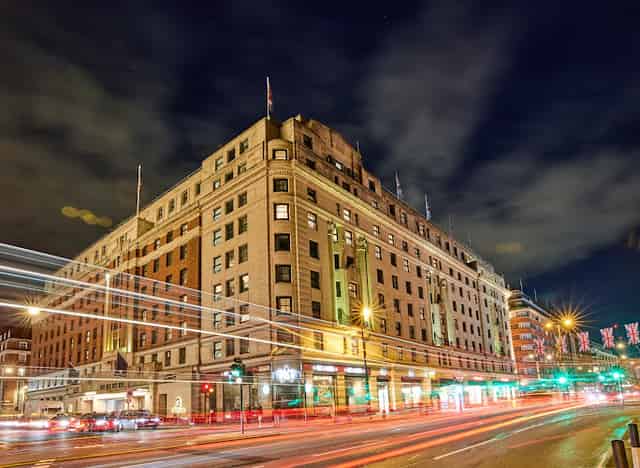
The Cumberland Hotel, London
Estimate£140 to £410 per night in November
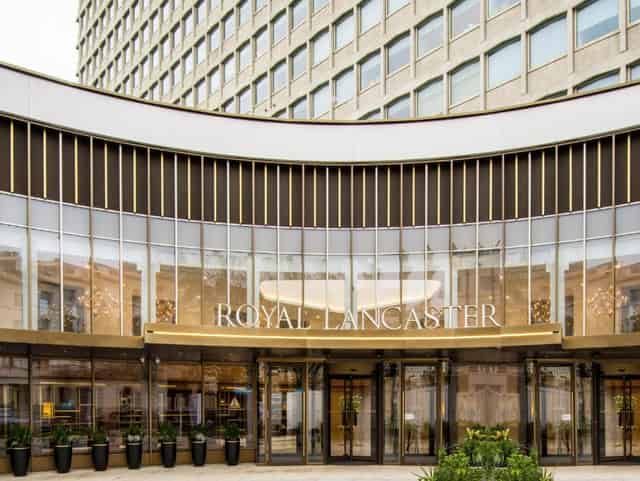
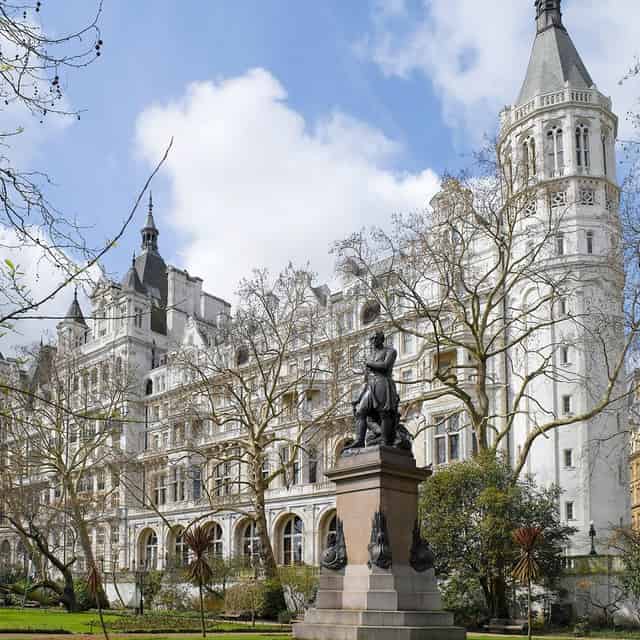
The Royal Horseguards Hotel & One Whitehall Place, London
Estimate£260 to £810 per night in November
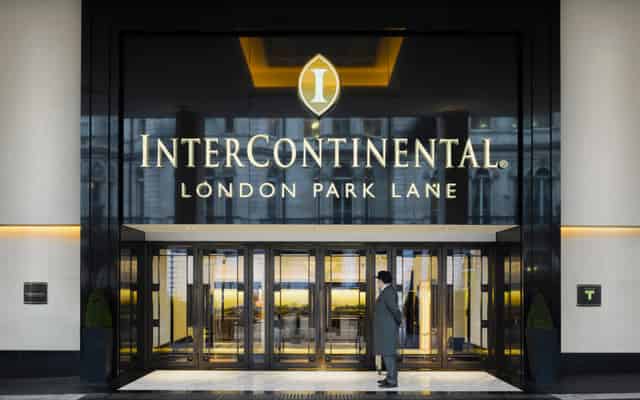
InterContinental London Park Lane by IHG
Estimate£290 to £890 per night in November
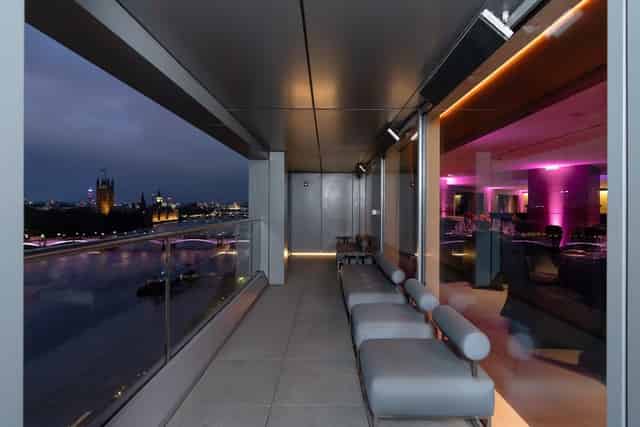
Park Plaza London Riverbank
Estimate£170 to £490 per night in November
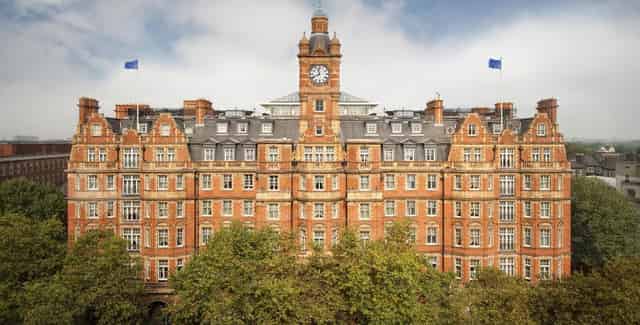
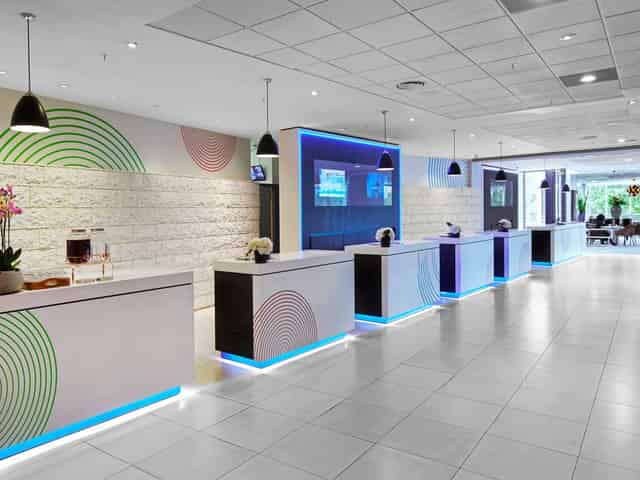
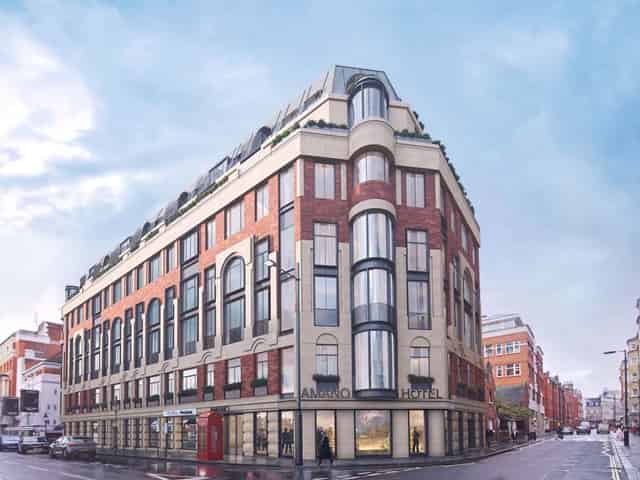
Hotel AMANO Covent Garden
Estimate£210 to £650 per night in November

Nobu Hotel London Portman Square
Estimate£230 to £740 per night in November

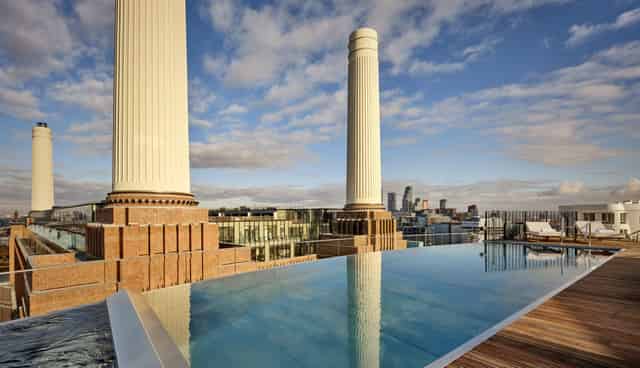
art'otel London Battersea Power Station, Powered by Radisson Hotels
Estimate£240 to £750 per night in November
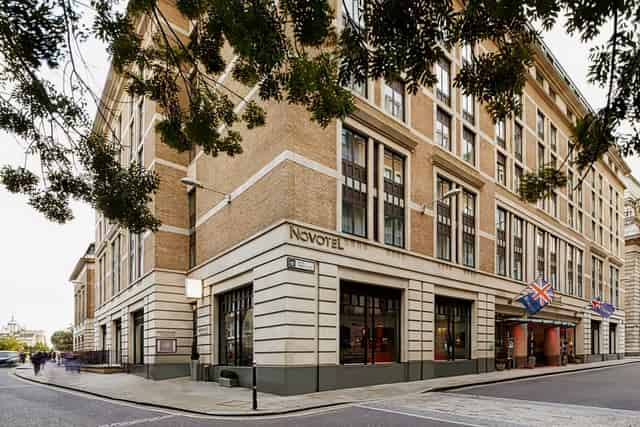
Novotel London Tower Bridge
Estimate£170 to £500 per night in November
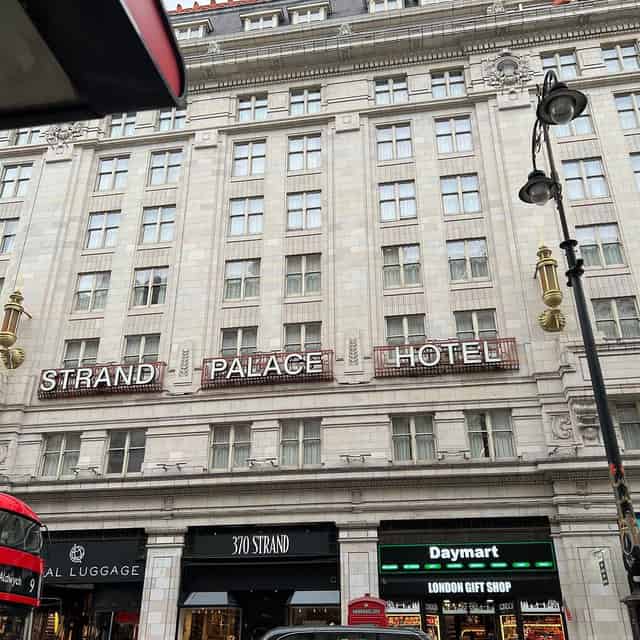
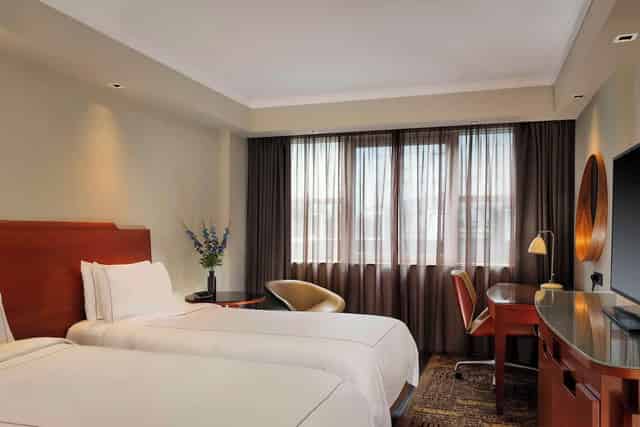
Park Plaza Victoria London
Estimate£180 to £520 per night in November
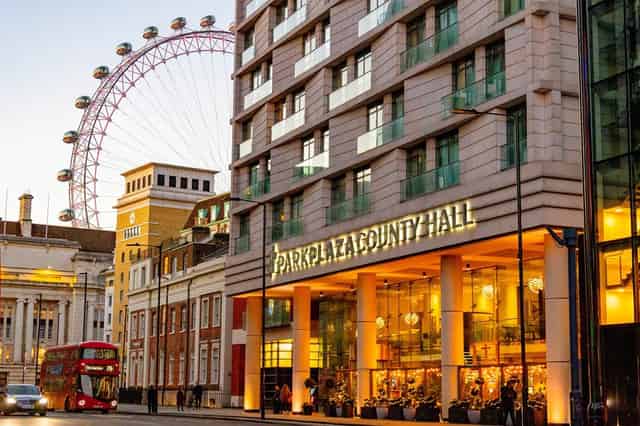
Park Plaza County Hall London
Estimate£170 to £500 per night in November

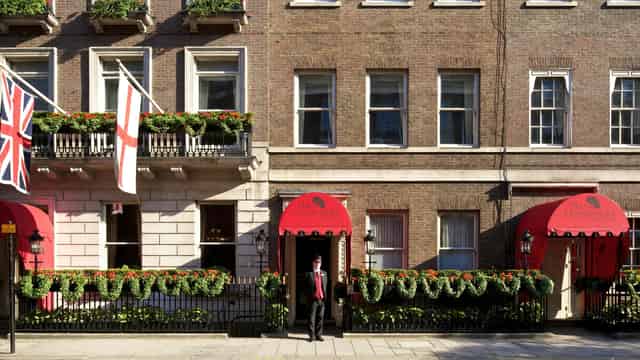
The Chesterfield Mayfair
Estimate£210 to £610 per night in November
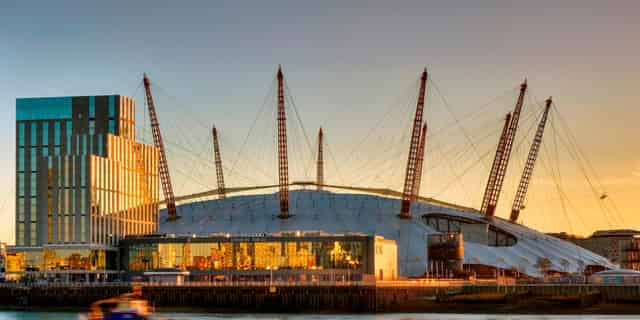
InterContinental London - the O2 by IHG
Estimate£210 to £640 per night in November
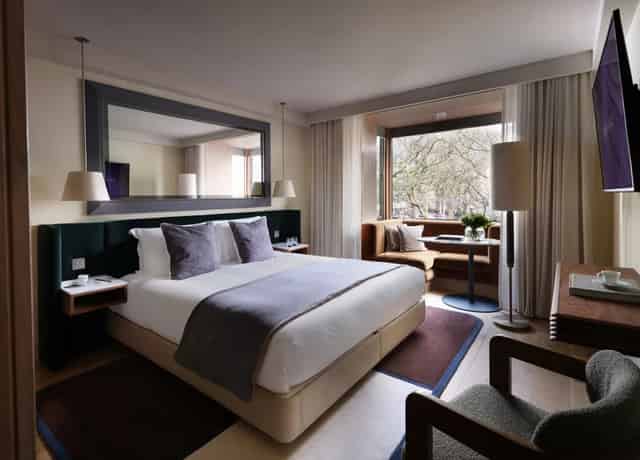
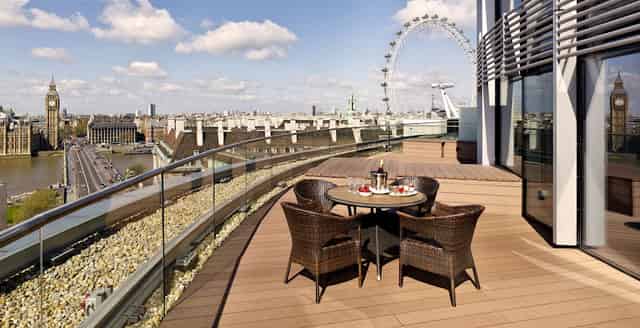
Park Plaza London Westminster Bridge
Estimate£170 to £510 per night in November
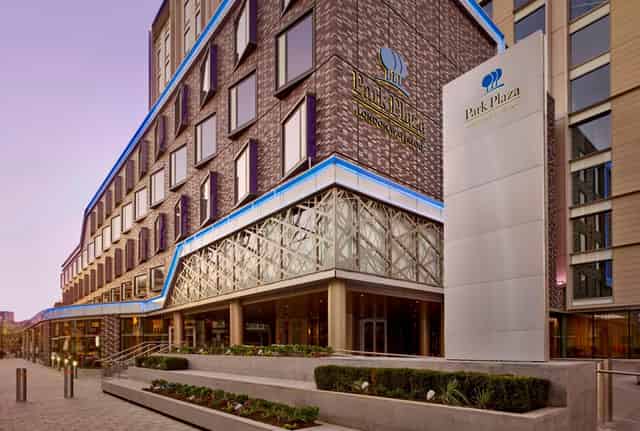
Park Plaza London Waterloo
Estimate£140 to £400 per night in November

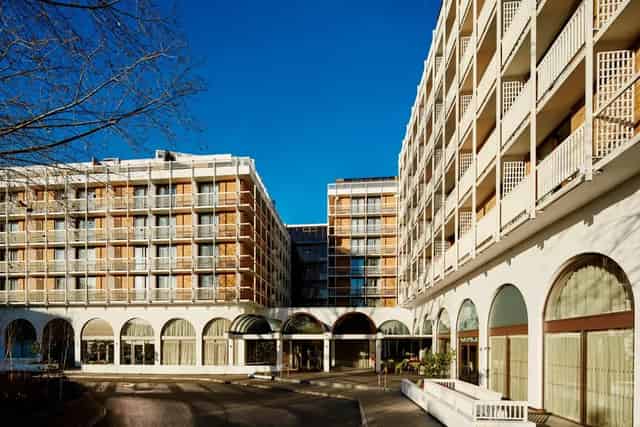
London Marriott Hotel Regents Park
Estimate£200 to £590 per night in November
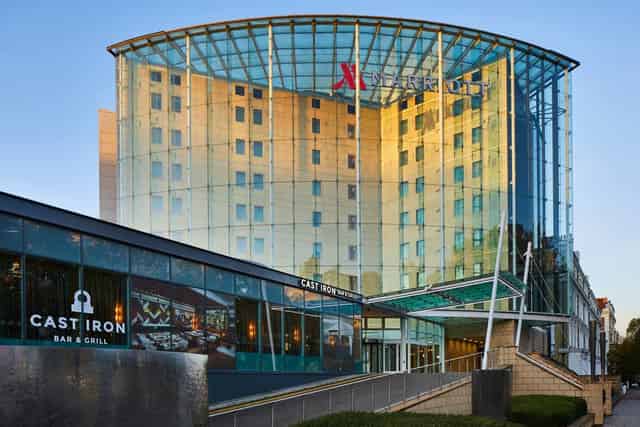
London Marriott Hotel Kensington
Estimate£170 to £510 per night in November
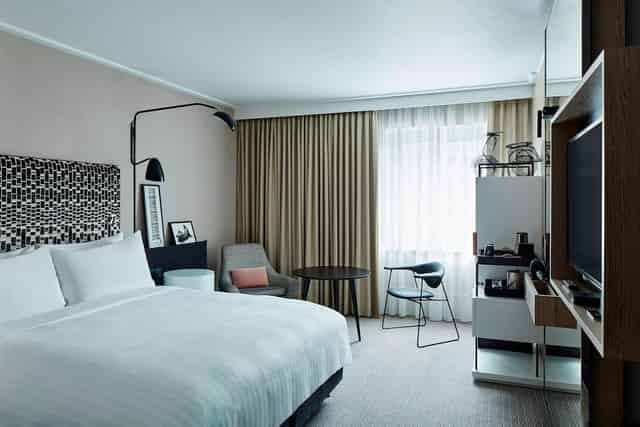
London Marriott Hotel Maida Vale
Estimate£170 to £510 per night in November
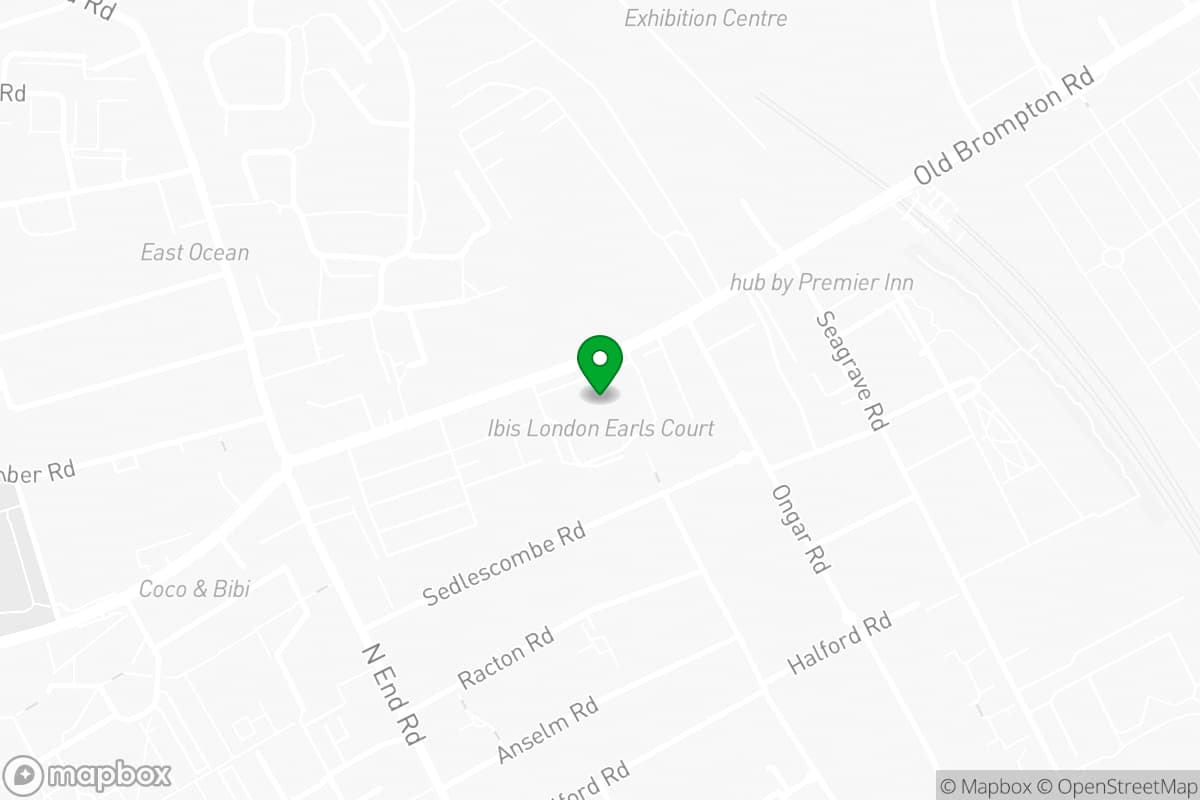
Mercure London Earls Court
Estimate£110 to £340 per night in November
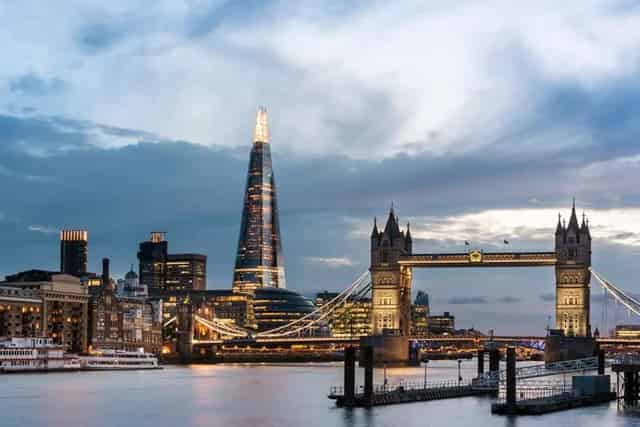
Shangri-La The Shard, London
Estimate£490 to £1,470 per night in November

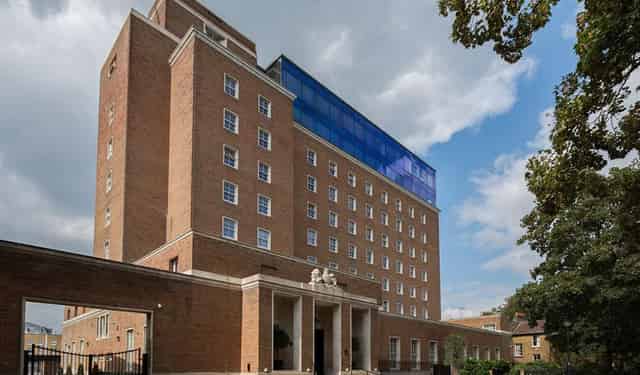
DoubleTree by Hilton London Greenwich
Estimate£80 to £240 per night in November
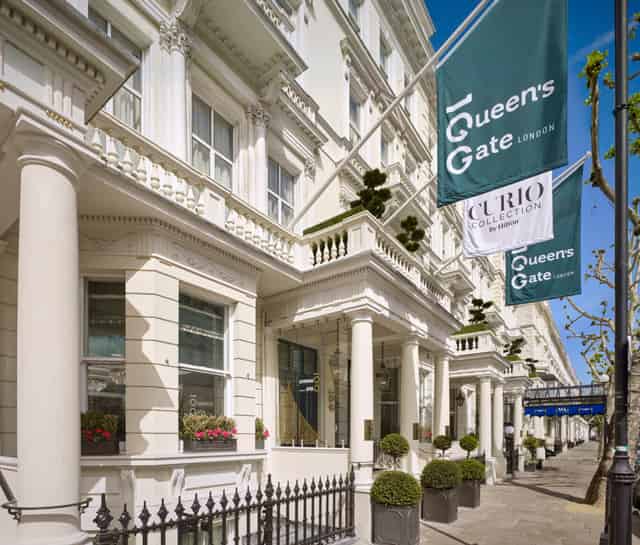
100 Queen's Gate Hotel London Kensington, Curio Collection by Hilton
Estimate£200 to £610 per night in November
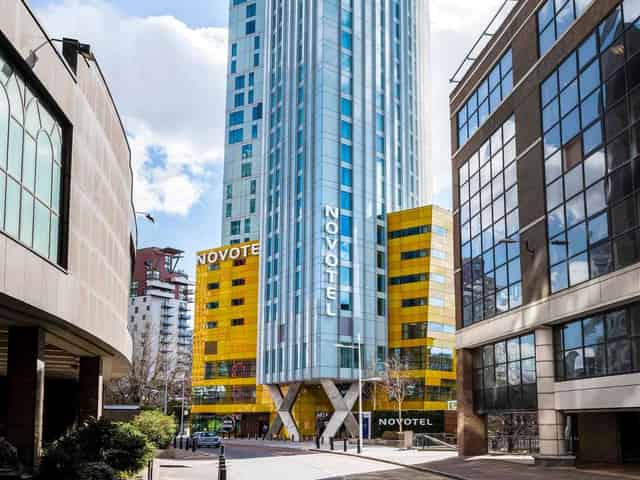
Novotel London Canary Wharf
Estimate£140 to £420 per night in November
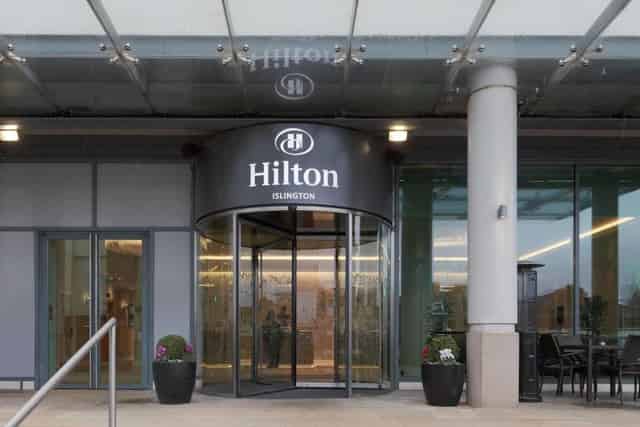
Hilton London Angel Islington
Estimate£170 to £500 per night in November
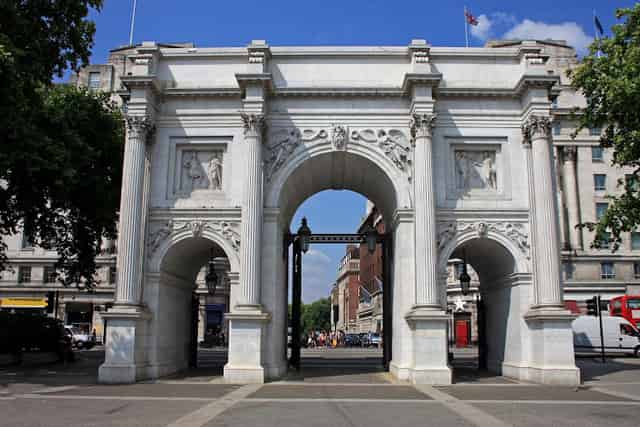
The Marble Arch Hotel by Thistle
Estimate£140 to £400 per night in November
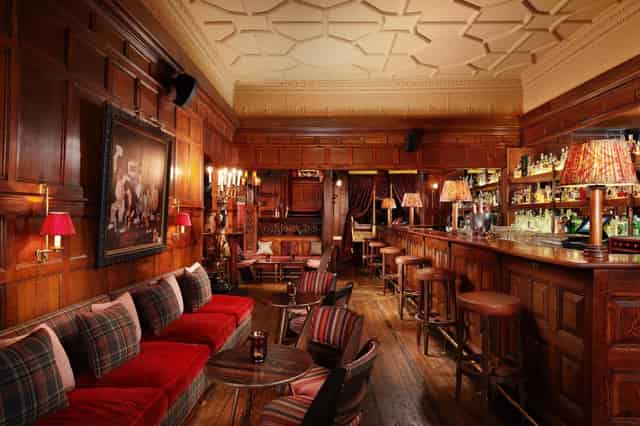
The Gore London - Starhotels Collezione
Estimate£170 to £500 per night in November
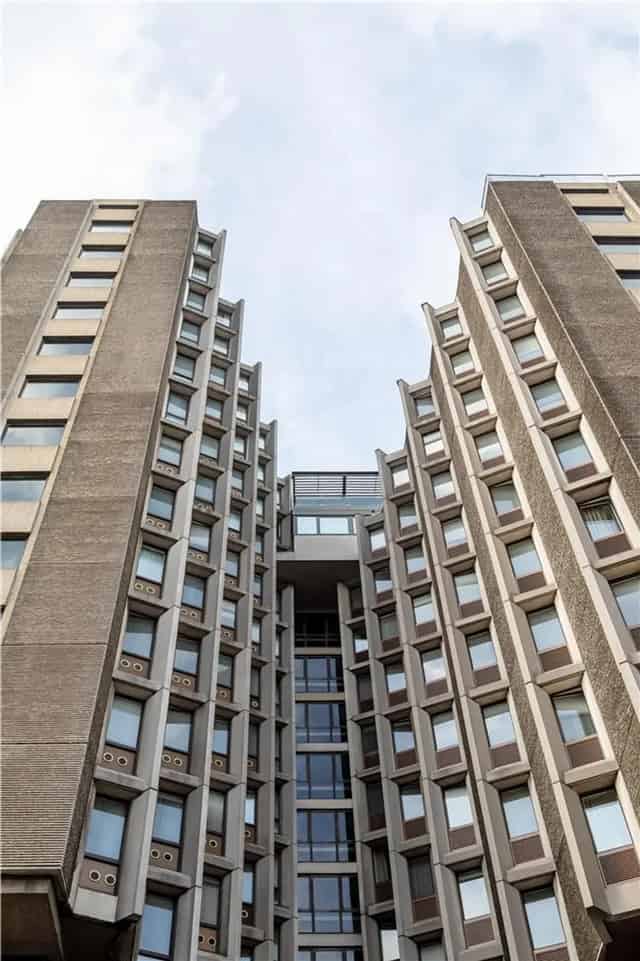
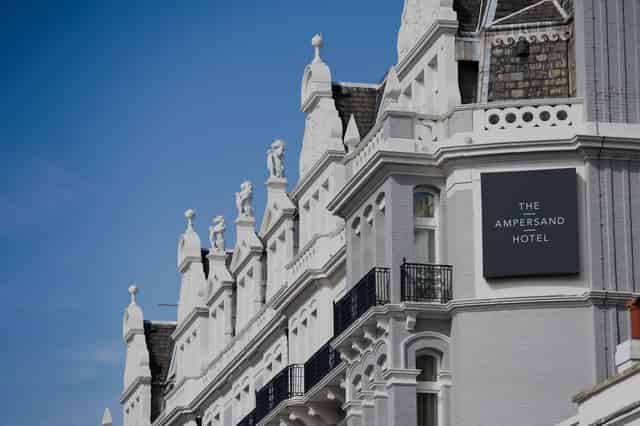
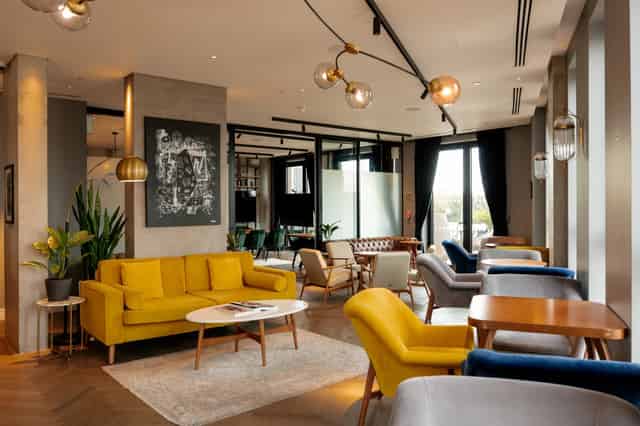
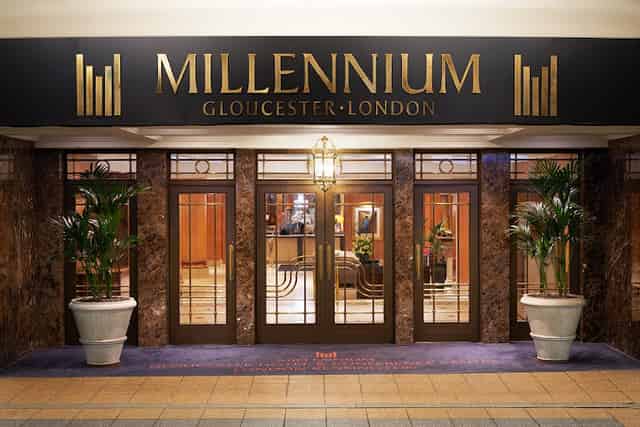
Millennium Hotel and Conference Centre Gloucester London
Estimate£120 to £360 per night in November
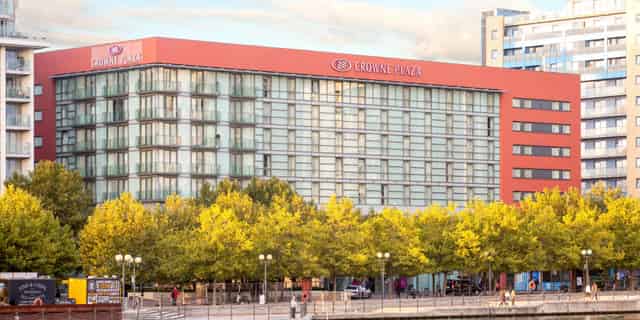
Crowne Plaza London Docklands by IHG
Estimate£160 to £470 per night in November
Explore more NEW
More group accommodation in London
- London group accommodation
- 4 Star Hotels
- 5 Star Hotels
- Conference Room Blocks
- Hotels for 100 rooms
- Hotels for 20 rooms
- Hotels for 200 rooms
- Hotels for 50 rooms
- Hotels near BDC
- Hotels near Billingsgate
- Hotels near ExCeL
- Hotels near Olympia
- Hotels near QEII Centre
- Hotels near The O2
- Hotels Near Tobacco Dock
- Hotels near Wembley
- Sports Team Hotels
- Business Suitable Hotels in Marylebone
- Business Suitable Hotels in City Of London
- Business Suitable Hotels in Westminster
- Business Suitable Hotels in Mayfair
- Business Suitable Hotels in Holborn
- Business Suitable Hotels in Bloomsbury
- 4 Star Hotels in City Of London
- 4 Star Hotels in Marylebone
Show all (25 more)Show fewer
- 4 Star Hotels in Bloomsbury
- 4 Star Hotels in Holborn
- 4 Star Hotels in Westminster
- 4 Star Hotels in Canary Wharf
- 5 Star Hotels in City Of London
- 5 Star Hotels in Marylebone
- 5 Star Hotels in Mayfair
- 5 Star Hotels in Soho
- 5 Star Hotels in Westminster
- 5 Star Hotels in South Bank
- Business Suitable Hotels in Belgravia
- Business Suitable Hotels in Clerkenwell
- Business Suitable Hotels in Covent Garden
- Business Suitable Hotels in Fitzrovia
- Business Suitable Hotels in Knightsbridge
- Business Suitable Hotels in Soho
- Business Suitable Hotels in Victoria
- Business Suitable Hotels in Waterloo
- Business Suitable Hotels in Canary Wharf
- Business Suitable Hotels in Old Street
- Business Suitable Hotels in Shoreditch
- Business Suitable Hotels in Whitechapel
- Business Suitable Hotels in South Bank
- Business Suitable Hotels in South Kensington
- Business Suitable Hotels in Paddington
About Corporate Offsite Accommodation in London
Matching your team to the right star rating and size across corporate offsite hotels in London
When we plan a team retreat or multi-day programme, finding the sweet spot between productivity, comfort and budget comes down to two decisions: star rating and hotel scale. Across corporate offsite hotels in London, about half of the hotels carry 4 stars, striking an ideal balance between full-service hospitality and dependable work facilities. Some of the hotels provide 5 stars—superb when hosting senior leadership or international clients—while a few of the hotels offer 3 stars, which work brilliantly for focused, budget-conscious groups.
Scale also shapes the dynamic of your stay. Boutique properties with fewer than 20 rooms or 20 to 49 rooms give your team a focused, cohesive atmosphere, though only a few of the hotels fall into these intimate sizes. For mid-sized teams, properties with 50 to 99 rooms or 100 to 199 rooms each represent some of the hotels, offering ample flexibility. If you are organising a multi-department gathering, some of the hotels provide 200 or more rooms to keep everyone under one roof.
Key checks when selecting group accommodation
- Match property size to team culture: Intimate properties minimise external distractions, whereas larger hotels offer seamless check-in logistics and flexible shared spaces.
- Align stay with work sessions: Decide whether daytime sessions happen on site or nearby at dedicated Away Day Venues London or standalone Meeting Rooms in London.
- Clarify rate inclusions: Always check what is included in the nightly quote, such as breakfast or access to quiet working lounges.
As a practical next step, audit your attendee roster to confirm total room counts and preferred configurations before requesting your group room block.
Managing room blocks: how many rooms to hold and when to request them
Securing a room block for a travelling team requires early coordination, especially when coordinating stays alongside programmes at major Conference Venues in London. Rather than waiting for attendee headcounts to be finalised, the safest approach is to request an initial allocation as soon as your dates are locked in. Midweek corporate demand across the capital remains consistently competitive throughout the working year, meaning central hotel rooms book up well ahead of time.
Securing flexible terms and room release schedules
When speaking to hotel reservations teams, aim to hold a realistic block of rooms under a managed release schedule. This arrangement allows unallocated rooms to return to general hotel inventory at agreed cut-off points without your organisation facing financial penalties. Establish whether breakfast and high-speed Wi-Fi are included within your nightly room rate, keeping billing clear and predictable across the entire group.
If your offsite programme also features breakout sessions or evening dinners hosted offsite at nearby Event Venues in Central London, map the transit route before confirming your room block. Ensuring straightforward travel between the hotel and your session spaces keeps team energy high and prevents logistical bottlenecks.
Key checks before signing your room block contract
- Room configurations: Verify the balance between double and twin rooms to accommodate colleague preferences without last-minute room swaps.
- Attrition and cut-off dates: Agree phased dates in writing to release unneeded rooms safely before financial liability takes effect.
- Consolidated billing: Centralise room charges, local taxes and included amenities onto a master account to simplify expense reconciliation.
Your immediate next step is to draft your rooming list template and contact prospective hotels to request formal allocation proposals for your chosen dates.
Understanding seasonal room rates and what moves nightly pricing
Budgeting for a team stay in the capital means getting comfortable with seasonal ebb and flow. London experiences pronounced peaks driven by international business travel, multi-day conventions and corporate gatherings, which naturally impacts nightly room costs across the calendar.
Understanding seasonal pricing benchmarks
When forecasting accommodation spend for corporate offsite hotels in London, seasonal ranges offer a helpful baseline. Rates reflect mid-week demand shifts throughout the cooler months:
- Late autumn: Typical £130 to £830 per night in November, as the city experiences peak conference activity and corporate retreats.
- Year-end festive period: Typical £100 to £690 per night in December, when holiday gatherings surge while business travel tapers off.
- Early new year: Typical £70 to £420 per night in January, offering a quieter window as the business calendar resets.
Keep in mind that these nightly figures are indicative estimates, not quotes or availability. Final room rates always fluctuate depending on exact arrival dates, block size and general market demand.
Navigating what moves group rates
Beyond seasonality, several operational dynamics influence the rates hotels quote:
- Midweek corporate demand: Midweek nights see intense demand from business travellers, whereas shoulder nights frequently offer greater budget breathing space.
- Surrounding city events: City-wide exhibitions and summits tighten room capacity rapidly. If your daytime agenda takes place nearby in dedicated Meeting Rooms in Central London, verify that major trade fairs do not clash with your stay.
- Commitment timelines: Requesting your room block early protects your organisation from dynamic inventory pricing as hotels fill up.
As your next step, confirm your group travel dates and request formal quotes from prospective hotels to lock in accurate pricing for your stay.
Coordinating group travel: getting your team smoothly between the hotel and your event
When your team stays in one place and gathers elsewhere, coordinating the daily journey between hotel rooms and your daytime agenda can make or break the offsite experience. London’s transit network is remarkably efficient, but peak rush hours can quickly drain energy if travel logistics are left to chance.
Planning seamless transfers between rooms and sessions
Choosing hotels with direct, low-friction links to your daytime destination keeps colleagues arriving fresh and on schedule. If your itinerary involves travelling across the capital to external Event Venues in London, map the transit route thoroughly before locking in your stay.
Keep these practical tips in mind when coordinating group movement:
- Prioritise direct rail links: Direct Underground, Overground or Elizabeth line connections eliminate the risk of team members becoming separated during multi-line changes.
- Build in peak-travel buffers: Journeys through major rail hubs like Waterloo, King’s Cross or Liverpool Street take noticeably longer during morning commuter rushes.
- Have a wet-weather plan: If your team will be walking from these hotels, identify bus routes or taxi drop-off points so sudden downpours never disrupt the schedule.
- Check step-free access: Verify station accessibility along the chosen route in advance so every colleague travels comfortably and without unexpected barriers.
Practical checks for a smooth commute
Speak with hotel front desks when booking your rooms to check if coach drop-off zones or taxi loading areas are available directly outside the property. Providing your team with centralised journey details, meeting points and recommended travel windows before arrival ensures everyone arrives together and ready to engage.
As your next step, map your daily itinerary and test-run the transit route between your shortlisted hotels and your daytime event space at peak morning travel times.
Assessing what hotels offer beyond a bed: meeting spaces and shared dining
A successful team retreat is rarely just about where people sleep; it is about how smoothly your group connects between structured sessions. Keeping everyone under one roof simplifies daytime logistics and removes the friction of daily transit. Fortunately, most of the hotels have their own event space, meaning your team can wake up, collaborate and dine without ever leaving the building.
Evaluating on-site facilities and group dining
When reserving a block of rooms, examine how the property supports both focused work and evening downtime:
- Private dining areas: Shared evening meals build genuine team connection. Verify whether hotel restaurants offer private dining spaces where colleagues can debrief together without noise from external guests.
- Informal breakout spots: Look for quiet lounges, mezzanine corners or dedicated work hubs where colleagues can tackle urgent emails between group sessions.
- Integrated day packages: If using on-site event space alongside accommodation, confirm whether audio-visual support and refreshments are included in your overall booking.
- Dietary arrangements: Collate attendee dietary preferences before arrival so the hotel kitchen can manage group breakfasts and seated dinners seamlessly.
Choosing a property that caters to both work and social hours keeps your itinerary running on time while giving colleagues space to recharge.
As your next step, contact your shortlisted hotels to request integrated proposals covering your required room block, on-site meeting spaces and group dining arrangements.
Questions about corporate Offsite Accommodation in London
What type of London hotel suits a corporate offsite?
What is the typical nightly price for hotel rooms in London in November?
How much do London hotel rooms cost per night in December?
What are typical nightly hotel prices in London in January?
What affects the price of group hotel rooms in London?
Do London offsite hotels have their own event space?
What size of hotel is best for a group offsite?
How far ahead should I book hotel rooms for a corporate offsite?
What should I check before booking group rooms for an offsite?
How do I get my team between the hotel and the event?
Should a corporate offsite hotel be central or outside central London?
Need rooms across several hotels?
Our group bookings team can split a block between hotels near your venue. Free, no obligation.