Hotels in London for 100 rooms
London hotels can accommodate groups of around 100 rooms, making them a practical choice for conferences, company retreats and multi-day events. Compare locations, room types and facilities, from meeting rooms and dining to transport links. When planning, confirm the number of rooms available on your dates, group booking terms and whether event spaces can support your programme.
- Free to enquire
- Group bookings team
337 hotels in London
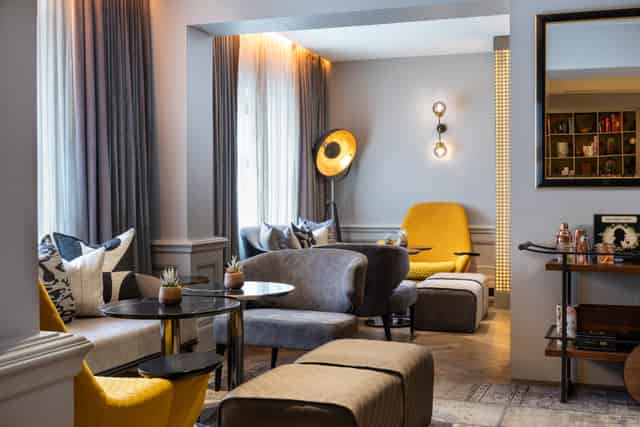
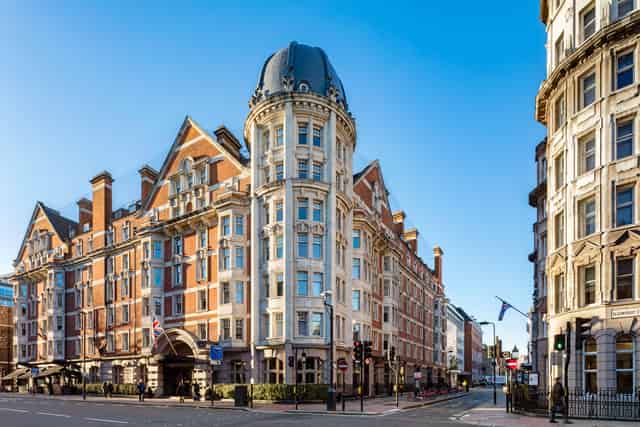
Radisson Blu Hotel, London Bloomsbury
Estimate£220 to £630 per night in November
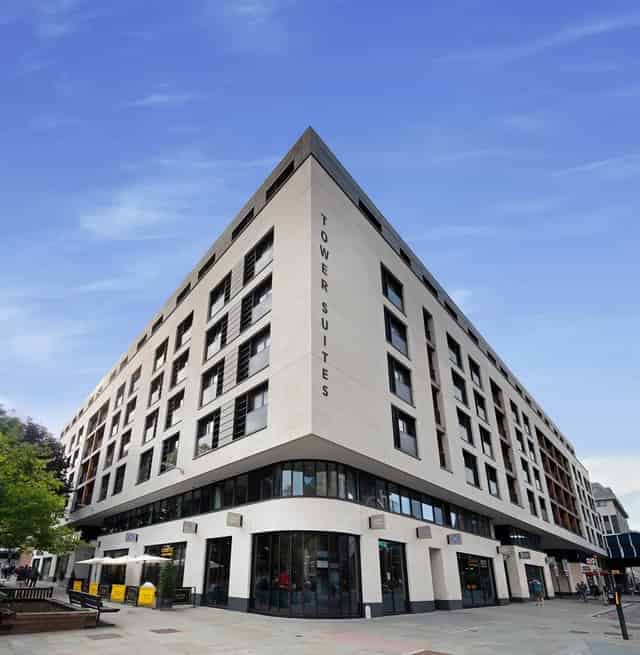
Tower Suites by Blue Orchid Hotels
Estimate£170 to £530 per night in November

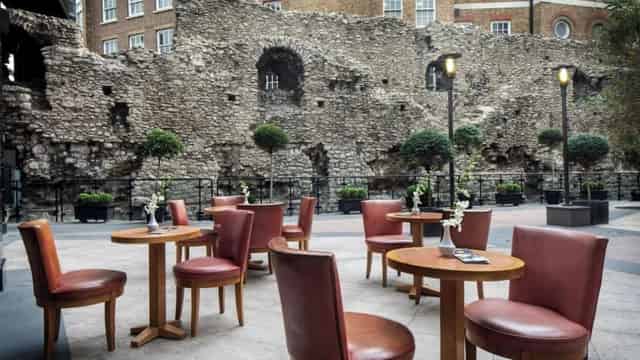
Leonardo Royal Hotel London City
Estimate£160 to £470 per night in November
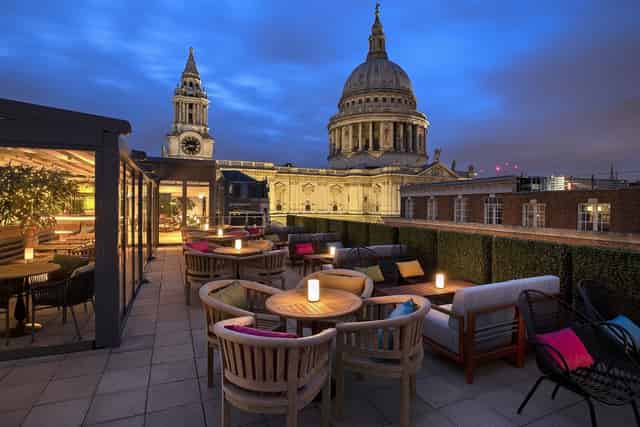
Leonardo Royal London St Paul's
Estimate£260 to £890 per night in November
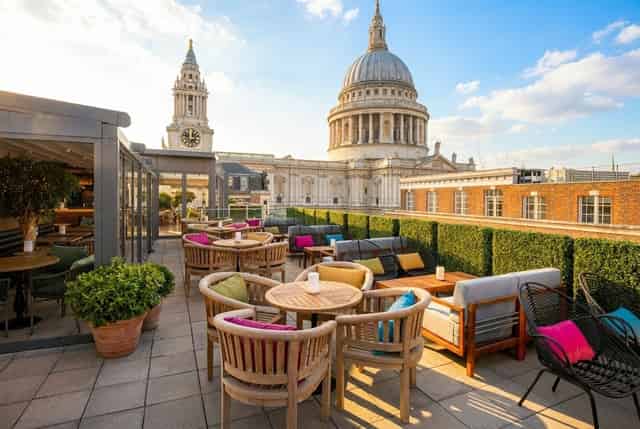
Leonardo Royal Hotel London Tower Bridge
Estimate£230 to £680 per night in November
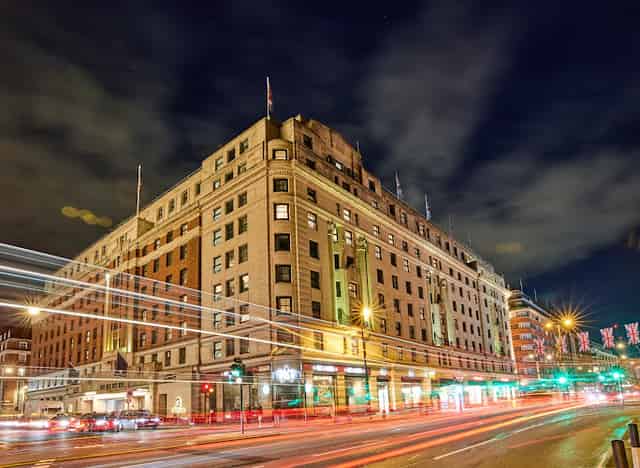
The Cumberland Hotel, London
Estimate£140 to £410 per night in November
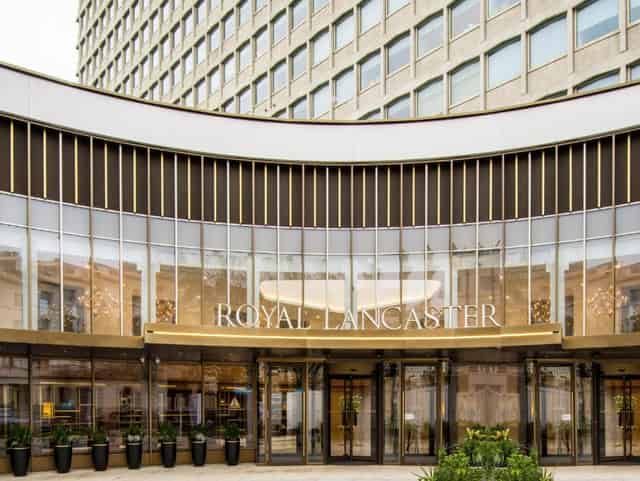
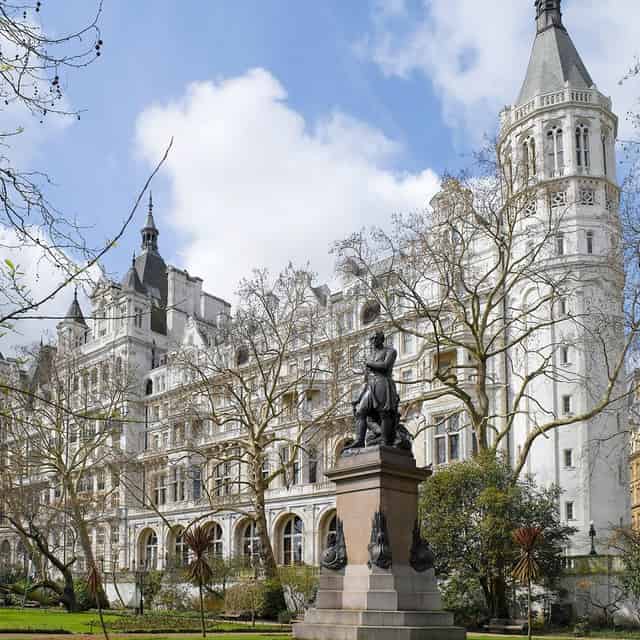
The Royal Horseguards Hotel & One Whitehall Place, London
Estimate£260 to £810 per night in November
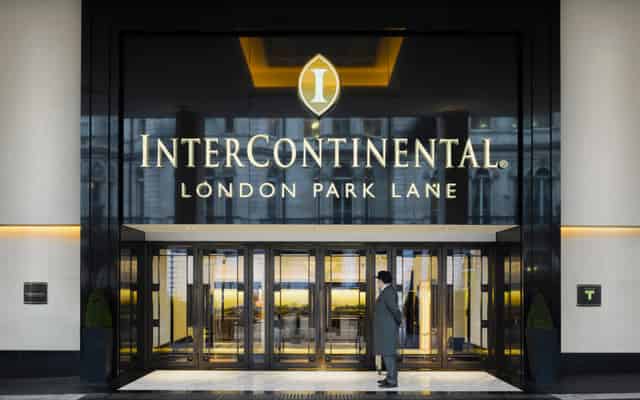
InterContinental London Park Lane by IHG
Estimate£290 to £890 per night in November
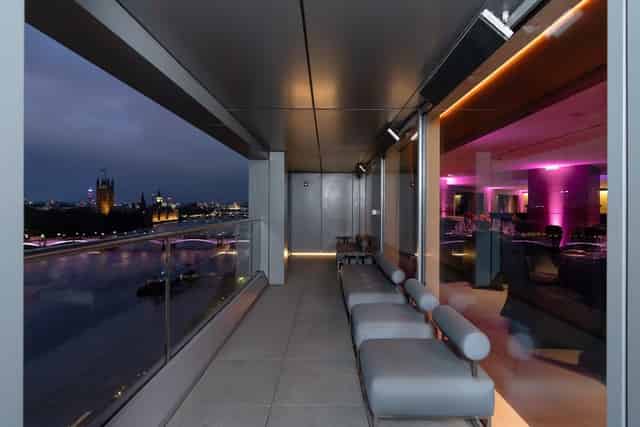
Park Plaza London Riverbank
Estimate£170 to £490 per night in November
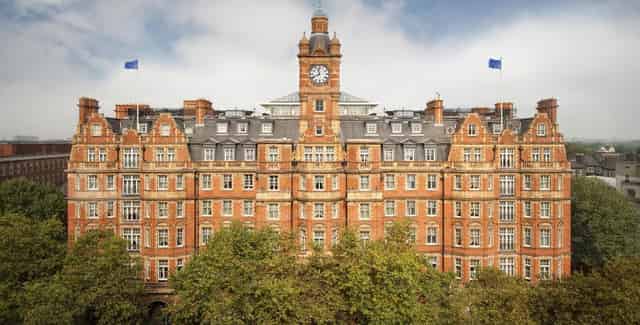
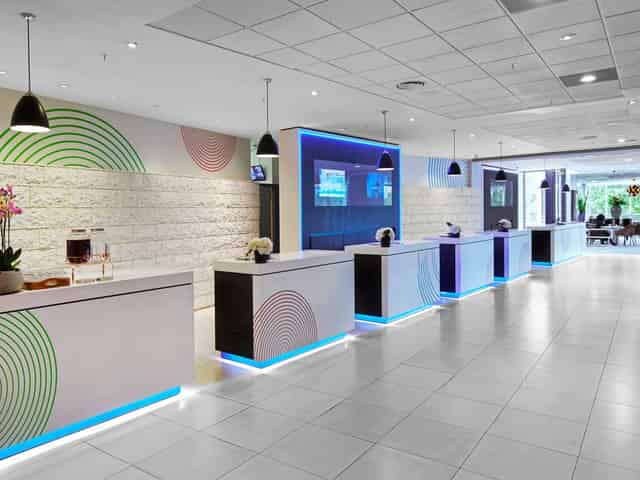
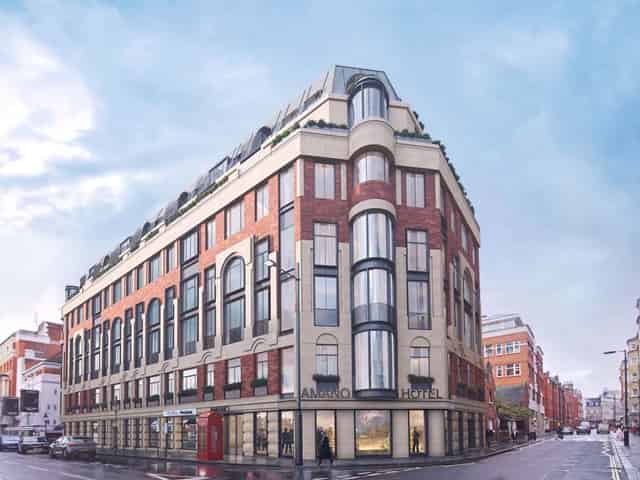
Hotel AMANO Covent Garden
Estimate£210 to £650 per night in November
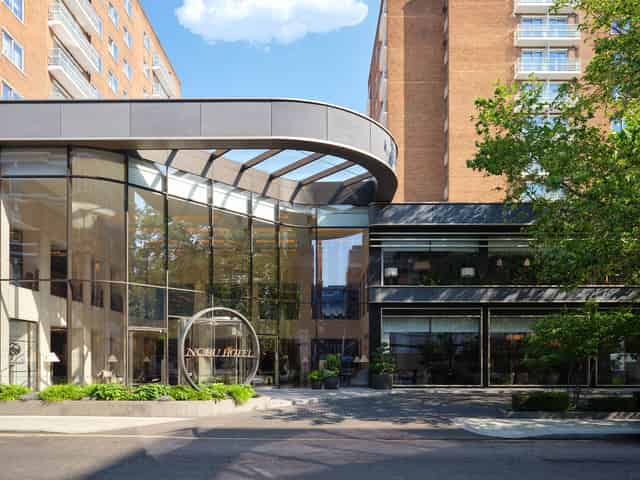
Nobu Hotel London Portman Square
Estimate£230 to £740 per night in November
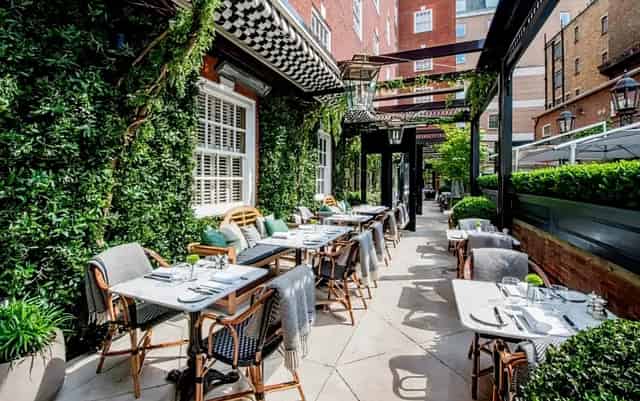
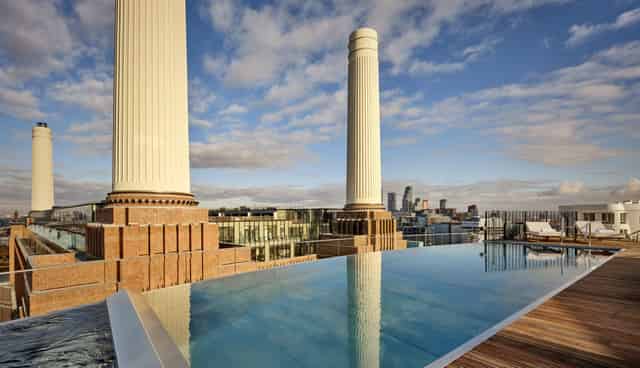
art'otel London Battersea Power Station, Powered by Radisson Hotels
Estimate£240 to £750 per night in November
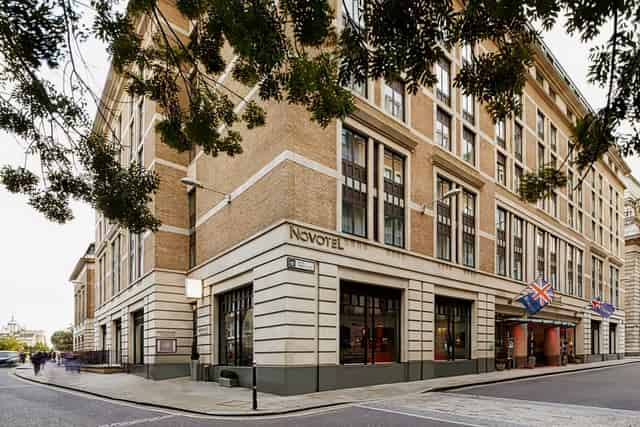
Novotel London Tower Bridge
Estimate£170 to £500 per night in November
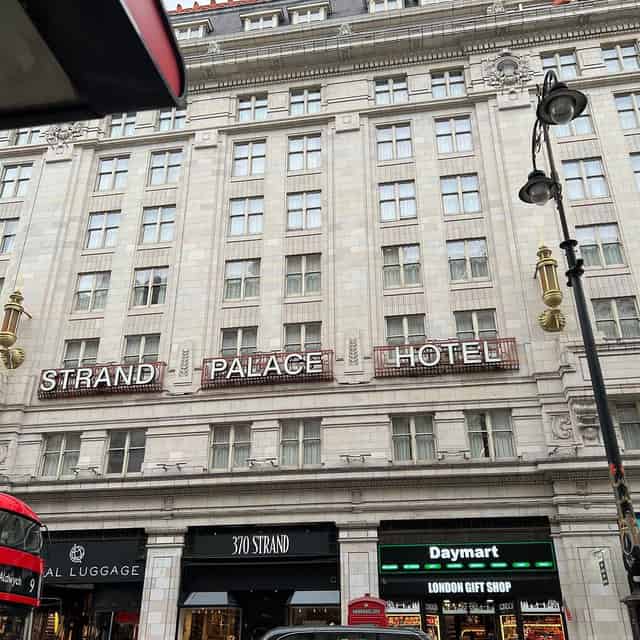
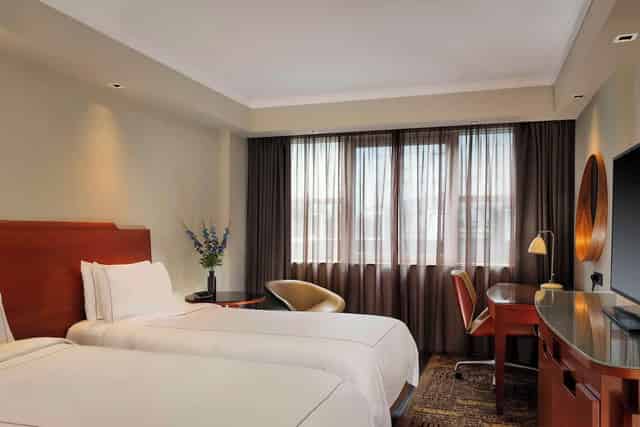
Park Plaza Victoria London
Estimate£180 to £520 per night in November
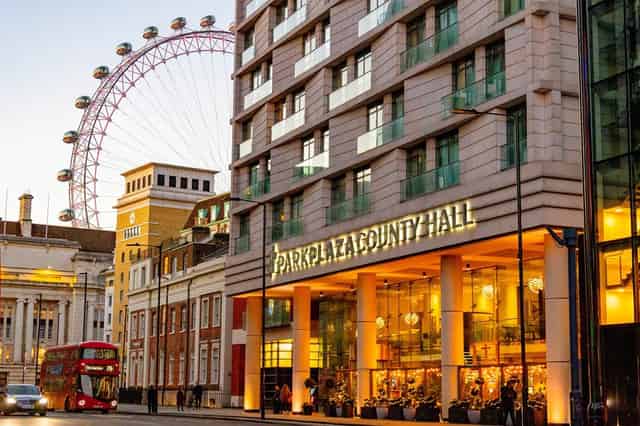
Park Plaza County Hall London
Estimate£170 to £500 per night in November
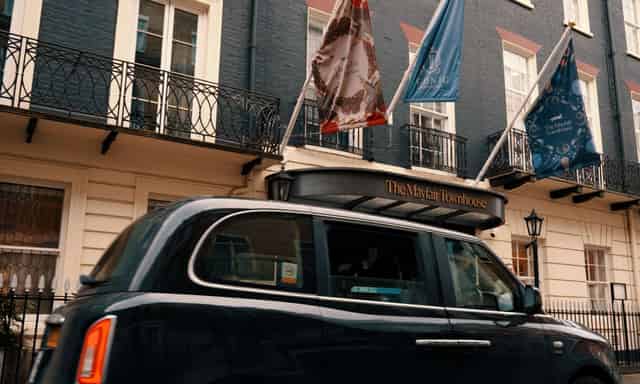
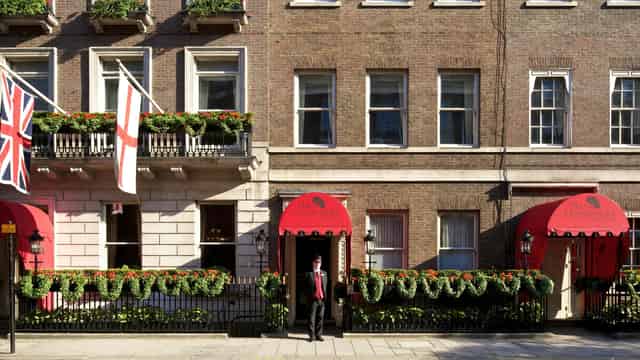
The Chesterfield Mayfair
Estimate£210 to £610 per night in November
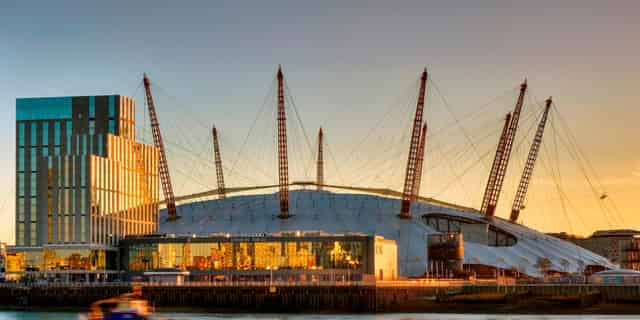
InterContinental London - the O2 by IHG
Estimate£210 to £640 per night in November
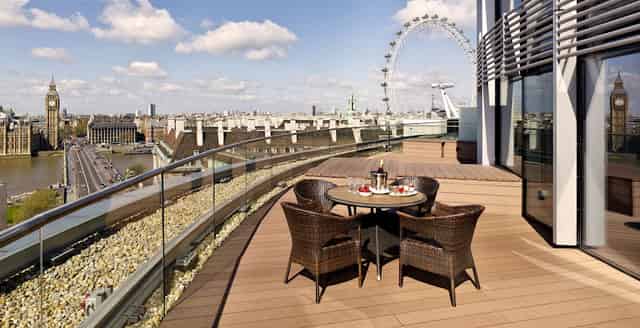
Park Plaza London Westminster Bridge
Estimate£170 to £510 per night in November
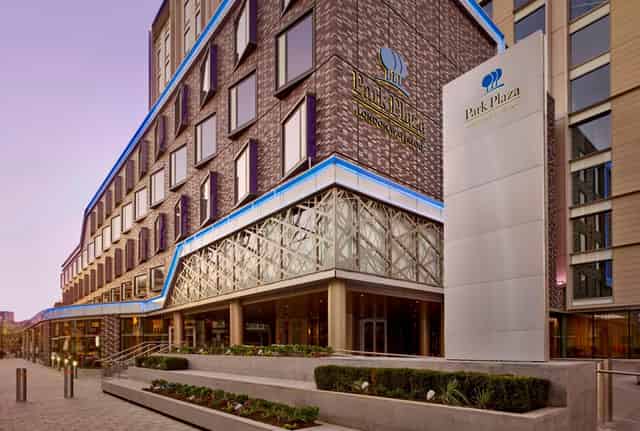
Park Plaza London Waterloo
Estimate£140 to £400 per night in November

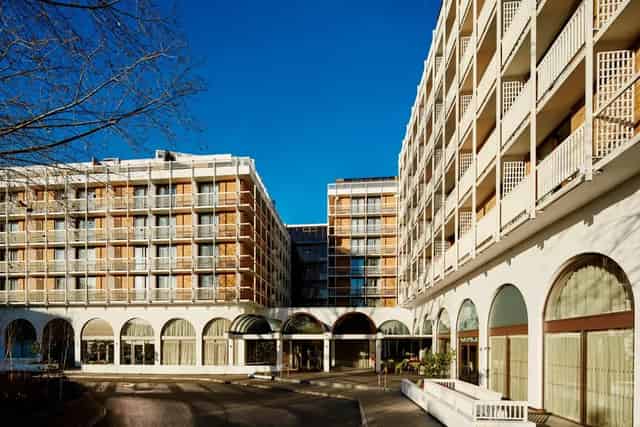
London Marriott Hotel Regents Park
Estimate£200 to £590 per night in November
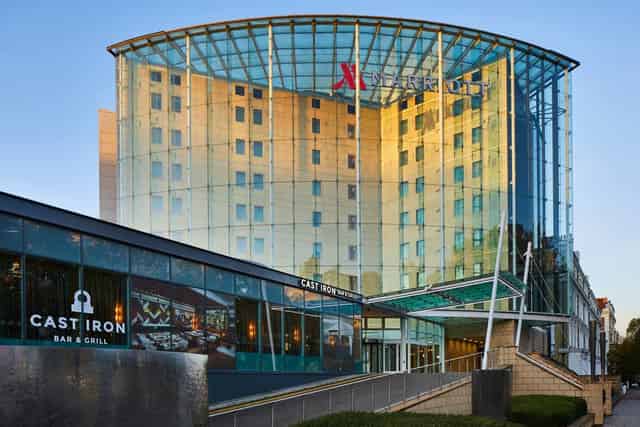
London Marriott Hotel Kensington
Estimate£170 to £510 per night in November
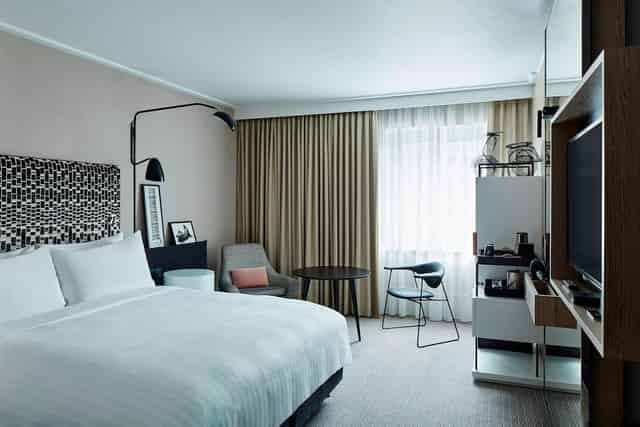
London Marriott Hotel Maida Vale
Estimate£170 to £510 per night in November
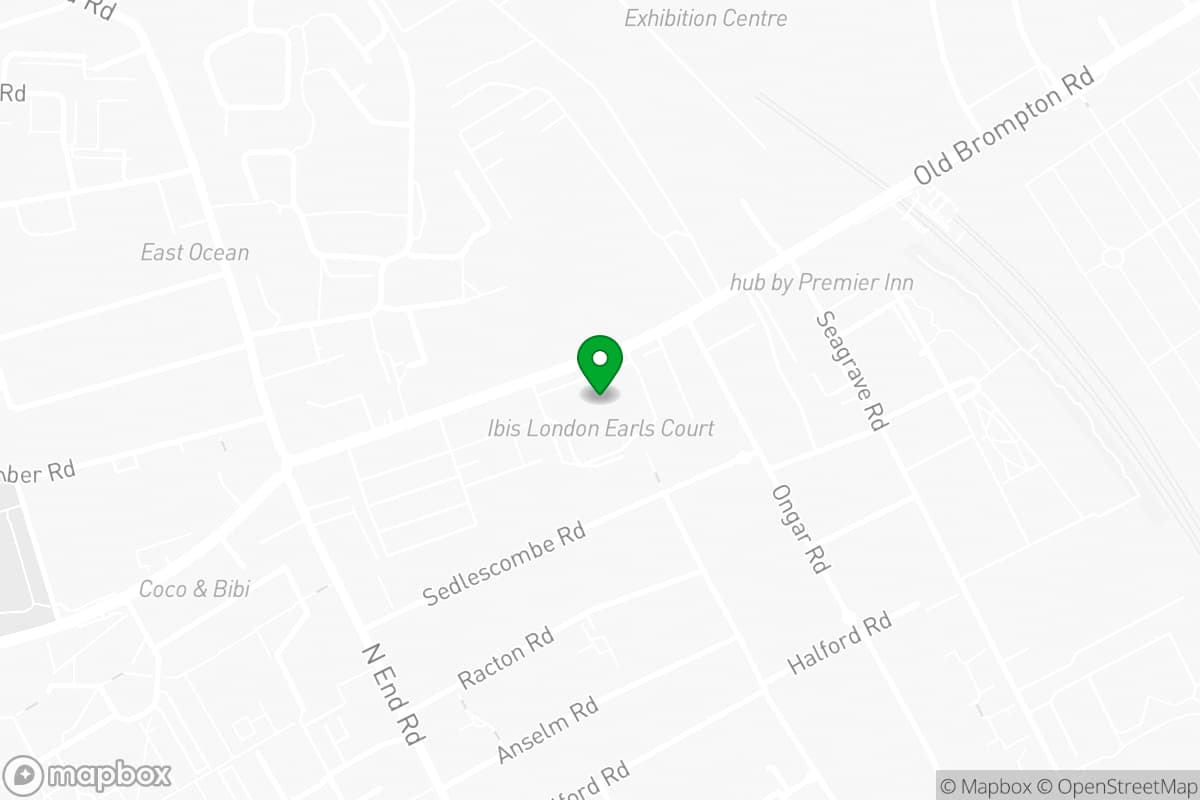
Mercure London Earls Court
Estimate£110 to £340 per night in November
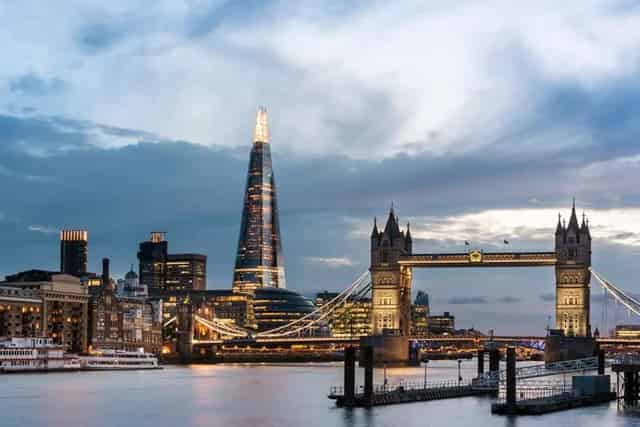
Shangri-La The Shard, London
Estimate£490 to £1,470 per night in November


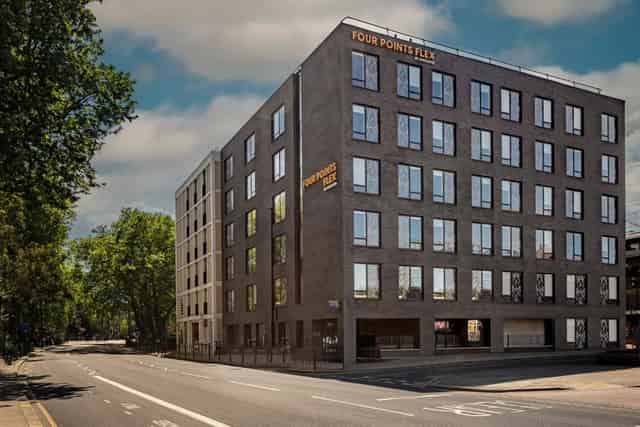
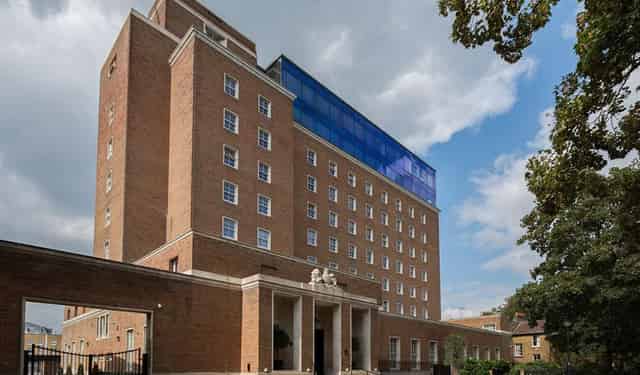
DoubleTree by Hilton London Greenwich
Estimate£80 to £240 per night in November
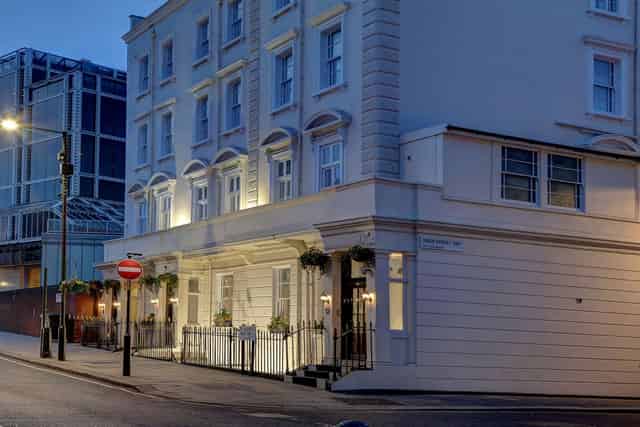
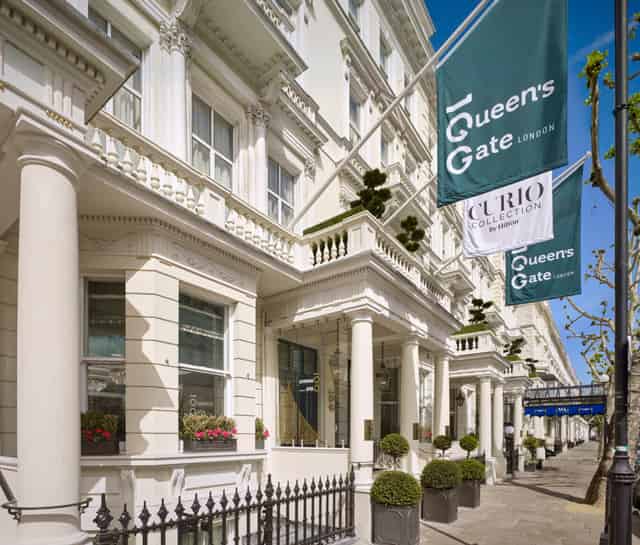
100 Queen's Gate Hotel London Kensington, Curio Collection by Hilton
Estimate£200 to £610 per night in November
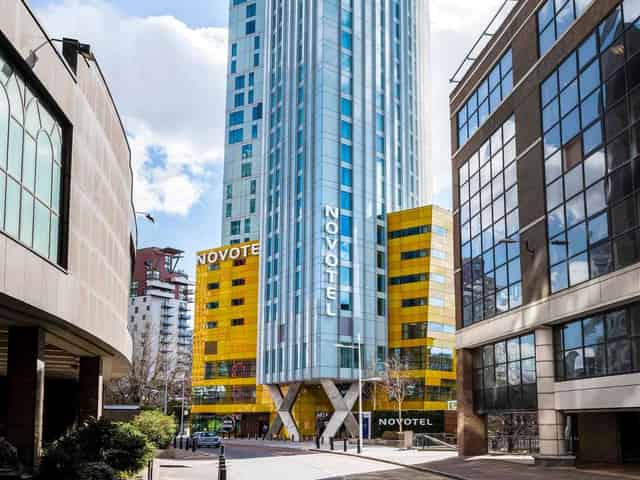
Novotel London Canary Wharf
Estimate£140 to £420 per night in November
Explore more NEW
More group accommodation in London
- London group accommodation
- 4 Star Hotels
- 5 Star Hotels
- Conference Room Blocks
- Corporate Offsite Hotels
- Hotels for 20 rooms
- Hotels for 200 rooms
- Hotels for 50 rooms
- Hotels near BDC
- Hotels near Billingsgate
- Hotels near ExCeL
- Hotels near Olympia
- Hotels near QEII Centre
- Hotels near The O2
- Hotels Near Tobacco Dock
- Hotels near Wembley
- Sports Team Hotels
- Business Suitable Hotels in Marylebone
- Business Suitable Hotels in City Of London
- Business Suitable Hotels in Westminster
- Business Suitable Hotels in Mayfair
- Business Suitable Hotels in Holborn
- Business Suitable Hotels in Bloomsbury
- 4 Star Hotels in City Of London
- 4 Star Hotels in Marylebone
Show all (25 more)Show fewer
- 4 Star Hotels in Bloomsbury
- 4 Star Hotels in Holborn
- 4 Star Hotels in Westminster
- 4 Star Hotels in Canary Wharf
- 5 Star Hotels in City Of London
- 5 Star Hotels in Marylebone
- 5 Star Hotels in Mayfair
- 5 Star Hotels in Soho
- 5 Star Hotels in Westminster
- 5 Star Hotels in South Bank
- Business Suitable Hotels in Belgravia
- Business Suitable Hotels in Clerkenwell
- Business Suitable Hotels in Covent Garden
- Business Suitable Hotels in Fitzrovia
- Business Suitable Hotels in Knightsbridge
- Business Suitable Hotels in Soho
- Business Suitable Hotels in Victoria
- Business Suitable Hotels in Waterloo
- Business Suitable Hotels in Canary Wharf
- Business Suitable Hotels in Old Street
- Business Suitable Hotels in Shoreditch
- Business Suitable Hotels in Whitechapel
- Business Suitable Hotels in South Bank
- Business Suitable Hotels in South Kensington
- Business Suitable Hotels in Paddington
About Hotels in London for 100 rooms
Choosing the right hotel size and star rating when booking hotels for 100 rooms in London
When you are placing a block this substantial, matching the property’s footprint to your attendee profile is half the battle. Securing hotels for 100 rooms in London means looking closely at total bedroom inventory, because how a hotel operates with a group of that scale depends entirely on its overall capacity.
Balancing hotel scale with group presence
How your group experiences their stay often comes down to the building's overall scale:
- Properties with 200 or more rooms: About half of the hotels fall into this larger bracket. These properties absorb a substantial room allocation effortlessly alongside everyday corporate guests. They provide ample breathing space, generous common areas and deep operational resilience during busy morning departures.
- Properties with 100 to 199 rooms: About half of the hotels sit in this mid-sized range. Holding a block here means your guests represent the majority of the bedrooms. That creates an exclusive, collegiate atmosphere where attendees easily connect throughout the public areas, though it requires clear communication around coordinated arrivals.
Selecting the right star rating
The star rating sets expectations the moment your guests step into the lobby:
- 4 stars: Most of the hotels hold this standard. They provide a dependable balance of comfort, workspace and modern amenities, making them an excellent choice for visiting teams and international delegates alike.
- 5 stars: Some of the hotels carry this top tier. They suit briefs demanding high-touch personal service, refined surroundings and elevated hospitality for executive leadership or key partners.
- 3 stars: A few of the hotels provide this option, delivering a practical, straightforward base where the focus remains strictly on quality sleep and central accessibility.
As a practical next step, survey your group's profile to determine whether an intimate atmosphere or a larger base suits your programme, then contact your preferred properties to request initial allocation options.
Working out how many rooms to hold and when to secure your group block
Securing an allocation for 100 rooms across the capital requires a strategic approach to attrition and timelines. When you manage a block of this scale, the goal is always finding that sweet spot: holding enough capacity so no delegate is left searching across town, while protecting your budget from unallocated rooms.
Structuring attrition and cut-off dates
When we negotiate group agreements with London hotels, release milestones are our most dependable safety net. Rather than treating your bedroom block as a static commitment, structure it with flexible staging:
- Phased release dates: Establish staged review points in your contract where unallocated bedrooms return to the hotel’s general inventory without penalty.
- Clear rooming list deadlines: Agree on the exact date when individual guest names must be submitted, ensuring front-of-house teams have ample time to allocate quiet floors and specific room types.
- Billing arrangements: Settle early whether the master account covers room charges while guests pay their own extras, or whether attendees reserve from the block directly using a dedicated booking code.
Locking in your block early
London experiences dense weekday business demand, particularly around major industry trade shows and autumn summits. For that reason, we always advise reaching out to hotels as early as your dates are firm. Securing your contract well ahead gives you wider choice across central neighbourhoods and simplifies communication with visiting teams.
Once terms are agreed, maintain close contact with your designated group coordinator. Tracking delegate registrations against your held block on a weekly basis allows you to release surplus rooms smoothly or request extra capacity before the hotel fills up.
To take your planning forward, outline your expected delegate arrival pattern and ask shortlisted hotels for their standard group contract terms and attrition milestones.
Anticipating typical nightly rates and what moves room prices throughout the year
Budgeting for a large room block across the capital means getting comfortable with seasonal rhythms. Nightly room rates shift markedly across the calendar, driven by international conference schedules and corporate demand.
Seasonal shifts and indicative pricing
Looking at the winter months illustrates just how sharply market demand influences baseline figures:
- Late autumn: Typical £130 to £720 per night in November, when association conferences and business summits are in full swing across central districts.
- Early winter: Typical £90 to £540 per night in December, as corporate travel tapers off towards the festive holidays.
- New year: Typical £70 to £360 per night in January, traditionally a quieter window offering lower pricing across London.
Keep in mind these figures are indicative estimates, not quotes or availability. Final rates will always reflect your specific arrival dates, held room types and length of stay.
What drives rate movement
Beyond the calendar month, several operational factors will influence your final group rate:
- Day-of-week patterns: Tuesday and Wednesday nights consistently command the highest rates across commercial hubs like the City and Canary Wharf, whereas Sunday and Monday nights often see softer pricing.
- City-wide compression: Large trade expos or major summits quickly absorb surrounding bedrooms, pushing demand into neighbouring districts.
- Included amenities: Clarify upfront whether breakfast and Wi-Fi are included in your agreed room rate, as these make a noticeable difference to overall expenditure.
To move forward, outline two sets of viable event dates and request direct group quotes from properties across your target neighbourhoods to compare how location impacts your bedroom budget.
Organising smooth travel between your chosen hotel and the event
Getting a large contingent across London on schedule requires treating transport not as an afterthought, but as a central pillar of your accommodation search. Straight-line map distance can be thoroughly deceptive in the capital; a hotel situated right beside a direct Underground or mainline rail line will almost always serve your group better than one physically closer that involves multiple changes or traffic snarls.
Prioritising direct transit corridors
When we evaluate room locations for large corporate groups, route simplicity is our first benchmark. Navigating the capital works best when you keep transfers straightforward:
- Rail and Tube hubs: Choosing accommodation cluster areas around major interchanges such as King’s Cross St Pancras, London Bridge, Liverpool Street or Waterloo means your attendees can travel directly across the network without convoluted changes.
- Step-free accessibility: Check accessibility at both the hotel’s local station and the arrival stop for your daytime programme. Ensuring lifts and level boarding are available removes unnecessary friction for guests with heavy luggage.
- Walking routes over road travel: London traffic can be volatile during morning and evening rush hours. We always encourage teams to use pedestrian routes through pleasant riverside paths or direct rail lines rather than relying on central taxis or minicabs.
Coordinating group transfers and coach logistics
If your daily itinerary relies on chartered coaches or shared shuttles, central London presents distinct operational challenges that need resolving before contracts are signed:
- Loading restrictions: Many central boroughs enforce strict loading suspensions. Confirm with the hotel whether they have a dedicated coach bay or off-street pull-in where vehicles can safely board without halting street traffic.
- Scheduled departures: Coordinate departure times well outside peak commuter windows to prevent coaches from getting caught in heavy urban congestion.
- Arrival luggage management: Organise a centralised luggage drop with front-of-house teams, so arriving coaches can be unloaded swiftly while guest baggage is transferred securely to a held storage room.
To keep your planning moving forward, map out the door-to-door transit route between your daytime schedule and your shortlisted hotels, and ask each front desk team for their specific coach drop-off guidelines.
Looking beyond the bedroom to on-site event spaces and essential facilities
While your primary mission is securing a comfortable bed for every attendee, how a property handles day-to-day group flow outside the bedrooms will make or break your programme. Placing a large room block means thinking about morning bottlenecks, impromptu catch-ups and whether your itinerary requires meeting facilities under the same roof.
Integrating meeting areas with accommodation
Some of the hotels have their own event space, which can dramatically simplify your planning if you want to keep daytime sessions, dinners and sleeping quarters in one cohesive environment. When we assess properties offering both bedrooms and function rooms, we evaluate how the two components interact:
- Transition between functions: Ask whether delegate groups can move directly from morning plenary sessions to their bedrooms during breaks without crowding public lifts or main reception areas.
- Exclusivity and privacy: Clarify if delegate registration and evening networking can take place in private foyers rather than shared public lounges, keeping your group cohesive.
- Technical readiness: Ensure built-in audio-visual infrastructure and secure Wi-Fi are fully integrated into function suites so your team does not need external technical installs.
Catering and communal logistics
Moving a hundred rooms through a hotel at breakfast requires careful operational coordination. Before signing your contract, walk through the daily timetable with the operations team:
- Breakfast capacity: A standard hotel restaurant can easily become overwhelmed if all your guests arrive for breakfast at the same time. Check whether the kitchen can arrange an exclusive dining area or extend service hours to keep morning departures on schedule.
- Dedicated check-in desks: Holding a hundred rooms often means concentrated coach arrivals. Ask whether management can set up a private check-in table in the foyer with pre-coded room keys to avoid lengthy lobby queues.
- Social breakout spots: Generous mezzanine seating, quiet corner lounges and accessible coffee bars give colleagues casual places to collaborate between scheduled sessions.
As a clear next step, map out your daily schedule to see if on-site function space is required, then ask shortlisted hotels how they handle peak breakfast flow and dedicated registration for large room allocations.
Questions about hotels in London for 100 rooms
What star rating of hotel suits a group booking of 100 rooms?
How big are London hotels that can take a 100-room group?
What is the average cost of a hotel room in London in November?
How much does a London hotel room cost in December and January?
What moves hotel room prices for a large group in London?
How far in advance should I book 100 hotel rooms in London?
What should I ask a hotel when booking a group room block?
Do hotels in London have their own event space?
How do I get 100 guests between their hotel and the event in London?
What area of London is best to stay in for a business group?
Do guests need ID to check in to a hotel in the UK?
Can you drink the tap water in London hotels?
Need rooms across several hotels?
Our group bookings team can split a block between hotels near your venue. Free, no obligation.