Hotels in London for 50 rooms
Find London hotels suited to group accommodation for around 50 rooms, with options across the capital to match your location, budget and practical requirements. Compare room capacity, facilities, transport links and the availability of meeting or dining spaces. When shortlisting, check whether room rates include breakfast, how bookings are managed and whether all rooms can be held for your dates.
- Free to enquire
- Group bookings team
455 hotels in London
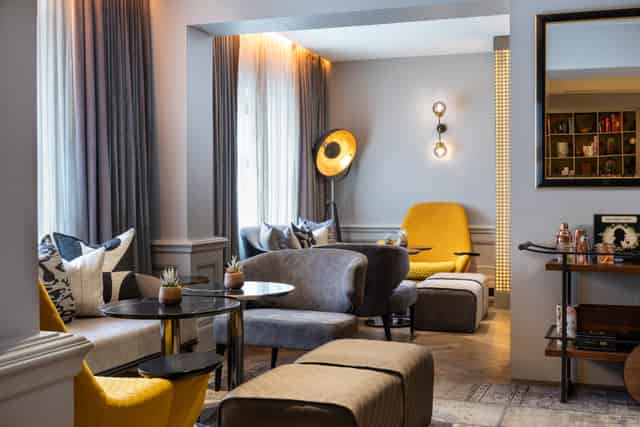
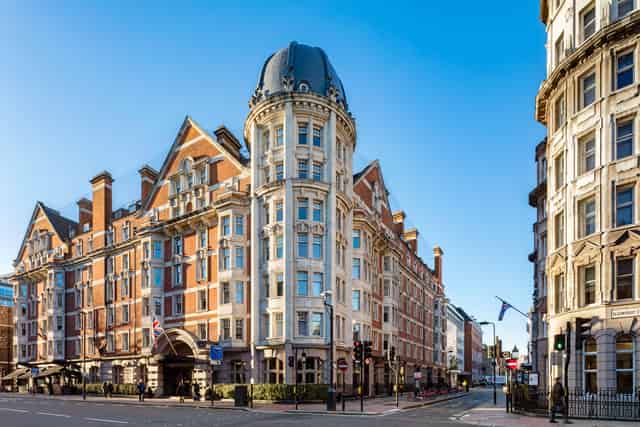
Radisson Blu Hotel, London Bloomsbury
Estimate£220 to £630 per night in November
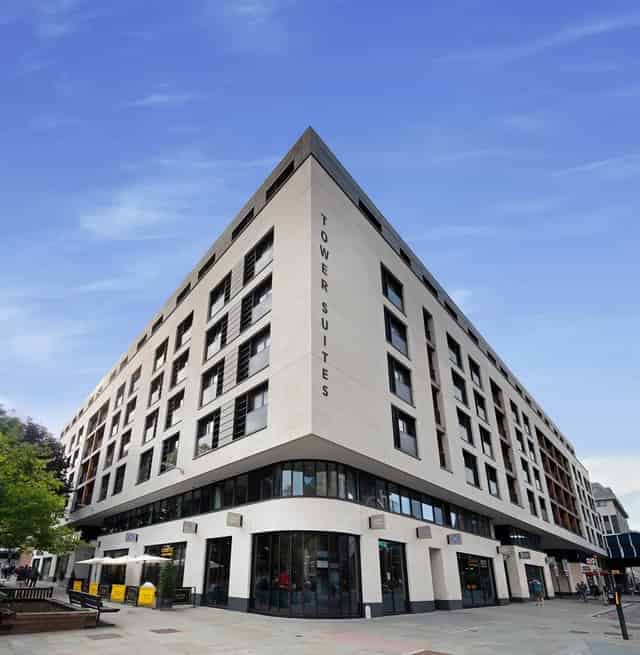
Tower Suites by Blue Orchid Hotels
Estimate£170 to £530 per night in November

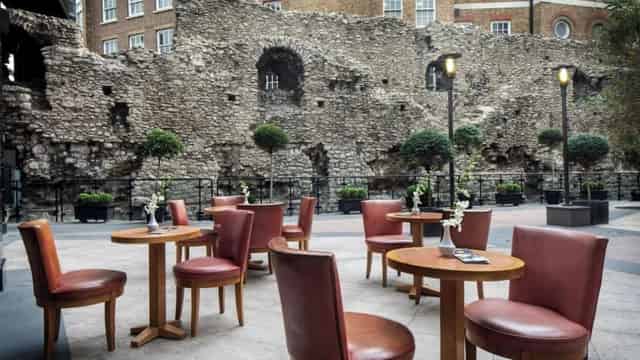
Leonardo Royal Hotel London City
Estimate£160 to £470 per night in November
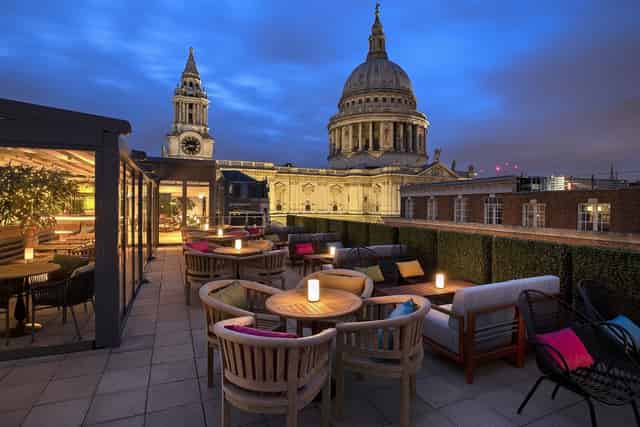
Leonardo Royal London St Paul's
Estimate£260 to £890 per night in November
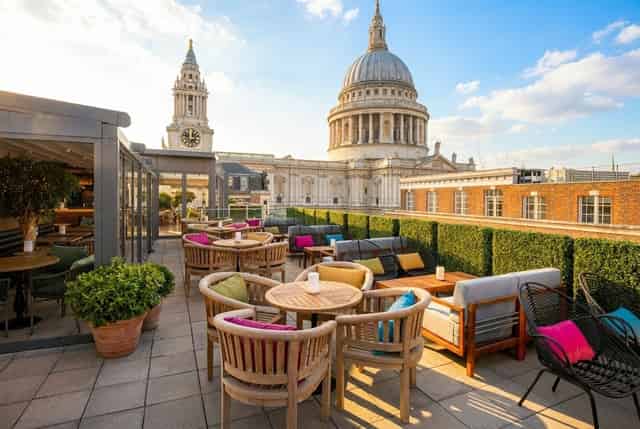
Leonardo Royal Hotel London Tower Bridge
Estimate£230 to £680 per night in November
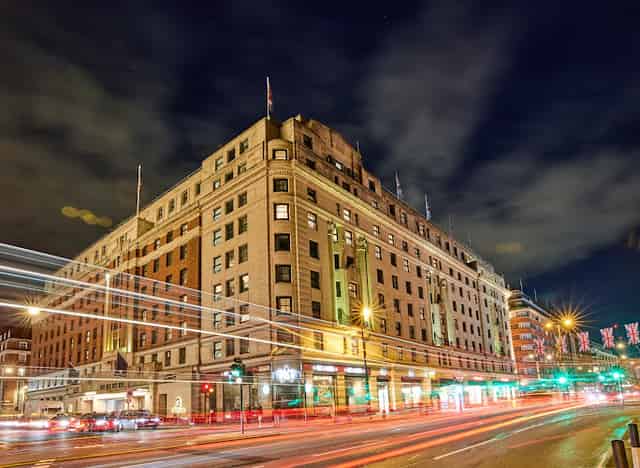
The Cumberland Hotel, London
Estimate£140 to £410 per night in November
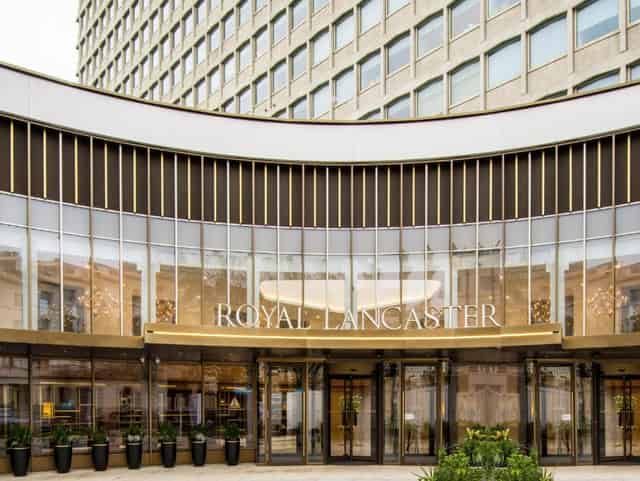
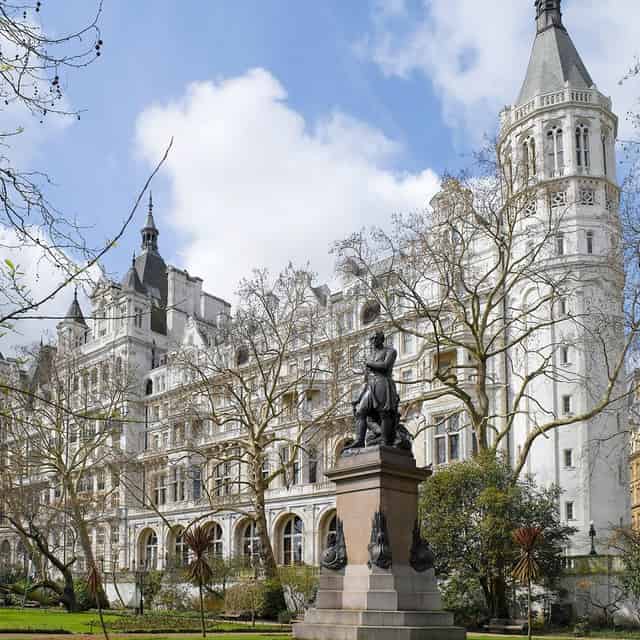
The Royal Horseguards Hotel & One Whitehall Place, London
Estimate£260 to £810 per night in November
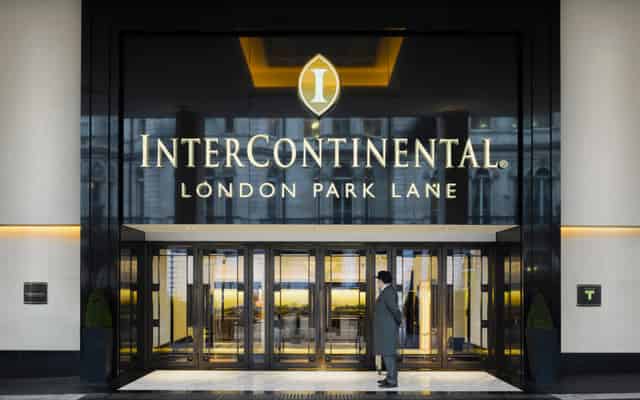
InterContinental London Park Lane by IHG
Estimate£290 to £890 per night in November
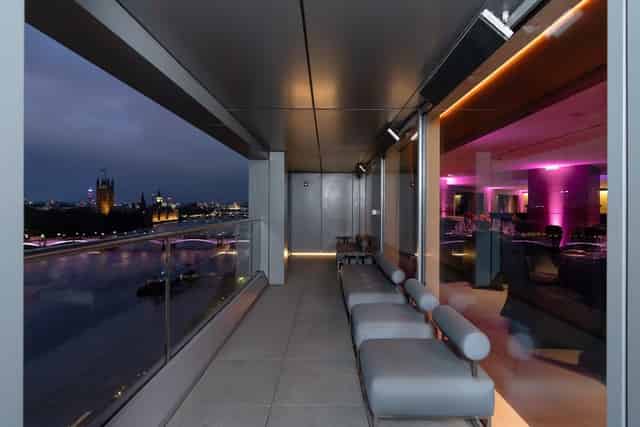
Park Plaza London Riverbank
Estimate£170 to £490 per night in November
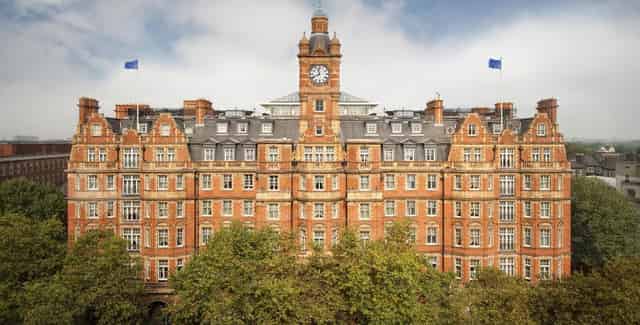
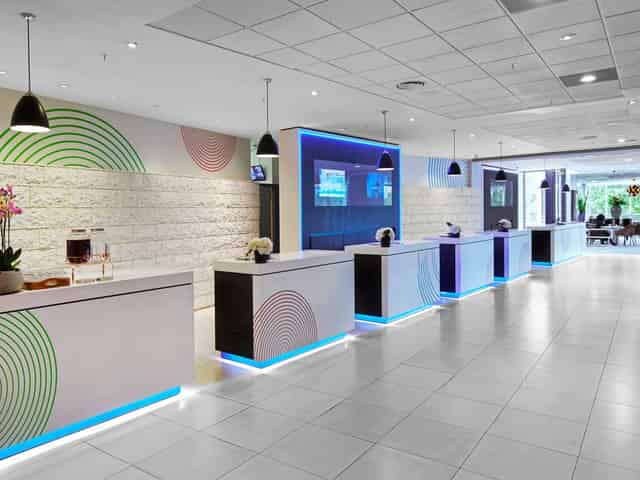
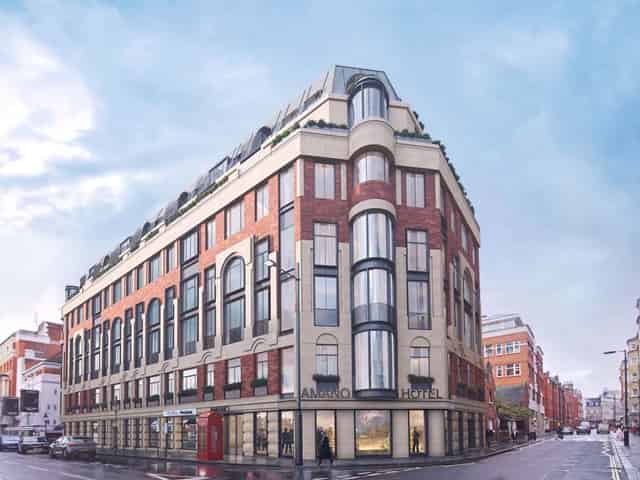
Hotel AMANO Covent Garden
Estimate£210 to £650 per night in November
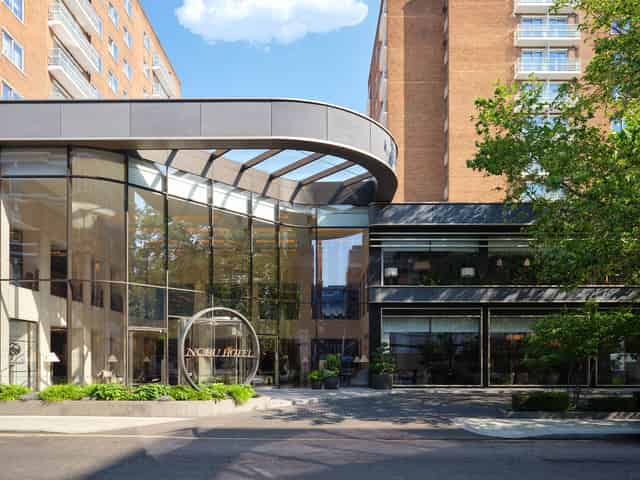
Nobu Hotel London Portman Square
Estimate£230 to £740 per night in November
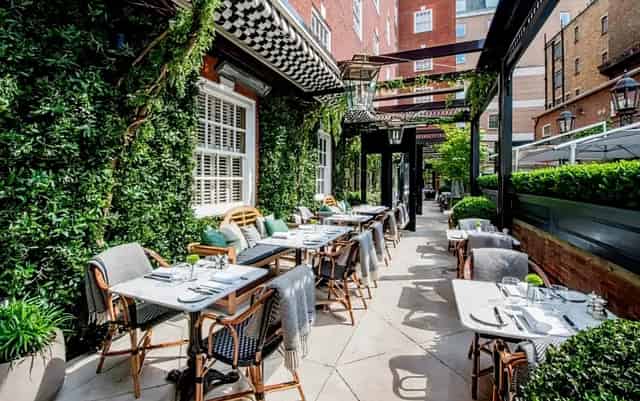
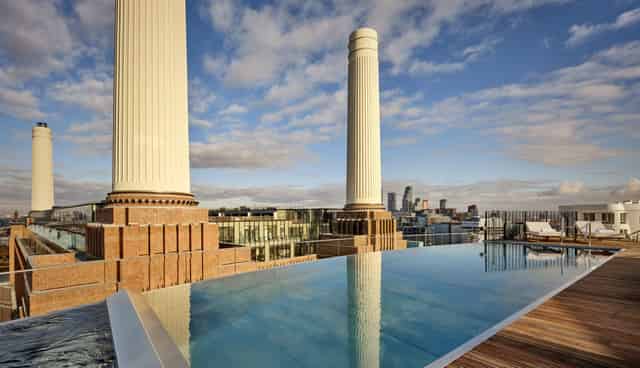
art'otel London Battersea Power Station, Powered by Radisson Hotels
Estimate£240 to £750 per night in November
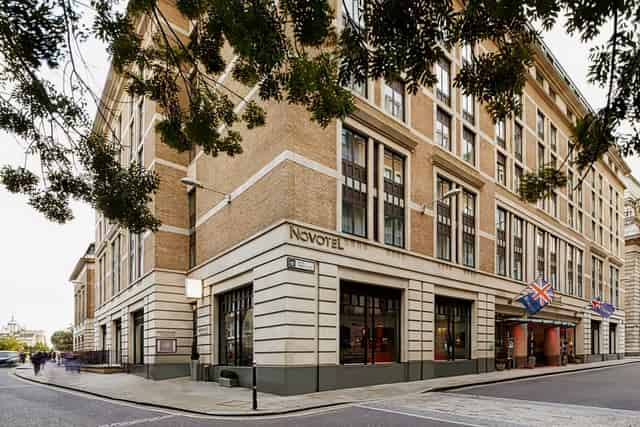
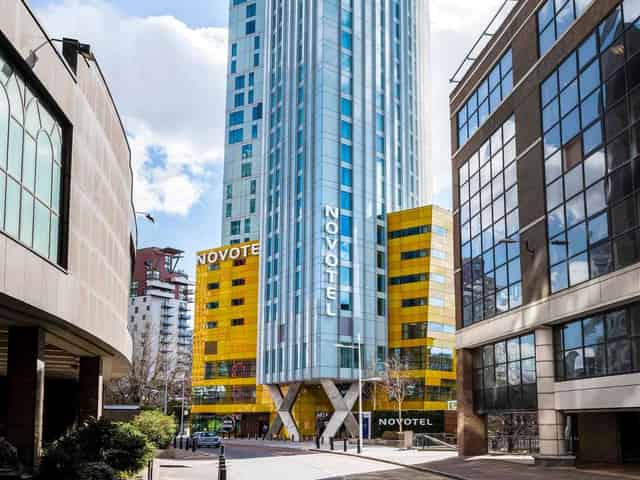
Novotel London Tower Bridge
Estimate£170 to £500 per night in November
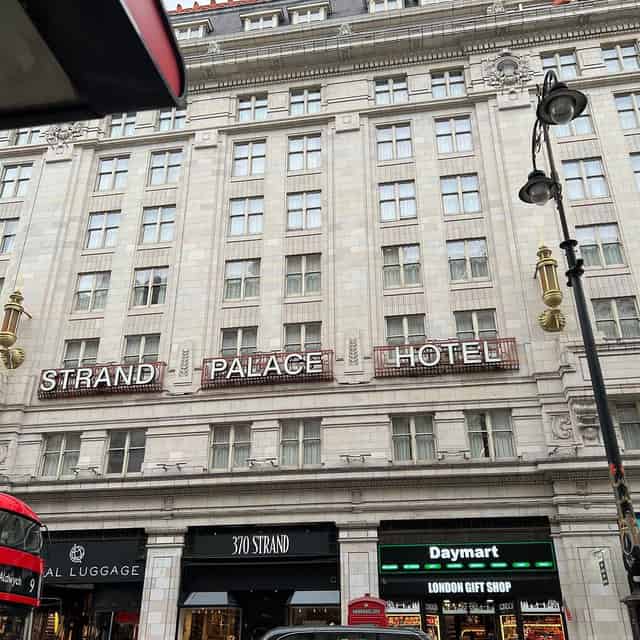
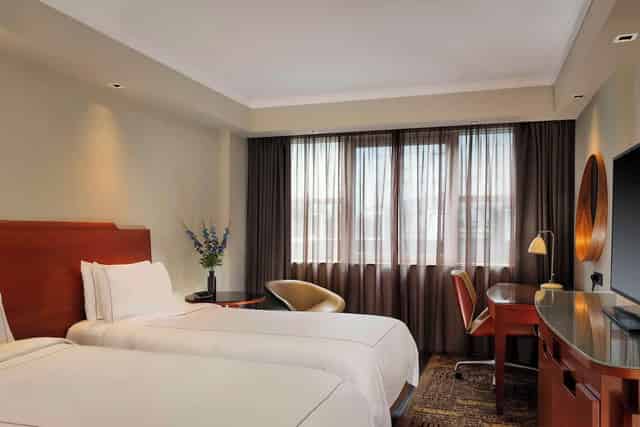
Park Plaza Victoria London
Estimate£180 to £520 per night in November
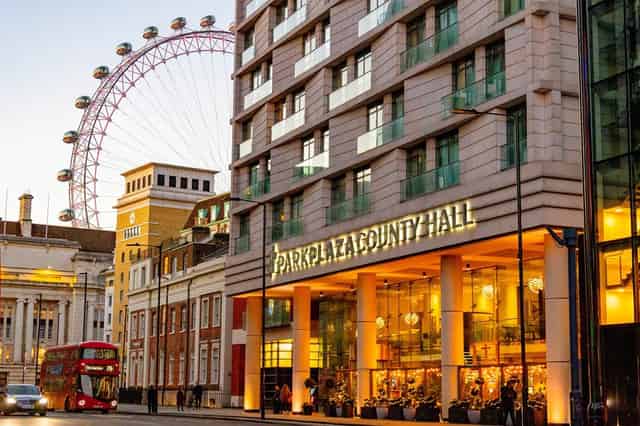
Park Plaza County Hall London
Estimate£170 to £500 per night in November
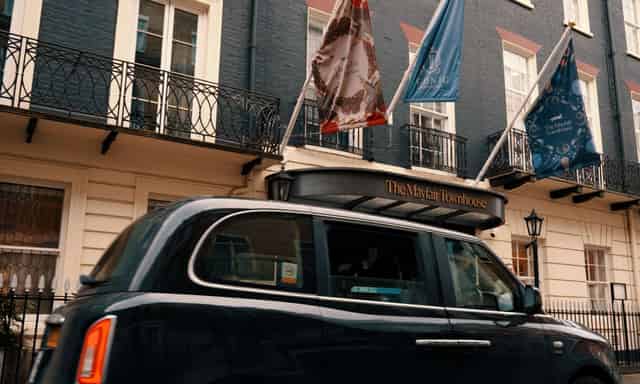
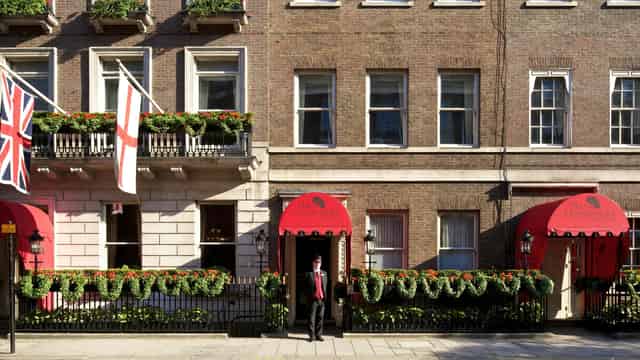
The Chesterfield Mayfair
Estimate£210 to £610 per night in November
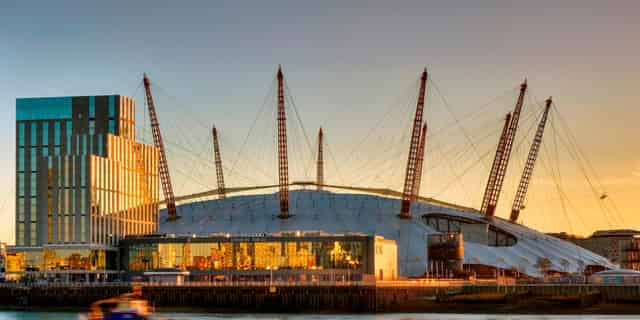
InterContinental London - the O2 by IHG
Estimate£210 to £640 per night in November
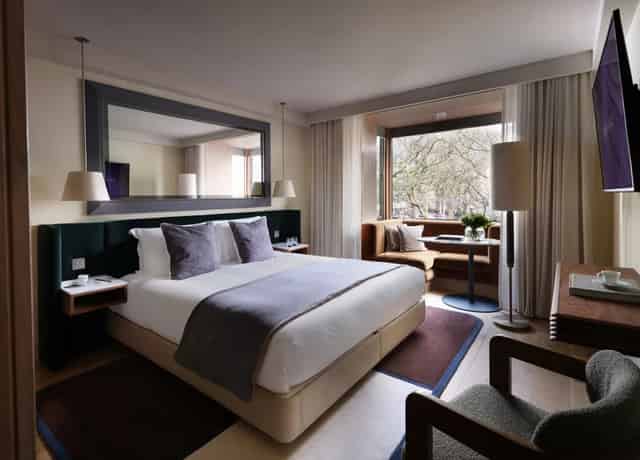
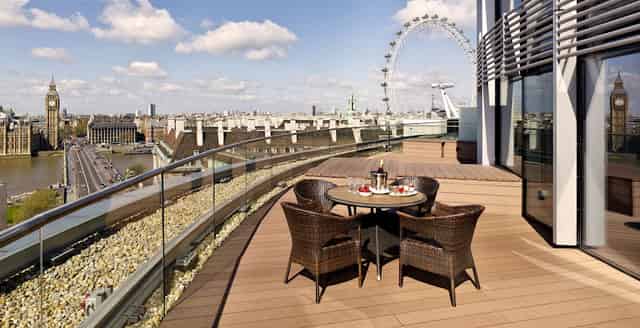
Park Plaza London Westminster Bridge
Estimate£170 to £510 per night in November
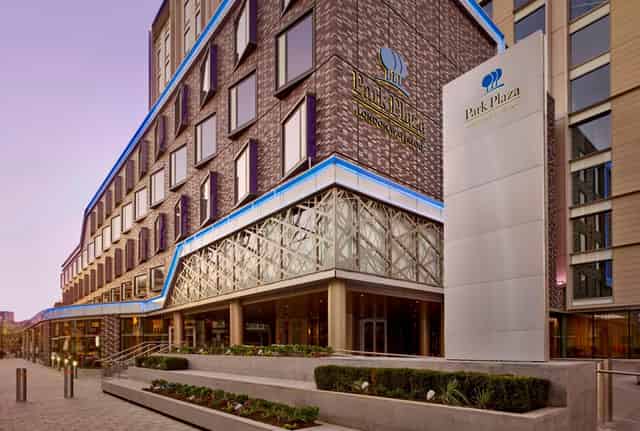
Park Plaza London Waterloo
Estimate£140 to £400 per night in November

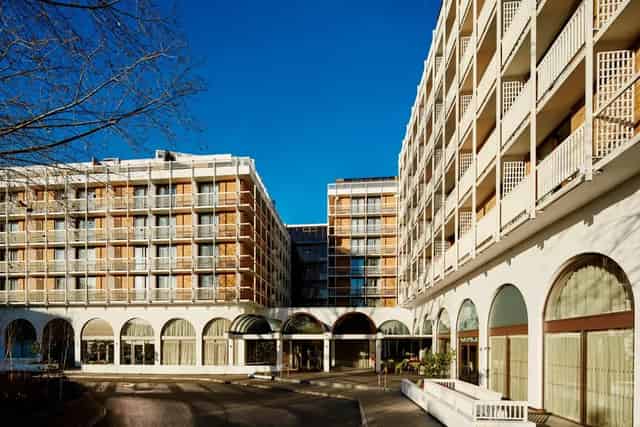
London Marriott Hotel Regents Park
Estimate£200 to £590 per night in November
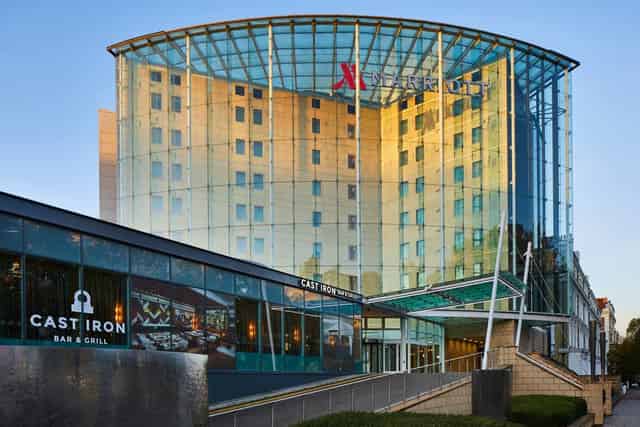
London Marriott Hotel Kensington
Estimate£170 to £510 per night in November
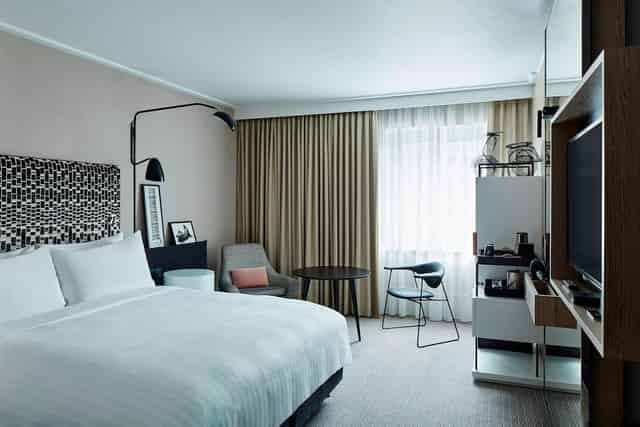
London Marriott Hotel Maida Vale
Estimate£170 to £510 per night in November
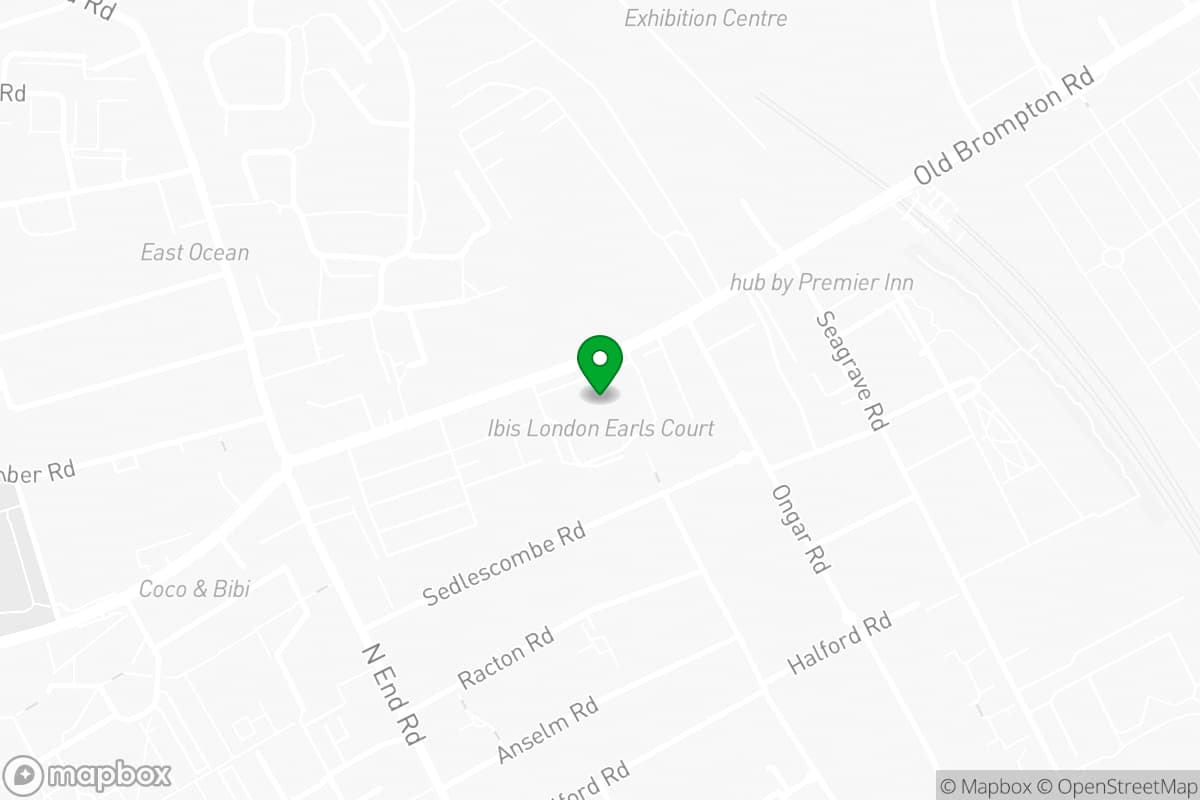
Mercure London Earls Court
Estimate£110 to £340 per night in November
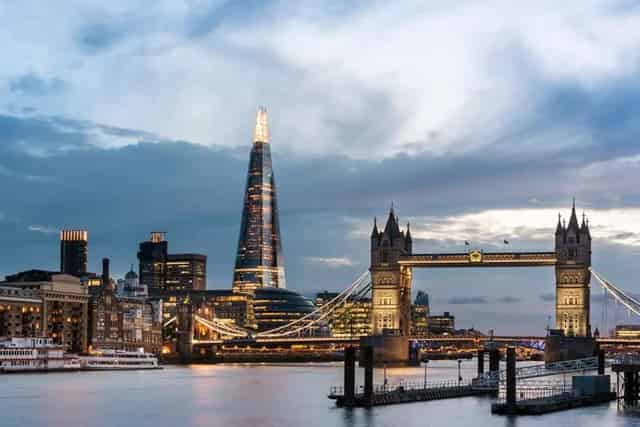
Shangri-La The Shard, London
Estimate£490 to £1,470 per night in November




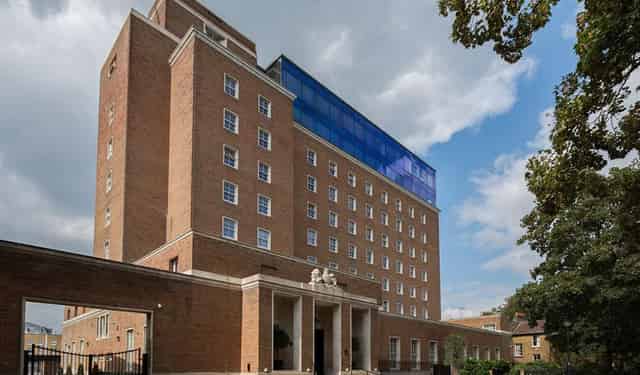
DoubleTree by Hilton London Greenwich
Estimate£80 to £240 per night in November
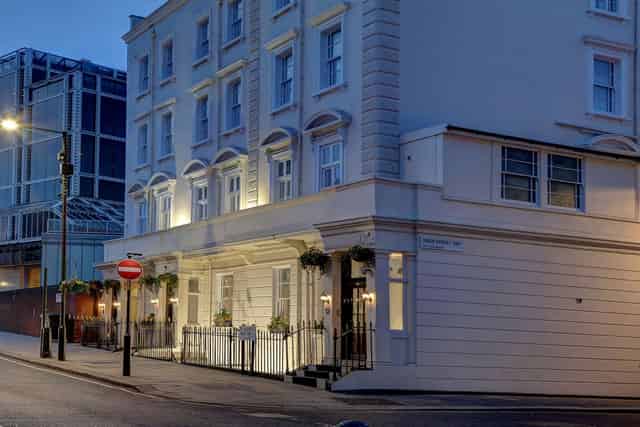
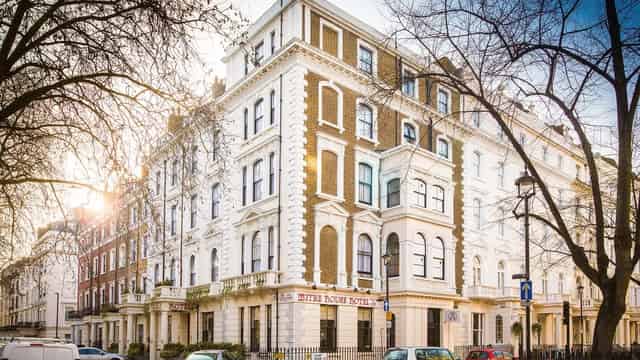
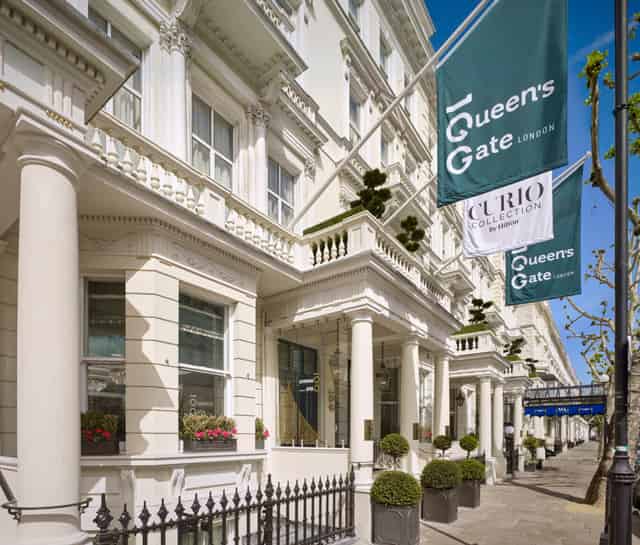
100 Queen's Gate Hotel London Kensington, Curio Collection by Hilton
Estimate£200 to £610 per night in November
Explore more NEW
More group accommodation in London
- London group accommodation
- 4 Star Hotels
- 5 Star Hotels
- Conference Room Blocks
- Corporate Offsite Hotels
- Hotels for 100 rooms
- Hotels for 20 rooms
- Hotels for 200 rooms
- Hotels near BDC
- Hotels near Billingsgate
- Hotels near ExCeL
- Hotels near Olympia
- Hotels near QEII Centre
- Hotels near The O2
- Hotels Near Tobacco Dock
- Hotels near Wembley
- Sports Team Hotels
- Business Suitable Hotels in Marylebone
- Business Suitable Hotels in City Of London
- Business Suitable Hotels in Westminster
- Business Suitable Hotels in Mayfair
- Business Suitable Hotels in Holborn
- Business Suitable Hotels in Bloomsbury
- 4 Star Hotels in City Of London
- 4 Star Hotels in Marylebone
Show all (25 more)Show fewer
- 4 Star Hotels in Bloomsbury
- 4 Star Hotels in Holborn
- 4 Star Hotels in Westminster
- 4 Star Hotels in Canary Wharf
- 5 Star Hotels in City Of London
- 5 Star Hotels in Marylebone
- 5 Star Hotels in Mayfair
- 5 Star Hotels in Soho
- 5 Star Hotels in Westminster
- 5 Star Hotels in South Bank
- Business Suitable Hotels in Belgravia
- Business Suitable Hotels in Clerkenwell
- Business Suitable Hotels in Covent Garden
- Business Suitable Hotels in Fitzrovia
- Business Suitable Hotels in Knightsbridge
- Business Suitable Hotels in Soho
- Business Suitable Hotels in Victoria
- Business Suitable Hotels in Waterloo
- Business Suitable Hotels in Canary Wharf
- Business Suitable Hotels in Old Street
- Business Suitable Hotels in Shoreditch
- Business Suitable Hotels in Whitechapel
- Business Suitable Hotels in South Bank
- Business Suitable Hotels in South Kensington
- Business Suitable Hotels in Paddington
About Hotels in London for 50 rooms
Choosing the right size and star rating among hotels for 50 rooms in London
When you need to secure a block of this scale, matching your group's profile to the right property style is half the battle. In a busy market, shortlisting hotels for 50 rooms in London means looking beyond simple aesthetics and thinking carefully about overall inventory size and service standards.
Matching group dynamics to total hotel size
Total bedroom count significantly influences how your stay feels on the ground. Among the options across the capital, hotel scale generally falls into three distinct tiers:
- 50 to 99 rooms: In properties of this size, which represent some of the hotels, taking 50 rooms means your party occupies a substantial portion of the building. This creates a cohesive, dedicated atmosphere where front-of-house teams can focus heavily on your group.
- 100 to 199 rooms: Some of the hotels sit in this mid-tier bracket, offering an effective balance between personalised service and operational capacity.
- 200 or more rooms: Some of the hotels have 200 or more rooms. Larger properties absorb a 50-room block alongside their standard corporate guests, typically giving you broader flexibility with room allocations and check-in logistics.
Finding the right balance on star rating
Star ratings set clear expectations, so align them with both your budget and your organisation's travel policy:
- 4 stars: Most of the hotels hold a 4-star rating, making them a natural choice for group organisers. They reliably provide dedicated workspaces, full-service breakfast dining, and round-the-clock reception support.
- 5 stars: Some of the hotels are 5 stars, which suits senior leadership delegations or international guests who value elevated service and premium surroundings.
- 3 stars: A few of the hotels are 3 stars, providing a practical, tidy base when your primary focus is keeping overheads strictly managed.
It is also worth noting that some of the hotels have their own event space on site. If your schedule requires an early morning briefing or a private evening dinner, keeping accommodation and daytime sessions under one roof removes transit headaches entirely.
Your next step
Map out your required split between double and twin rooms, then request proposals from both a mid-sized and a larger property in your target district to see how their allocation policies compare.
Securing your room block early and agreeing clear release dates
When we manage accommodation for an event in the capital, securing hotels for 50 rooms in London is always a time-sensitive priority. London properties experience relentless corporate demand across the working week, meaning hotels quickly release uncontracted inventory back to the open market. Approaching reservations early gives you the leverage to agree sensible holding periods rather than facing rushed contract sign-offs.
Structuring realistic release dates and attrition
The key to managing a large room block without financial exposure lies in your attrition terms. Hotels naturally want to protect their occupancy, but as organisers, we need breathing space while delegates confirm their travel plans:
- Staged release schedules: Agree in writing that your team can hand back a portion of unallocated rooms several weeks out, followed by a final cut-off date closer to arrival, without incurring cancellation charges.
- Written holding terms: Ensure the hotel commits to keeping your full block held together until each agreed milestone arrives, avoiding situations where unallocated rooms are sold off prematurely.
- Transparent attrition terms: Confirm exactly how many rooms you can drop without penalty before attrition charges apply to your master billing account.
Choosing between rooming lists and booking codes
How your guests secure their rooms dictates your administration workload on the run-up to the event. Discuss with the hotel's reservations manager whether you will supply a centralised rooming list or if they can provide a dedicated group booking code.
A master rooming list works best when your organisation pays for all accommodation centrally, allowing you to control twin and double allocations directly. If attendees fund their own stays, an exclusive group code allows individuals to reserve directly into your held block. In either scenario, request regular pick-up reports from the reservations desk so you can monitor uptake well before your release dates arrive.
Your next step
Draft your accommodation timeline today, establish your internal cut-off date for delegate confirmations, and ask prospective hotels for their standard group contract terms so you can compare their cancellation clauses before committing.
Budgeting for seasonal shifts in typical nightly rates
When you are coordinating a sizeable group trip, seasonal timing plays a massive role in your total accommodation spend. Room pricing across the capital fluctuates noticeably throughout the year, driven by shifting corporate calendars and peak business travel.
Understanding seasonal benchmark rates
Autumn brings heavy corporate activity across the capital, while midwinter offers a noticeably different pricing environment for groups. Looking across these properties, rates illustrate these seasonal shifts:
- November: Typical £120 to £720 per night in November, reflecting peak corporate schedules.
- December: Typical £90 to £555 per night in December, as business travel tapers off into the festive period.
- January: Typical £70 to £360 per night in January, representing a quieter window for stays.
Keep in mind that these figures are indicative estimates, not quotes or availability. Your agreed group rate across hotels for 50 rooms in London will ultimately depend on your specific dates, room types, and whether essentials like breakfast are included.
Clarifying what your rate covers
To keep your budget watertight, always look beyond the headline room cost. When evaluating group options, check whether hot breakfast is included in the nightly rate, as feeding fifty attendees separately can rapidly inflate your master bill. It is also wise to verify Wi-Fi provisions and any applicable service charges upfront so you can compare proposals on an exact like-for-like basis.
Your next step
Benchmark your preferred event dates against these seasonal patterns, compile a clear list of non-negotiable rate inclusions, and request itemised accommodation proposals for your dates to establish your true total expenditure.
Coordinating smooth transport between your hotel and the event
Moving dozens of attendees between their beds and your event space is where even the most meticulously organised itineraries can unravel. In a city as sprawling as London, choosing the right area is only half the battle; understanding how your delegates will physically travel across the capital during peak rush hours is critical to keeping your programme running on time.
Evaluating direct lines over complex interchanges
When reviewing locations, always look at the commute through the eyes of an out-of-town attendee navigating the transport network for the first time. The golden rule is simplicity:
- Minimise line changes: Aim for straightforward journeys along single routes, such as the Elizabeth line or direct Underground lines, rather than journeys requiring multiple interchanges. Transferring across busy central platforms with a substantial party reliably introduces delays.
- Inspect step-free accessibility: Check which nearby stations offer lift access from street to platform level, especially if delegates are travelling with presentation materials or heavy luggage.
- Map walking routes: Look past theoretical transit times and review the actual walking routes between station exits, your chosen accommodation, and the venue. Well-lit, pedestrian-friendly thoroughfares make a major difference to delegate comfort during early mornings and late evenings.
Coordinating coach drop-offs and private hire
If you plan to charter private coaches or minibuses rather than relying on public transport, logistics require extra scrutiny:
- Review kerbside access: Central London thoroughfares are strictly regulated with red routes and restricted loading zones. Always ask hotel teams in advance whether their property features a private forecourt or an adjacent bay where private hire vehicles can set down passengers legally.
- Account for local traffic restrictions: Clean air rules, low-emission zones, and borough-managed loading times can complicate private vehicle journeys. Liaise with coach operators early to confirm vehicle compliance and establish sensible pick-up windows.
- Brief front-of-house teams: Inform the hotel reception and concierge teams of your collective departure schedule so they can keep the entrance clear and help assemble your party smoothly.
Your next step
Carry out a test run of the morning journey between your shortlisted hotels and the destination, confirm vehicle set-down arrangements with the front desk, and draft clear travel instructions for your attendees before signing accommodation contracts.
Assessing on-site event space, breakfast terms and hotel amenities
Beyond comfortable beds, the day-to-day success of an event stay often hinges on practical hospitality details. When bringing a large party together under one roof, small operational friction points—from morning dining queues to luggage handling on departure day—can quickly disrupt your timetable.
Coordinating on-site gatherings and dining
If your schedule includes morning briefings, speaker preparation or an evening debrief, holding these sessions within the property keeps your programme running on time. For properties with dedicated function spaces or private dining rooms, speak to the operations team about how these facilities align with your room block. Reserving a private area allows your attendees to assemble, network and eat together comfortably without competing for tables against individual hotel guests.
Setting clear breakfast terms and timing
Breakfast logistics require careful coordination when moving a sizeable group out the door each morning. Confirm in advance that breakfast is included across the whole reservation, as handling separate dining bills at reception creates unnecessary delays:
- Service style: Check whether the restaurant offers a full buffet or à la carte ordering, and confirm whether seating can be arranged collectively for your group.
- Timing windows: If your group needs to depart together, advise the kitchen team of your target departure time so they can ensure service runs efficiently.
- Early departures: For days requiring an early start, ask if packaged morning items can be arranged so guests can leave promptly.
Practical amenities and departure logistics
Take time to review the essential amenities that keep attendees comfortable throughout their stay. Reliable Wi-Fi in bedrooms and public spaces is essential for checking schedules and managing correspondence. Finally, organise a centralised luggage hold with the concierge team for checkout day, ensuring everyone can leave their bags securely before heading off to the final sessions.
Your next step
Request sample group breakfast menus from shortlisted properties and ask the reservations team to confirm how their private dining and function areas can be scheduled around your stay.
Questions about hotels in London for 50 rooms
How far in advance should I book 50 hotel rooms in London?
What is the typical nightly price for hotel rooms in London in November?
What is the typical nightly price for hotel rooms in London in December?
What is the typical nightly price for hotel rooms in London in January?
Do hotel prices in London go down nearer the time?
What size of hotel suits a group needing 50 rooms in London?
What star rating should I choose for a group hotel booking in London?
Do London hotels have their own event space for groups?
How do I get 50 guests between the hotel and the event in London?
Can a hotel hold all 50 rooms for my group's dates?
Should I check if breakfast is included in a group room rate?
Is it cheaper to book a group of hotel rooms direct in London?
Need rooms across several hotels?
Our group bookings team can split a block between hotels near your venue. Free, no obligation.