Business Suitable Hotels in Victoria
Business-suitable hotels in Victoria offer convenient accommodation for corporate guests, visiting colleagues and event attendees in Central London. With Victoria station providing extensive rail, Underground and coach connections, the area is a practical base for group stays. When comparing hotels, consider room availability, proximity to transport, breakfast, accessibility and facilities that support your organisation’s travel requirements.
- Free to enquire
- Group bookings team
17 hotels in Victoria
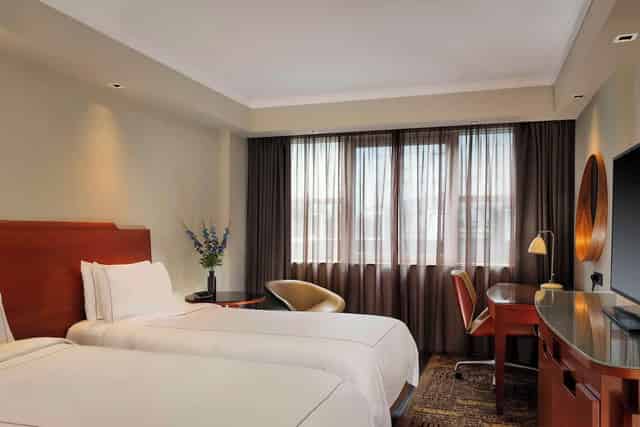
Park Plaza Victoria London
Estimate£180 to £520 per night in November

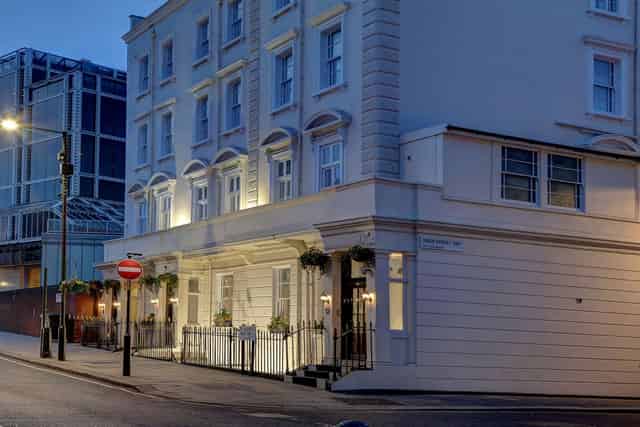
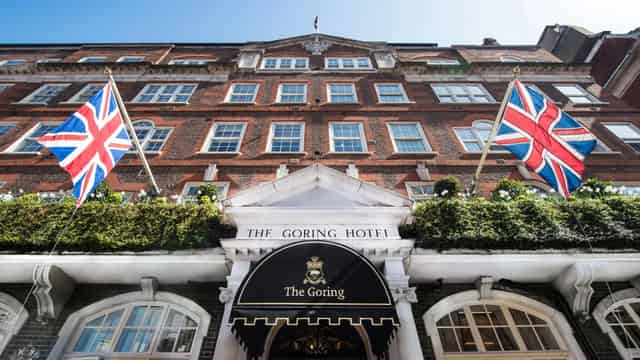
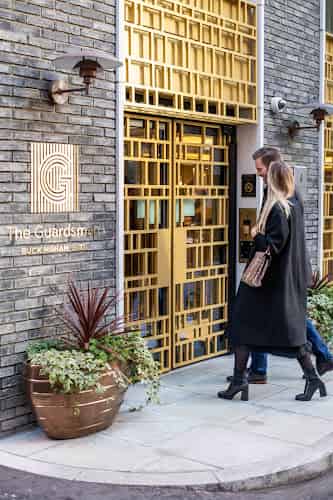
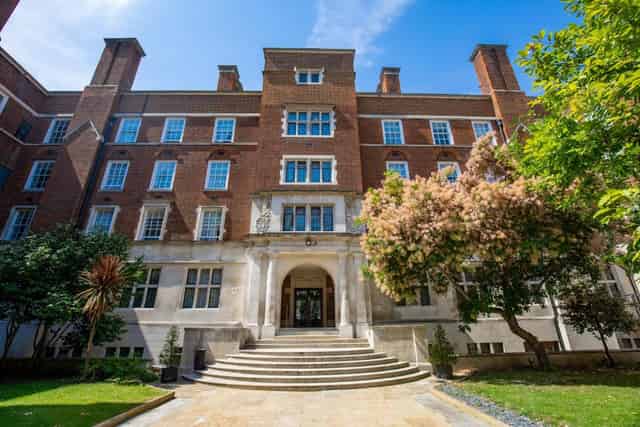
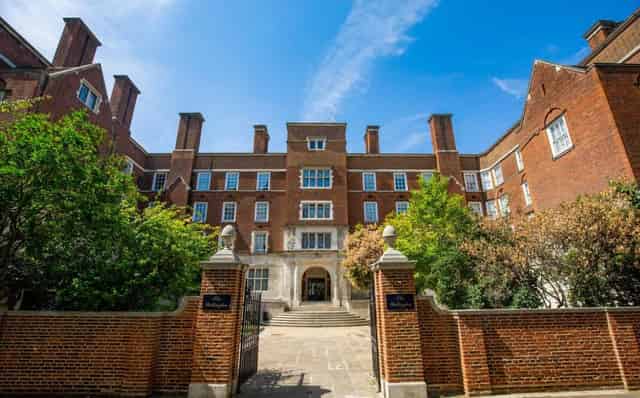
The Guardsman Hotel & Residence
Estimate£210 to £650 per night in November
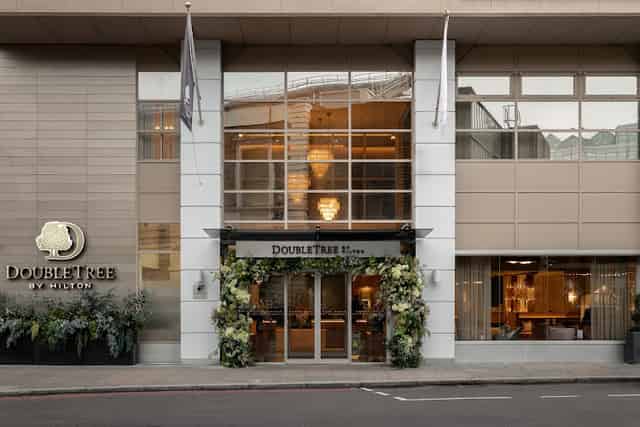
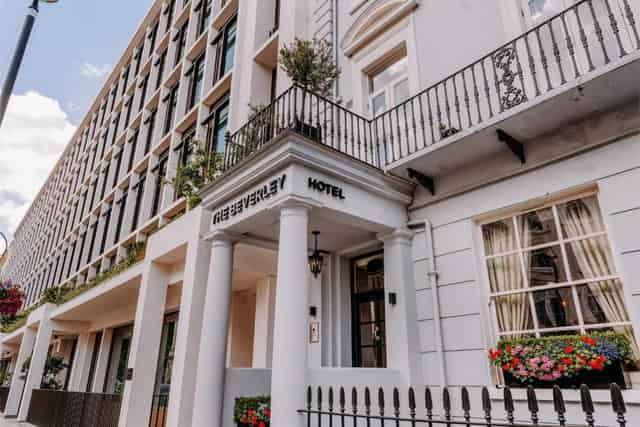
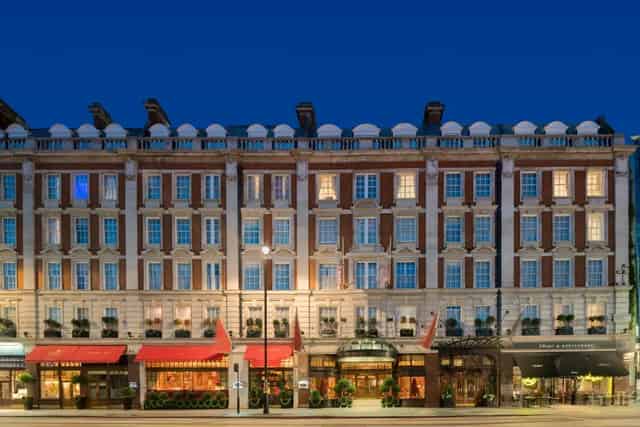
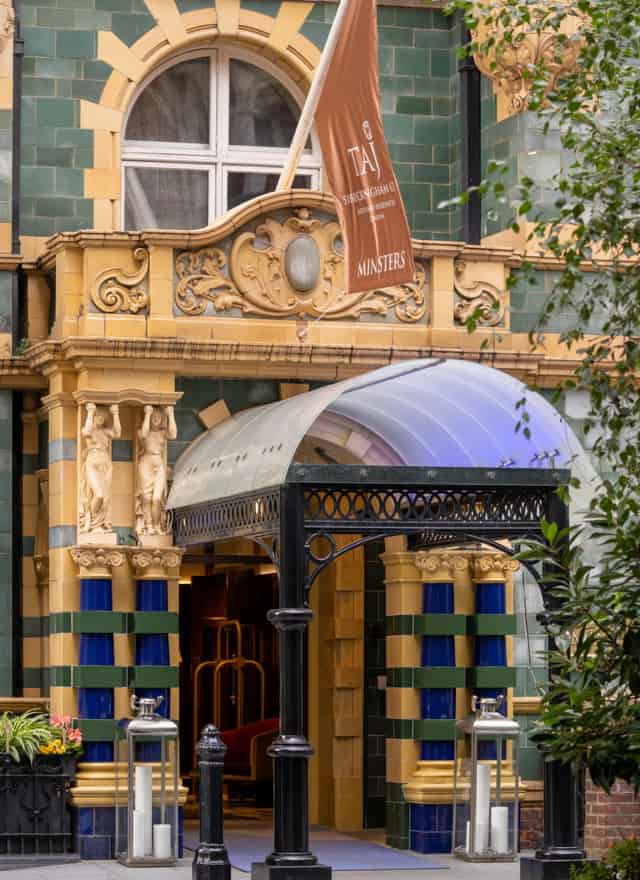
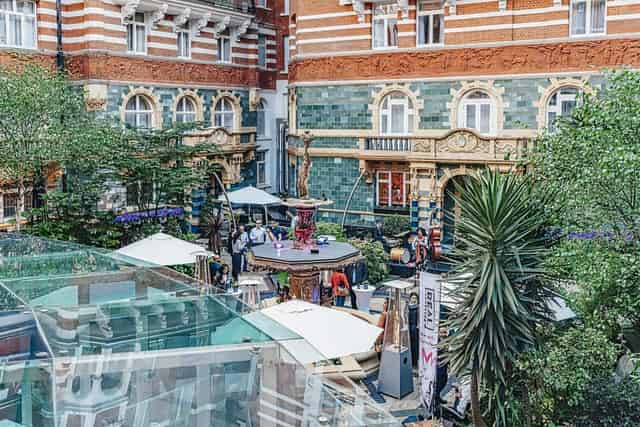
St. James' Court, A Taj Hotel, London
Estimate£210 to £610 per night in November
Explore more NEW
More group accommodation in London
- London group accommodation
- 4 Star Hotels
- 5 Star Hotels
- Conference Room Blocks
- Corporate Offsite Hotels
- Hotels for 100 rooms
- Hotels for 20 rooms
- Hotels for 200 rooms
- Hotels for 50 rooms
- Hotels near BDC
- Hotels near Billingsgate
- Hotels near ExCeL
- Hotels near Olympia
- Hotels near QEII Centre
- Hotels near The O2
- Hotels Near Tobacco Dock
- Hotels near Wembley
- Sports Team Hotels
- Business Suitable Hotels in Marylebone
- Business Suitable Hotels in City Of London
- Business Suitable Hotels in Westminster
- Business Suitable Hotels in Mayfair
- Business Suitable Hotels in Holborn
- Business Suitable Hotels in Bloomsbury
- 4 Star Hotels in City Of London
- 4 Star Hotels in Marylebone
Show all (24 more)Show fewer
- 4 Star Hotels in Bloomsbury
- 4 Star Hotels in Holborn
- 4 Star Hotels in Westminster
- 4 Star Hotels in Canary Wharf
- 5 Star Hotels in City Of London
- 5 Star Hotels in Marylebone
- 5 Star Hotels in Mayfair
- 5 Star Hotels in Soho
- 5 Star Hotels in Westminster
- 5 Star Hotels in South Bank
- Business Suitable Hotels in Belgravia
- Business Suitable Hotels in Clerkenwell
- Business Suitable Hotels in Covent Garden
- Business Suitable Hotels in Fitzrovia
- Business Suitable Hotels in Knightsbridge
- Business Suitable Hotels in Soho
- Business Suitable Hotels in Waterloo
- Business Suitable Hotels in Canary Wharf
- Business Suitable Hotels in Old Street
- Business Suitable Hotels in Shoreditch
- Business Suitable Hotels in Whitechapel
- Business Suitable Hotels in South Bank
- Business Suitable Hotels in South Kensington
- Business Suitable Hotels in Paddington
About Business Suitable Hotels in Victoria
Choosing the right size and standard among business suitable hotels in Victoria
When we organise group accommodation around a major transport hub, matching property scale to your delegation's profile makes all the difference to daily logistics. For larger groups, hotels with 200 or more rooms or 100 to 199 rooms are ideal for keeping everyone together under one roof. If you are coordinating a mid-sized contingent, hotels with 50 to 99 rooms offer a balanced atmosphere. For smaller gatherings, options with 20 to 49 rooms or fewer than 20 rooms provide a quieter setting, though room blocks can fill rapidly.
Balancing service levels and travel policy
Standard dictates the guest experience just as much as bedroom numbers. About half of the hotels hold 4 stars, presenting a dependable benchmark for corporate travel with practical working setups and 24-hour reception teams. Some of the hotels carry 5 stars, which work brilliantly for senior leadership or international clients, whilst a few of the hotels hold 3 stars, offering comfortable practicality when managing tighter accommodation allowances.
Keep in mind that some of the hotels provide their own event space on site, whereas others focus exclusively on sleeping accommodation. If your schedule requires dedicated daytime facilities within an easy walk, pairing your bedrooms with nearby Conference Venues in Victoria or external Meeting Rooms in Victoria keeps daytime sessions seamless.
Before you reach out to business suitable hotels in Victoria, audit your headcount by single and twin occupancy requirements so you can shortlist properties with the right capacity from day one.
Holding the right number of rooms and managing contract release dates
Securing an allocation of bedrooms for your delegates is all about balancing availability against financial exposure. When we contract room blocks in this part of London, the goal is always to secure sufficient flexibility so your organisation is not penalised for rooms you cannot fill.
Structuring attrition and staged release milestones
Hotels naturally want to protect their occupancy, especially mid-week when corporate travel peaks across Central London. To protect your own budget, request a phased release schedule rather than a single cut-off point. This allows you to hand back unreserved bedrooms in stages as delegate attendance firms up.
If your main programme sits outside the hotel at nearby Event Venues in Victoria, Central London or surrounding Event Venues in Westminster, make sure your accommodation release milestones mirror your event registration deadlines.
Key contractual terms to clarify before signing include:
- Staged release dates: agree formal deadlines when unsold bedrooms drop back into general hotel stock without attrition fees.
- Name changes: confirm that individual guest names can be swapped without administrative charges right up to the check-in date.
- Inclusions and billing: establish whether breakfast is included in the room rate and specify whether accommodation routes to a central master invoice or individual cards.
As a clear next step, map out your delegate registration timeline and draft your attrition milestones before you ask the hotel to issue a formal group contract.
Understanding typical nightly rates across the seasons and what drives room costs
When budgeting for a group stay around Victoria, understanding calendar swings helps keep accommodation spend within policy. Because this district serves government offices, corporate headquarters and West End travel, midweek business travel generates intense demand, whereas seasonal lulls offer substantial savings.
How seasonality shifts group rates
Room pricing across the year moves significantly. If you are comparing representative ranges across the colder months:
- Autumn demand: Typical £150 to £740 per night in November, reflecting busy corporate and political schedules.
- Festive transitions: Typical £120 to £650 per night in December, tapering as corporate programmes wind down.
- New Year reset: Typical £80 to £370 per night in January, traditionally a quieter period for group arrivals.
These figures are indicative estimates, not quotes or availability, showing how timing influences your budget.
Practical budgeting factors
Beyond the season, room costs hinge on lead times and day-of-week patterns. Midweek nights command premiums, while Sunday or Monday arrivals often soften total spend. If your delegates are dividing their schedule between Victoria and meetings near Event Venues in Mayfair or dinners around Event Venues in Soho, centralising your base here remains cost-effective compared to multi-stop transfers.
To take your next step, benchmark your proposed event dates against these seasonal ranges and contact shortlisted hotels early to request indicative pricing for your room block.
Planning seamless travel between Victoria station, your hotel and your event
Transport connectivity is Victoria's greatest operational asset, but smoothly transferring a delegation between the concourse, hotel check-in and your daytime sessions still requires thoughtful coordination. With National Rail, Victoria line and District and Circle line services feeding into one central terminus, your attendees can arrive directly from regional lines without complicated transfers.
Streamlining station arrivals and luggage handling
When delegates travel with heavy luggage, navigating busy commuter crowds can add unnecessary friction to their journey. Taking a few proactive steps ensures arrival runs smoothly:
- Audit walking routes: Review pedestrian routes between the station exits and the hotel, noting step-free pathways that avoid heavy peak-hour footfall.
- Share clear arrival packs: Provide delegates with precise station exit instructions and accessible route maps alongside their hotel booking confirmations.
- Coordinate early bag drop: Liaise with front-of-house teams beforehand to confirm luggage storage arrangements so guests arriving early can head straight into business sessions.
Connecting accommodation with your schedule
Staying in the area allows your team to reach corporate engagements across Central London with ease. For teams attending evening receptions or working dinners, confirm late-night Underground schedules in advance, and identify quieter side-street taxi collection points away from the main station forecourt to avoid traffic bottlenecks.
For your next step, speak to your shortlisted hotel about their group check-in and luggage drop procedures, then map out a step-free walking guide from the station to circulate to your delegates.
Looking beyond the bedroom for breakfast, working facilities and on-site event space
When you are accommodating a travelling group, delegate satisfaction often hinges on what happens outside their individual bedrooms. A seamless morning routine and quiet spaces to catch up on urgent tasks keep everyone productive, energised and firmly on schedule.
Evaluating morning dining and workspace functionality
Start by scrutinising the breakfast setup. A crowded dining room can quickly derail your morning timetable, so clarify serving hours, seating capacity during peak times and whether breakfast is included in your contracted room rate. For colleagues needing to prepare between sessions, dependable Wi-Fi across communal areas, comfortable desk space and quiet lounge corners allow for focused preparation without delegates needing to retreat to their bedrooms.
Aligning meeting facilities with your daily programme
Having your bedrooms and working areas under one roof simplifies logistics for morning briefings, private team catch-ups or evening debriefs. However, hotel capabilities vary across the district. If you plan to convene your group for presentations or shared dining, verify whether function suites or private dining rooms can be reserved alongside your bedrooms and whether catering can be consolidated onto your master account.
Key practical checks to make before finalising your accommodation include:
- Breakfast logistics: confirm serving times for early starts and ask how dietary requirements are handled across busy buffet services.
- Working environments: check connectivity in lounges and verify whether quiet spaces exist for confidential client calls.
- Communal coordination: ensure reception teams can support group arrivals and direct attendees smoothly between guest rooms and internal meeting areas.
As a clear next step, map out your delegation's daily movements—from breakfast times to evening working sessions—and request written confirmation from hotel coordinators regarding their dining hours, lounge facilities and available on-site meeting spaces.
Questions about business Suitable Hotels in Victoria
Is Victoria a good area to stay in London for business?
What makes a hotel suitable for business guests?
How much does a hotel room in Victoria cost per night?
Are hotel prices in Victoria cheaper in January?
What affects the price of group hotel rooms in Victoria?
How far ahead should I book rooms for a group in Victoria?
What size of hotel suits a large group stay in Victoria?
What star rating should I choose for business travel?
Do hotels in Victoria have their own event space?
How do guests get to and from hotels near Victoria station?
What accessibility checks should I make when booking a group?
What should I confirm before booking a block of rooms?
Need rooms across several hotels?
Our group bookings team can split a block between hotels near your venue. Free, no obligation.