Hotels in London for 200 rooms
Find hotels in London for group accommodation of around 200 rooms. Compare options across the city, from central locations with easy transport links to quieter areas suited to longer stays. When choosing, check room availability for your dates, the mix of room types, catering and meeting facilities, accessibility, and whether the hotel can accommodate your group together. Room prices vary by location, season and requirements.
- Free to enquire
- Group bookings team
167 hotels in London
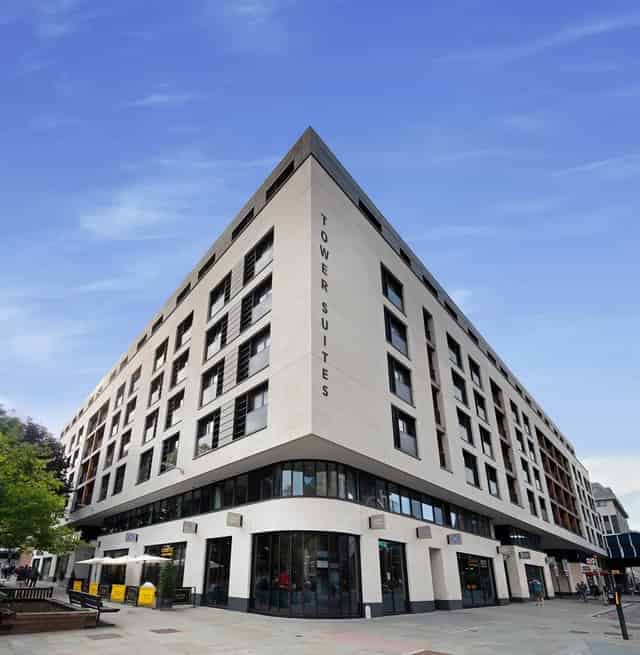
Tower Suites by Blue Orchid Hotels
Estimate£170 to £530 per night in November
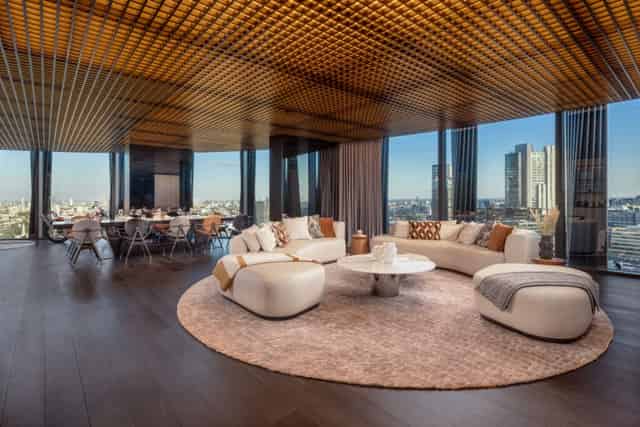
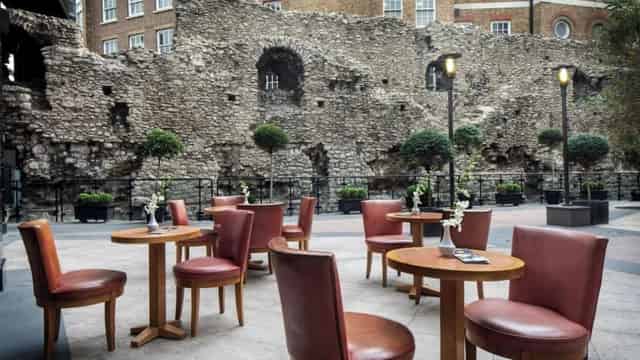
Leonardo Royal Hotel London City
Estimate£160 to £470 per night in November
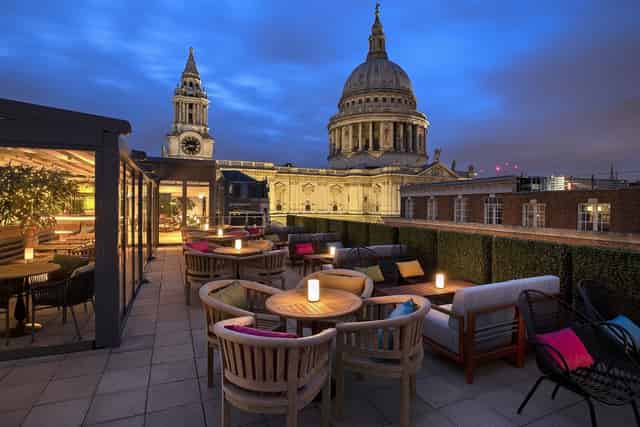
Leonardo Royal London St Paul's
Estimate£260 to £890 per night in November
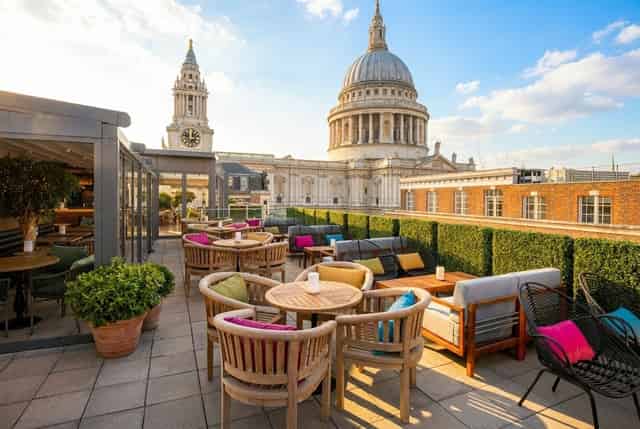
Leonardo Royal Hotel London Tower Bridge
Estimate£230 to £680 per night in November
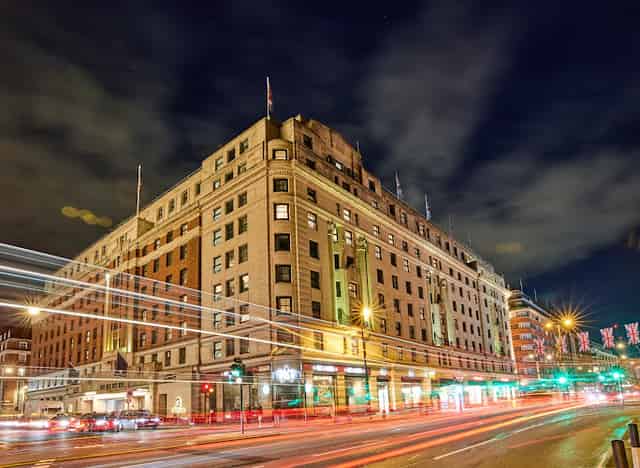
The Cumberland Hotel, London
Estimate£140 to £410 per night in November
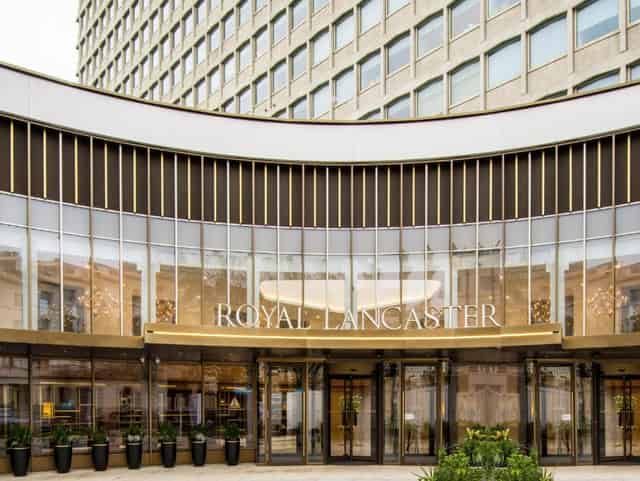
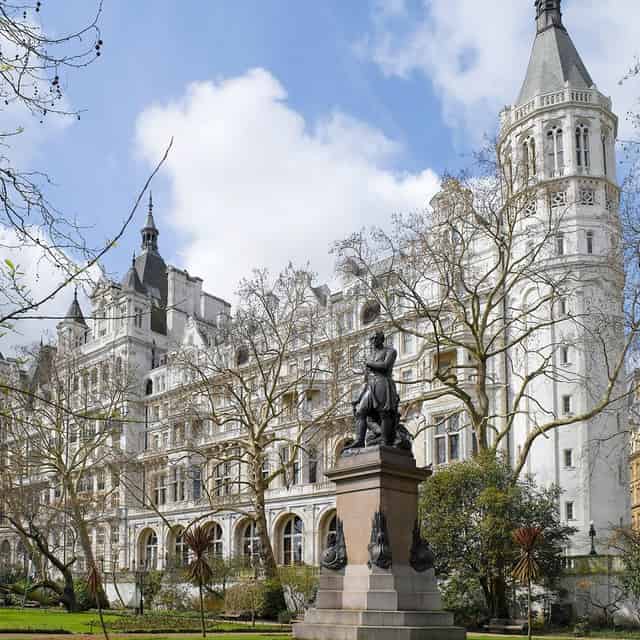
The Royal Horseguards Hotel & One Whitehall Place, London
Estimate£260 to £810 per night in November
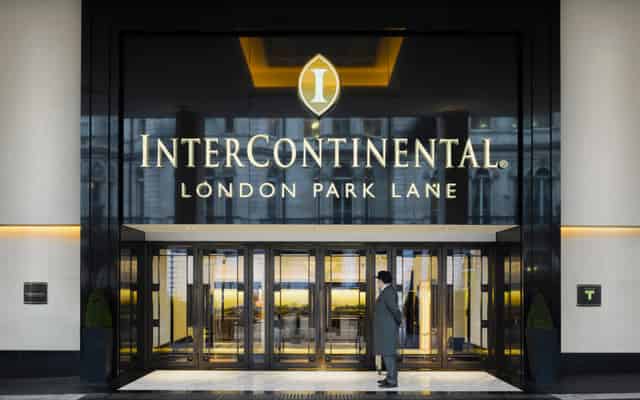
InterContinental London Park Lane by IHG
Estimate£290 to £890 per night in November
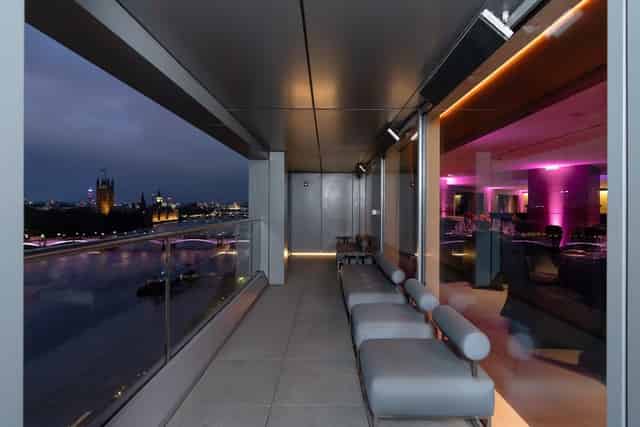
Park Plaza London Riverbank
Estimate£170 to £490 per night in November
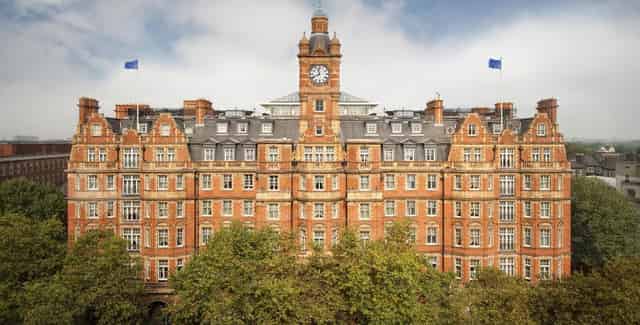
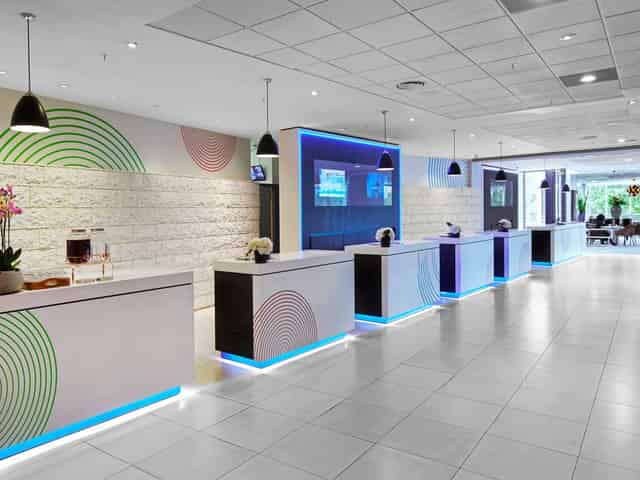
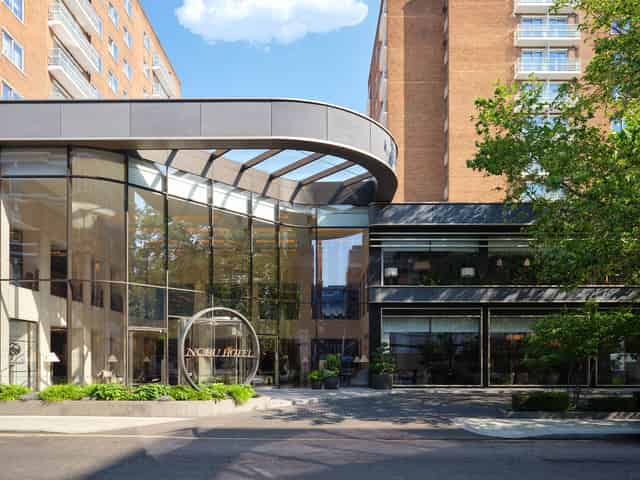
Nobu Hotel London Portman Square
Estimate£230 to £740 per night in November
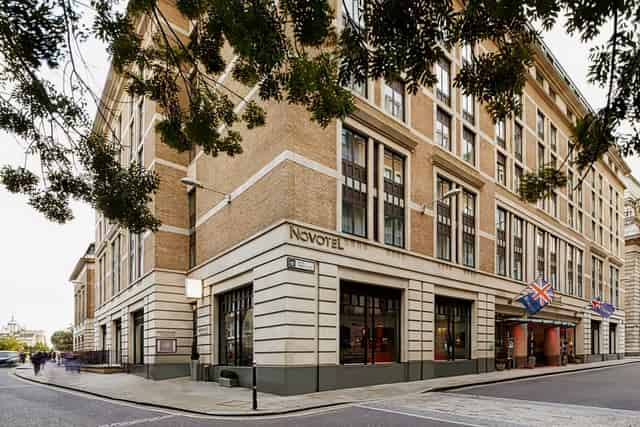
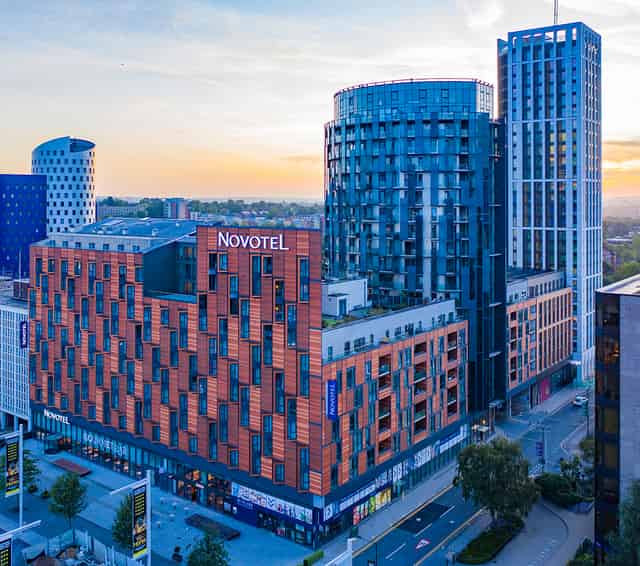
Novotel London Tower Bridge
Estimate£170 to £500 per night in November
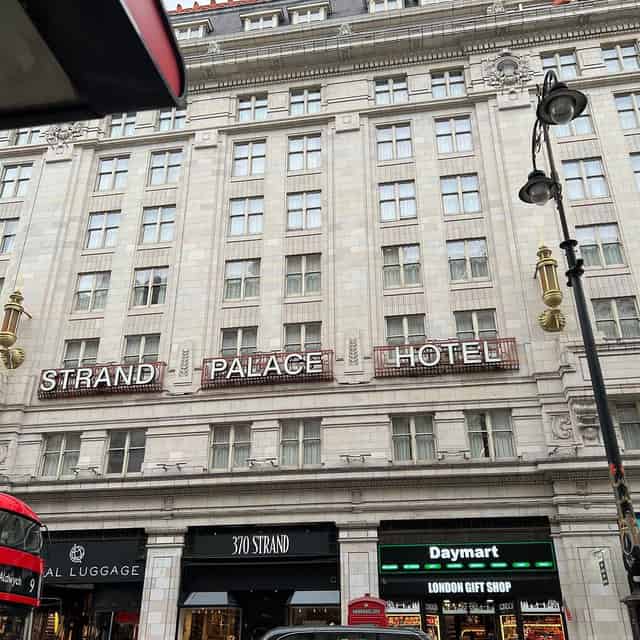
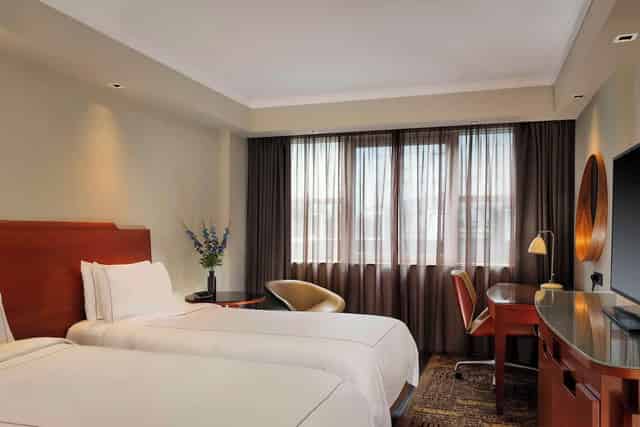
Park Plaza Victoria London
Estimate£180 to £520 per night in November
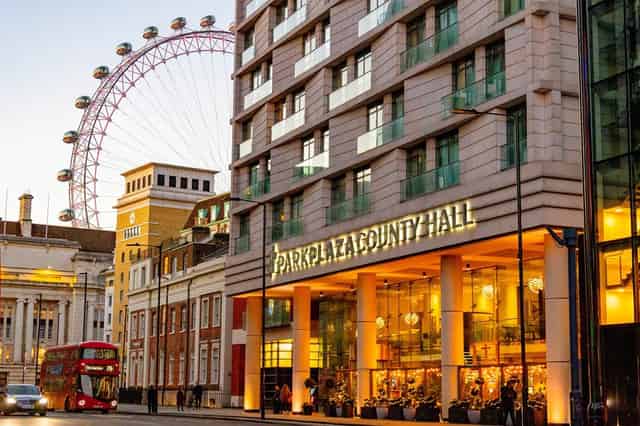
Park Plaza County Hall London
Estimate£170 to £500 per night in November
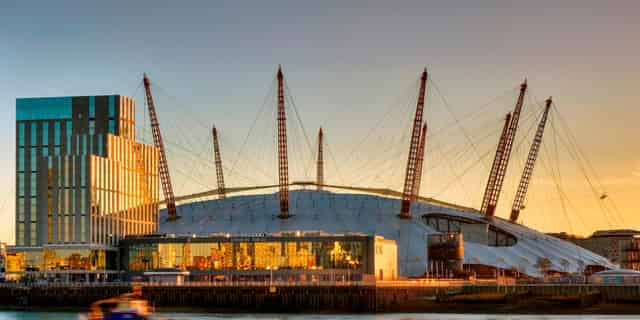
InterContinental London - the O2 by IHG
Estimate£210 to £640 per night in November
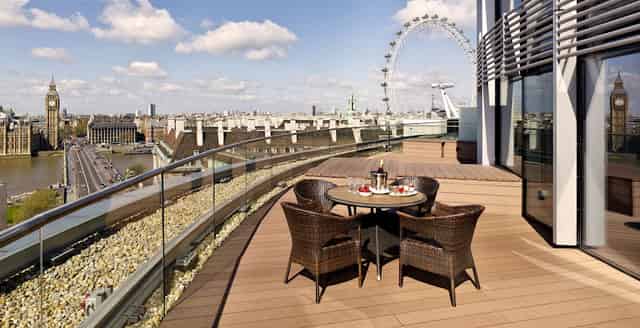
Park Plaza London Westminster Bridge
Estimate£170 to £510 per night in November
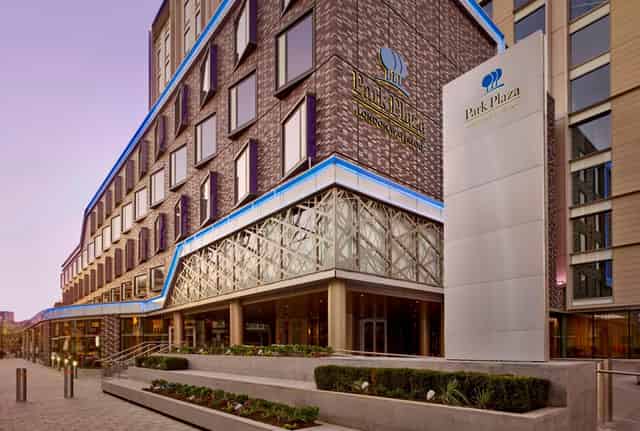
Park Plaza London Waterloo
Estimate£140 to £400 per night in November
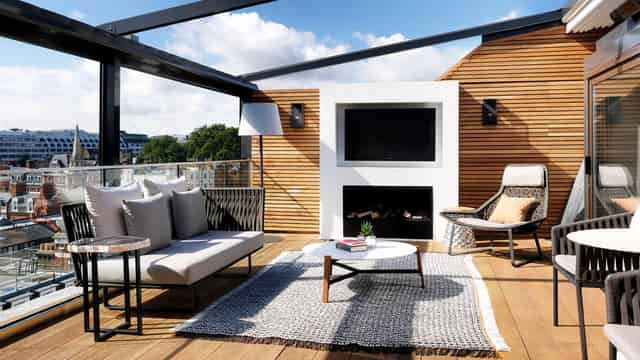
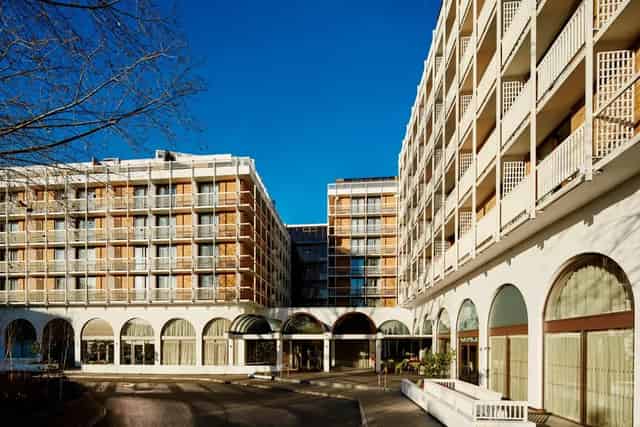
London Marriott Hotel Regents Park
Estimate£200 to £590 per night in November
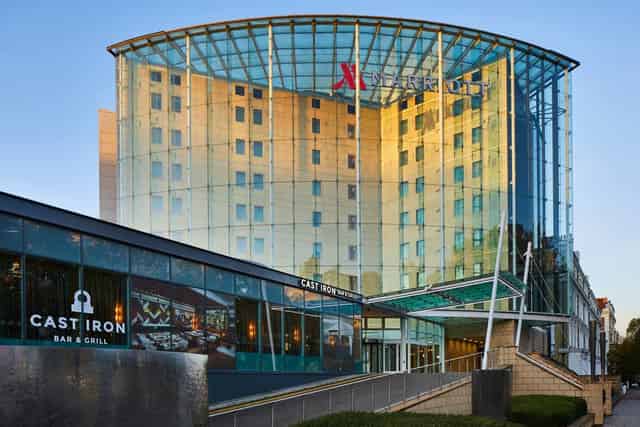
London Marriott Hotel Kensington
Estimate£170 to £510 per night in November
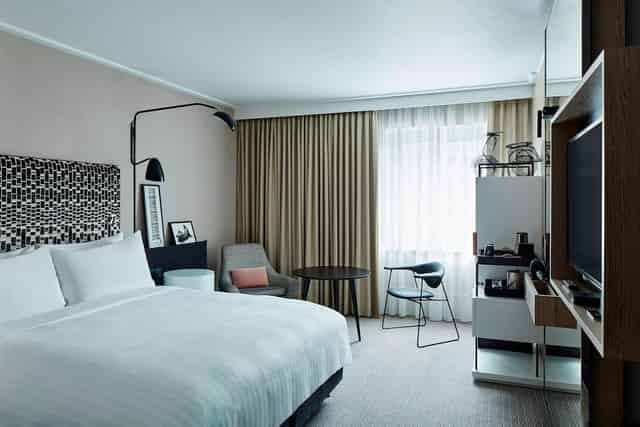
London Marriott Hotel Maida Vale
Estimate£170 to £510 per night in November
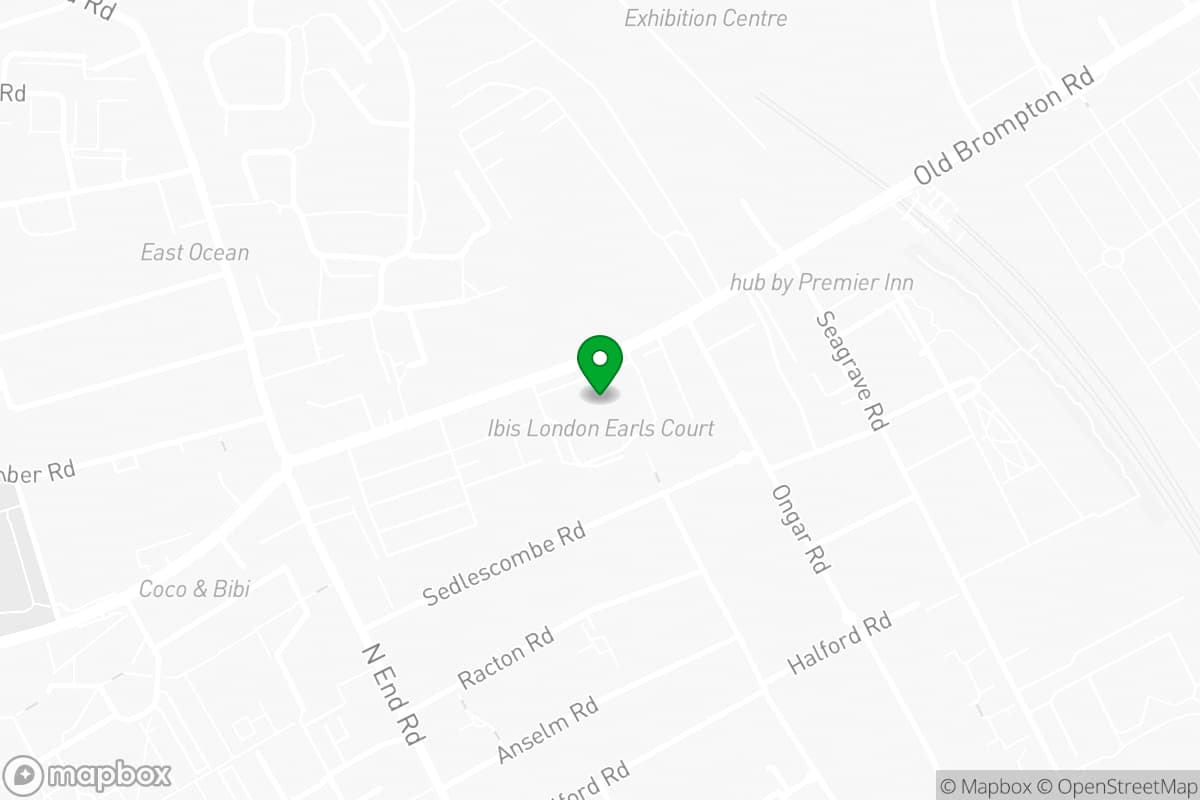
Mercure London Earls Court
Estimate£110 to £340 per night in November
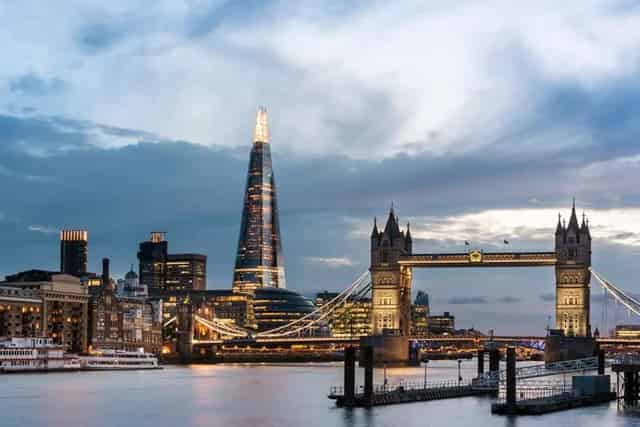
Shangri-La The Shard, London
Estimate£490 to £1,470 per night in November
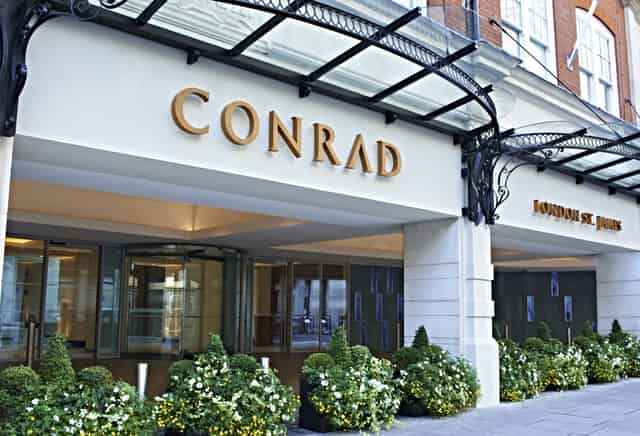
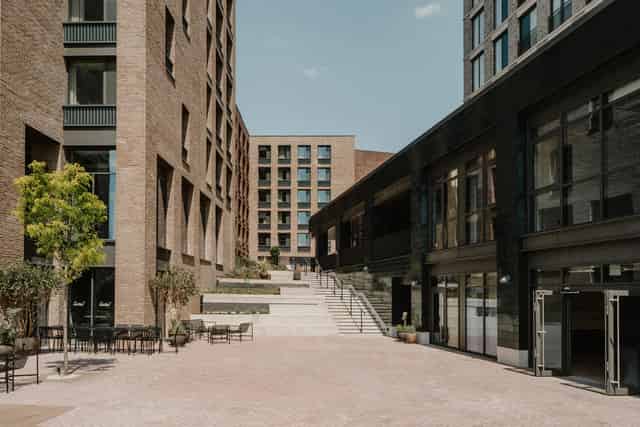


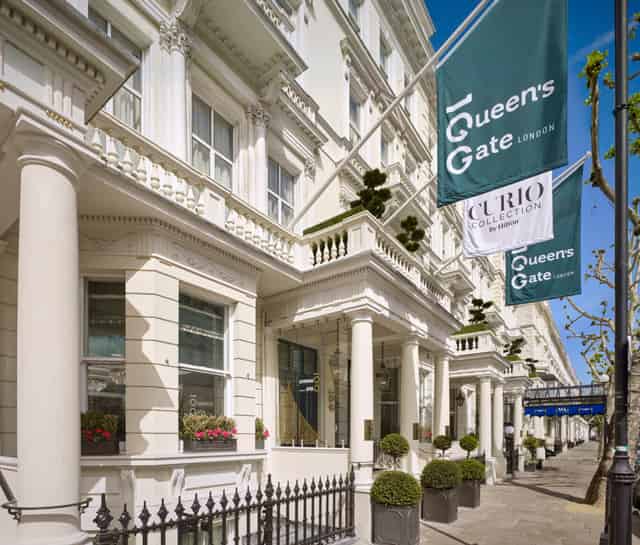
100 Queen's Gate Hotel London Kensington, Curio Collection by Hilton
Estimate£200 to £610 per night in November
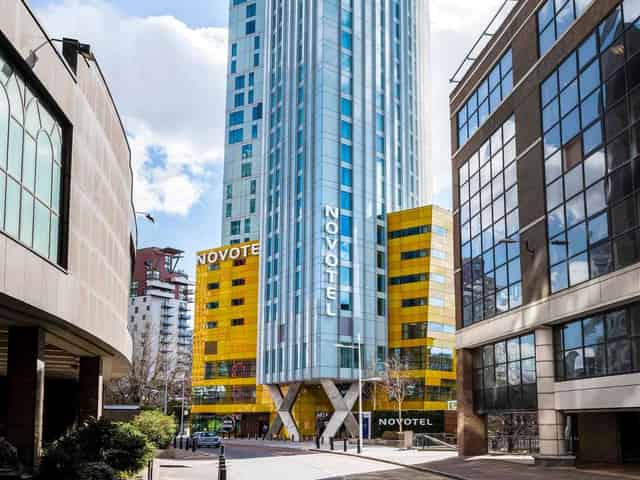
Novotel London Canary Wharf
Estimate£140 to £420 per night in November
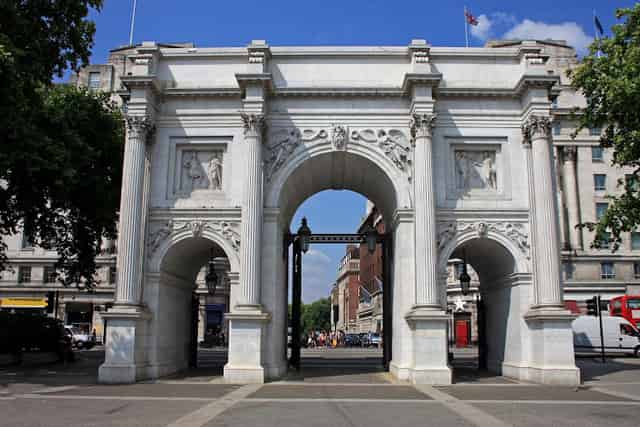
The Marble Arch Hotel by Thistle
Estimate£140 to £400 per night in November
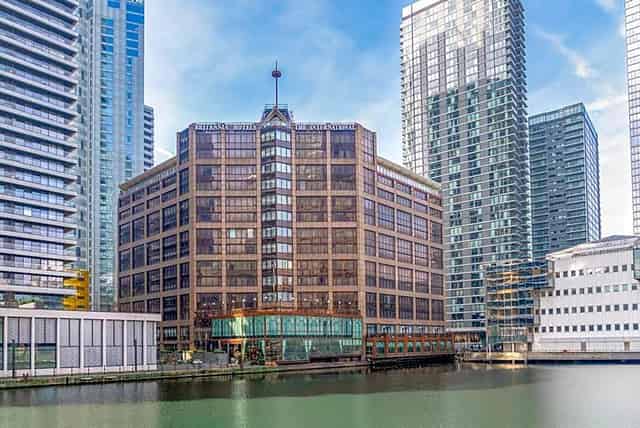
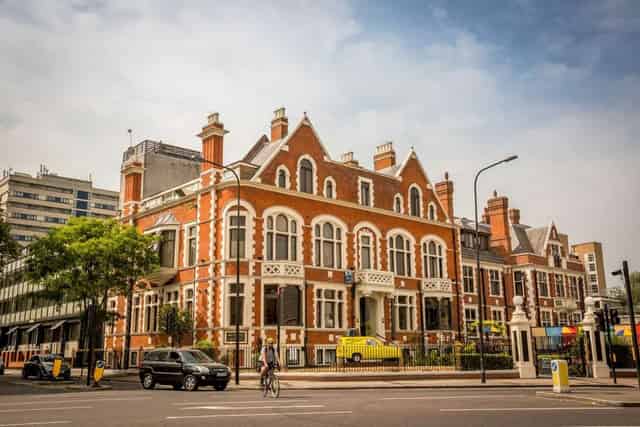
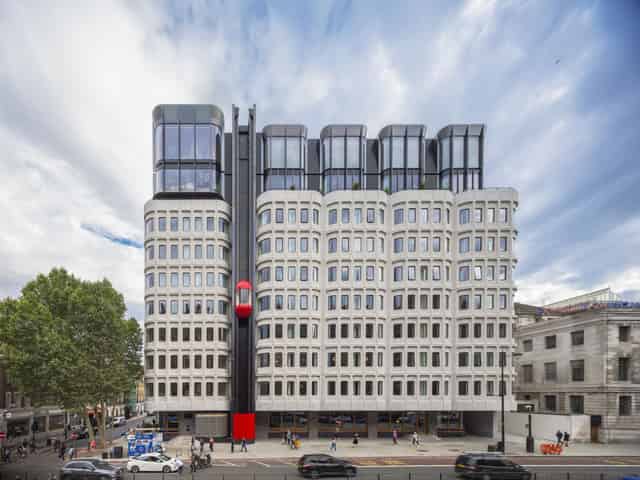
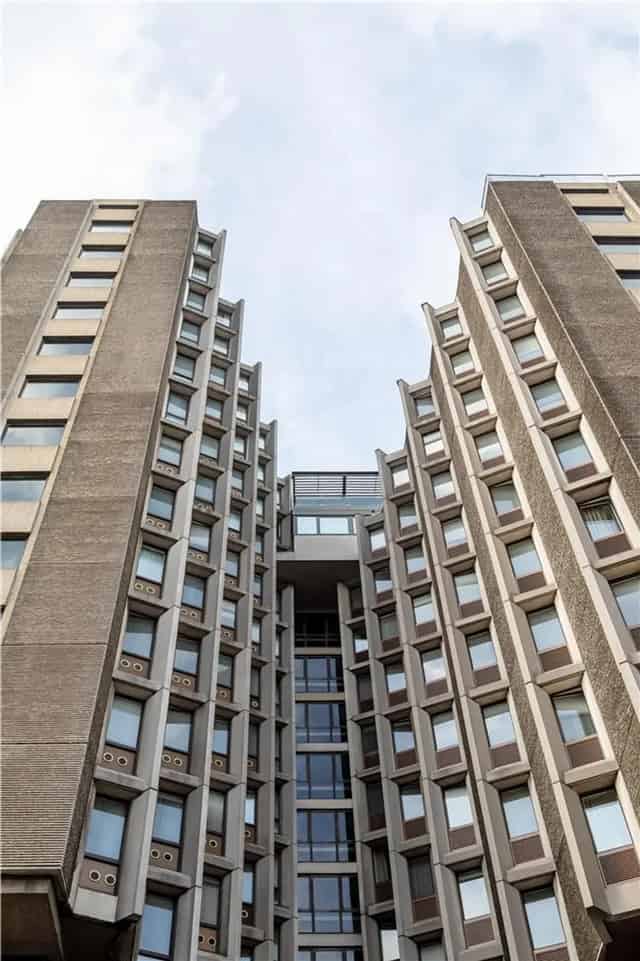
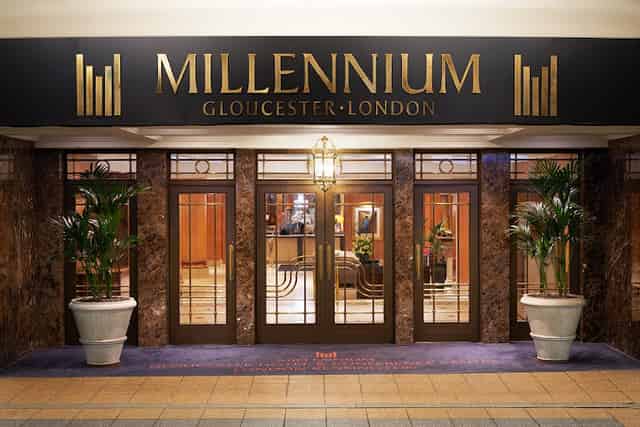
Millennium Hotel and Conference Centre Gloucester London
Estimate£120 to £360 per night in November
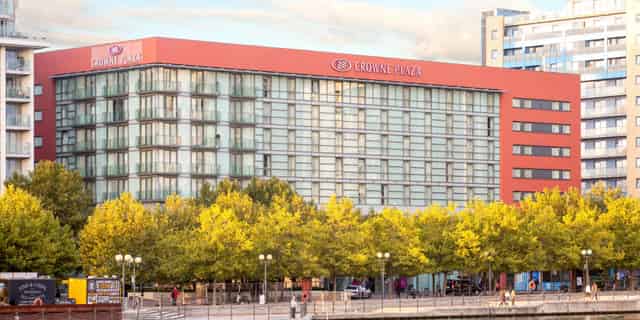
Crowne Plaza London Docklands by IHG
Estimate£160 to £470 per night in November
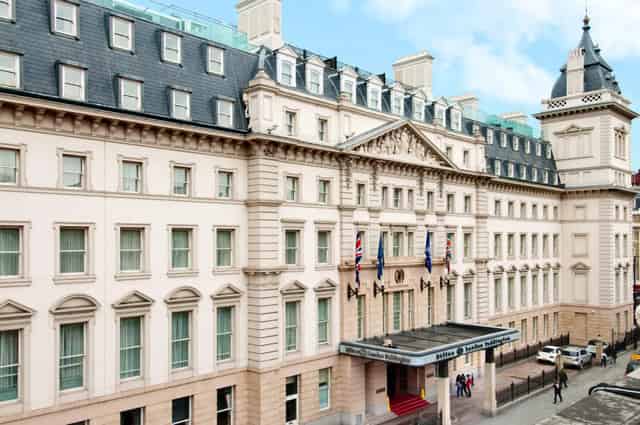
Hilton London Paddington
Estimate£210 to £610 per night in November
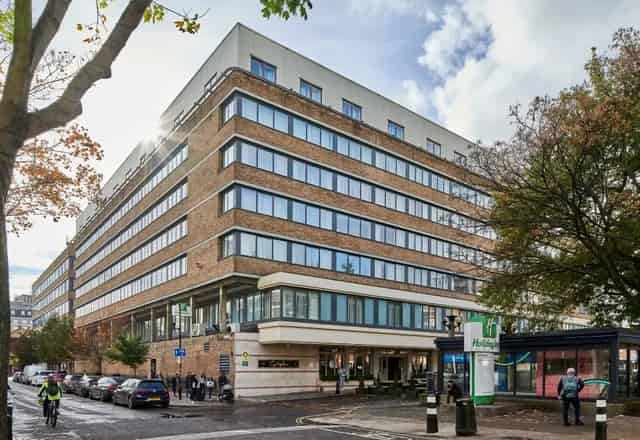
Holiday Inn London - Bloomsbury by IHG
Estimate£170 to £510 per night in November
Explore more NEW
More group accommodation in London
- London group accommodation
- 4 Star Hotels
- 5 Star Hotels
- Conference Room Blocks
- Corporate Offsite Hotels
- Hotels for 100 rooms
- Hotels for 20 rooms
- Hotels for 50 rooms
- Hotels near BDC
- Hotels near Billingsgate
- Hotels near ExCeL
- Hotels near Olympia
- Hotels near QEII Centre
- Hotels near The O2
- Hotels Near Tobacco Dock
- Hotels near Wembley
- Sports Team Hotels
- Business Suitable Hotels in Marylebone
- Business Suitable Hotels in City Of London
- Business Suitable Hotels in Westminster
- Business Suitable Hotels in Mayfair
- Business Suitable Hotels in Holborn
- Business Suitable Hotels in Bloomsbury
- 4 Star Hotels in City Of London
- 4 Star Hotels in Marylebone
Show all (25 more)Show fewer
- 4 Star Hotels in Bloomsbury
- 4 Star Hotels in Holborn
- 4 Star Hotels in Westminster
- 4 Star Hotels in Canary Wharf
- 5 Star Hotels in City Of London
- 5 Star Hotels in Marylebone
- 5 Star Hotels in Mayfair
- 5 Star Hotels in Soho
- 5 Star Hotels in Westminster
- 5 Star Hotels in South Bank
- Business Suitable Hotels in Belgravia
- Business Suitable Hotels in Clerkenwell
- Business Suitable Hotels in Covent Garden
- Business Suitable Hotels in Fitzrovia
- Business Suitable Hotels in Knightsbridge
- Business Suitable Hotels in Soho
- Business Suitable Hotels in Victoria
- Business Suitable Hotels in Waterloo
- Business Suitable Hotels in Canary Wharf
- Business Suitable Hotels in Old Street
- Business Suitable Hotels in Shoreditch
- Business Suitable Hotels in Whitechapel
- Business Suitable Hotels in South Bank
- Business Suitable Hotels in South Kensington
- Business Suitable Hotels in Paddington
About Hotels in London for 200 rooms
Choosing the right standard when shortlisting hotels for 200 rooms in London
Securing accommodation for a large delegation in the capital is always a balancing act between delegate expectations and budget realities. When shortlisting hotels for 200 rooms in London, establishing the right property standard early on will save you countless rounds of contracting later.
Matching star ratings to your group profile
Most of the hotels on this page are 4 stars, making them the natural sweet spot for corporate conferences and visiting teams. They reliably deliver dedicated front-of-house service, smooth group check-in processes, and the quiet workspaces business travellers expect.
That said, your programme schedule might call for a different tier:
- Executive delegations: Some of the hotels are 5 stars, which work well when hosting international leadership, VIP clients, or keynote speakers requiring elevated hospitality.
- Value-led room blocks: A few of the hotels are 3 stars, and a few of the hotels have no star rating. These present practical, comfortable bases when your main objective is keeping nightly overheads lean.
Prioritising logistics and cohesion
Because all of the hotels have 200 or more rooms, holding your entire party under one roof is entirely feasible. However, star ratings only tell half the story. We always advise checking the physical flow of the building for large movements—particularly lift capacity at peak morning hours and breakfast seating turnaround.
It is also worth noting that some of the hotels have their own event space on site. If you plan to run briefings, plenary sessions, or an evening reception in the same building as your bedrooms, filtering for these dual-purpose options saves considerable transit time.
To move forward, outline your room type split—noting twin configurations and accessible rooms—and request allocation details from your shortlisted four-star properties first.
How to time your enquiry and hold the right number of rooms
When you need to secure a large room block in the capital, timing is everything. London's corporate accommodation diary fills up remarkably quickly, particularly around mid-week dates during busy convention periods in the autumn and spring. If you leave your search too late, finding a single property capable of keeping your entire delegation together becomes an unnecessary challenge.
Establishing realistic contracting timelines
We recommend opening discussions with properties as early in your planning cycle as possible. Hotel sales teams routinely handle large group allocations months in advance, and reaching out early gives you genuine leverage when agreeing contractual terms.
When approaching shortlisted properties, request a clear schedule of payment milestones and attrition allowances. Attrition clauses are essential: they allow you to release a nominated portion of your held bedrooms without financial penalty as your delegate attendance list firms up. Rather than committing to a rigid, all-or-nothing allocation, establish a staggered release schedule. This gives you multiple structured review points across the planning journey to return unneeded bedrooms to general hotel inventory before incurring cancellation charges.
Managing rooming lists and delegate details
Another crucial detail to agree upfront is your cut-off date—the final deadline by which delegate names, arrival times, and specific rooming requirements must be submitted to the hotel reservations team.
To keep this phase completely seamless, we suggest establishing these key operational parameters:
- Set rolling internal deadlines: Agree your internal attendee registration cut-off at least a fortnight ahead of the hotel's contractual deadline. This buffer gives you breathing room to chase late responders.
- Clarify billing instructions: Specify in writing whether the central master account covers the room and breakfast, while delegates settle incidental expenses on departure.
- Confirm accessibility and bed configurations: Gather individual delegate room preferences during your initial registration phase so the hotel can allocate the necessary mix of twins, doubles, and accessible bedrooms.
Securing allocations for hotels for 200 rooms in London requires firm deadlines and mutual clarity from the outset. Your immediate next step is to audit your delegate register, define your target arrival window, and request draft group contracts from your shortlisted hotels to review their specific cancellation and release terms.
Understanding typical nightly room rates and what moves them
Budgeting for a large room block in the capital requires a clear understanding of seasonal demand. London accommodation pricing fluctuates significantly throughout the year, driven by the calendar of major international summits, trade conventions, and seasonal business cycles.
Seasonal pricing benchmarks across the city
To give you an initial framework for your forecasting, looking at baseline shifts across consecutive months highlights just how much timing matters. The figures below are indicative estimates, not quotes or availability, showing middle-market ranges across the winter period:
- Autumn peaks: Typical £130 to £750 per night in November
- Late-year shifts: Typical £100 to £600 per night in December
- Early-year value: Typical £70 to £380 per night in January
Autumn represents one of the busiest trading periods in London, whereas moving an event into the new year can yield considerable budget flexibility. Remember that these baseline figures are indicative estimates, not quotes or availability, so you must always secure date-specific proposals from individual properties.
What drives nightly rate movements?
Beyond the month on the calendar, several core factors determine the final room rate offered by hotel revenue managers:
- Days of the week: Mid-week stays, particularly Tuesday and Wednesday nights, carry premium pricing due to high corporate demand. Sunday and Monday arrivals often see softer rates.
- Location and rail connectivity: Properties situated in prime central districts or directly adjacent to major transport terminals command higher rates than those positioned slightly further out.
- Contracted inclusions: Always clarify what is included in the nightly figure. Having breakfast, high-speed Wi-Fi, and access to wellness areas included avoids unexpected extras mounting up on final billing.
- Local programme clashes: City-wide exhibitions at major conference centres, sporting events, and cultural festivals tighten room inventory rapidly across all boroughs.
When evaluating proposals from hotels for 200 rooms in London, compare full package inclusions side by side rather than focusing solely on room-only numbers.
To progress your planning, calculate your total bed-night requirement across each date of your stay and request formal proposals for your exact arrival and departure pattern.
Planning seamless transport between your hotel and the event
Moving a large group across London requires careful logistical coordination. Even with an excellent location, shifting delegates smoothly between their accommodation and an external programme demands forward planning around the city's transit infrastructure.
Evaluating public transit connections
When reviewing locations, walk the real-world route delegates will take. Direct connections always trump multi-leg journeys:
- Station accessibility: Look for properties positioned near major Underground lines, the Elizabeth line, or mainline rail terminals. Avoiding line changes keeps delegates together and prevents people from getting separated on the network.
- Step-free access: Always confirm whether local Underground and rail stations offer step-free routes from street to platform, which is essential for delegates with mobility requirements or heavy luggage.
- Evening departures: If evening networking finishes after standard Underground services wind down, check local night transit options or pre-arrange transport in advance.
Organising private group transit
If your schedule requires moving your party as a collective unit, private coach transfers often prove more practical than public transport. However, navigating London streets requires checking kerbside logistics beforehand:
- Drop-off bays: Ask each hotel whether they have a dedicated coach bay or private forecourt. Kerbside boarding on congested red routes can cause unnecessary disruption.
- Peak traffic buffers: Morning and evening peak hours heavily impact transfer times across central boroughs, so build contingency into your timetable.
- Low-emission regulations: Ensure your chosen transport providers meet city-wide environmental and vehicle standards for driving into central zones.
To keep your schedule running seamlessly, map the door-to-door transit route between your shortlisted hotels and destination points, then confirm vehicle access rules directly with the hotel front-of-house teams.
Looking beyond the bedrooms for on-site event space and facilities
While securing comfortable bedrooms is your primary goal, running a smooth residential programme depends heavily on the ancillary infrastructure within the property. When your entire party stays together under one roof, operational bottlenecks tend to appear in communal areas rather than behind bedroom doors. Examining how each property handles morning catering, luggage logistics, and dedicated gathering areas will make all the difference to your delegates' daily experience.
Streamlining morning flow and catering
Breakfast logistics can make or break an event timetable. A hotel restaurant designed primarily for individual travellers often struggles when an entire delegation descends simultaneously ahead of an early conference opening.
- Dedicated dining areas: Ask whether the hotel can allocate a private room or cordoned-off section exclusively for your party. This keeps delegates together and prevents long queues for hot food and coffee.
- Grab-and-go options: When timetables are particularly tight, check if the food and beverage team can set up continental breakfast stations outside your gathering spaces with pastries, fruit, and hot drinks.
- Turnaround pacing: Discuss peak breakfast hours with front-of-house managers to confirm they have sufficient staffing to clear tables and replenish buffets swiftly.
Managing delegate movements and group facilities
The physical layout of the building plays a substantial role in how smoothly your programme runs from arrival to departure:
- Dedicated check-in desks: Staggering arrivals for a large room block is difficult, and standard reception desks can quickly become overwhelmed. Enquire about setting up a private hospitality desk in the foyer or mezzanine to distribute keycards and delegate packs efficiently.
- Secure luggage holding: On your first and final days, attendees will inevitably need safe storage for their cases before check-in or after morning checkout. Ensure the hotel can assign a locked, secure room rather than relying on standard concierge cupboards.
- Informal gathering spaces: Having quiet lounge areas or informal networking corners on site allows colleagues to catch up on emails or debrief after evening sessions without needing to leave the property.
Confirming daily operational details
Before you complete your contracting, walk through the end-to-end delegate journey with the hotel's operational team. Clarify that high-speed Wi-Fi throughout all communal areas is included on your master agreement, and check how lift banks perform during peak morning departures.
Your immediate next step is to request floor plans of the ground-floor and mezzanine areas from your shortlisted properties, alongside their group breakfast options, so you can evaluate how comfortably their shared facilities will support your itinerary.
Questions about hotels in London for 200 rooms
What standard of hotel suits a group needing 200 rooms in London?
Can a group of 200 rooms stay in one hotel in London?
How much does a hotel room cost in London in November?
How much does a hotel room cost in London in December?
Are London hotel rooms cheaper in January?
What affects hotel room prices for a large group in London?
How far in advance should I book 200 rooms in a London hotel?
What should I check in a room block contract for a large group?
Do London hotels with 200 rooms have their own event space?
How do I get my group between the hotel and the event in London?
Should we stay in central London or a quieter area?
Need rooms across several hotels?
Our group bookings team can split a block between hotels near your venue. Free, no obligation.