Business Suitable Hotels in City of London
Business hotels in the City of London offer convenient accommodation for teams, clients and delegates attending meetings, conferences and corporate events. Look for well-connected locations, suitable room configurations, meeting facilities, reliable Wi-Fi and dining options. Compare hotels by group capacity, room availability and transport links to find a practical base for your business stay in central London.
- Free to enquire
- Group bookings team
102 hotels in City Of London
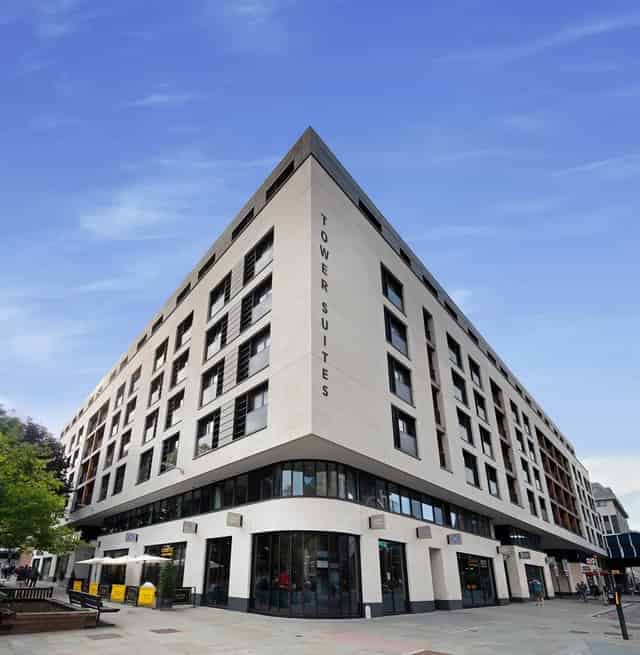
Tower Suites by Blue Orchid Hotels
Estimate£170 to £530 per night in November
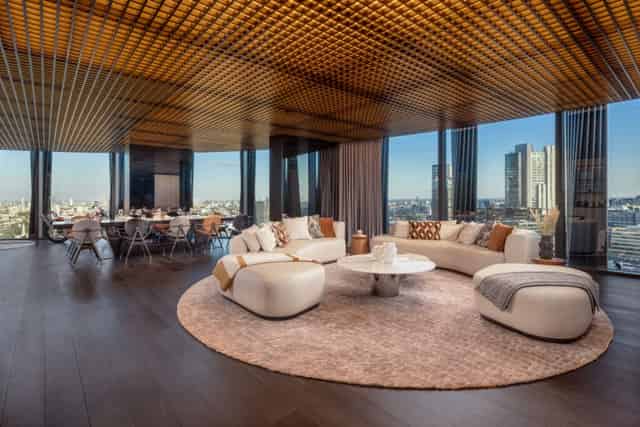
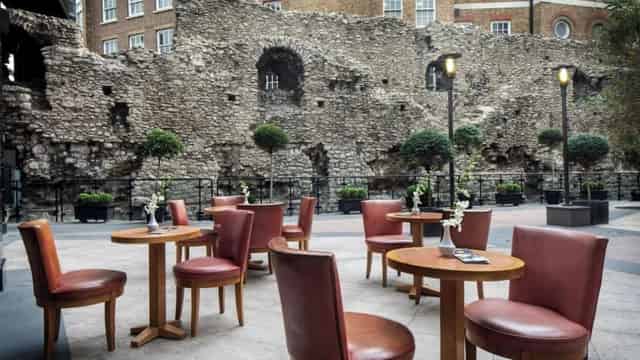
Leonardo Royal Hotel London City
Estimate£160 to £470 per night in November
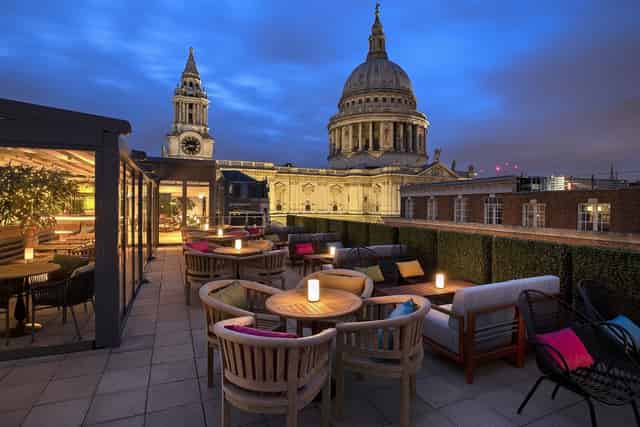
Leonardo Royal London St Paul's
Estimate£260 to £890 per night in November
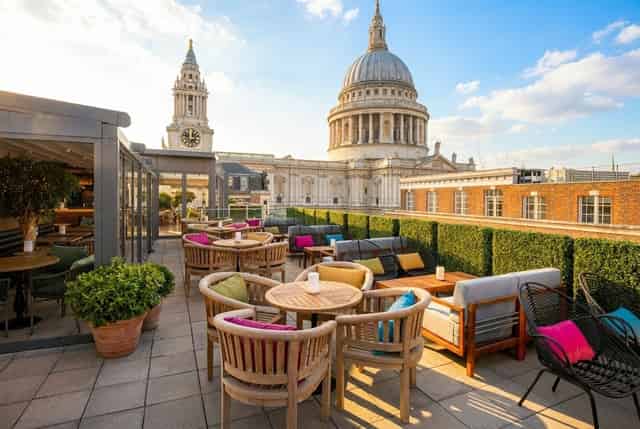
Leonardo Royal Hotel London Tower Bridge
Estimate£230 to £680 per night in November
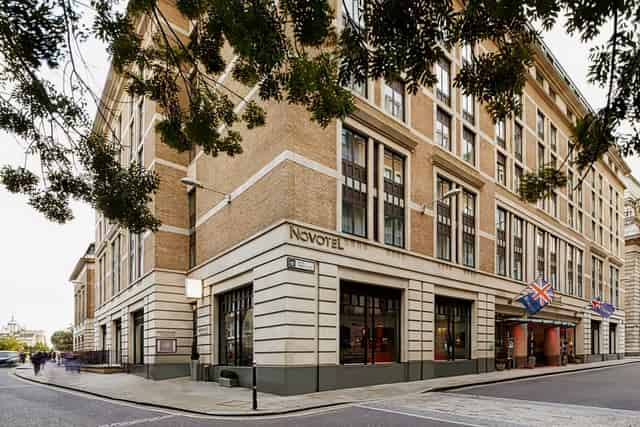
Novotel London Tower Bridge
Estimate£170 to £500 per night in November
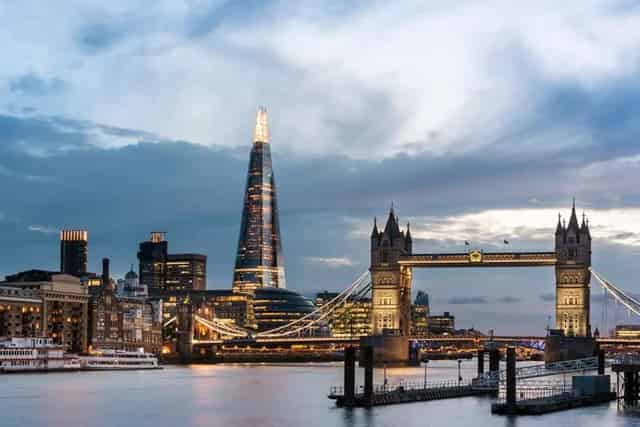
Shangri-La The Shard, London
Estimate£490 to £1,470 per night in November
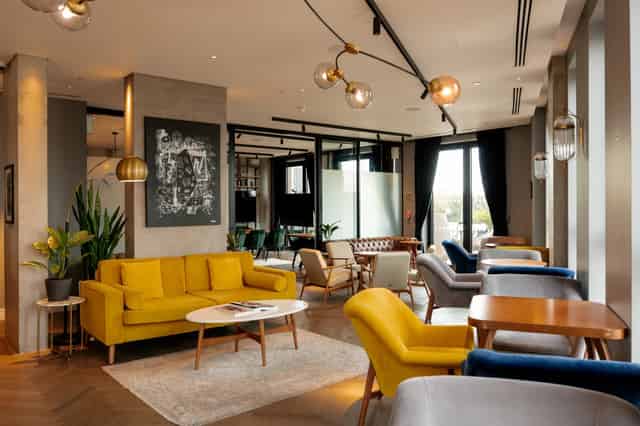
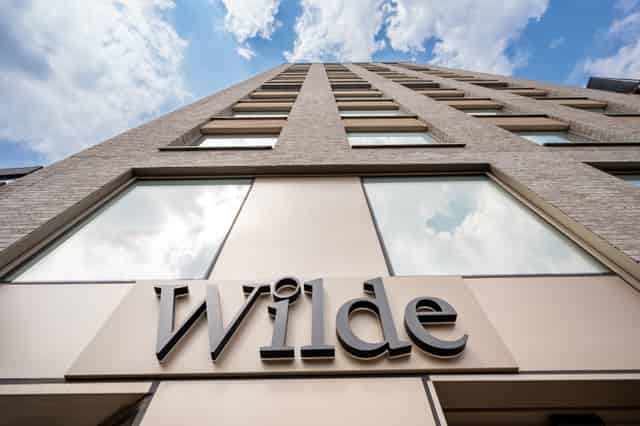
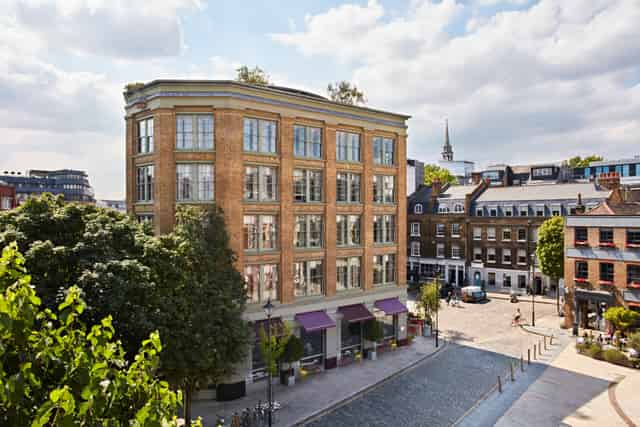
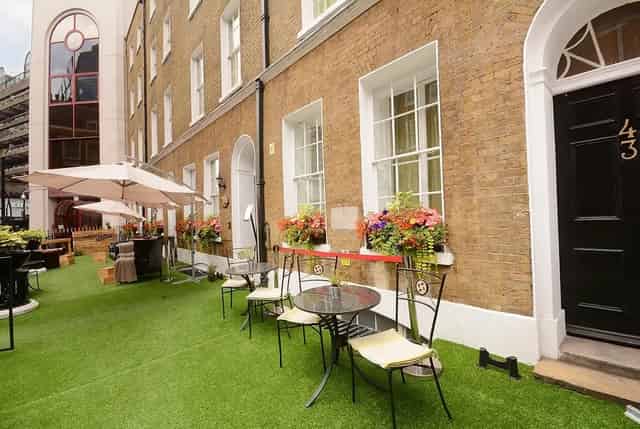
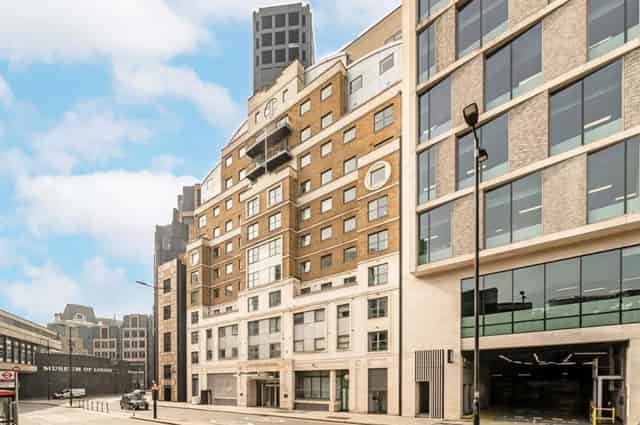
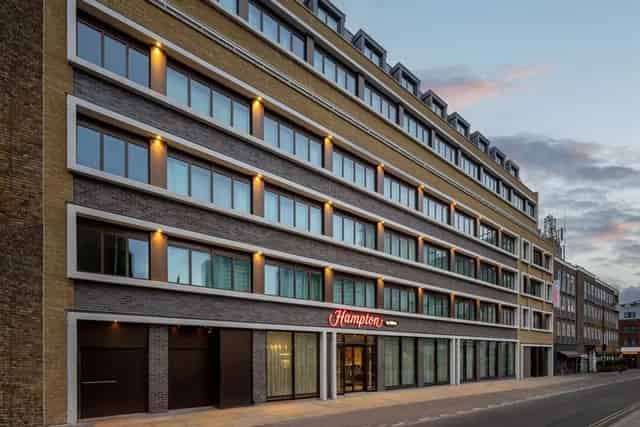
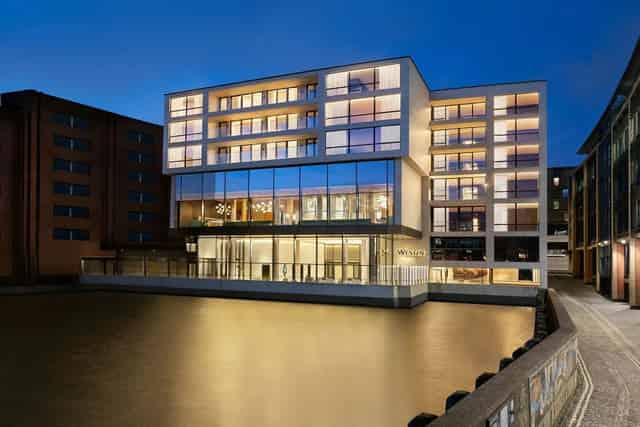
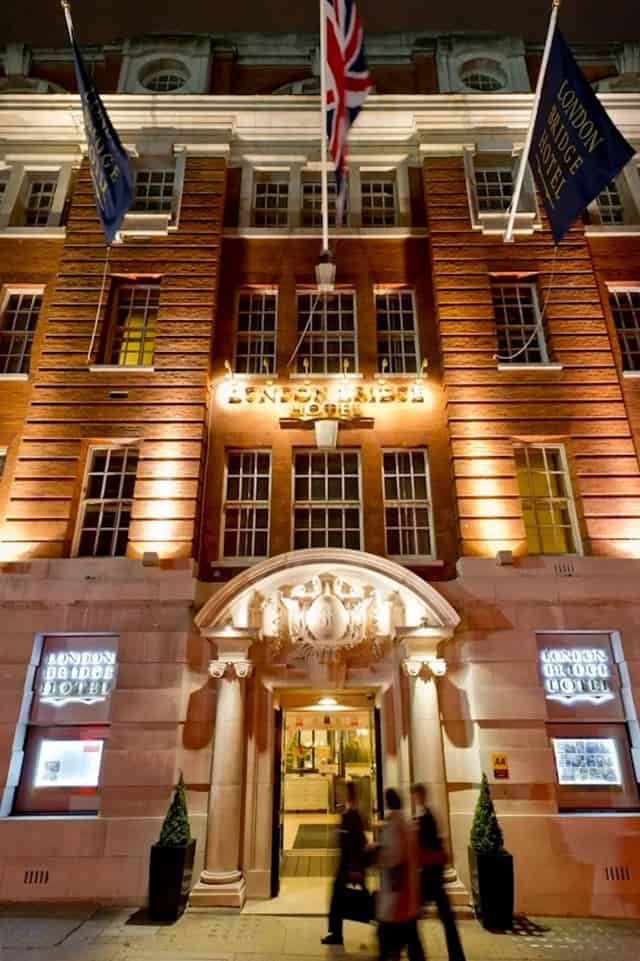
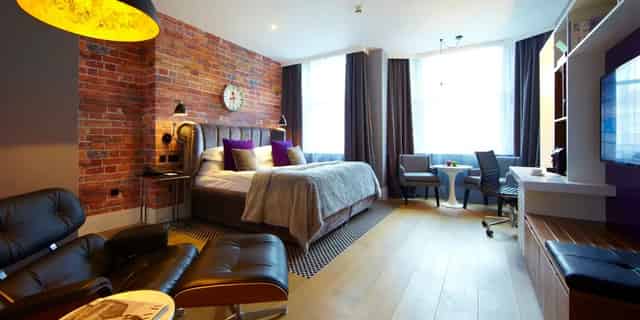
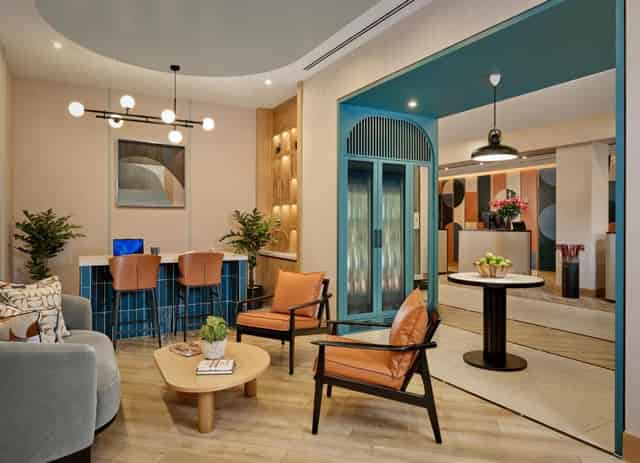
Citadines Holborn-Covent Garden London
Estimate£160 to £460 per night in November
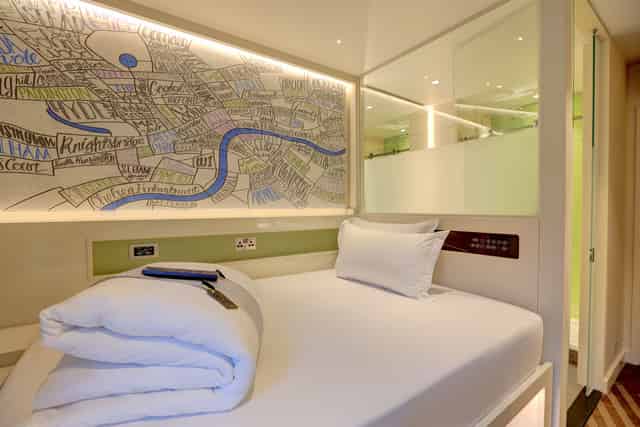
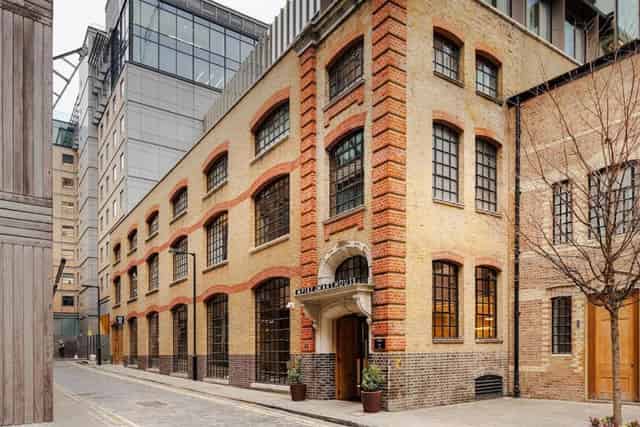


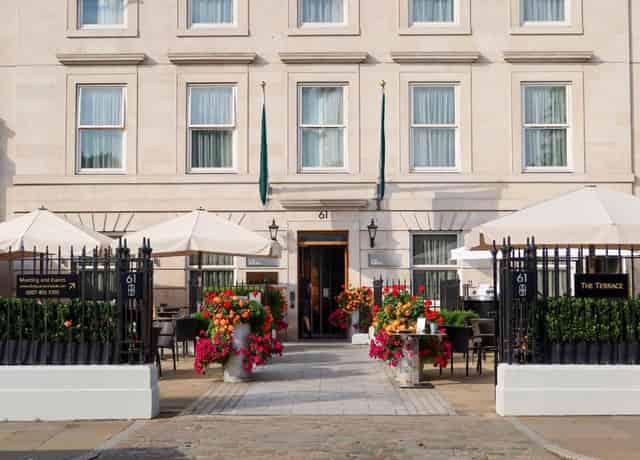
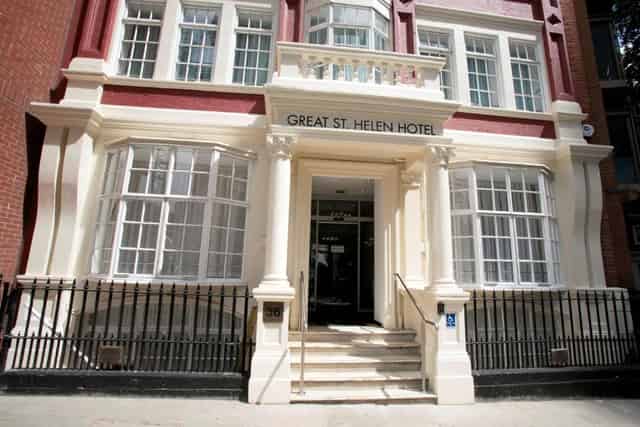
Great St Helen Hotel | Crown Group of Hotels
Estimate£160 to £460 per night in November
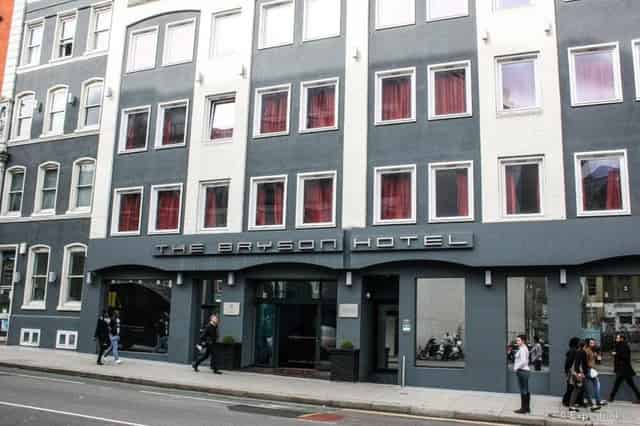
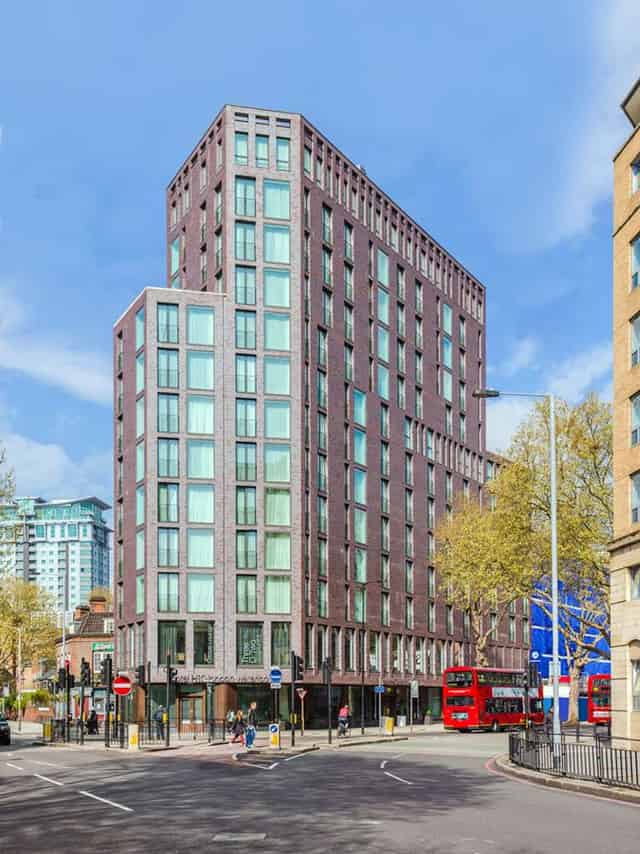
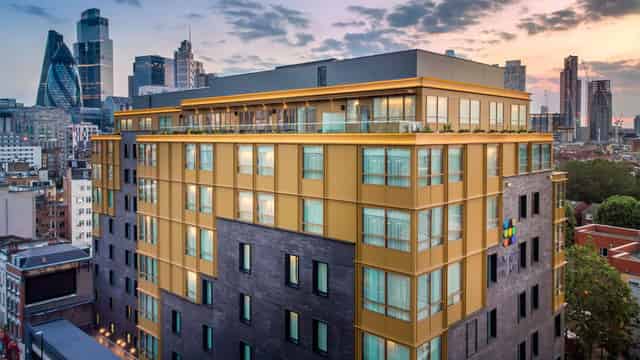
Hyatt Place London City East
Estimate£130 to £410 per night in November
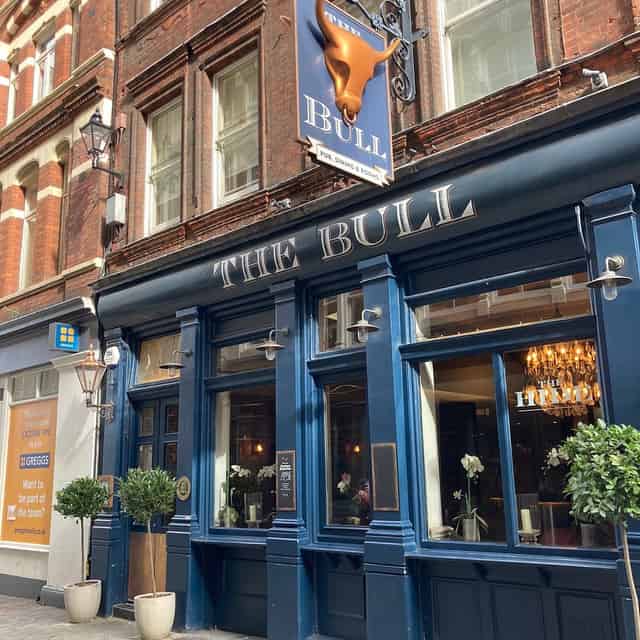
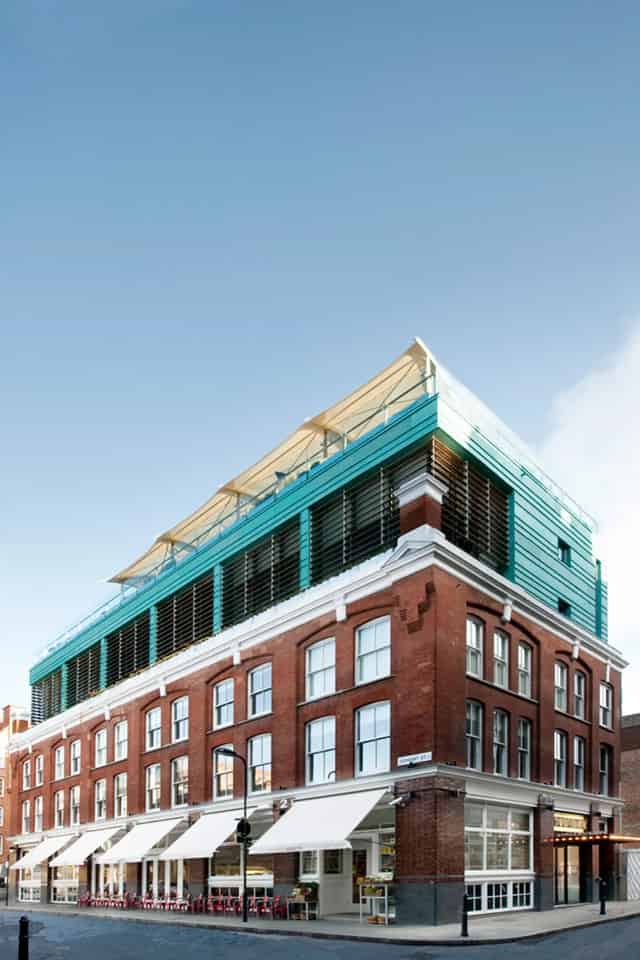
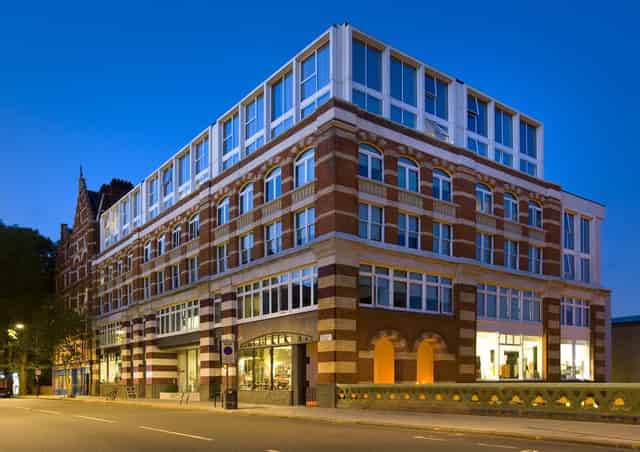
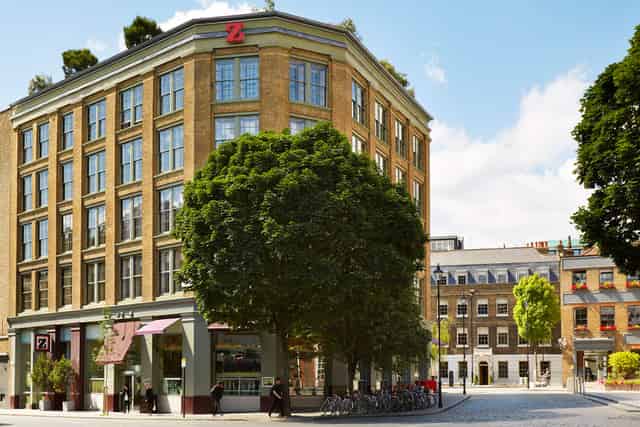
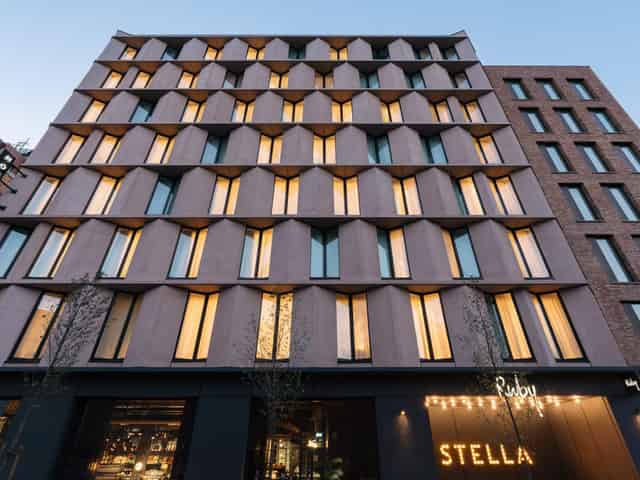
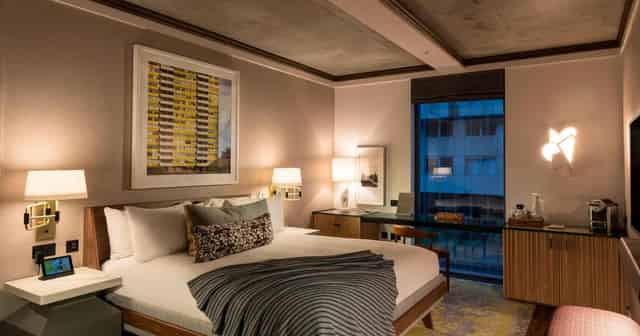
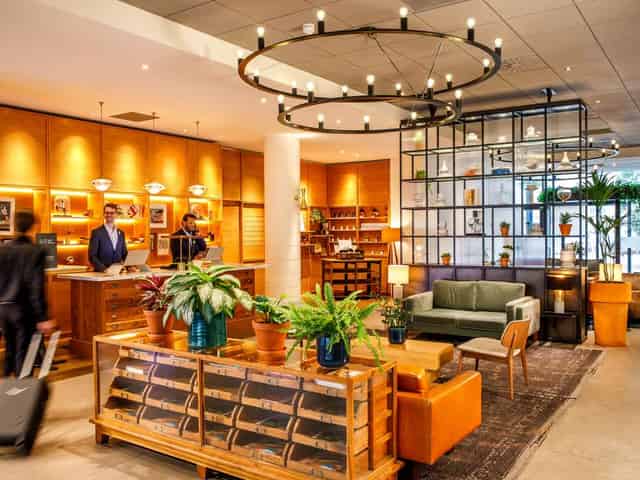
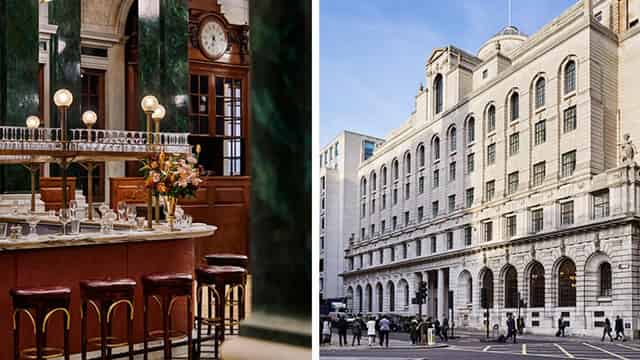
Bankside Hotel, Autograph Collection
Estimate£310 to £950 per night in November
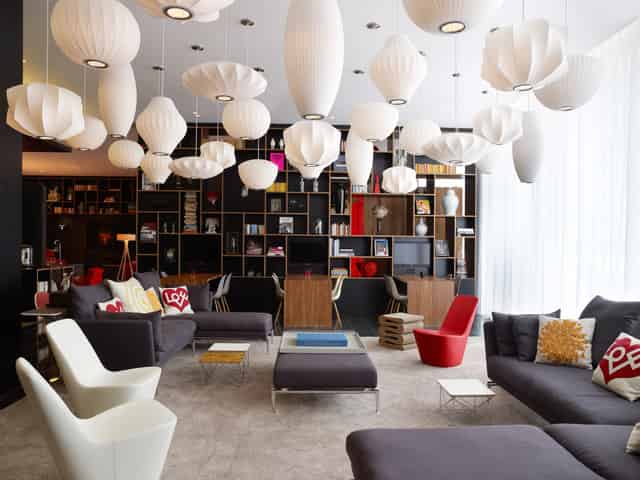
citizenM London Bankside
Estimate£200 to £600 per night in November
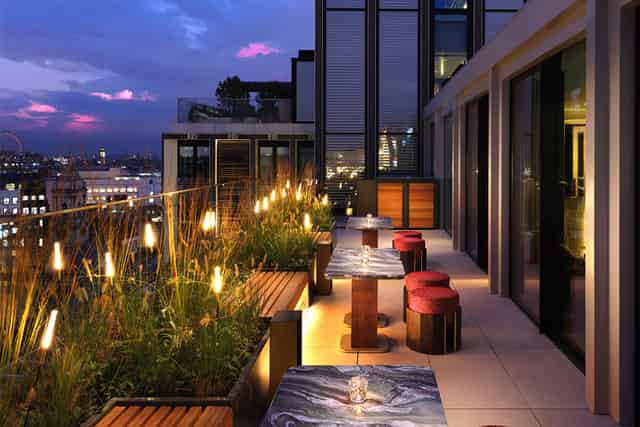
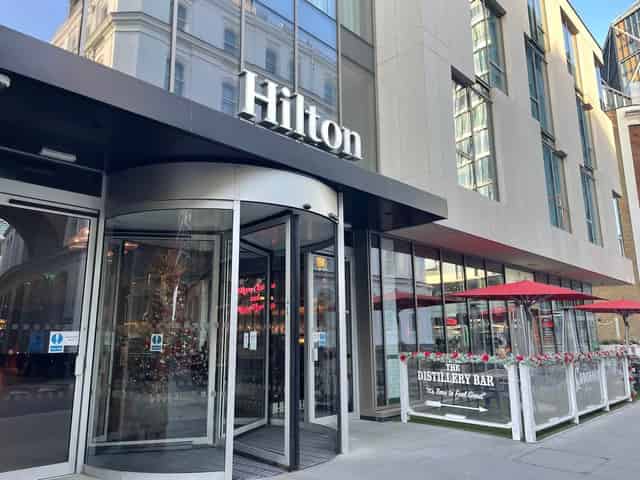
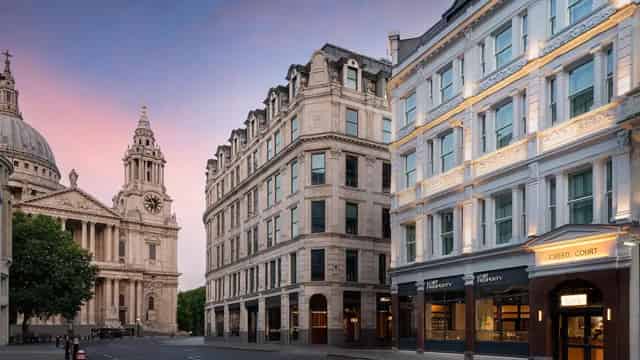
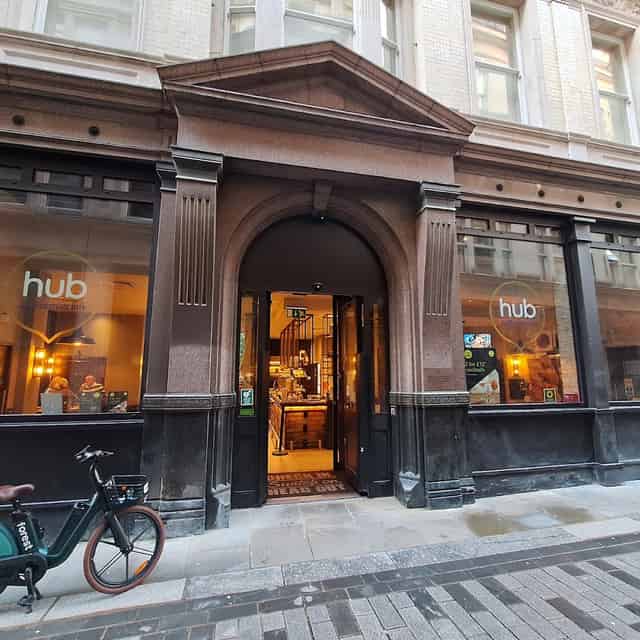
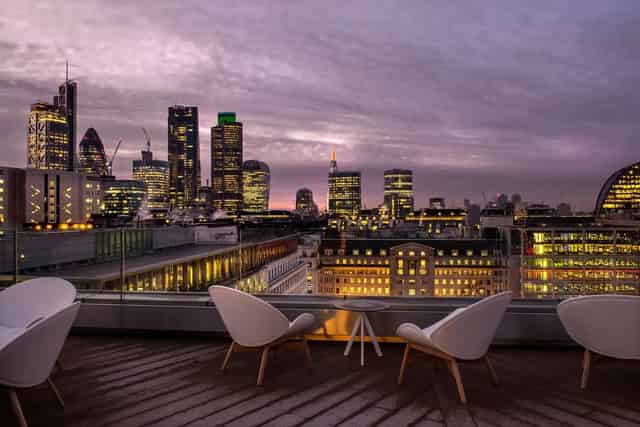
Montcalm Royal London House
Estimate£250 to £750 per night in November
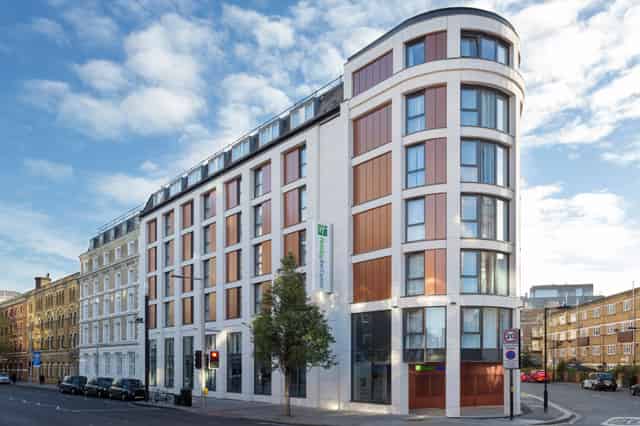
Holiday Inn Express London - Southwark by IHG
Estimate£160 to £460 per night in November
Explore more NEW
More group accommodation in London
- London group accommodation
- 4 Star Hotels
- 5 Star Hotels
- Conference Room Blocks
- Corporate Offsite Hotels
- Hotels for 100 rooms
- Hotels for 20 rooms
- Hotels for 200 rooms
- Hotels for 50 rooms
- Hotels near BDC
- Hotels near Billingsgate
- Hotels near ExCeL
- Hotels near Olympia
- Hotels near QEII Centre
- Hotels near The O2
- Hotels Near Tobacco Dock
- Hotels near Wembley
- Sports Team Hotels
- Business Suitable Hotels in Marylebone
- Business Suitable Hotels in Westminster
- Business Suitable Hotels in Mayfair
- Business Suitable Hotels in Holborn
- Business Suitable Hotels in Bloomsbury
- 4 Star Hotels in City Of London
- 4 Star Hotels in Marylebone
- 5 Star Hotels in Marylebone
Show all (24 more)Show fewer
- 4 Star Hotels in Bloomsbury
- 4 Star Hotels in Holborn
- 4 Star Hotels in Westminster
- 4 Star Hotels in Canary Wharf
- 5 Star Hotels in City Of London
- 5 Star Hotels in Mayfair
- 5 Star Hotels in Soho
- 5 Star Hotels in Westminster
- 5 Star Hotels in South Bank
- Business Suitable Hotels in Belgravia
- Business Suitable Hotels in Clerkenwell
- Business Suitable Hotels in Covent Garden
- Business Suitable Hotels in Fitzrovia
- Business Suitable Hotels in Knightsbridge
- Business Suitable Hotels in Soho
- Business Suitable Hotels in Victoria
- Business Suitable Hotels in Waterloo
- Business Suitable Hotels in Canary Wharf
- Business Suitable Hotels in Old Street
- Business Suitable Hotels in Shoreditch
- Business Suitable Hotels in Whitechapel
- Business Suitable Hotels in South Bank
- Business Suitable Hotels in South Kensington
- Business Suitable Hotels in Paddington
About Business Suitable Hotels in City of London
How to choose the right size and star rating among business suitable hotels in the City of London
When you are organising travel for a corporate group, balancing comfort with practical logistics is always the priority. The Square Mile offers a diverse mix of business suitable hotels in City of London, but finding the right fit comes down to matching your group dynamic with the right footprint and standard of service.
Balancing standards with delegate expectations
Most of these hotels hold 4 stars, making them a dependable choice for client delegations and conference attendees who require quiet workspaces and early breakfasts. For senior executives or board members who expect elevated dining and round-the-clock service, some of the hotels hold 5 stars. If you are keeping a closer eye on expenditure, a few of the hotels offer 3 stars, providing a comfortable, practical base without unnecessary frills.
Aligning hotel capacity with group size
Keeping your team under one roof makes coordination far simpler, especially on busy meeting days. When assessing room counts across the district:
- Large properties: About half of the hotels have 200 or more rooms, which works well when you need to hold substantial allocations without spreading delegates across multiple addresses.
- Mid-sized options: Some of the hotels have 100 to 199 rooms, and some have 50 to 99 rooms, offering an efficient atmosphere and streamlined check-ins.
- Boutique properties: A few of the hotels have 20 to 49 rooms, while a few have fewer than 20 rooms, lending themselves perfectly to discreet leadership groups.
If you are planning daytime sessions alongside accommodation, remember that some of the hotels feature their own event space. However, if you are hosting larger sessions off-site, you can easily pair your rooms with nearby Conference Venues in City of London or standalone Meeting Rooms in City of London.
Your immediate next step is to tally your confirmed delegate numbers and identify whether your priority is centralised scale or smaller, boutique surroundings before requesting room allocations.
Managing your group room block: how many rooms to hold and when to request them
Securing a block of rooms in the Square Mile requires a practical, structured strategy, especially because mid-week corporate travel creates steady demand across the district. When managing accommodation for an internal team or visiting conference delegates, timing your initial request carefully protects both your budget and your itinerary.
Timing your allocation requests
We always advise reaching out as early as you can once your dates are fixed. Corporate diaries across the City fill rapidly around major financial summits and industry reporting periods, meaning midweek availability tightens well ahead of time. Starting your conversations early helps you secure your preferred room types together rather than scattering colleagues across different properties. If your schedule also includes off-site evening drinks or a formal dinner at nearby Event Venues in City of London, having everyone based at one address makes coordinating group travel far simpler.
Structuring your room block and attrition
Pinning down exact numbers when delegate registrations are still trickling in can be challenging. A sensible approach is to hold rooms for your confirmed numbers alongside a small buffer for late additions. To prevent unexpected attrition fees, work closely with reservations teams to tailor contract terms to your timeline:
- Agree phased release dates: Establish progressive cut-off milestones where you can drop unallocated rooms without penalty as the event approaches.
- Firm up rooming list deadlines: Agree an achievable cut-off date to supply full delegate names, check-in requirements, and twin or double bed allocations.
- Document billing arrangements: Clarify whether room and breakfast charges are centralised to a master invoice while incidentals remain payable by individual guests at check-out.
Remember that any seasonal rates referenced during initial research are indicative estimates, not quotes or availability, so ask each hotel for a bespoke rate proposal based on your exact stay pattern.
Your immediate next step is to calculate your confirmed delegate count, add a small buffer for late registrations, and contact shortlisted hotels to review their contract attrition terms.
Understanding seasonal nightly room rates and what drives City accommodation costs
Navigating room costs in the Square Mile requires an understanding of how corporate rhythms shape the calendar. Because the district primarily serves financial, legal, and professional services, nightly rates fluctuate considerably depending on the time of year and the day of the week.
Tracking seasonal rate shifts
Room rates naturally reflect the broader cadence of business travel across central London. During the busy autumn conference rush, demand pushes pricing upwards: you will find Typical £170 to £810 per night in November, based on the middle half of the hotels on this page with a typical price for November.
As the calendar winds down towards the festive break, pricing eases, showing Typical £130 to £560 per night in December, based on the middle half of the hotels on this page with a typical price for December. Early in the new year, budgets stretch furthest, with Typical £100 to £340 per night in January, based on the middle half of the hotels on this page with a typical price for January. Remember that these figures are indicative estimates, not quotes or availability, designed to help you benchmark your projections.
What drives mid-week rate pressure
Mid-week stays—specifically Tuesday and Wednesday nights—routinely command the strongest rates due to peak corporate occupancy. When major financial summits or reporting periods coincide with your dates, inventory contracts rapidly.
If your programme allows any flexibility, shifting your room block towards a Monday or Thursday stay pattern can ease pressure on your budget. If your itinerary involves daytime meetings slightly west of the financial core, comparing options near Event Venues in Holborn can also provide a practical alternative.
Your immediate next step is to align your preferred event dates against the seasonal calendar and request rate proposals for your exact stay pattern from shortlisted hotels.
Connecting the journey: moving delegates smoothly between your hotel and the event
Once your room block is established, ensuring delegates move smoothly between their accommodation and daytime sessions is essential for keeping schedules on track. While central London is famously compact, transit logistics can make or break an event day.
Leveraging rail hubs and walkable streets
The Square Mile is compact and pedestrian-friendly, with historic lanes linking major financial offices to transport hubs like Bank, Liverpool Street, and Farringdon. When choosing where to base your group, consider walking routes first. A straightforward morning walk avoids peak-hour congestion altogether and gives delegates a refreshing start to the day.
For itineraries crossing central London—perhaps heading towards Event Venues in Bloomsbury or government gatherings near Event Venues in Westminster—proximity to the Tube and the Elizabeth line is invaluable. Direct rail connections spare visiting attendees the stress of navigating complex interchanges with luggage.
Practical group transit tips
To keep arrivals punctual and stress-free, keep a few operational details in mind:
- Encourage rail-first arrivals: Heavy weekday traffic and strict local loading restrictions make coaches and taxis slow during commuter rush hours.
- Audit step-free access: Ensure your chosen hotel and key transit routes offer lift access for attendees managing heavy displays or mobility requirements.
- Provide transit guidance: Share clear walking directions and public transport advice in your pre-arrival delegate pack.
Your immediate next step is to map the exact route between shortlisted hotels and your daytime venues to confirm walking distances and station accessibility.
Evaluating amenities beyond a bed: dedicated workspaces and on-site event space
When delegates travel for intense programmes in the Square Mile, their accommodation often doubles as a mobile office. Looking closely at practical amenities before signing your contract ensures your team remains productive, connected, and refreshed throughout their stay.
Assessing productive in-room workspaces
A restful room is only part of the equation when colleagues need to review presentations, take confidential client calls, or finish prep work:
- Workstation setup: Check that rooms feature proper desk lighting, comfortable seating, and accessible international power points right at the work surface.
- Connectivity: Confirm that reliable, high-speed Wi-Fi is included across all devices, ensuring uninterrupted video conferencing and secure network access.
- Acoustic comfort: Effective double-glazing and interior soundproofing are essential in central commercial districts, shielding delegates from street noise.
Utilising on-site meeting and dining areas
Having meeting facilities under the same roof brings enormous operational value to a busy schedule. Dedicated boardrooms or private dining spaces allow you to run morning strategy briefings, host client coffees, or organise team debriefs without navigating external bookings or cross-town travel.
When liaising with reception and event coordinators, ask whether private rooms provide access to quiet lounge areas where attendees can work between plenary sessions. It is also wise to check breakfast service times; confirming an early service window ensures your attendees can sit down for breakfast together before their first morning commitment.
Your immediate next step is to compile a checklist of essential business amenities—such as desk ergonomics, included connectivity, and breakfast schedules—and submit it to shortlisted hotels for confirmation.
Questions about business Suitable Hotels in City of London
What type of hotel suits a business group in the City of London?
How much does a hotel room cost in the City of London in November?
What are typical hotel room prices in the City of London in December?
Are City of London hotel rooms cheaper in January?
What size of hotel is best for a large group booking?
How far in advance should I book hotel rooms for a business group?
How many hotel rooms should I hold for a business group?
Do City of London hotels have their own event space?
How do delegates get from a City of London hotel to the event?
Which parts of the City of London are best for business stays?
What should I check before booking business hotel rooms for a group?
What moves hotel room prices for group stays in the City of London?
Need rooms across several hotels?
Our group bookings team can split a block between hotels near your venue. Free, no obligation.